
A New Era for Mid-Size Electric Vans
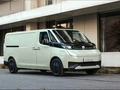
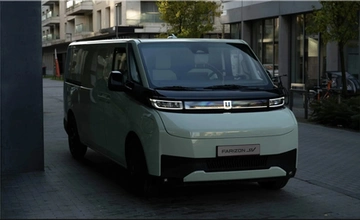
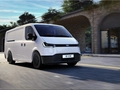
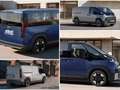
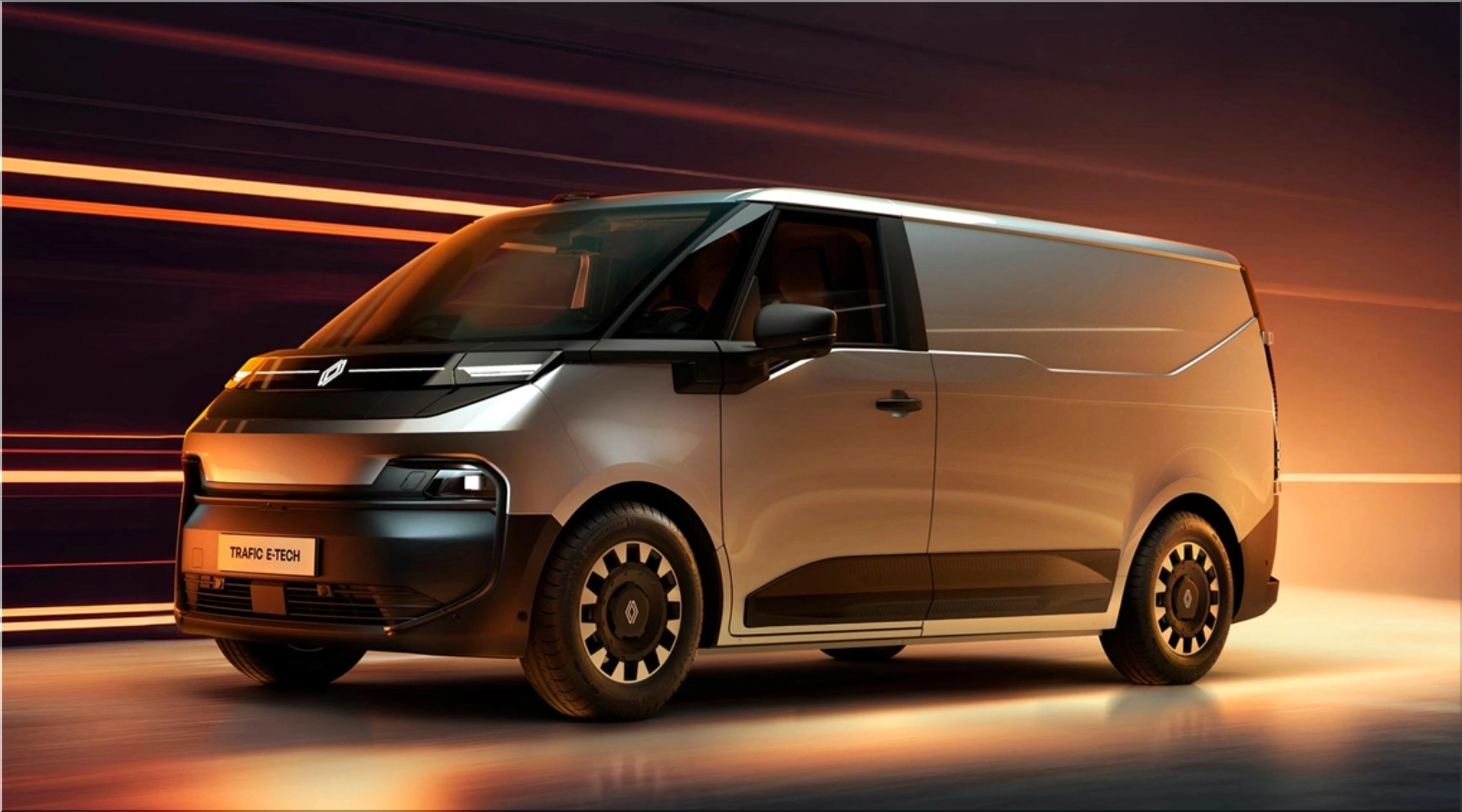
At Solutrans 2025 in Lyon, Renault introduced the Trafic E-Tech Electric, a fully electric mid-size van designed to meet the daily demands of business users. Built on an all-new 800V architecture and supported by Renault’s Software Defined Vehicle (SDV) platform, it represents a sharp pivot toward data-driven commercial mobility.
Core Performance and Range
Renault targets fleet operators that measure productivity in minutes, not miles. The Trafic E-Tech Electric van delivers:
- Motor Output: 150 kW (201 hp) and 345 Nm of torque.
- Battery Options:
- Long-range NMC pack: up to 450 km WLTP (280 mi).
- Standard LFP pack: about 350 km WLTP (217 mi).
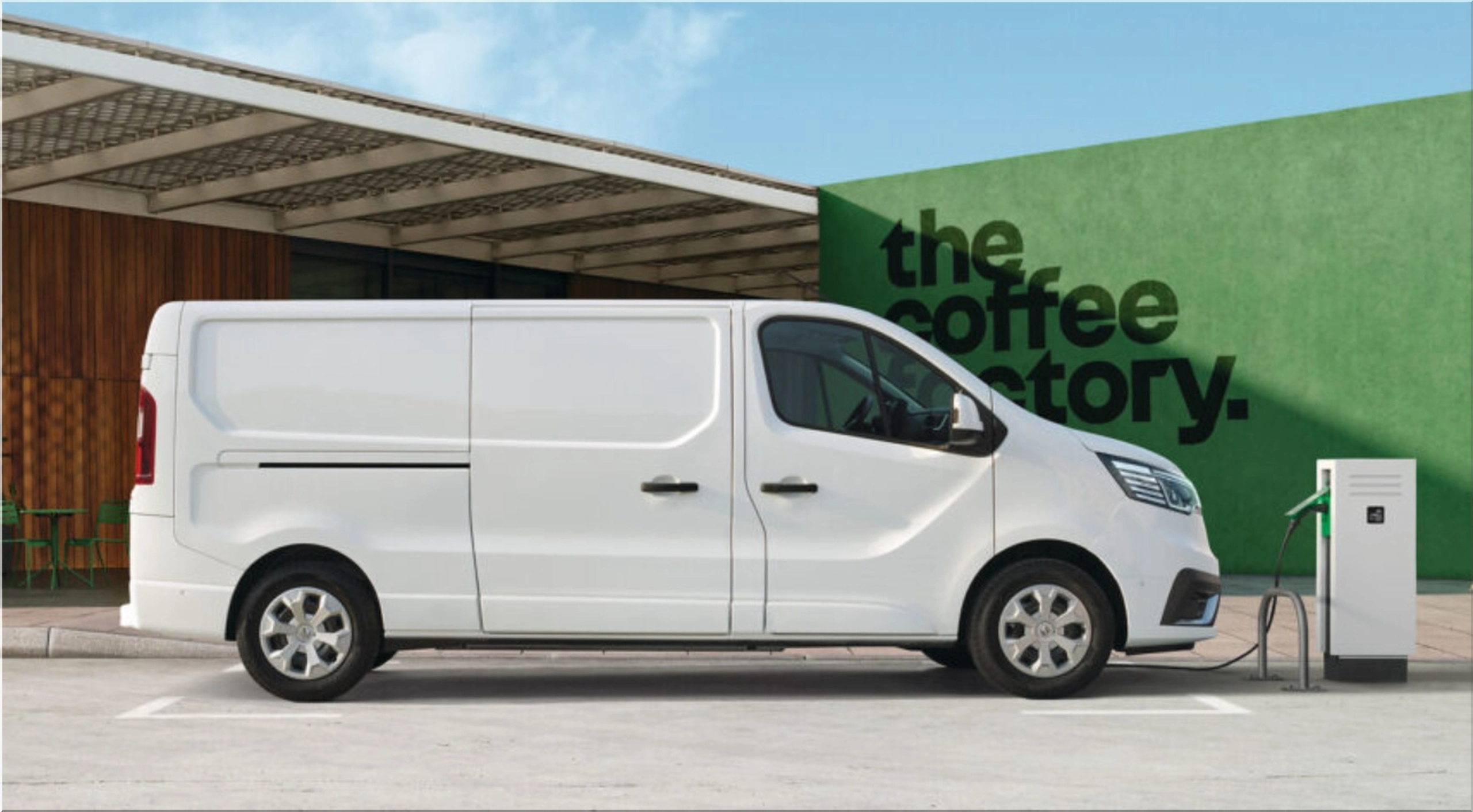
- Fast Charging: 15–80% in around 20 minutes via DC charging.
Both packs are designed for low degradation and reduced maintenance costs. Renault expects a total cost of ownership comparable to diesel models within three years.
| Specification | Trafic E-Tech Electric (Long Range) | Trafic E-Tech Electric (Standard) |
|---|---|---|
| Battery Type | NMC | LFP (no rare metals) |
| Range (WLTP) | 450 km / 280 mi | 350 km / 217 mi |
| Charging 15–80% | 20 minutes (DC) | 20 minutes (DC) |
| Power | 150 kW (201 hp) | 150 kW (201 hp) |
| Torque | 345 Nm | 345 Nm |
| Estimated Base Price | ~$58,000 USD | ~$52,000 USD |
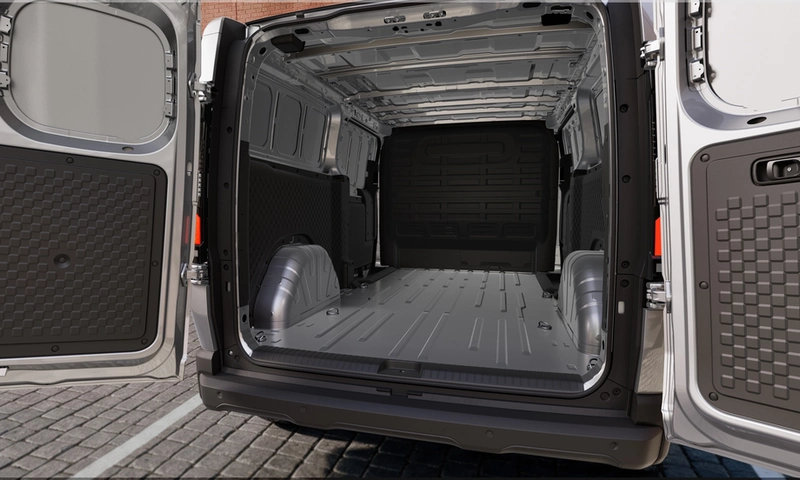
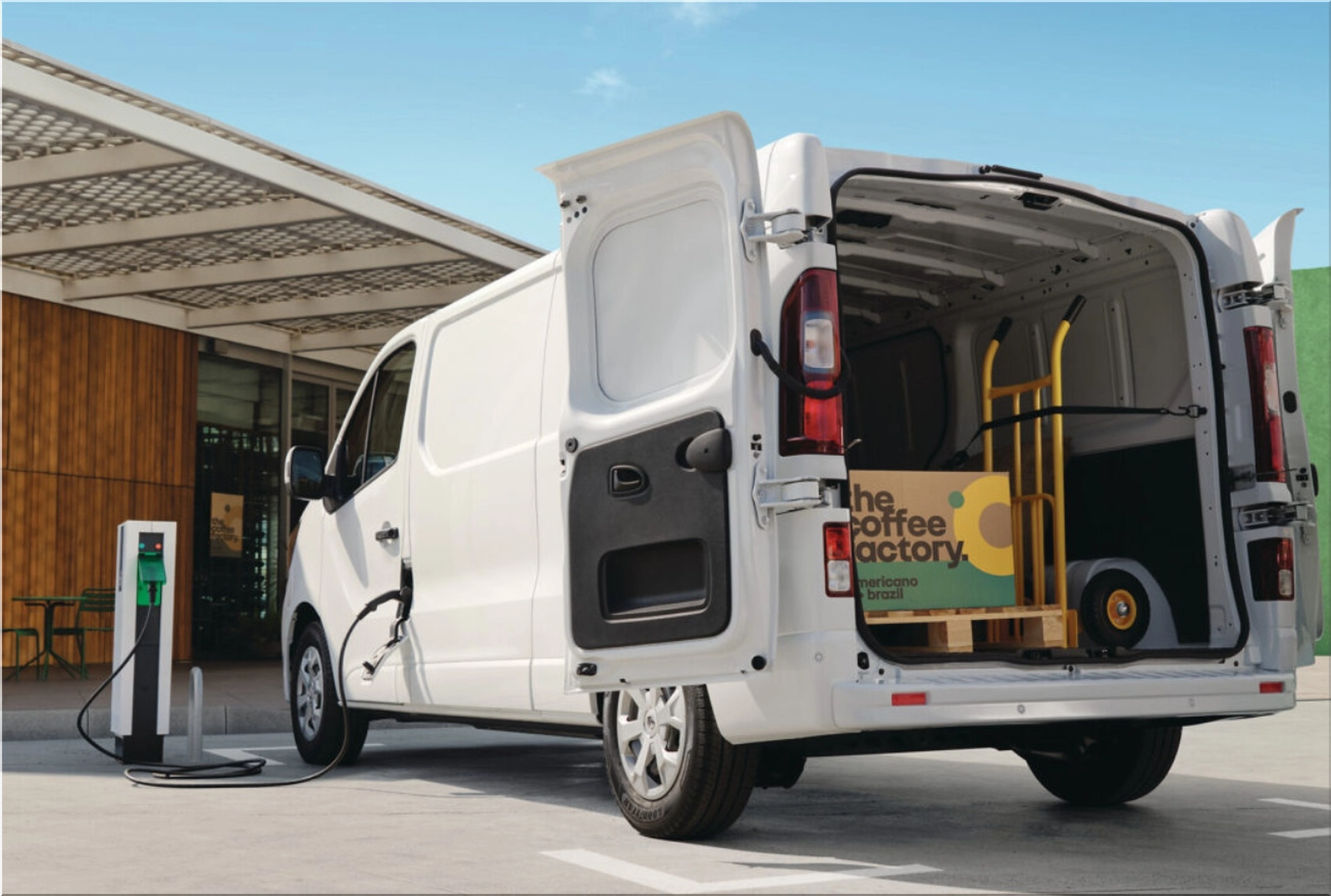
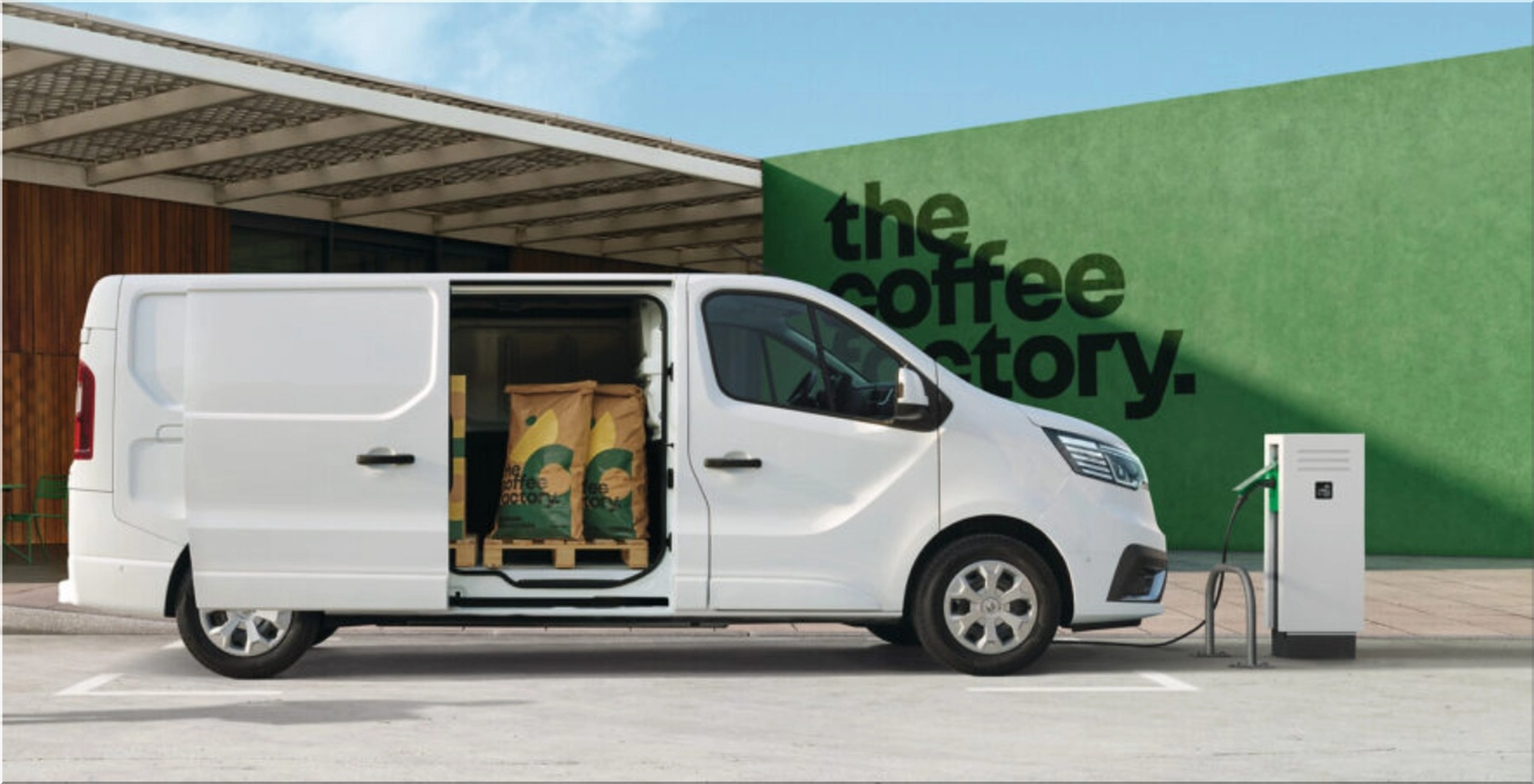
The rear-mounted motor improves traction and maximizes cargo space. Short overhangs allow better maneuverability in tight city zones—an edge for urban delivery and trades.
Image
Built for Data-Driven Fleets
The SDV platform—shared with Renault’s Ampere tech arm—enables over-the-air updates, predictive maintenance, and fleet integration tools compatible with existing telematics systems.
The Trafic E-Tech Electric supports:
- V2L (Vehicle-to-Load): Power tools or on-site equipment directly from the van’s battery.
- V2G (Vehicle-to-Grid): Feed stored energy back to the power grid during off-hours.
- Fleet API Access: Businesses can manage driver profiles, routes, and charging data in real time.
This combination positions the Trafic E-Tech Electric as both a work vehicle and a mobile energy node.
French Engineering, Factory Precision
Built at Sandouville, France, the Trafic E-Tech Electric benefits from Renault’s LCV legacy of over 125 years. The assembly line integrates Qstomize, Renault’s dedicated conversion unit, allowing rapid factory-level customization.
Factory Conversions: “Converted By Renault”
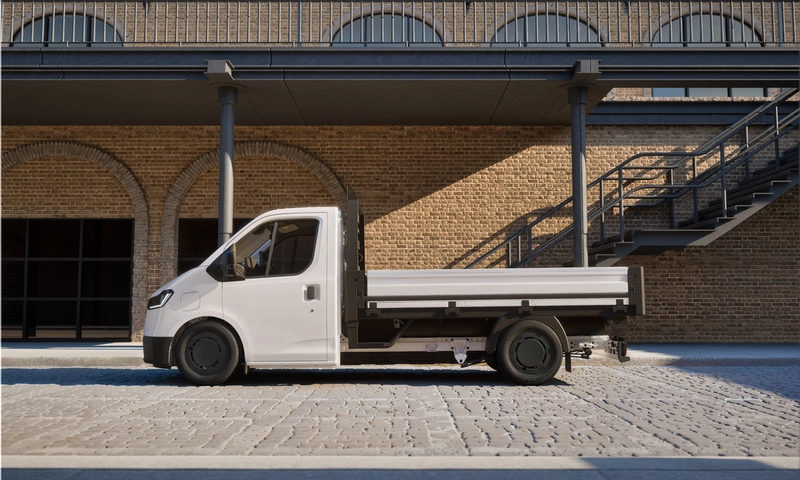
Over half of Renault’s light commercial vehicles leave the factory with some form of conversion. With Converted By Renault, modifications such as refrigeration, workshop setups, tippers, and mobility adaptations are now completed on-site, not post-delivery.
Advantages for business clients:
- Shorter delivery times – No need to outsource conversions.
- Lower costs – One integrated manufacturing process.
- Full factory warranty – Including converted components.
The Qstomize network includes 13 production sites and over 300 certified bodybuilders. All are audited annually for compliance with Renault’s quality standards.
| Conversion Type | Use Case | Production Site |
|---|---|---|
| Refrigerated Van | Food logistics | Sandouville |
| Mobile Workshop | Field maintenance | Flins |
| Tipper Truck | Construction | Batilly |
| Passenger Mobility | Medical transport | Maubeuge |
With this structure, Renault reduces lead time to under 48 hours post-production for most conversions.
Image
Interior and Digital Functionality
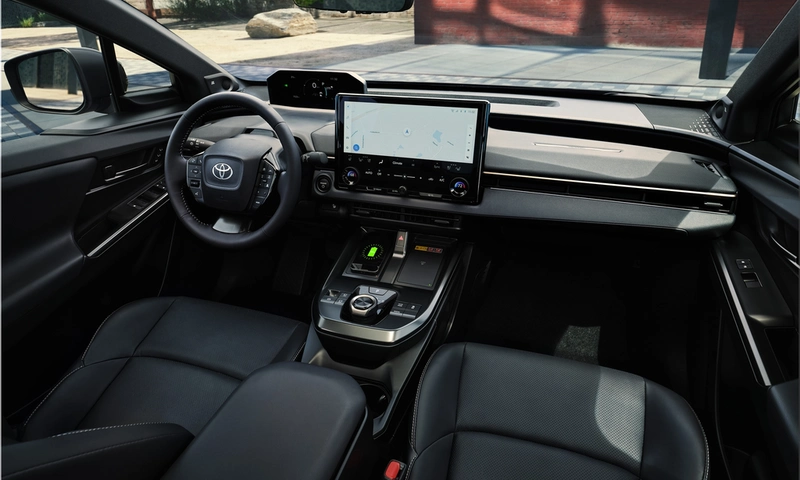
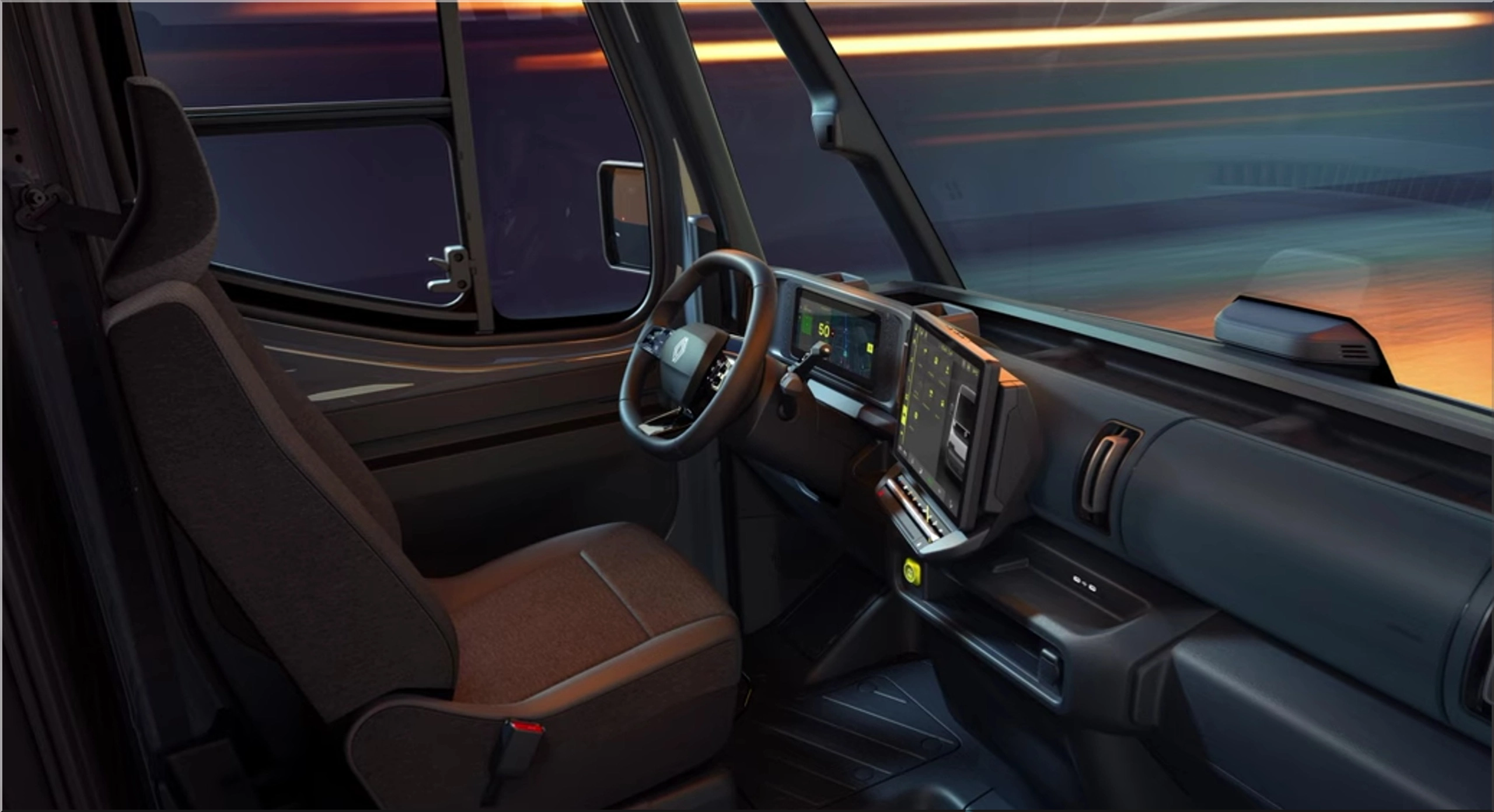
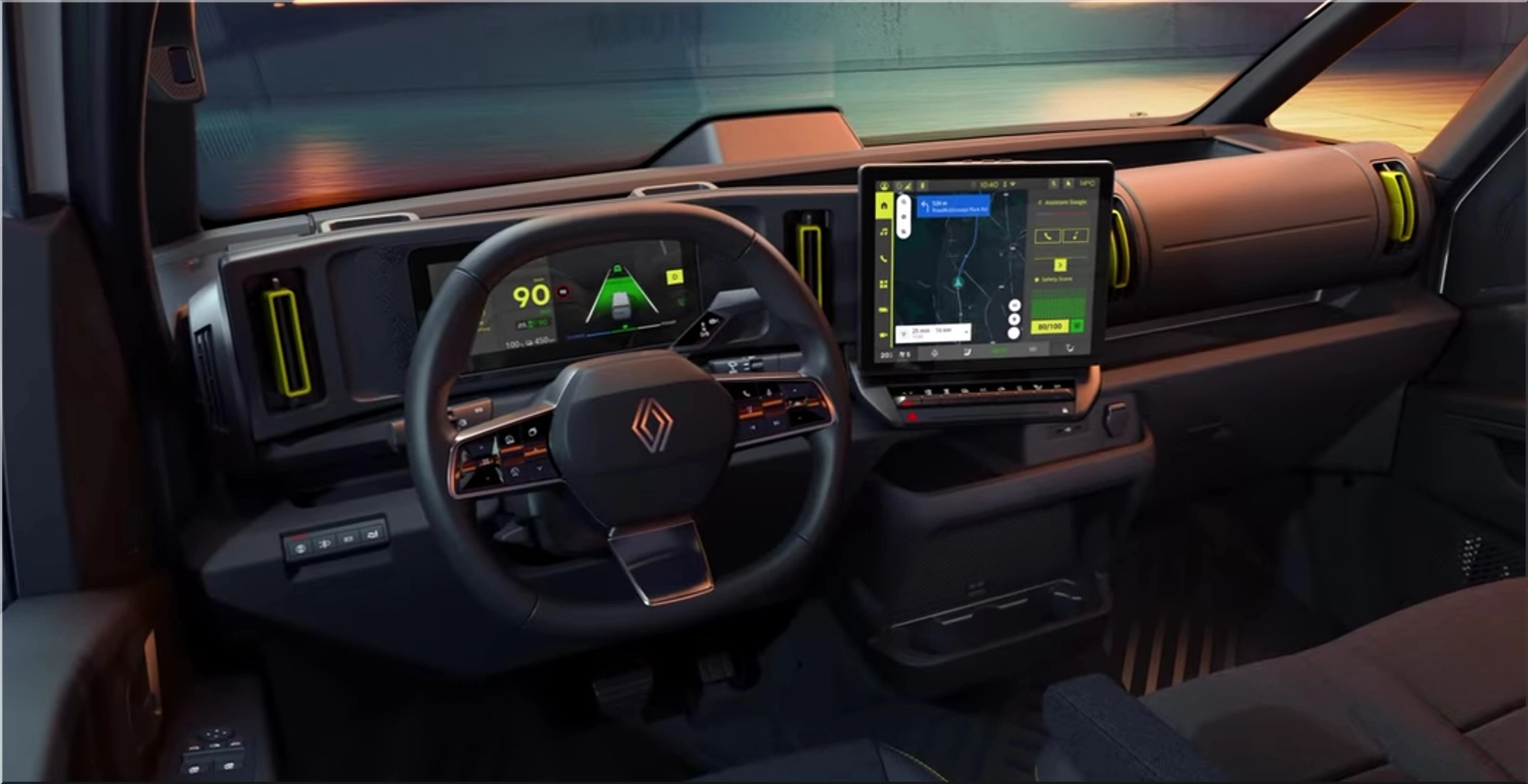
Inside, the Trafic E-Tech Electric trades vanity for function-first design. The cabin integrates:
- A 12-inch infotainment display powered by OpenR Link.
- Real-time fleet telematics dashboards.
- Smartphone-as-key functionality with encrypted access.
- Up to 80 L of in-cabin storage, including under-seat and dash compartments.
Safety has been enhanced with reinforced driver assistance systems, including adaptive braking, lane keep assist, and blind-spot monitoring—all integrated via the SDV backbone.

Eco-Design and Energy Efficiency
Both the body panels and interior trim incorporate recycled materials. Renault reports a 25% lower carbon footprint in production compared to the diesel Trafic.
The LFP battery option removes rare-earth metals, reducing cost and dependency on constrained supply chains. Combined with high-efficiency power electronics, the van achieves energy consumption figures near 20 kWh/100 km, among the best in its class.
Renault 4 E-Tech Electric Van Joins the Lineup
Alongside the Trafic, the Renault 4 E-Tech Electric Van debuted in a “business” trim with exclusive Solutrans liveries. Built under the same eco-design philosophy, it targets urban micro-delivery fleets, offering compact form, quick charge times, and modular cargo options.
Video title
New Renault Trafic, Goelette & Estafette E-Tech Electric (2026)
Mobilize and Smart Energy Integration
Renault’s Mobilize division complements the new vans with connected energy and financing services. Its Duo and Duo Pro electric quadricycles extend last-mile logistics capacity, offering sustainable transport for urban centers.
Mobilize features:
- Fleet energy management via integrated dashboards.
- Access to RCI Banque S.A. financial solutions.
- Scalable micro-mobility products in 40 countries.
This ecosystem supports Renault’s strategy to merge vehicle, energy, and finance under one umbrella for professional users.
Market Outlook and Competitive Context
The Trafic E-Tech Electric enters a segment expected to grow by over 35% in Europe by 2028, driven by emissions regulations and low-emission zones. Its direct rivals include:
| Model | Battery Capacity | Range (WLTP) | Base Price (USD) |
|---|---|---|---|
| Renault Trafic E-Tech Electric | 87 kWh | 450 km | ~$58,000 |
| Ford E-Transit Custom | 74 kWh | 380 km | ~$57,000 |
| Mercedes eVito | 60 kWh | 314 km | ~$54,000 |
| Peugeot e-Expert | 75 kWh | 400 km | ~$55,000 |
Renault’s pricing aligns closely with competitors but adds factory conversion and V2G integration—two features still rare at this price point.
Efficiency Meets Scalability
For small business owners and fleet managers, the Trafic E-Tech Electric minimizes downtime, simplifies integration, and lowers running costs through:
- Reduced maintenance (no oil changes, fewer wear parts).
- OTA software updates to fix or enhance performance.
- Energy buyback potential through grid feedback.
Renault expects the model to lead its mid-size LCV sales by 2027, especially in Western Europe and export markets where zero-emission fleet incentives remain strong.
Key Takeaways
- Range: Up to 450 km WLTP with 800V rapid charging.
- Output: 150 kW / 345 Nm.
- Charging: 15–80% in 20 minutes.
- Production: Sandouville, France.
- Conversions: Qstomize and Converted By Renault.
- Launch: Late 2026.
- Estimated Price: Starting near $52,000 USD.
Image gallery:

The Bottom Line
The 2026 Renault Trafic E-Tech Electric positions itself as the pragmatic electric van—built on measurable performance, not marketing promises. It targets operators who want reliability, fast charging, and direct data control over their fleets.
By integrating conversion manufacturing, digital connectivity, and energy services, Renault closes the gap between traditional LCVs and smart electric logistics. The result is a practical, future-ready commercial vehicle with tangible cost advantages and factory-level flexibility.
- Add new comment
- 388 views