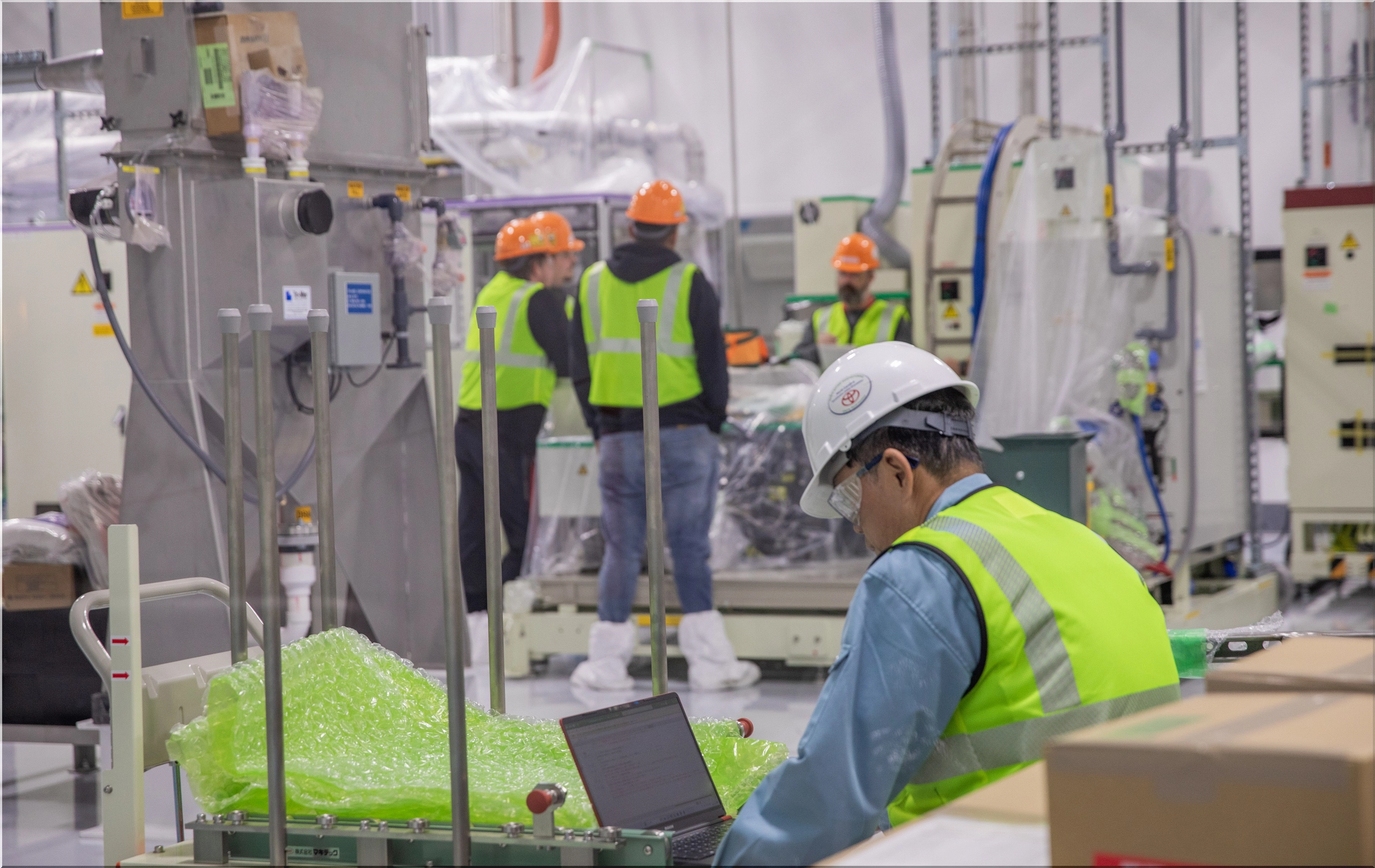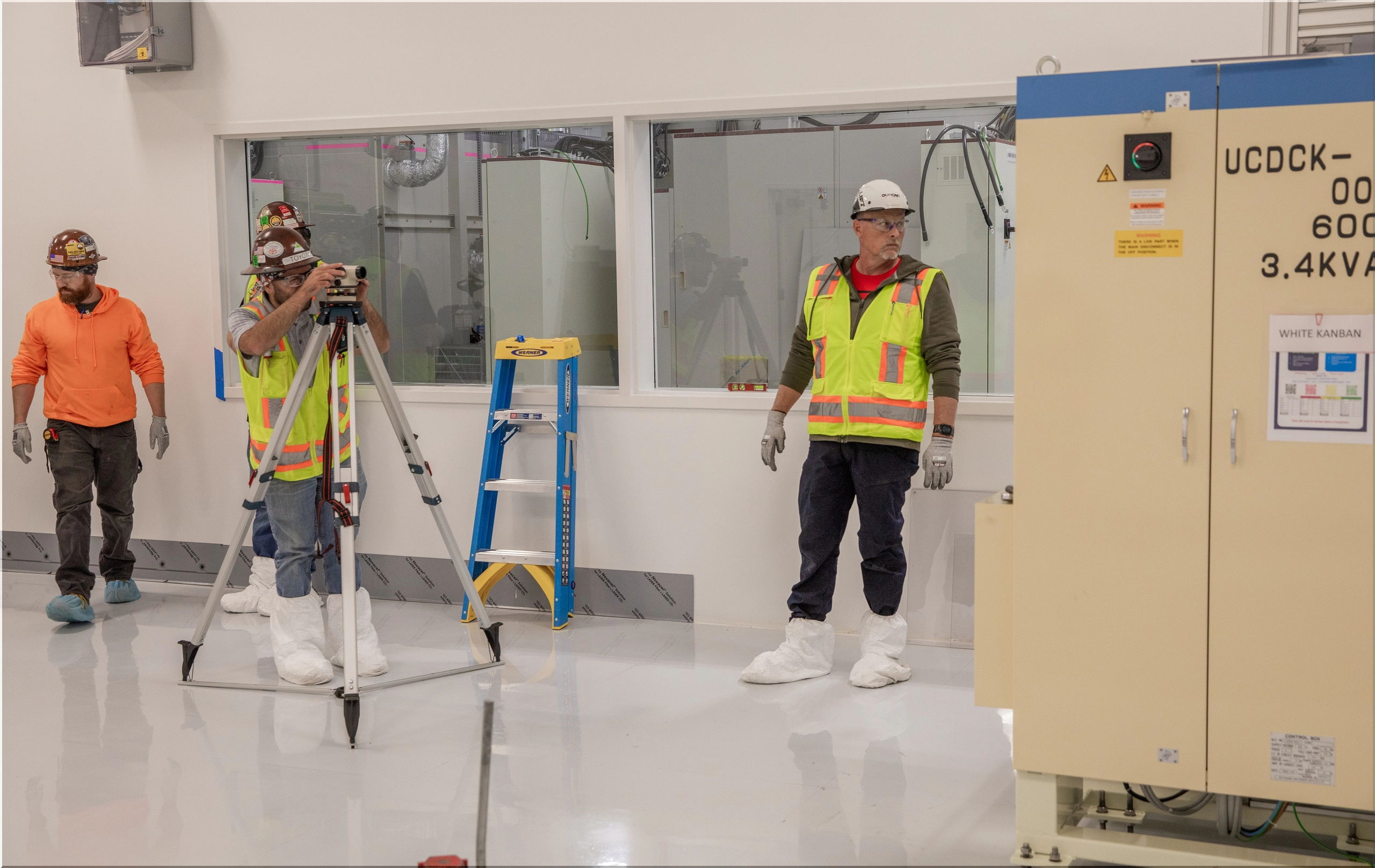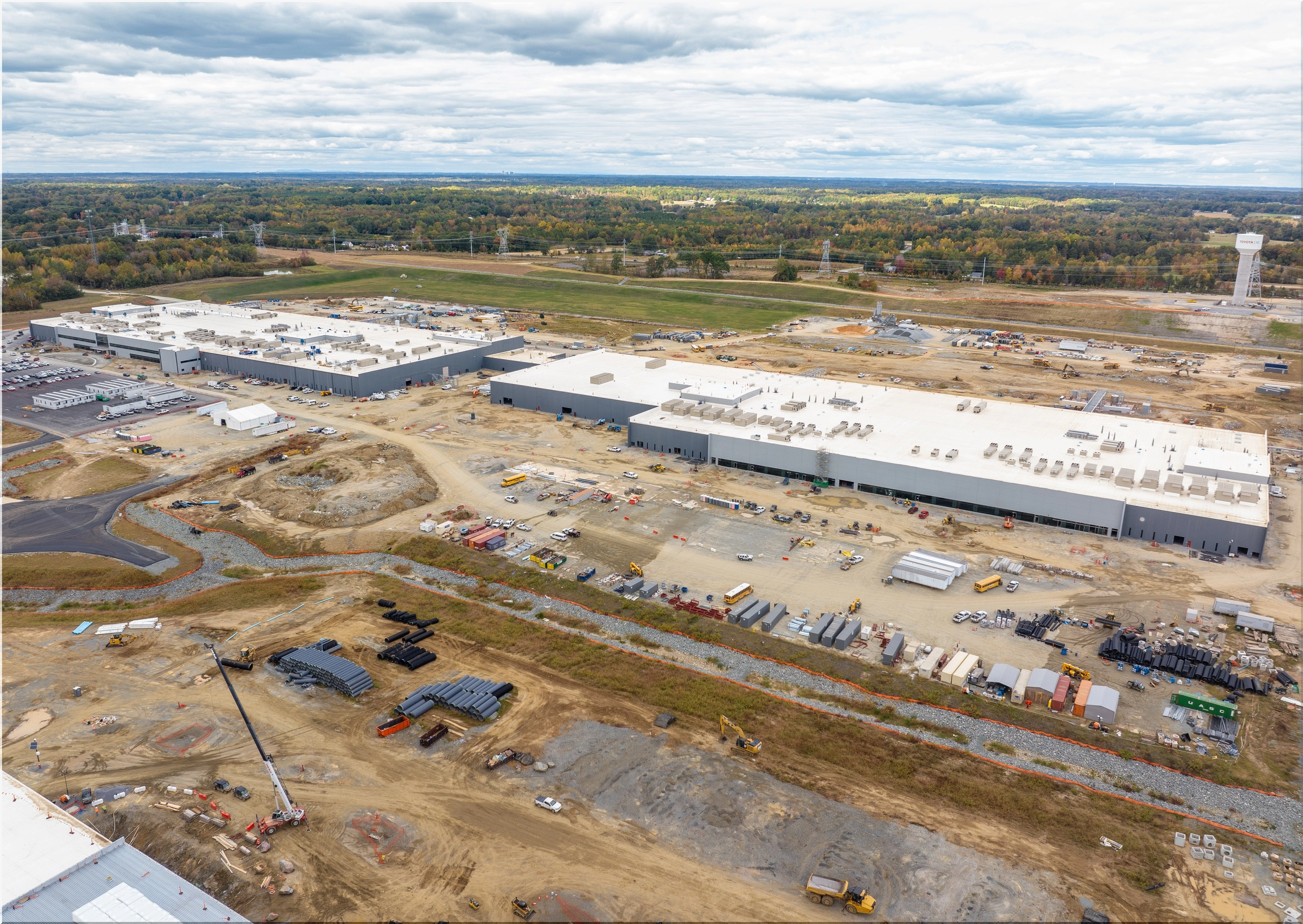
Toyota, the world's largest automaker, has announced a massive expansion of its battery plant in North Carolina, adding $8 billion and 3,000 new jobs to its existing $5.9 billion and 2,000 jobs investment. The company said it will build 10 battery production lines at the facility, which will supply batteries for its hybrid and electric vehicles (EVs) in the US market.
Why Toyota is investing in batteries
Toyota has been a pioneer in hybrid technology, with its popular Prius model being the first mass-produced hybrid car in the world. However, the company has been lagging behind its rivals in the EV market, which is expected to grow rapidly in the coming years. According to a report by BloombergNEF, global EV sales will reach 31.1 million by 2030, up from 3 million in 2020.
To catch up with the competition and meet the increasing demand for EVs, Toyota has been ramping up its battery production and development. The company has set a goal of selling 5.5 million electrified vehicles, including 1 million zero-emission vehicles, by 2025. It also plans to launch 70 new electrified models by 2025, including 15 fully electric ones.
The North Carolina battery plant is a key part of Toyota's strategy to achieve these targets. The plant will be one of the largest battery factories in the world, with an annual capacity of 200 gigawatt-hours (GWh), enough to power about 2.8 million EVs. The plant will also create a regional supply chain for battery materials and components, reducing costs and environmental impacts.