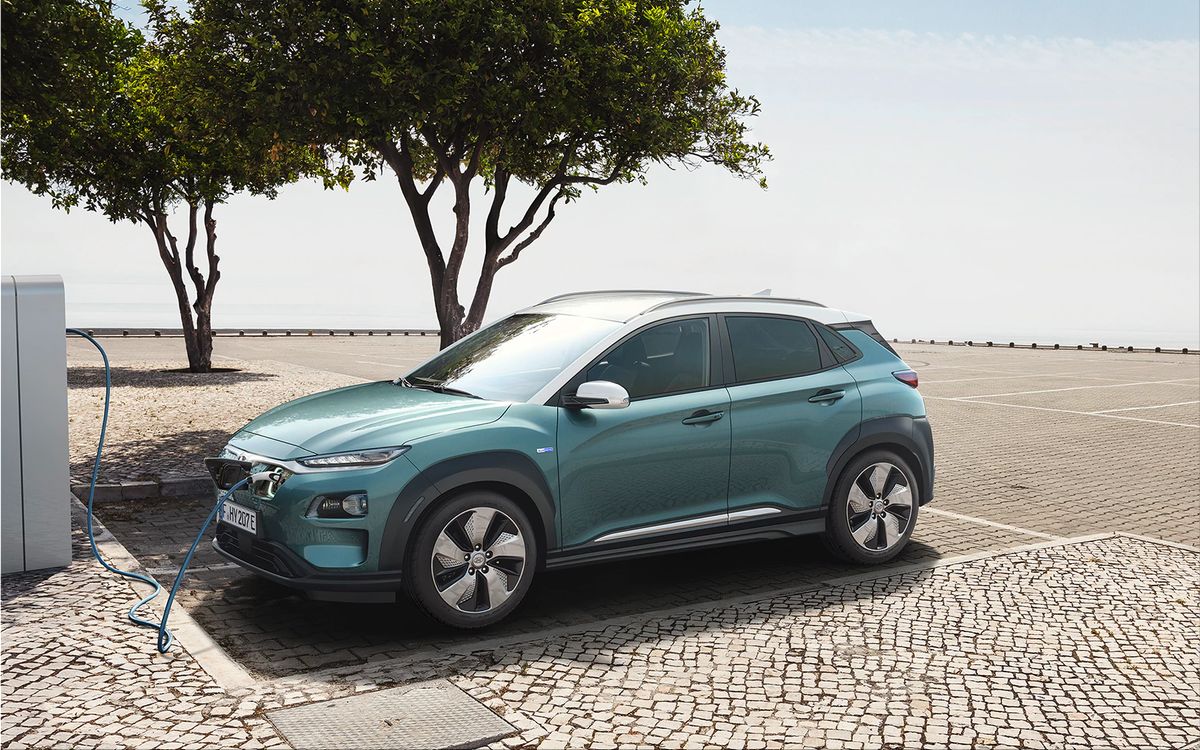
As announced a few days ago Hyundai has presented for everyone and through the Internet, the new Kona electric, a medium-sized SUV.
The fundamental characteristic of the Hyundai Kona electric are its two versions:
- The basic version will have a 39.2 kWh battery with an autonomy of 300 kilometers (186 miles) and a consumption of 14.8 kWh / 100 km. In this case the associated electric motor is 99 kW (135 HP ).
- The long-range version has a 64 kWh battery with a range of 470 kilometers (292 miles) and a 150 kW (204 HP) engine. Acceleration from 0 to 100 km / h of 7.6 seconds. Hyundai announces an average consumption of 15.2 kWh / 100 km.
Hyundai Motor is offering the first fully-electric compact SUV through an official video.

The battery is placed under the ground and the engine in the front position in the same place that the combustion engine would go, which allows to maintain in both cases the same space for both passengers and the trunk has at least 361 liters.
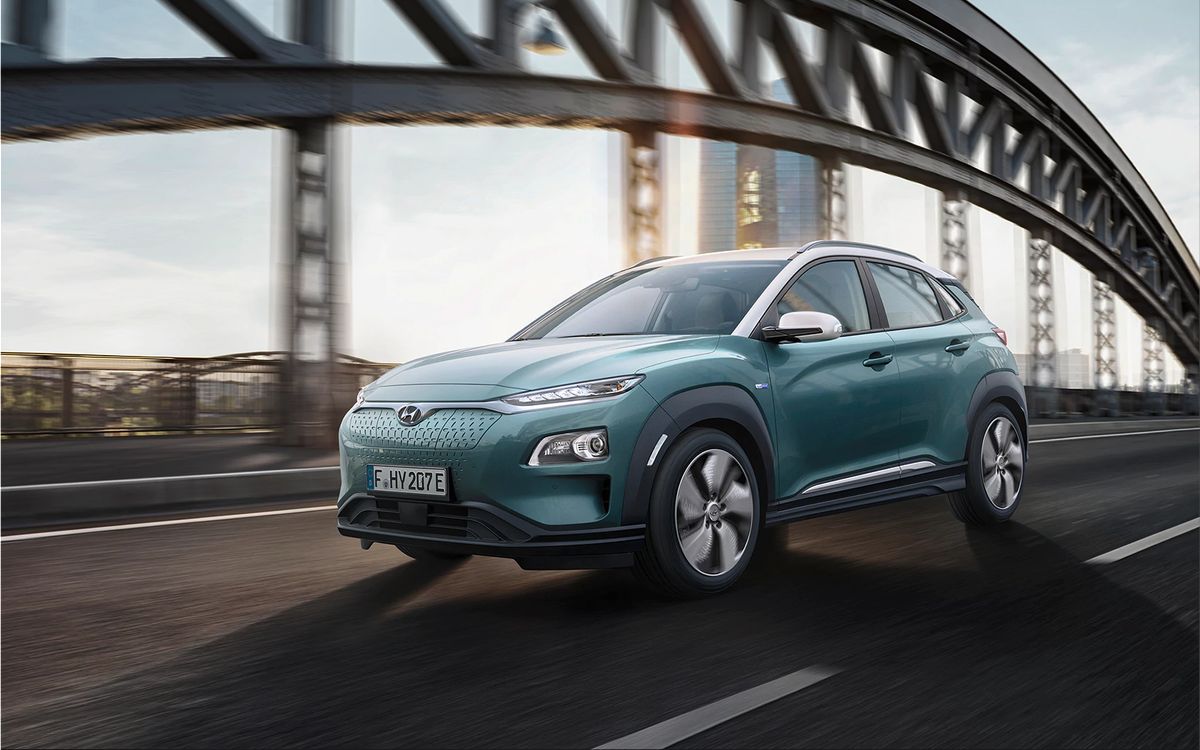
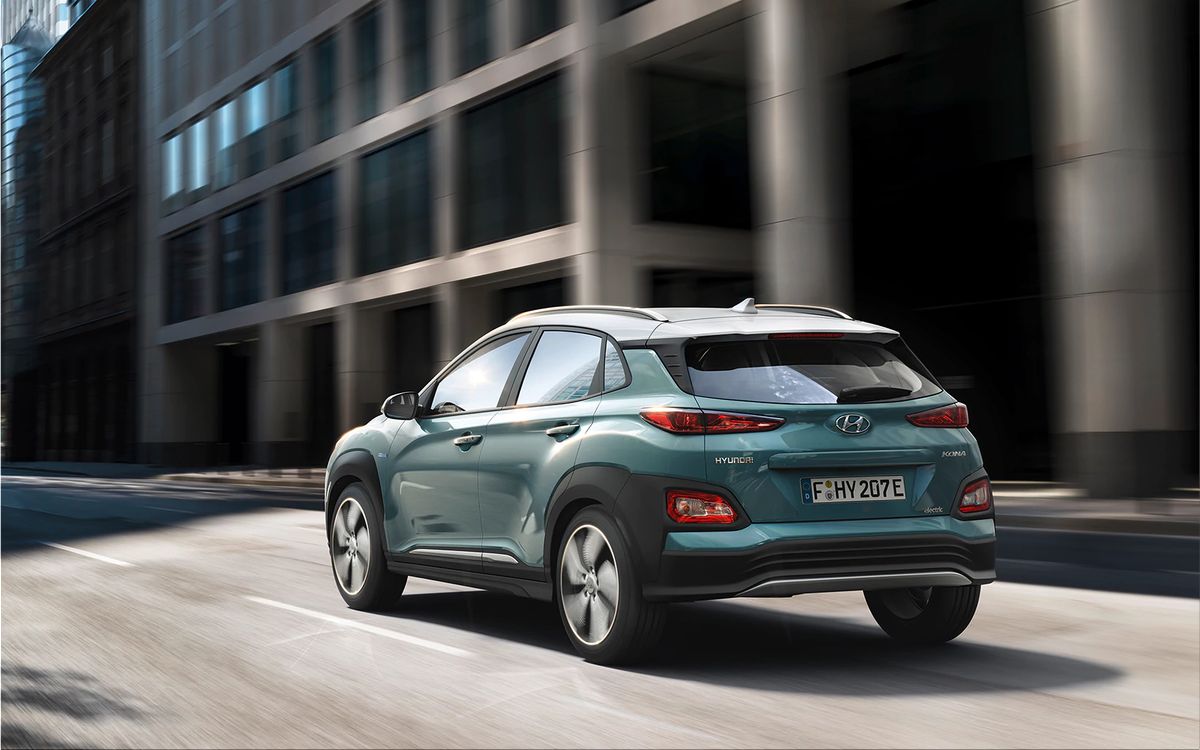
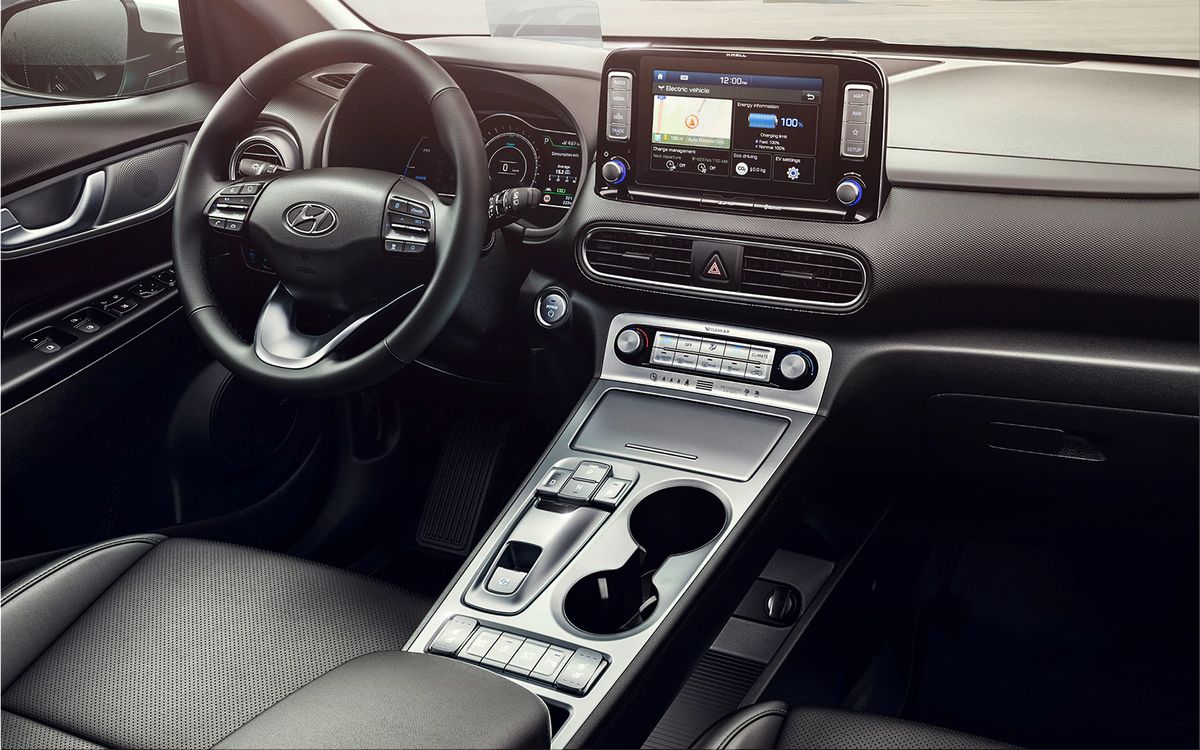
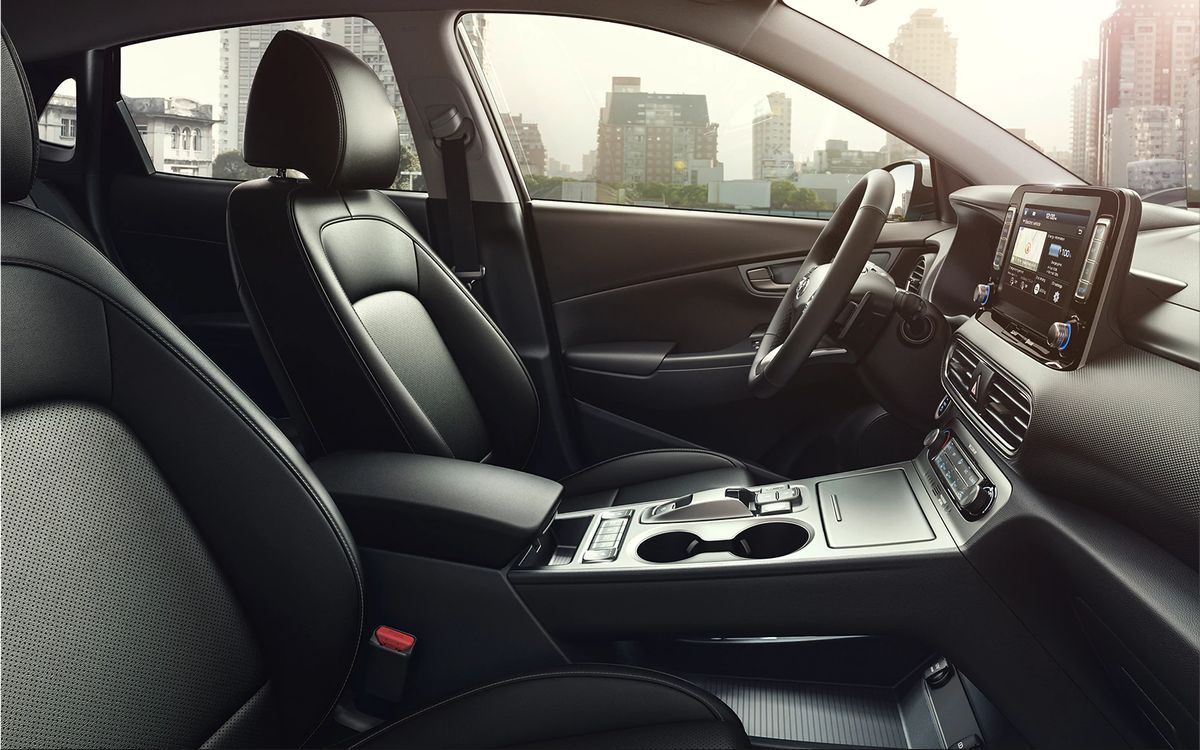
In both versions, Hyundai Kona has a torque of 395 Nm and a maximum speed of 167 km / h . It will be offered with 17-inch wheels and 21 exterior colors.
Prices for the gasoline-powered Kona start at about $21,000 in the United States. The electric version is expected to cost more.

Ford unveiled the new Mustang Mach-E to the European public for the first time today at the “Go Electric” event in London. With the European Roadshow, Ford wants to inform consumers about the path to an electrified future. In addition, 1,000 charging… Continue reading

The Hyundai plant in Nošovice, Czech Republic has resumed operation after more than three weeks of coronavirus shutdown. For the time being, only two of the usual three shifts work in Nošovice, as a spokesman for the German Press Agency… Continue reading

The Vatican has installed photovoltaic panels on the roof of the Paul VI Audience Hall to produce green energy. The Vatican encourages the use of electric and hybrid vehicles and has eliminated the use of toxic pesticides in gardens… Continue reading

Norwegian Electric Systems (NES) completed the delivery of five all-electric propulsion systems for ferries operated by Norwegian transport company Fjord1. These e-ferries each have a capacity for 50 cars and are used at four… Continue reading