Hyundai's performance in WTCR and WRC competitions highlighted the brand's competitiveness in motorsport. The current tendency to electrification presents the need to transfer these performances in a green context. The electrified championships also give the opportunity to show new technologies and in particular ETCR (the world's first all-electric multi-brand race car championship).
ETCR was announced at the Geneva Motor Show in 2018 by the promoter of TCR WSC Ltd. In December 2019, Huyndai, Cupra, Seat, and Alfa Romeo, also revealed their interest in participating.


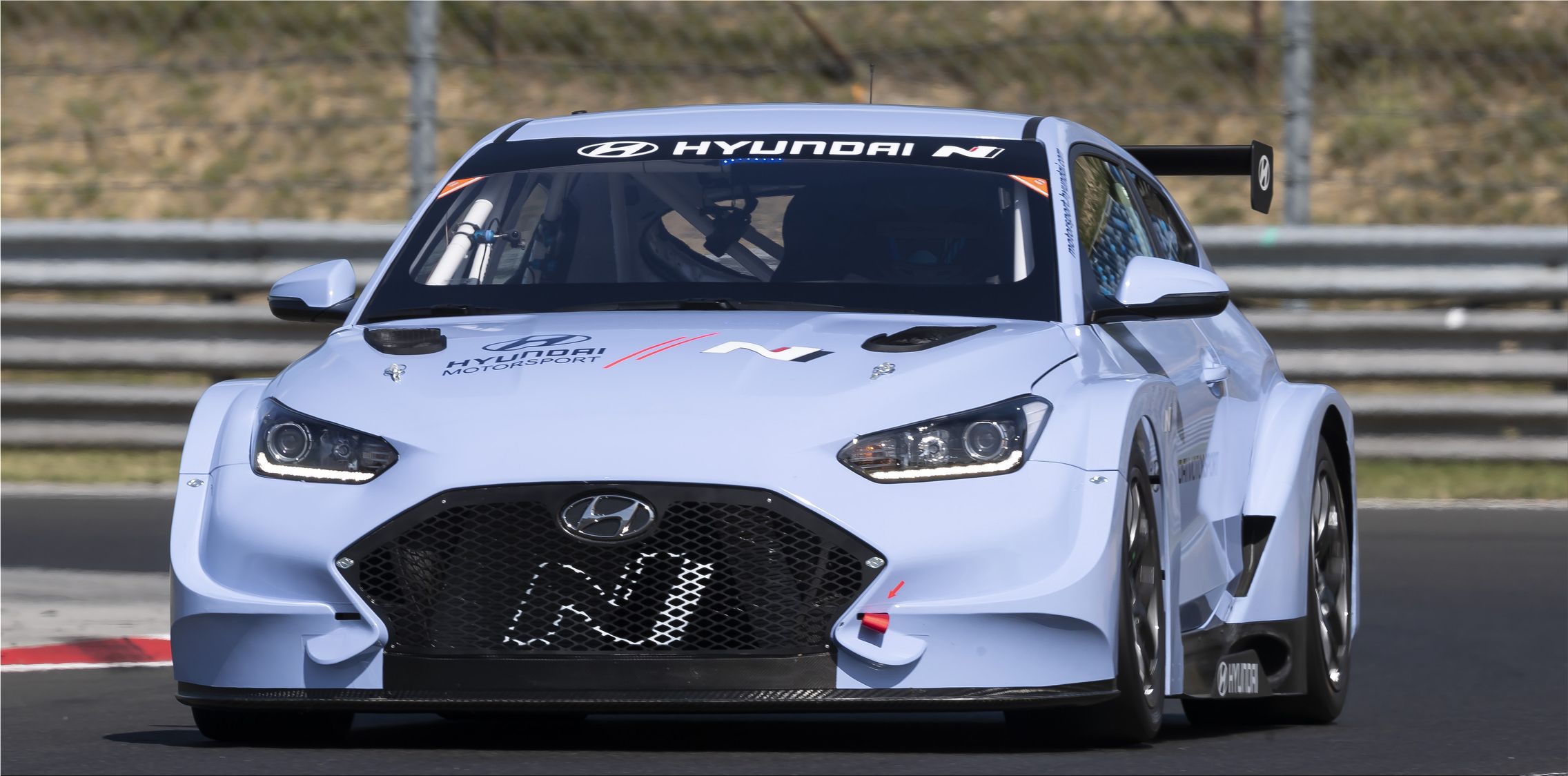
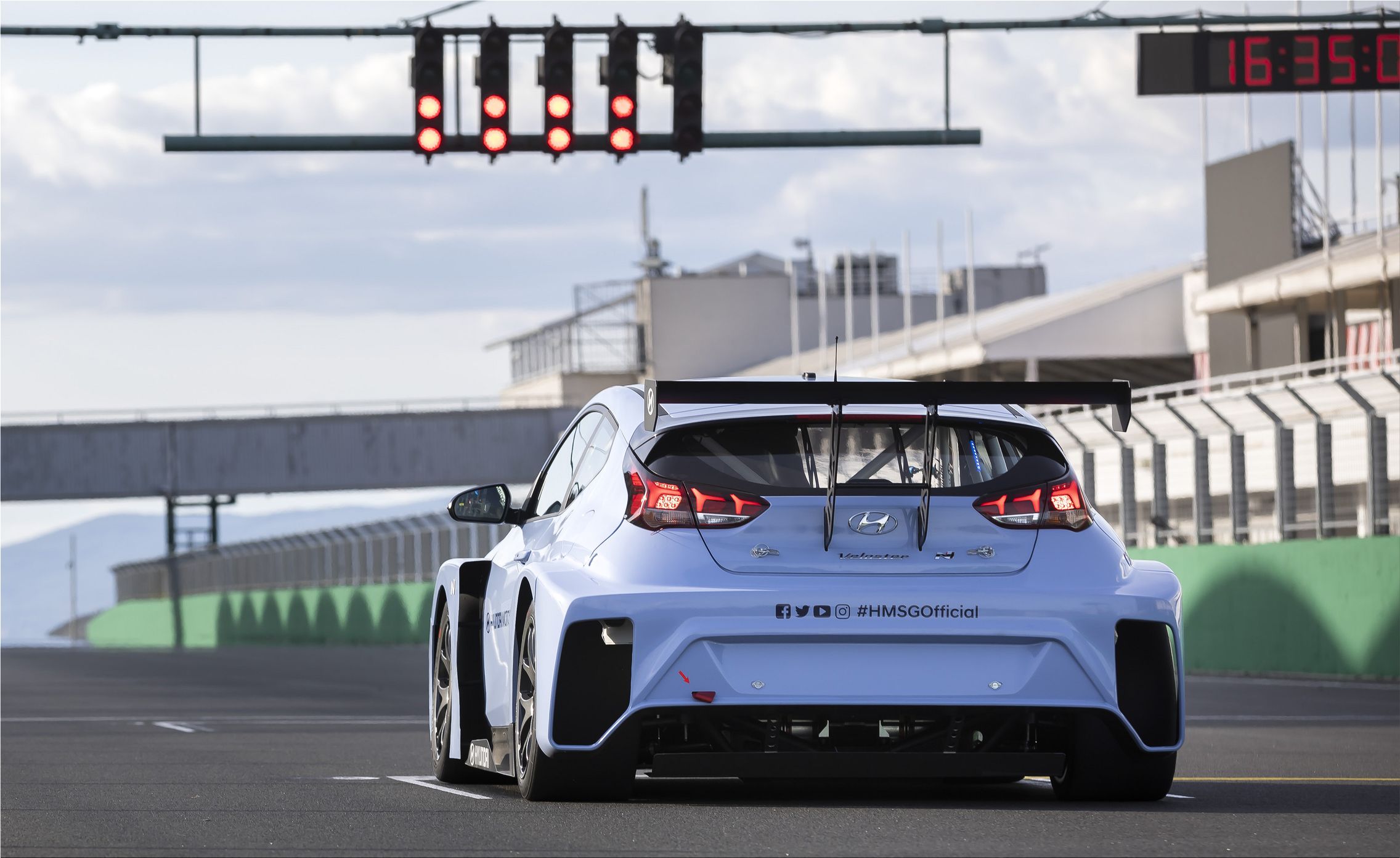
The Veloster N ETCR is Hyundai's weapon for this championship.
The Veloster N ETCR is Hyundai's first electric racing car with rear-wheel drive and a centrally mounted electric motor. The car was developed specifically for the new ETCR category, which will make its debut in 2020. Veloster will be assembled and put on wheels in Germany.
The Veloster N ETCR draws inspiration from Hyundai Motorsport's experience in designing racing cars.
It is the first 100% electric racing car of the Korean group delivering a maximum power of 500 kW.


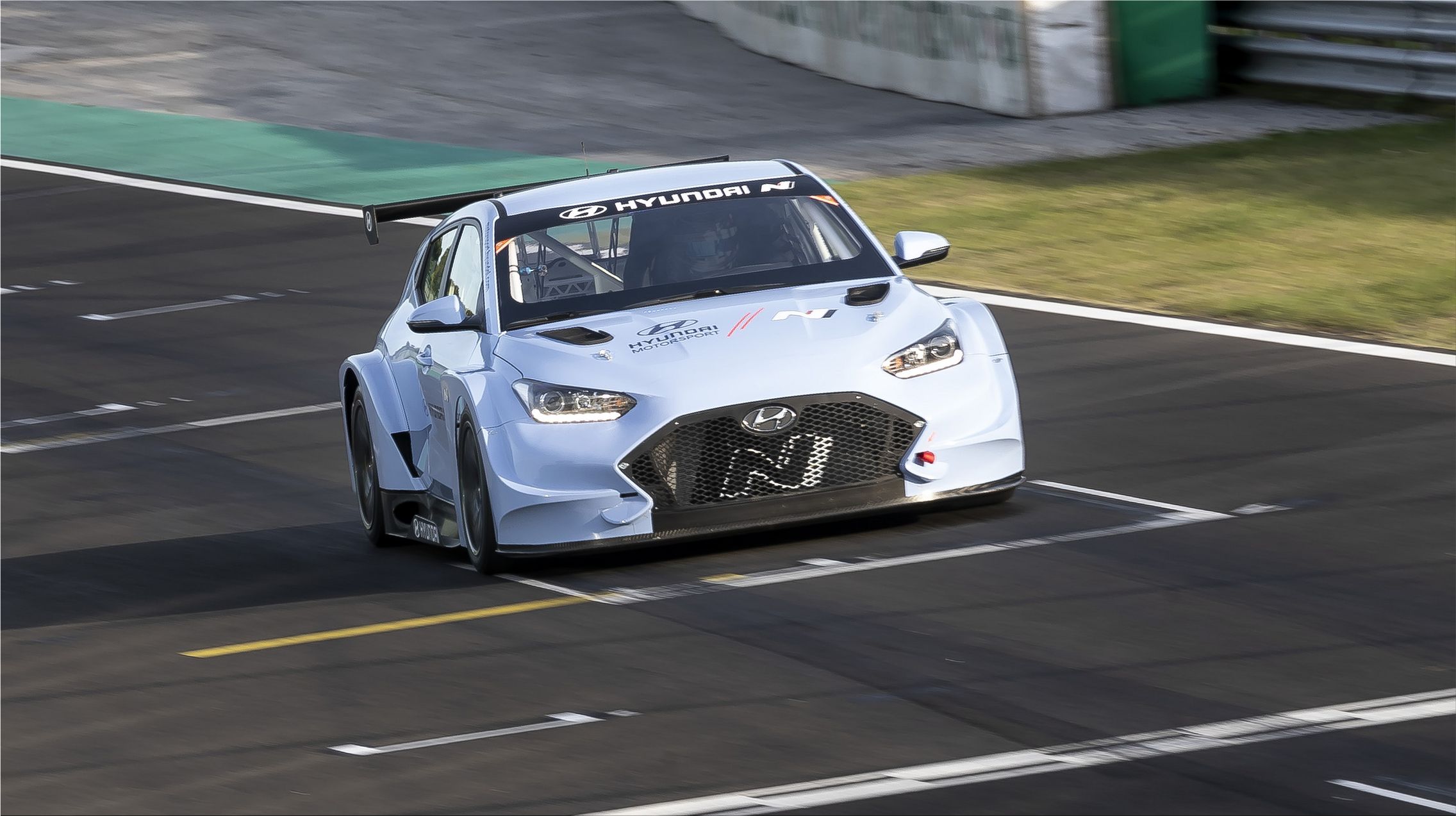
Hyundai will race against Cupra Leon ETCR and, maybe, an ETCR version of the Volkswagen ID.

NITO NES 10 is the Italian scooter of Nuova Industria Torinese designed to change the rules in the world of electric scooters. NITO NES 10 is perhaps not easily digested by everyone but certainly able to stand out and succeed: to… Continue reading

Aiming at an electric scooter at the end of 2019 makes sense, it has become economically sustainable thanks to the incentives and also allows you to save money in the long run. The Askoll eS3 Evolution boasts a power of 2,700W and is capable… Continue reading
Renault has doubled the e-mobility bonus for its Zoe model from 3,300 euros to 6,600 euros in Austria. Under certain circumstances, lease payments of EUR 76 per month are possible for Zoe in Austria. The nationwide e-mobility funding that… Continue reading
The spread of COVID-19 is helping many European countries set new records in solar energy production. All UK solar panels peaked at 9.68 gigawatts on Monday, according to information from the University of Sheffield and the National Energy… Continue reading