Hyundai's performance in WTCR and WRC competitions highlighted the brand's competitiveness in motorsport. The current tendency to electrification presents the need to transfer these performances in a green context. The electrified championships also give the opportunity to show new technologies and in particular ETCR (the world's first all-electric multi-brand race car championship).
ETCR was announced at the Geneva Motor Show in 2018 by the promoter of TCR WSC Ltd. In December 2019, Huyndai, Cupra, Seat, and Alfa Romeo, also revealed their interest in participating.


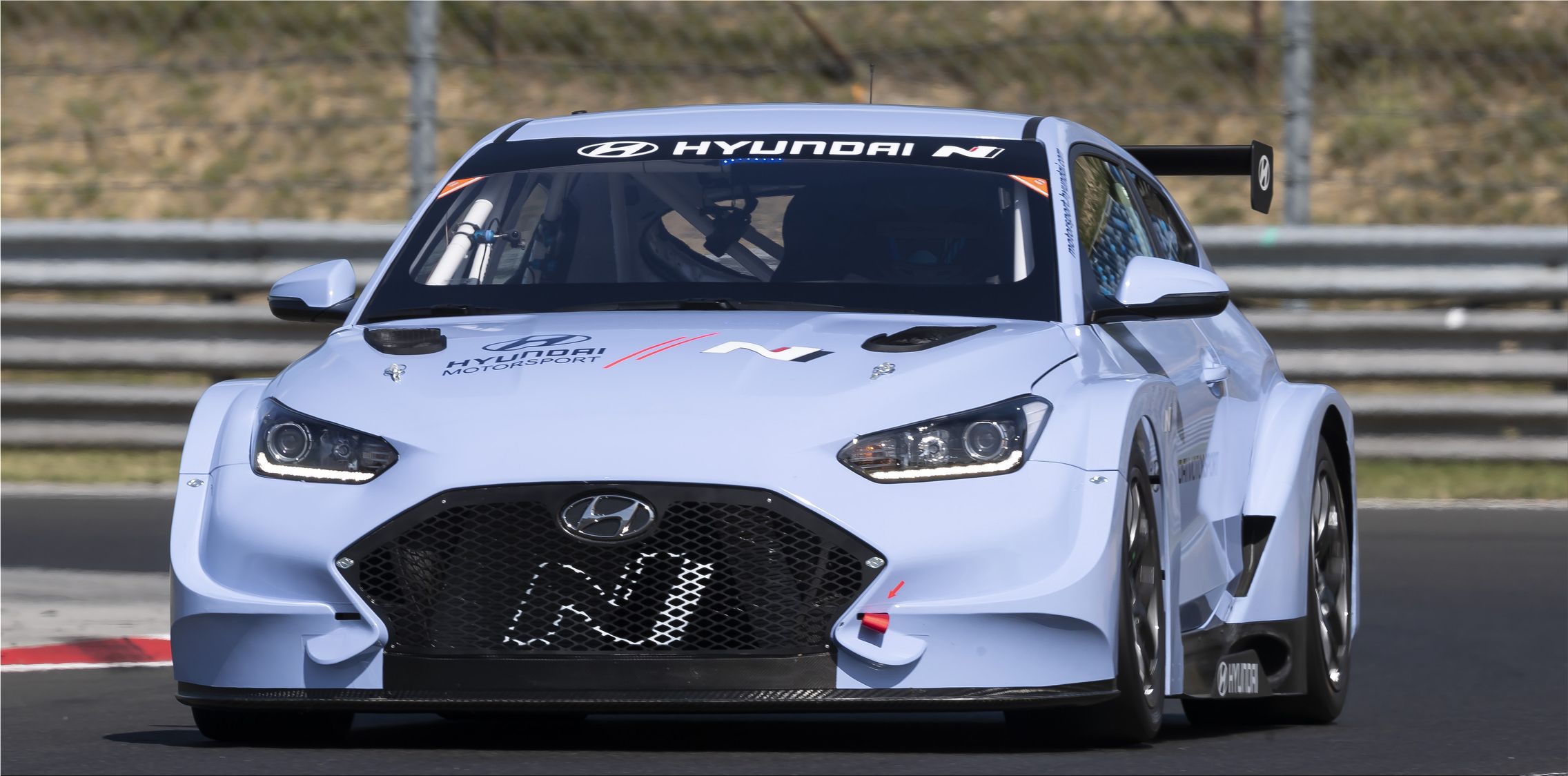
The Veloster N ETCR is Hyundai's weapon for this championship.
The Veloster N ETCR is Hyundai's first electric racing car with rear-wheel drive and a centrally mounted electric motor. The car was developed specifically for the new ETCR category, which will make its debut in 2020. Veloster will be assembled and put on wheels in Germany.
The Veloster N ETCR draws inspiration from Hyundai Motorsport's experience in designing racing cars.
It is the first 100% electric racing car of the Korean group delivering a maximum power of 500 kW.
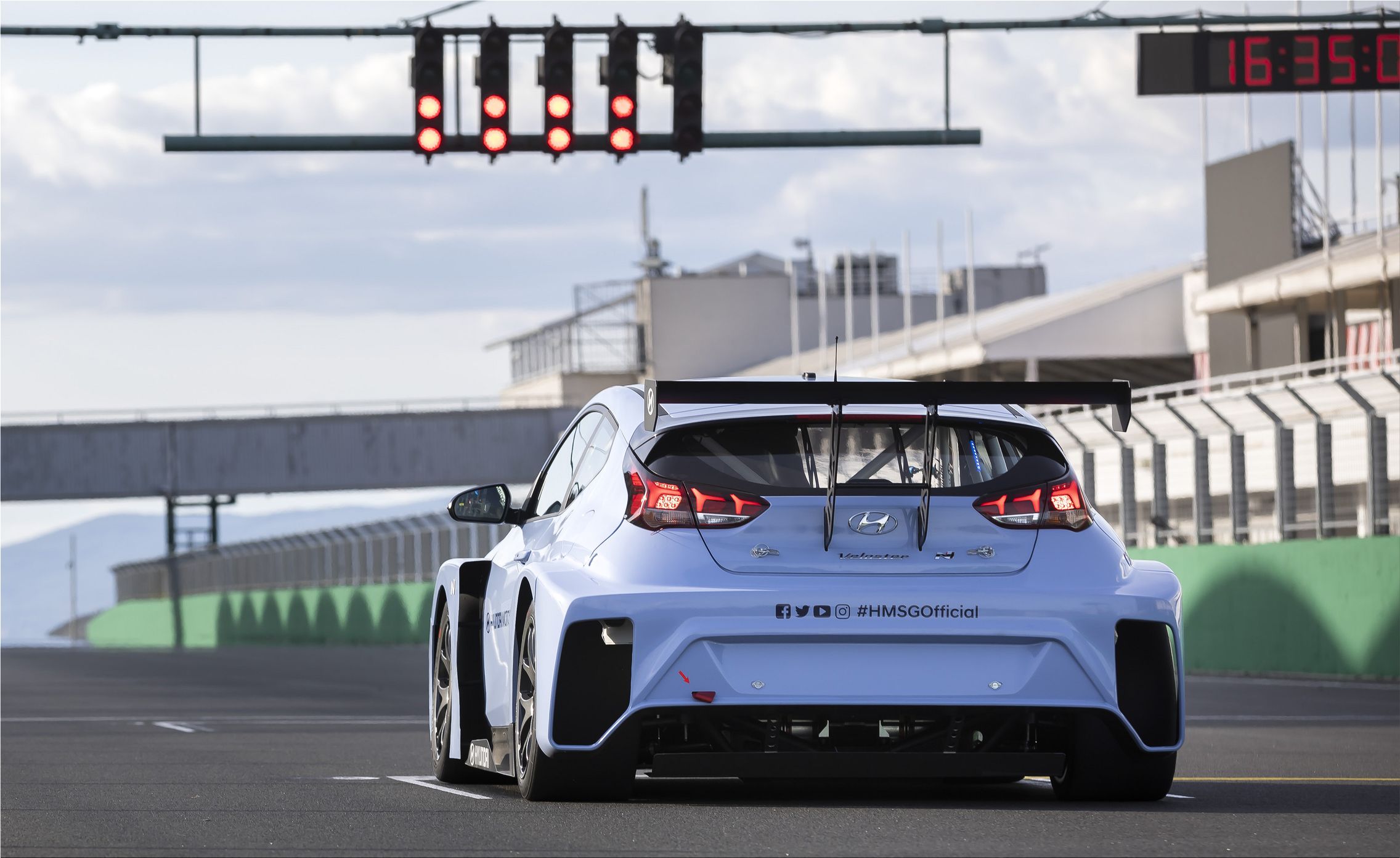


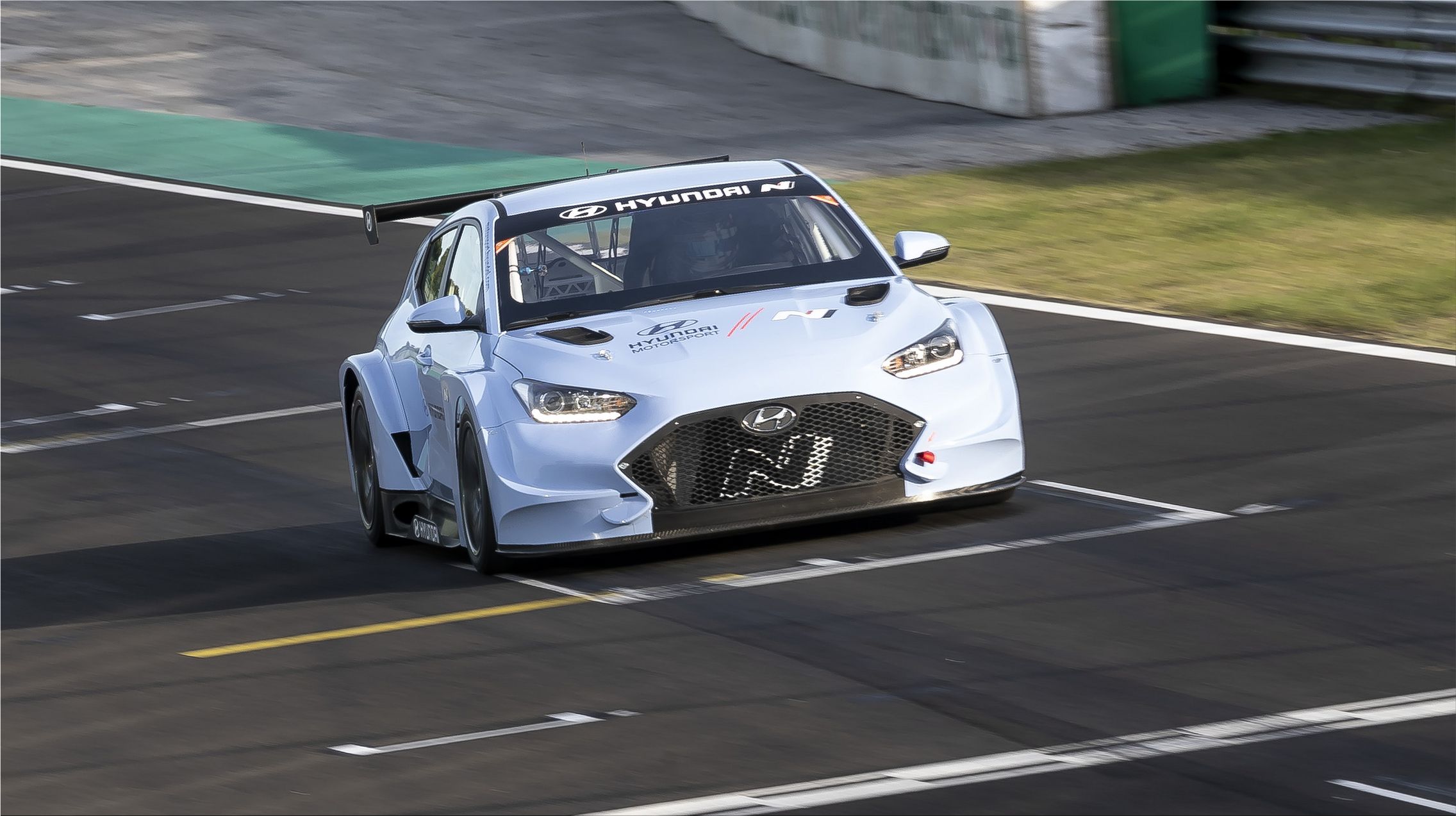
Hyundai will race against Cupra Leon ETCR and, maybe, an ETCR version of the Volkswagen ID.
Maxus Targets Fleets with a Work-Ready, Battery-Electric Pickup Truck That Tows and Hauls Without Overpromising Maxus, the SAIC Motor subsidiary already known in Europe for electric vans, has entered the battery-powered pickup truck segment.… Continue reading
Porsche’s 2026 Macan GTS Electric marks a turning point for the brand’s electric lineup. For the first time, the GTS badge joins the Macan Electric family, offering raw performance with engineering precision.… Continue reading
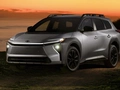
The electric vehicle market just received a significant jolt with the arrival of the 2026 Toyota bZ Woodland. This is not a subtle iteration of existing tech. It is a calculated, aggressive expansion of the bZ family designed to… Continue reading
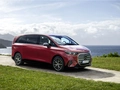
The Mercedes-Benz VLE 300 turns the premium electric van into a serious long-distance family and shuttle tool. It pairs a 115 kWh usable battery, 800-volt charging, up to 443 miles of WLTP range, and a flexible five-to-eight-seat cabin with… Continue reading