The 2026 Nissan Leaf enters its third generation with a clear goal: keep electric vehicles affordable while adding range and features. Nissan prices the Leaf S+ grade at $29,990, undercutting every other new EV in the U.S. market. That price point matters. It makes the Leaf the only EV with over 300 miles of range that still starts under $30,000.
Price Strategy: Undercutting Rivals
Nissan positions the Leaf as the price leader. For context:
- 2026 Leaf S+: $29,990
- 2026 Leaf SV+: $34,230
- 2026 Leaf Platinum+: $38,990
The 2011 Leaf launched at $32,780. Fifteen years later, Nissan charges less for a vehicle with far more range, features, and charging access.
Compared to the outgoing 2025 Leaf SV Plus, the new SV+ trims $1,960 while offering a bigger battery and more tech. Nissan isn’t cutting features to cut price. Instead, it’s using scale and design efficiency to keep EV adoption accessible.
Range and Efficiency: Competitive Metrics
The 2026 Leaf S+ delivers up to 303 miles of EPA-estimated range. Efficiency ratings matter too:
- 131 MPGe city
- 111 MPGe highway
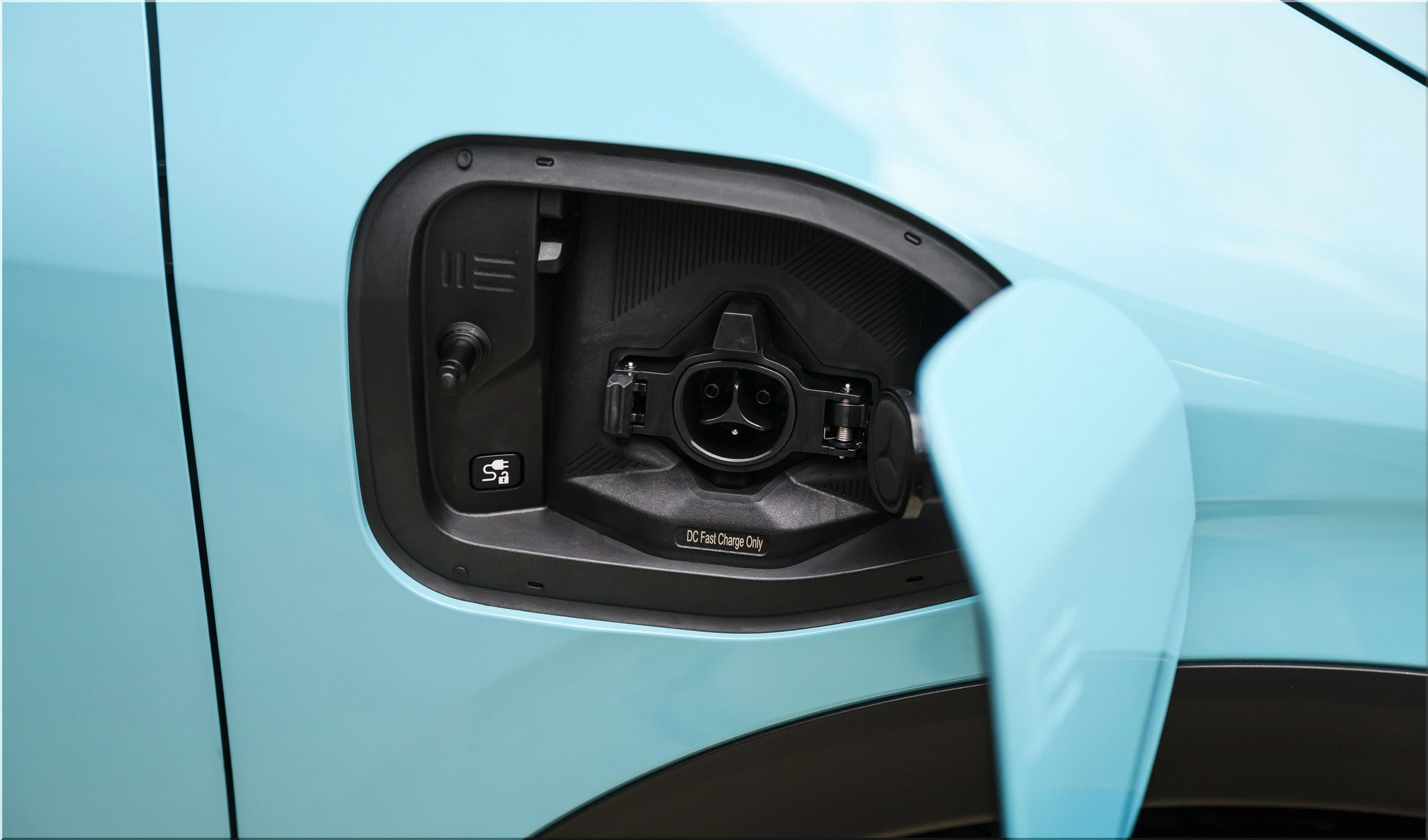
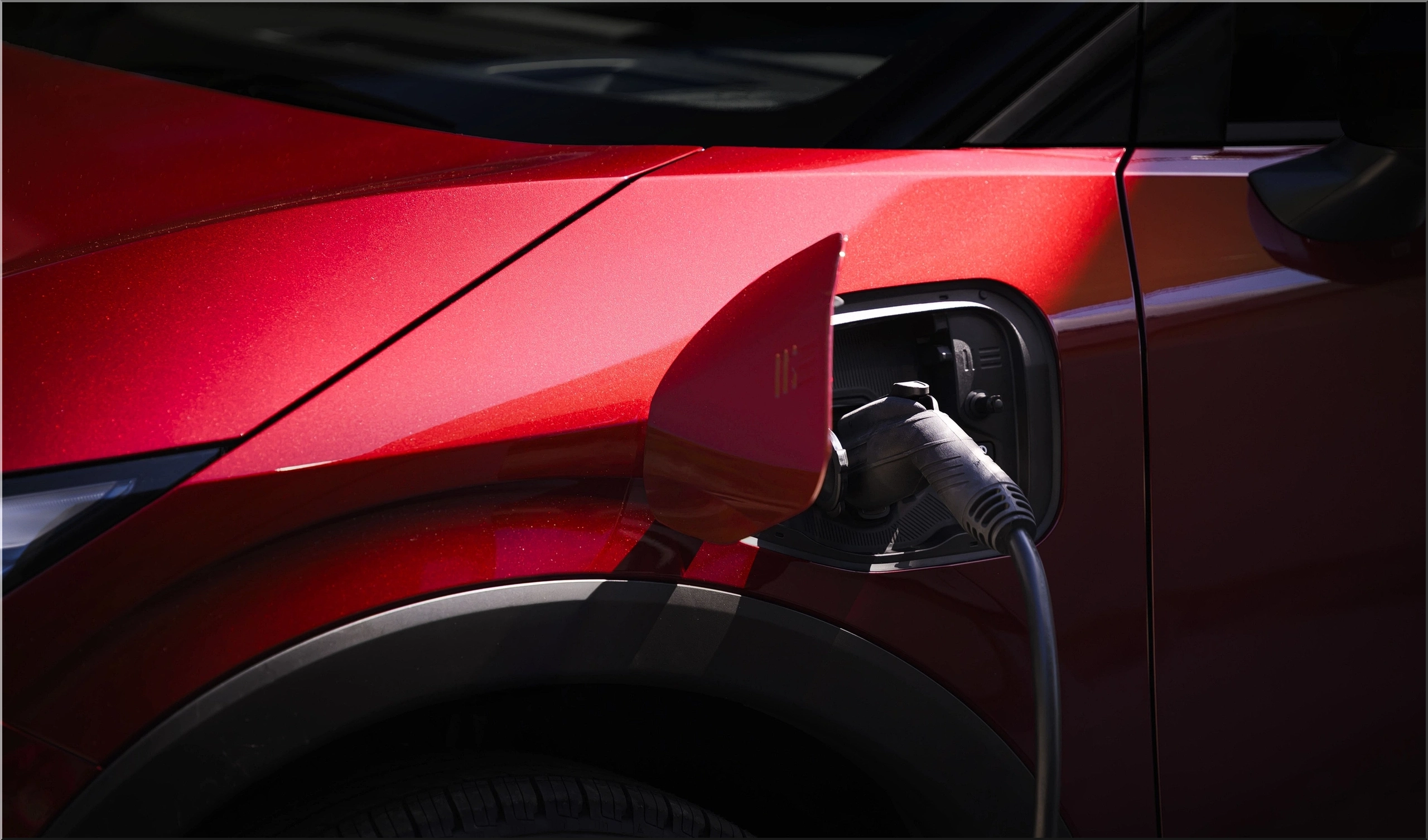
The 75 kWh pack achieves parity with larger EVs in the segment while keeping cost down. Nissan also integrates North American Charging Standard (NACS) with Plug & Charge. That provides access to more than 20,000 Tesla Superchargers in the U.S..
For daily use, the combination of long range and nationwide fast charging solves one of the main barriers to EV adoption: convenience.
Design: Functional Changes
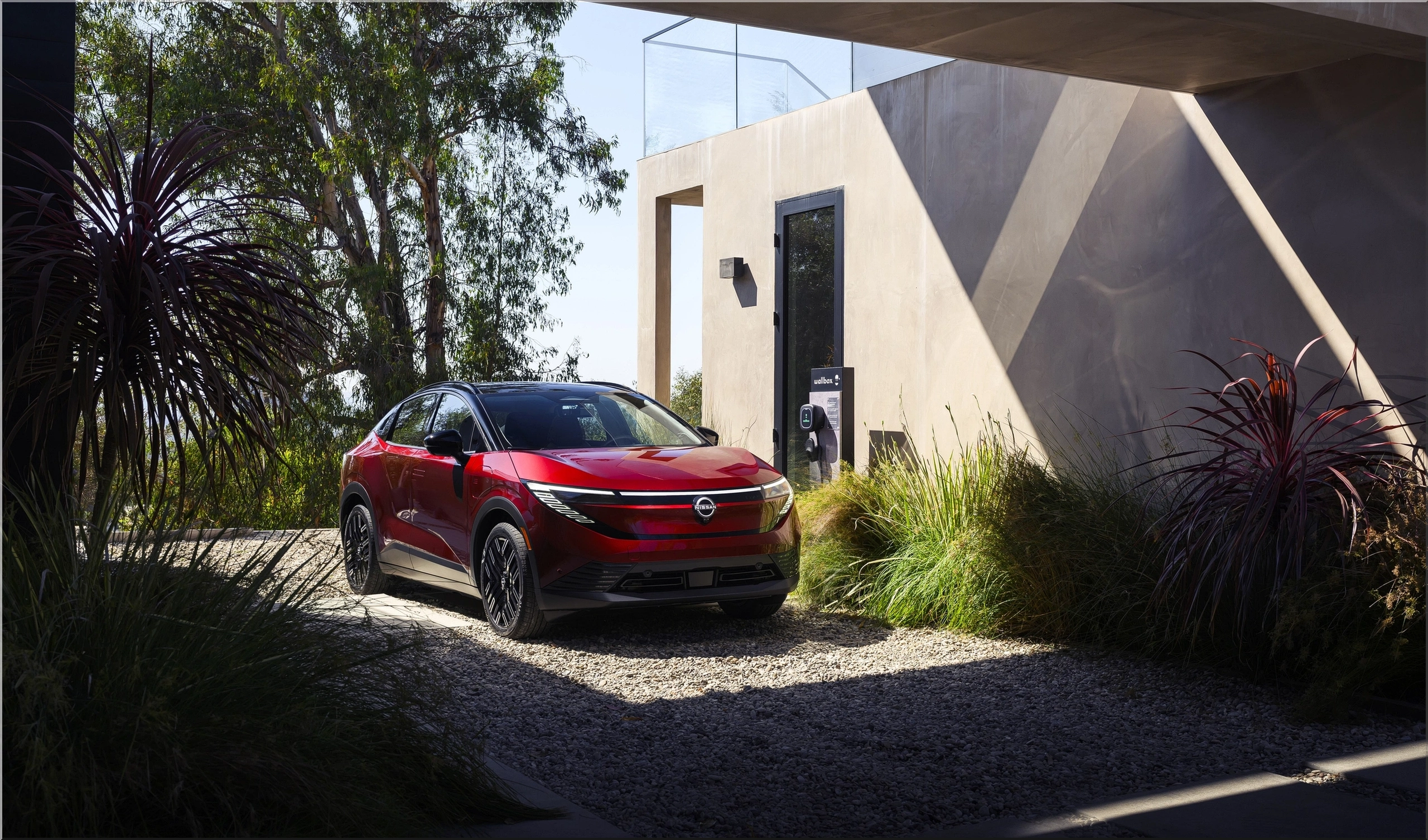
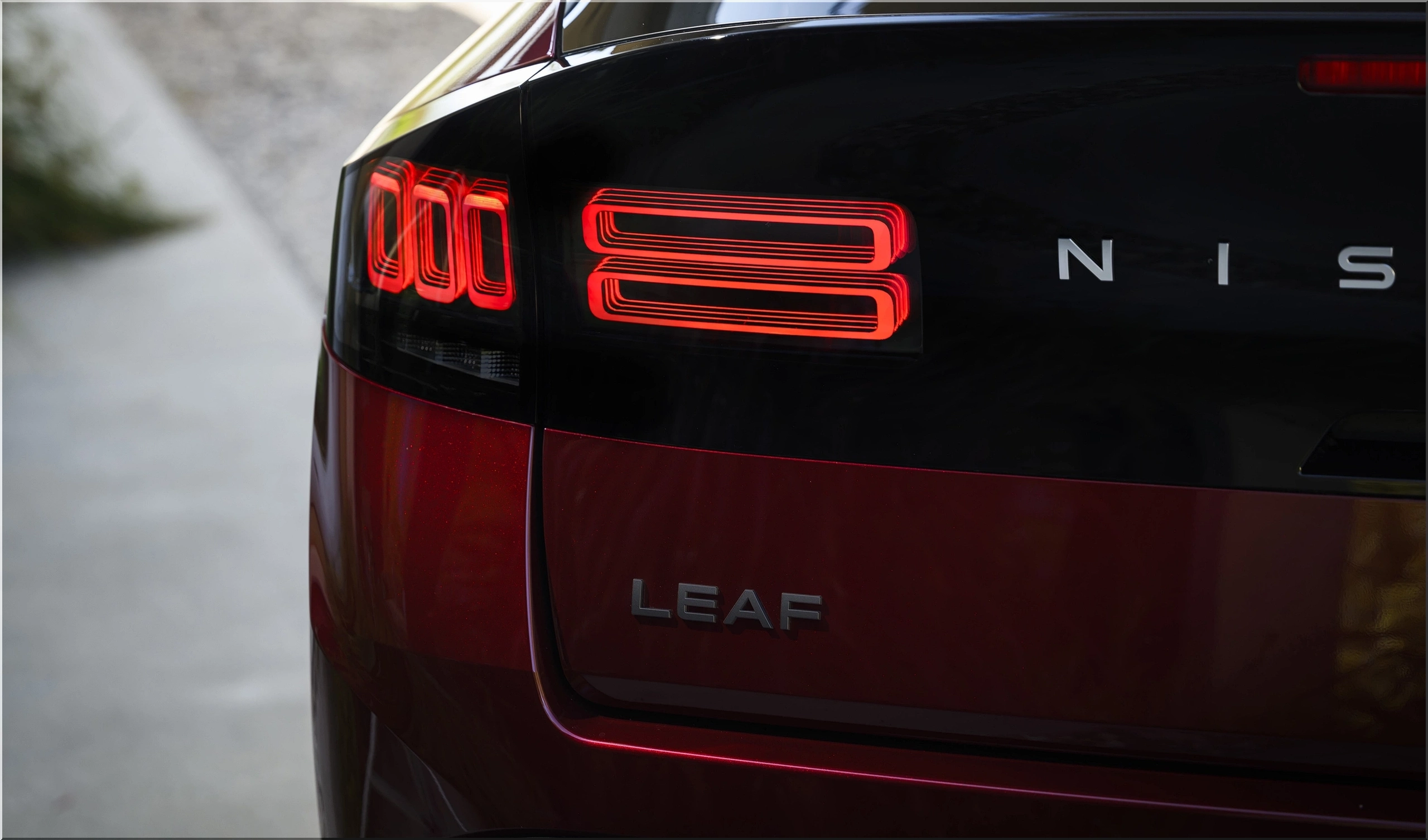
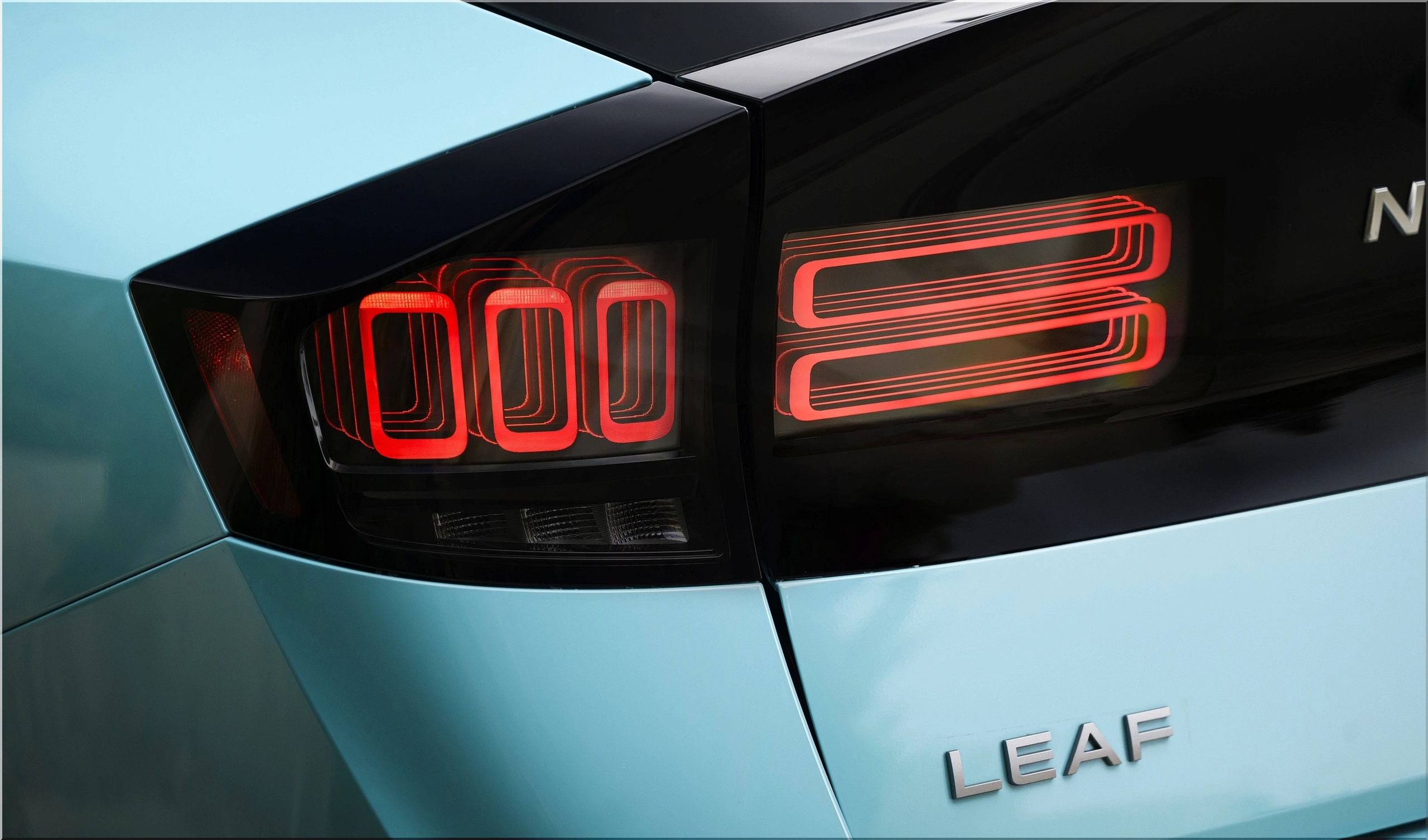
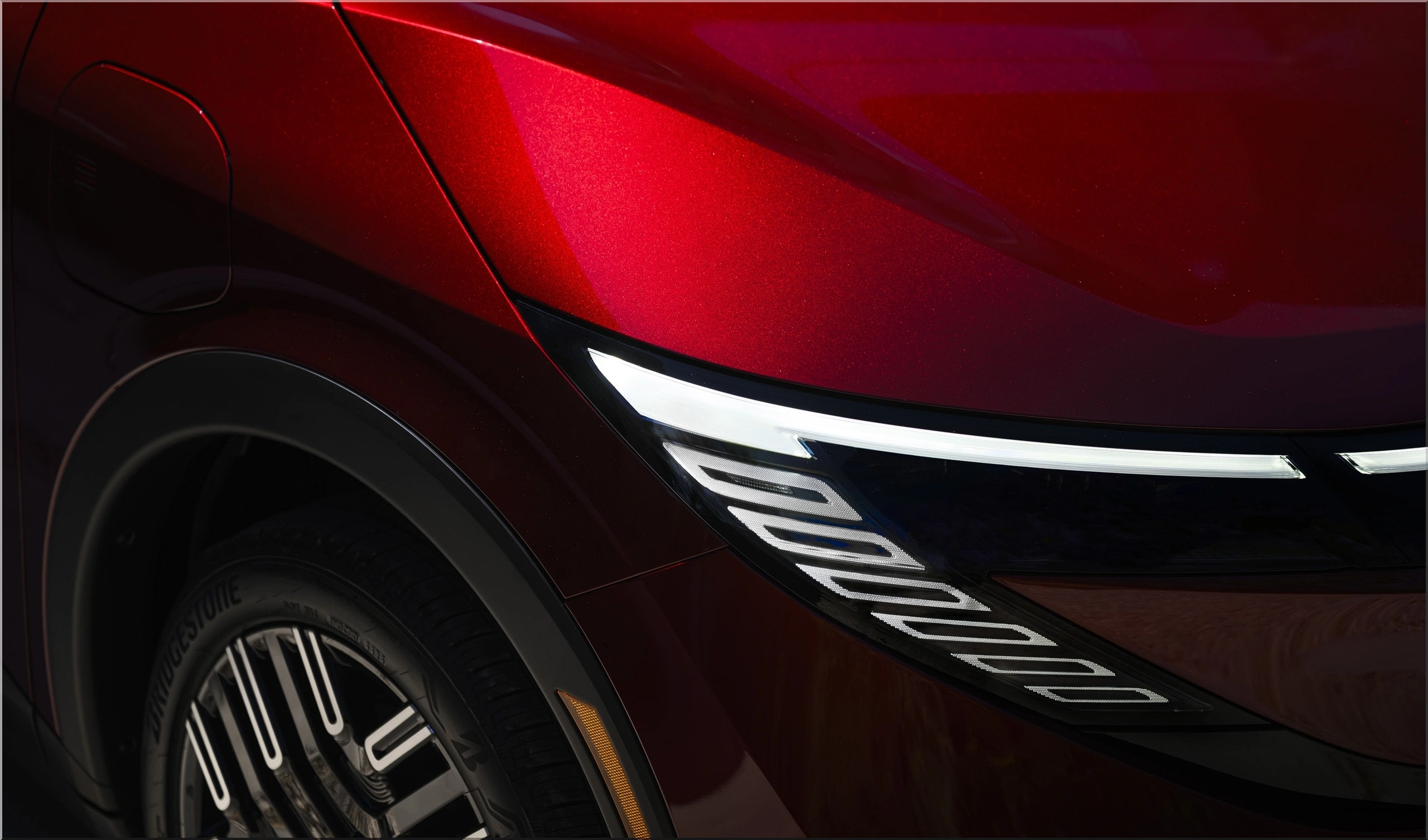
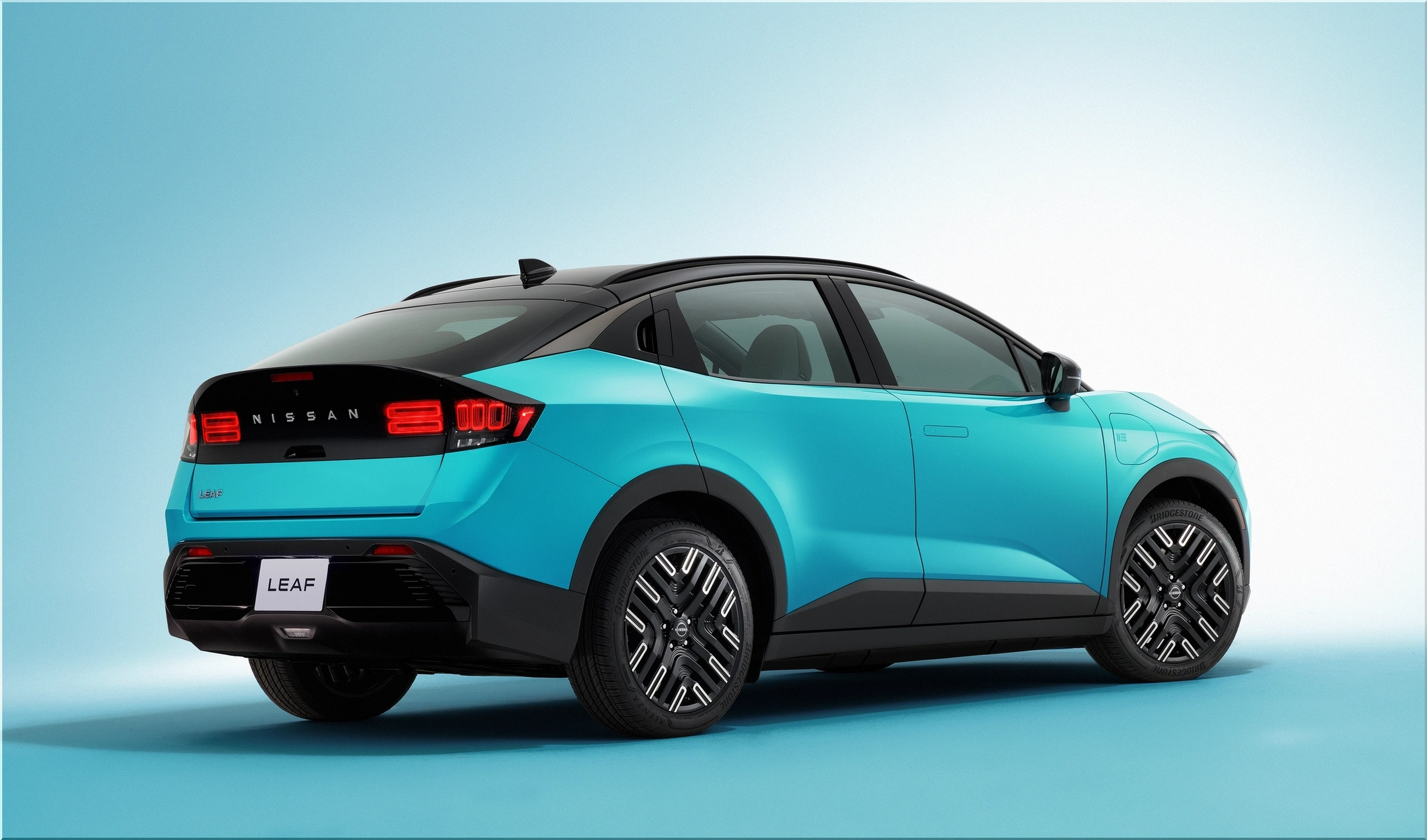
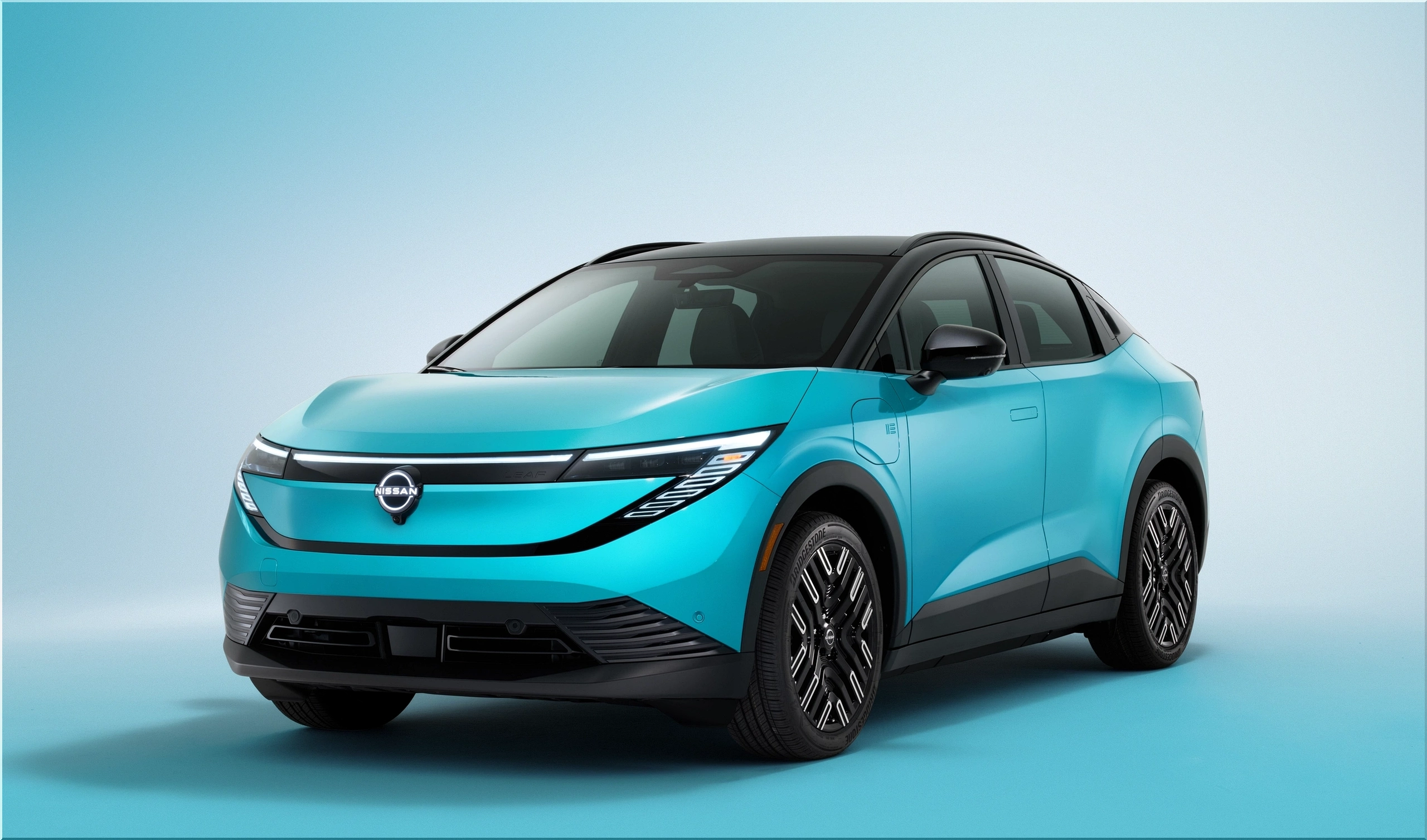
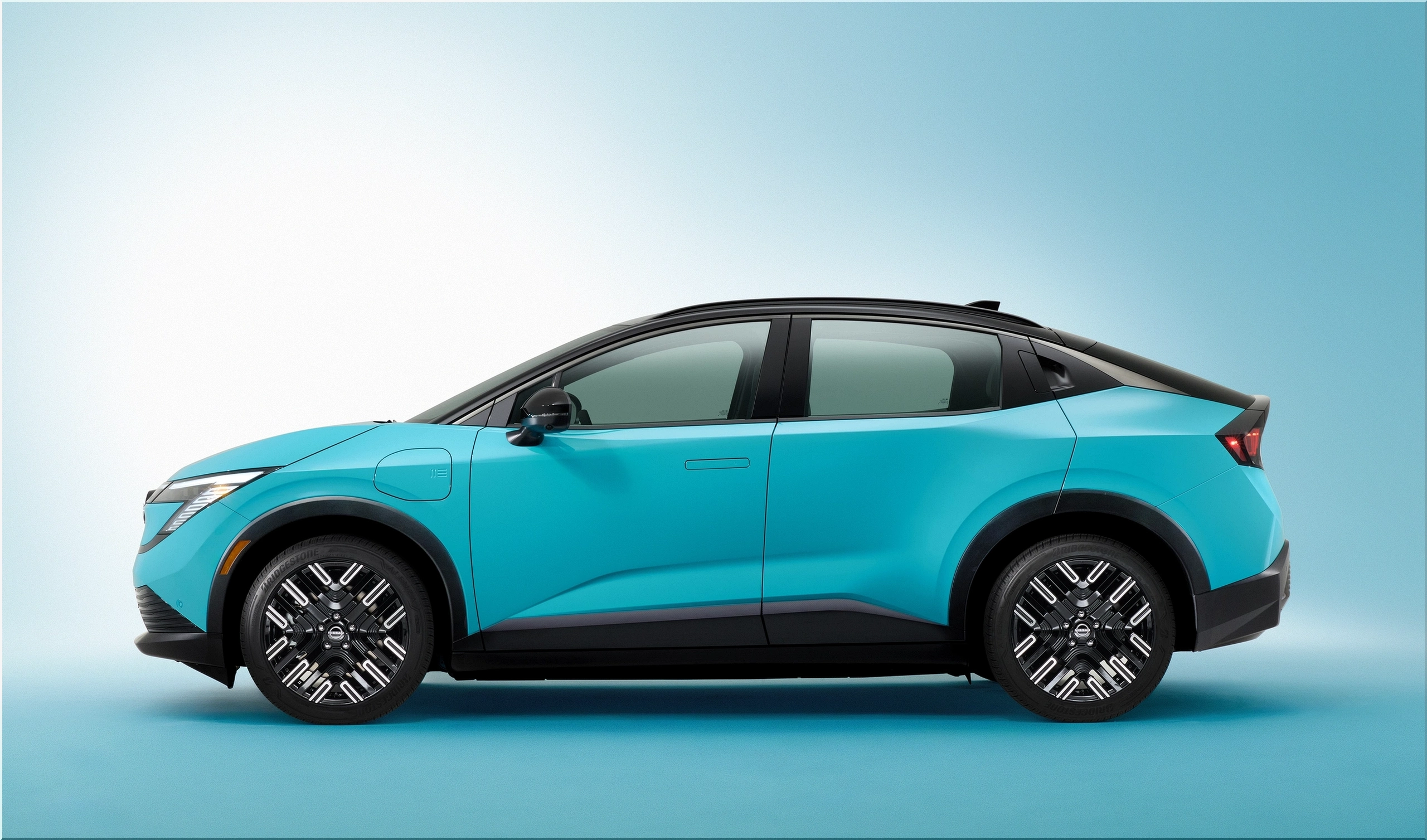
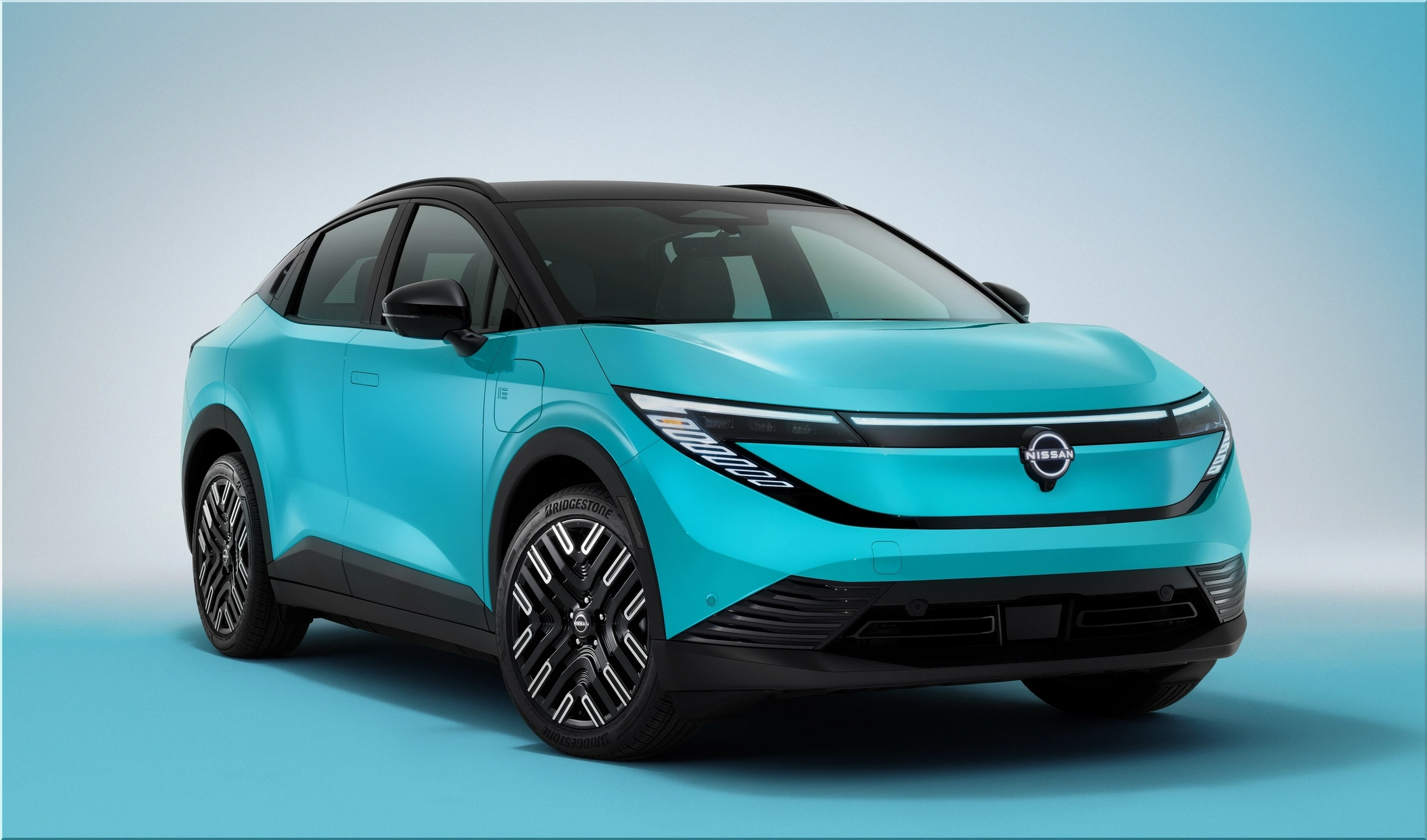
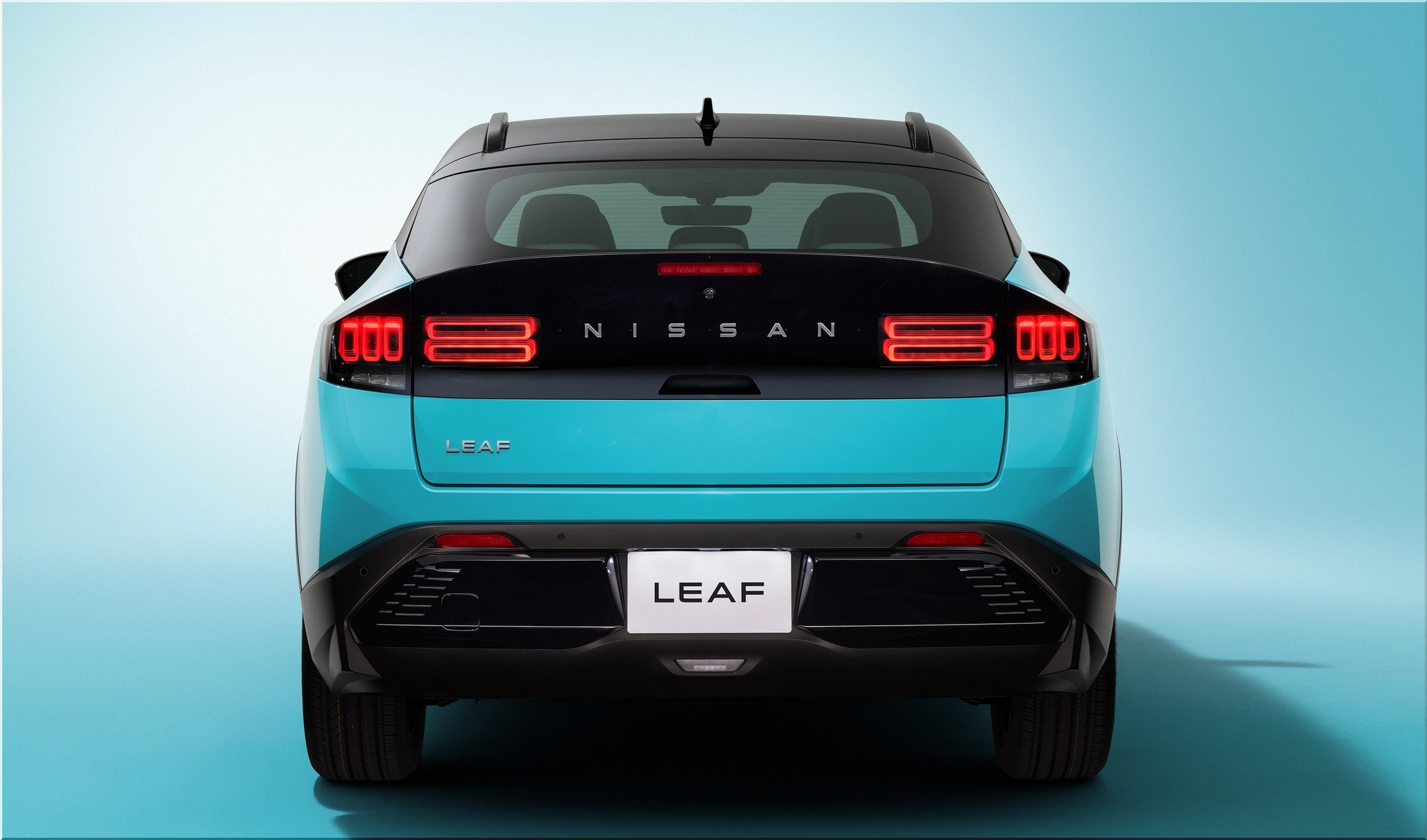
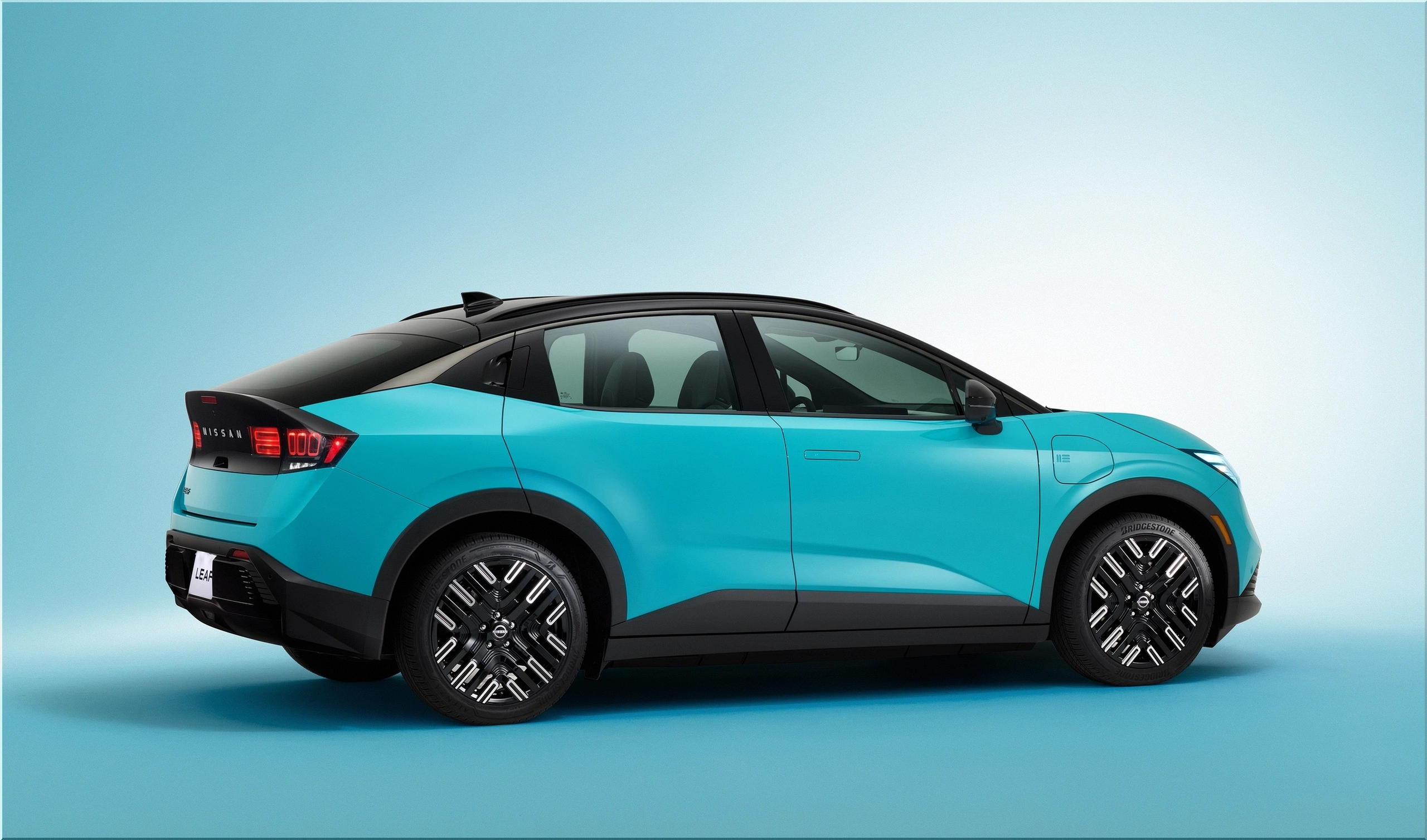
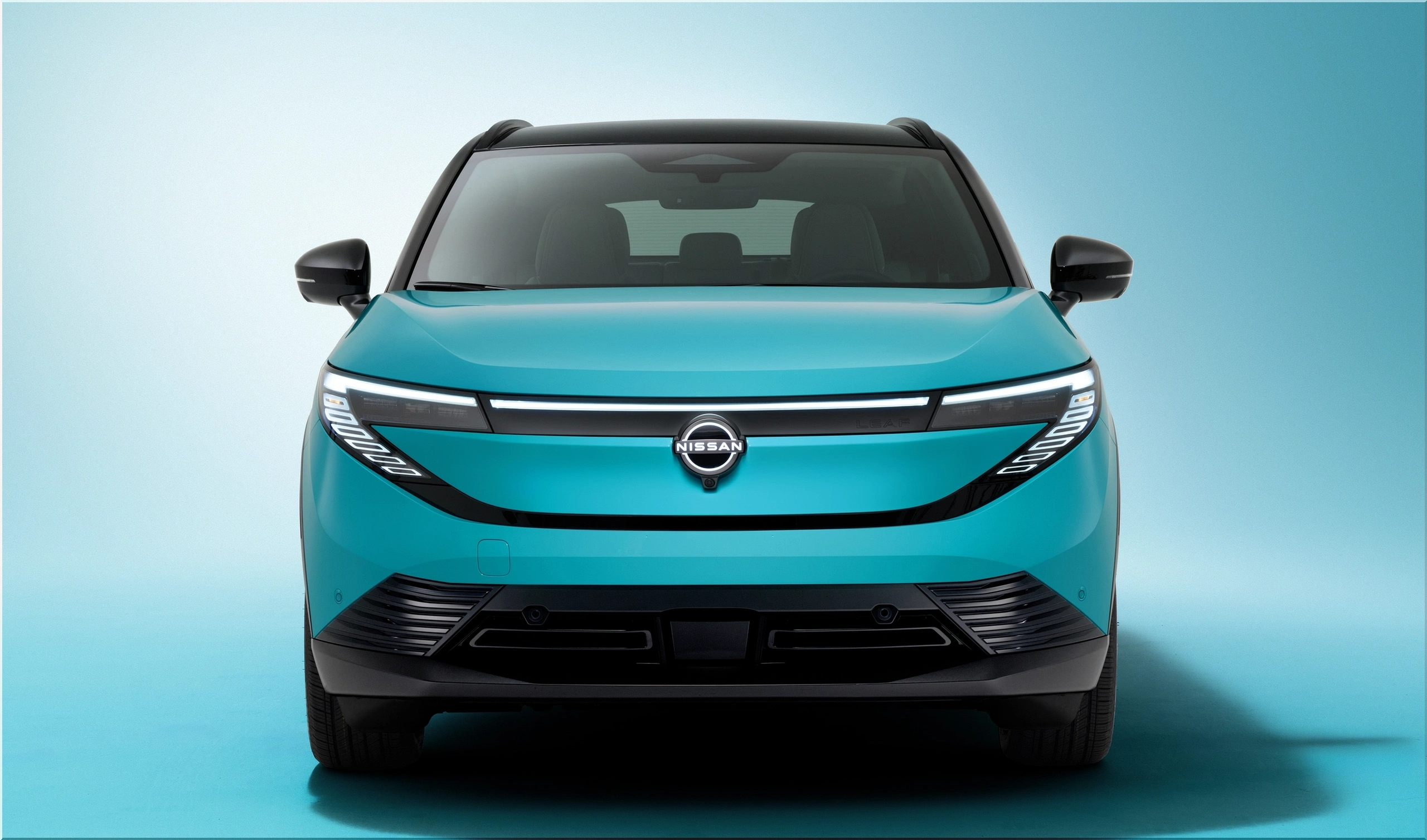
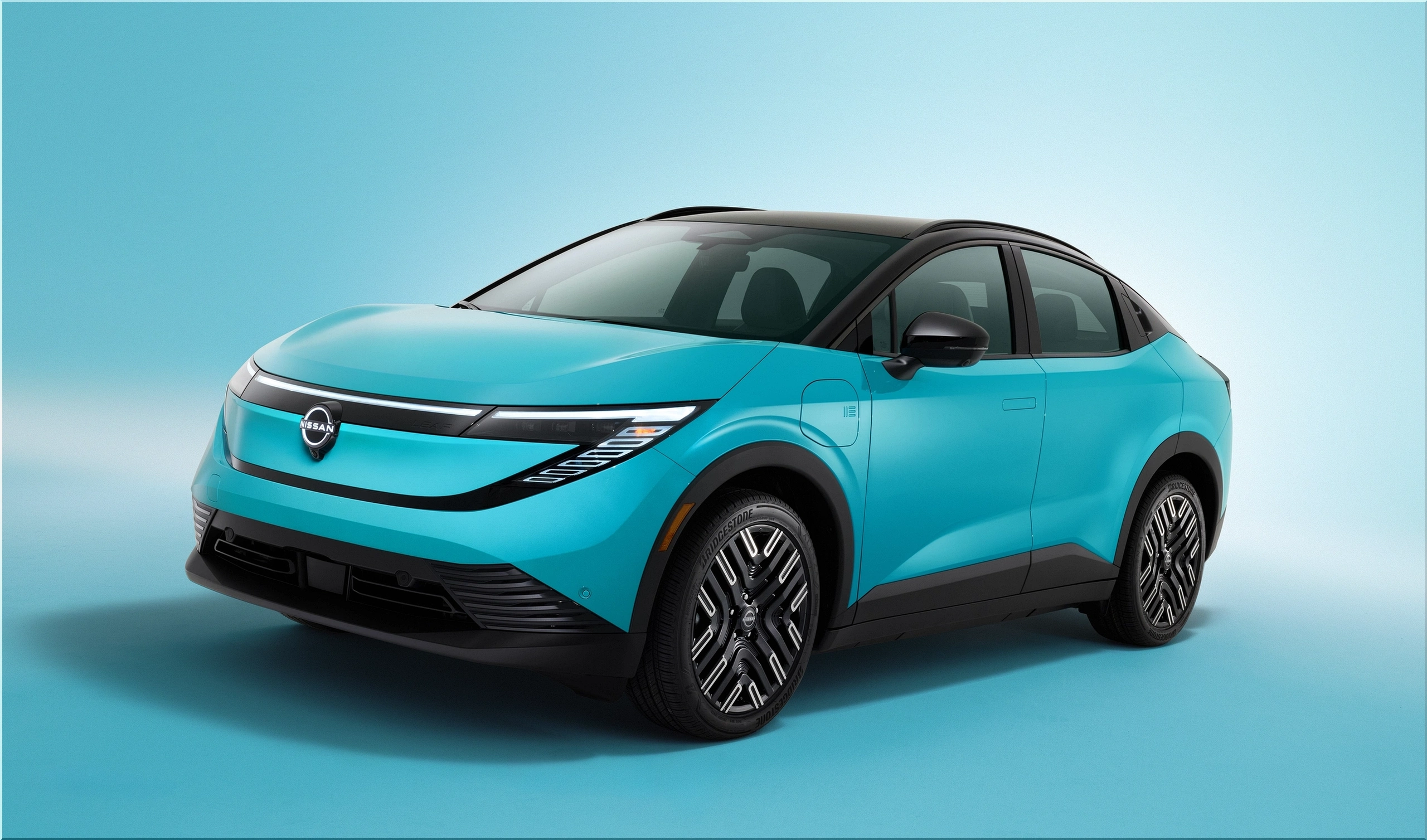
The 2026 Leaf takes cues from Nissan’s Z sports car. It features:
- Motorized flush door handles (first for Nissan)
- Curved roofline with katana blade styling element
- Dimming panoramic roof that switches between opaque and transparent
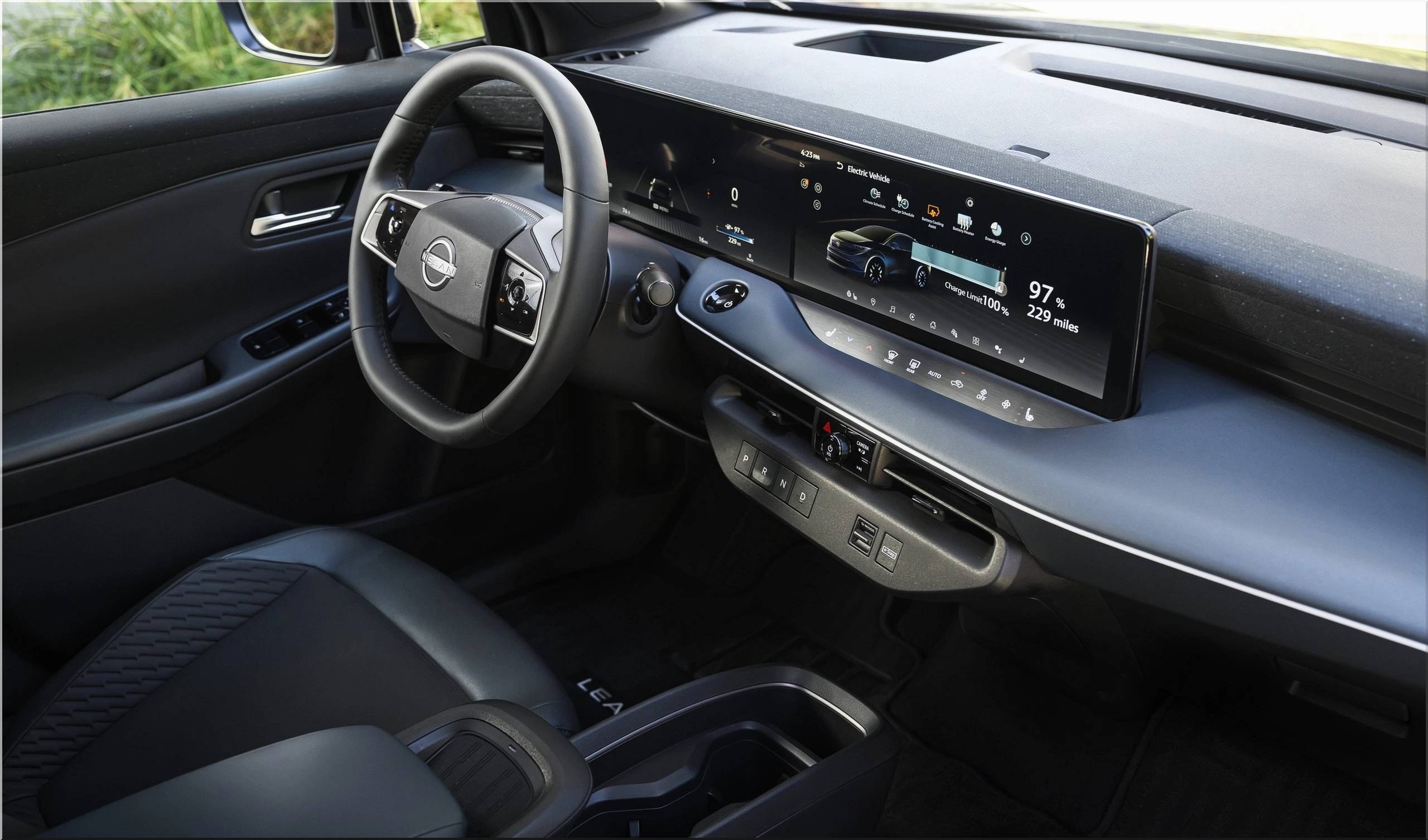
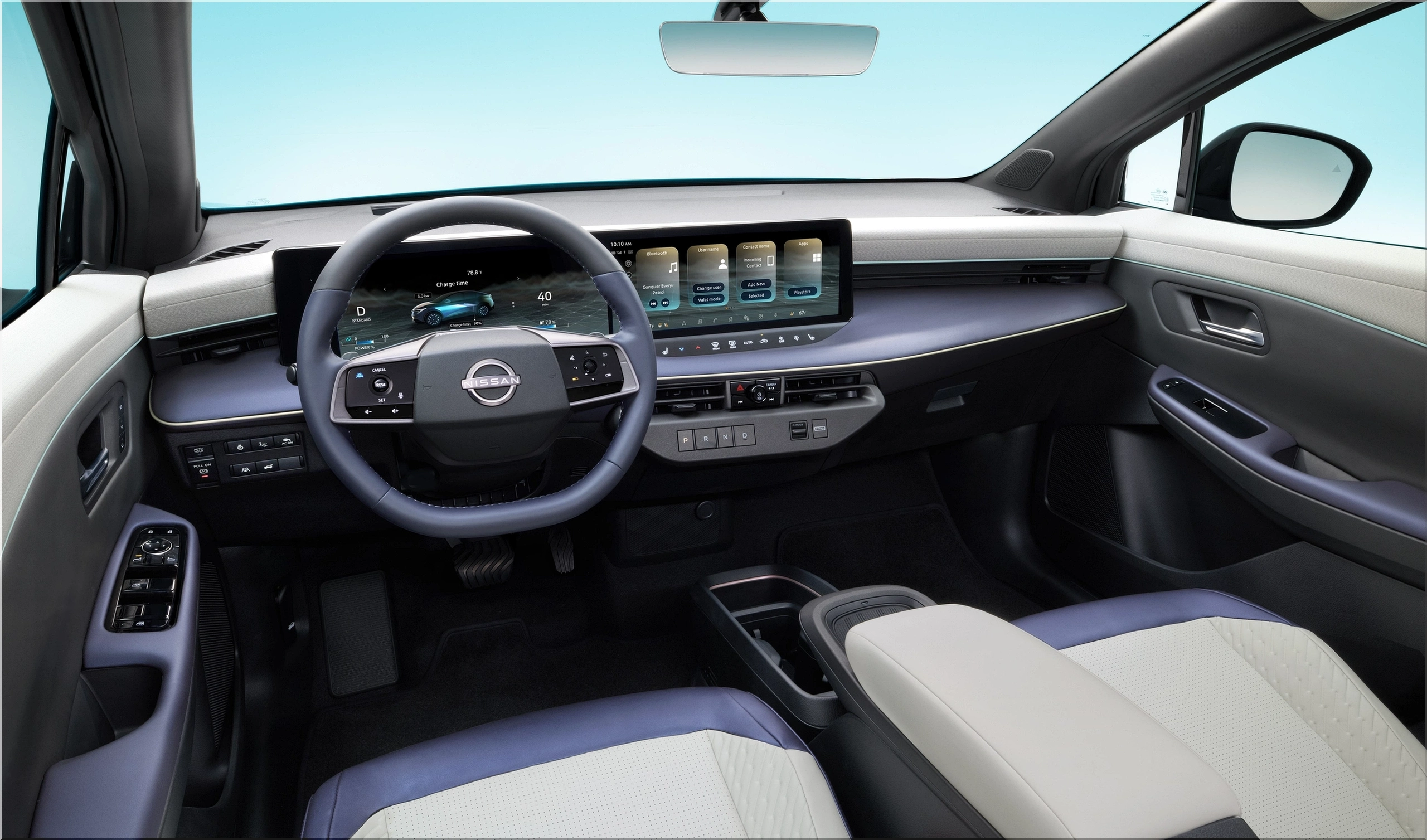
Inside, Nissan focused on space and usability. Flat floor design improves legroom. The dashboard integrates dual digital displays: 12.3 inches standard, 14.3 inches on upper trims. Redesigned seating improves second-row comfort.
Technology: Standardized Value
Every Leaf includes Google built-in, giving drivers Google Maps with Intelligent Route Planner. This helps EV owners plan charging stops based on live station data.
Nissan adds camera tech that no direct rivals offer at this price:
- Intelligent Around View Monitor
- Invisible Hood View
- Front Wide View camera
These driver-assist features reduce blind spots and simplify parking.
Trim Levels and Feature Sets
Leaf S+
- Price: $29,990
- 75 kWh battery, up to 303 miles range
- 12.3-inch display
- Standard safety suite with cameras
Leaf SV+
- Price: $34,230
- 14.3-inch central display
- Expanded driver-assist features
- Interior upgrades over S+
Leaf Platinum+
- Price: $38,990
- Premium trim features
- Advanced interior materials
- Highest equipment level
The entry-grade Leaf S returns, but Nissan hasn’t released pricing yet.
Charging Access and Ownership Costs
The inclusion of NACS changes the ownership equation. Many EVs under $35,000 still rely on fragmented charging networks. Nissan gives Leaf owners direct Supercharger access without adapters. Plug & Charge integration reduces payment friction.
Operating costs also benefit from high efficiency. The EPA conversion metric equates the Leaf’s performance to 131 MPGe city driving, helping buyers calculate savings against gas-powered compact SUVs.
Competitive Positioning: Where Leaf Fits
The Leaf’s sub-$30,000 entry price with over 300 miles of range forces competitors into a corner. Chevrolet’s Equinox EV starts higher and offers similar range. Hyundai’s Kona Electric and Kia’s Niro EV don’t break the 300-mile barrier at comparable prices.
At the upper end, Leaf Platinum+ still costs under $40,000, putting pressure on Volkswagen ID.4 and Tesla Model Y, both priced higher.
Key Takeaways for Buyers
- Lowest-priced EV with over 300 miles of range in the U.S.
- Direct Supercharger access through NACS compatibility
- More features than the outgoing model while cutting MSRP
- Three trims cover budget-conscious buyers to premium-focused customers
Industry Impact
The original 2011 Leaf introduced mainstream EVs. The 2026 version continues with the same intent: push volume through affordability. Nissan’s strategy could force rivals to drop entry-level pricing or increase standard equipment.
The Leaf’s third generation demonstrates that EVs can combine range, price, and features without compromise. For consumers, the decision comes down to Nissan’s long history of EV experience versus newer entrants fighting for share.
The 2026 Nissan Leaf is no longer a compact hatchback. It’s now a family-friendly electric crossover built for broader appeal. Nissan redesigned the Leaf with sharper aerodynamics, a sleeker SUV profile, and… Continue reading

The 2026 Nissan Micra EV returns as a fully electric compact hatchback. Designed on the AmpR Small platform, it combines zero-emission power with practical city-focused features. Two battery sizes offer flexible range and… Continue reading
The Nissan Leaf is one of the most popular electric vehicles (EVs) in the world, with over 10 million units sold since its launch in 2010. It is also one of the most affordable EVs, especially in the United States, where the 2024 Nissan… Continue reading

Is the 2025 Nissan LEAF the right electric vehicle (EV) for you? We'll break down everything you need to know to make an informed decision. Let's face it, gas prices are on a one-way trip to "ouch territory." For many drivers, electric… Continue reading