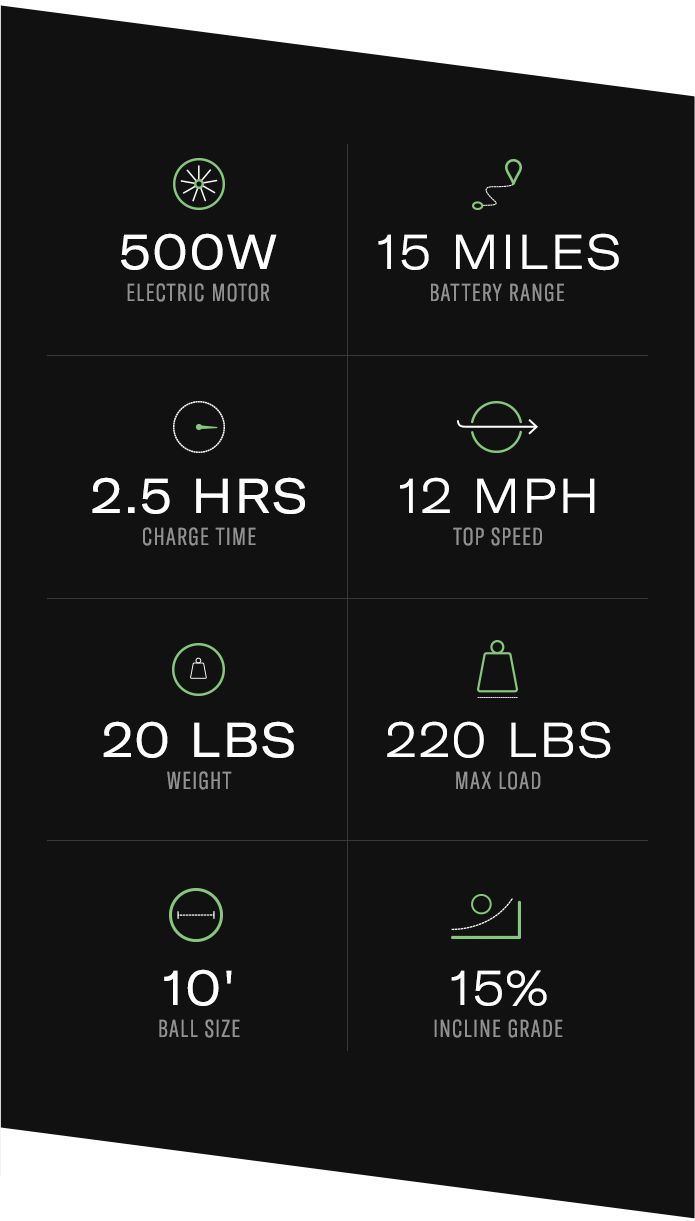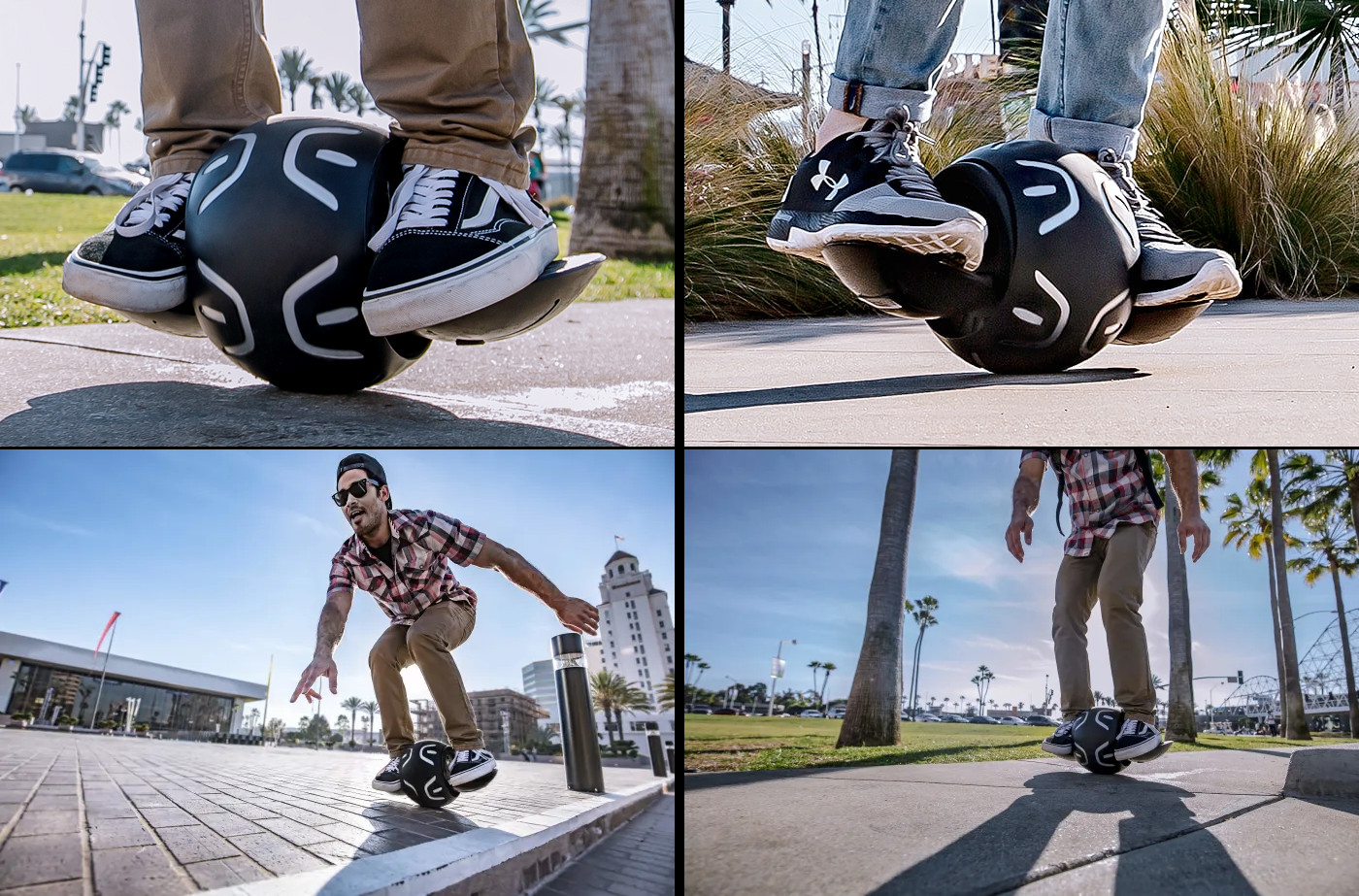
Jyroball used the Indiegogo platform to launch its innovative product, the self-balancing Jyroweel unicycle in the form of a ball weighing 9 kg and with a diameter of only 25 cm.
On the functional side, the Jyroball product is fairly standard: on one battery charge (it takes 2.5 hours), the wheel travels 22.5 km, withstands the weight of the rider up to 100 kg and reaches a speed of up to 20 km / h. It surprises with its low center of gravity and miniaturization, which is achieved due to the compact 500 watt motor. The wheel is comfortable to carry thanks to the stowed pedals and retractable handle.
According to the manufacturer, it will take about ten minutes to learn how to manage a self-balancing wheel. In this case, the maneuvers are carried out by transferring the weight of the rider from one position to another.
The average price of electric mono-wheels on the market is about 1000 dollars. The Jyroball company is going to put its offspring at retail at a price of $ 899, but first buyers will be able to order it for $ 395.
Crowdfunding of technological innovations is always a risk, but Moby and its founder Thomas O`Connell are behind the Jyroweel project, and the spherical wheel itself was developed with the assistance of designer Mark Symrey, who was among the first in the world to patent the 2006 self-balancing electric monocycle.
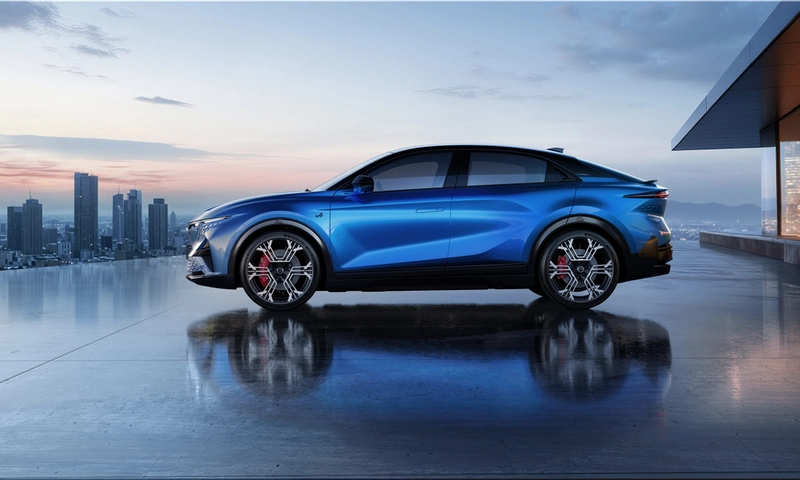
Porsche continues its commitment to electric vehicle (EV) innovation by introducing three new models to the second-generation Taycan lineup. This expansion aims to offer drivers a mix of elevated performance, refined luxury,… Continue reading
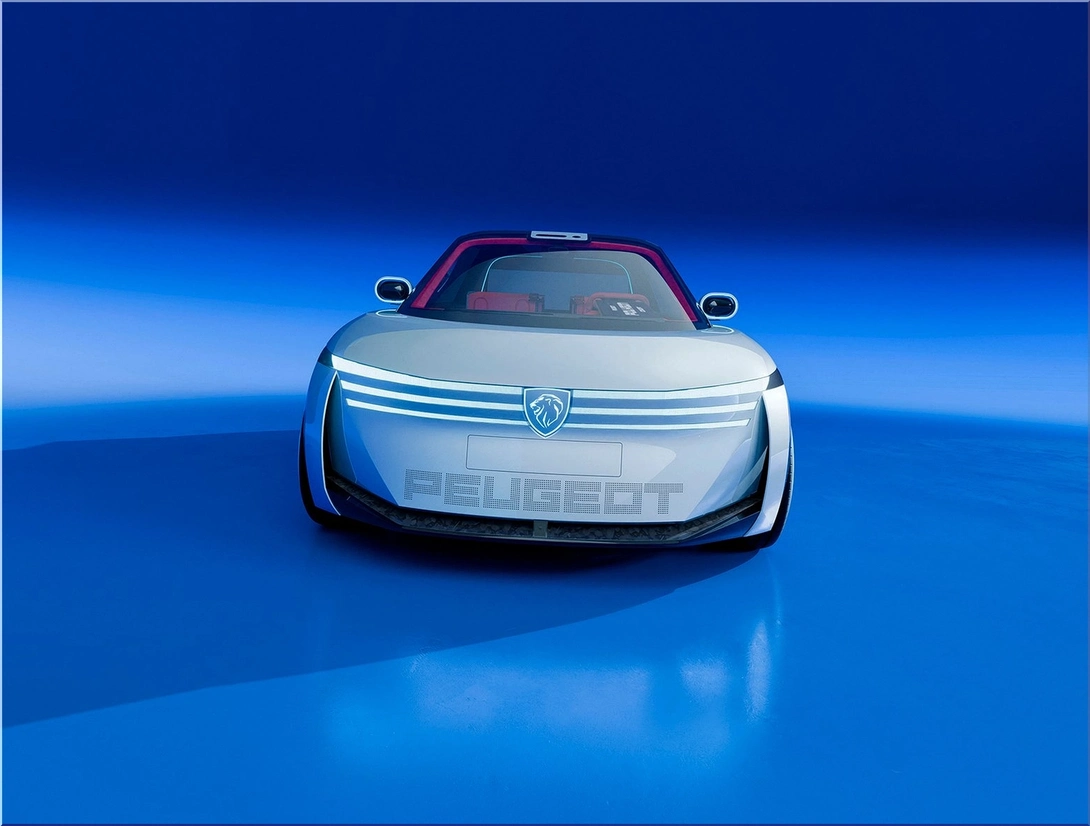
Peugeot has officially extended the driving range of its e-208 to 433 kilometers (269 miles) on the WLTP cycle. That’s the best range in its class, outpacing rivals in the B-segment… Continue reading
Building a Battery Ecosystem Toyota and Mazda have begun field tests of an energy storage system that uses batteries from electrified vehicles. The trials take place at Mazda’s… Continue reading
Nissan Built the Third-Generation LEAF Around Real Usage Patterns Nissan created the new Nissan LEAF with a planning model guided by hard data rather than assumptions. Product teams tracked 28 billion kilometers… Continue reading