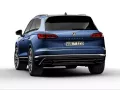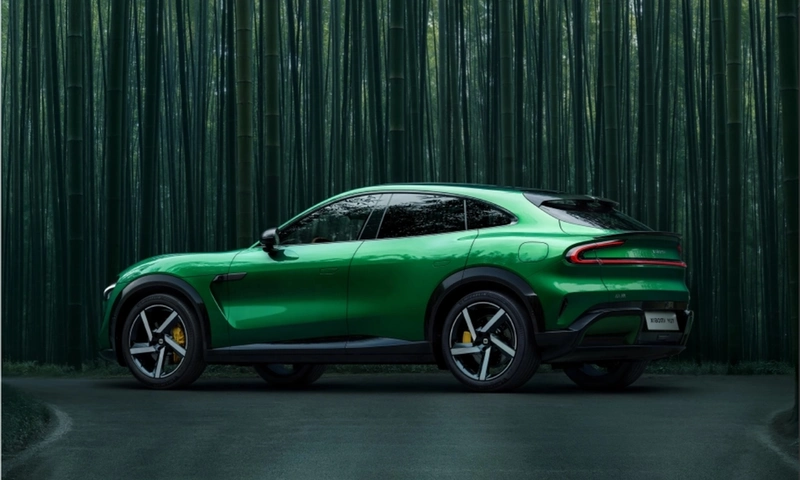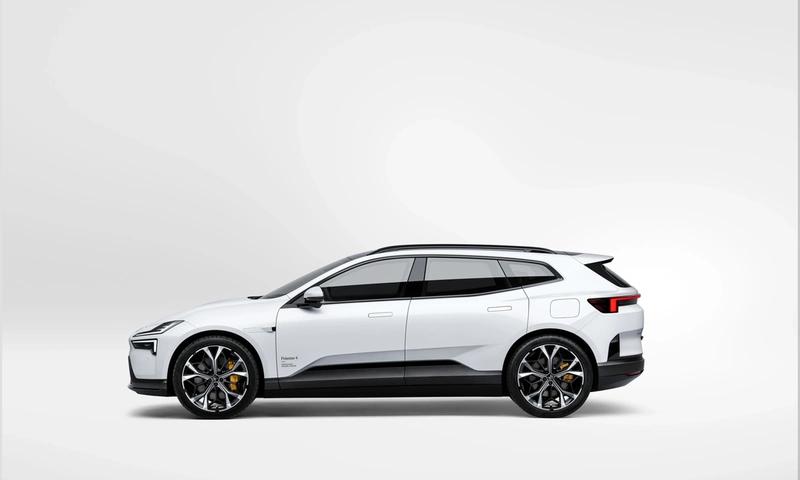
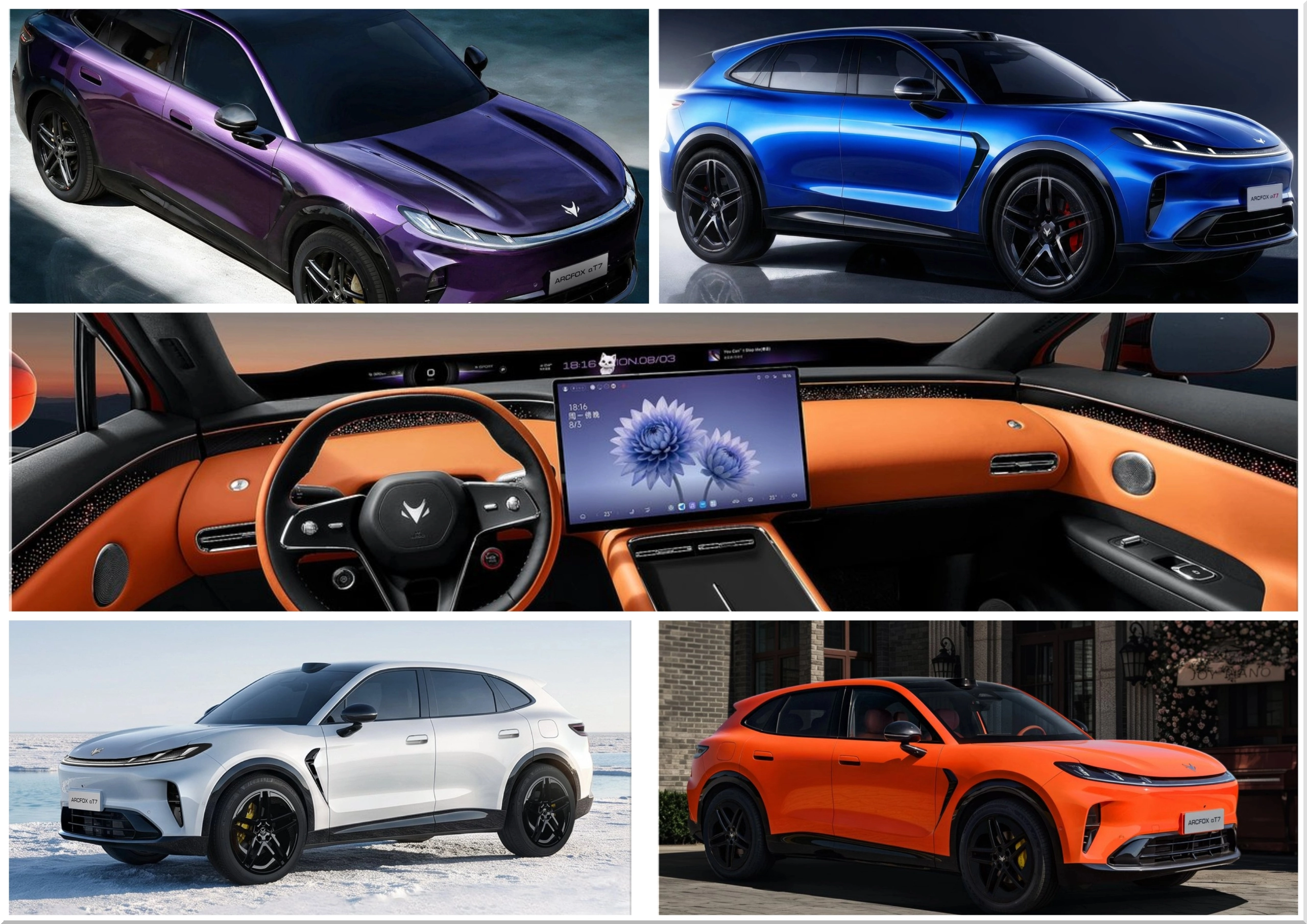
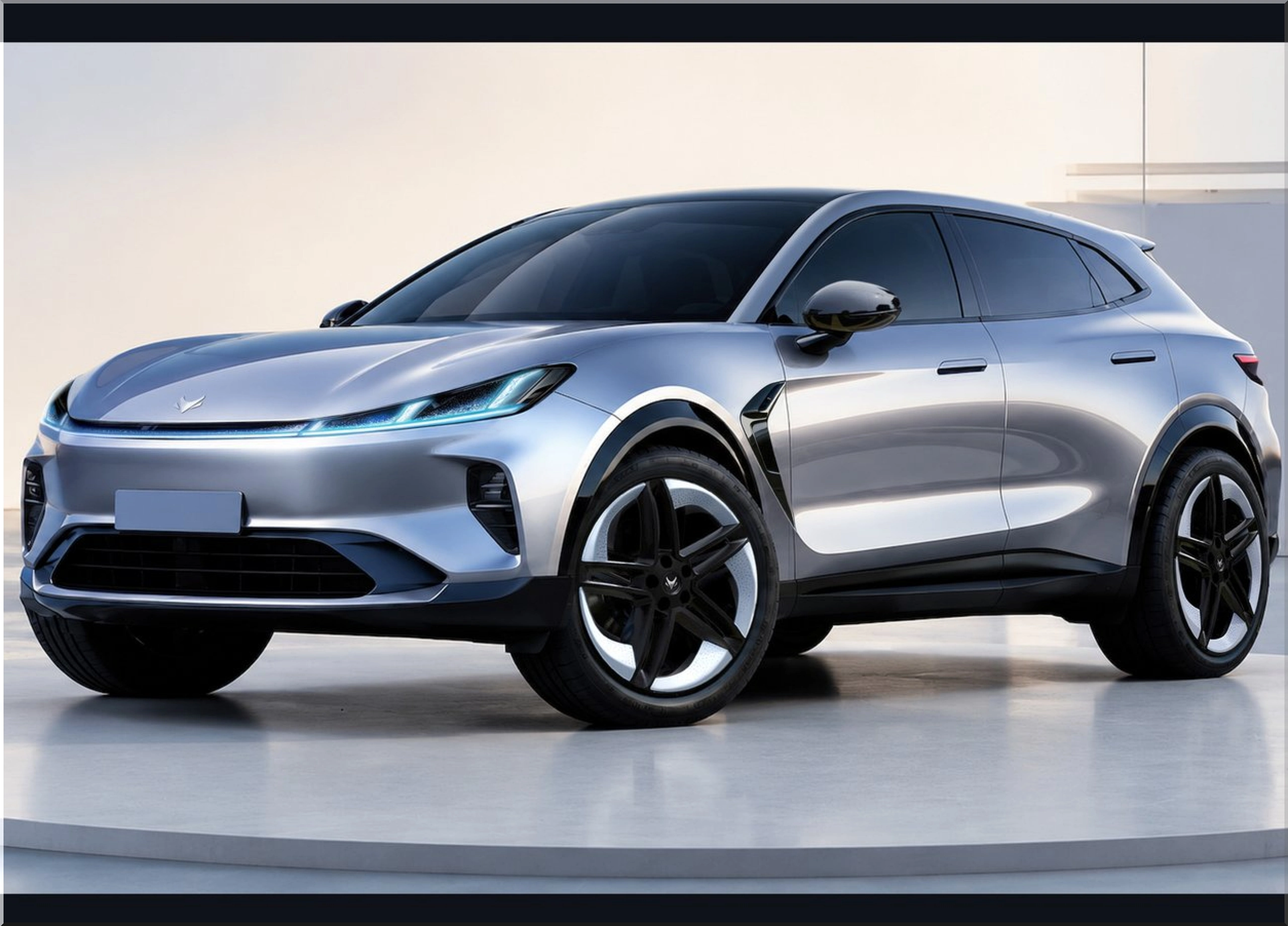
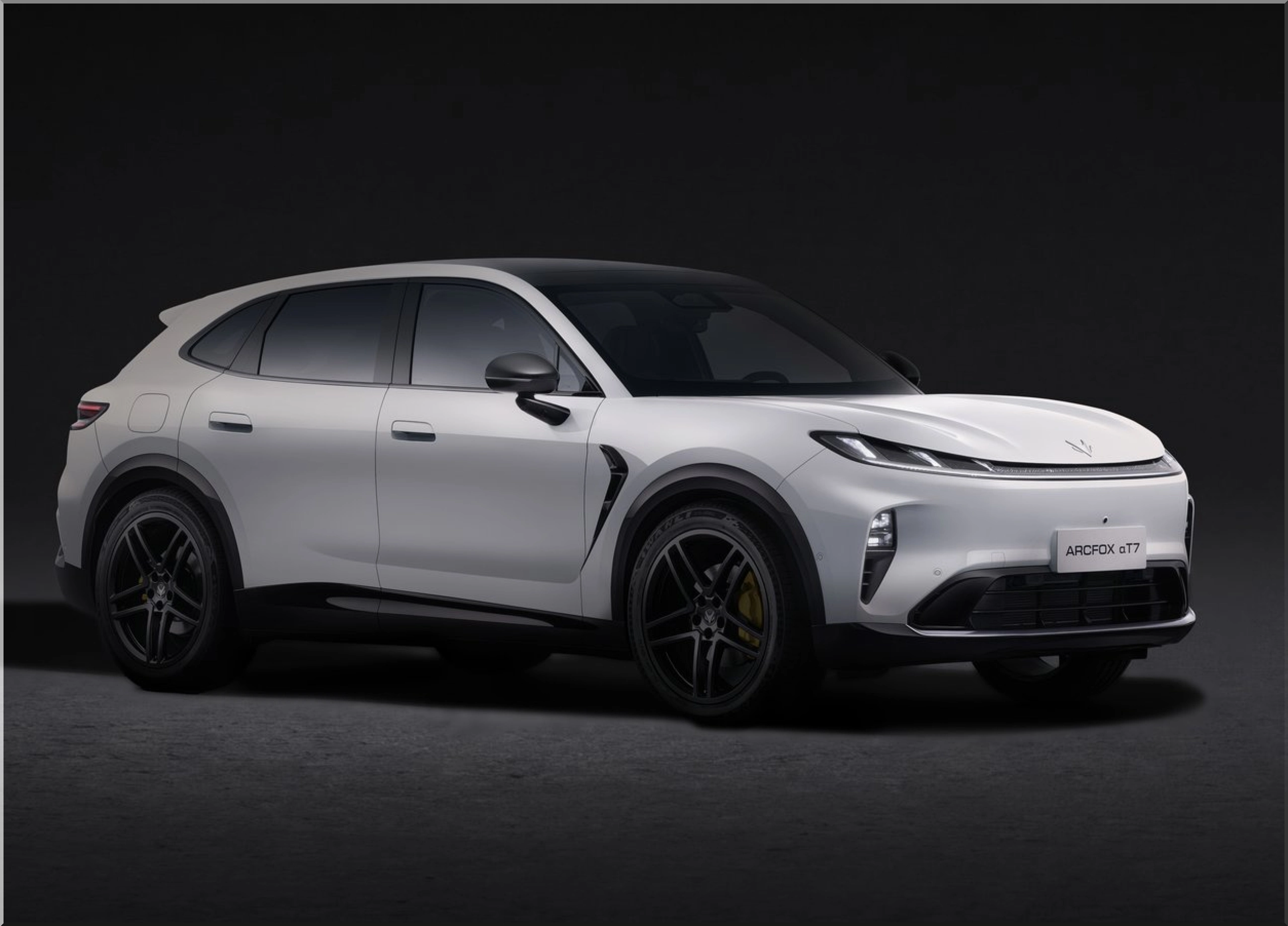
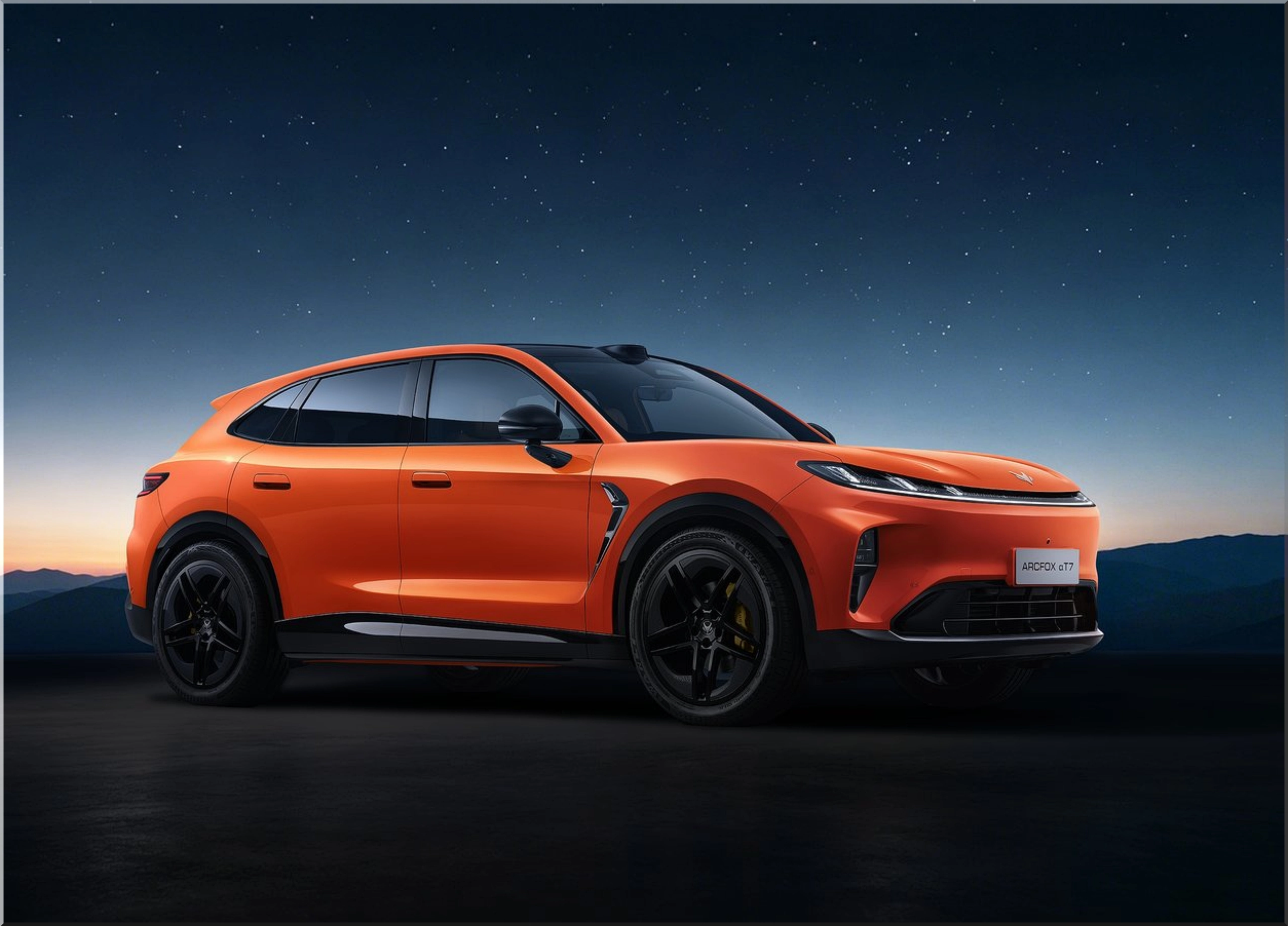
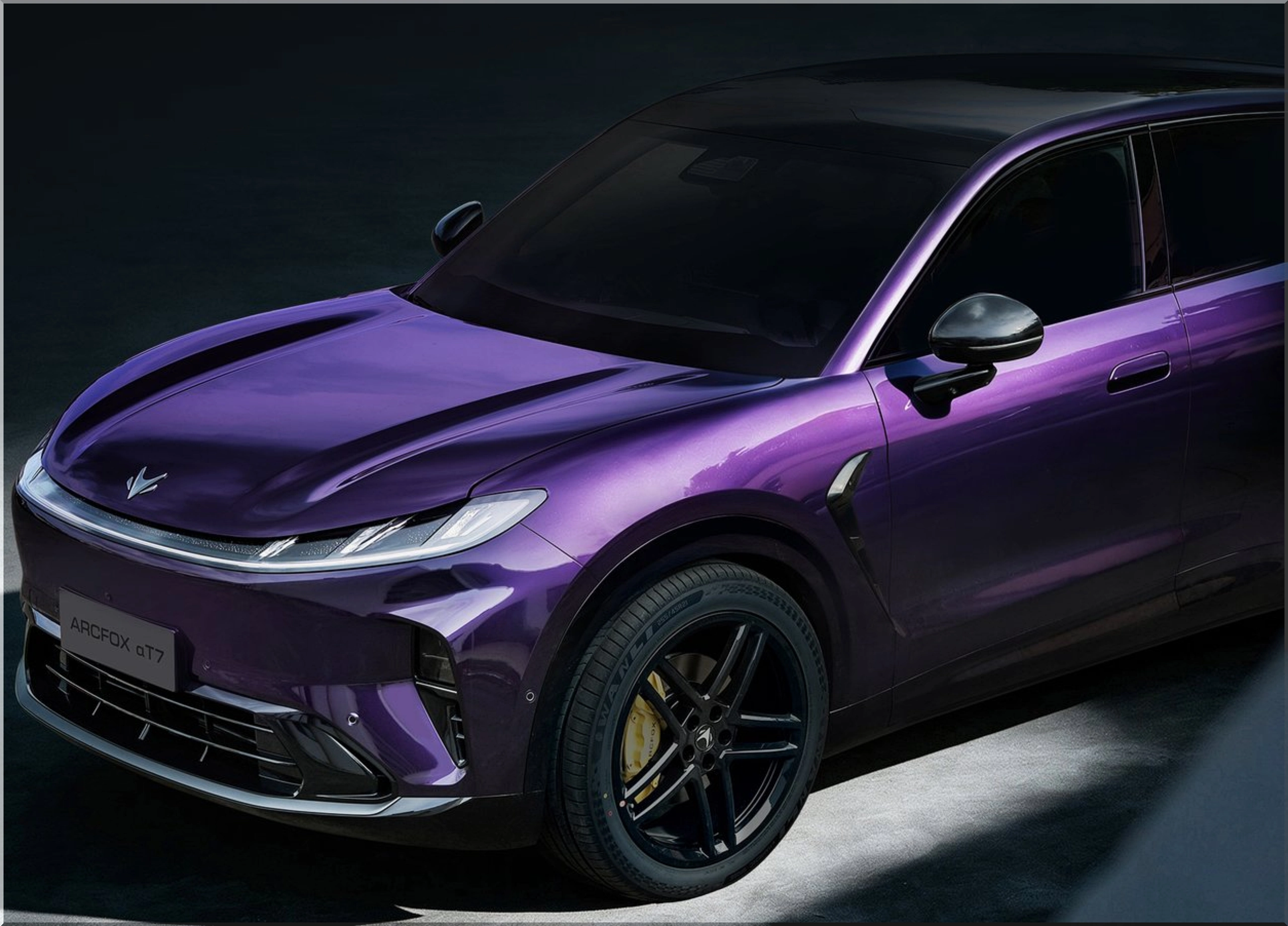
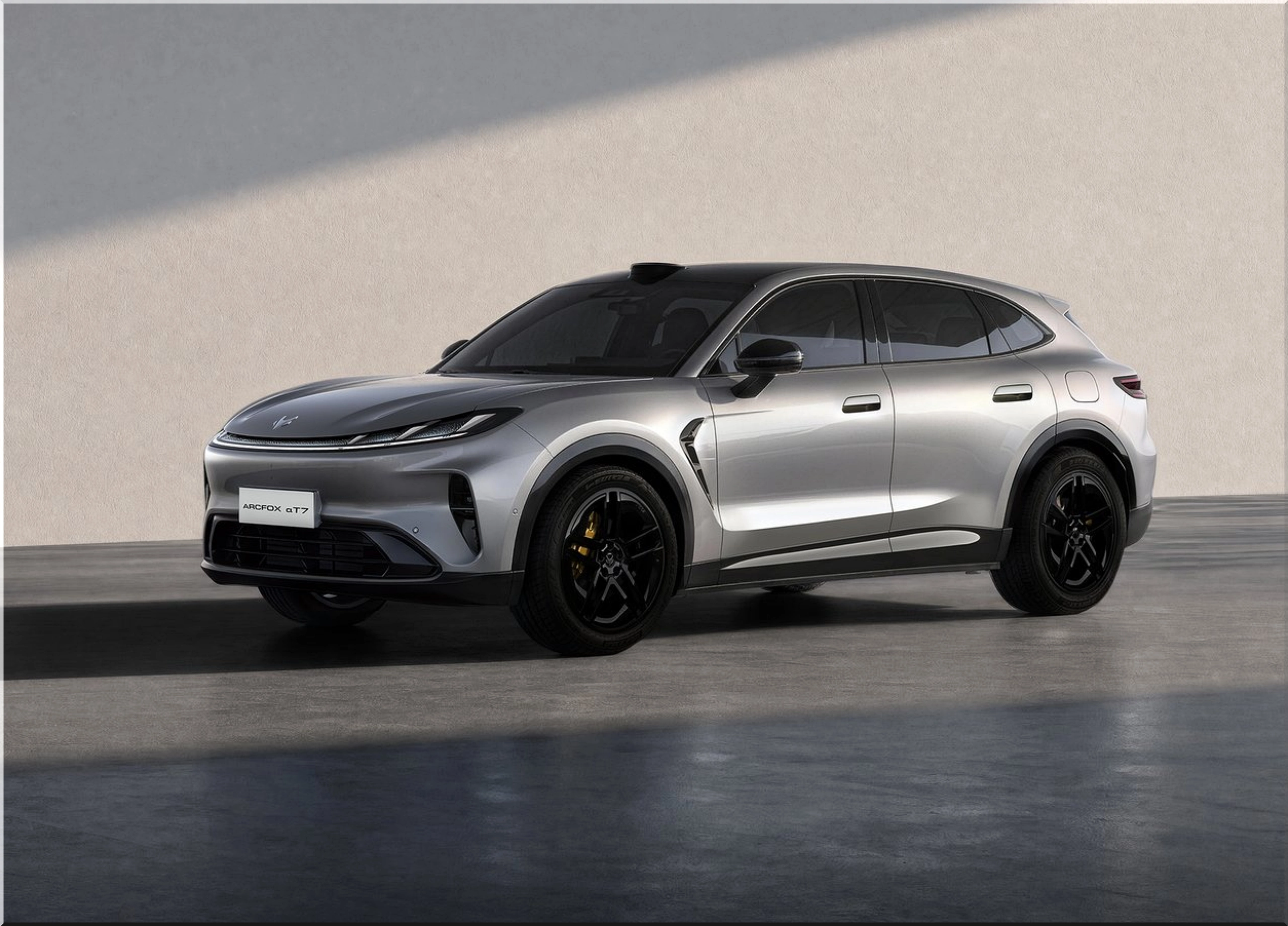
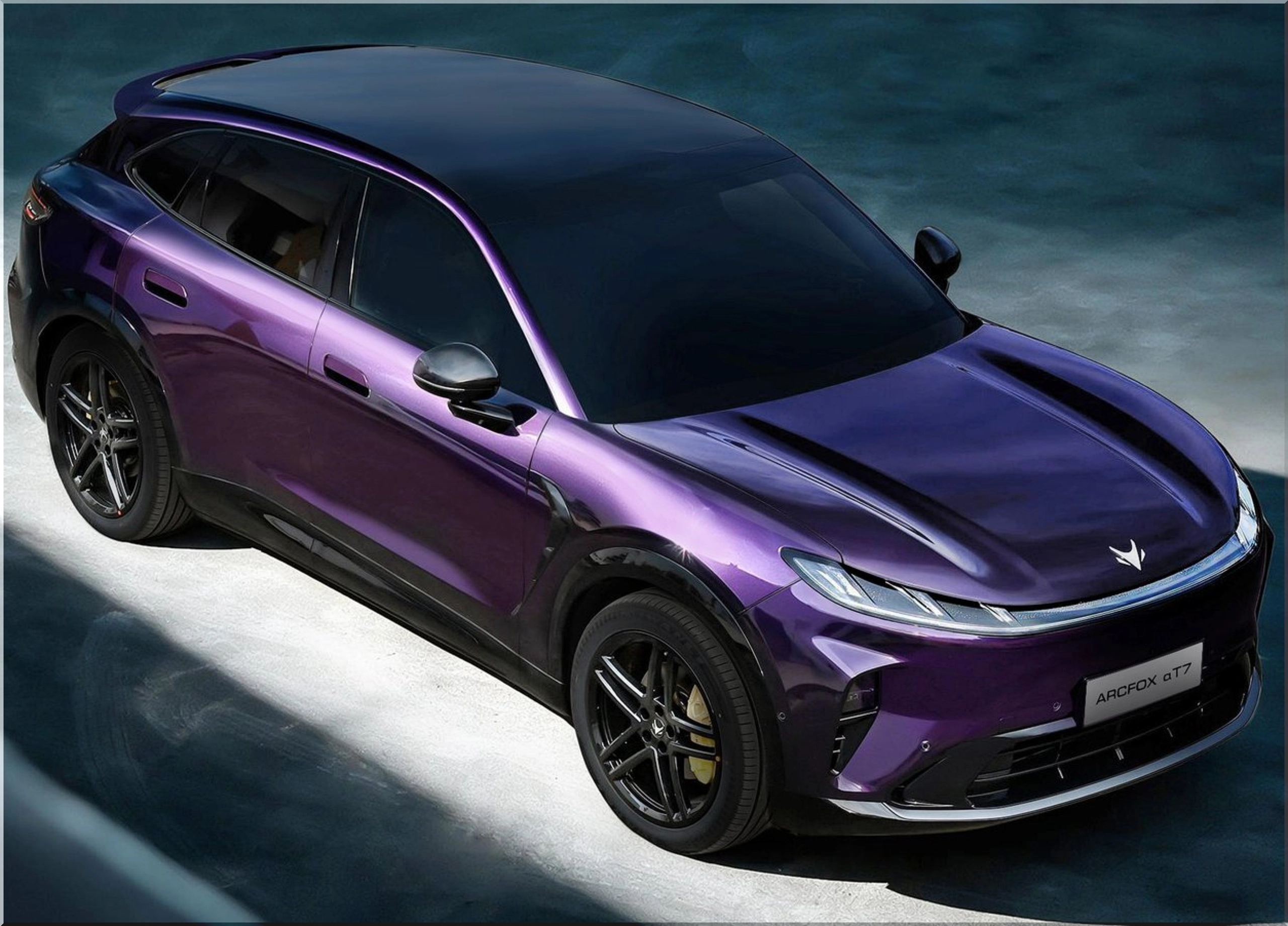
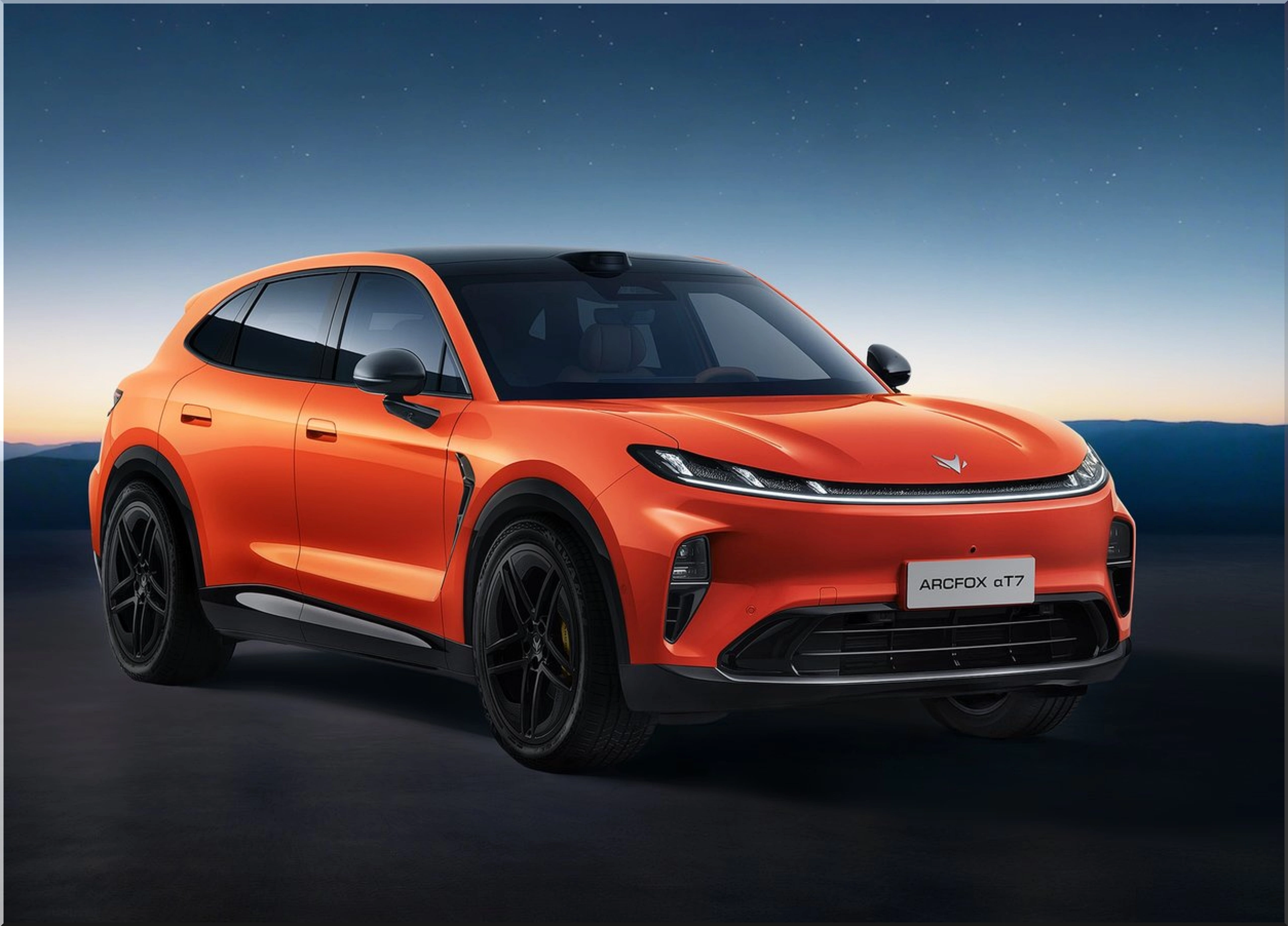
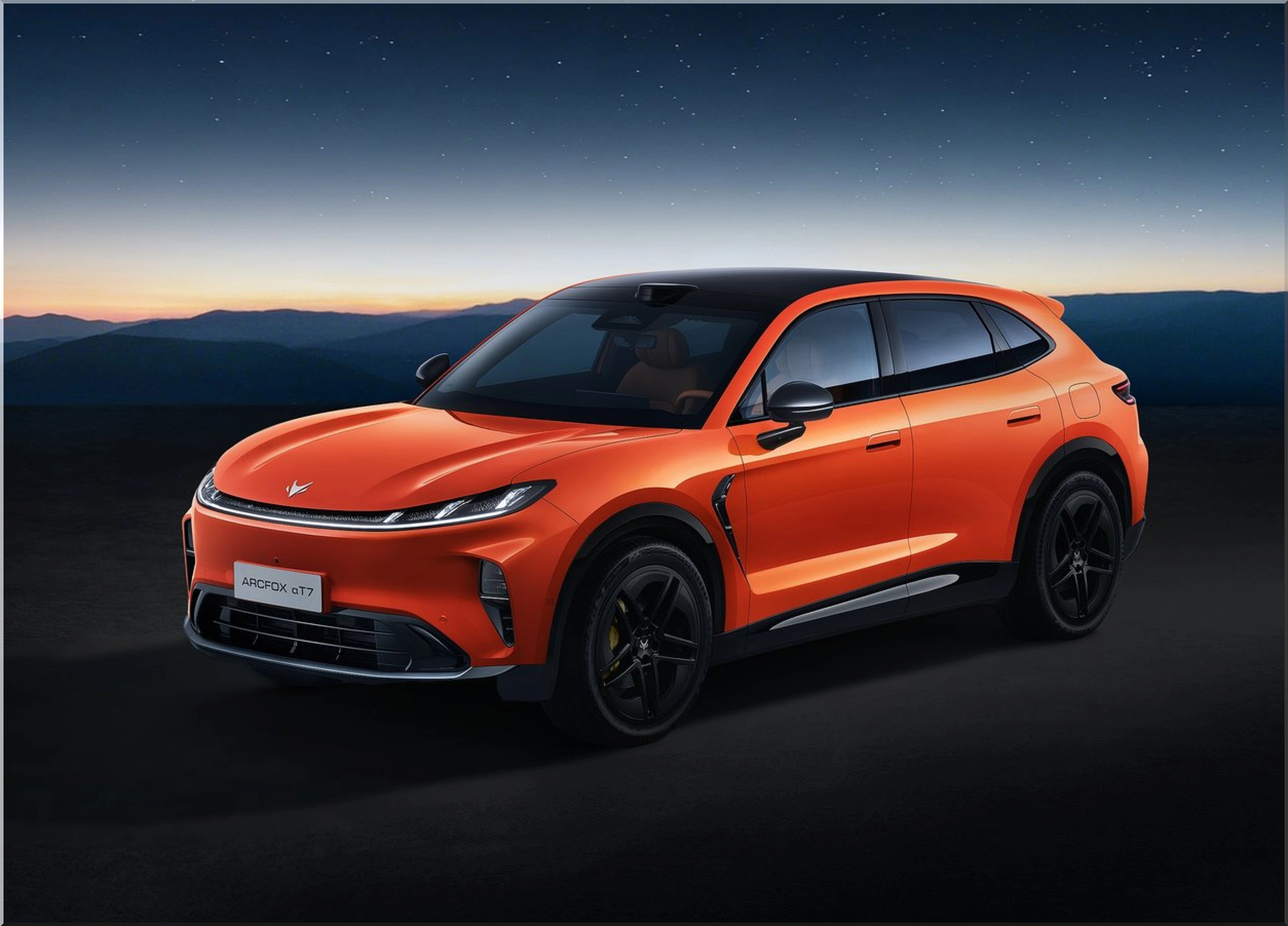
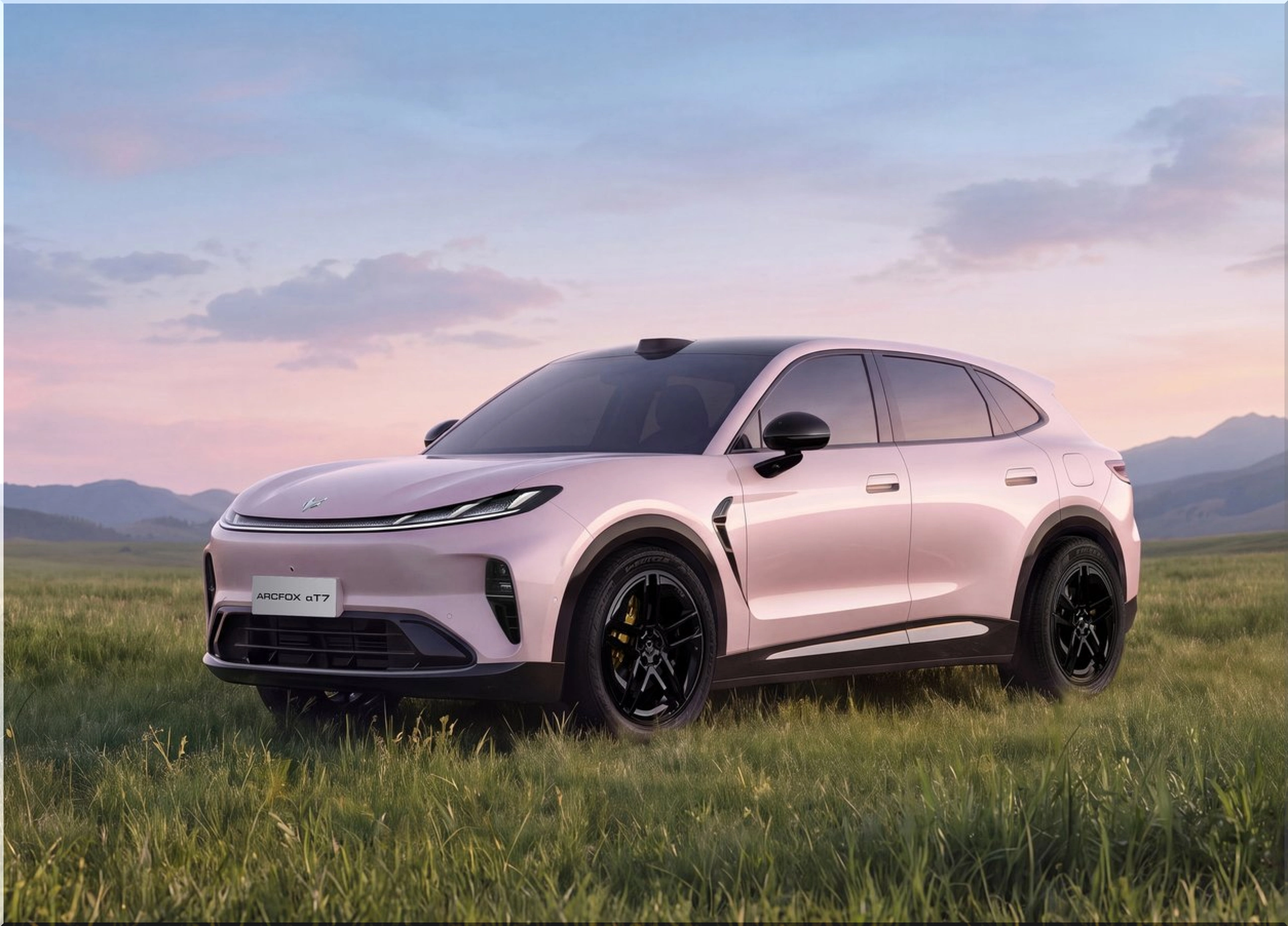
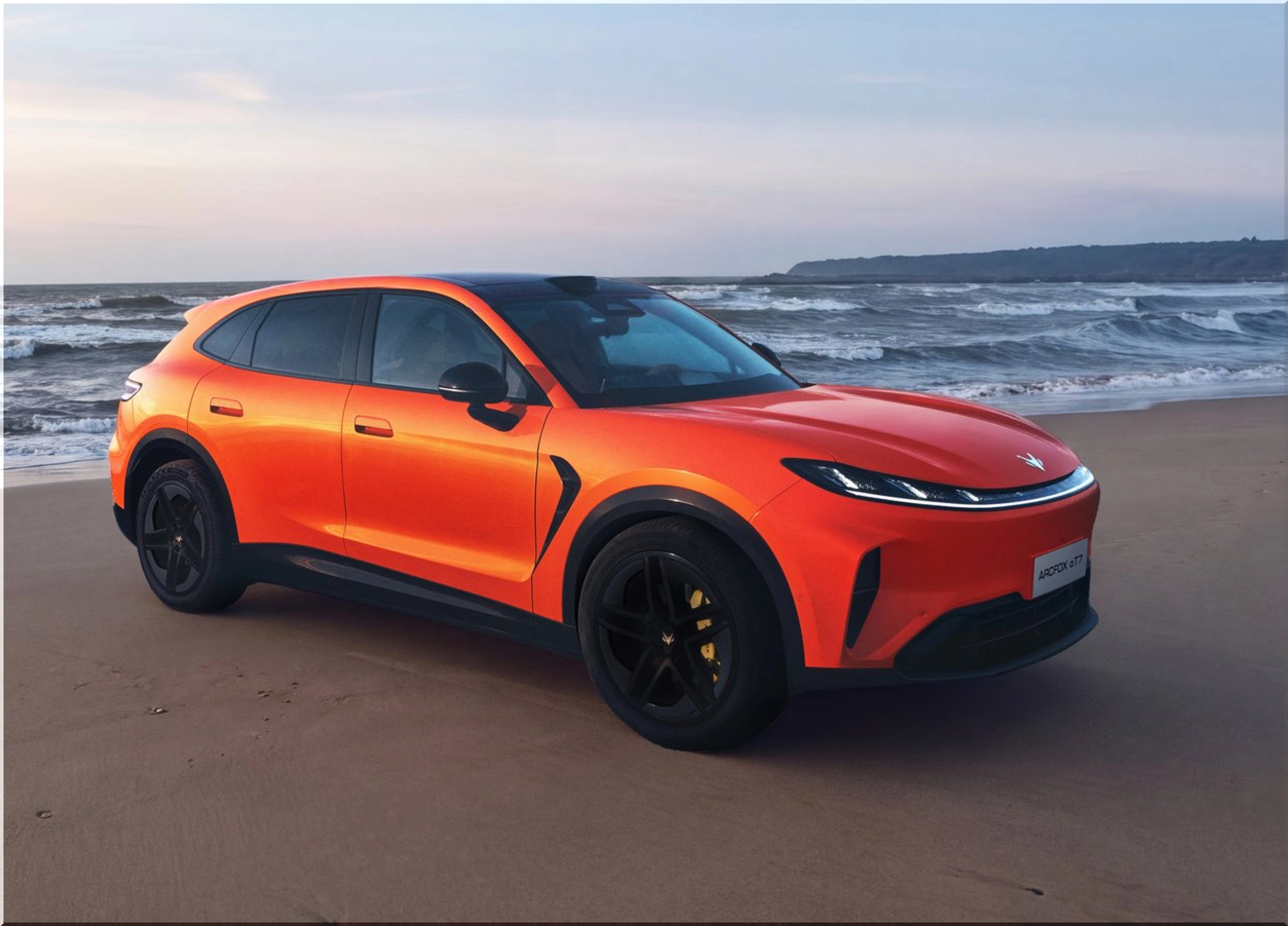
The BAIC Arcfox Alpha T7 brings five seats, rear-wheel drive, and a choice of battery-electric or extended-range powertrains to China's family SUV market. Its pricing grabs attention: advertised launch deals start around $19,600, while the entry battery-electric model starts near $20,100. Buyers must check the trade-in conditions behind those numbers.
Image
What does the Arcfox Alpha T7 actually cost?
Arcfox launched the Alpha T7 on September 16, 2026, with nine configurations. Its advertised launch prices span approximately $19,600-$25,000, but those figures include a roughly $590 trade-in subsidy. Before that allowance, list prices run approximately $20,200-$25,600. These China-market figures do not represent US MSRP.
All dollar amounts use an approximate launch-period exchange rate and round to the nearest $100, except the subsidy. The September entry offer undercuts August's pre-sale offer by roughly $700; mixing those announcements overstates today's starting price.
Image
How do the electric and extended-range versions compare?
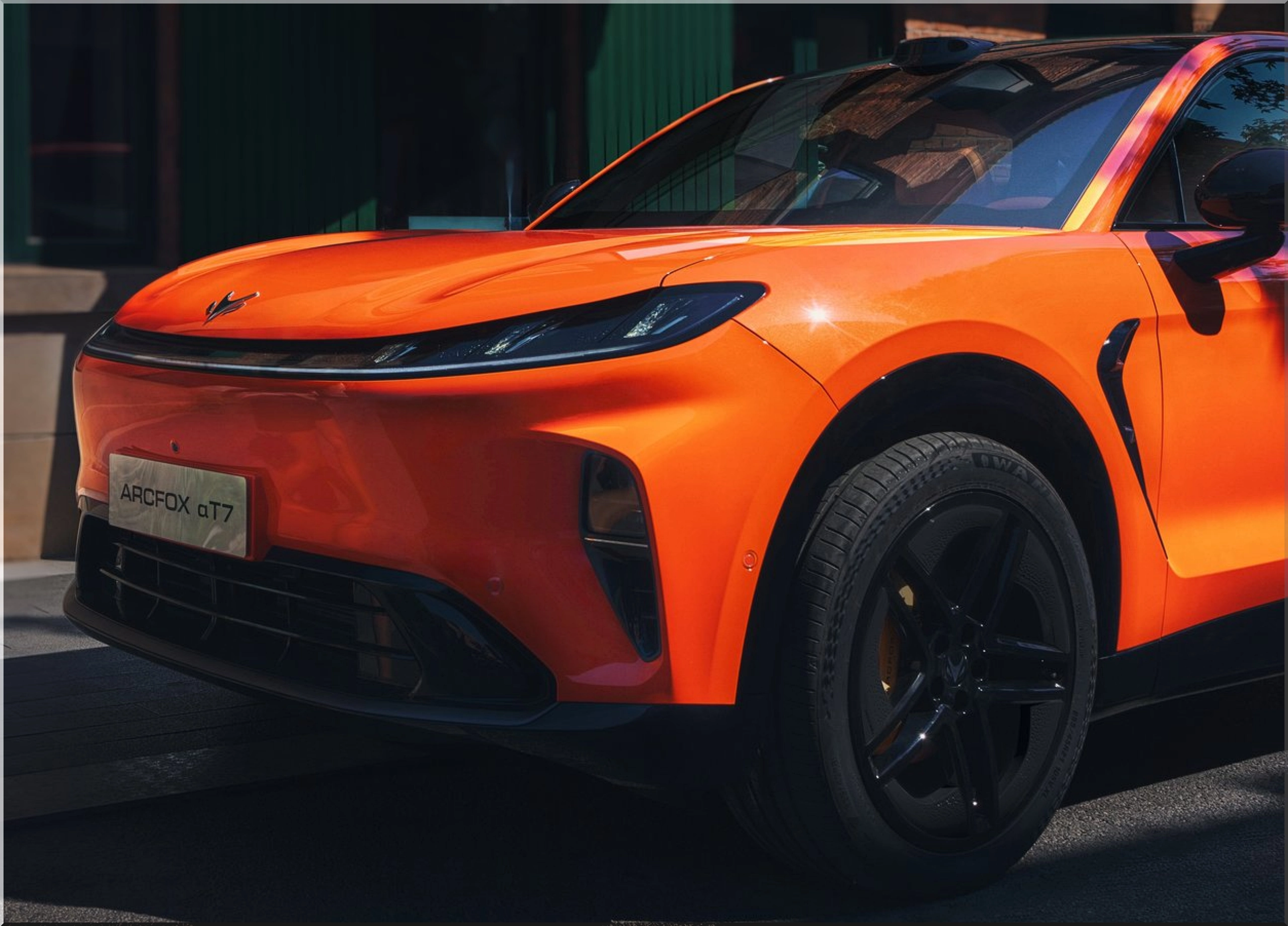
The battery-electric SUV pairs a 227-kW motor with an 800V architecture, while the extended-range version combines a 200-kW drive motor, a 1.5-liter gasoline range extender, and a 400V system. Both drive the rear wheels. The difference gives buyers a choice between a larger battery and gasoline backup.
| Specification | Extended-range T7 | Battery-electric T7 |
|---|---|---|
| Peak motor output | 200 kW / 268 hp | 227 kW / 304 hp |
| Electrical architecture | 400V | 800V |
| Battery capacity | 43.9 kWh | 84.8 kWh on 715 versions |
| Electric range, CLTC | 199 miles / 320 km | 404-444 miles / 650-715 km |
| Combined range, CLTC | 817 miles / 1,315 km | Battery-only operation |
| Claimed 30%-80% DC charging | 15 minutes | 15 minutes |
CLTC range describes China's laboratory test cycle. Converting kilometers into miles does not produce an EPA estimate, and winter temperatures, highway speeds, or towing can change consumption. Arcfox's charging figures also depend on suitable equipment and battery conditions.
Looking at the data, voltage alone does not determine charging time. The 84.8-kWh pack's claimed 50-percentage-point refill implies roughly 170 kW average battery charging power over 15 minutes; that calculation estimates an average, not a peak rating.
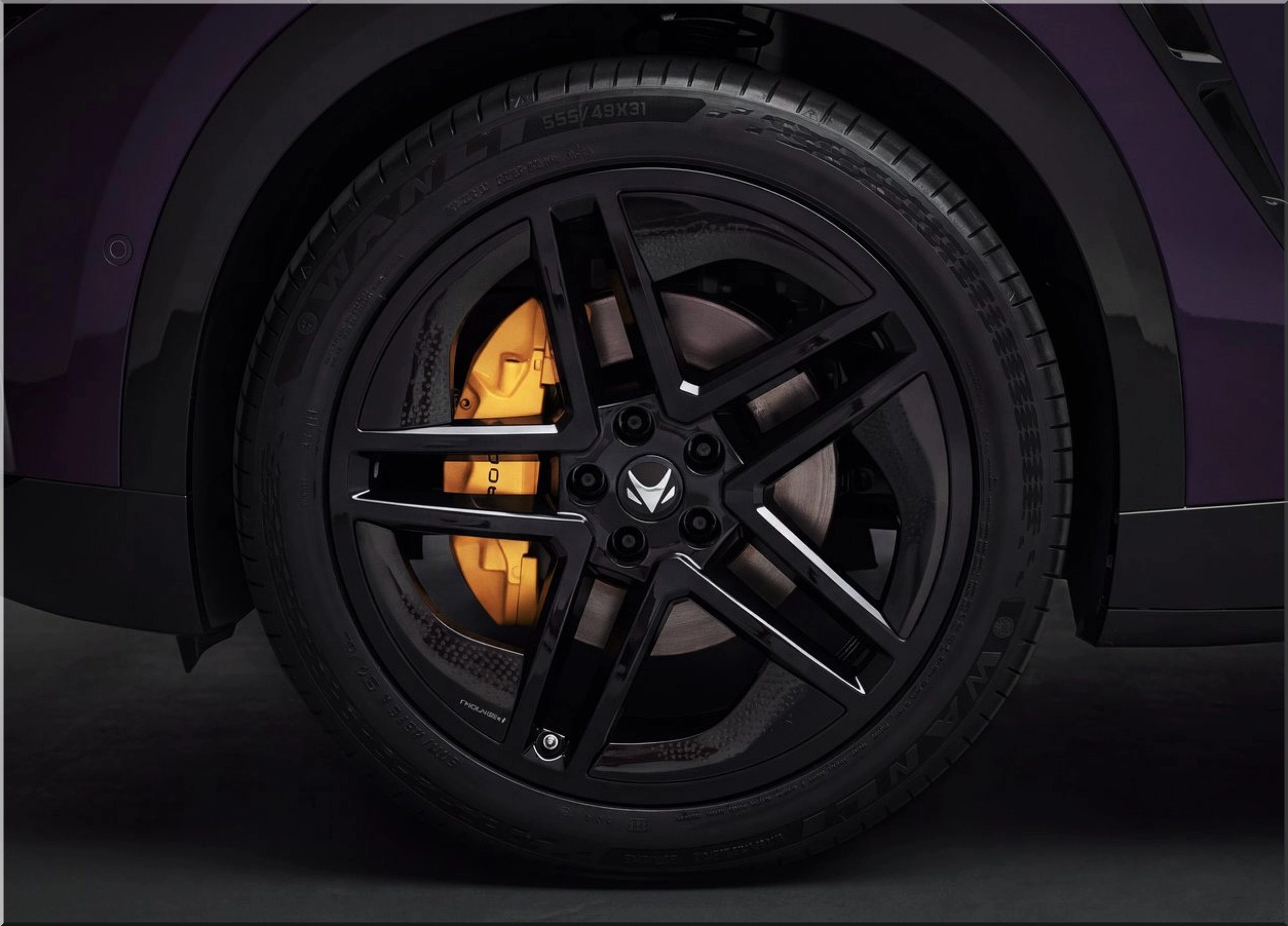
How much space and driver assistance does it offer?
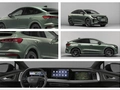
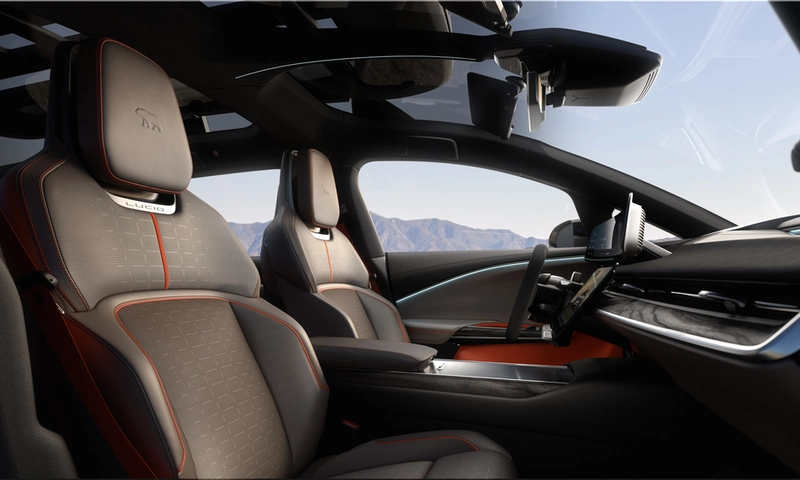
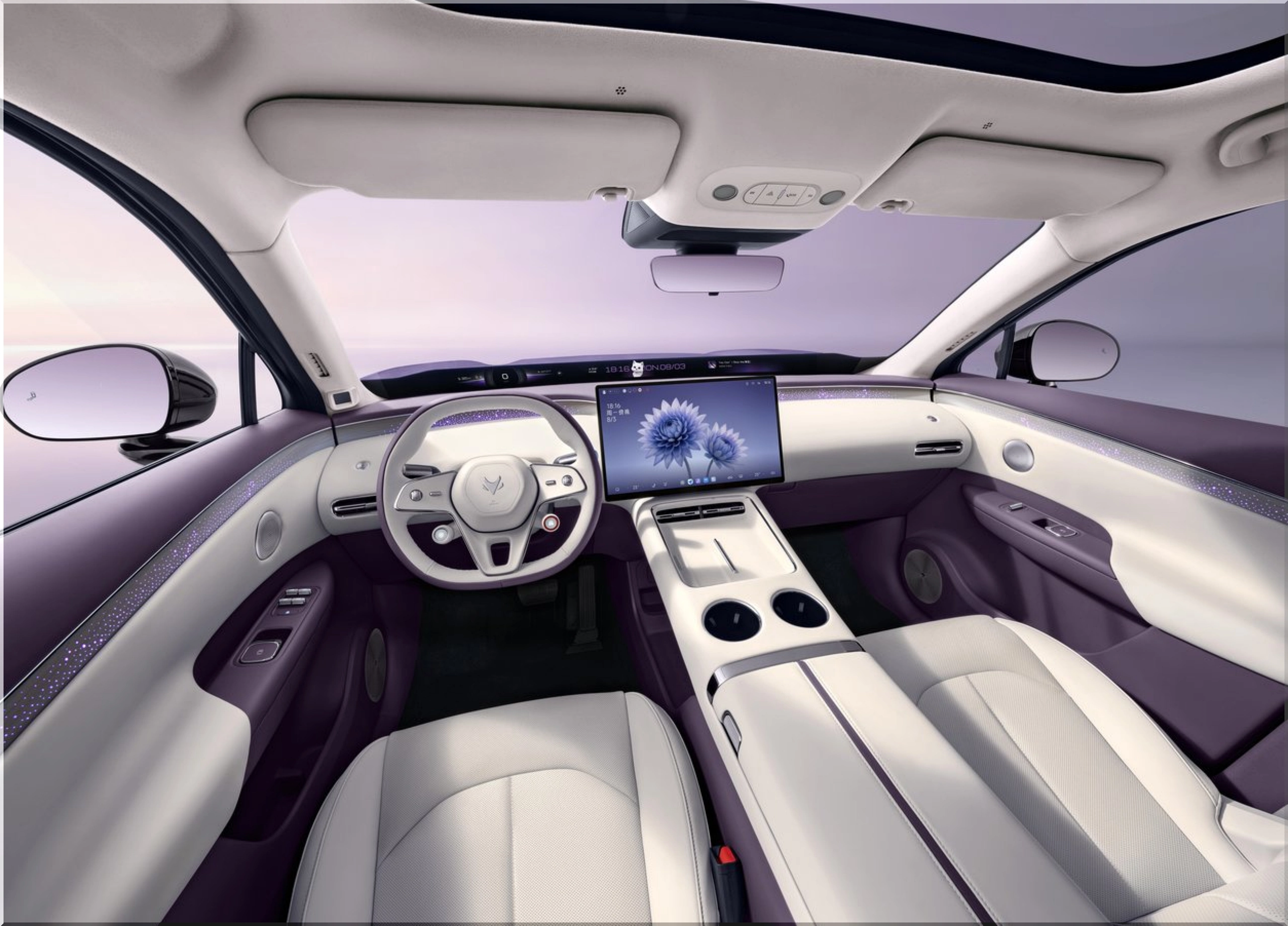
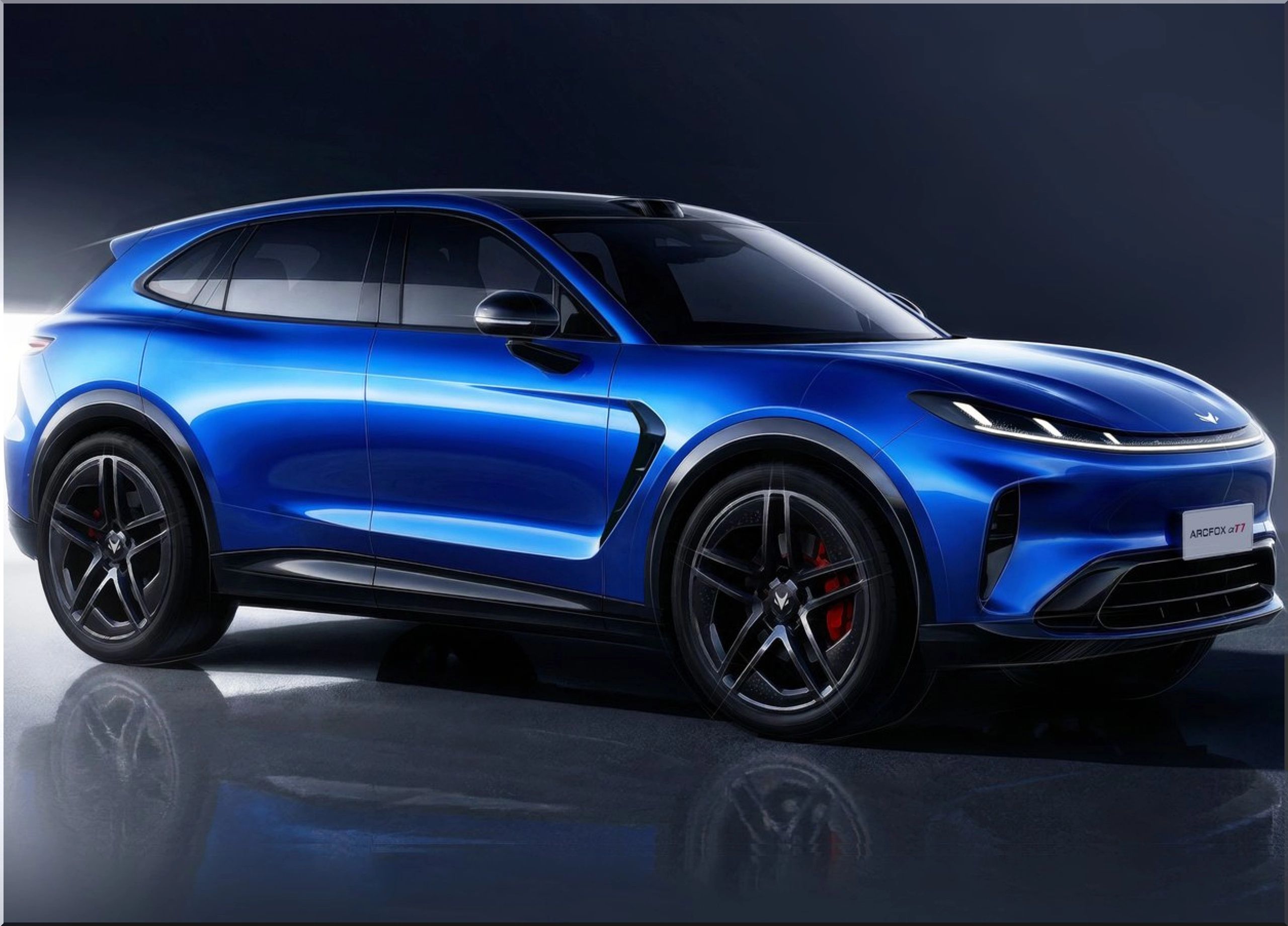
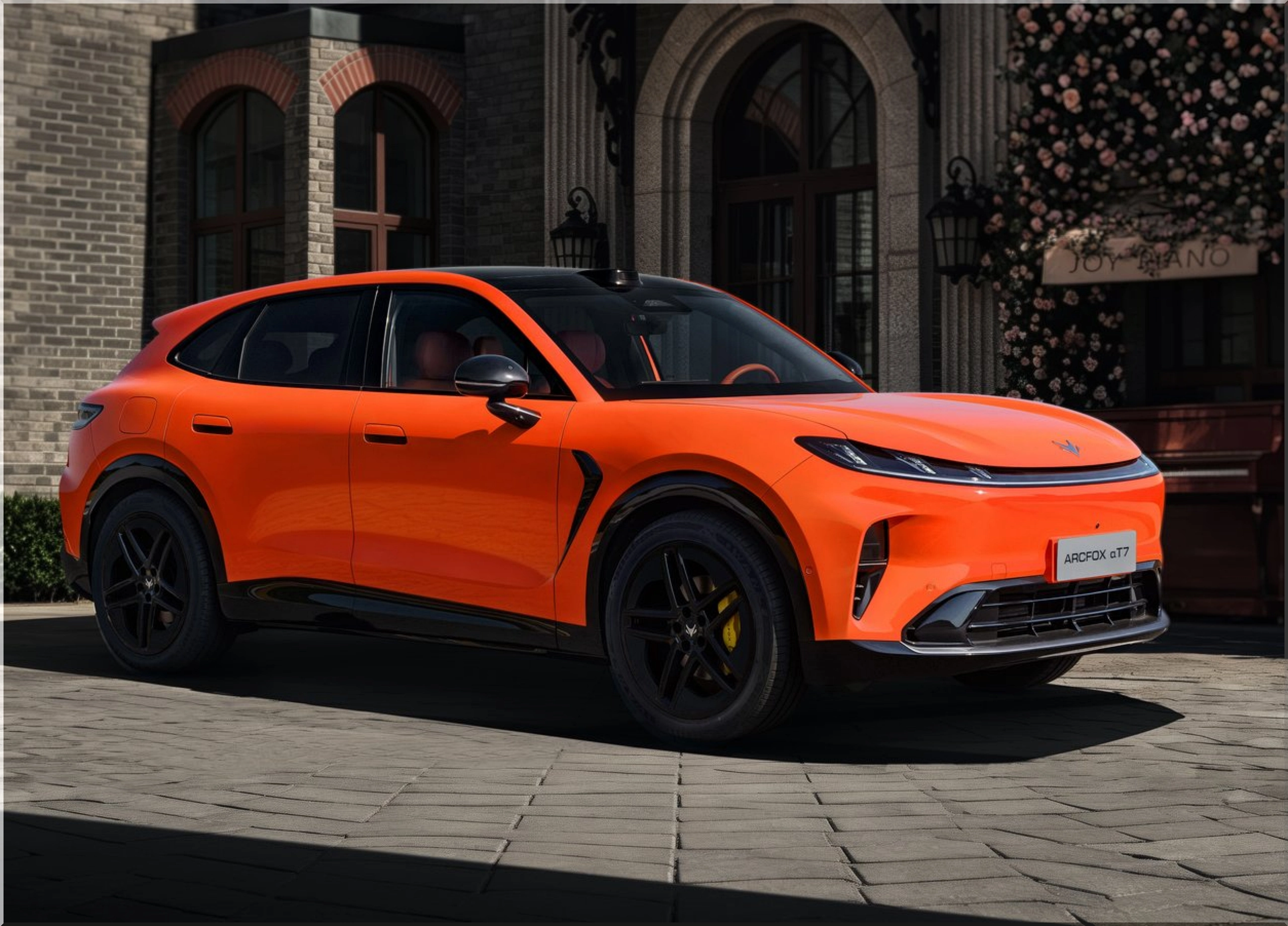
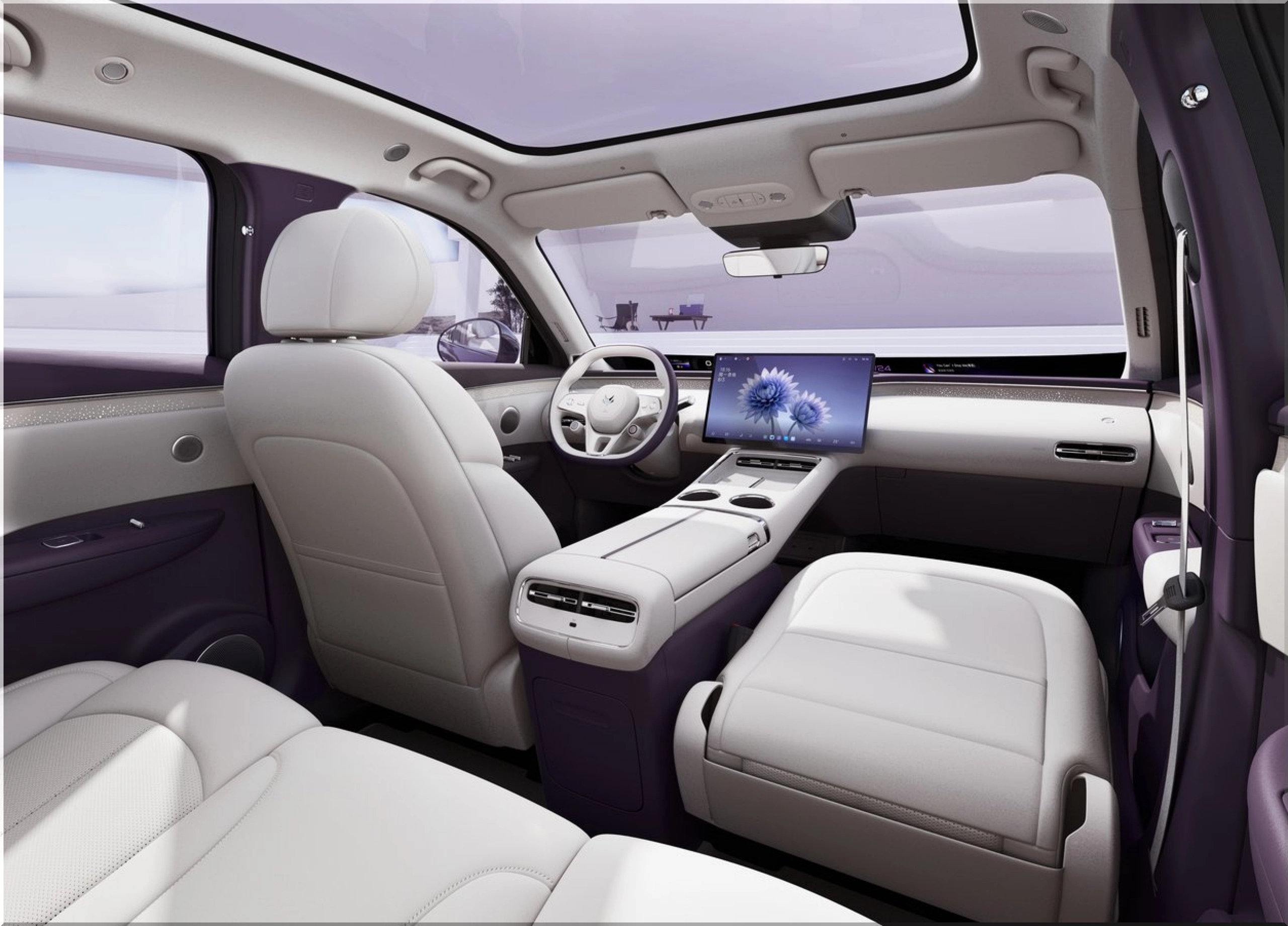
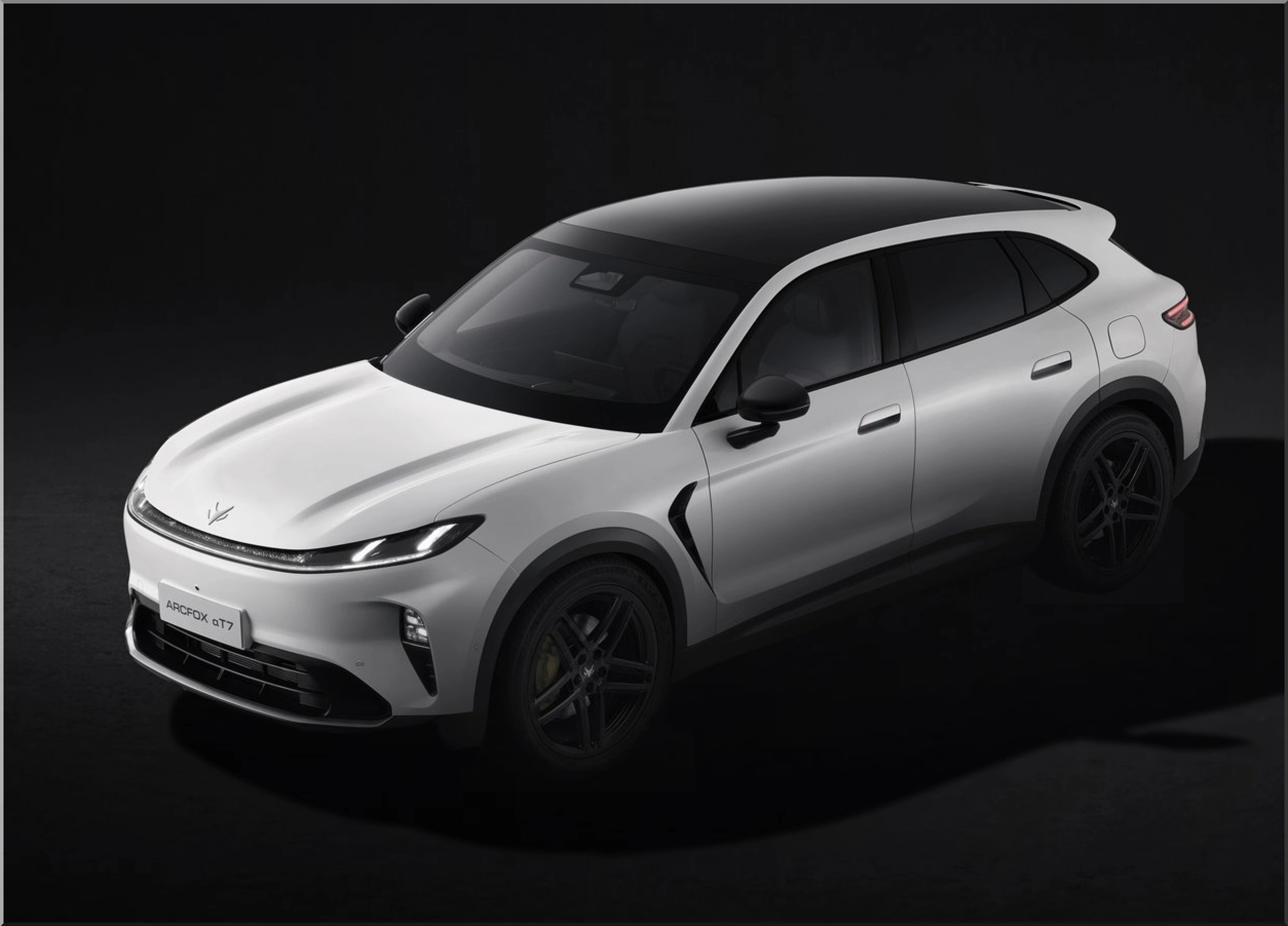
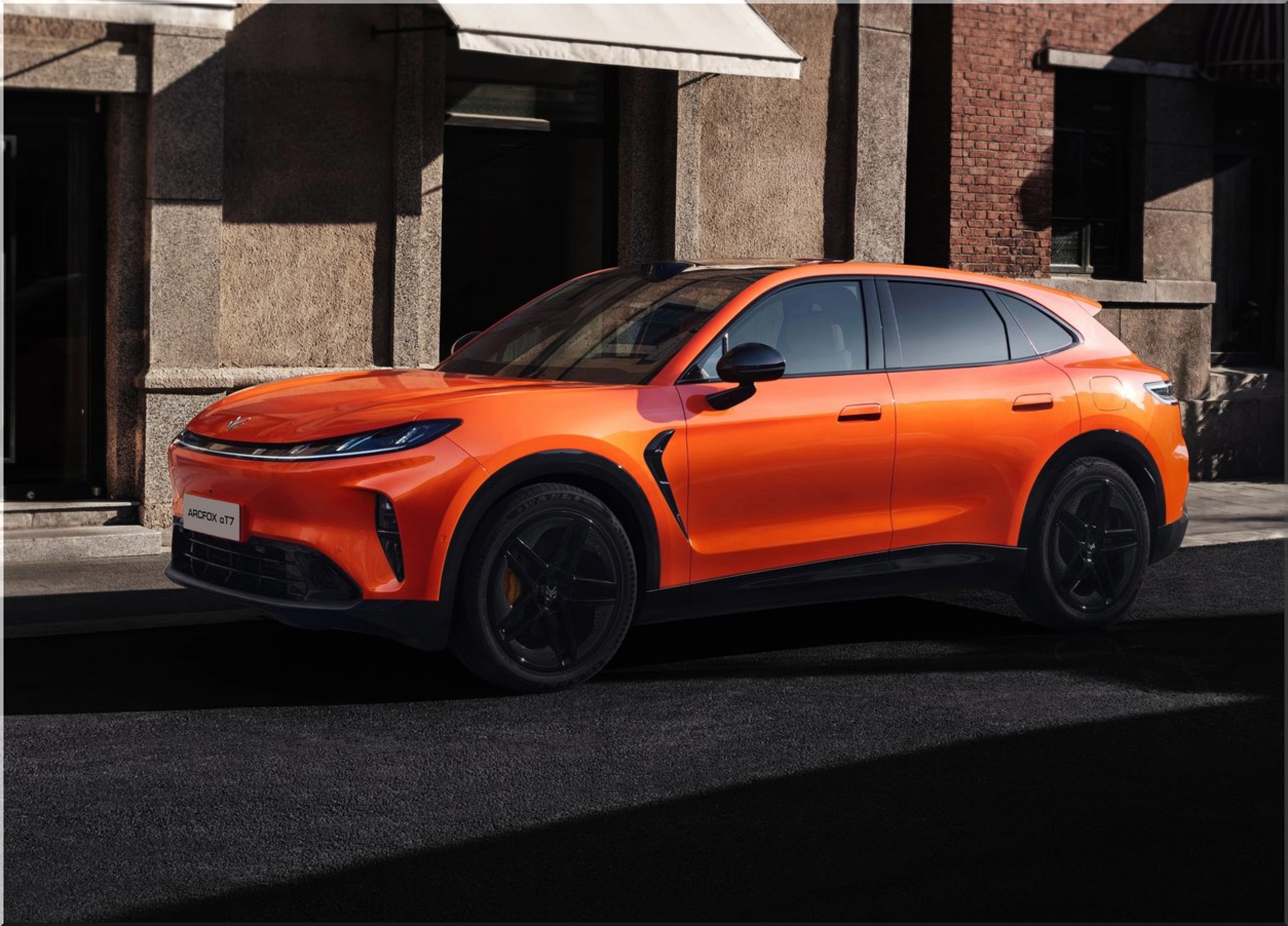
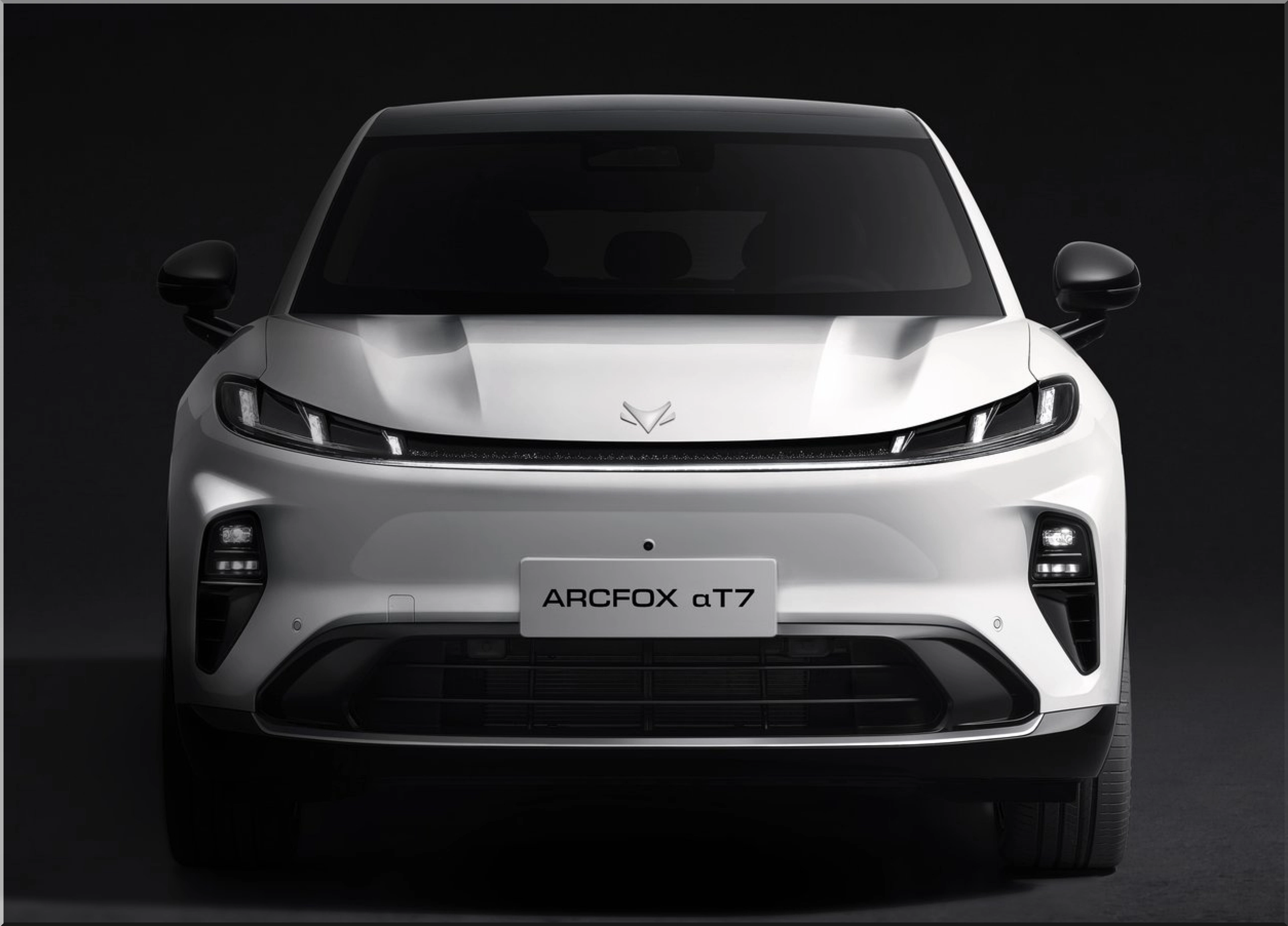
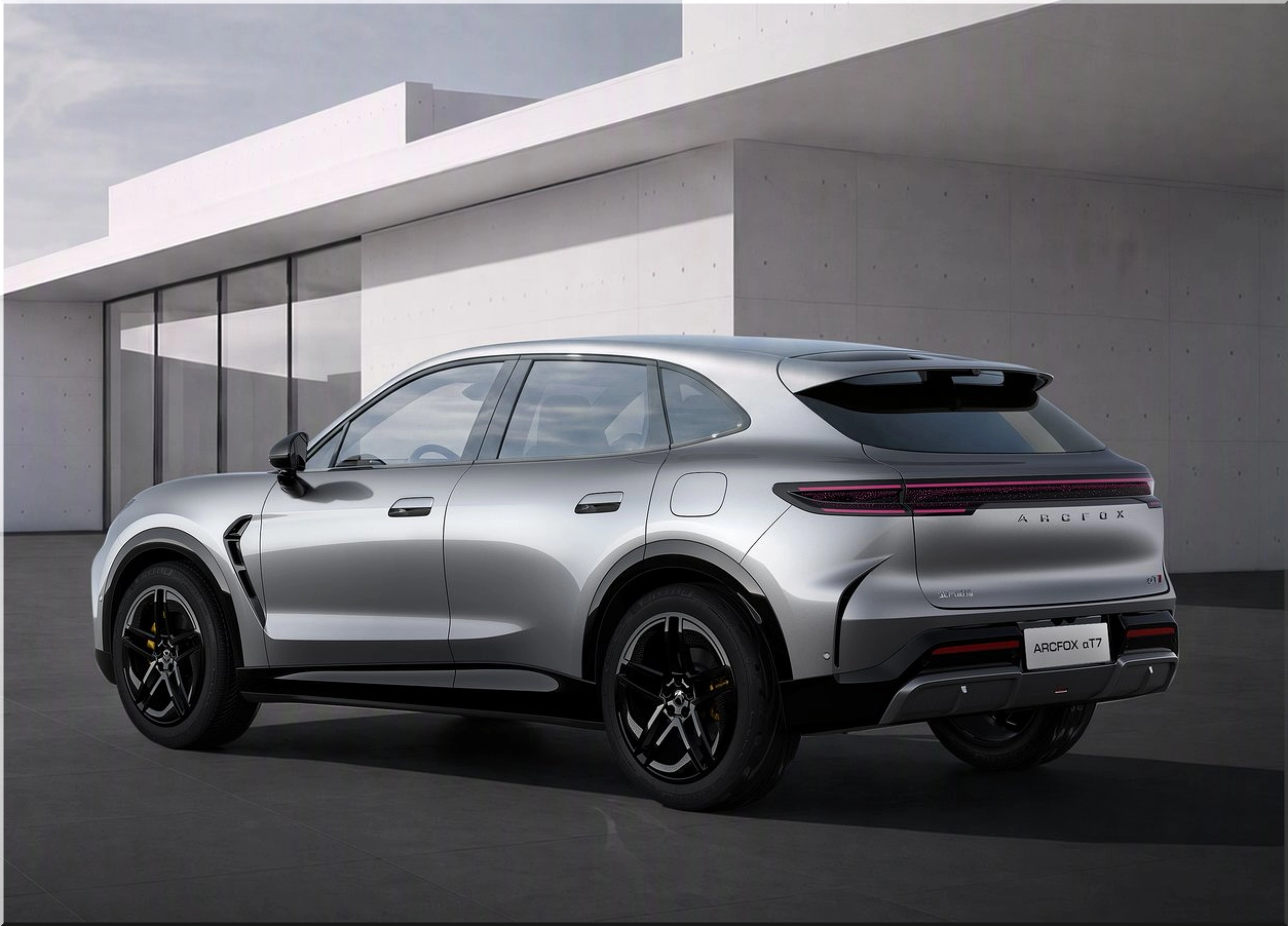
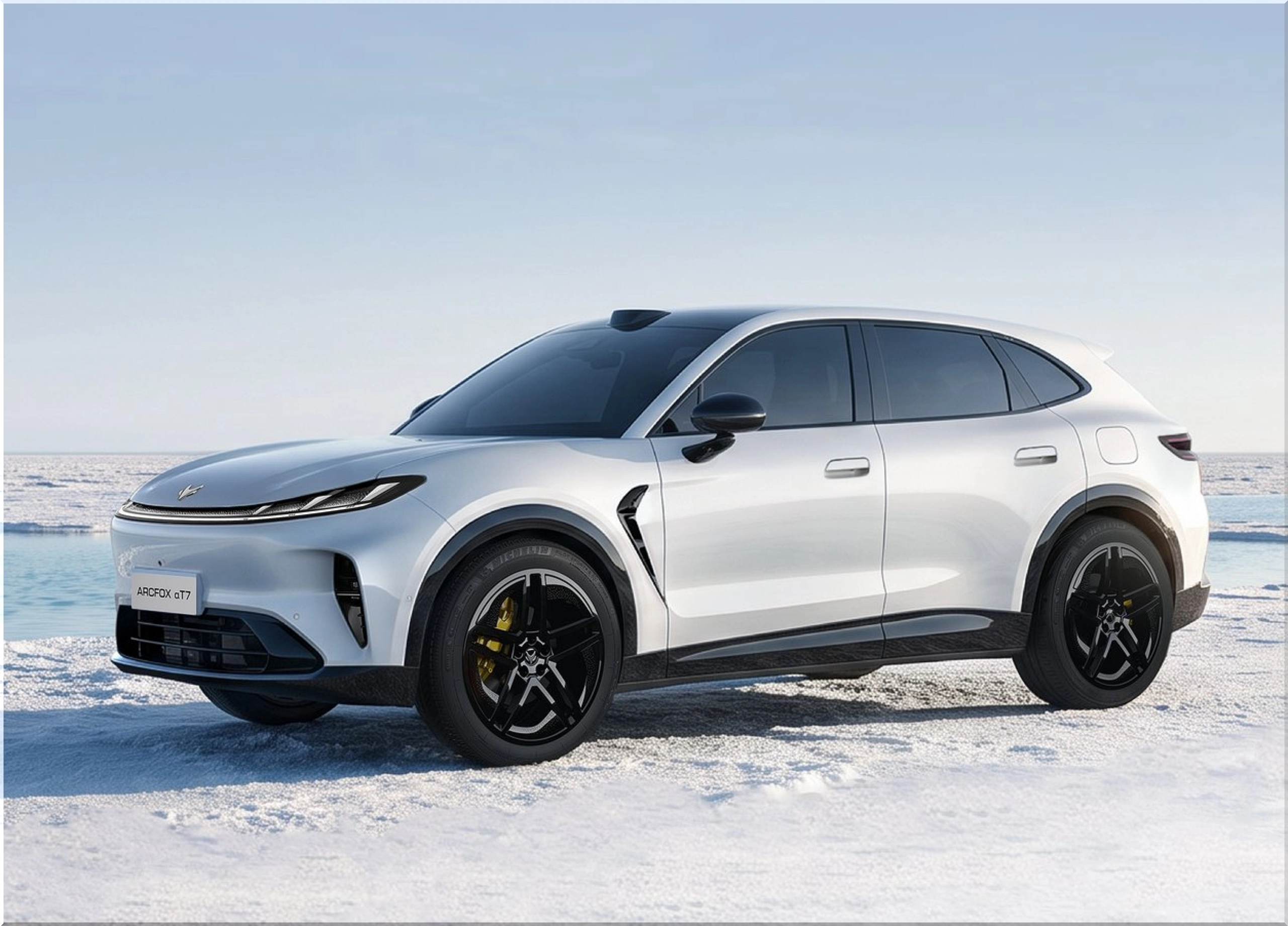
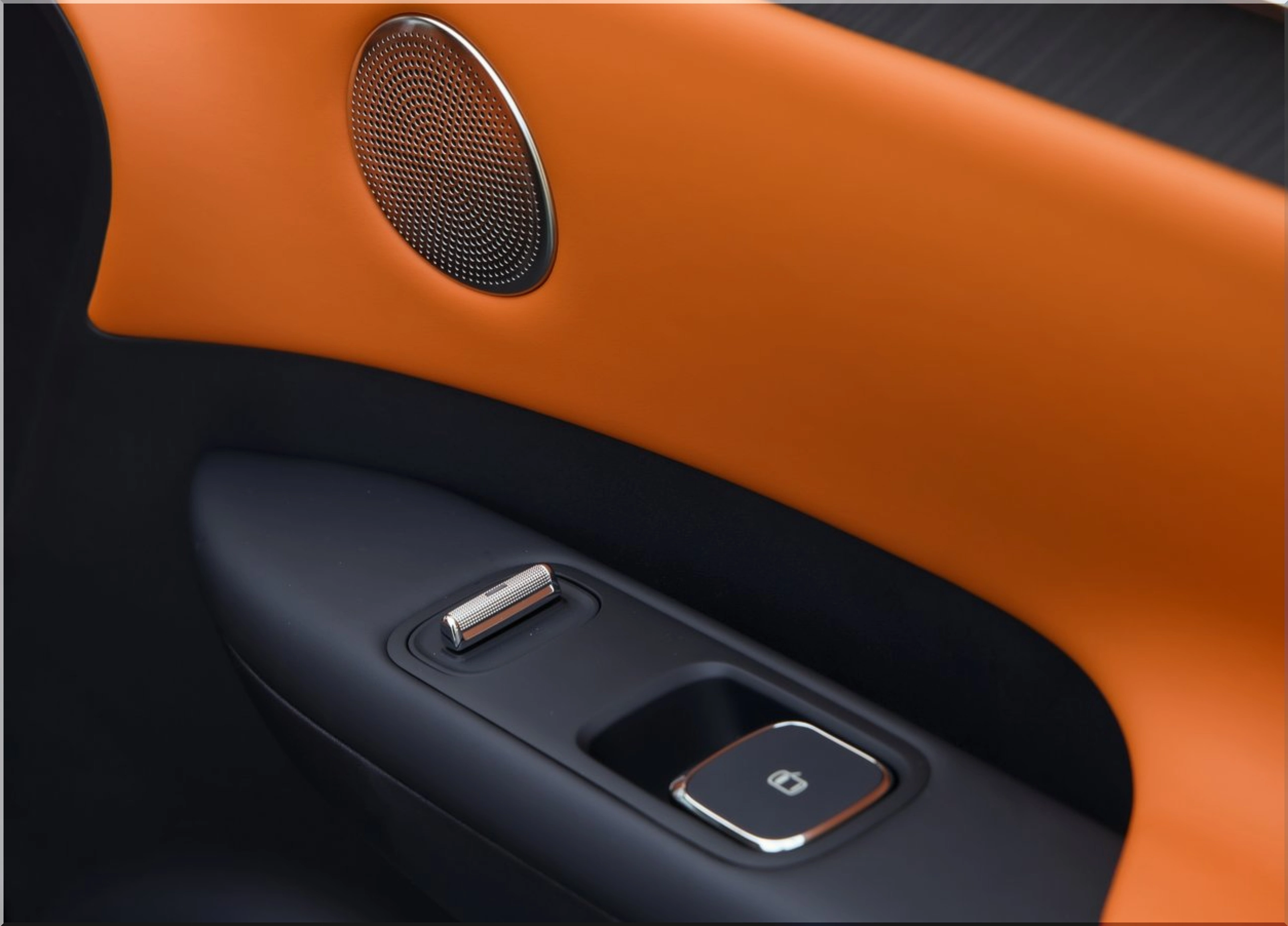
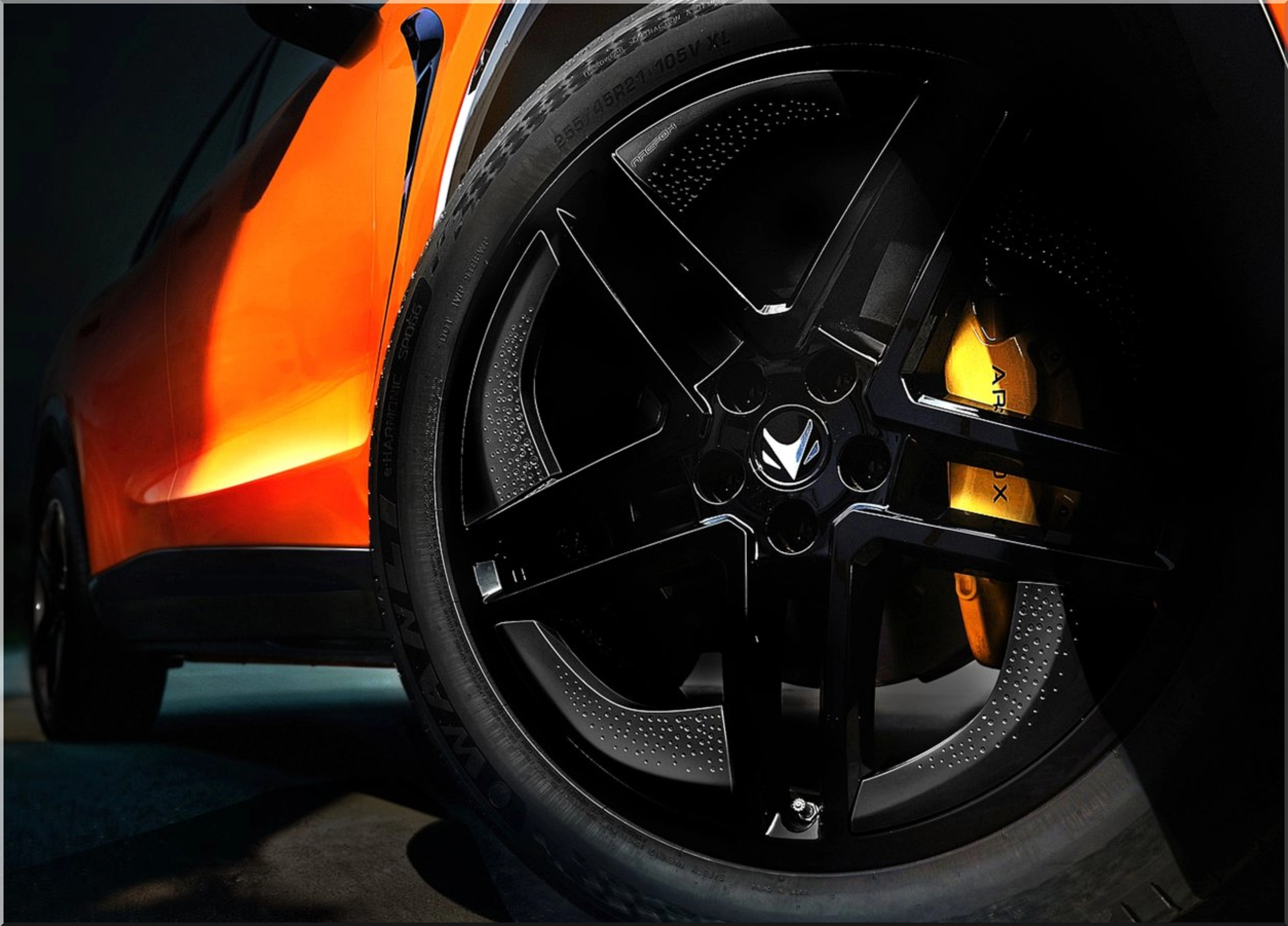
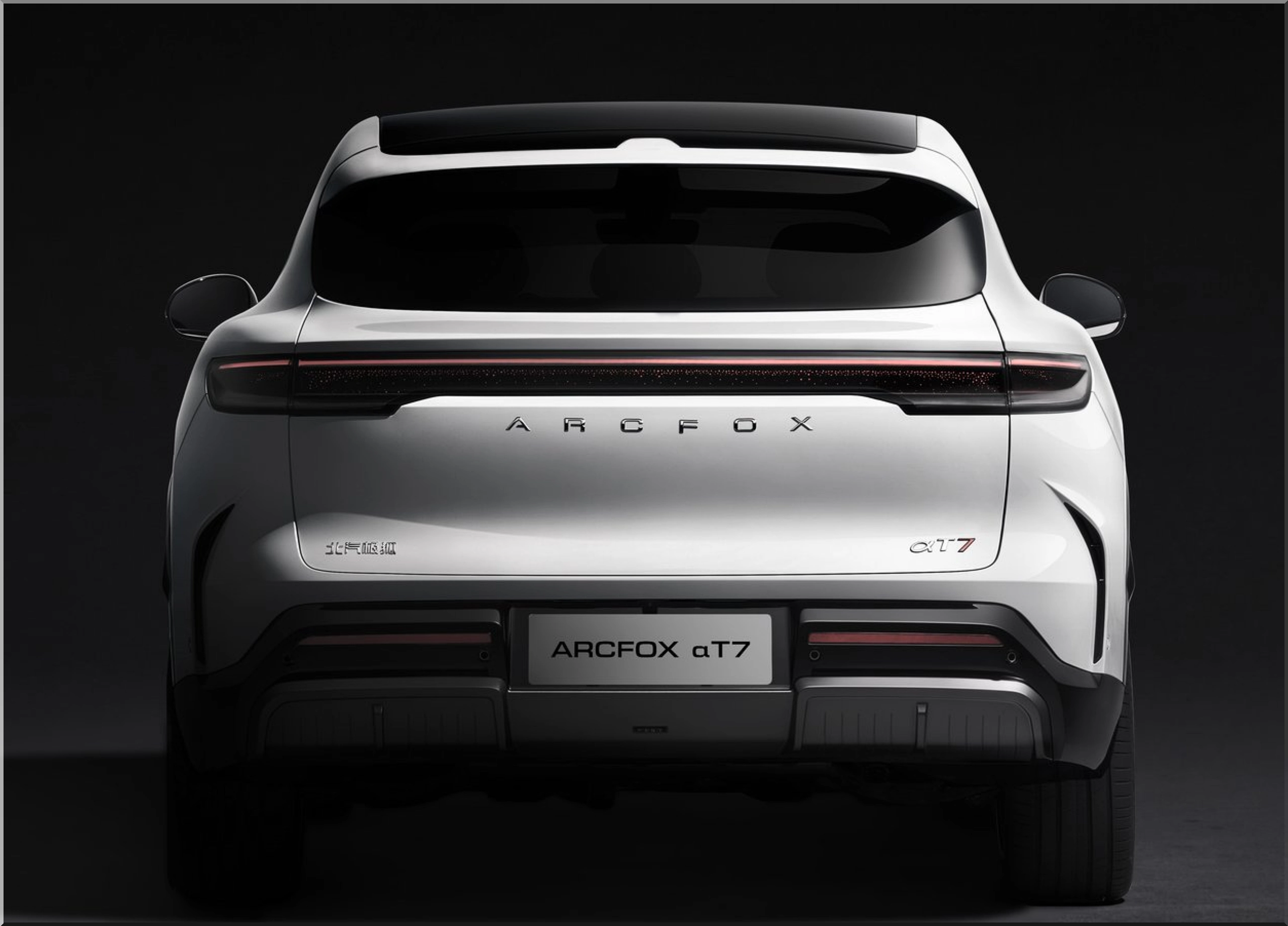
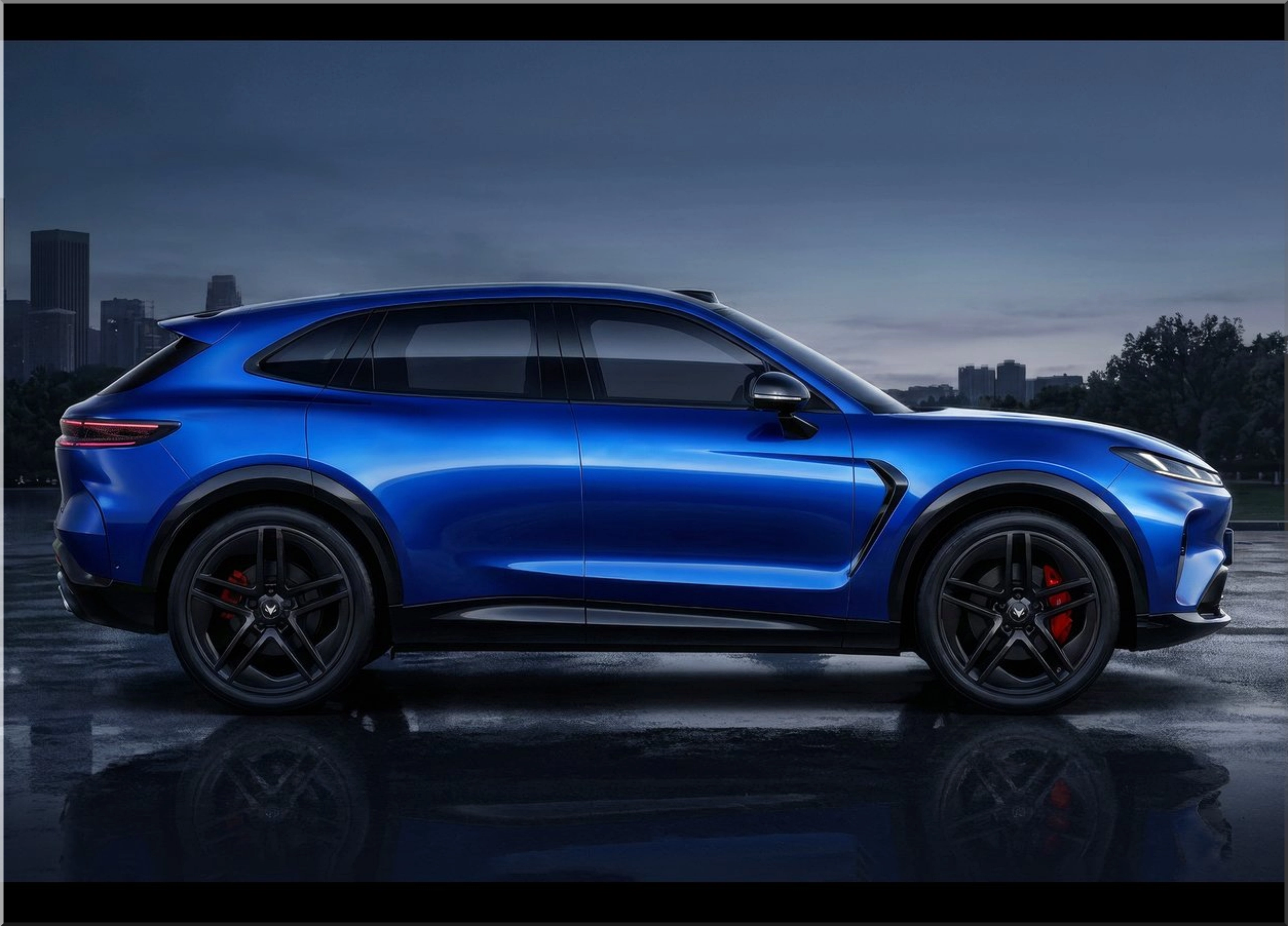
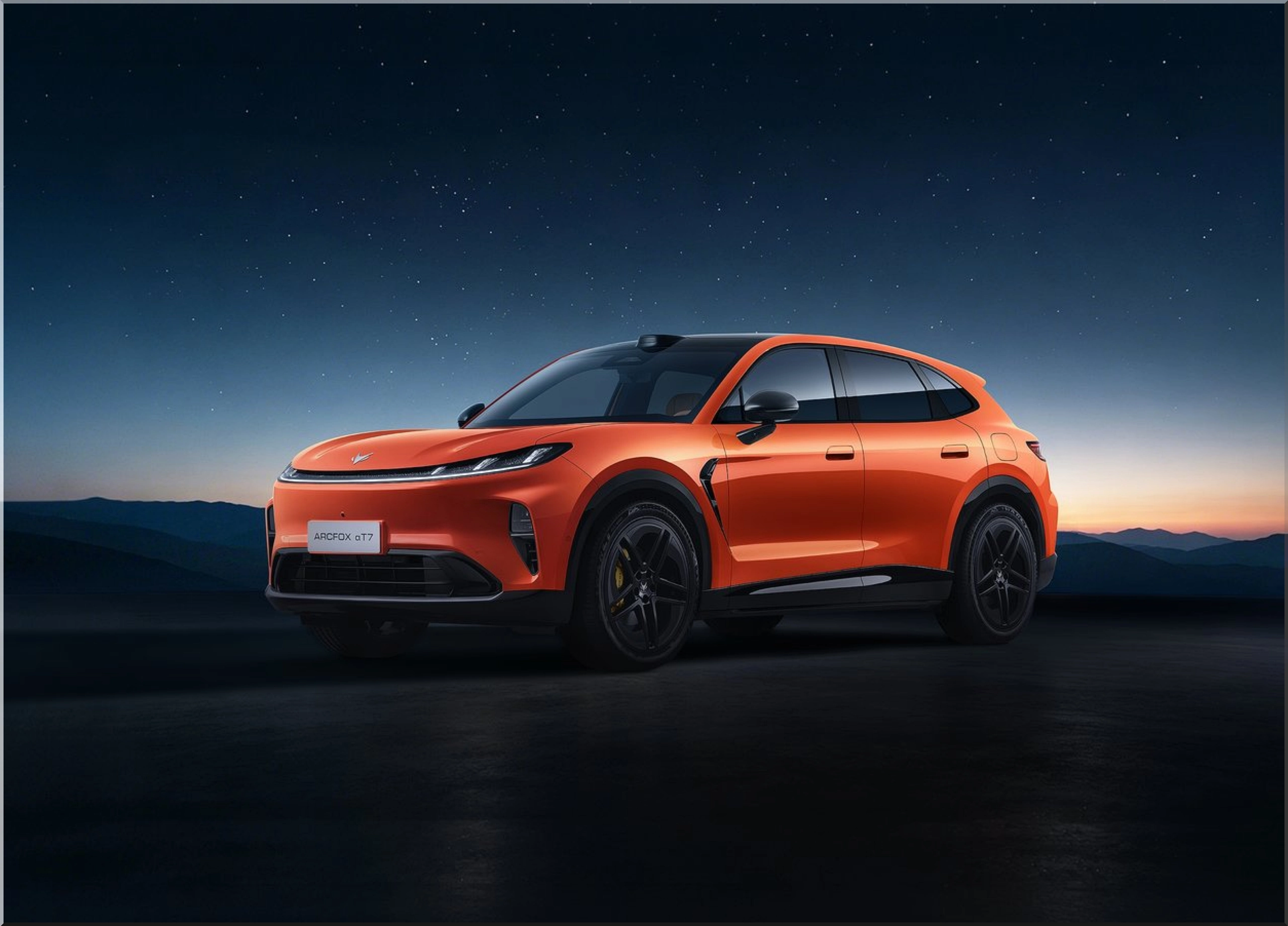
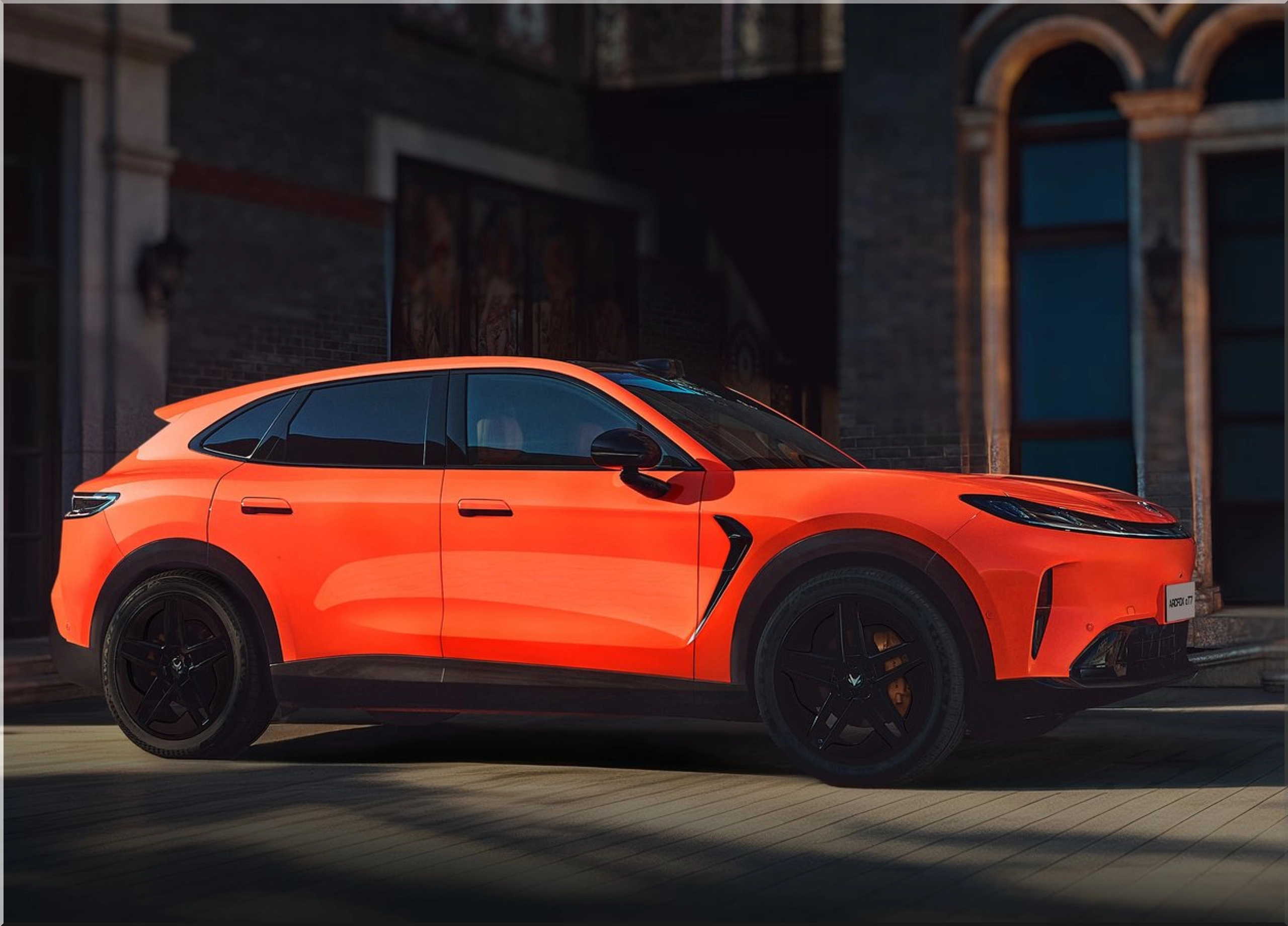
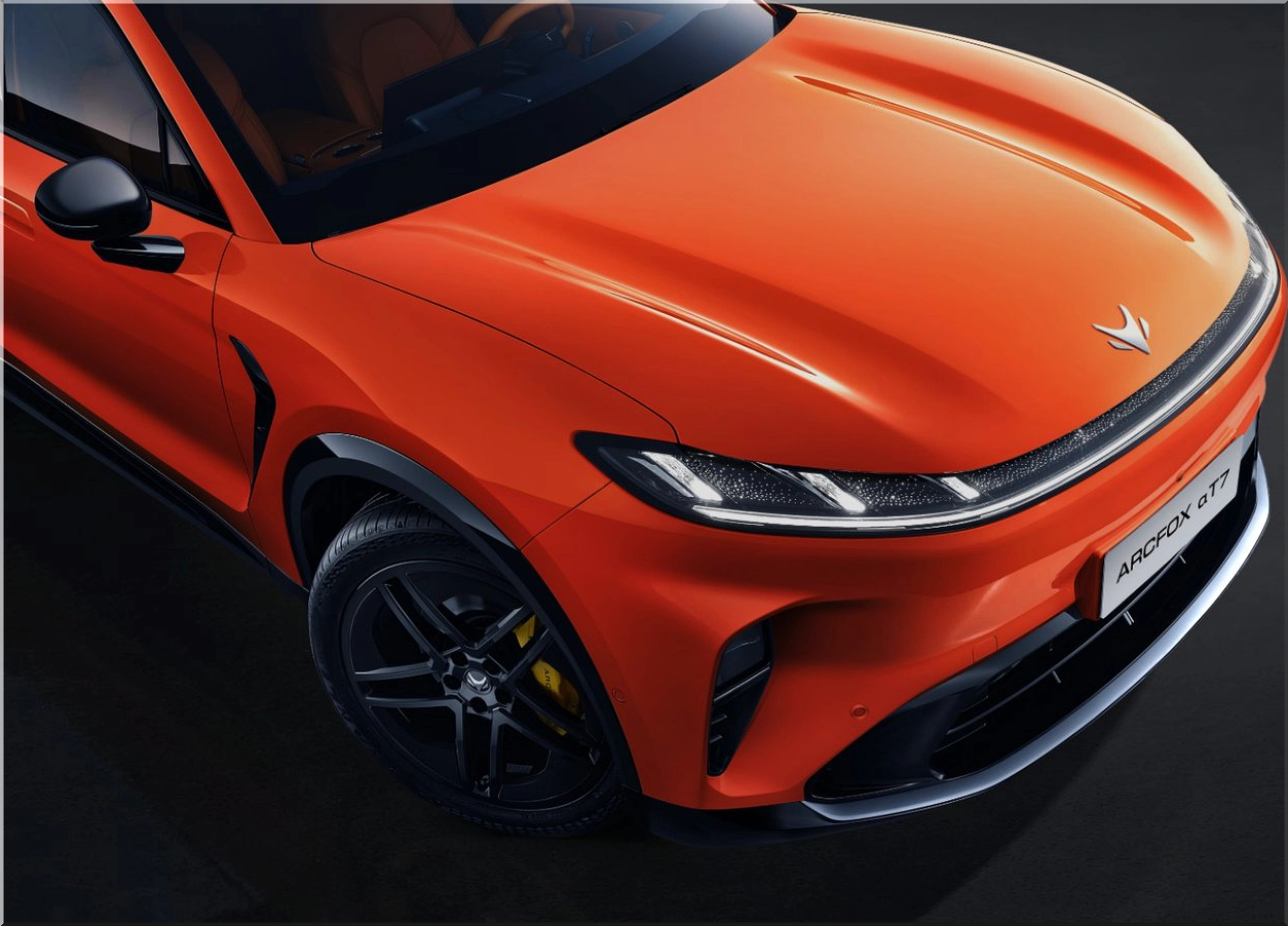
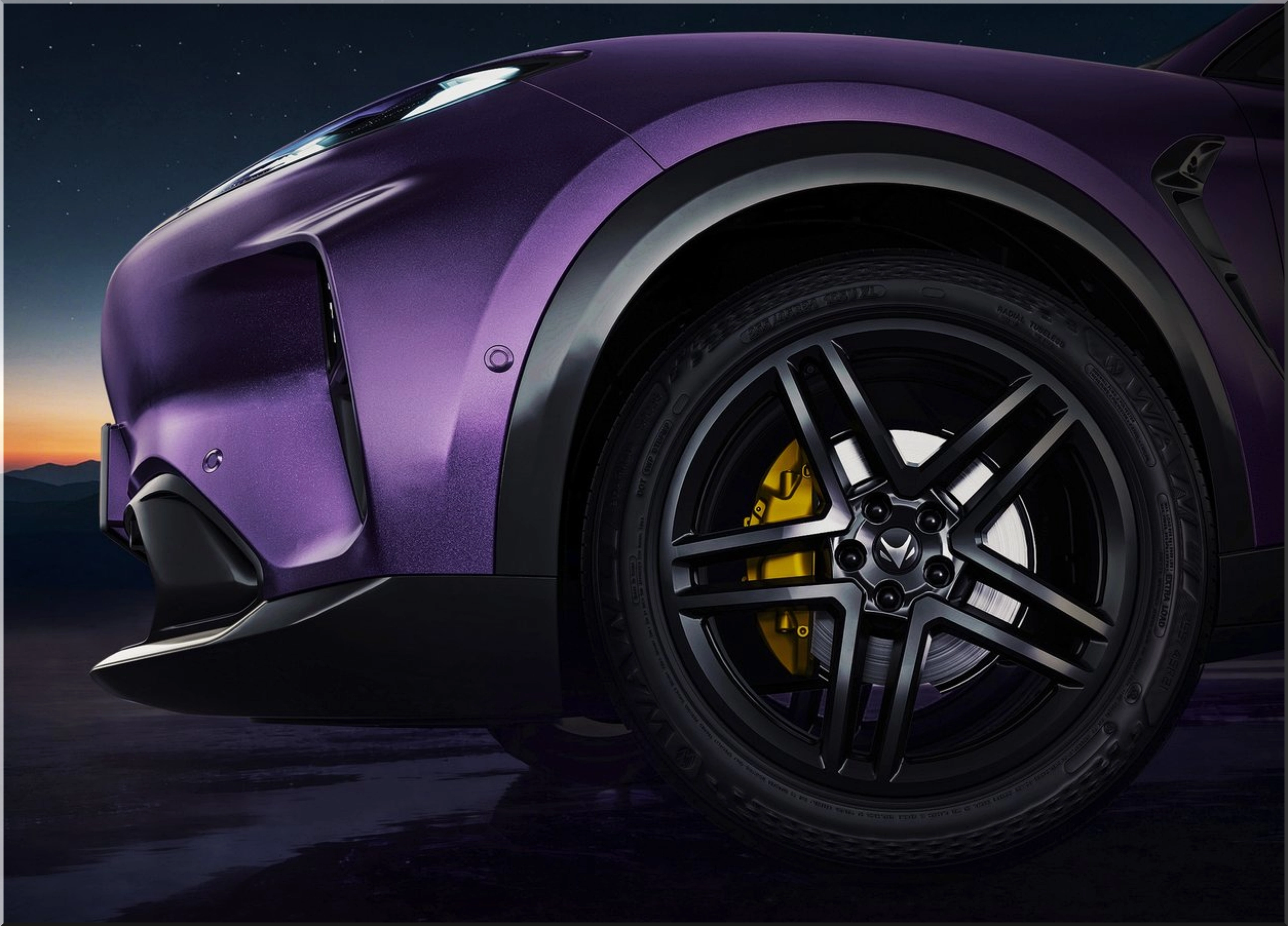
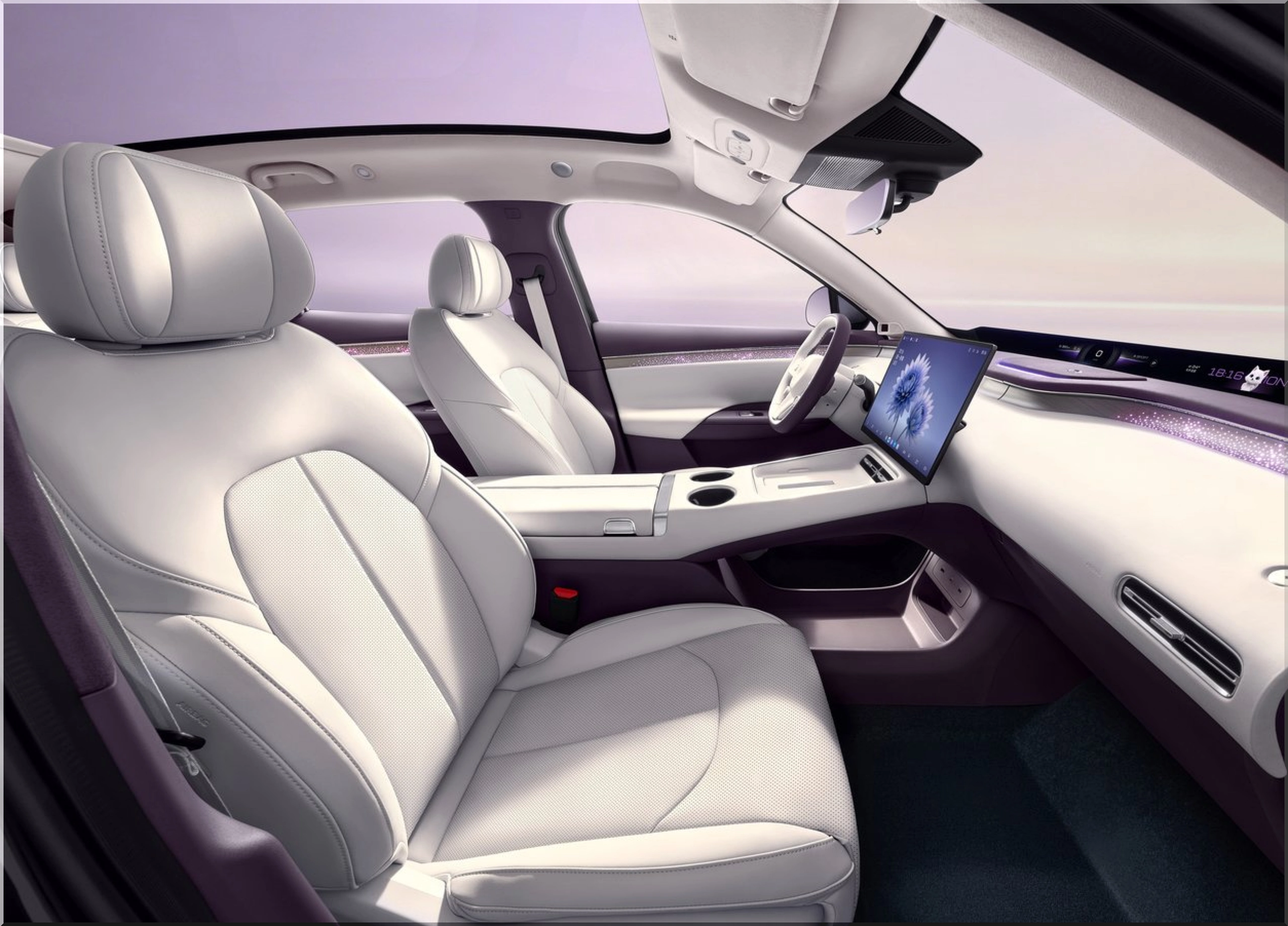
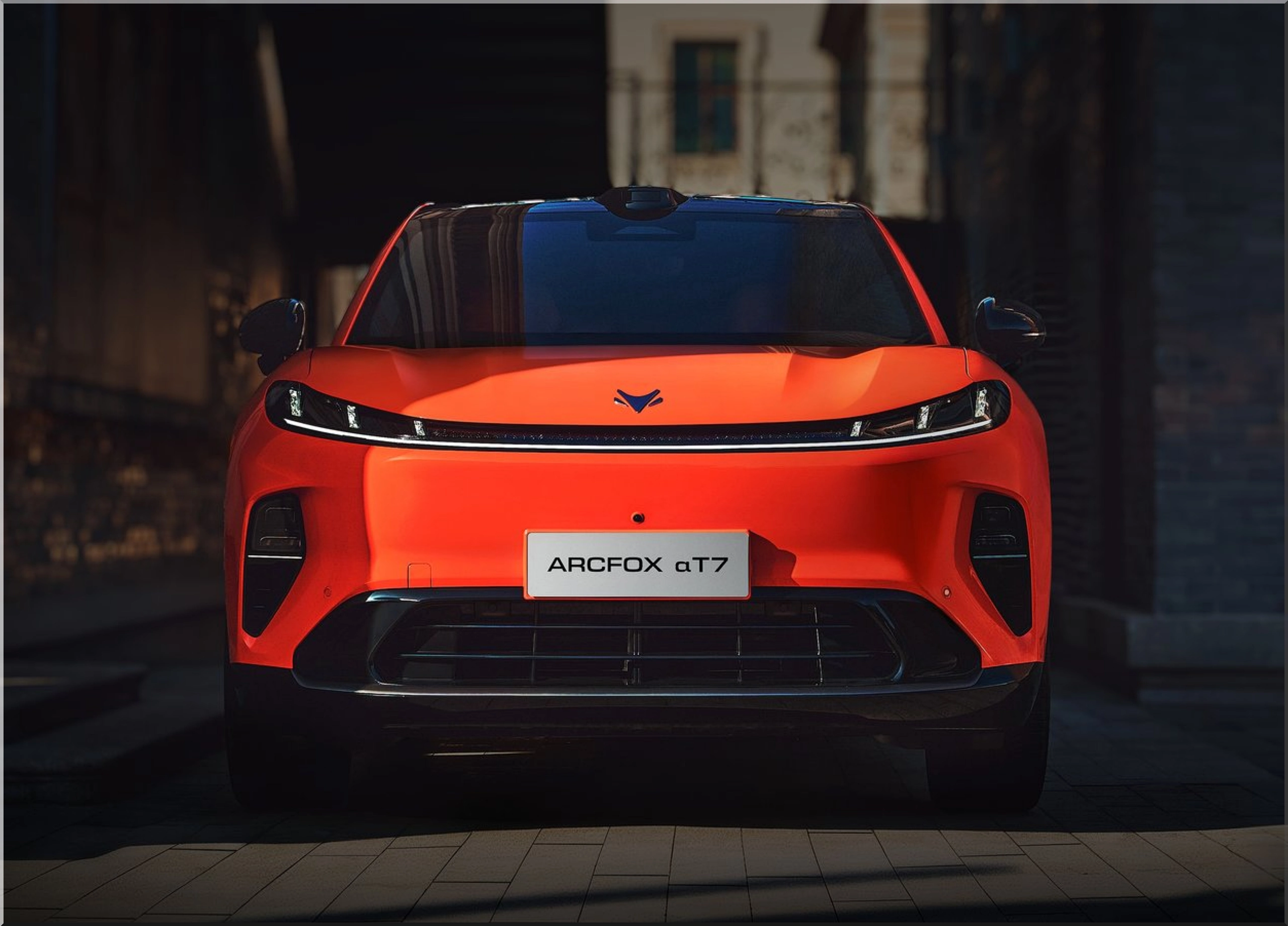
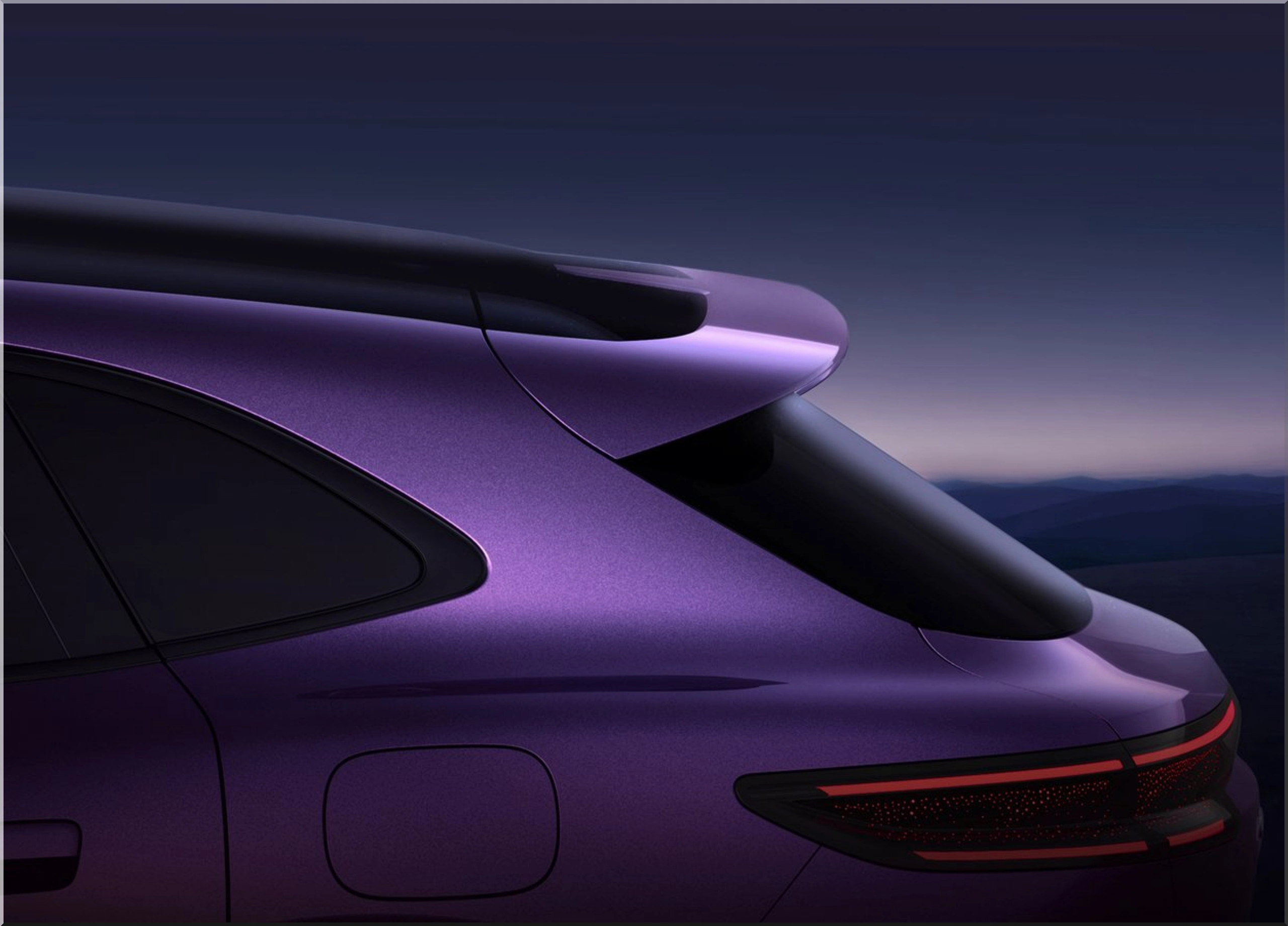
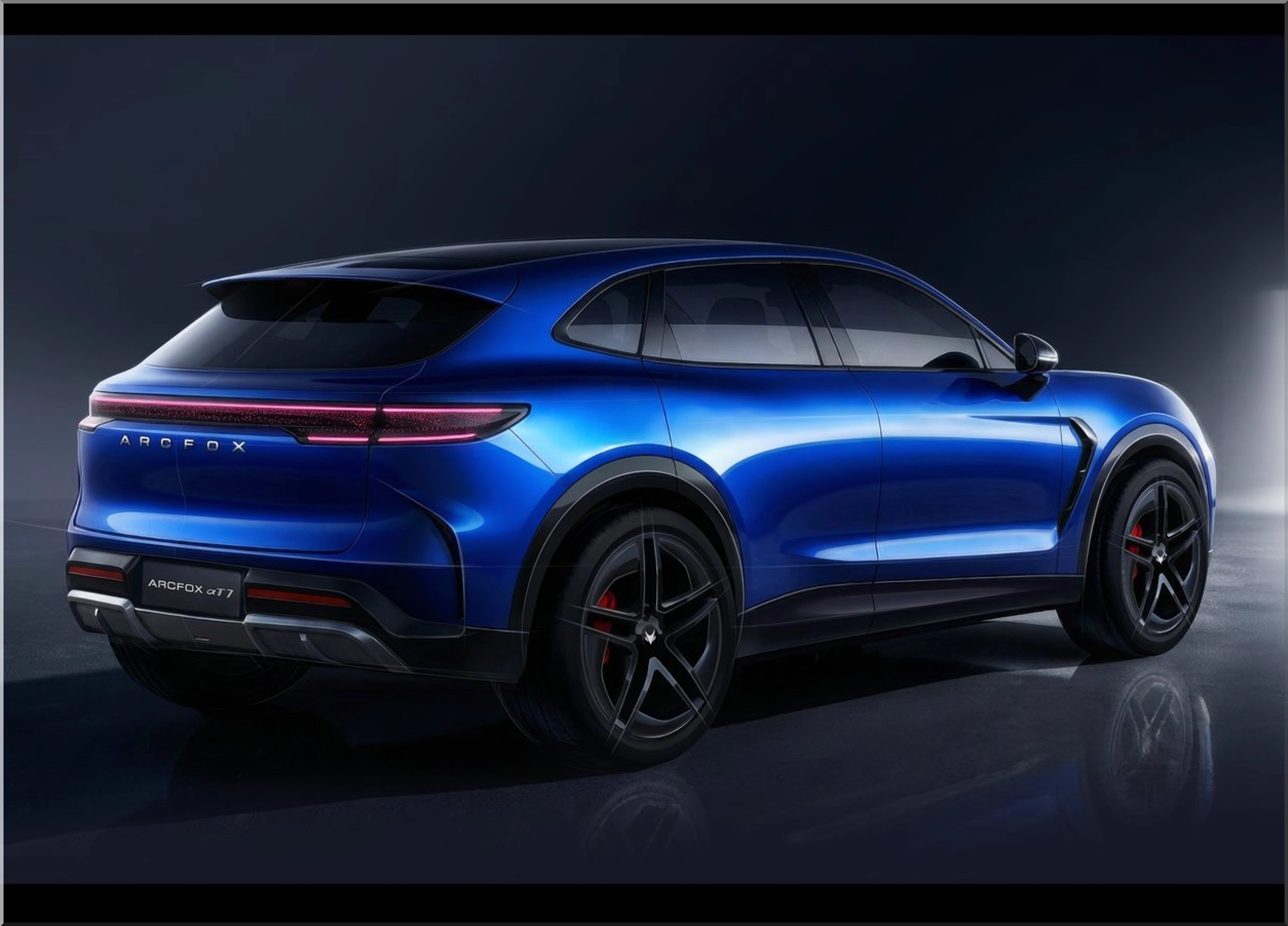
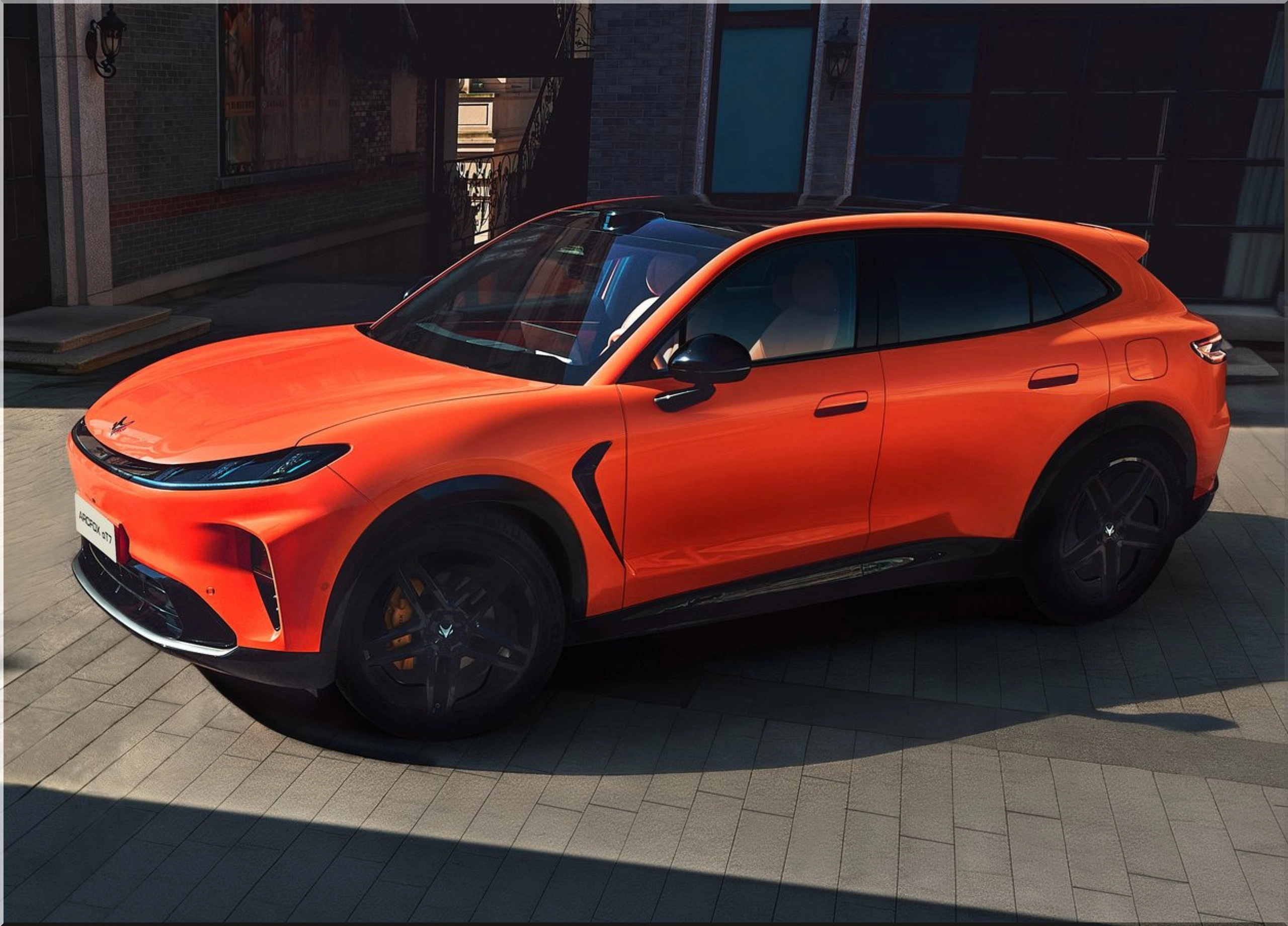
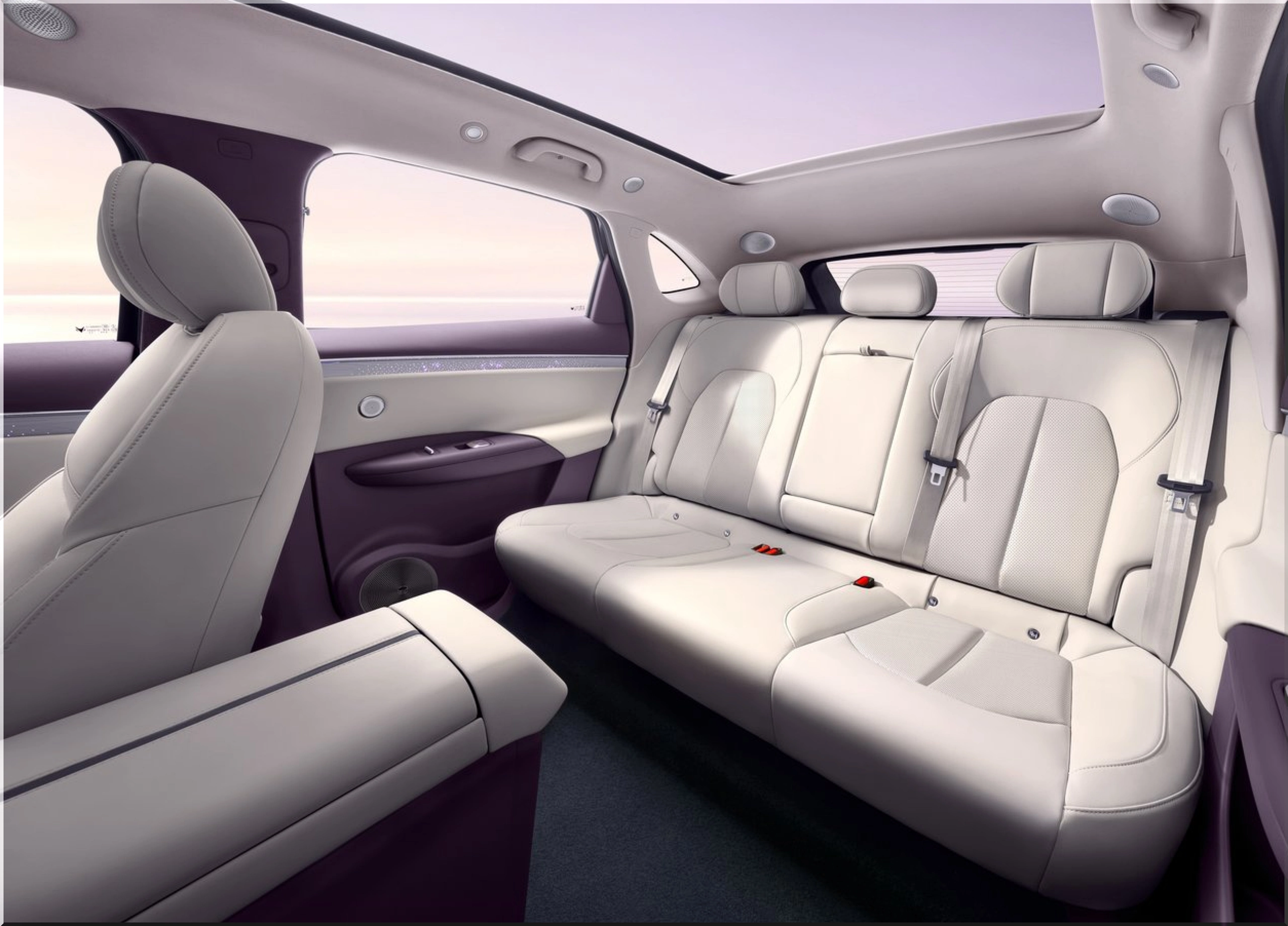
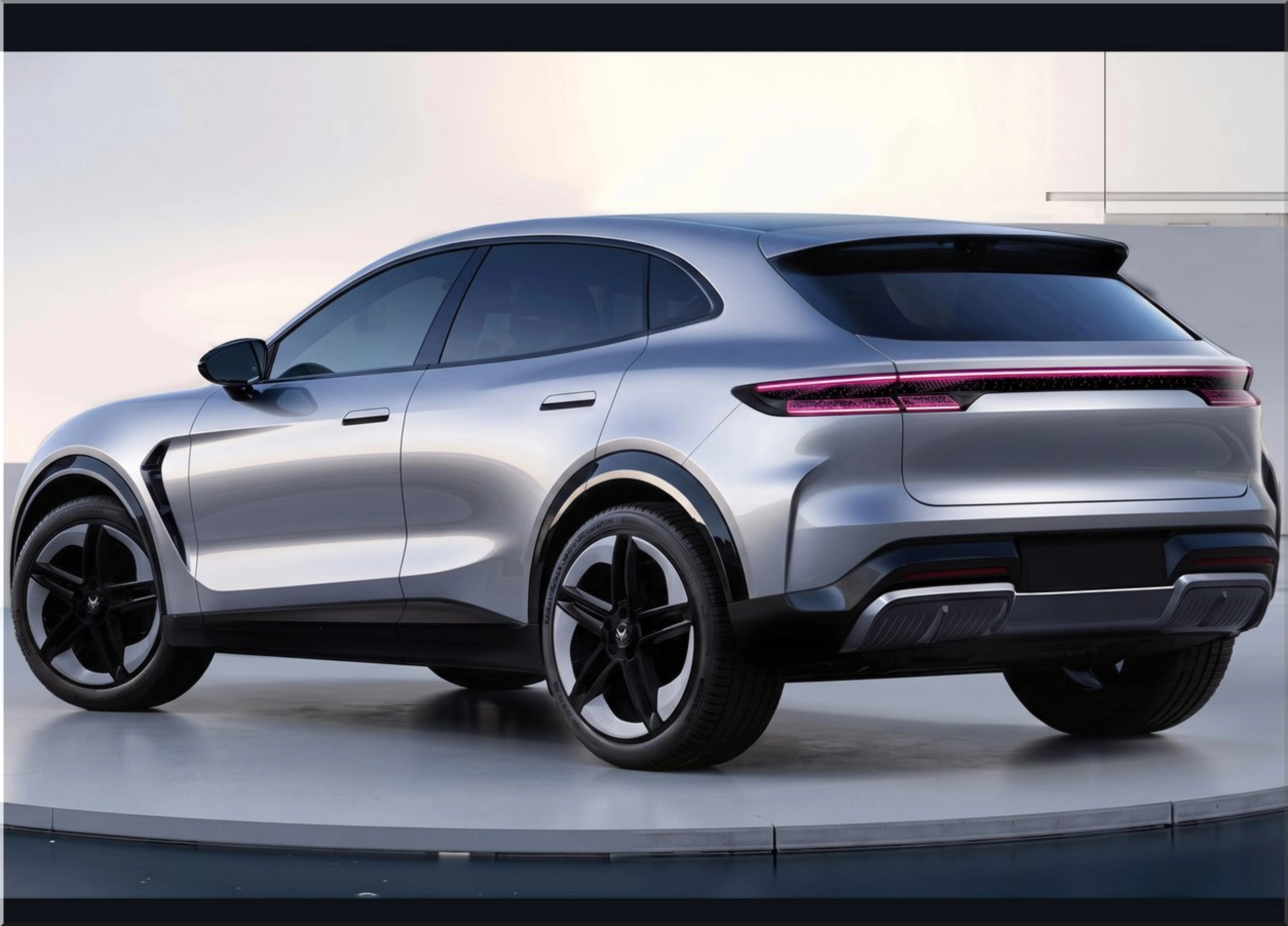
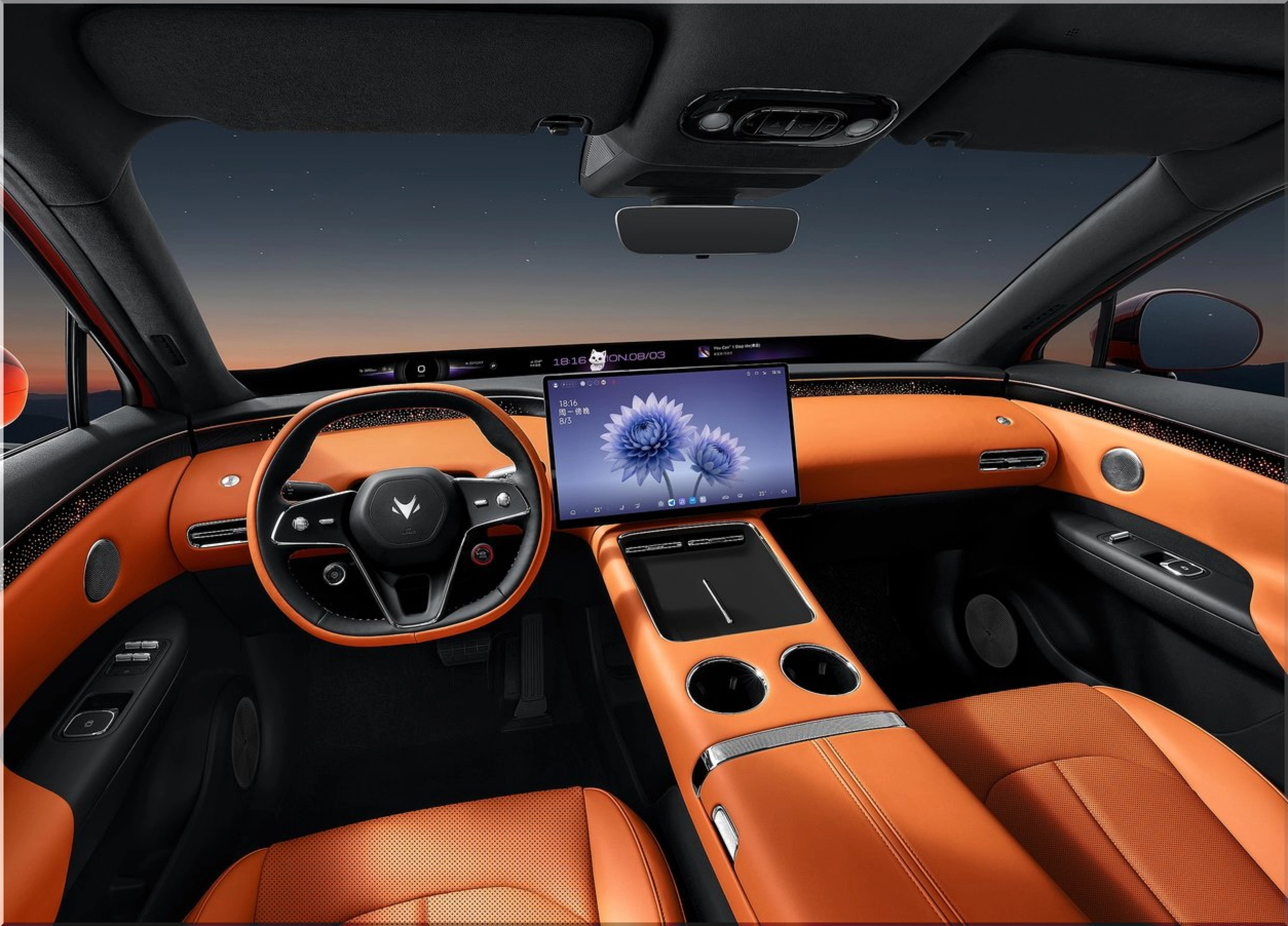
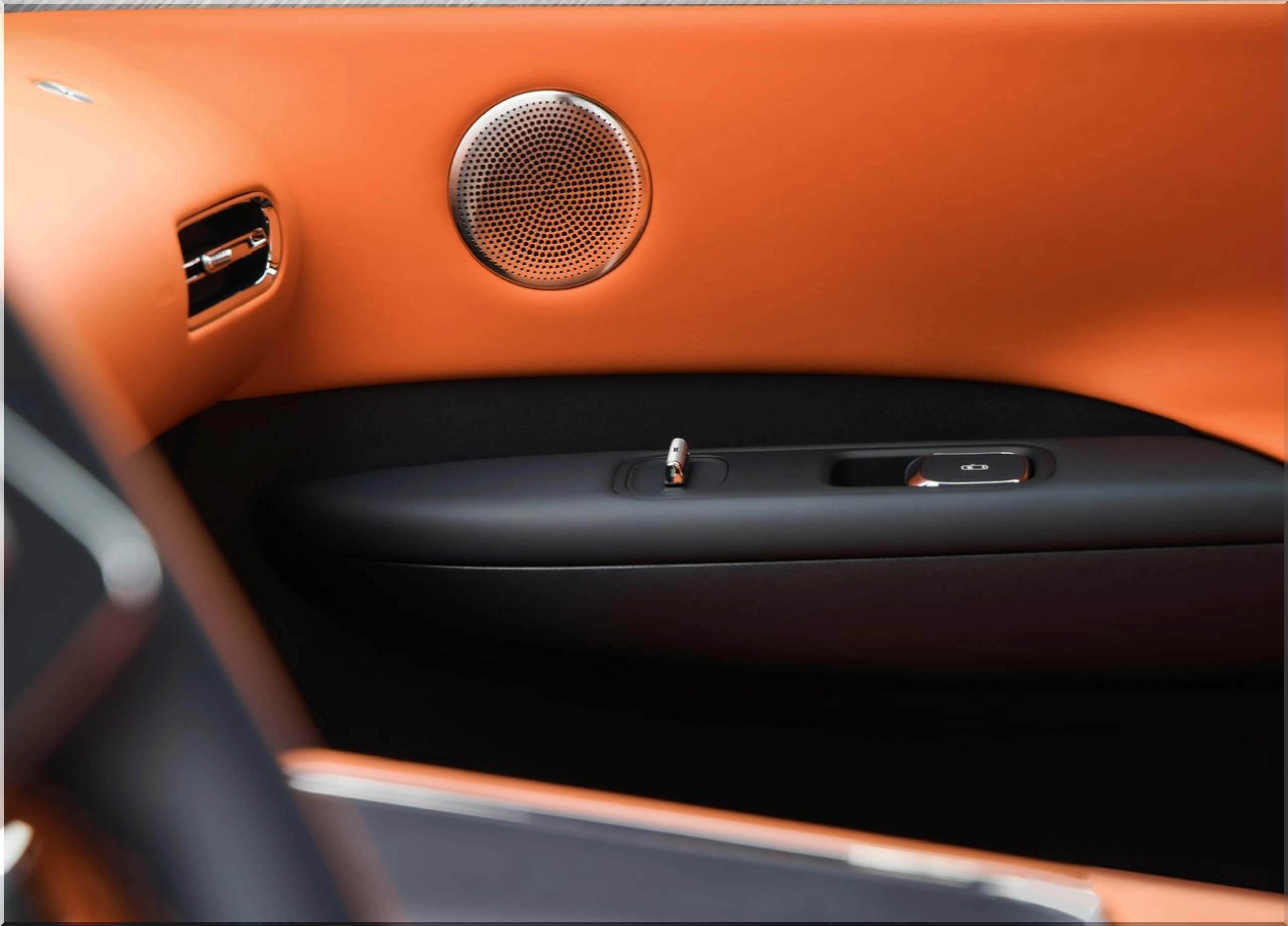
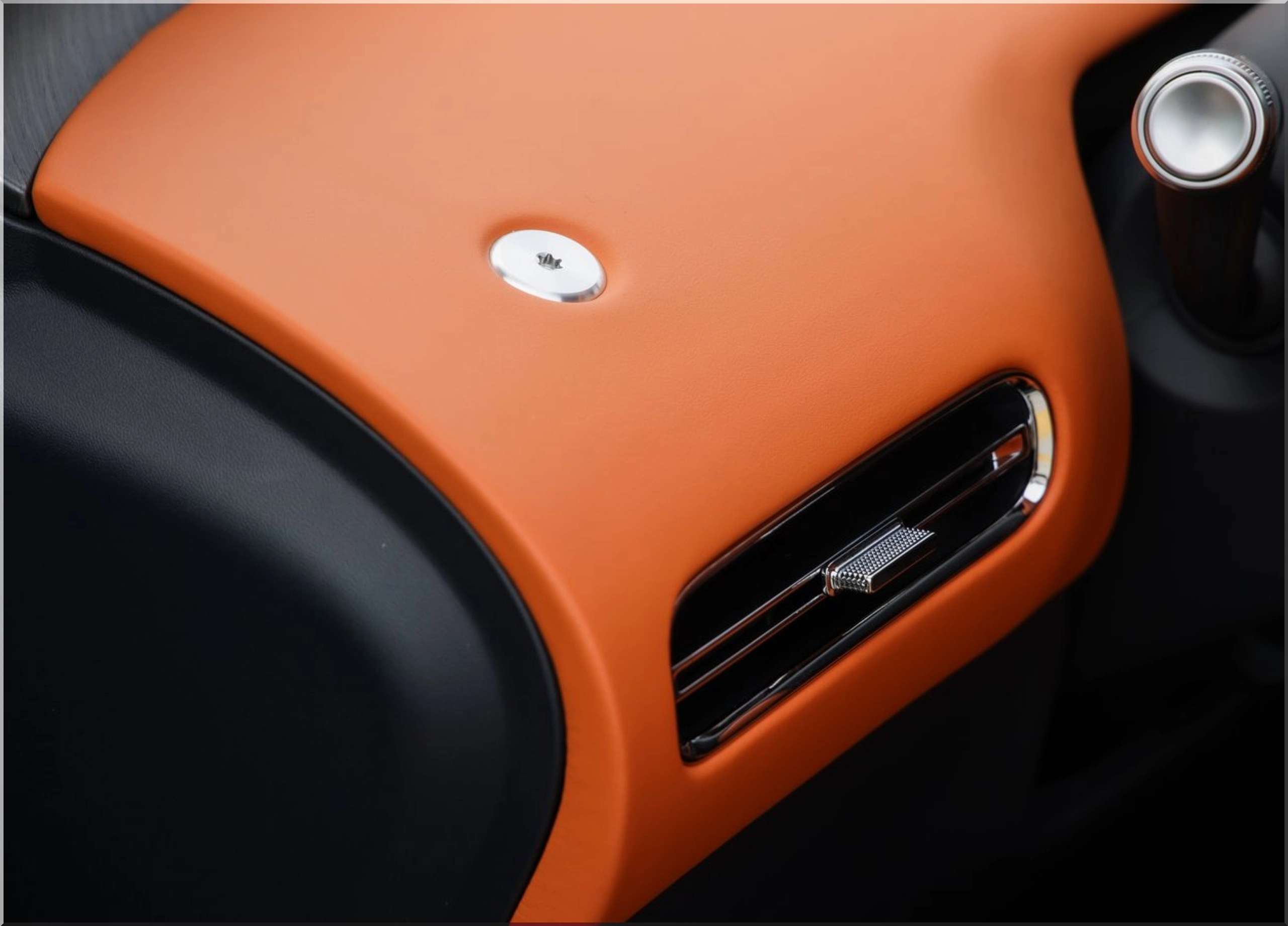
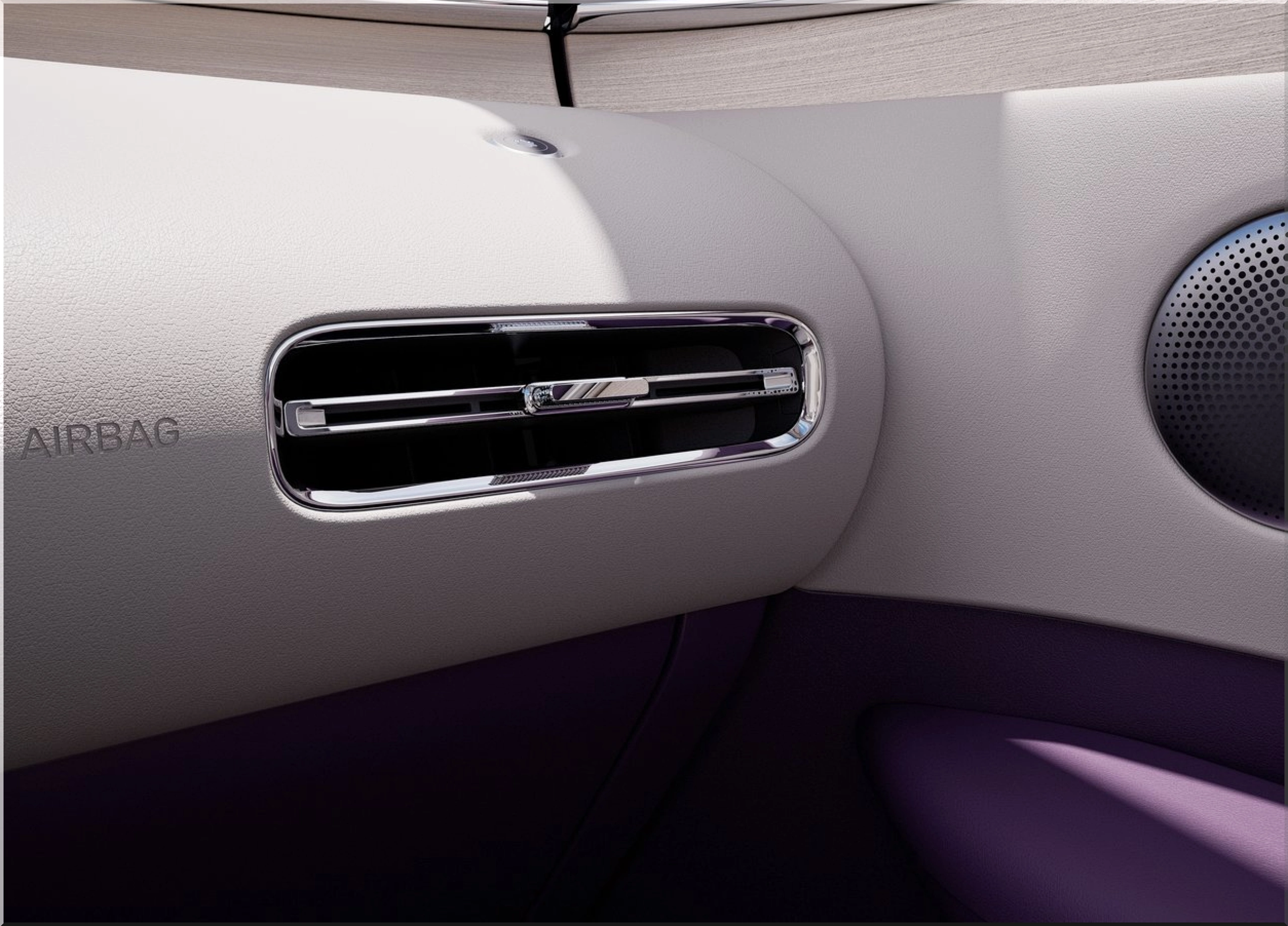
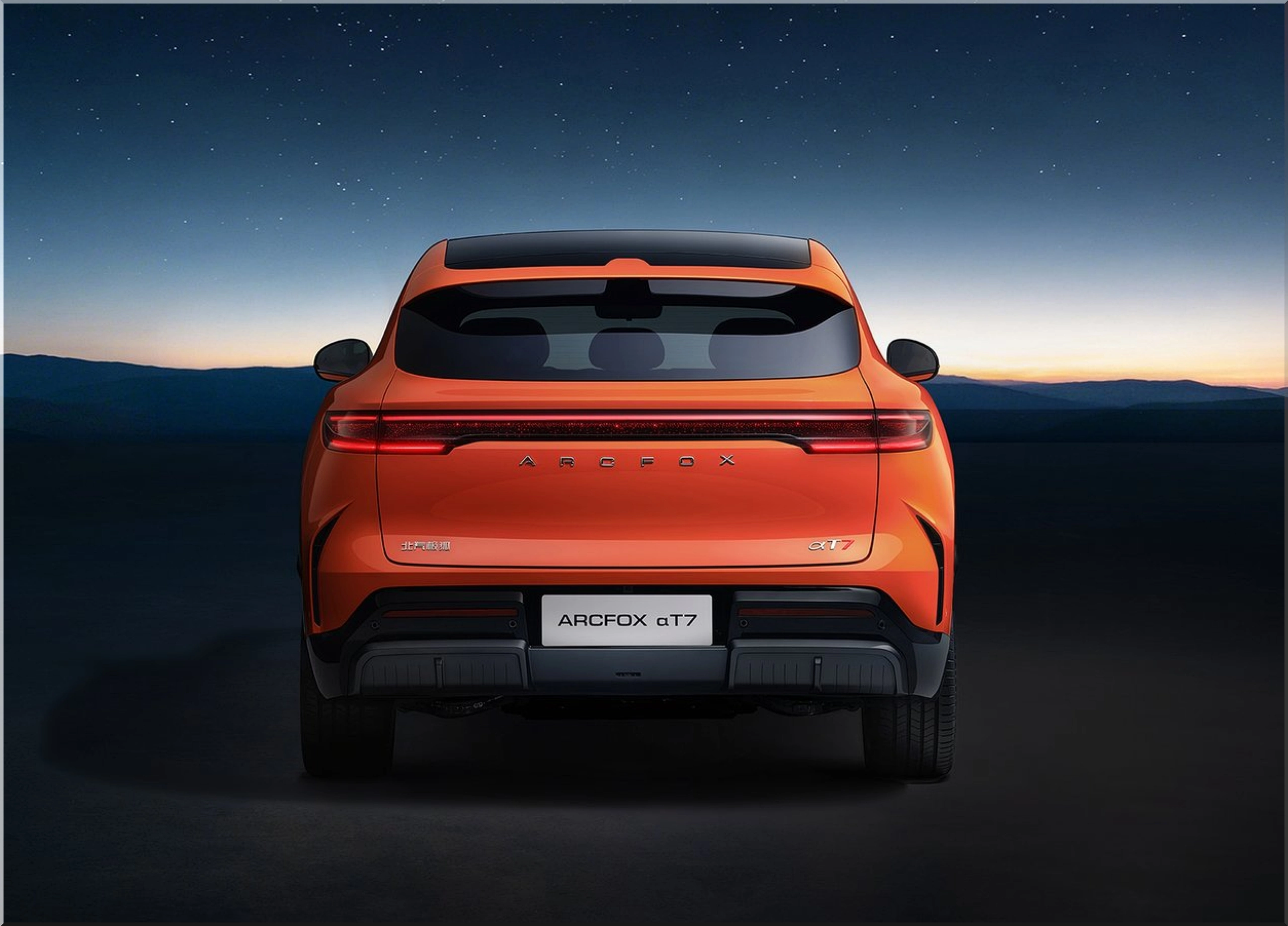
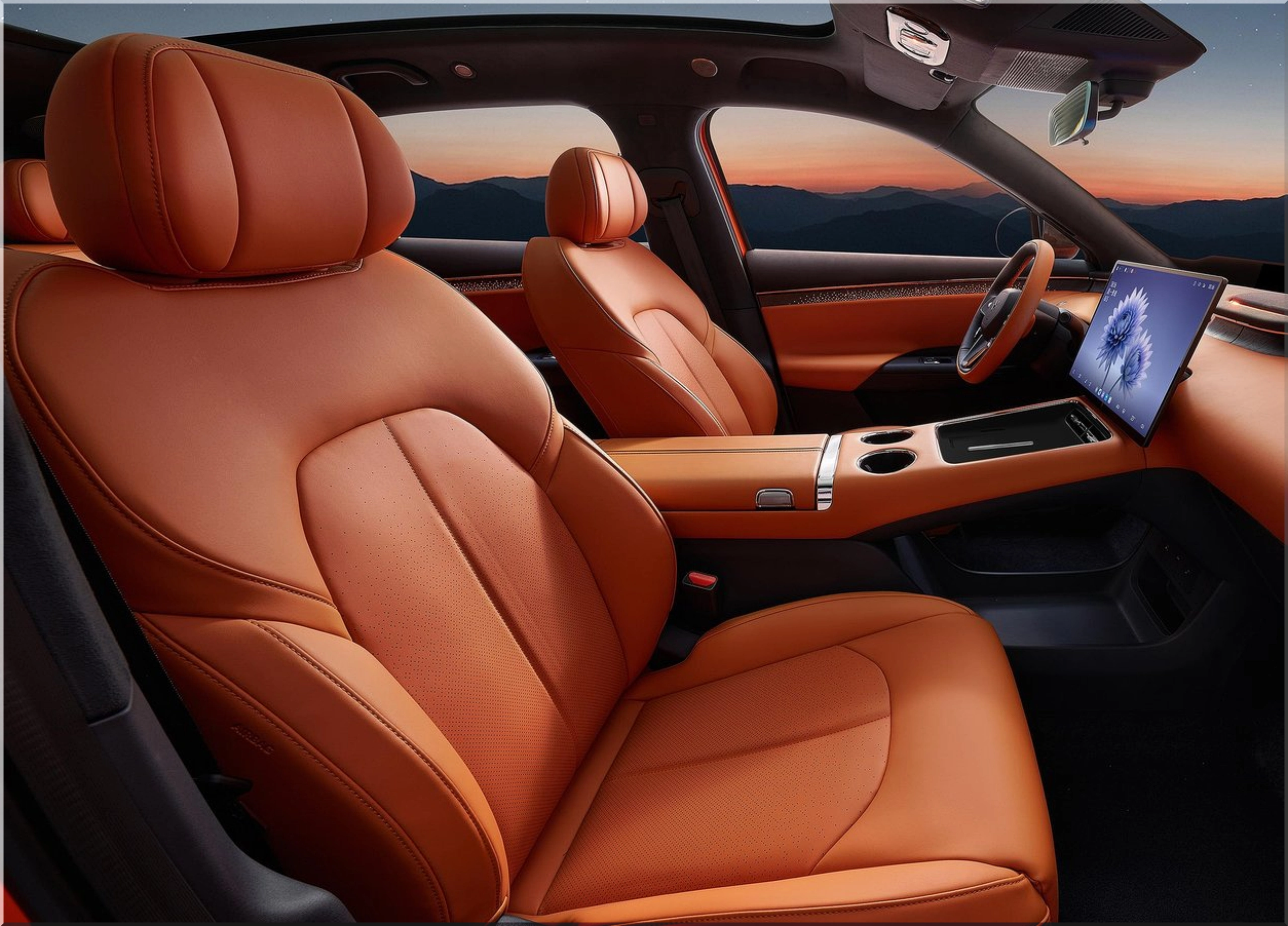
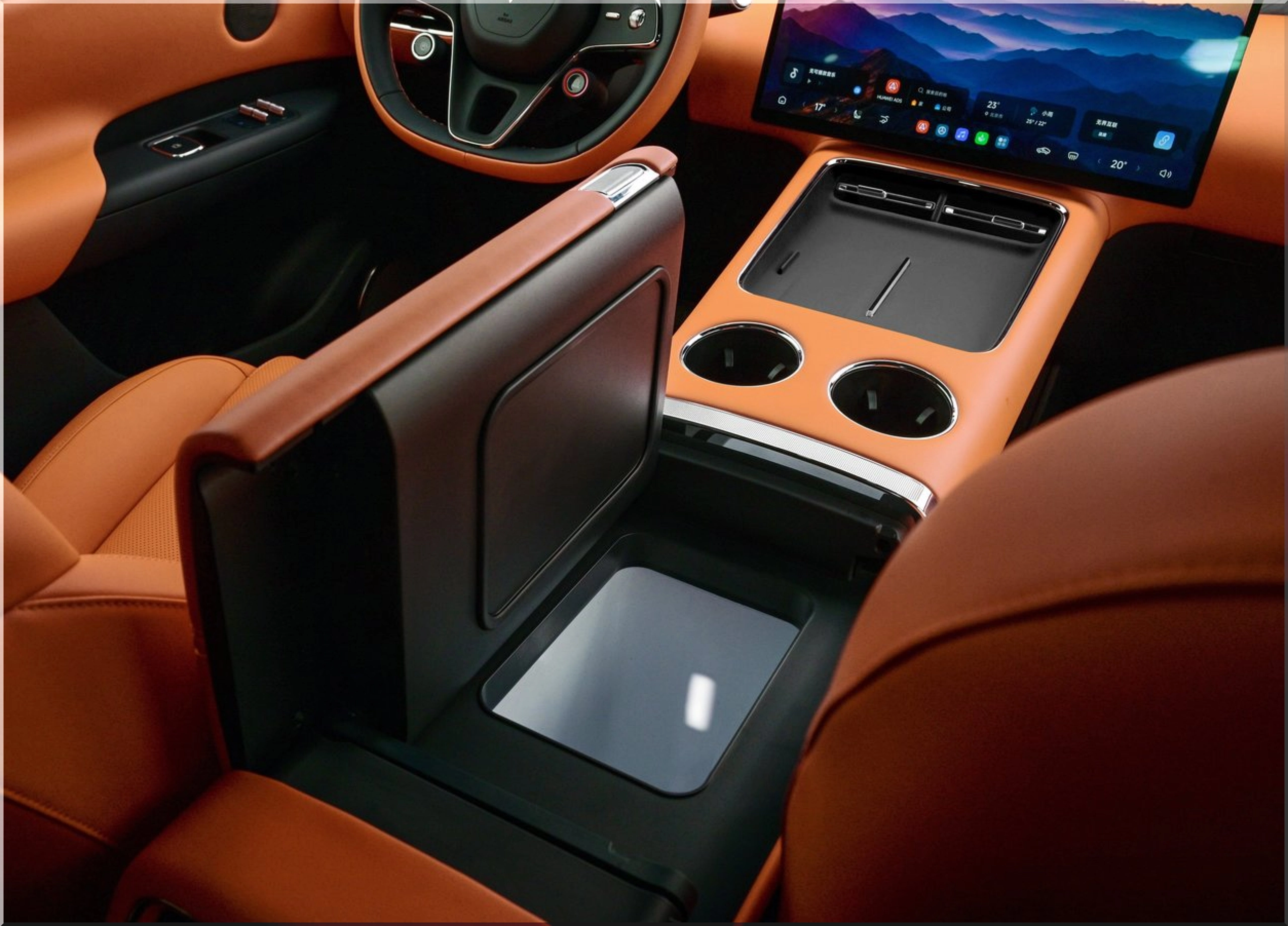
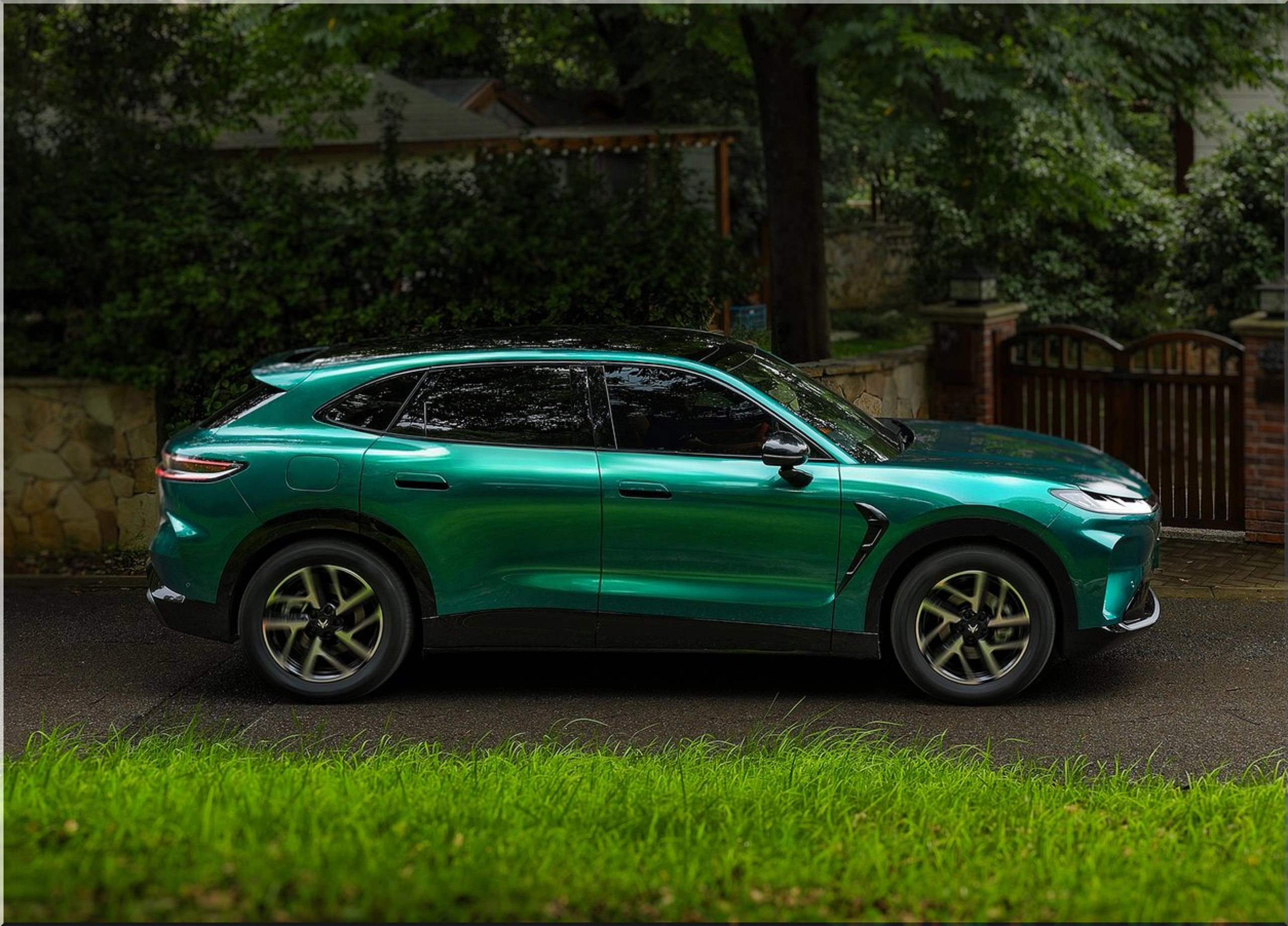
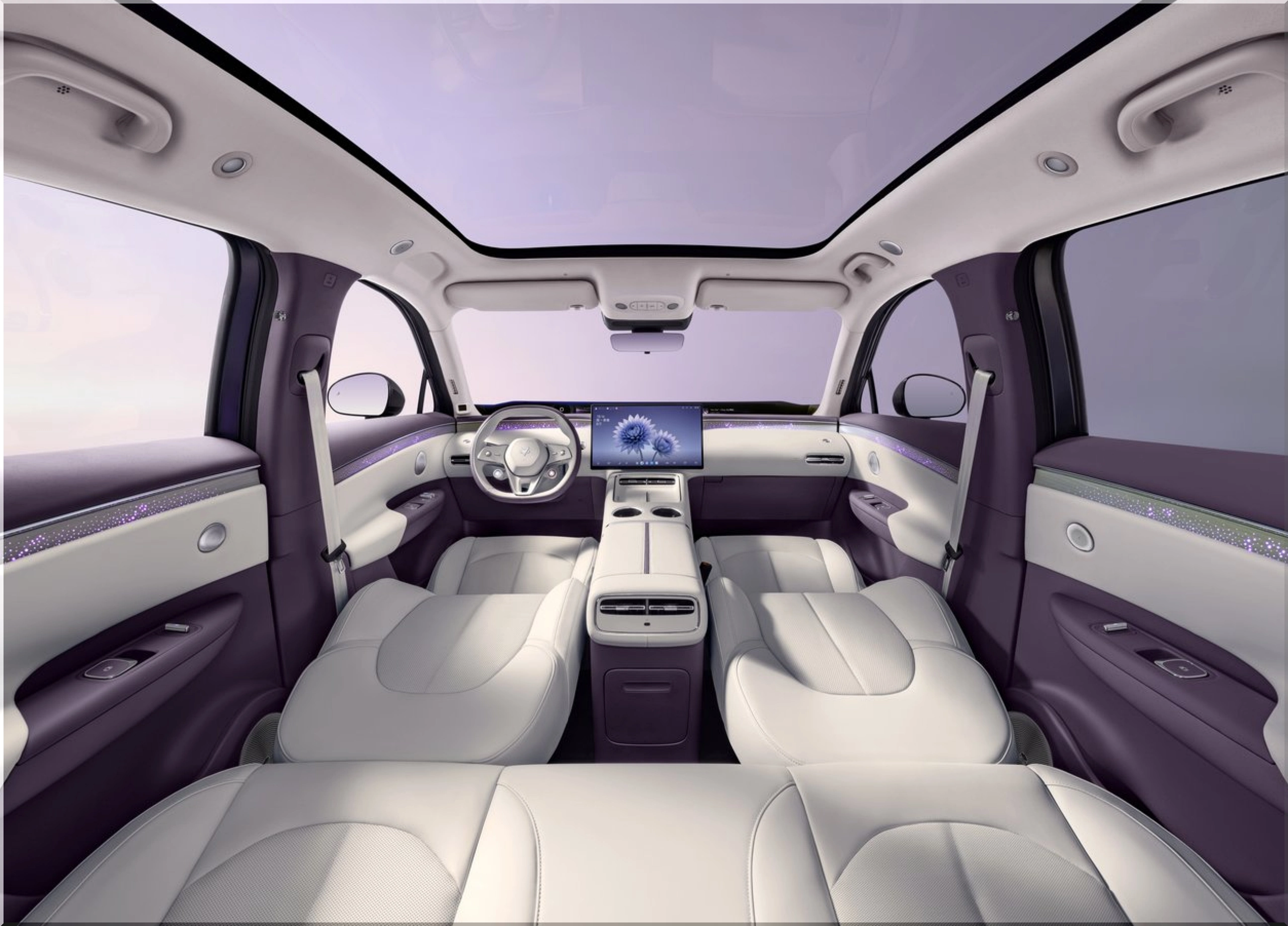
The T7 measures 197.6 inches long, 78.6 inches wide, and 66.3 inches tall (5,020 x 1,996 x 1,685 mm), with a 119.7-inch (3,040-mm) wheelbase. Its coupe-style roof covers two seating rows. A 17.3-inch center display and 43.3-inch-wide panoramic display dominate the dashboard.
Rear cargo volume grows from 22.8 to 65.2 cubic feet (645-1,845 liters). Huawei Qiankun ADS 5 Pro appears on four Qiankun trims, rather than every T7; its 27 sensors support navigation-assisted driving, with the driver retaining responsibility.
| Pros | Cons |
|---|---|
| 800V hardware across BEV versions | Charging claims require suitable conditions |
| 119.7-inch wheelbase and five-seat layout | 197.6-inch body needs parking space |
| Huawei assistance on four trims | Entry pricing excludes that equipment |
Image gallery:
Which version makes the most sense?
I would shortlist the BEV for buyers who can charge regularly and the EREV for routes with unreliable charging access. I favor that split because regular charging makes the BEV's larger battery useful, while the EREV adds refueling flexibility. Compare the ownership costs before paying for driver-assistance equipment that your driving routine may rarely use.
Pro-Tips before ordering:
- Request a written price showing trade-in eligibility and software charges.
- Price insurance, depreciation, and Level 2 charging installation.
- Compare highway charging curves rather than headline voltage.
- Add new comment
- 13 views