If you live in a big city, you know how challenging it can be to move around, especially if you need to carry some cargo. Whether it’s groceries, packages, or supplies, you often have to deal with traffic, parking, and pollution. That’s why many businesses and individuals are looking for alternative ways to transport goods in urban areas.
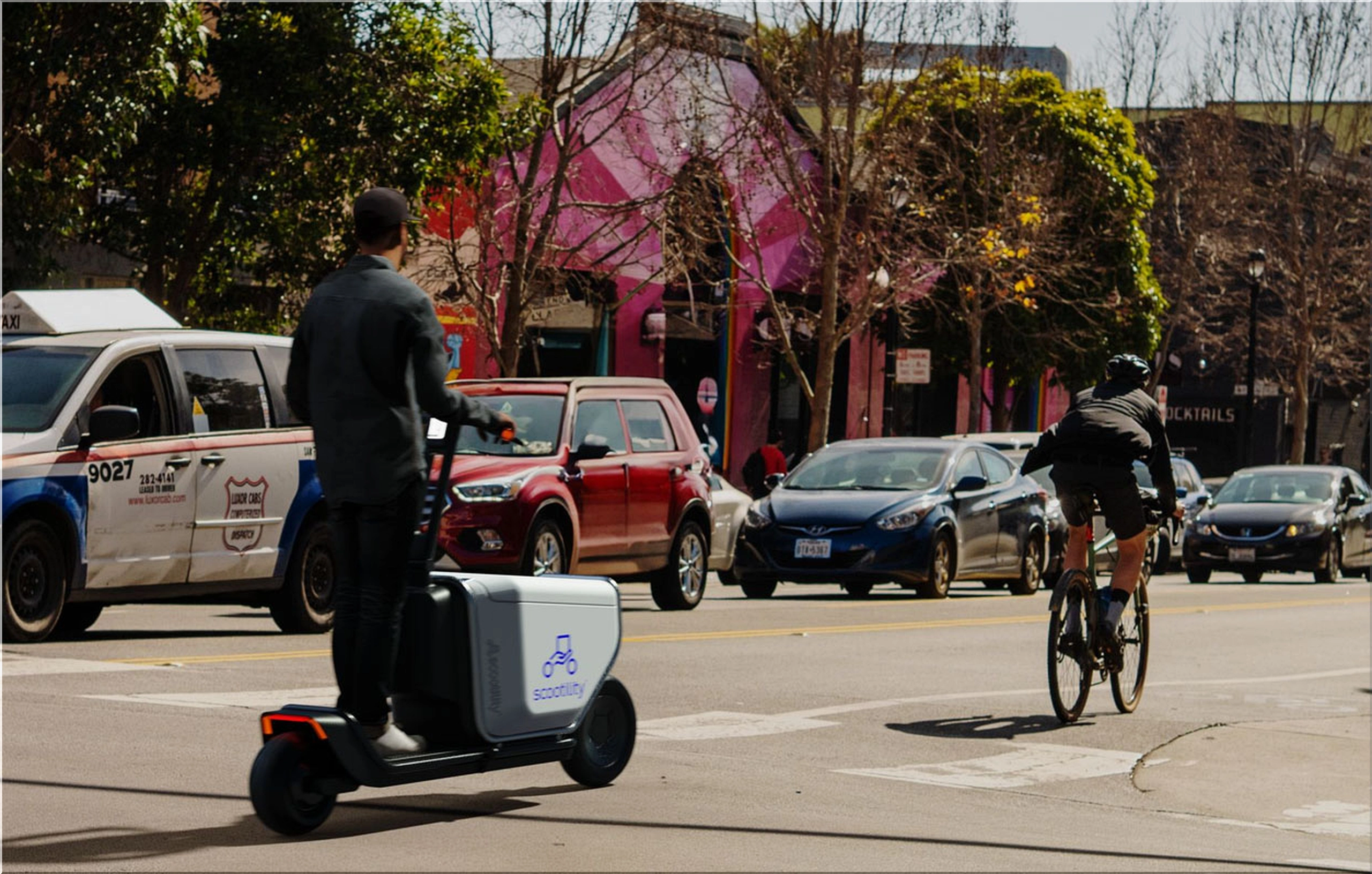
One of the most promising solutions is the electric scooter. Electric scooters are fast, agile, and eco-friendly. They can zip through traffic, fit in tight spaces, and run on clean energy. However, not all electric scooters are created equal. Some are designed for leisure, some for commuting, and some for delivery. And among the latter, one stands out from the rest: the Scootility.
What is Scootility?
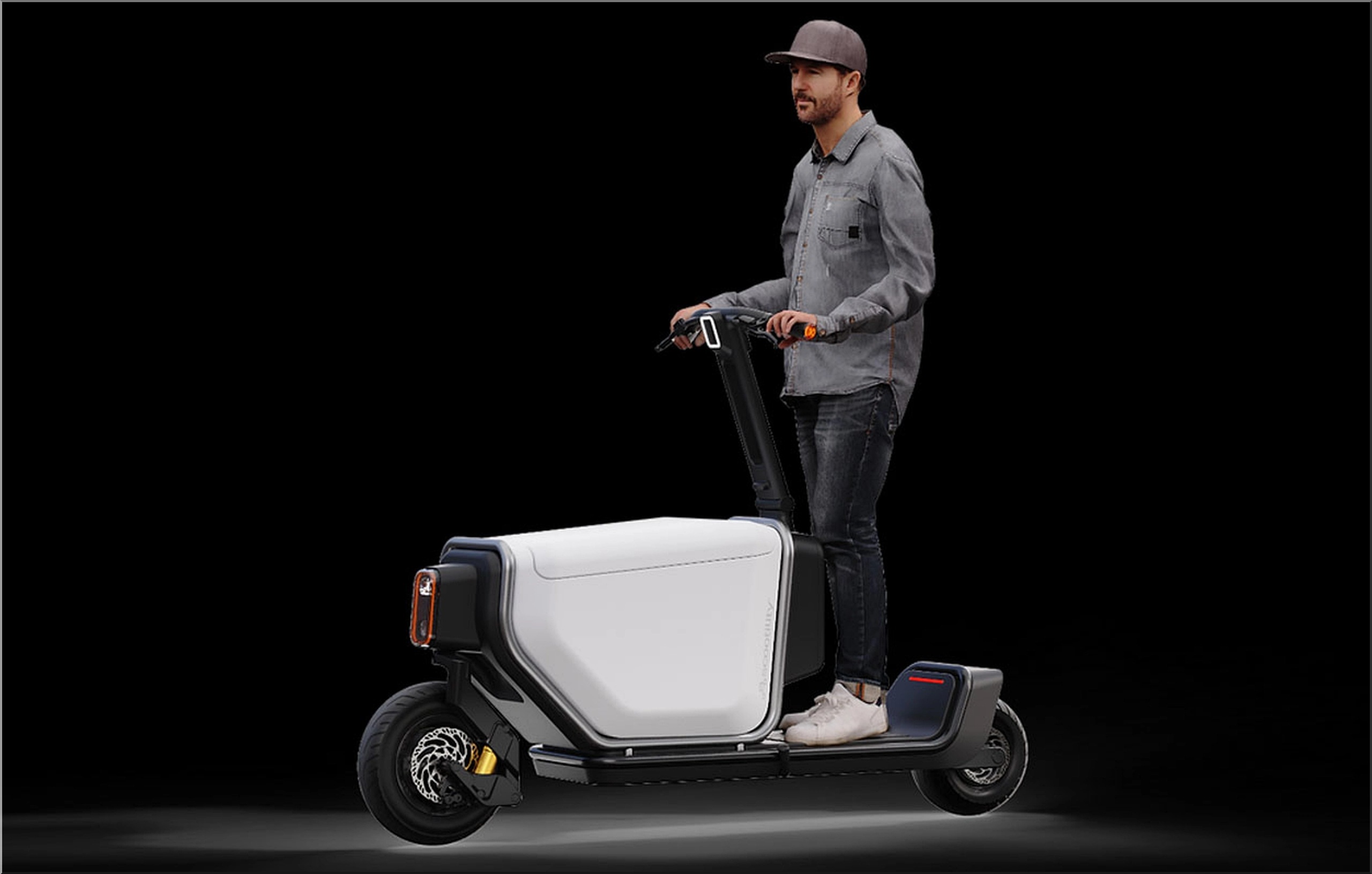
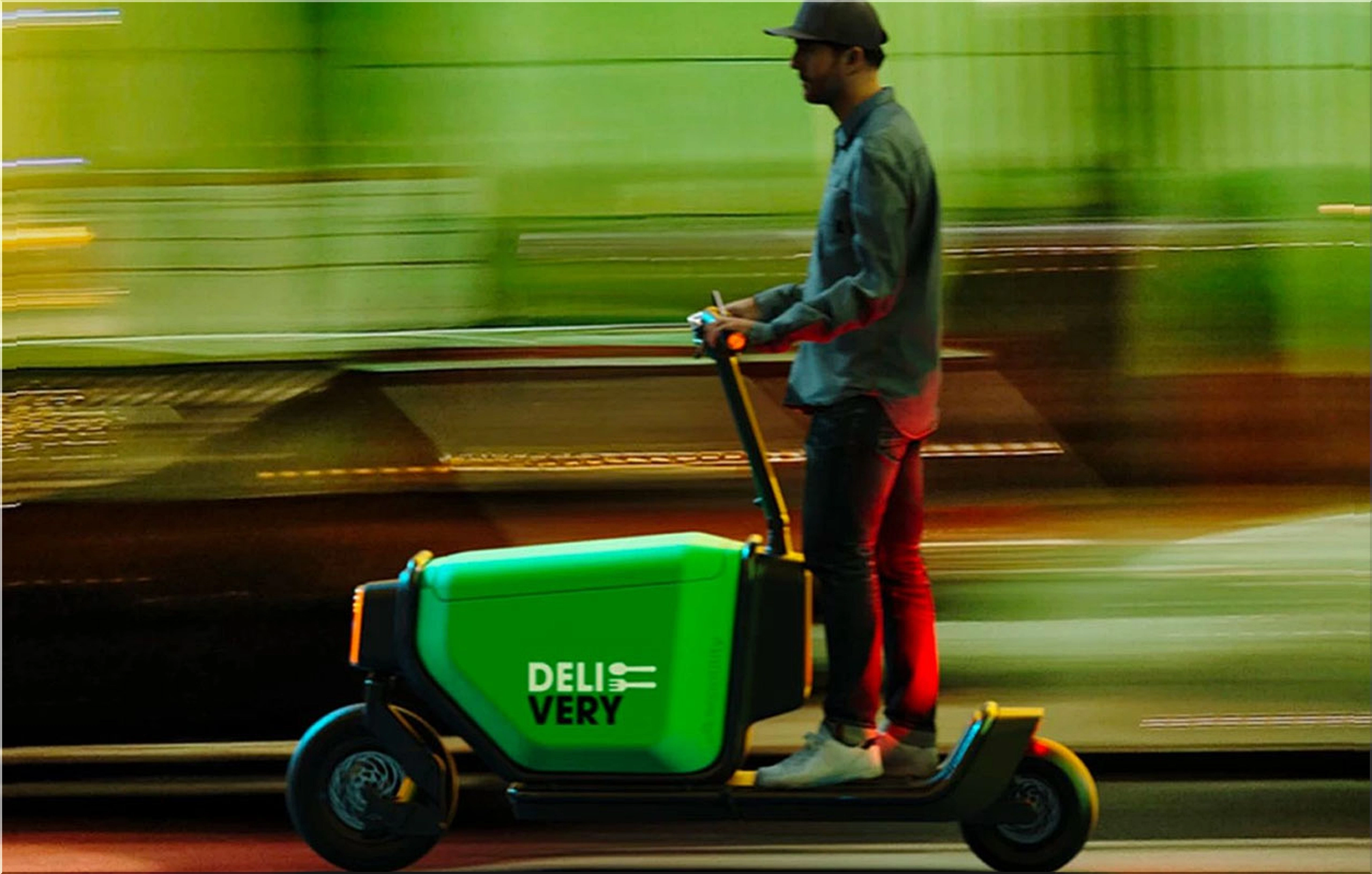
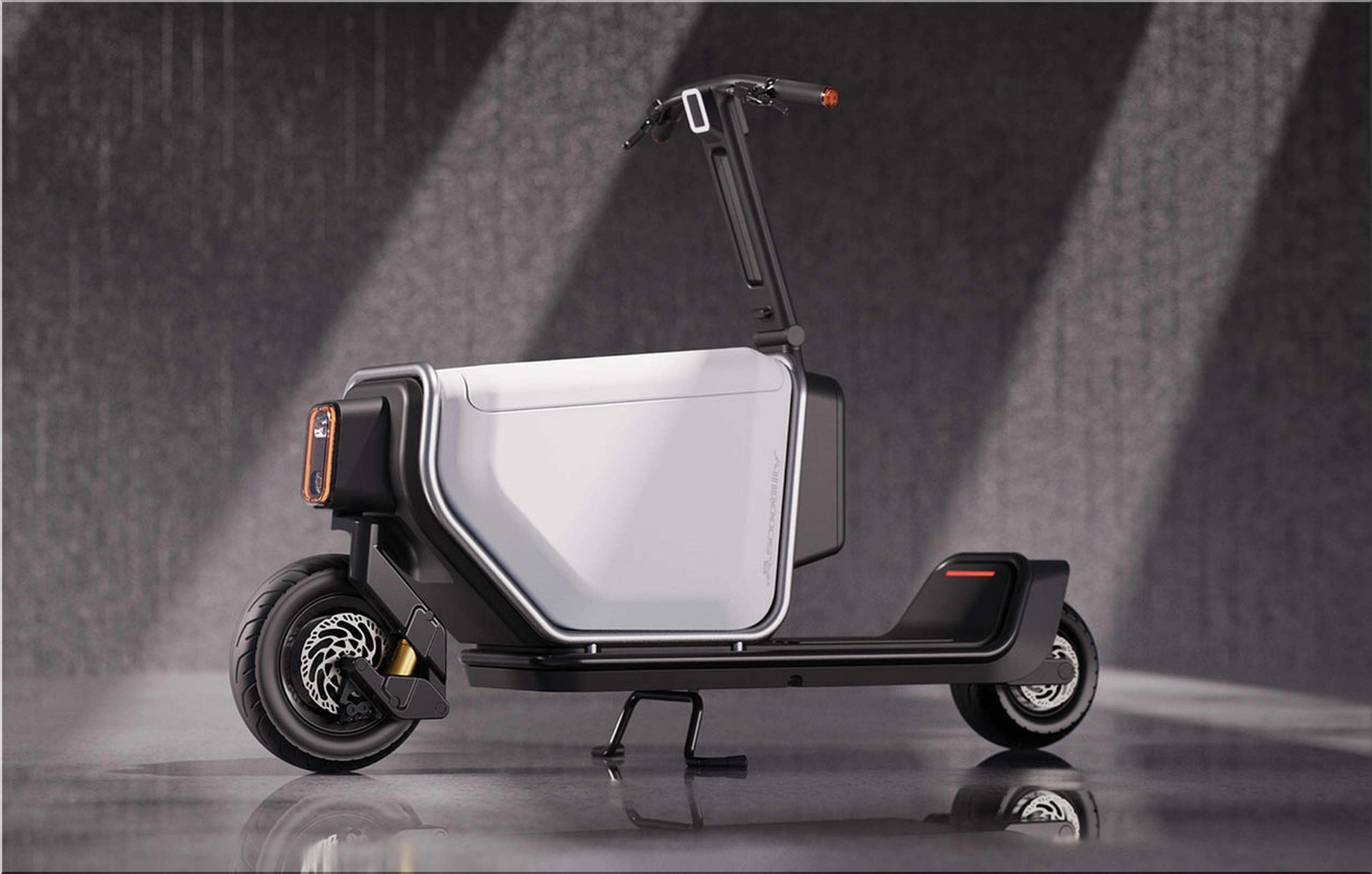
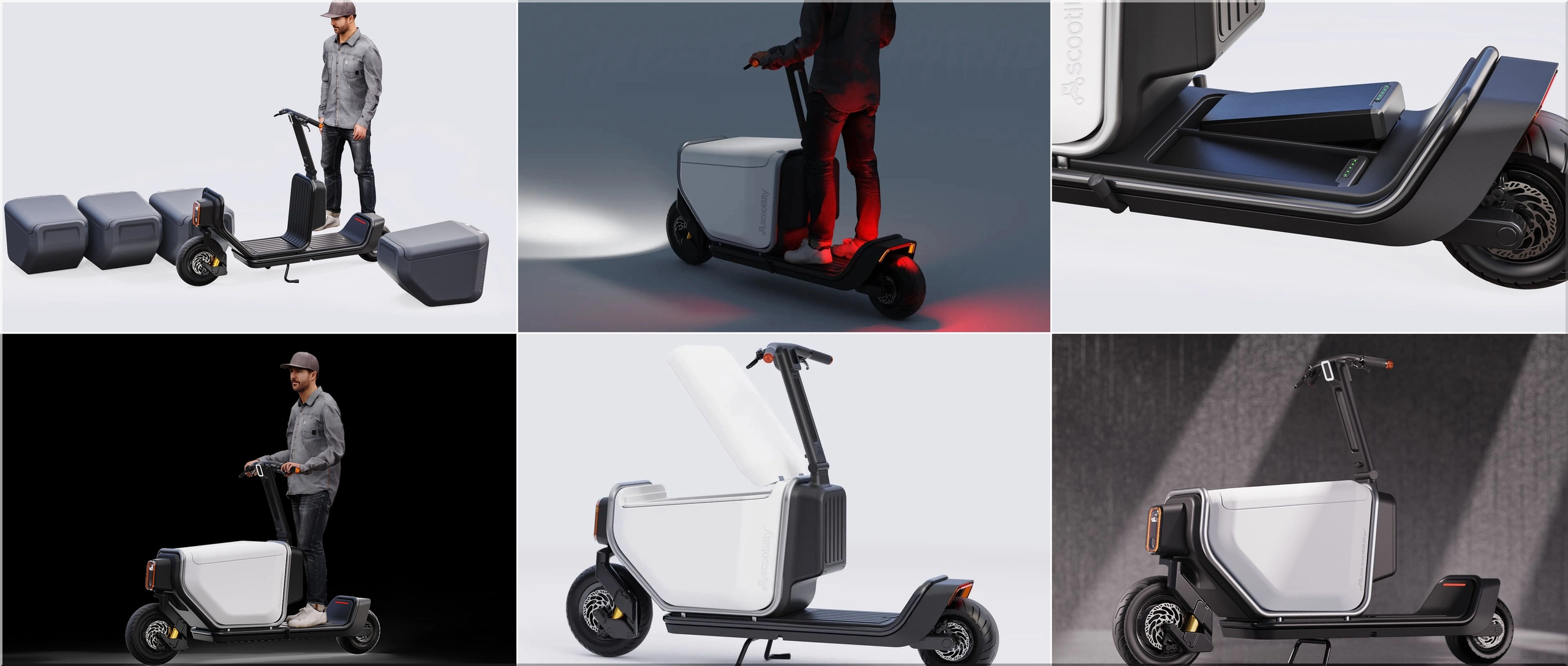
Scootility is a utilitarian electric scooter that is designed specifically for cargo-hauling. It is the brainchild of a Vancouver-based startup that aims to revolutionize the last-mile delivery market. Scootility is not just another electric bike. It is a unique vehicle that combines the best features of a segway, a scooter, and a cargo box.
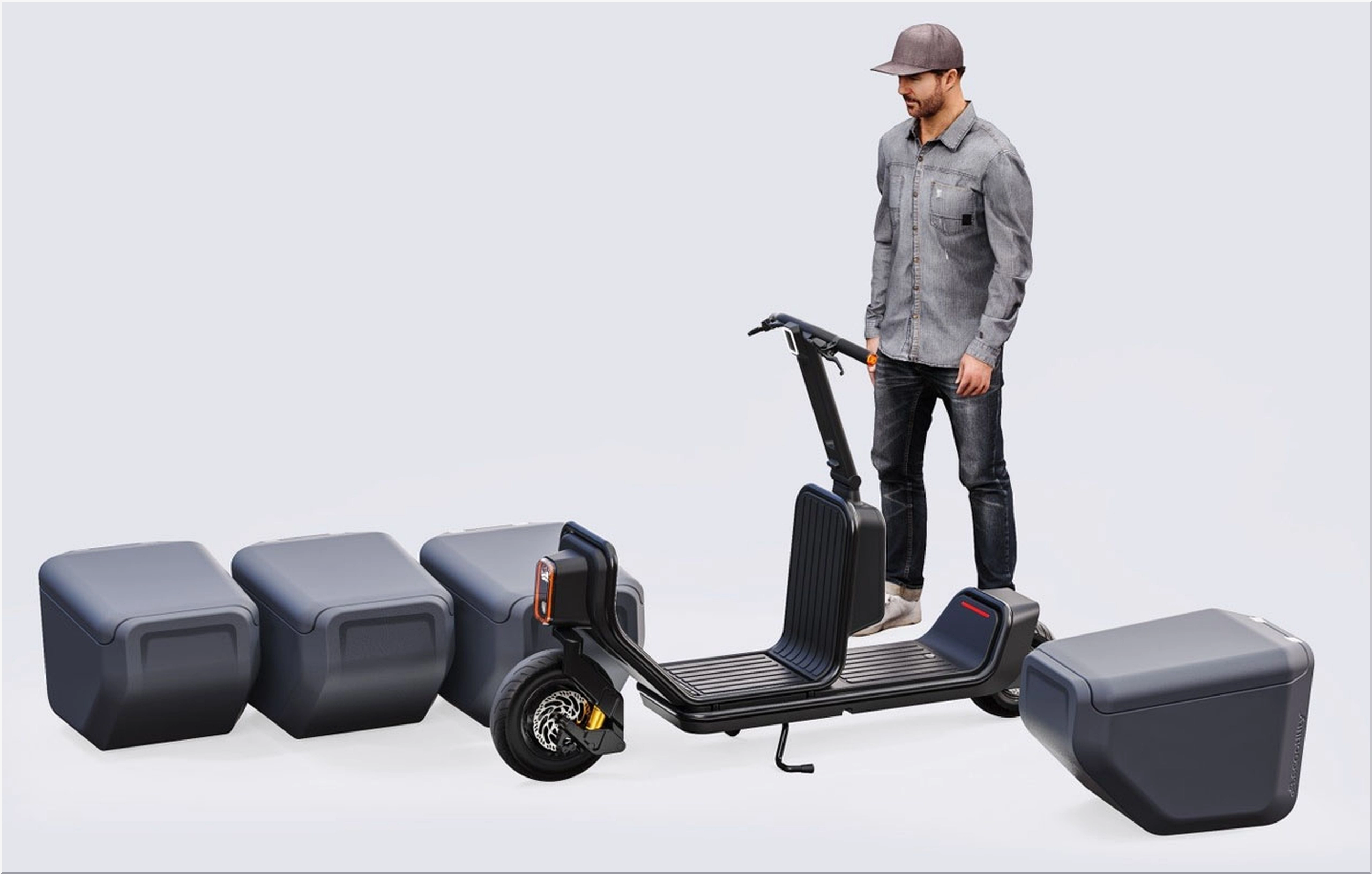
Scootility has a lockable, weatherproof, and swappable cargo box that can hold up to 140 liters of load. The cargo box is located in front of the rider, so they can always keep an eye on their goods. The cargo box can also be detached and replaced with another one, making it easy to switch between different deliveries.
Scootility has a compact and narrow design that allows it to maneuver through traffic and park in small spaces. It has a full suspension and 16-inch front and 13-inch rear wheels that provide stability and comfort. It has LED lighting and a small turning radius for safety. It also has a foldable leg rest that doubles as a glove compartment and a foldable steering column and handles that make it easy to store.
Scootility is powered by a swappable lithium battery that offers a 100 km range in the standard variant. It can reach a top speed of 25 km/h, which is enough for urban delivery. Riding is also easy, as it does not require a license or registration. It is more economical and efficient than cargo e-bikes or vans, as it costs less to operate and maintain.