Growing Dealer Access Drives Faster Fleet Electrification
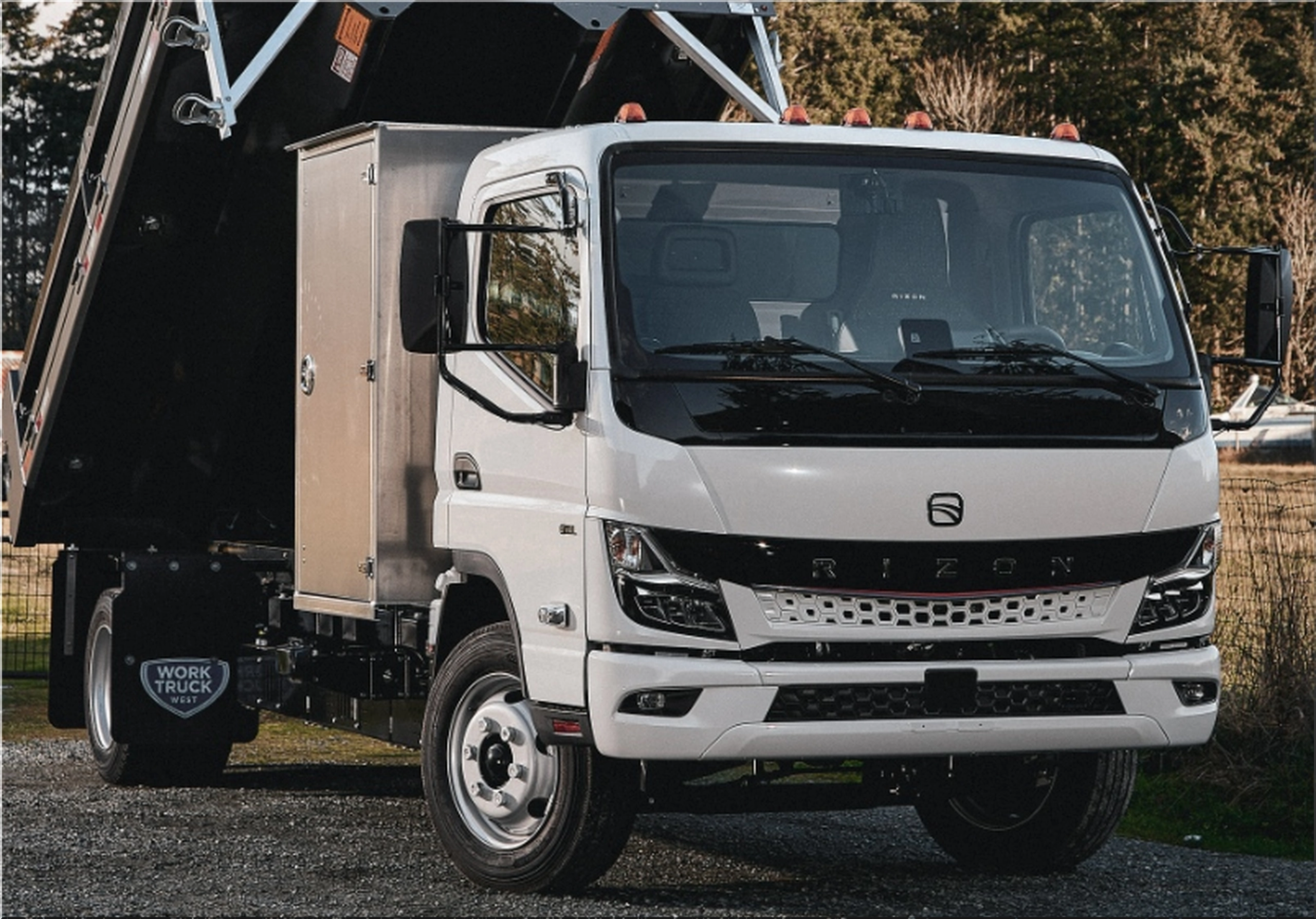
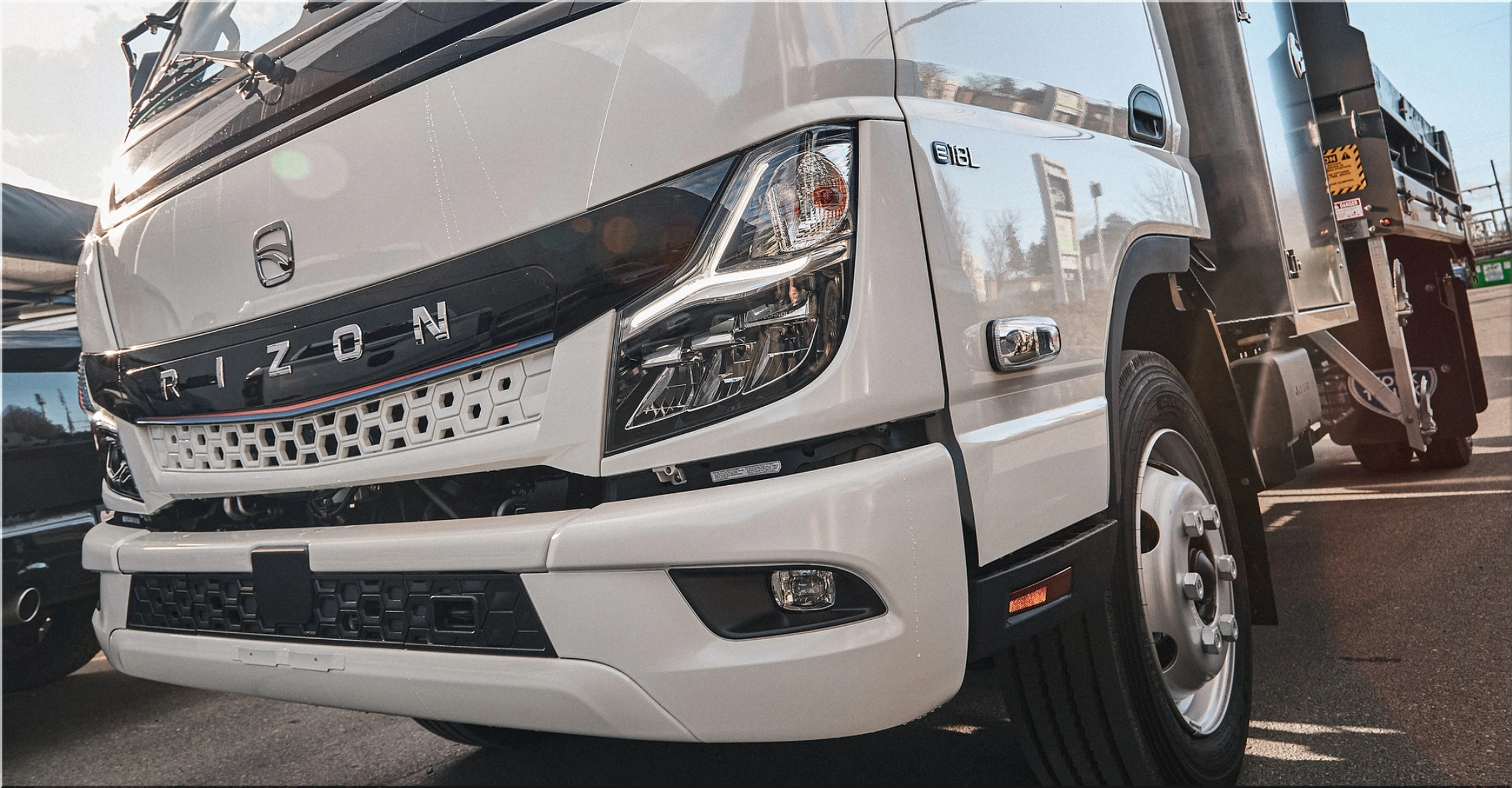
RIZON, Daimler Truck's all-electric commercial vehicle brand, continues its rapid push into the U.S. fleet market. The company added new dealerships in Arizona, New York, New Jersey, and Washington State, widening access to Class 4–5 electric trucks and supporting fleets seeking lower operating costs and compliance with tightening emissions rules. The updates come as fleet managers accelerate purchases of zero-emission trucks across key vocational segments.
New Dealerships Strengthen Regional Support
RIZON selected partners with deep fleet experience and regional service coverage to scale its U.S. operations. The network now includes:
- Diversified Truck and Equipment Sales (Arizona) – Serving commercial fleets since 1976.
- Range Zero Emissions (Washington) – Focused on electric truck support and incentives.
- Alta eMobility (New Jersey and New York) – Delivering full fleet electrification services.
These partners provide sales, service, maintenance, and charging guidance, giving fleet operators a single point of contact for deployment and support.
Why Fleets Accelerate Electric Adoption
Electric truck adoption grows faster in distribution, municipal work, hospitality, and energy delivery. RIZON reports steady expansion in these markets as operators seek predictability and cost control.
Key motivators:
- Lower total cost of ownership driven by reduced maintenance.
- Better uptime from simplified EV drivetrains.
- Federal and state incentives that cut acquisition costs.
- Local rules that push fleets toward zero-emission options.
- Increasing trust in Class 4–5 electric trucks for daily routes.
Alex Voets, general manager of RIZON USA, points to real-world use cases, from city fleets to delivery operators, as proof that electric medium-duty trucks deliver operational value without sacrifice.
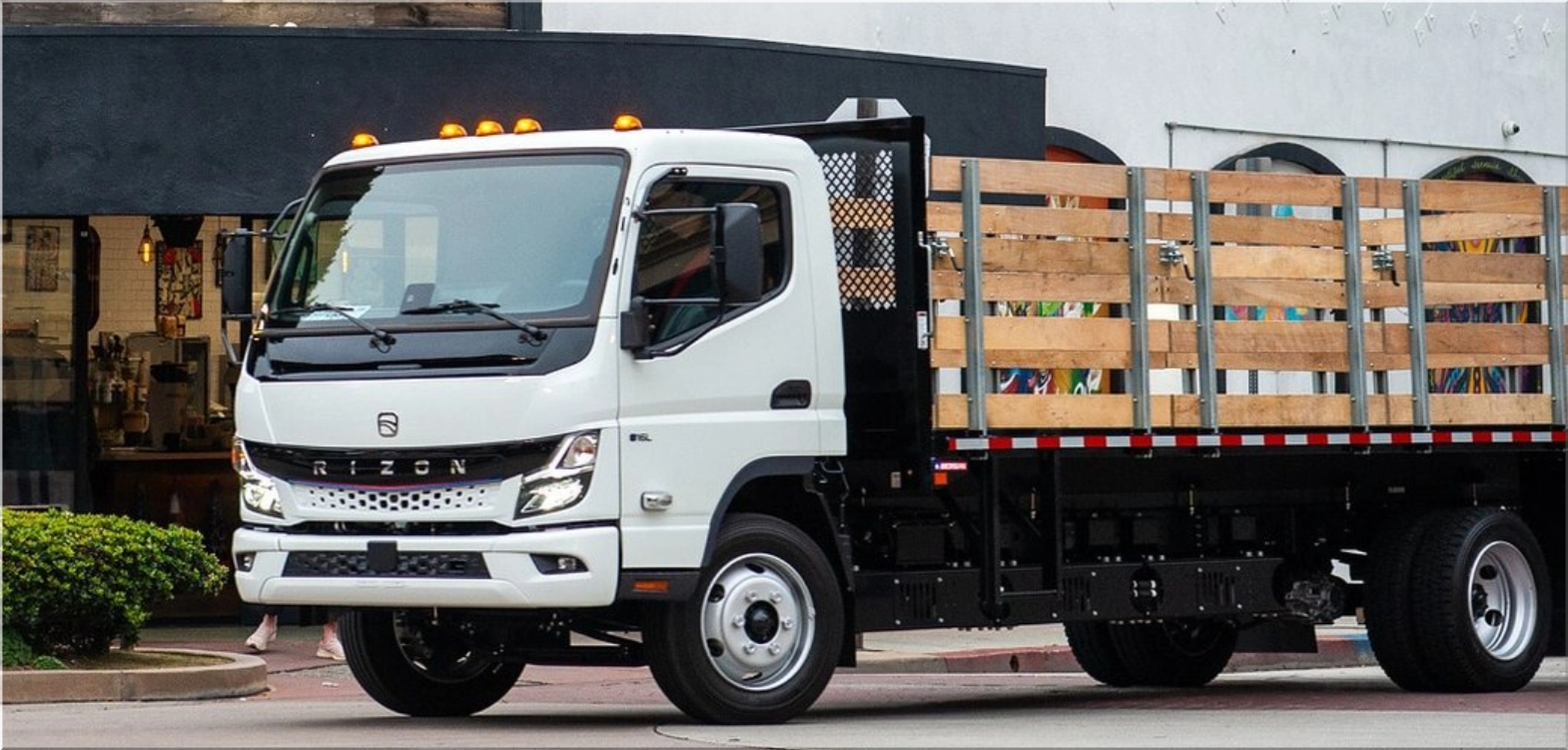
RIZON USA Overview
The RIZON Class 4–5 lineup targets short-haul and regional vocational work. Operators focus on predictable charging cycles, consistent route lengths, and quiet performance. RIZON trucks use lithium-iron-phosphate batteries, giving fleets reliability and lower thermal risk.
RIZON develops trucks for:
- Box truck delivery
- Municipal operations
- Refrigerated transport
- Utility and energy services
- Retail and hospitality logistics
Every model supports AC and DC fast charging, allowing fleets to scale at their pace. Charging equipment ranges from 11 kW AC wall units to 120 kW DC fast chargers.
At-a-Glance: RIZON Trucks
The following table summarizes key specifications for the Class 4–5 electric truck lineup.
| Specification | Value |
|---|---|
| GVWR (Class 4) | 15,995 lbs |
| GVWR (Class 5) | 17,995 lbs |
| Battery Capacity | Up to 118 kWh |
| Estimated Range | 75–160 miles (route-dependent) |
| Motor Output | 150 kW |
| Charging | AC & DC fast charging |
| Cab Layouts | Standard / Crew |
| Target Applications | Local delivery, municipal, energy service, commercial fleets |
The range covers typical last-mile and regional-urban cycles. Most operators run under 100 miles per shift, making these vehicles a fit for predictable work schedules.
Pricing and Approximate U.S. Cost
Fleet pricing varies by configuration, incentives, and fleet size. Based on current market conditions and competitor pricing, RIZON Class 4–5 electric trucks typically fall in the USD $120,000–$180,000 range before incentives. Incentives often reduce acquisition costs by 20–40 percent, depending on state programs.
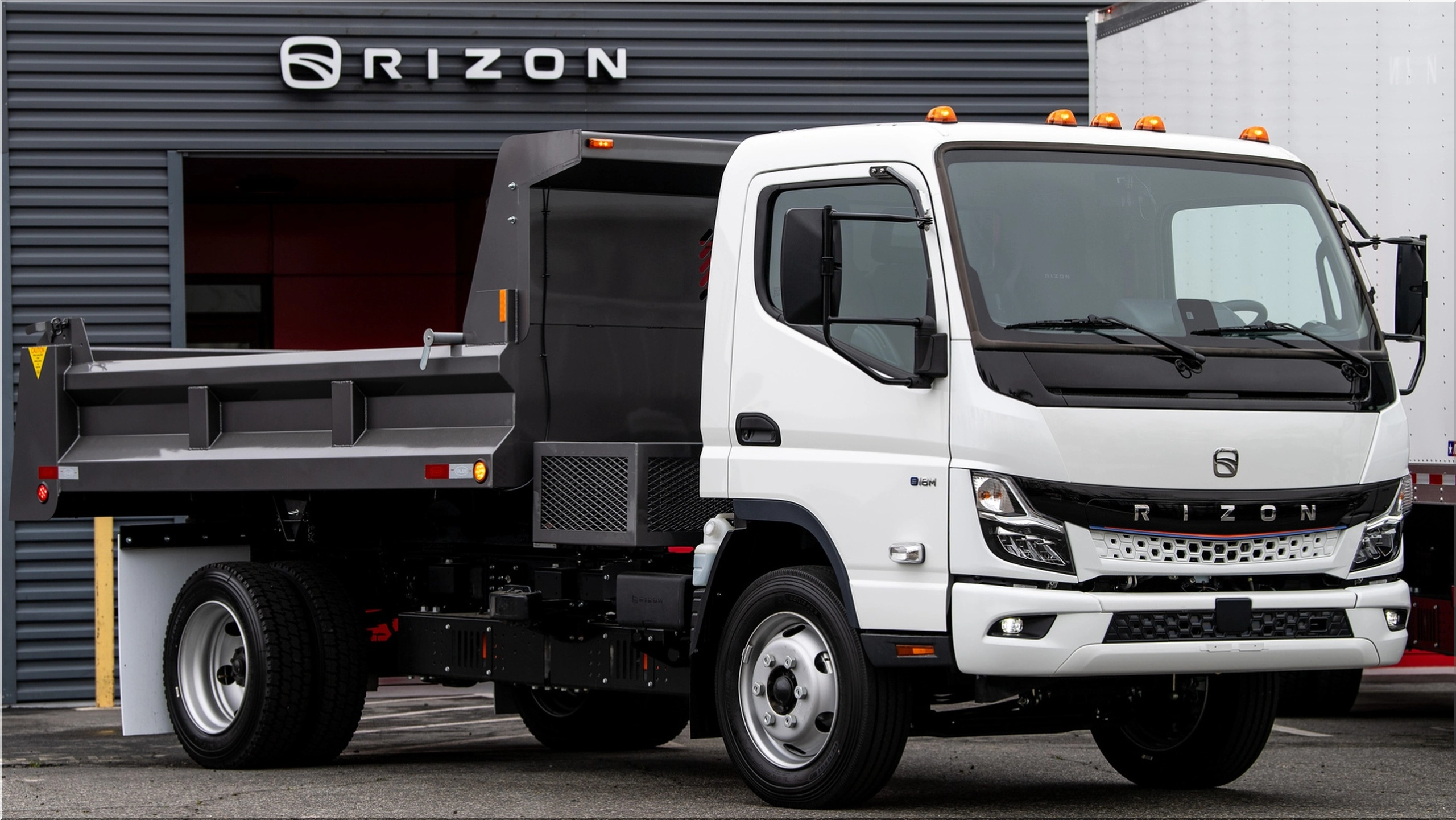
U.S. Market Opportunity
Medium-duty electrification accelerates as the segment faces:
- Tightening emissions rules in major states.
- Driver demand for cleaner and quieter trucks.
- Higher diesel maintenance costs.
- Regulatory timelines that push early replacement cycles.
RIZON benefits from Daimler Truck's manufacturing scale and supply chain stability. Fleets gain predictable parts access and nationwide service coverage.
Market conditions favor companies that can deliver trucks quickly with dependable support structures. By expanding dealership networks, RIZON strengthens its ability to deliver consistent uptime—a key metric for fleet managers.
How the Growing Dealer Network Helps Fleets
A broader service footprint enables RIZON to support regional and multi-state fleets with consistent coverage. The network expansion reduces downtime and speeds service response.
Benefits include:
- Better parts availability.
- Trained EV technicians near major transport hubs.
- Faster warranty turnaround.
- Easier charging installation consulting.
- Support for federal and state incentive programs.
The network also gives operators more locations to test vehicles before committing to larger orders.
Competitor Pressure and Market Response
The medium-duty electric market grows crowded. RIZON competes with:
- Ford E-Transit and emerging Class 4 variants.
- GM BrightDrop models.
- Freightliner eM2 (same parent group, but Class 6–7).
- Isuzu and Hino EV offerings.
- Startups targeting last-mile fleets.
RIZON's differentiator centers on Daimler Truck engineering, consistent class segmentation, and dealer infrastructure that targets fleets needing nationwide support.
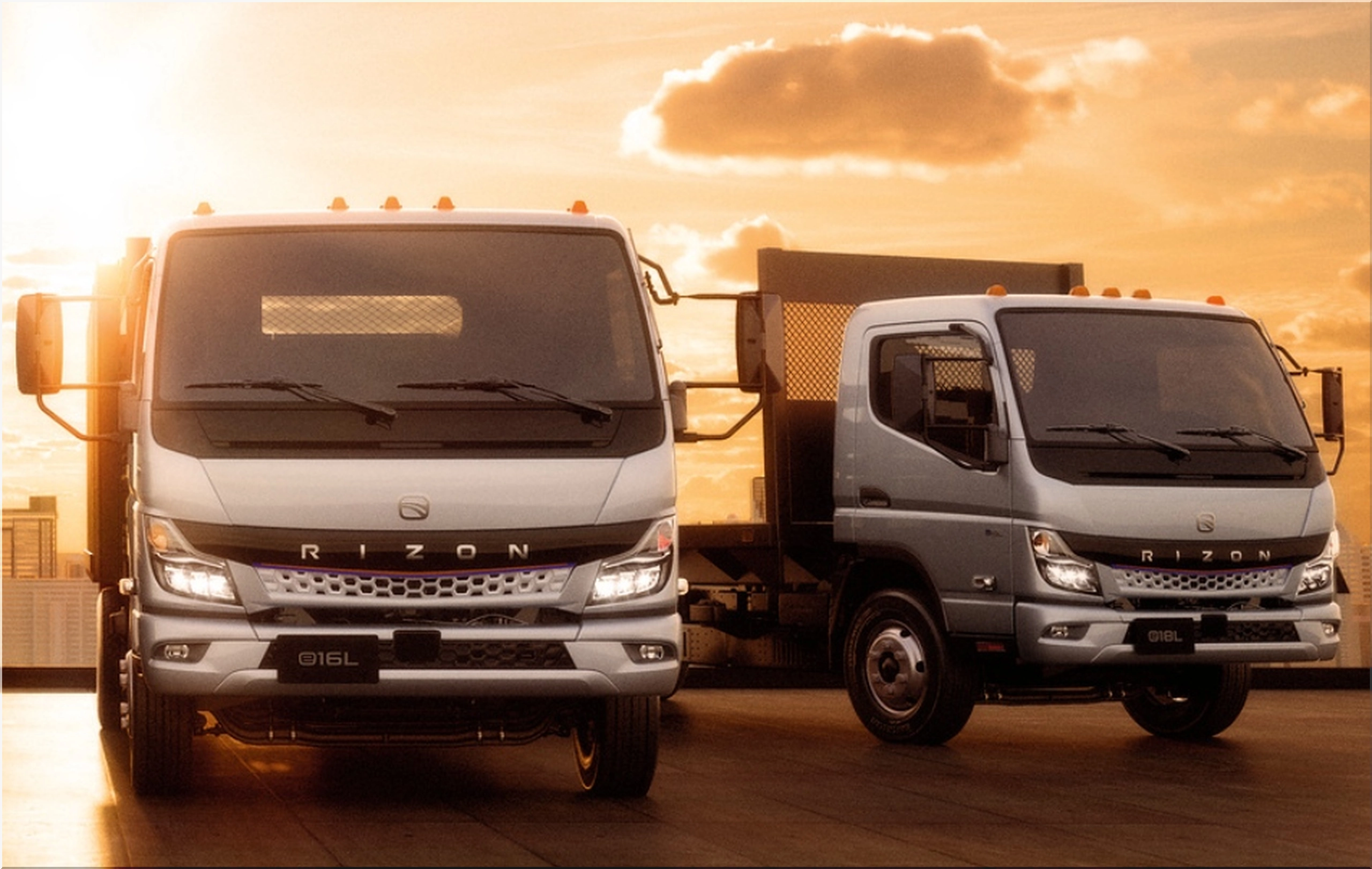
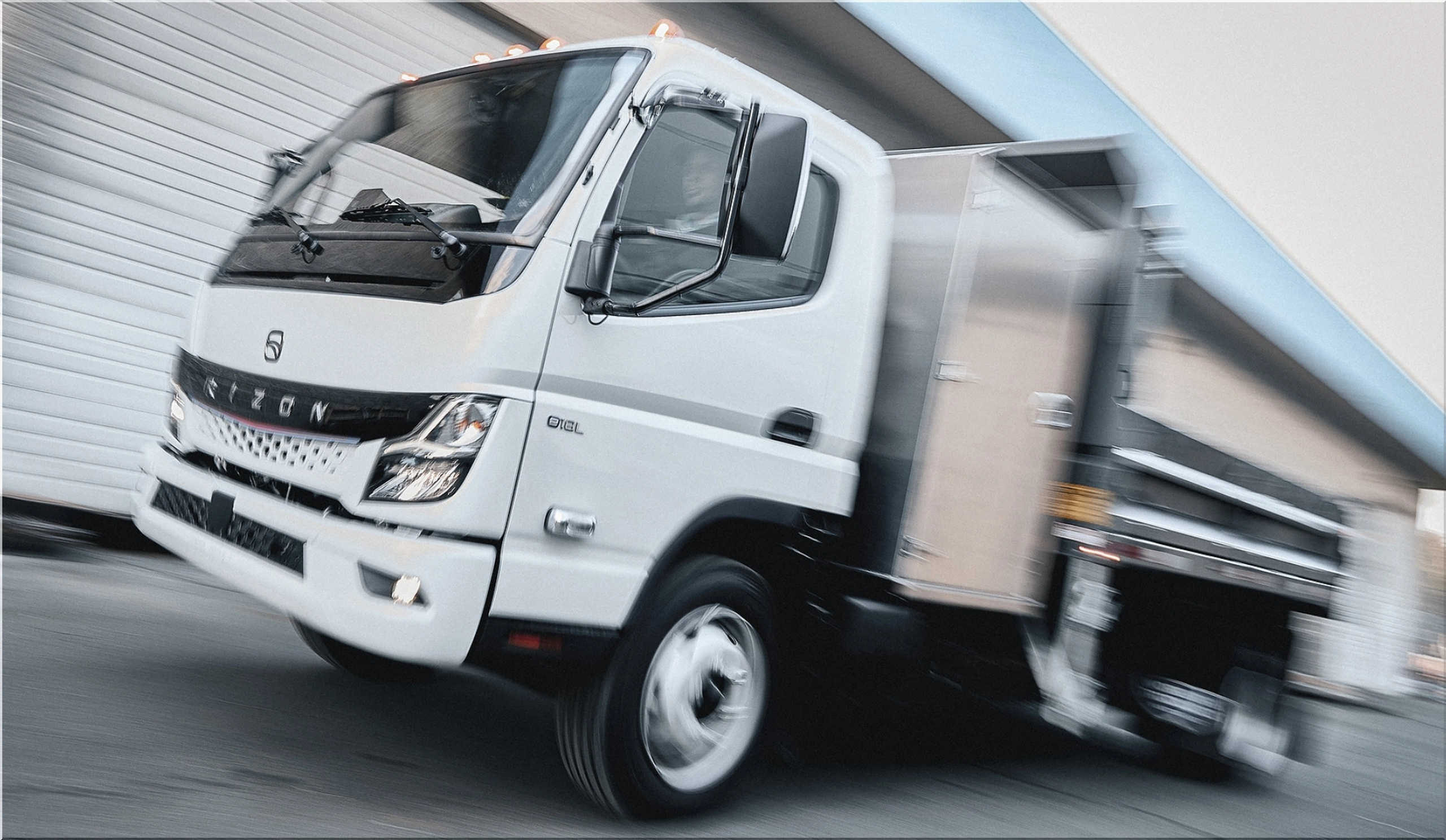
Fleet Use Cases Gaining Momentum
RIZON reports strong performance in:
- Municipal fleets: predictable duty cycles and strong funding eligibility.
- Hospitality: hotels and resorts using EV trucks for supplies.
- Fuel and energy delivery: short-route replenishment cycles.
- Urban logistics: last-mile distribution with defined daily loops.
Electric trucks perform well in these cases due to lower noise levels, fewer mechanical components, and quieter operation during early-morning or late-night service.
Regulatory Environment
California, New Jersey, New York, Washington, and Oregon adopt regulations that push medium-duty fleets toward zero-emission adoption. Several states follow California's Advanced Clean Trucks and Fleet Rules. RIZON's dealership expansion aligns with these markets, positioning the brand where demand rises fastest.
Outlook for 2026 and Beyond
RIZON's market moves suggest growing confidence in medium-duty electrification. Expansion in states with strong incentive support signals a practical approach: build the network where fleets already have electrification budgets. The next phase likely includes:
- Additional service hubs in the Midwest and Southeast.
- Expanded Class 4–5 product configurations.
- Larger battery options for high-duty cycles.
- More fleet-focused software and telematics.
Fleets want lower operating costs and predictable performance. RIZON's network growth gives operators the infrastructure required to scale electric adoption with fewer barriers.
The German brand Porsche announces that it will double its investment in the development of electric vehicles from this time until the year 2022: it will exceed 6,000 million euros. The move to all-electric cars seems necessary for any car manufacturer… Continue reading
Volkswagen is preparing to launch the ID family of 100% electric vehicles. However, it also intends to offer new propulsion options by combining traditional gasoline or diesel engines with electricity and natural gas, offering hybrid versions… Continue reading

The charging station register of the Federal Association of the Energy and Water Industries (BDEW) has currently around 17,400 public charging locations in Germany. From these, about twelve percent are fast-charging. More than three-quarters of the… Continue reading
Lightyear One is the solar electric car that will be presented on June 25th in the Netherlands. Planned for market release in 2020, the car with solar panels on the roof will debut with the prototype that… Continue reading