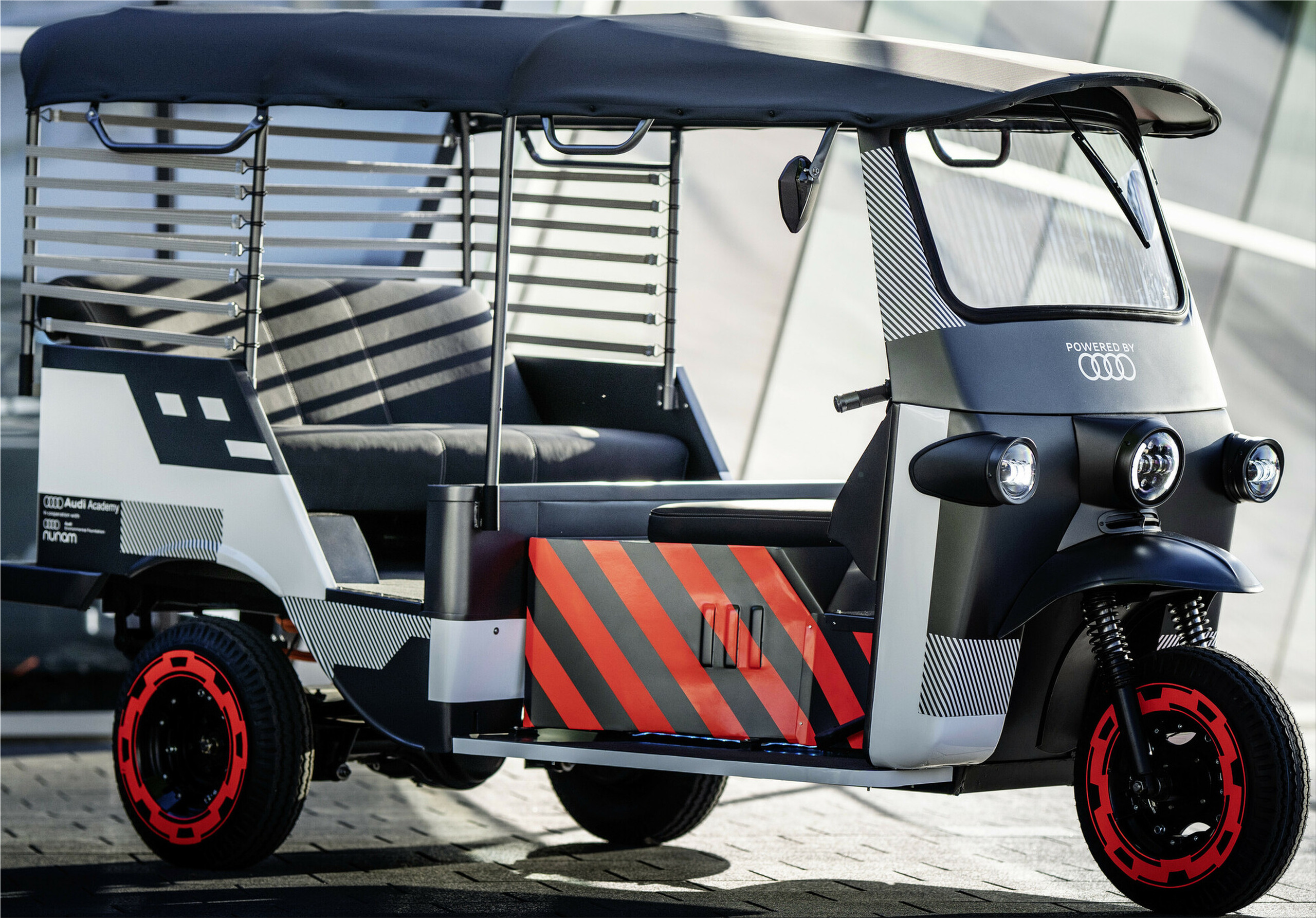
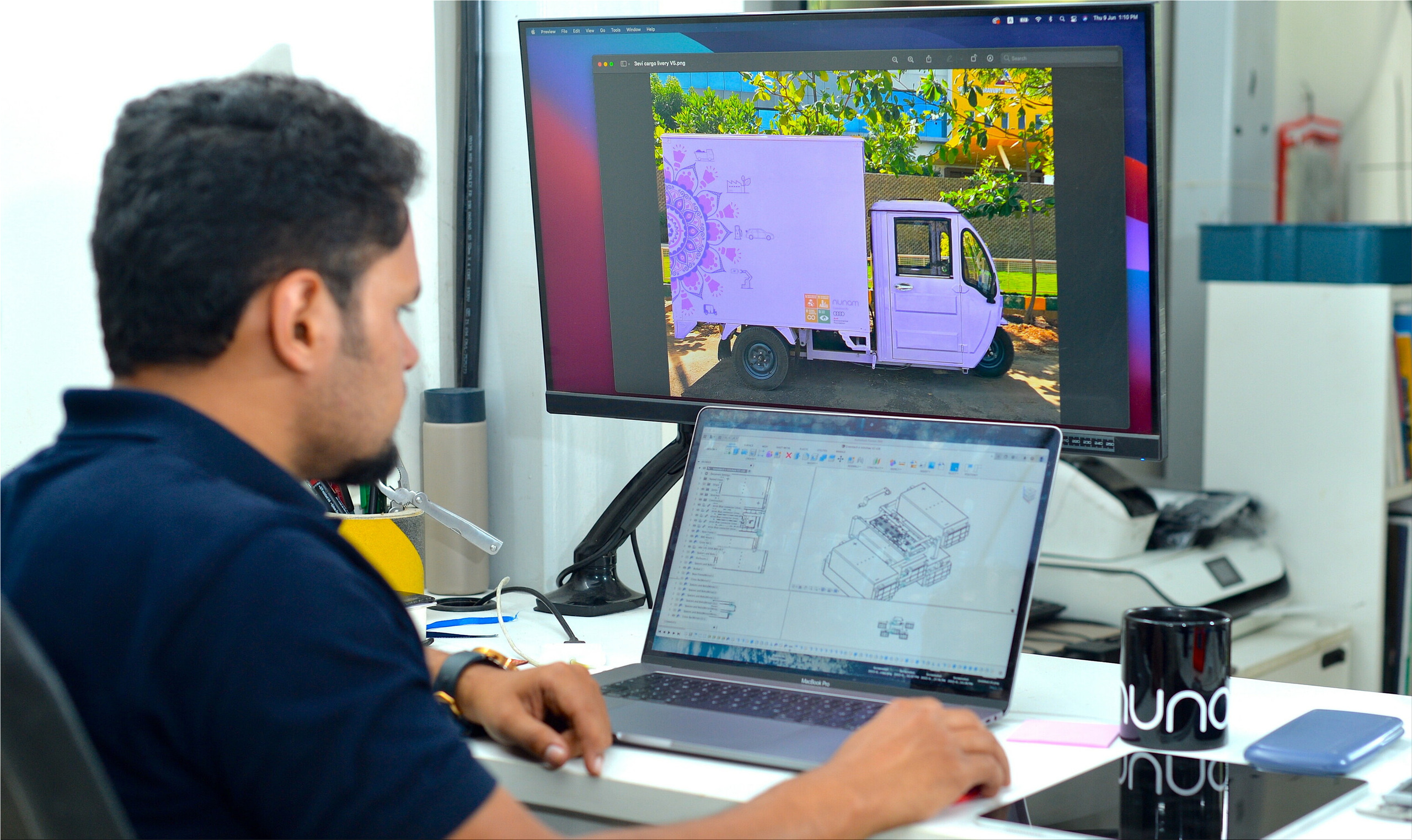
The batteries in electric vehicles have the added benefit of being recyclable after serving multiple purposes. Audi incorporates prototype automobile batteries into portable power stations. Electric rickshaws in India give them a new lease on life. German-Indian startup Nunam is leading the charge intending to investigate the potential for repurposing modules from high-voltage batteries. One of the project's goals is to help women get better access to the workforce by allowing them to ship their goods directly to customers. Beginning in 2019, Nunam has received funding from the Audi Environmental Foundation for their Berlin and Bangalore non-profit startup.
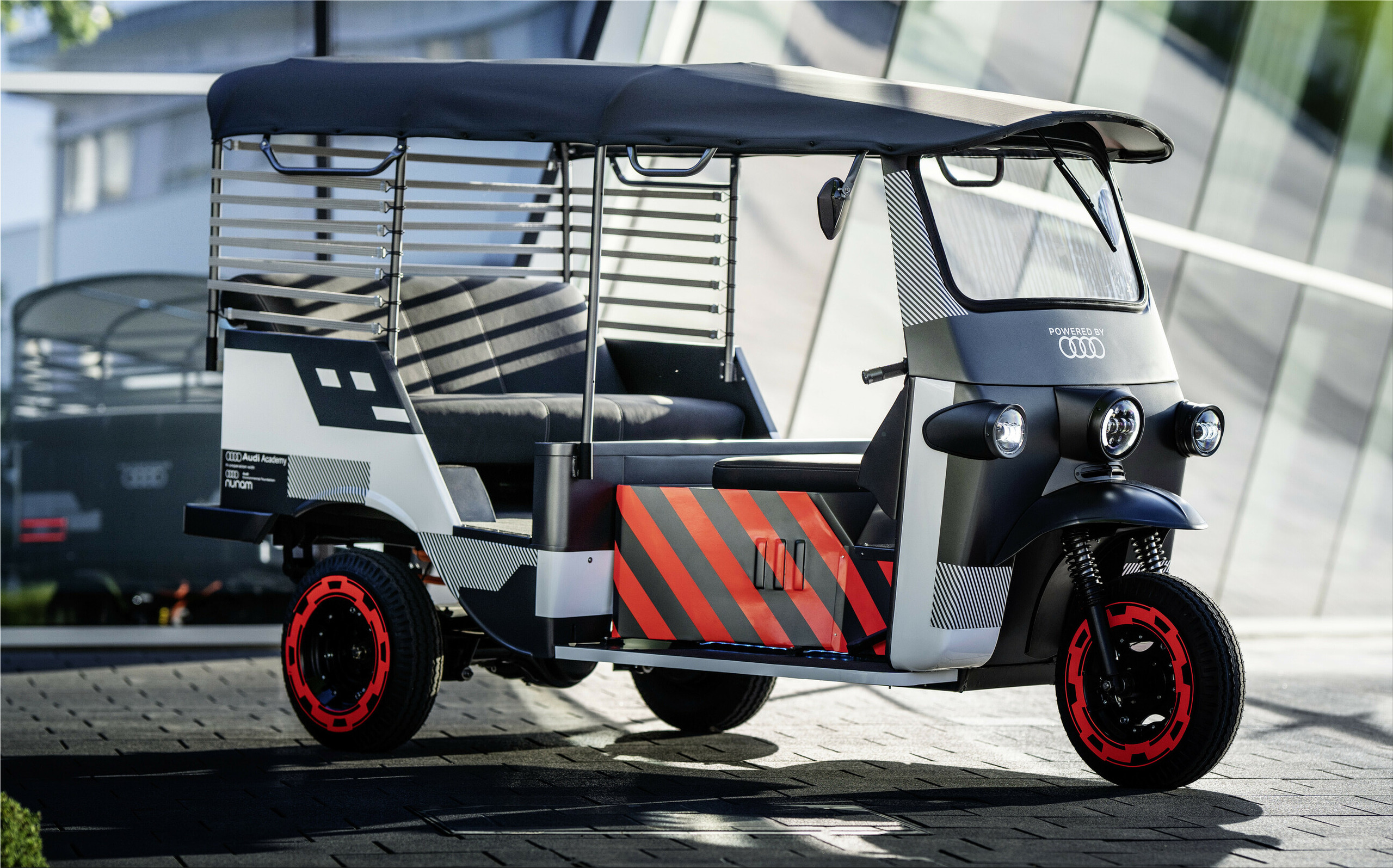
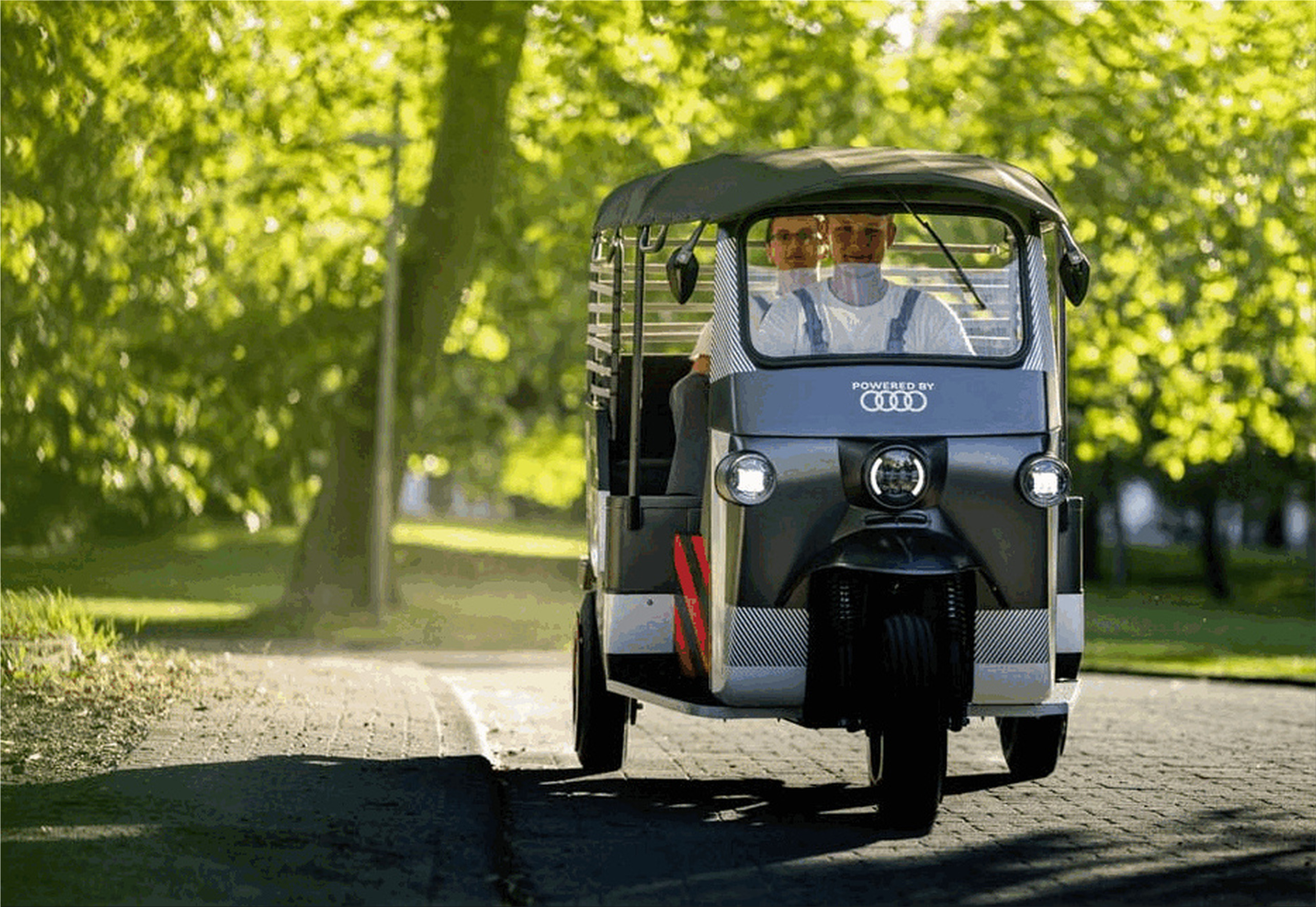
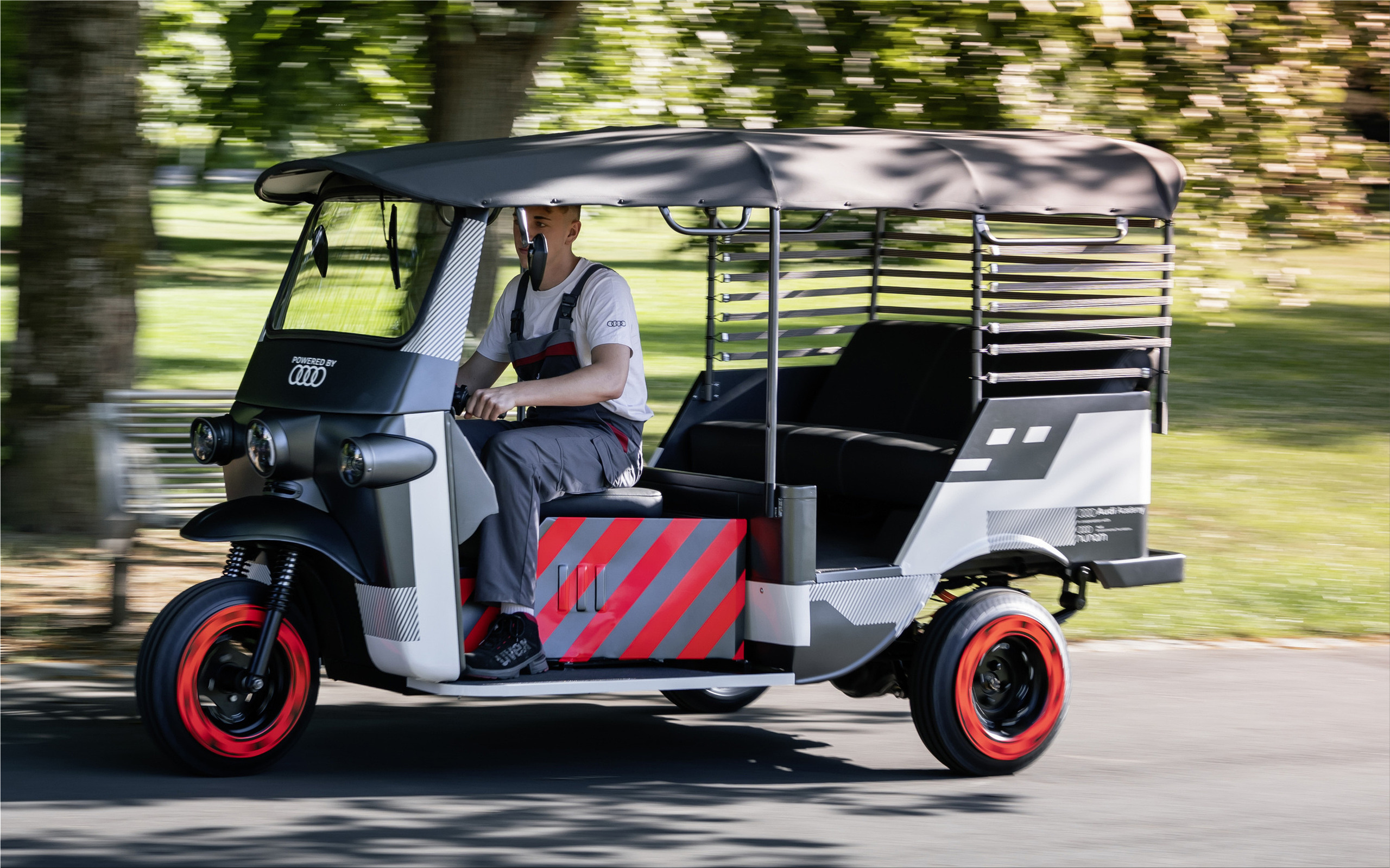
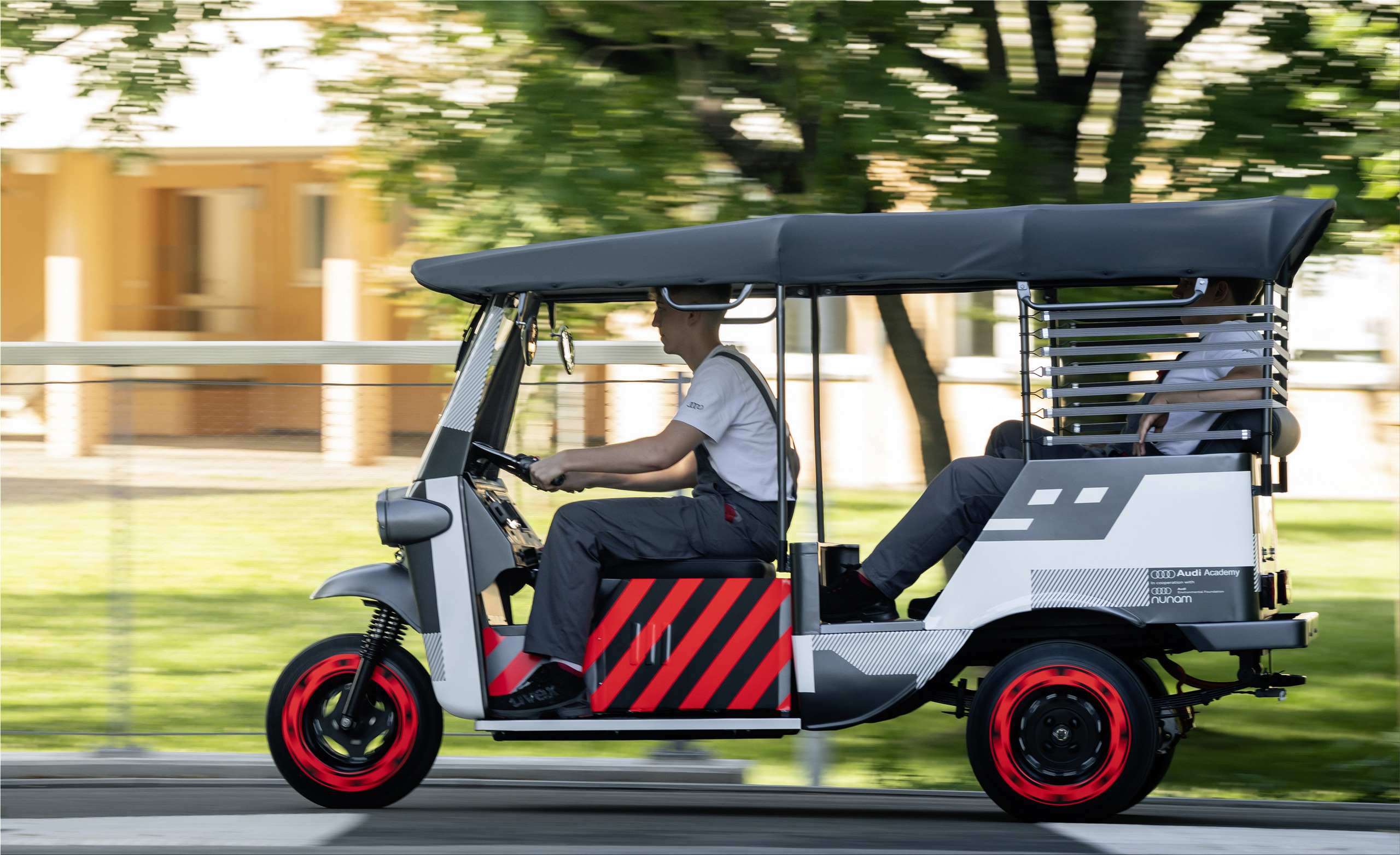
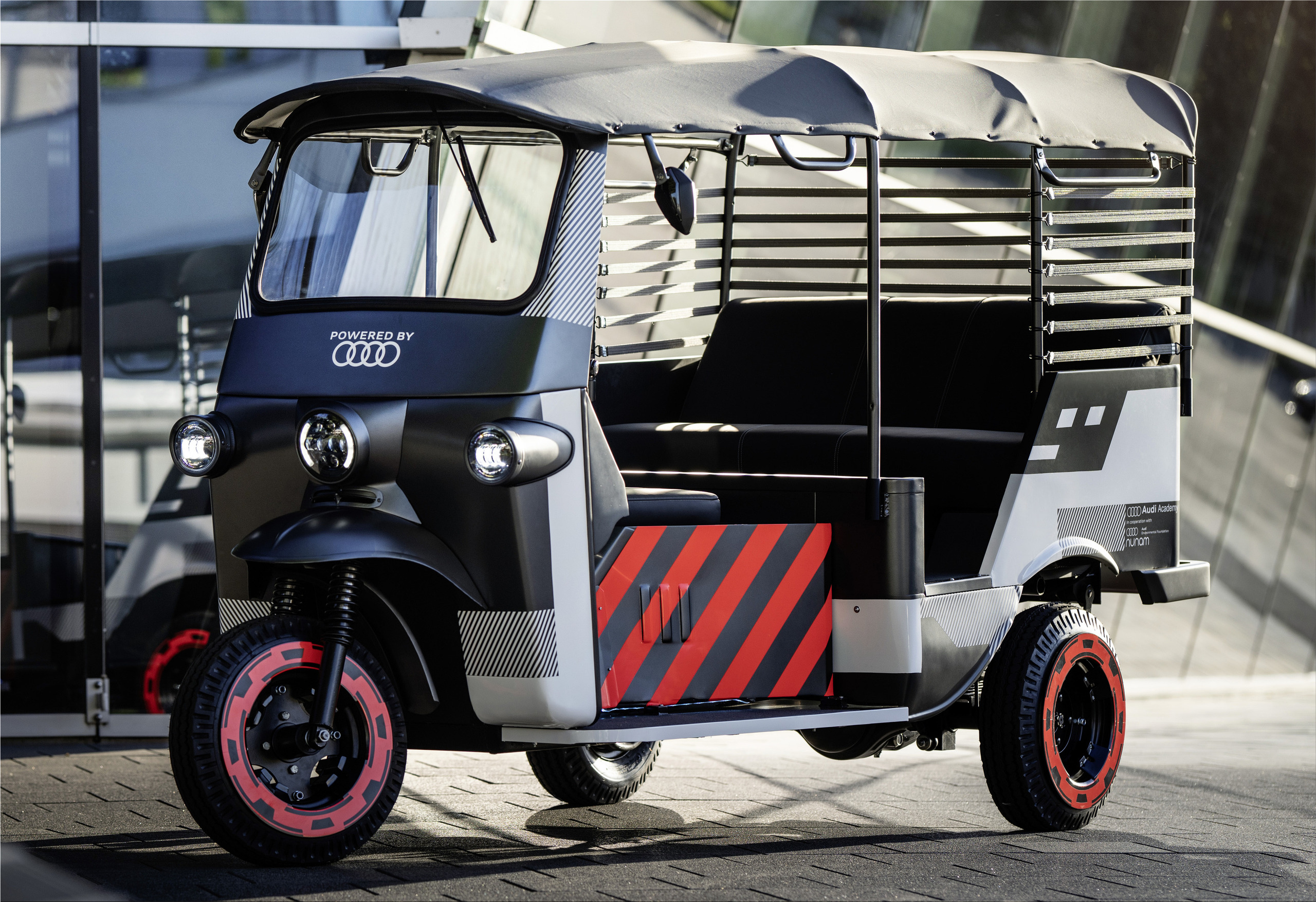
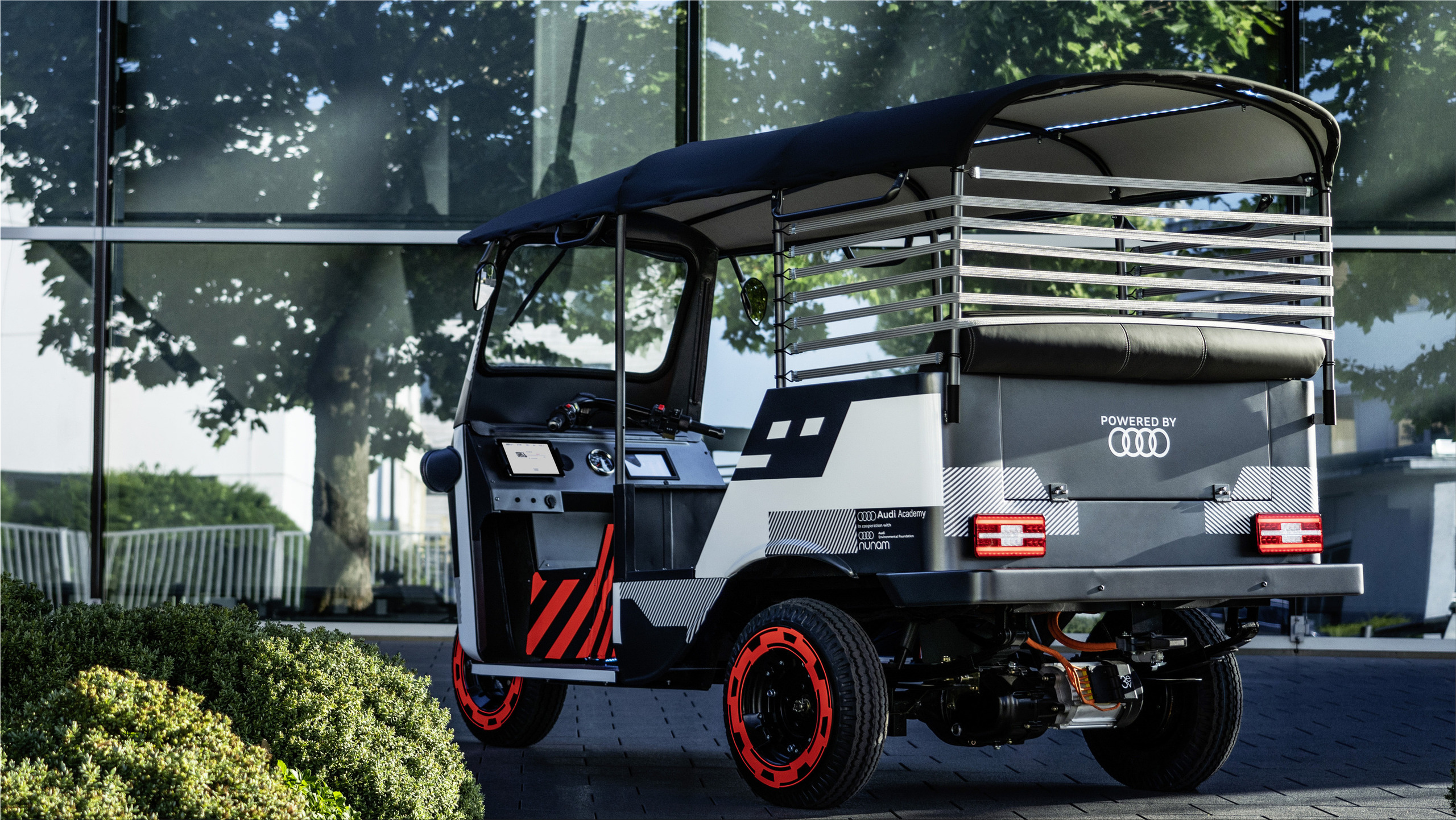
As part of a pilot program, three electric rickshaws powered by recycled batteries will hit the streets of India in the first few months of 2023. The electric rickshaws, designed in collaboration with an Audi training team, will be donated to a charity where women, in particular, will use them to transport goods to market. The battery packs used in the electric rickshaws were initially installed in an Audi e-tron test fleet.
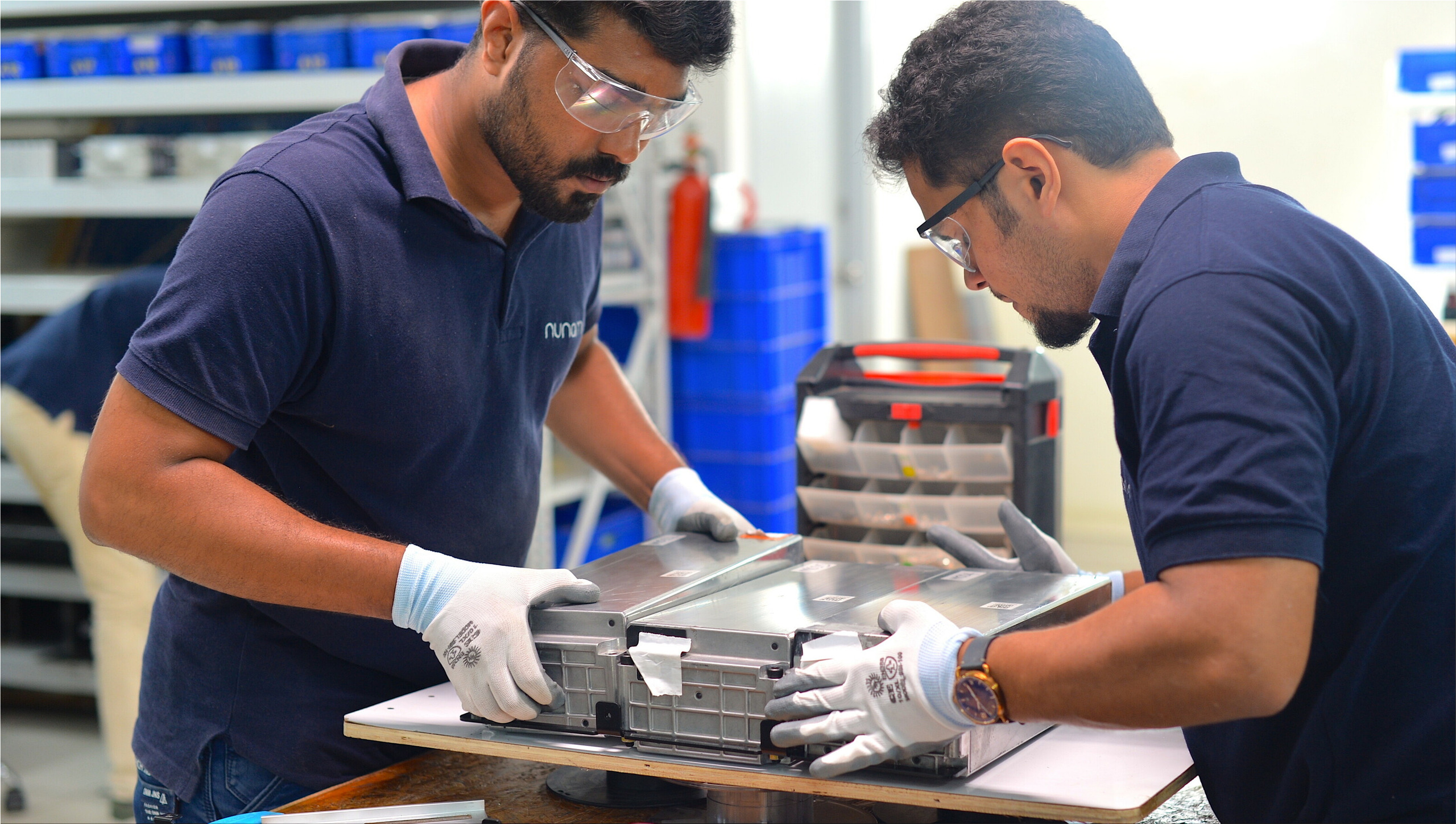
Nunam's founder, Prodip Chatterjee, claims that the batteries retain all of their original strength. Batteries can significantly impact when appropriately recycled, allowing those in need to earn an income and sustainably gain financial independence.
The primary objective of the startup is to create strategies for reusing batteries as energy storage systems, which not only extends the useful life of the batteries but also reduces resource consumption.
A car battery can last the entire time you own the vehicle when properly maintained. However, as Chatterjee explains, their effectiveness remains high even after the first use in a vehicle. They show great promise for cars with shorter ranges, less stringent performance requirements, and lighter total weights. Our 2nd Life project is focused on reducing the environmental impact of e-mobility by recycling electric car batteries for use in other electric vehicles. By doing so, we hope to determine how much additional power the batteries can deliver for this purpose.
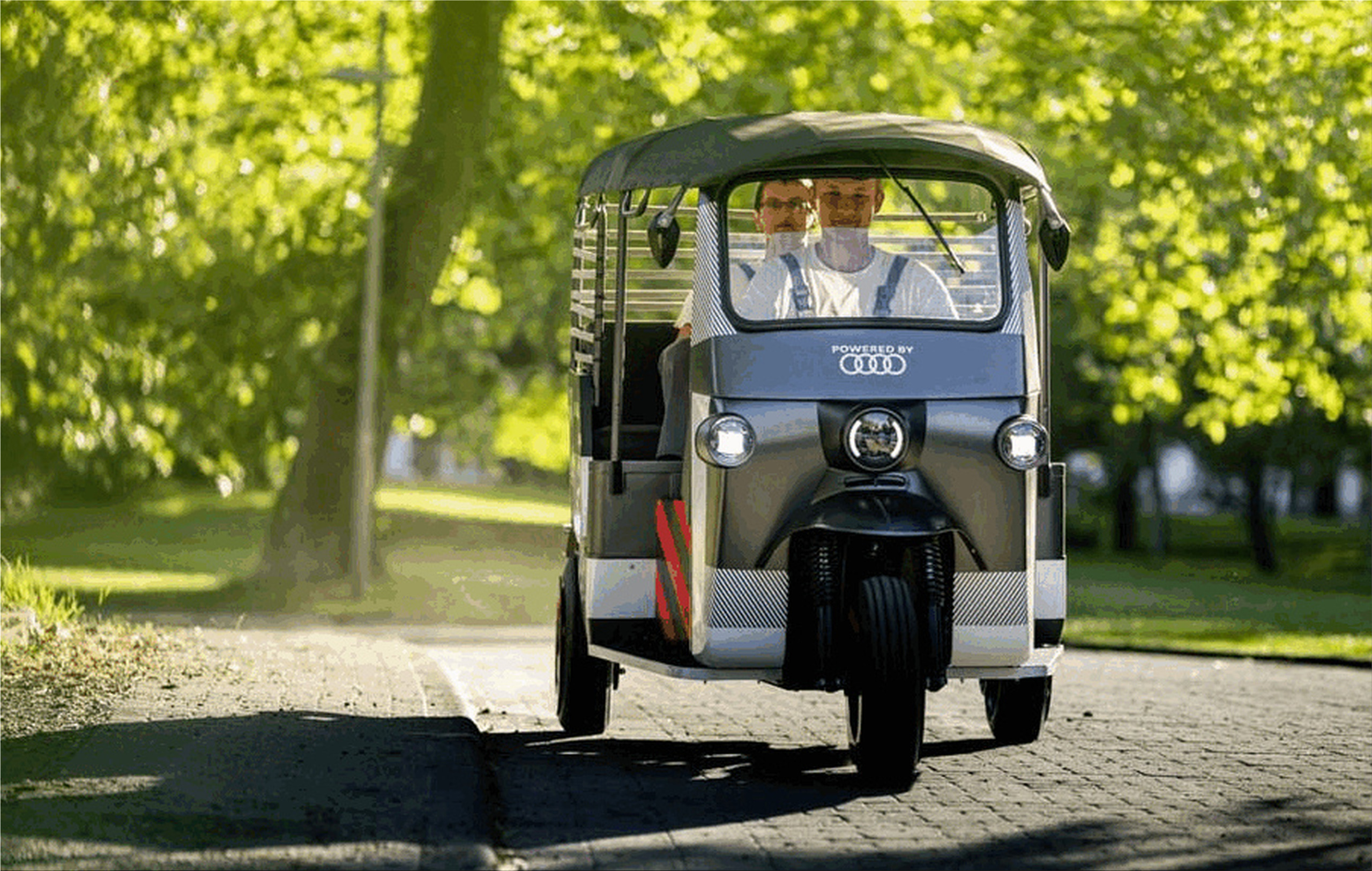
According to Chatterjee, e-rickshaws are the most environmentally friendly option available. There is no need for a mighty electric motor because rickshaw drivers in India rarely exceed walking speed and rarely travel more than a few miles between stops, combined with the battery's high energy density and the vehicle's relatively low weight. Despite their widespread presence on Indian streets today, electric rickshaws frequently use lead-acid batteries, which have a short lifespan and are rarely recycled.
Electric rickshaw drivers in India commonly charge their vehicles through the public electricity grid, primarily coal-powered. Therefore, Nunam has devised a method to counteract this. The solar panels powering the project's rickshaw charging stations are located atop the local partner's building. An Audi e-tron battery is charged by the sun and used as a power reserve during the day. Afterward, the cars receive their power supply in the evening. In other words, driving produces almost no carbon dioxide if vehicles are driven during the day and charged with renewable energy at night. Solar power was already commonplace in India, with consistent sunlight throughout the year.
Nunam tracks the electric rickshaw's efficiency and mileage constantly. The social entrepreneurs publish all collected data on the circularbattery.org open-source platform and actively promote replication.
For e-waste to have a second life requires more effort than Nunam's. And not just in India either; it's a worldwide phenomenon. The head of the Audi Environmental Foundation, Rüdiger Recknagel, says that Nunam is disseminating its expertise to encourage more efforts to develop products with aftermarket components that can advance the environmental revolution.
It's important to note that just because the battery was initially installed in an Audi e-tron and then in an e-rickshaw doesn't mean it's served its final purpose. Finally, the excess energy can be used for fixed applications like LED lighting.
Prodip Chatterjee, the company's founder, says that they want to extract as much value as possible from each battery before recycling it.
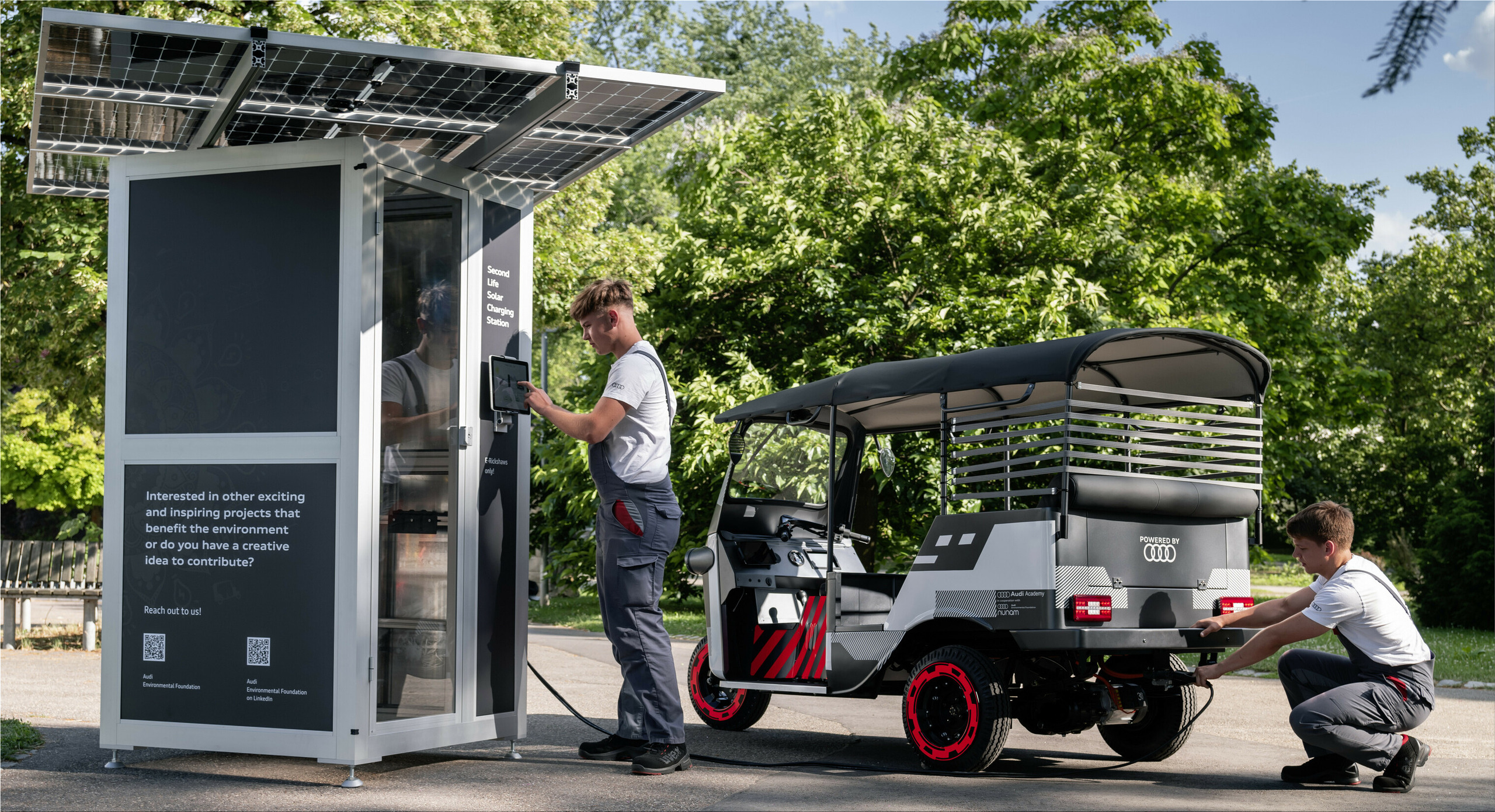
Long-term, e-mobility and solar energy can potentially lessen India's reliance on fossil fuels like coal and reduce the massive emissions from the country's roads.
The head of Audi's environmental foundation, Rüdiger Recknagel, says that the project is a model for the future in many respects.
A trainee team at Audi in Neckarsulm collaborated with Nunam to design an e-rickshaw for use on German roads. The team has been able to experiment and contribute their ideas while still focusing on the range, load time, and design with Audi DNA. They have learned the fundamentals of e-mobility, resource efficiency, and charging technology and have become familiar with the latest developments in sustainability, e-mobility, globalization, and social responsibility.

Volvo Trucks introduced its first fully electric truck for commercial use. The truck is called FL Electric and is intended for use by urban services, in particular in the field of waste disposal, local delivery of goods and… Continue reading

Yamaha has been producing electric bicycles since 1993 and has already sold more than two million of them, and also produced more than four million electric bikes. The newest addition, Wabash Adventure Gravel does not look different from the… Continue reading

Tesla intends to update its model range in the coming period with an improvement for Model S, according to sources inside the company quoted by CNBC. Thus, the Tesla Model S will borrow many elements from Model 3, including the minimalist… Continue reading

It is designed to transport visitors, staff, athletes or people with special accessibility needs. Toyota launches the first vehicle of the support program for the Tokyo 2020 Olympic and Paralympic Games: an electric shuttle that will make transport accessible… Continue reading