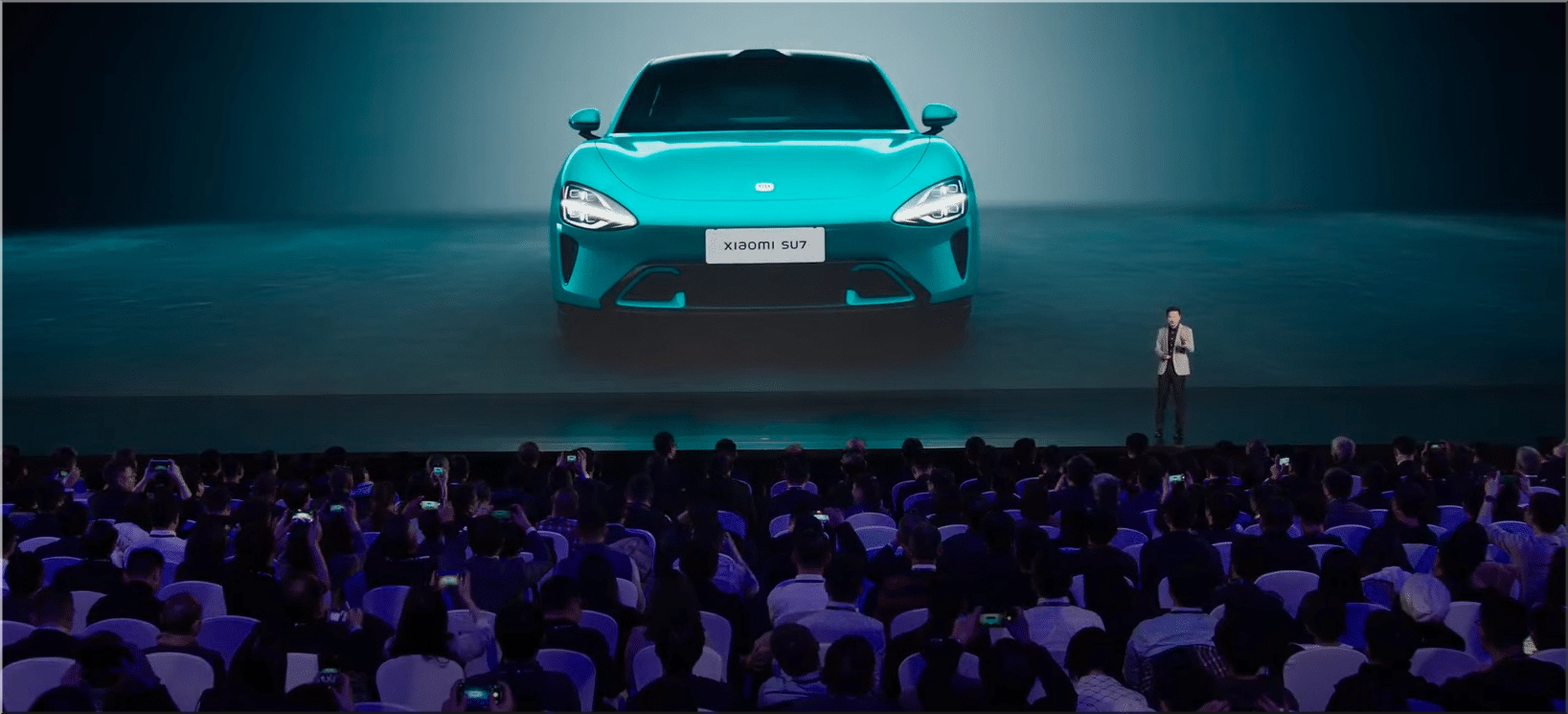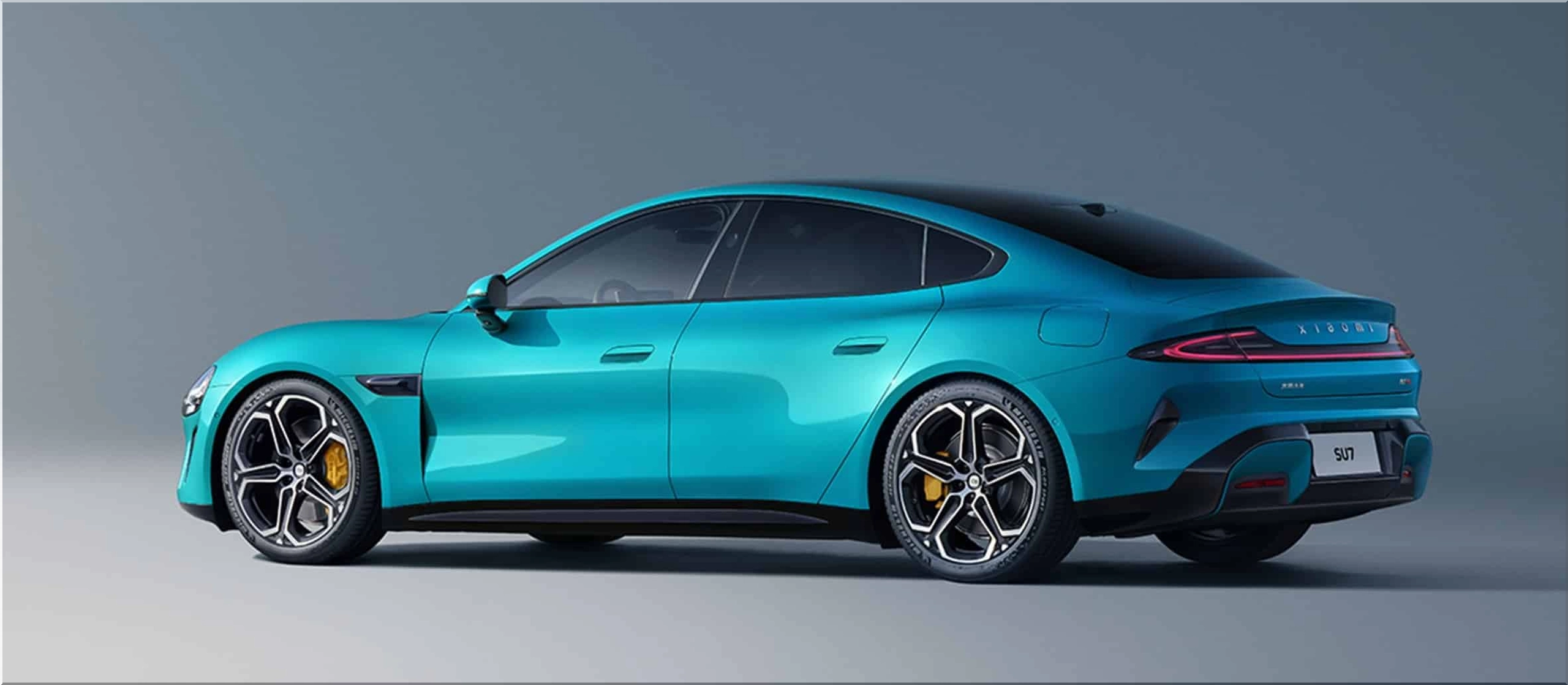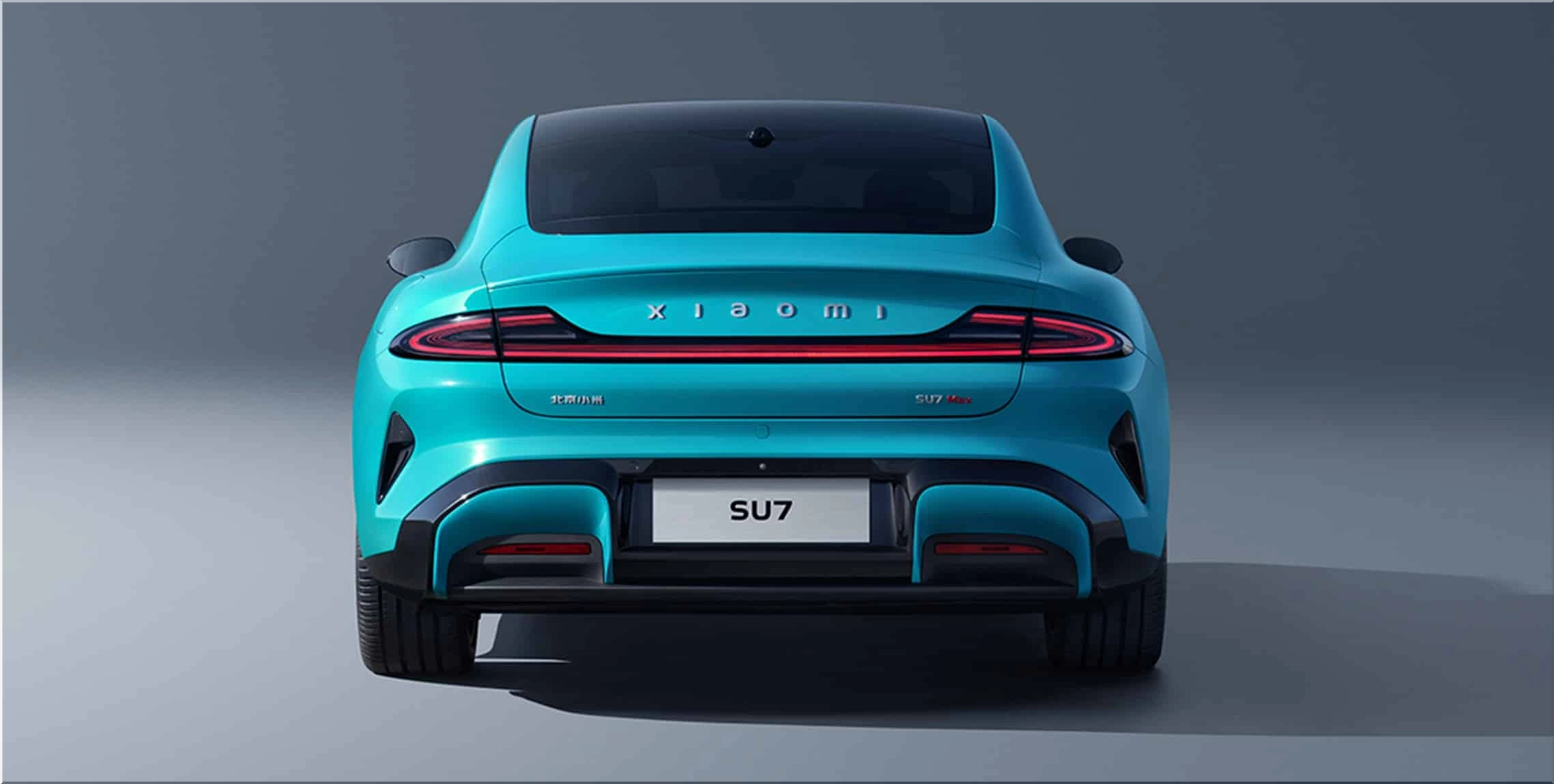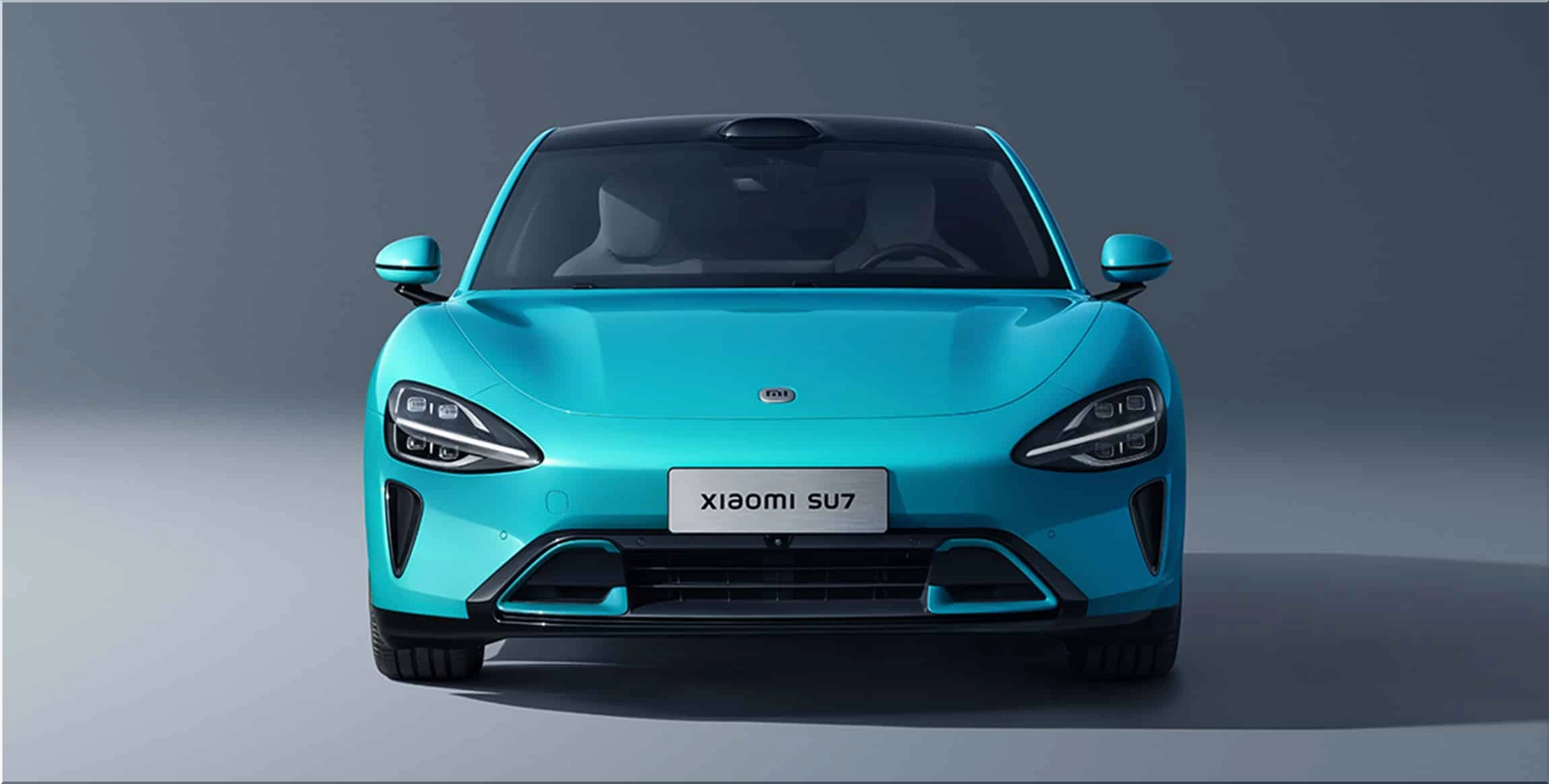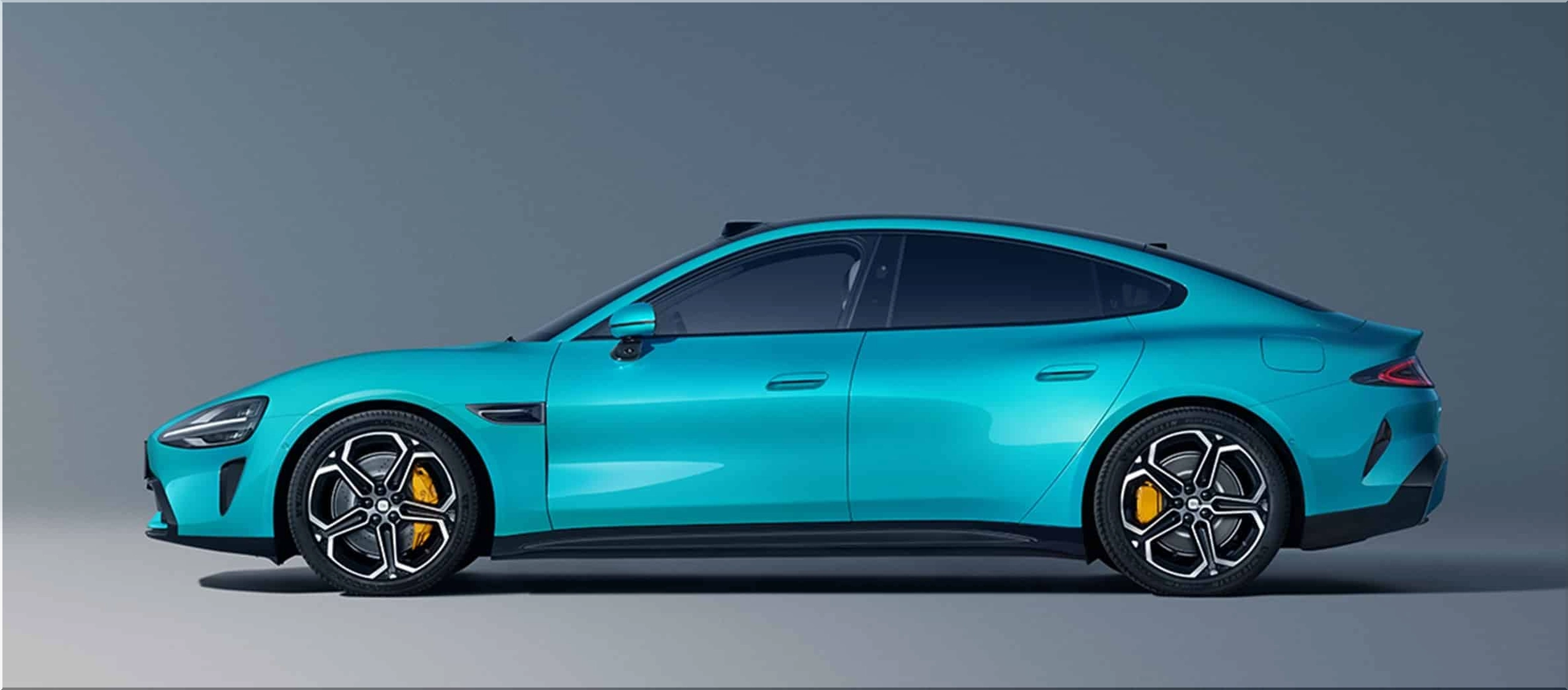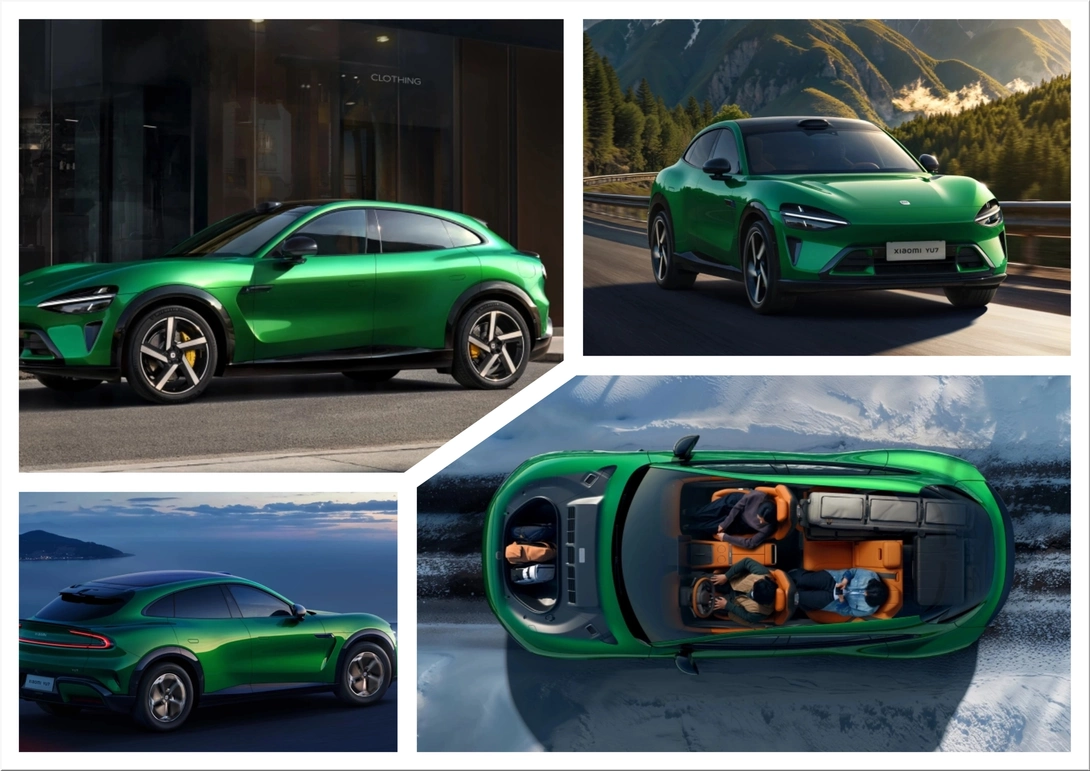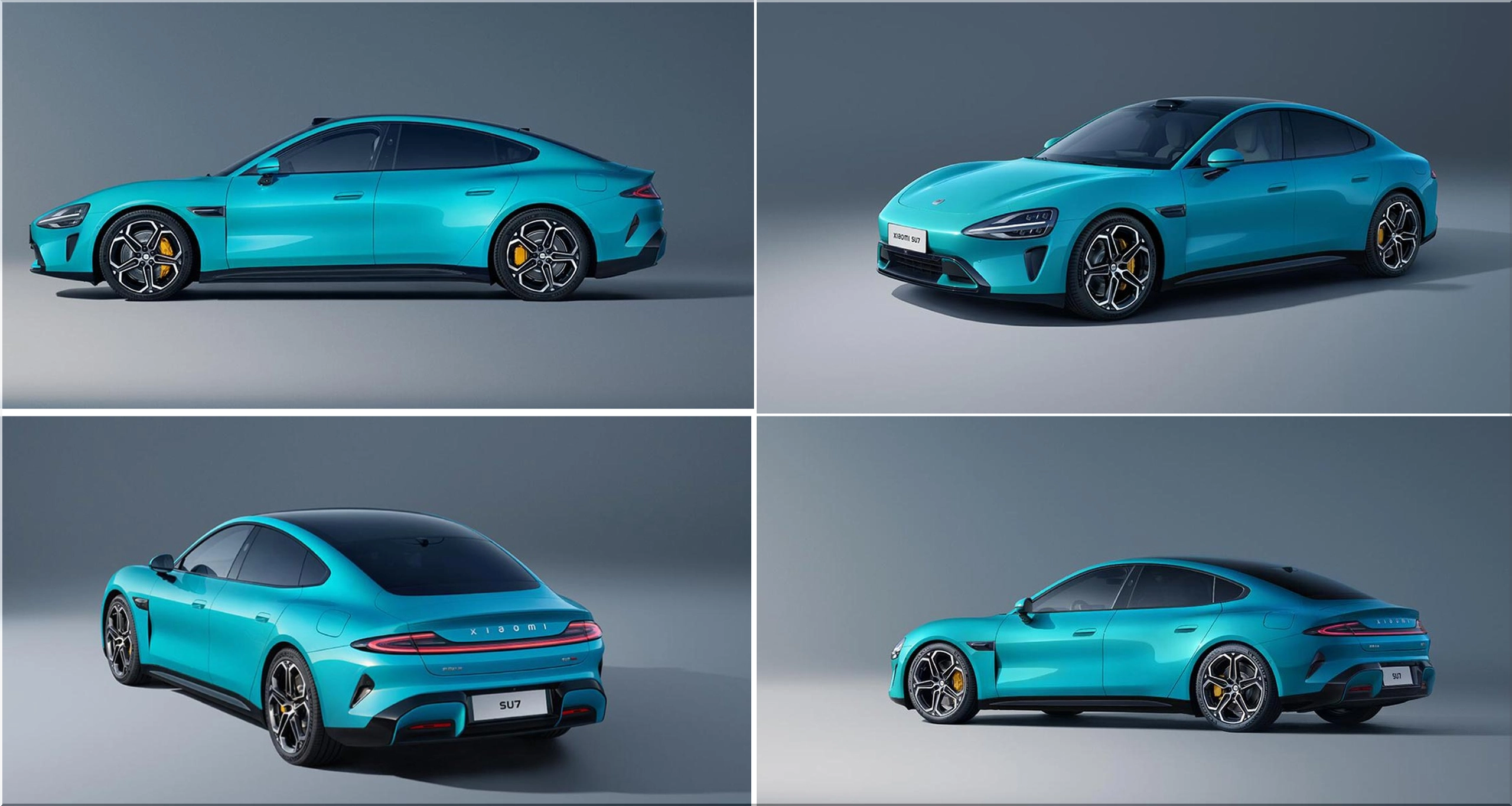
Xiaomi, one of the world’s largest smartphone and gadget makers, has entered the electric vehicle (EV) market with its first car, the Xiaomi SU7. The sleek sedan, unveiled on Tuesday in Beijing, aims to compete with the likes of Tesla and Porsche in the highly competitive Chinese EV market.
The SU7’s design and performance
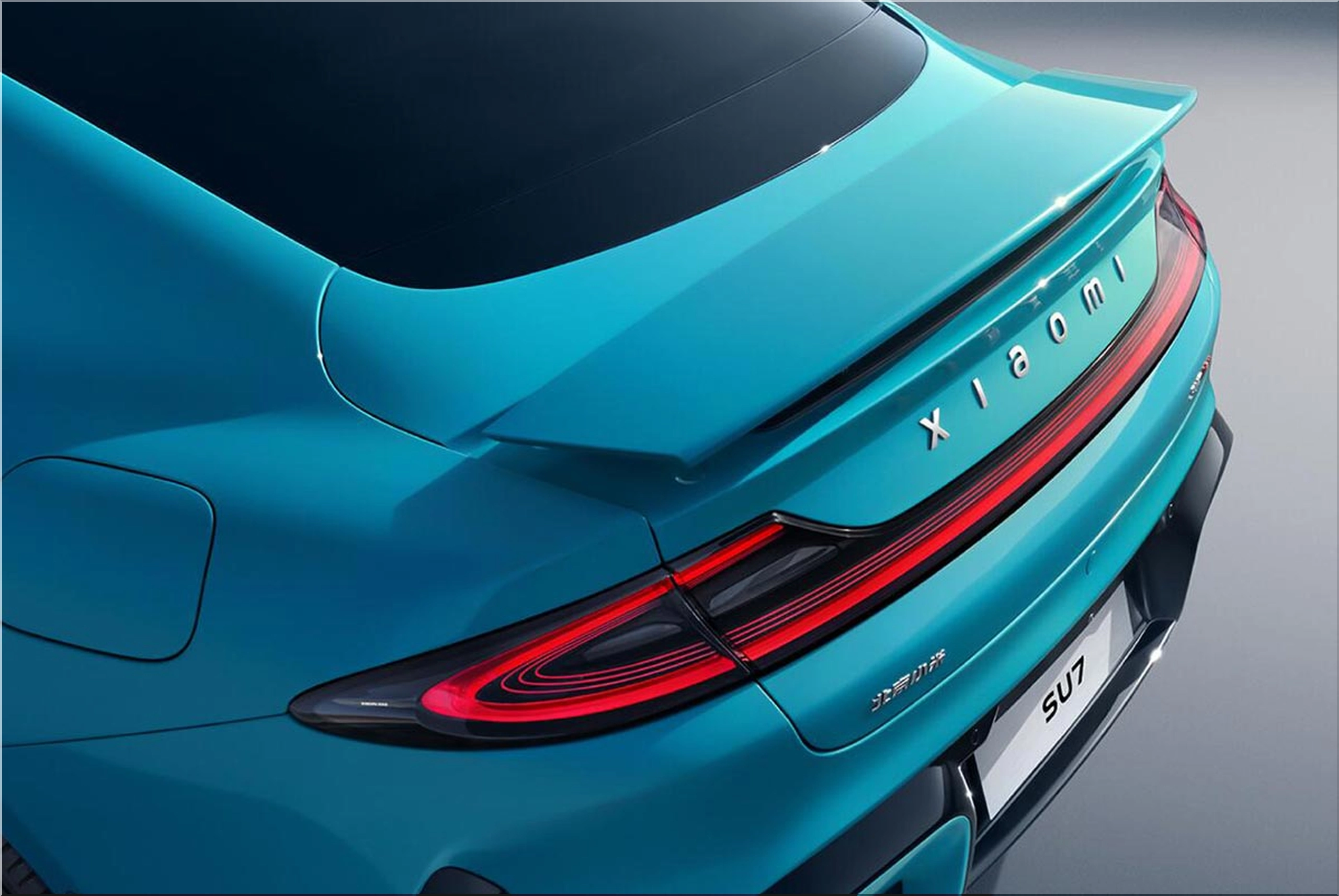
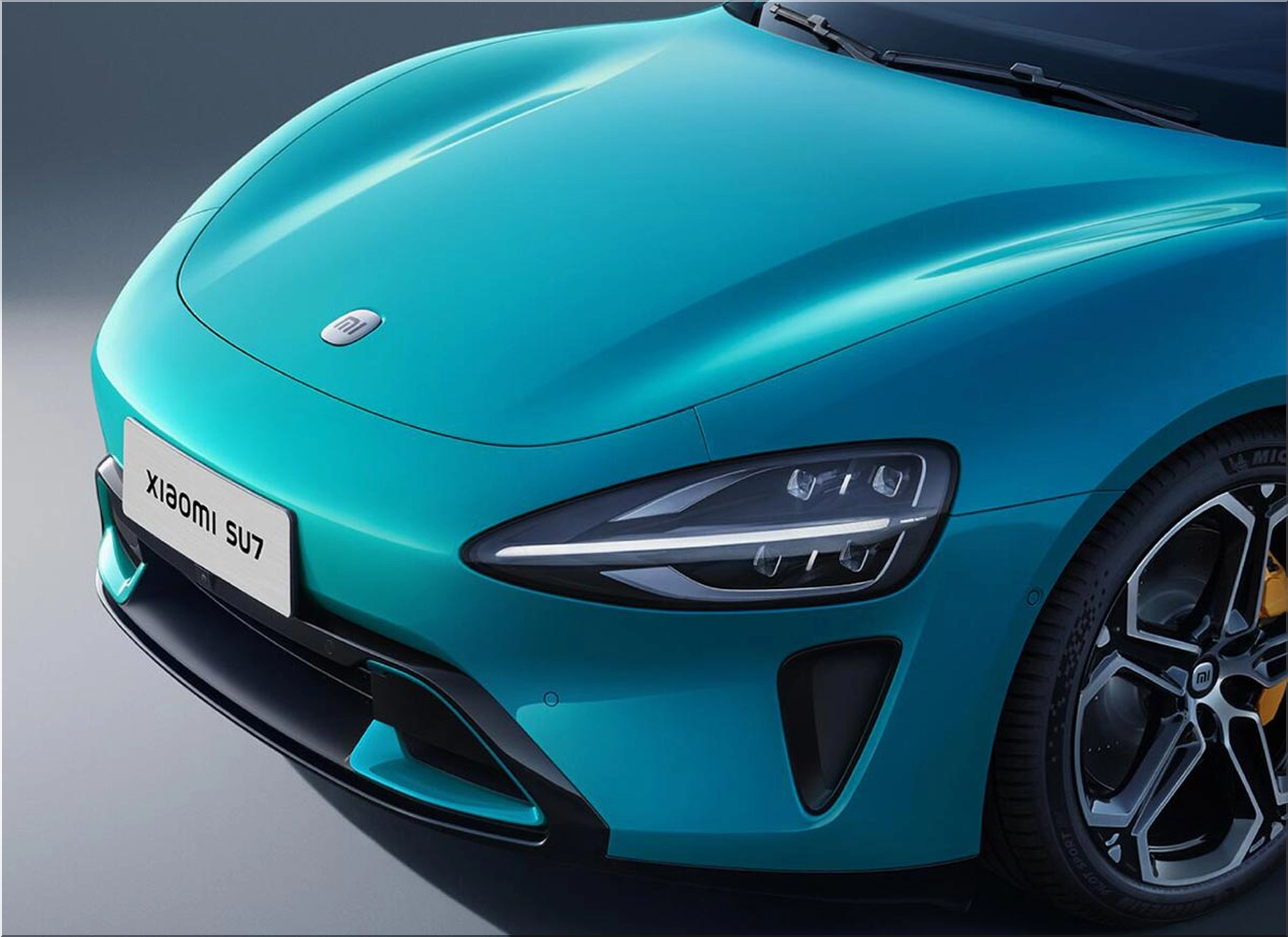
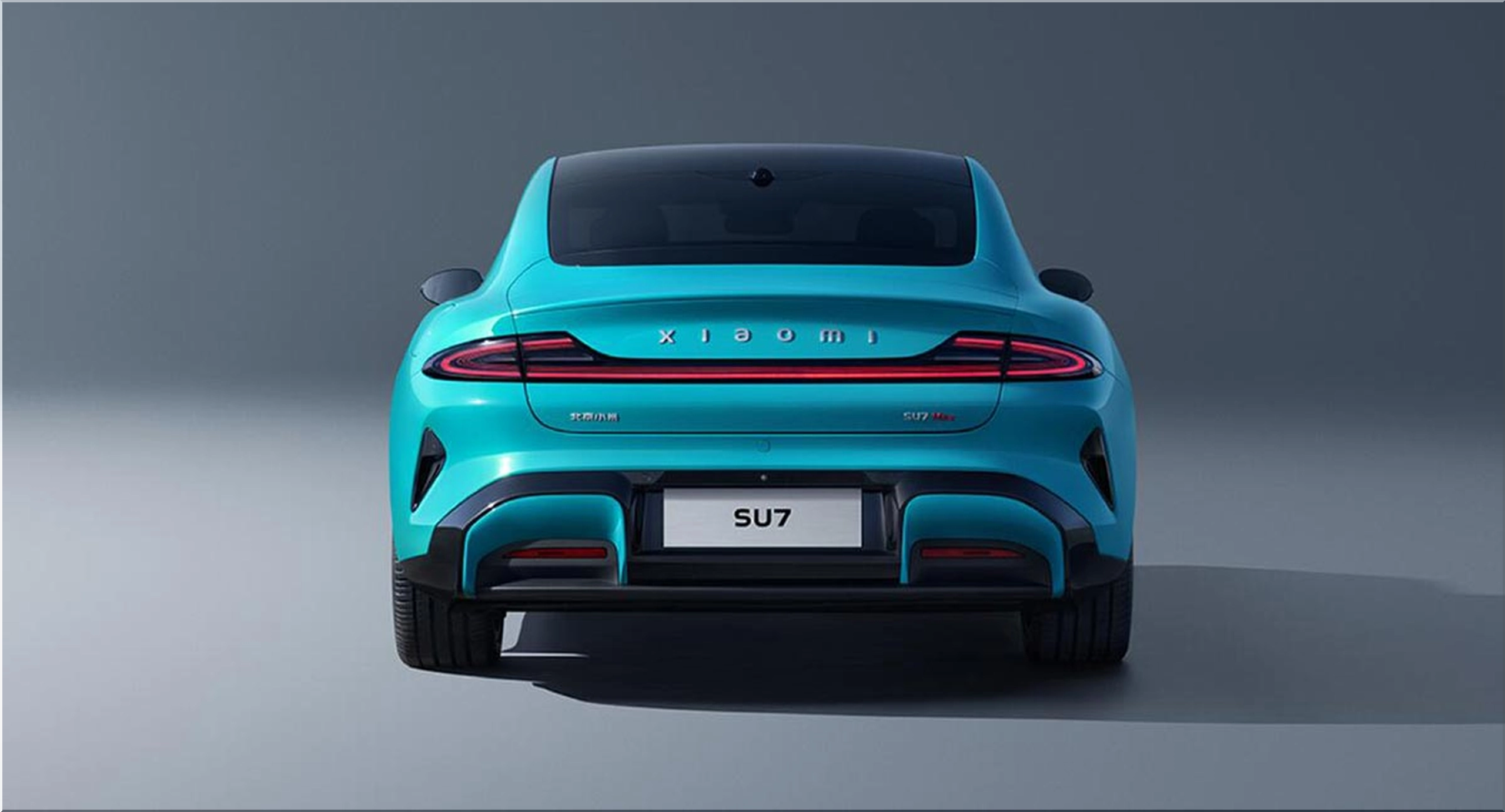
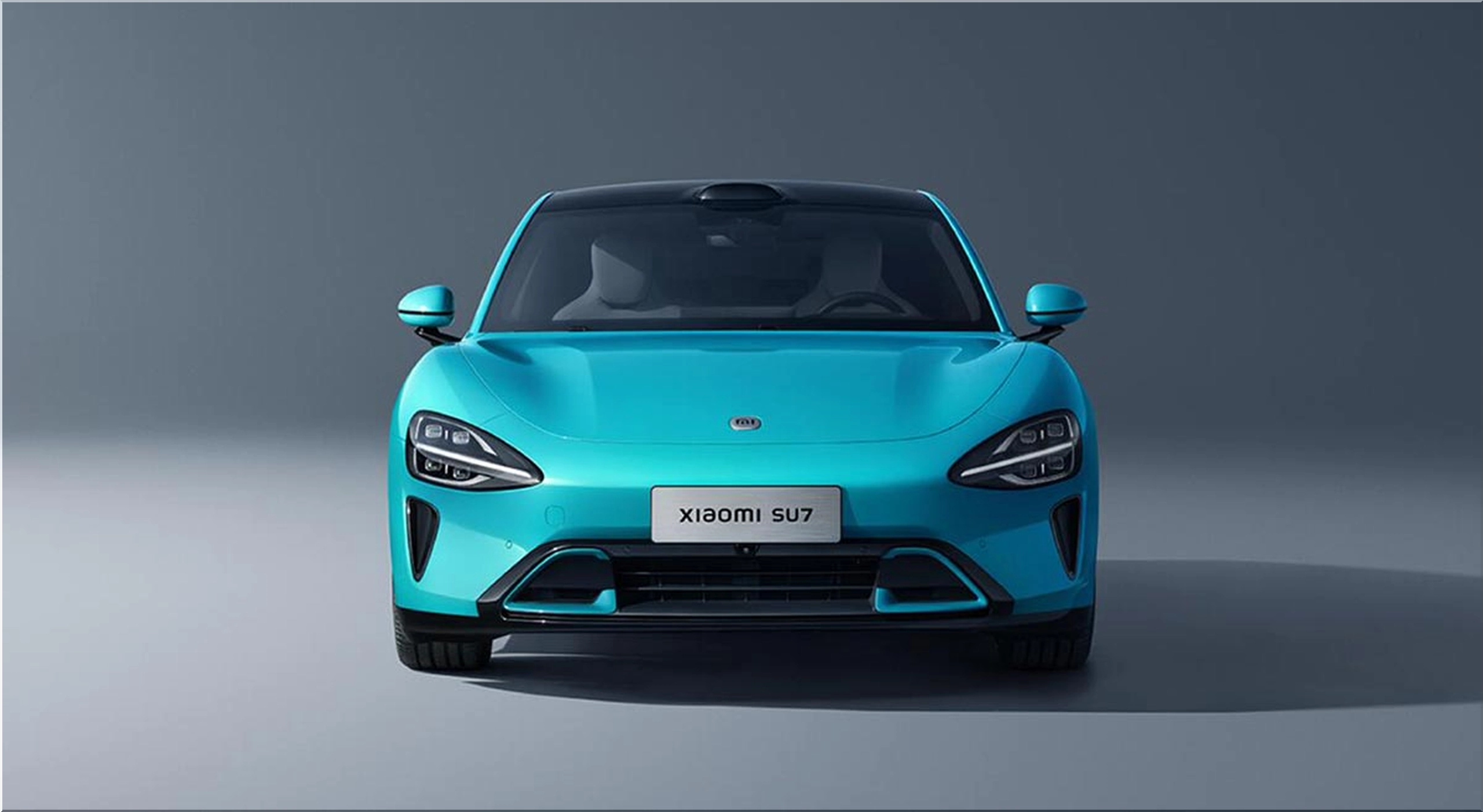
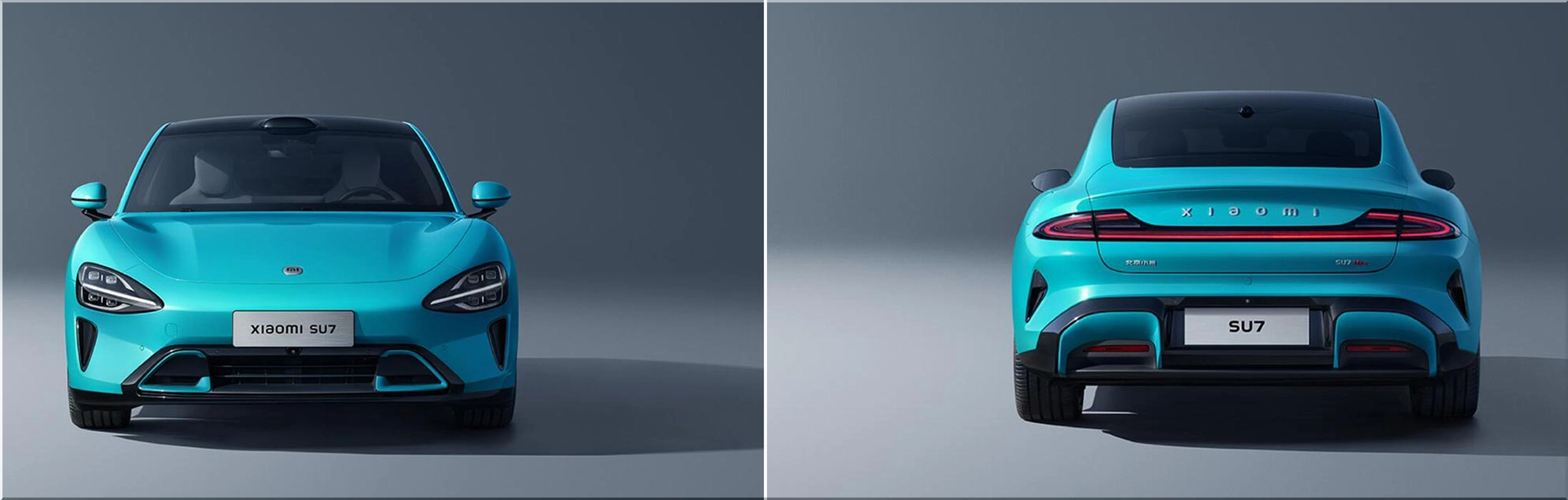
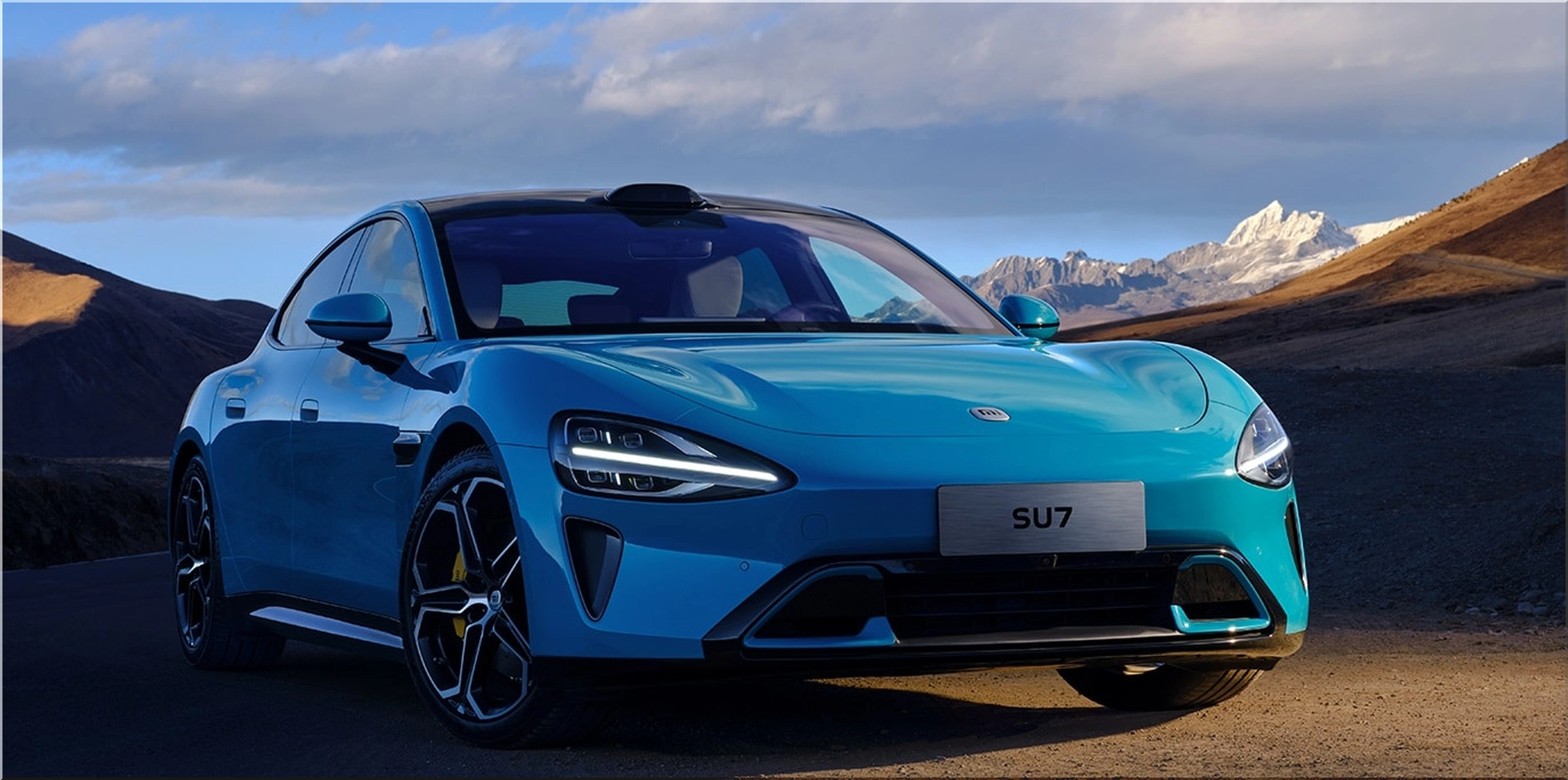
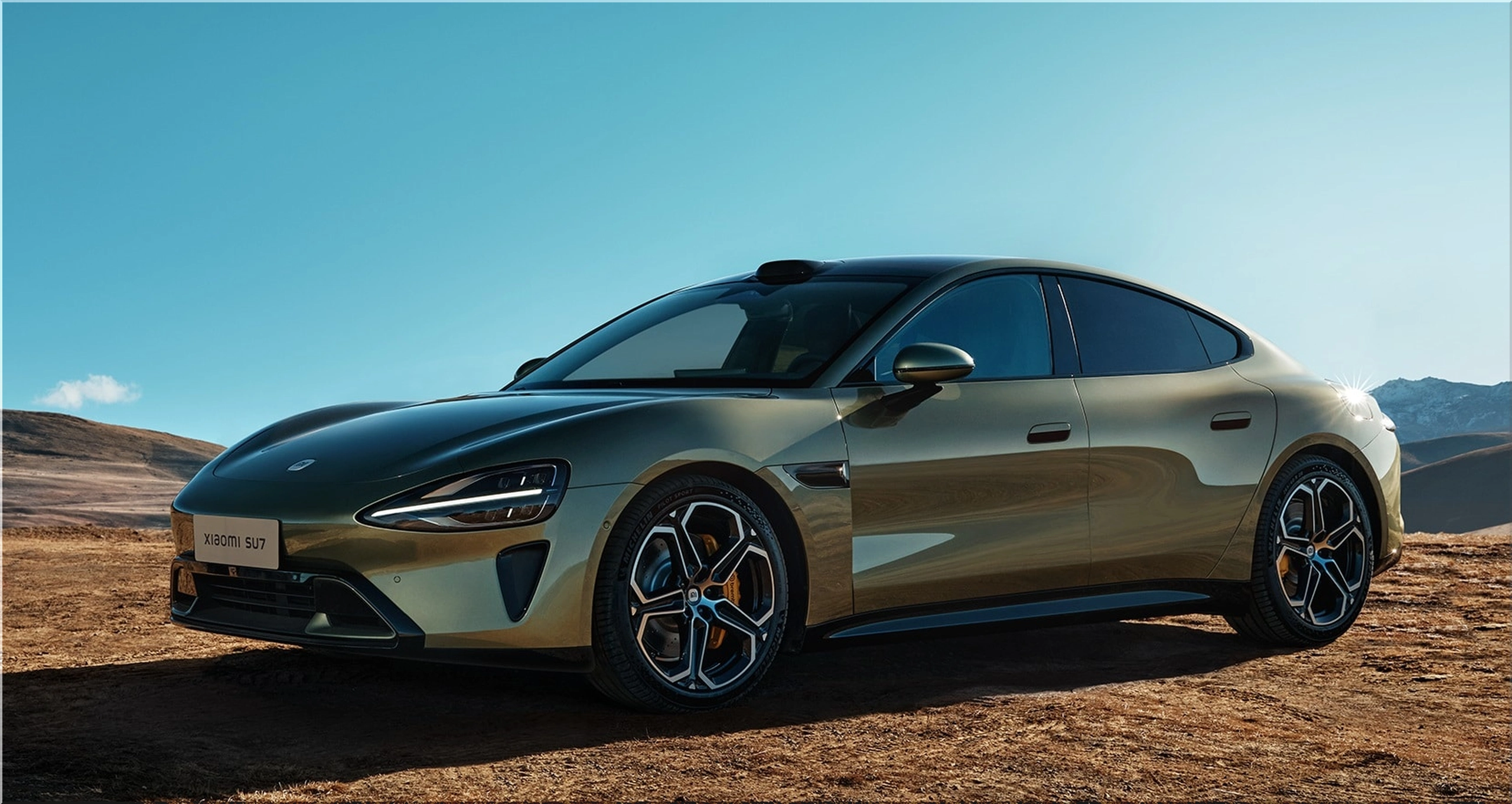
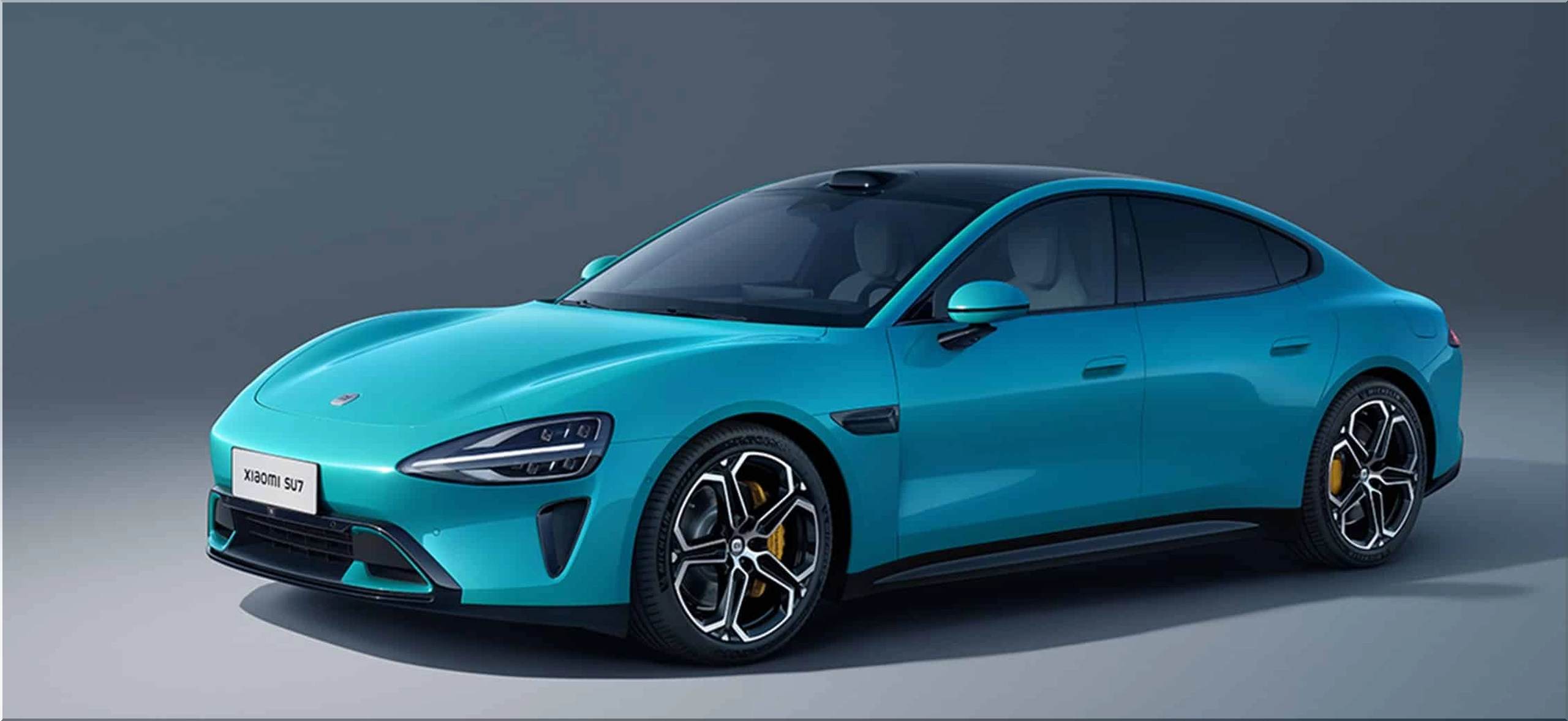
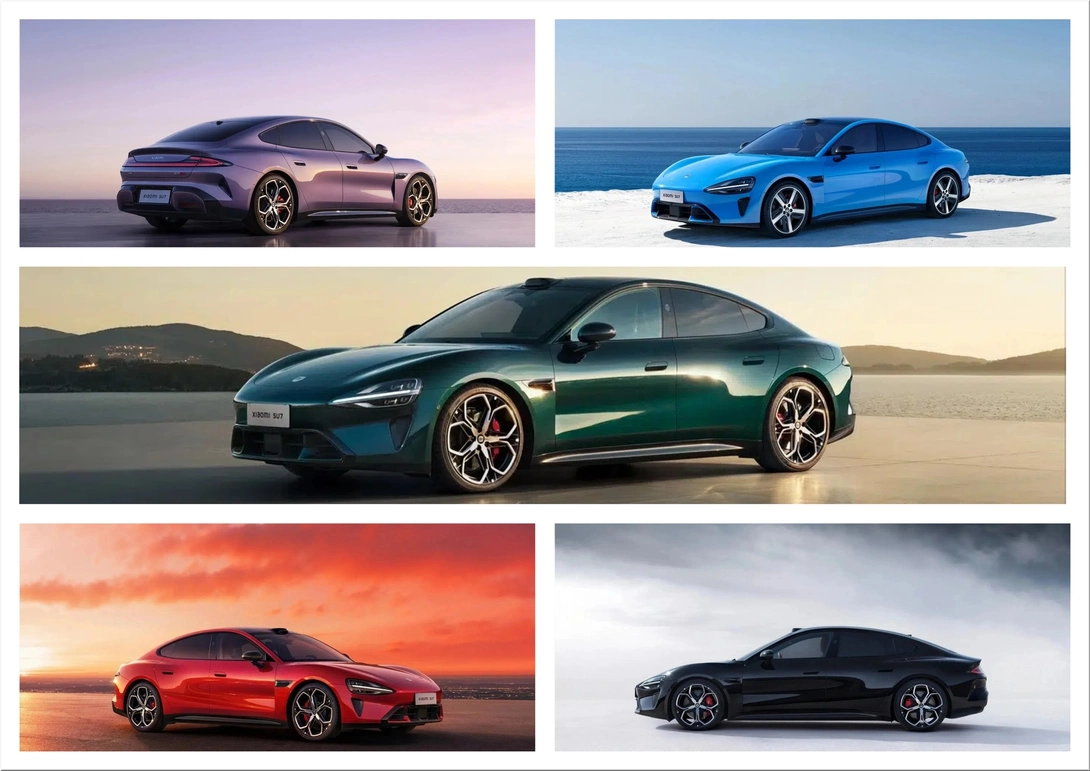
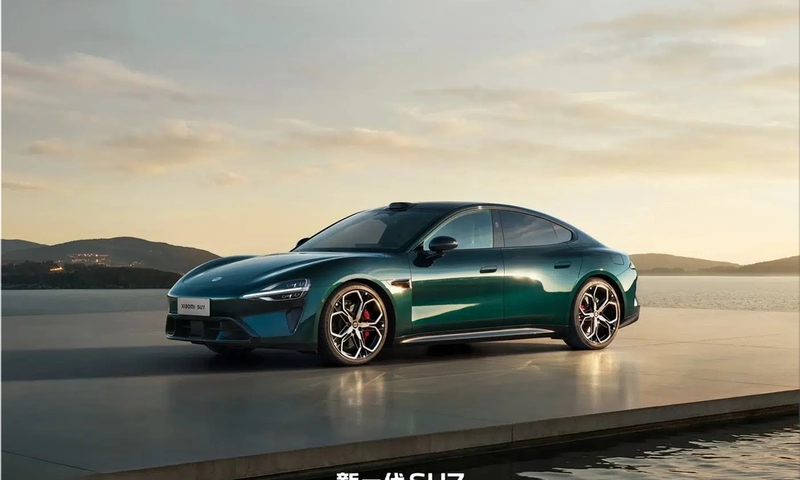
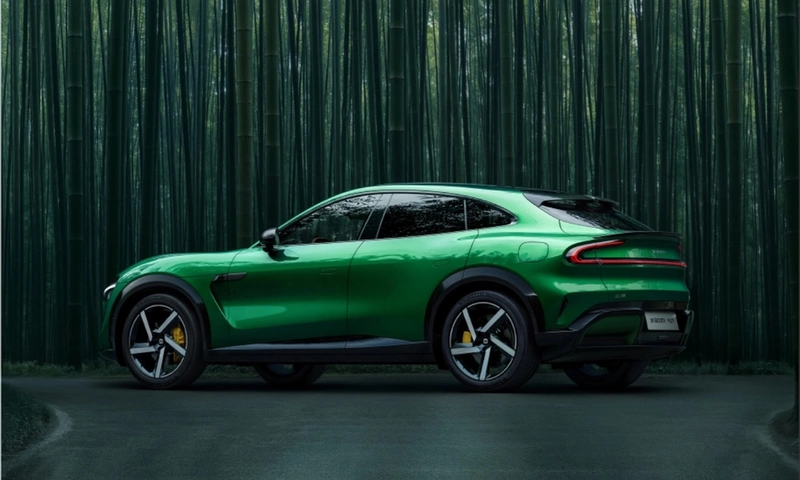
The SU7’s design combines influences from various luxury and sports cars. The front end features a large grille-like LED display that can show different patterns and messages. The headlights resemble a McLaren supercar, while the overall shape and fastback roofline are reminiscent of the Tesla Model S and the Porsche Taycan. The rear end has a connected taillight that spans the car's width, and a faux diffuser that adds to the sporty look.
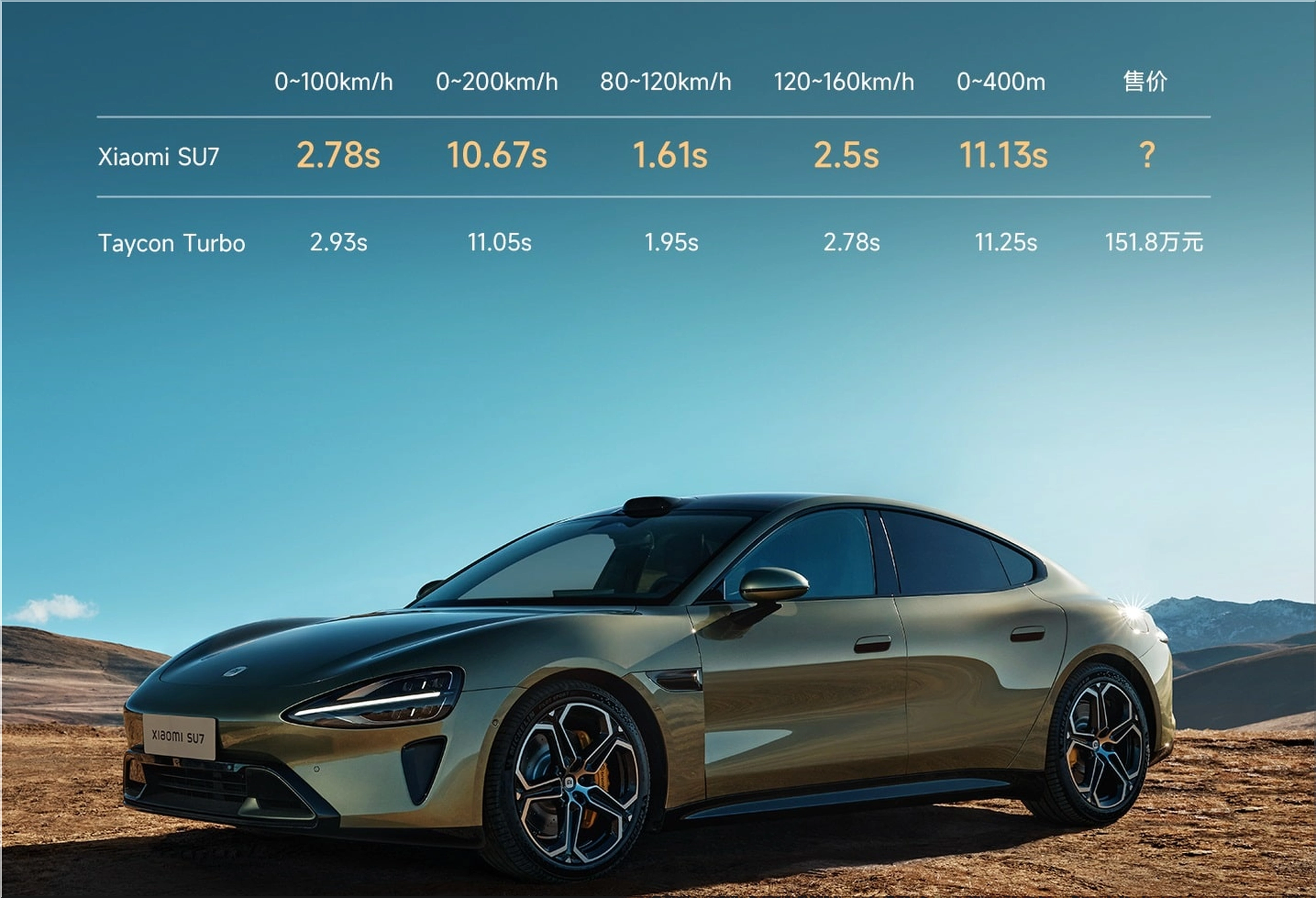
The Xiaomi SU7 is available in three trim levels: SU7, SU7 Pro, and SU7 Max. The base model has a single electric motor that drives the rear wheels and produces 295 horsepower. The Pro and Max models have dual motors that power all four wheels and deliver 663 horsepower. The top speed of the base model is 210 km/h (130 mph), while the higher-end models can reach 265 km/h (165 mph).
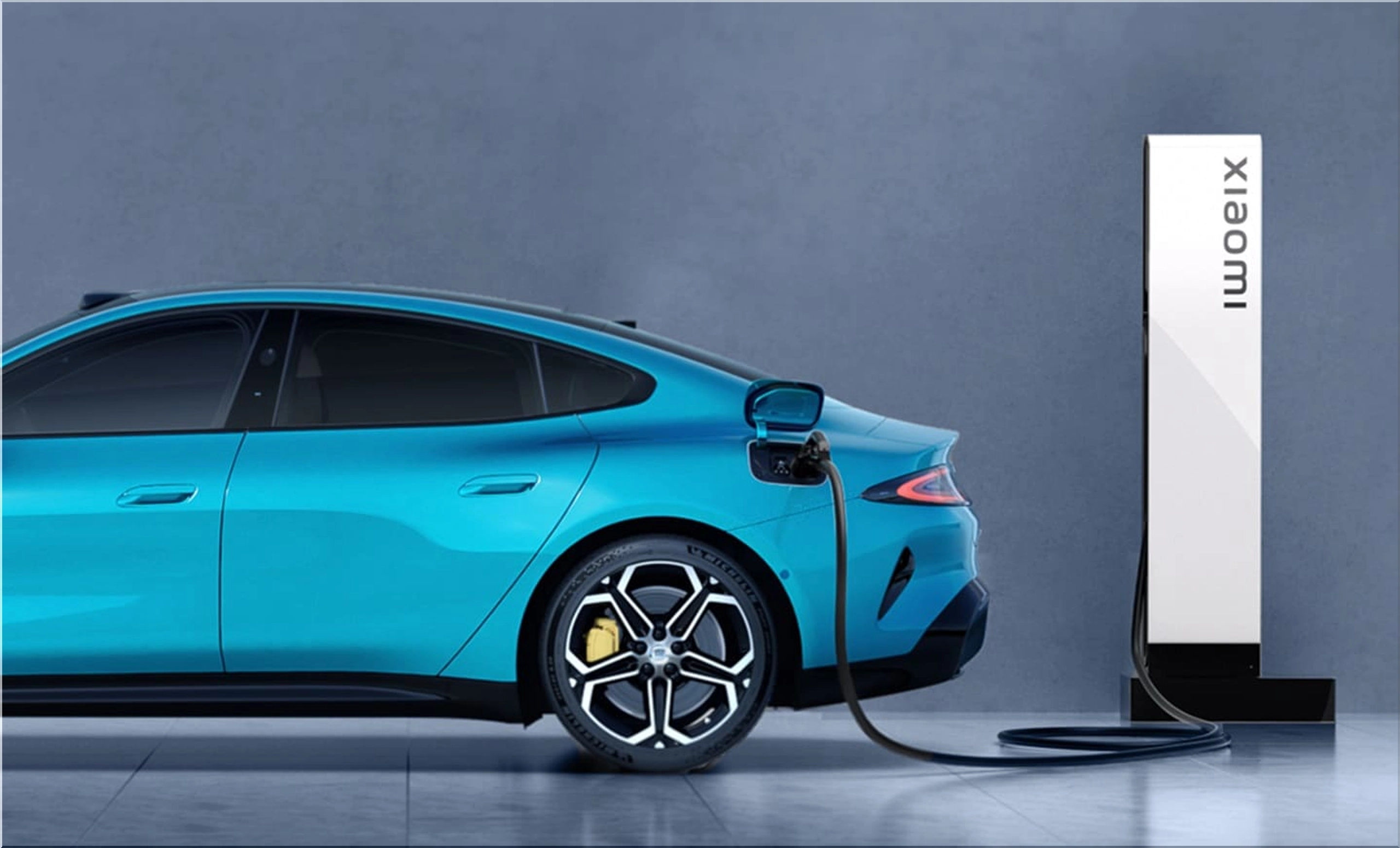
The battery pack of the SU7 is supplied by two of China’s leading battery makers: BYD and CATL. The base model uses a lithium iron phosphate (LFP) battery, while the Pro and Max models use a nickel manganese cobalt (NMC) battery. The battery capacity and range of the SU7 have not yet been disclosed, but previous leaks suggested an 800-volt architecture and a 100 kWh battery for the premium models.
The SU7’s technology and features
The SU7 is equipped with Xiaomi’s HyperEngine, a proprietary electric motor and powertrain system that claims to offer high efficiency and performance. The SU7 also has Xiaomi’s HyperOS, an in-house developed operating system that can power both smartphones and cars. The HyperOS allows the SU7 to integrate with Xiaomi’s ecosystem of smart devices and services, such as cloud computing, artificial intelligence, and internet of things.
One of the most distinctive features of the SU7 is its lidar system, which is installed behind the front windshield and on the roof of the car. The lidar system uses laser beams to scan the surroundings and create a 3D map of the environment. The lidar system is expected to enable advanced driver assistance and autonomous driving capabilities for the SU7, although the exact level of autonomy is not yet clear.
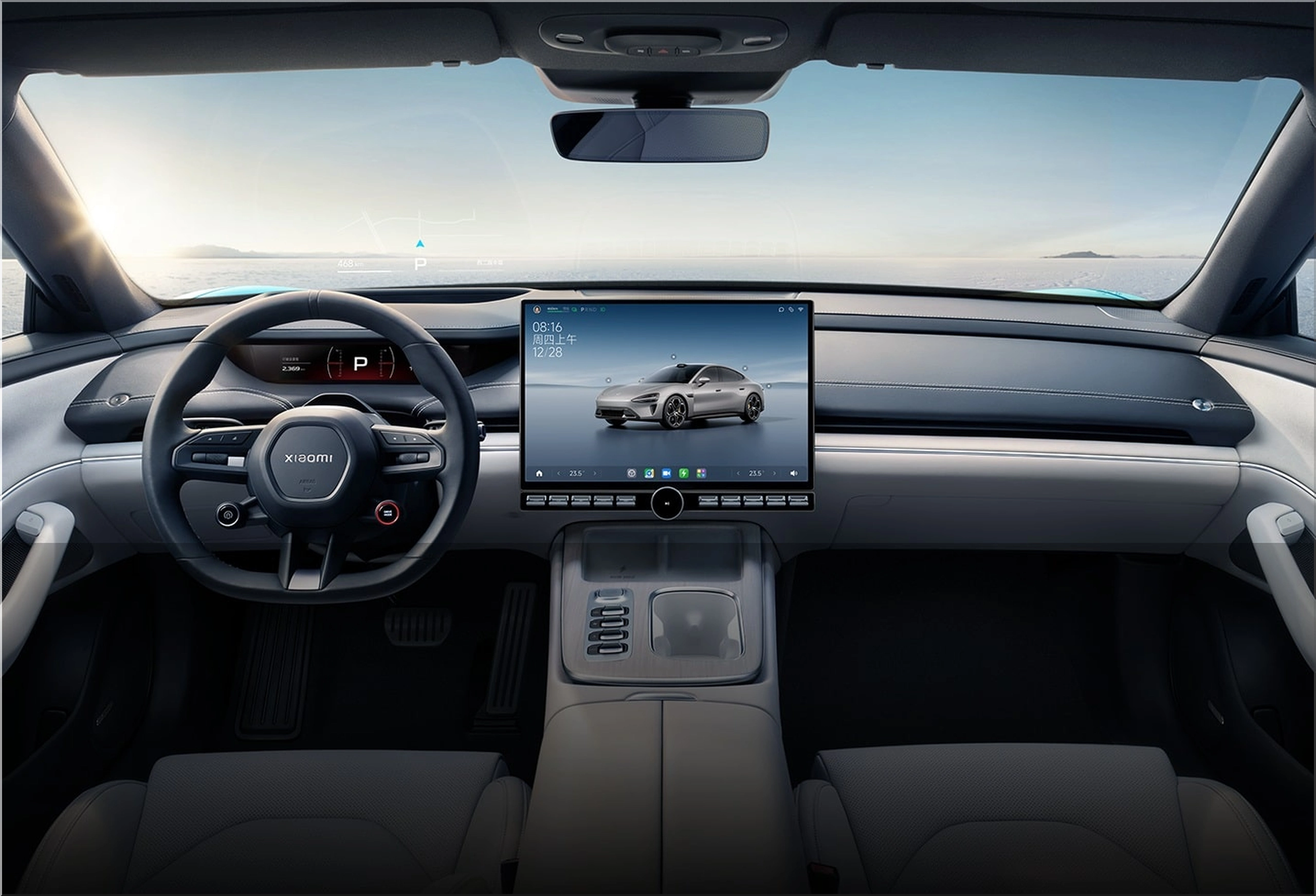
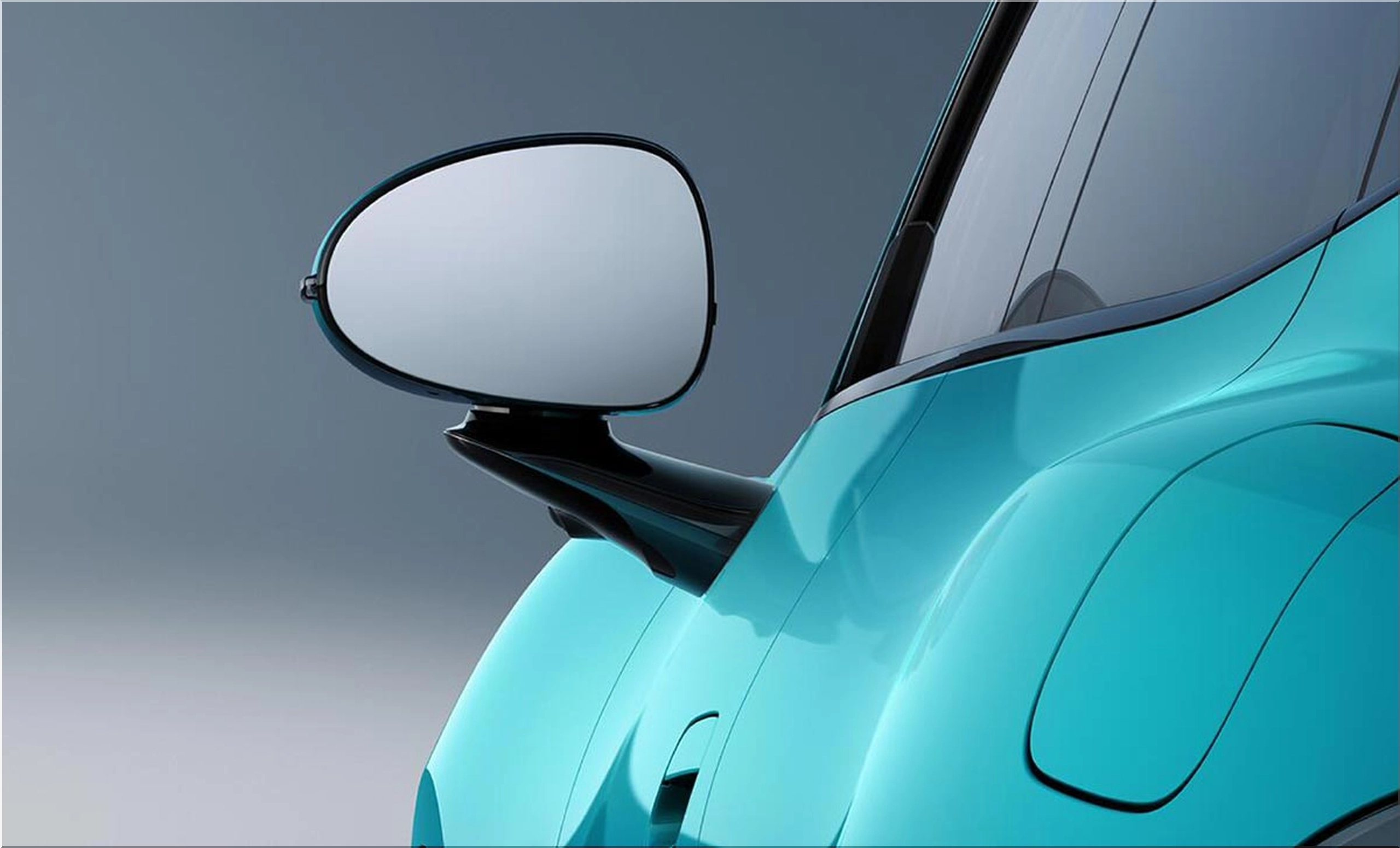
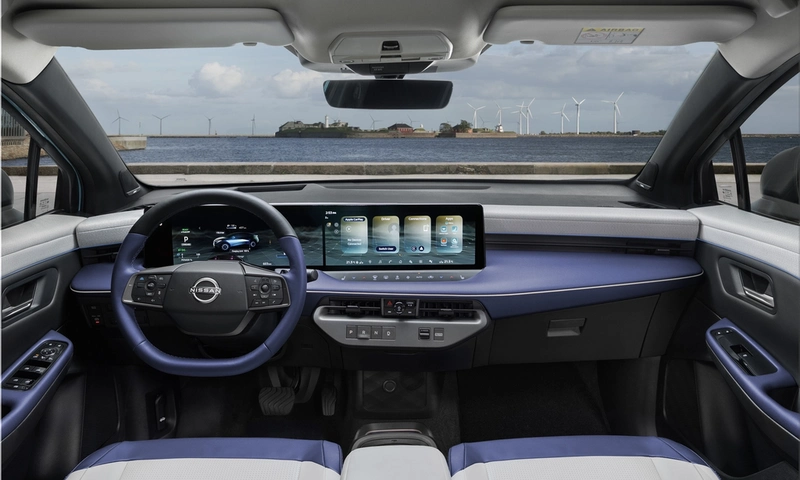
The SU7 also has a camera on the B-pillar, which suggests that the car may have face recognition unlocking functionality. The interior of the SU7 features a minimalist dashboard with a large touchscreen that controls most of the functions of the car. The SU7 also has a full-width digital display that shows the speed, battery level, and other information.
The SU7’s price and availability
The price of the SU7 has not yet been announced, but Xiaomi founder and CEO Lei Jun said that the company aims to build a vehicle that “matches up to Porsche and Tesla” in terms of quality and performance. Lei also said that Xiaomi has invested more than 10 billion yuan ($1.6 billion) in its EV project so far and plans to invest another 100 billion yuan ($15.7 billion) over the next decade.
Xiaomi does not manufacture the SU7, but Beijing Automotive Industry Holding Co. (BAIC), a state-owned Chinese carmaker that also produces vehicles for Mercedes and Hyundai in China. The mass production of the SU7 is expected to start in December 2023, and the deliveries are expected to begin in February 2024.
The SU7 is currently only targeted at the Chinese market, where Xiaomi has a strong presence and loyal fan base. It is not clear if Xiaomi has any plans to sell the SU7 outside China or if it will face any regulatory or legal hurdles in doing so.