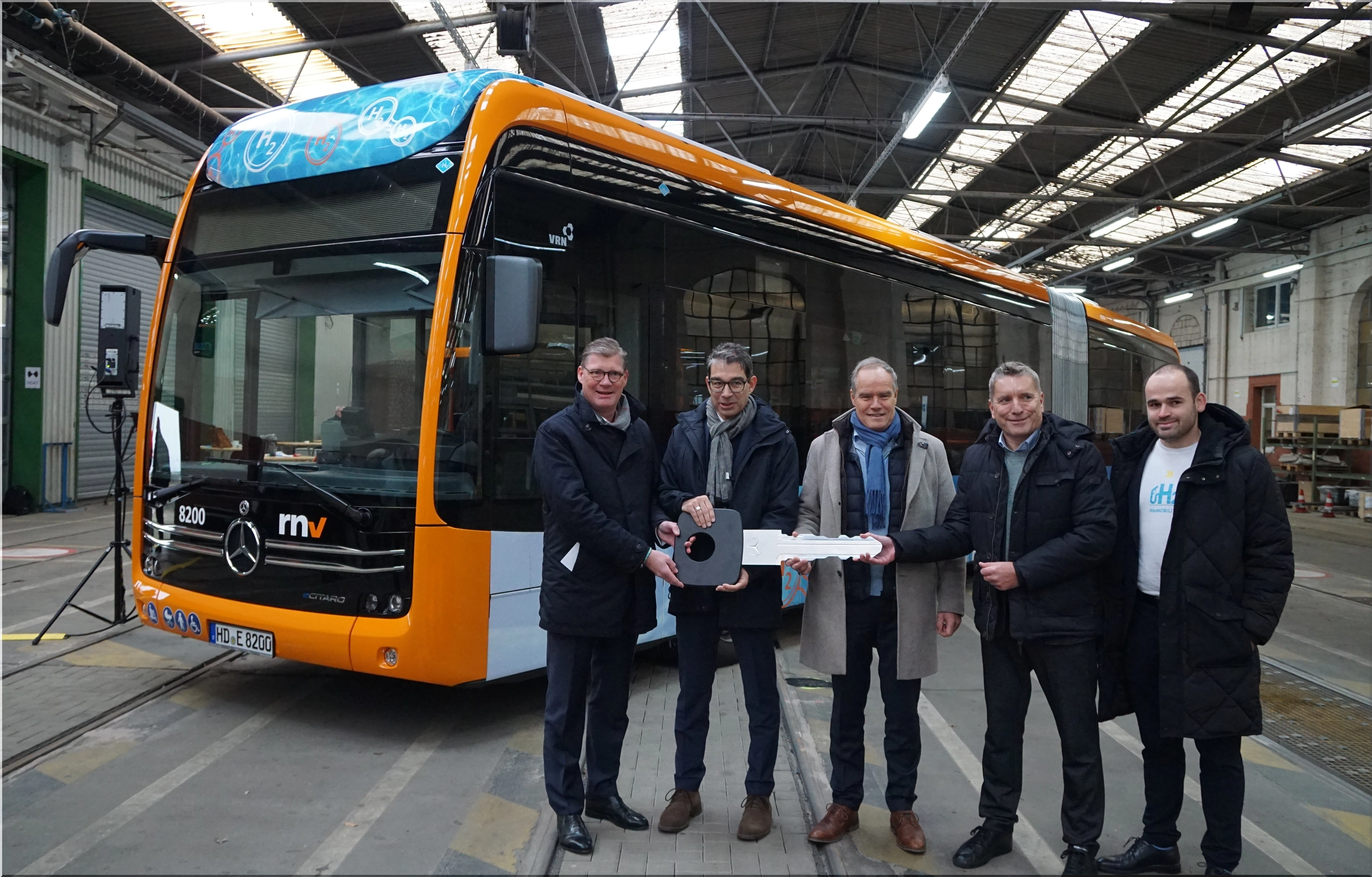
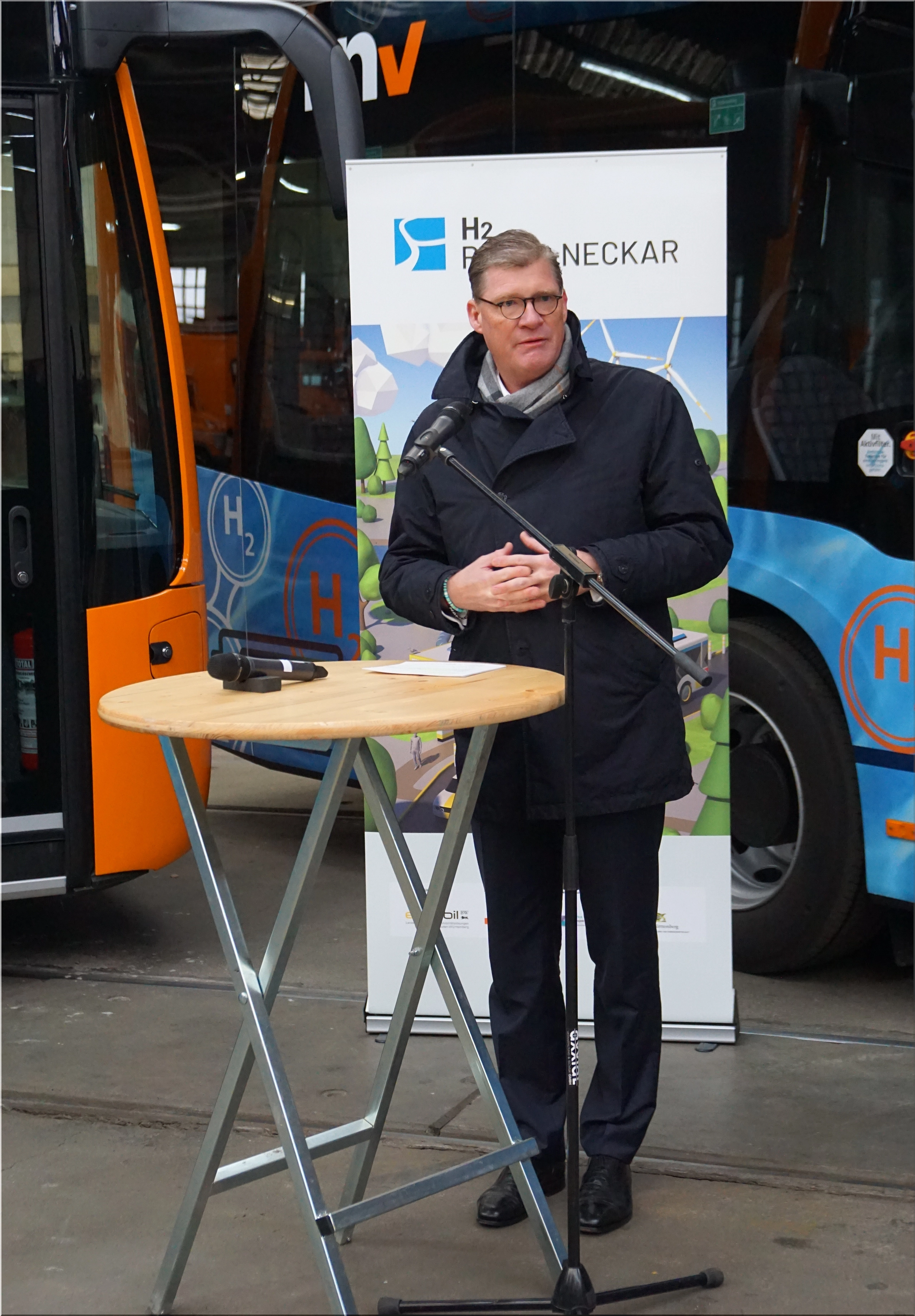
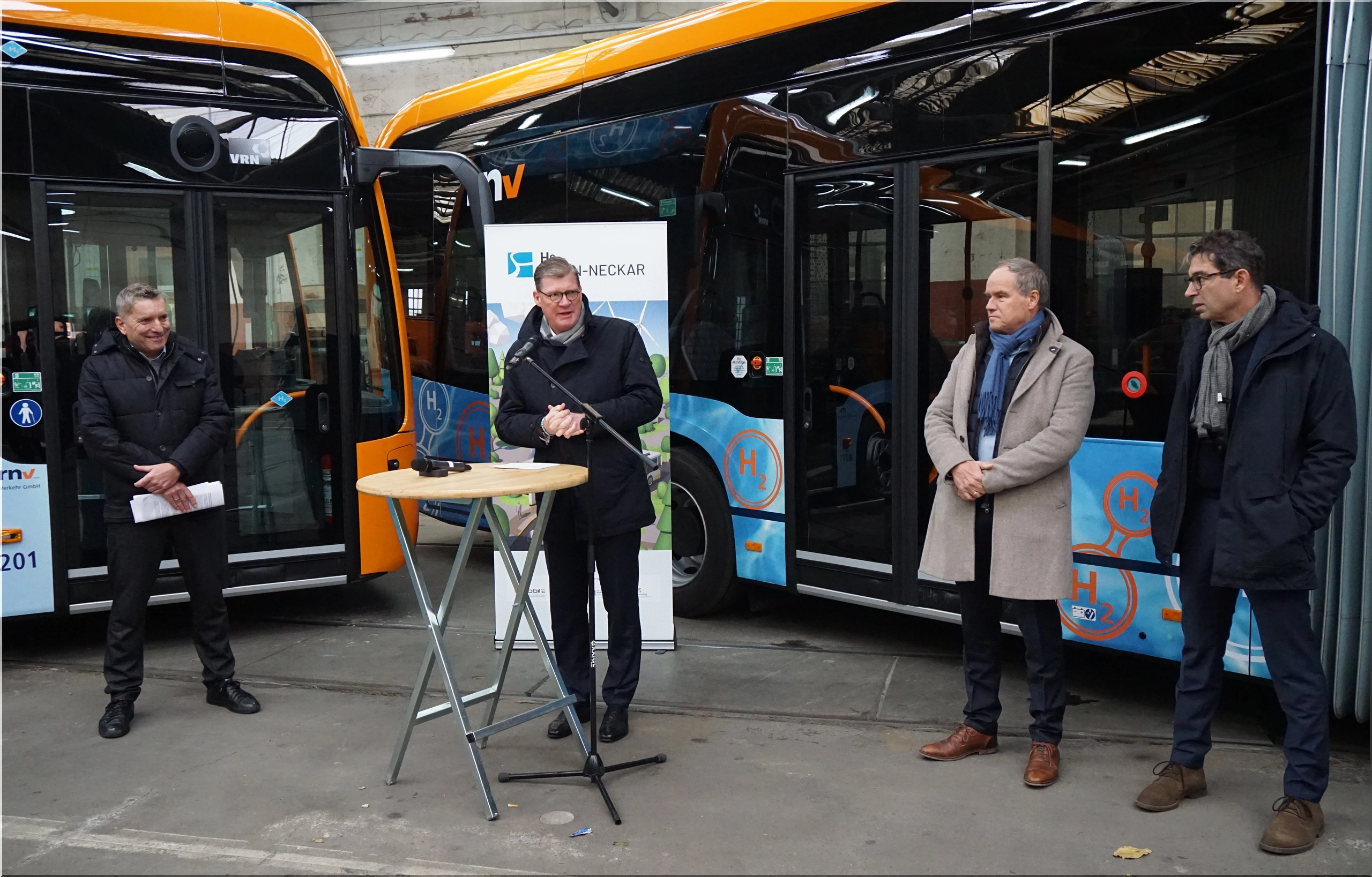
Mercedes-Benz is a global leader in the automotive industry, known for its innovative and high-quality products. But the company is not only focused on producing cars and trucks, it is also committed to developing solutions for the future of mobility, especially in the urban context. One of the most promising technologies that Mercedes-Benz is exploring is the eCitaro fuel cell bus, a fully electric vehicle that combines battery power with hydrogen fuel cells to achieve long ranges and zero emissions. In this article, we will take a closer look at the features, benefits, and challenges of the eCitaro fuel cell bus, and how it is being deployed in the public transport sector in Germany and beyond.
What is the eCitaro Fuel Cell Bus?
The Mercedes-Benz eCitaro fuel cell bus is a variant of the Mercedes-Benz eCitaro, an all-electric bus that Mercedes-Benz launched in 2018. The eCitaro is based on the popular Citaro low-floor bus, which has been in production since 1997 and has sold over 50,000 units worldwide. The eCitaro uses lithium-ion batteries to power its electric drive system, which consists of two electric motors mounted on the rear axle. The eCitaro can be charged either at the depot or at opportunity charging stations along the route, using a pantograph or a plug-in connector.
The eCitaro fuel cell bus adds a new component to the eCitaro’s energy system: a fuel cell. A fuel cell is a device that converts the chemical energy of hydrogen and oxygen into electricity and water. The fuel cell acts as a range extender for the eCitaro, providing additional power to the batteries when needed. The hydrogen is stored in tanks on the roof of the bus, and the fuel cell is located in the rear. The eCitaro fuel cell bus can also be charged externally, just like the eCitaro.
The eCitaro fuel cell bus is available in two versions: a solo bus with a length of 12 meters and a capacity of up to 88 passengers, and an articulated bus with a length of 18 meters and a capacity of up to 128 passengers. Both versions have a modular battery configuration, with two or three battery packs on the roof and two in the rear. The solo bus has a total battery capacity of 192 or 294 kWh, while the articulated bus has 247 or 396 kWh. The fuel cell has a maximum output of 60 kW, and the hydrogen tanks can store up to 33.3 kg of hydrogen.
What are the Benefits of the eCitaro Fuel Cell Bus?
The main benefit of the eCitaro fuel cell bus is its long range. According to Mercedes-Benz, the eCitaro fuel cell bus can achieve a range of more than 400 kilometers without intermediate charging, depending on the operating conditions and the battery configuration. This is significantly higher than the range of the eCitaro, which is around 170 kilometers with the largest battery option. The long range of the eCitaro fuel cell bus makes it suitable for demanding long-distance routes, where frequent charging is not feasible or desirable.
Another benefit of the eCitaro fuel cell bus is its zero emissions. The eCitaro fuel cell bus only emits water vapor and heat, which means it does not contribute to air pollution or greenhouse gas emissions. This is especially important for urban areas, where air quality and climate change are major challenges. The eCitaro fuel cell bus can help reduce the environmental impact of public transport and improve the quality of life for the residents and visitors. Moreover, the eCitaro fuel cell bus can use renewable hydrogen, which is produced from excess wind or solar power, making it even more sustainable.
A third benefit of the eCitaro fuel cell bus is its high performance. The eCitaro fuel cell bus has a powerful electric drive system that delivers smooth and quiet operation, as well as high torque and acceleration. The eCitaro fuel cell bus also has a sophisticated thermal management system that optimizes the energy consumption and the performance of the batteries and the fuel cell. The eCitaro fuel cell bus also features electrohydraulic steering, roll and pitch control, and various assistance systems, such as Sideguard Assist, Frontguard Assist, and Preventive Brake Assist, that enhance the safety and comfort of the driver and the passengers.
What are the Challenges of the eCitaro Fuel Cell Bus?
The eCitaro fuel cell bus is not without its challenges, however. One of the main challenges is the cost. The eCitaro fuel cell bus is more expensive than the eCitaro or the Citaro with a combustion engine, due to the high cost of the fuel cell and the hydrogen tanks. The cost of hydrogen is also higher than that of diesel or electricity, depending on the source and the availability. The eCitaro fuel cell bus also requires more maintenance and servicing than the eCitaro, due to the complexity of the fuel cell system.
Another challenge of the eCitaro fuel cell bus is the infrastructure. The eCitaro fuel cell bus needs a reliable and safe supply of hydrogen, which is not widely available in many regions. The eCitaro fuel cell bus also needs special equipment and facilities for refueling, which are not common in most bus depots. The eCitaro fuel cell bus also needs to comply with the regulations and standards for hydrogen vehicles, which may vary from country to country. The eCitaro fuel cell bus also needs to be integrated with the existing fleet management and charging systems, which may require additional software and hardware.
A third challenge of the eCitaro fuel cell bus is the acceptance. The eCitaro fuel cell bus is a relatively new and unfamiliar technology for many transport operators, drivers, and passengers. The eCitaro fuel cell bus may face some skepticism and resistance from the stakeholders, who may have concerns about the safety, reliability, and efficiency of the fuel cell system. The eCitaro fuel cell bus also needs to prove its performance and durability in real-world conditions, which may take some time and testing. The eCitaro fuel cell bus also needs to raise awareness and educate the public about the benefits and potential of hydrogen mobility, which may require some marketing and communication efforts.