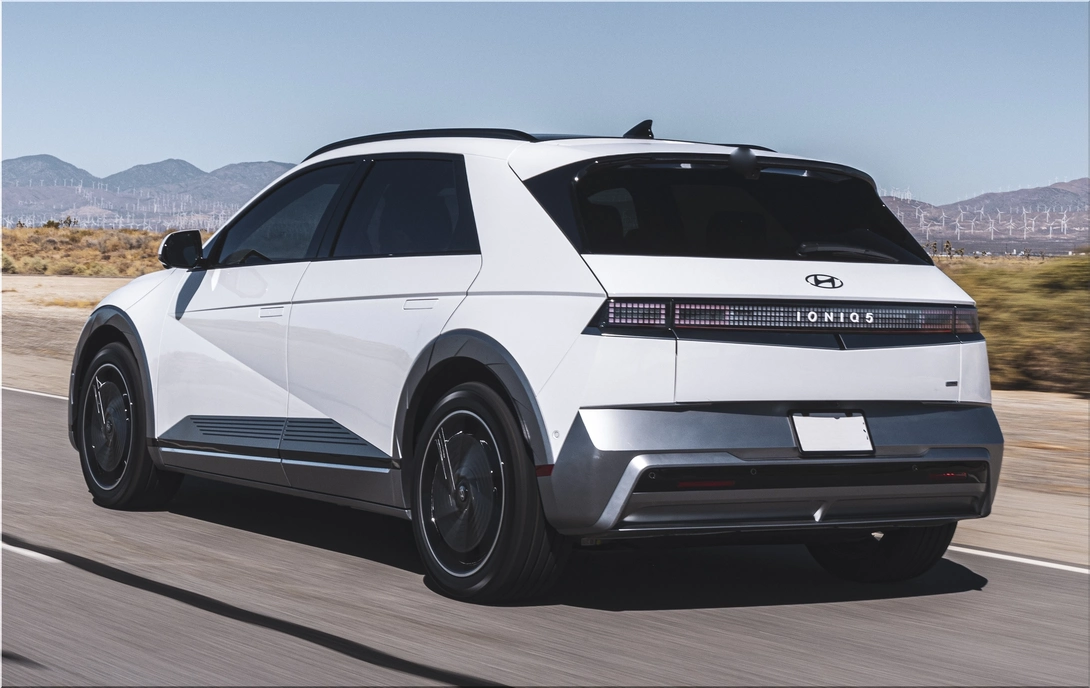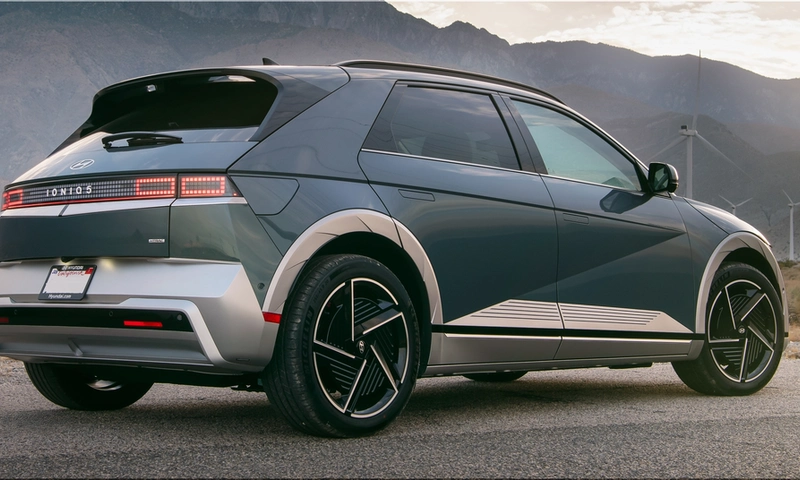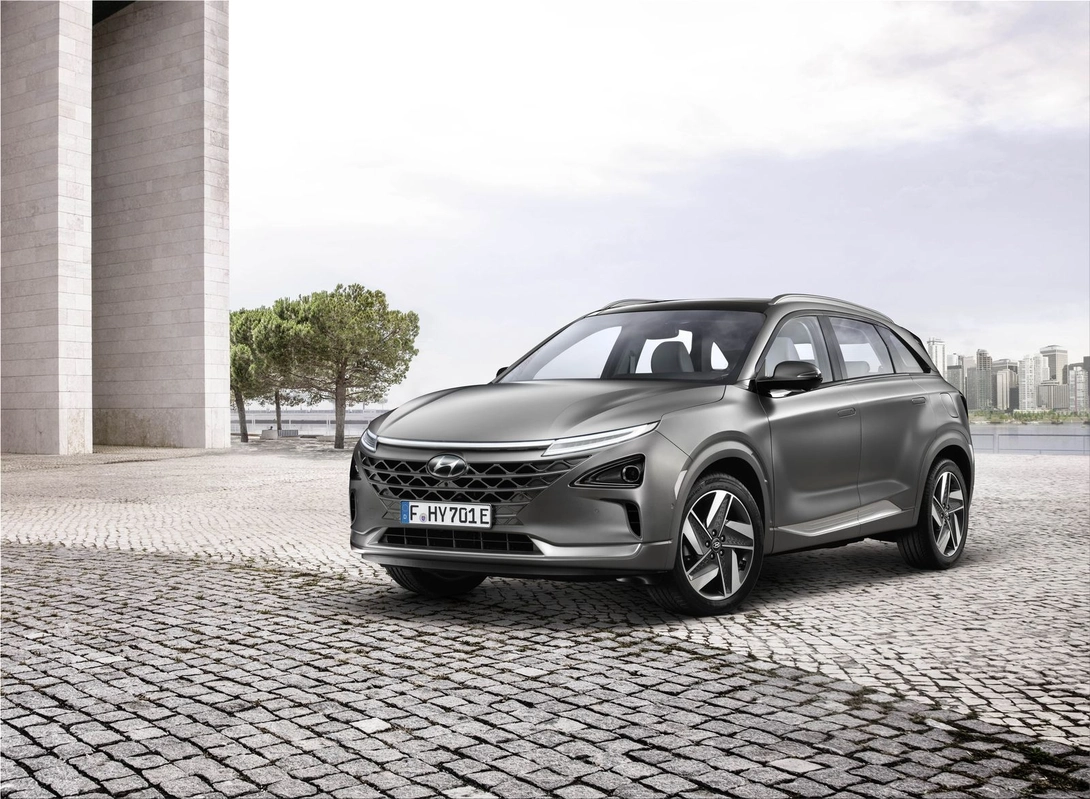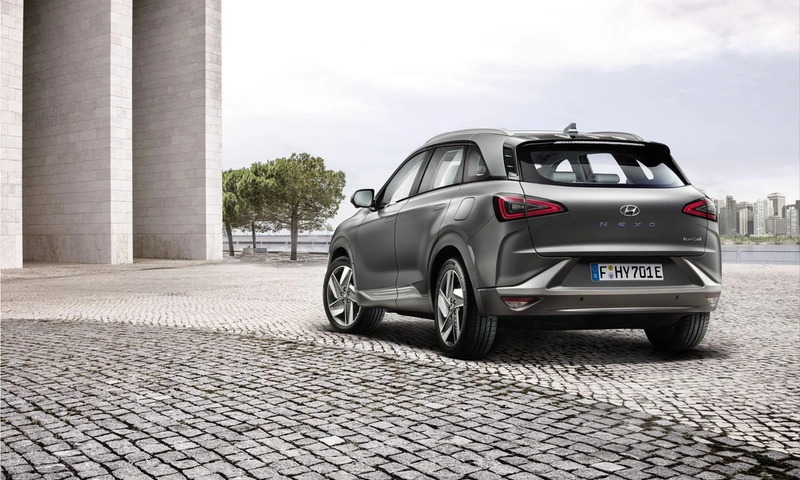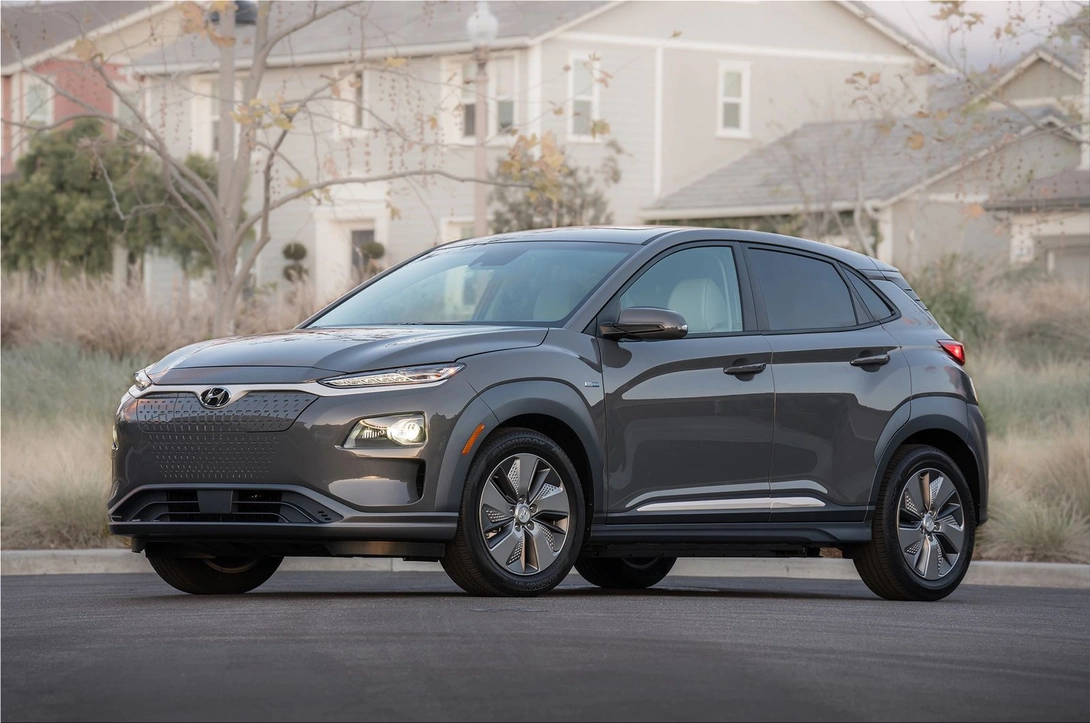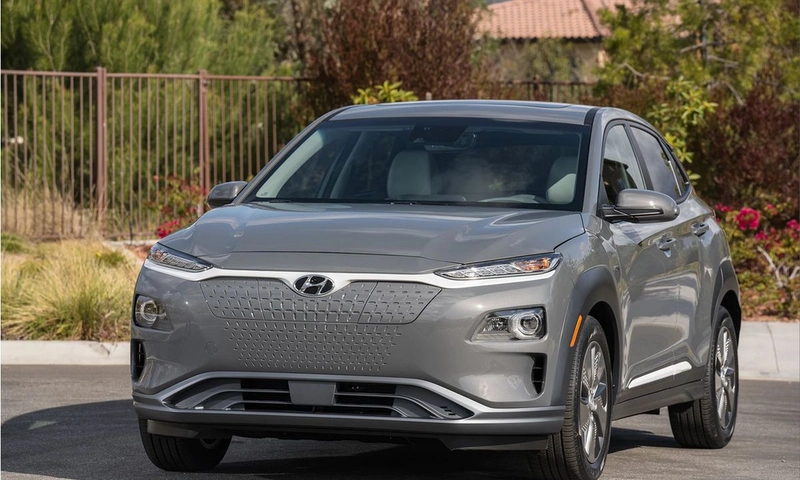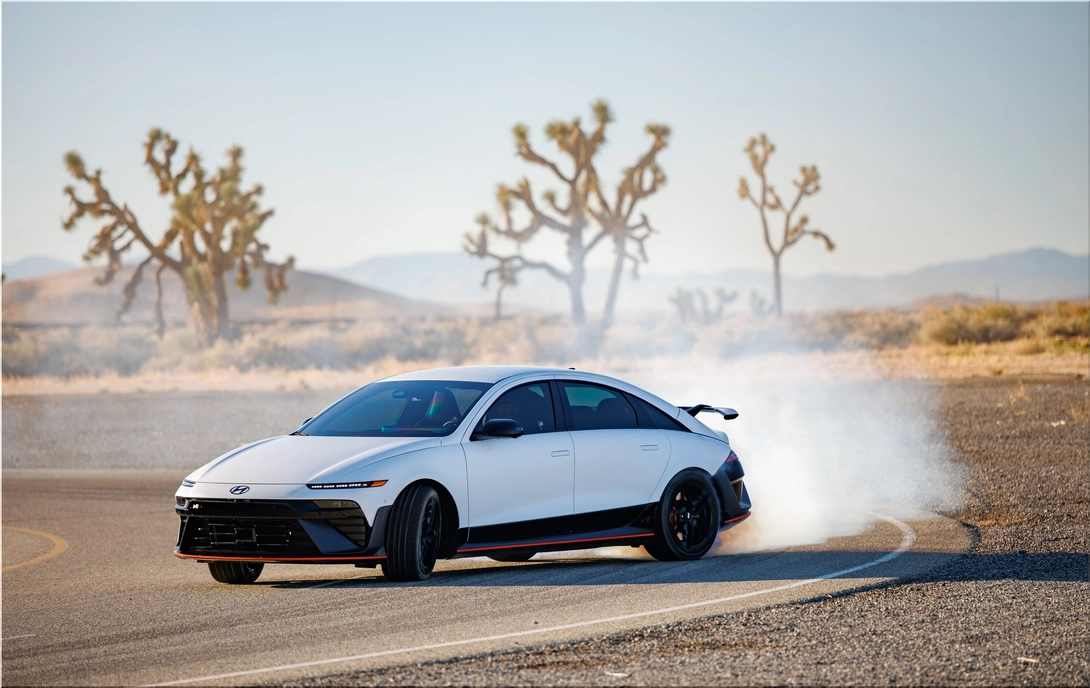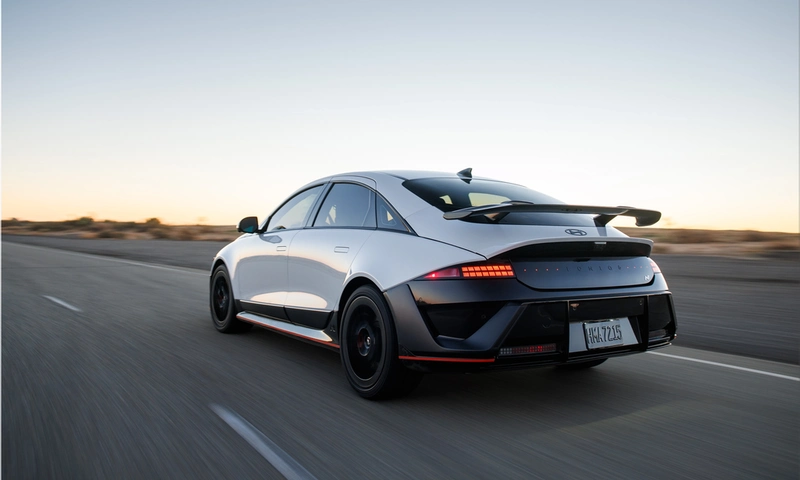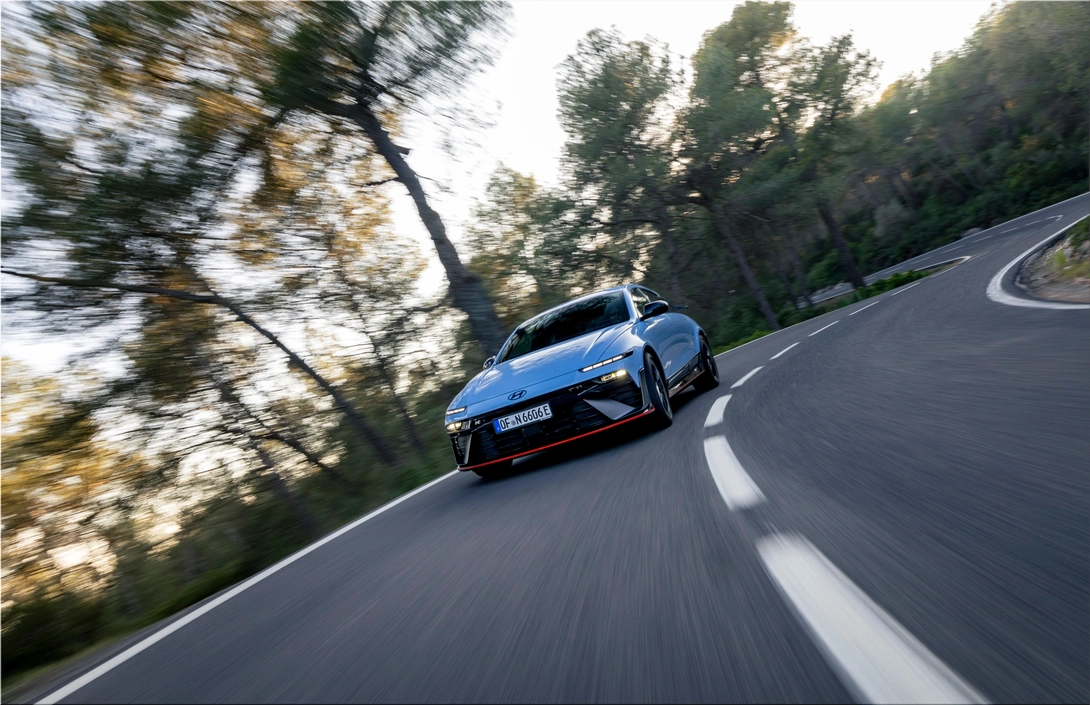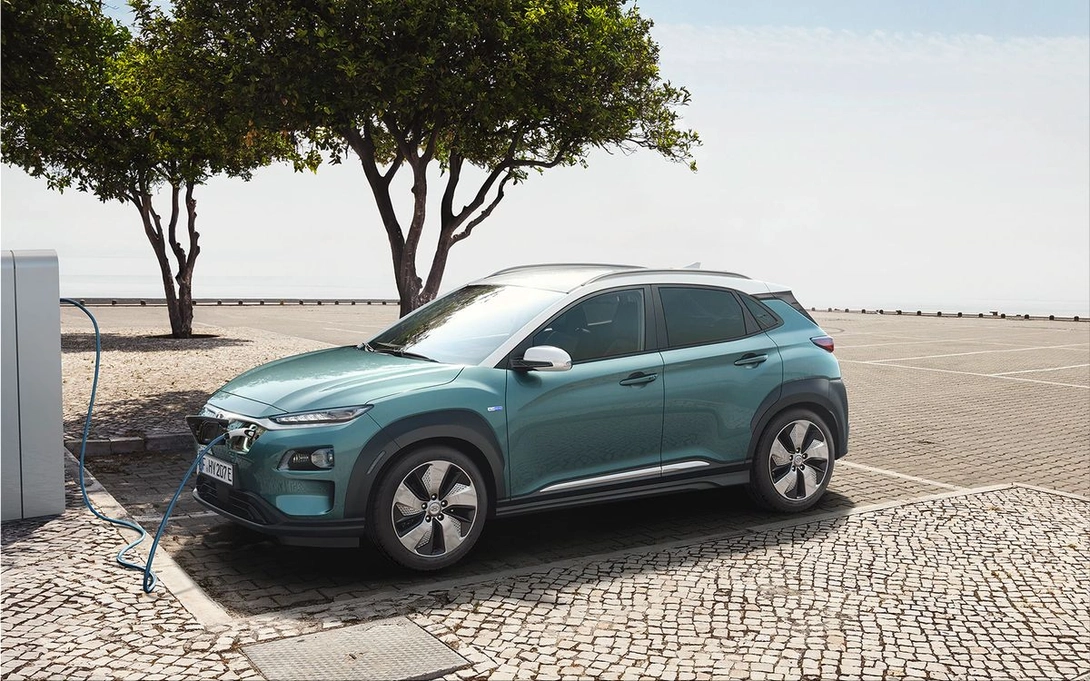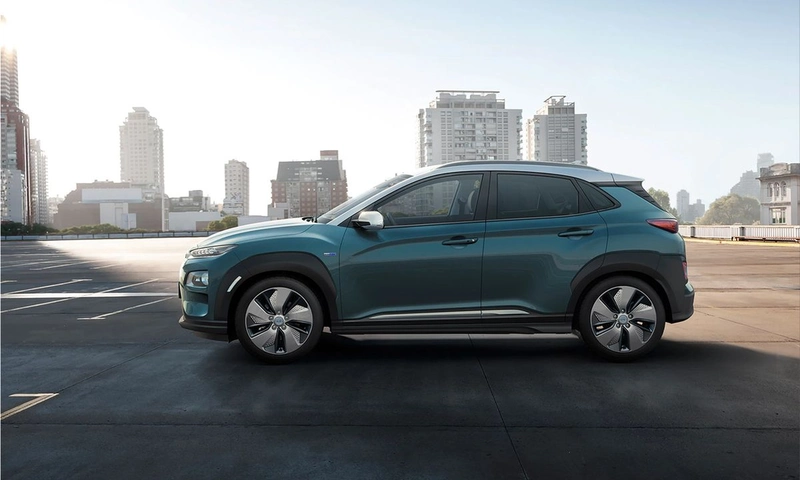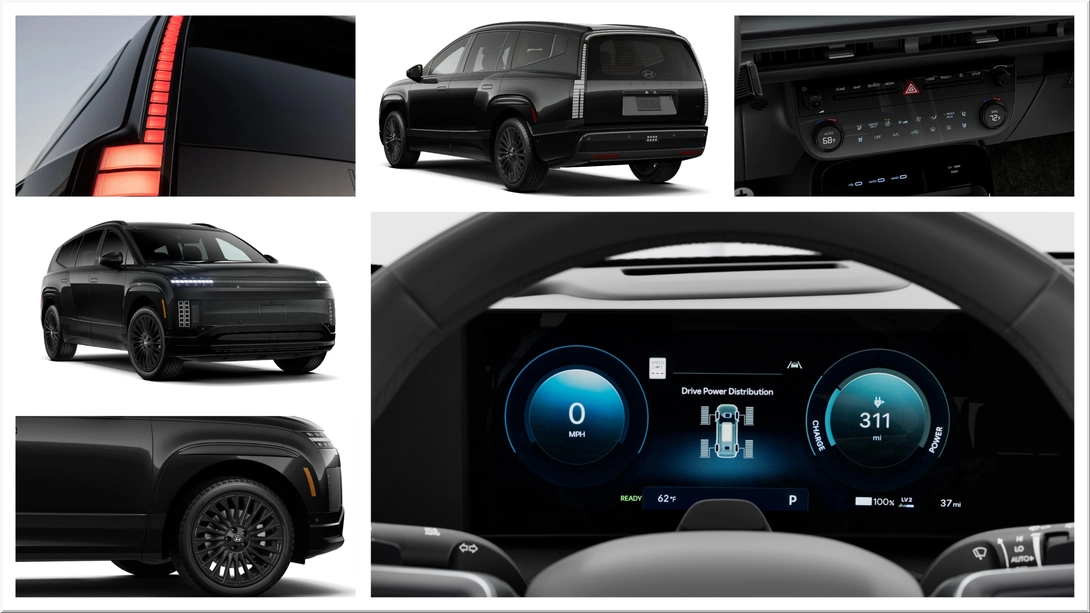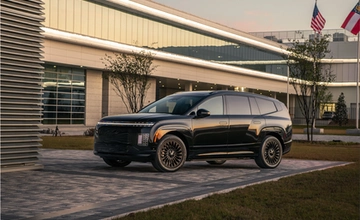
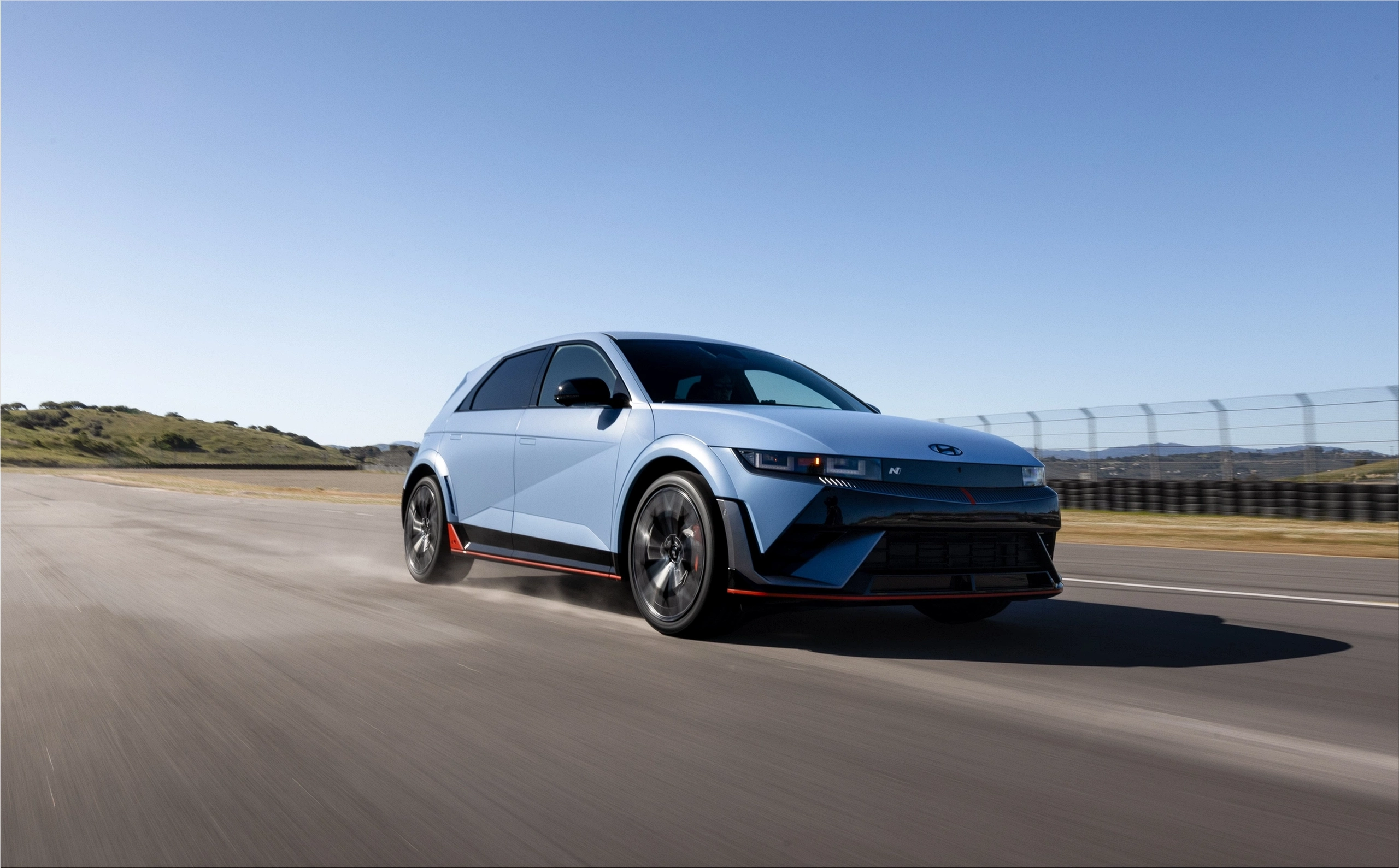
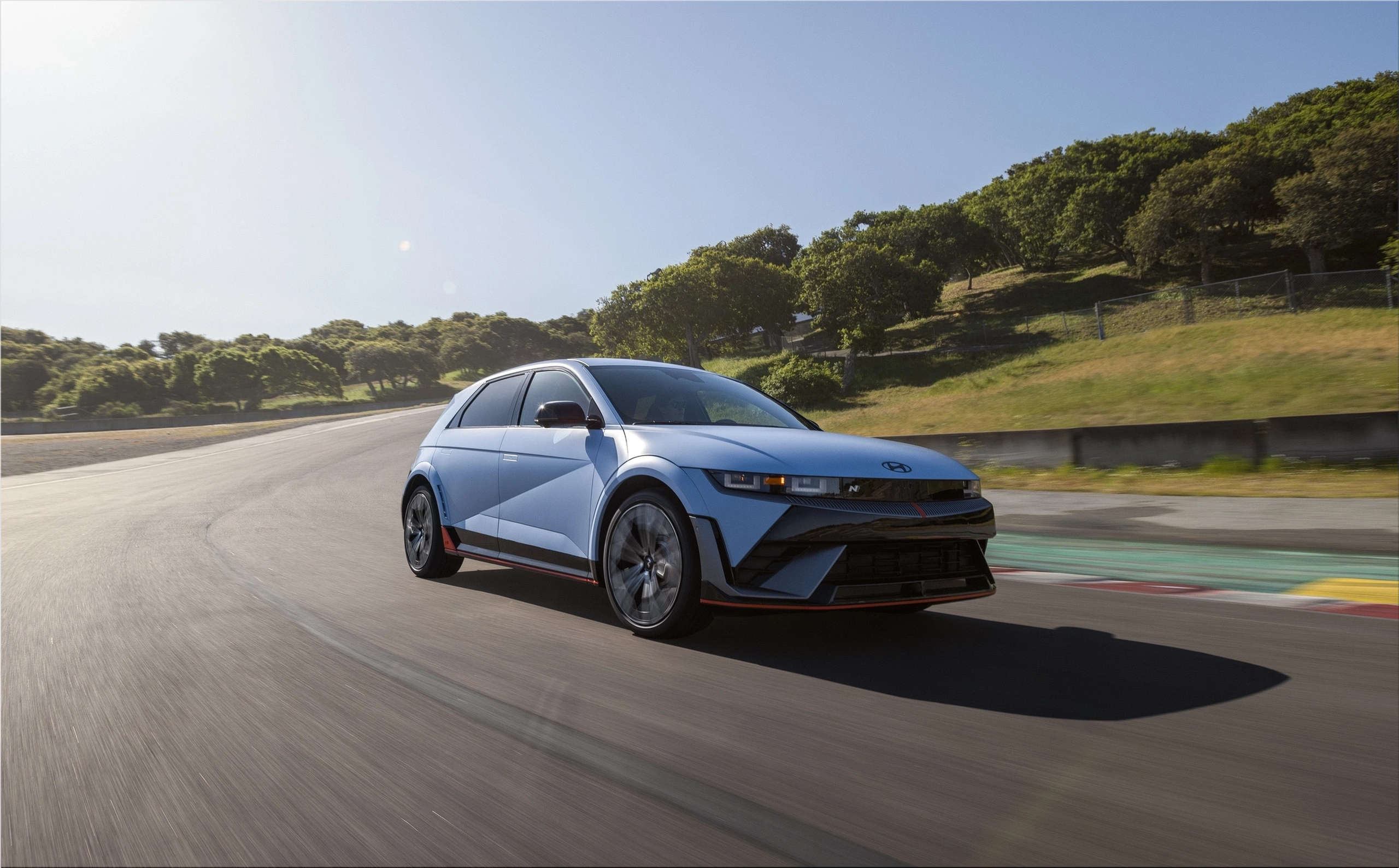
The 2026 Hyundai IONIQ 5 N now starts at $59,900, or $61,500 after its $1,600 destination charge. Hyundai cut MSRP by $6,300 while retaining 641 horsepower, 221 miles of EPA-estimated range, and its full track hardware package. It also adds native NACS access and finer drift control.
How much does the 2026 Hyundai IONIQ 5 N cost?
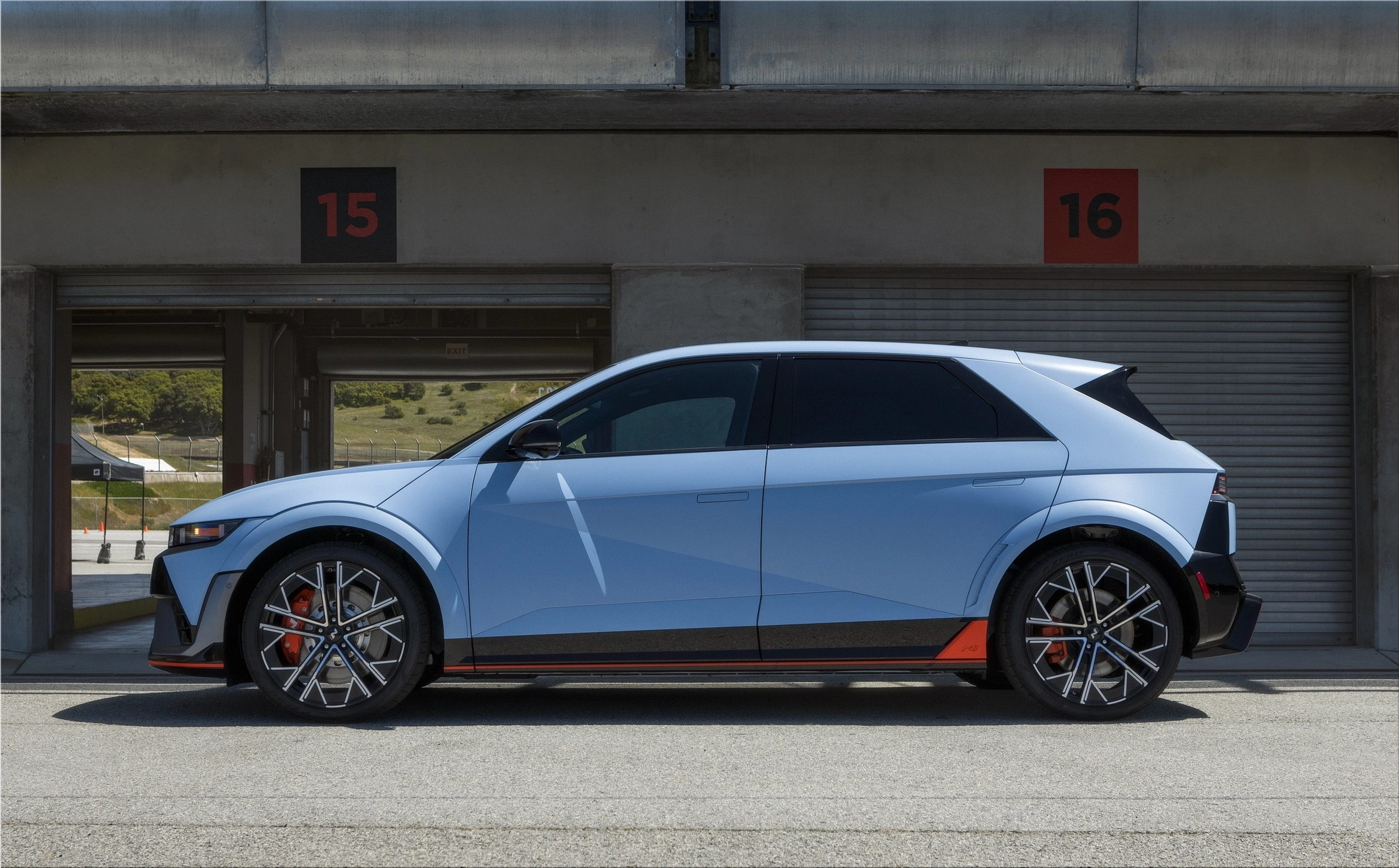
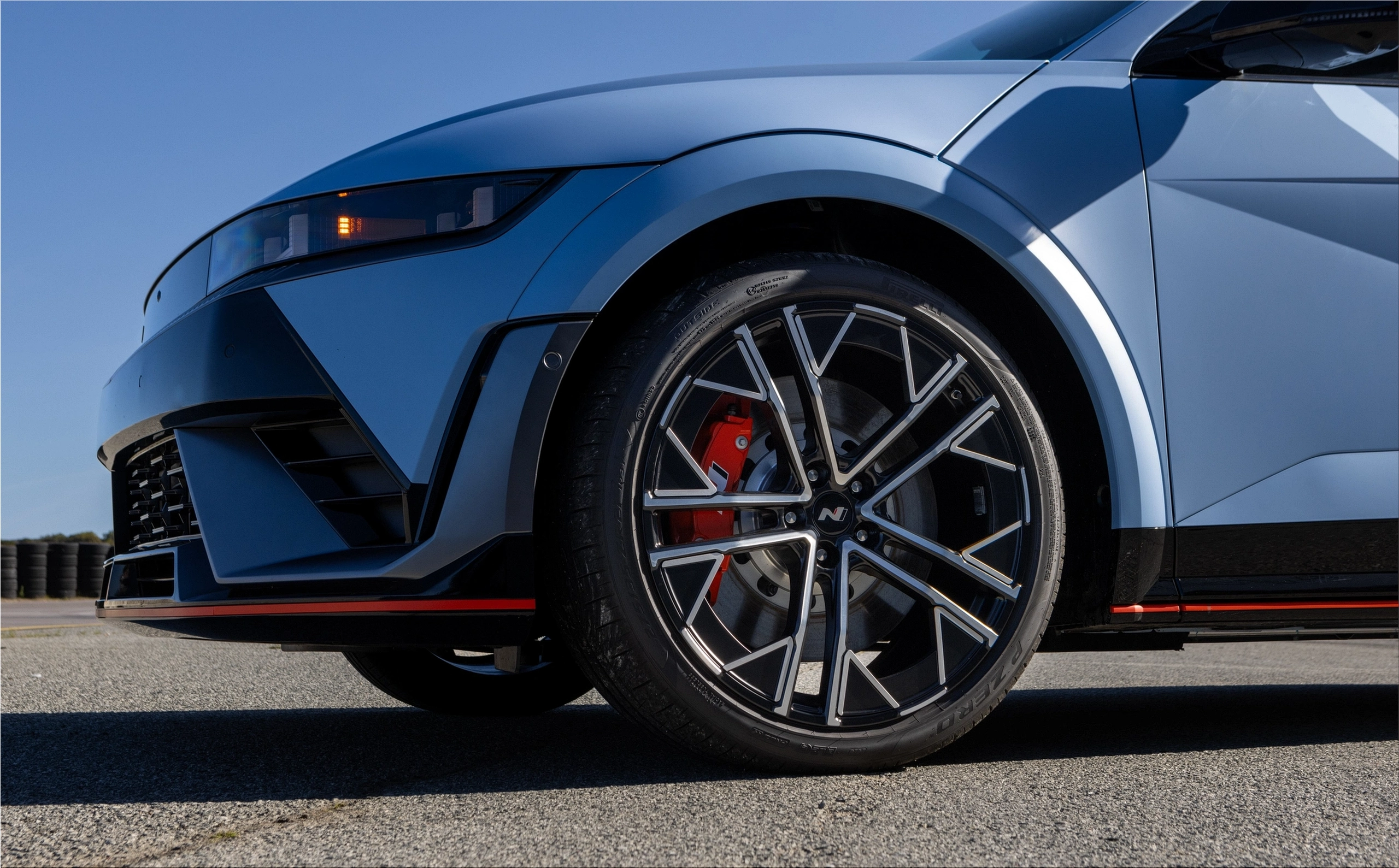
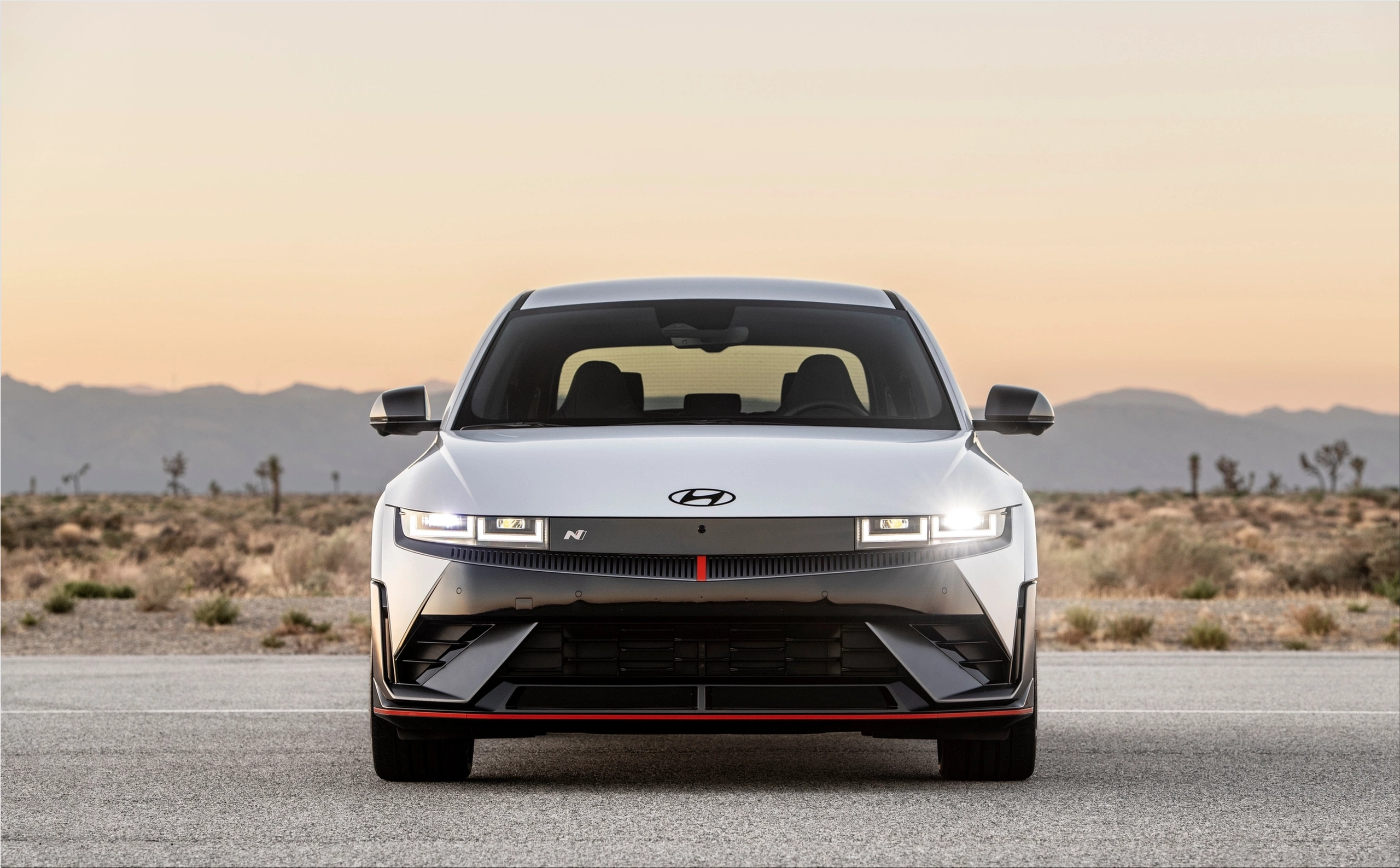
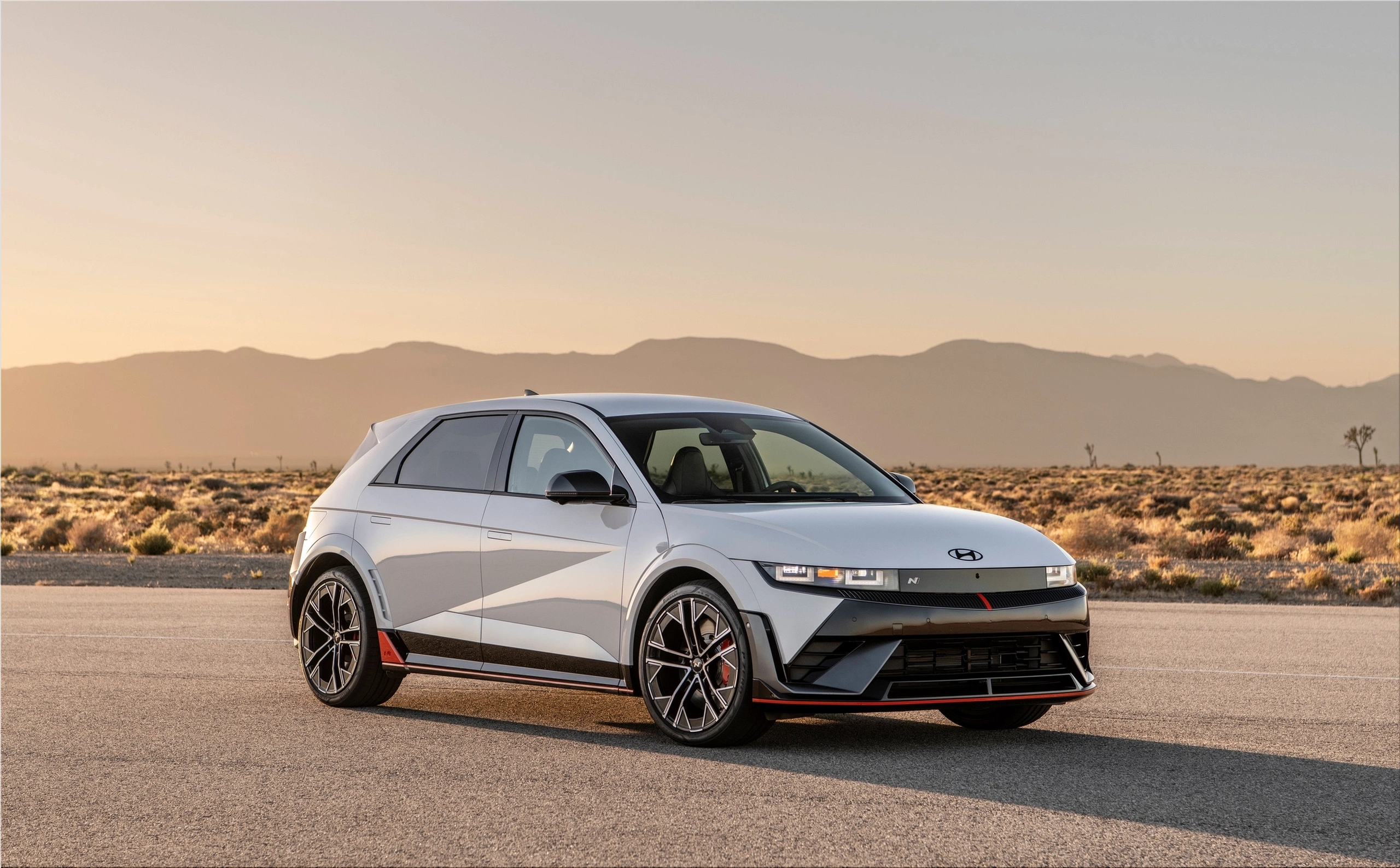
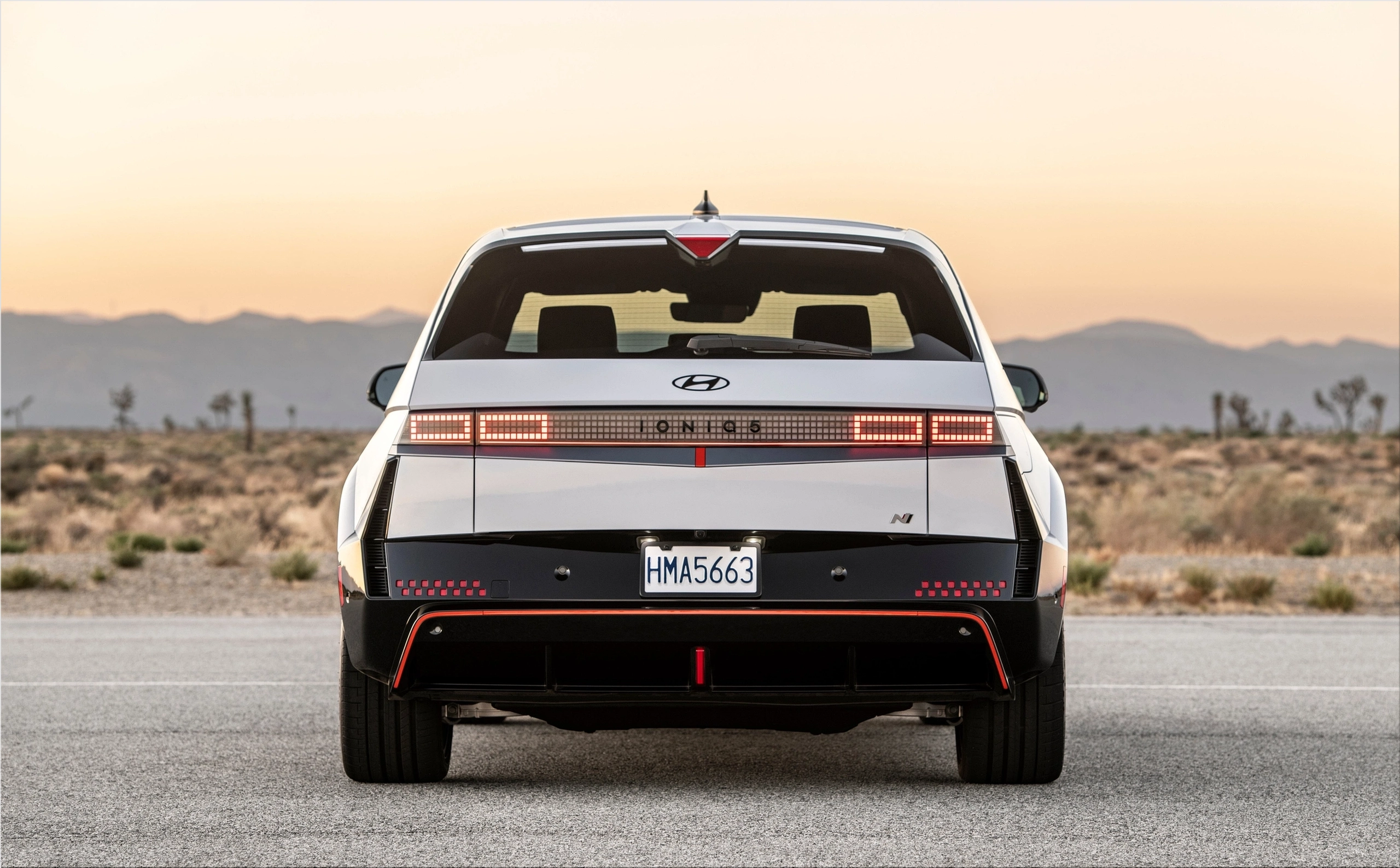
Hyundai lowered the Hyundai IONIQ 5 N price by 9.5 percent from the prior $66,200 MSRP. Buyers still receive dual-motor all-wheel drive, forged 21-inch wheels, adaptive dampers, an electronic limited-slip differential, and the complete N control suite. The single-trim strategy keeps every performance component intact.
Image
| Price item | 2026 figure | Buyer impact |
|---|---|---|
| MSRP | $59,900 | $6,300 lower year over year |
| Destination charge | $1,600 | Raises the base total to $61,500 |
| MSRP reduction | 9.5% | Cuts the financed principal before tax and fees |
What performance hardware comes with the lower price?
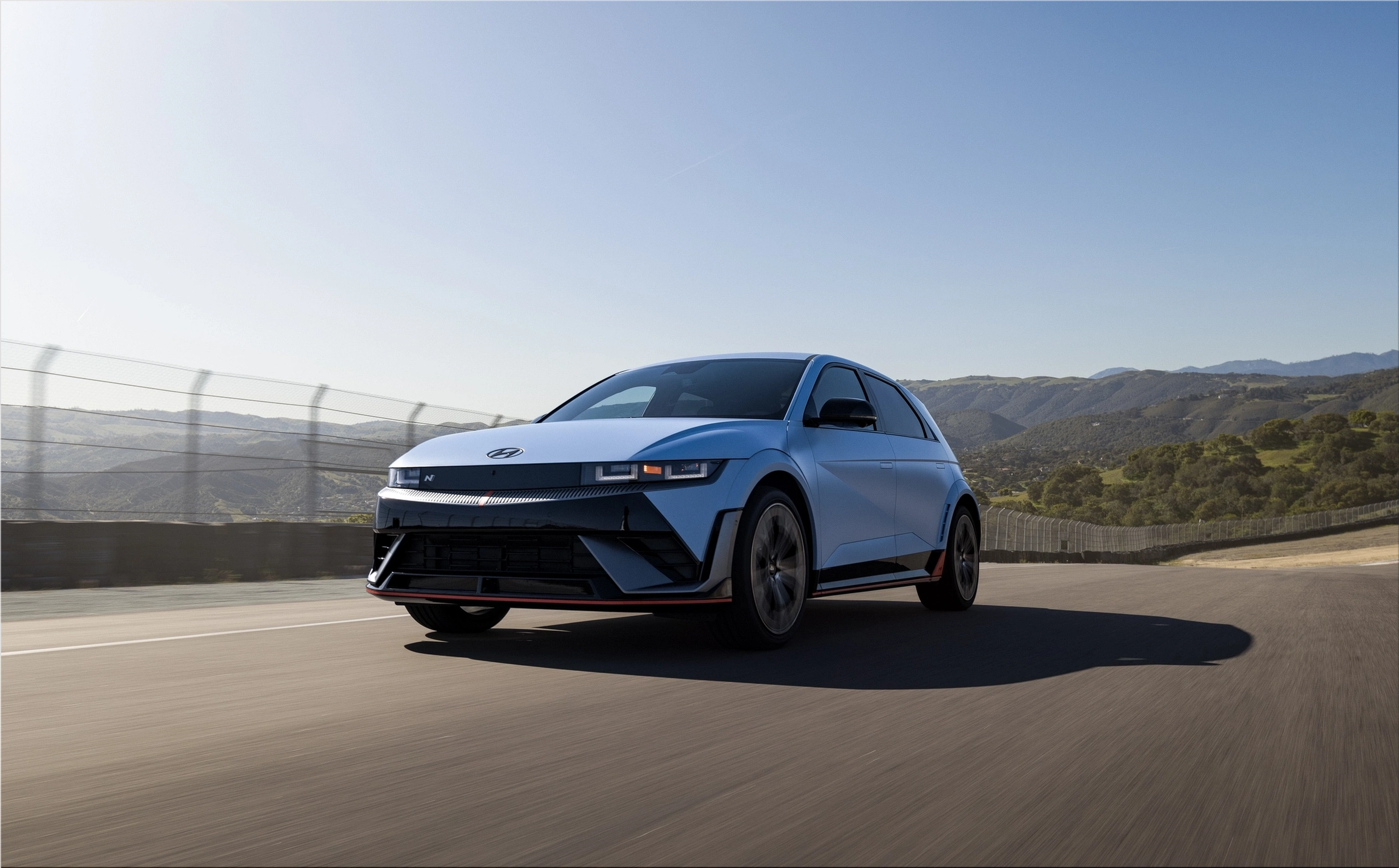
The 641-horsepower electric SUV uses a 448-kW dual-motor system that produces 601 horsepower in regular operation. N Grin Boost raises output to 478 kW and 641 horsepower for 10 seconds. The 84-kWh battery feeds 545 lb-ft normally and 568 lb-ft during boost.
Image
| Specification | 2026 IONIQ 5 N |
|---|---|
| 0-60 mph | 3.25 seconds with launch control and boost |
| Top speed | 162 mph |
| EPA range / efficiency | 221 miles / 72 MPGe combined |
| Battery / voltage | 84 kWh / 697 volts |
| DC charging | 10%-80% in 18 minutes at a 350-kW CCS unit |
| Native NACS V3 charging | 10%-80% in about 30 minutes |
| Level 2 charging | 10%-100% in 7 hours 20 minutes at 10.9 kW |
| Size | 185.6 x 76.4 x 62.4 in. / 4,715 x 1,941 x 1,585 mm |
| Wheelbase / curb weight | 118.1 in. / 3,000 mm; 4,861 lb |
| Brake discs | 15.7 in. / 400 mm front; 14.2 in. / 360 mm rear |
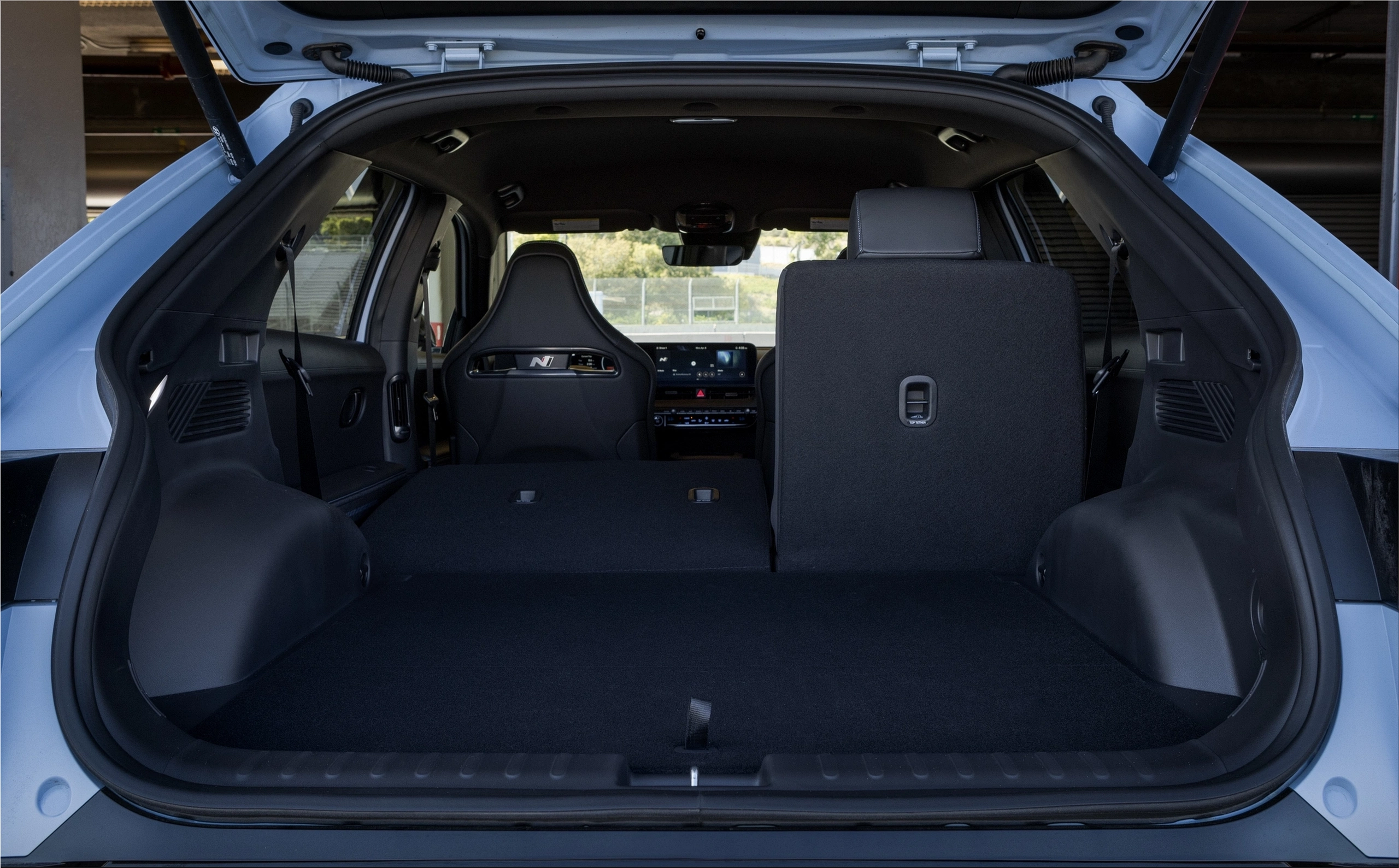
| Cargo capacity | 26.1-59.3 cu. ft. |
Looking at the data, 4,861 pounds drives Hyundai's engineering response. The company counters that mass with up to 0.6 g of regenerative deceleration, four-piston front calipers, 42 extra weld points, reinforced subframes, and separate cooling paths for the battery and motors. N Race Endurance limits peak power to slow heat buildup; Sprint favors short, maximum-output sessions.
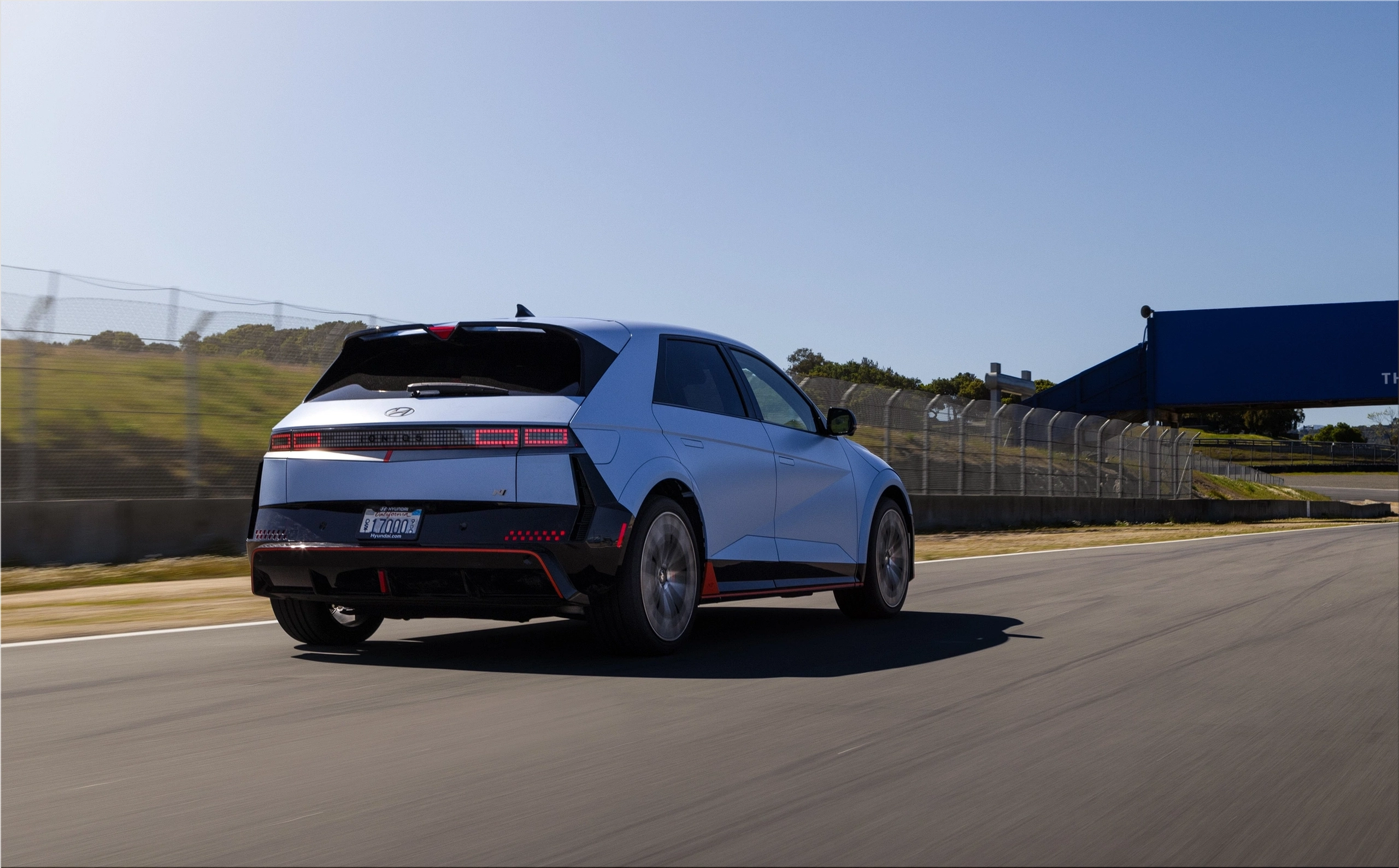
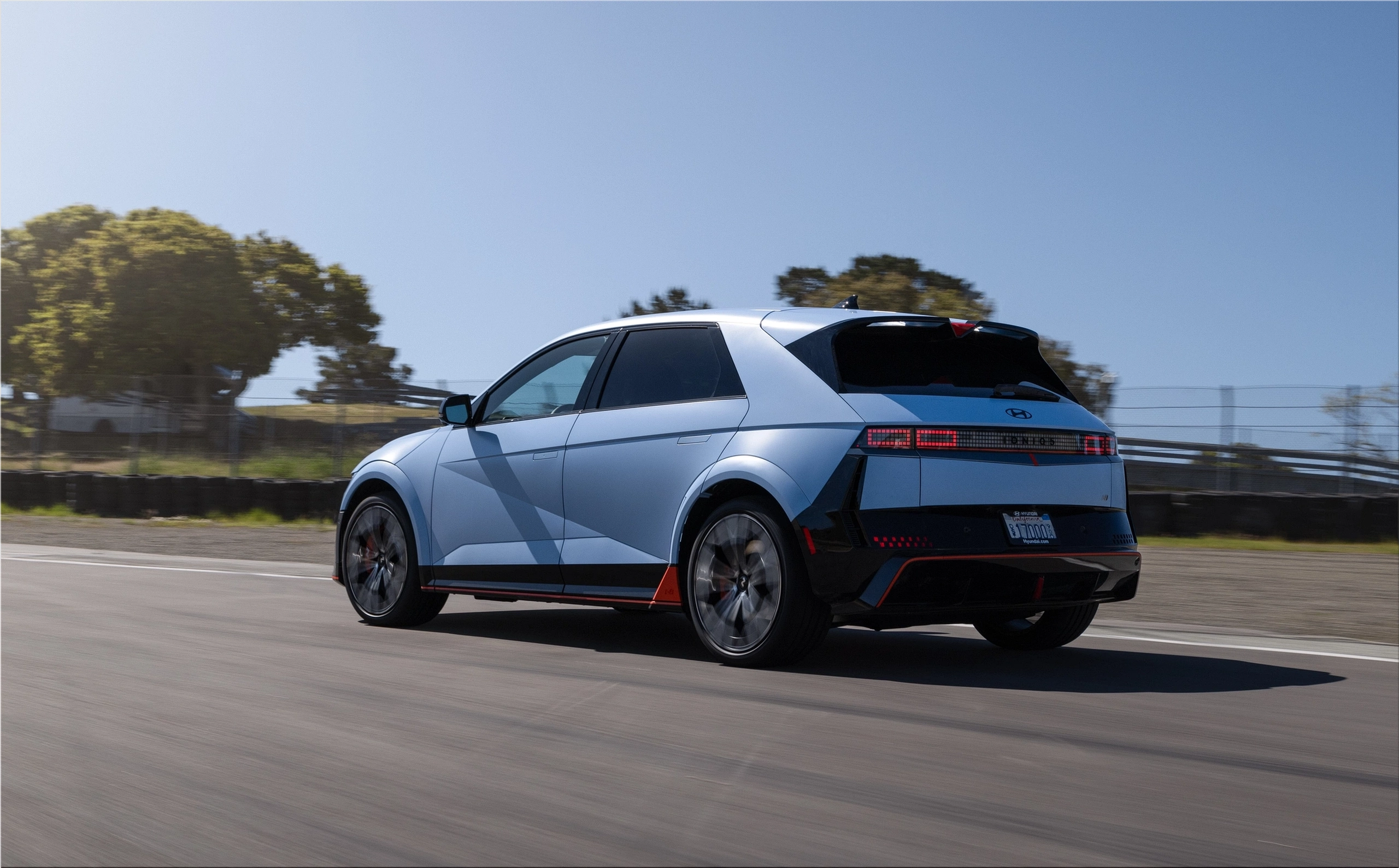
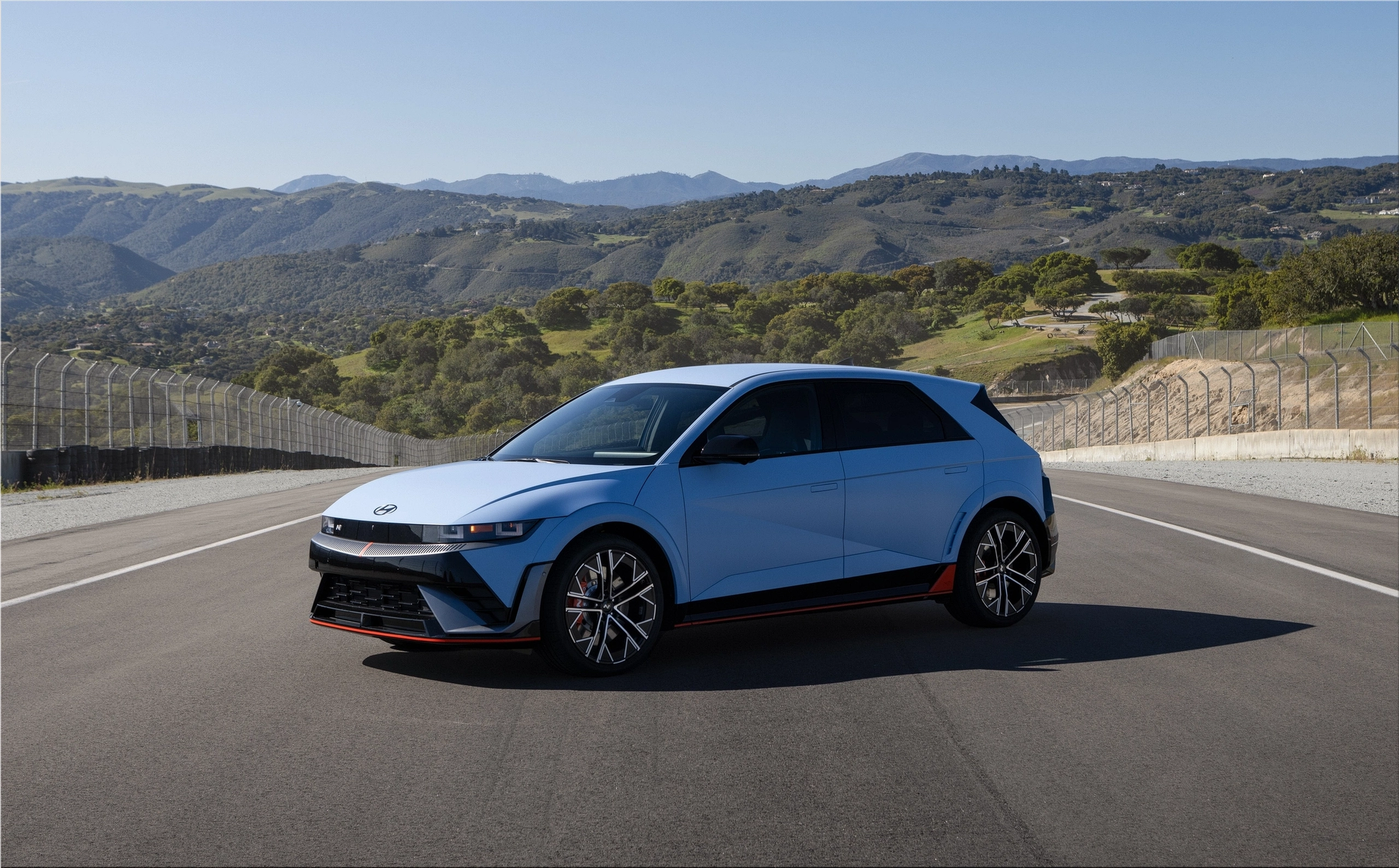
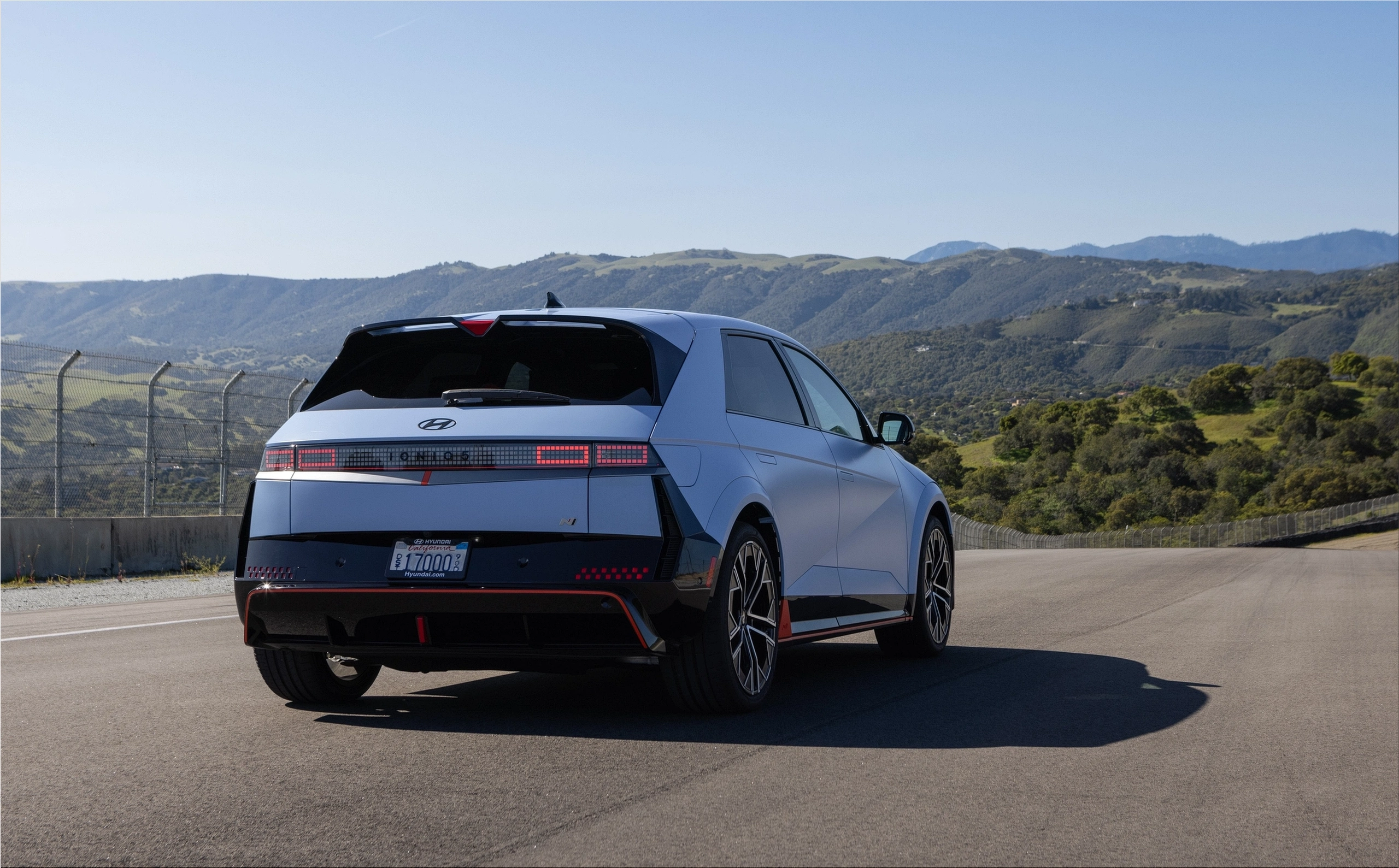
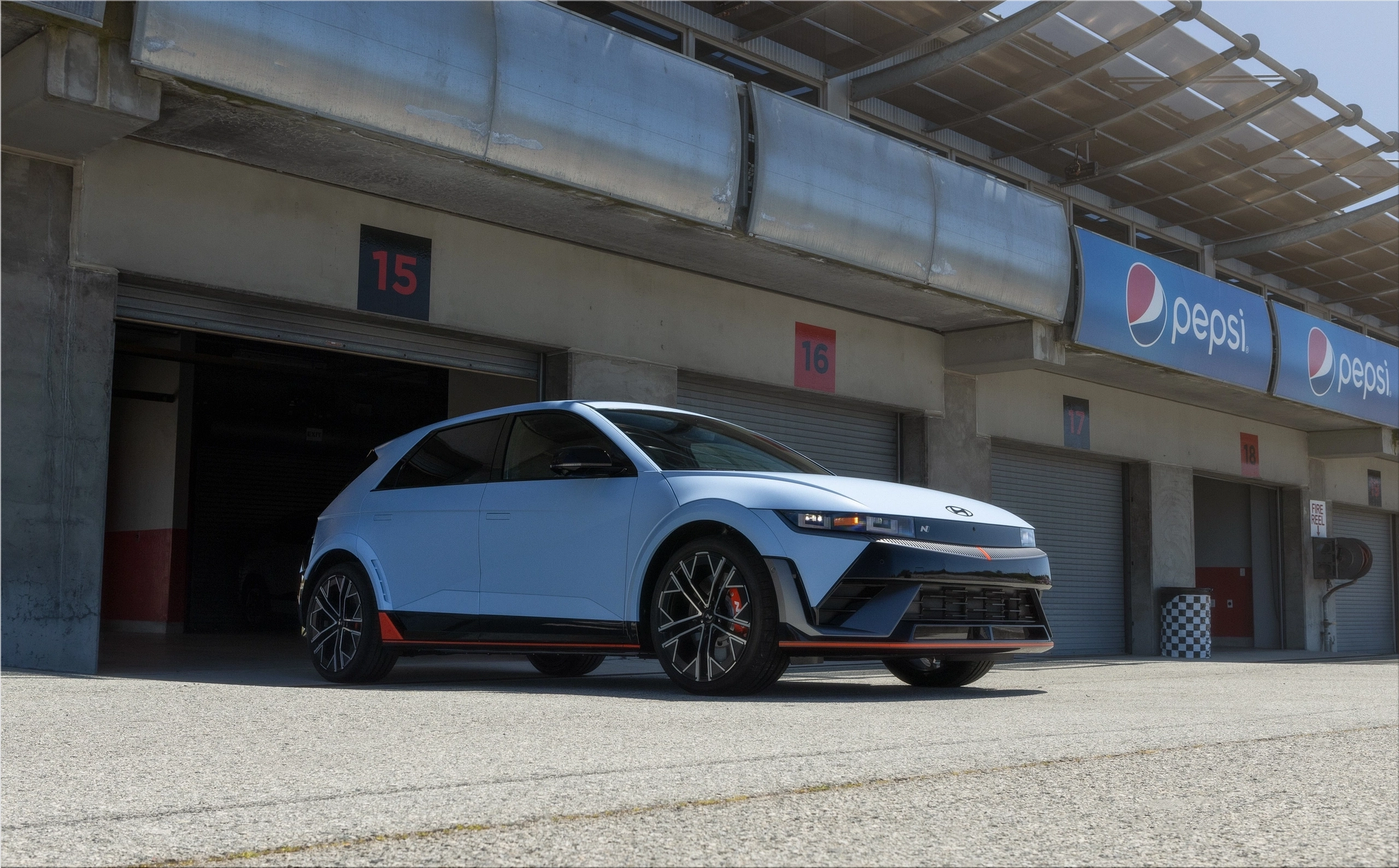
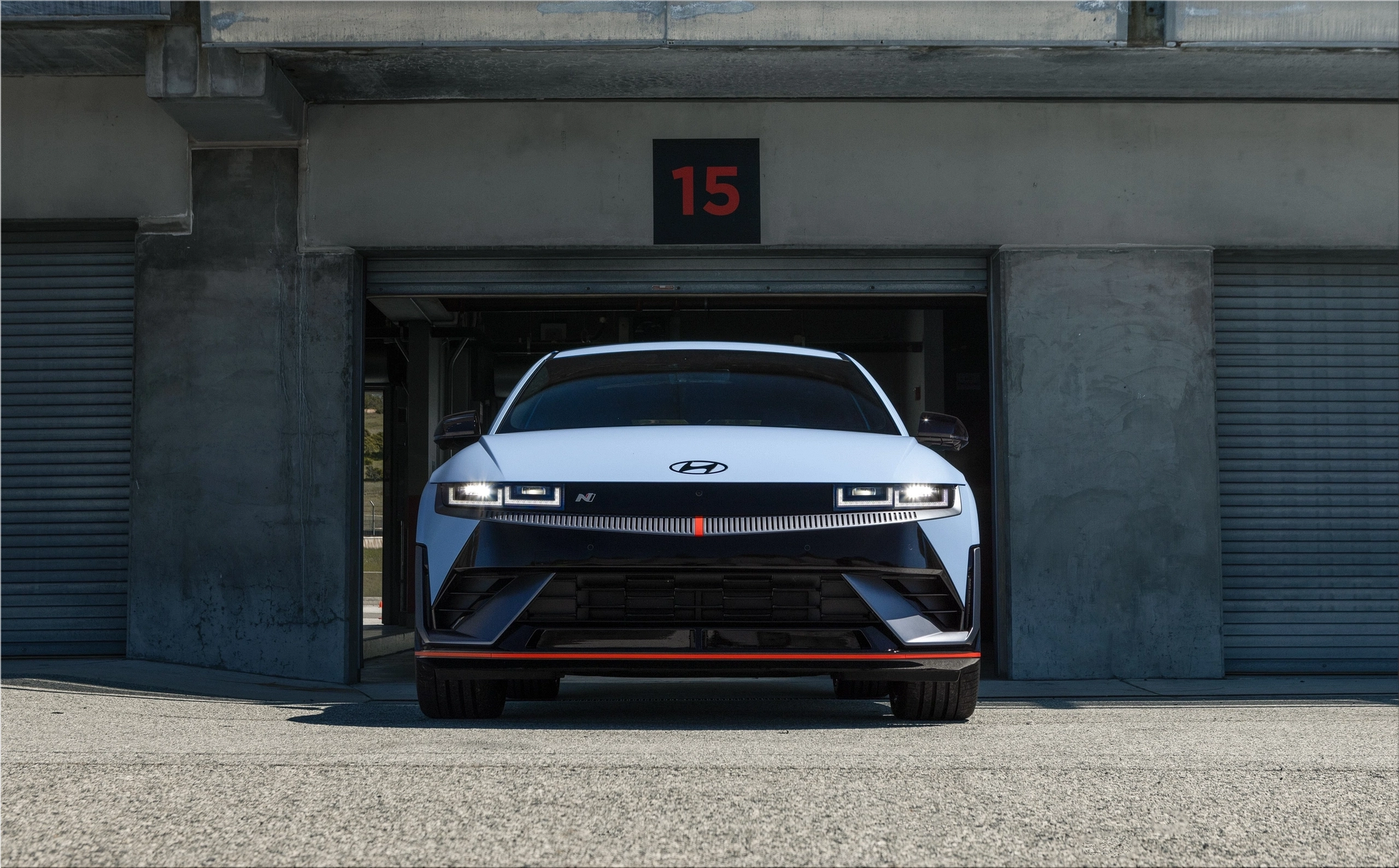
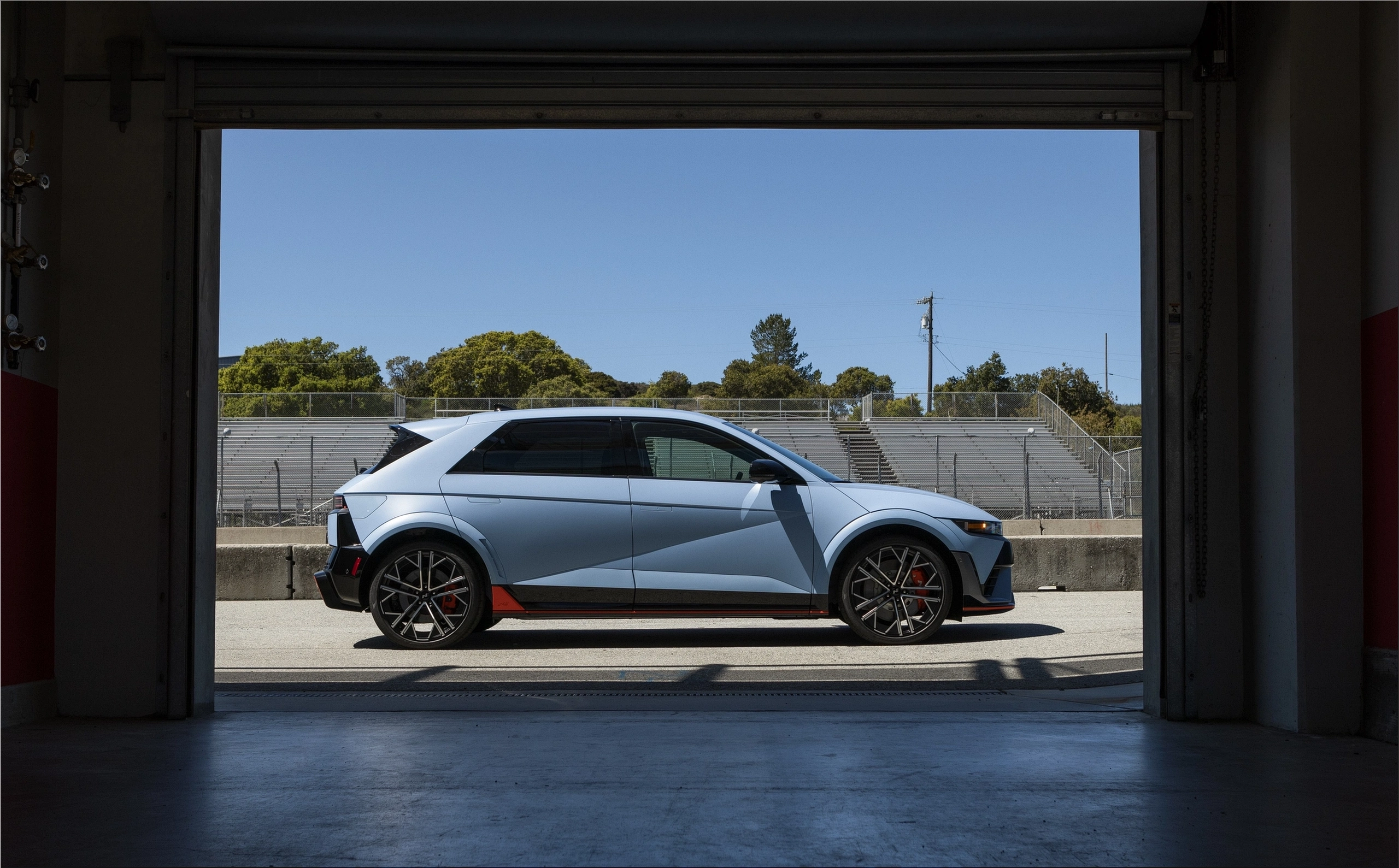
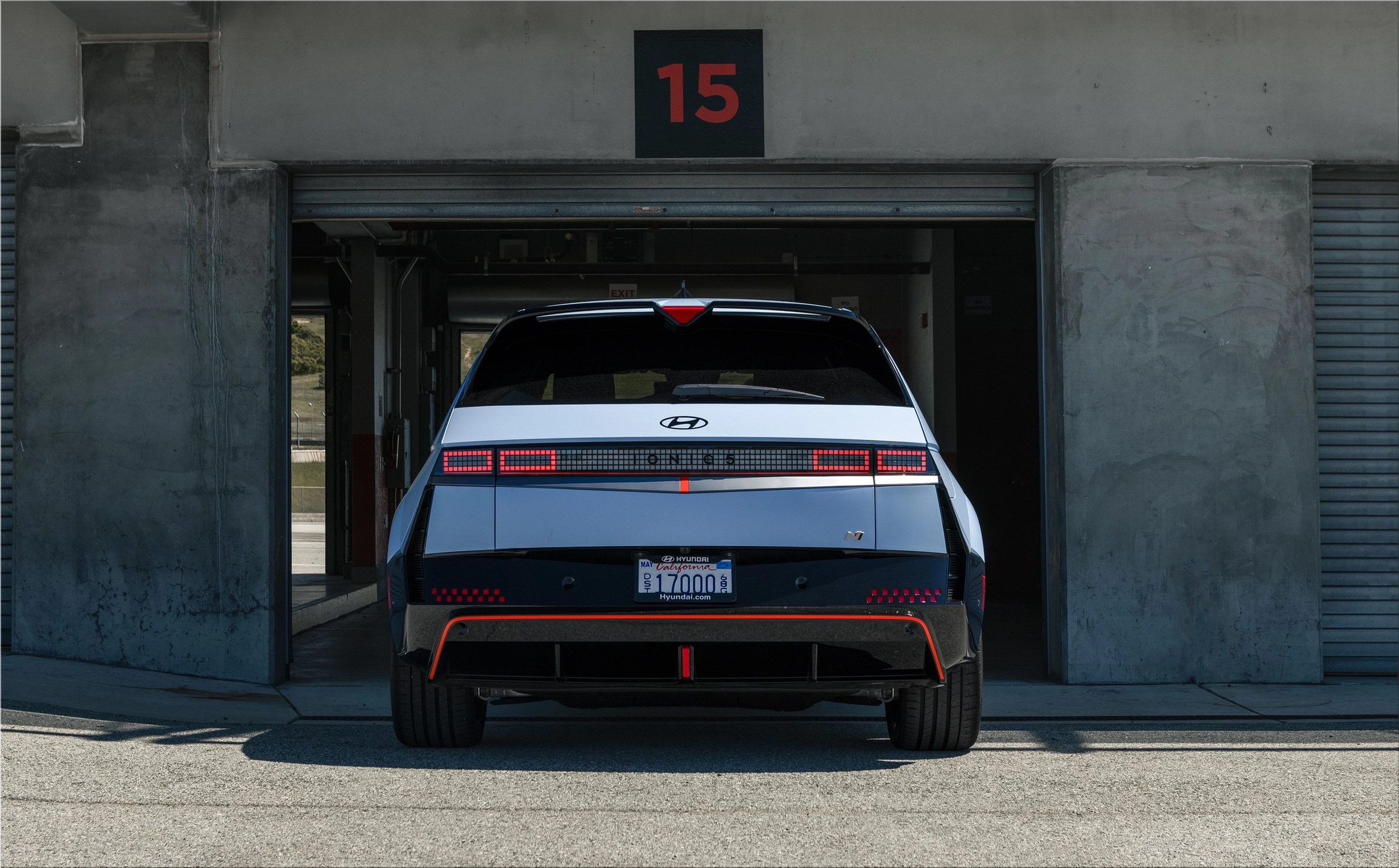
What changed on the 2026 model?
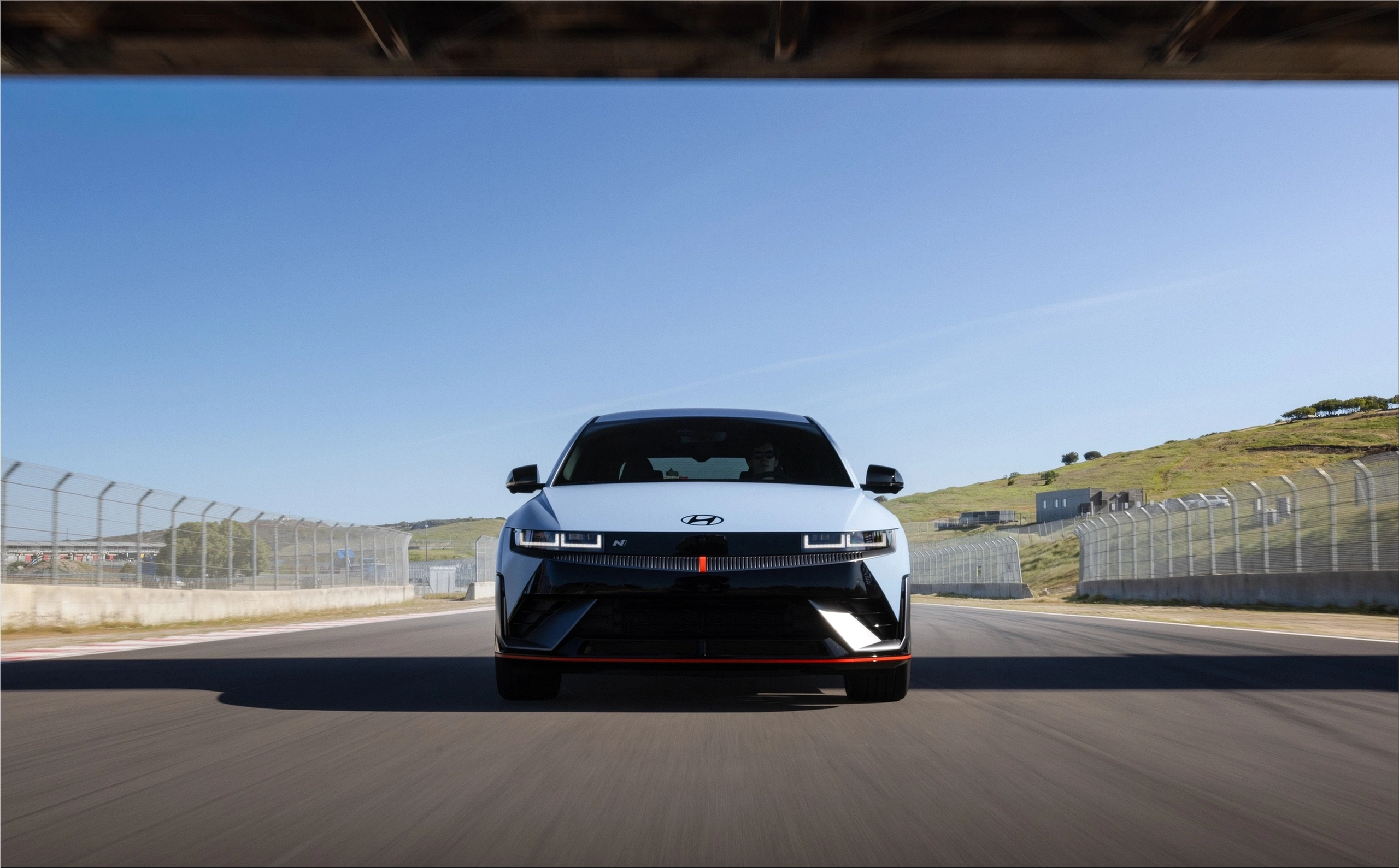
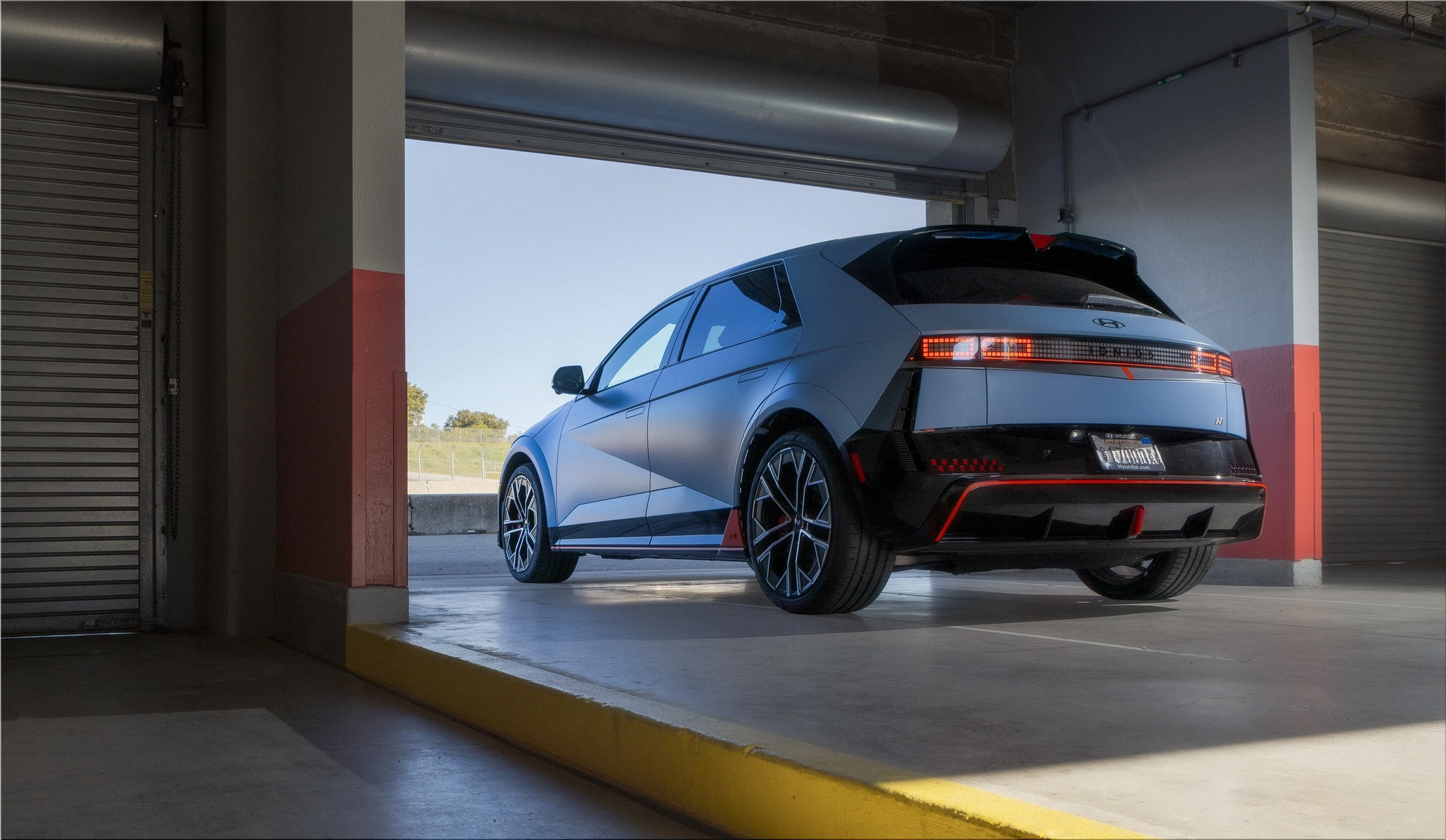
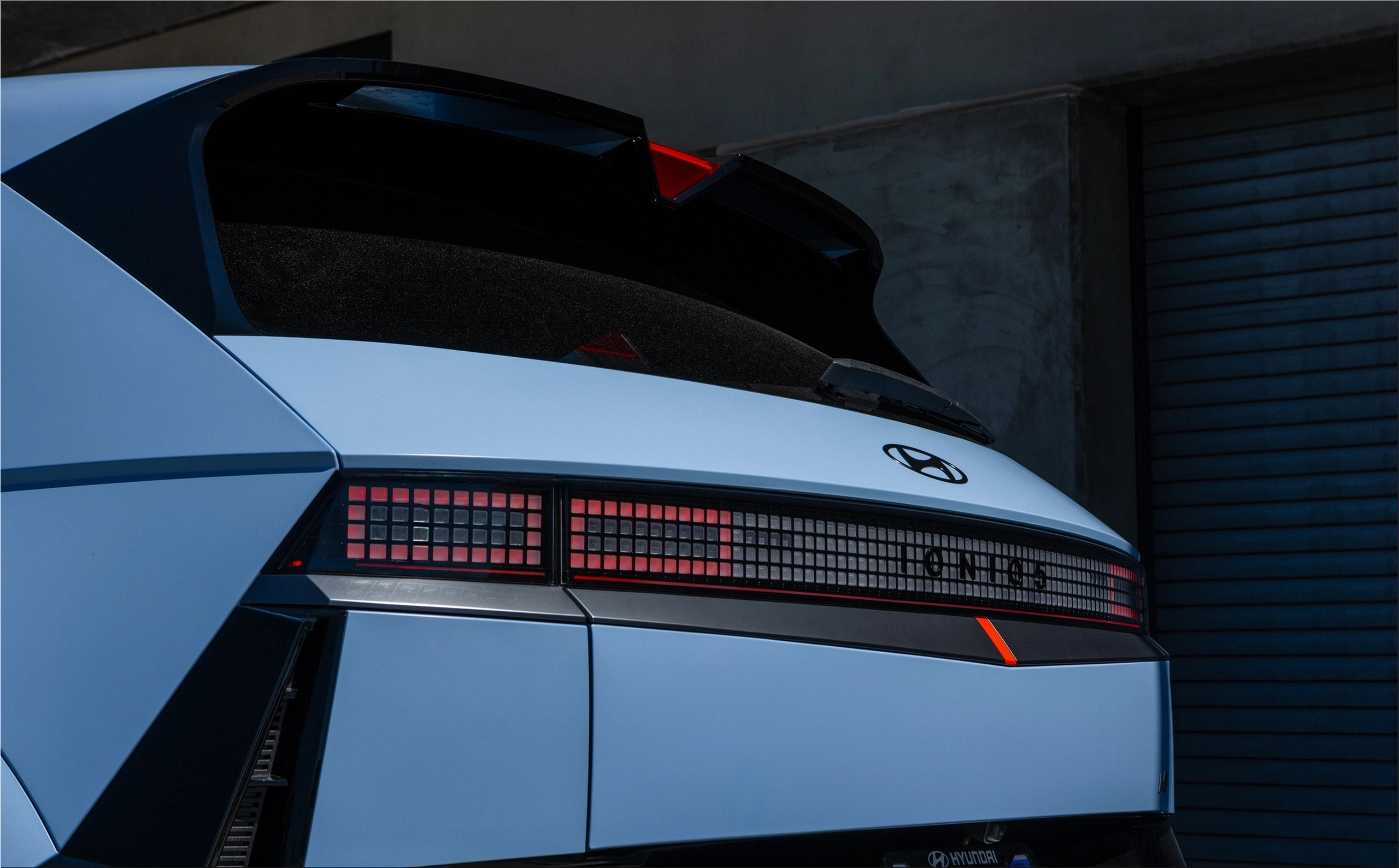
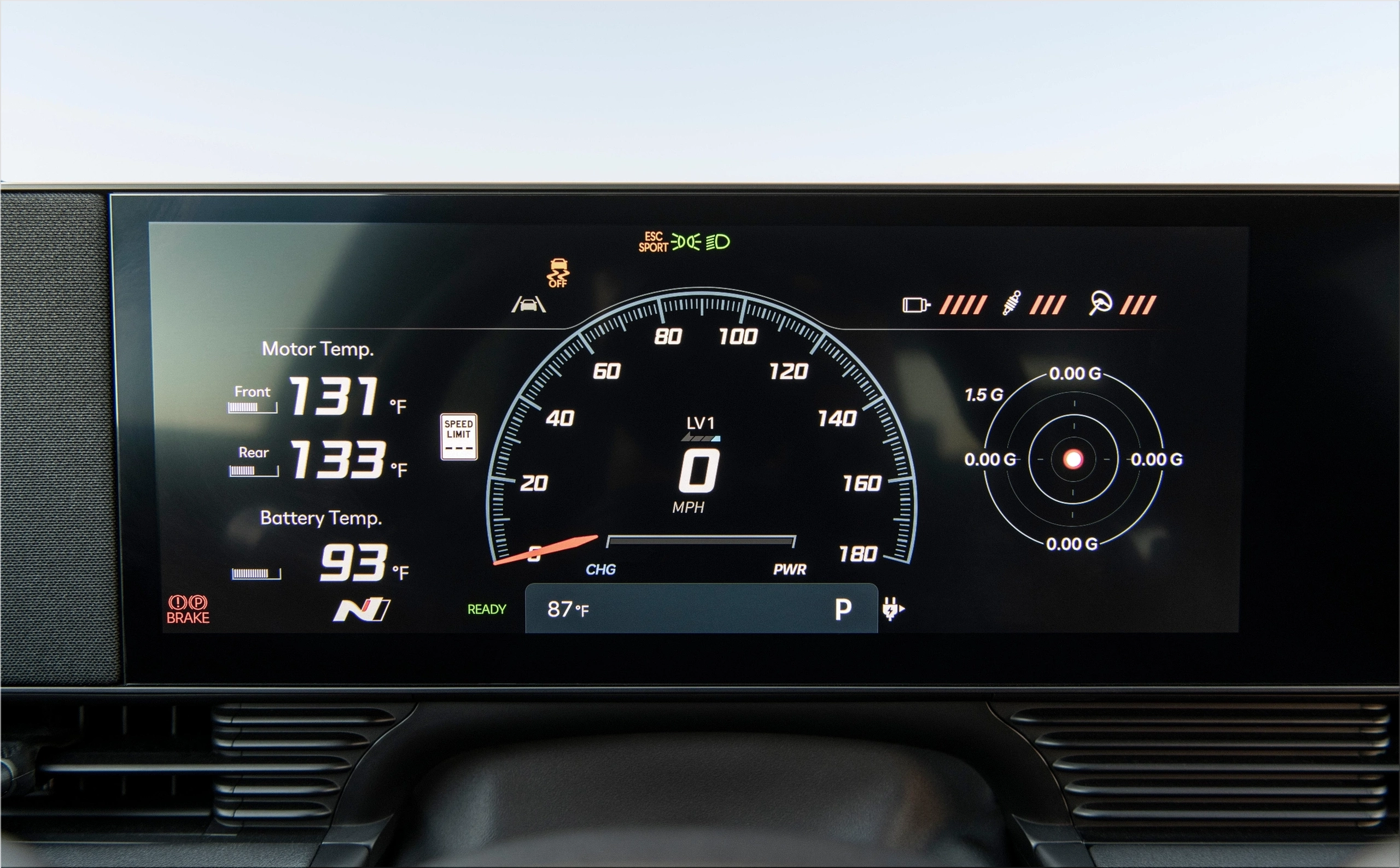
The lower MSRP arrives with useful equipment gains. NACS charging opens compatible Tesla Supercharger access, while Hyundai includes J1772 and CCS adapters plus a dual-amperage Level 1 and Level 2 cable. In addition, N Drift Optimizer expands from one setting to ten stages, giving skilled drivers finer control over slip and yaw.
- Performance Blue Pearl joins the paint menu.
- A cabin camera powers Forward Attention Warning.
- Rear windows gain one-touch up and down control.
- N e-Shift still imitates an eight-speed dual-clutch gearbox by shaping torque delivery.
- N Active Sound+ supplies audible speed and load cues on track.
Specifically, the NACS port improves charger access, not peak charging time. Hyundai's 800-volt system reaches 80 percent in 18 minutes through the included adapter at a compatible 350-kW CCS charger, while a native V3 Supercharger takes about 30 minutes.
Pro-Tip: Which plug should you use before a track session?
Choose a working 350-kW CCS charger and the supplied adapter when turnaround time counts. Use native NACS when station coverage or reliability takes priority. Precondition the battery in Track mode before arrival, then use N Race Endurance when repeated laps carry greater value than one maximum-power run.
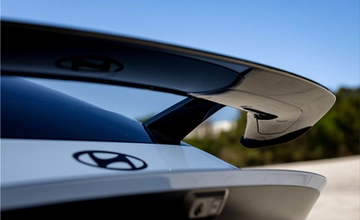
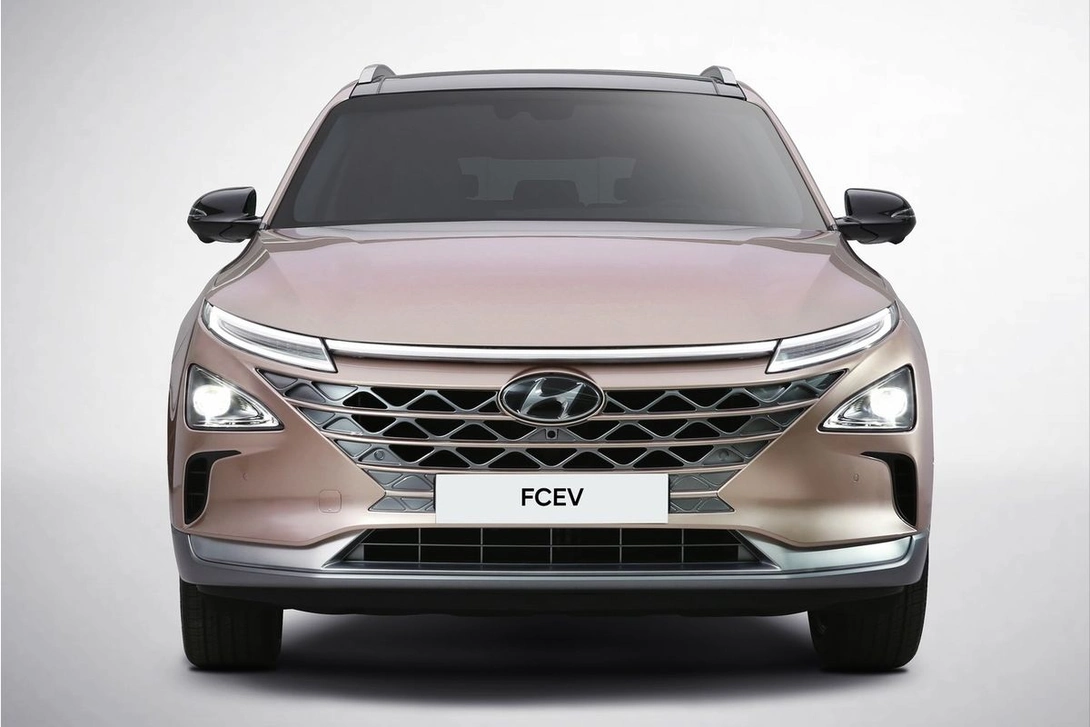
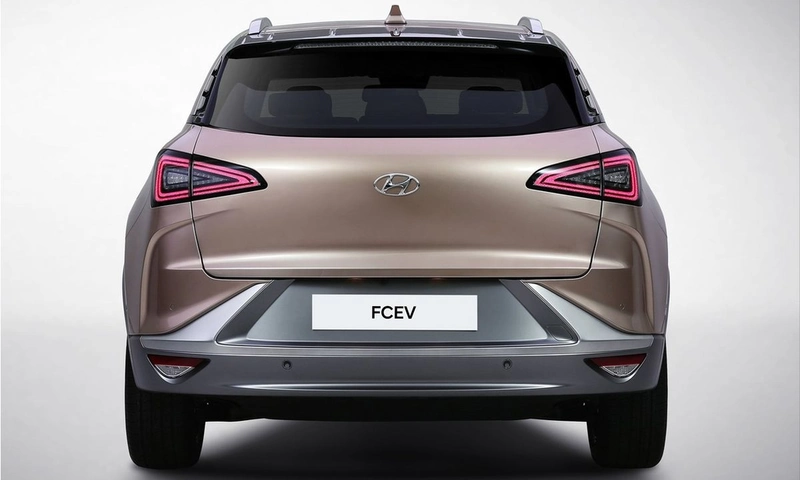
Image gallery:
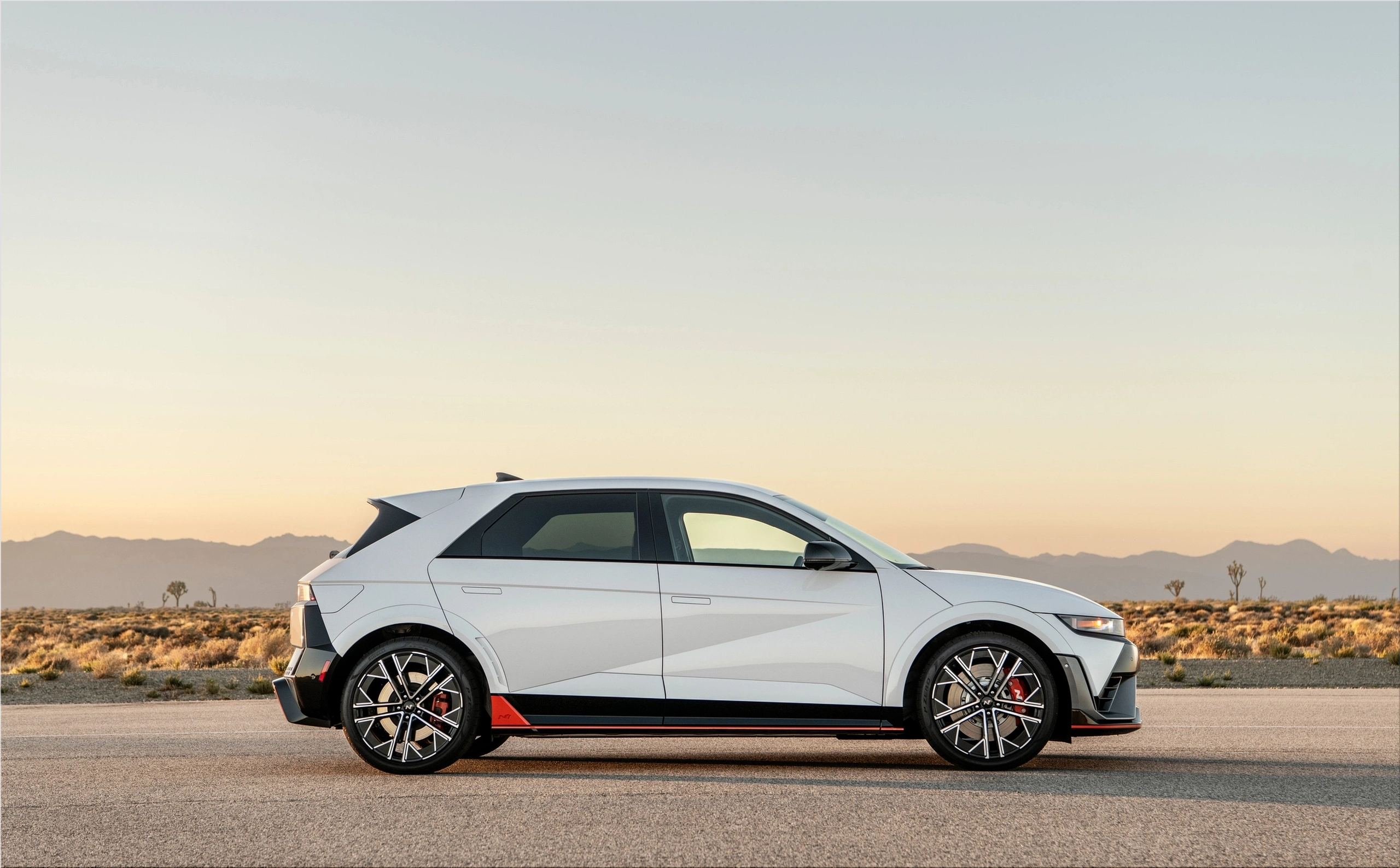
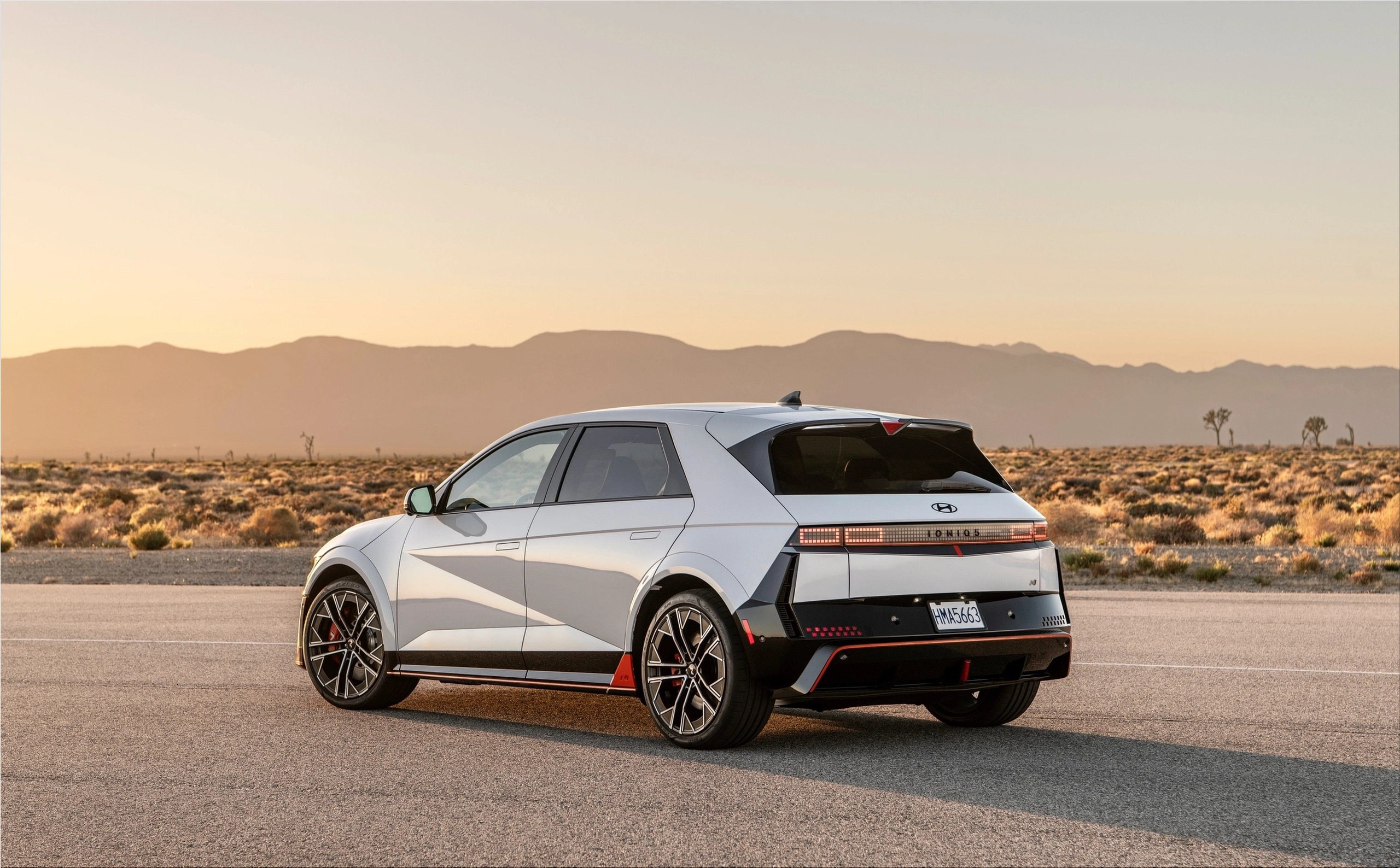
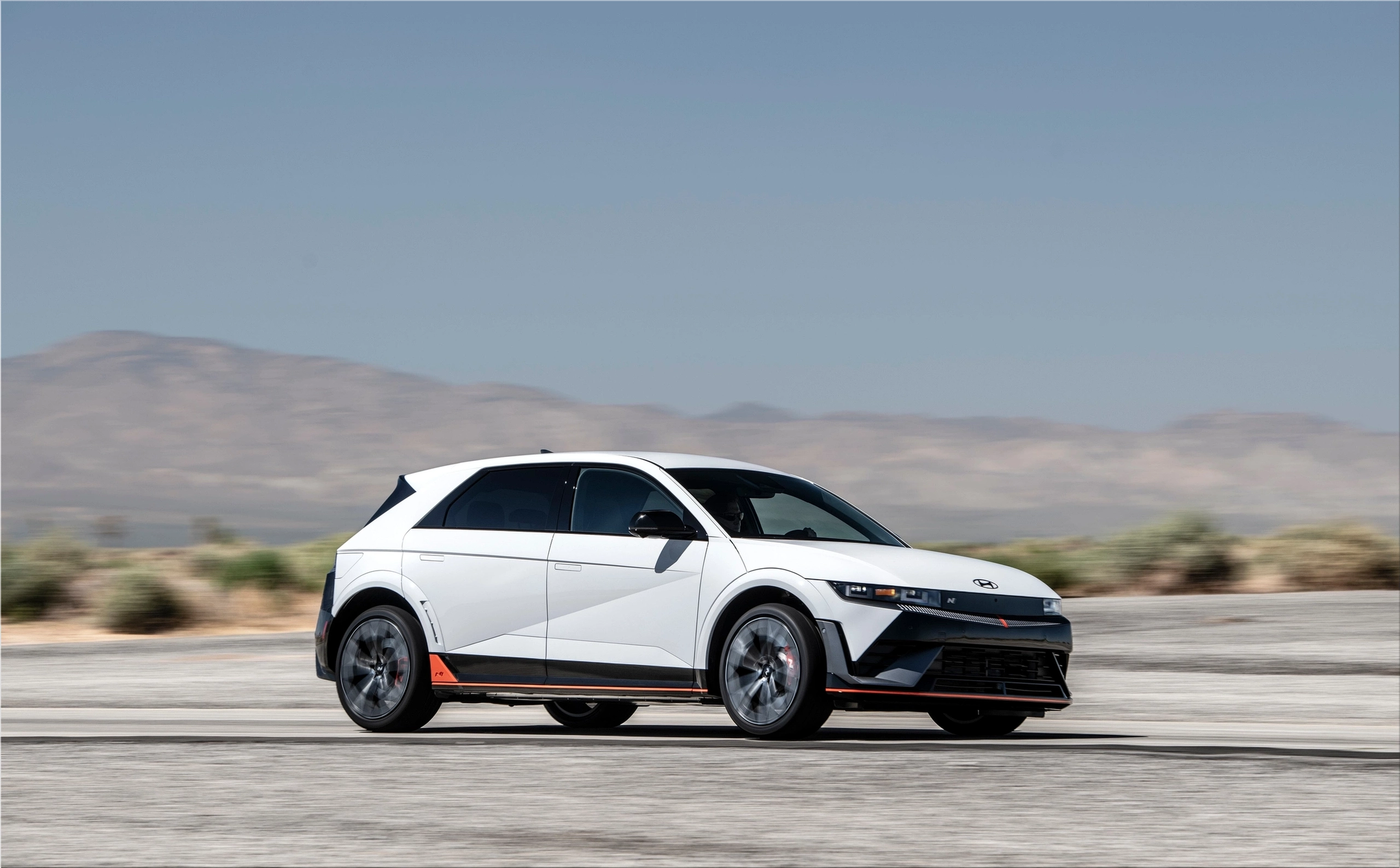
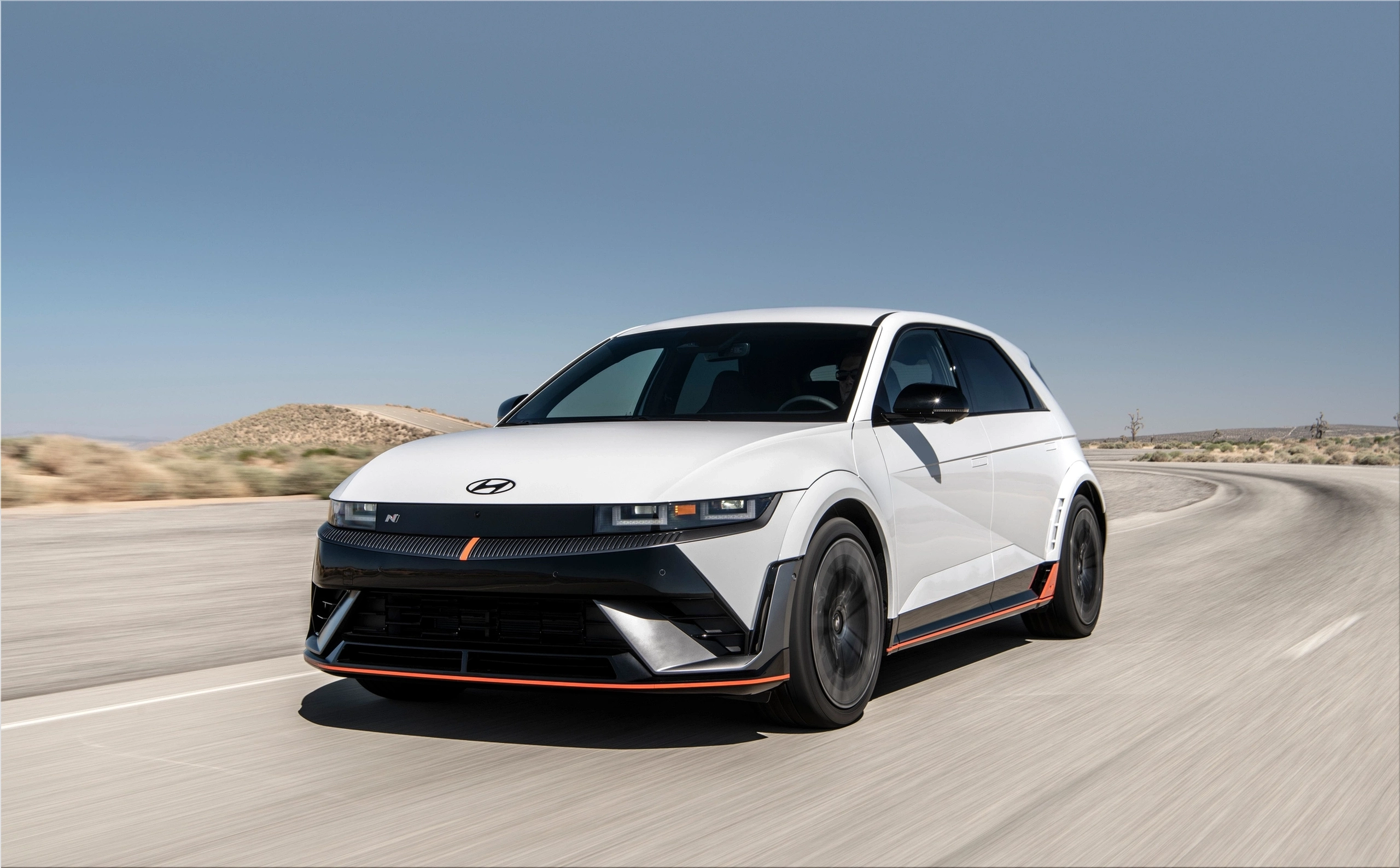
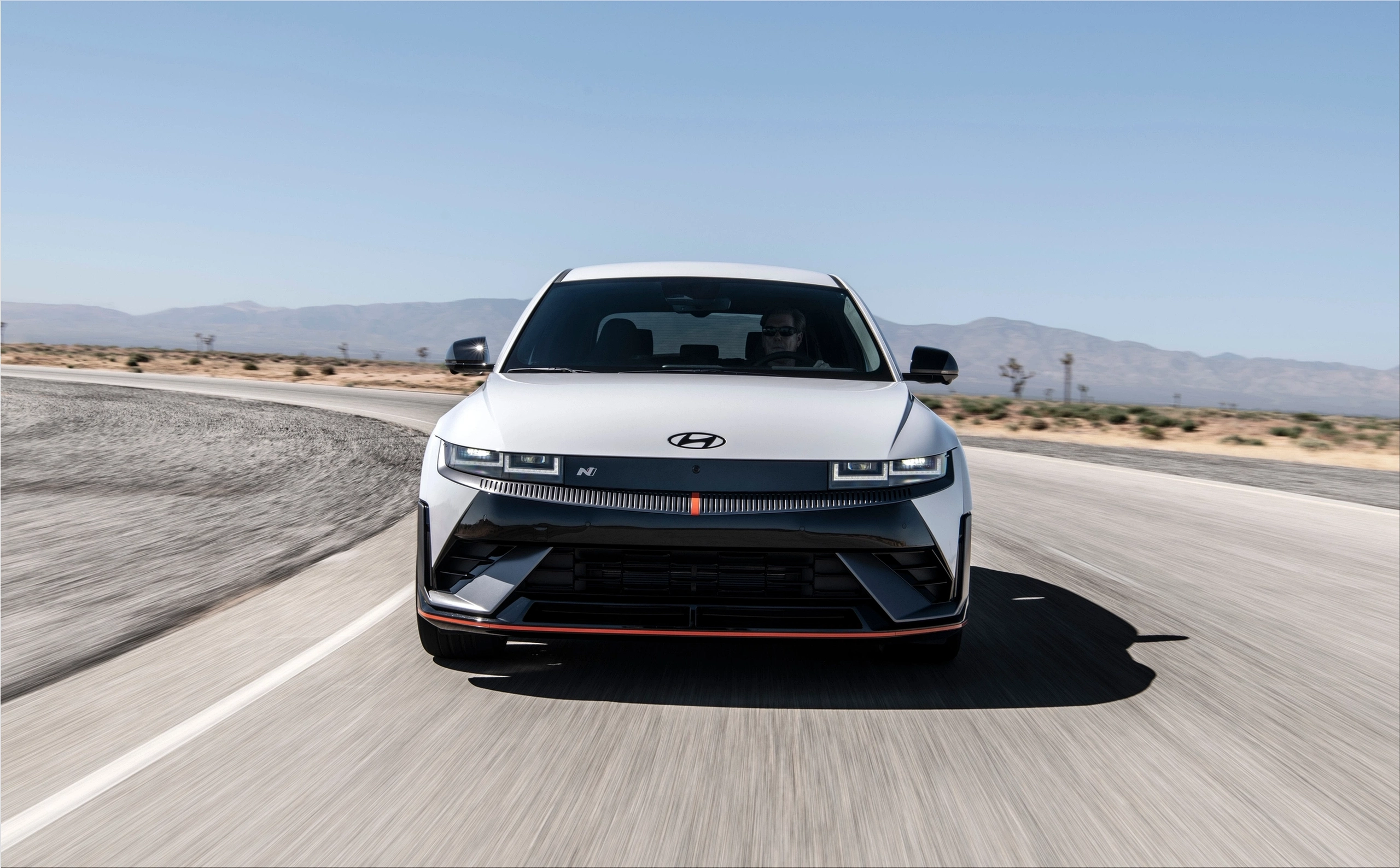
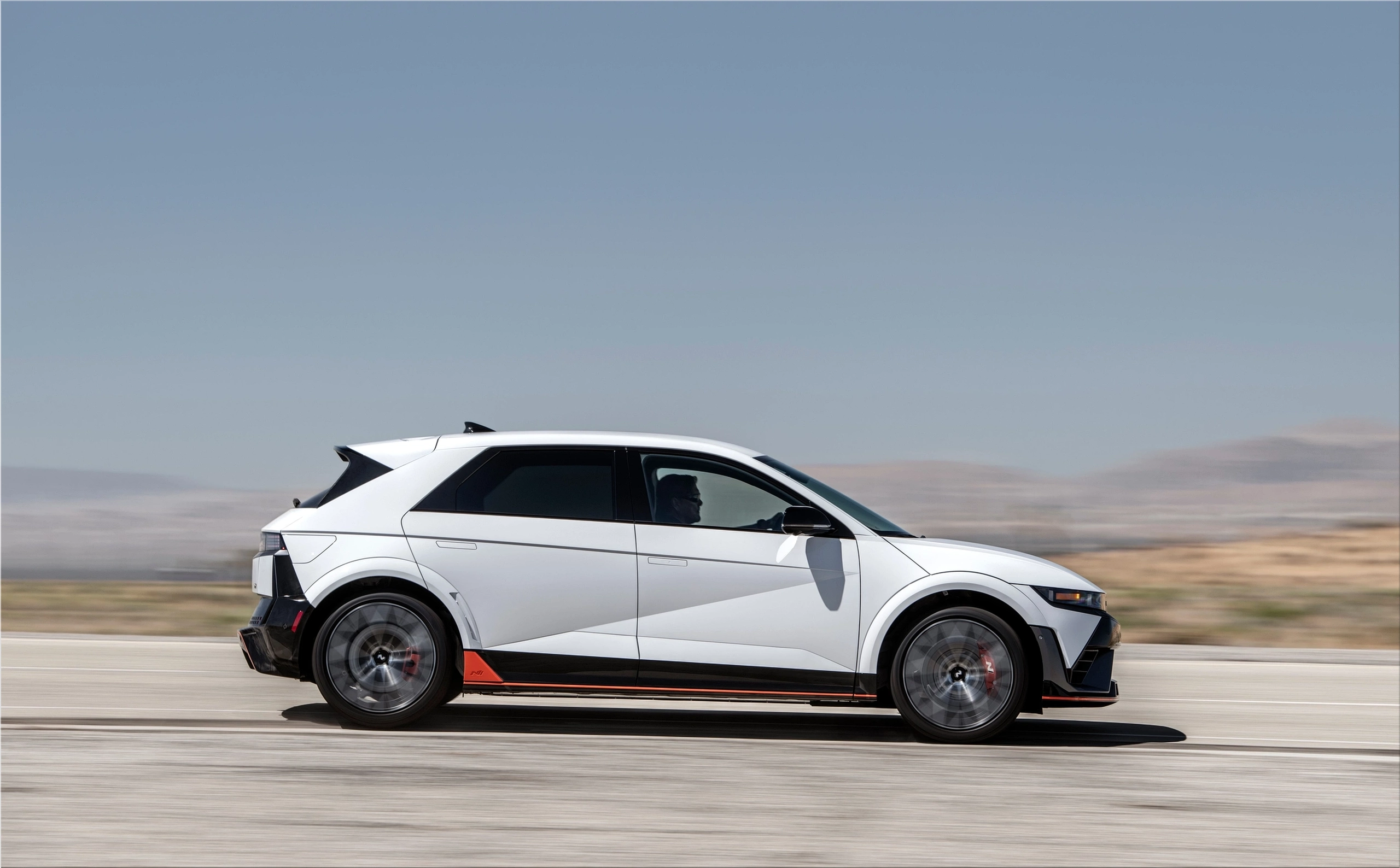
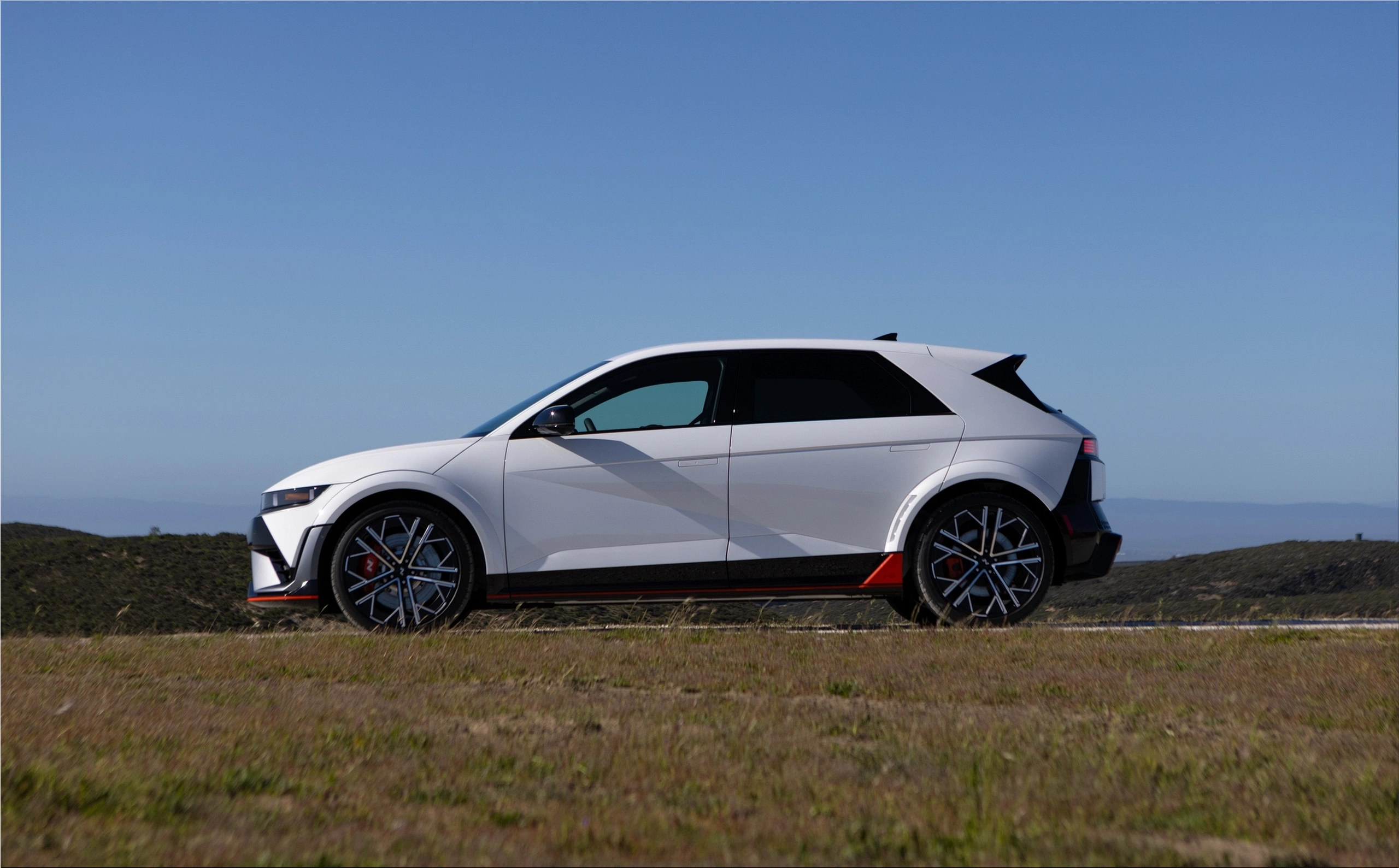
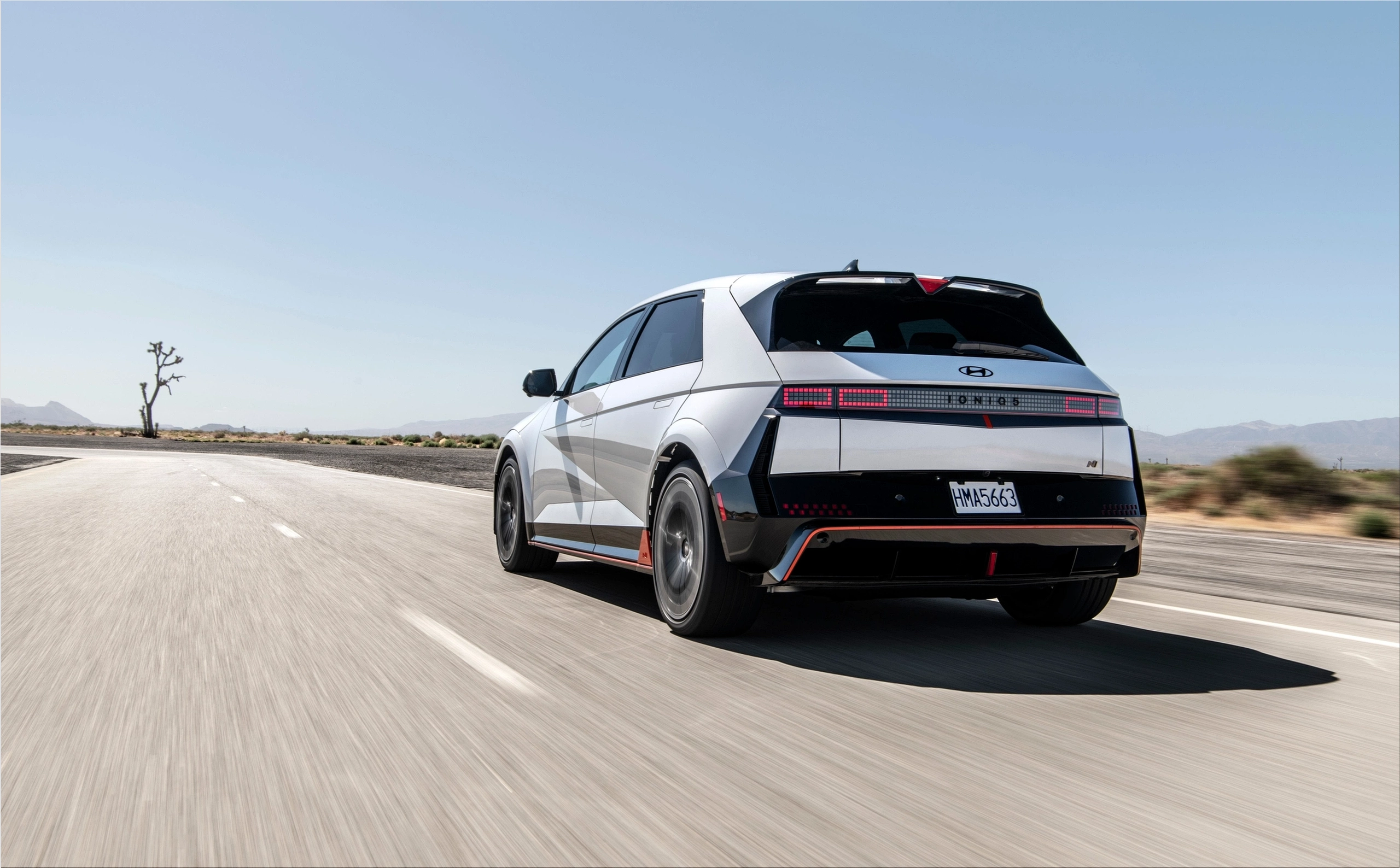
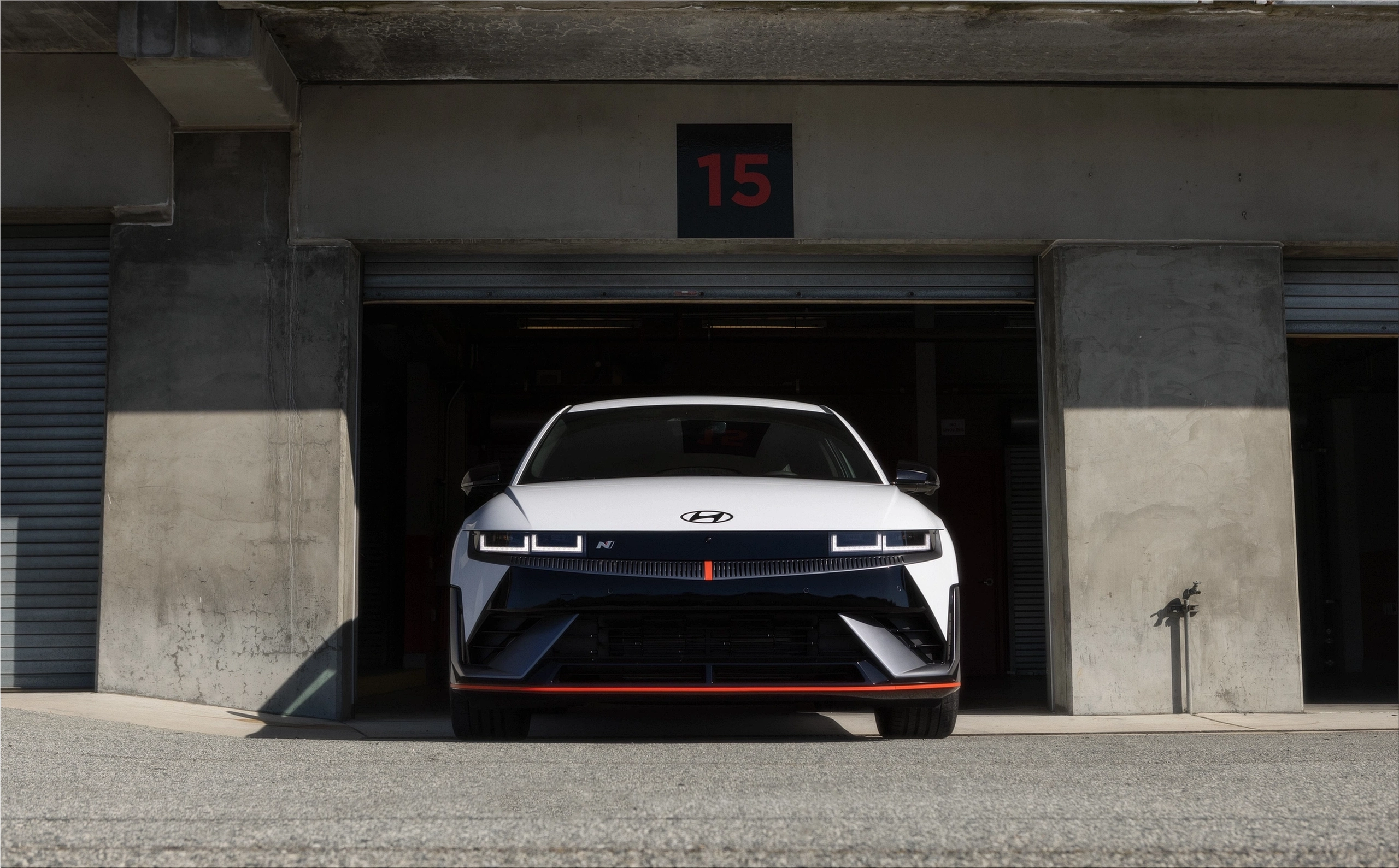
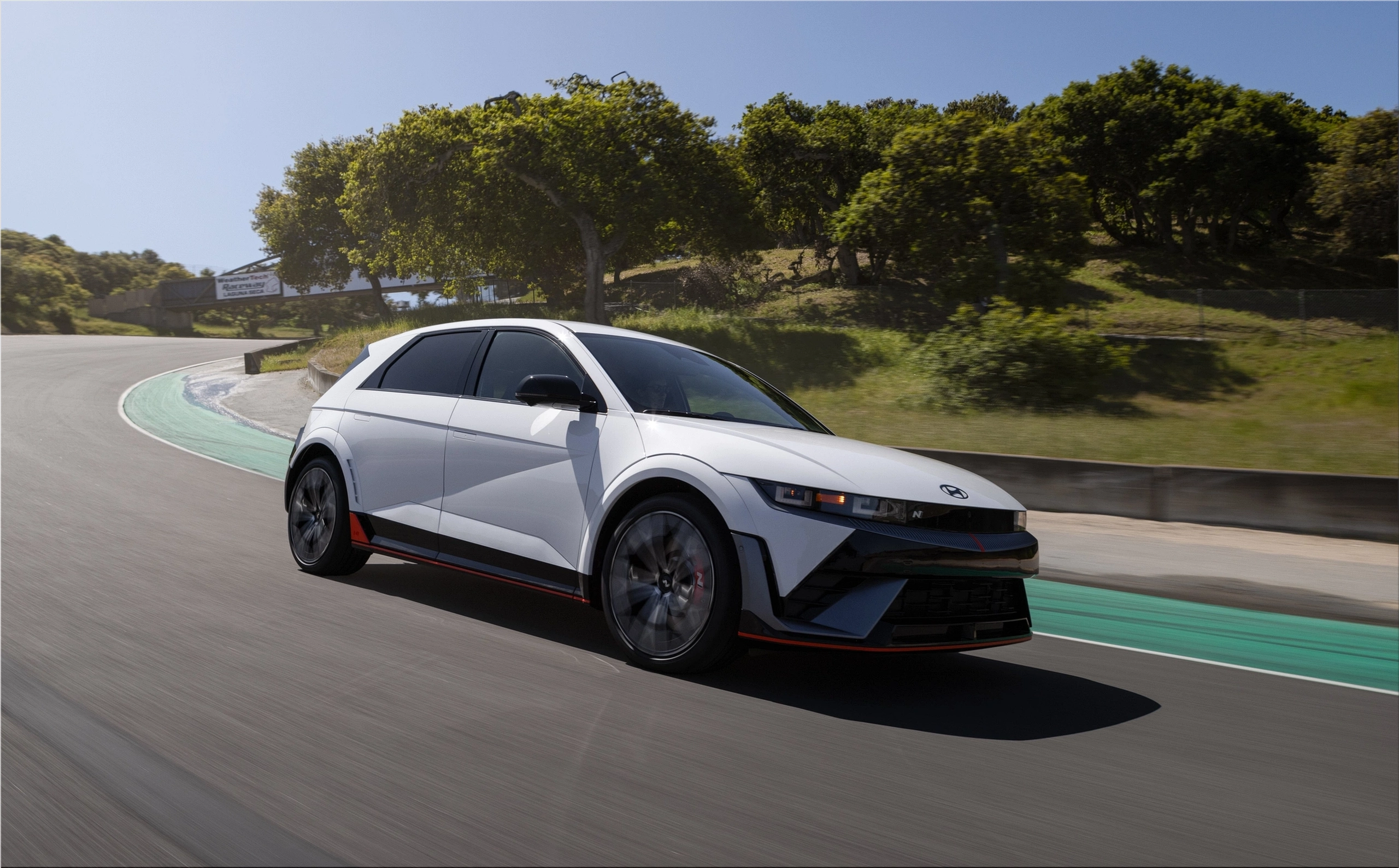
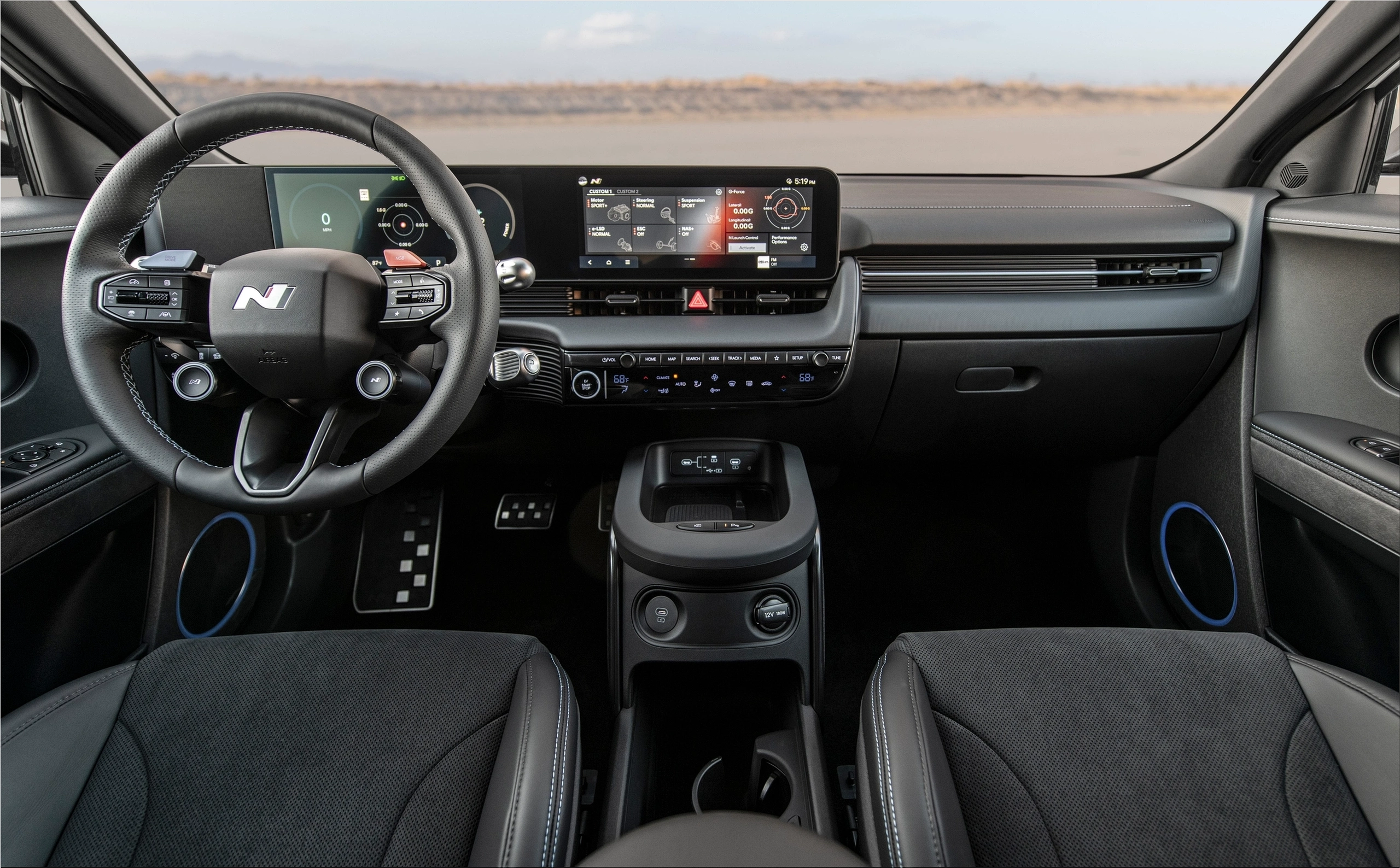
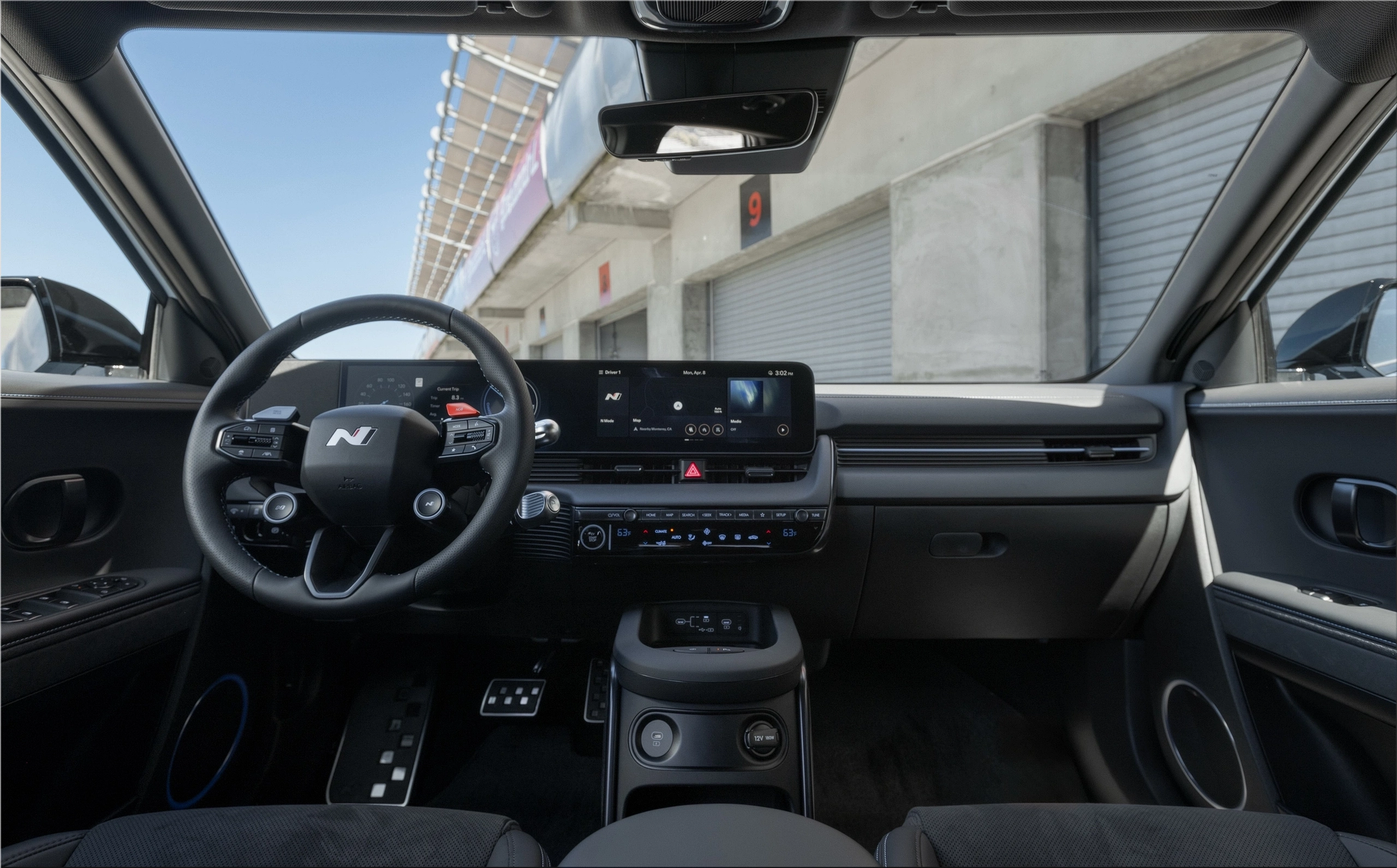
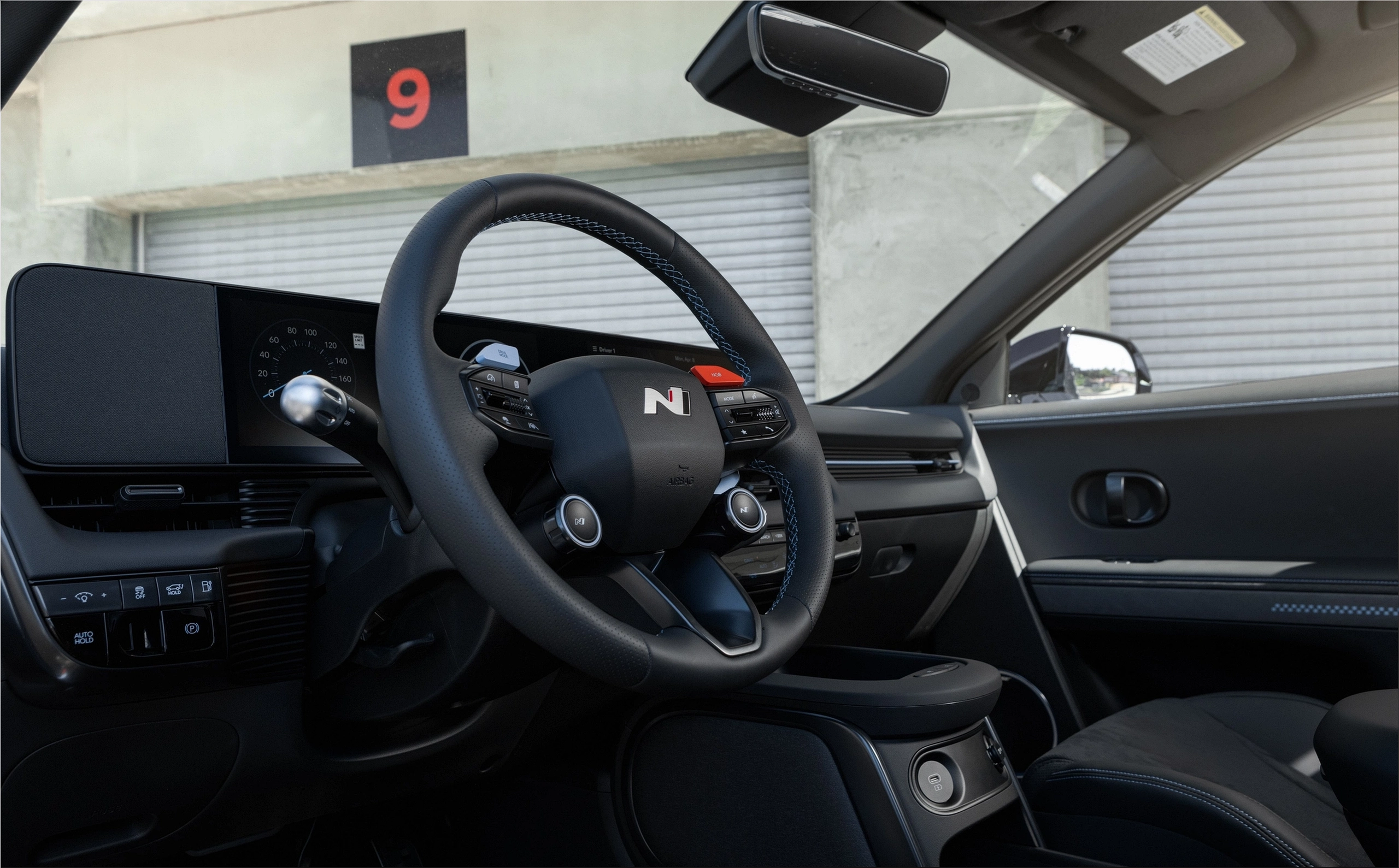
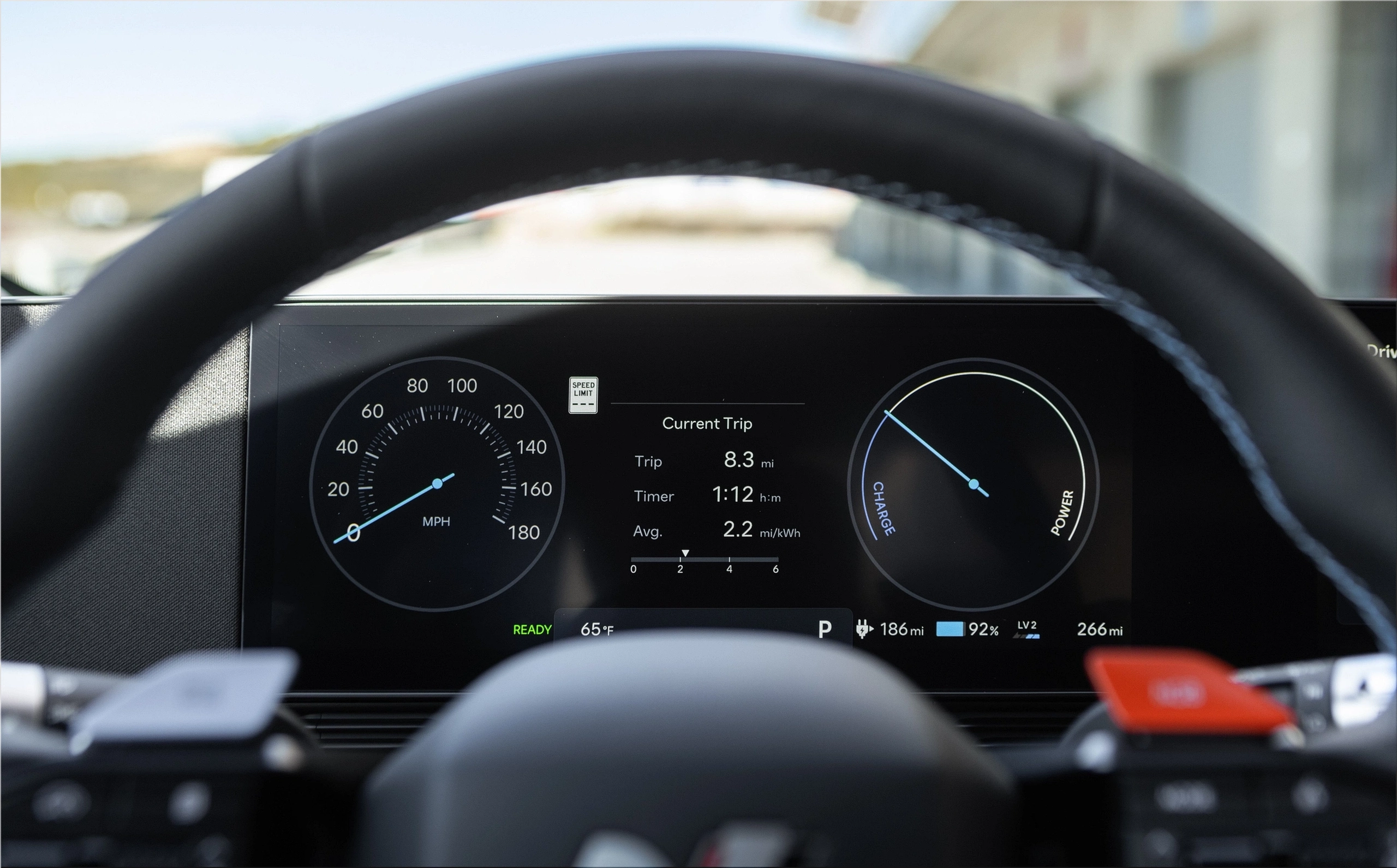
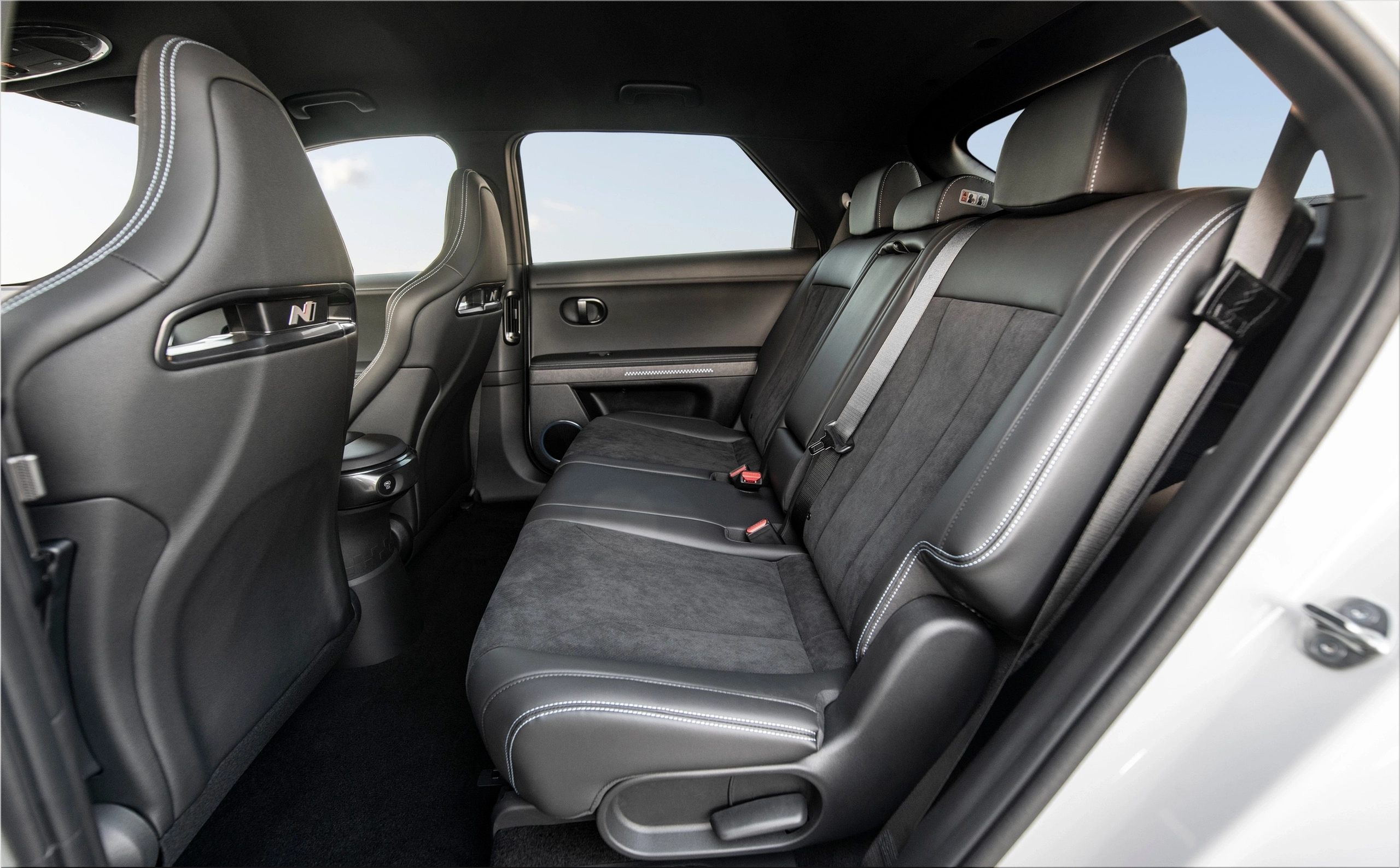
How does it compare with the Model Y Performance and Mach-E GT?
The Hyundai wins on published output, track controls, brake hardware, and high-voltage charging. It loses on EPA range and base price against Ford Mustang Mach-E, while Tesla Model Y offers 85 extra EPA miles for $1,910 less. By comparison, neither rival matches Hyundai's combination of simulated shifts, 10-stage drift control, and track-focused battery strategy.
| 2026 performance EV | MSRP before destination | Output | 0-60 mph | EPA range |
|---|---|---|---|---|
| Hyundai IONIQ 5 N | $59,900 | 601 hp / 641 hp boost | 3.25 sec. | 221 mi. |
| Tesla Model Y Performance | $57,990 | Tesla does not publish it | 3.3 sec. | 306 mi. |
| Ford Mustang Mach-E GT | $53,395 | 480 hp | 3.8 sec.; 3.3 sec. with upgrade | 280 mi. |
Consequently, the 2026 Hyundai IONIQ 5 N works best as a dual-purpose street and circuit tool, not a long-range family EV. From an expert perspective, shoppers should request a VIN-specific insurance quote and price a full set of 275/35R21 Pirelli tires before placing a deposit. Those recurring costs can erase part of the $6,300 purchase-price gain.
If a dealer offers a leftover 2025 model, demand a discount greater than $6,300 after finance rates and added fees. The 2026 car otherwise gives buyers the lower factory price, wider charging access, and improved drift controls without sacrificing power.
- Add new comment
- 187 views