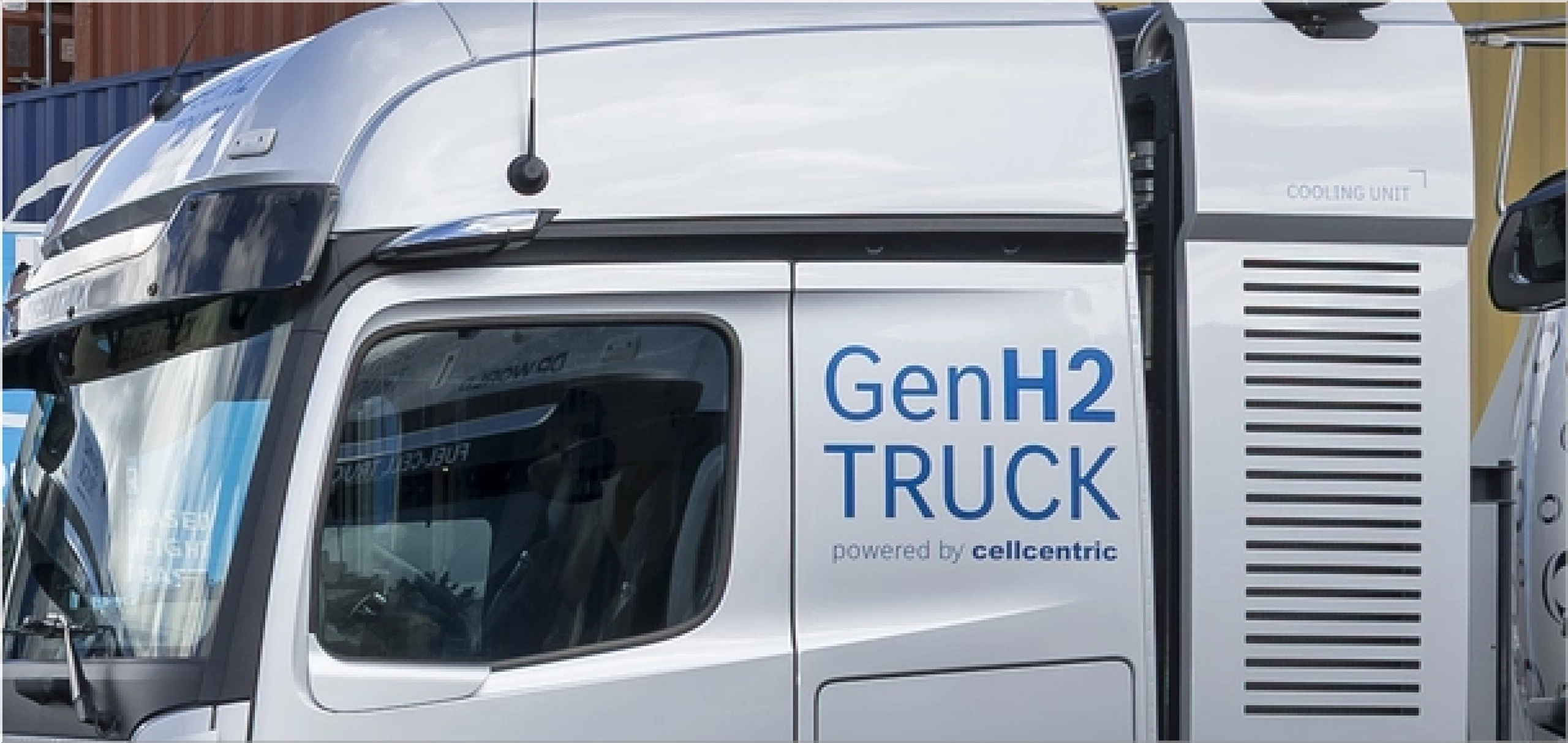
GenH2 fuel cell trials
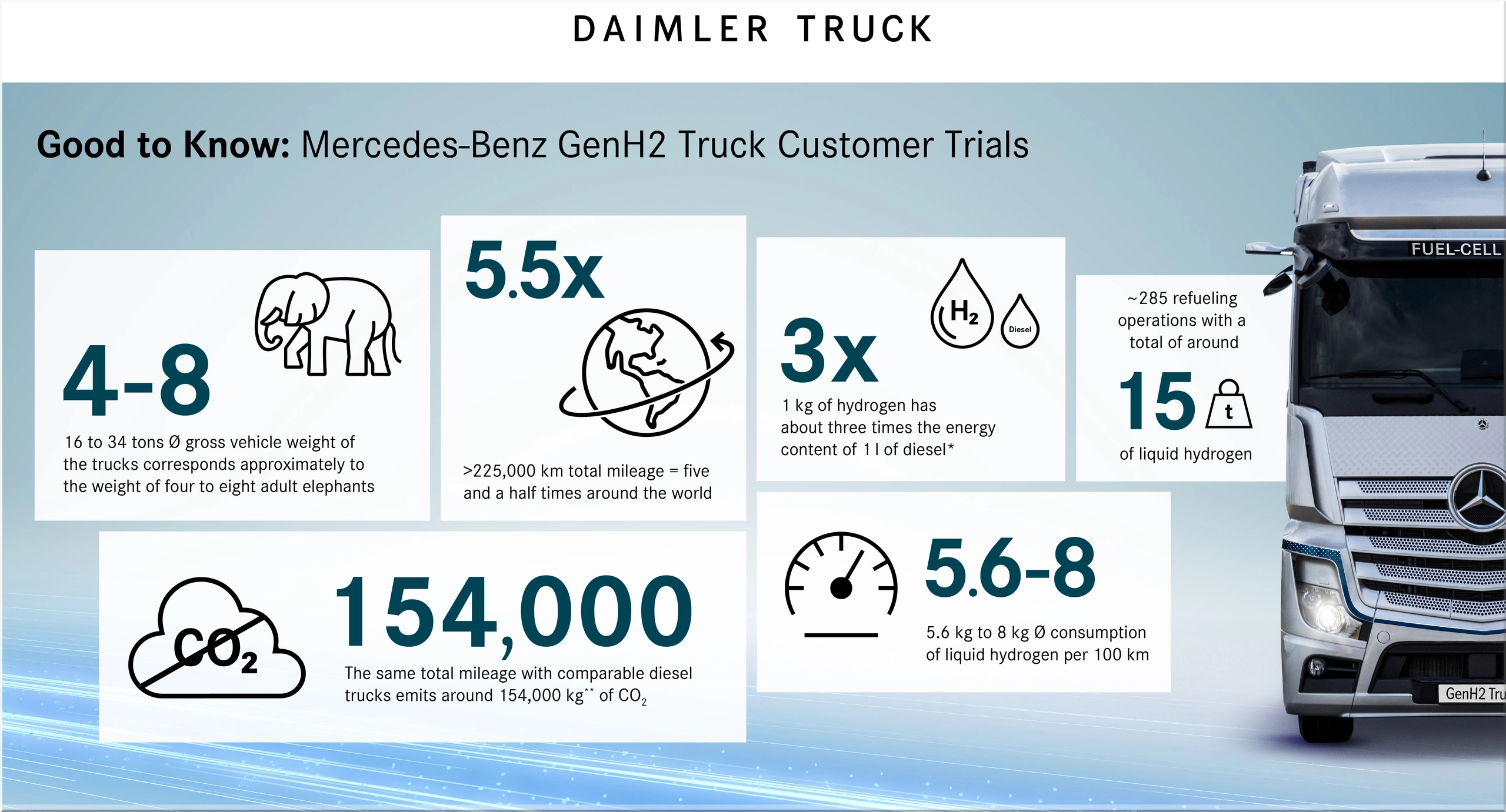
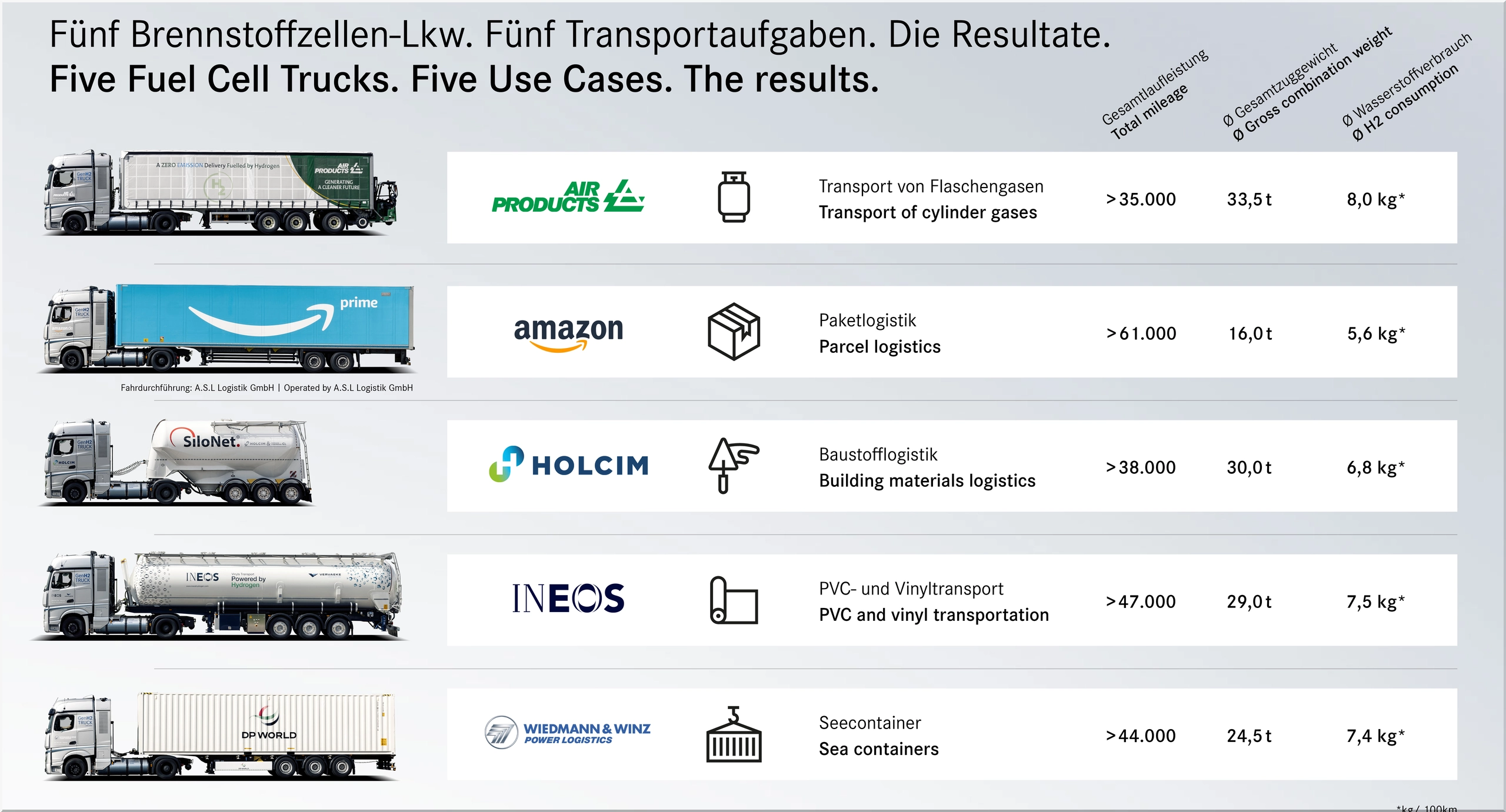
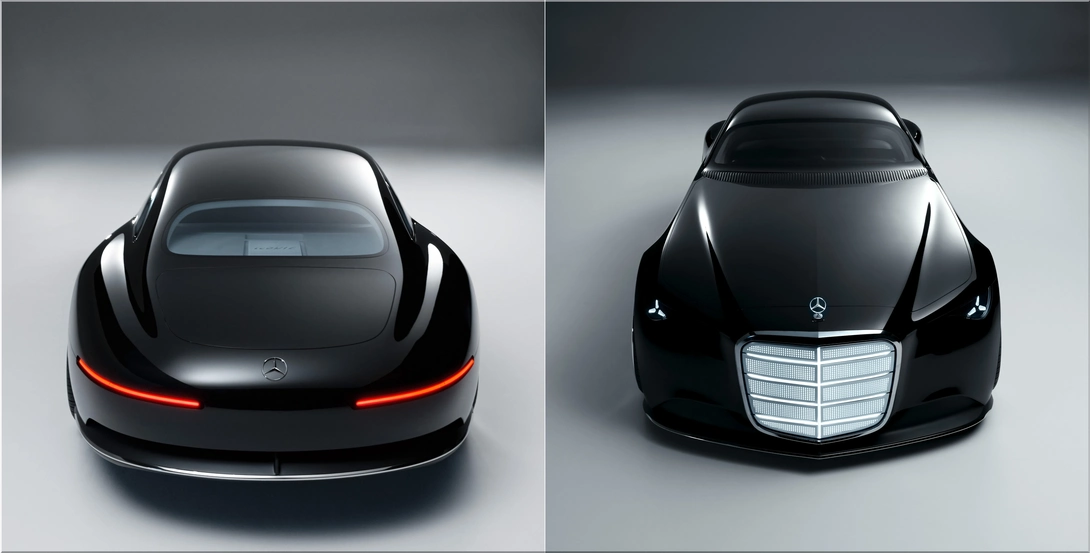
Daimler Truck finished a year of Mercedes-Benz GenH2 fuel cell trials. Five trucks ran more than 225,000 km with customers. Average hydrogen consumption landed between 5.6–8.0 kg/100 km across use cases. Drivers reported 1,000+ km range and 10–15 minute refueling events. That is diesel-like uptime with zero local CO2.
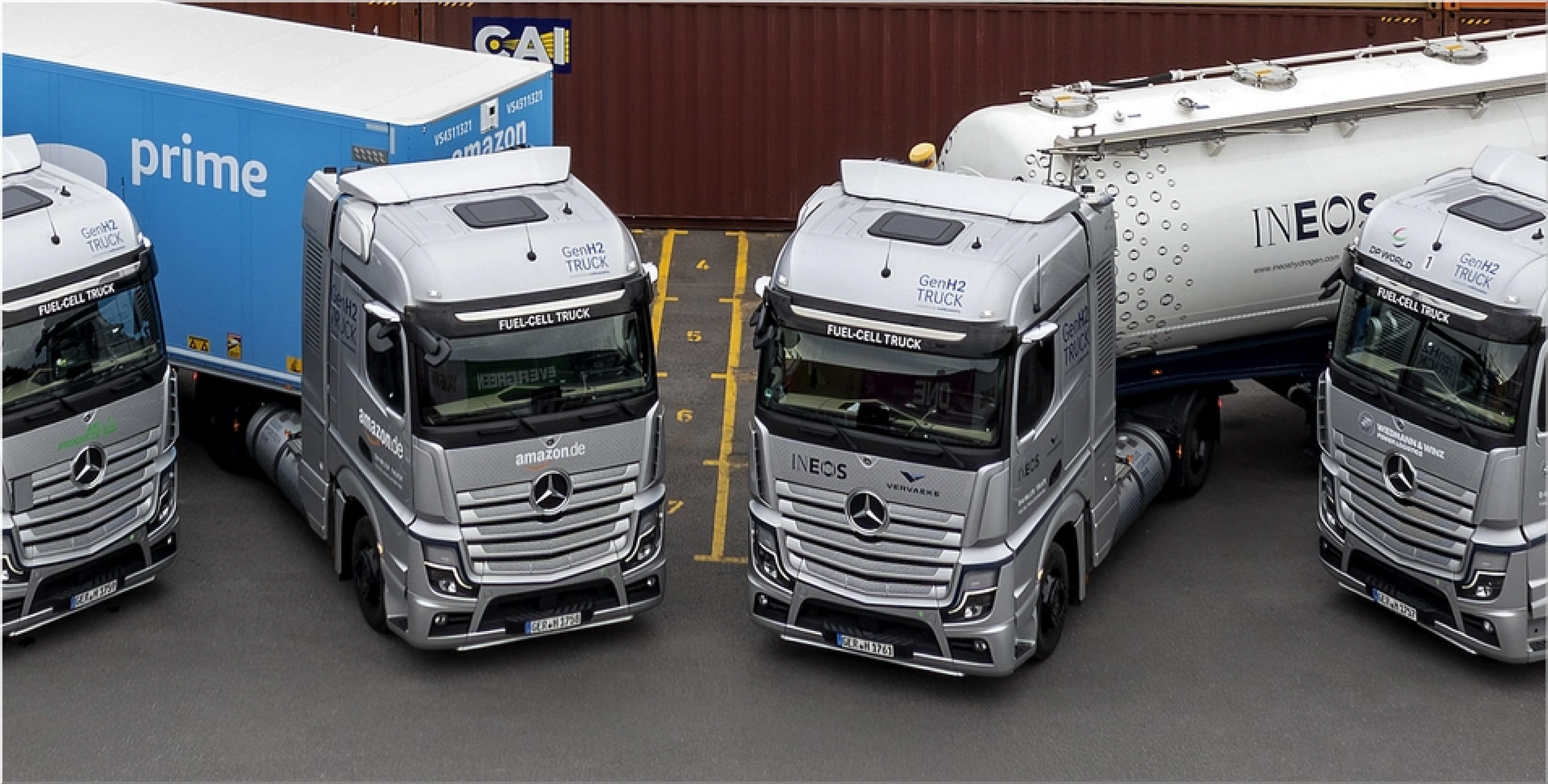
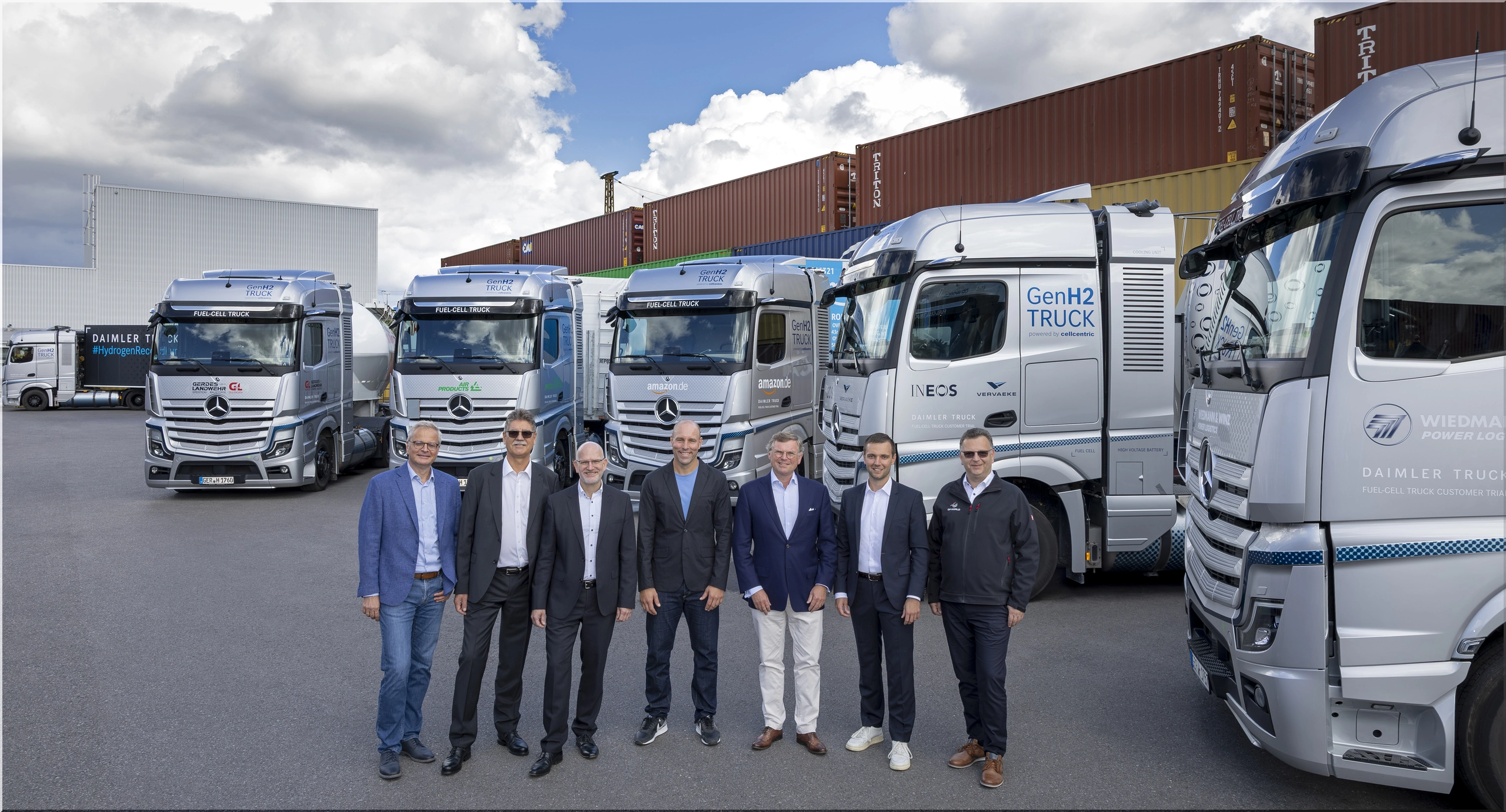
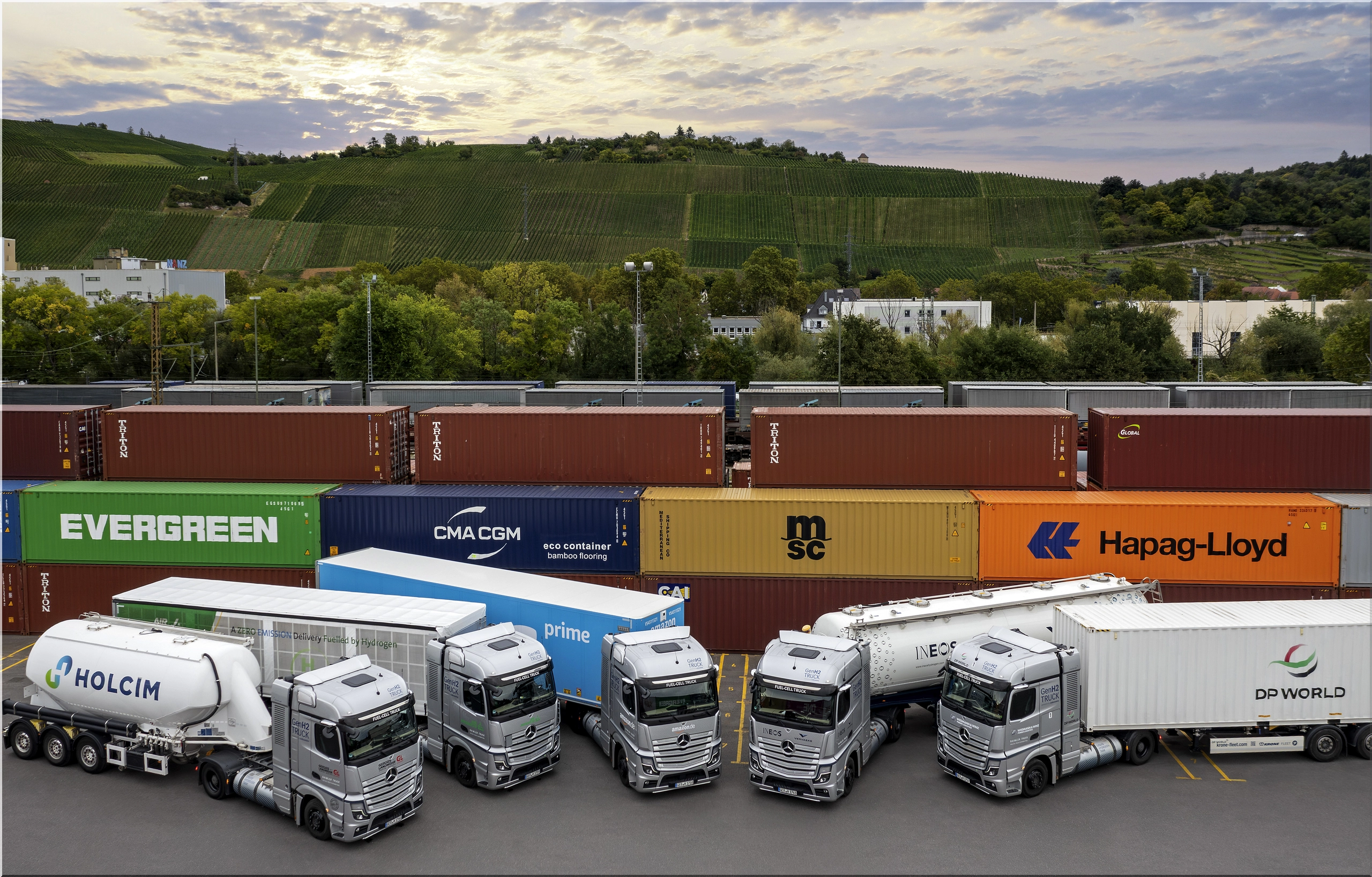
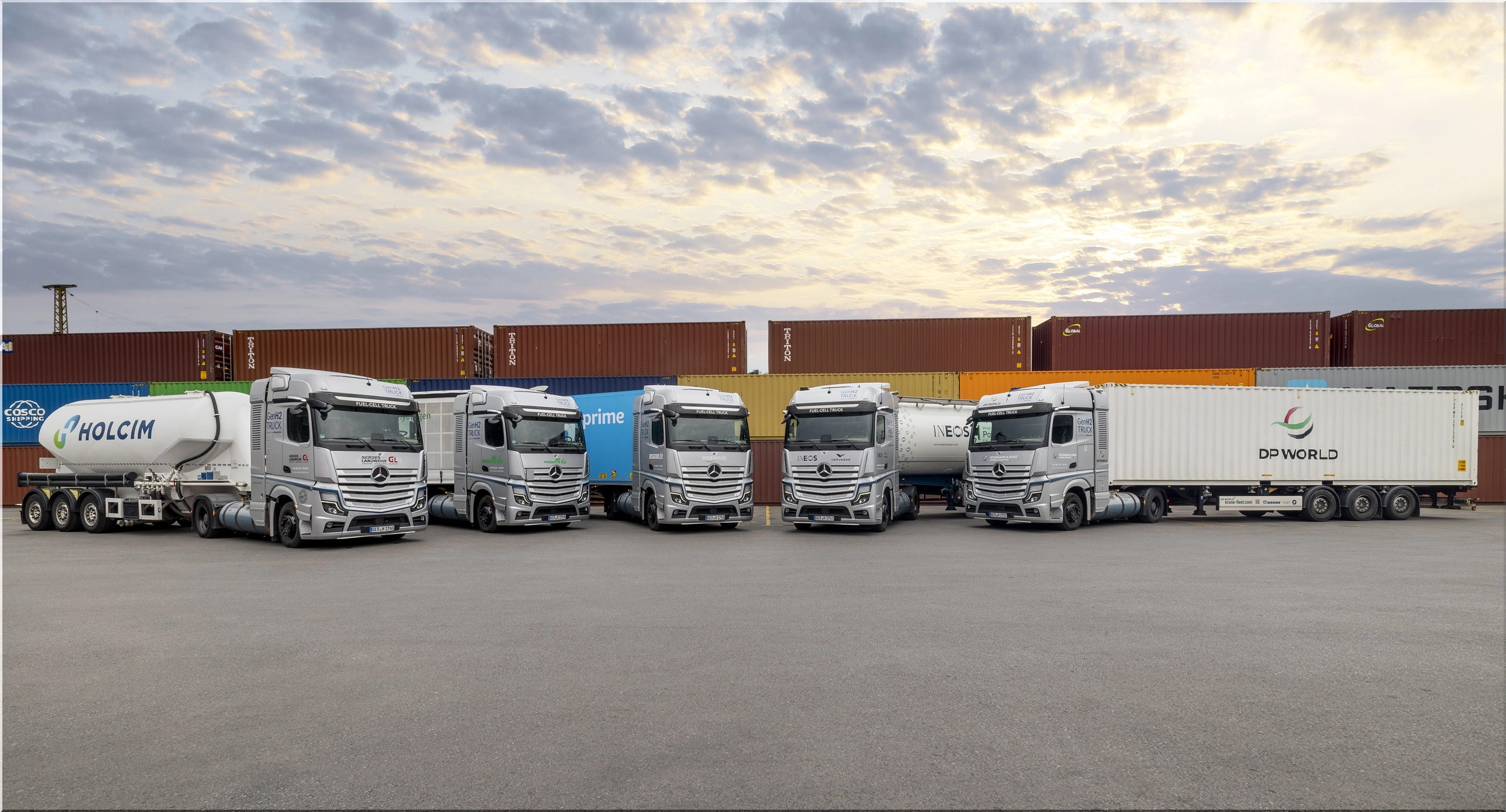
The trucks refueled 285 times and used about 15 tons of liquid hydrogen (sLH2). The trial covered logistics for Amazon, Air Products, Holcim, INEOS Inovyn, and Wiedmann & Winz.
This dataset gives fleet managers a baseline. It sets the range and fuel burn that planners can use today. It also exposes bottlenecks. The biggest one remains station coverage, not vehicle hardware.
Key Field Results From Daimler’s GenH2 Program
- Distance: >225,000 km across five trucks.
- Hydrogen use: 5.6–8.0 kg/100 km depending on payload and route.
- Refuels: 285; ~15,000 kg dispensed.
- Range: 1,000+ km per fill on sLH2.
- Refuel time: 10–15 minutes.
- Tanks: two 40 kg sLH2 tanks.
Why liquid hydrogen, not gaseous?
sLH2 packs higher energy density than compressed gas. That improves payload, supports long routes, and eases transport logistics.
What The Data Implies For Total Cost Of Ownership
The field average pencils to about 6.7 kg/100 km across the fleet. At that burn, TCO parity hinges on the at-the-pump hydrogen price.
Studies frame that price between $4–6/kg for heavy-duty TCO parity. Today’s retail hydrogen in Europe averages $12–22/kg. At 6–8 kg per 100 km, that equals $72–176 per 100 km. Diesel at European fleet rates costs closer to $35–40 per 100 km.
Bottom line: vehicle efficiency looks competitive. Fuel price doesn’t. The gap must close for TCO parity on long-haul routes.
Europe’s Policy Signal: H2 Stations Every 200 Km By 2030
AFIR sets binding deployment targets. By 2030, hydrogen refueling must appear every 200 km on TEN-T core corridors, plus urban nodes. That policy focuses investors and OEMs on a shared map.
Daimler has called for around 2,000 hydrogen stations across Europe by 2030 to support fleet scale.
The State Of Supply: IEA And EU Signals On Cost
IEA expects renewable hydrogen production costs to drop fast. In a net-zero pathway, renewable hydrogen could fall to $2–9/kg by 2030, nearly half today’s cost.
EU funding is sharpening price discovery. The European Hydrogen Bank’s auctions awarded hundreds of millions of dollars to early projects. Winning bids sought $0.41–$0.53/kg as a fixed premium. That premium helps close the cost gap between production and market.
Projected Hydrogen Fuel Cost Curves (2025–2040)
These ranges combine IEA production-cost trajectories with EU auction signals. They show delivered-to-station prices relevant for heavy-duty trucking in Europe.
Indicative delivered hydrogen price ranges for EU truck refueling
| Year | Delivered H2 price (USD/kg) | What drives the range |
|---|---|---|
| 2025 | 12–22 | Current EU pump data; low utilization; high logistics costs |
| 2030 | 6–12 | IEA production declines; AFIR stations online; EU support reduces spread |
| 2035 | 4–8 | Higher throughput; maturing supply chains; stronger power contracts |
| 2040 | 3–6 | Scale and learning; cross-border pipelines and hubs |
Two levers that bend the curve
- Utilization: Higher station throughput lowers cost per kg.
- Electricity and electrolyzers: Cheaper renewable power and falling electrolyzer costs reduce production prices.