EV shoppers in 2026 want the same four things: low monthly cost, real-world range, painless charging, and confidence the car won’t turn ownership into a side quest.
This guide ranks the 10 cheapest new EVs you can buy in 2026 (U.S. market) by starting MSRP, then breaks ties using EPA-estimated range on the most affordable trim (or the closest published equivalent).
How this ranking works
- Primary rank: lowest starting MSRP
- Tie-breaker: higher EPA-estimated range
- What you’ll see for each EV:
- Starting MSRP
- Range on the cheapest version (or closest published base spec)
- Best-range configuration (when it differs)
Pro-Tip: If you road-trip more than a few times a year, don’t buy on MSRP alone. Buy on the combo of range + charging access + charging speed.
The list: 10 cheapest EVs in 2026
| Rank | Electric car (2026) | Starting MSRP | Range (cheapest version) | Best range in lineup |
|---|---|---|---|---|
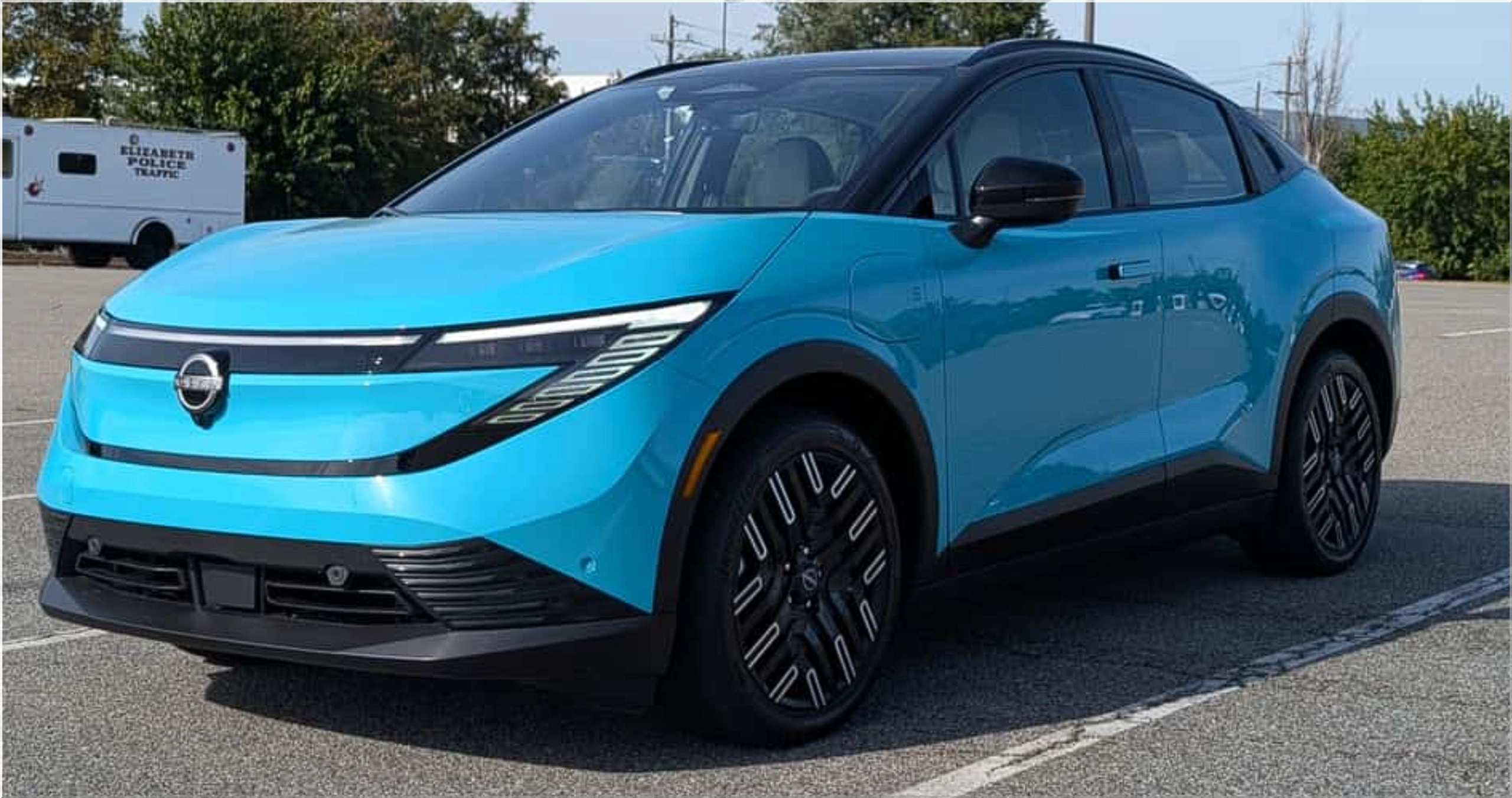
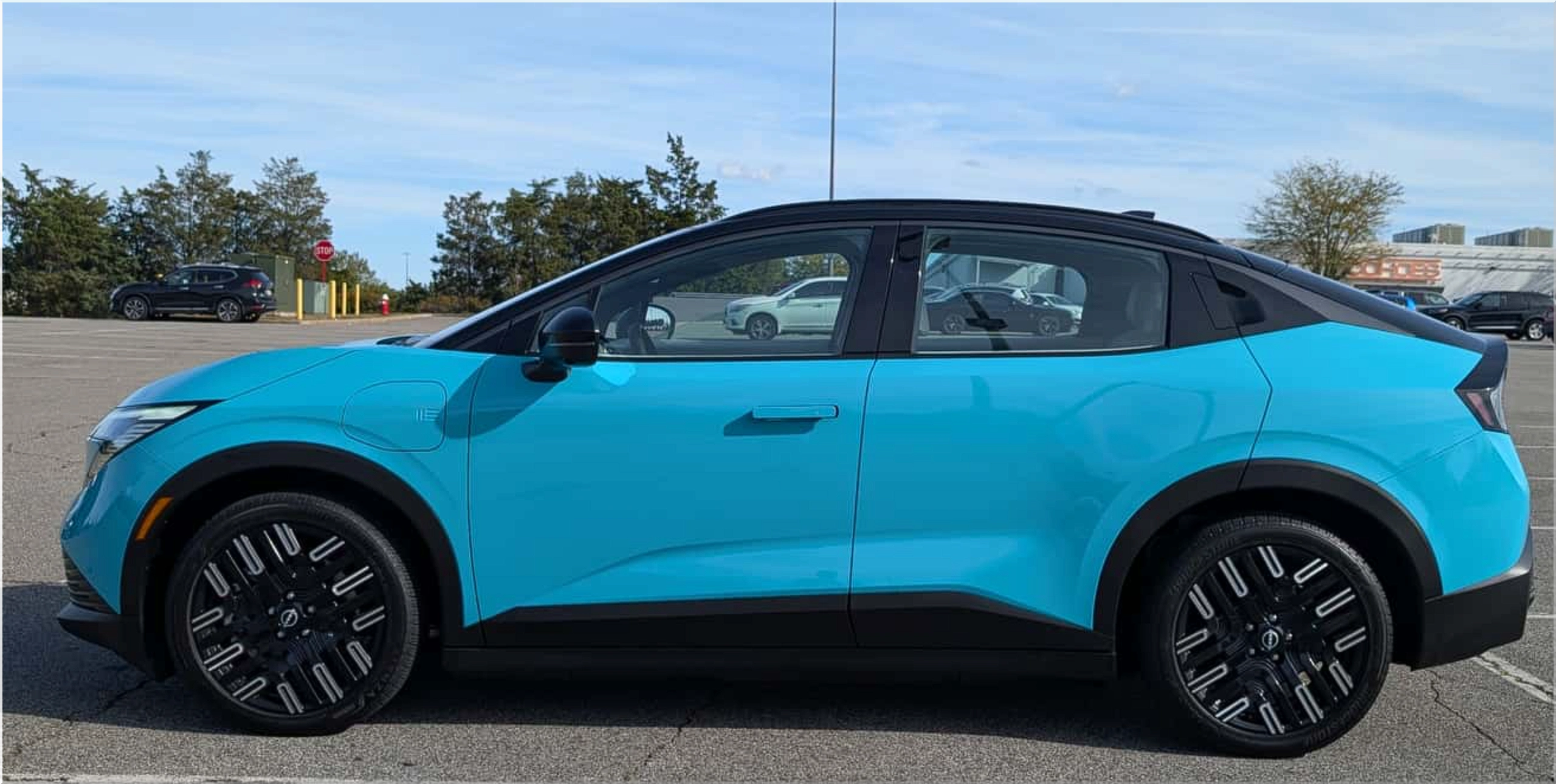
| 1 | Nissan Leaf S+ | $29,990 | 303 mi | 303 mi |
| 2 | Hyundai Kona Electric | $32,975 | 200 mi | 200 mi |
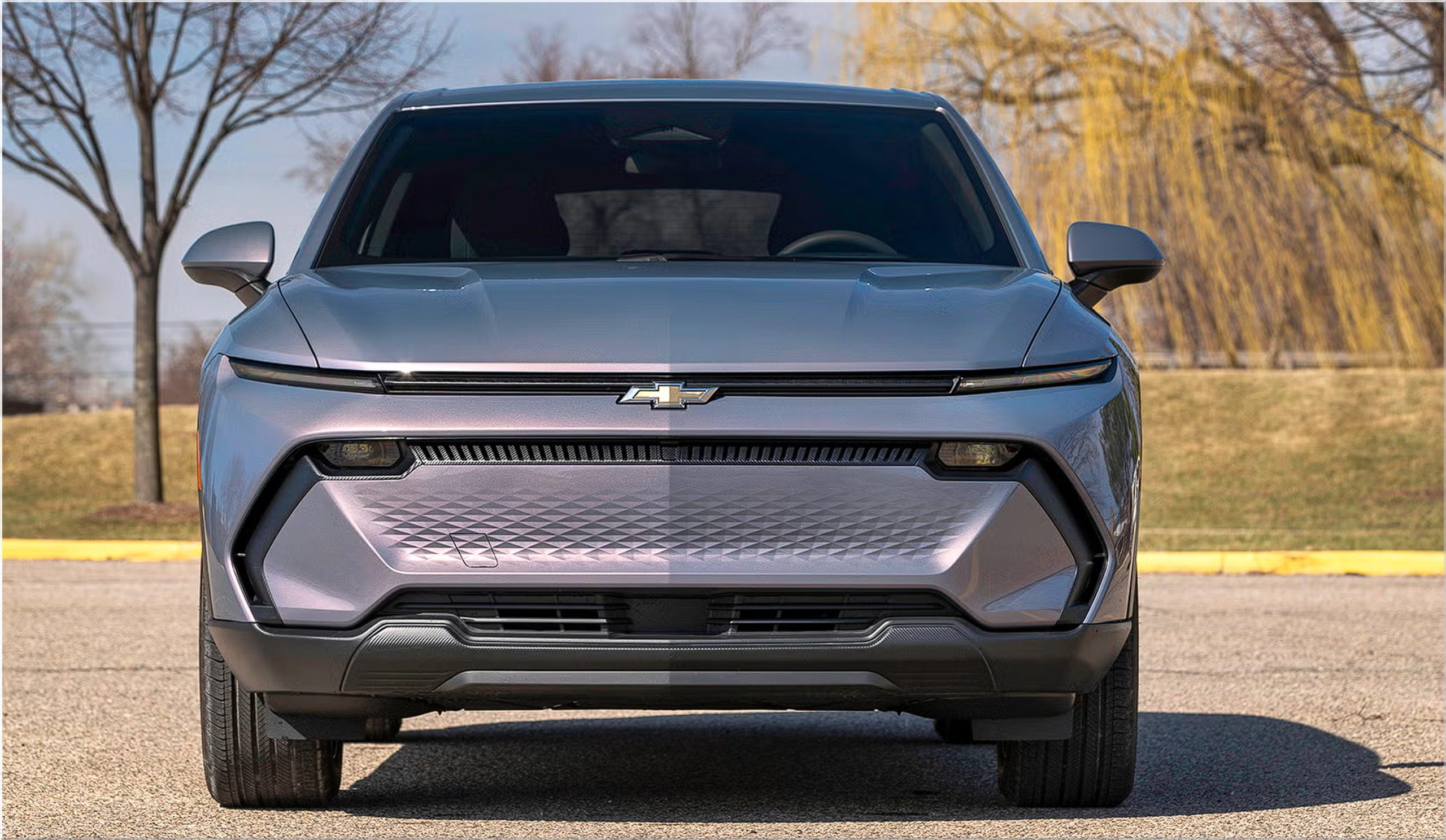
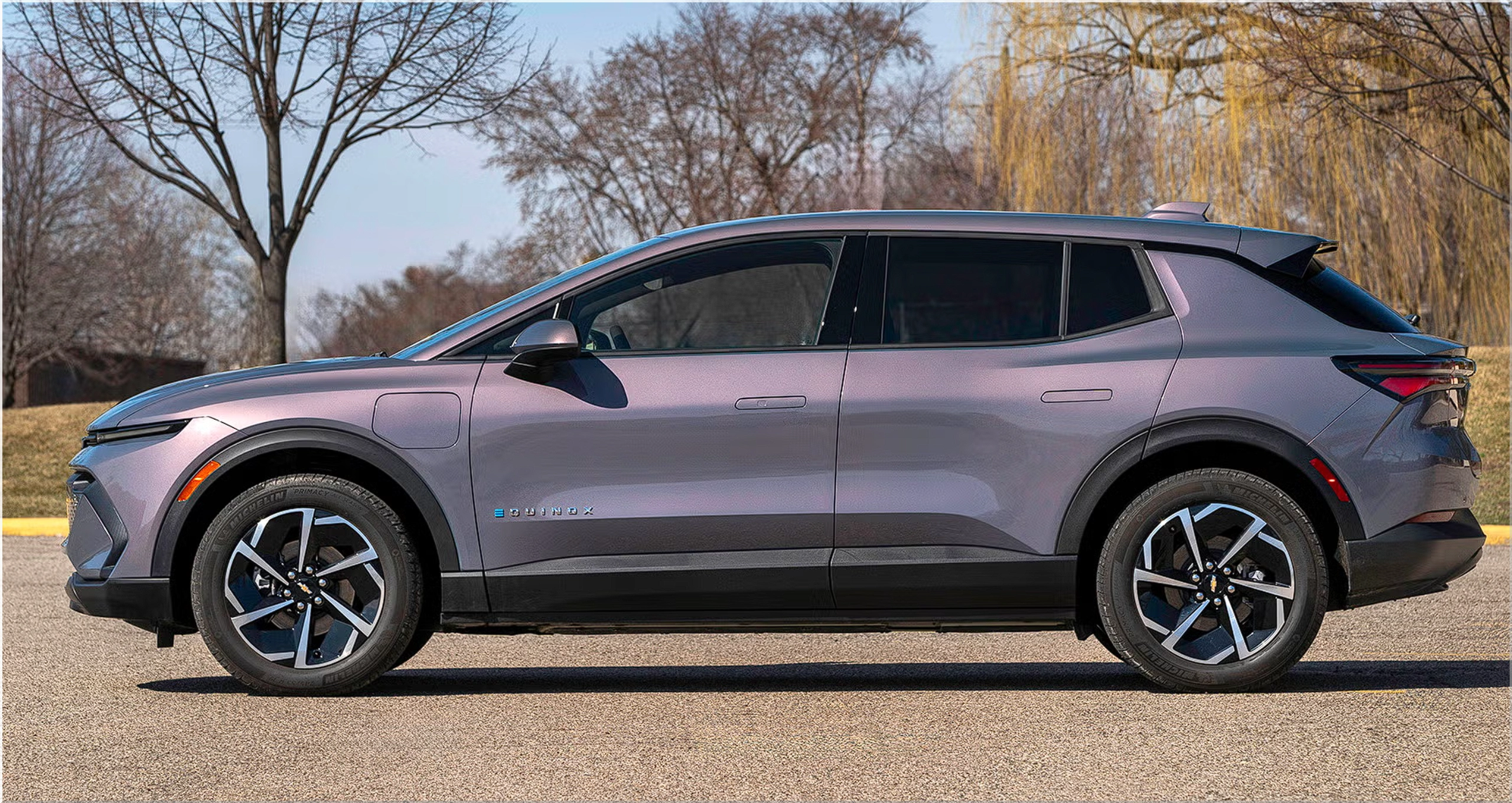
| 3 | Chevrolet Equinox EV LT | $34,995 | 319 mi (FWD) | 319 mi |
| 4 | Toyota bZ XLE FWD | $36,350 | 236 mi | 314 mi (XLE Plus FWD) |
| 5 | Fiat 500e | $37,695 | 149 mi | 149 mi |
| 6 | Hyundai Ioniq 5 SE | $36,600 | Varies by trim | 303 mi (max advertised) |
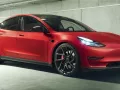
| 7 | Tesla Model 3 Standard | $38,630 | 321 mi | 321 mi |
| 8 | Ford Mustang Mach-E Select | $39,840 (est) | 260 mi (RWD) | Higher on extended-range trims |
| 9 | Volvo EX30 | $40,245 | 261 mi (Single Motor ER) | 261 mi |
| 10 | Volkswagen ID.4 | $45,095 | 291 mi (ID.4 Pro) | 291 mi |
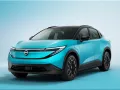
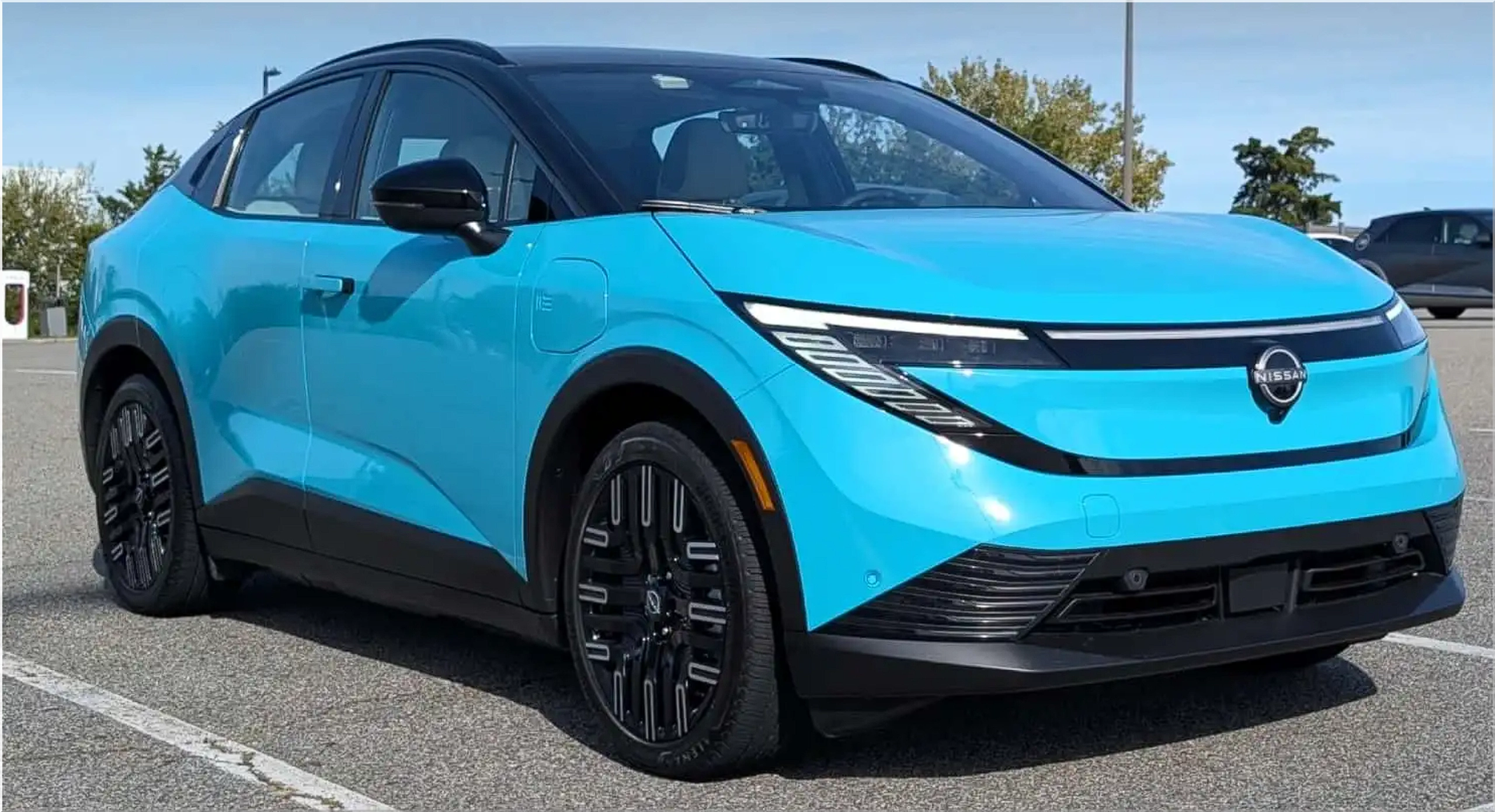
1) 2026 Nissan Leaf S+ (Best budget range story)
- Starting MSRP: $29,990
- Range: 303 miles (EPA-est.)
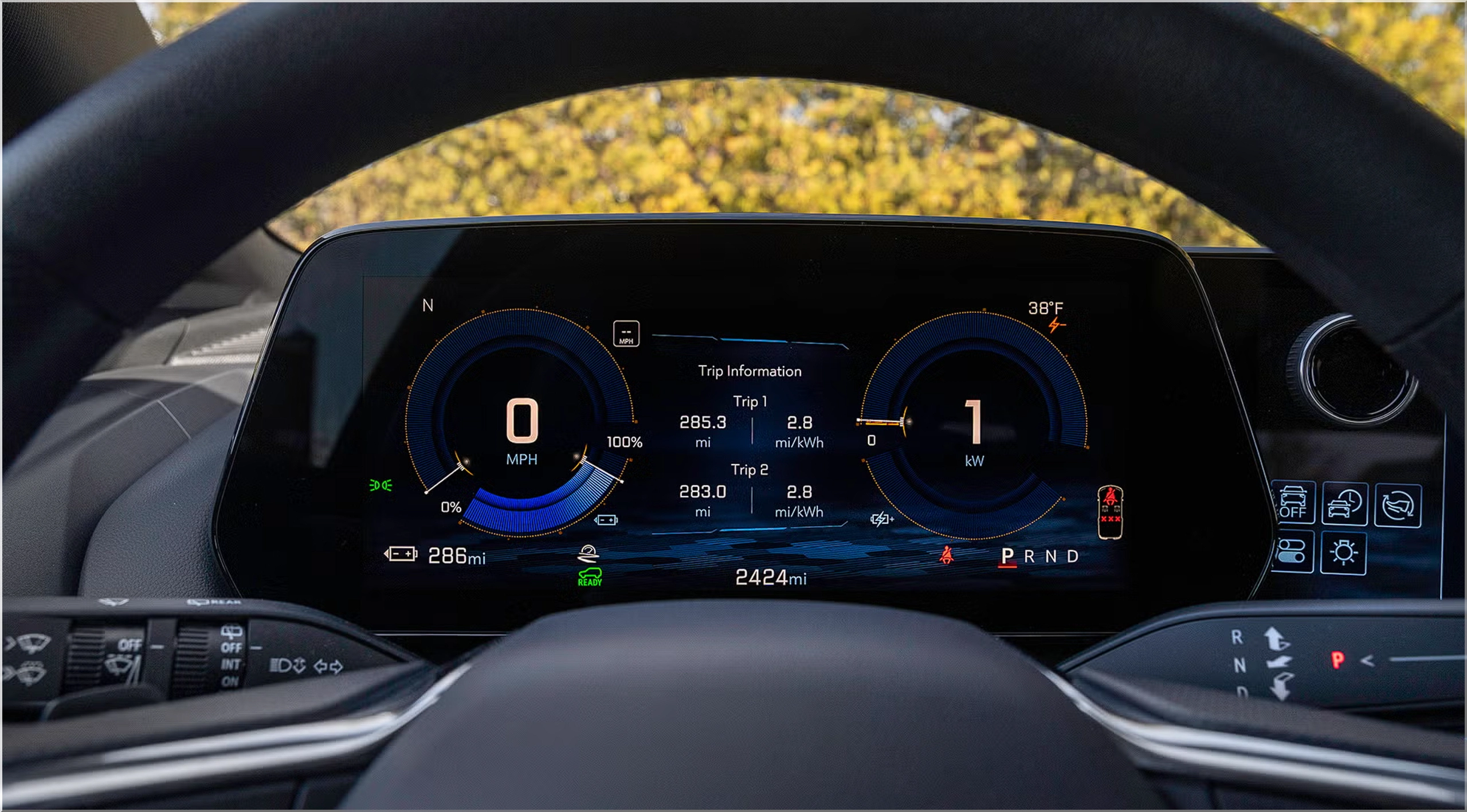
- Charging reality: Built-in NACS fast-charge port plus a separate J1772 port for Level 2.
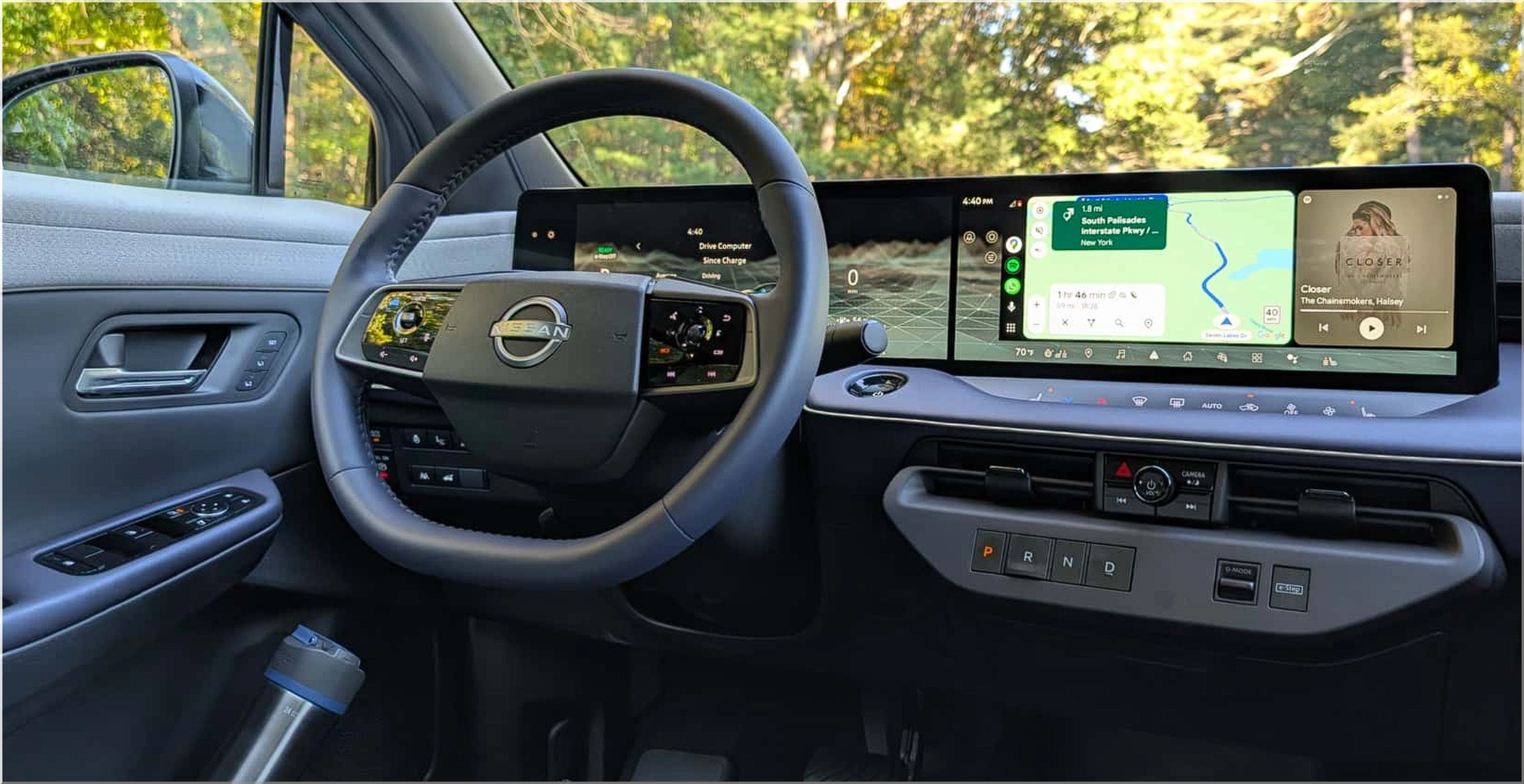
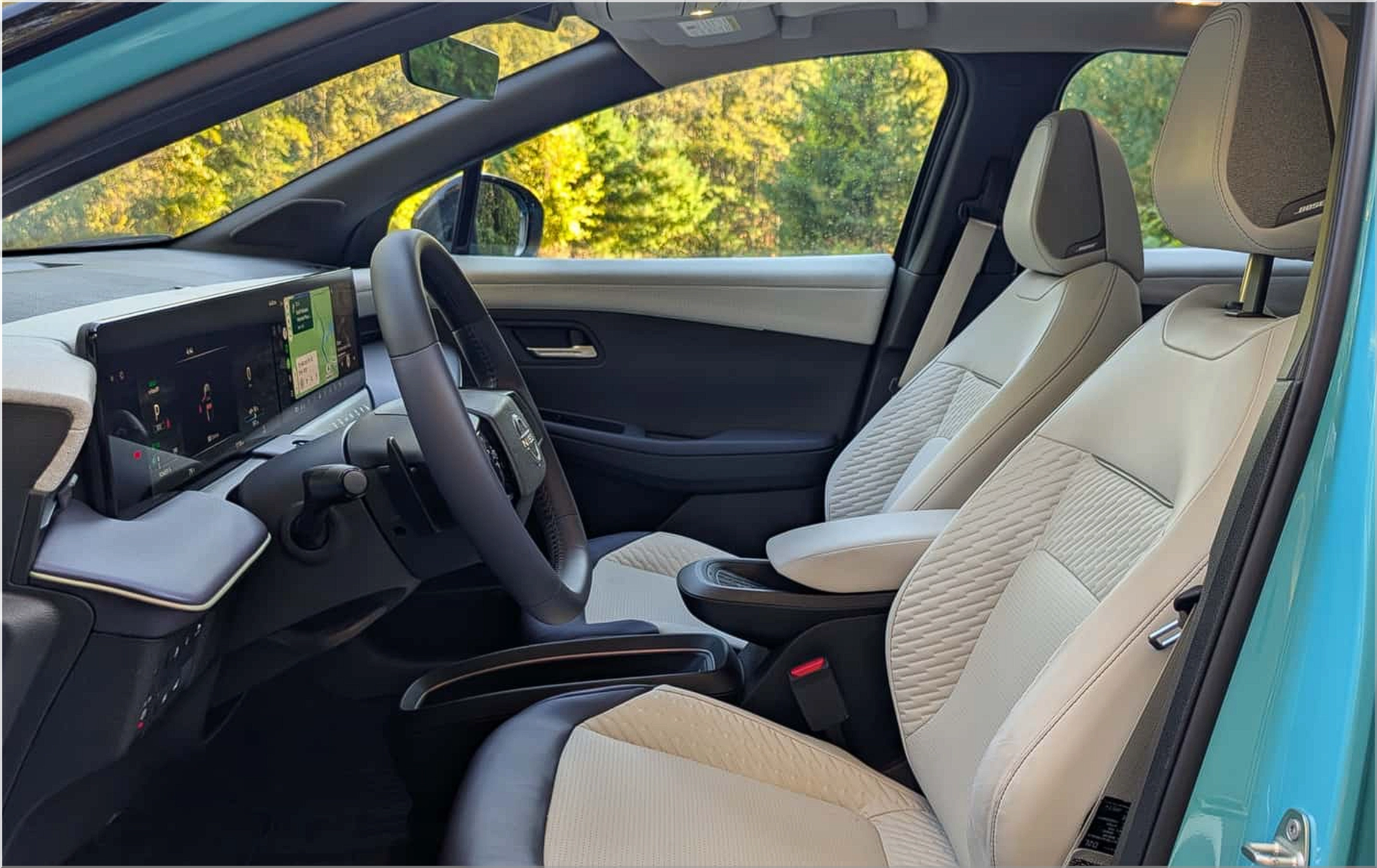
This is the “I want an EV, not a hobby” pick. The 2026 Nissan Leaf S+ pairs real range with modern charging access, and it does it under $30k.
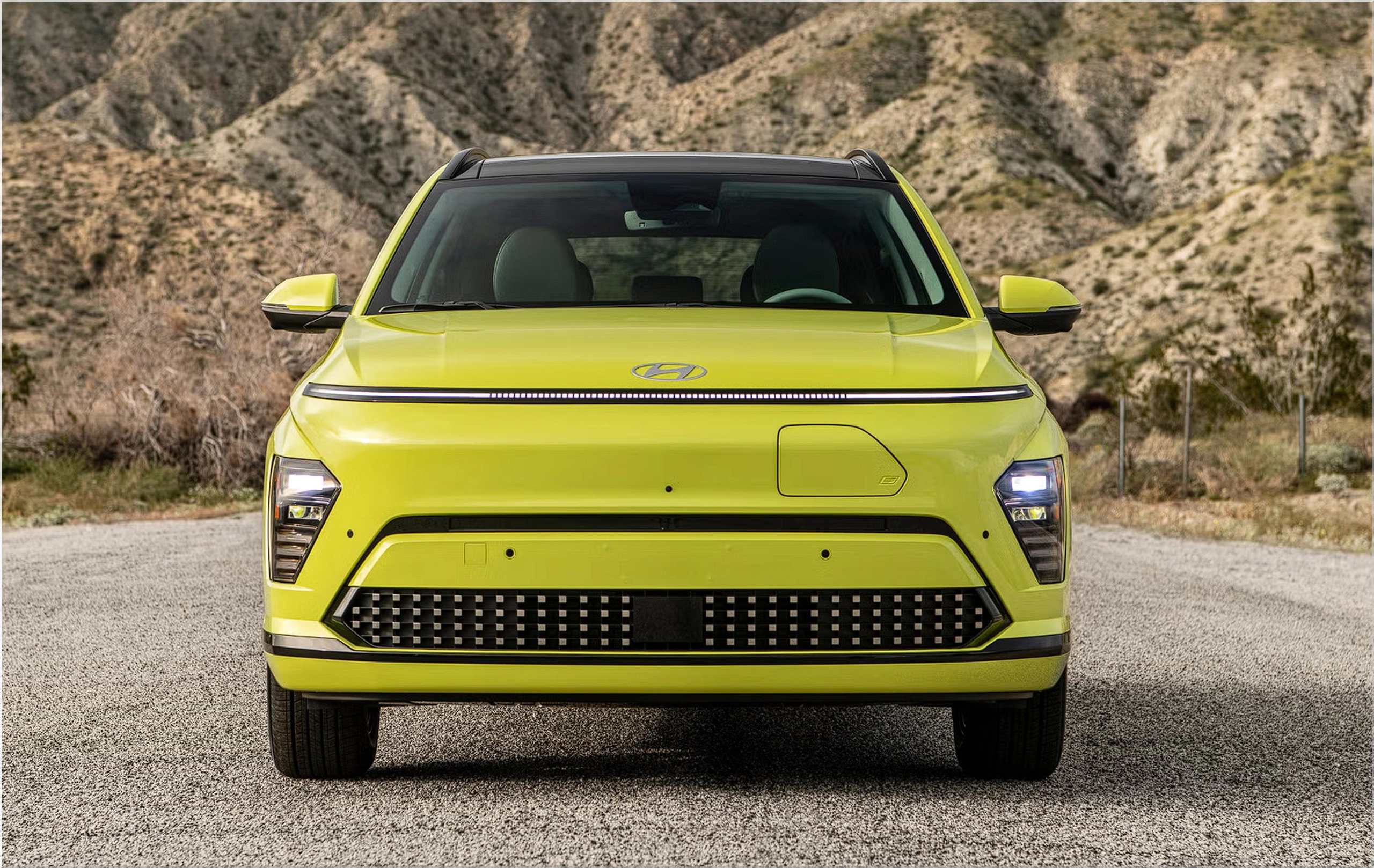
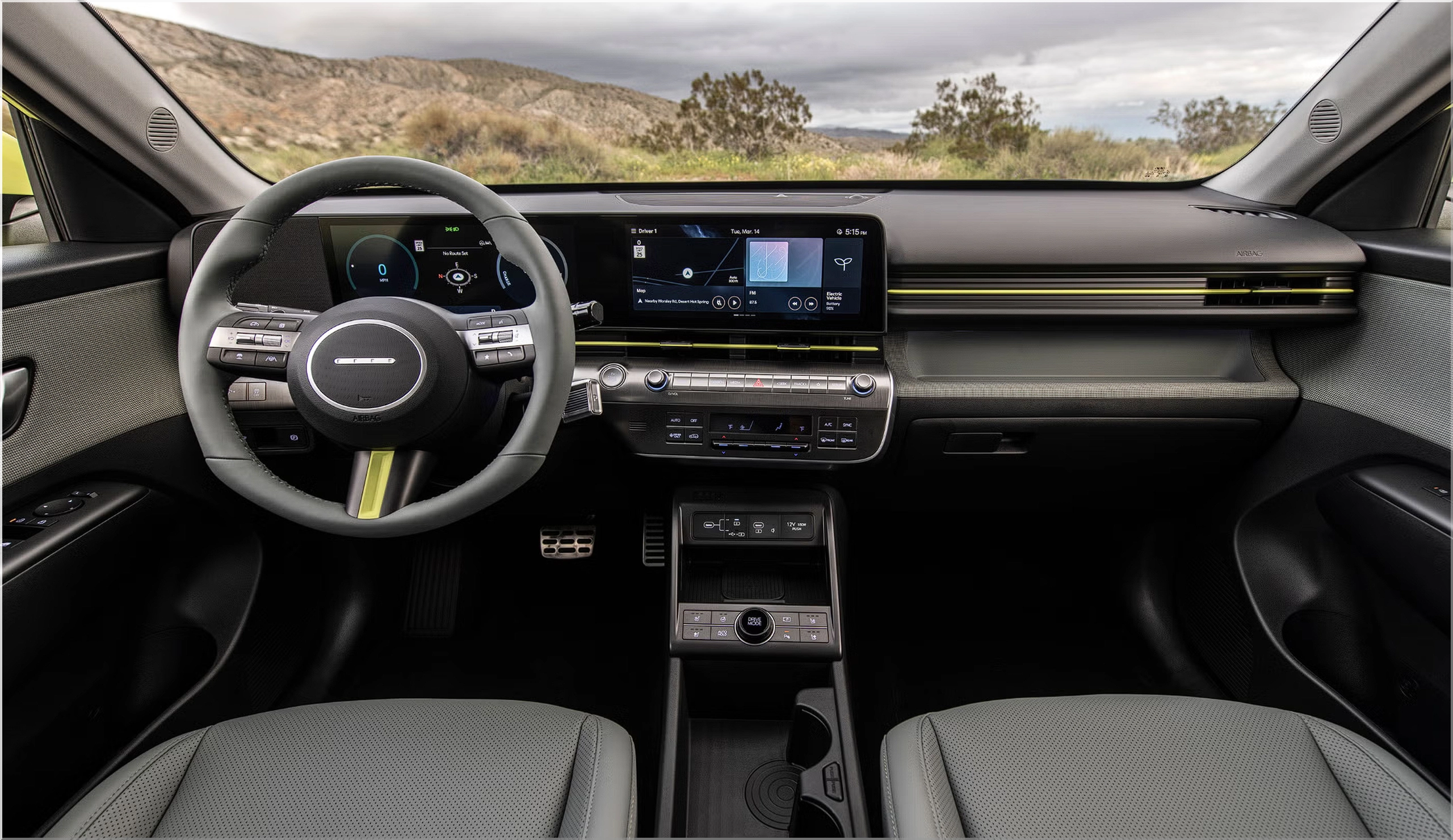
2) 2026 Hyundai Kona Electric (Lowest new-EV entry price that’s widely advertised)
- Starting MSRP: $32,975
- Range: 200 miles (EPA-est.)
- Best use case: city driving, commuting, and predictable daily routes.
The Kona Electric wins on sticker price, but it’s not a road-trip hero. If you can charge at home and mostly drive locally, 200 miles can still feel easy.
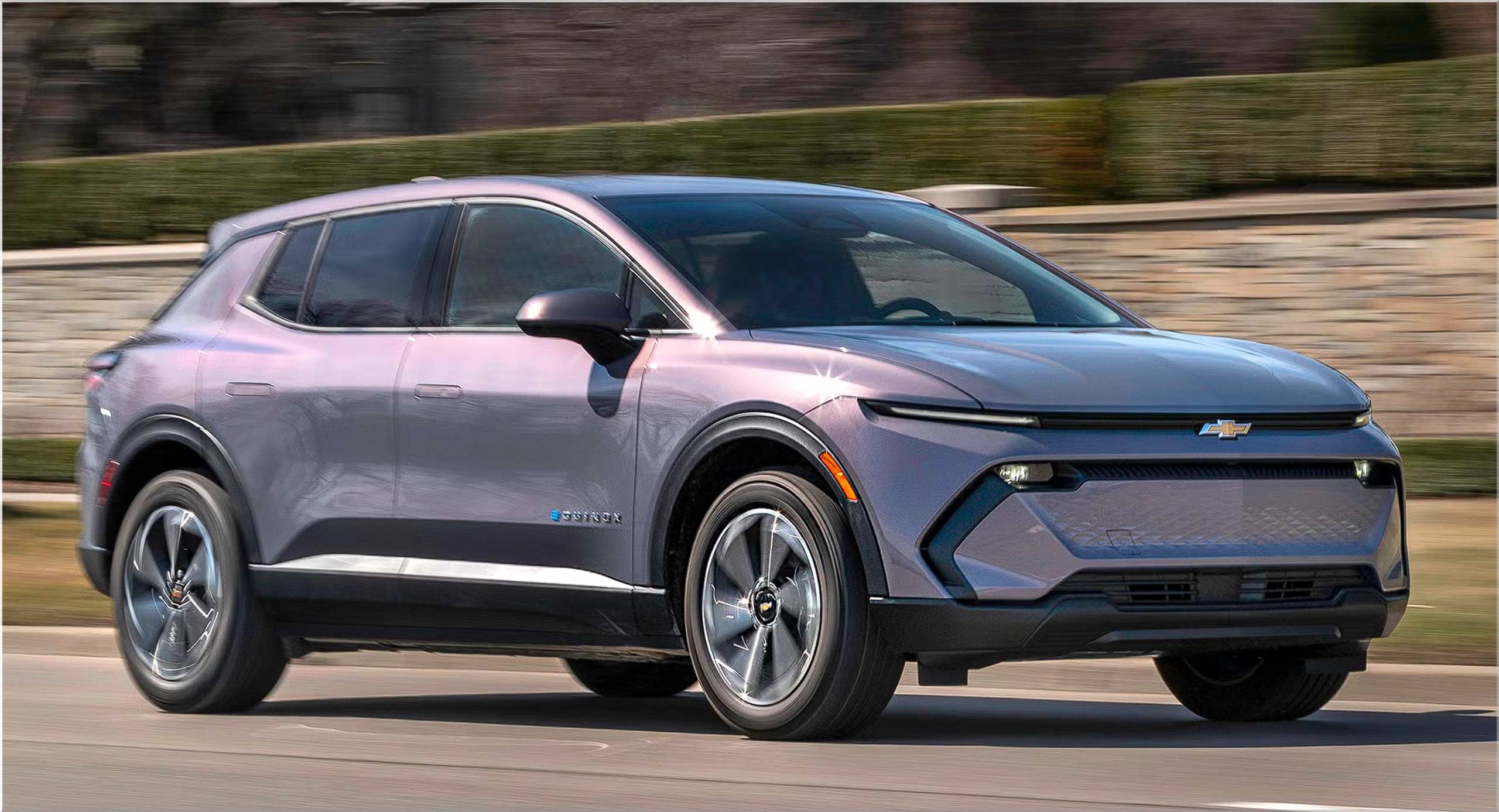
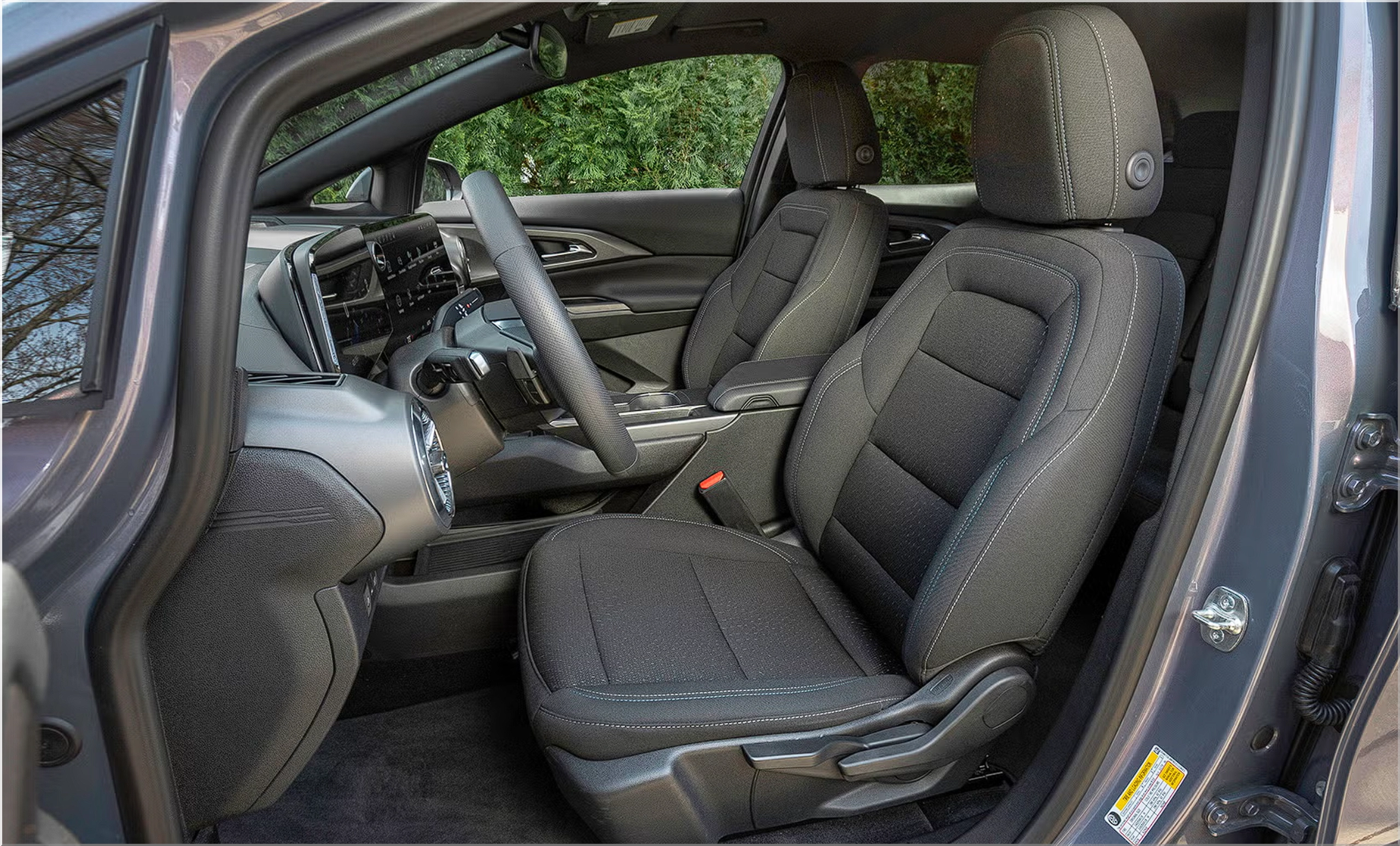
3) 2026 Chevrolet Equinox EV (Most range per dollar among mainstream SUVs)
- Starting MSRP: $34,995
- Range: 319 miles (EPA-est., FWD)
- Why shoppers like it: big range, SUV practicality, and a price that doesn’t require “luxury EV” coping mechanisms.
If you want a value EV SUV with legit range, this 2026 Chevrolet Equinox EV is the one that keeps showing up in smart shortlists.
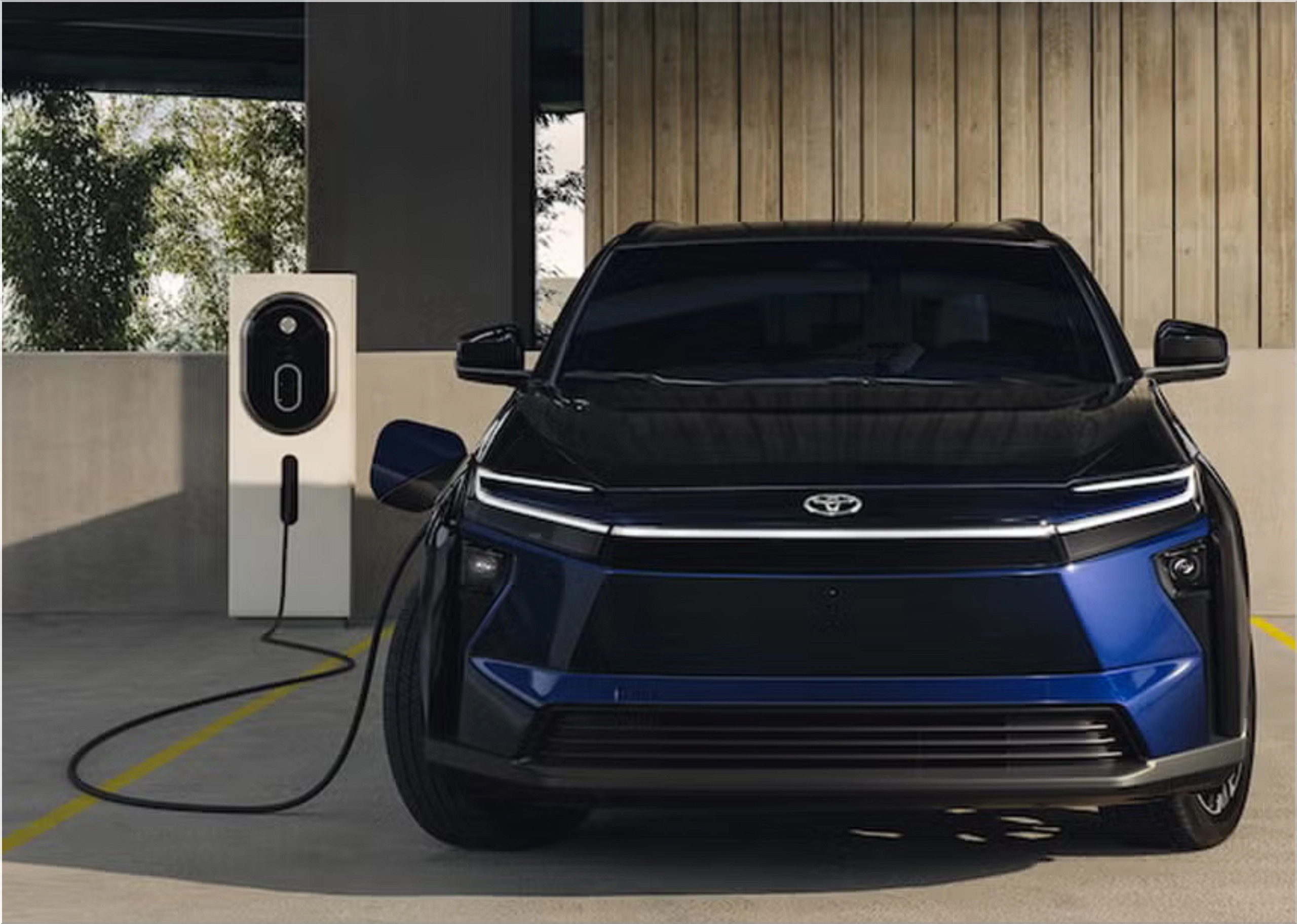
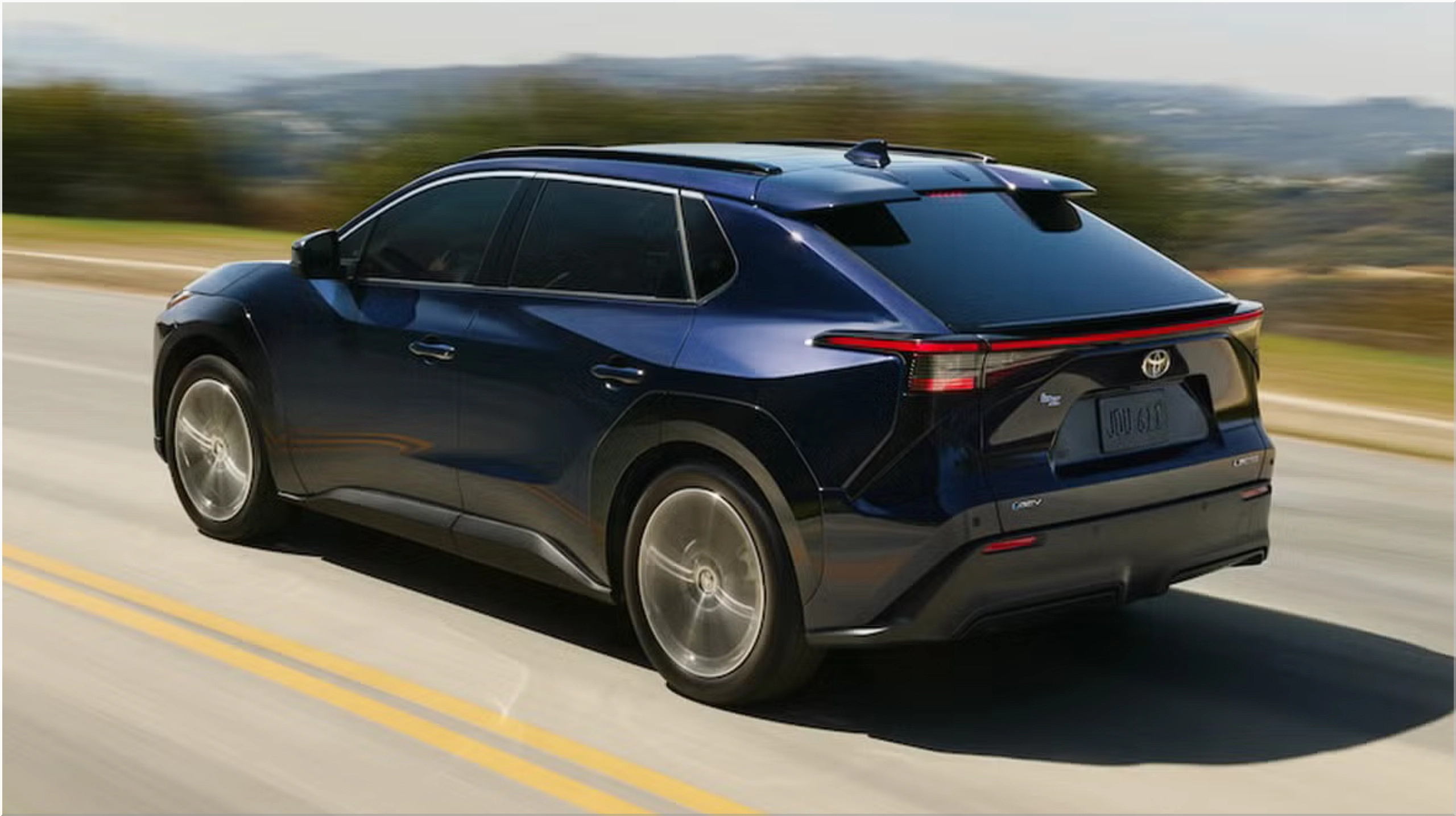
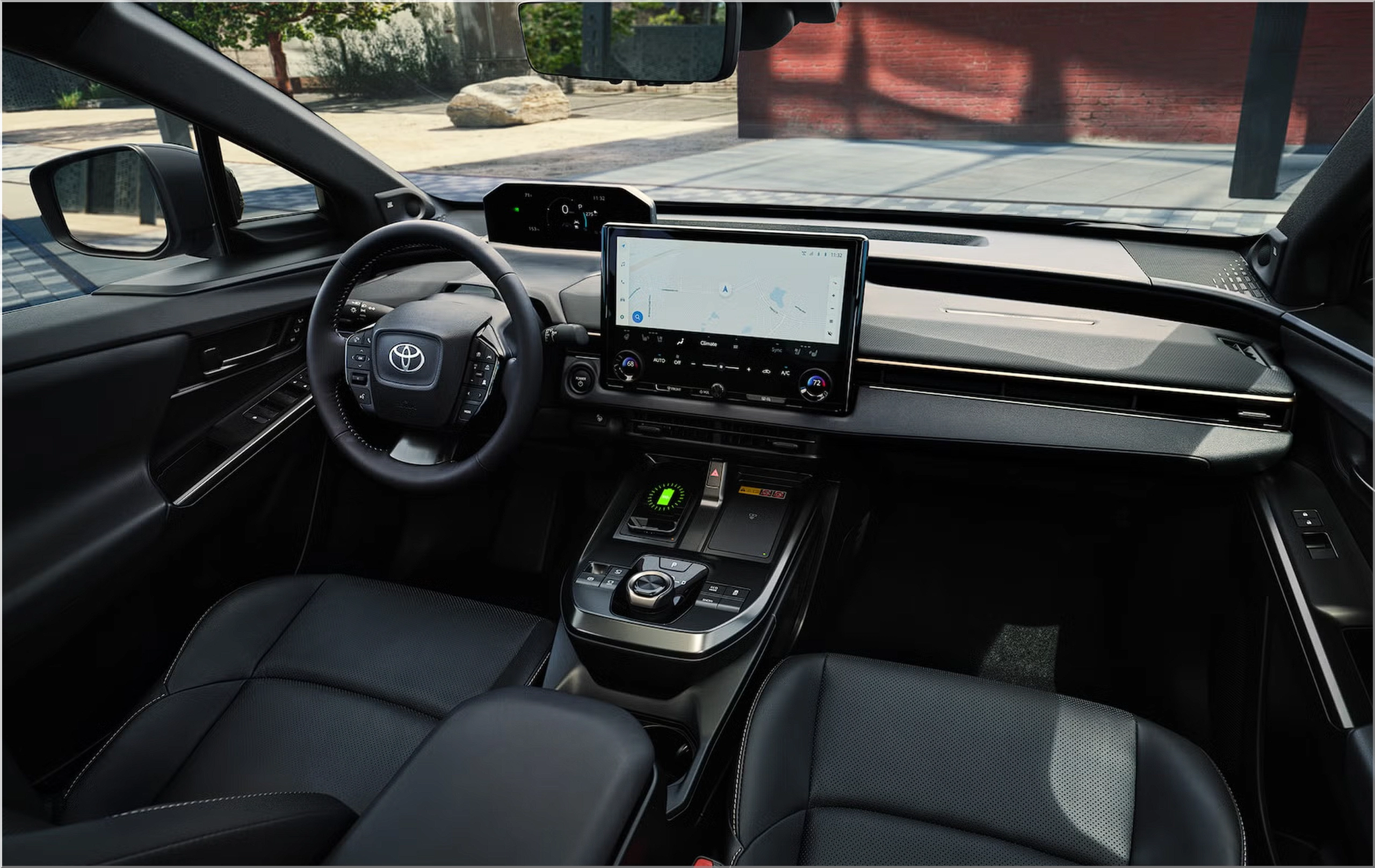
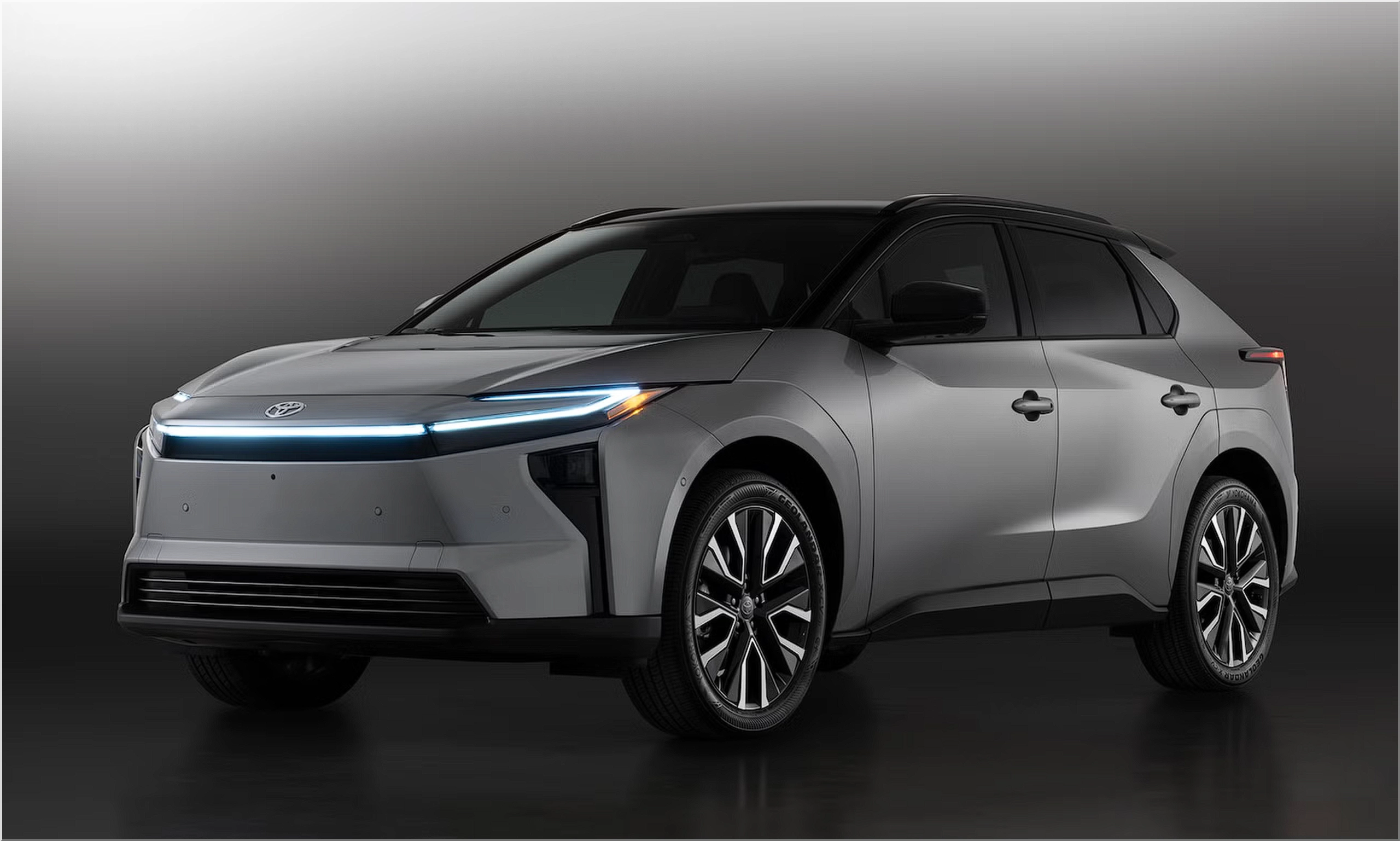
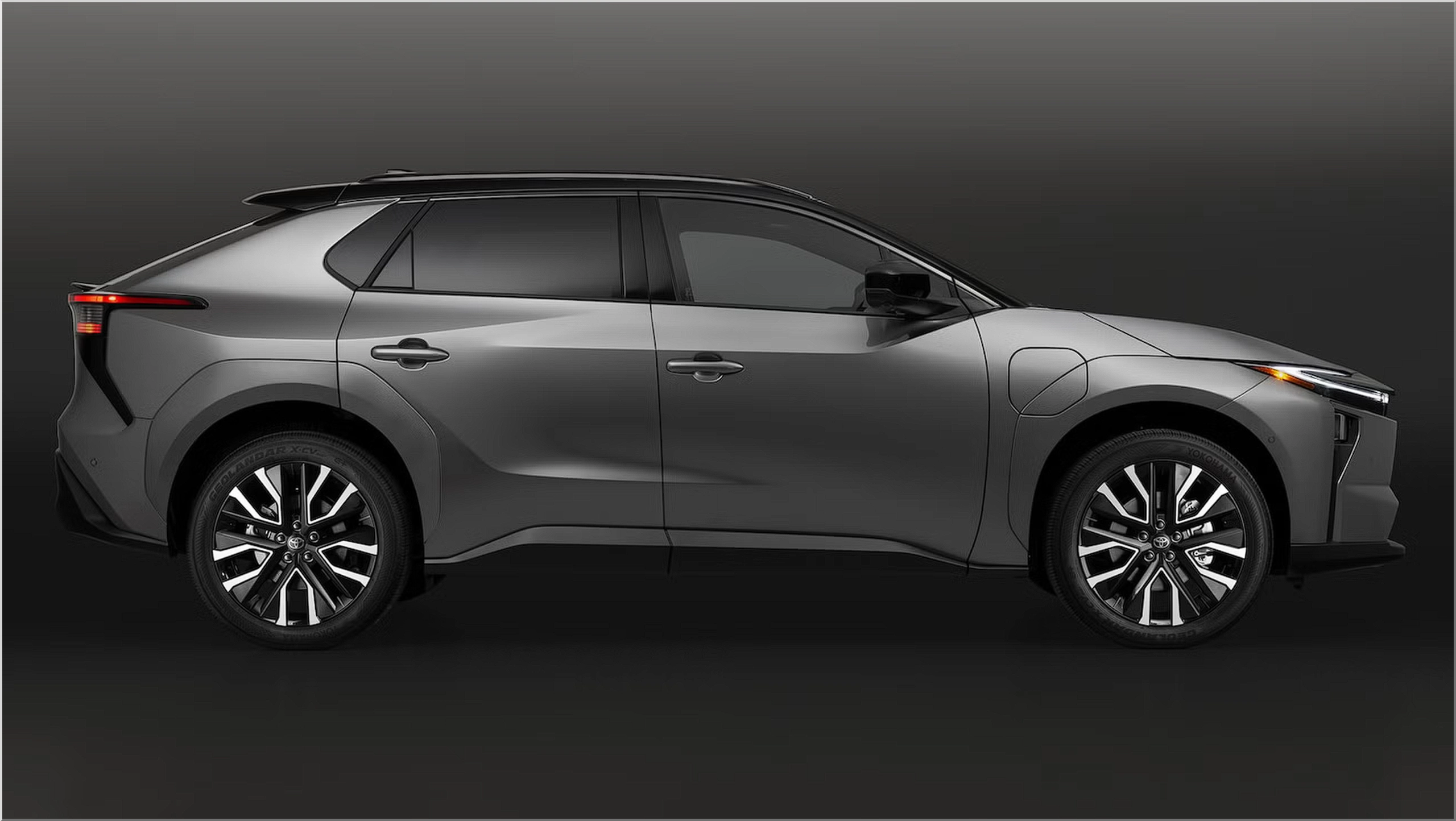
4) 2026 Toyota bZ (Wide range spread, so trim choice matters)
- Starting MSRP: $36,350
- Range on cheapest version: 236 miles
- Best range: 314 miles (XLE Plus FWD)
Toyota basically offers two different ownership experiences depending on trim. The base model is fine for daily use, while the higher-range version is the one that makes the Toyota bZ feel competitive.
5) 2026 Fiat 500e (Cheapest “fun city EV,” not a cheap long-range EV)
- Starting MSRP: $37,695
- Range: 149 miles (EPA-est.)
- Who it’s for: urban drivers who value compact size and style over distance.
This is the EV equivalent of buying shoes you love even though they’re not for hiking. 2026 Fiat 500e is great in its lane, wrong tool for long trips.
6) 2026 Hyundai Ioniq 5 (Big value jump after price cuts)
- Starting MSRP: $36,600
- Range: varies by trim
- Max advertised range: 303 miles (EPA-est.)
The Ioniq 5 can be a strong value buy in 2026, especially if you prioritize fast-charging-friendly road trips and a roomy cabin. Confirm the exact trim’s EPA range before you sign.
7) 2026 Tesla Model 3 Standard (Best “range and charging ecosystem” combo)
- Starting price: $38,630
- Range: 321 miles (EPA-est.)
- Charging advantage: Tesla’s routing + Supercharger experience remains the easiest road-trip flow for most drivers.
If you want maximum range near $40k and you road-trip regularly, this is the cleanest one-line argument in the market.
8) 2026 Ford Mustang Mach-E Select (Affordable entry to a bigger battery ladder)
- Starting price (est.): about $39,840
- Range (Select RWD): 260 miles
- Why it sells: crossover practicality plus strong performance trims if you upgrade later.
Mach-E makes sense if you want Ford’s driving feel and styling but still want a price that doesn’t launch you into premium territory.
9) 2026 Volvo EX30 (Small SUV, real range, higher starting price than originally promised)
- Starting MSRP: $40,245
- Range: 261 miles (EPA-est., Single Motor ER)
EX30 is compelling if you want compact size and modern design without sacrificing range. Just don’t buy it expecting the originally teased “mid-$30k” pricing.
10) 2026 Volkswagen ID.4 (Solid range, higher starting MSRP)
- Starting MSRP: $45,095
- Range: 291 miles (EPA-est., ID.4 Pro)
- Bonus value lever: included charging plan benefits can reduce early ownership costs.
If you want a familiar, practical EV SUV and you like VW’s drive feel, VW ID.4 stays competitive. It’s simply not “cheap” by MSRP anymore.

Incentives in 2026: what shoppers should assume
Incentives are a moving target. As of late 2025, major federal policy changes created real uncertainty and in some cases removed credits entirely.
Use these rules to protect yourself:
- Treat any incentive as a bonus, not a guarantee.
- Ask the dealer for a written breakdown showing:
- MSRP
- dealer discount
- rebates/incentives
- taxes/fees
- final out-the-door price
- If you’re shopping used, confirm whether used EV credits still apply in your location and time of purchase.
Pro-Tip: If a deal depends on a credit to “make the math work,” assume the math might stop working.
Charging cost: how to estimate your real monthly spend
You don’t need perfect math. You need a realistic range.
- Estimate miles per month (example: 1,000 miles).
- Use a safe consumption estimate of 3.0 miles per kWh if you don’t know the car’s efficiency.
- Divide miles by miles/kWh to get kWh needed.
- 1,000 / 3.0 = 333 kWh
- Multiply by your electricity rate.
- 333 kWh x $0.15 = about $50/month
Public DC fast charging usually costs more per mile than home charging. Plan your budget around home or workplace charging if possible.
Reliability: what matters more than brand in 2026
Modern EV reliability usually comes down to three things:
- Battery thermal management (better for performance consistency and charging repeatability)
- Software maturity (fewer bugs, fewer service visits)
- Service access (how easy it is to get parts and appointments)
What to check before you buy
- Battery warranty terms (years and mileage)
- Tire costs (EVs can eat tires faster due to weight and torque)
- Insurance quotes (some EVs surprise you here)
Definition: Battery thermal management
A system that heats or cools the battery to protect performance, charging speed, and long-term durability.


What now?
Pick your “non-negotiable” first, then buy the cheapest EV that meets it.
- If you want maximum range under $40k, start with Leaf S+ and Model 3 Standard.
- If you want SUV practicality with big range, start with Equinox EV.
- If you want lowest entry price and mostly local driving, look hard at Kona Electric.
- If you’re tempted by a low MSRP, verify the base trim’s range before you commit (hello, bZ base vs Plus).
There were a lot of electric cars sold in 2021. These are the top 10 most popular electric cars of 2021. If you look in car showrooms across the United States, you can find dozens of all-electric, electric, hybrid, and plug-in hybrid cars. In… Continue reading
The Nissan Leaf is one of the most popular electric vehicles (EVs) in the world, with over 10 million units sold since its launch in 2010. It is also one of the most affordable EVs, especially in the United States, where the 2024 Nissan… Continue reading
Electric cars are taking over the world. In 2023, more than 14 million electric cars were sold globally, accounting for 18% of total car sales. This is a remarkable increase from just 5% in 2020 and 9% in 2021. Electric cars are better for… Continue reading
Despite the situation in the automotive sector in Europe due to the pandemic caused by the COVID-19 coronavirus, sales of electric cars have been able to overcome the general decline in the market in March 2020. In March 2020, sales of electric cars… Continue reading