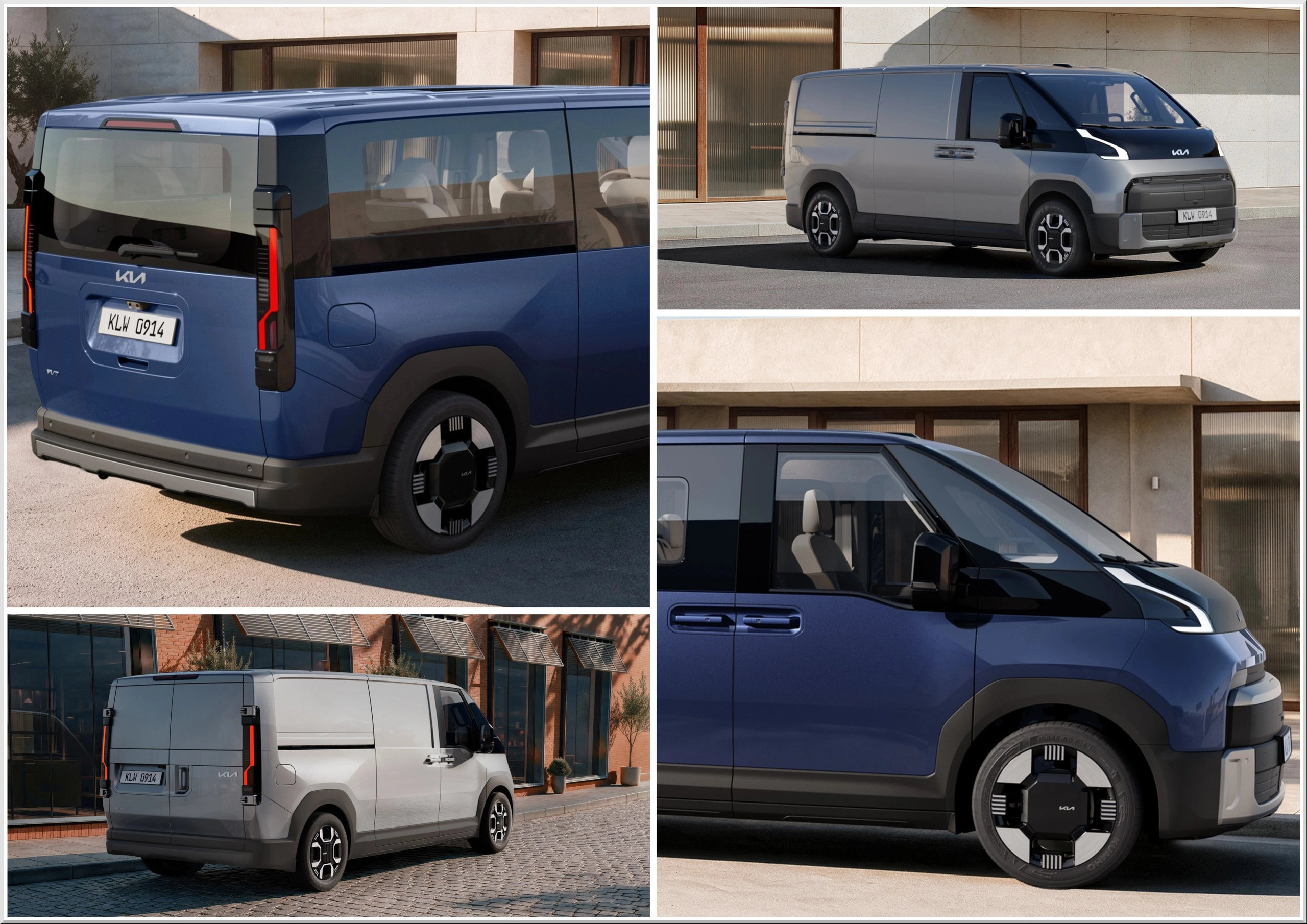
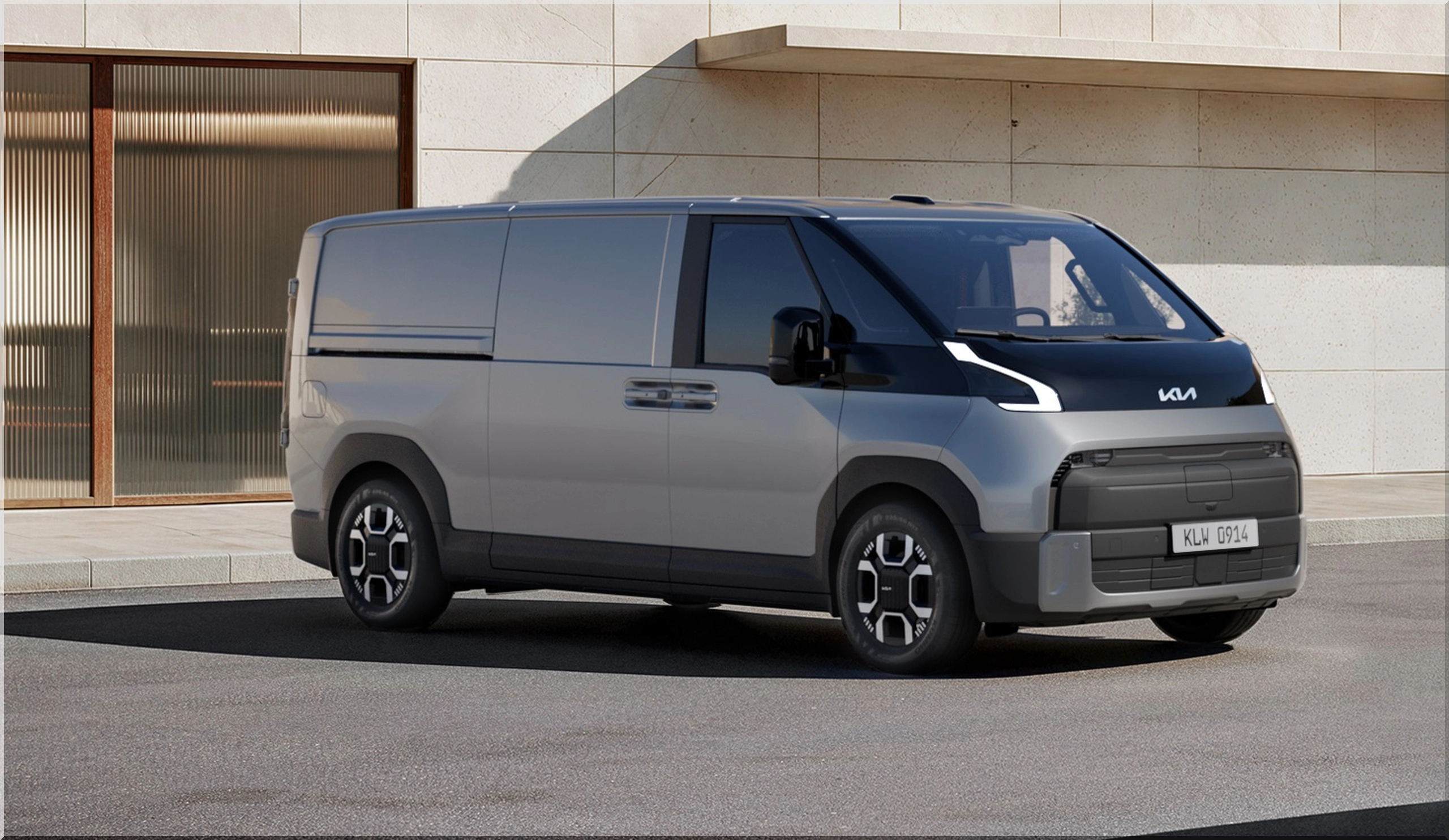
Kia plans to launch the 2027 Kia PV7 in Korea and Europe during the second half of 2027. The larger electric van pairs two NCM battery choices with up to 200 kW, an 800-volt charging system, and a preliminary WLTP target above 460 kilometers, or 286 miles. Kia has yet to confirm North American sales.
What Does the 2027 Kia PV7 Offer?
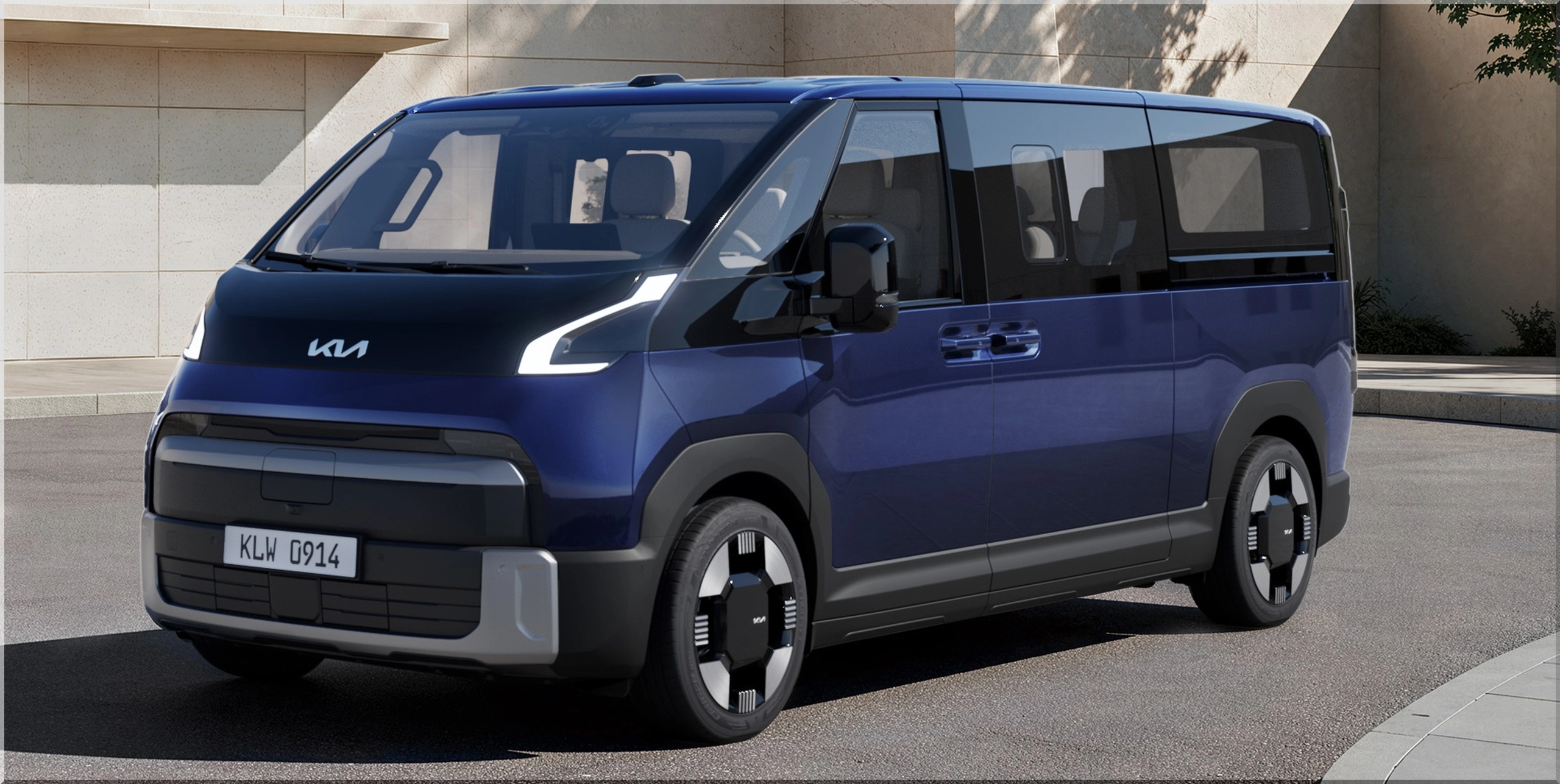
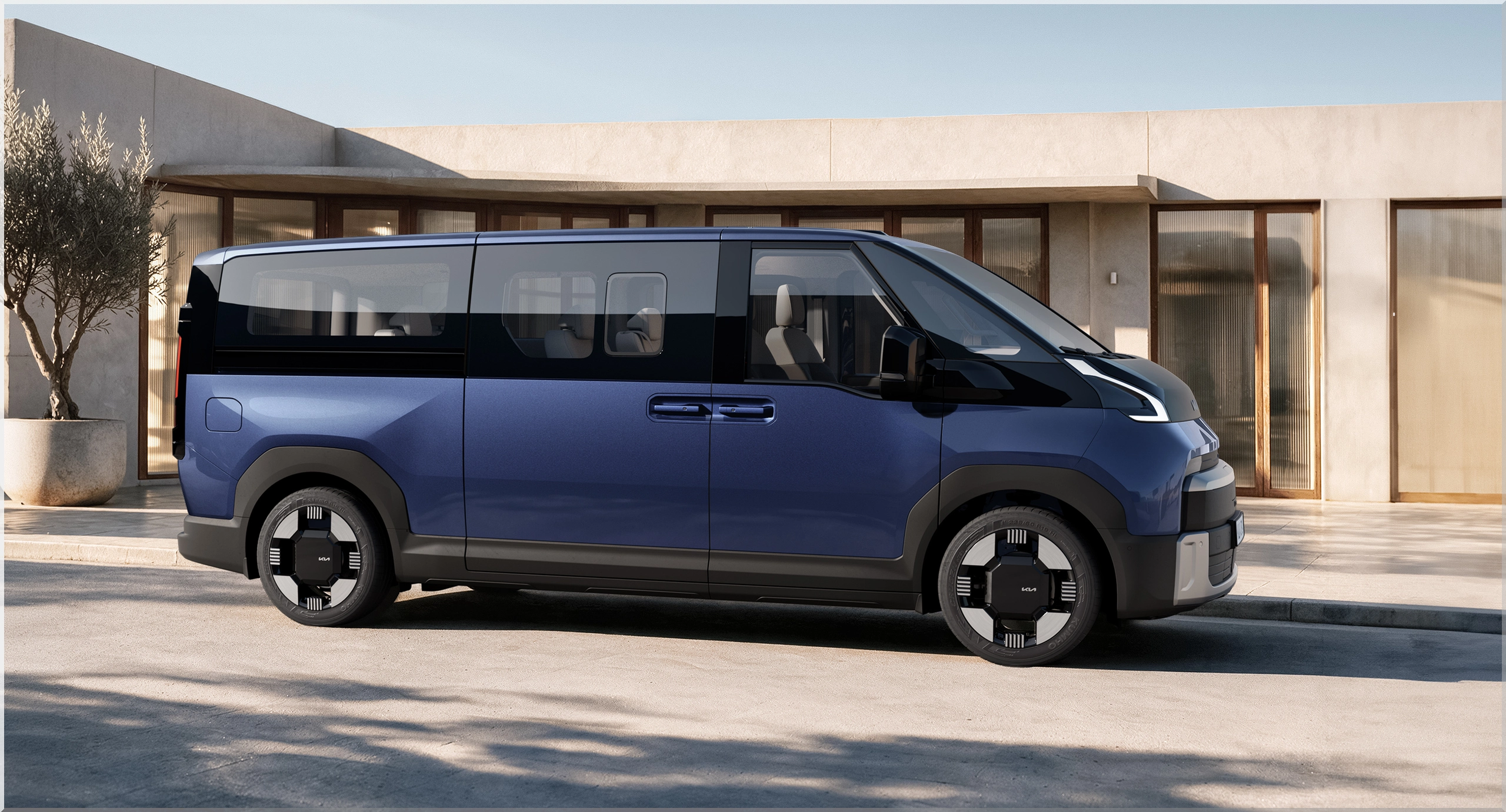
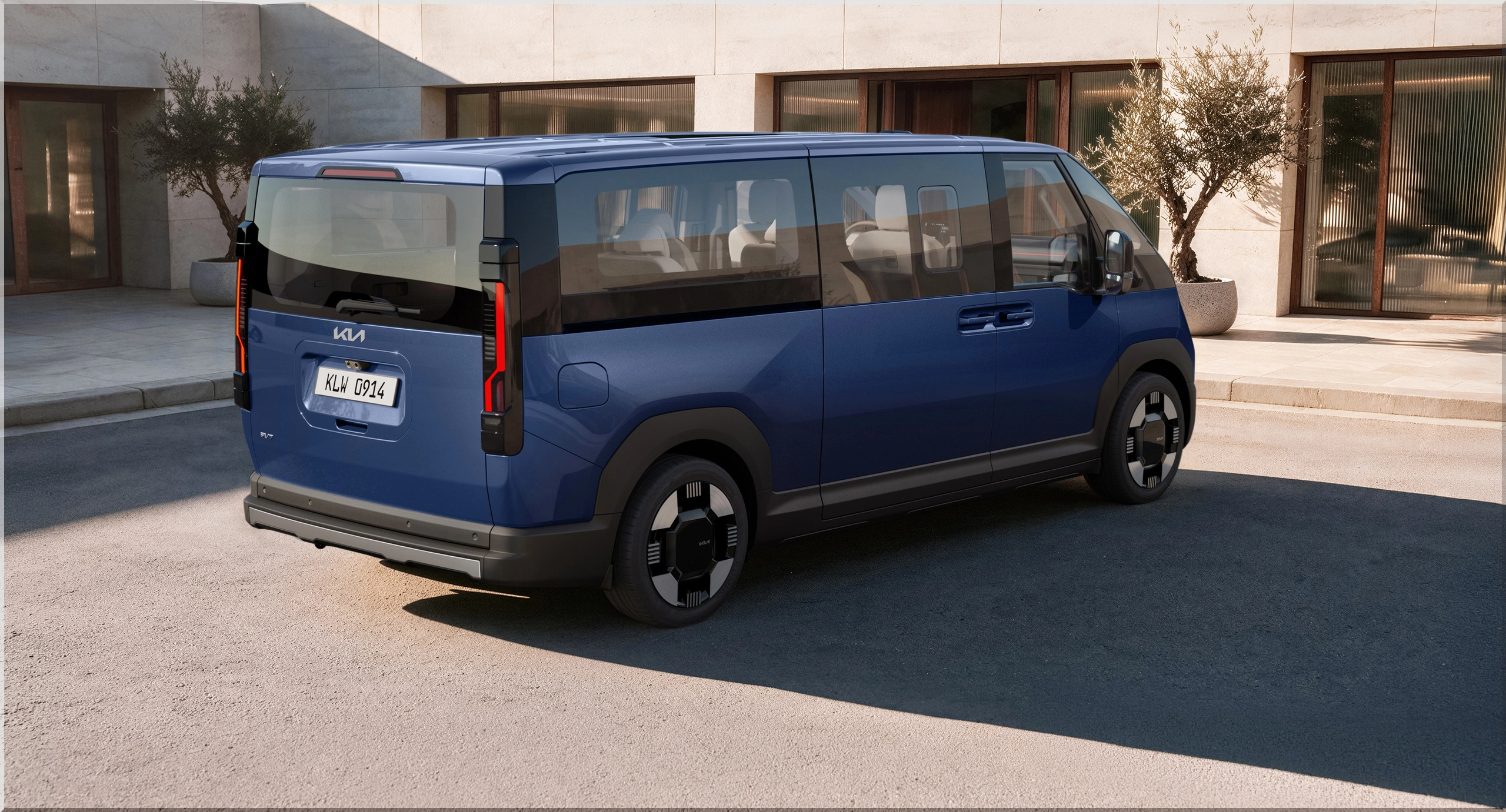
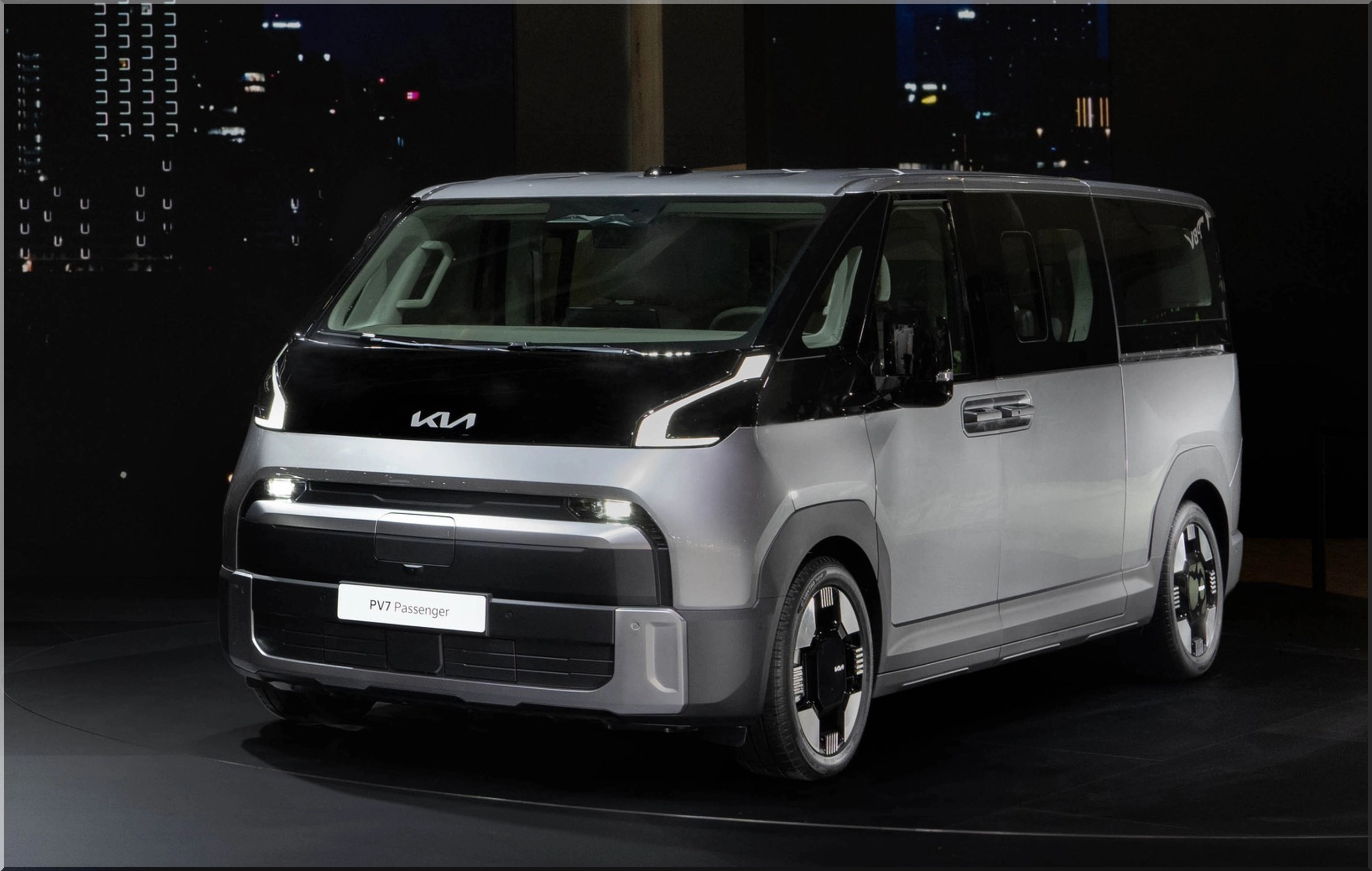
The Kia PV7 electric van moves above the Kia PV5 with more battery capacity, cargo room, and payload. Kia uses its commercial-focused E-GMP.S platform to create a flat floor and support Cargo, Passenger, and conversion variants. Kia still labels every published figure as preliminary pending certification.
| Specification | Preliminary figure | US equivalent or context |
|---|---|---|
| Battery | 71.5 or 96.2 kWh NCM | Usable capacity undisclosed |
| Range | Over 460 km WLTP | Over 286 miles, internal target |
| Maximum output | 200 kW | About 268 hp |
| Maximum torque | 420 Nm | About 310 lb-ft |
| Drive | Front-wheel drive | Kia plans AWD later |
| DC charging | 10-80% in about 25 minutes | 350-kW charger used |
| Length | 5,350 mm | 210.6 inches |
| Width | 1,995 mm | 78.5 inches, handles excluded |
| Height | 1,990 mm | 78.3 inches, antenna excluded |
| Wheelbase | 3,500 mm | 137.8 inches |
Looking at the data, the 96.2-kWh pack's 10-to-80% window contains 67.3 kWh of nominal energy. Adding it in 25 minutes requires roughly 162 kW on average. Kia has not published the van's peak intake or full charging curve.
How Do the Cargo and Passenger Versions Compare?
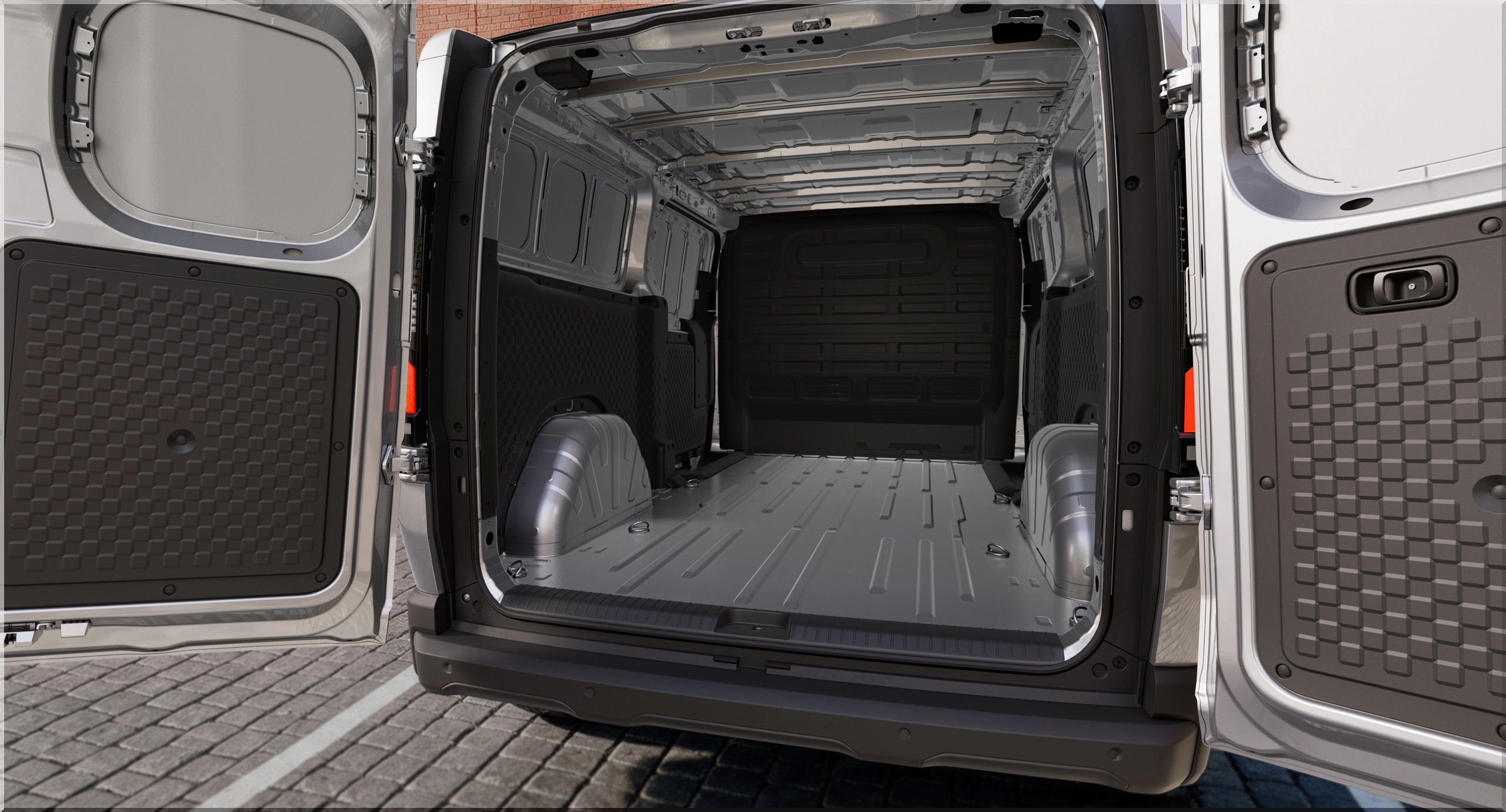
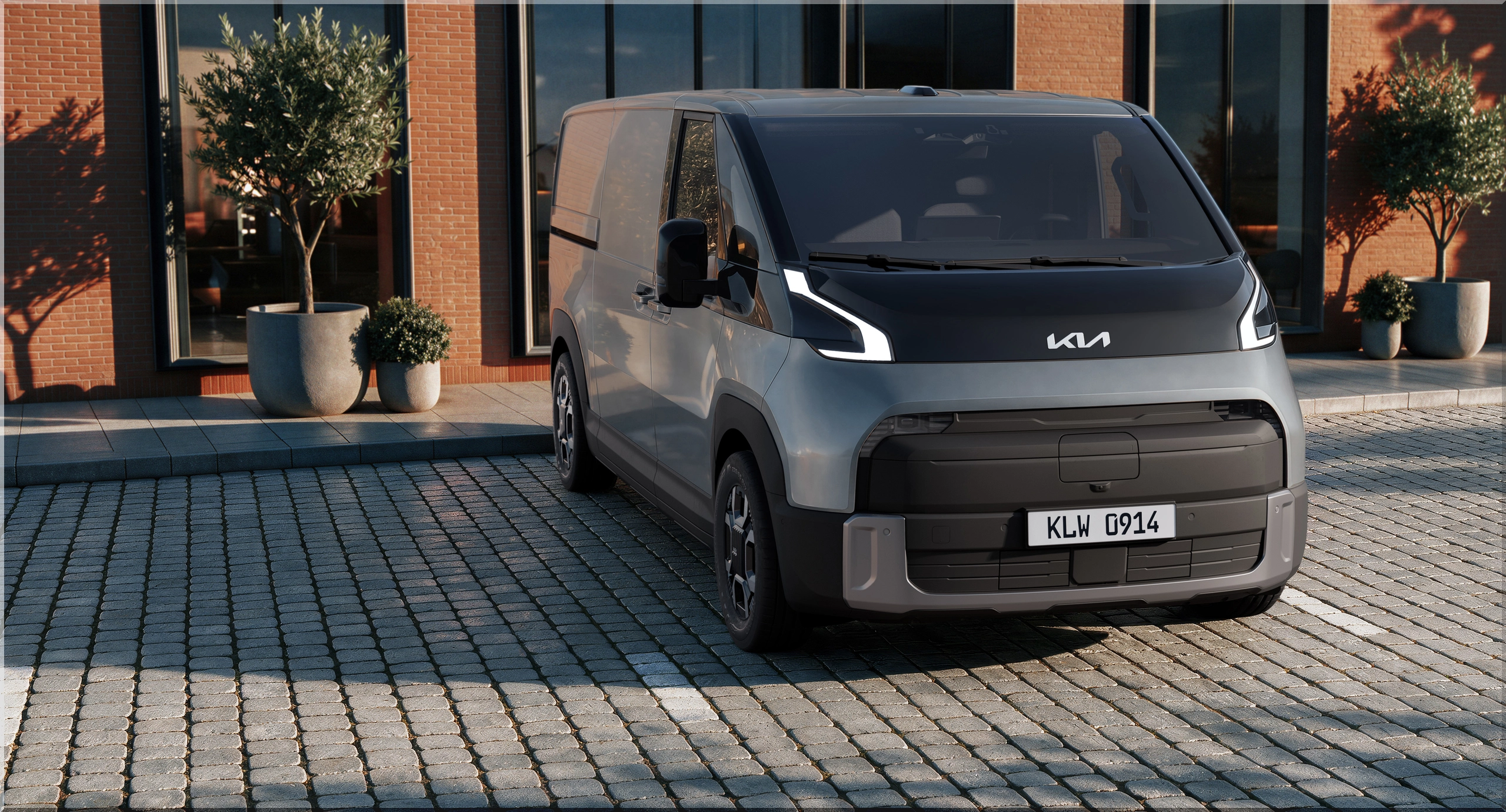
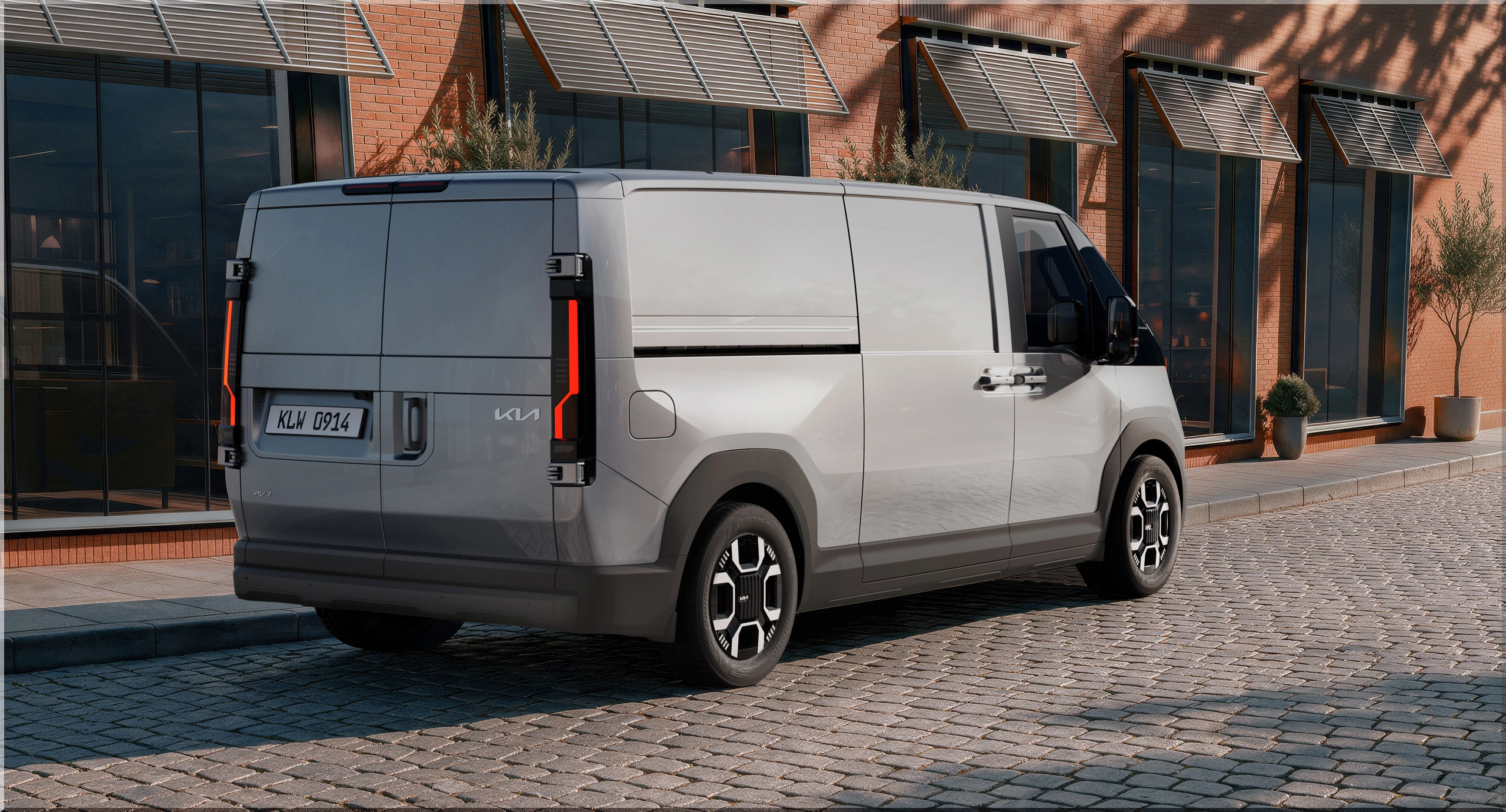
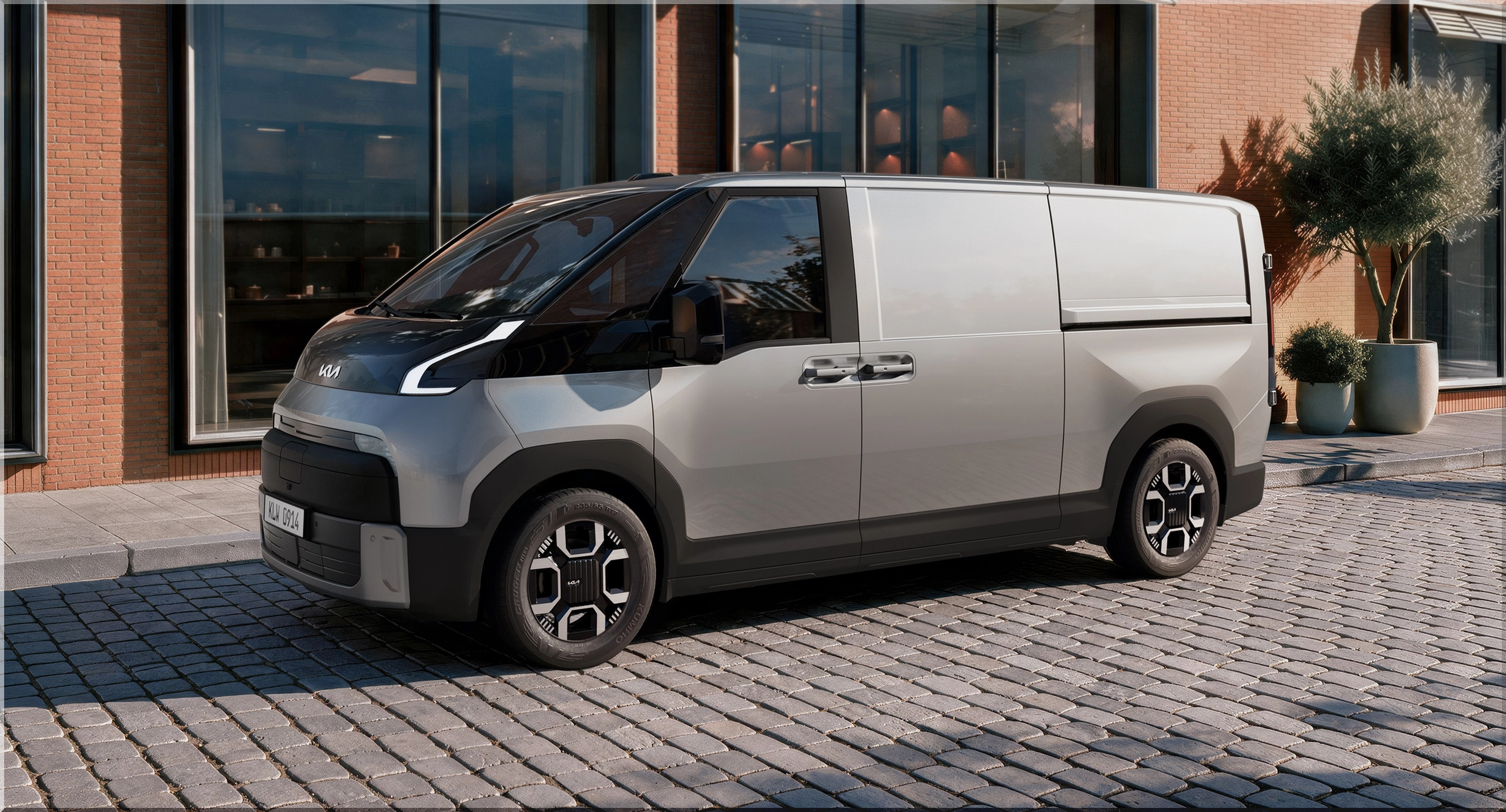
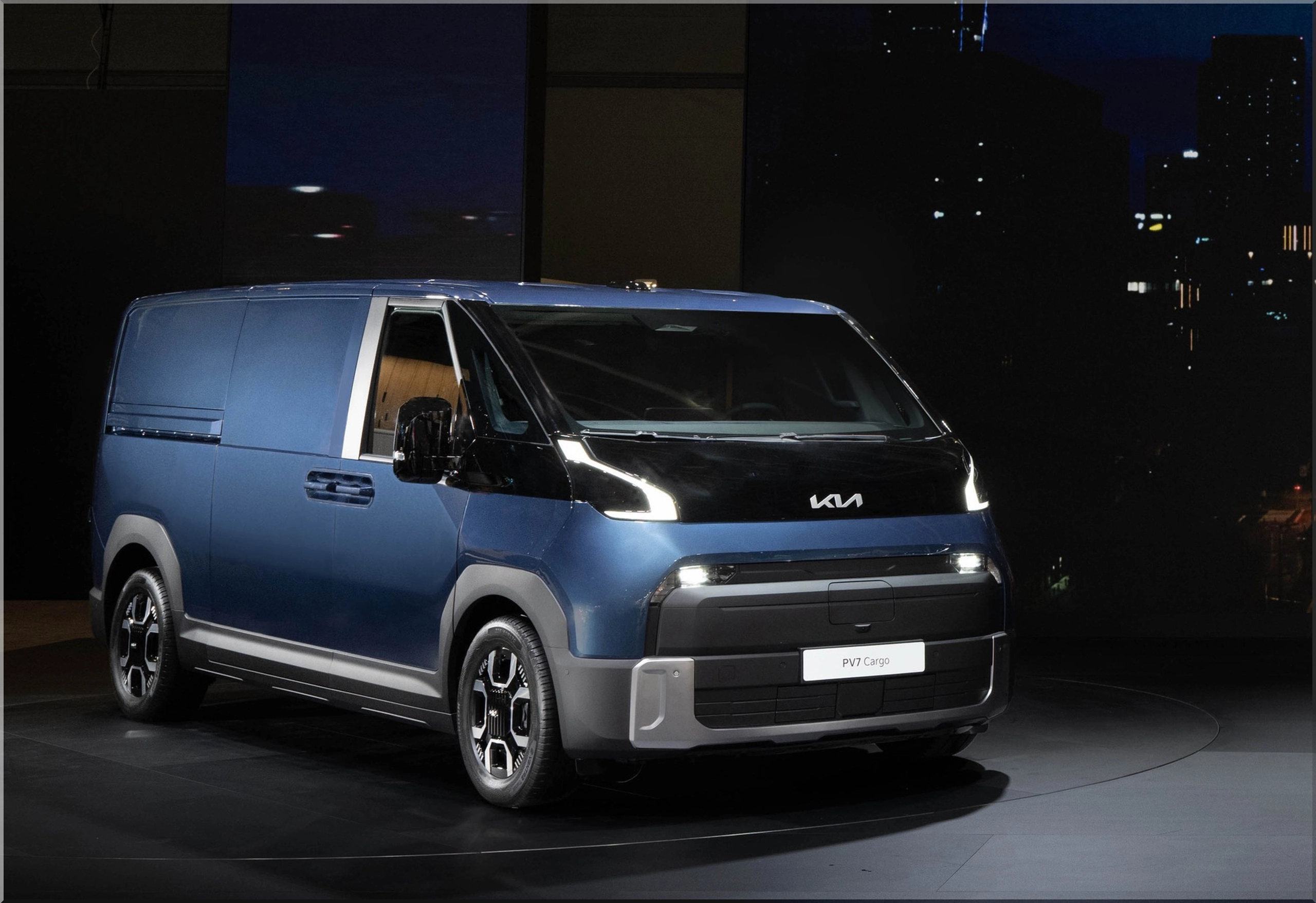
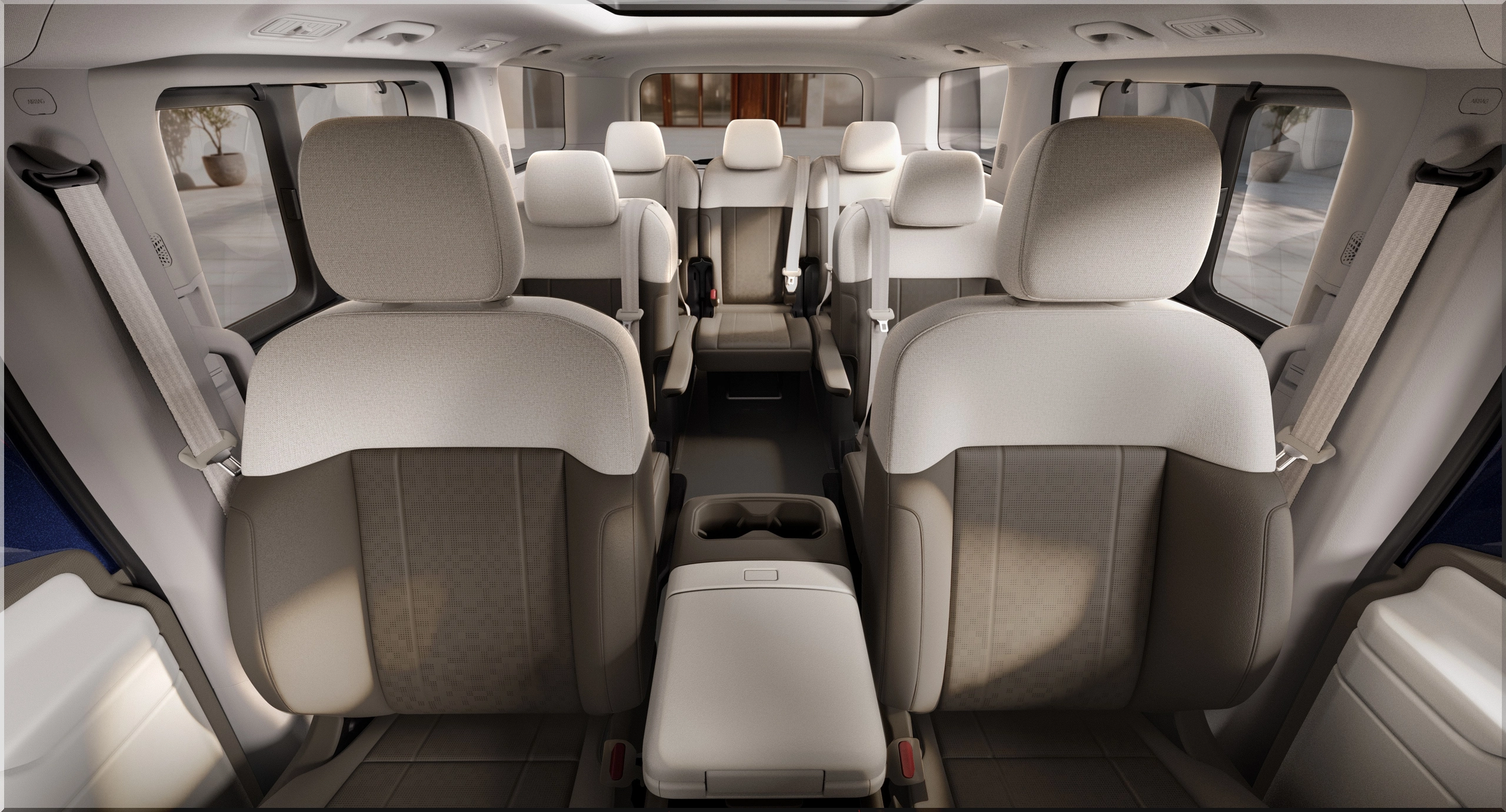
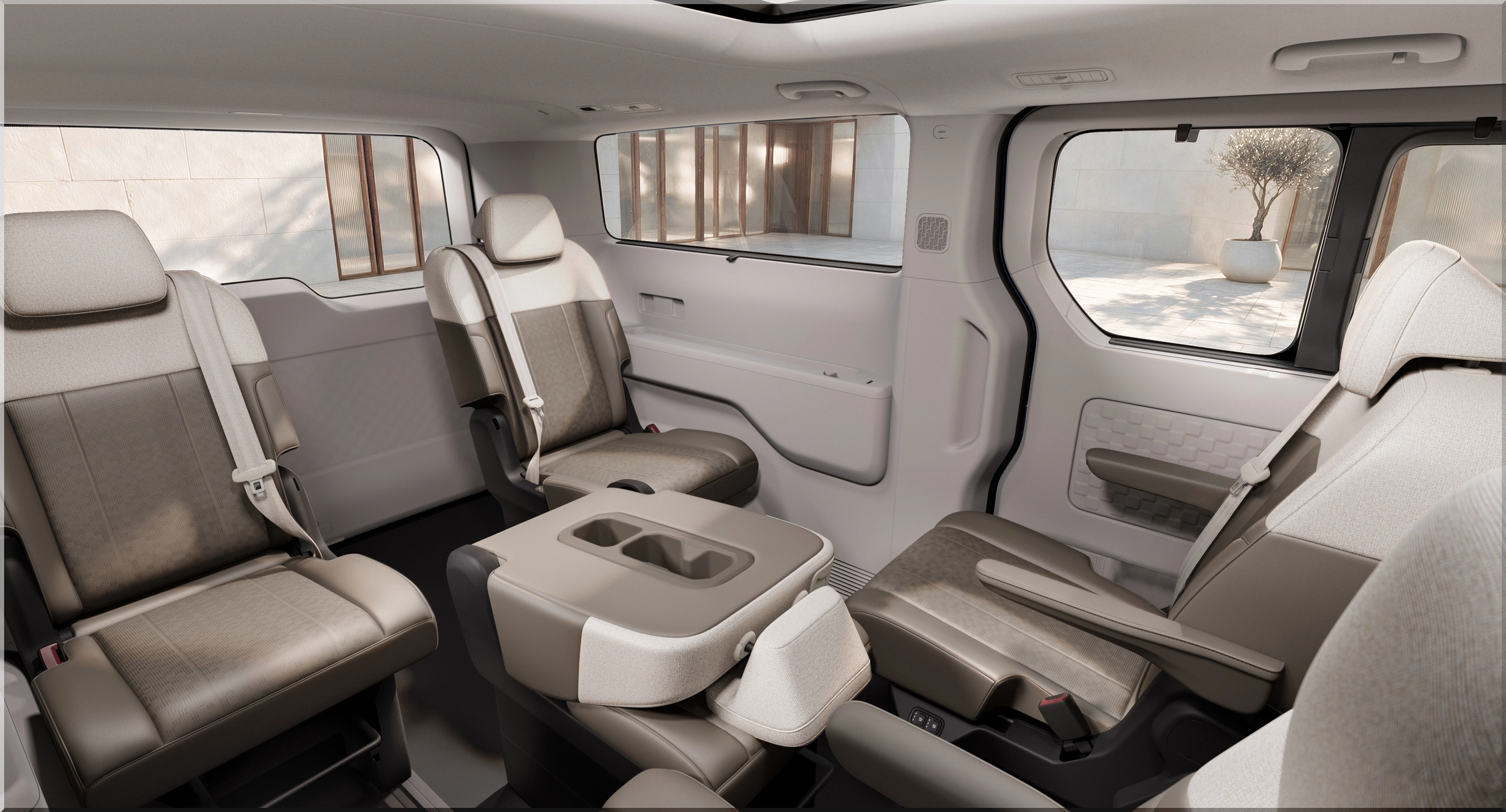
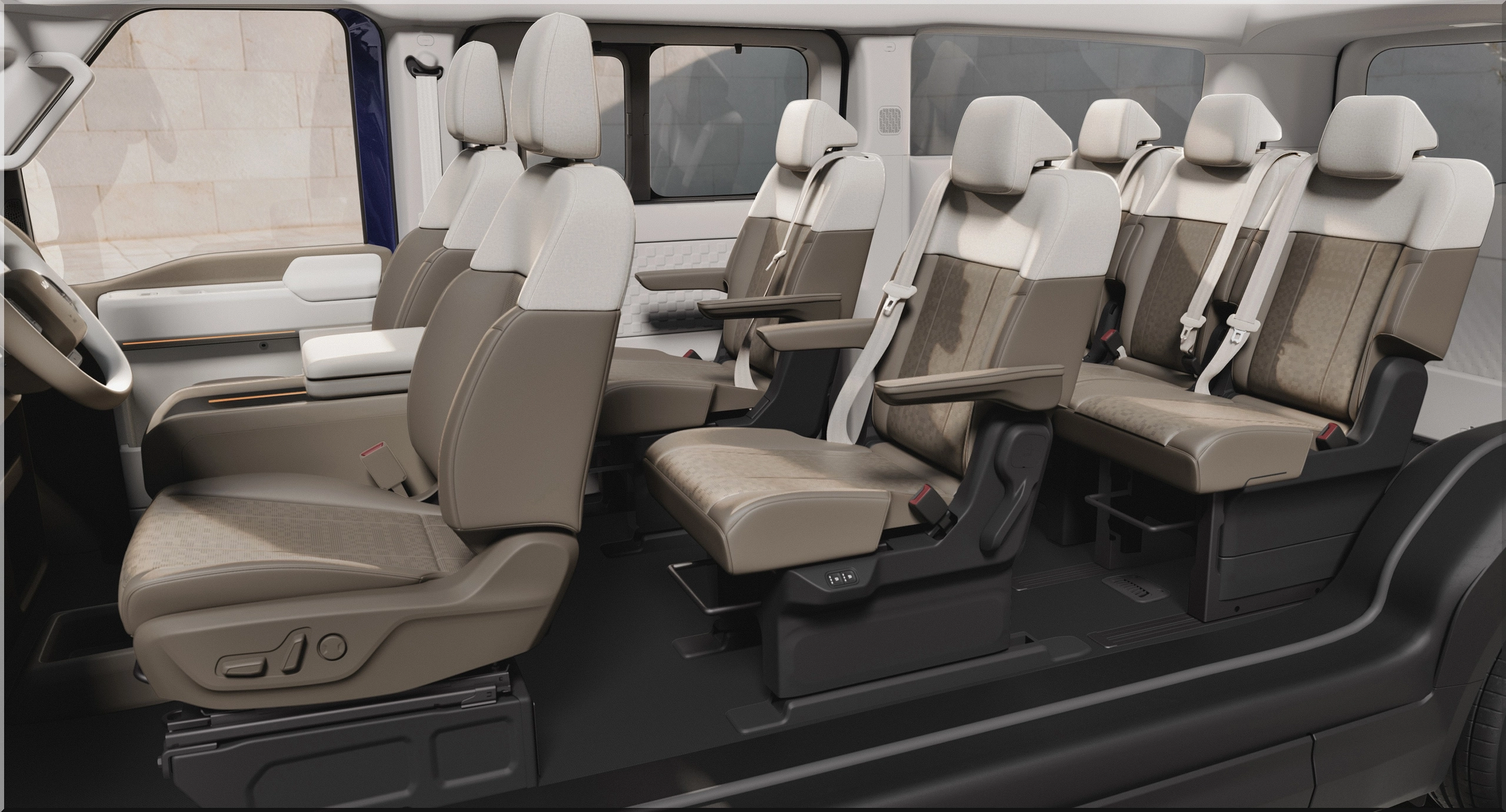
The 2027 Kia PV7 Cargo targets delivery fleets, trades, and conversion buyers, while the 2027 Kia PV7 Passenger targets shuttle, crew, rental, and family use. Each version receives different seating and cabin hardware but shares the same battery choices, front-drive layout, fleet tools, and V2L power.
| Version | Seats | Capacity | Key hardware |
|---|---|---|---|
| Cargo Long | 2 or 3 | 6.1 m3 or 215.4 cu ft; three Euro pallets | 1,165 kg or 2,568 lb payload |
| Cargo High Roof | 2 or 3 | 8.0 m3 or 282.5 cu ft | Payload undisclosed |
| Cargo Compact | 2 or 3 | Volume undisclosed | 1,200 kg or 2,646 lb payload |
| Passenger Long | 7 or 9 globally | Up to 11 seats in Korea | Removable rail-mounted seats |
By comparison, PV7 Cargo Long carries three 31.5-by-47.2-inch Euro pallets and places its load floor 21.7 inches above the ground. Buyers can select twin rear doors or a liftgate. In addition, Kia adds a payload-sensitive drive mode, V2L outlets, cargo-door monitoring, and replaceable bumper corners and cladding to cut repair time.
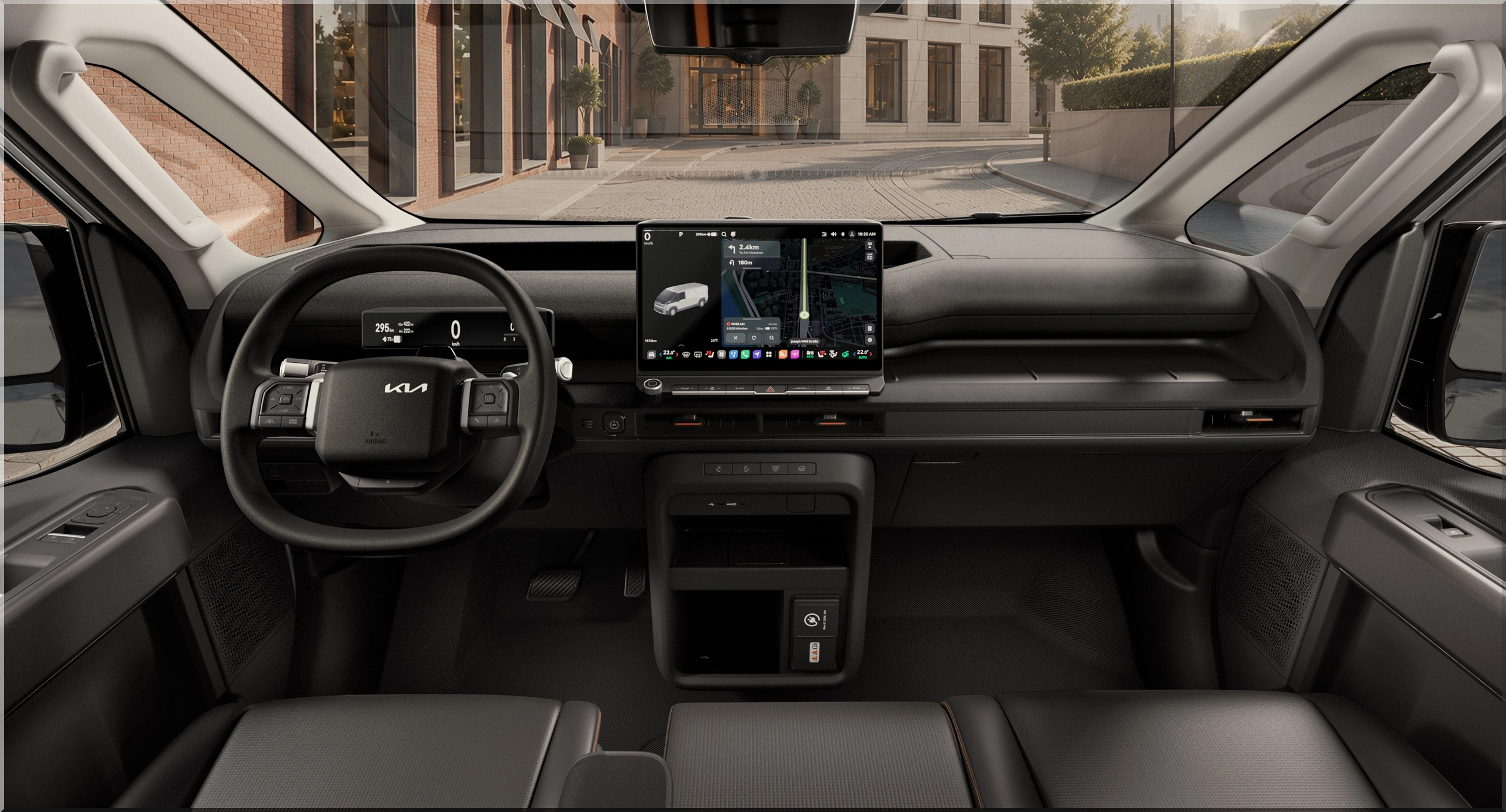
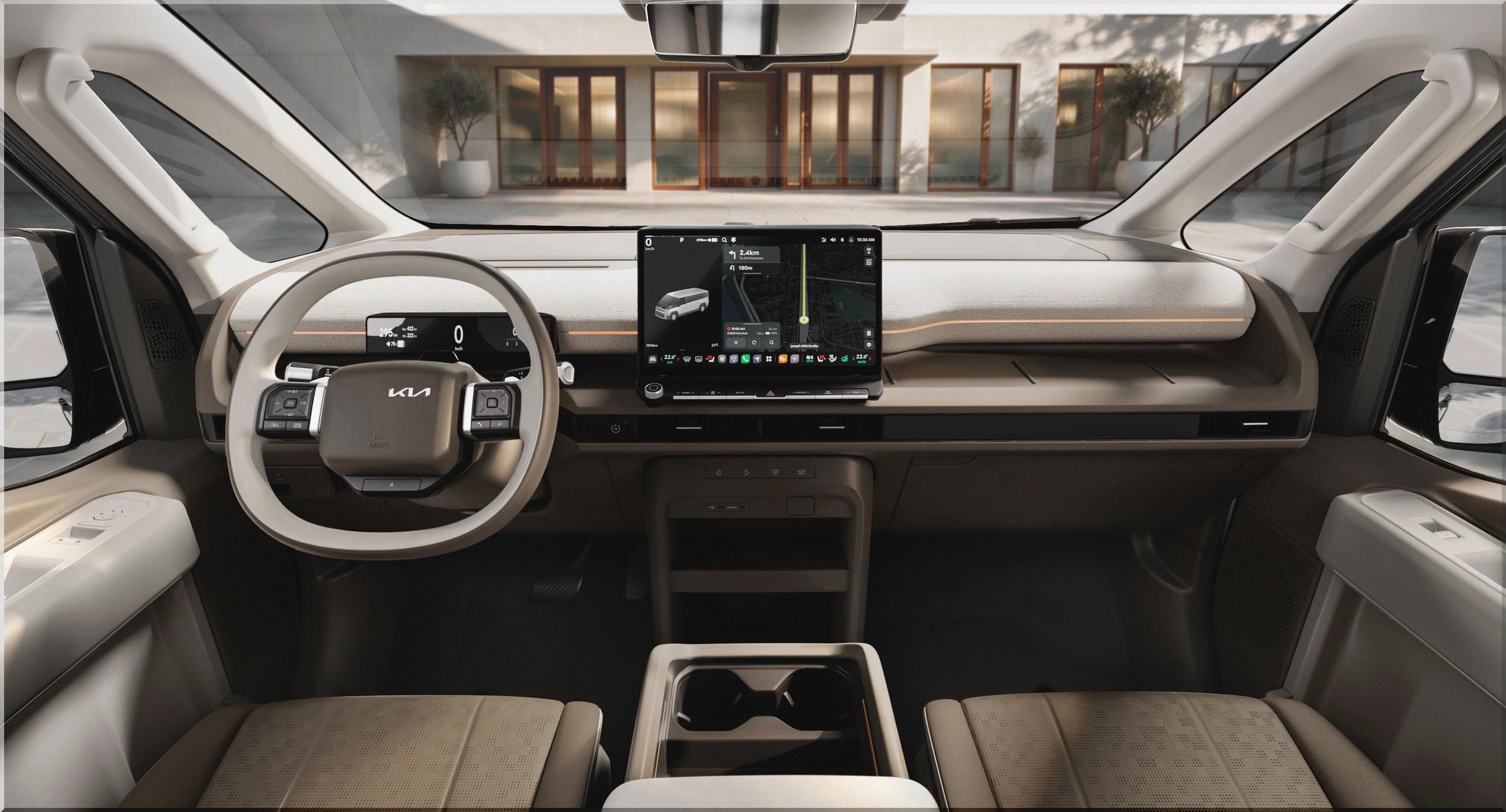
Inside, 12.9-inch and 14.6-inch displays run Pleos Connect, while physical controls handle frequent functions. The Passenger adds rear climate controls and available 100-watt USB-C ports.
Will 800-Volt Charging Cut Fleet Downtime?
The 800-volt Kia PV7 should spend less time at compatible fast chargers than a 400-volt van. Higher voltage moves the same power with less current, reducing heat in cables and power electronics. However, Kia must publish a charging curve before fleets can predict repeat-session speed on busy routes.
Specifically, Kia places a combined AC/DC port at the front and offers a second AC port near the rear. That layout can reduce backing and cable-routing work in depots.
Pro-Tip: Test the Workday, Not the Brochure
Before signing a fleet order:
- Run a fully loaded route with climate control operating.
- Record charge level at every stop and shift end.
- Check cold-weather charging after sustained highway driving.
- Price electricity, insurance, chargers, downtime, and depreciation.
Is the Kia PV7 Ready for Real Routes?
Kia's 460-kilometer electric van range comes from internal testing under WLTP criteria; regulators have not homologated it. Cargo mass, freeway speed, low temperatures, cabin heating, V2L use, and driver behavior will reduce road range. Kia has published neither an EPA estimate nor a towing rating.
From an expert perspective, we would use 286 miles only as an initial screening figure. Fleet managers should demand loaded-route consumption, usable battery capacity, warranty terms, AC charging speed, DC session data, and residual-value support before approving the business case.
| Pros | Supporting data | Cons |
|---|---|---|
| Fast charging | About 25 minutes from 10-80% | Peak rate and curve missing |
| Strong cargo utility | Up to 282.5 cu ft and 2,646 lb | High Roof payload missing |
| Repair-aware hardware | Replaceable corner and cladding pieces | Parts pricing unknown |
| Flexible range | Cargo, Passenger, Chassis Cab, 23 variants planned | Rollout timing varies |
The hardware looks serious. Yet Kia has released no USD price, EPA efficiency, curb weight, gross vehicle weight rating, tow limit, US connector, or North American launch date. European fleets should wait for certified figures and a contract-level ownership-cost comparison; US and Canadian buyers should keep the PV7 on a watch list.
The Volkswagen ID. Buzz finally gets the update it needed. For model year 2027, Volkswagen Commercial Vehicles adds a cheaper entry model, spreads 4MOTION all-wheel drive below the GTX, upgrades the software,… Continue reading

Mercedes-Benz wants the all-new electric Mercedes-Benz VLE to reset expectations for premium people movers. Looking at the data, the VLE does not chase the usual van brief. It targets the space between a luxury MPV, a chauffeured limousine,… Continue reading
The German brand Porsche announces that it will double its investment in the development of electric vehicles from this time until the year 2022: it will exceed 6,000 million euros. The move to all-electric cars seems necessary for any car manufacturer… Continue reading

Volkswagen is preparing to launch the ID family of 100% electric vehicles. However, it also intends to offer new propulsion options by combining traditional gasoline or diesel engines with electricity and natural gas, offering hybrid versions… Continue reading