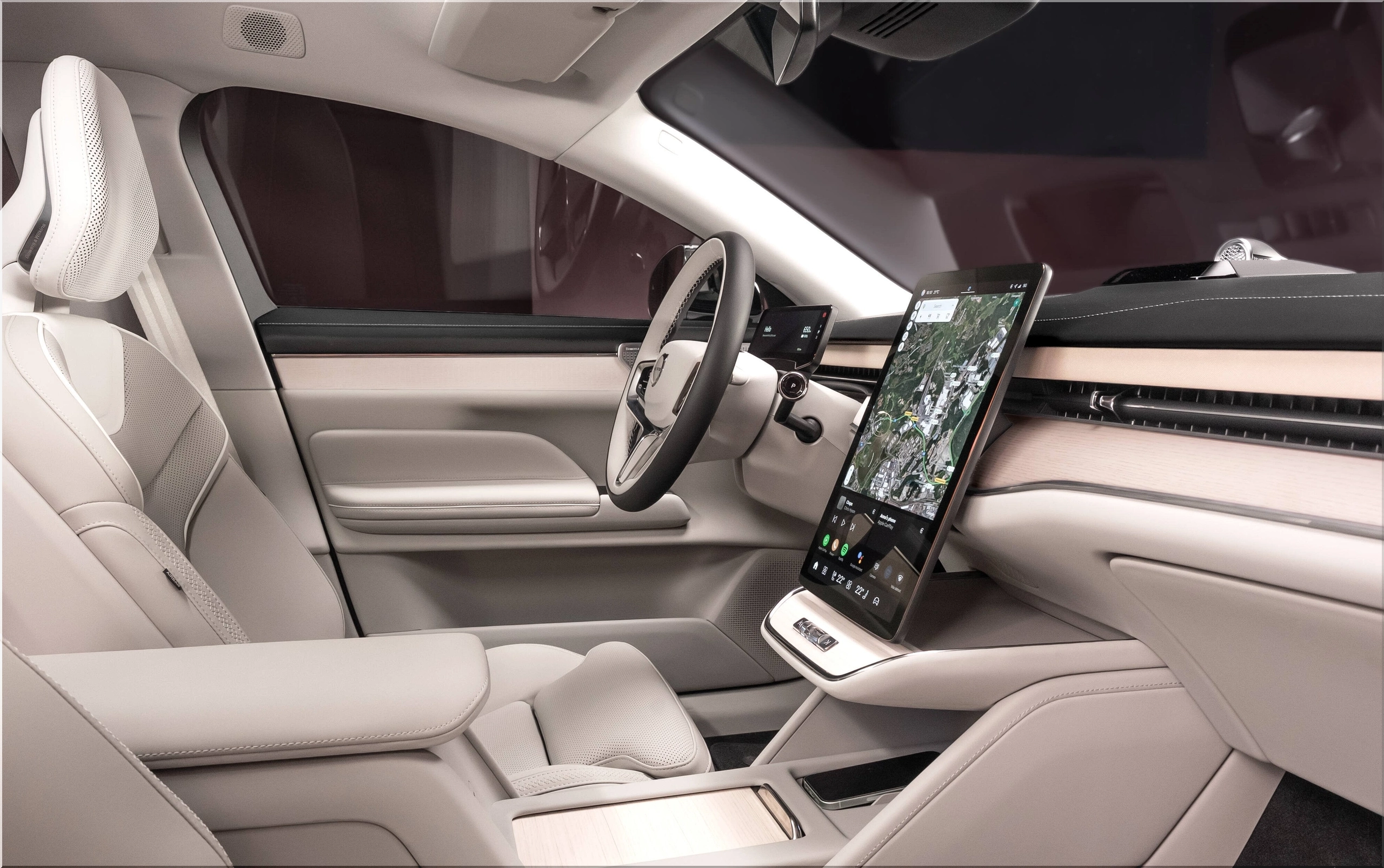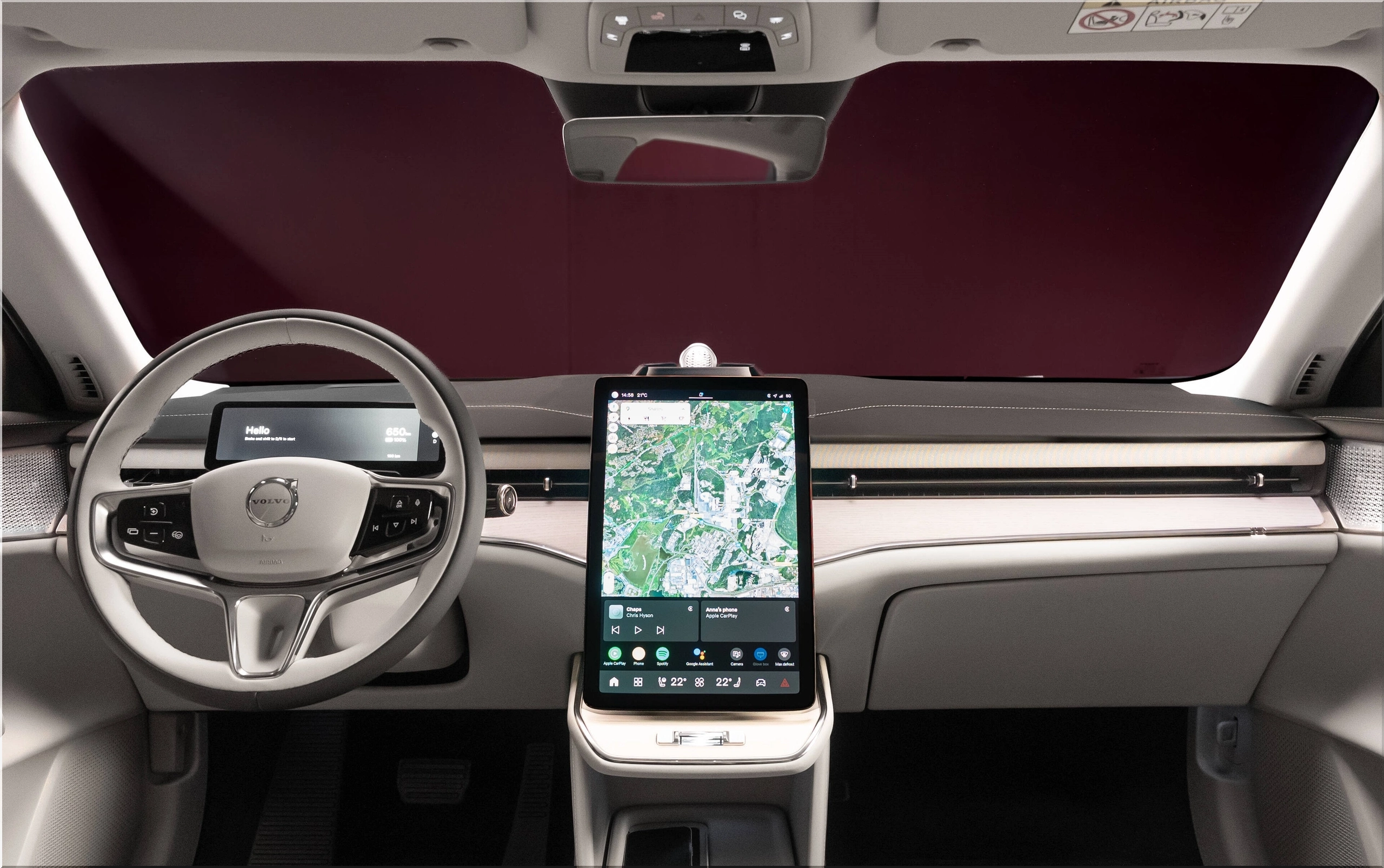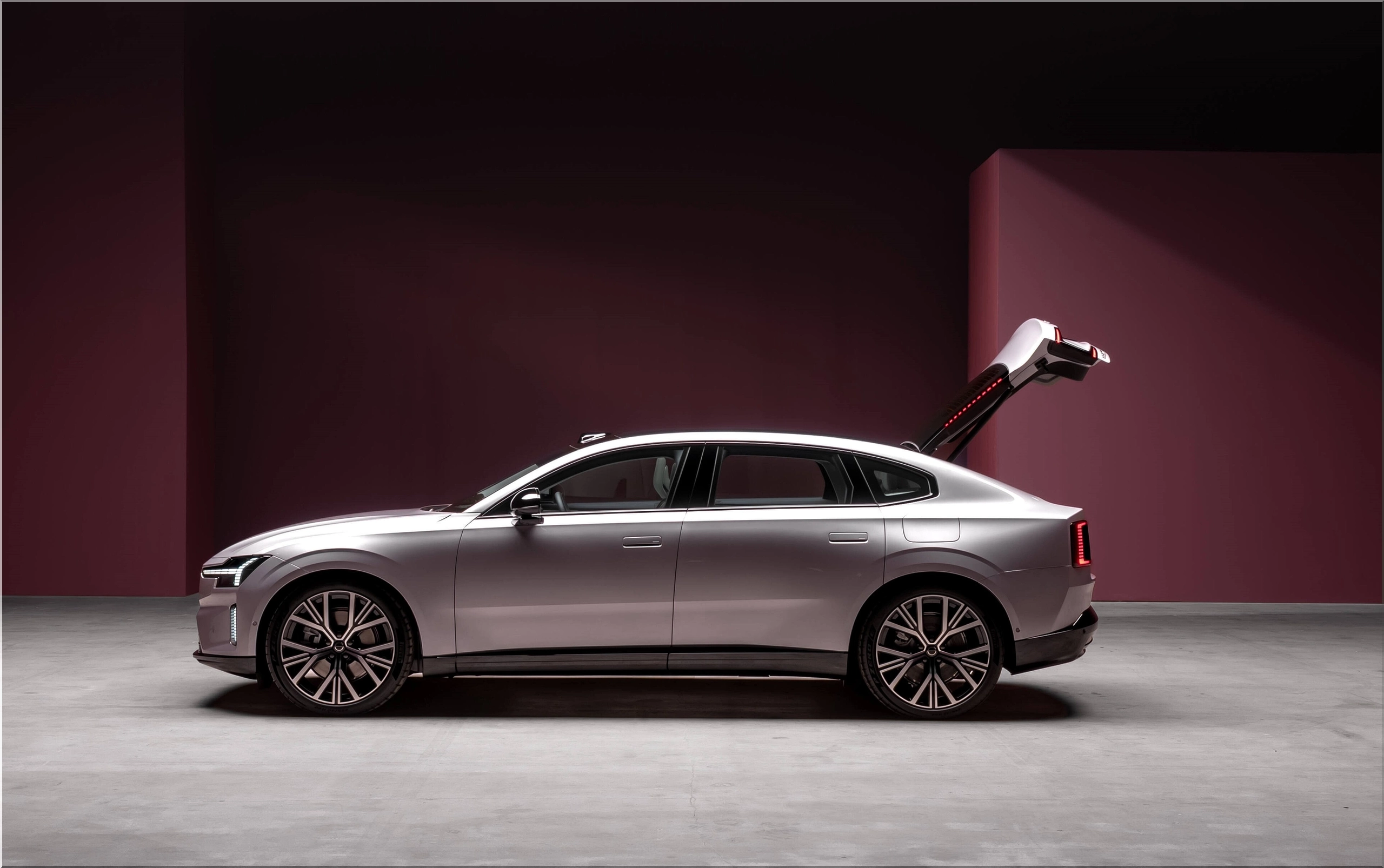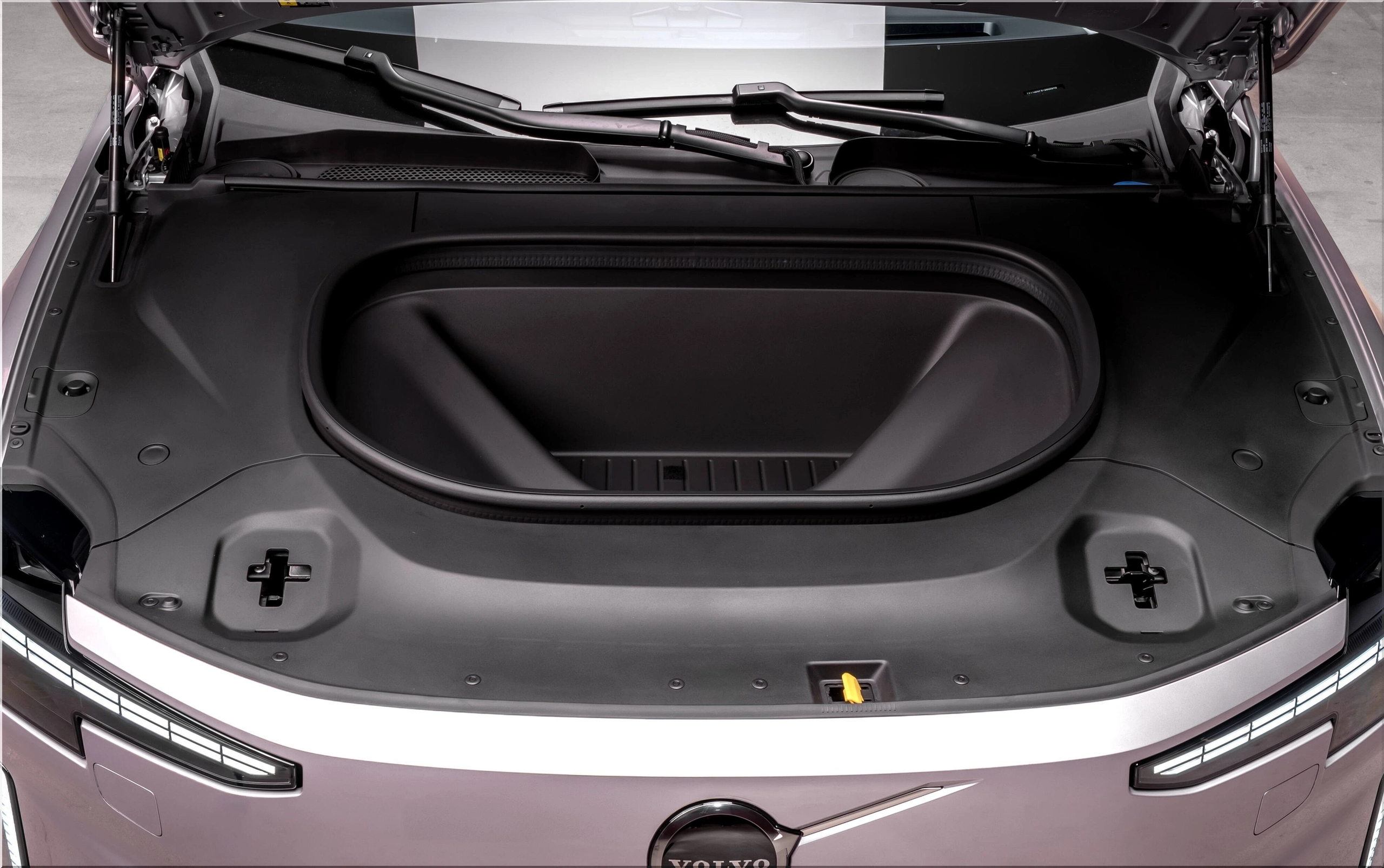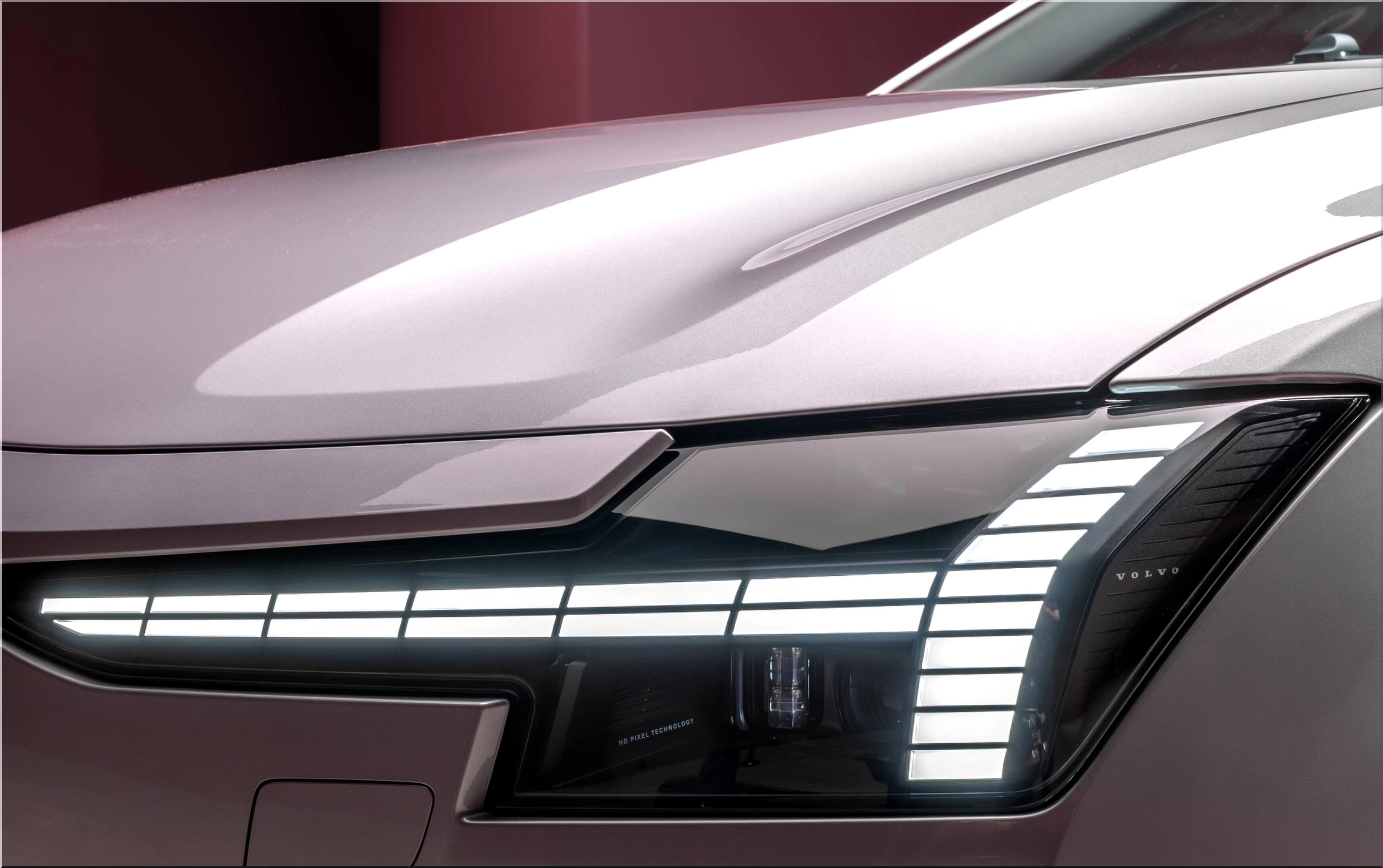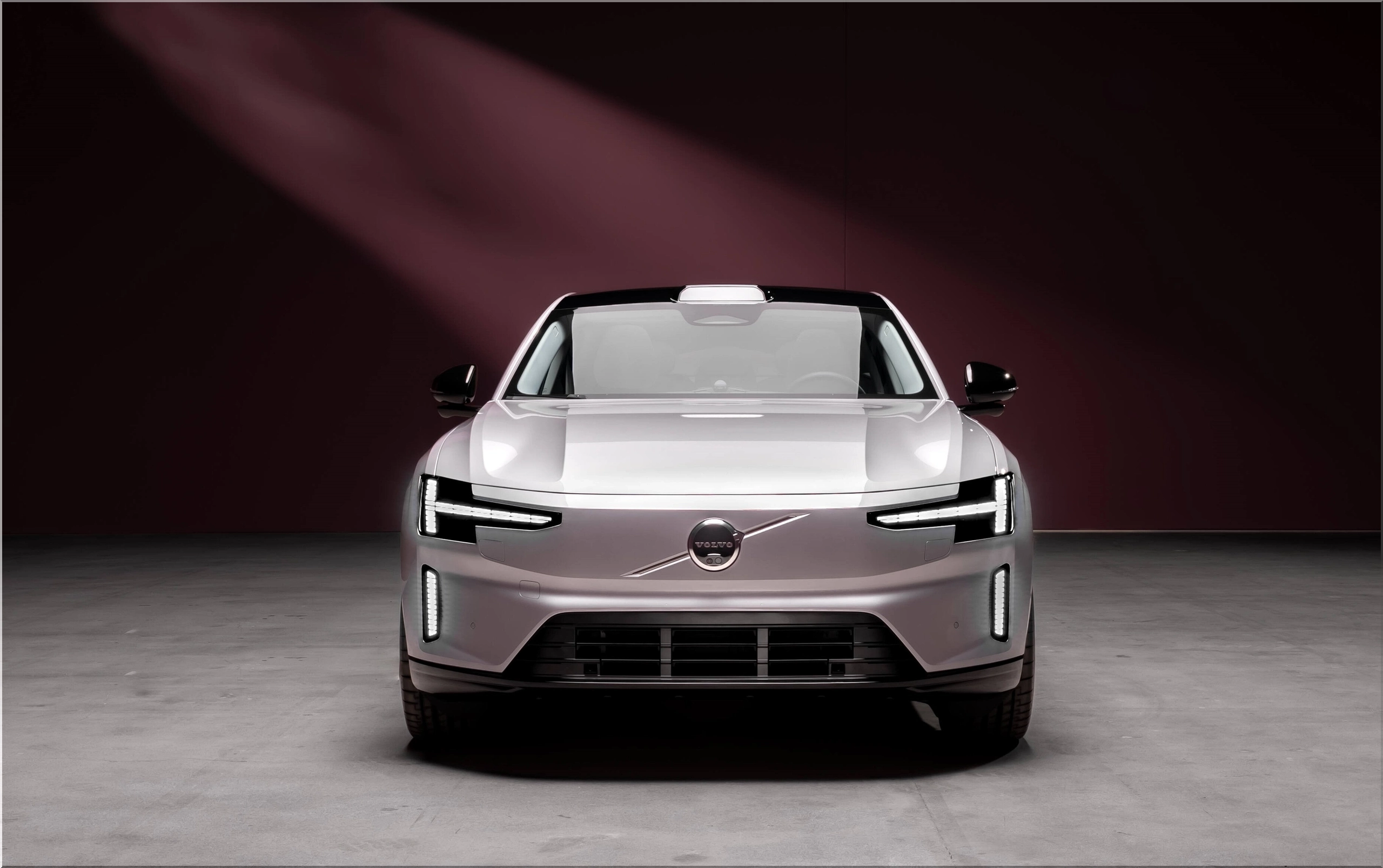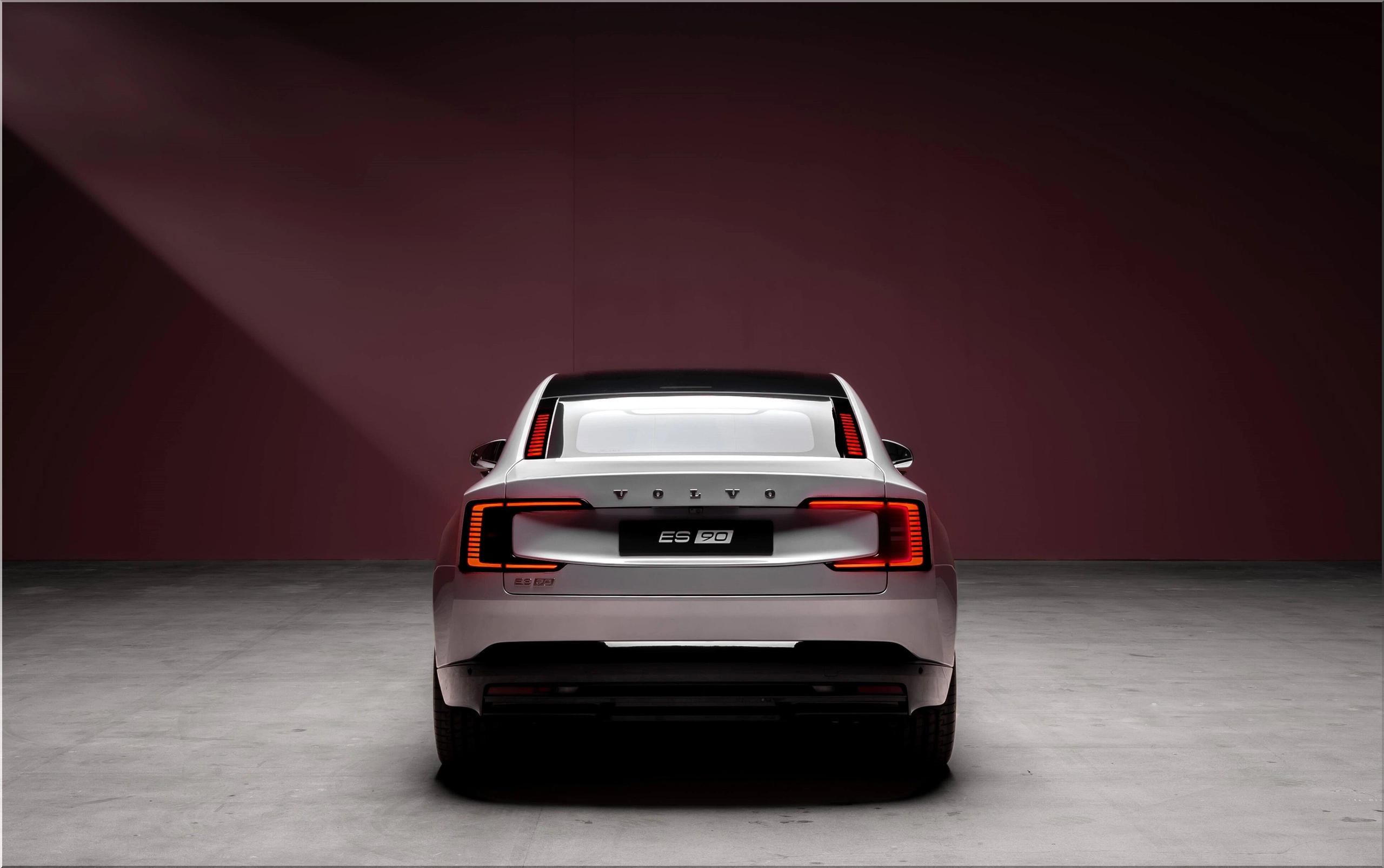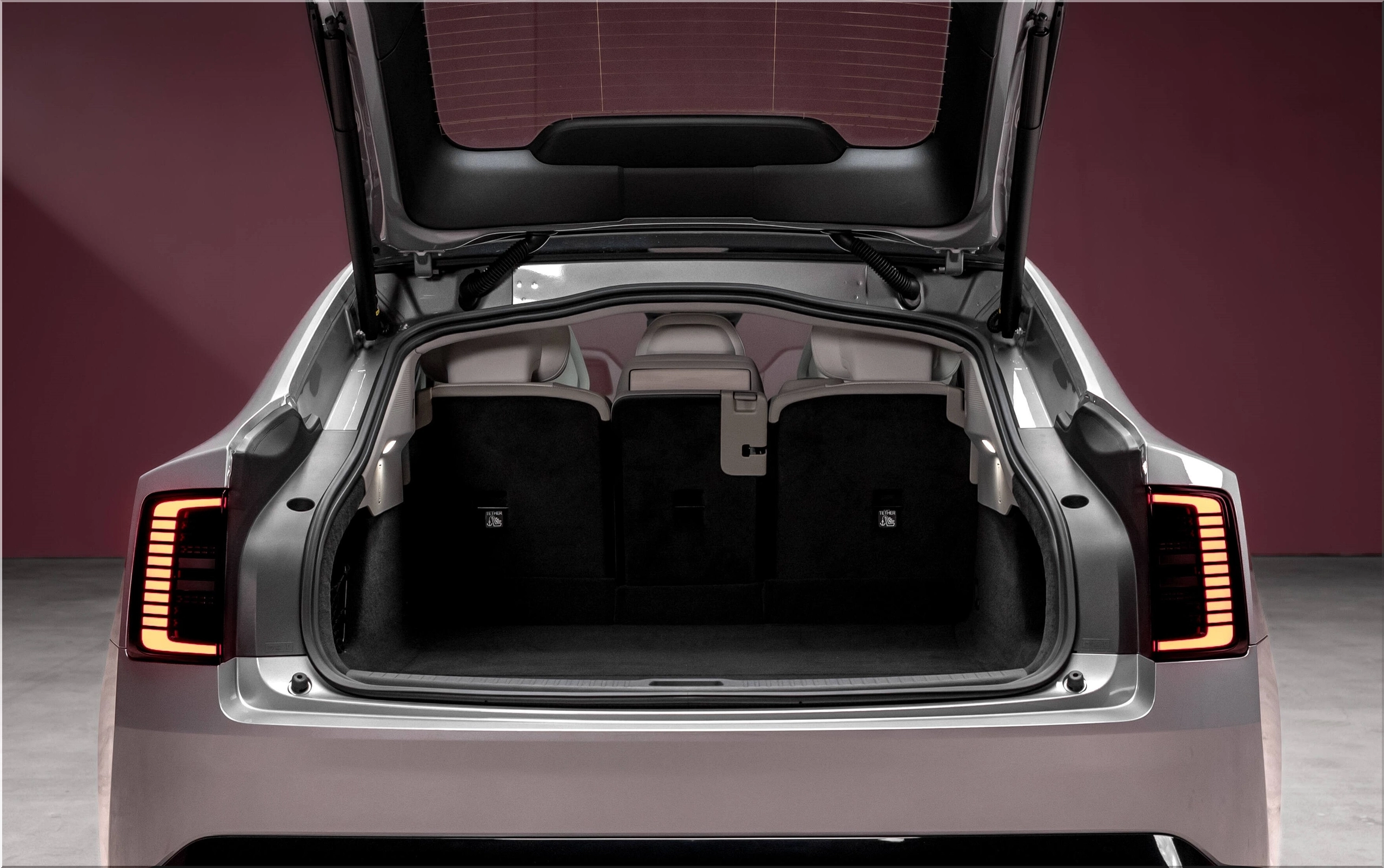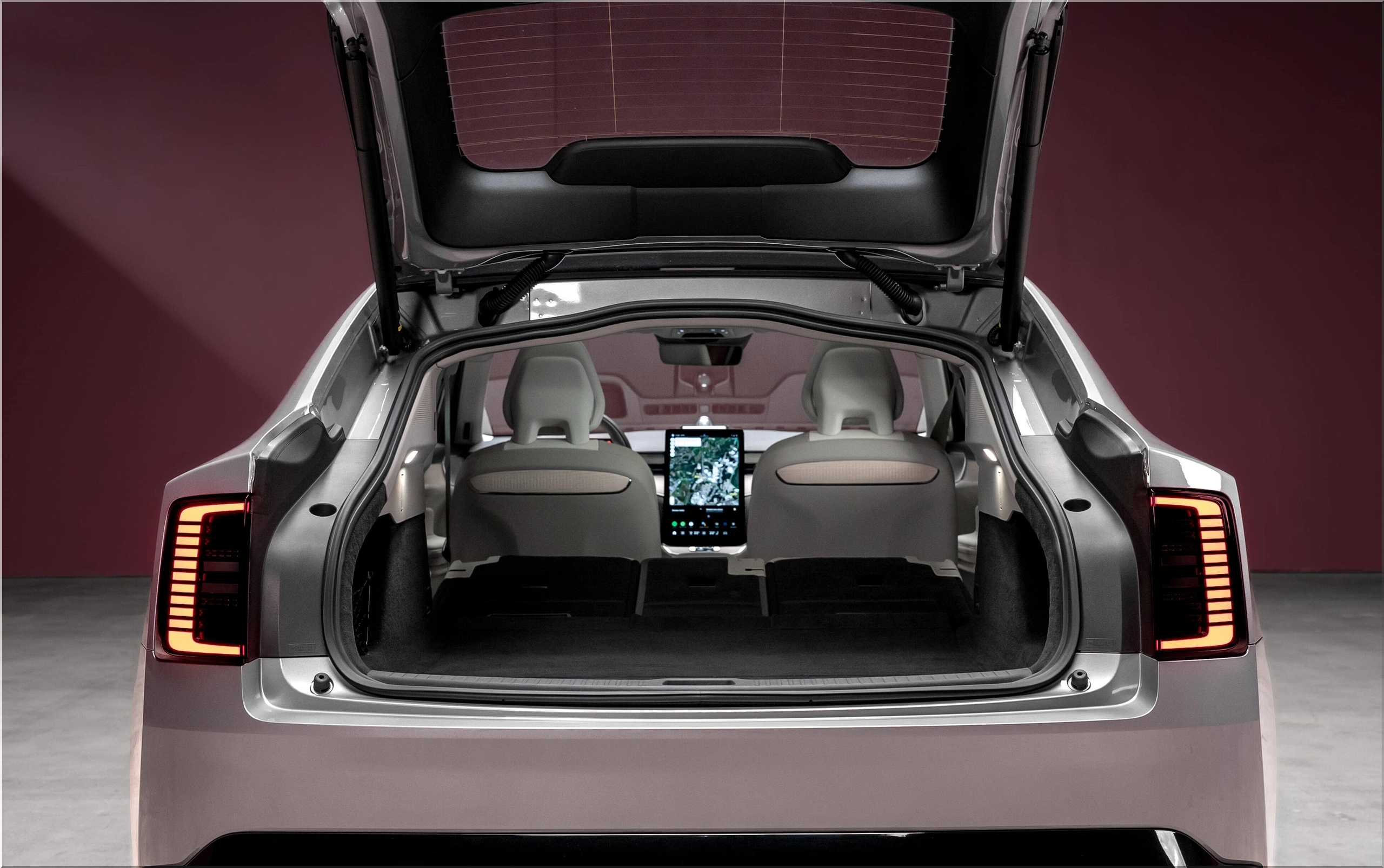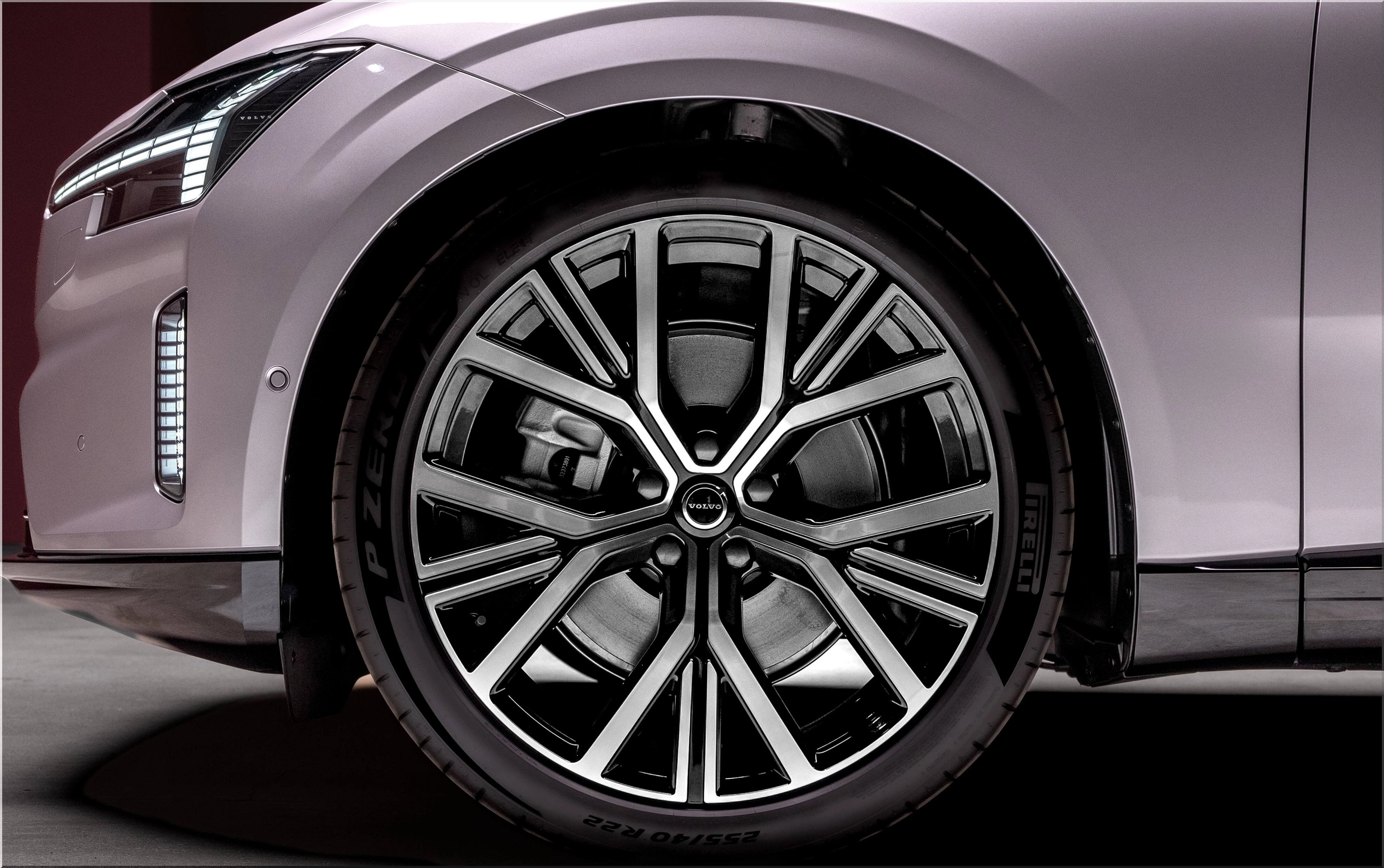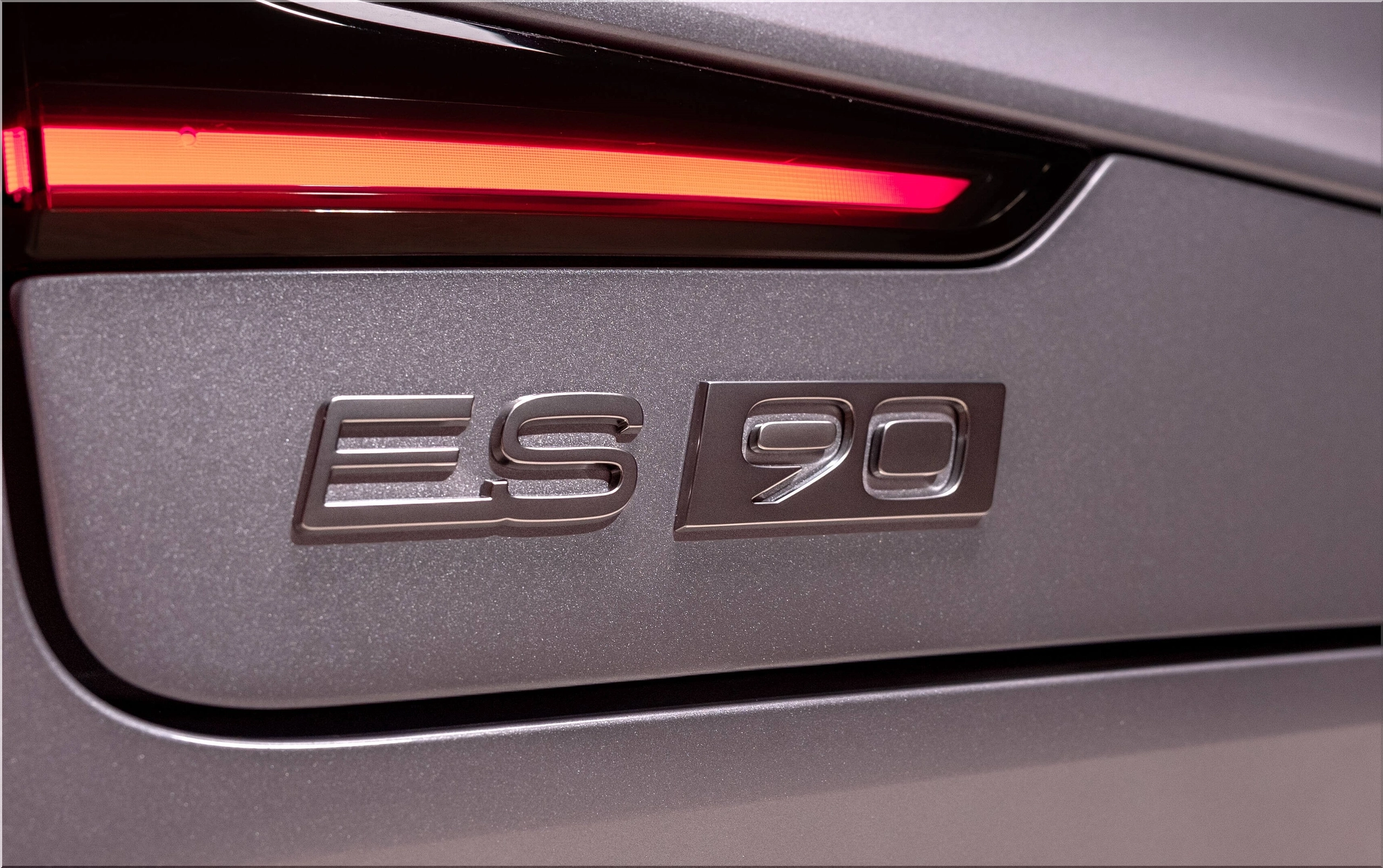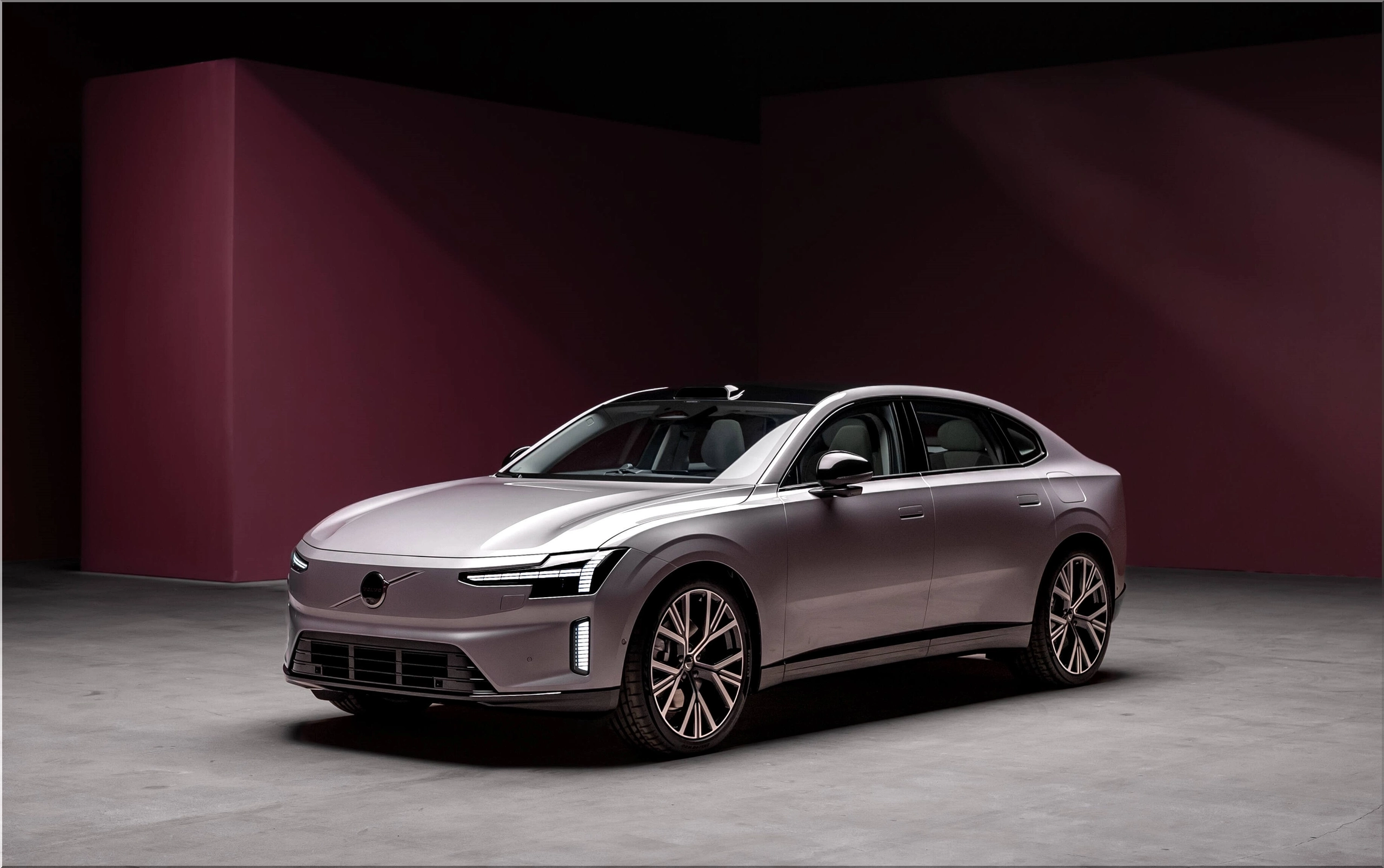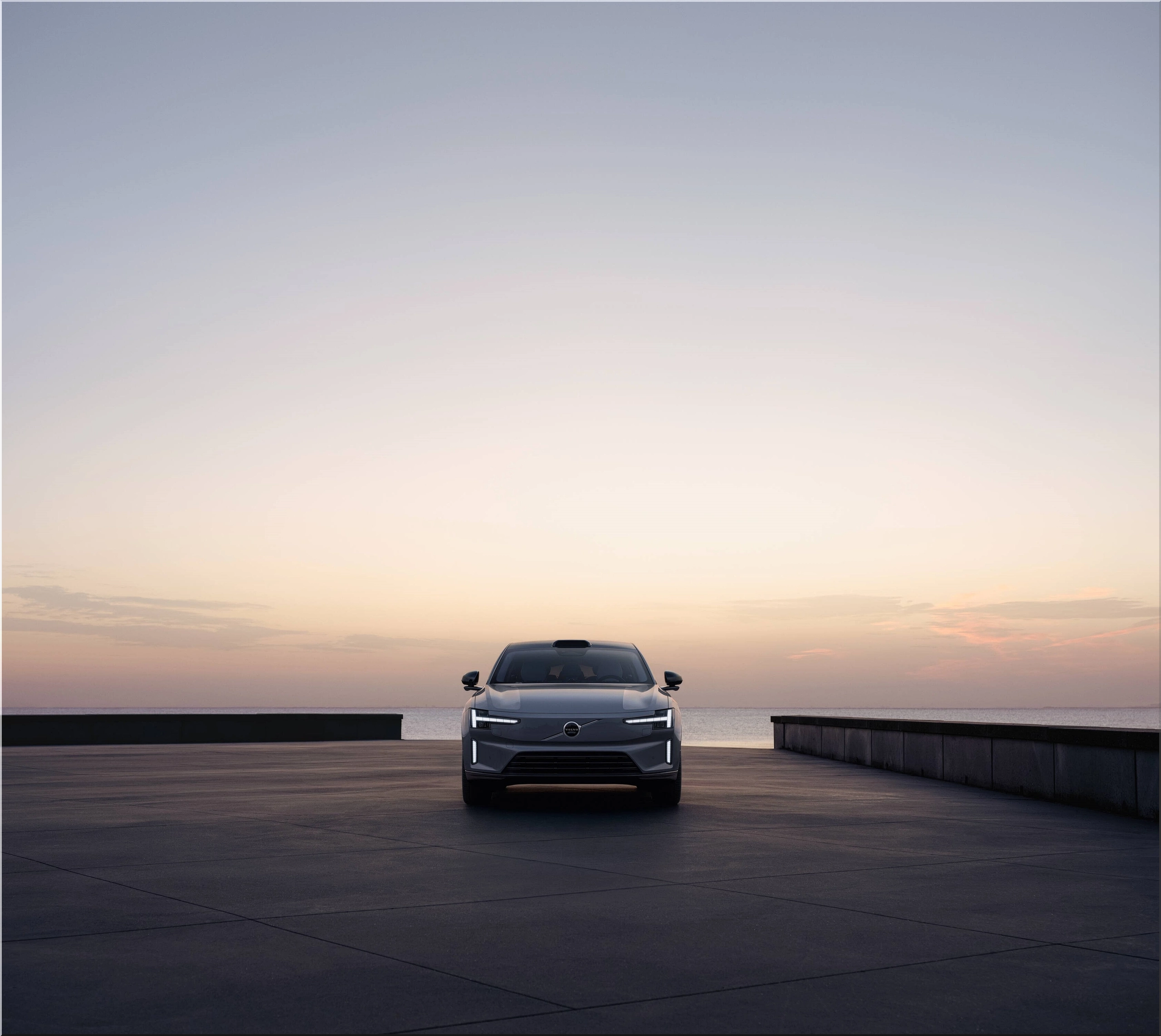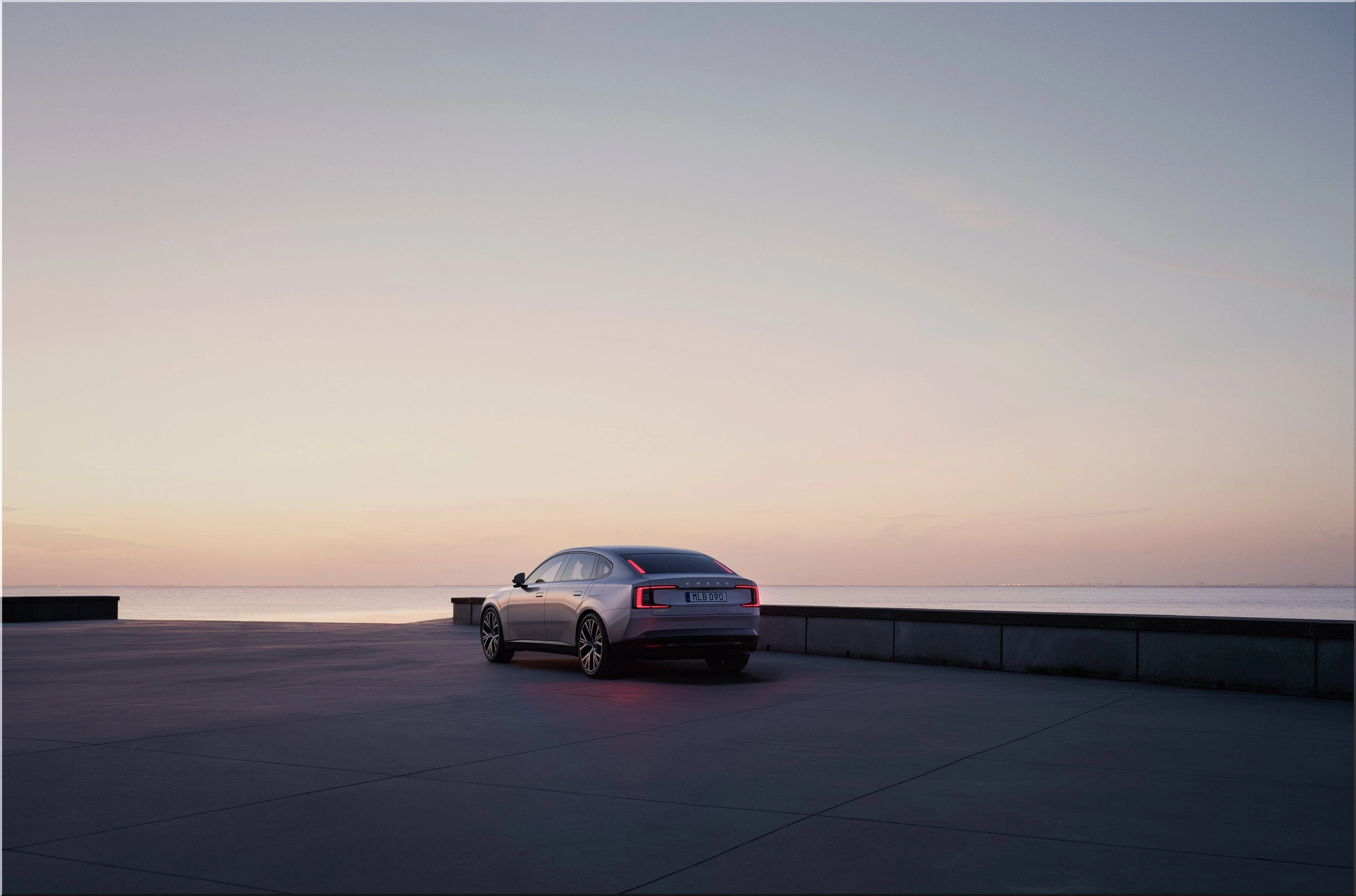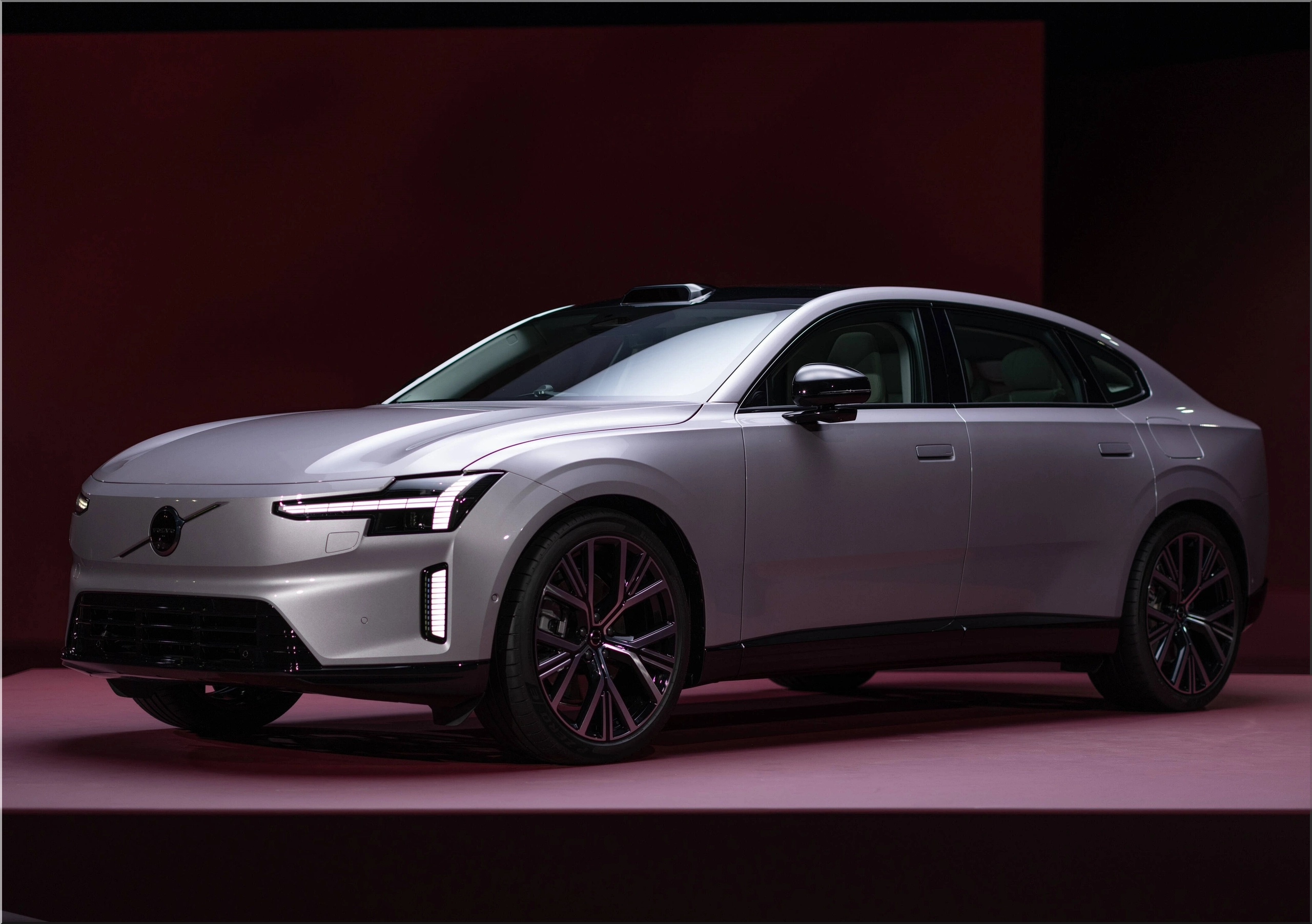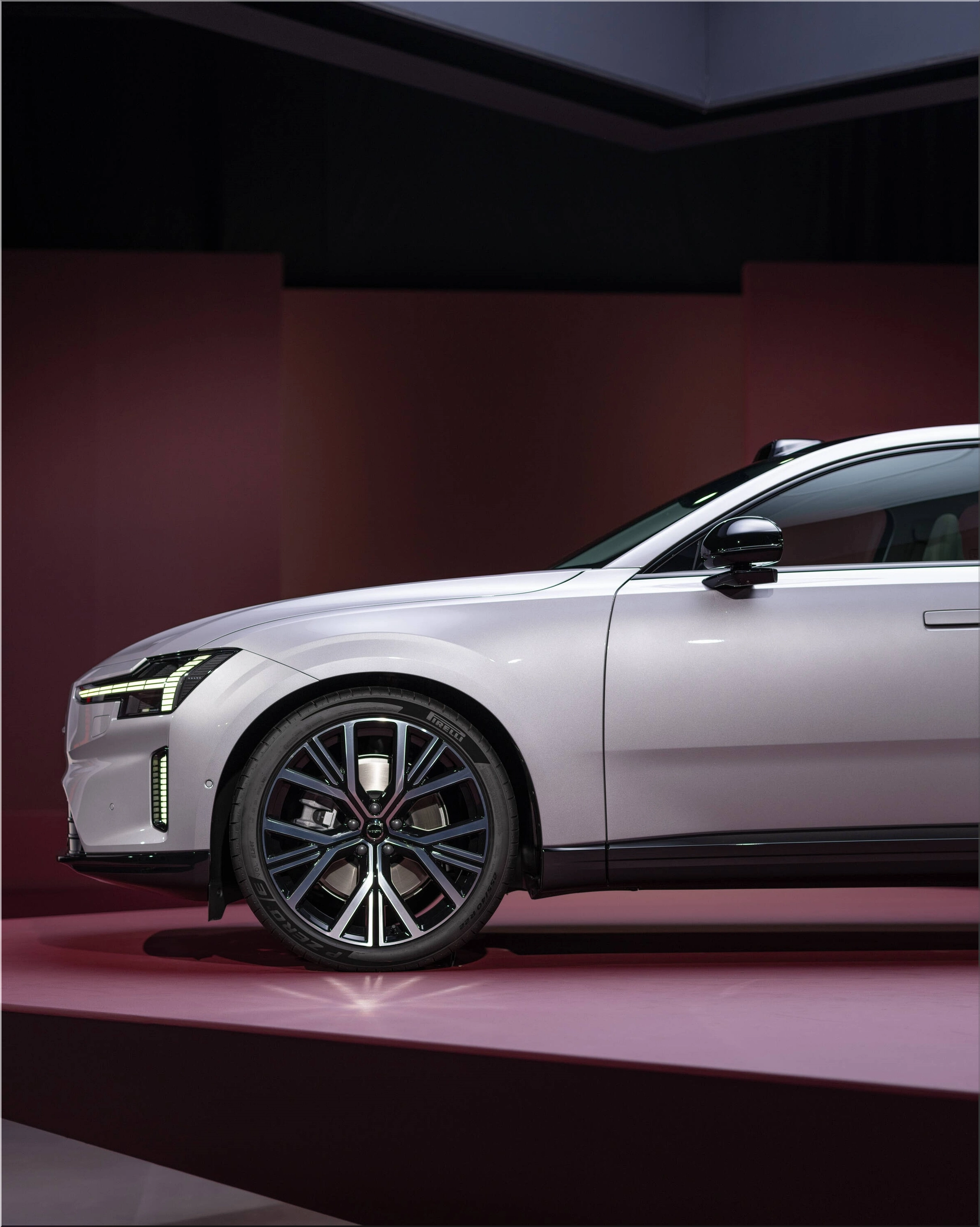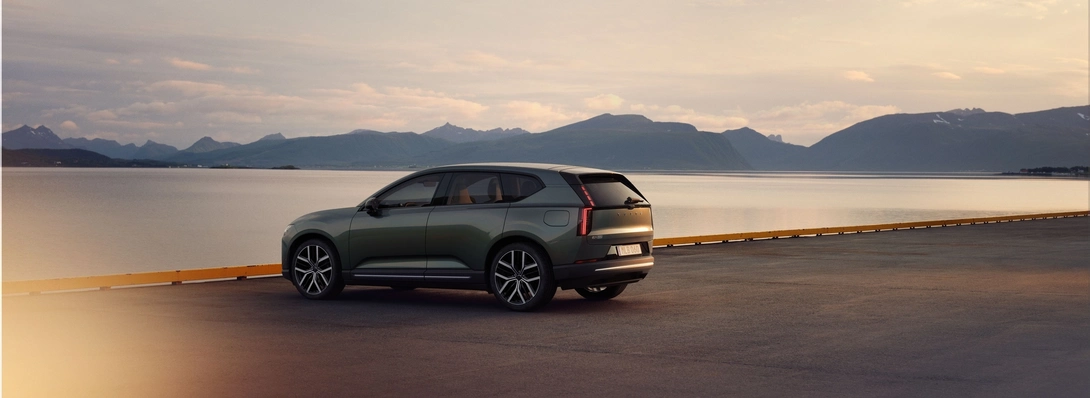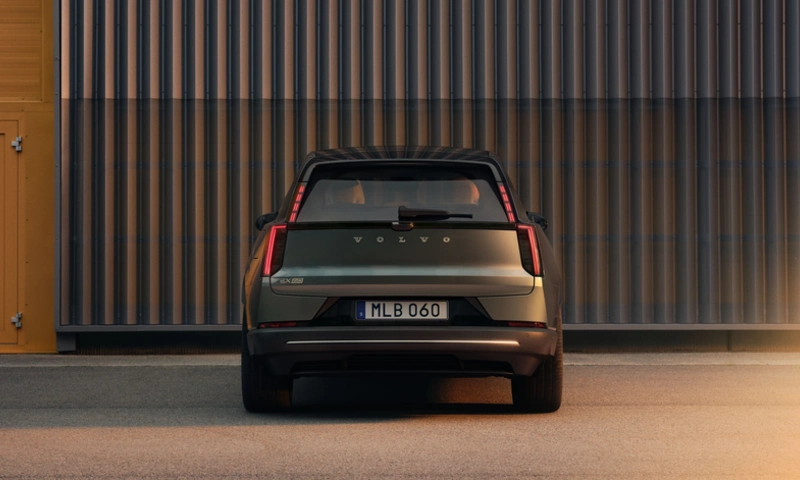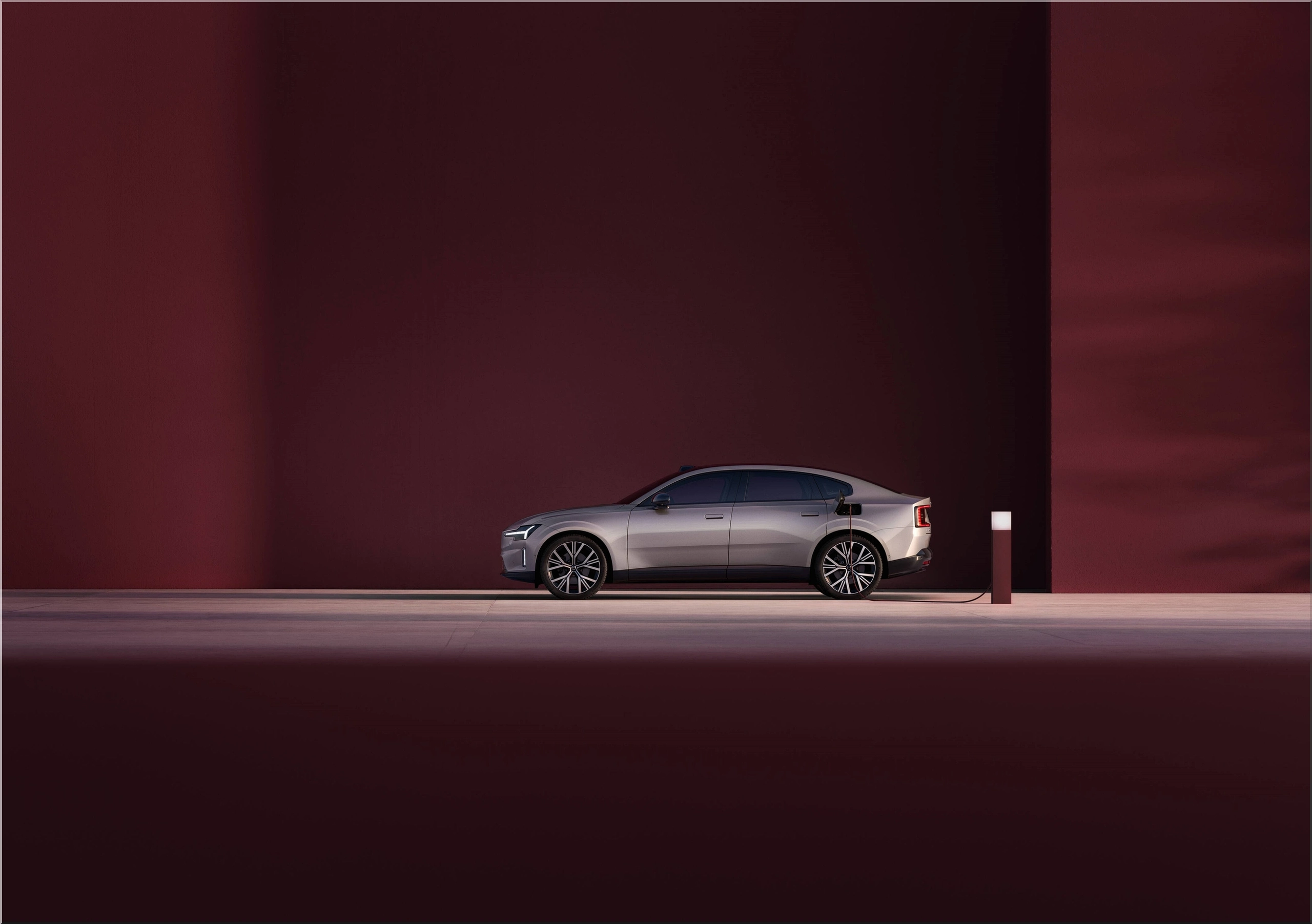
ES90
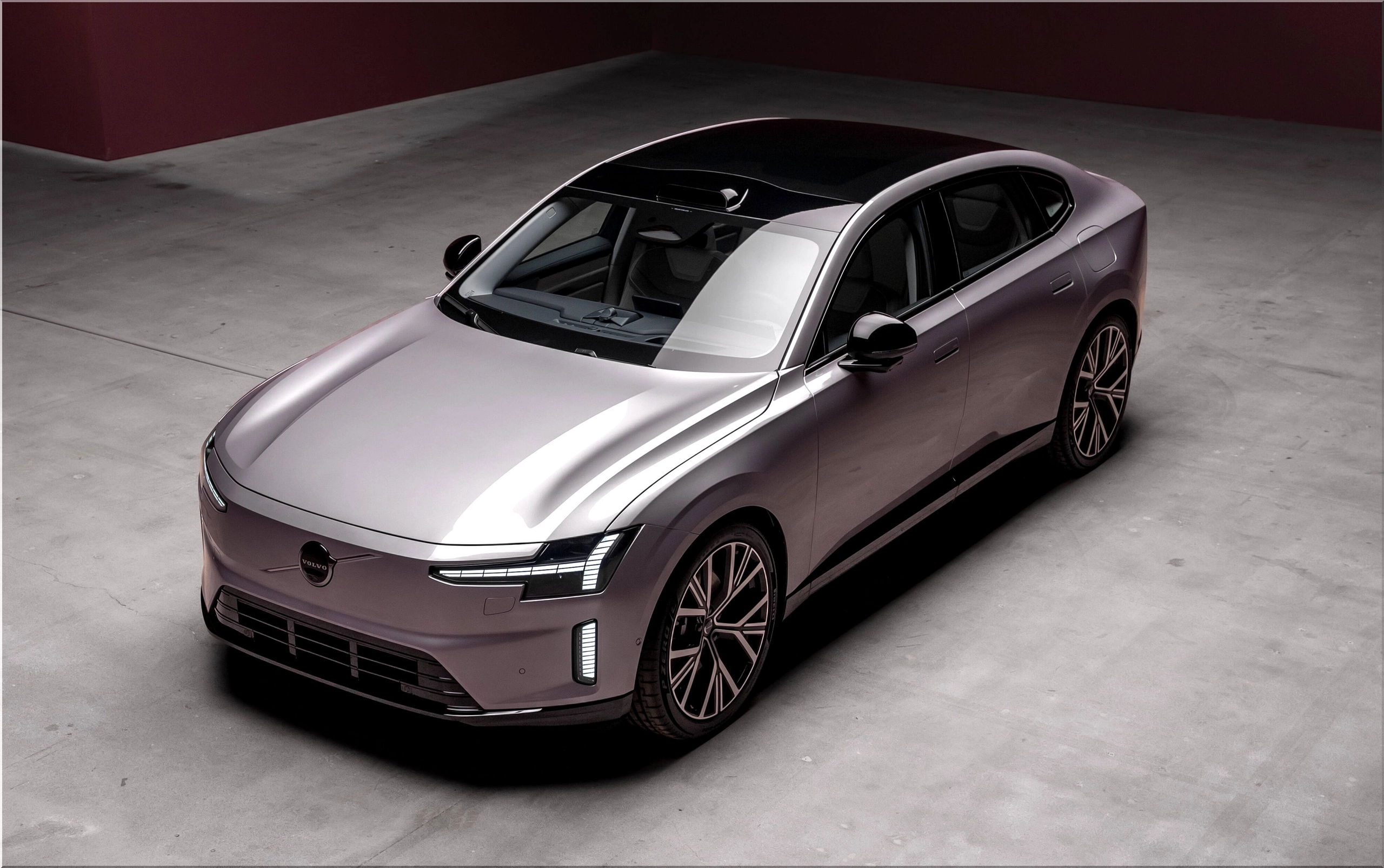
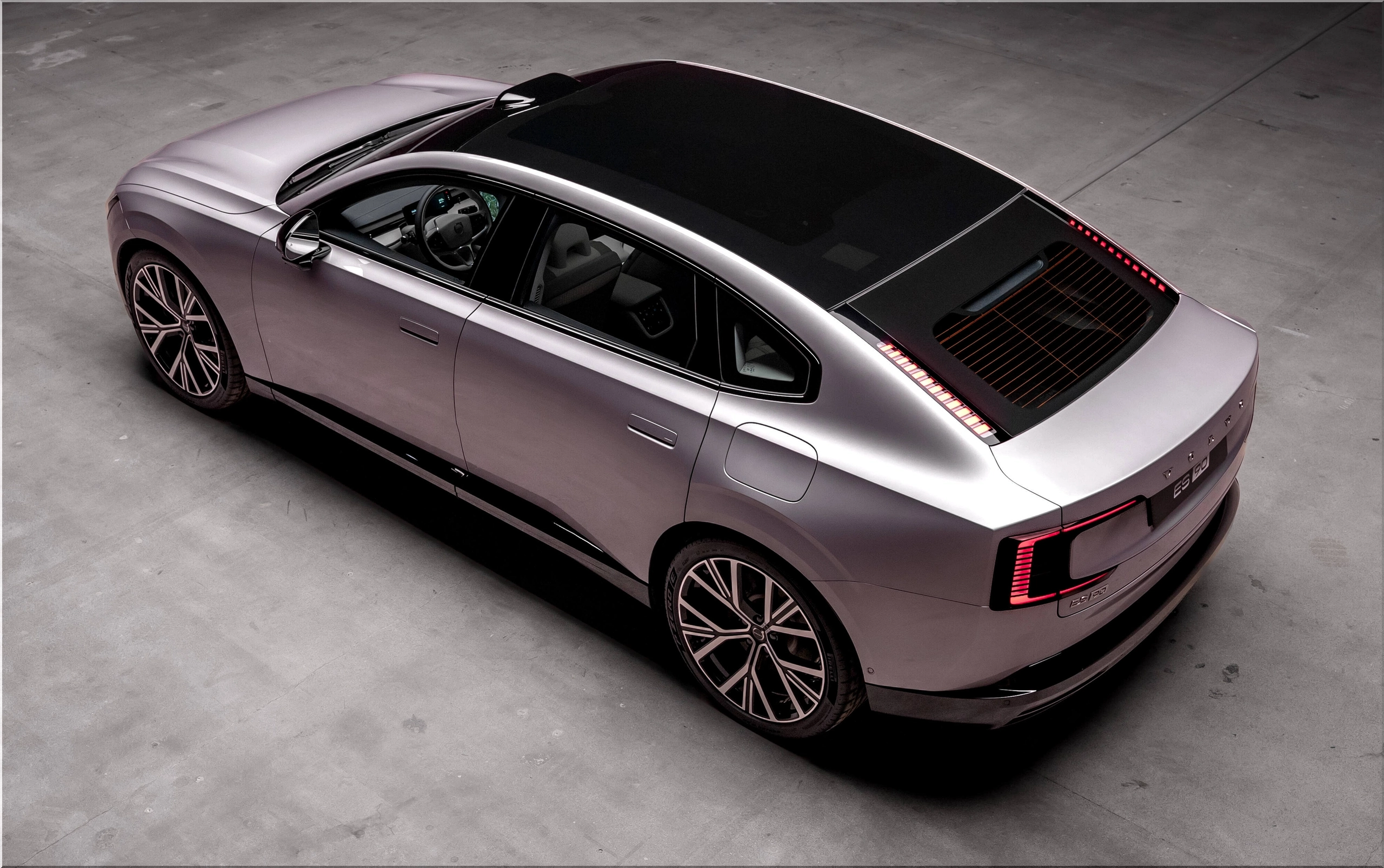
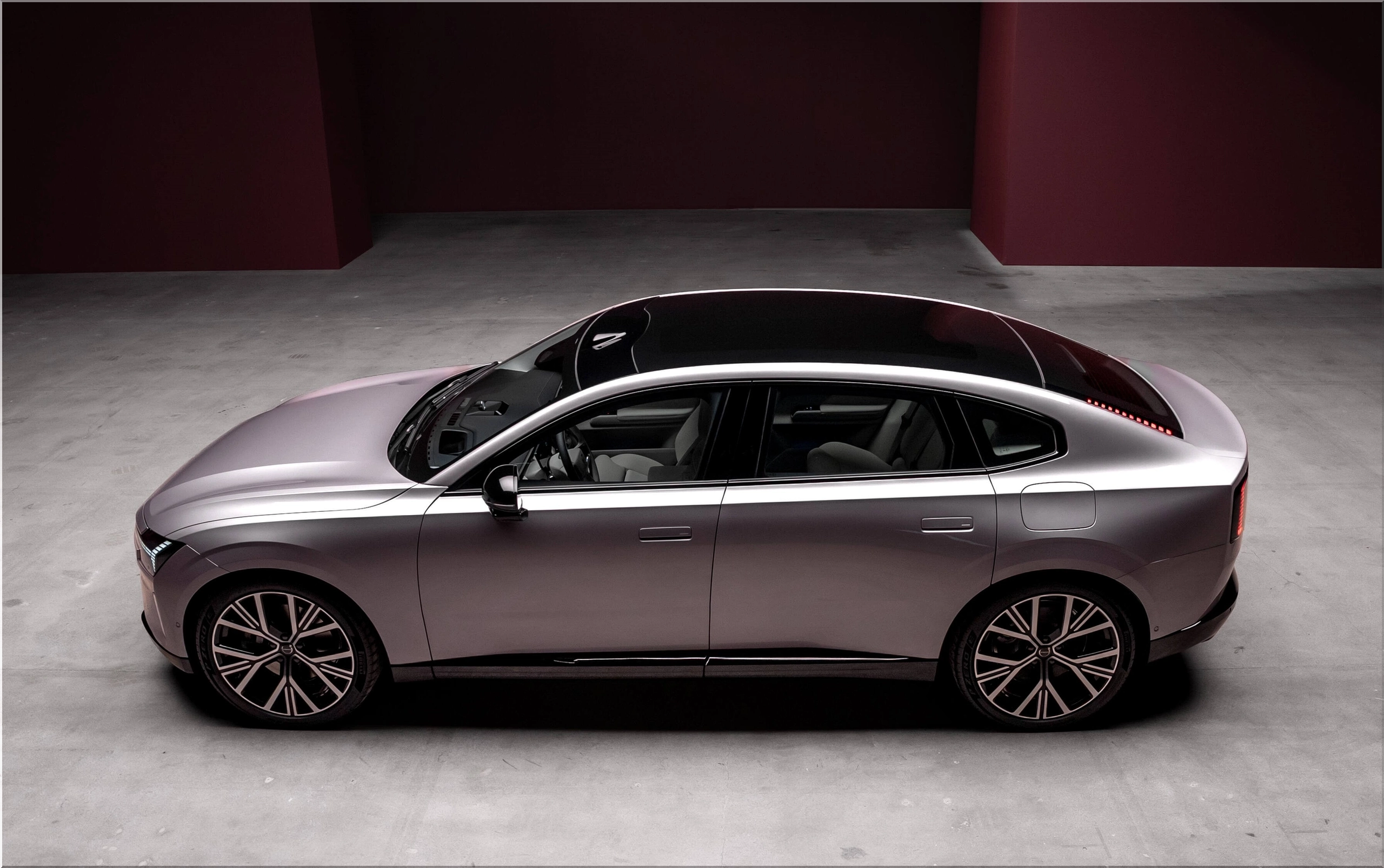
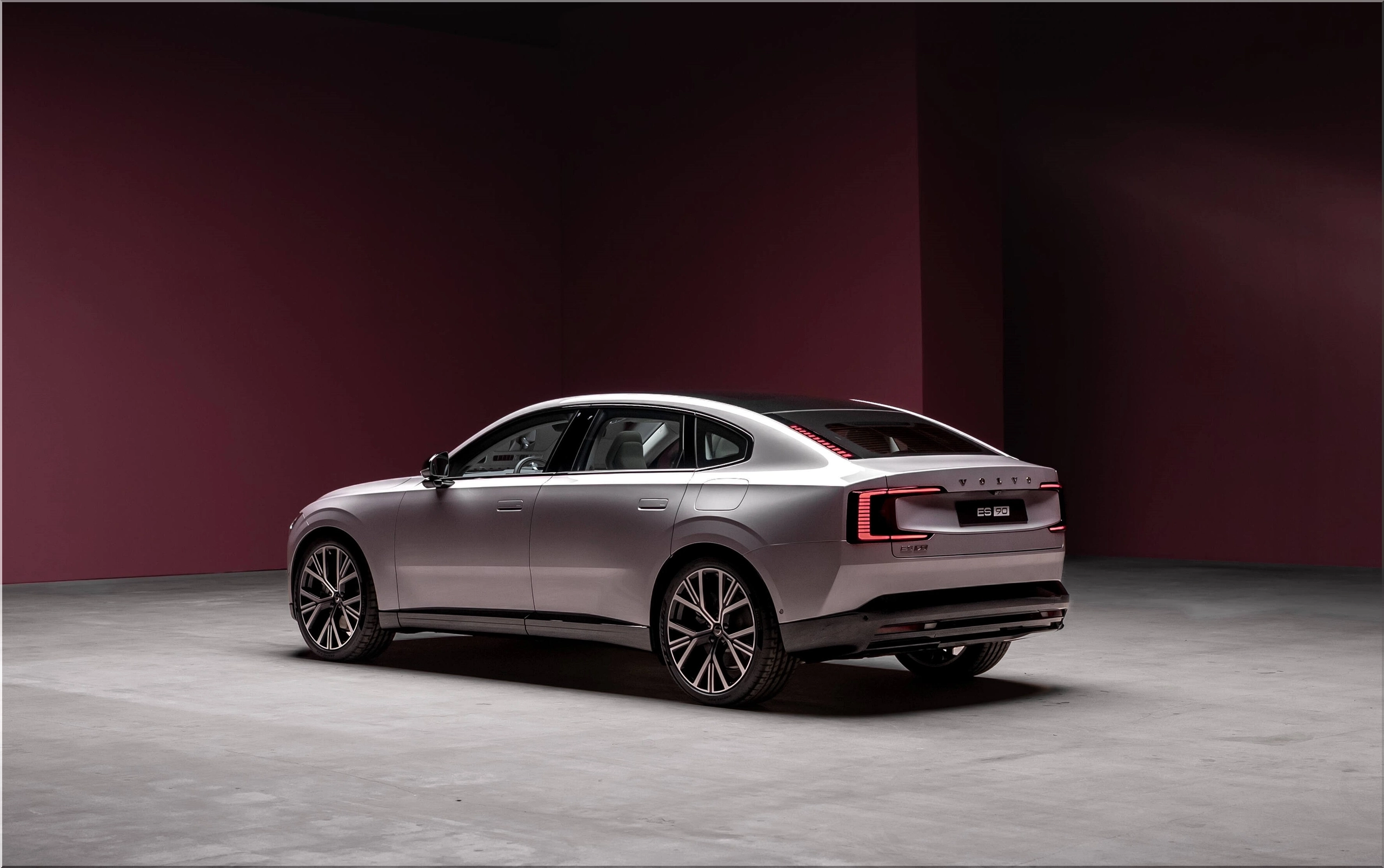
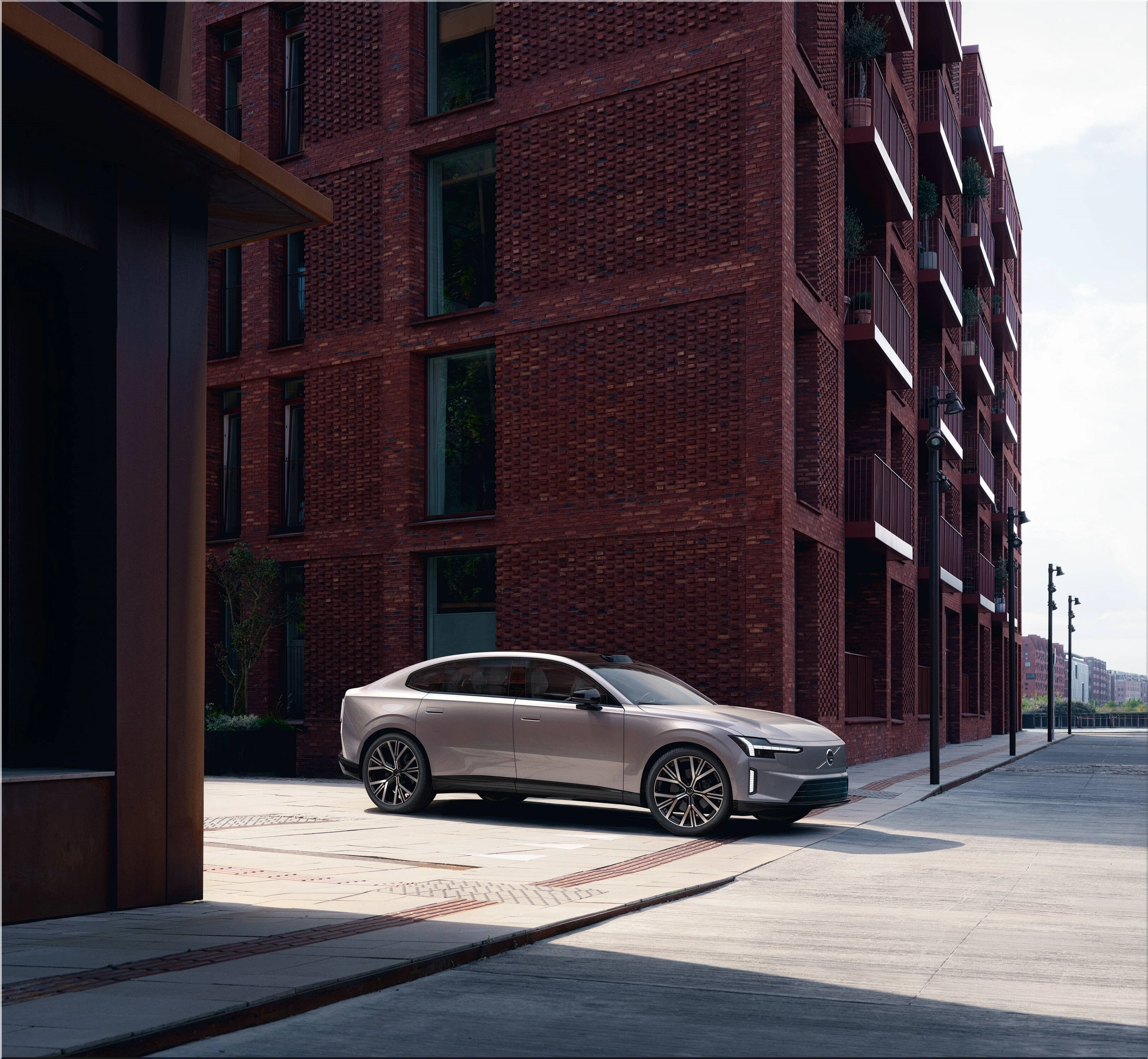
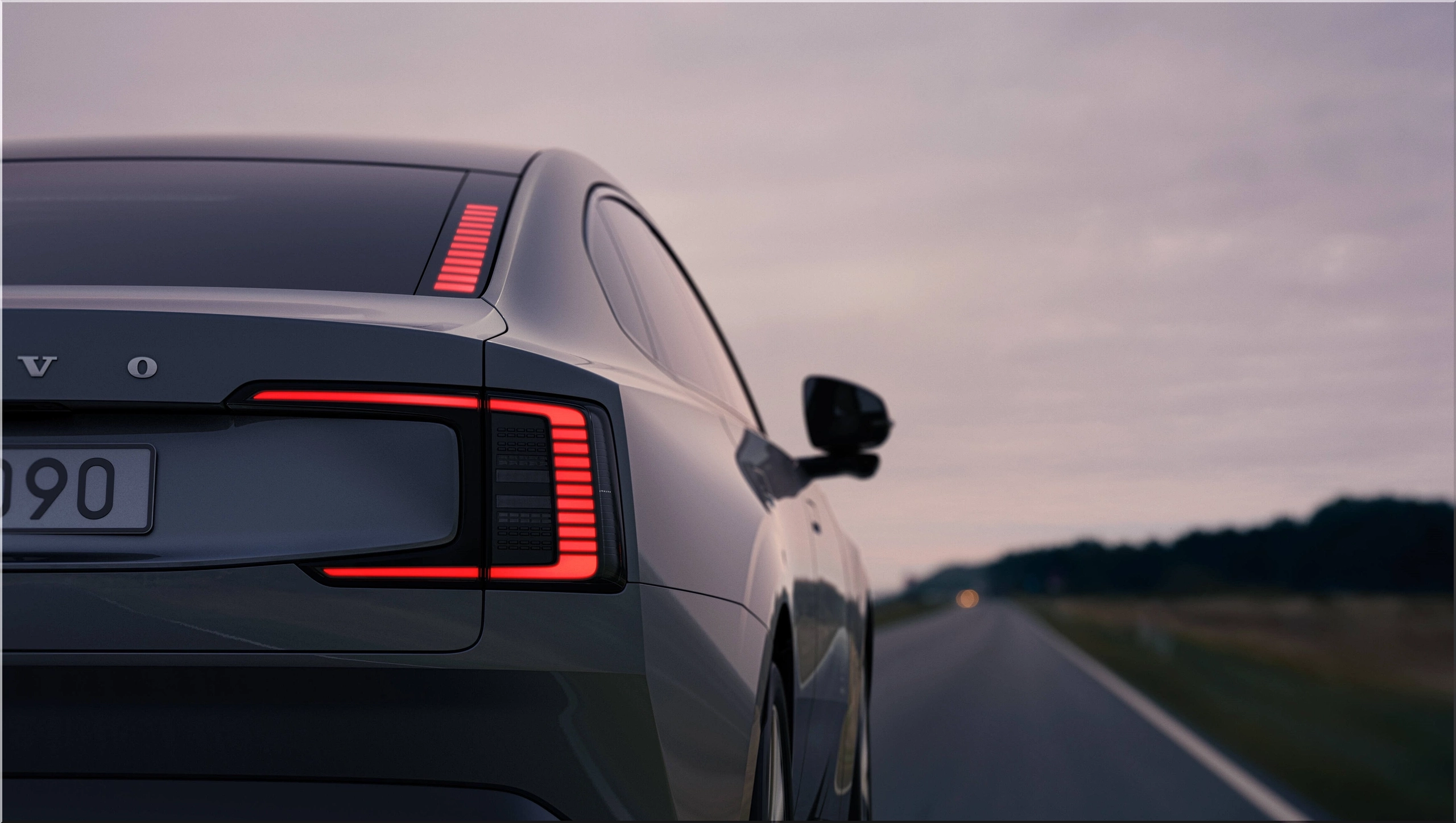
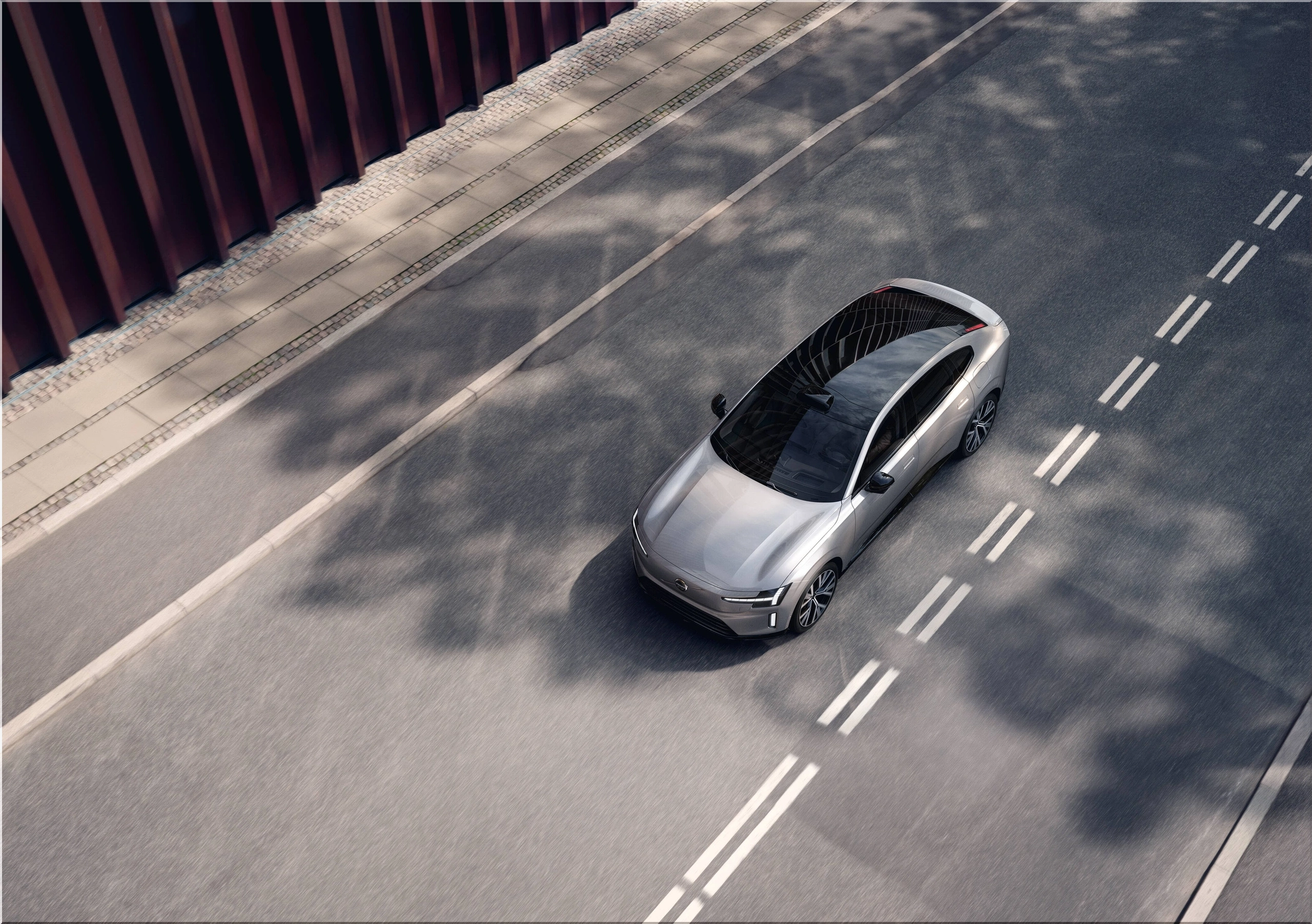
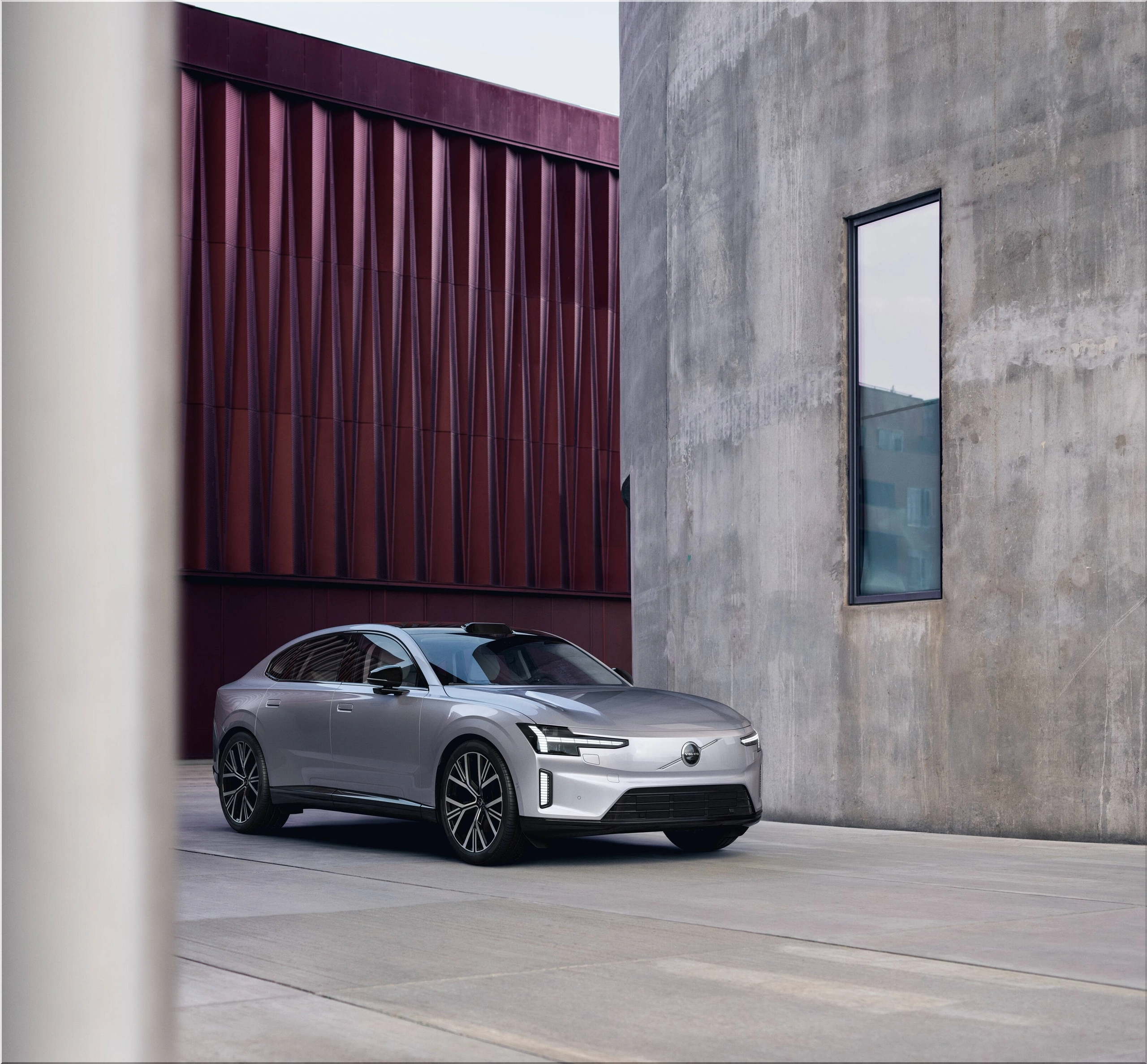
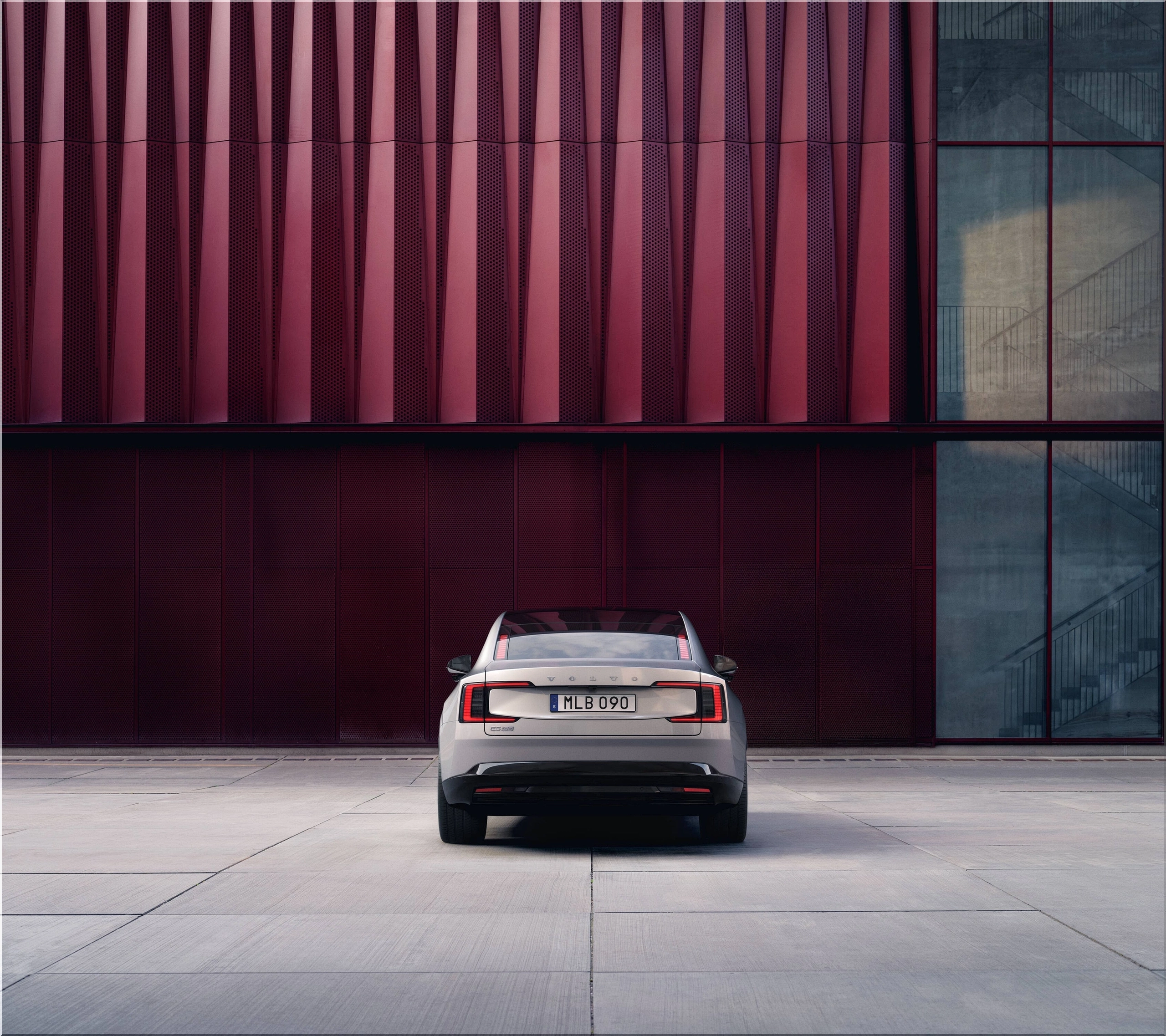
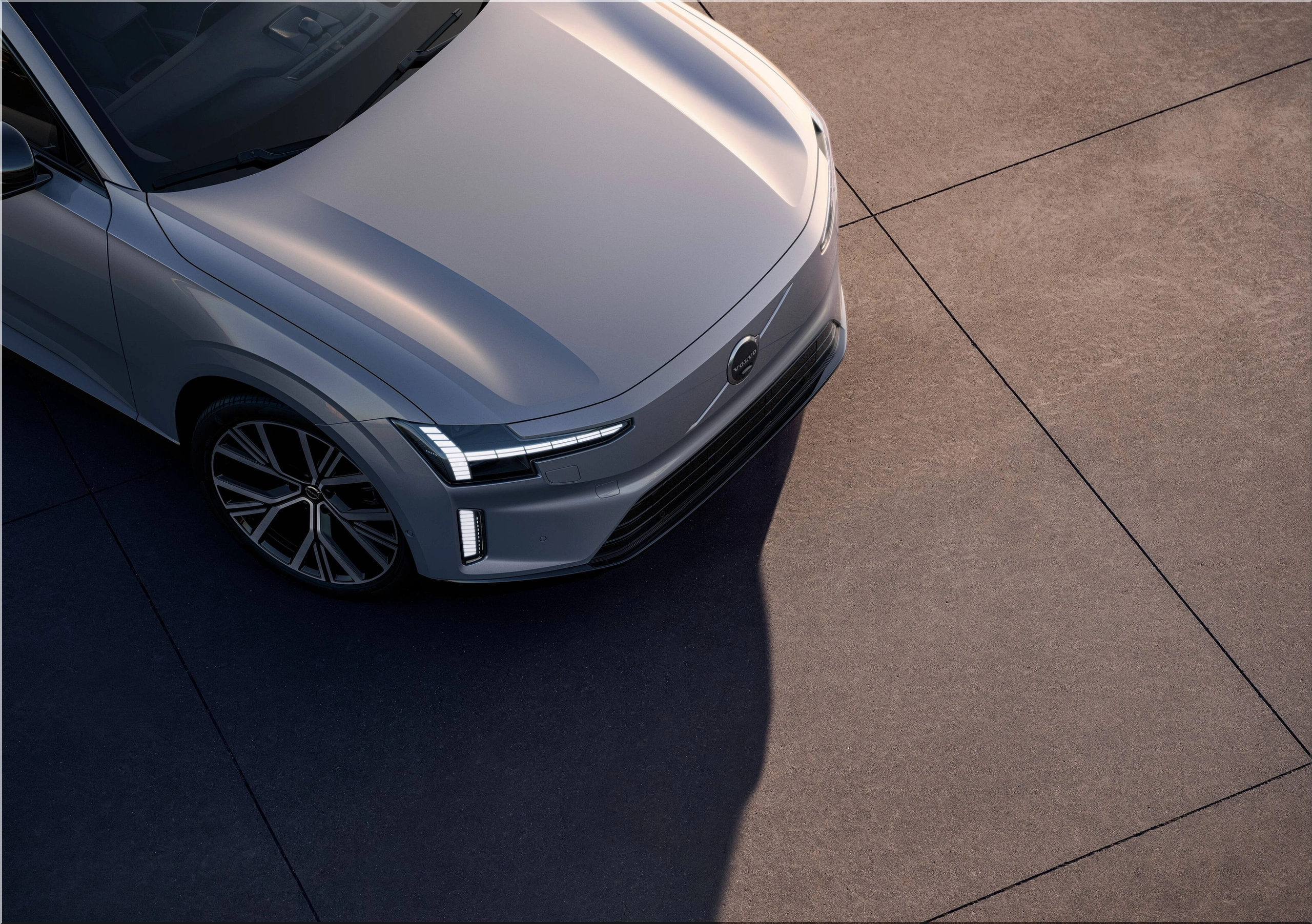
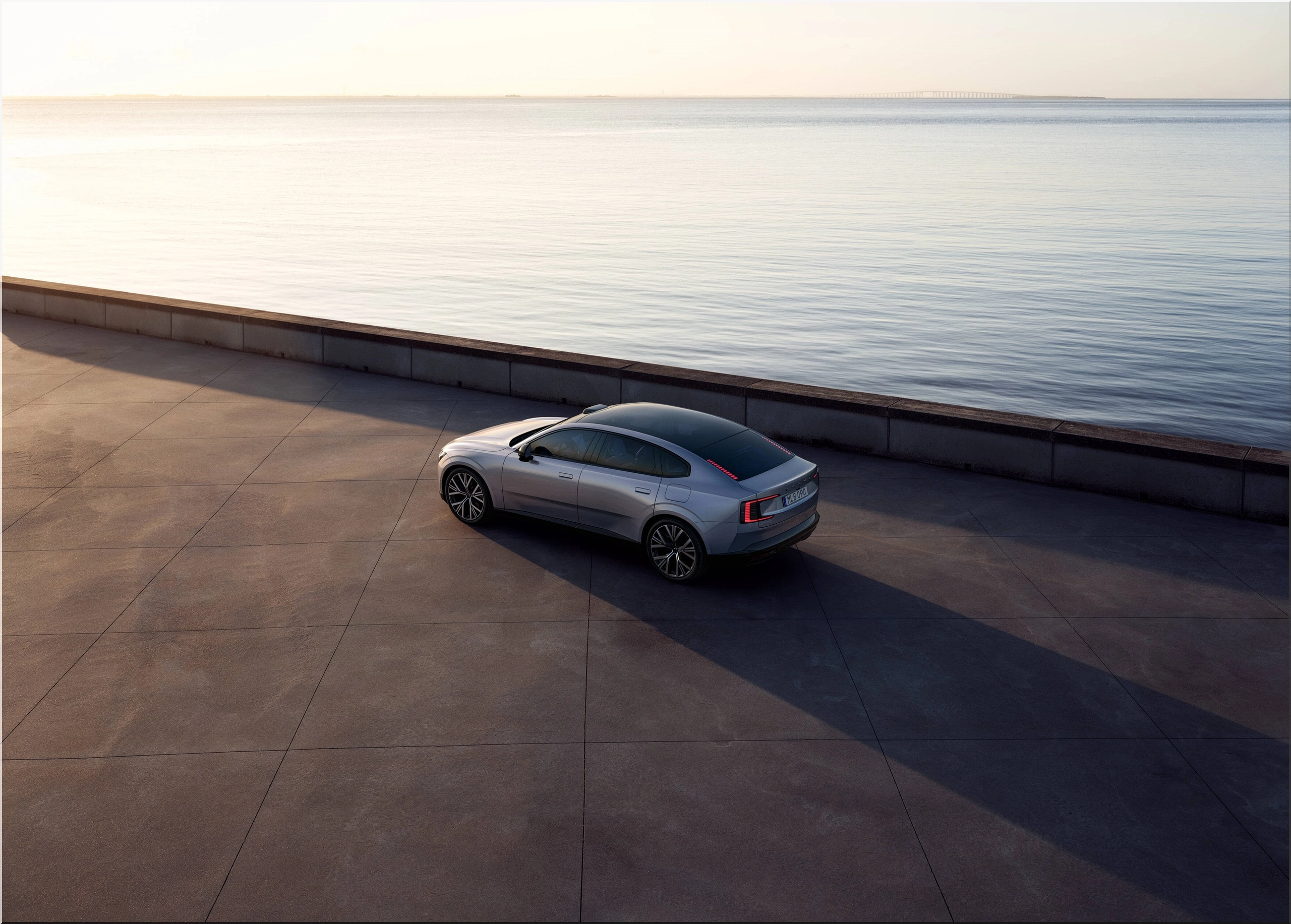
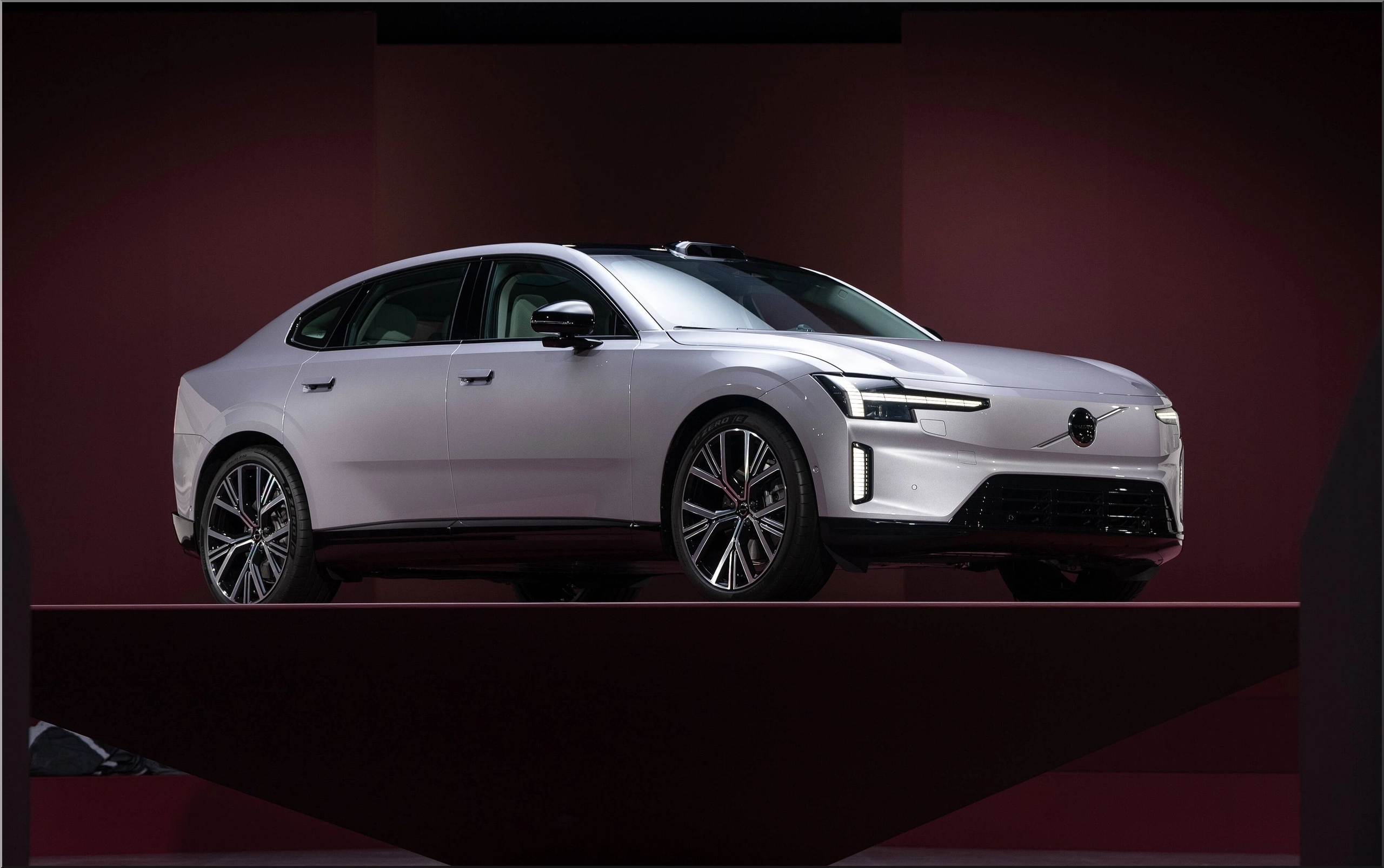
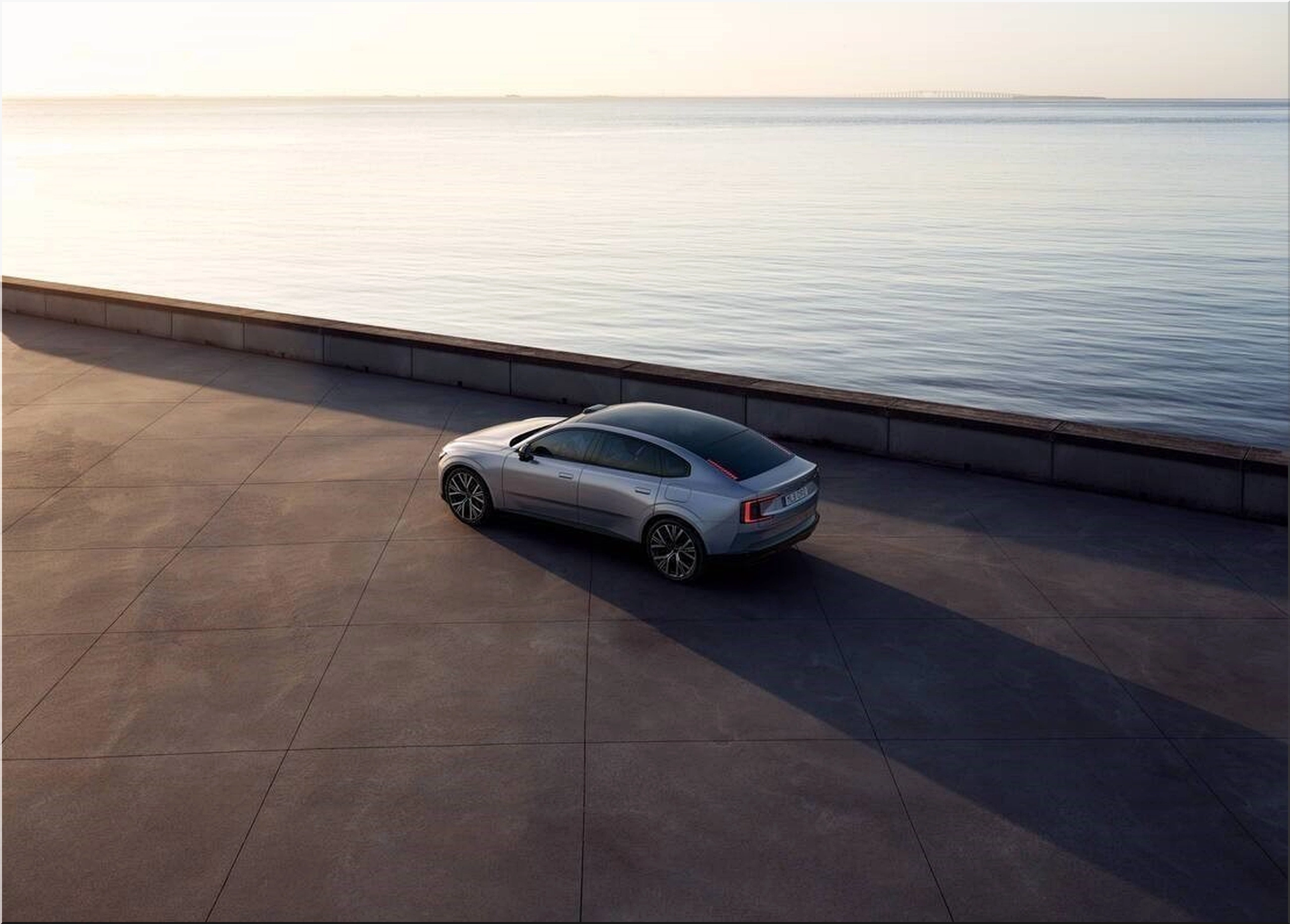
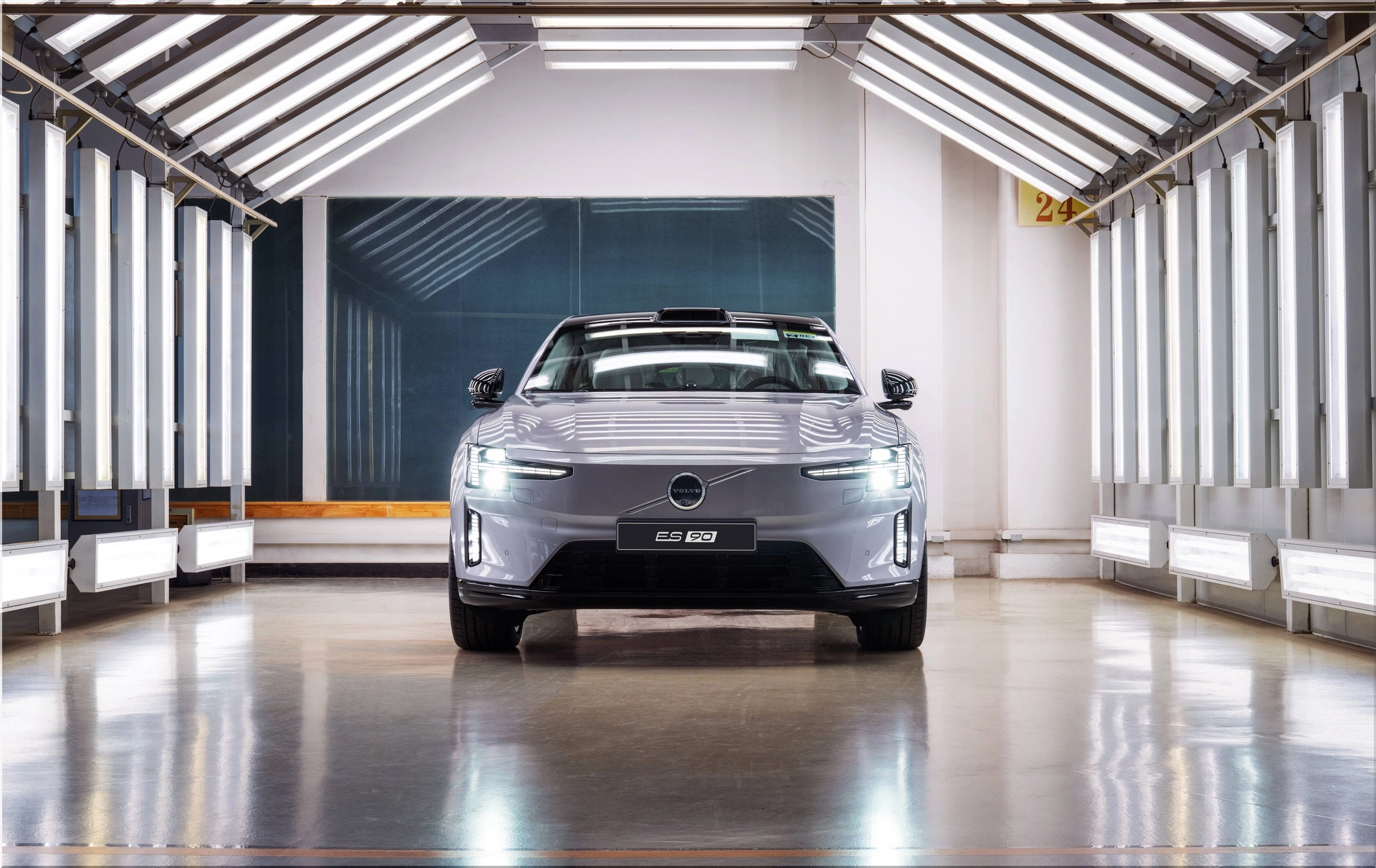
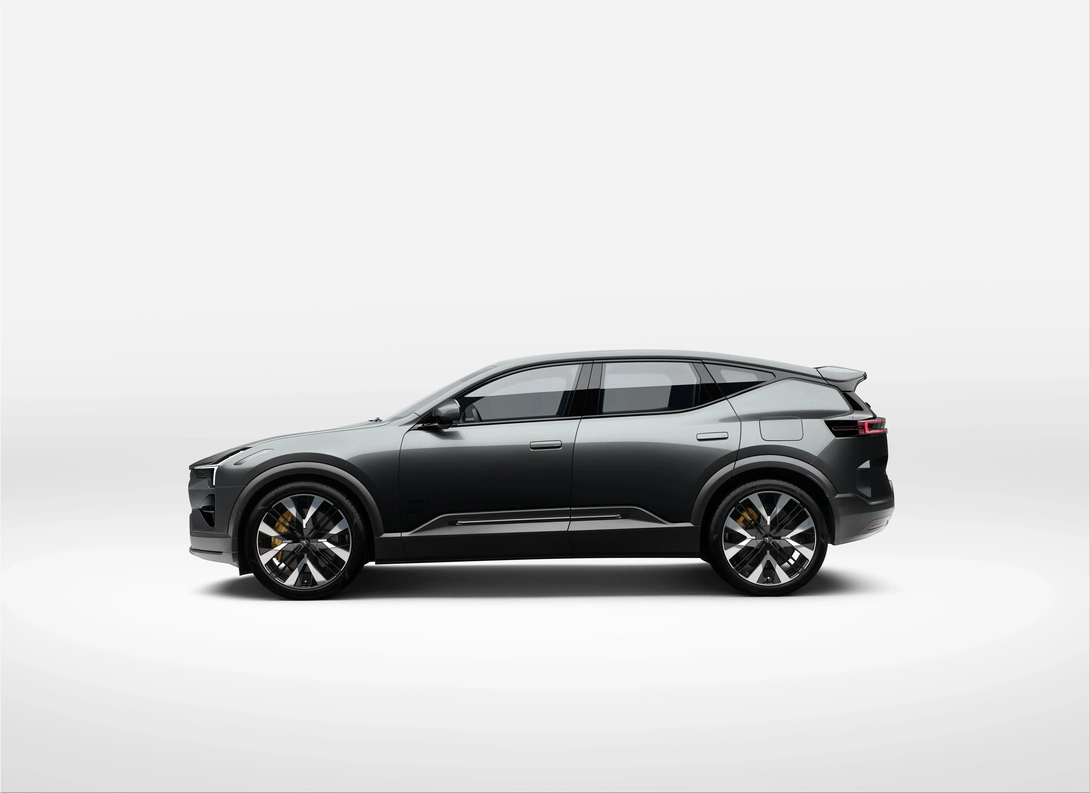
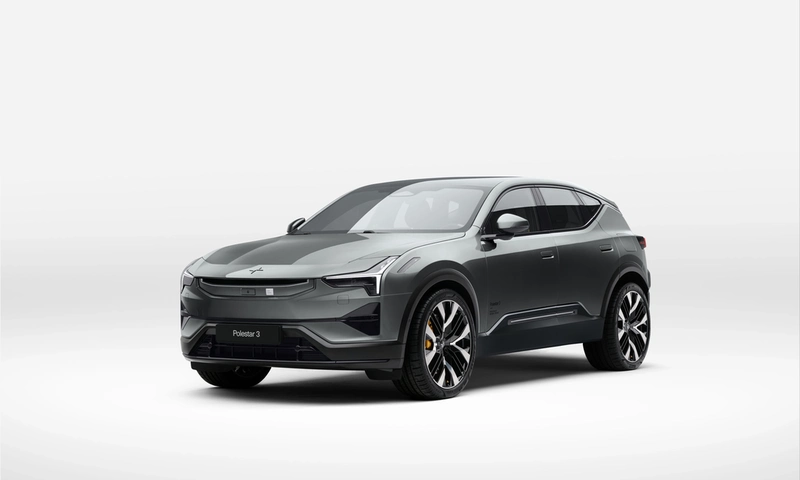
Volvo Cars has started production of the fully electric Volvo ES90, a sedan built on 800-volt architecture with a focus on fast charging, range, and software-driven updates. Positioned between sedans, SUVs, and fastbacks, the ES90 signals how automakers are adjusting their lineups to capture demand in multiple categories.
Key Features of the Volvo ES90
The ES90 introduces several firsts for Volvo.
- 800-volt system: Faster charging and longer range than any Volvo EV before.
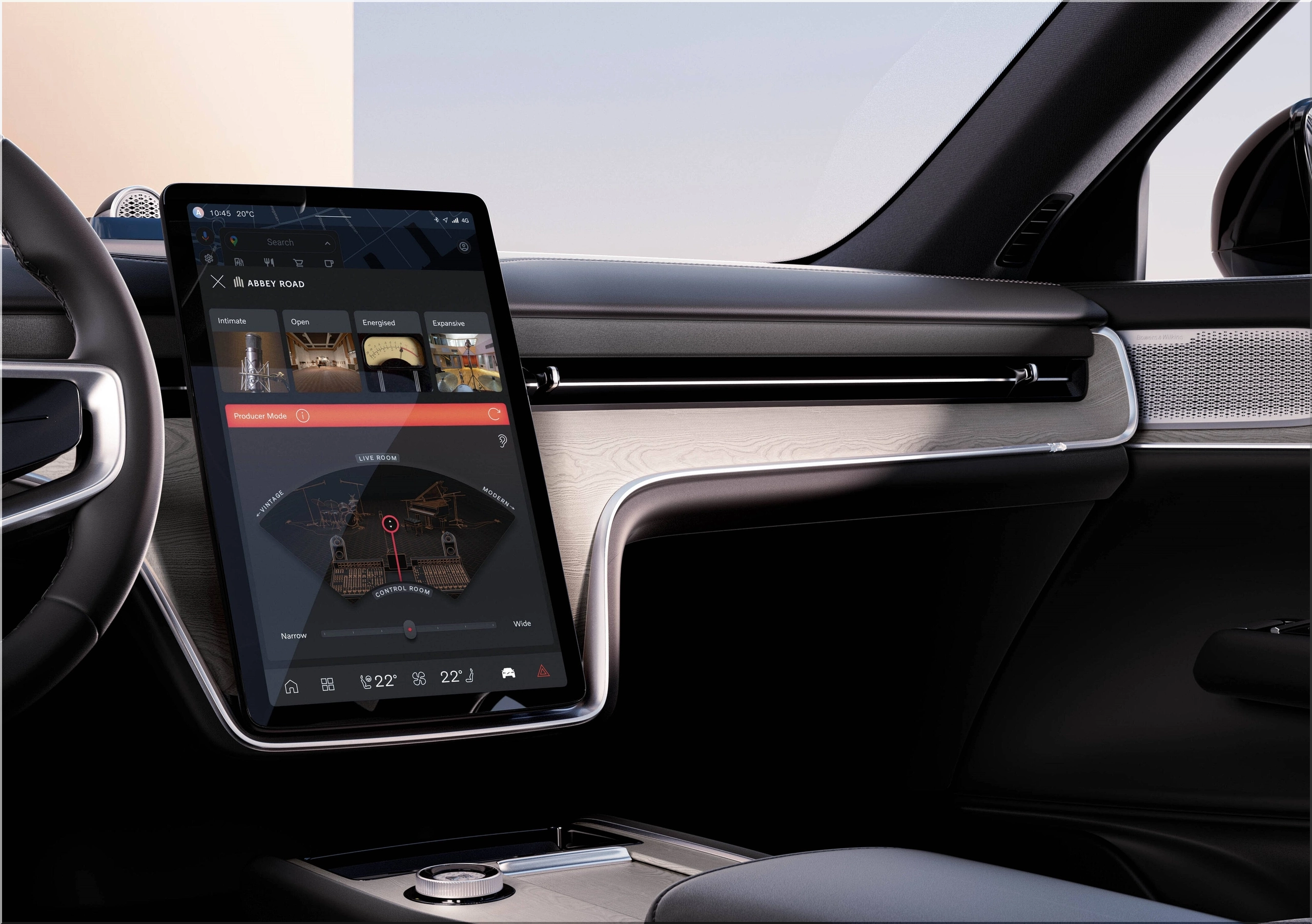
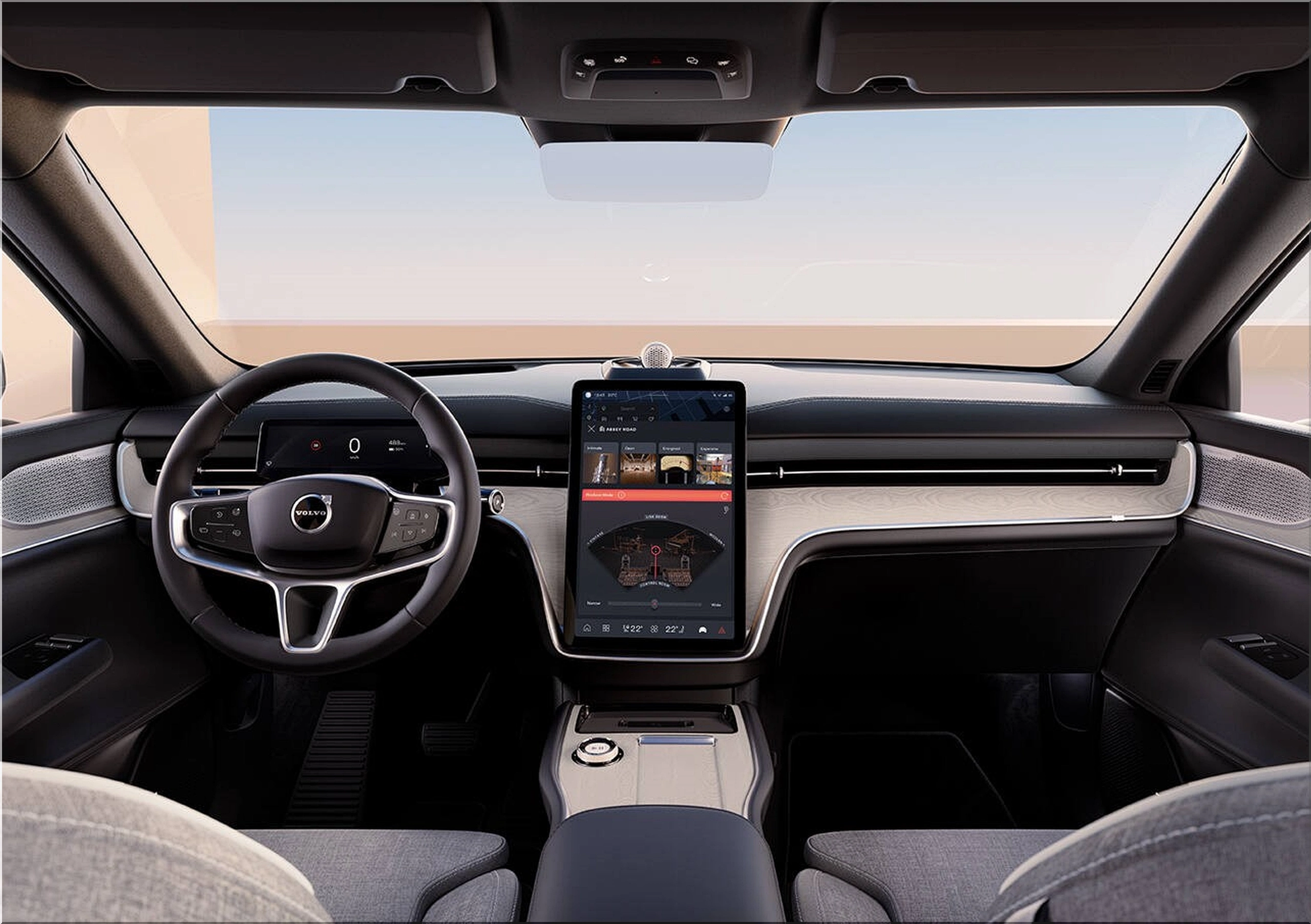
- Superset tech stack: Centralized computing designed for continuous software updates.
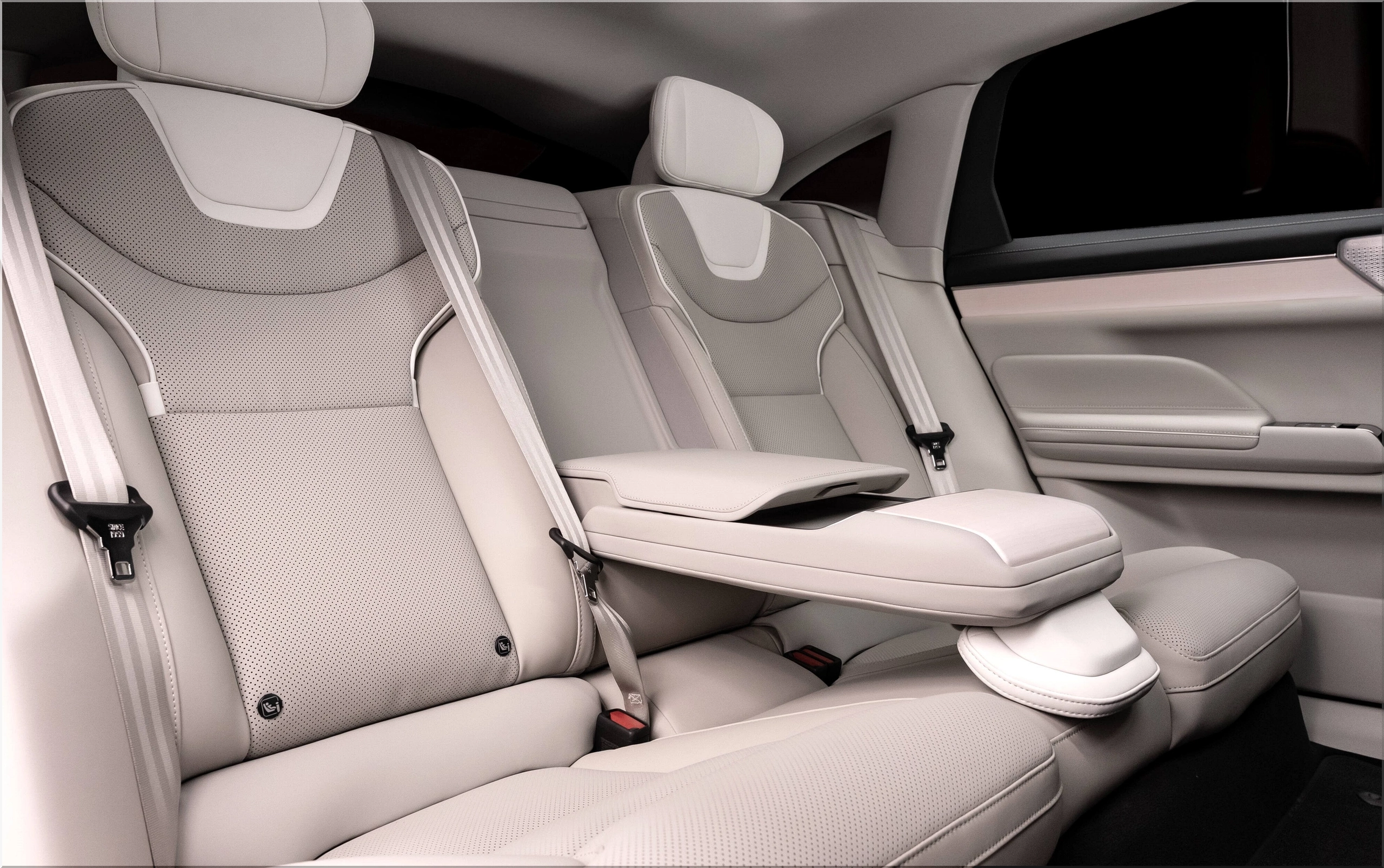
- Versatile body design: Mix of sedan refinement, fastback utility, and SUV-like space.
- Production: Built at Volvo's Chengdu plant using climate-neutral energy.
- Carbon footprint: One of the lowest of any Volvo to date, according to internal LCA reports.
Charging and Range
Volvo has not yet disclosed exact range and charging times, but 800-volt systems typically allow 10–80% charging in under 30 minutes when paired with high-power DC chargers. For context:
| EV Model | Voltage Architecture | Charging Time (10–80%) | Max Range (approx.) |
|---|---|---|---|
| Volvo EX90 (current) | 400V | ~30–40 min | 300 miles |
| Hyundai Ioniq 6 | 800V | ~18 min | 361 miles |
| Porsche Taycan | 800V | ~22 min | 246 miles |
| Volvo ES90 (projected) | 800V | ~20–25 min* | 350+ miles* |
Volvo's Market Strategy
Transition to Electric
Volvo has committed to becoming a fully electric automaker by 2030. The ES90 is part of this shift, sitting alongside the EX90 SUV and the smaller EX30.