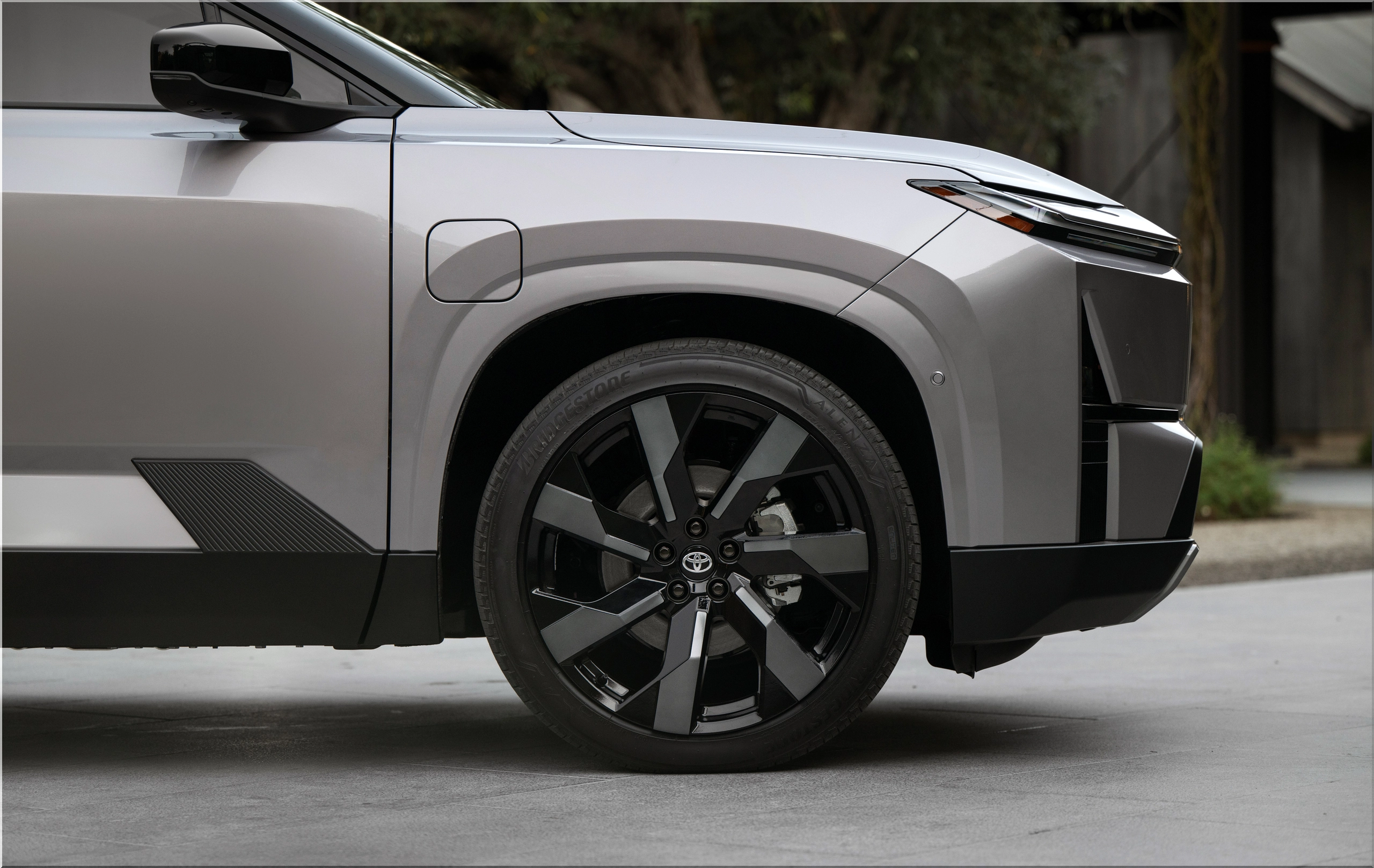
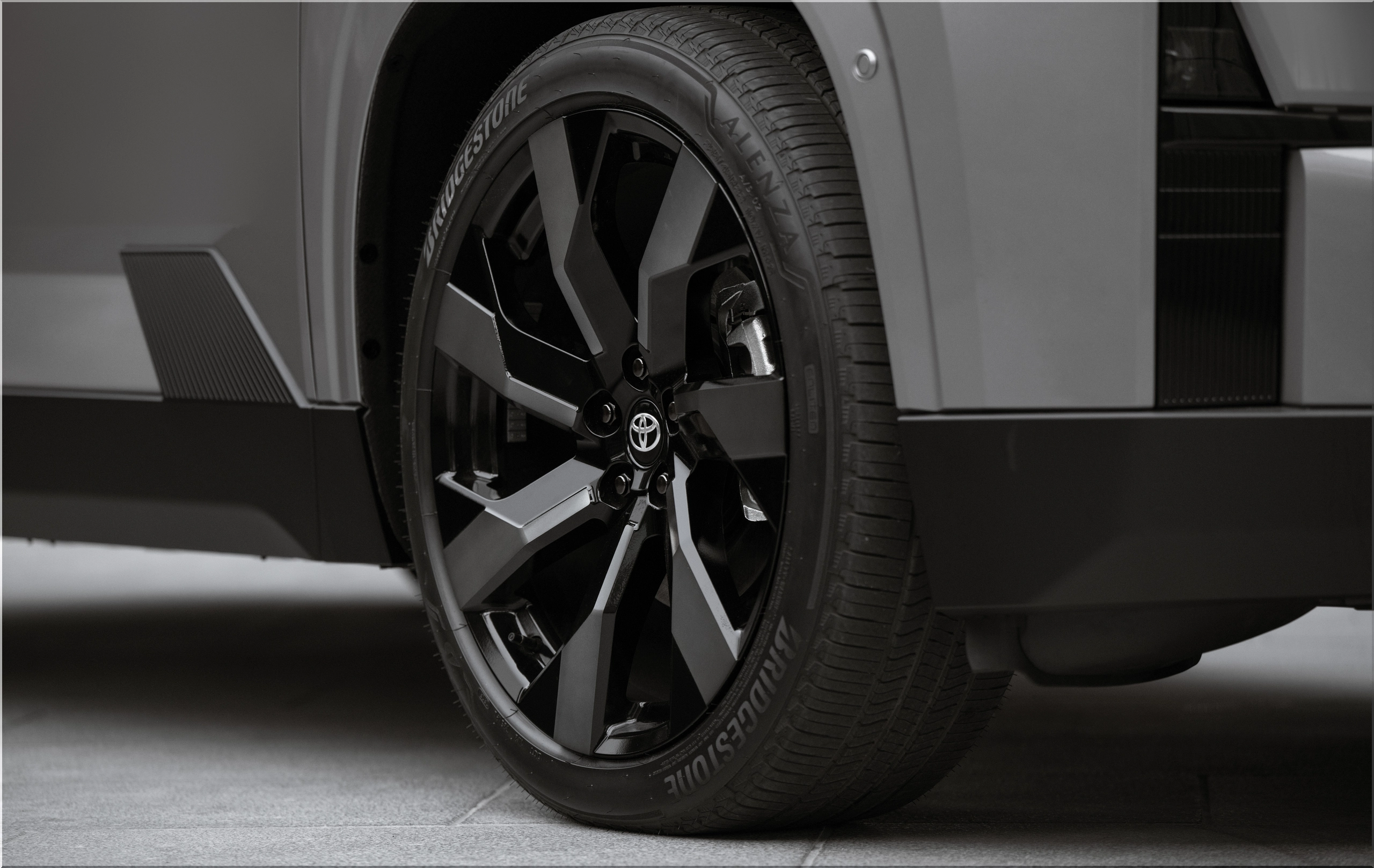
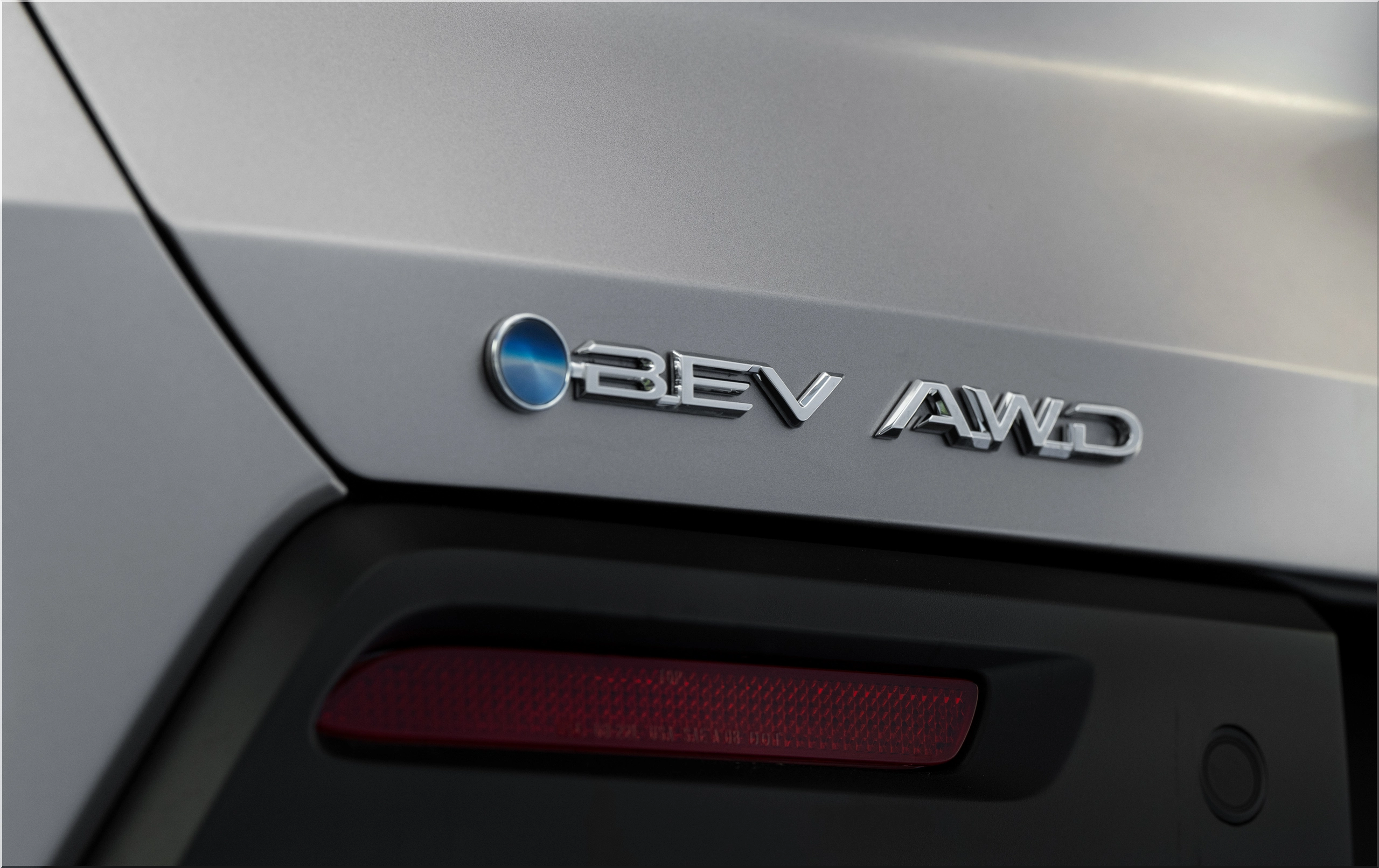
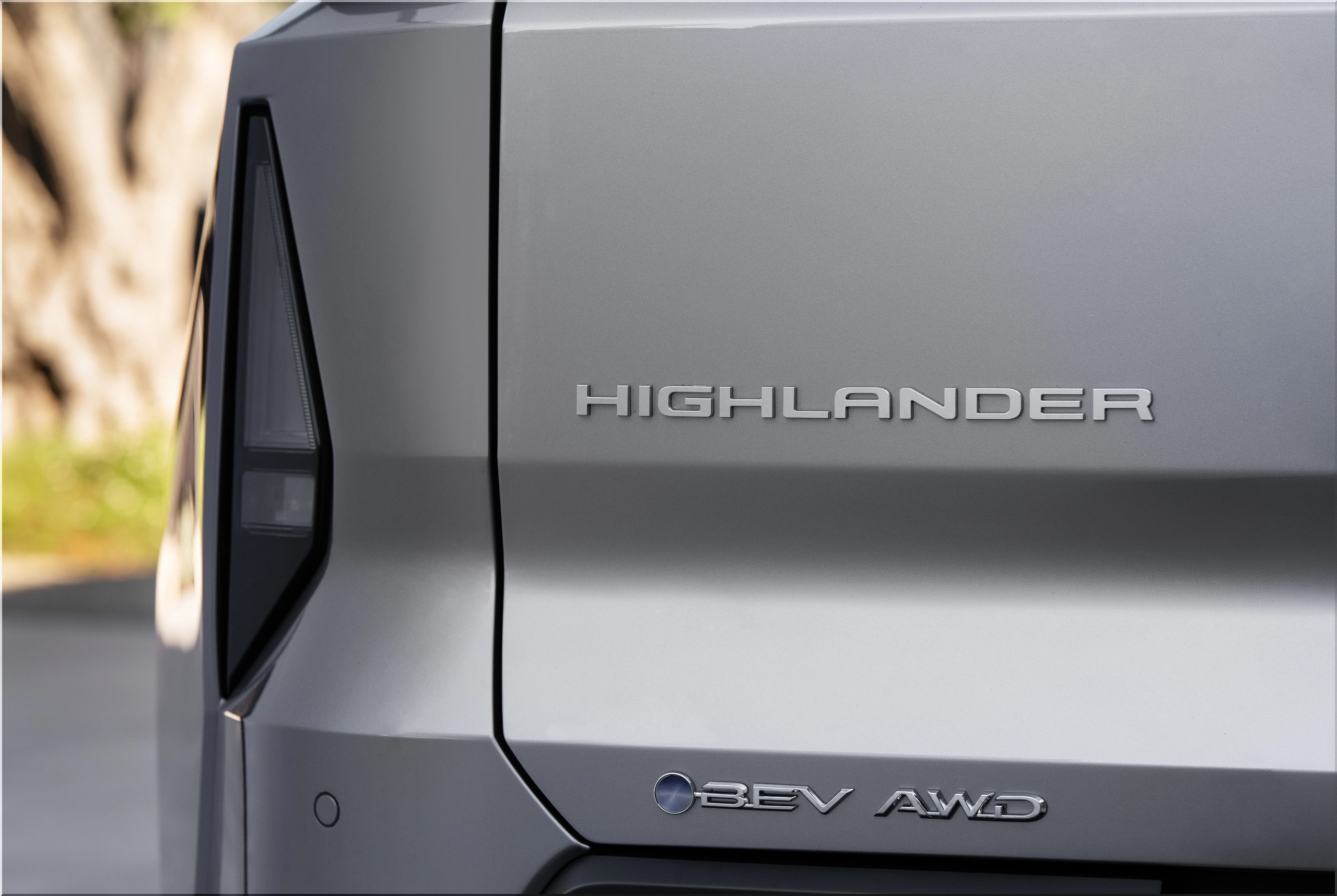
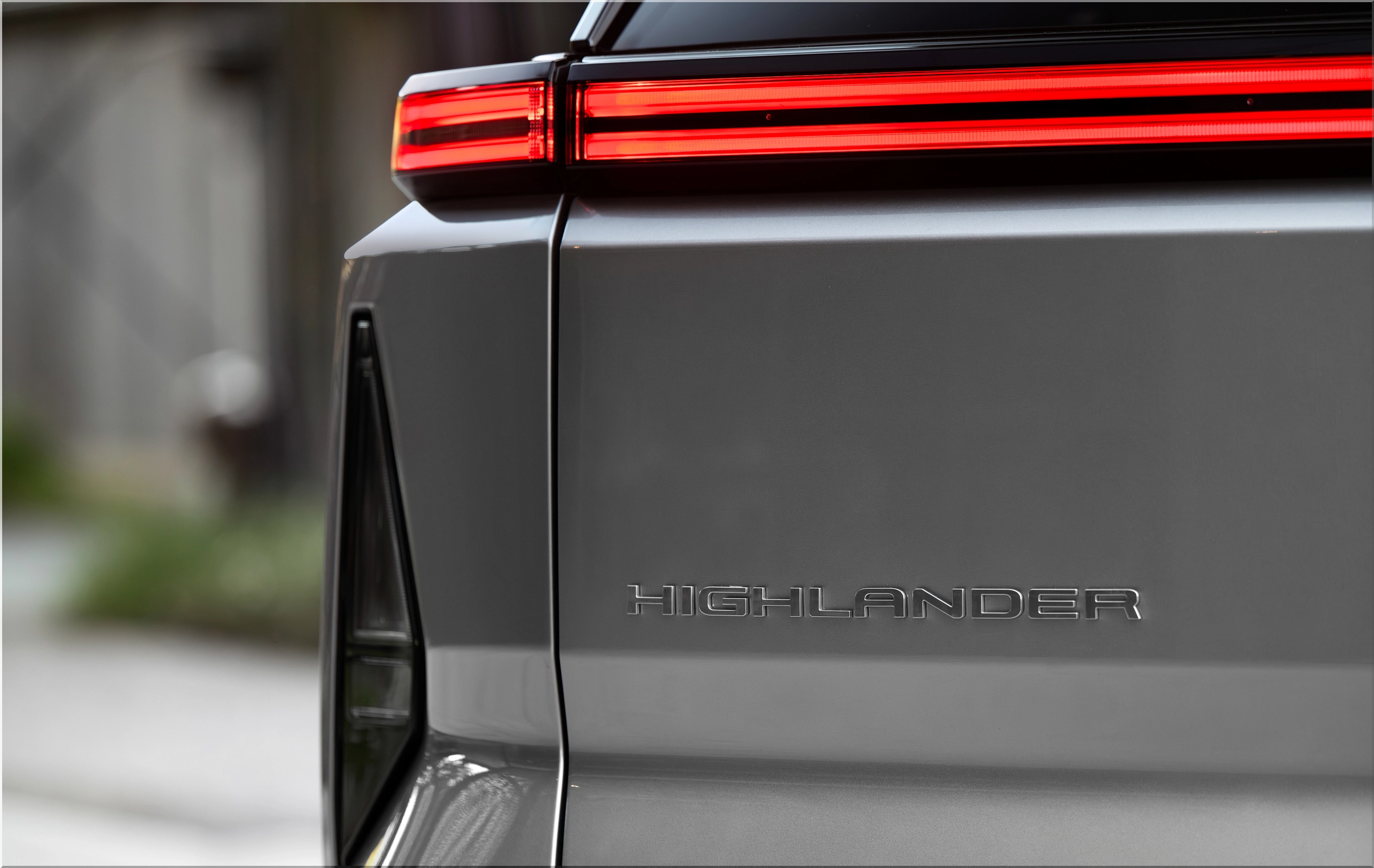
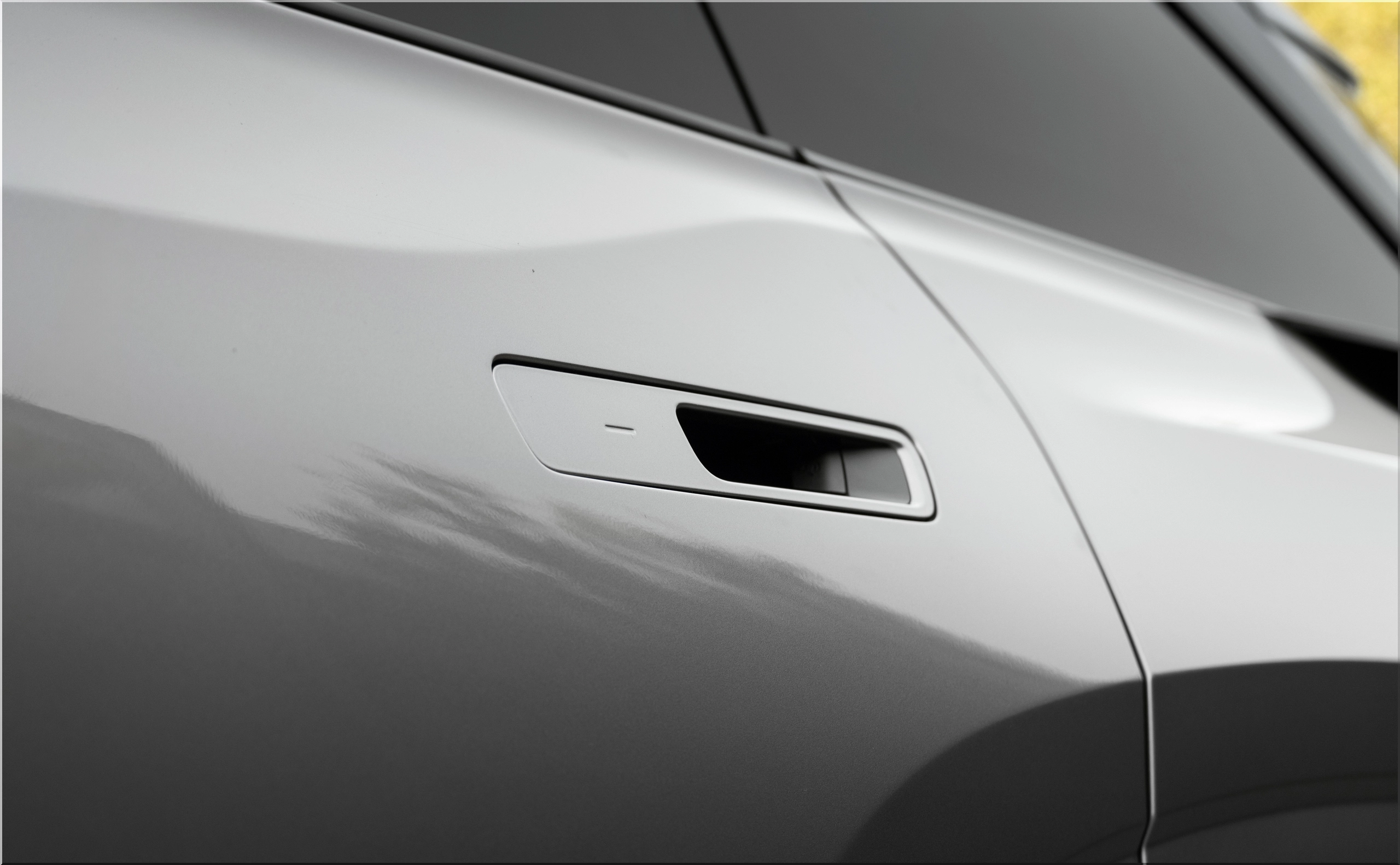
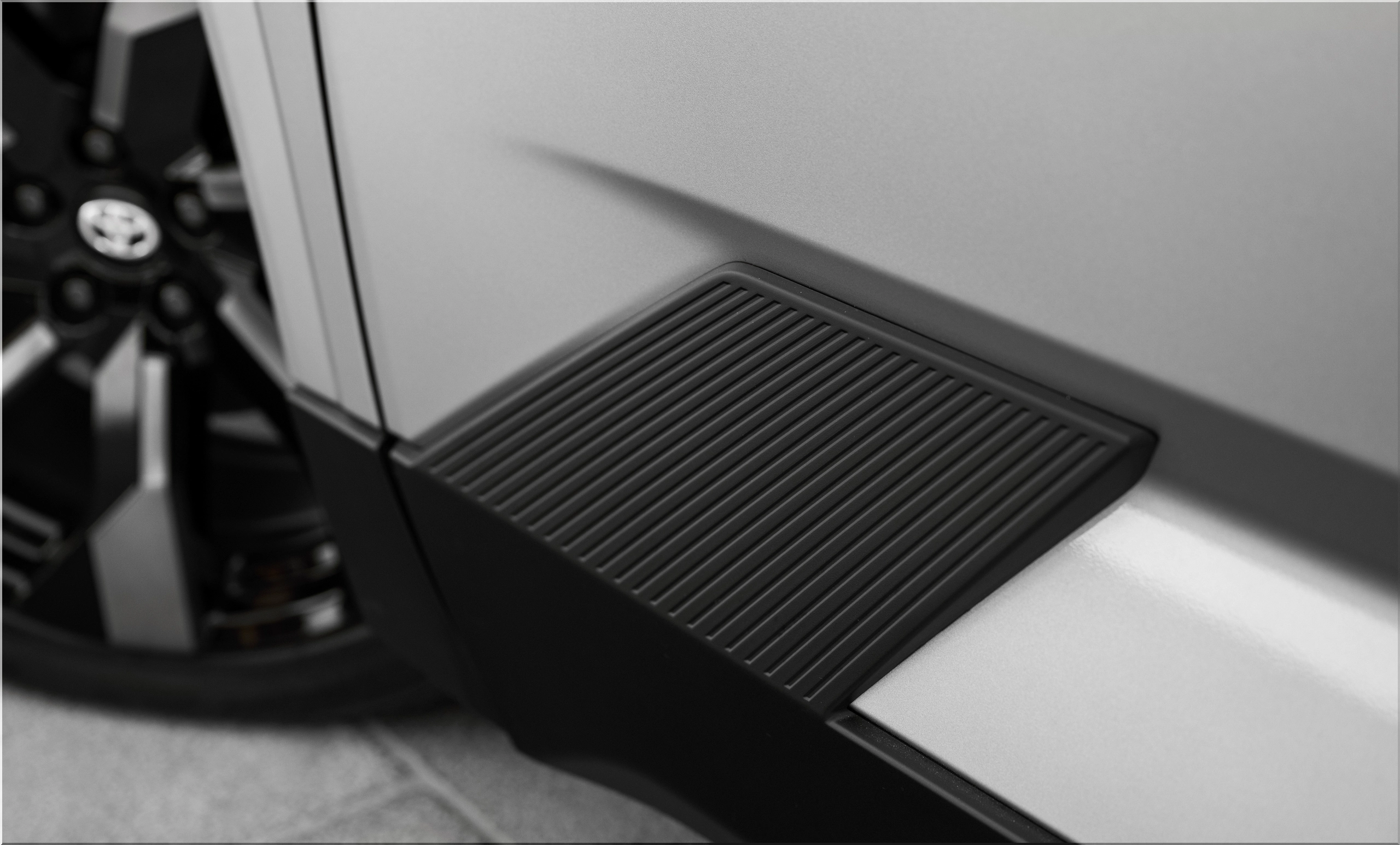
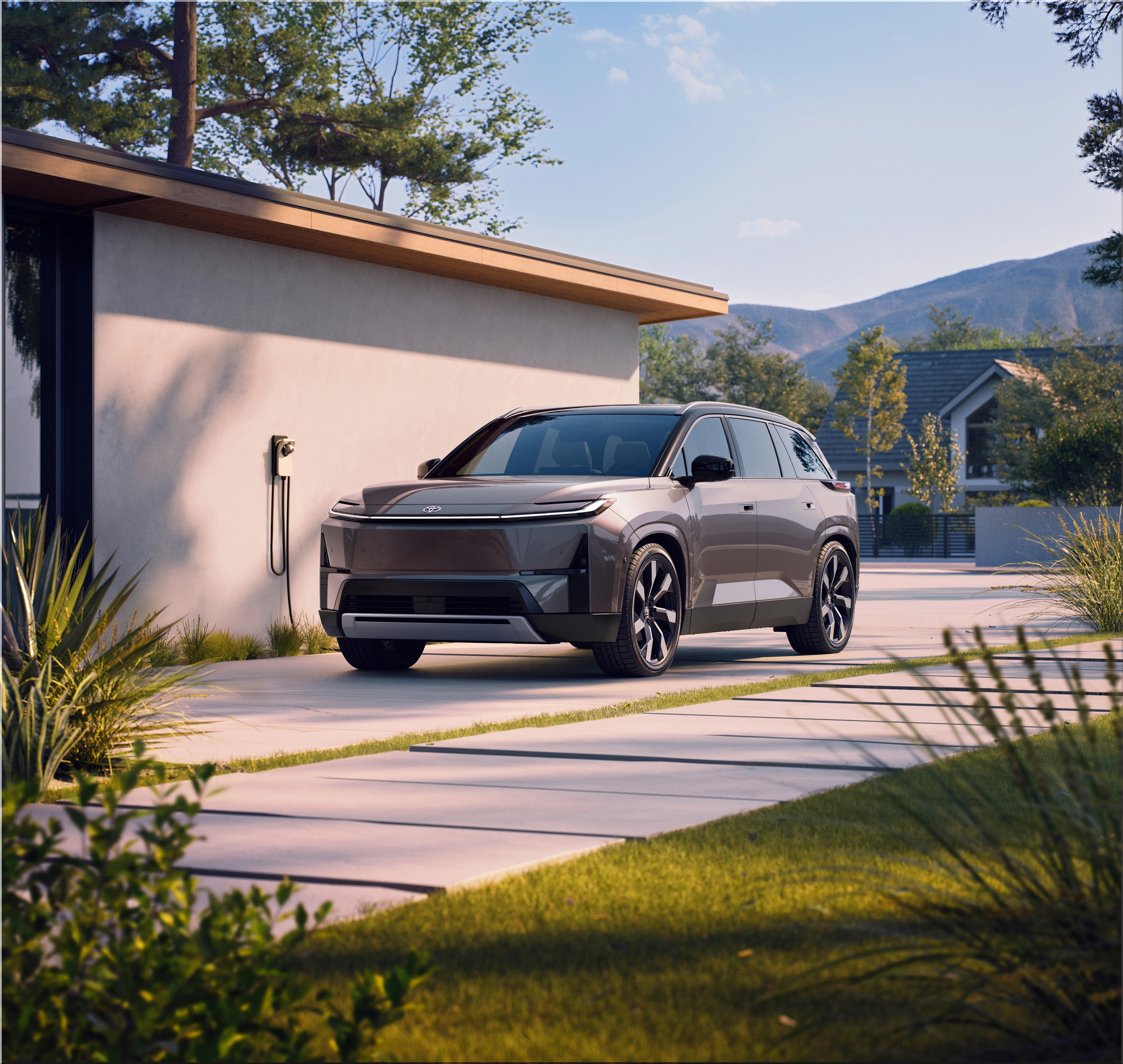
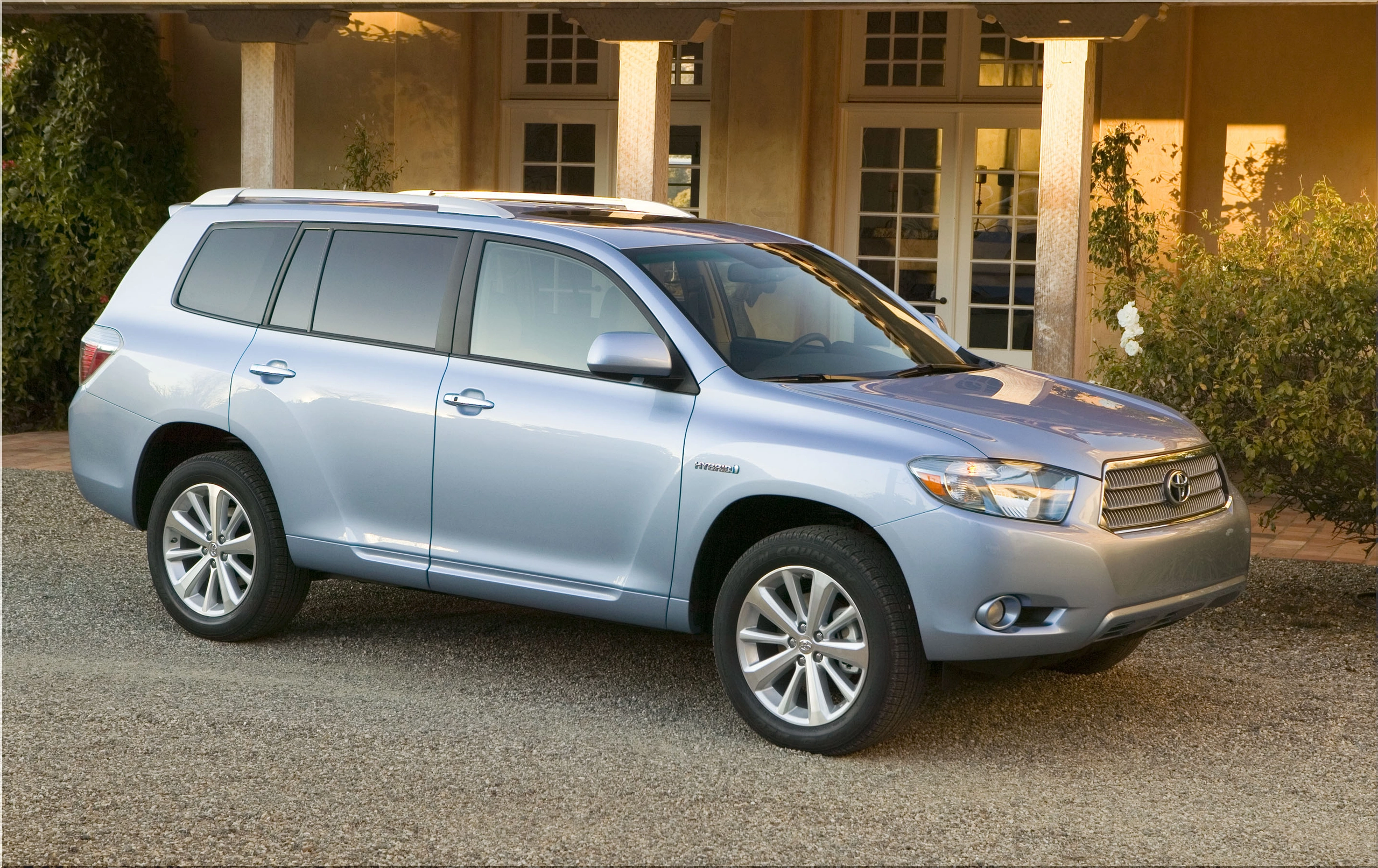
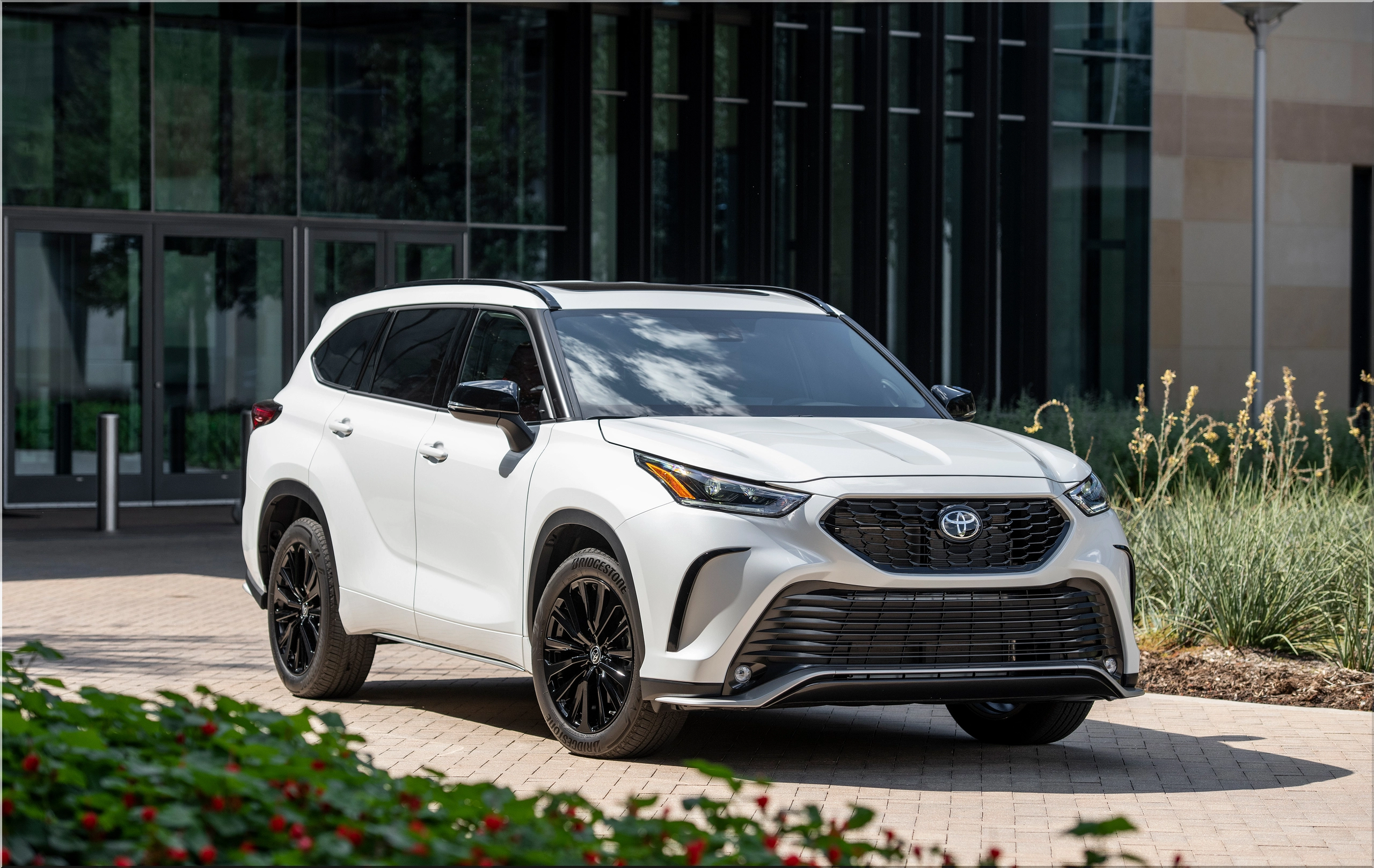
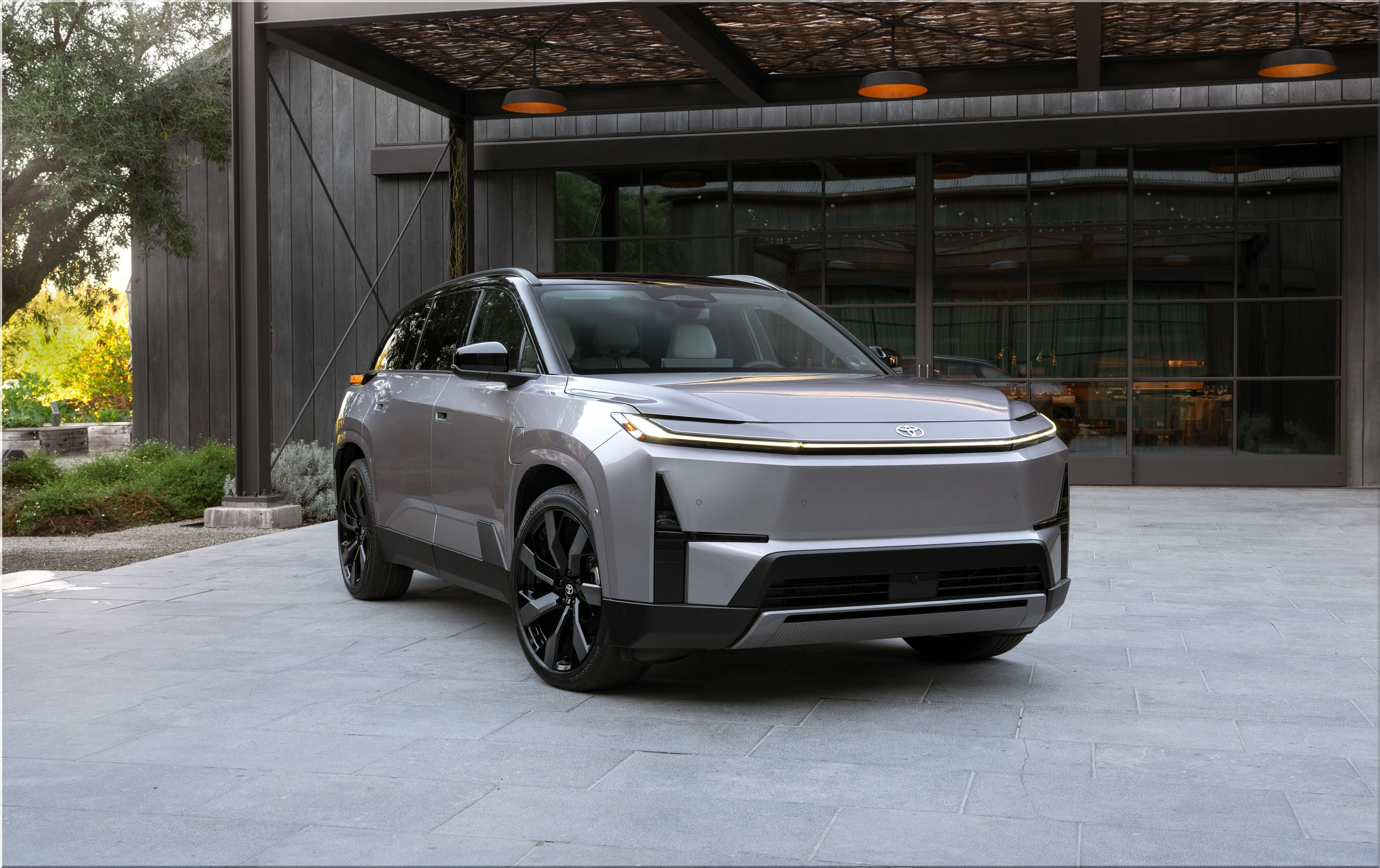
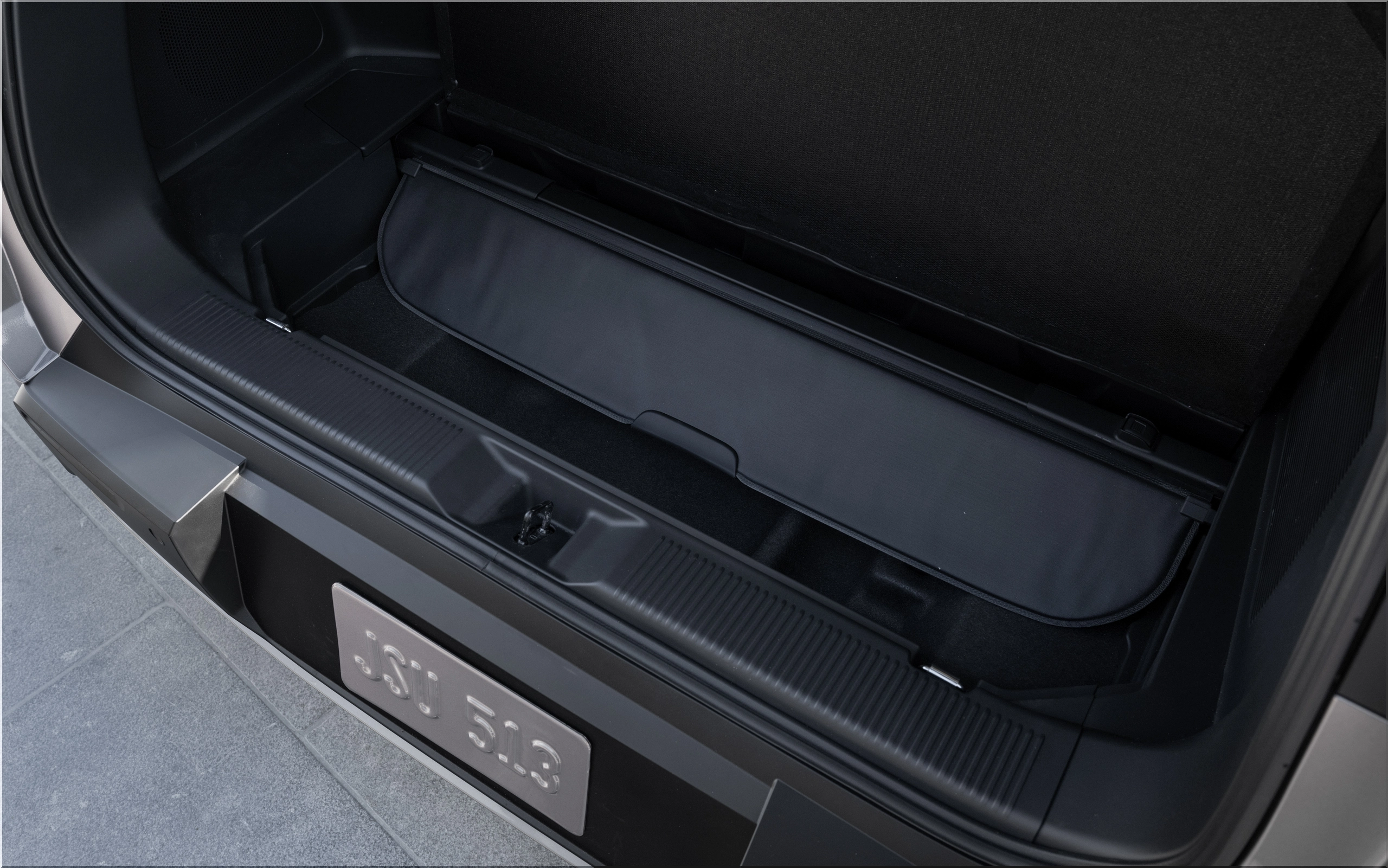
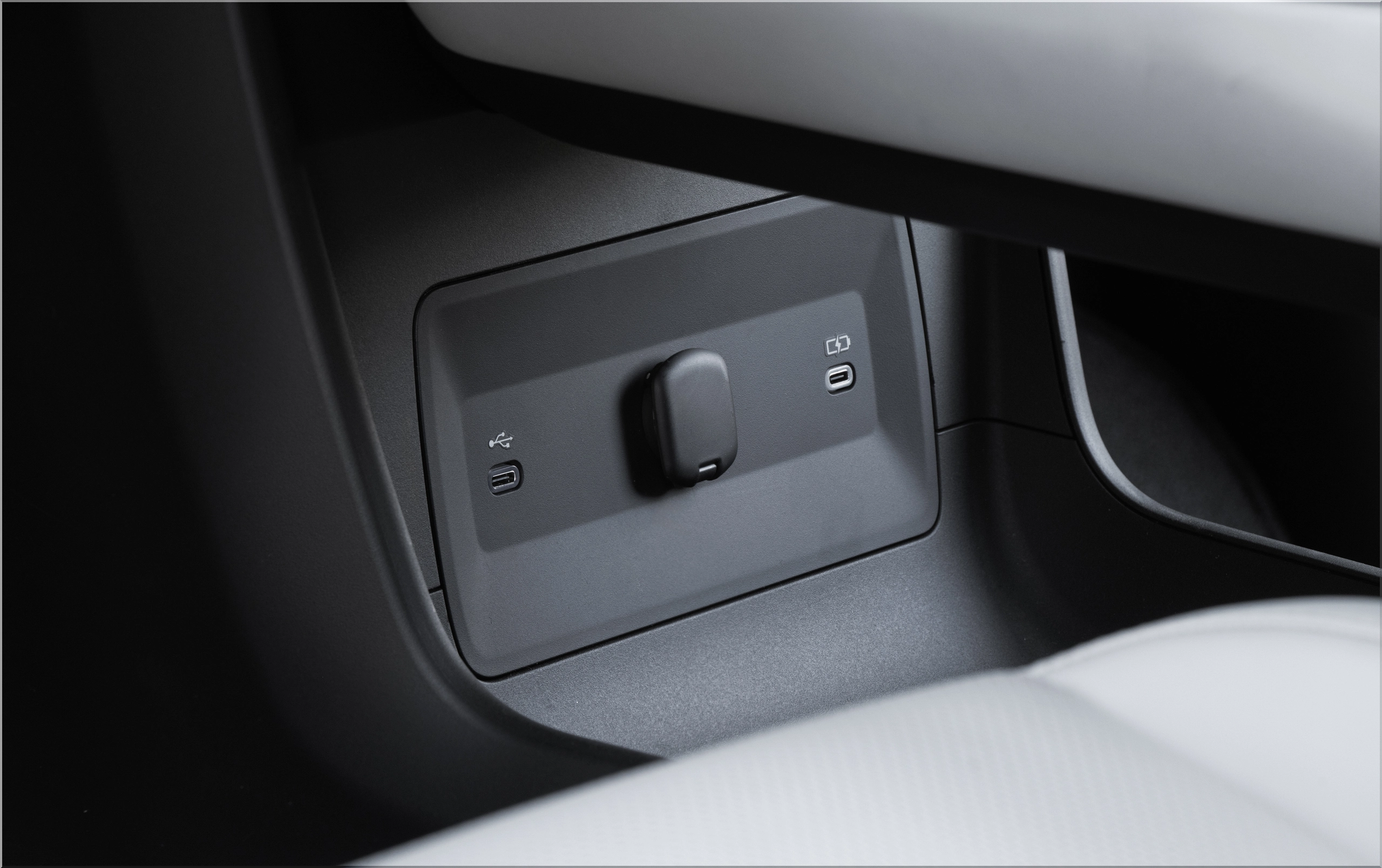
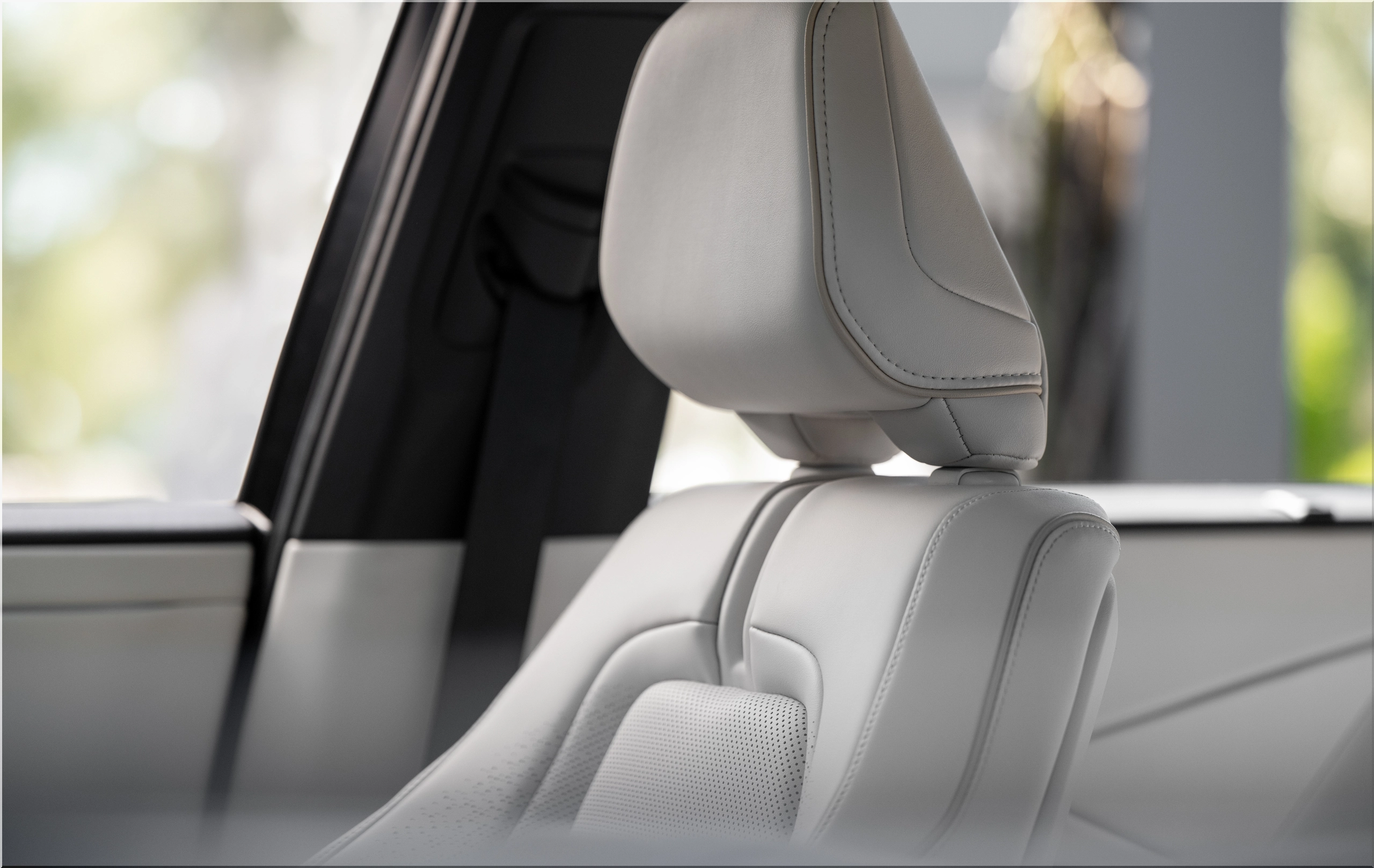
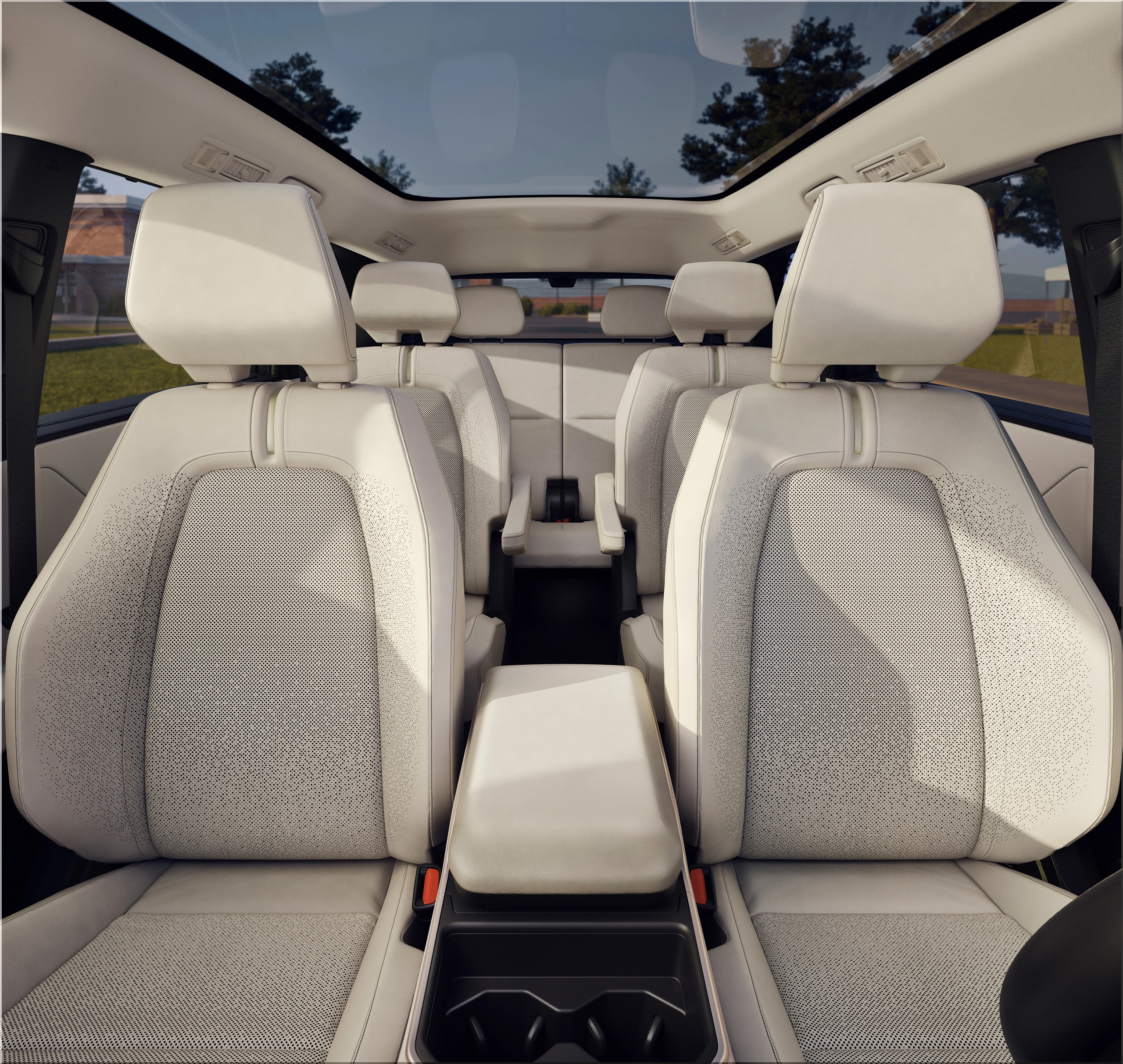
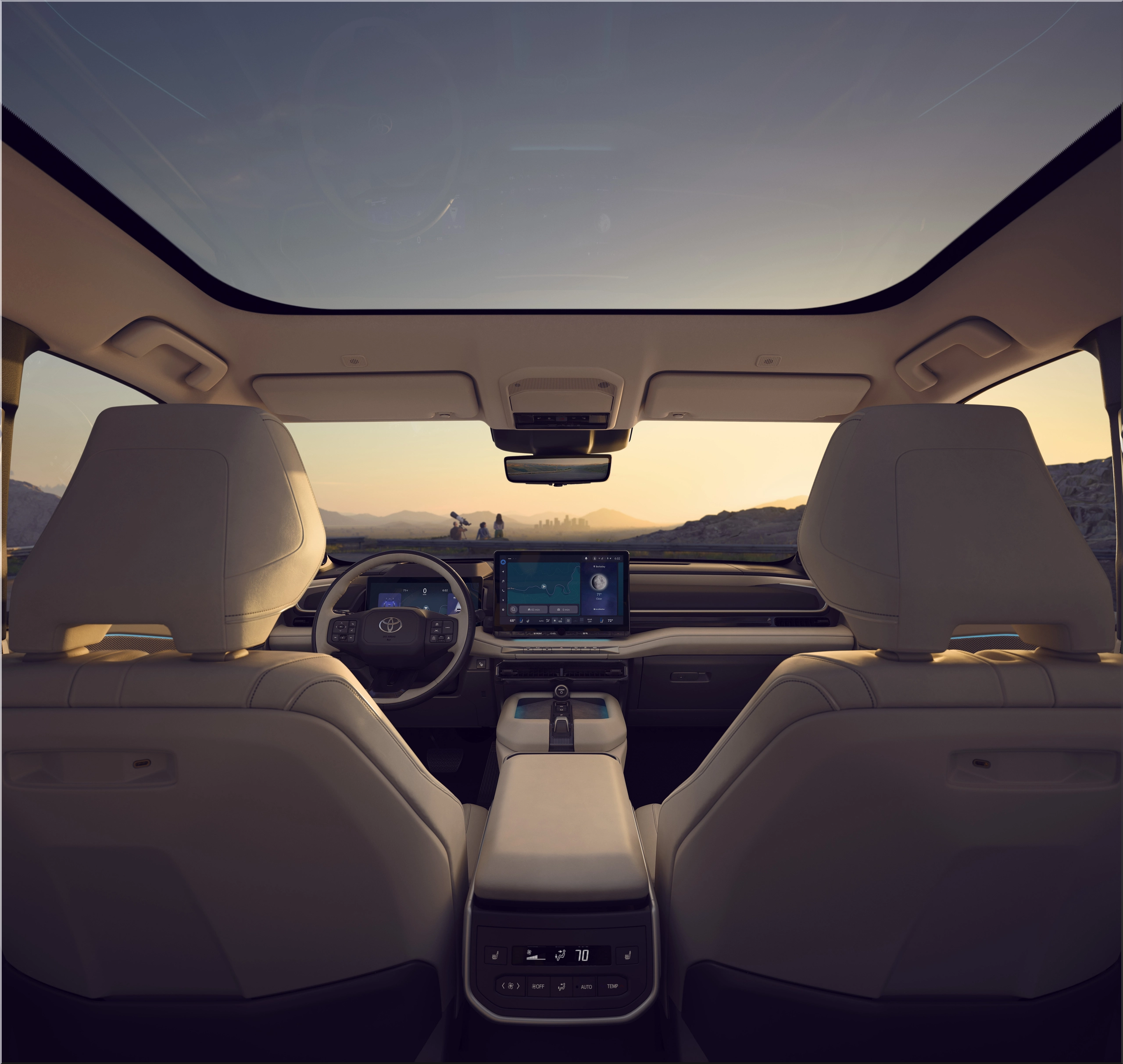
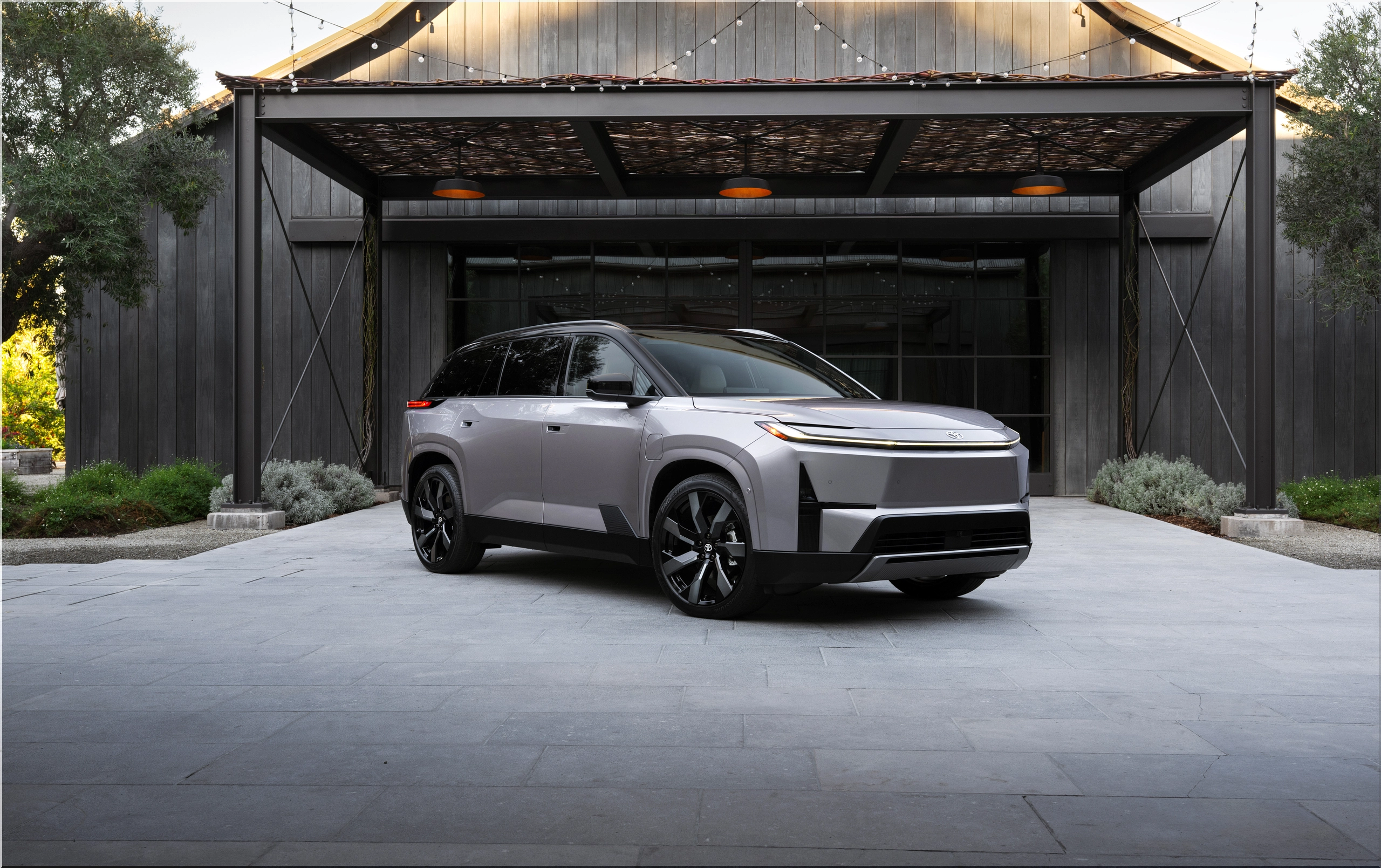
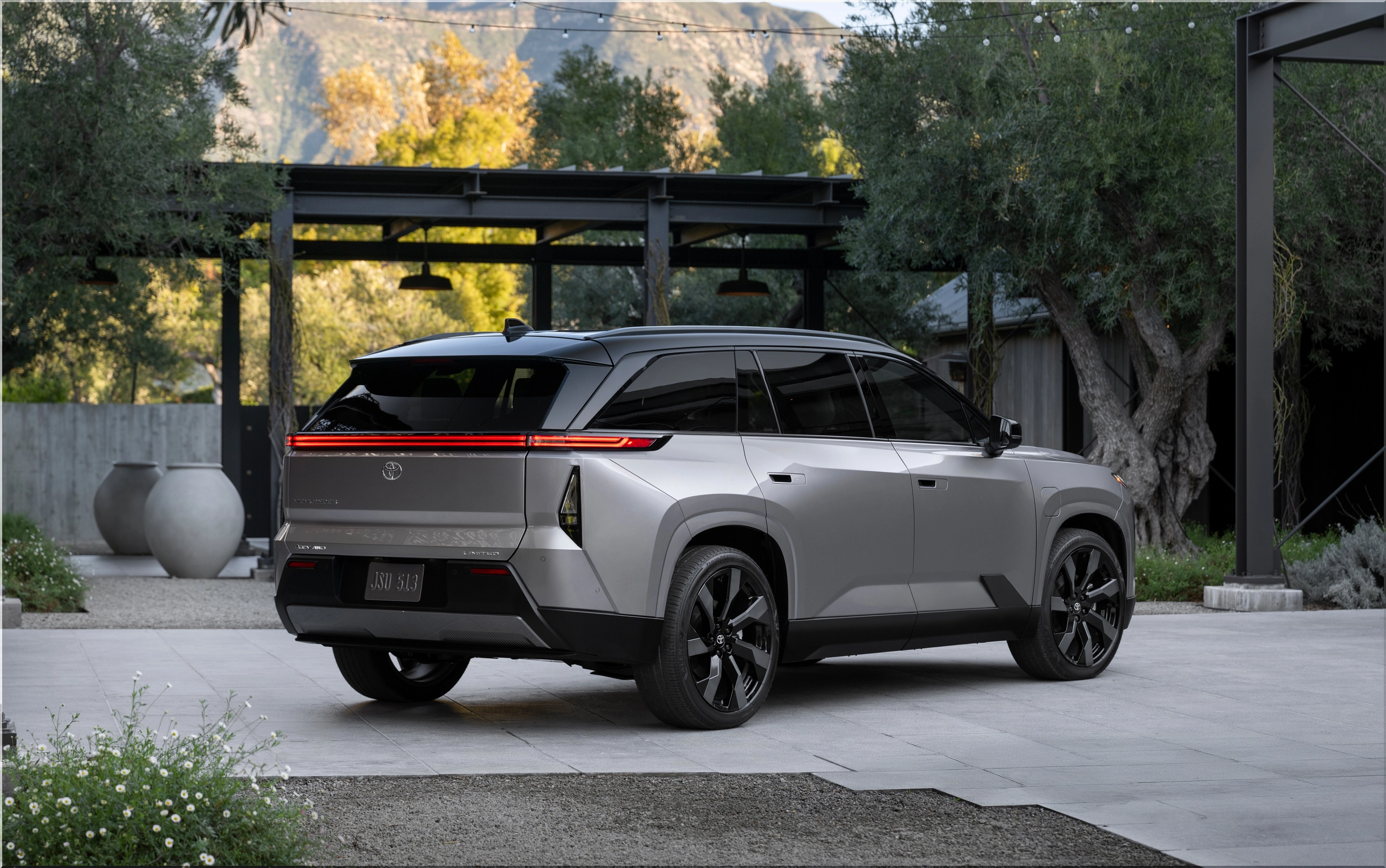
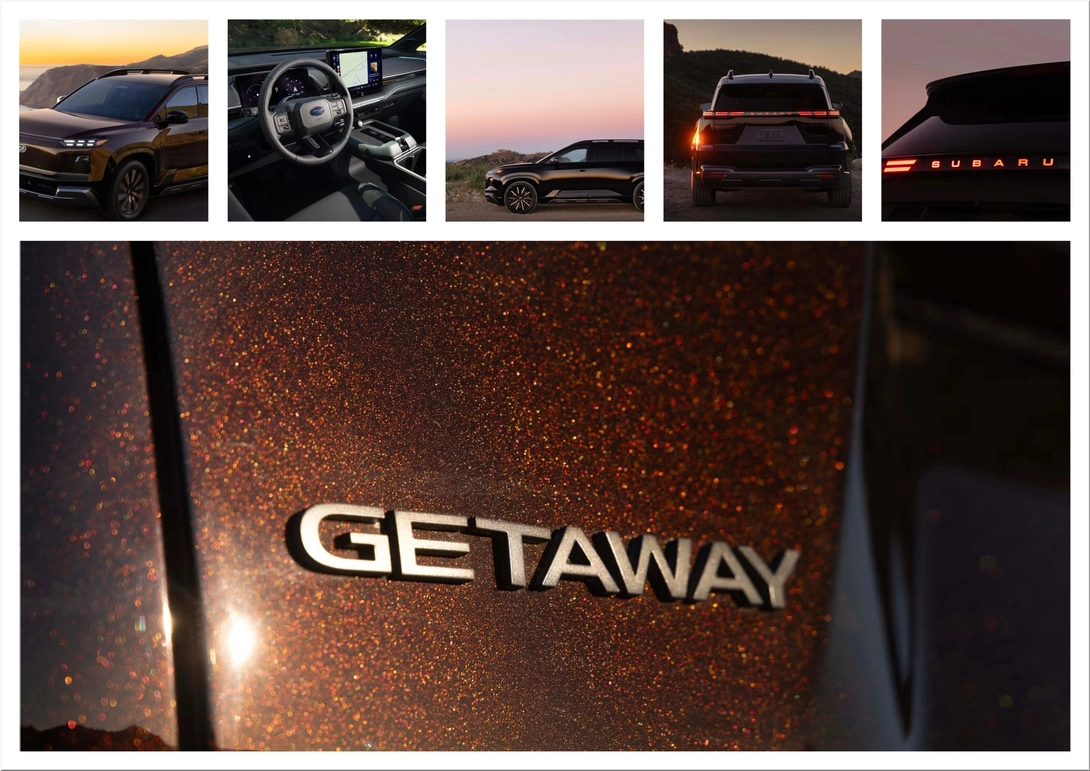
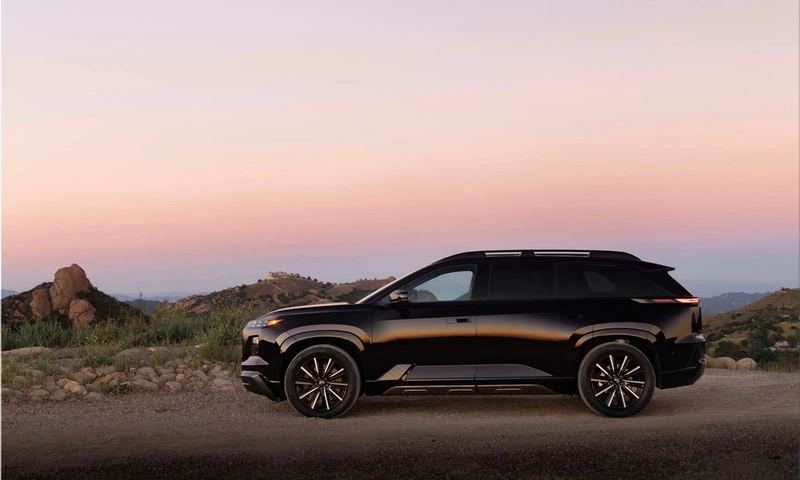
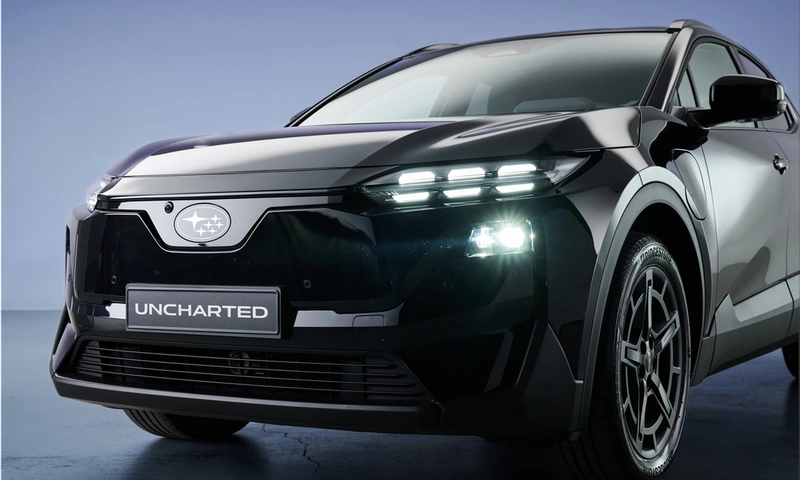
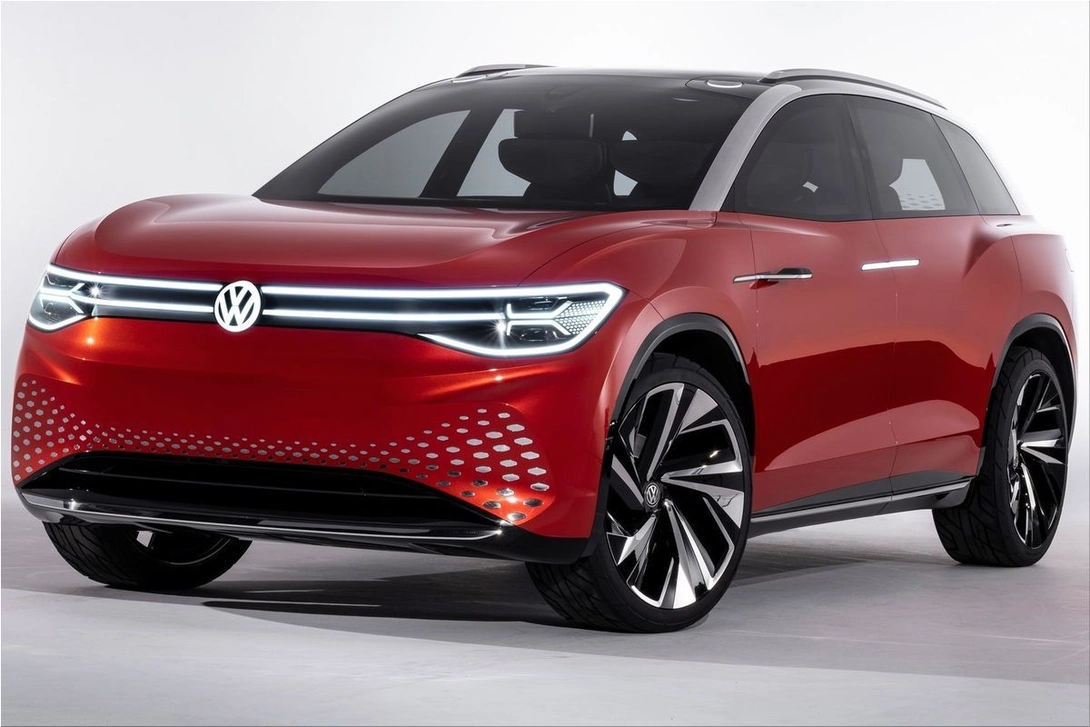
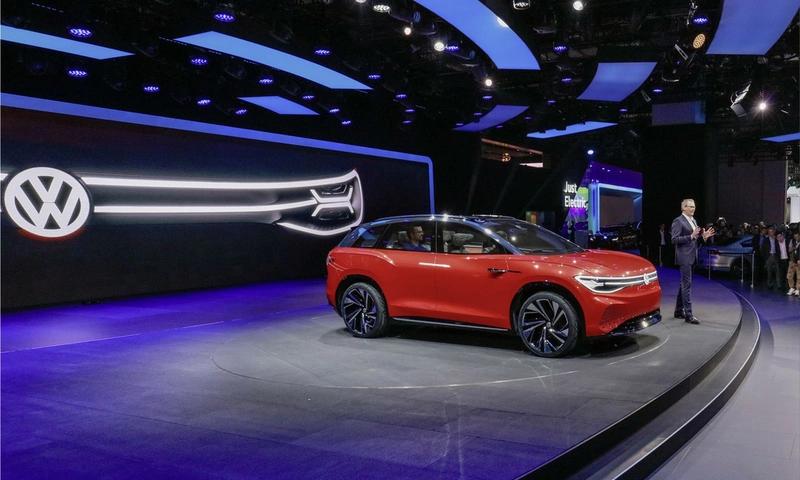
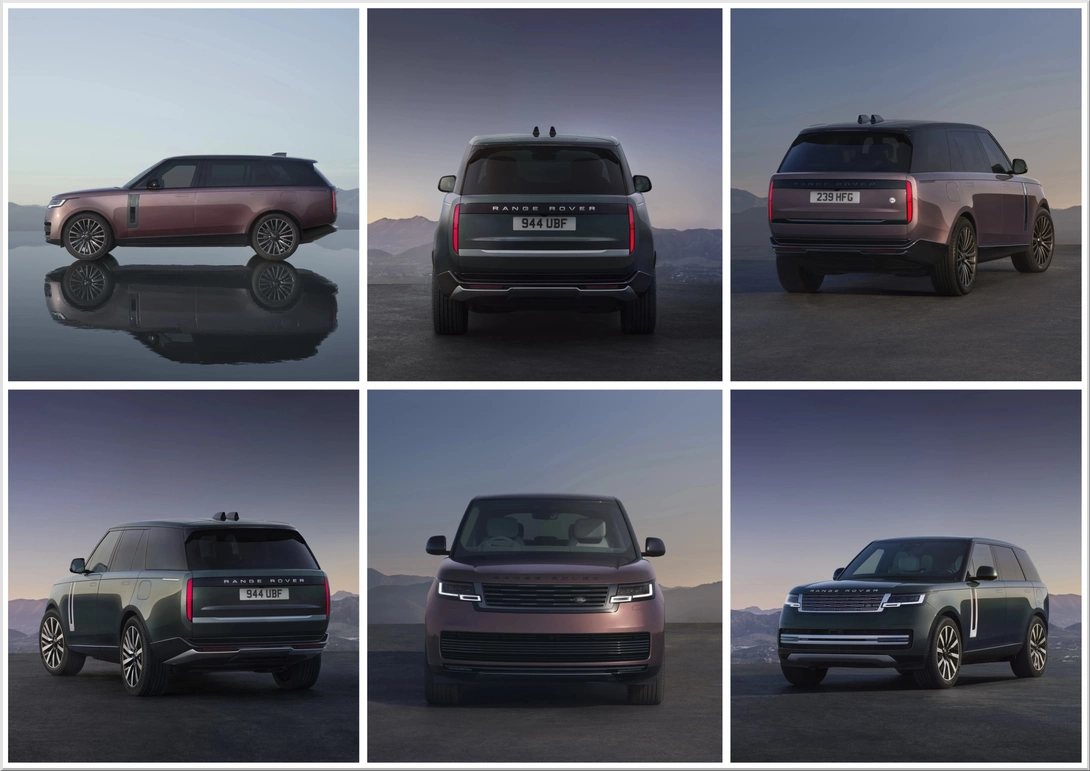
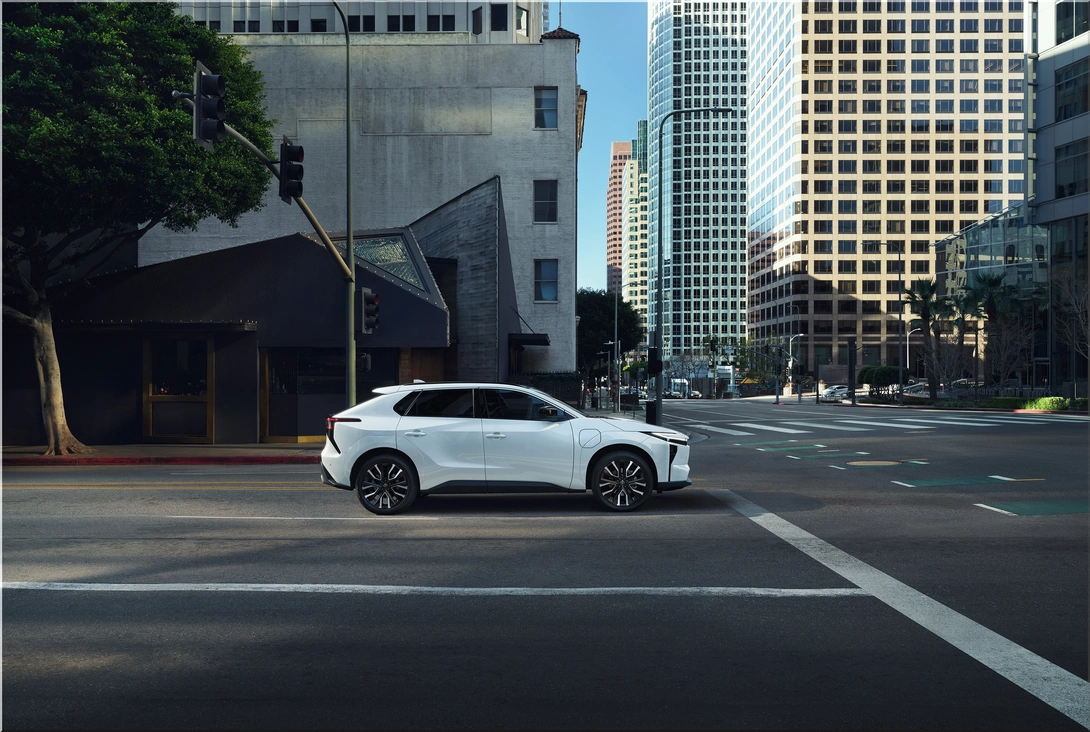
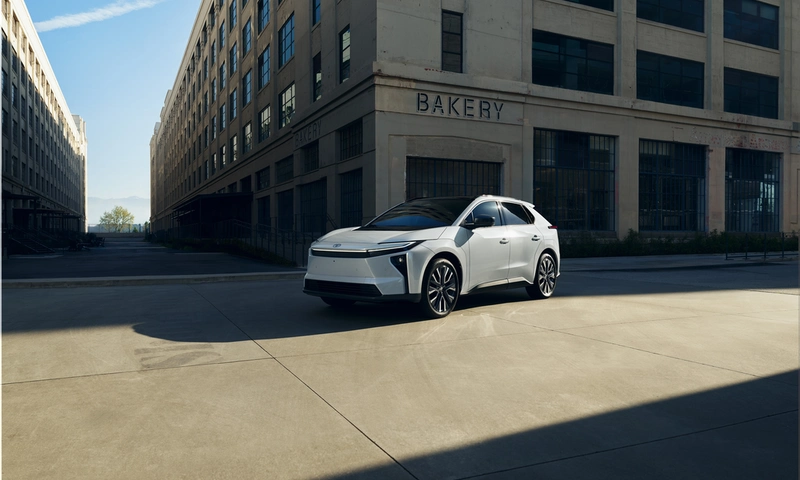
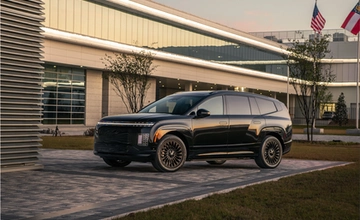
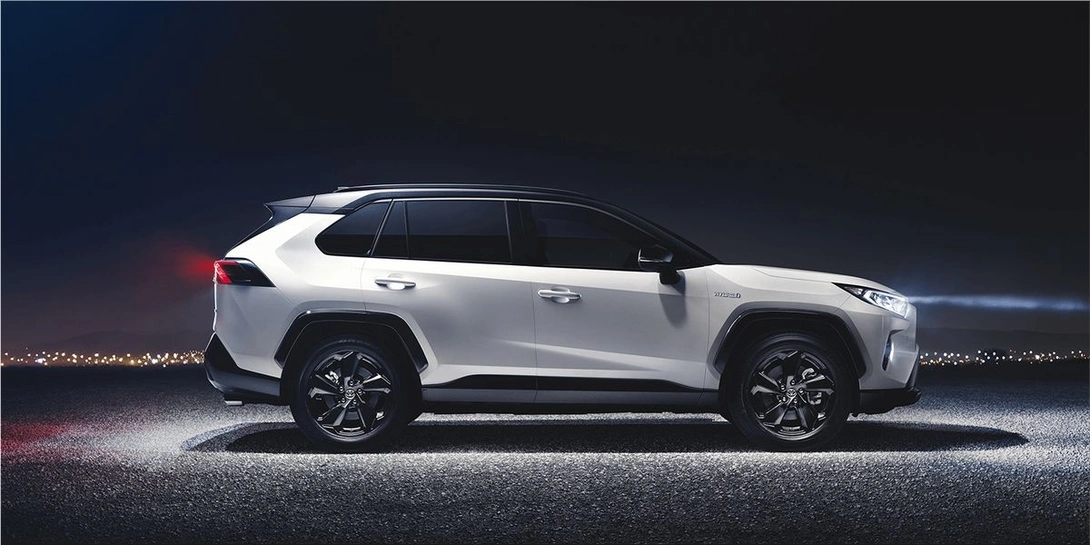
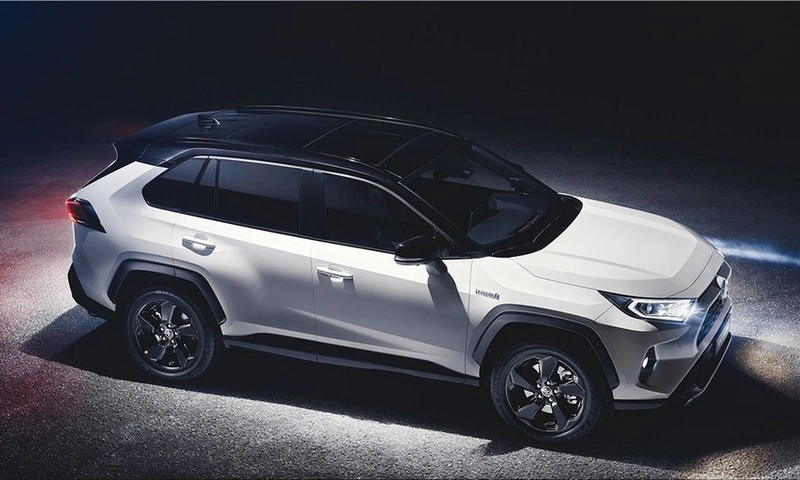
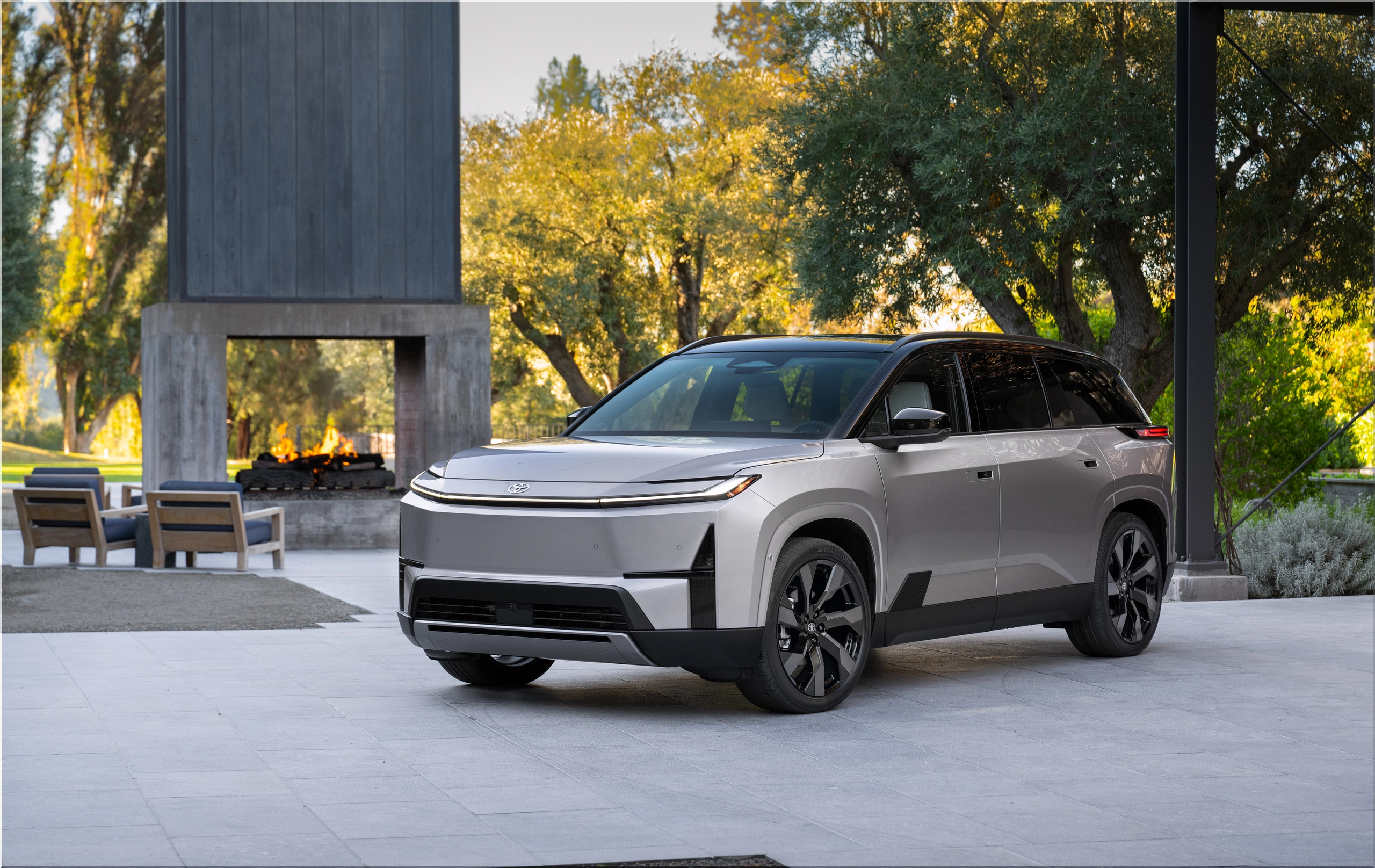
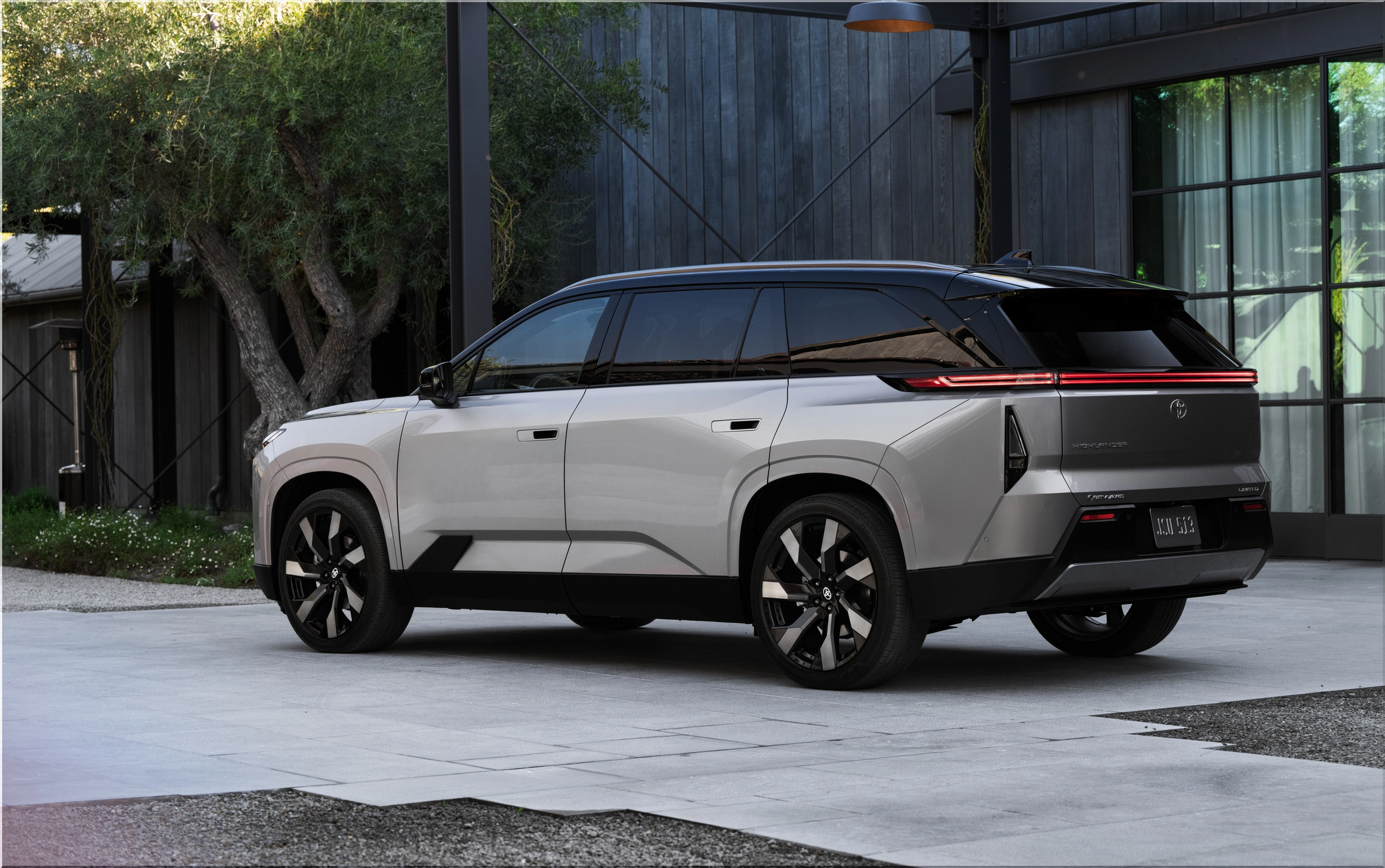
Toyota is finally entering the three-row battery electric vehicle market. The 2027 Toyota Highlander BEV debuted in Ojai, California, as the brand’s first all-electric SUV built in the United States. This vehicle moves the Highlander nameplate into its fifth generation. Toyota will assemble the model at its Georgetown, Kentucky facility. Batteries will come from a new $13.9 billion plant in Liberty, North Carolina.
Performance and Powertrain Details
The 2027 Highlander BEV offers two distinct power levels. The base front-wheel drive (FWD) model produces 221 horsepower and 198 lb-ft of torque. Buyers seeking more power can opt for the all-wheel drive (AWD) configuration. The AWD system delivers a combined 338 horsepower and 323 lb-ft of torque.
Toyota engineers used a modified TNGA-K platform for this application. The design focuses on a low center of gravity to improve handling. AWD models include Multi-Terrain Select and Crawl Control for light off-road use.
2027 Toyota Highlander BEV Specifications Table
| Feature | XLE FWD | XLE AWD | Limited AWD |
|---|---|---|---|
| Battery Capacity | 77.0 kWh | 77.0 kWh / 95.8 kWh | 95.8 kWh |
| Horsepower | 221 hp | 338 hp | 338 hp |
| Torque | 198 lb-ft | 323 lb-ft | 323 lb-ft |
| Estimated Range | 287 miles | 270 / 320 miles | 320 miles |
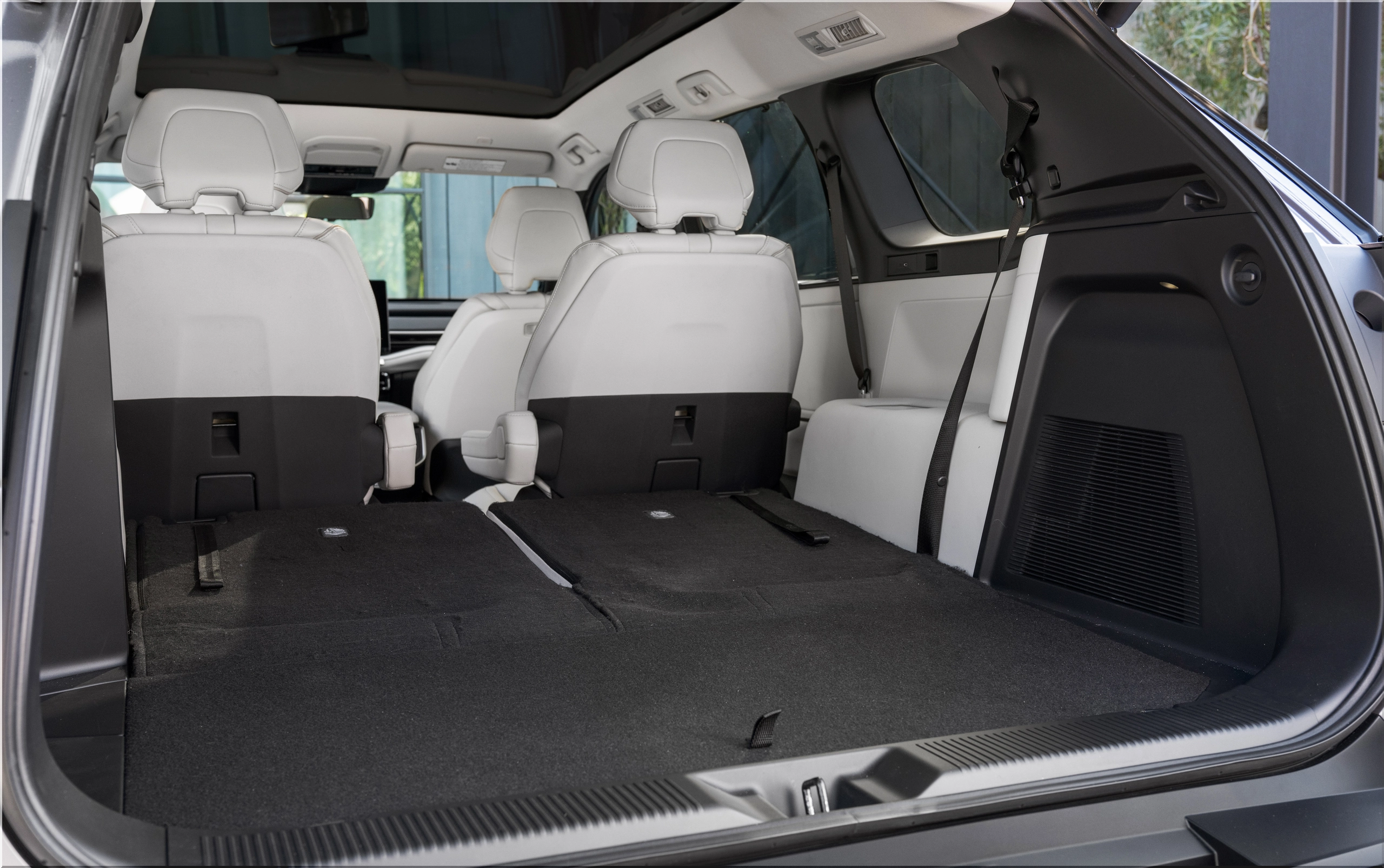
| Seating | 7 Passengers | 7 Passengers | 7 Passengers |
Range and Charging Infrastructure
Range varies by battery size and drivetrain. The 77.0-kWh battery provides an estimated 287-mile range in FWD trim. The larger 95.8-kWh battery increases the range rating to 320 miles on AWD models.
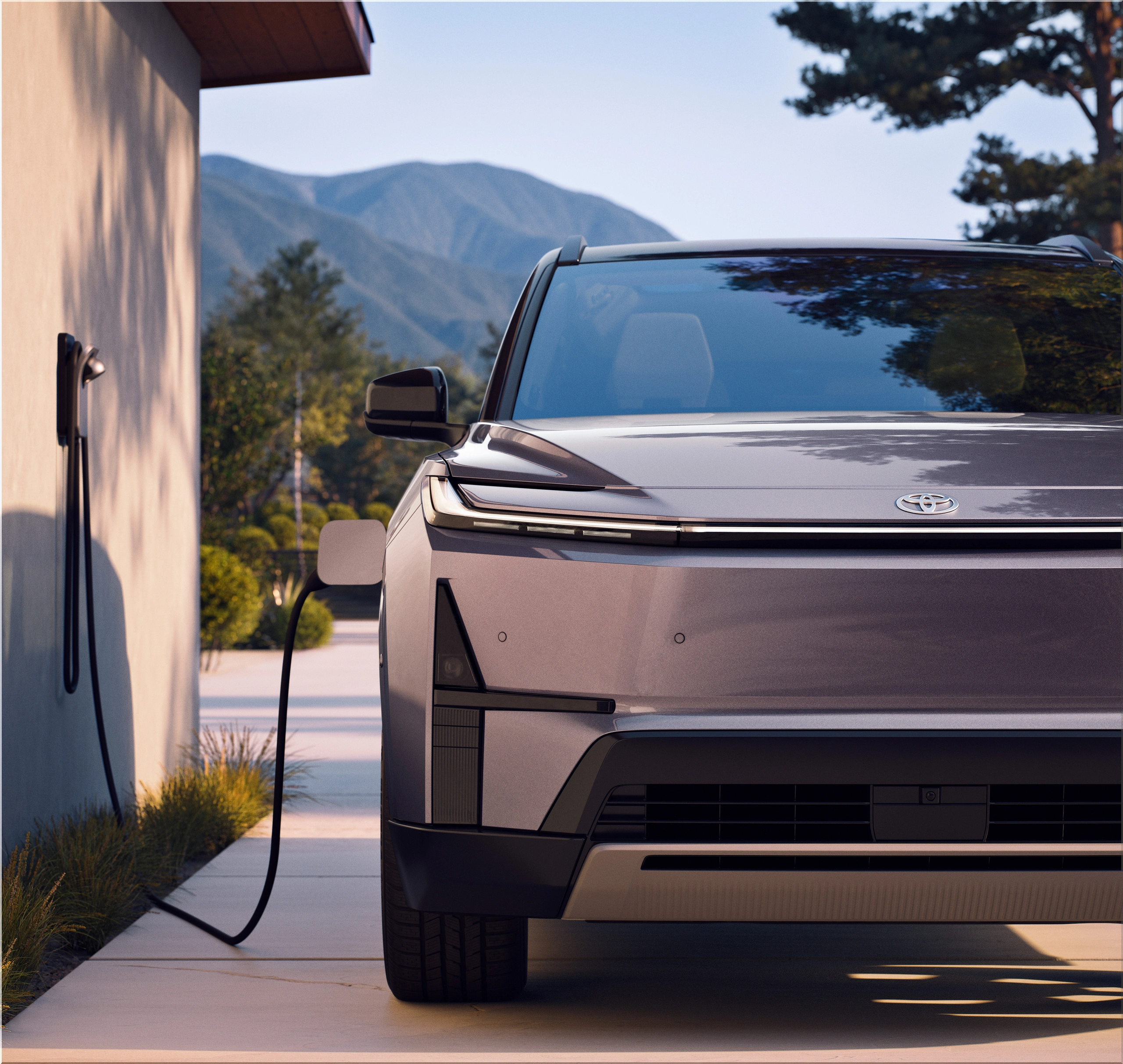
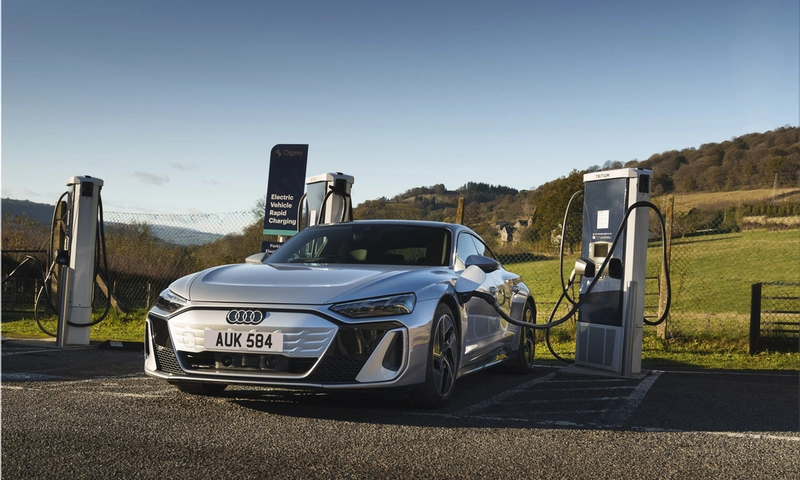
Toyota adopted the North American Charging System (NACS) port as standard. This allows the Highlander BEV to access thousands of DC fast charging stations. Under optimal conditions, the SUV charges from 10% to 80% in approximately 30 minutes.
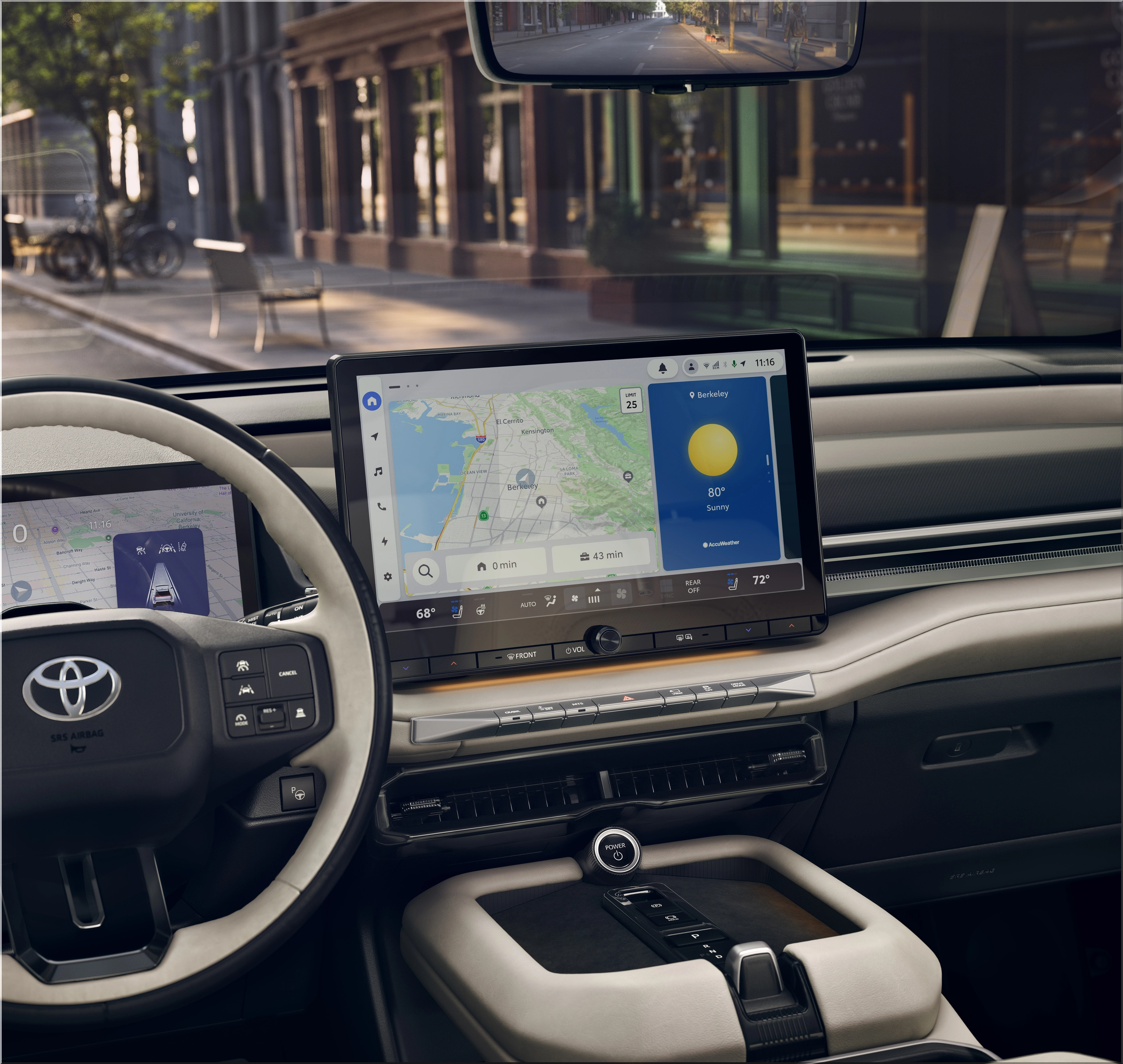
The vehicle includes battery preconditioning. This feature warms or cools the battery to reach optimal temperatures for fast charging. Users can activate it manually or through the navigation system. The Highlander also introduces vehicle-to-load (V2L) technology to the U.S. Toyota lineup. This allows the car to power external appliances or act as a home backup during outages.