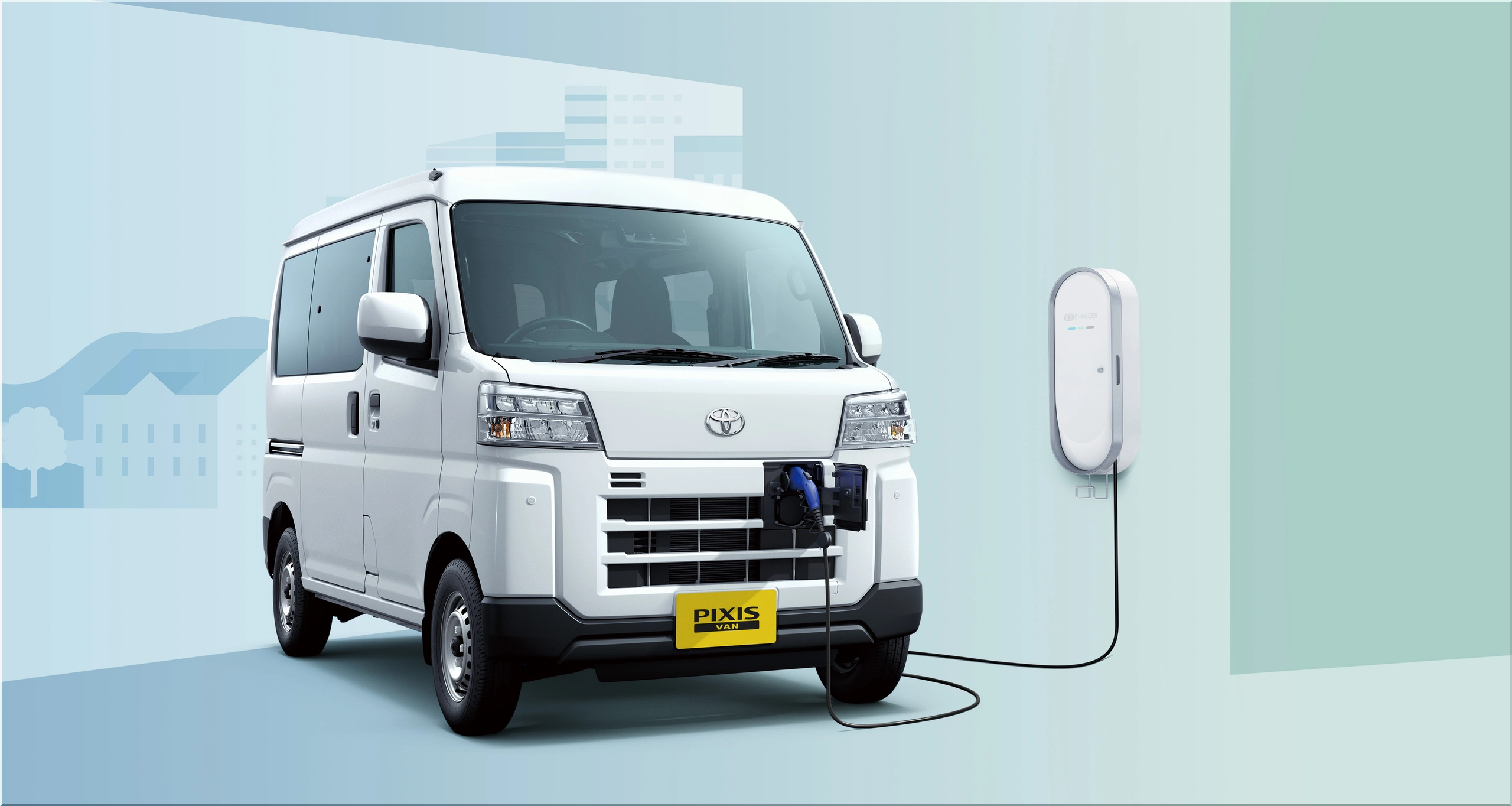
Toyota just shifted the small commercial vehicle market into high gear. The debut of the Toyota Pixis Van BEV signals a major move for urban logistics. This battery electric vehicle (BEV) joins the kei car lineup in Japan, targeting professional drivers who need efficiency without sacrificing space.
Power and Range for the Modern Fleet
This electric workhorse delivers exactly what urban delivery routes demand. The e-SMART ELECTRIC system provides a smooth, quiet ride that gasoline engines cannot match. Toyota claims a cruising range of 257 km (approximately 160 miles) on a single charge. This range handles a full day of deliveries in dense city environments where stop-and-go traffic is the norm.
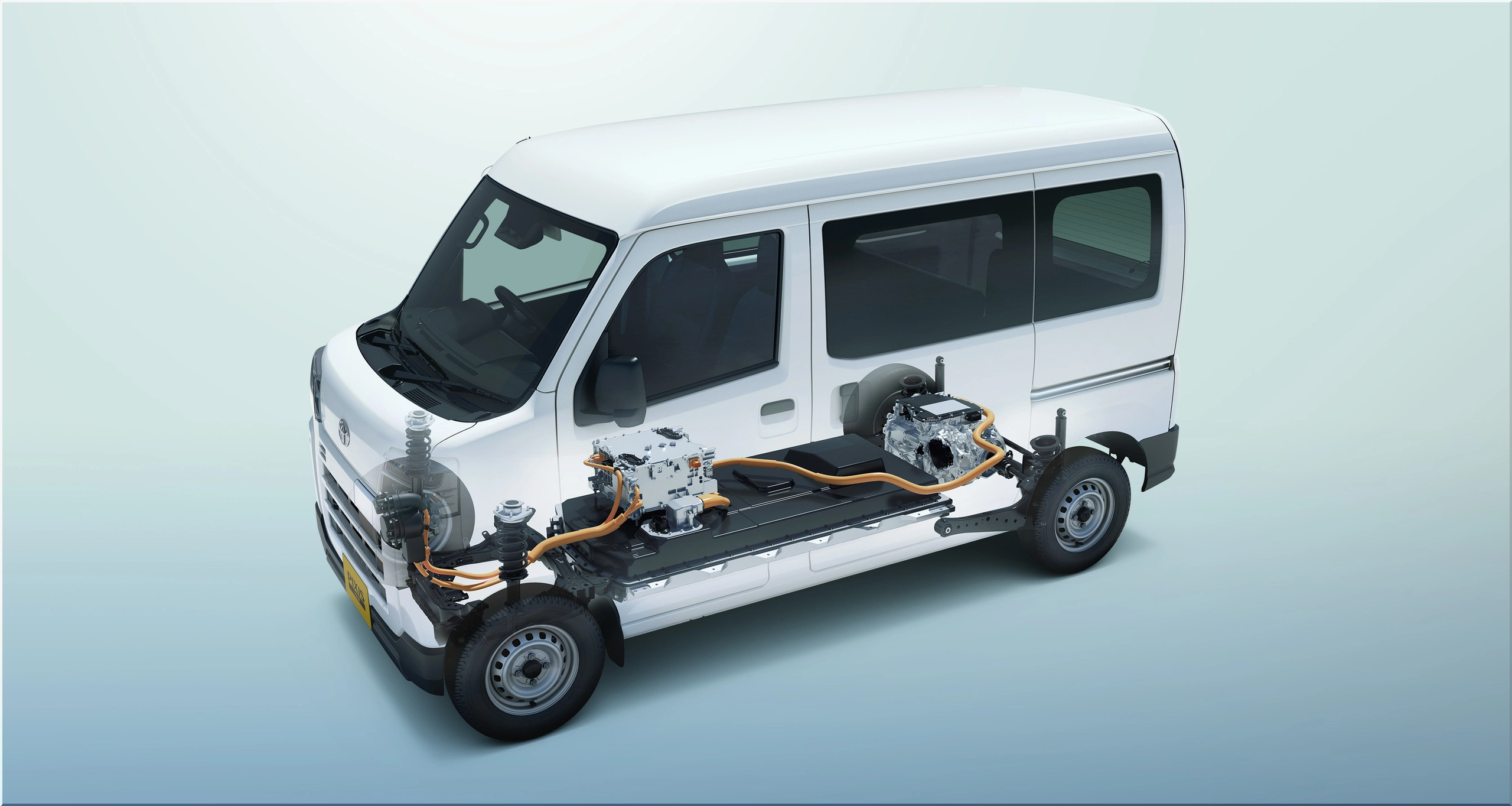
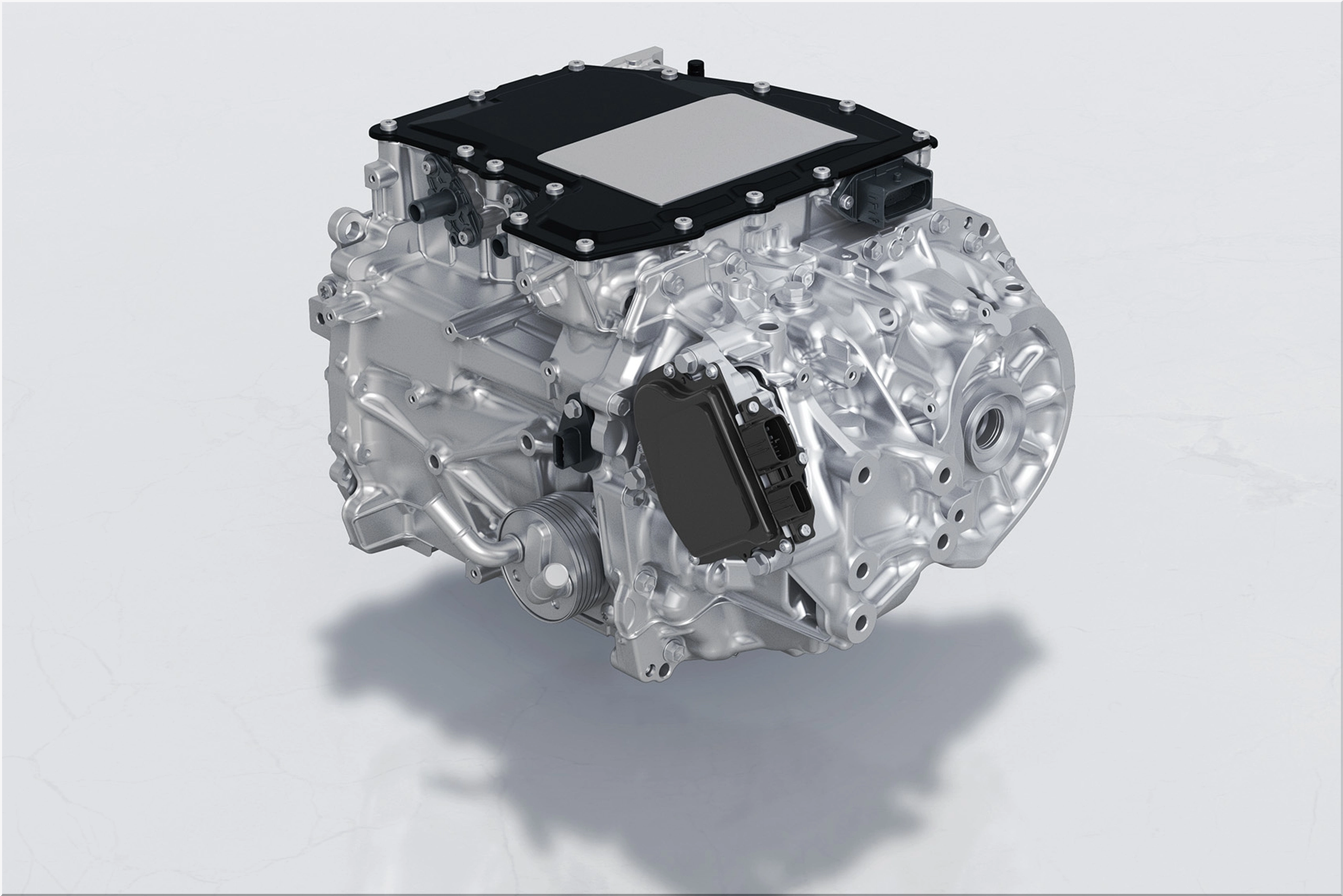
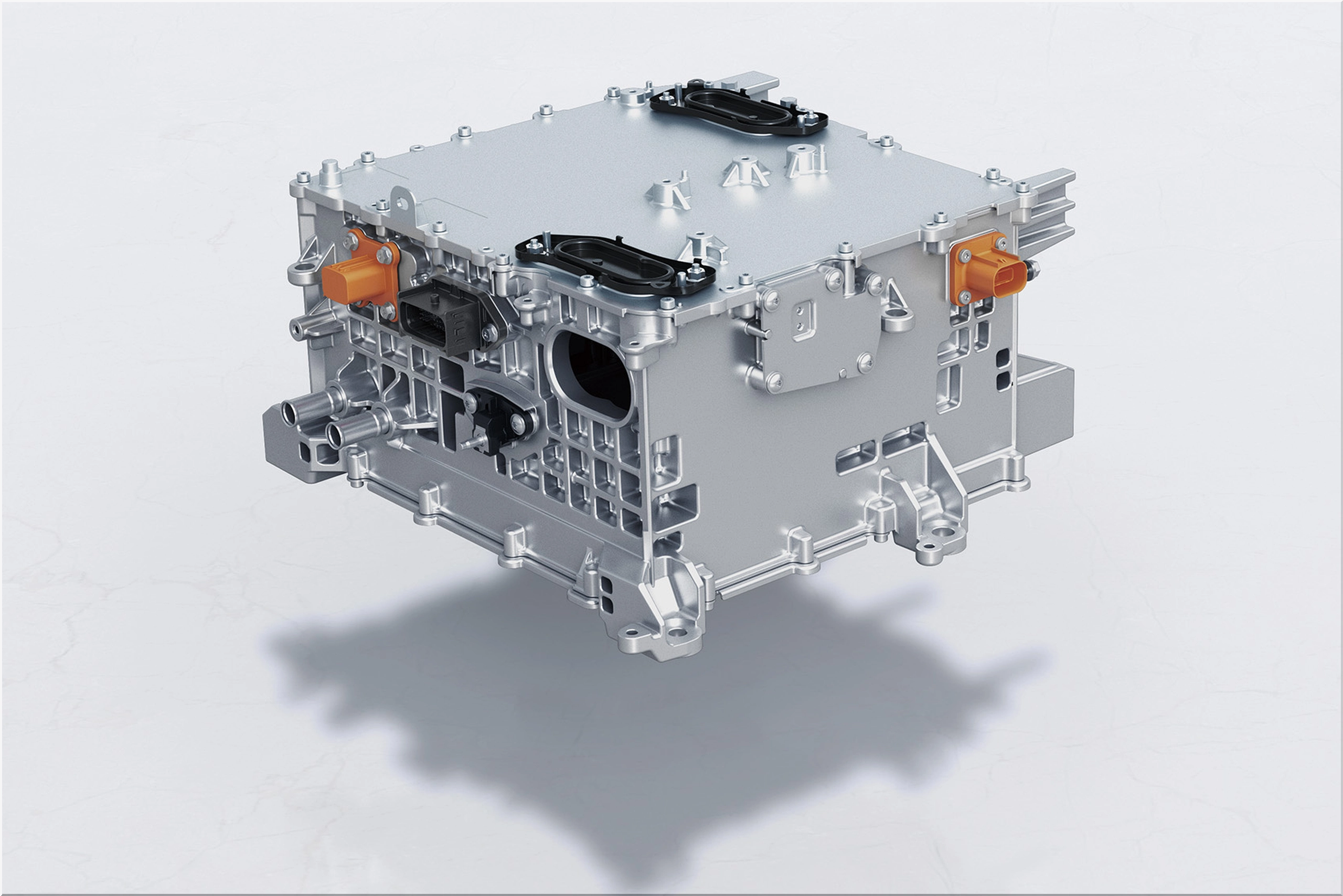
The powertrain features a rear-wheel-drive configuration with an eAxle. This setup integrates the motor, inverter, and reduction gear into one compact unit. Drivers get 47 kW (63 horsepower) of power and 126 Nm of torque instantly. This immediate torque makes a massive difference when pulling away from a stop with a full load of cargo.
Maximizing Utility in Tight Spaces
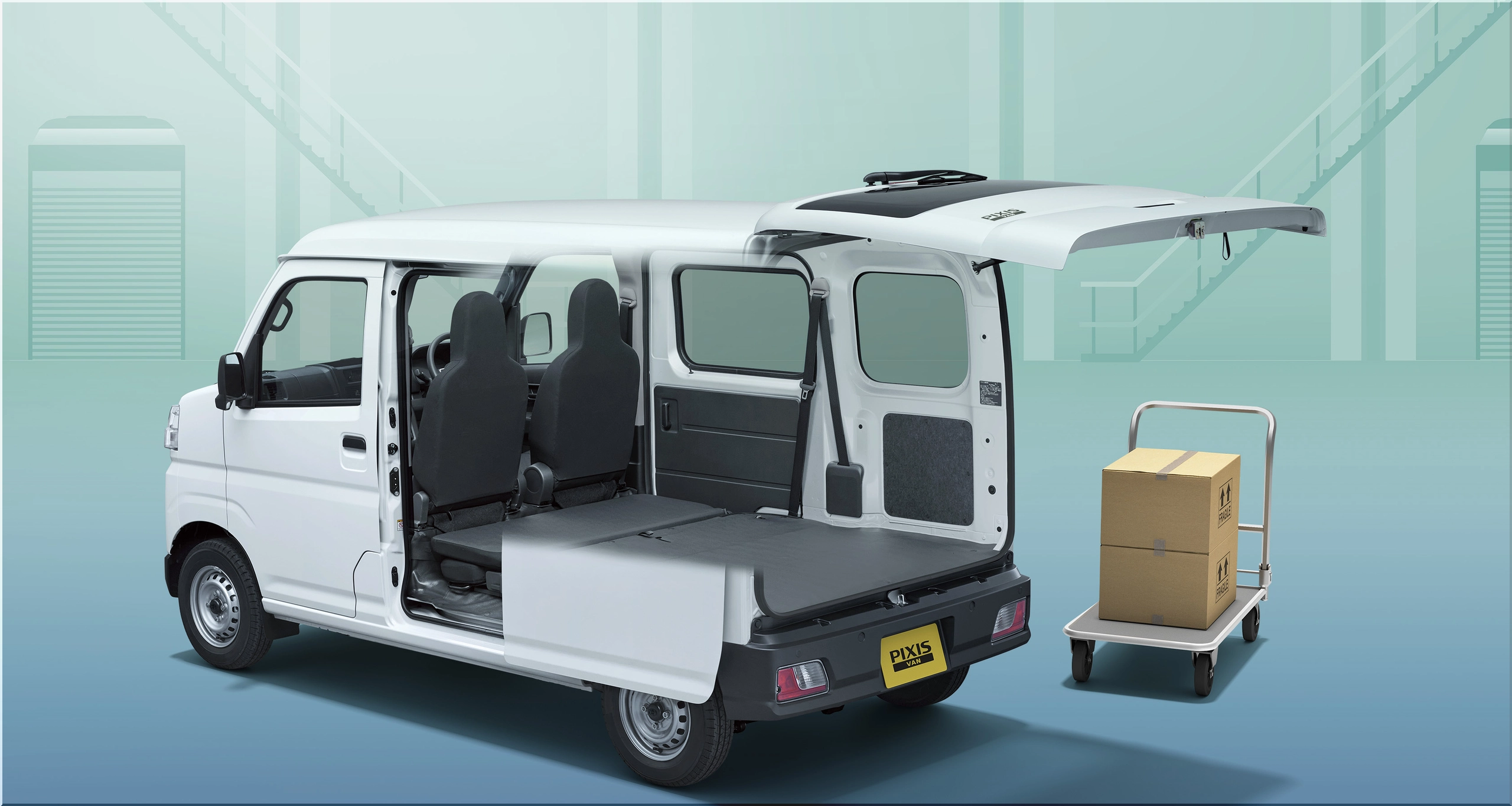
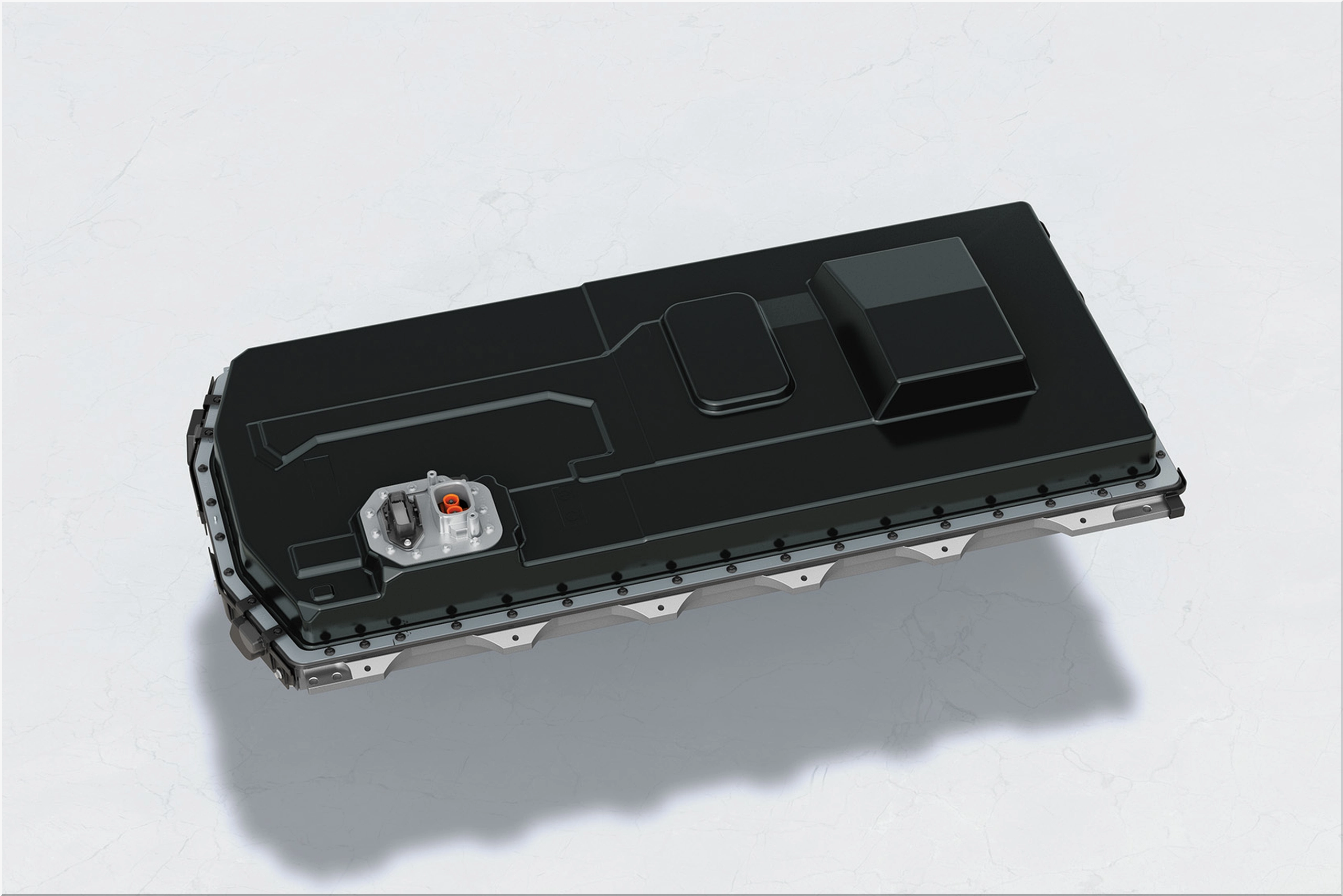
Efficiency means nothing if you cannot fit the gear. Toyota ensured the battery placement does not eat into the cargo area. By mounting the 36.6 kWh lithium-ion battery under the floor, the van maintains a low center of gravity and a completely flat load space.
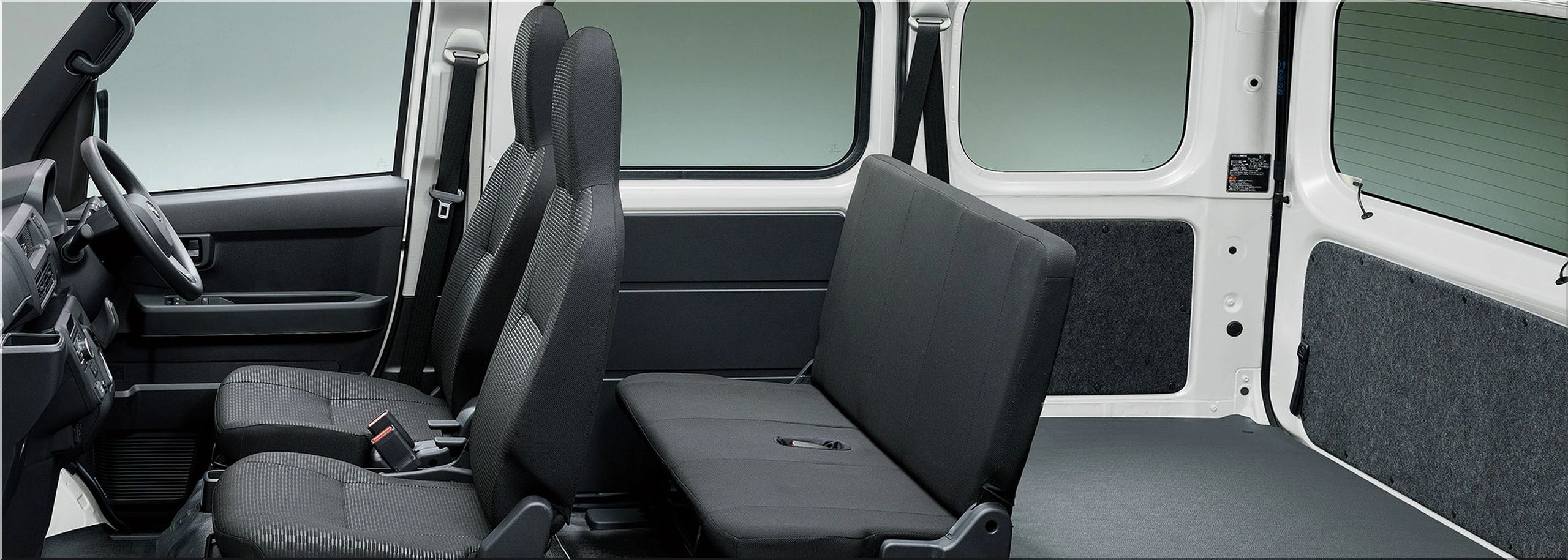
The Toyota Pixis Van BEV offers a maximum load capacity of 350 kg (772 lbs). It claims the title for the largest loading space in the kei cab-over van segment. Loading and unloading stays simple with a low floor height of only 630 mm (24.8 inches).
- Cargo Length: 1,920 mm (75.6 inches)
- Cargo Width: 1,270 mm (50 inches)
- Cargo Height: 1,250 mm (49.2 inches)
- Total Capacity: Supports 4 passengers or maximum cargo with rear seats folded.
Market Comparison: Electric Kei Vans
The Toyota Pixis Van BEV enters a competitive field. It competes directly with offerings from Honda and Mitsubishi. While the Toyota model benefits from a joint development with Suzuki and Daihatsu, the rivals offer different strengths in range and pricing.
| Feature | Toyota Pixis Van BEV | Honda N-VAN e: | Mitsubishi Minicab EV |
|---|---|---|---|
| Battery Size | 36.6 kWh | 29.6 kWh | 20.0 kWh |
| Range (WLTC) | 257 km (160 miles) | 245 km (152 miles) | 180 km (112 miles) |
| Max Payload | 350 kg | 350 kg | 350 kg |
| Starting Price (USD) | $20,800 | $15,500 | $16,950 |
Note: USD prices are approximate conversions based on current exchange rates and Japanese MSRP.

Smarter Charging and Power Solutions
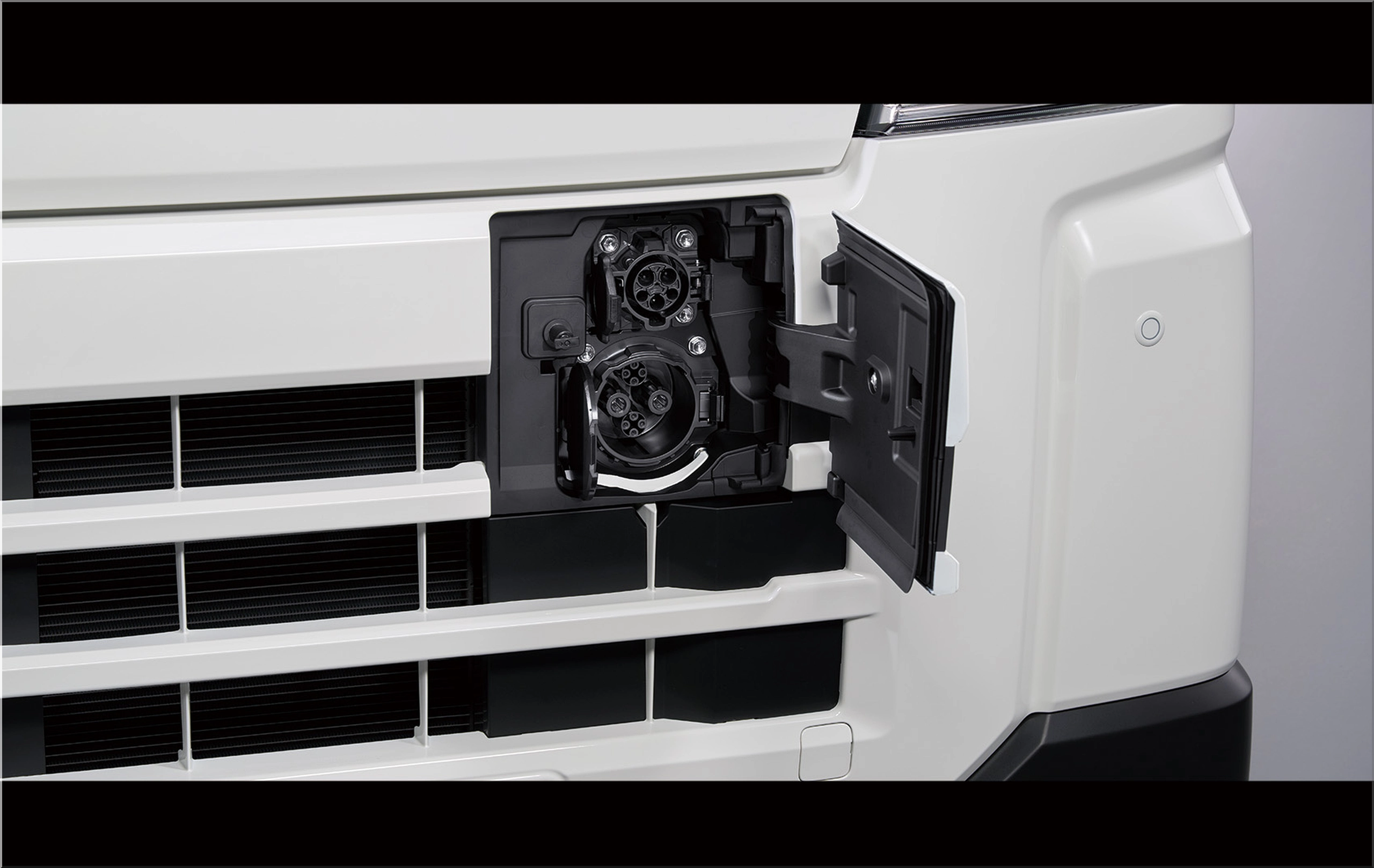
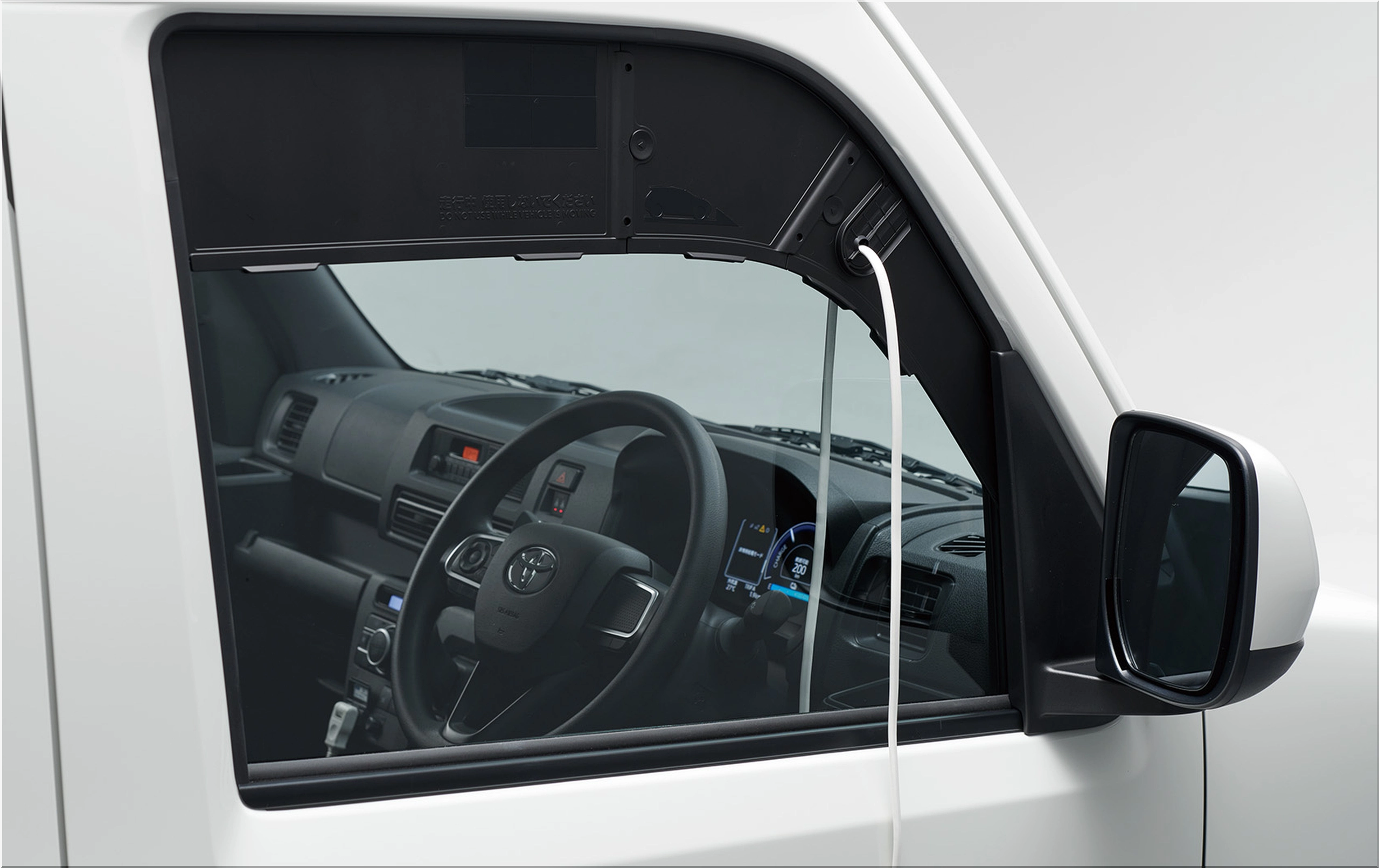
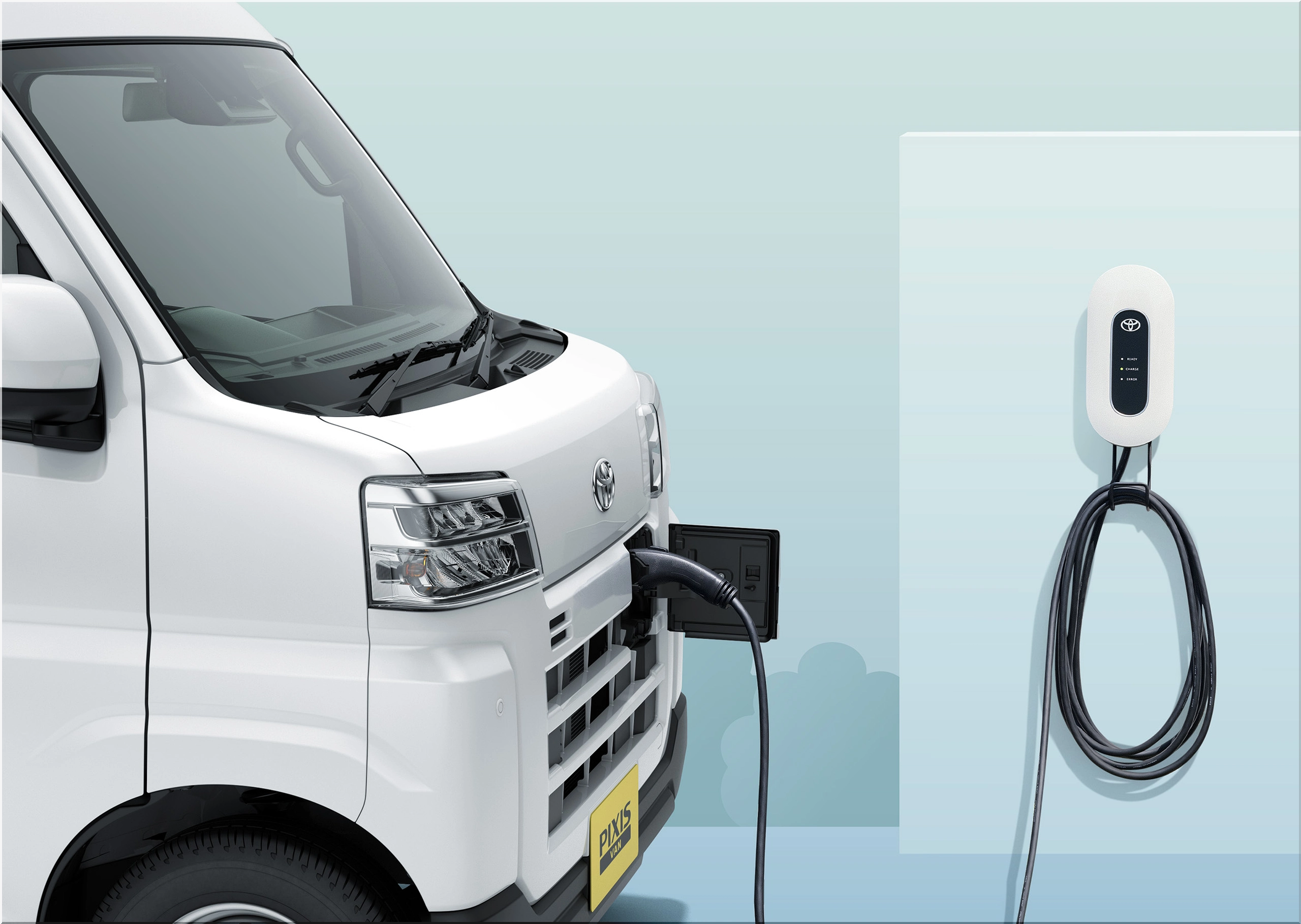
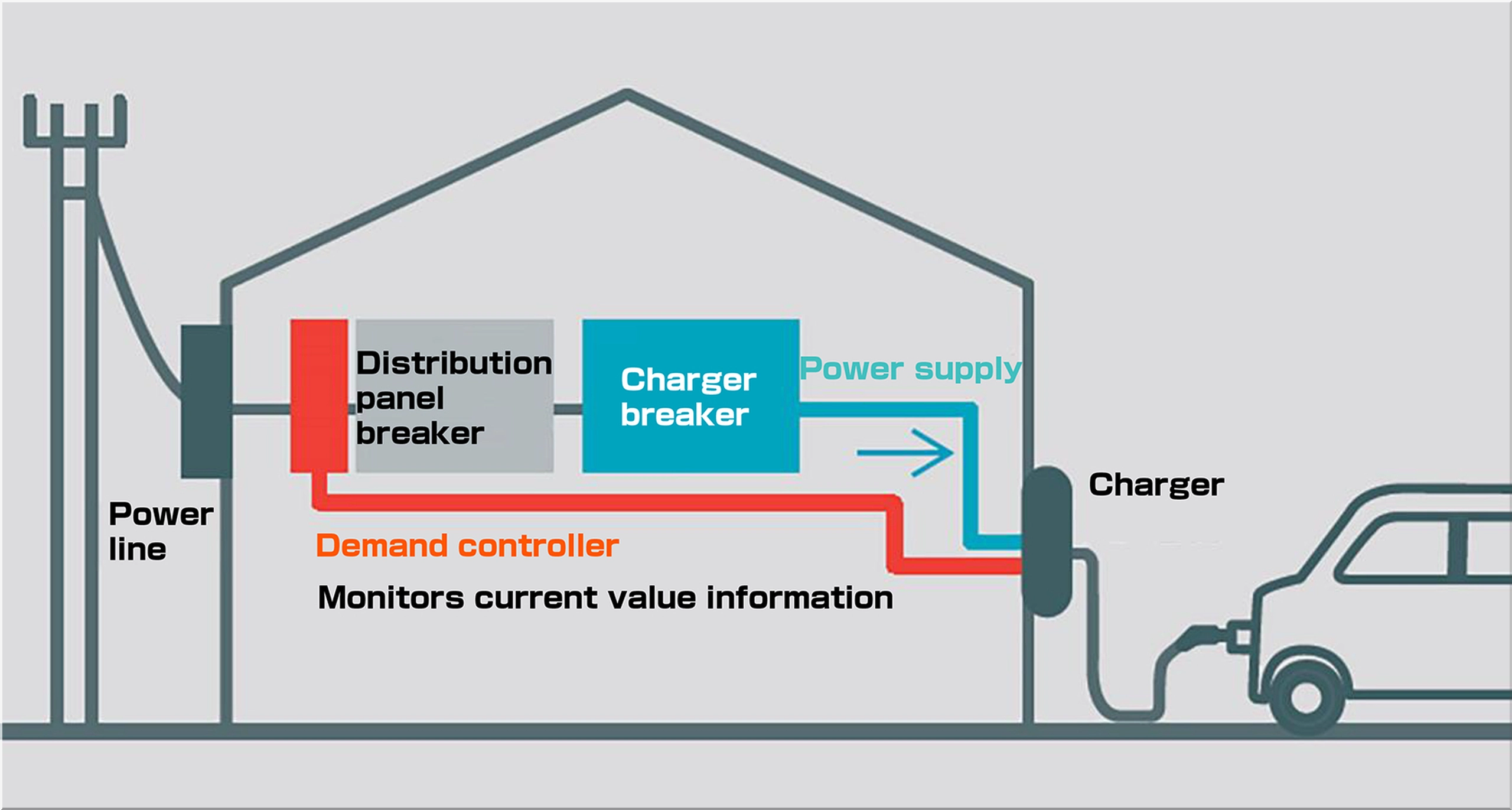
Charging should not slow down a business. The Pixis Van BEV supports DC fast charging at rates up to 50 kW. A 30-minute charge can provide a significant boost during a lunch break. For overnight needs, a 6 kW AC charger is available as a dealer option, ensuring the battery is full by the start of the next shift.
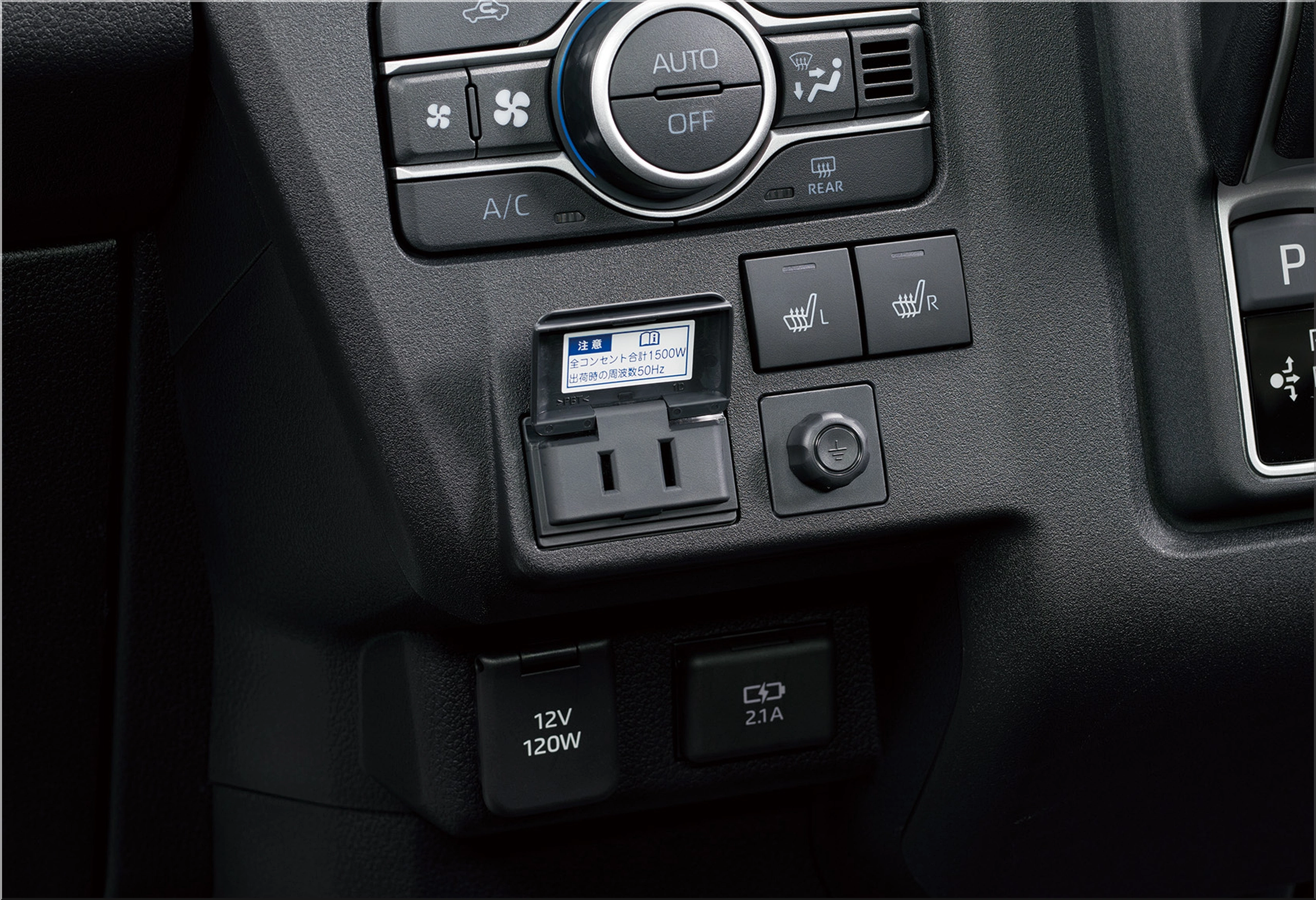
The van also acts as a mobile power bank. It features Vehicle-to-Home (V2H) compatibility and an onboard 1,500W power supply. This allows workers to run power tools directly from the vehicle or provide emergency power to buildings during an outage.
Safety and Driver Comfort
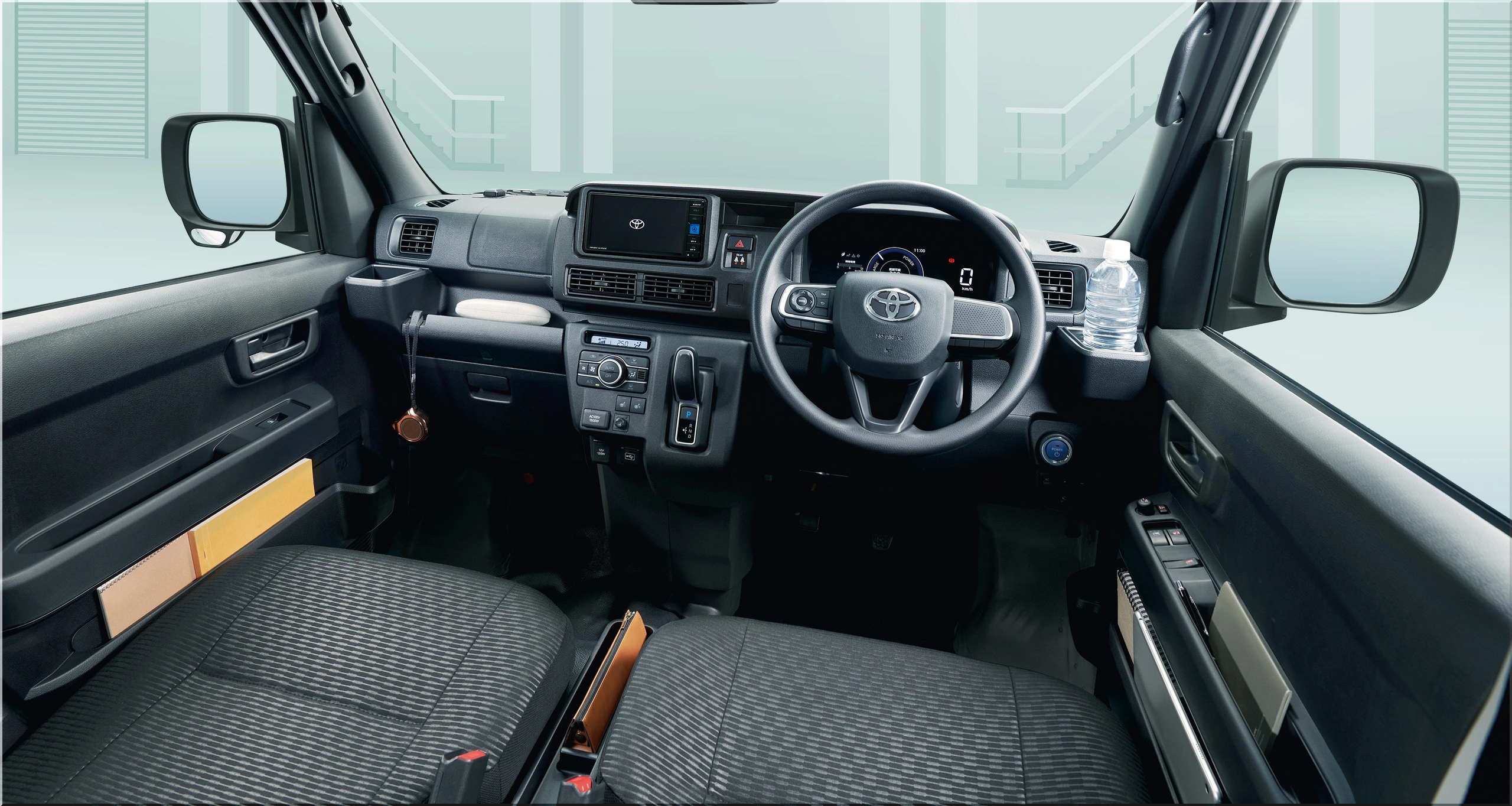
Urban driving is exhausting. Toyota packed this van with tech to reduce driver fatigue. The interior features water-resistant fabric seats and energy-efficient seat heaters. These heaters warm the driver directly, reducing the need to run the cabin heater and preserving battery range in winter.
The safety suite is comprehensive. It includes Smart Assist technology to prevent collisions. High-grade models like the Deluxe trim include:
- Keyless entry with request switches on all doors.
- Power-retractable door mirrors for tight parking.
- Active multi-information display for battery monitoring.
- USB charging ports for mobile devices.



The Bottom Line: What Now?
The Toyota Pixis Van BEV is a clear winner for businesses focused on carbon neutrality and lower operating costs. While the initial purchase price is higher than gasoline models, the reduced maintenance and fuel costs provide long-term value.
Actionable Takeaways:
- Evaluate Routes: If your daily delivery route is under 150 miles, the Pixis BEV eliminates fuel costs entirely.
- Check Infrastructure: Ensure your facility can support a 6 kW AC charger for overnight topping off.
- Utilize Incentives: Check for local green energy subsidies that can lower the $20,800 entry price.
Toyota is not just selling a van; it is providing a tool for a cleaner logistics network. The Pixis Van BEV proves that small vehicles can have a massive impact on the road to zero emissions.
In a major announcement that redefines the electric commercial vehicle sector, BYD has unveiled a fresh line-up of electric vans and trucks. These new models aim to transform the delivery and logistics industries by offering businesses… Continue reading

The German brand Porsche announces that it will double its investment in the development of electric vehicles from this time until the year 2022: it will exceed 6,000 million euros. The move to all-electric cars seems necessary for any car manufacturer… Continue reading

Volkswagen is preparing to launch the ID family of 100% electric vehicles. However, it also intends to offer new propulsion options by combining traditional gasoline or diesel engines with electricity and natural gas, offering hybrid versions… Continue reading

The charging station register of the Federal Association of the Energy and Water Industries (BDEW) has currently around 17,400 public charging locations in Germany. From these, about twelve percent are fast-charging. More than three-quarters of the… Continue reading