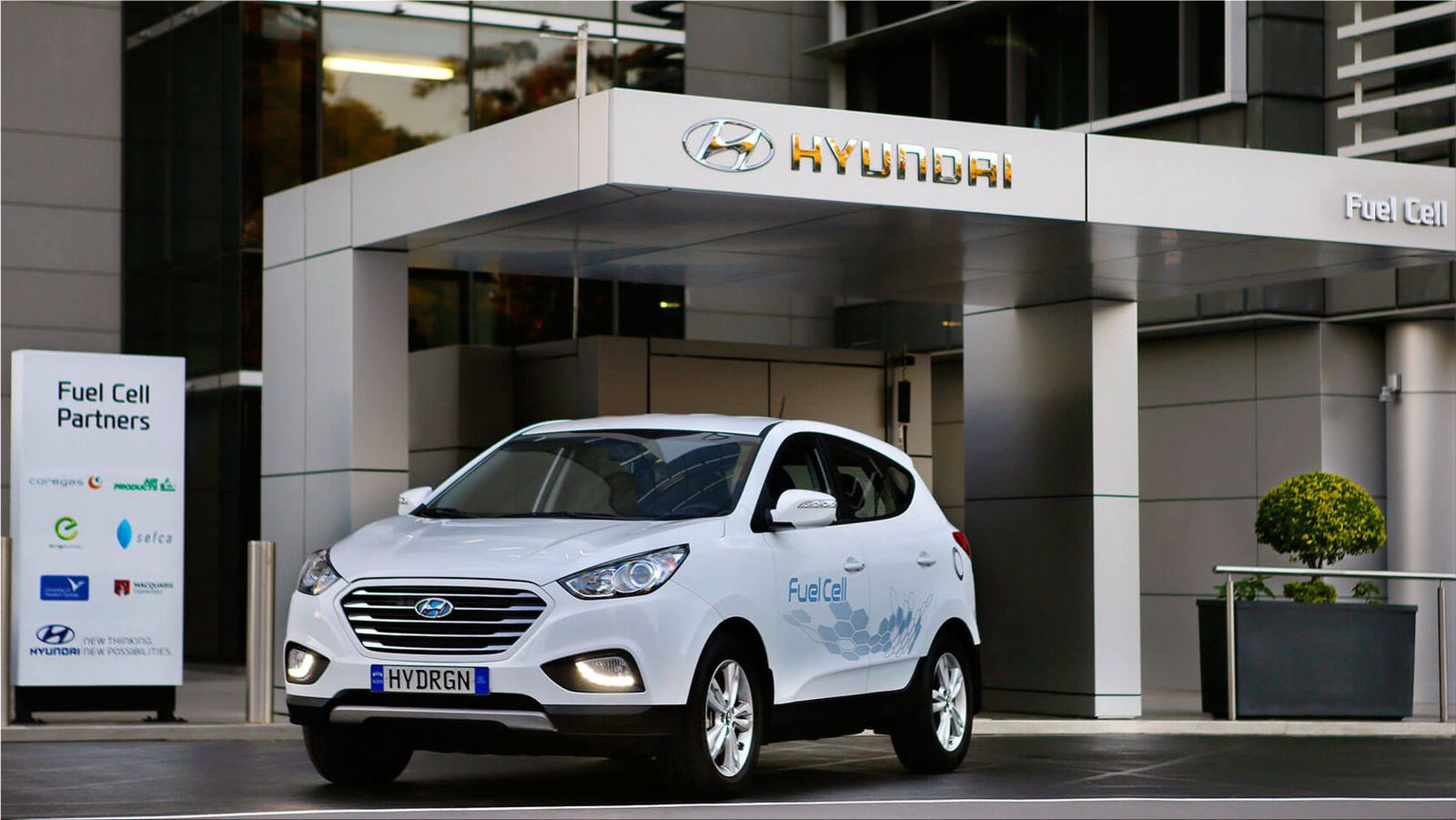
The Japanese automobile manufacturers Toyota, Nissan and Honda, along with eight other companies, have formed Japan H2 Mobility, a company that will be dedicated to the development of hydrogen stations for fuel cell vehicles in Japan.
The objective of Japan H2 Mobility is to gradually increase the number of fuel cell vehicles in Japan and in parallel to make sustainable the hydrogenation business.
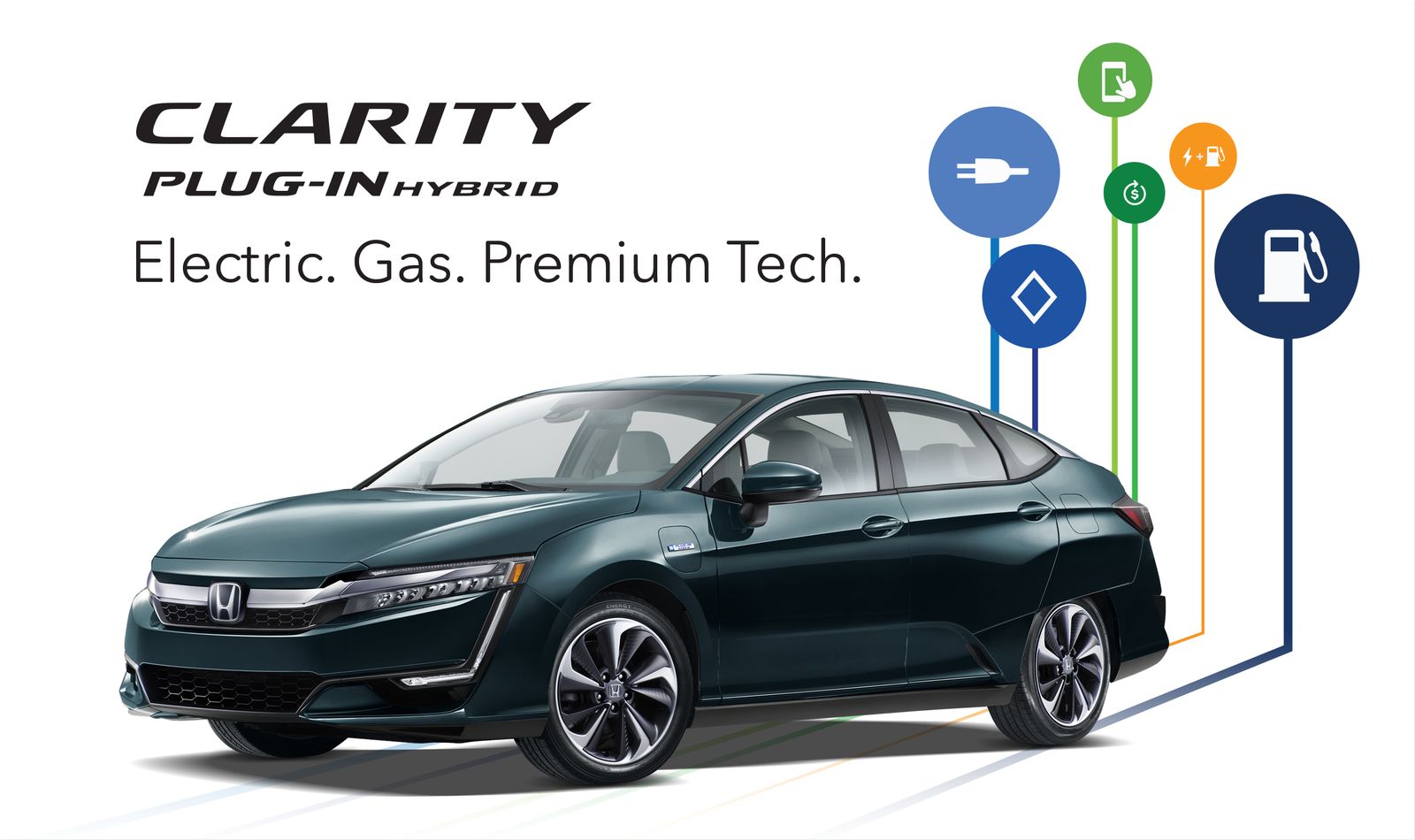
The initial capital of Japan H2 Mobility is $469,948 and will be chaired by Hideki Sugawara. The purpose is to begin the building of 80 stations throughout the country for the year 2021, according to 'Strategic roadmap for hydrogen and fuel cells'.
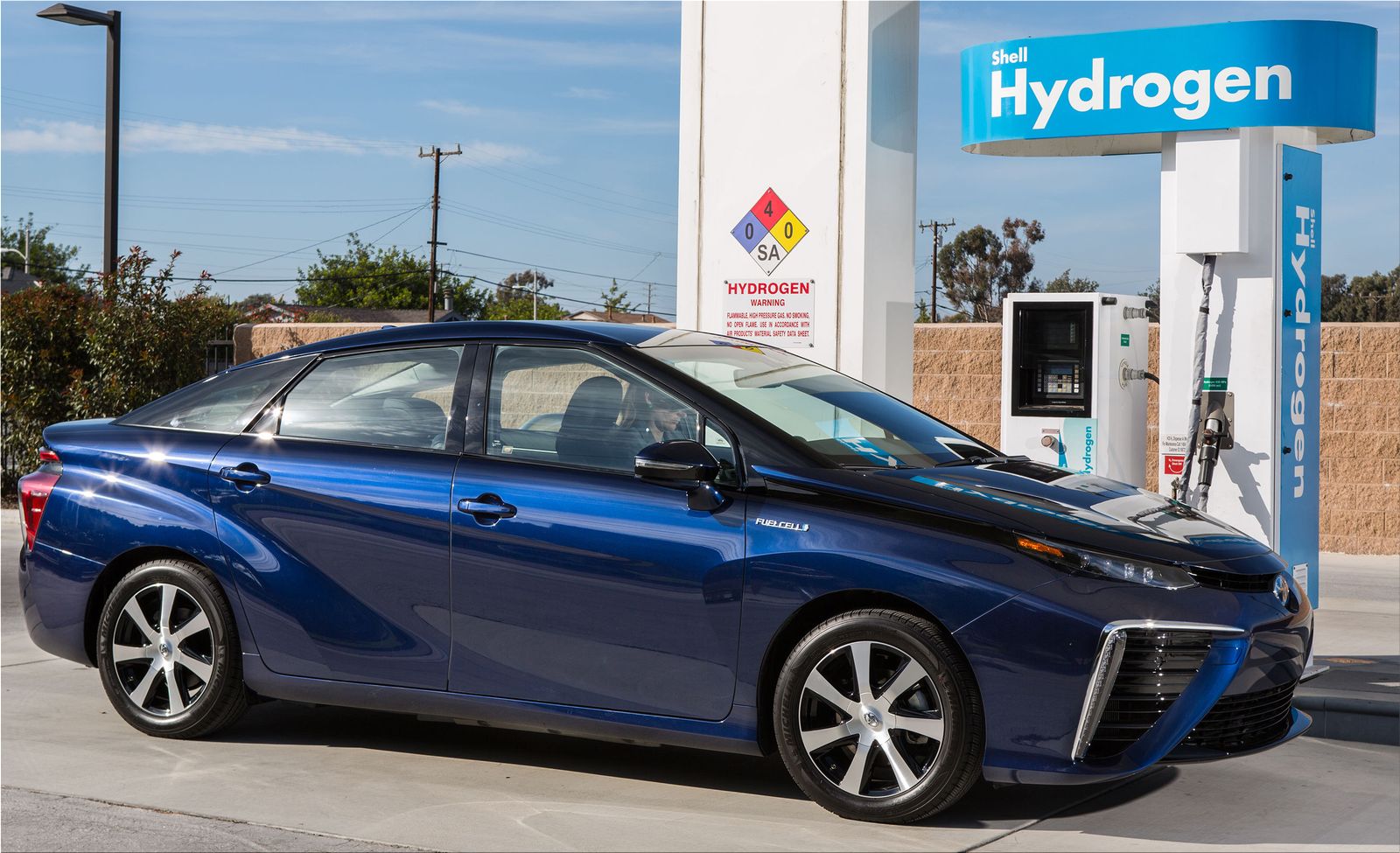
Japan H2 Mobility will start operating in April 2018, with the goal of attracting the maximum possible participation of hydrogenation operators and investors.

Presented at the 2018 Paris Motor Show along with the Peugeot 508 Hybrid, the Peugeot 3008 Hybrid4 plug-in hybrid SUV is preparing for the commercial launch. Autonomy, for example, has been revised upwards in light of WLTP approval:… Continue reading

The UK government has doubled funding for the installation of charging points on residential streets to £ 10 million - the equivalent of 11.75million euros. This could finance up to 3,600 new charging points across the country.… Continue reading

Despite the well-known old software problems, Volkswagen continues to prepare for the launch of its new electric ID.3, promised for next summer. Because of this reason, the company has tried to dismiss 7 false myths about electric cars. Let's… Continue reading

The Spanish factories have adapted to manufacture electric cars with the aim of exporting it to the whole world. Currently, there are 4 electric cars that are manufactured in the plants of Mercedes-Benz, Nissan and the PSA group. They range from… Continue reading