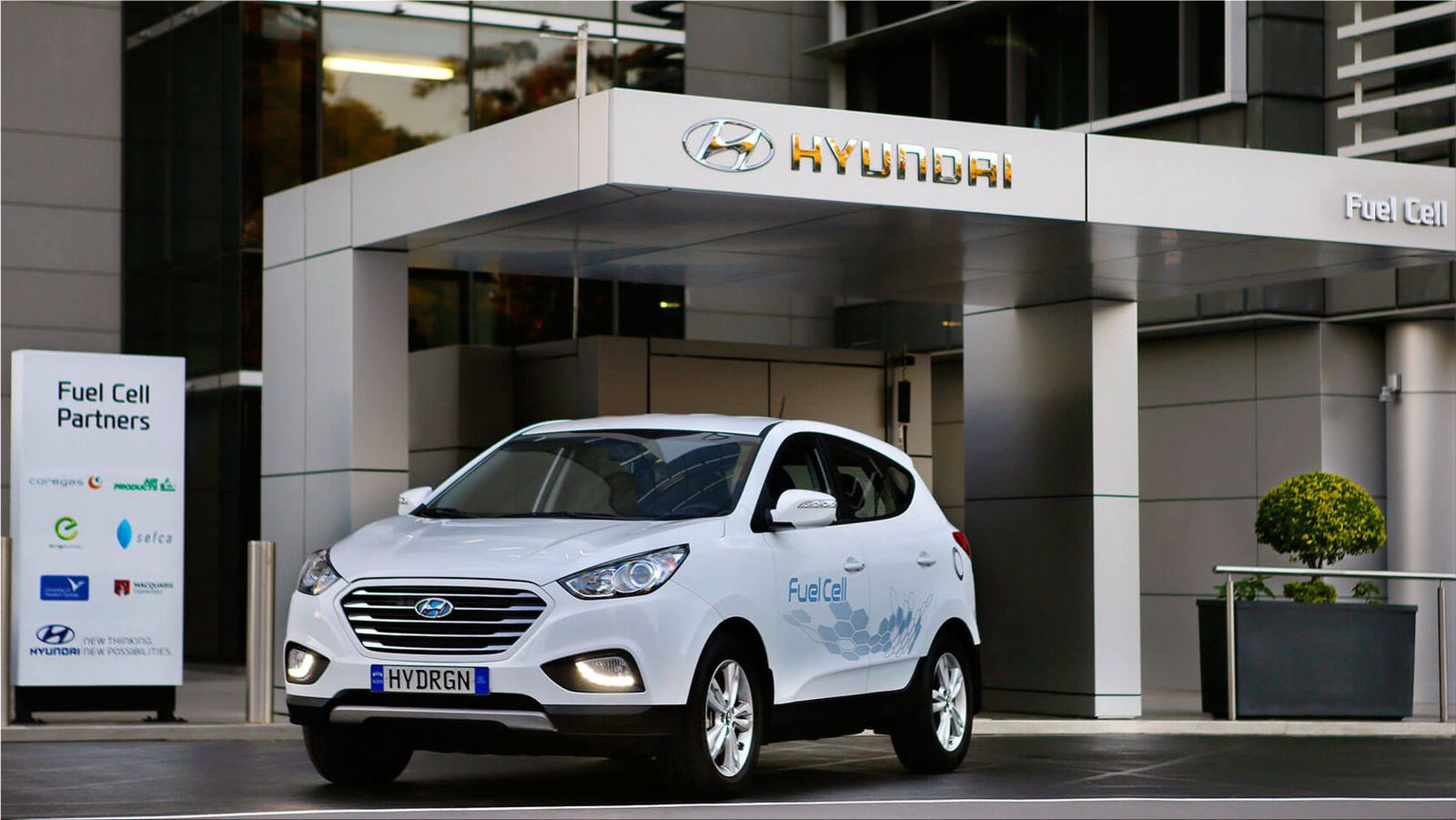
The Japanese automobile manufacturers Toyota, Nissan and Honda, along with eight other companies, have formed Japan H2 Mobility, a company that will be dedicated to the development of hydrogen stations for fuel cell vehicles in Japan.
The objective of Japan H2 Mobility is to gradually increase the number of fuel cell vehicles in Japan and in parallel to make sustainable the hydrogenation business.
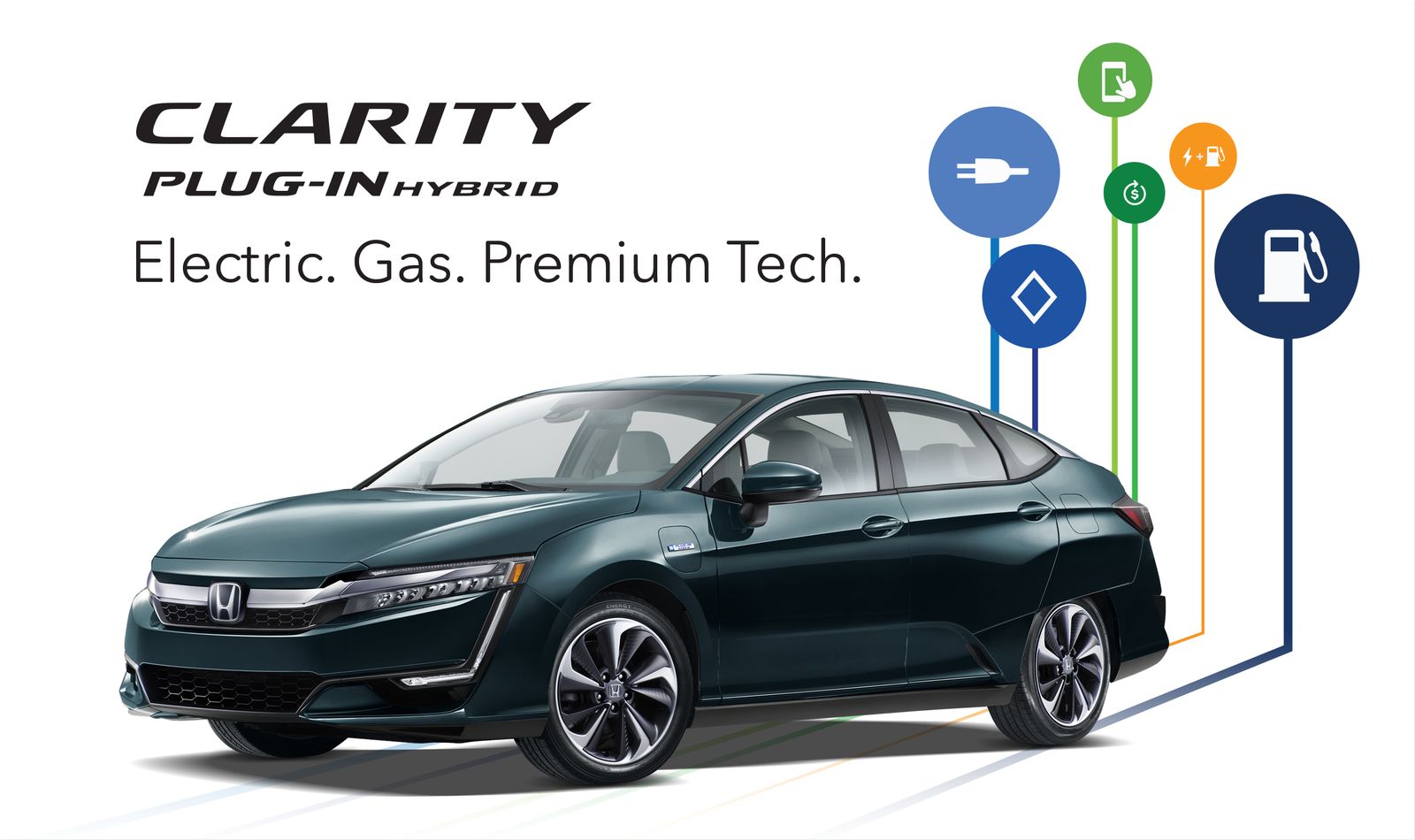
The initial capital of Japan H2 Mobility is $469,948 and will be chaired by Hideki Sugawara. The purpose is to begin the building of 80 stations throughout the country for the year 2021, according to 'Strategic roadmap for hydrogen and fuel cells'.
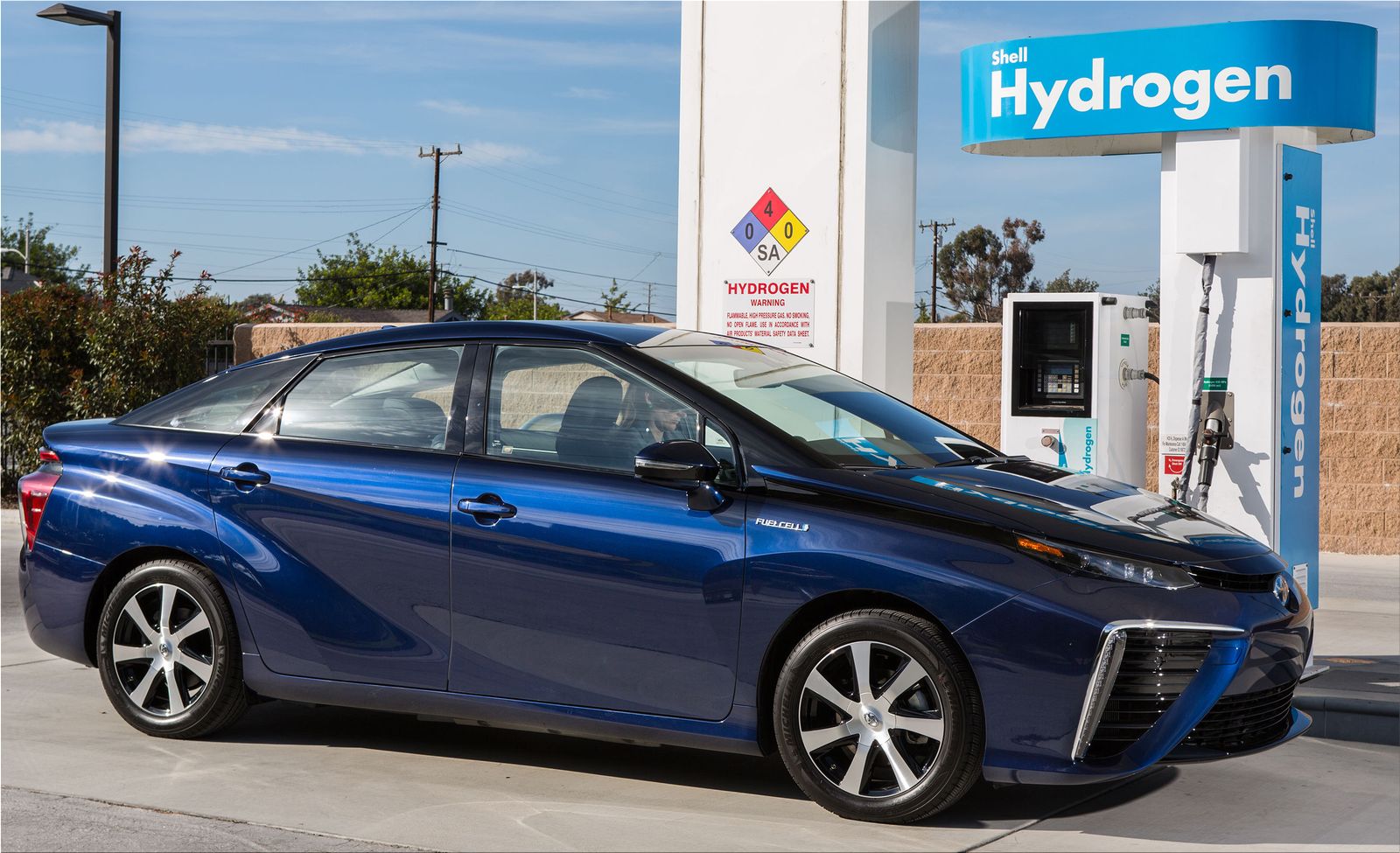
Japan H2 Mobility will start operating in April 2018, with the goal of attracting the maximum possible participation of hydrogenation operators and investors.

The Electric Comeback of a City Icon Renault’s Twingo E-Tech Electric marks the rebirth of an urban legend. Compact, affordable, and developed in just two years, this new-generation electric city car demonstrates how… Continue reading
The 2027 Polestar 4 keeps its Australian entry price while adding chassis changes, clearer trim logic, and optional 22 kW AC charging. Polestar did not touch the motors or battery. Instead, it attacked ride control, steering precision,… Continue reading

The German brand Porsche announces that it will double its investment in the development of electric vehicles from this time until the year 2022: it will exceed 6,000 million euros. The move to all-electric cars seems necessary for any car manufacturer… Continue reading

Tesla may have registered the first vehicle VINs of the Tesla Model 3 for the European market. This would fit the company's goal of making the first overseas shipments in the first half of 2019. The production volume in the US,… Continue reading