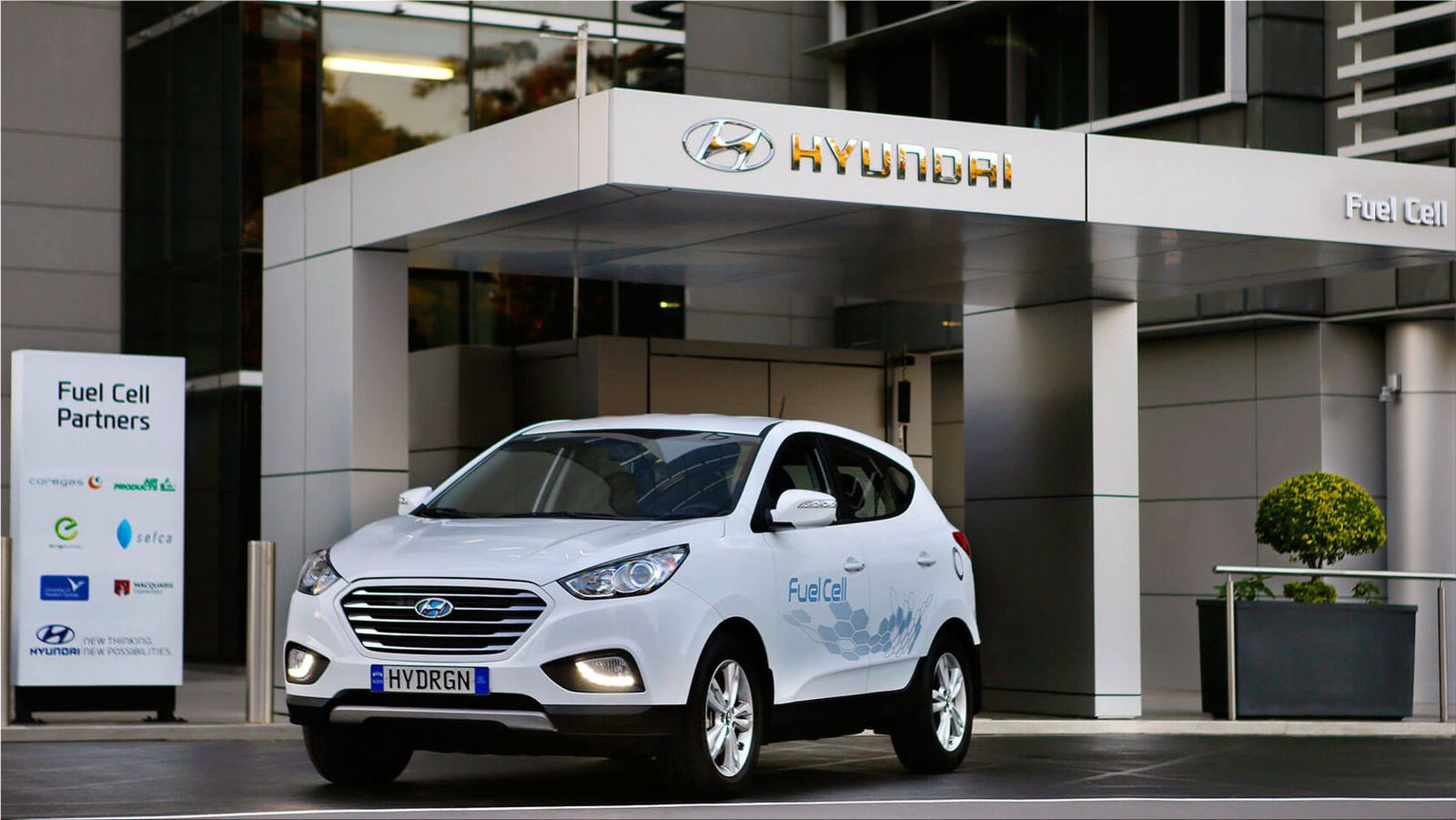
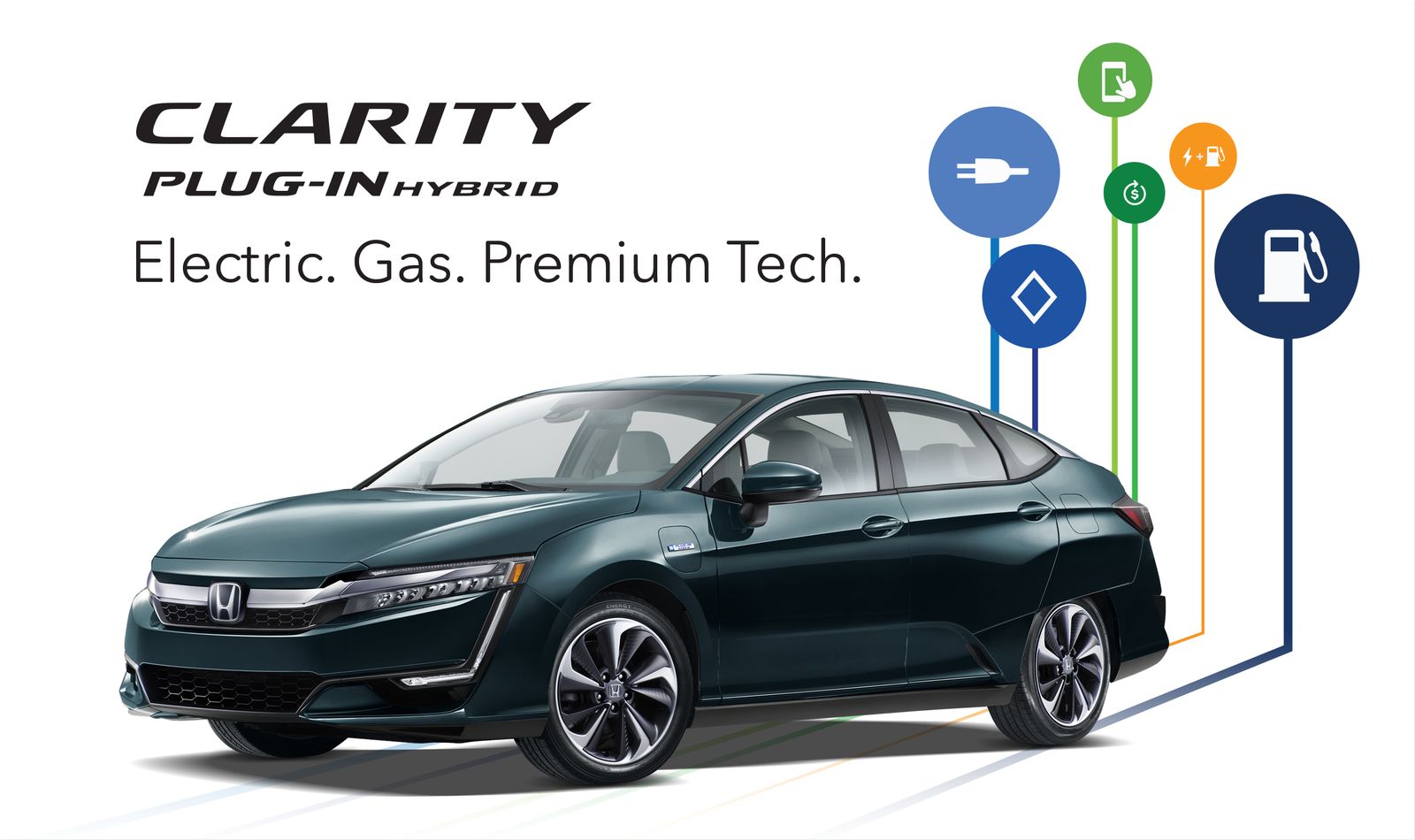
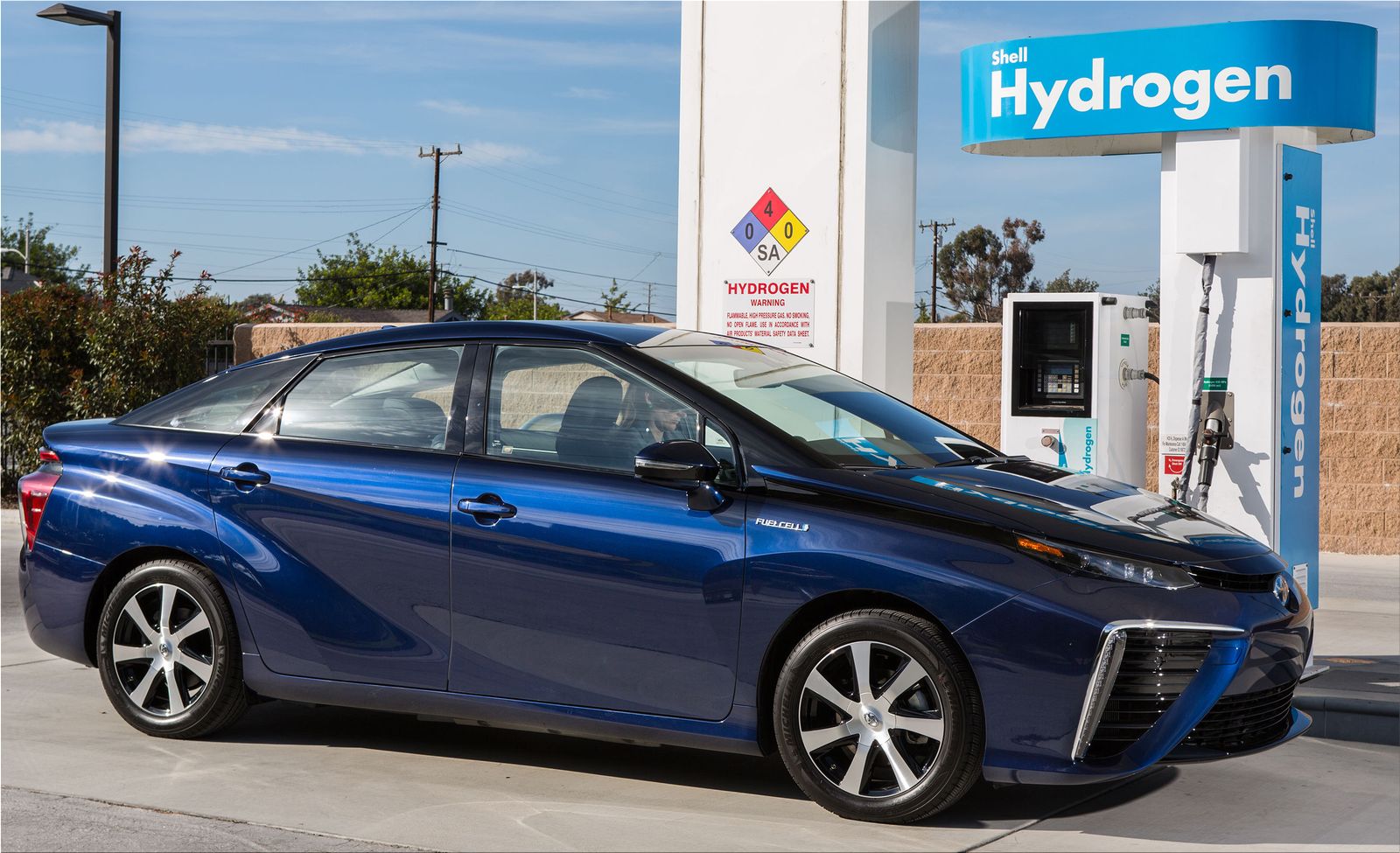
The Japanese automobile manufacturers Toyota, Nissan and Honda, along with eight other companies, have formed Japan H2 Mobility, a company that will be dedicated to the development of hydrogen stations for fuel cell vehicles in Japan.
The objective of Japan H2 Mobility is to gradually increase the number of fuel cell vehicles in Japan and in parallel to make sustainable the hydrogenation business.
The initial capital of Japan H2 Mobility is $469,948 and will be chaired by Hideki Sugawara. The purpose is to begin the building of 80 stations throughout the country for the year 2021, according to 'Strategic roadmap for hydrogen and fuel cells'.
Japan H2 Mobility will start operating in April 2018, with the goal of attracting the maximum possible participation of hydrogenation operators and investors.

In a significant move for the Swedish electric performance brand Polestar, the company has started delivering the Polestar 3, its flagship electric SUV, to customers in the United States and Canada. This milestone is more… Continue reading

Porsche, renowned for its high-performance vehicles, has expanded its mobility solutions with the introduction of the Porsche eBike Sport 2025. This fifth-generation electric bicycle combines cutting-edge technology with sophisticated design,… Continue reading

The New Xpeng P7 Is Built to Win, Not Impress Xpeng’s new P7 sedan hit the Chinese market with a clear goal—scale fast, beat rivals, and solidify EV dominance. It didn’t waste time. Within 6 minutes and 37 seconds, Xpeng… Continue reading

The Van Built for Business Demands Ford targets trades, fleets, and delivery operators with its updated 2026 Ford E-Transit Custom AWD. The company adds more range, quicker charging, stronger traction, and a… Continue reading