According to the German Handelsblatt publication, the new Volkswagen small-class electric cars will be produced at the plant in Bratislava, the capital of Slovakia. This is the same factory where VW Up, Skoda Citigo and SEAT Mii are currently being built. Initially, they took into account the Emden plant (Germany), but eventually chose Bratislava to minimize costs as much as possible.
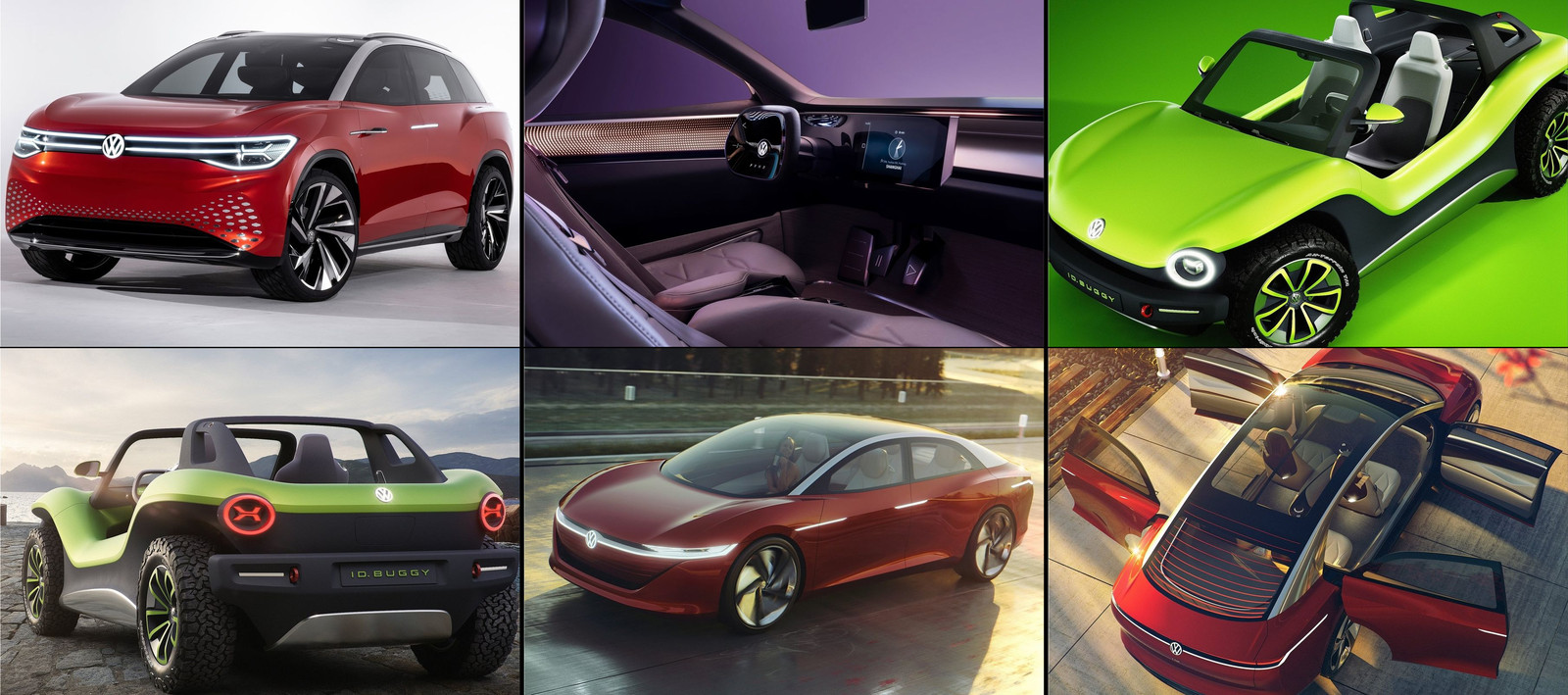
The three models will be joined by electric cars produced by VW, Skoda and SEAT, all three brands being reunited under the umbrella of Volkswagen AG. New green cars will be developed by SEAT on the MEB platform (modular platform for electric car production). They will be on the market in 2022.
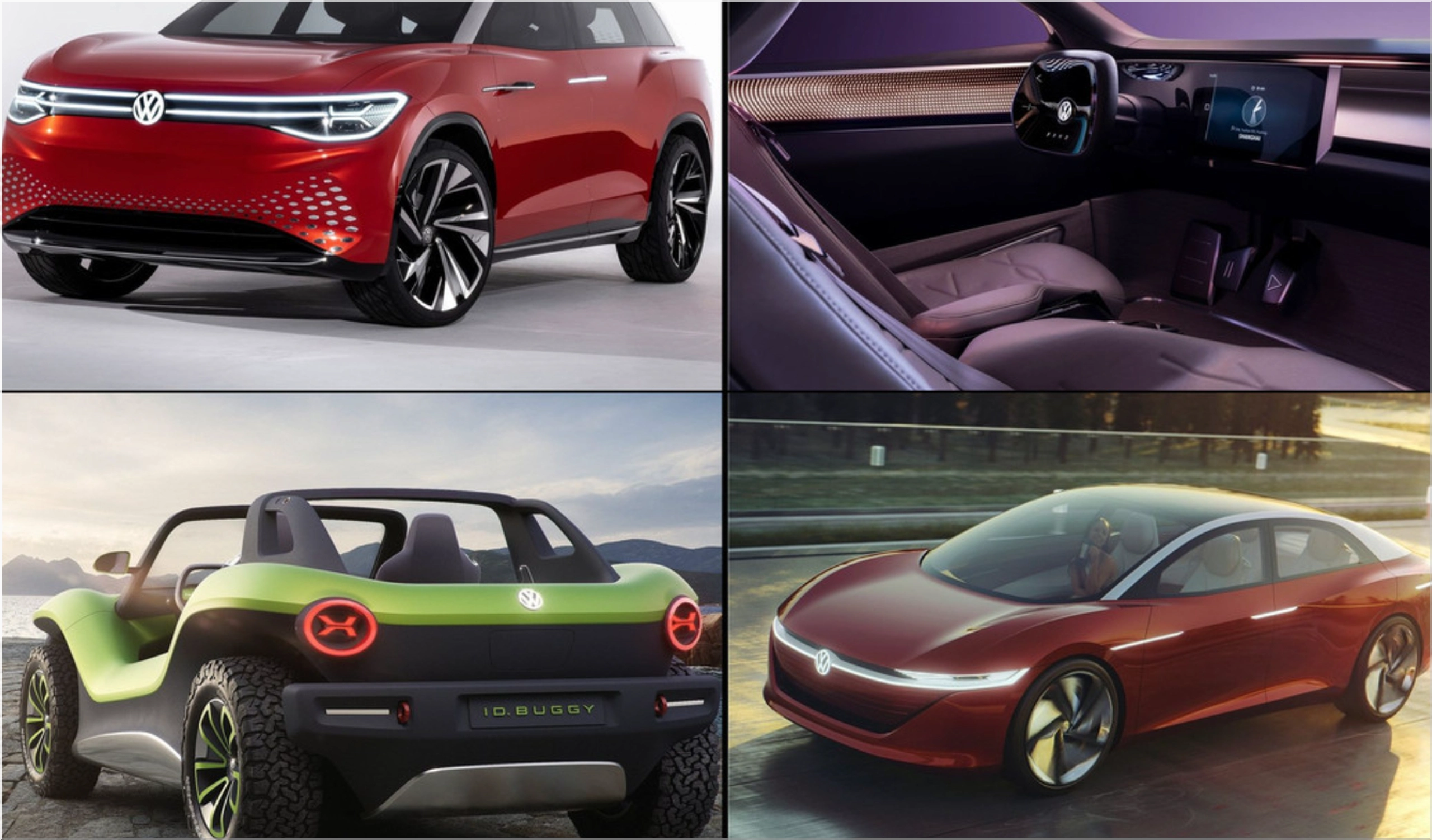
Quantitatively, Volkswagen's target for the new small-class electric cars is an annual production of 200,000 units.
Recently, Volkswagen launched the pre-orders for the ID.3 electric car. It costs less than 40,000 euros (VAT included), without the bonuses.
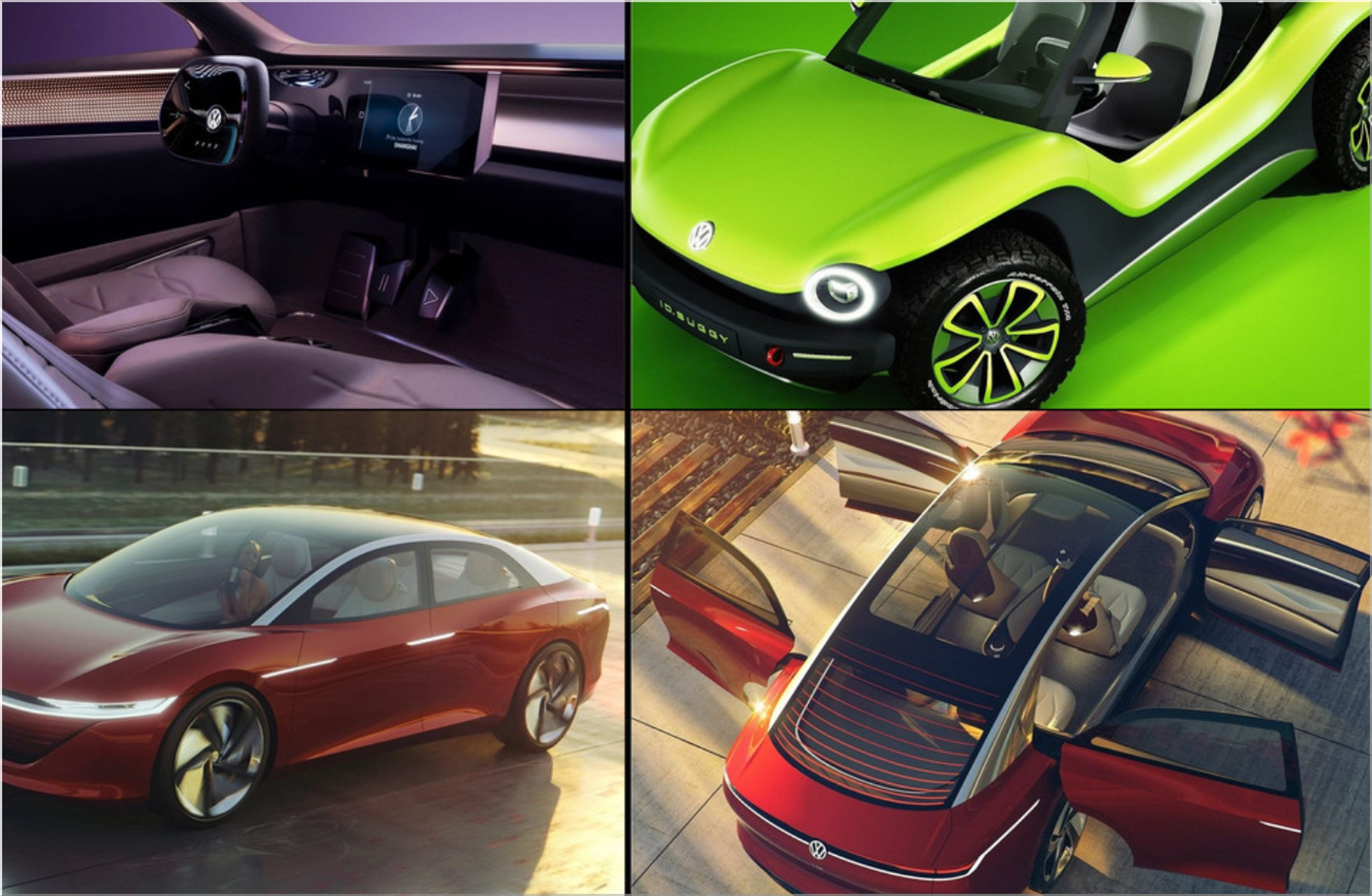
According to the German press, Volkswagen's management has opted for the plant in Slovakia strictly for economic reasons, in order to keep production costs to a minimum. More specifically, the salaries in Bratislava are lower than those that the employees of the factory in Emden, Germany, would have requested.
Jaguar I-Pace Sky Edition. A commercial edition of the British electric car that arrives on the market with the Performance Pack and an interesting offer price. Jaguar was the first brand in Europe to enter the 100% electric premium… Continue reading
Dacia, the affordable brand of Renault, will arrive on the electric market in 2021. The French automotive group confirmed the information during the group's financial results. According to rumours, this vehicle, with a 100%… Continue reading
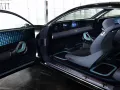
In a new walk-around video with Hyundai's design manager Luc Donckerwolke, new aspects about the interior and exterior of the Prophecy concept car are exposed. The concept car was first shown during a digital premiere in March. Although Hyundai… Continue reading
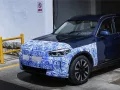
BMW has done the homologation tests required for a fully electric car in China and Europe at the same time. After more than 340 hours of various tests and over 7700 kilometres travelled, the homologation was completed in four weeks. The results… Continue reading