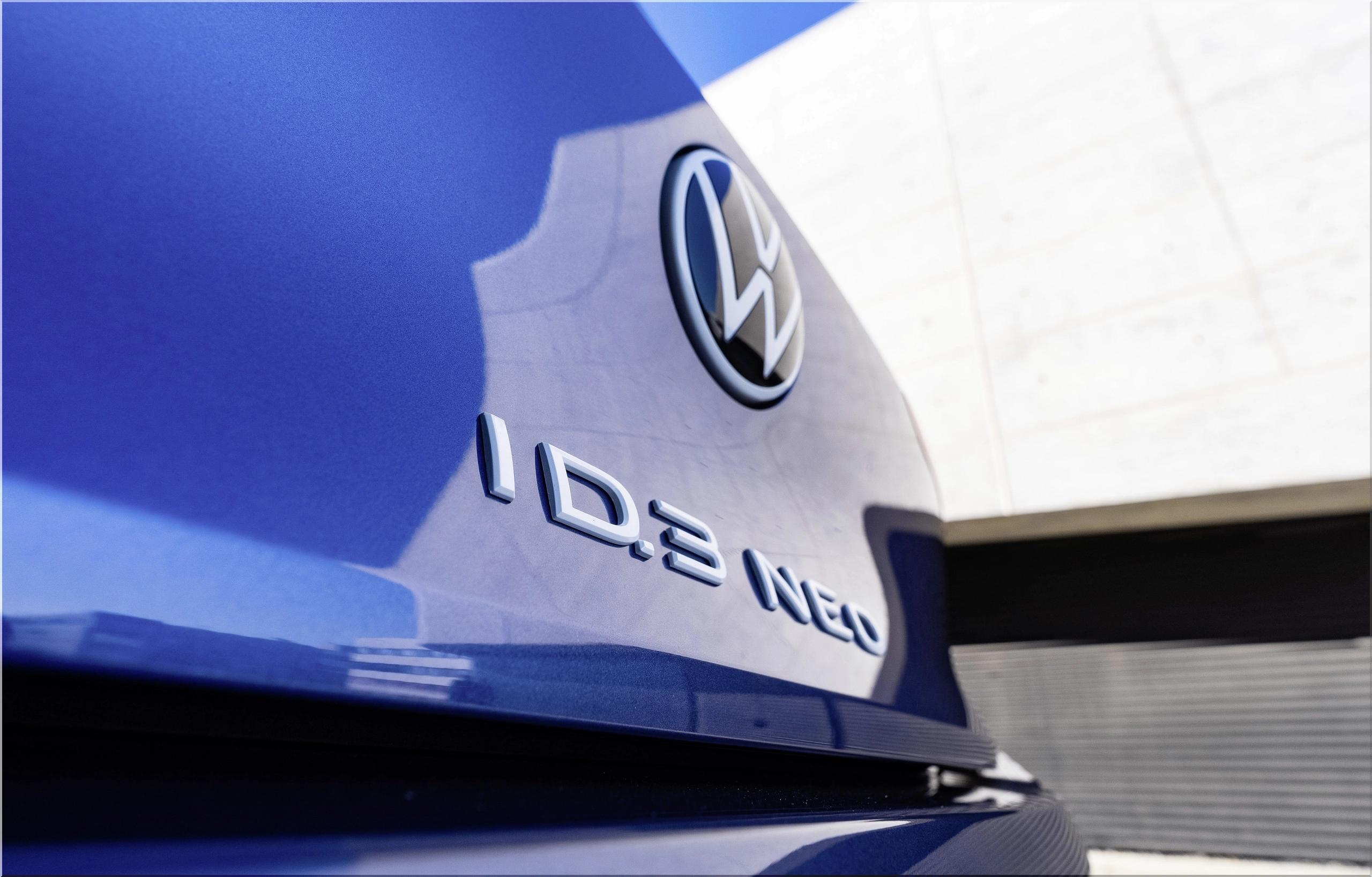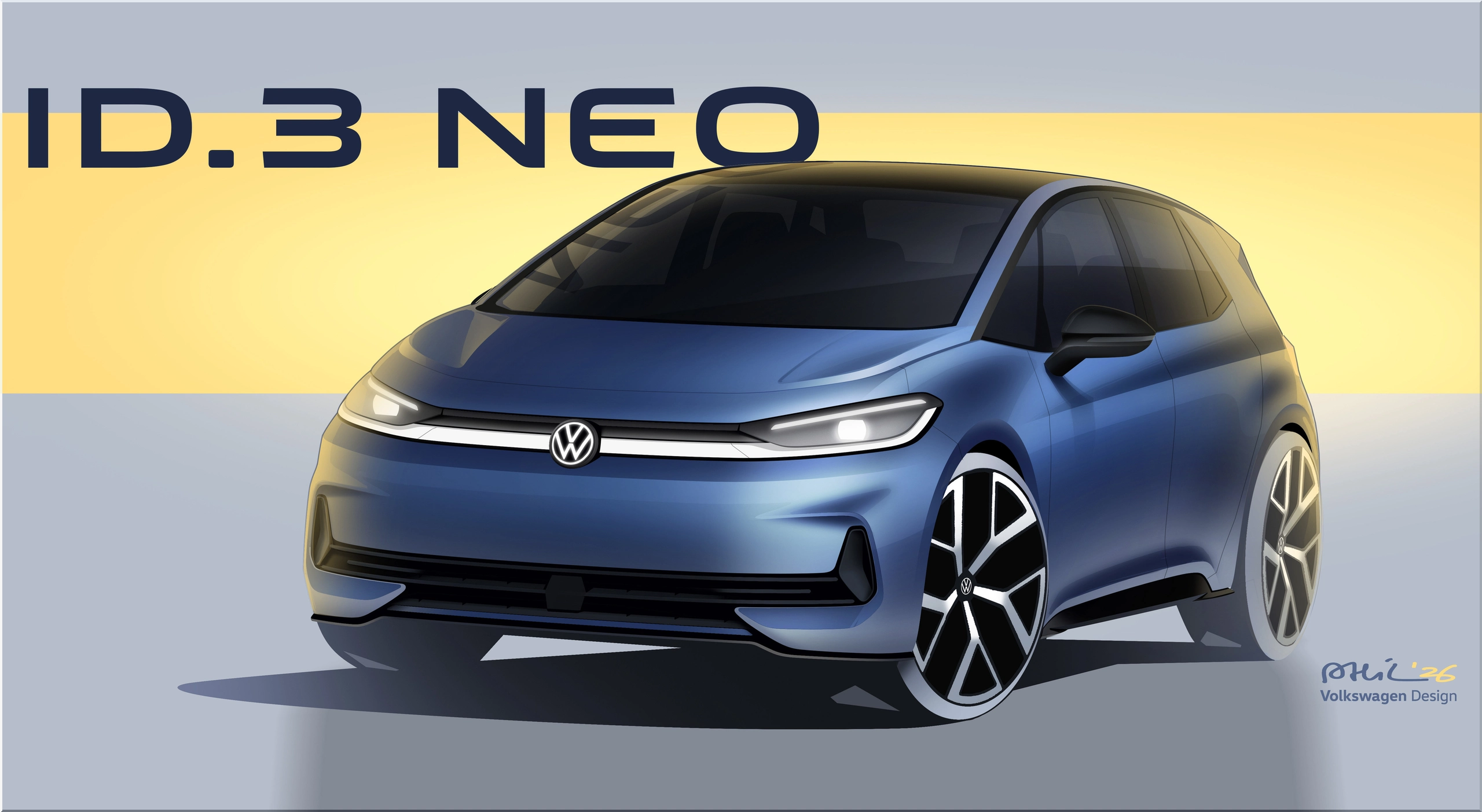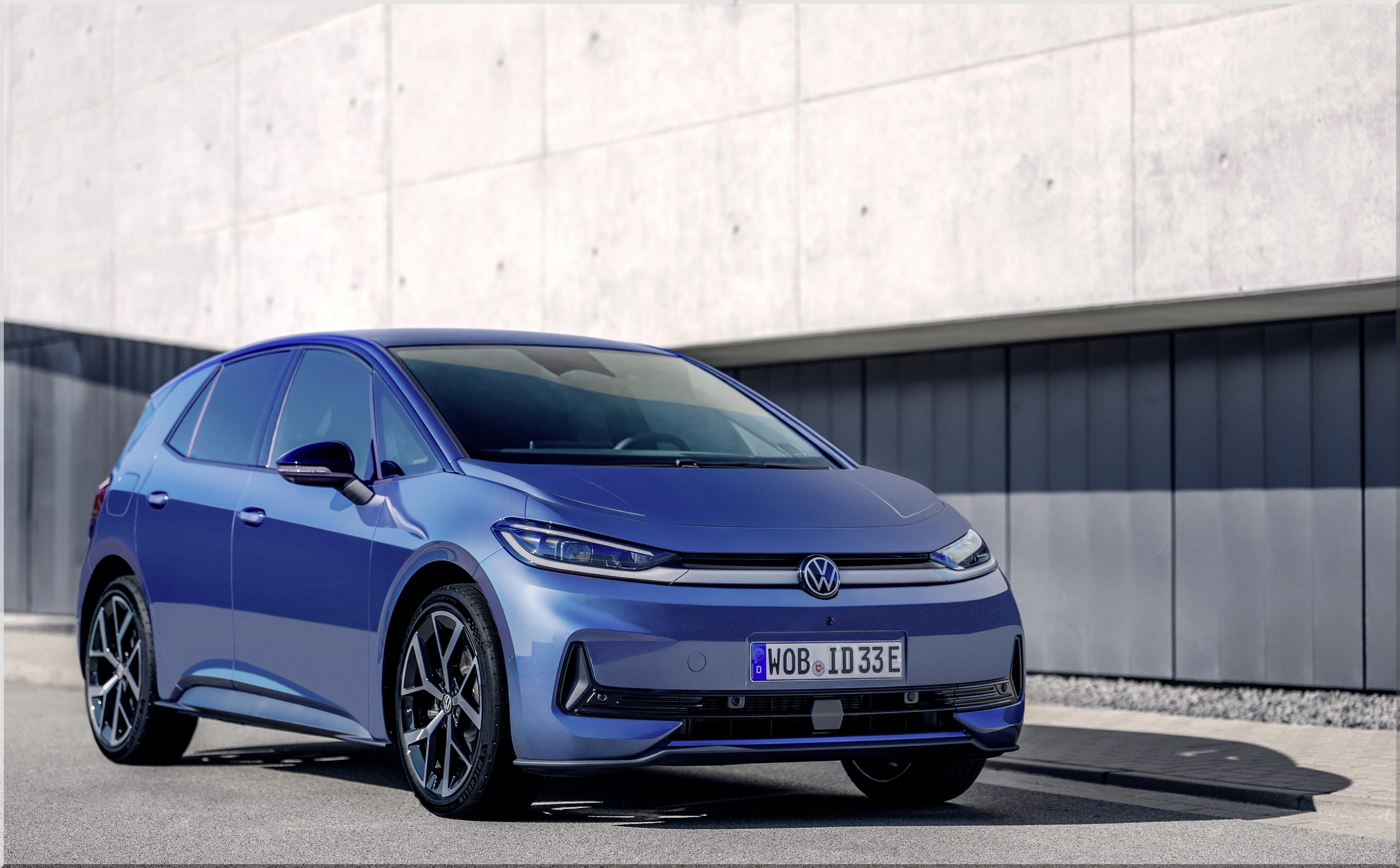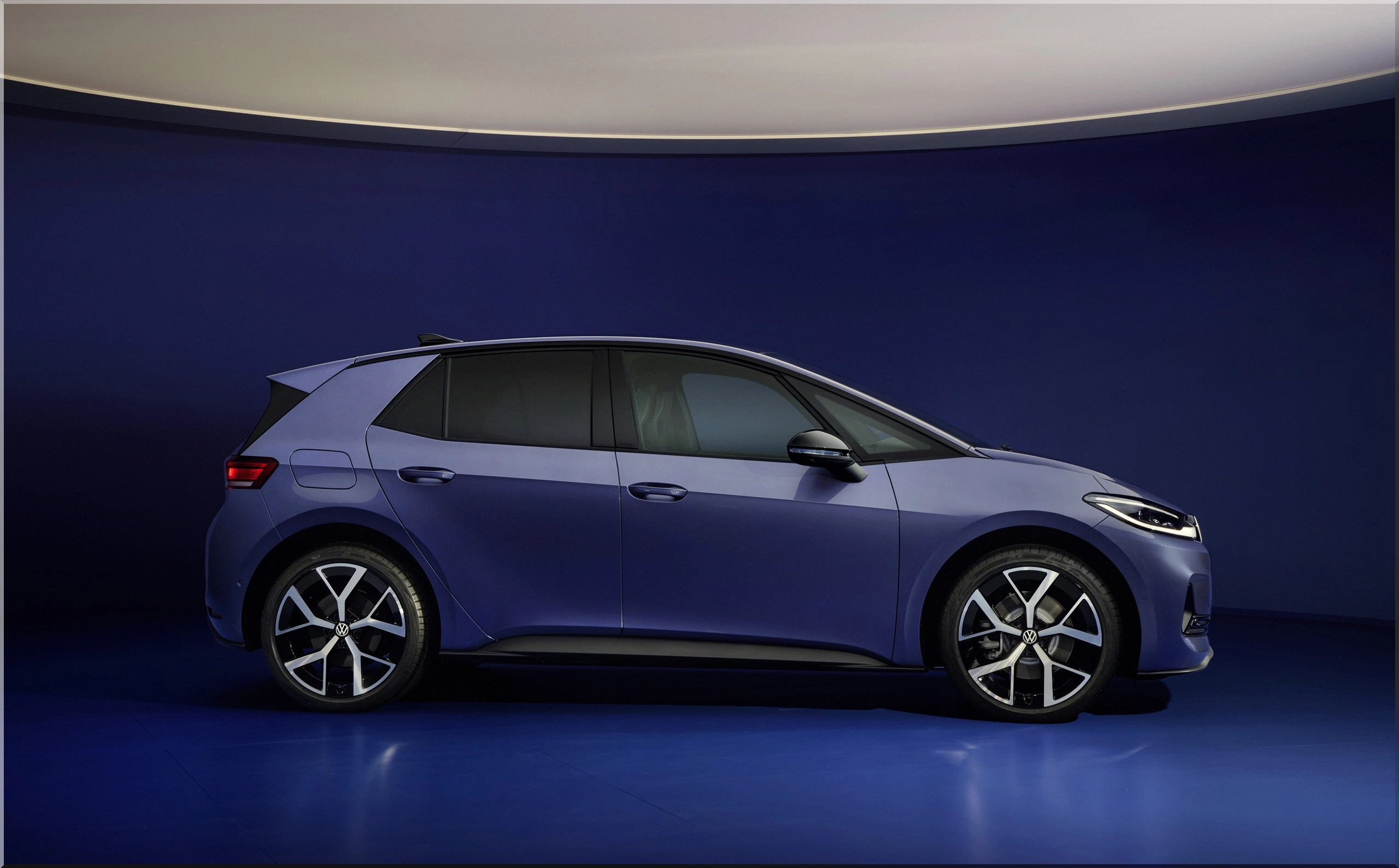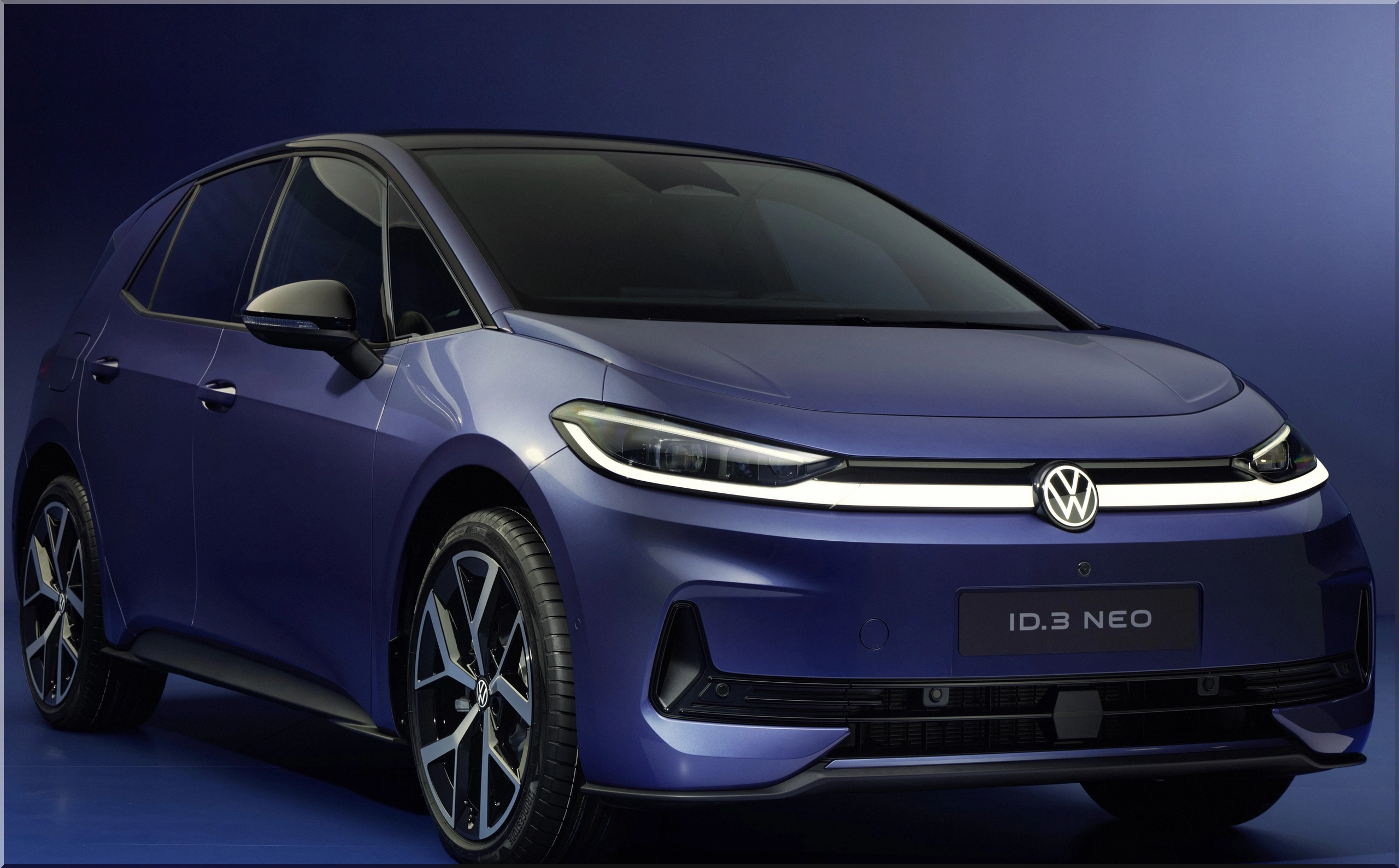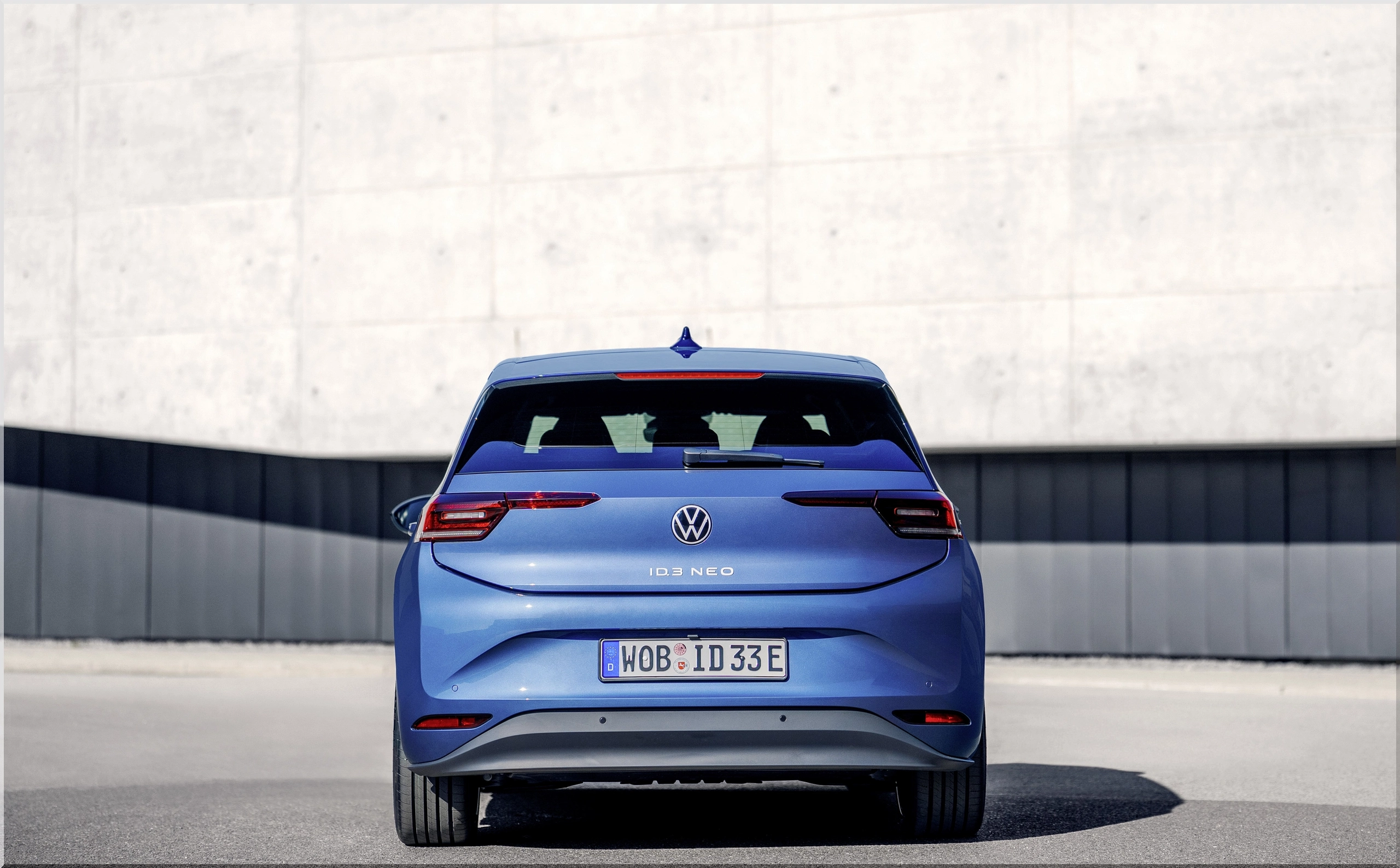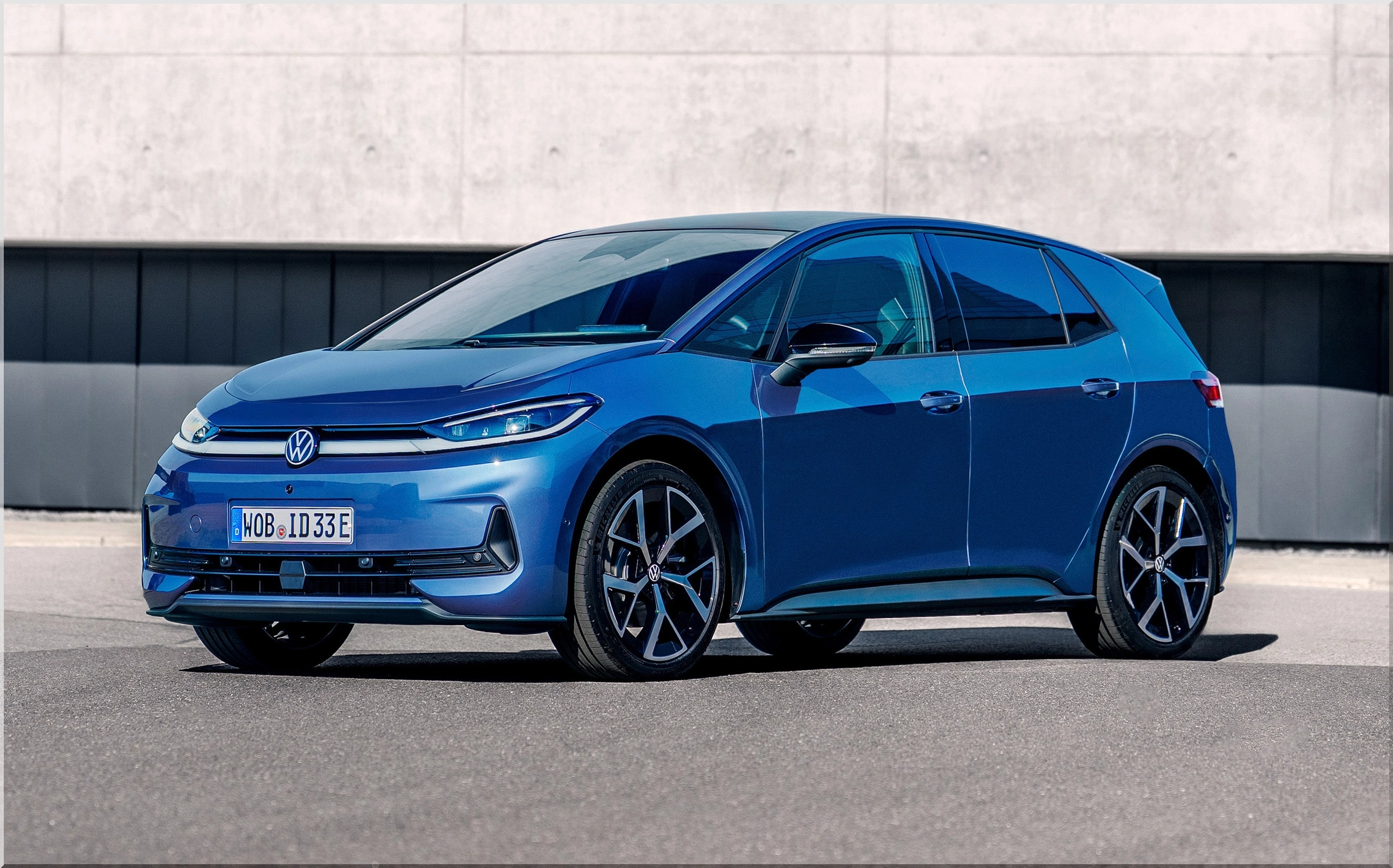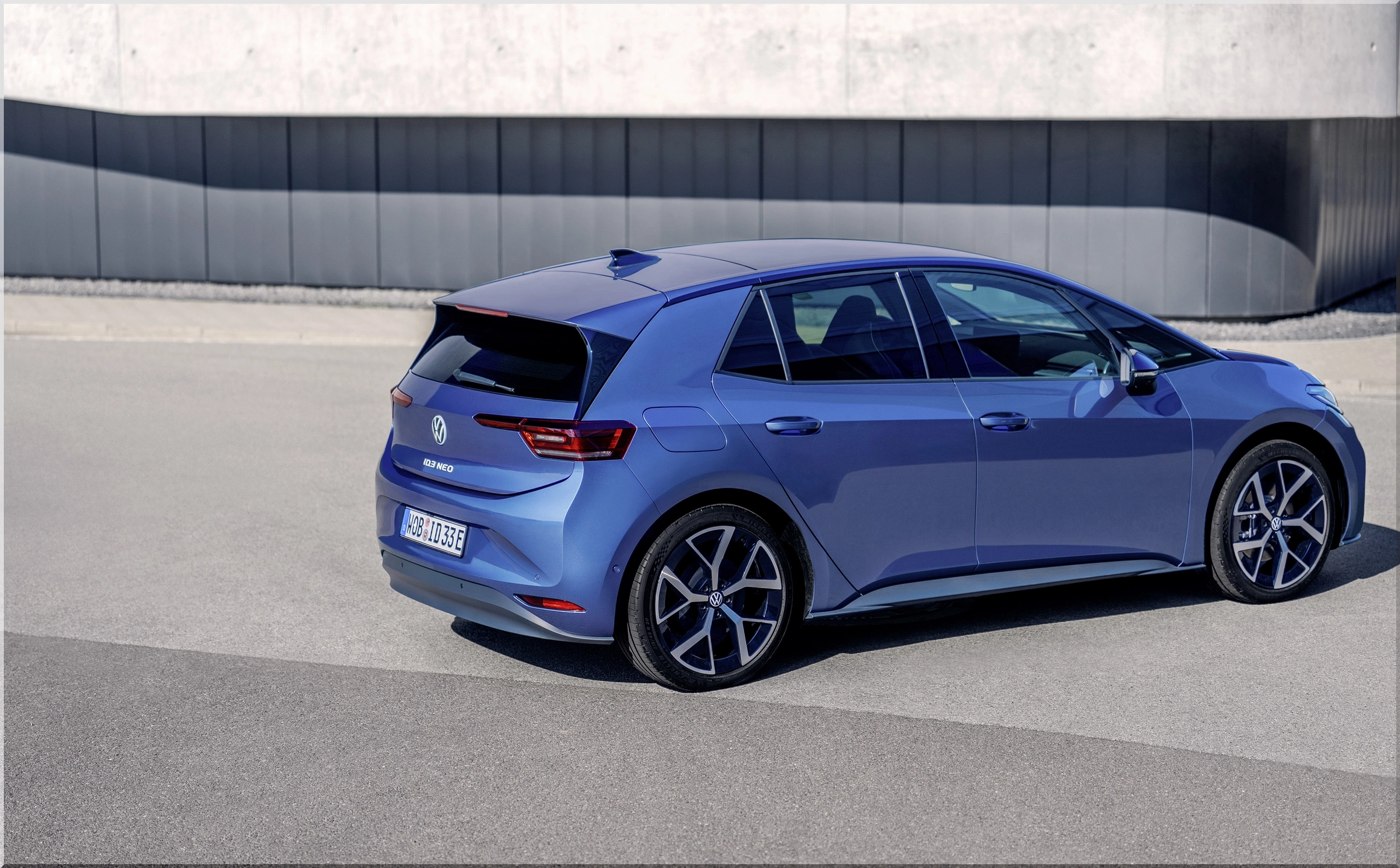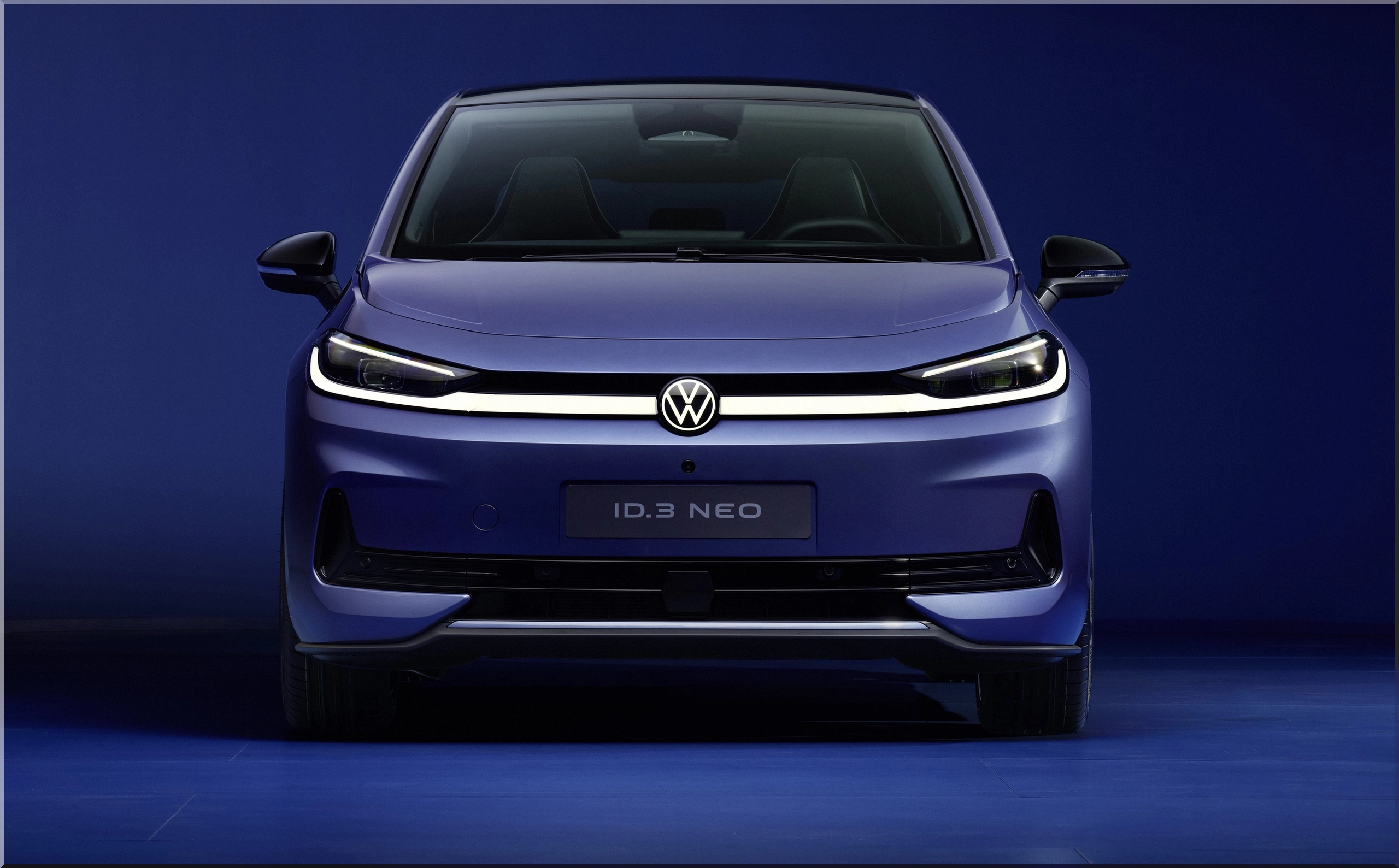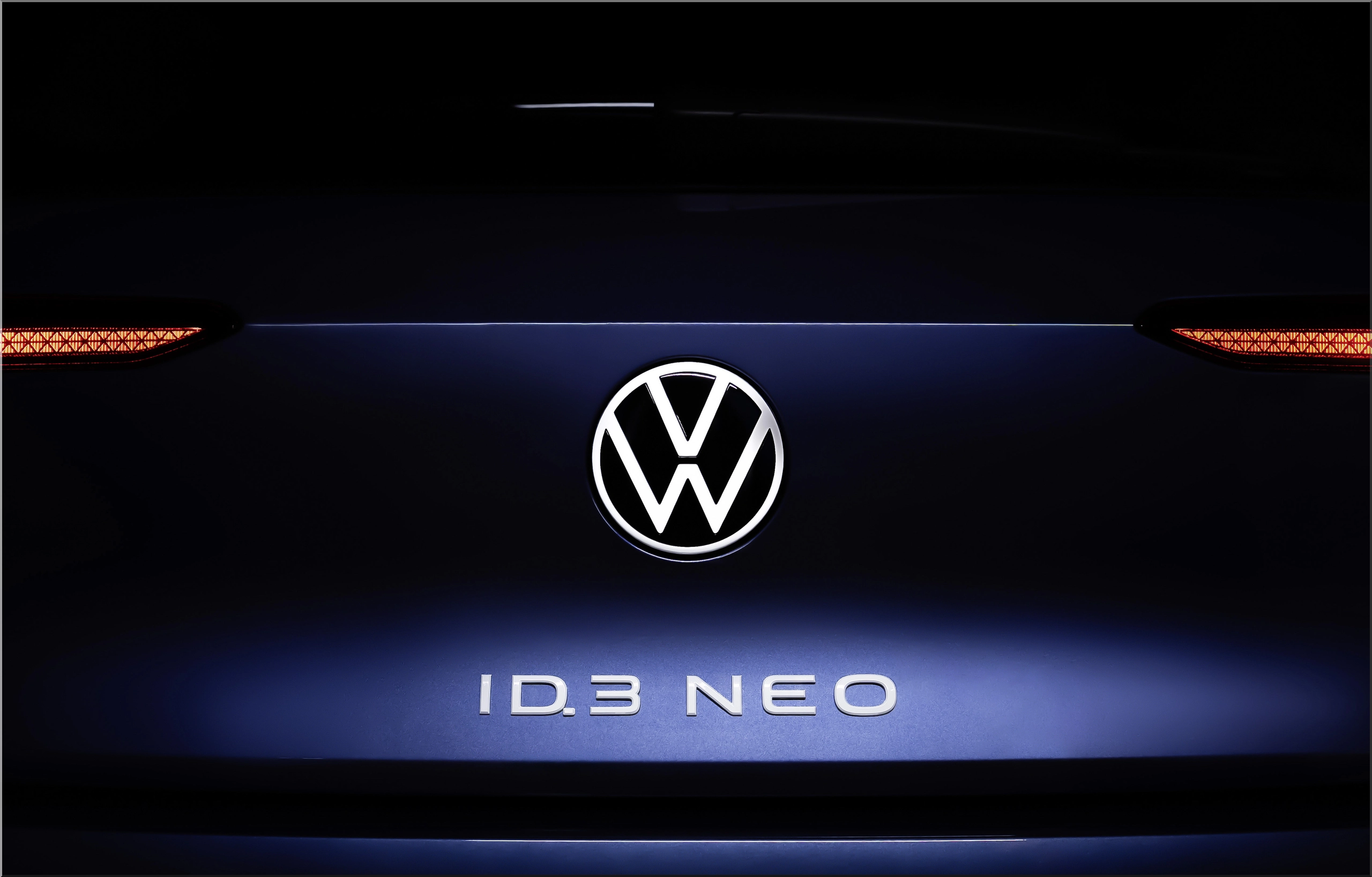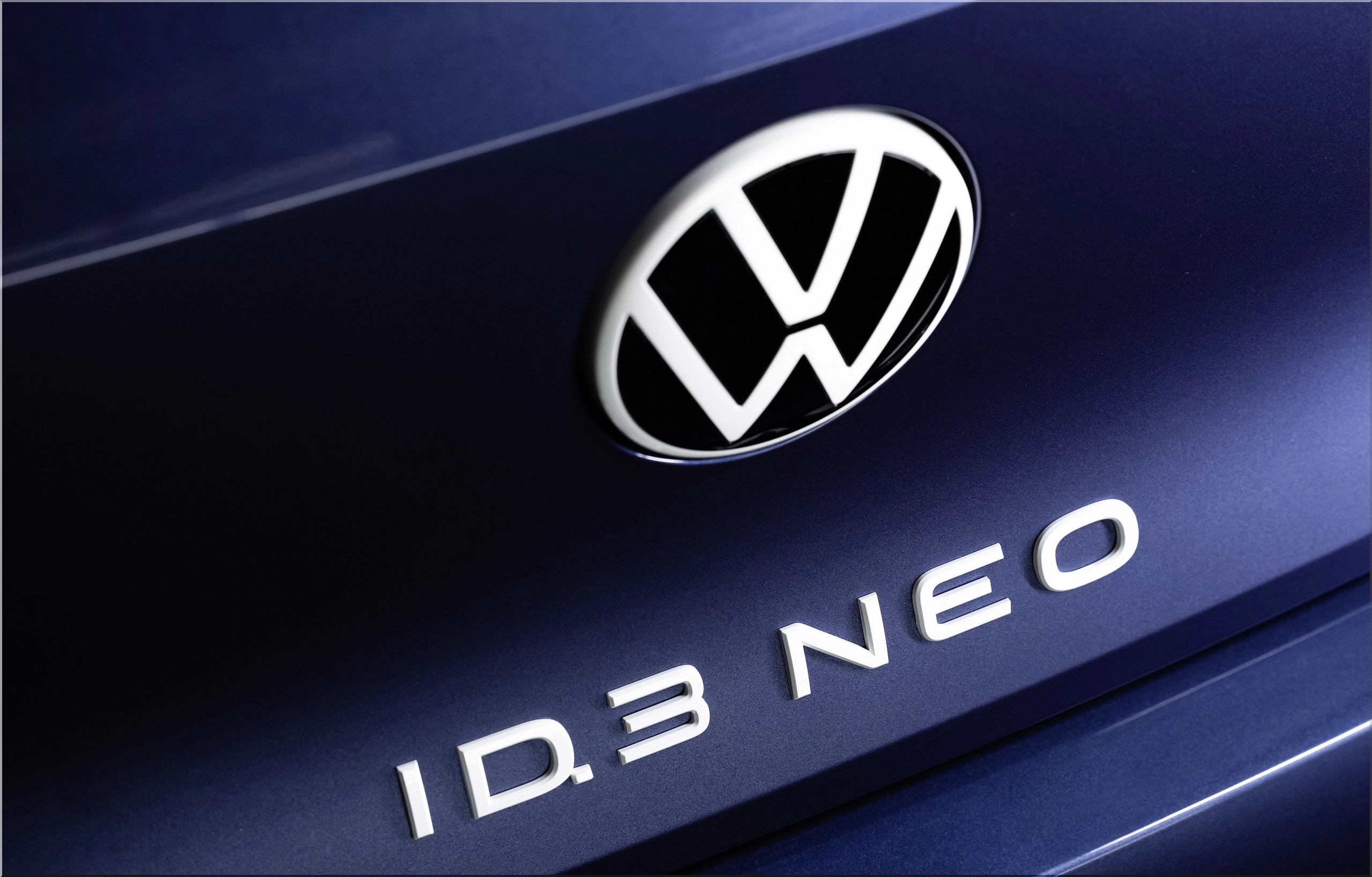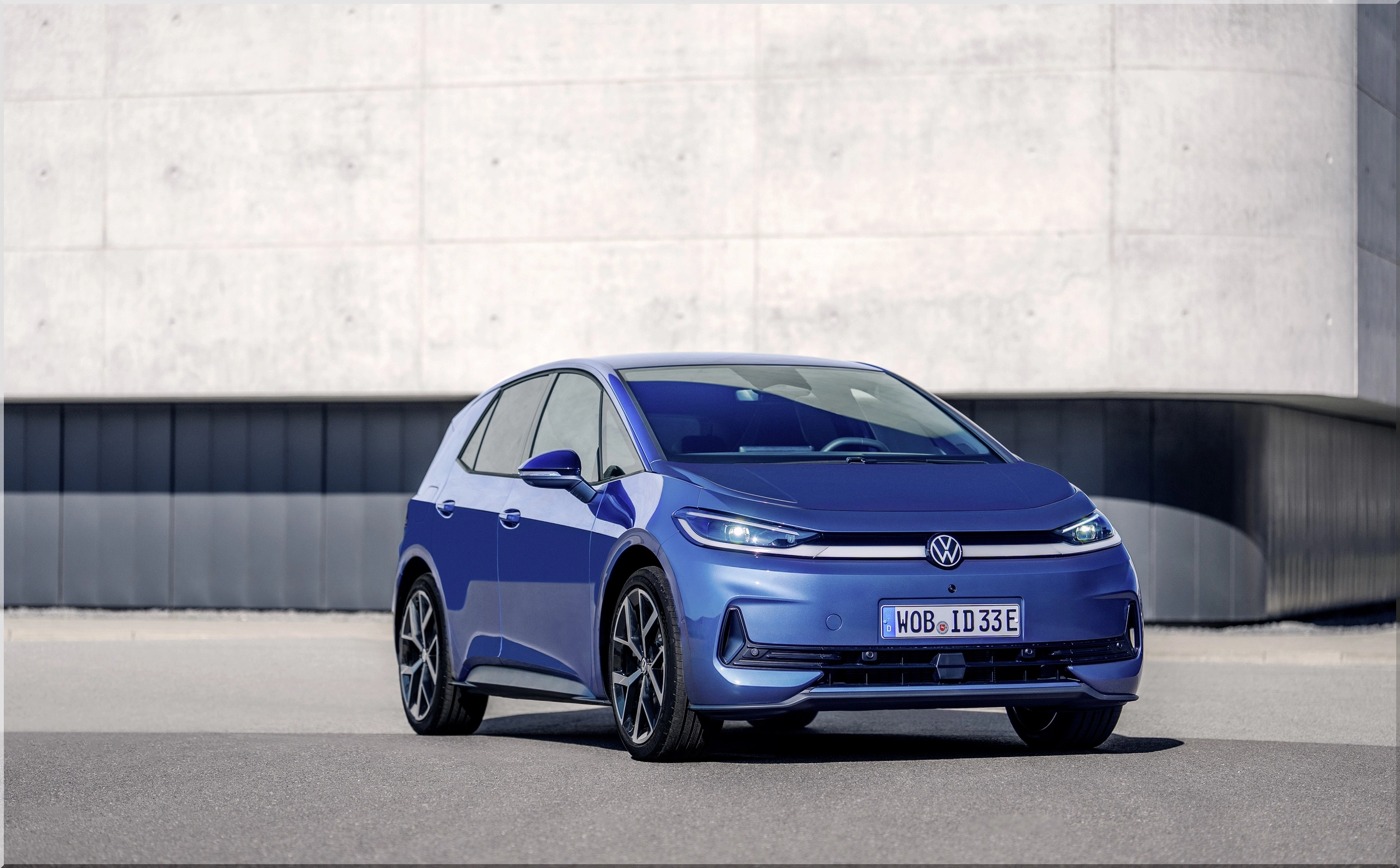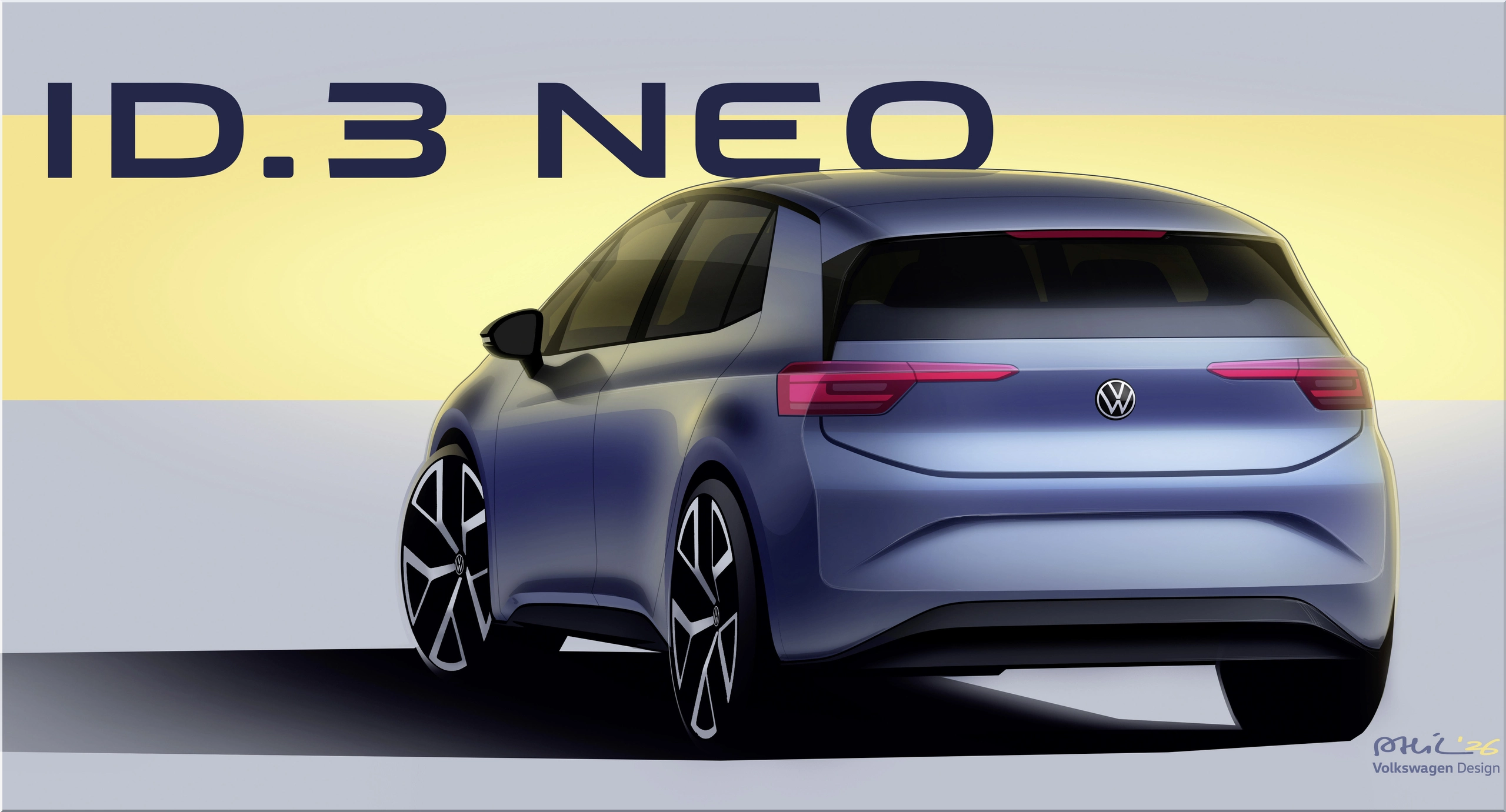
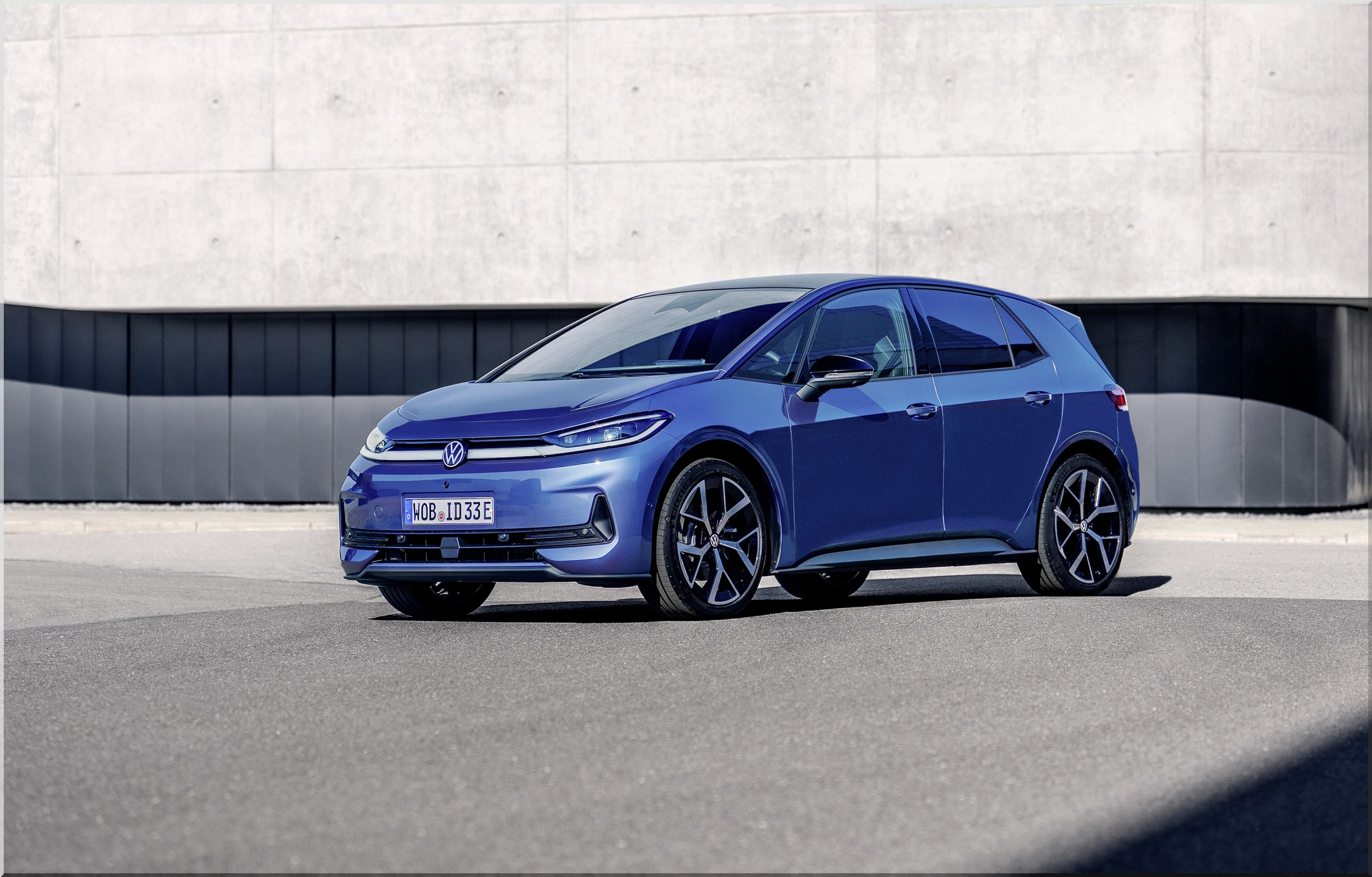
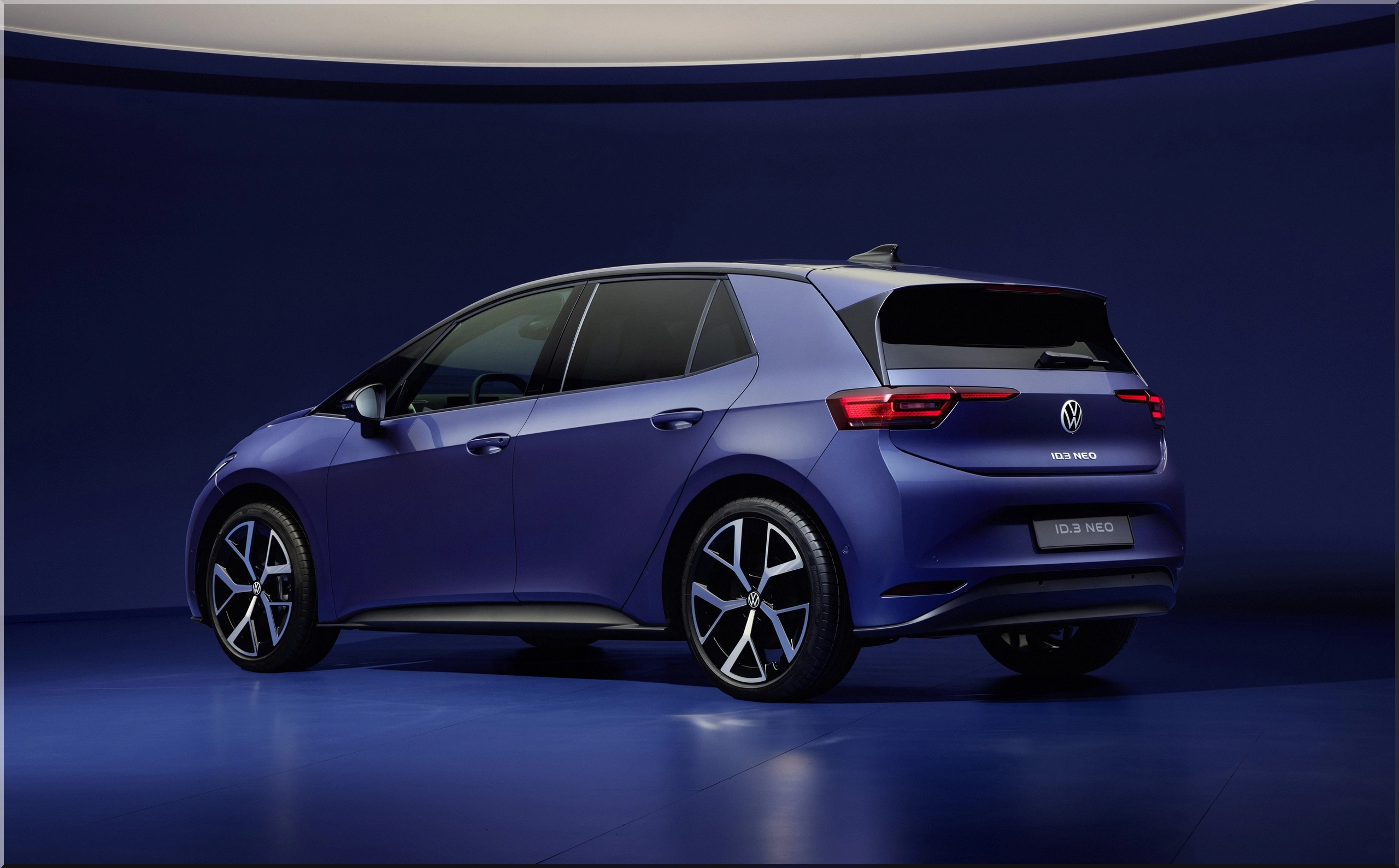
Volkswagen has finally put a name on the ID.3 successor. It will be called the Volkswagen ID.3 Neo, and that name matters because this is not a light facelift dressed up as a press event. VW is using the Neo badge to mark a deeper digital and usability upgrade for its compact EV line, while pushing the same software and interface logic into the ID.4, ID.5, and ID.7.
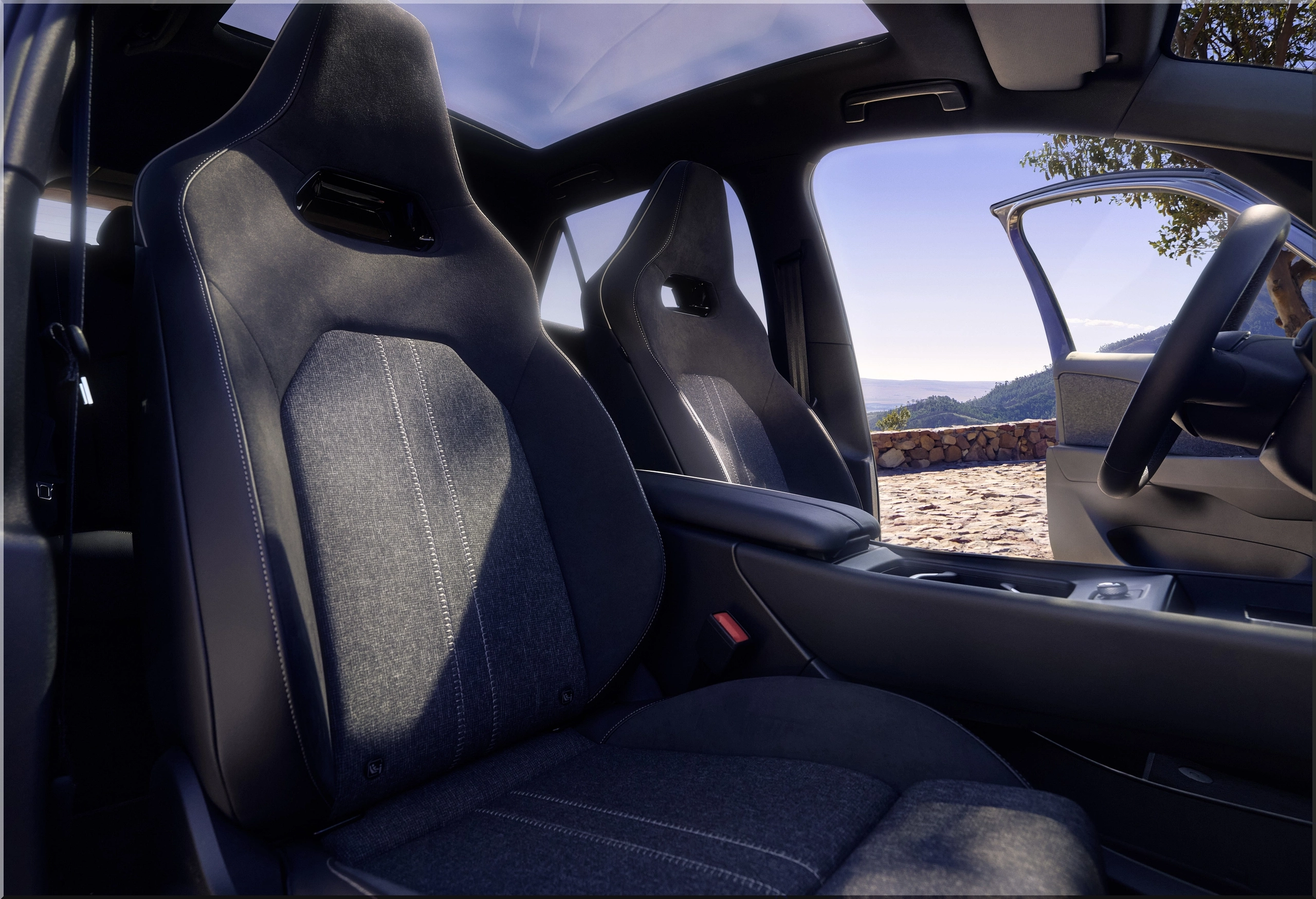
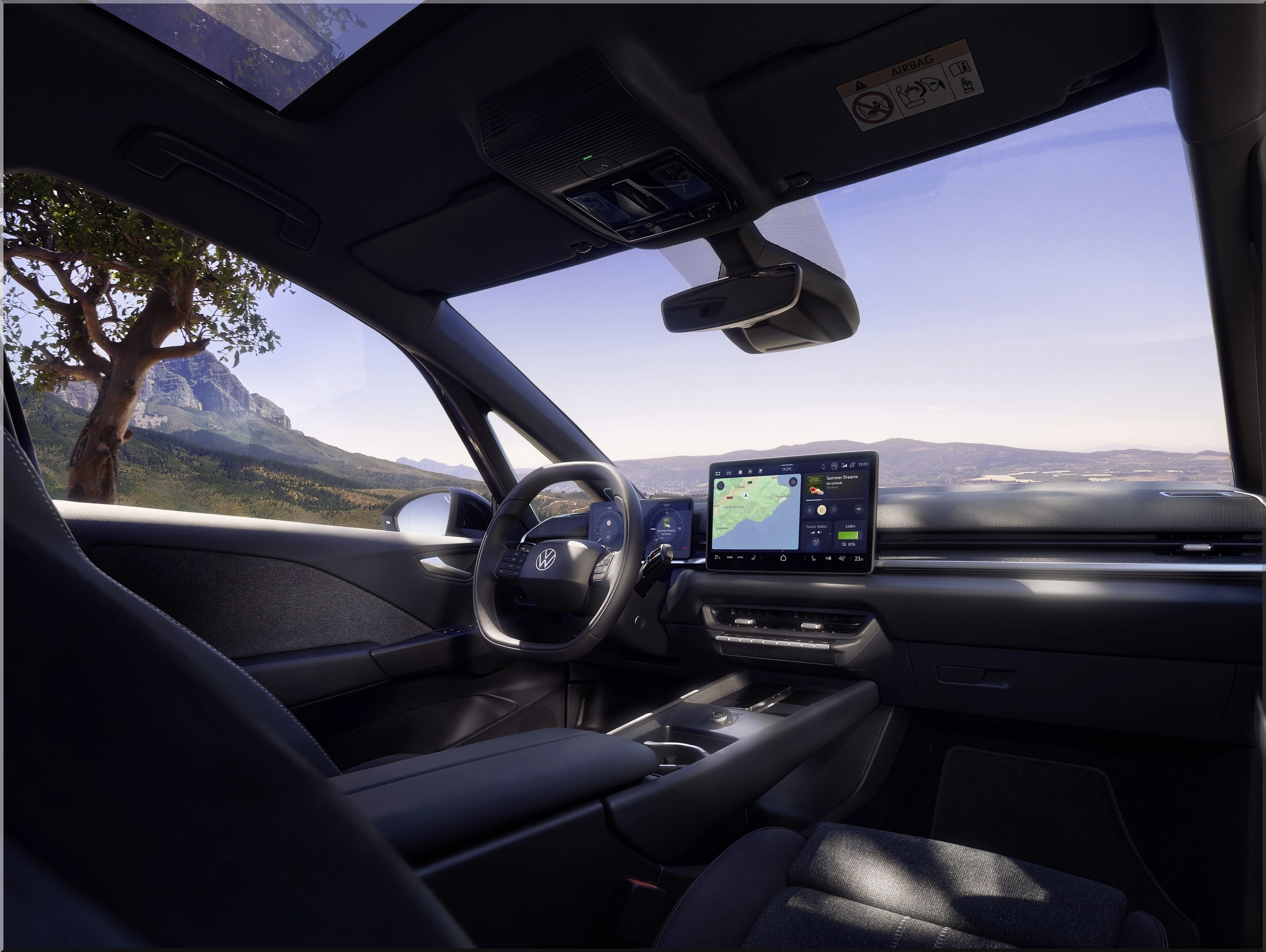
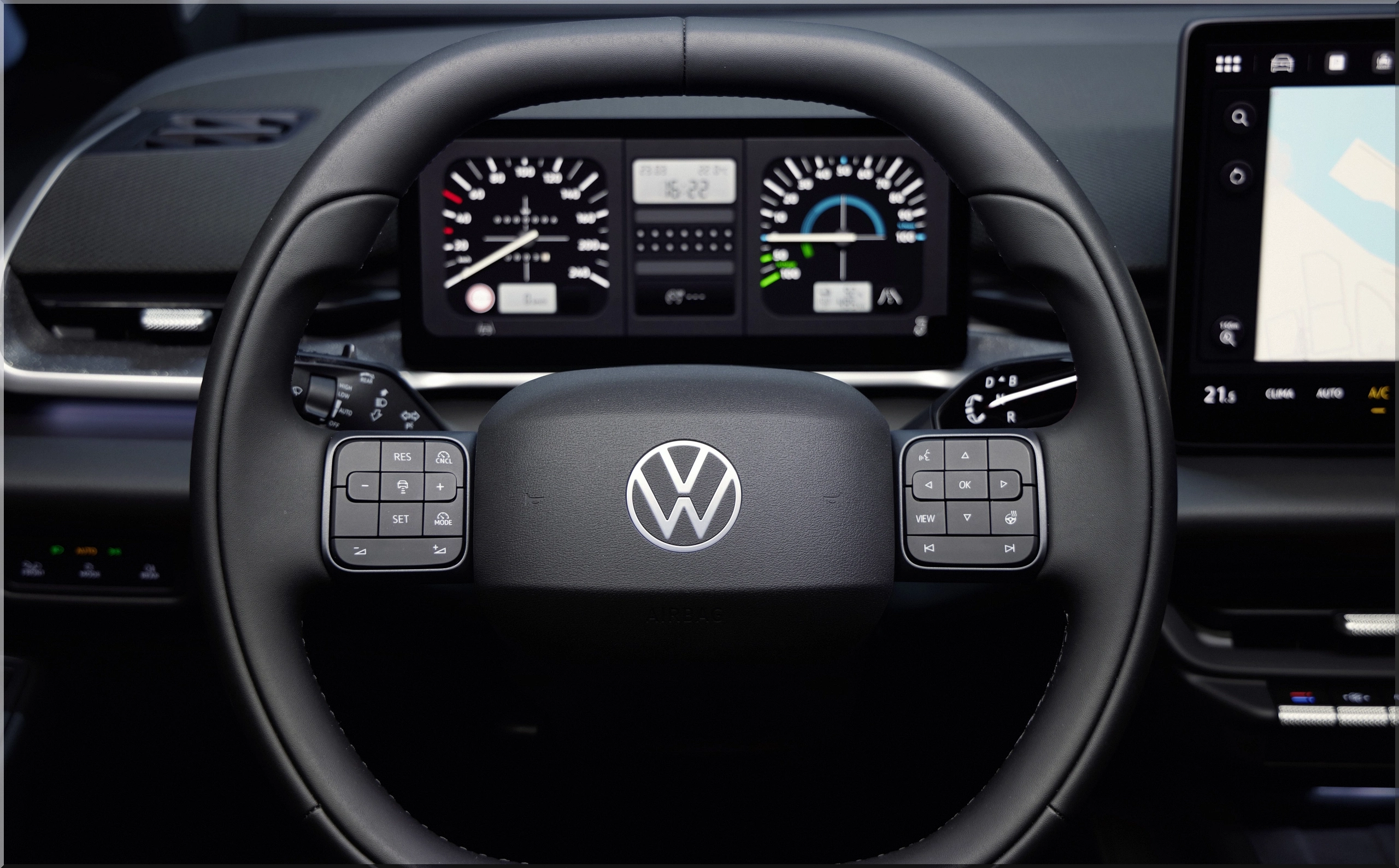
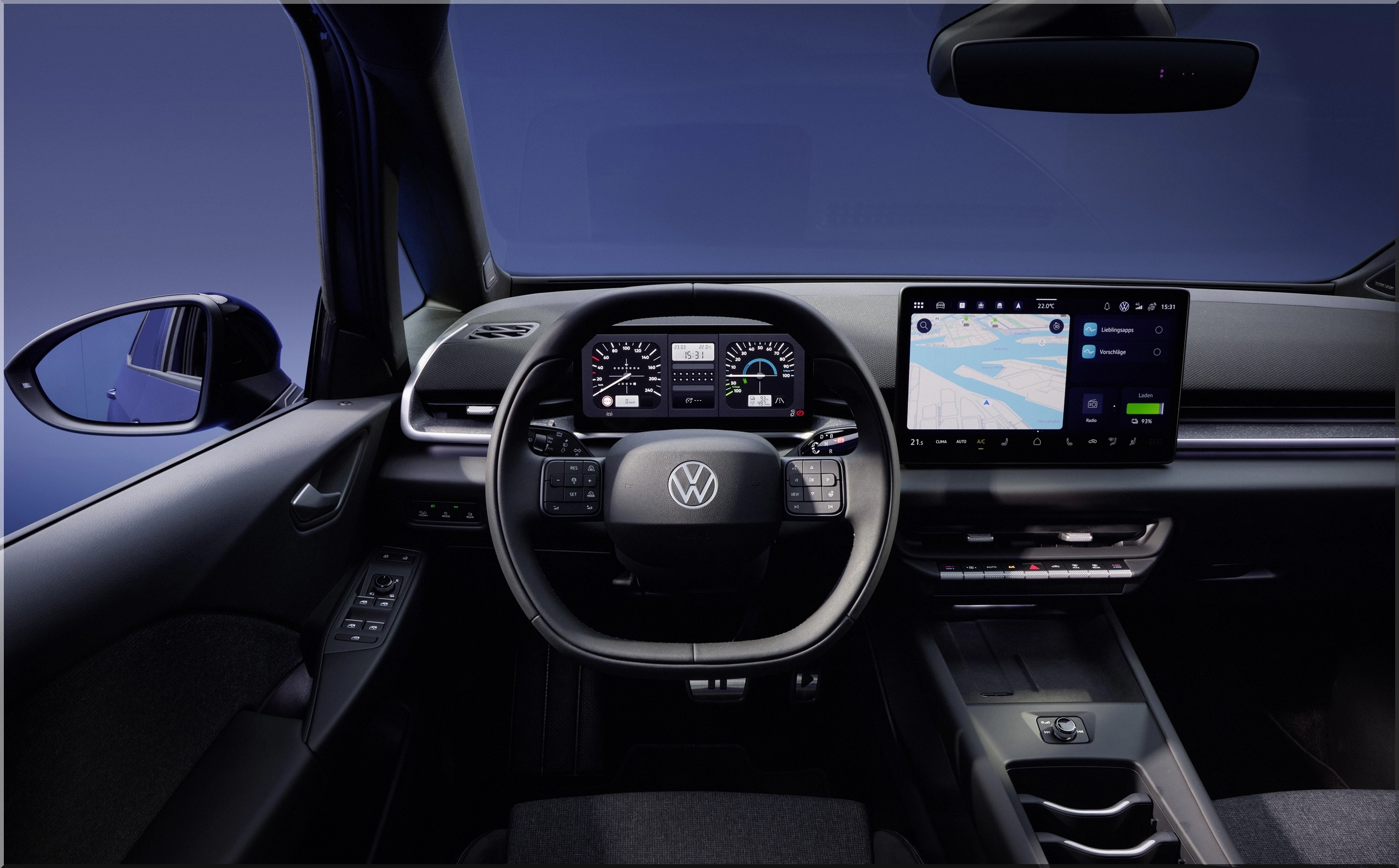
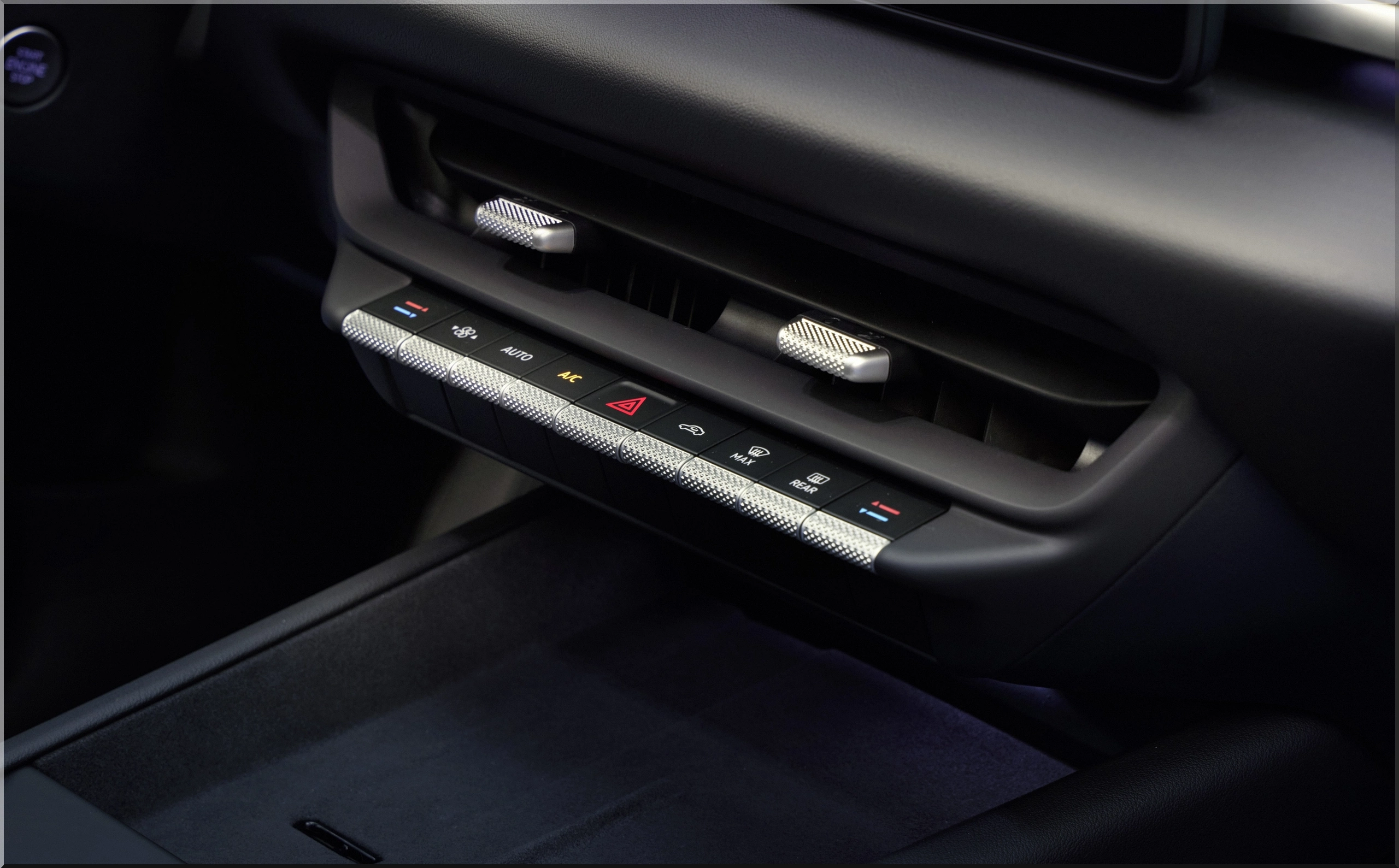
Looking at the data, the biggest news does not sit in sheetmetal alone. The VW ID.3 Neo brings a new software generation, One Pedal Driving, Travel Assist with traffic light detection, Vehicle-to-Load, a new Innovision infotainment system, an in-car App Store, an optional digital key, and a return to physical steering-wheel buttons. That last point may sound minor. It is not. It fixes one of the most criticized usability issues in Volkswagen's current EV cabin layout.
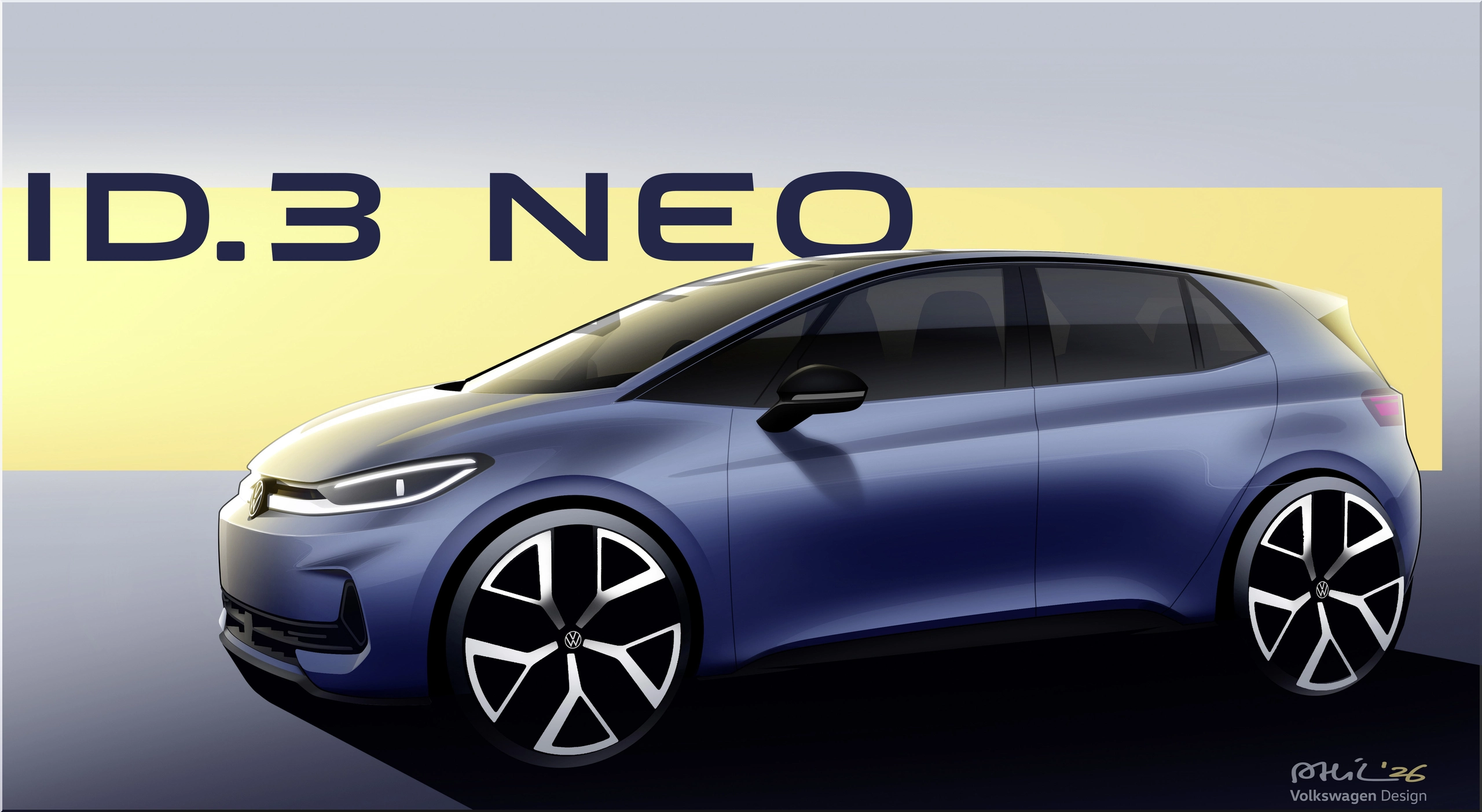
Why the ID.3 Neo Matters More Than a Name Change
Volkswagen says the ID.3 Neo will make its world premiere in mid-April 2026. That timing lines up with a broader platform-wide software push already rolling into the larger ID models, which means VW has chosen to treat software, user interface logic, and regulatory readiness as core product hardware.
From an expert perspective, that strategy makes sense. Compact EV buyers usually accept less flash if the package delivers clean ergonomics, credible range, stable software, and a cabin that does not fight the driver. The current ID.3 already had the packaging math: short overhangs, a long wheelbase, and a compact footprint. What it lacked was polish in the places owners touch every day.
Current ID.3 Reference Specs
| Data Point | Current Volkswagen ID.3 |
|---|---|
| Length | 4,264 mm / 167.9 in |
| Width | 1,809 mm / 71.2 in |
| Height | 1,564 mm / 61.6 in |
| Wheelbase | 2,770 mm / 109.1 in |
| Pure output | 125 kW / 170 PS |
| Pro output | 150 kW / 204 PS |
| Pro S output | 150 kW / 204 PS |
| Pure battery | 52 kWh |
| Pro battery | 59 kWh |
| Pro S battery | 79 kWh |
| WLTP range, Pure | 357-388 km / 222-241 mi |
| WLTP range, Pro | 402-434 km / 250-270 mi |
| WLTP range, Pro S | 546-568 km / 339-353 mi |
That footprint still looks strong in 2026. A 2,770 mm wheelbase in a 4,264 mm hatch gives VW room to keep rear-seat and cargo packaging competitive without stretching the car into crossover territory.
The Real Upgrade Lives in the Cabin and Software Stack
Volkswagen's press material points to a sharper digital core, and that matters more than a cosmetic nose job. The Innovision infotainment system now adds a fresh in-car commerce layer with downloadable apps for audio, video streaming, parking, charging, and gaming. Specifically, this moves the ID family closer to the phone-like ecosystem buyers now expect from an EV.
The more useful fix sits right in front of the driver. VW says all future ID models will use buttons on the steering wheel. Good. Capacitive sliders and touch-heavy control zones looked clean in photos, but they created friction in real driving. Physical buttons cut glance time, reduce false inputs, and improve muscle memory at highway speed.
New Digital Features Confirmed for ID.3 Neo
| Feature | What It Does | Why It Matters |
|---|---|---|
| One Pedal Driving | Uses regenerative braking down to a stop | Simplifies urban driving and boosts energy recovery |
| Travel Assist with traffic light detection | Adds smarter assisted driving logic | Reduces workload in city traffic |
| Vehicle-to-Load | Supplies up to 3.6 kW to external devices | Adds real utility for work, travel, and recreation |
| Digital vehicle key | Unlocks and starts via phone or smartwatch | Removes dependence on a physical key |
| App Store | Lets users add vehicle-based digital services | Keeps the car relevant after delivery |
| Physical steering-wheel buttons | Replaces touch inputs with real buttons | Improves control accuracy and usability |
Vehicle-to-Load Gives the ID.3 Neo More Real-World Utility
VW also confirmed Vehicle-to-Load for new ID models, with up to 3.6 kW available from the high-voltage battery. That number is worth attention. A 3.6 kW supply can run an e-bike charger, coffee machine, portable work gear, or campsite equipment without turning the car into a gimmick.
Consequently, Volkswagen has shifted the ID lineup toward practical energy use instead of pure display-tech posturing. The system can power devices through a 230 V interior socket, and with a separate adapter, through the Mode 3 charging connection as well. That expands the use case far past emergency charging tricks.
VW's Broader Powertrain Logic Shows Up in the Neo Launch
The Neo announcement also confirms the larger product direction. The ID.4 and ID.5 Pure get a new APP 350 rear drive unit rated at 140 kW / 190 PS, paired with a 58 kWh net LFP battery, with VW claiming up to 40 km / 24.9 mi more WLTP range in the ID.4 example.
By comparison, that tells us Volkswagen now values lower system cost, thermal stability, and charging-cycle durability alongside outright output. LFP battery chemistry usually trades some energy density for cost control and long-cycle resilience. In a compact EV, that trade works if packaging stays tight and software keeps efficiency high.
Definition
One Pedal Driving means the motor increases regenerative braking when the driver lifts off the accelerator, slowing the vehicle to a full stop in many situations without constant brake-pedal use.
Pro-Tip
When a carmaker talks about "new software generation," look past the screen graphics. The real question is whether the update improves driver input, charging logic, thermal control, and assist-system behavior. In the ID.3 Neo, VW appears to address all four.