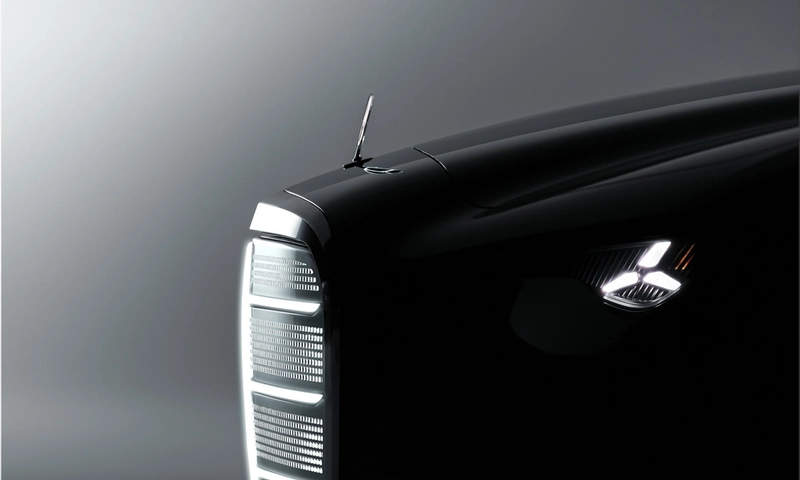
A cinematic spotlight on Polestar's electric flagship
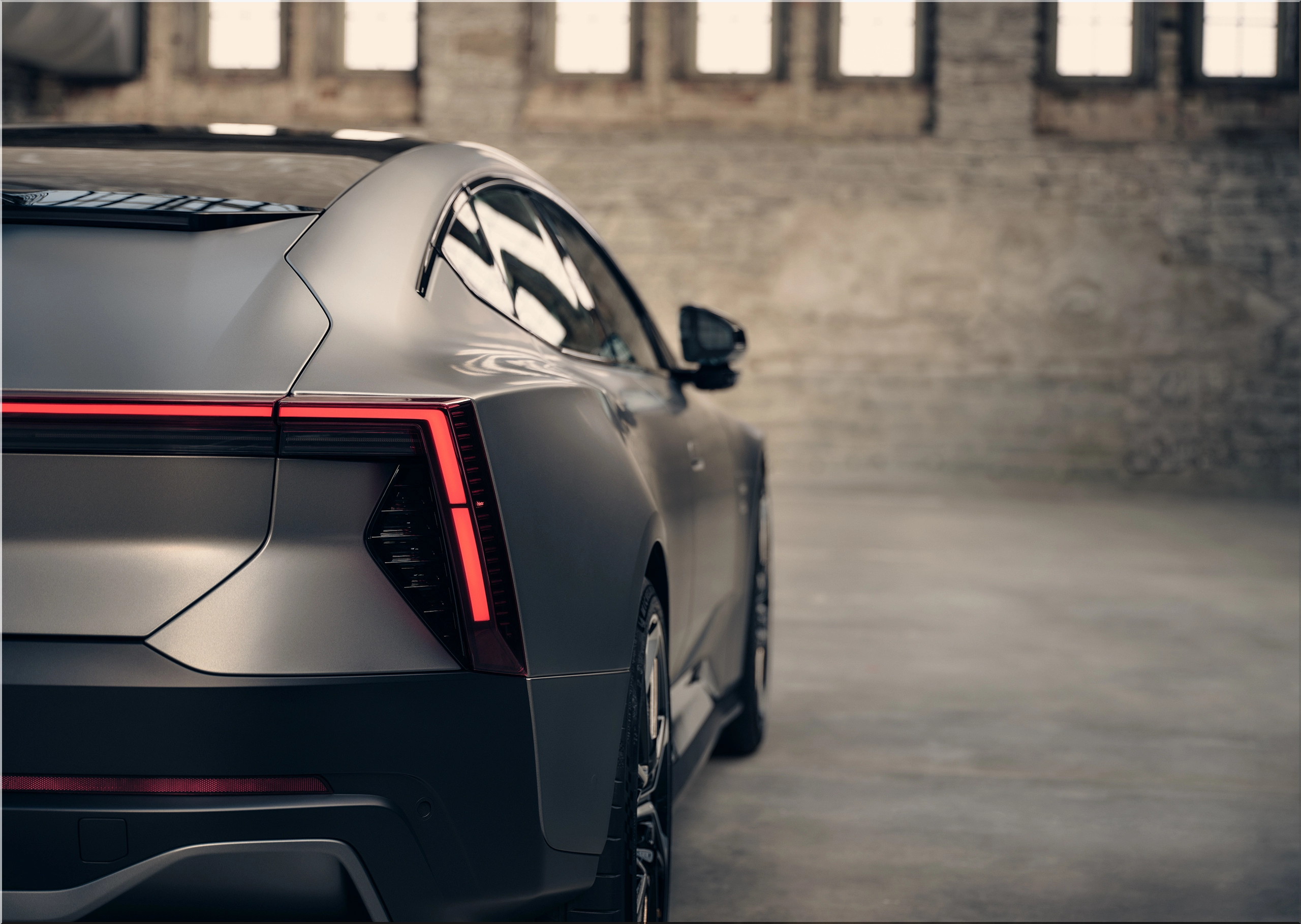
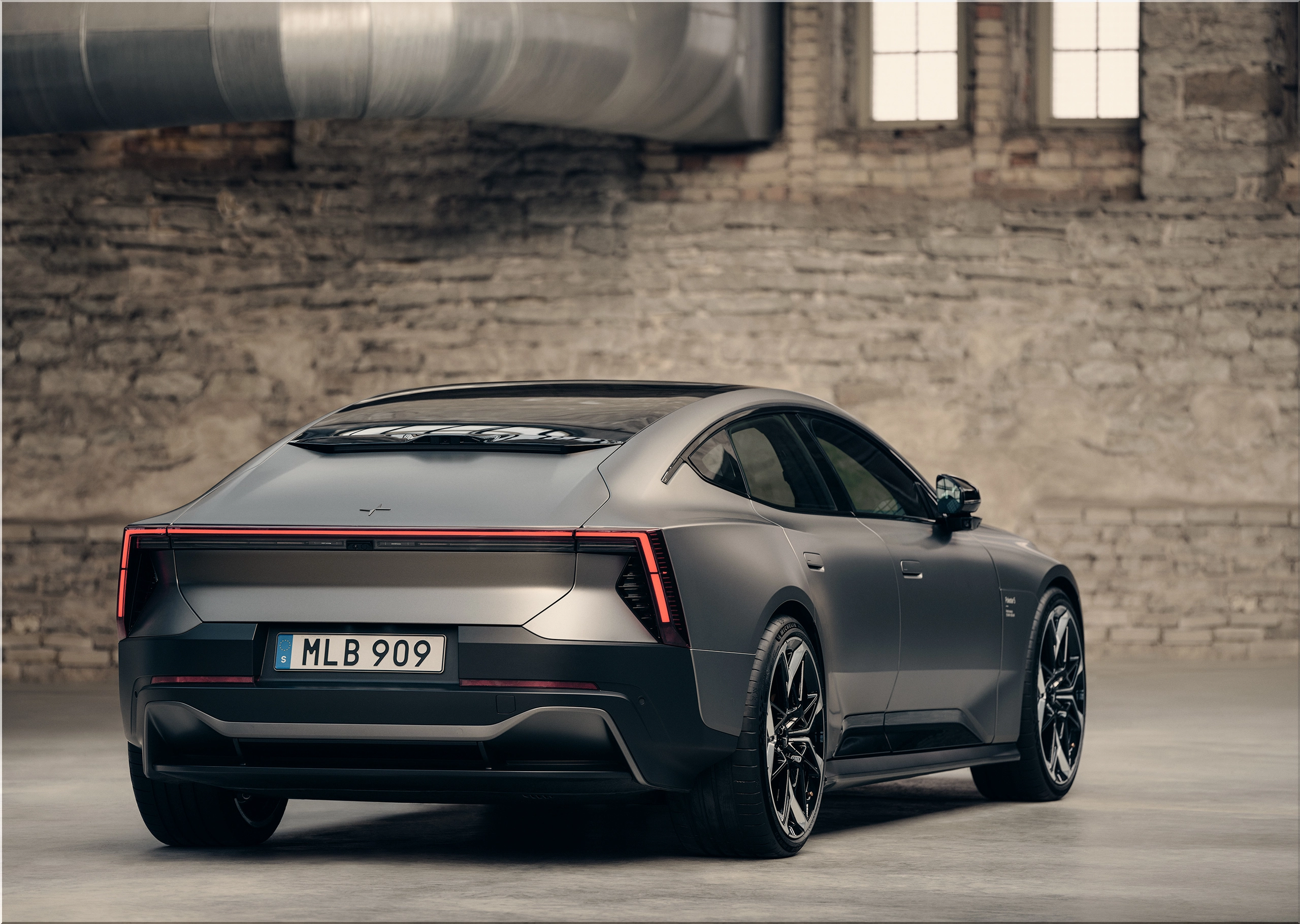
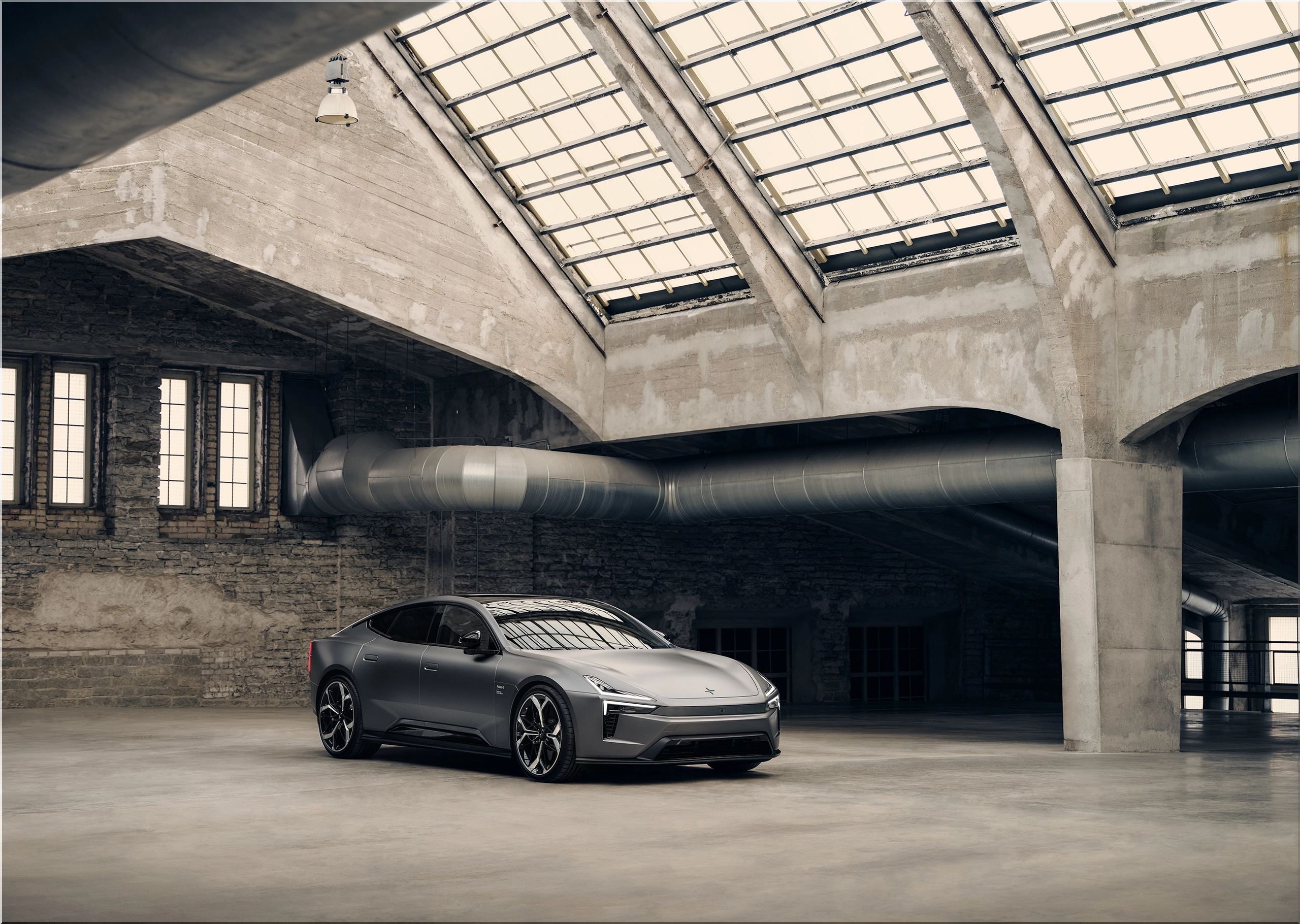
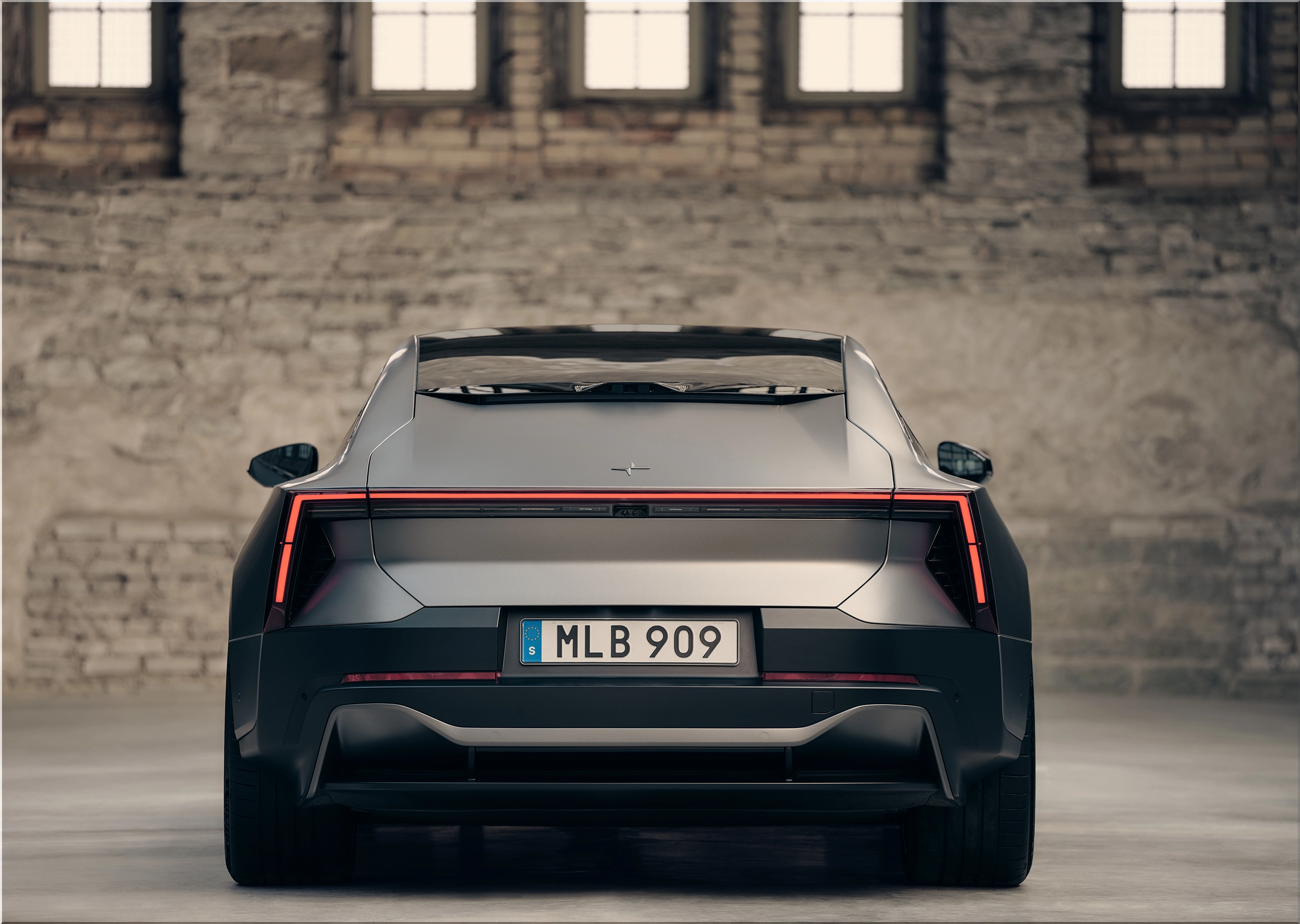
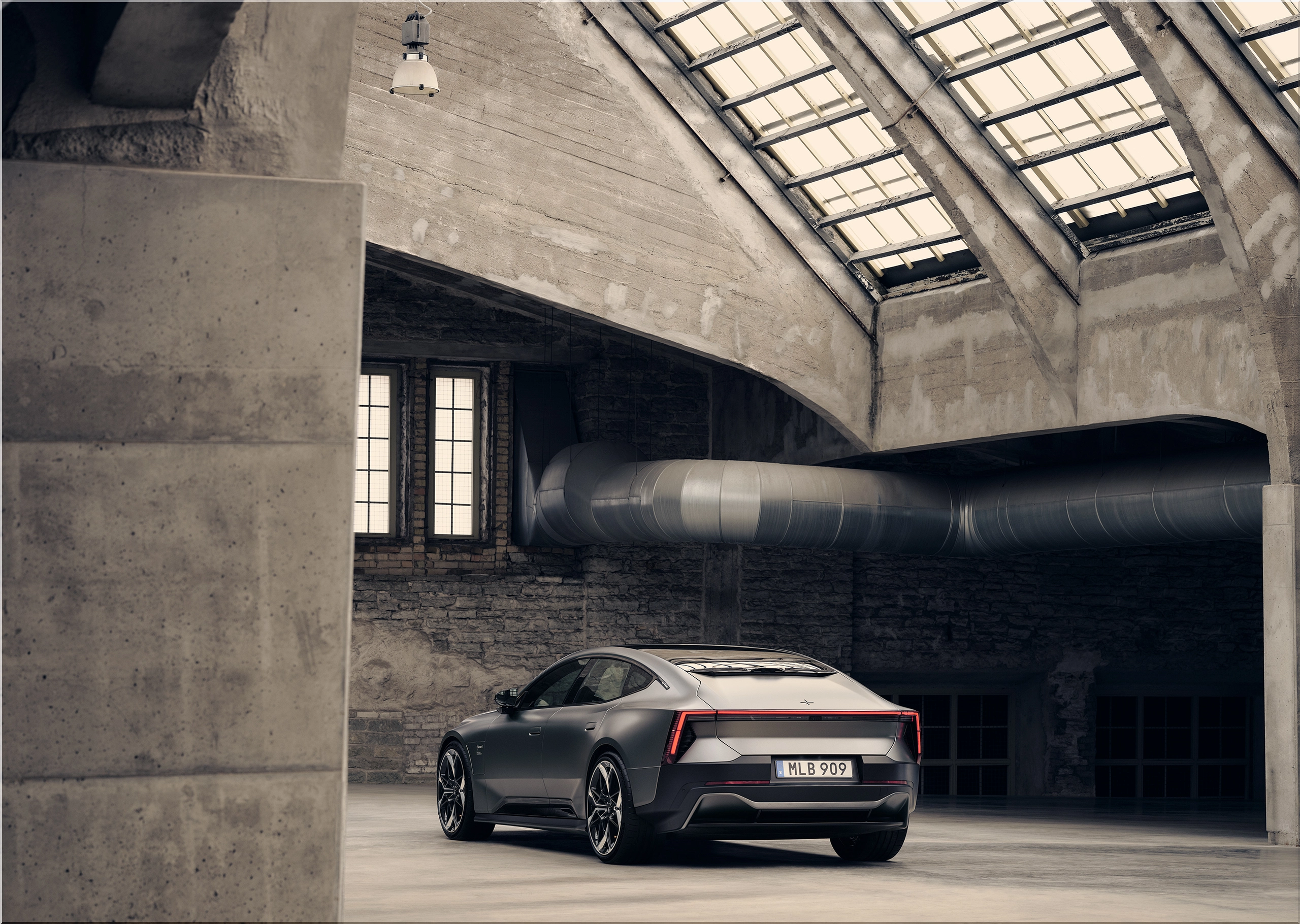
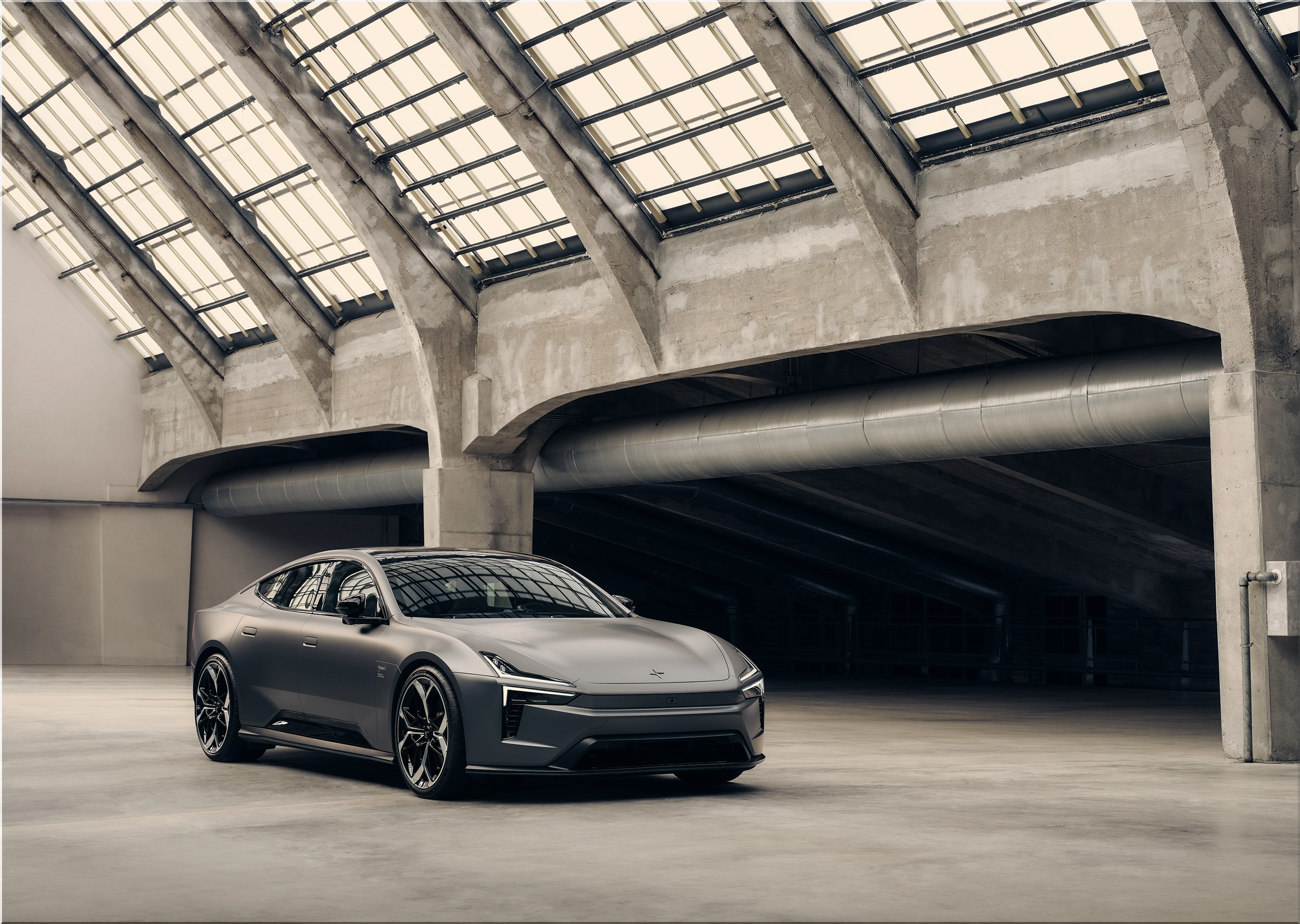
Polestar has never followed convention. The Swedish electric performance brand prefers to define the conversation — not join it. This month, it launched a bold new film featuring actor Alexander Skarsgård, showcasing the Polestar 5, a four-door electric Grand Tourer that signals the company’s next phase of design, engineering, and sustainability.
The production, created entirely in-house, is more than product placement. It’s a deliberate communication strategy. By placing the Polestar 5 in a stripped-down, minimalist setting and pairing it with a familiar face, the company directs all attention to what matters: design, innovation, performance, and purpose.
"Fantastic. Tomorrow's not dead yet," Skarsgård says in the film. That’s not just a script line. It’s a statement about where electric mobility is heading — and how Polestar plans to lead it.
From concept to production: Polestar’s most ambitious EV yet
The Polestar 5 isn’t a retrofit of an existing platform. It’s a clean-sheet project built on the Polestar Performance Architecture (PPA), a bespoke structure designed for high-performance EVs. It uses bonded aluminum, a material that cuts weight while delivering supercar-level torsional rigidity and improved safety.
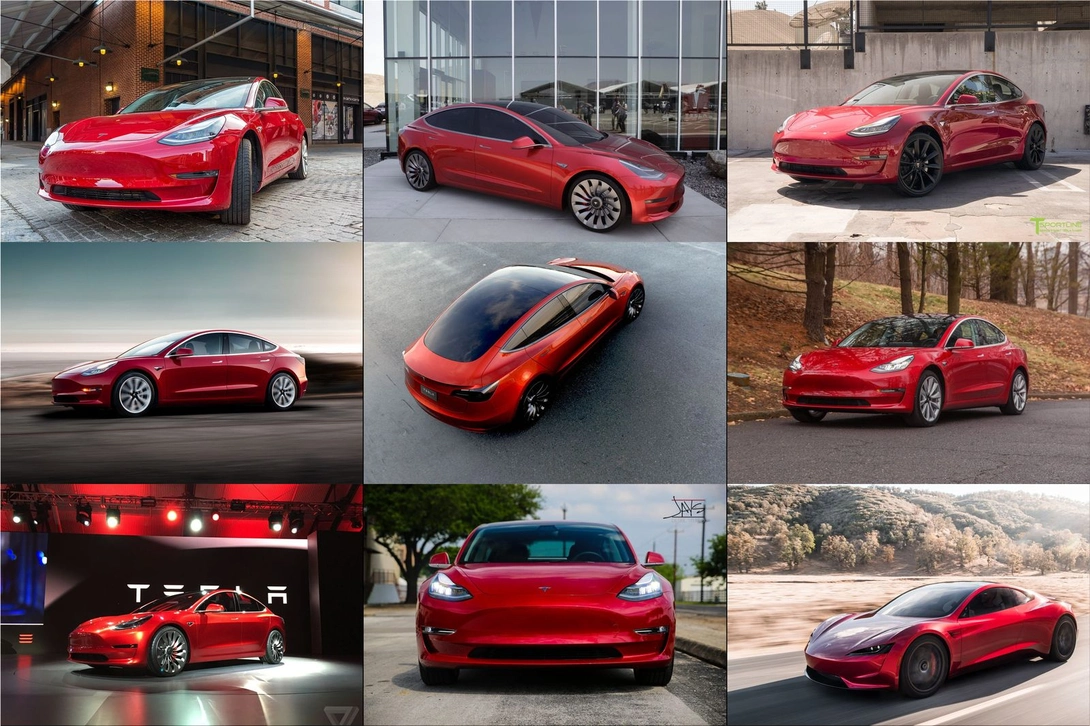
The car traces its origins to the Precept concept, first shown in 2020 as Polestar’s manifesto for future design and sustainability. Five years later, that concept has transitioned into a fully realized production model — one that directly competes with Porsche Taycan, Tesla Model S Plaid, and Lucid Air Sapphire in the high-performance electric sedan space.
Core specifications: Polestar 5 performance data
| Specification | Detail |
|---|---|
| Platform | Polestar Performance Architecture (PPA) |
| Chassis | Bonded aluminum |
| Drivetrain | Dual-motor AWD |
| Total power | 650 kW (884 hp) |
| Total torque | 1,015 Nm (749 lb-ft) |
| 0–100 km/h (0–62 mph) | 3.2 seconds |
| Electrical architecture | 800 V |
| Construction | 83% primary aluminum, 13% recycled aluminum |
| Interior materials | Bcomp natural fiber composites, recycled textiles |
Polestar’s engineering team developed the rear motor in-house — a strategic decision that improves control over performance characteristics and supply chains. Combined with MagneRide adaptive dampers and a double-wishbone front suspension, the result is a chassis tuned for both speed and precision.
The technology under the surface
Polestar didn’t set out to build the most powerful electric sedan on the road — although with 884 hp, the 5 is near the top of the segment. Its mission was to create a vehicle that redefines the relationship between software, hardware, and sustainability.
- 800-volt architecture: Enables faster charging and improved efficiency during high-power demand.
- Lightweight structure: Bonded aluminum reduces weight without compromising safety.
- Advanced chassis control: Adaptive dampers read the road 1,000 times per second.
- Software-centric design: OTA (over-the-air) updates continuously improve vehicle performance and features.
These choices reduce weight, improve handling, and shorten charging times — all factors that make EV ownership more practical and appealing to traditional performance car buyers.
Sustainability: more than a talking point
Sustainability is not a side project for Polestar. It’s the central metric by which the company measures its success. The Polestar 5 contains 83% aluminum from smelters using renewable electricity and 13% recycled aluminum, cutting its production footprint substantially.
The interior materials go further. Bcomp’s natural fiber composites replace traditional plastics in major trim areas, cutting weight by 40% and reducing fossil-based material use by 50%. These steps don’t just make the car greener — they also improve efficiency and performance.
- 50% reduction in greenhouse gas emissions per vehicle sold by 2030
- Full climate neutrality across its value chain by 2040
It’s a bold roadmap, and the Polestar 5 is the first true example of that plan in motion.
Polestar’s growth strategy: global ambition with focused execution
Polestar’s approach to growth is methodical. It currently sells four vehicles — Polestar 2, Polestar 3, Polestar 4, and Polestar 5 — across 28 markets in North America, Europe, and Asia-Pacific. Future models, including the Polestar 6 roadster and Polestar 7 compact SUV, are already in development.
Manufacturing takes place on two continents today, but Polestar plans to add European production starting with the Polestar 7. That will shorten supply chains and improve market responsiveness — two critical elements as the EV industry becomes more competitive.
Why this film matters for Polestar’s strategy
At first glance, releasing a short film with a celebrity might seem like a marketing move. But for Polestar, it’s a way to communicate strategy without saying a word. The minimal setting reflects the company’s design philosophy. The focus on performance details mirrors its engineering priorities. And the presence of Alexander Skarsgård — an actual Polestar owner — reinforces authenticity.
This campaign positions the Polestar 5 as a flagship for the company’s next-generation technology and sustainability goals. It also signals to investors and competitors that Polestar intends to compete at the top end of the electric performance market — a segment currently dominated by a handful of well-capitalized rivals.