The aftermath of the Covid-19 epidemic is hitting the automotive industry hard. Added to supply problems, the containment measures adopted in many European countries, as well as the closing of concessions which halted all sales, prompted almost all car manufacturers to take measures to suspend the production of their various models. Occurring in a context where manufacturers were already faced with the transformation of their technological and economic models, this crisis of exceptional magnitude will weaken the entire sector.
While, since the beginning of the year, they have been doing well with a strong increase in their sales in a market which is globally in decline, electric vehicles have not been spared by this brutal downturn in the activity of the automotive industry. But after the crisis will undoubtedly come the time for a rebound, especially if an effective recovery plan for the sector is put in place. In France, representatives of the automotive industry have already started working with the government on two types of support measures: marketing and commercial driven by the industry, supplemented by incentive schemes such as conversion bonus or a bonus for the purchase of electric and plug-in hybrid vehicles.

Hopefully, these measures will be enough for electric mobility to regain the momentum that it had in recent months. In the meantime, the production of Renault Zoé and the Peugeot e-208 is stopped.
Renault has indeed closed its French sites and in particular, the Flins factory where the Zoe is assembled. It has also stopped production in Slovenia at its Novo Mesto factory, where the all-new Twingo ZE is assembled. The closure of the Trnava plant in Slovakia which directly impacts the production of the Peugeot e-208. The Opel Corsa-e is no better off with the shutdown of the Zaragoza factory in Spain where it is assembled.
All manufacturers of electric vehicles are also in the same boat and almost all have taken measures to stop their production. This is particularly the case for the German groups, starting with Volkswagen which announced during the presentation of its financial results, the shutdown of its factories in Germany, Spain, Portugal and Slovakia. BMW made a similar decision by shutting down its western factories, until April 19 at best.
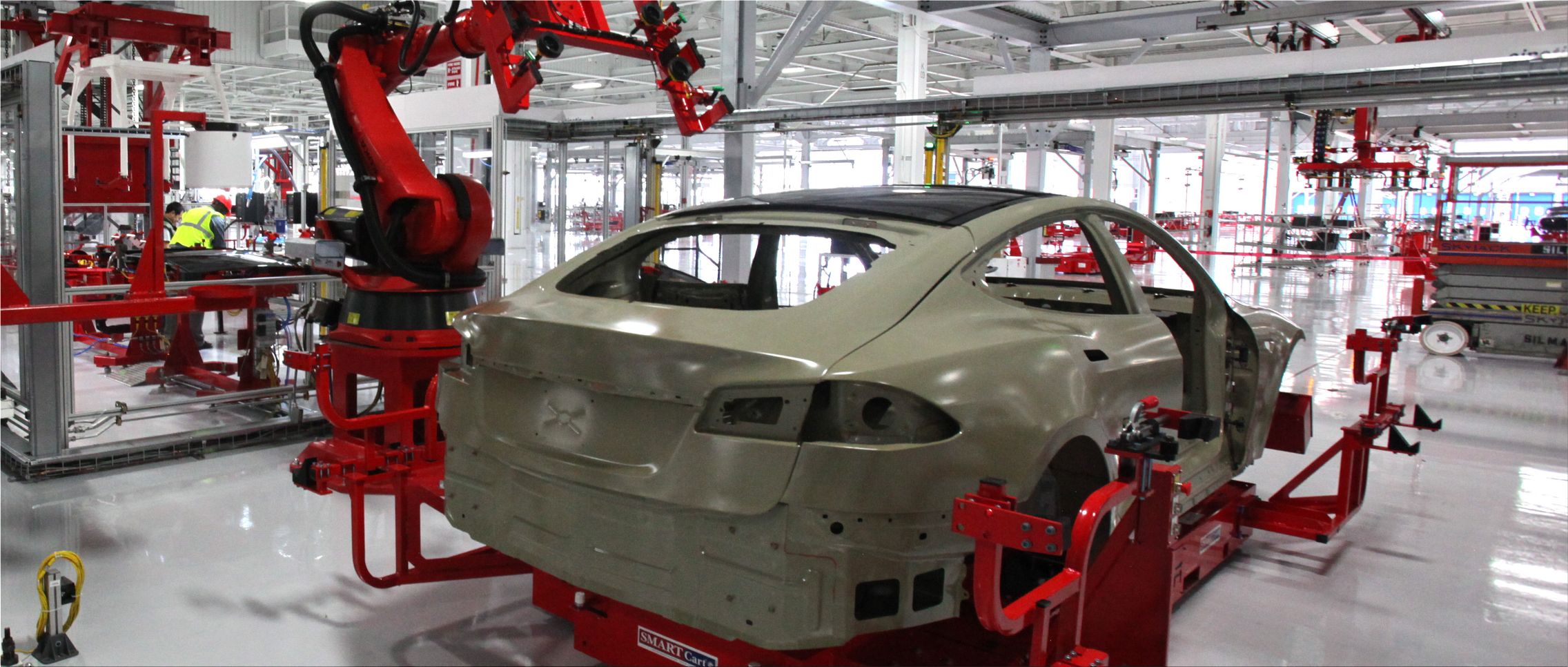
Tesla tried to resist for a while by maintaining production but ended up announcing the closure of its Fremont plant as of March 23. The FCA Group (Fiat Chrysler Automobiles) not only suspended production in its six factories in Italy but also in those of Serbia and Poland. Finally, Nissan has also taken measures, both in its English factory in Sunderland where the Nissan Leaf is produced, but also in that of Barcelona where the Nissan e-NV200 comes out.
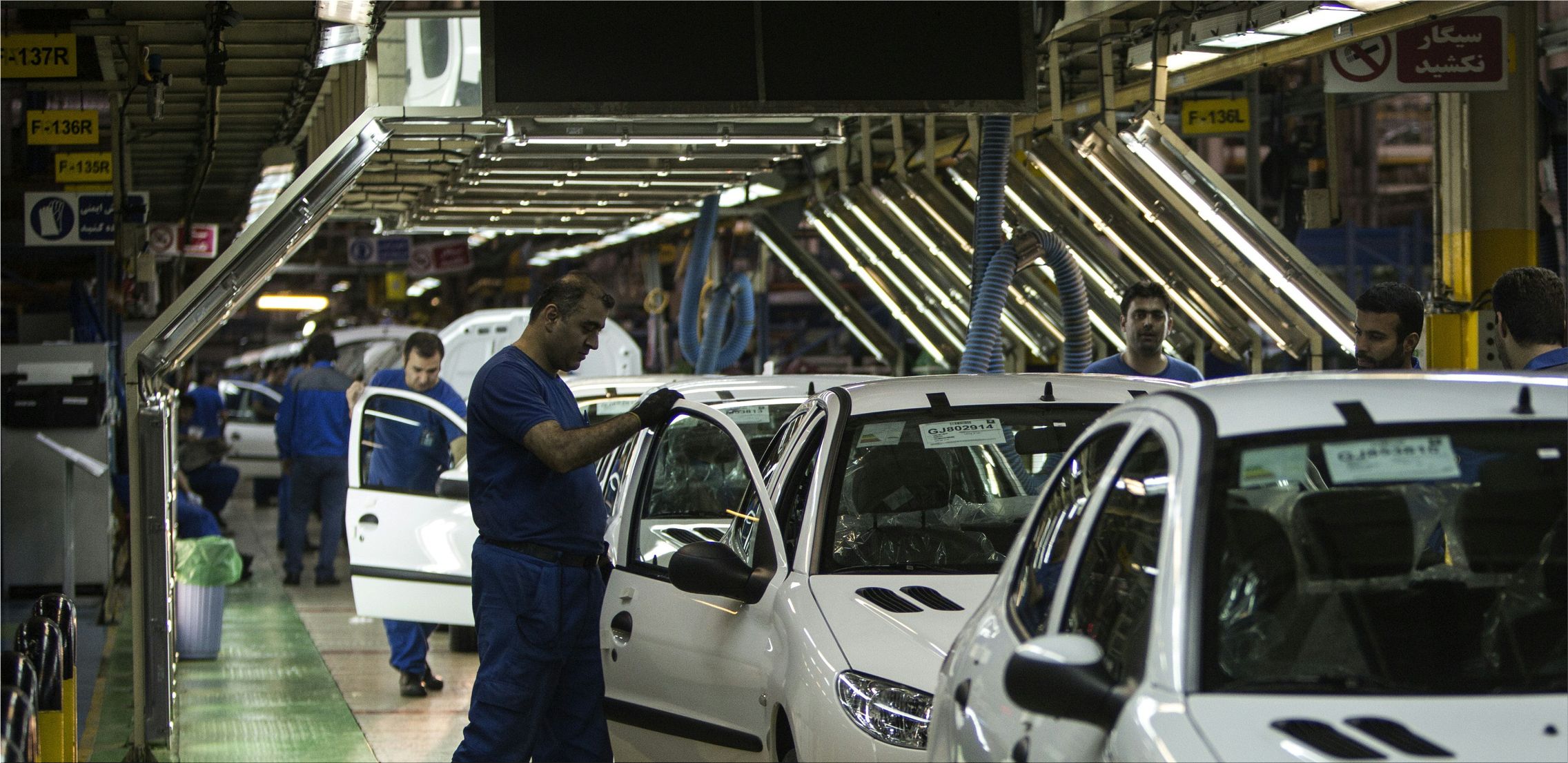
This situation is all the more worrying as it occurs at the end of the quarter, during which the manufacturer always tends to intensify its activities to boost its results.
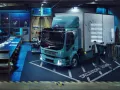
Volvo Trucks introduced its first fully electric truck for commercial use. The truck is called FL Electric and is intended for use by urban services, in particular in the field of waste disposal, local delivery of goods and… Continue reading

Yamaha has been producing electric bicycles since 1993 and has already sold more than two million of them, and also produced more than four million electric bikes. The newest addition, Wabash Adventure Gravel does not look different from the… Continue reading

Tesla intends to update its model range in the coming period with an improvement for Model S, according to sources inside the company quoted by CNBC. Thus, the Tesla Model S will borrow many elements from Model 3, including the minimalist… Continue reading
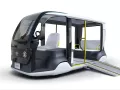
It is designed to transport visitors, staff, athletes or people with special accessibility needs. Toyota launches the first vehicle of the support program for the Tokyo 2020 Olympic and Paralympic Games: an electric shuttle that will make transport accessible… Continue reading