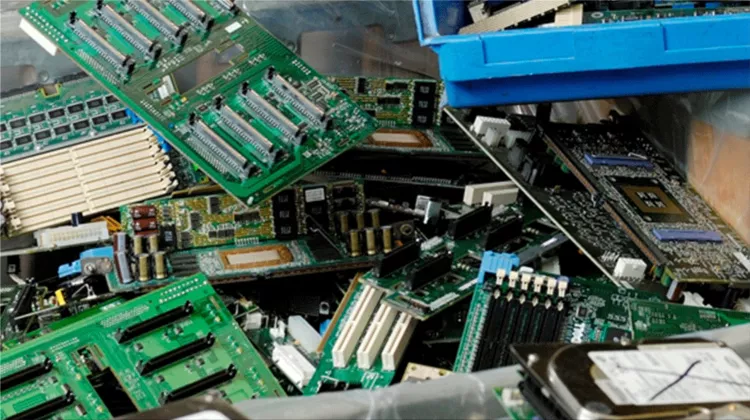
The importance of recycling electronics is not just a moral imperative but also a practical one. It extends their life, minimizes emissions, and reduces toxic materials. In addition, the resources in electronics are more concentrated than those found in nature, which makes recycling electronics exponentially more effective than acquiring new ones. Recyclable electronics are also safer than trying to recover these resources on your own.
Reduces Emissions
Recycling electronics is an effective way to reduce the carbon footprint of electronics. Most of the carbon footprint associated with electronics is generated during the production process. This includes mining resources, production in mega-factories, and manufacturing new products. Recycling electronics reduces emissions by making the products circular and using fewer resources to manufacture new ones. This process helps reduce emissions and prevents precious metals from entering the waste stream.
Currently, only 15% to 20% of e-waste is recycled worldwide. This rate is growing, and in the United States, the average rate is about 25%. Most of this waste is still disposed of in landfills, which releases harmful emissions and pollutant gases.
Delays Their Entry Into The Waste Stream
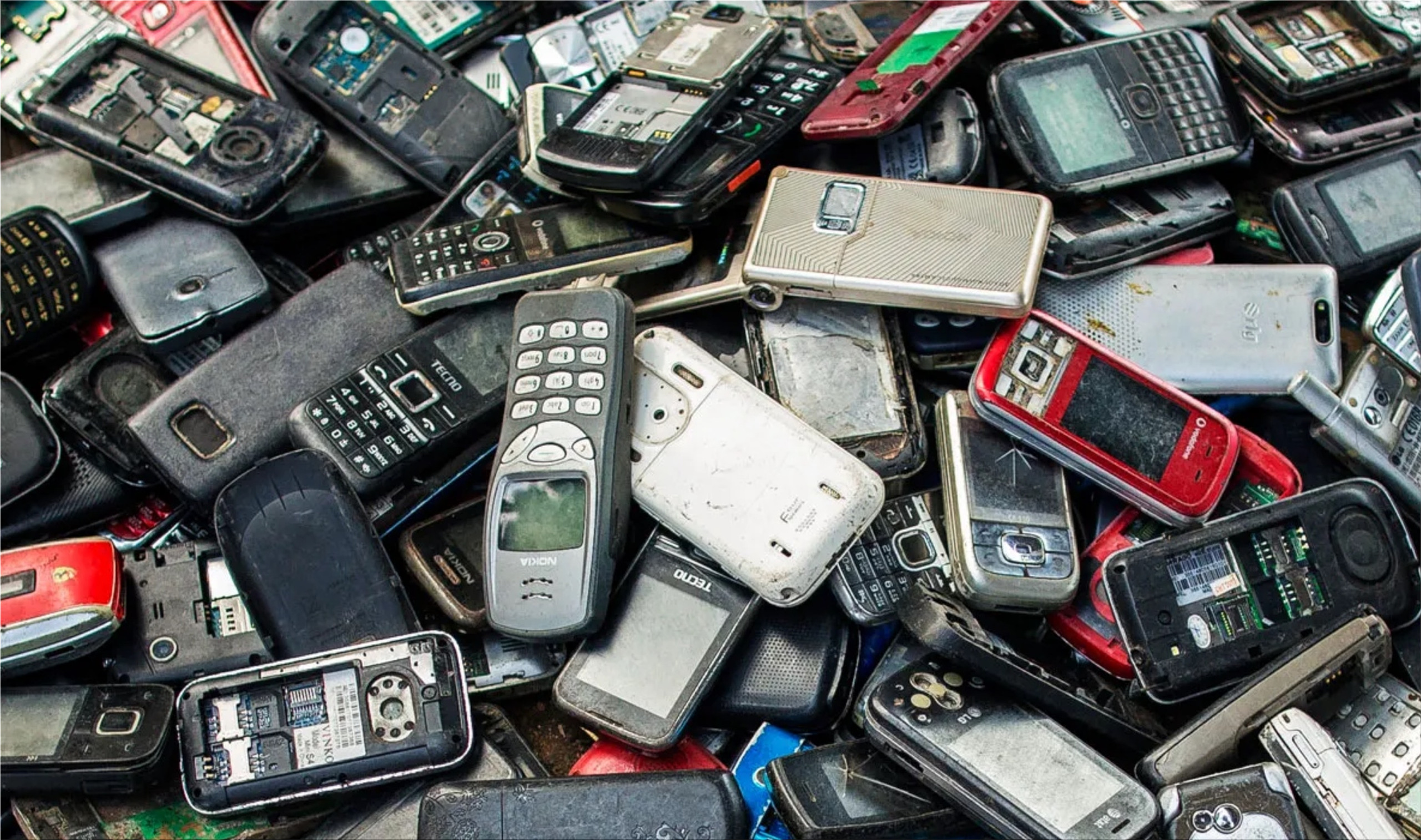
Consumer electronics include computers, televisions, cell phones, and other devices we use and discard. This is known as electronic waste, one of the fastest-growing segments of the waste stream. As new electronic equipment becomes faster, cheaper, and more efficient, the older models become obsolete and must be disposed of. According to the EPA, between 26 and 37 million computers became obsolete in 2005, contributing to the creation of 1.9 to 2.2 million tons of waste.
Electronics can be dangerous if not properly disposed of. Some electronics contain mercury, cadmium, lead, and other potentially hazardous materials. These materials should be recycled to ensure their safety for future generations and the environment.
Extends Their Life Span
One of the greatest ways to extend the life of electronics is to recycle them. This not only helps the environment, but it saves energy. By recycling electronics, you can reuse parts from the devices to make new ones. According to the American Geosciences Institute, recycling electronics reduces the energy required to produce new ones and reduces the carbon footprint and overall impact that the technology has on the environment.
In addition to extending the life of electronic equipment, recycling electronics also extends the lives of computers and mobile devices. Recycling old electronics can be a huge help to the environment since many of these products contain toxic materials that are harmful to the environment. Older electronics, such as CRTs, should be recycled - although newer models have rendered them obsolete. Generally, any device that runs on electricity should be recycled.
Reduces Toxic Materials
Electronic waste, or e-waste, is the garbage generated when electronics end their useful lives. This trash contains toxic chemicals and is often improperly disposed of. Recycling electronics helps reduce this waste by recovering valuable materials and repurposing them into new electronic products. This process reduces the number of toxic materials that enter the environment.
Toxic materials from e-waste can have a negative impact on air quality. This material is contaminated with heavy metals that leach into water and soil. These metals can also end up in our food supply, leading to various health problems.
Reuse is Better for The Environment
Electronics recycling helps save space in landfills and prevents pollution from e-waste. This process saves resources and energy since products are manufactured using recycled materials. It also saves money by avoiding the costs of manufacturing components from scratch. In addition, it helps preserve natural resources by minimizing the use of natural resources in producing goods.
The reuse of electronics also extends the life span of electronic devices. While this technique extends the life of electronic devices, it is necessary to dispose of them properly. However, even when they are beyond repair, most electronics can still be reused and have valuable materials in them. By selling your used electronics, you can postpone the disposal of your old electronics and gain some money for them.

Kreisel Electric has developed the first fully equipped all-electric fire-fighting truck. Kreisel Electric in cooperation with Rosenbauer and Linz AG joined together two years ago to realize the vehicle. The basis for the all… Continue reading

European aerospace firm Airbus has now presented the electric air taxi CityAirbus in Ingolstadt, Germany, which will become a testing ground for testing this transport technology. Ingolstadt is a member of the Urban Air… Continue reading

BMW enters the electric scooters business with the E-Scooter, which will arrive in autumn and will have a range of 12 kilometers. According to the company in a statement, the E-Scooter weights nine kilograms and reaches… Continue reading

The Frauscher boatyard, which manufactures yachts among other things, has launched a fully electric version of its 740 Mirage Air. The yacht is powered by Torqeedo's Deep Blue 100i. The 740 Mirage Air is 7.47 meters long and was designed by the KISKA… Continue reading