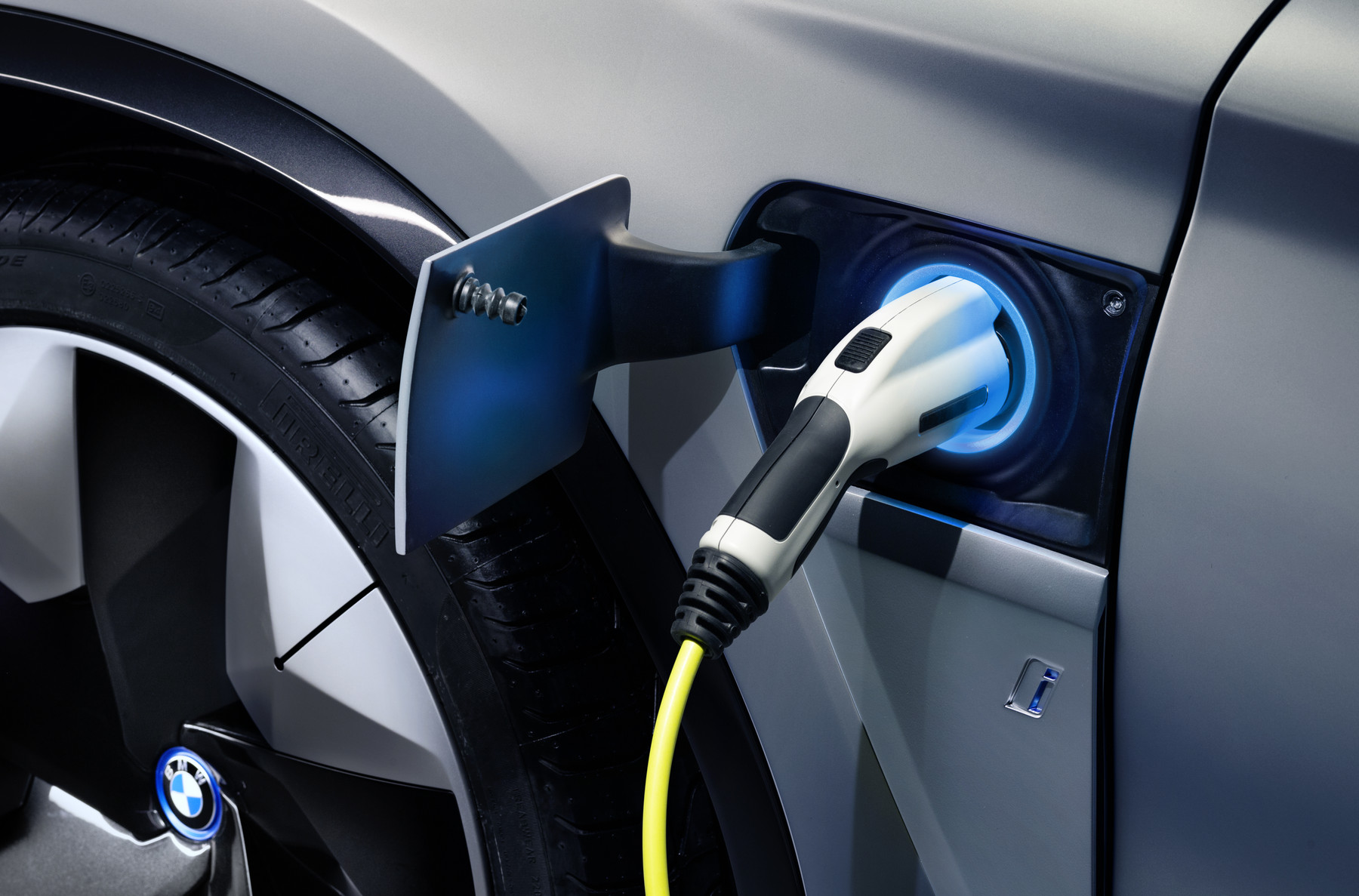
The Indian government has decided to cut VAT on electric vehicles from 12% to 5% and charging stations from 18% to 12%. In addition, the purchase of electric buses by the municipalities is exempt from VAT.
The changes will come into force on 1 August 2019. The VAT on petrol and diesel remains at 28 percent. With the tax cut, the Indian government wants to reduce the price difference between the two types of power in order to make electric cars more affordable.
However, an exemption from the registration fee for electric vehicles, which was discussed in June, was not decided. Reports are still in the room to increase the registration fee for gasoline and diesel.
However, the Federal Bureau of Indirect Taxes (abbreviated to GST) has made the condition that the vehicles have at least 12 seats eligible for the tax exemption for electric buses. The Indian government wants to promote not only renewable energy, but also clean traffic.

Kreisel Electric has developed the first fully equipped all-electric fire-fighting truck. Kreisel Electric in cooperation with Rosenbauer and Linz AG joined together two years ago to realize the vehicle. The basis for the all… Continue reading
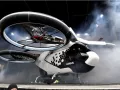
European aerospace firm Airbus has now presented the electric air taxi CityAirbus in Ingolstadt, Germany, which will become a testing ground for testing this transport technology. Ingolstadt is a member of the Urban Air… Continue reading

BMW enters the electric scooters business with the E-Scooter, which will arrive in autumn and will have a range of 12 kilometers. According to the company in a statement, the E-Scooter weights nine kilograms and reaches… Continue reading

The Frauscher boatyard, which manufactures yachts among other things, has launched a fully electric version of its 740 Mirage Air. The yacht is powered by Torqeedo's Deep Blue 100i. The 740 Mirage Air is 7.47 meters long and was designed by the KISKA… Continue reading