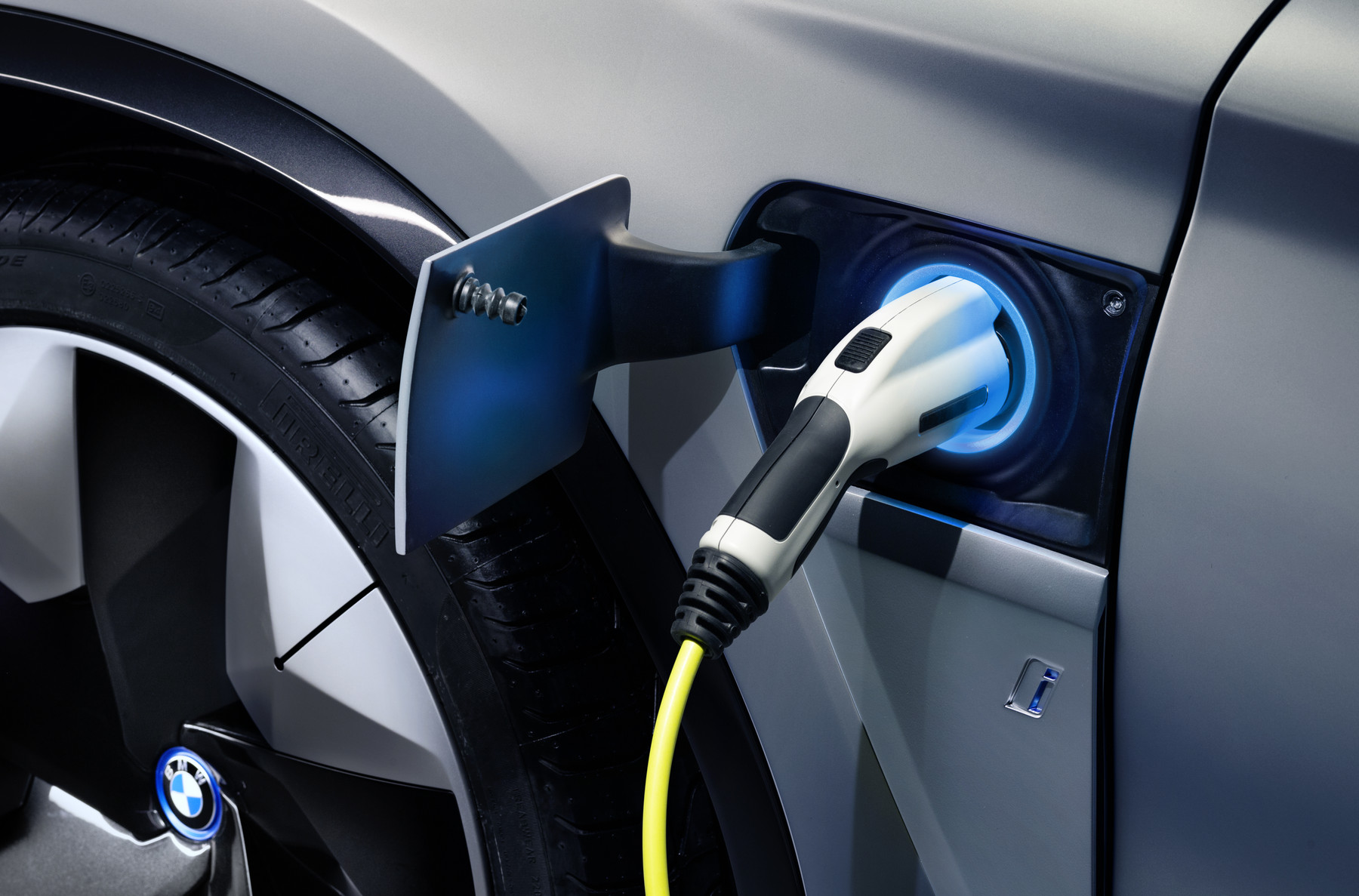
The Indian government has decided to cut VAT on electric vehicles from 12% to 5% and charging stations from 18% to 12%. In addition, the purchase of electric buses by the municipalities is exempt from VAT.
The changes will come into force on 1 August 2019. The VAT on petrol and diesel remains at 28 percent. With the tax cut, the Indian government wants to reduce the price difference between the two types of power in order to make electric cars more affordable.
However, an exemption from the registration fee for electric vehicles, which was discussed in June, was not decided. Reports are still in the room to increase the registration fee for gasoline and diesel.
However, the Federal Bureau of Indirect Taxes (abbreviated to GST) has made the condition that the vehicles have at least 12 seats eligible for the tax exemption for electric buses. The Indian government wants to promote not only renewable energy, but also clean traffic.
According to the German Handelsblatt publication, the new Volkswagen small-class electric cars will be produced at the plant in Bratislava, the capital of Slovakia. This is the same factory where VW Up, Skoda Citigo and SEAT Mii are currently… Continue reading

Jyroball used the Indiegogo platform to launch its innovative product, the self-balancing Jyroweel unicycle in the form of a ball weighing 9 kg and with a diameter of only 25 cm. On the functional side, the Jyroball product is fairly standard… Continue reading
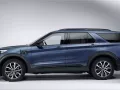
The manufacturer's biggest SUV on the European market, the Ford Explorer PHEV is a very big car. At 5.05 m long, 2.28 m wide and 1.78 m high, it receives a hybrid powertrain at the height of its dimensions. Under the hood, there is a gasoline V6 3.0 l joined… Continue reading

Based on the Volkswagen Group's MEB platform, the Skoda Enyaq will be the first 100% electric SUV of the Czech brand. The "E", located at the beginning of the name, refers to electric mobility while the "Q" at the end creates a connection… Continue reading