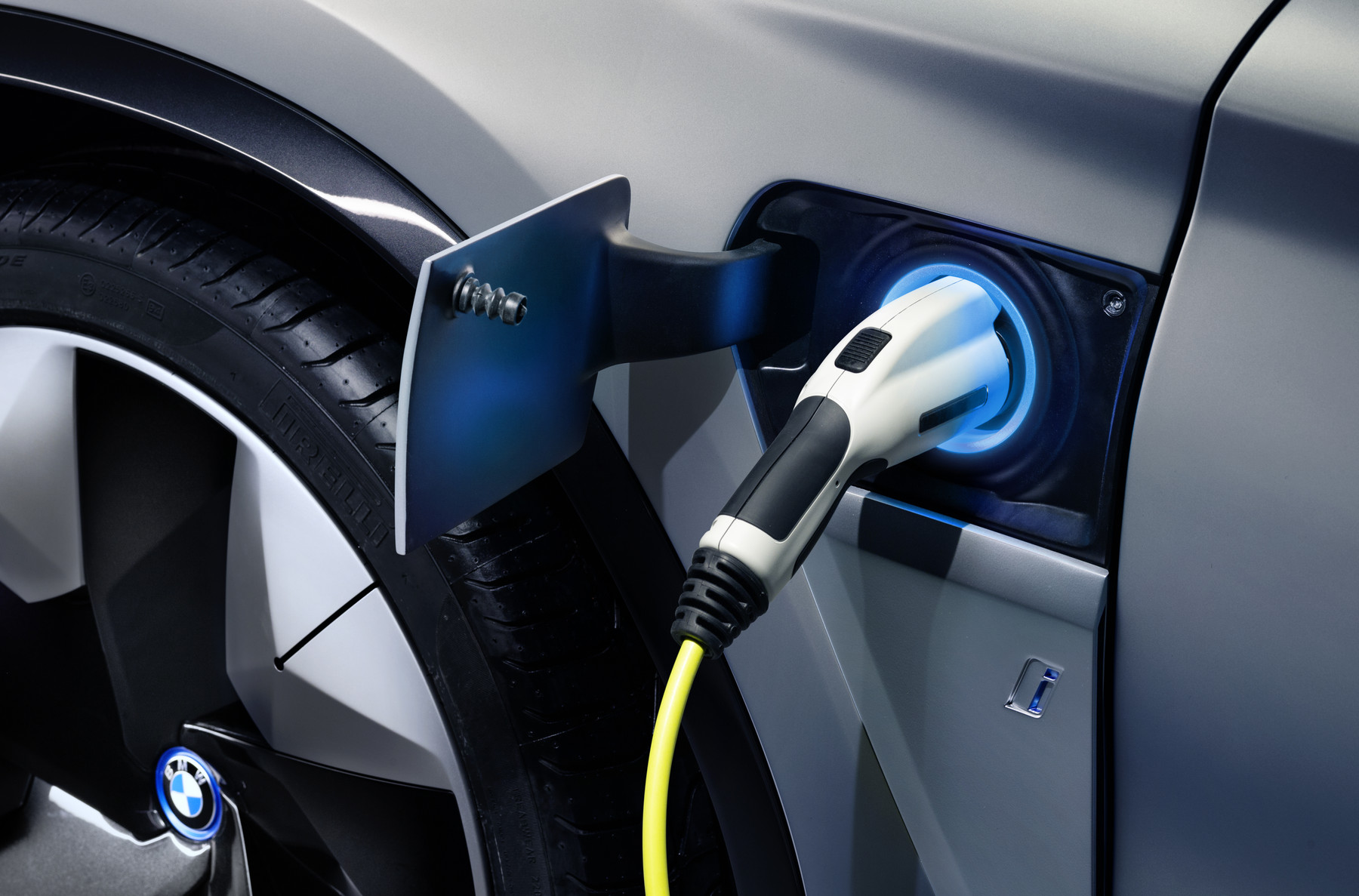
The Indian government has decided to cut VAT on electric vehicles from 12% to 5% and charging stations from 18% to 12%. In addition, the purchase of electric buses by the municipalities is exempt from VAT.
The changes will come into force on 1 August 2019. The VAT on petrol and diesel remains at 28 percent. With the tax cut, the Indian government wants to reduce the price difference between the two types of power in order to make electric cars more affordable.
However, an exemption from the registration fee for electric vehicles, which was discussed in June, was not decided. Reports are still in the room to increase the registration fee for gasoline and diesel.
However, the Federal Bureau of Indirect Taxes (abbreviated to GST) has made the condition that the vehicles have at least 12 seats eligible for the tax exemption for electric buses. The Indian government wants to promote not only renewable energy, but also clean traffic.

The 2027 Subaru Solterra EV keeps its $38,495 starting MSRP after a major 2026 overhaul that fixed its biggest weak spots: range, charging access, and power. Subaru now sells the Solterra with standard all-wheel drive, a 74.7-kWh battery,… Continue reading

Toyota presented at the auto show in New York for the first time the fifth generation of its RAV4 SUV model, which is offered also as a hybrid version. The market launch for the conventional RAV4 in the US is at the end of 2018, to Europe in early 2019. The… Continue reading

The iconic MG, an acronym for Morris Garage, has been given a second life since it passed into Chinese hands. Since its official launch last July 17, MG has received 1,000 reservations for the new MG ZS EV. One of the main reasons for its… Continue reading
The start of sales of the BYD Han electric car in China is scheduled for the end of June this year. For Europe, precise dates are still unknown, but preliminary prices are mentioned. A BYD Han electric car can be bought by paying from 45,000 to 55,000… Continue reading