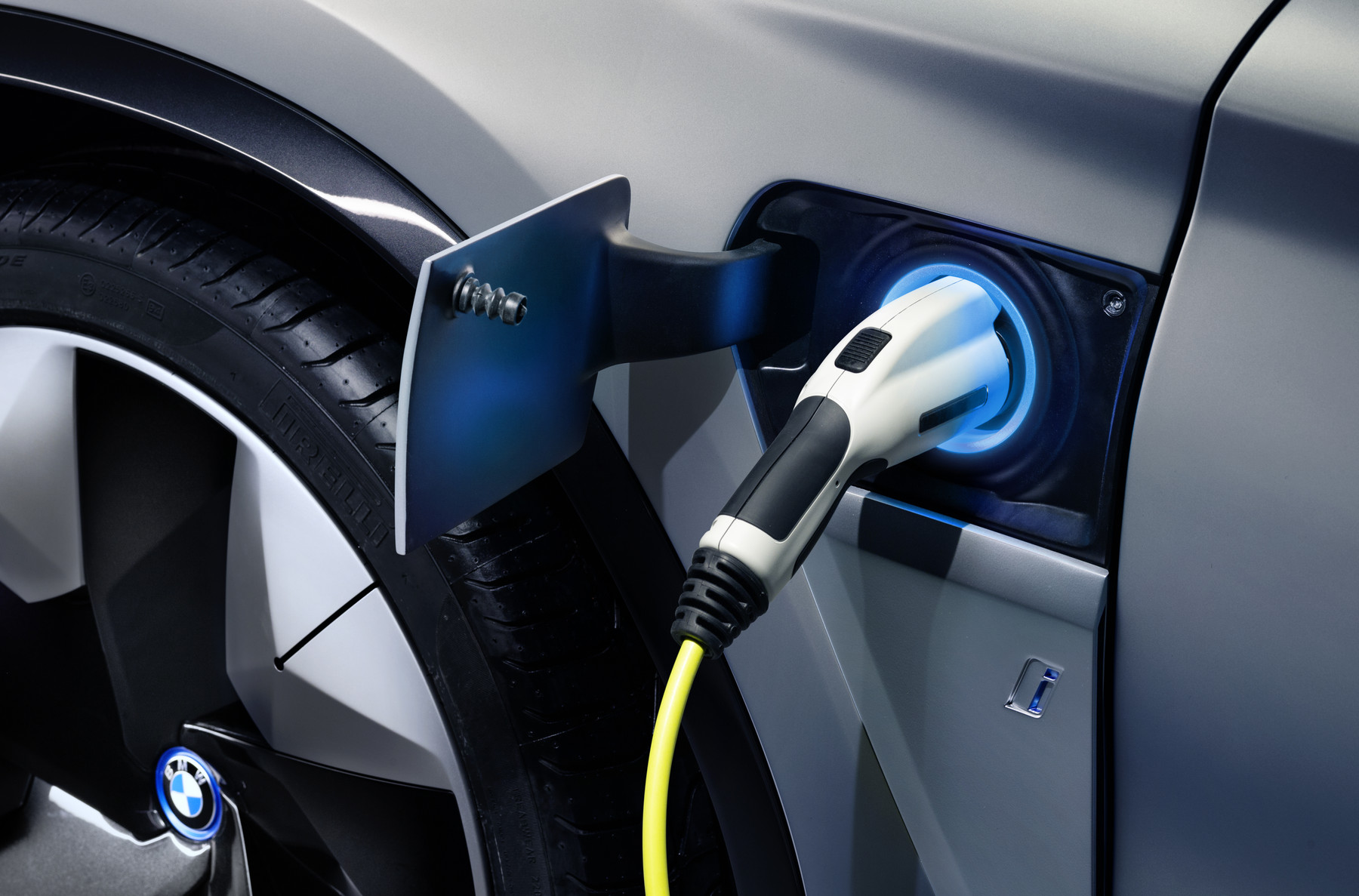
The Indian government has decided to cut VAT on electric vehicles from 12% to 5% and charging stations from 18% to 12%. In addition, the purchase of electric buses by the municipalities is exempt from VAT.
The changes will come into force on 1 August 2019. The VAT on petrol and diesel remains at 28 percent. With the tax cut, the Indian government wants to reduce the price difference between the two types of power in order to make electric cars more affordable.
However, an exemption from the registration fee for electric vehicles, which was discussed in June, was not decided. Reports are still in the room to increase the registration fee for gasoline and diesel.
However, the Federal Bureau of Indirect Taxes (abbreviated to GST) has made the condition that the vehicles have at least 12 seats eligible for the tax exemption for electric buses. The Indian government wants to promote not only renewable energy, but also clean traffic.

Some people think that electric motorcycles are boring because they cannot give the emotions that arise when driving an internal combustion engine. The electric motorcycle is without a loud exhaust, does not require changing gears, and… Continue reading
Renault has revealed the company's new electric concept, the Megane eVision. The electric car is a crossover/station wagon with a sensational design and sophisticated features. The series version will retain 95% of the concept… Continue reading
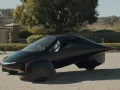
The Aptera Paradigm electric car has only three wheels, an ultra-light body and a design that resembles that of airplanes. In addition, thanks to the solar panels it promises to never be recharged. The electric car has already received over 7… Continue reading
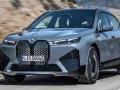
Series production of the BMW iX electric car started on 2 July at the Dingolfing plant in Germany. The same production line now produces internal combustion engines, hybrid and all-electric models. The Dingolfing plant in Germany is BMW's… Continue reading