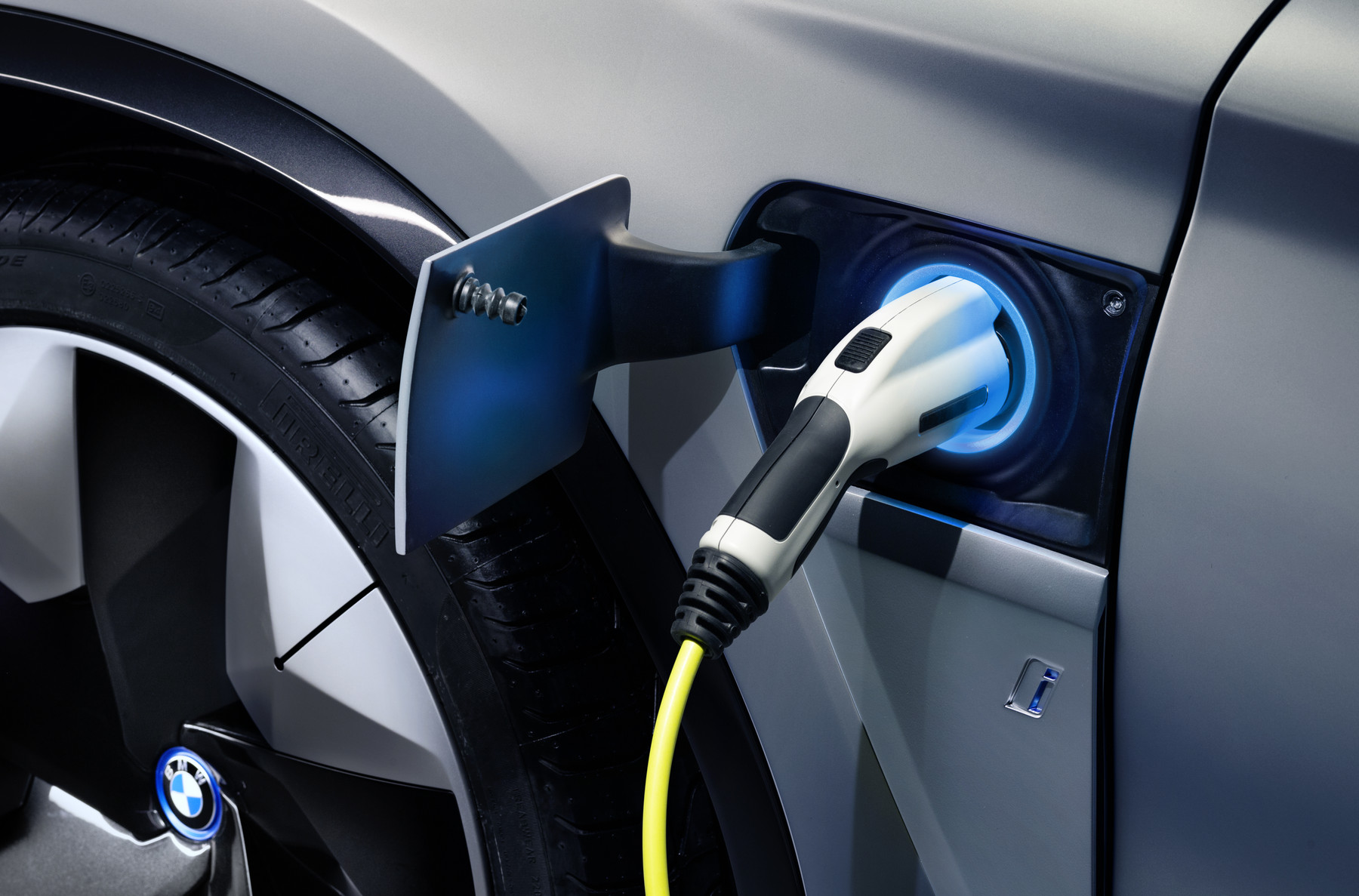
The Indian government has decided to cut VAT on electric vehicles from 12% to 5% and charging stations from 18% to 12%. In addition, the purchase of electric buses by the municipalities is exempt from VAT.
The changes will come into force on 1 August 2019. The VAT on petrol and diesel remains at 28 percent. With the tax cut, the Indian government wants to reduce the price difference between the two types of power in order to make electric cars more affordable.
However, an exemption from the registration fee for electric vehicles, which was discussed in June, was not decided. Reports are still in the room to increase the registration fee for gasoline and diesel.
However, the Federal Bureau of Indirect Taxes (abbreviated to GST) has made the condition that the vehicles have at least 12 seats eligible for the tax exemption for electric buses. The Indian government wants to promote not only renewable energy, but also clean traffic.
Peugeot has just updated the ranks of its SUV range with the presentation of the new Peugeot 2008. In addition to gasoline and diesel mechanics, it will be the brand's first SUV to receive a 100% electric propulsion system. This new… Continue reading
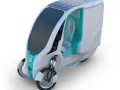
The French company Wello presented a compact electric tricycle at CES 2020 last week in Las Vegas. Wello has given its e-tricycle the unusual name "Family". It is described as an ultralight and connected electric vehicle powered by the… Continue reading
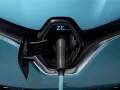
These models are the best sellers so far this year. The Renault Zoe is the electric car model preferred by the Spanish driver. The rising trend of electric cars is a reality. Registrations increase every year, despite the fact that fossil… Continue reading
The European Union is considering the possibility of eliminating VAT on the purchase of electric cars. The European Union is preparing a large financial package to support the economies of European countries following the SARS-CoV-2… Continue reading