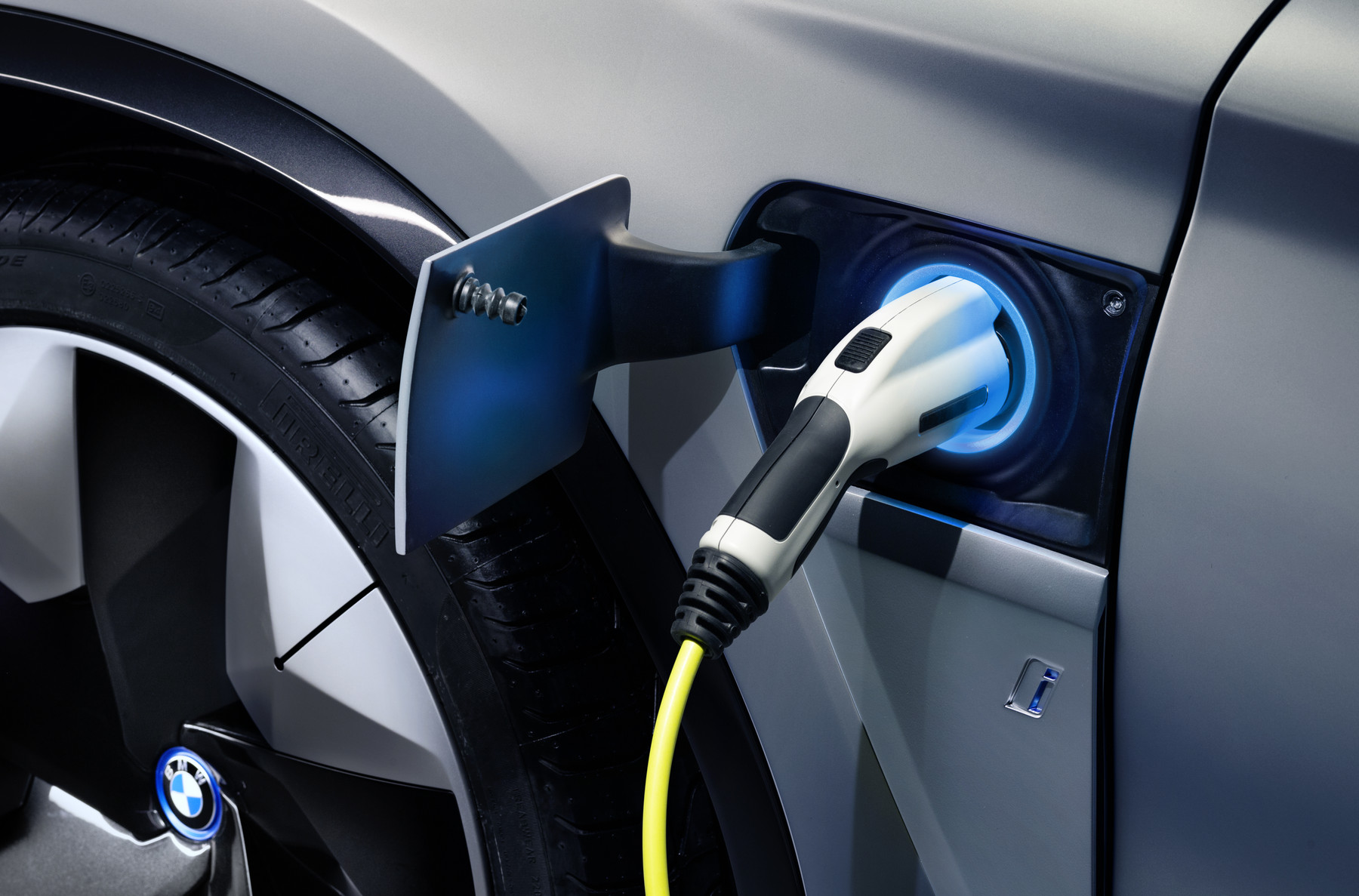
The Indian government has decided to cut VAT on electric vehicles from 12% to 5% and charging stations from 18% to 12%. In addition, the purchase of electric buses by the municipalities is exempt from VAT.
The changes will come into force on 1 August 2019. The VAT on petrol and diesel remains at 28 percent. With the tax cut, the Indian government wants to reduce the price difference between the two types of power in order to make electric cars more affordable.
However, an exemption from the registration fee for electric vehicles, which was discussed in June, was not decided. Reports are still in the room to increase the registration fee for gasoline and diesel.
However, the Federal Bureau of Indirect Taxes (abbreviated to GST) has made the condition that the vehicles have at least 12 seats eligible for the tax exemption for electric buses. The Indian government wants to promote not only renewable energy, but also clean traffic.

The Opel Vivaro-e is the fully electric variant of the light commercial van from Opel. It will hit the market next year. As part of its PACE! Strategic plan, Opel will develop eight electrified cars by 2021. At the same time, among those eight electric… Continue reading

Ox Riders have presented the final production version of the OX One electric motorcycle that can be purchased in two versions: one approved as a moped that will cost 3,900 euros and another as a motorcycle for 4,900 euros.… Continue reading
Despite the situation in the automotive sector in Europe due to the pandemic caused by the COVID-19 coronavirus, sales of electric cars have been able to overcome the general decline in the market in March 2020. In March 2020, sales of electric cars… Continue reading

Honda has opened the online configurator for its Honda e electric car in Germany. Taking into account the VAT, which has been reduced to 16% since July 1, the basic version is included in the list with EUR 32,997. After deducting the environmental bonus of 9… Continue reading