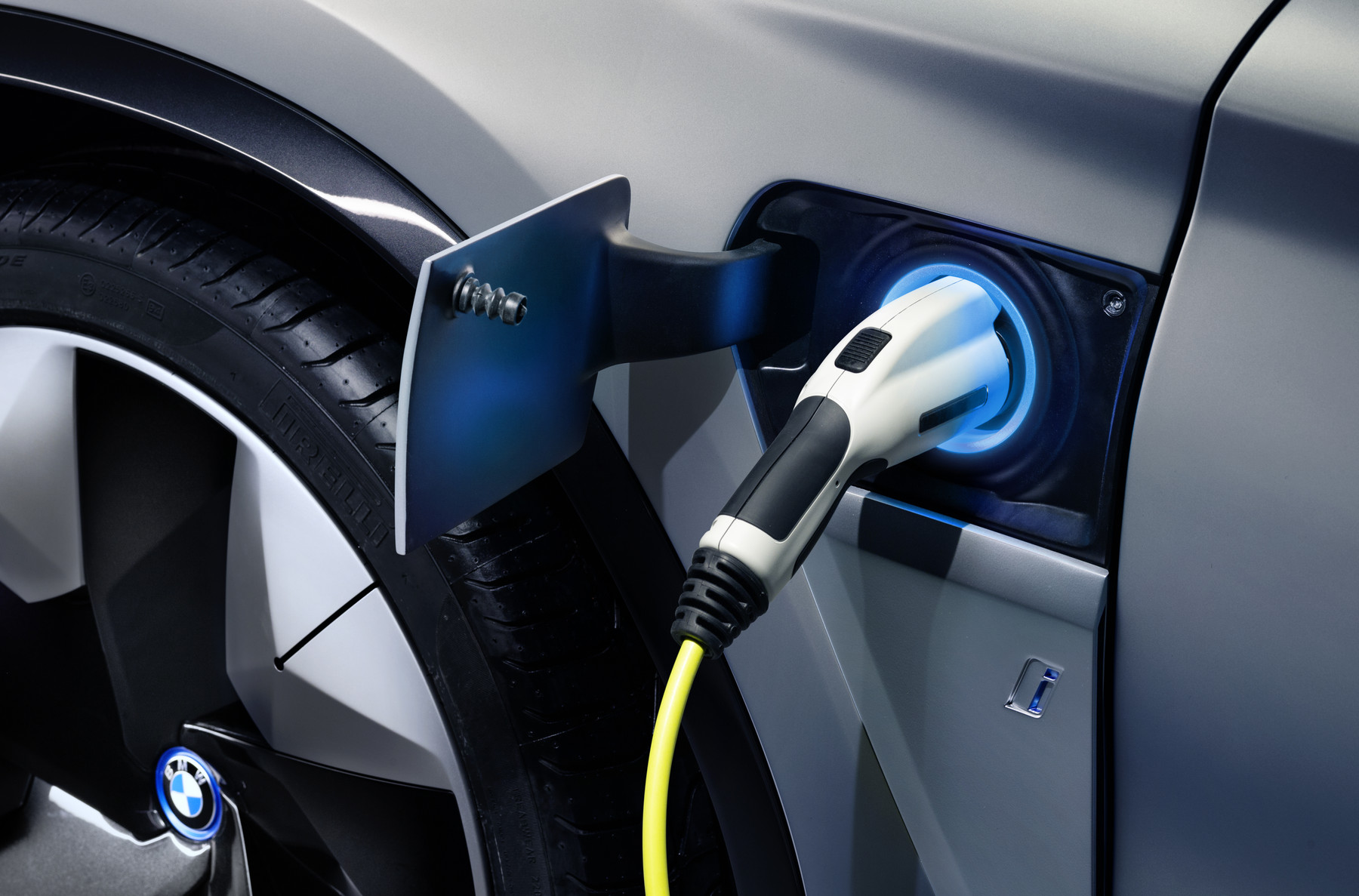
The Indian government has decided to cut VAT on electric vehicles from 12% to 5% and charging stations from 18% to 12%. In addition, the purchase of electric buses by the municipalities is exempt from VAT.
The changes will come into force on 1 August 2019. The VAT on petrol and diesel remains at 28 percent. With the tax cut, the Indian government wants to reduce the price difference between the two types of power in order to make electric cars more affordable.
However, an exemption from the registration fee for electric vehicles, which was discussed in June, was not decided. Reports are still in the room to increase the registration fee for gasoline and diesel.
However, the Federal Bureau of Indirect Taxes (abbreviated to GST) has made the condition that the vehicles have at least 12 seats eligible for the tax exemption for electric buses. The Indian government wants to promote not only renewable energy, but also clean traffic.

More than a week ago, a terrible event in which a 49-year-old woman lost her life after being run over by an autonomous test car by the Uber company in Tempe, Arizona, triggered discussions about autonomous driving . Both Uber and Toyota… Continue reading

Five years ago, Edwin Van Ruimbeke, an engineer from France, successfully raised funds for his ornithopter, a remote-controlled model capable of flying, flapping its wings, just like a real bird. Now he, inspired by the study of flying insects, he presents… Continue reading
According to the German Handelsblatt publication, the new Volkswagen small-class electric cars will be produced at the plant in Bratislava, the capital of Slovakia. This is the same factory where VW Up, Skoda Citigo and SEAT Mii are currently… Continue reading

Jyroball used the Indiegogo platform to launch its innovative product, the self-balancing Jyroweel unicycle in the form of a ball weighing 9 kg and with a diameter of only 25 cm. On the functional side, the Jyroball product is fairly standard… Continue reading