The Indian government has decided to cut VAT on electric vehicles from 12% to 5% and charging stations from 18% to 12%. In addition, the purchase of electric buses by the municipalities is exempt from VAT.
The changes will come into force on 1 August 2019. The VAT on petrol and diesel remains at 28 percent. With the tax cut, the Indian government wants to reduce the price difference between the two types of power in order to make electric cars more affordable.
However, an exemption from the registration fee for electric vehicles, which was discussed in June, was not decided. Reports are still in the room to increase the registration fee for gasoline and diesel.
However, the Federal Bureau of Indirect Taxes (abbreviated to GST) has made the condition that the vehicles have at least 12 seats eligible for the tax exemption for electric buses. The Indian government wants to promote not only renewable energy, but also clean traffic.

The adorable Fiat 500 has always been a symbol of urban mobility, but its latest iteration, the Fiat 500e, is revving engines (or should we say whirring motors?) in the electric vehicle (EV) world. Its recent accolade of "… Continue reading

The automotive world witnessed a significant announcement as Kia revealed the pricing structure for its 2025 EV9. Starting at $54,900, this three-row electric SUV stands ready to challenge the established luxury… Continue reading

Polestar 4, the Swedish electric performance brand's luxury SUV coupé, has recently been honored as the Executive Car of the Year in the UK Car of the Year Awards 2025. This accolade underscores Polestar's… Continue reading
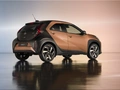
Toyota Targets Urban Mobility With Full Hybrid Tech Toyota’s smallest crossover just made a big leap. The 2026 Toyota Aygo X Hybrid introduces full hybrid technology to the A-segment for the first time. That matters. It gives… Continue reading