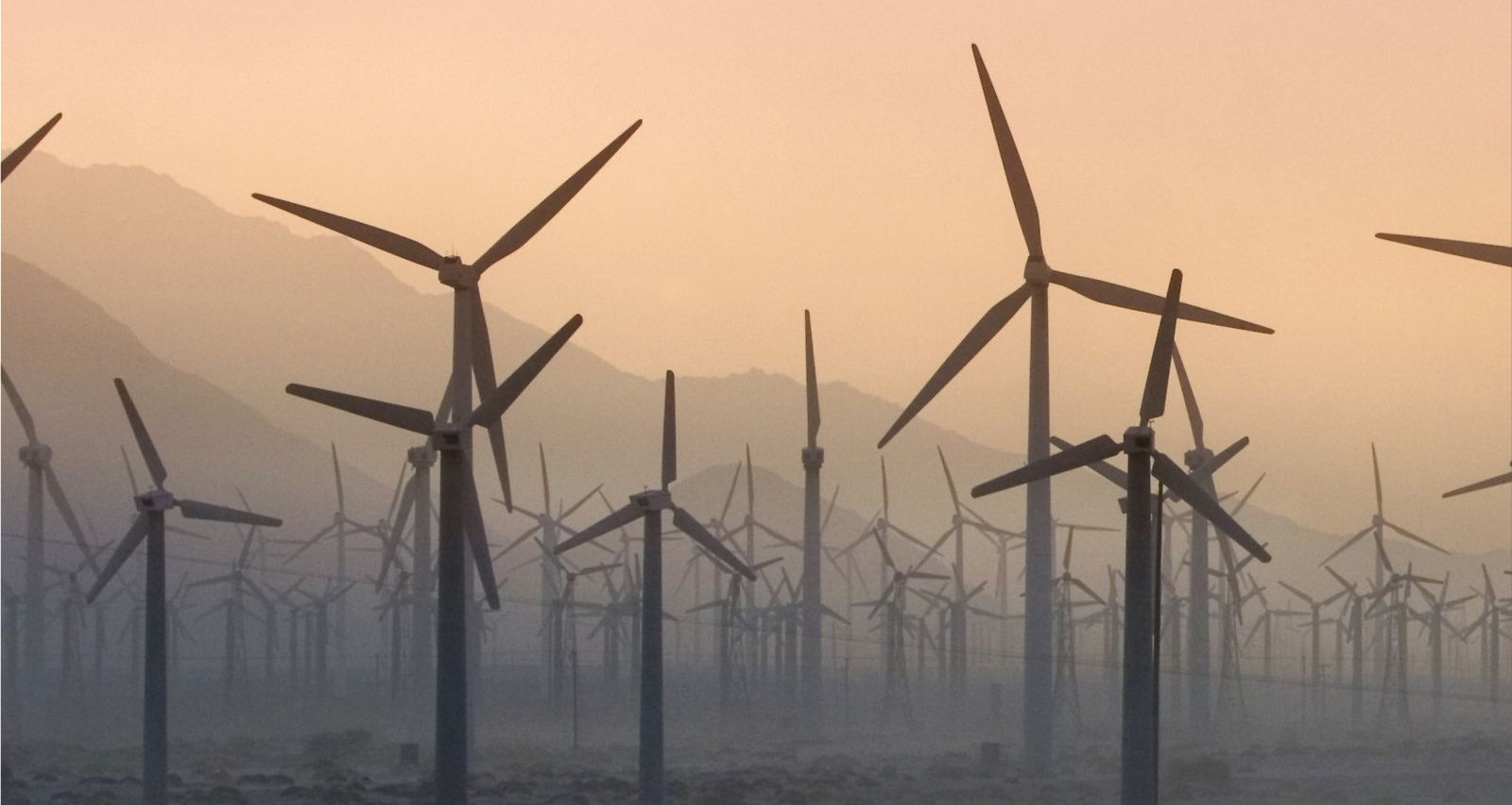
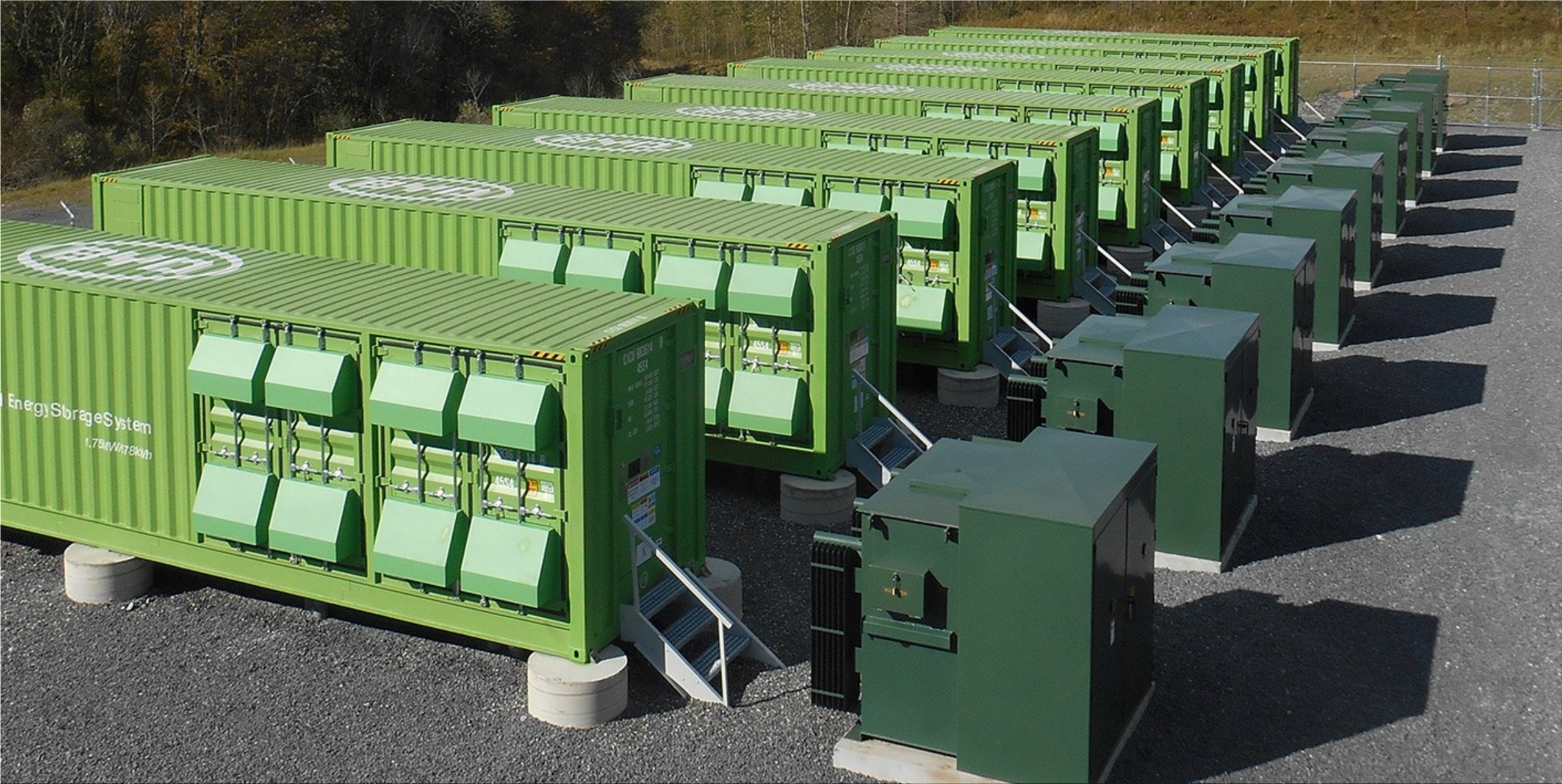
The major problem of switching to renewable energy sources is the lack of available technologies for converting electricity derived from solar and wind energy into chemical fuel for long-term storage and in the opposite direction.
There are already certain solutions in this area, but for the time being, they are too expensive and work only in one direction of transformation. However, now scientists have proposed a model of a fuel cell that turns energy into fuel and vice versa, and if the principle of its operation is worthwhile, the development of renewable energy sources will receive a new powerful stimulus.
Researchers have created a new type of fuel cell - a proton conducting fuel cell (PCFC), which converts electricity into hydrogen fuel and back with a single set of catalysts. It consists of two electrodes, separated by a membrane that transmits protons.
However, for the time being, both new devices are small laboratory samples. In order for the technology to become widespread, researchers need to increase the scale of devices without reducing their performance. If engineers can achieve this, the cost of storing renewable energy can drop dramatically, which will help networks and consumers to end their dependence on fossil fuels.
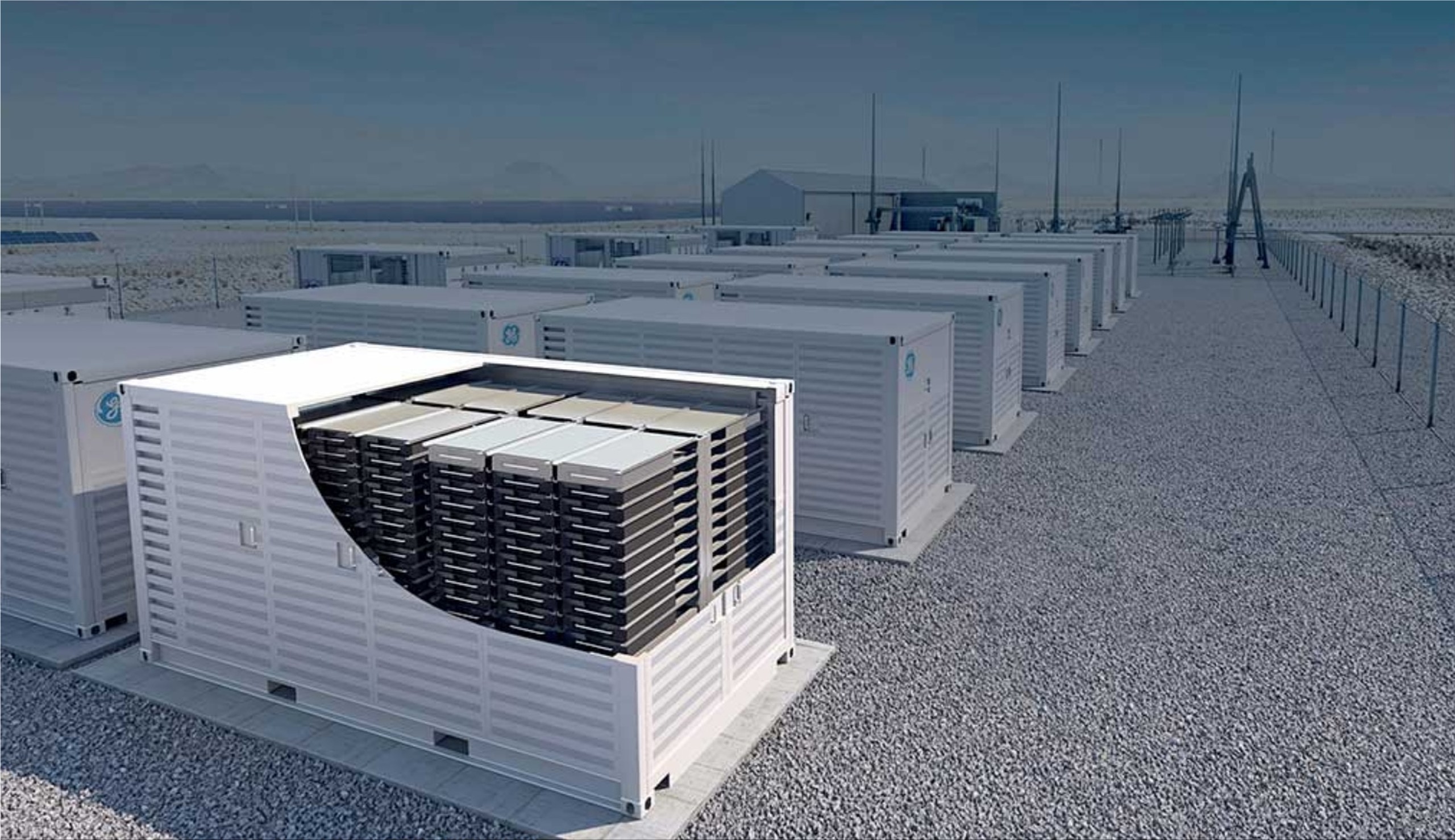
The market for such technologies grew in parallel with the development of renewable energy: in 2007, with the help of the sun and wind in the USA, only 0.8% of the total electricity was mined, and in 2017 - already 8%. But supply and demand do not always correspond to each other: for example, in California, solar panels generate much more electricity on clear days than the power system needs in the daytime, but they do not produce it after sunset, when all consumers at home actively consume electricity. [via sciencemag]
The Volkswagen ID Buzz electric van is a crucial component of the German automaker's electric vehicle strategy. They are now exclusively manufactured in the facility in Hanover (Germany) at a pace of 15,000 units per year. In some markets,… Continue reading
Green NCAP granted the Dacia Spring five stars and the title of Best Electric Vehicle of 2022, a significant honor for the tiny electric city car from Renault's Romanian subsidiary. Green NCAP is the environmentally friendly… Continue reading
The BMW i7 is not just another electric car. It's a mobile art installation that will showcase the beauty and creativity of electric mobility in Stockholm, Sweden. The i7 is one of four BMW models that have been transformed into … Continue reading
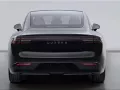
The Chinese tech giant Huawei is known for its smartphones, tablets, and laptops and for its ambitions in the smart car market. The company has been developing its own operating system, HarmonyOS, and various hardware and software solutions… Continue reading