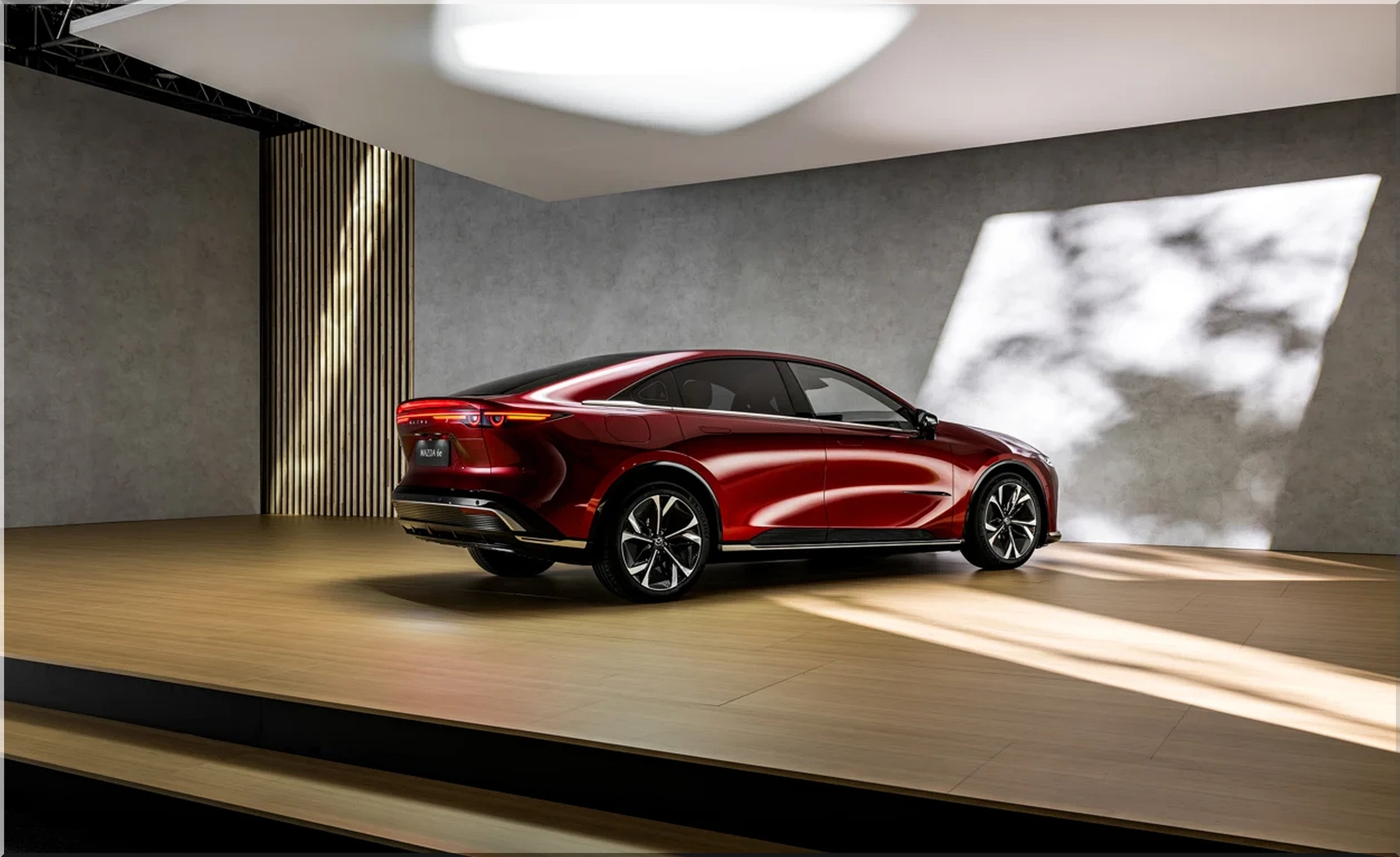
Mazda now has a fresh trophy to hang on the studio wall. The Mazda 6e took 2026 World Car Design of the Year, adding another major design award to a brand that has made shape, proportion, and surface control part of its identity for years.
That result matters for one simple reason: this car had to do more than look sleek under show lights. The Mazda 6e also had to translate Mazda's design language into an electric liftback with real packaging demands, battery mass, aero needs, rear-drive hardware, and a roofline that still had to leave enough cabin and cargo usability for daily driving. Looking at the data, Mazda pulled that off with unusual discipline.
Why the Mazda 6e won on design merit
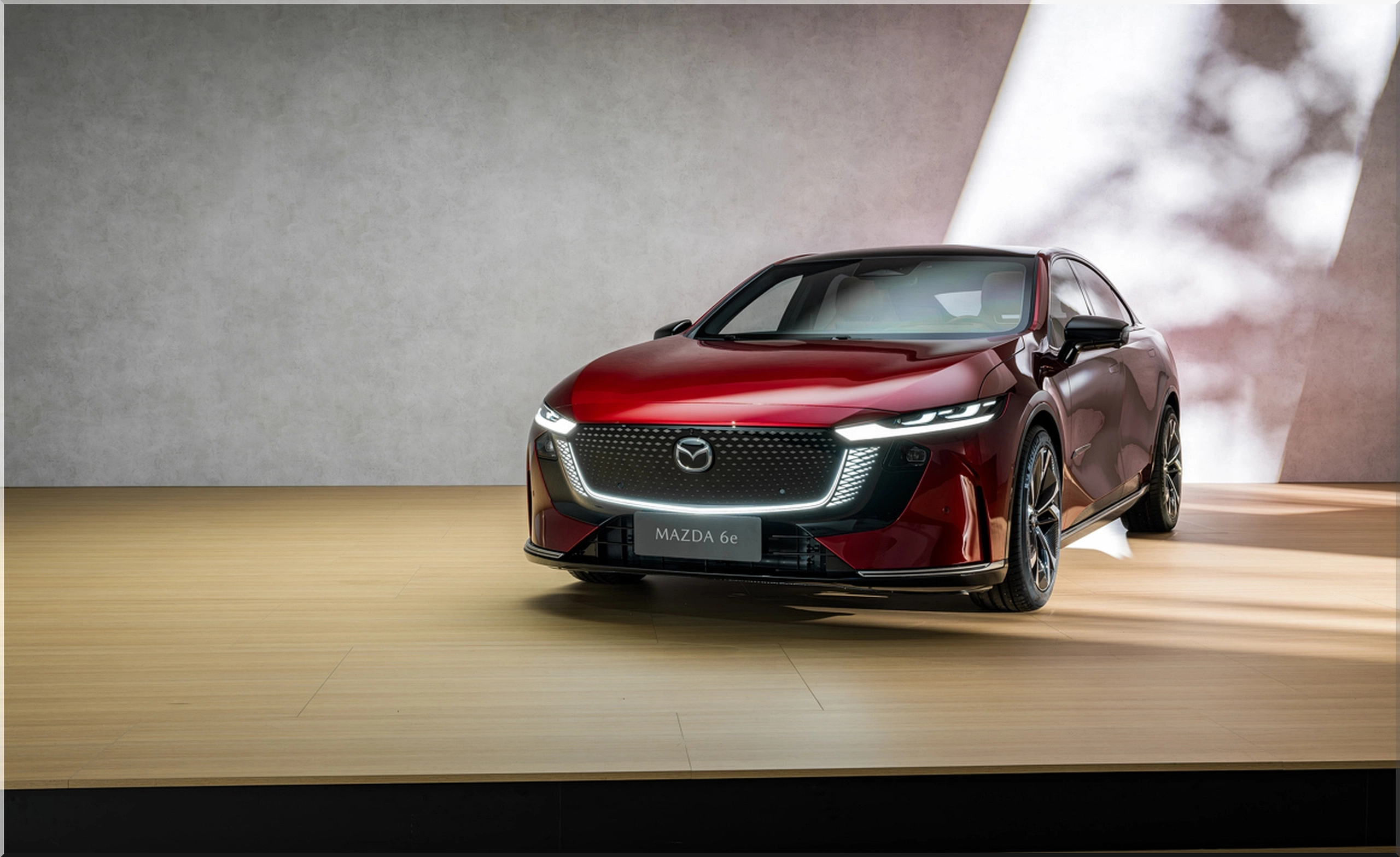
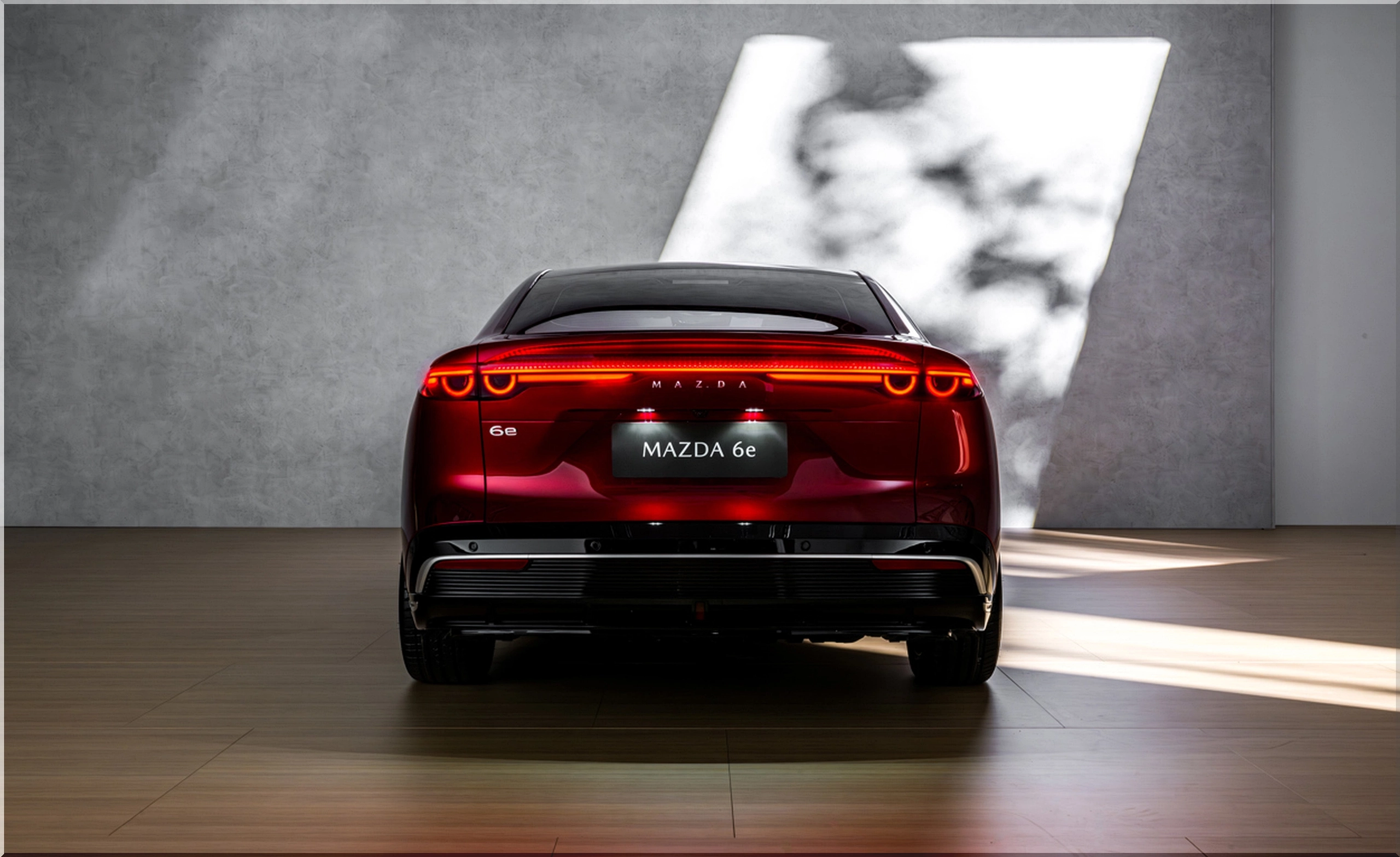
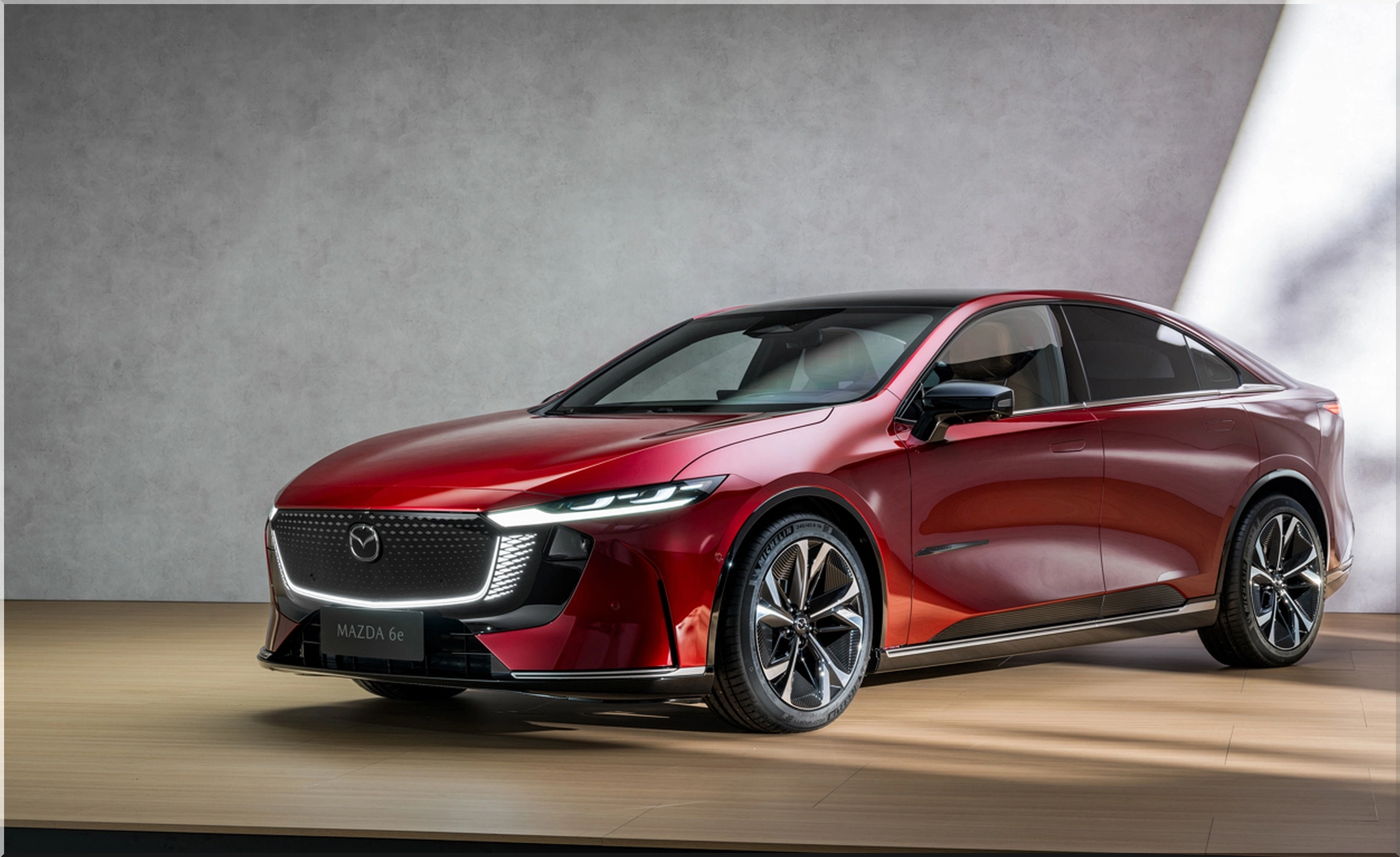
Mazda says the 6e follows its Kodo design philosophy and an Authentic Modern concept. That sounds like press-office language until you look at the actual proportions. The car stretches to 193.7 inches (4,921 mm) long, spans 74.4 inches (1,890 mm) wide, stands 58.7 inches (1,491 mm) tall, and rides on a 114.0-inch wheelbase (2,895 mm).
Those numbers tell the story. A long wheelbase pushes the cabin outward. A relatively low height keeps the body visually planted. A wide track footprint gives the sheetmetal room to sit tight over the wheels instead of ballooning upward like too many battery sedans. Consequently, the 6e reads less like a tall EV appliance and more like a proper grand-touring fastback.
The award context in plain terms
The 2026 result also carries weight because the voting pool was broad. The World Car Awards said 98 automotive journalists voted from a field of 90 eligible vehicles. Mazda also called this its third win in the design category, following the MX-5 in 2016 and the Mazda3 in 2020.
Award snapshot
| Data point | Mazda 6e result |
|---|---|
| Award | 2026 World Car Design of the Year |
| Final announcement | April 1, 2026, New York |
| Eligible vehicles considered | 90 |
| Journalists voting | 98 |
| Mazda design-award wins | 3 |
| Previous Mazda design winners | MX-5, Mazda3 |
By comparison, many design awards celebrate novelty. This one often rewards a cleaner mix of proportion, stance, surface treatment, and production realism. From an expert perspective, that fits the 6e very well. The car does not chase visual chaos. It uses restraint, and restraint is harder.
The specs behind the shape
The Mazda 6e also backs up the design talk with solid EV numbers. Europe gets two battery choices, both rear-wheel drive. The standard car uses a 68.8-kWh battery and the long-range version uses an 80-kWh battery.
Key technical data
| Spec | Mazda 6e 68.8 kWh | Mazda 6e Long Range 80 kWh |
|---|---|---|
| Drive layout | RWD | RWD |
| Power | 190 kW | 180 kW |
| Torque | 320 Nm | 320 Nm |
| WLTP range | 479 km / 298 miles | 552 km / 343 miles |
| DC fast charging | Up to 165 kW | Up to 90 kW |
| 10-80% DC charge | about 23-24 min | about 47 min |
| Range added in 15 min | up to 235 km / 146 miles | lower than standard version |
| 0-100 km/h | 7.6 sec | about 7.8 sec |
Specifically, the standard battery version may be the sweet spot. It gives up range on paper, but it charges much faster and still posts a useful 298-mile WLTP figure. That matters because elegant design sells the first glance, while charging speed and usable range decide how often owners stay happy after month six.
Why the design works in engineering terms
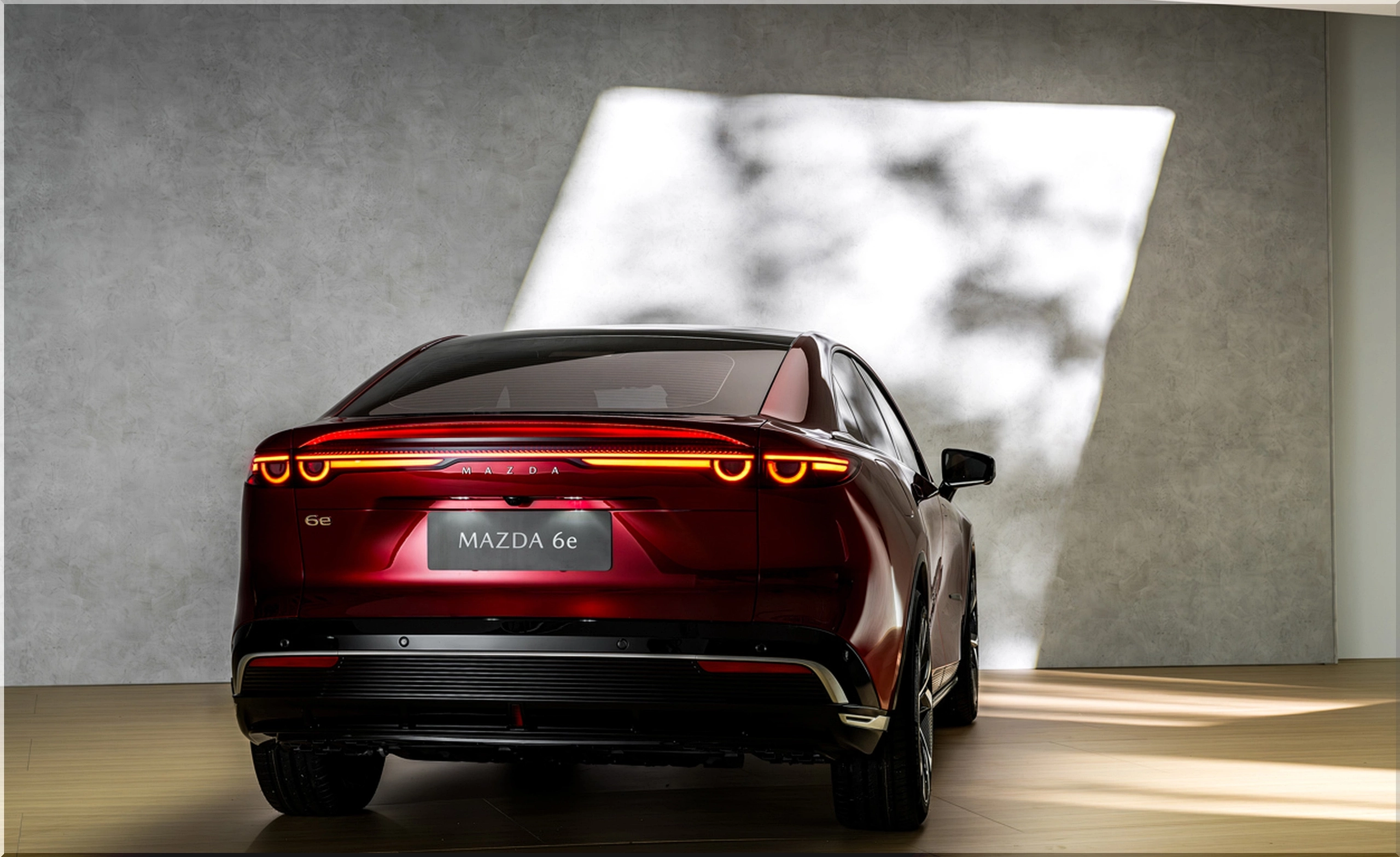
Good EV design starts with hard constraints. Battery packs raise floor height. Crash structure adds bulk. Aero targets can flatten front-end identity. Mazda avoided the usual penalties by using a five-door liftback body, a long dash-to-axle visual, and a low, coupe-like roofline without turning the car into a cramped four-door style exercise.
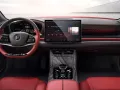
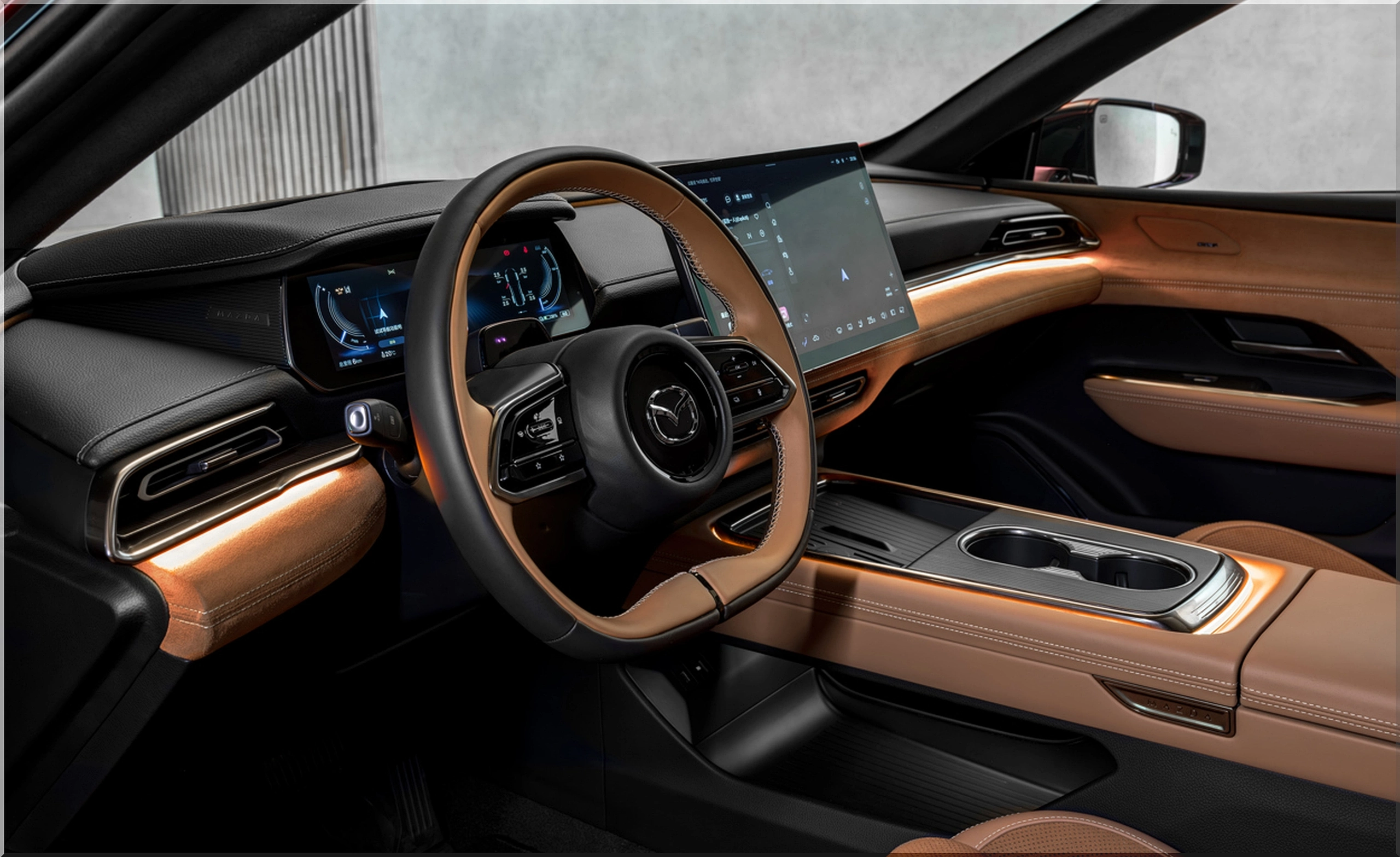
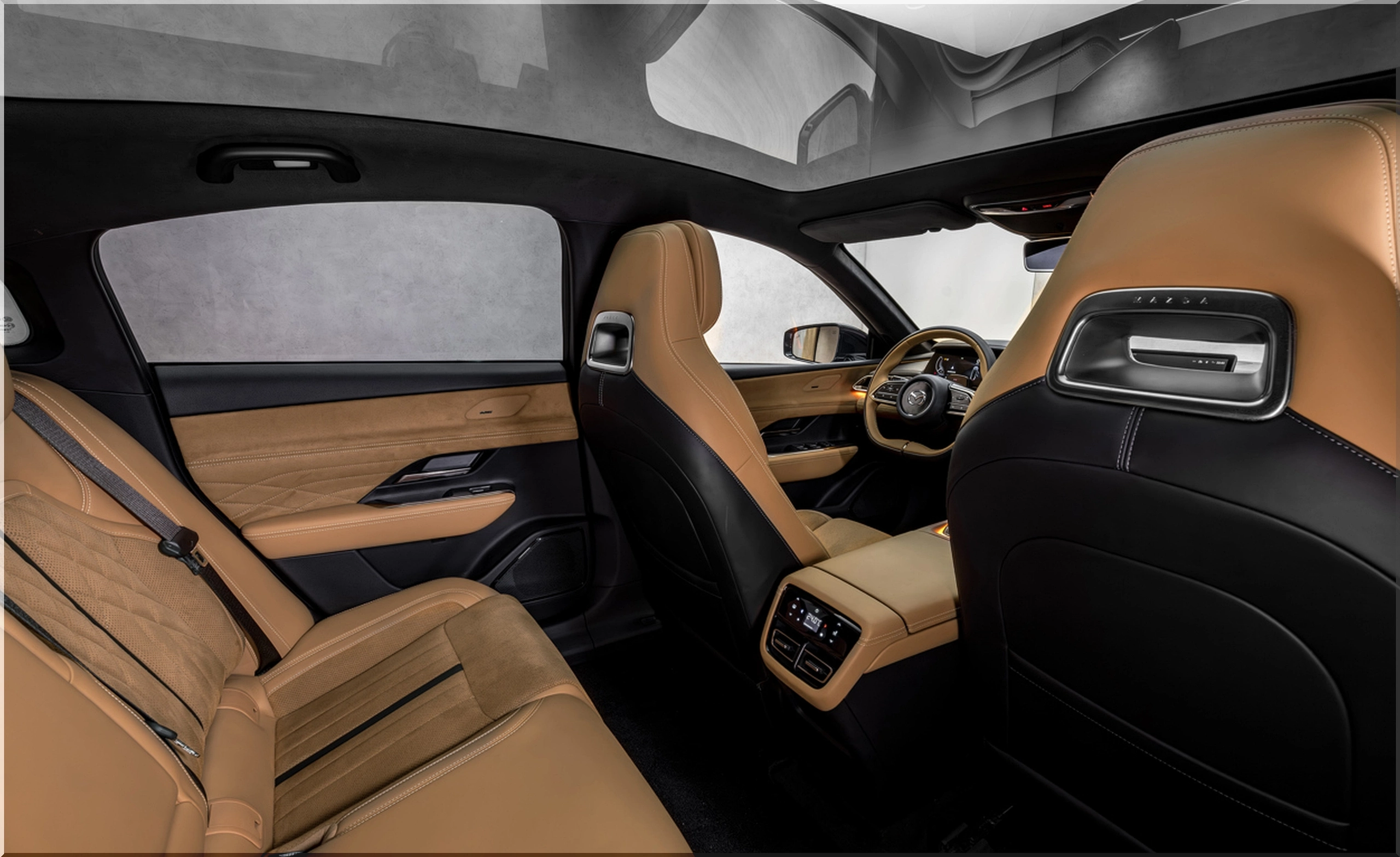
In addition, the cabin tech package supports the premium pitch. European specs list a 14.6-inch center display, a 14-speaker Sony audio system, and an augmented-reality head-up display that reaches 50 inches in projected size. Safety also lands well, with the 6e earning a five-star Euro NCAP rating in 2025.
Pro-Tip
Design awards sound soft. They are not. When a production EV wins one, it often signals three things at once:
- The proportions survived battery packaging
- The interior and aero story stayed coherent
- The brand has a clear visual direction buyers can spot fast
What now for Mazda?
Mazda now needs to turn a design win into market traction. That means three things. Keep supply steady. Keep pricing disciplined in Europe. Keep the 6e visible as the style-led entry point into Mazda's EV range.
If Mazda does that, this award becomes more than a headline. It becomes proof that the brand can carry its visual identity into the EV era without flattening everything into another anonymous electric fastback.
The Mazda 6e, set to hit the market in 2026, represents a bold leap into the electric sedan market for Mazda. With a legacy of fun-to-drive vehicles, Mazda now brings its A-game to electrification. The 6e promises to combine cutting… Continue reading
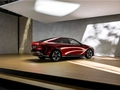
Mazda finally enters the competitive D-segment electric vehicle market with the Mazda 6e. This rear-wheel-drive hatchback marks the return of the popular Mazda 6 nameplate. It targets both retail… Continue reading
The Volkswagen Tiguan is a popular SUV that has been around for many years. It's known for its spacious interior, comfortable ride, and versatility. Now, Volkswagen has introduced a new plug-in hybrid version of the Tiguan, the… Continue reading

The world of policing is on the verge of a seismic shift. Enter the UP.FIT Tesla Cybertruck Next-Gen Patrol Vehicle – a revolutionary machine that ushers in a future-focused approach to law enforcement. This isn't just about a new set of… Continue reading