A new process patented by the Oak Ridge National Laboratory (ORNL) allows the recovery of rare elements from permanent magnets of electronic devices and reuse them to produce new magnets for electric motors equivalent to those made with new materials.
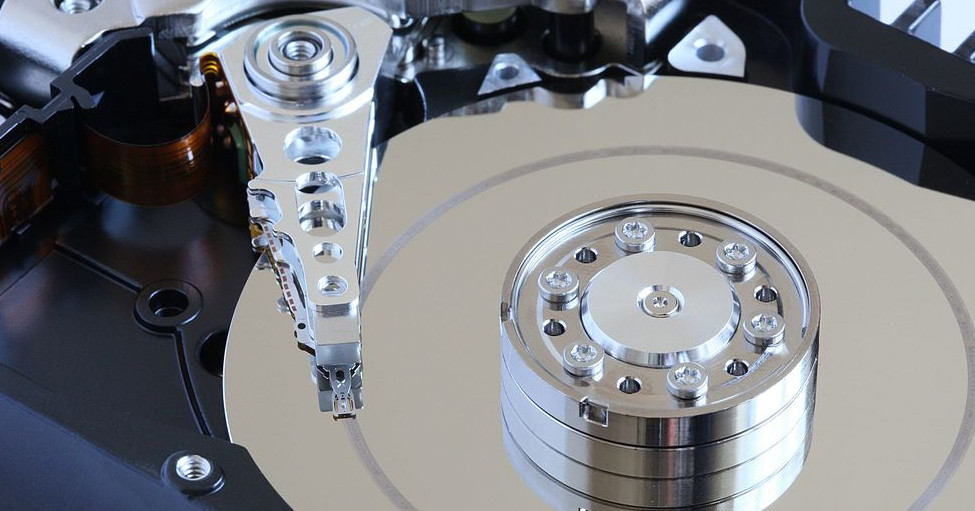
A team of researchers at the Oak Ridge National Laboratory (ORNL) has developed a process to extract rare elements from permanent discarded magnets from used hard drives and other electronic sources that use them in their composition. The patented process is capable of recovering 97% of the rare elements in the form of oxide, with a purity of 99.5%.

Rare earth elements are currently essential for synchronous electric motors of electric vehicles. Embedded in its rotor are permanent magnets formed by these elements that provide a magnetic flux when they are magnetized with another magnetic field, not losing their properties once the cause that causes the magnetism ceases. Thanks to them, no external excitation or brushes are needed to generate the magnetic field in the rotor and spin it when exposed to the externally generated field in the stator, which makes them more compact and simple.
After their industrial generalization in the 1990s, they increased their demand in the automotive industry until, in 2018, manufacturers opted, in 93% of cases, to provide their electric cars with permanent magnet motors. They are scarce, expensive, and difficult to recycle.
The new patent extends the laboratory demonstration process announced in October last year. ORNL is working with Momentum Technologies to expand production volume to offer a commercial lot that includes rare earth oxides. In 2017, the company already developed the technology to print three-dimensional magnets, and with this new development, it plans to produce the first 3D-printed magnet made from recycled materials.

The objective of the project is to recover hundreds of kilograms of rare earth oxides every month and validate, verify and certify that they can be used by manufacturers to make magnets equivalent to those made with virgin materials. Until now, no commercial process was able to recycle pure rare earth elements from electronic equipment magnets. According to the studies, 2,200 million personal computers, tablets and mobile phones worldwide are expected to be replaced in 2019.

Polestar has announced that it will begin manufacturing its Polestar 6 electric car. The Polestar 6, a high-performance electric roadster, will debut in production form in 2026. Starting on August 16, 2022, customers in any… Continue reading

As part of the environmental bonus, the government will give less money to people who buy electric cars after January 1, 2023. Plug-in hybrids will no longer get any money at all. Starting in January, the… Continue reading

Renault has been a pioneer in the car industry for many years, and the new Espace is a testament to its continued innovation. This new people carrier has been designed to lead the brand's charge in the C and D segments and certainly lives up… Continue reading

Stellantis NV, a leading global automotive company, has introduced its groundbreaking STLA Medium platform, a state-of-the-art Battery Electric Vehicle (BEV) platform designed to redefine the concept of clean, safe, and… Continue reading