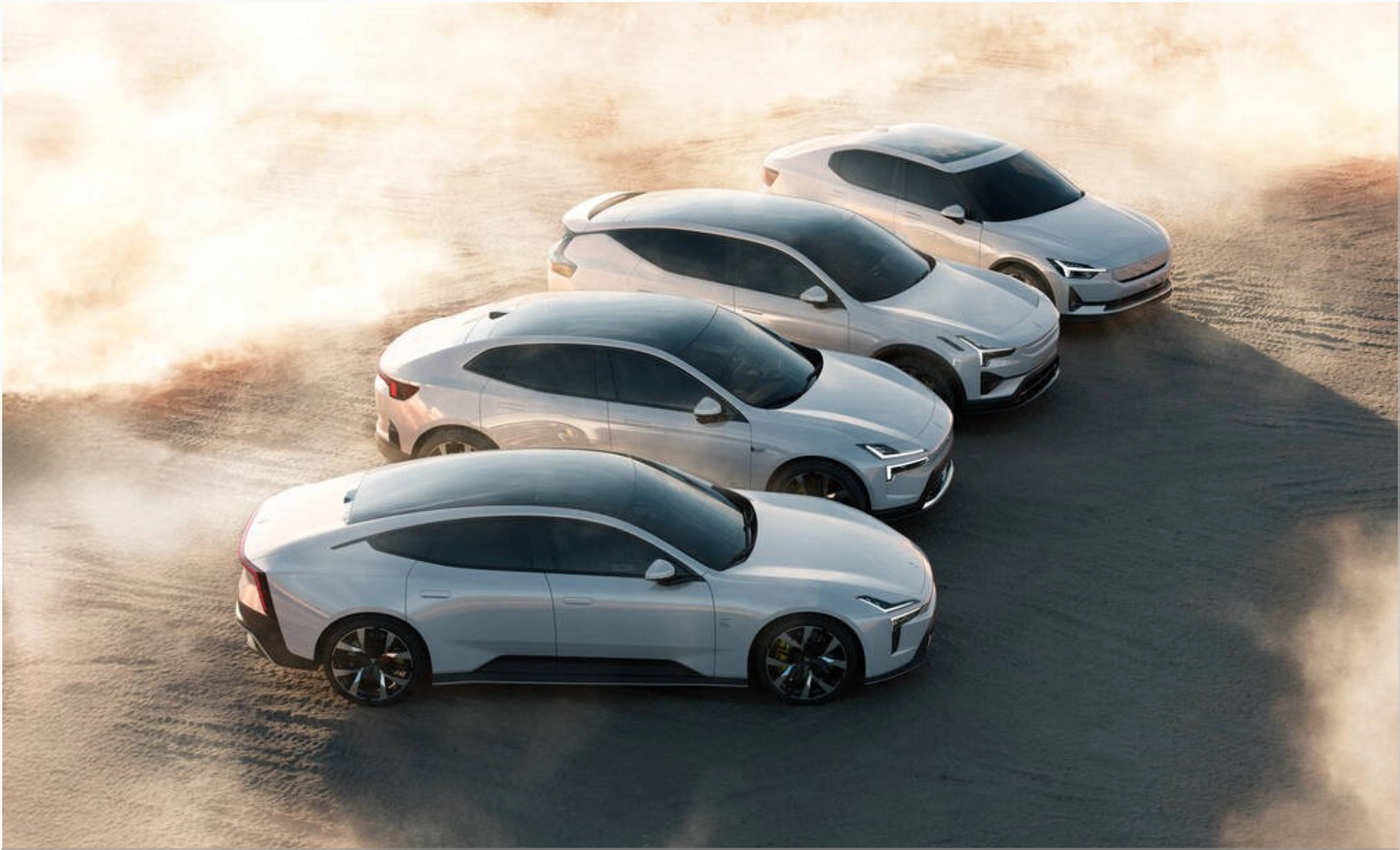
Polestar closed 2025 with its strongest retail performance to date. The Swedish EV brand delivered 60,119 vehicles worldwide, a 34 percent year-over-year increase, despite pricing pressure, slower EV adoption in some regions, and tighter capital markets.
That growth signals something clear. Polestar found demand where many EV startups stalled. Execution, not hype, drove the result.
Image
Polestar 2025 Sales Performance at a Glance
Polestar ended the year with momentum across key regions, led by Europe and North America.
Key figures stand out:
- 60,119 retail sales in 2025
- 34 percent growth versus 2024
- 15,608 vehicles sold in Q4 2025
- 27 percent Q4 growth year over year
- Sales network expanded by over 50 percent, excluding China
These numbers matter because they came during a cooling EV market. Several competitors cut production or delayed launches. Polestar kept selling cars.
Why Polestar Grew While Others Slowed
Polestar focused on fundamentals. It expanded physical retail presence. It simplified its lineup. It leaned into markets where premium EV demand stayed active.
Three drivers explain the growth.
Product Mix That Matches Demand
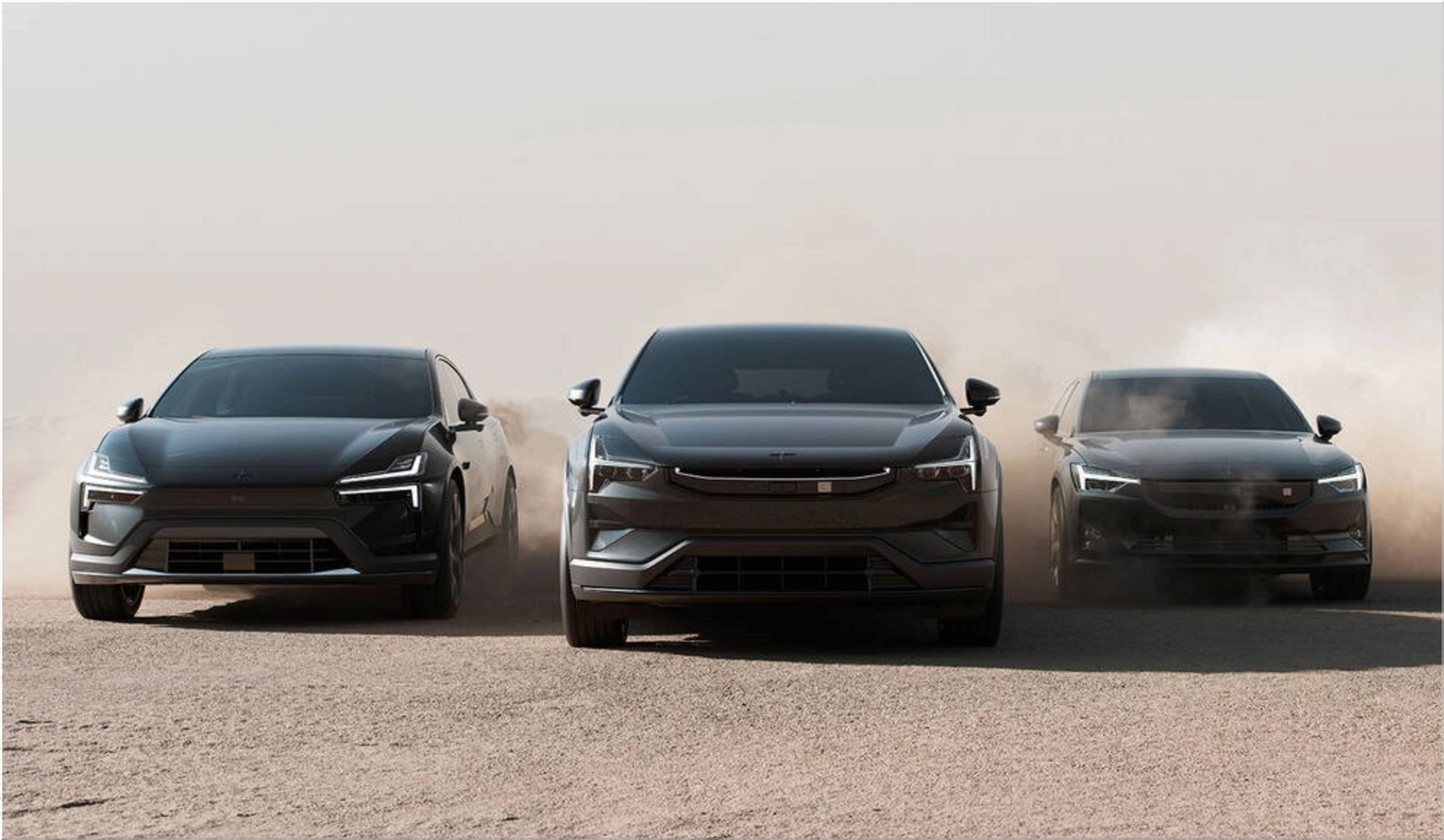
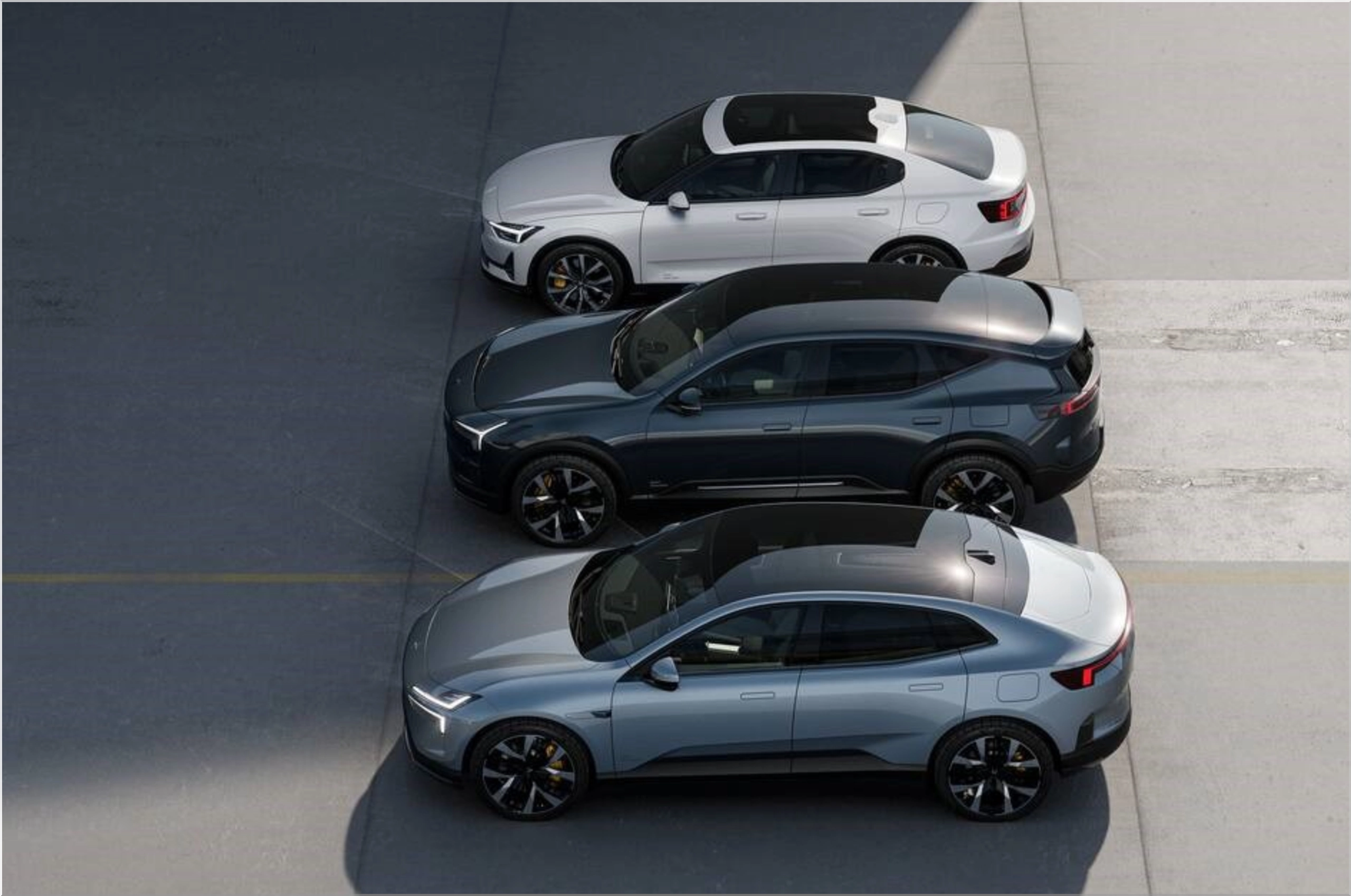
Polestar sells four vehicles today:
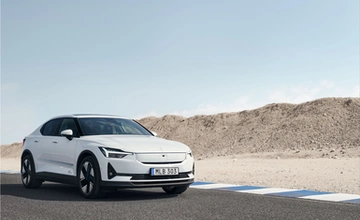
- Polestar 2 compact fastback
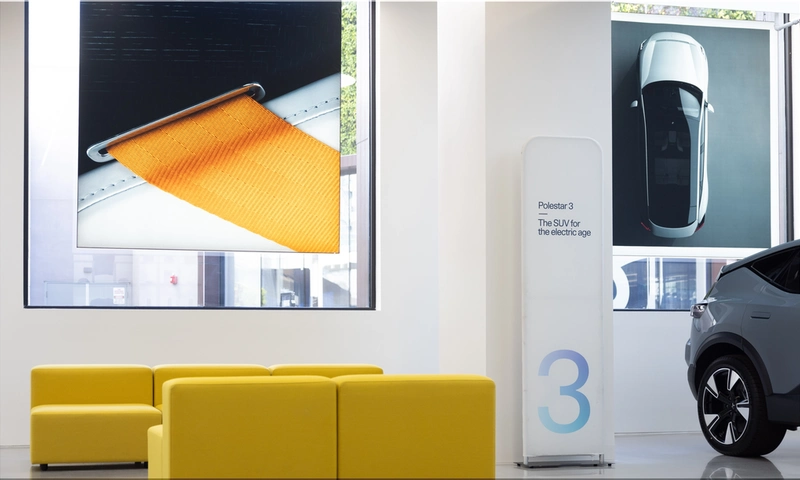
- Polestar 3 midsize luxury SUV
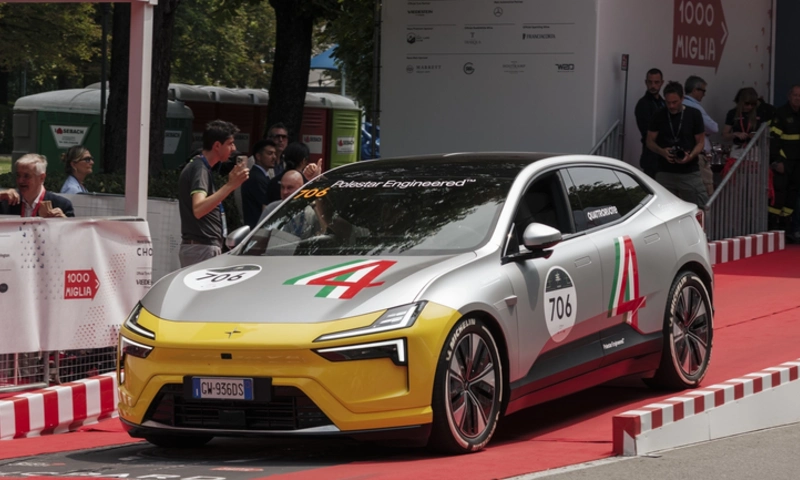
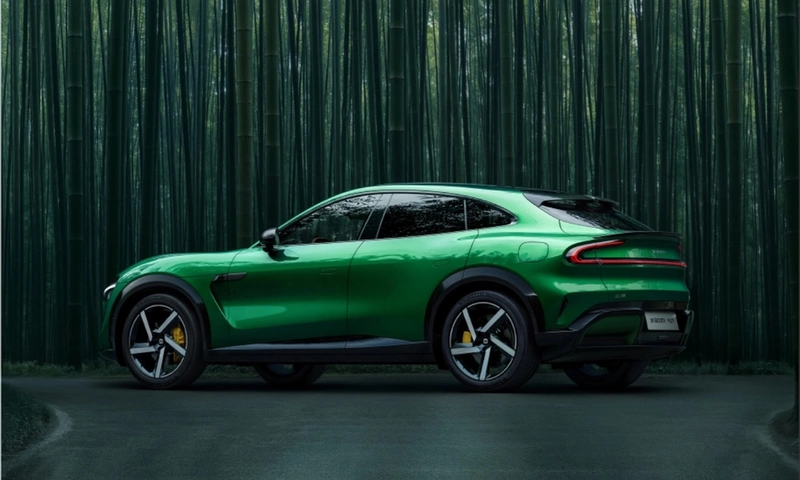
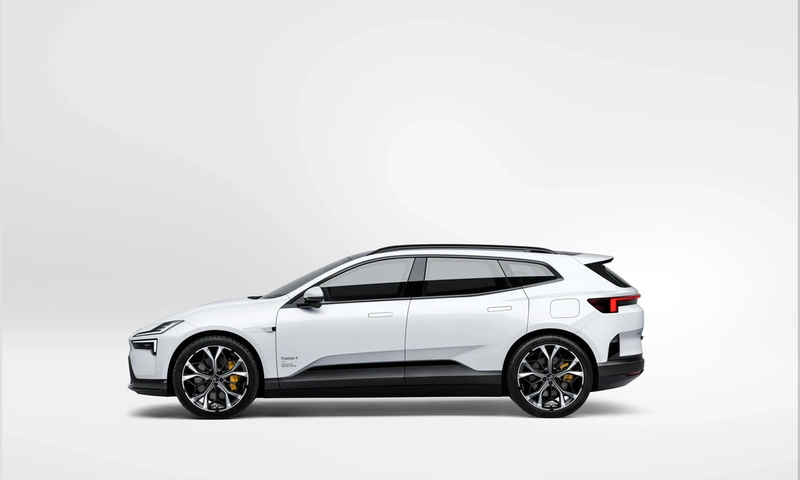
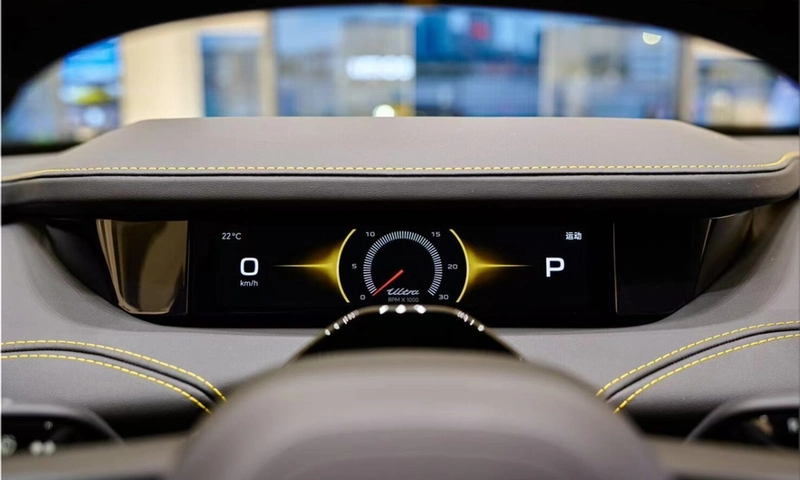
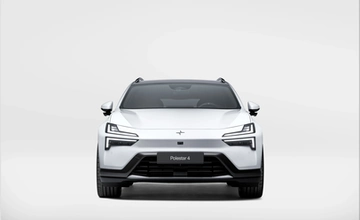
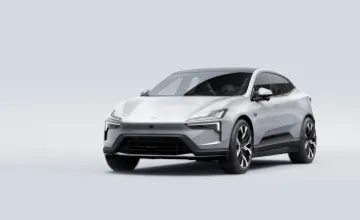
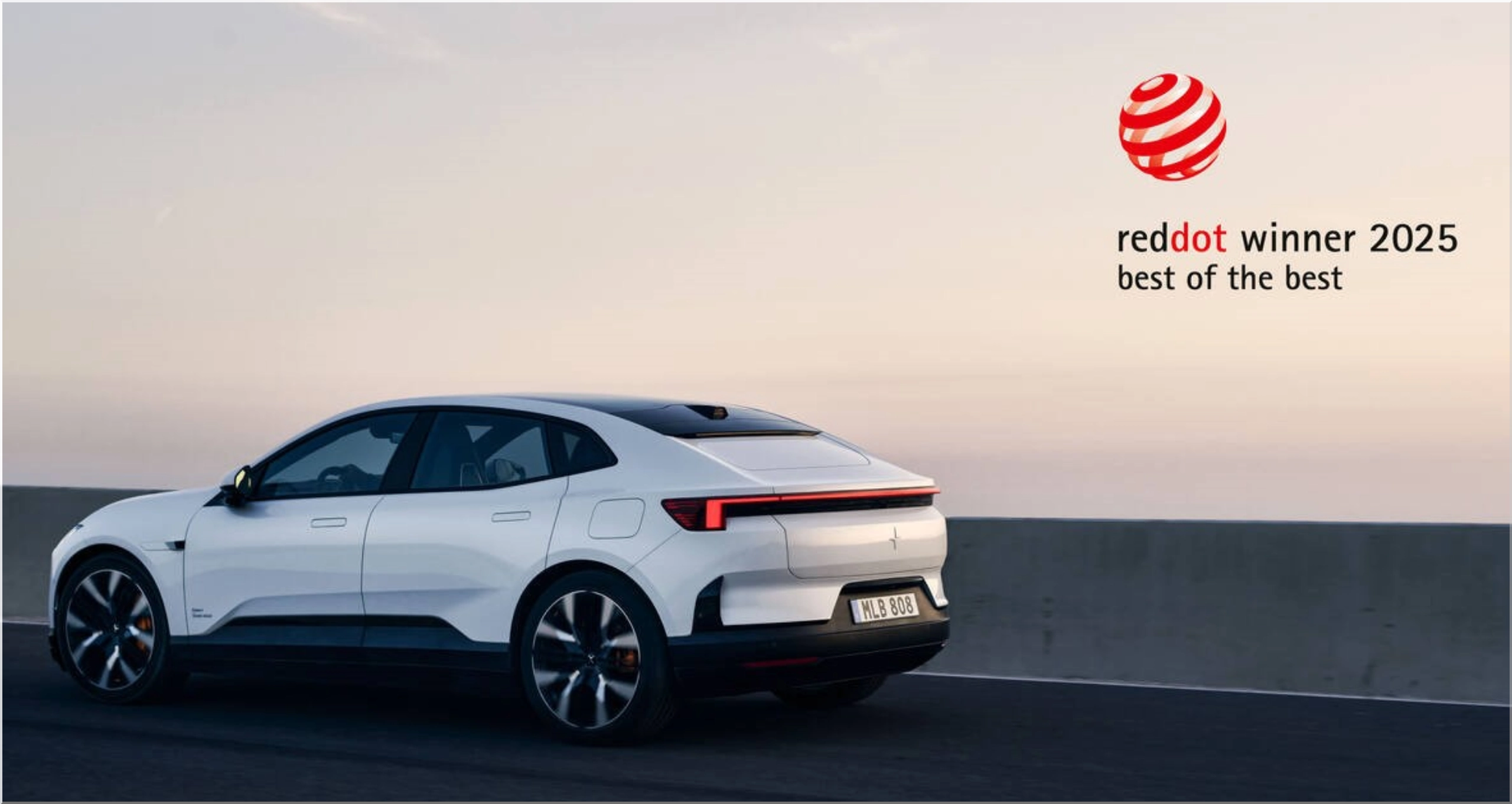
- Polestar 4 coupe-style SUV
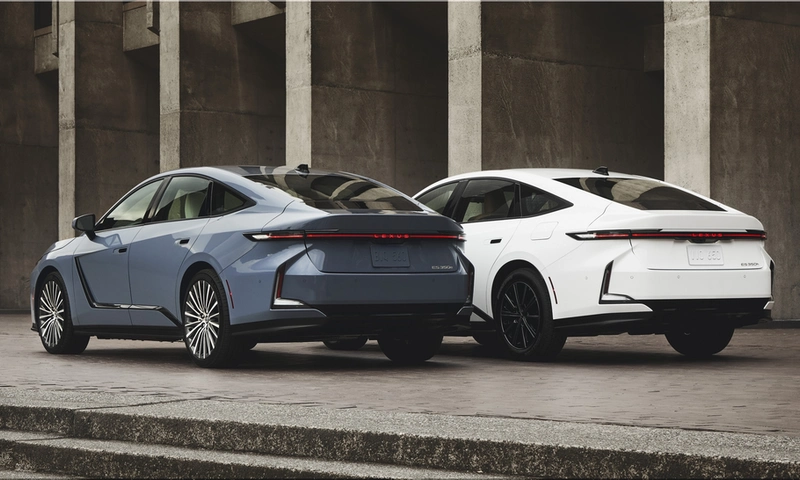
- Polestar 5 performance sedan
Each model targets a defined buyer profile. None chase volume at the expense of margins. That discipline matters in 2025.
Retail Expansion, Not Dealer Saturation
Polestar added sales locations across Europe and North America. These spaces focus on test drives and delivery, not inventory stacking.
That approach lowered overhead while improving conversion rates. Buyers knew where to find the brand.
Manufacturing Diversification
Polestar builds vehicles in North America and Asia today. European production for the upcoming Polestar 7 will follow.
This spread reduces tariff exposure and logistics risk. It also shortens delivery times in key markets.
Q4 Momentum Shows Buyer Confidence
Fourth-quarter results offer the cleanest signal of buyer intent.
Polestar sold 15,608 vehicles in Q4 2025, up 27 percent from the same period in 2024. That increase arrived during a season when incentives drive many EV purchases.
Polestar avoided aggressive discounting. Buyers paid for the product, not rebates.
How Polestar Compares With Similar Premium EV Brands
Polestar sits in a narrow but valuable space in the premium electric vehicle market. It operates between mass-scale EV leaders and low-volume luxury startups. That positioning shapes how it competes.
Versus Tesla
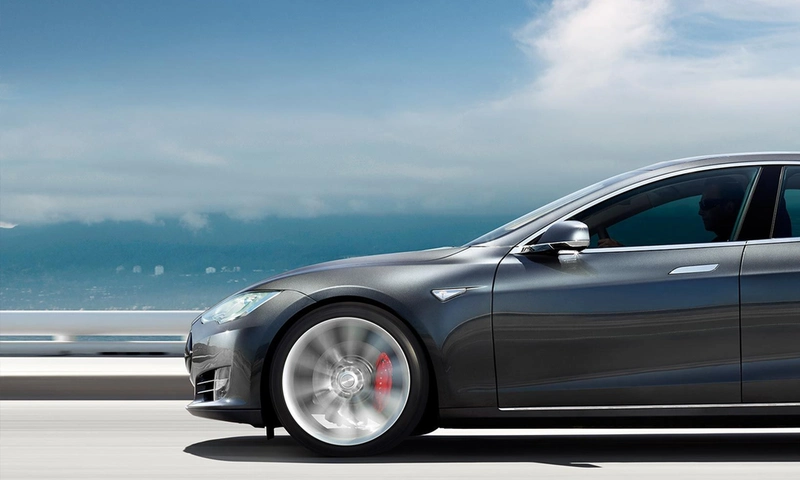
Tesla dominates on volume and infrastructure. Its global deliveries exceed Polestar’s by a wide margin. Tesla also benefits from software integration and charging access.
Polestar competes differently. It targets buyers who want premium EV design, restrained styling, and traditional build quality. While Tesla focuses on scale efficiency, Polestar prioritizes material quality, ride tuning, and brand clarity. In 2025, Polestar’s growth rate outpaced Tesla’s, even as Tesla retained volume leadership.
Versus Lucid
Lucid plays at the high end of the market. It sells fewer vehicles but pushes extreme range and power figures. That approach limits volume but attracts early adopters.
Polestar sells at higher scale than Lucid and operates with broader global reach. Its vehicles trade headline specs for everyday usability. Buyers choosing Polestar often value design discipline and price stability over maximum range numbers.
Versus Rivian
Rivian targets a different buyer. Its focus stays on electric trucks and adventure-oriented SUVs. That strategy resonates in North America but does not overlap heavily with Polestar’s sedan and crossover lineup.
Polestar benefits from European demand and urban buyers. Rivian benefits from lifestyle branding. Both avoid direct overlap, but Polestar’s broader international footprint provides steadier volume.
Versus Legacy Premium Brands
BMW, Audi, and Mercedes sell far more EVs overall. They leverage existing dealer networks and long-standing brand trust. Their EV portfolios span multiple price bands.
Polestar counters with focus. It operates as a pure EV brand with no internal combustion legacy. That clarity appeals to buyers who want electric-first engineering rather than converted platforms.
Competitive Takeaway
Polestar does not win on scale. It wins on precision.
- Larger than luxury startups
- Smaller than legacy giants
- Faster growth than many premium peers
That balance allowed Polestar to grow in 2025 while others slowed. If execution holds, that position remains defensible as the premium EV segment matures.
Pricing Strategy Keeps Polestar Competitive
Polestar pricing remains premium but controlled.
Approximate USD starting prices:
- Polestar 2: ~$49,000
- Polestar 3: ~$83,000
- Polestar 4: ~$56,000
- Polestar 5: ~$90,000 (estimated)
These numbers place Polestar above entry-level EVs but below ultra-luxury brands. Buyers know what they get for the money.
Sustainability Targets Still Shape Strategy
Polestar tied growth to sustainability metrics from day one.
The brand plans to:
- Cut per-vehicle greenhouse gas emissions by 50 percent by 2030
- Reach climate-neutral operations by 2040
Those targets shape sourcing, materials, and manufacturing choices. They also influence buyer perception in Europe, where regulation tightens yearly.


What Comes Next: February Strategy Update
Polestar management plans a public strategy update in February 2026. The agenda includes:
- Product pipeline updates
- Financial outlook
- Manufacturing plans
- Market expansion priorities
This update matters for investors and buyers alike. Polestar now must defend its gains.
Risks Still Exist
Growth does not remove pressure.
Polestar faces several challenges:
- Slower EV adoption in some markets
- Battery cost volatility
- Competitive pricing from legacy brands
- Capital market scrutiny tied to public listing rules
The company recently regained Nasdaq compliance after adjusting its share structure. That stability supports long-term planning.
What This Means for EV Buyers
Polestar’s 2025 performance sends a signal.
The brand sells cars people want at prices they accept. It avoids experimental designs that scare buyers. It delivers range, performance, and software stability.
For buyers shopping premium EVs, Polestar now ranks as a safer bet than many newer names.
Pro Tip for EV Shoppers
If resale value and brand stability matter, track sales momentum. Rising volume often protects long-term ownership costs.
Polestar now shows that trend.
Image gallery:
The Bottom Line
Polestar exited 2025 with measurable progress. Record sales, double-digit growth, and retail expansion place it in a stronger position than many EV peers.
The next test comes in 2026. Execution will decide if Polestar converts momentum into lasting market share.
- Add new comment
- 293 views