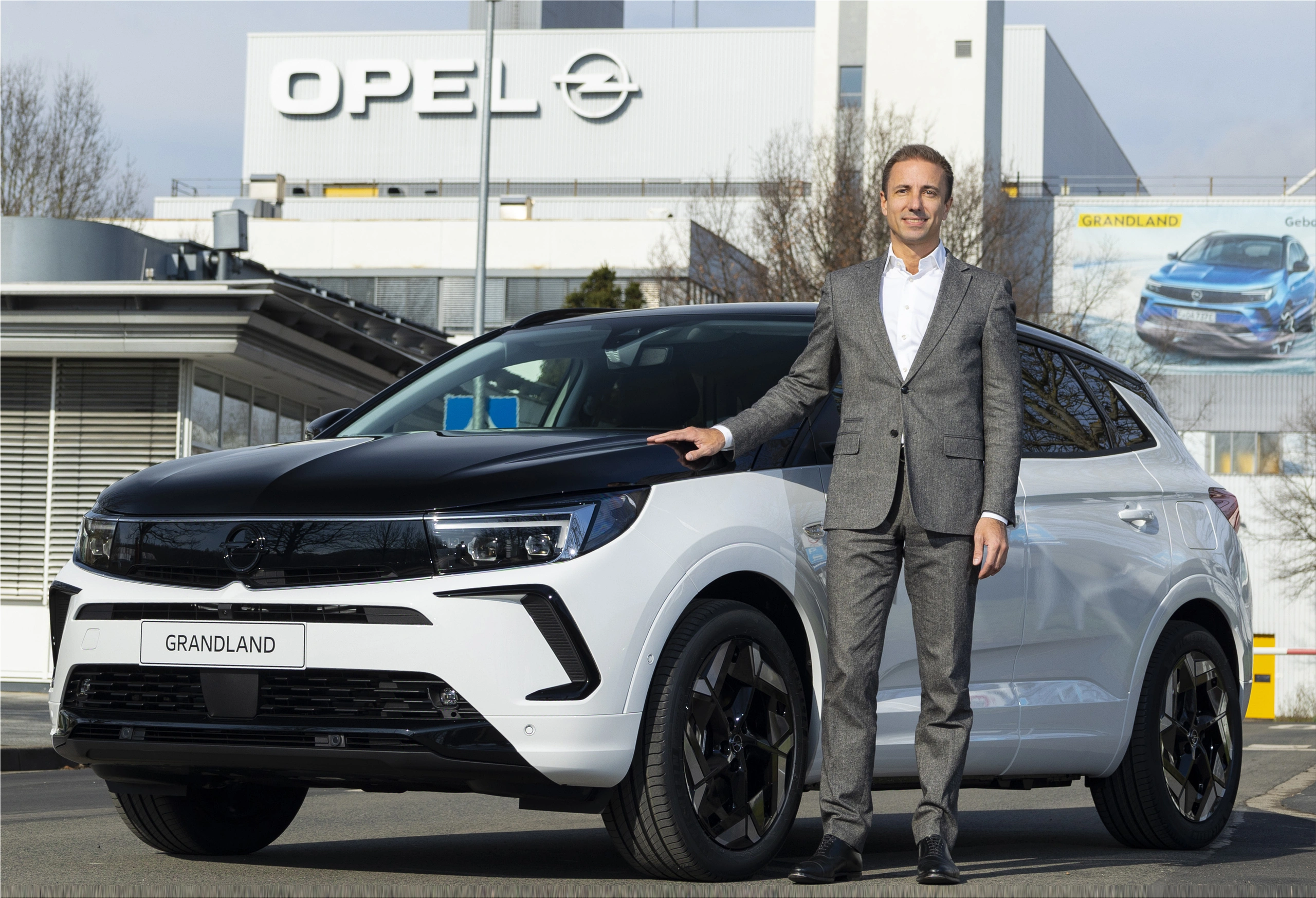
Stellantis, the world's largest automotive manufacturer, has announced an investment of over 130 million euros in its Eisenach (Germany) plant. The facility, which now produces the Opel Grandland compact SUV, will also add production of the model's successor BEV car, which will be constructed on the brand-new STLA Medium platform. The new BEV is expected to enter production in the second half of 2024. This expenditure is a crucial step toward achieving the objectives of the Dare Forward 2030 strategic plan, which aspires, among other things, to reduce CO2 emissions and achieve net-zero emissions by 2038 substantially.
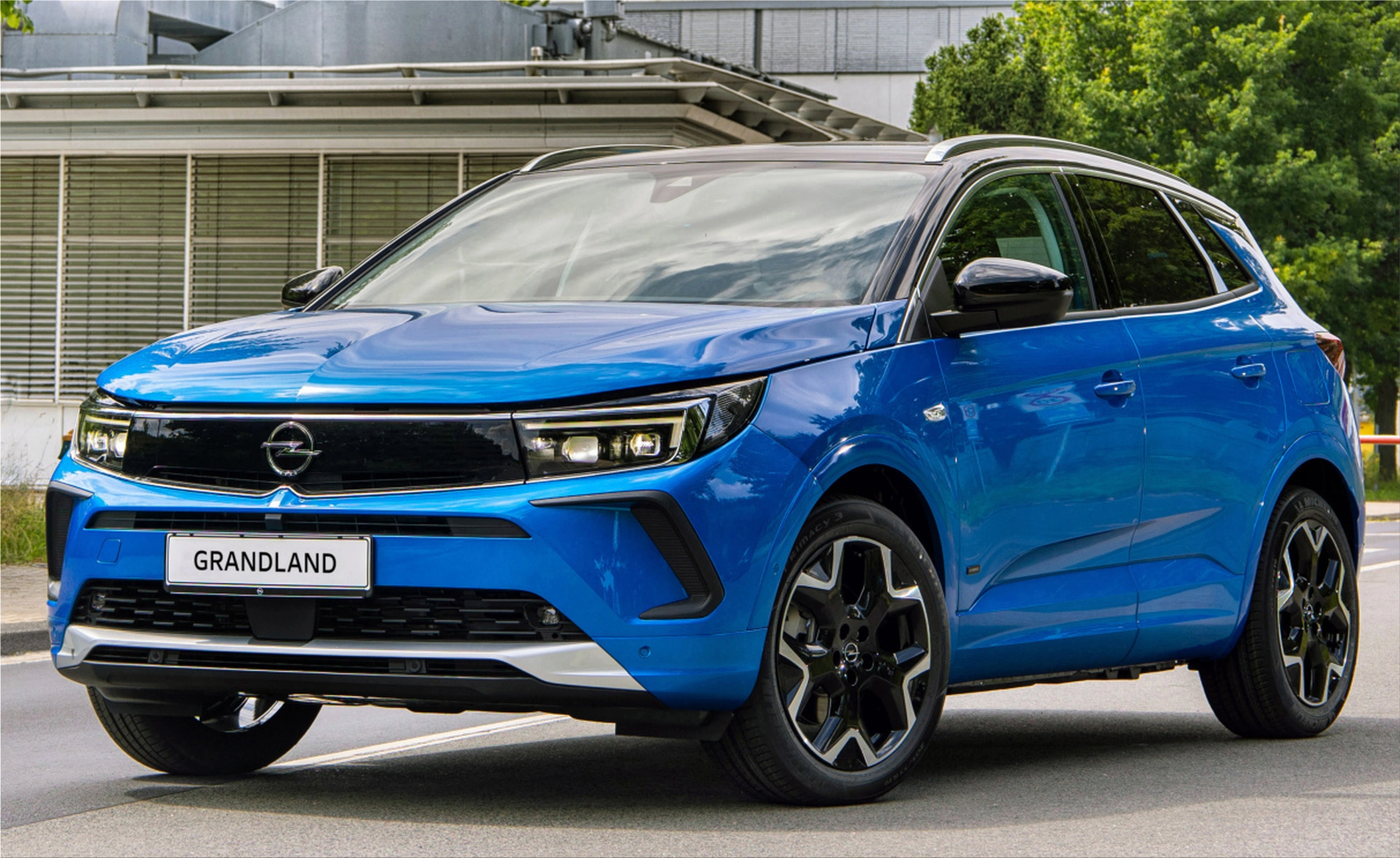
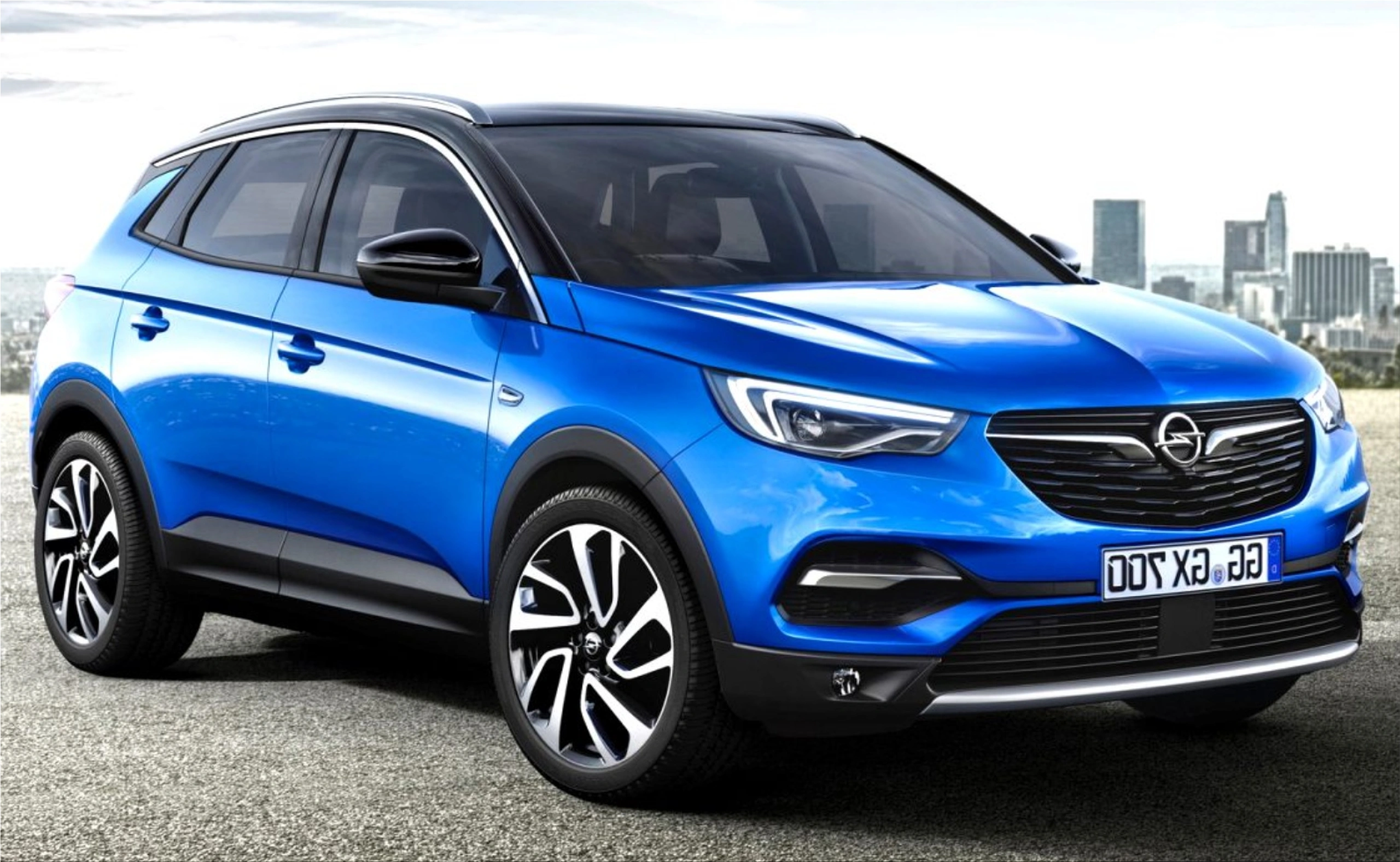
Manufacturing a battery electric vehicle (BEV) at Eisenach demonstrates Opel's commitment to an all-electric lineup by 2028. The Opel Grandland model, which presently offers a plug-in hybrid edition, has established itself in the compact SUV sector and impresses buyers with its sporty and attractive appearance, new technologies, and premium support systems. The Opel Grandland is also equipped with the adaptable IntelliLux LED Pixel lighting system and the Night Vision function, which detects and actively warns the driver of pedestrians and animals in the dark up to 100 meters away.

According to Arnaud Deboeuf, Stellantis's Chief Manufacturing Officer, "Eisenach, our facility in Germany with the smallest footprint, has shown a strong commitment to quality improvement. With the award of Stellantis' new entirely BEV platform, STLA Medium, the highly qualified workforce of the Eisenach plant will continue to reduce production costs and improve the quality of vehicles to better please customers."
The CEO of Opel, Florian Huettl, also remarked on the investment, adding, "This decision is a significant step towards Opel's aim of being a fully electric brand in Europe by 2028."
The investment in Eisenach by Stellantis exemplifies the company's core concept of "Winning together." Chairman of the Supervisory Board of Opel and Chief Human Resources & Transformation Officer of Stellantis, Xavier Chereau, emphasized the importance of quality and cost improvement by Eisenach's management and employees, as well as the suggestions of German trade union representatives and the social dialogue with them, in defining the future.
Stellantis's investment in Eisenach aims to invest more than 30 billion euros in electrification and develop the software required to manufacture BEV vehicles that match customer requirements. Thuringia's premier, Bodo Ramelow, is happy with the choice to create a future-proof model lineup in Eisenach, stating, "Thuringia is a region with a strong automotive legacy that is transitioning rapidly to electric mobility."

Stellantis' investment in the Eisenach (Germany) factory is an essential step towards reaching the company's ambitious goals of reducing CO2 emissions, achieving net-zero emissions, and being a global leader in customer satisfaction with its products and services by 2030. Opel's audacious goal of an all-electric model lineup by 2028 is a tremendous step toward sustainable mobility.
Stellantis NV, a leading global automotive company, has introduced its groundbreaking STLA Medium platform, a state-of-the-art Battery Electric Vehicle (BEV) platform designed to redefine the concept of clean, safe, and… Continue reading
Skoda has announced the launch of a full-electric version of its Citigo. The Citigo EV will have a maximum range of 300 km (186 miles) and will be called Citigo E. First rumors about an Skoda electric city car were from a… Continue reading
Voltabox continues to grow. According to preliminary figures, the German battery system manufacturer generated sales of 66.9 million euros in 2018. For the current financial year, it expects further revenue growth of around 60-70 percent (between 105… Continue reading
Cars and motorcycles that run on gasoline or diesel will be banned in the Amsterdam, Netherlands, starting 2030. Starting next year, diesel cars older than 15 years will be banned on the A10 road around the Dutch capital. Also, buses and vans emitting exhaust… Continue reading