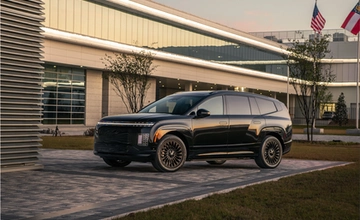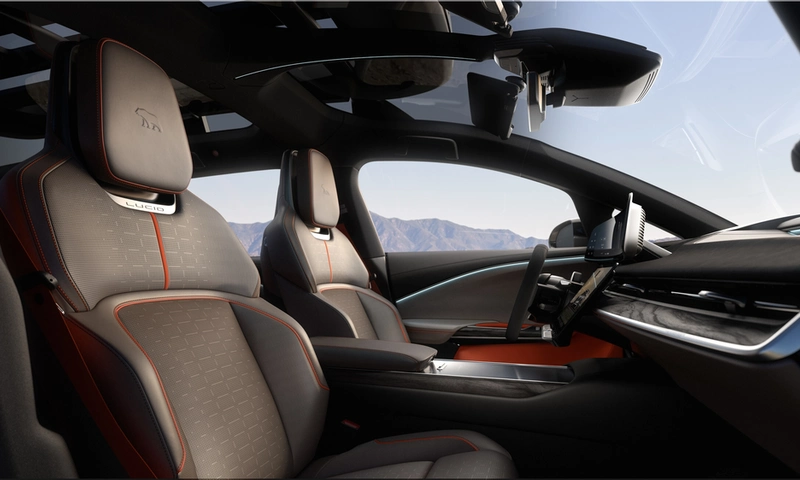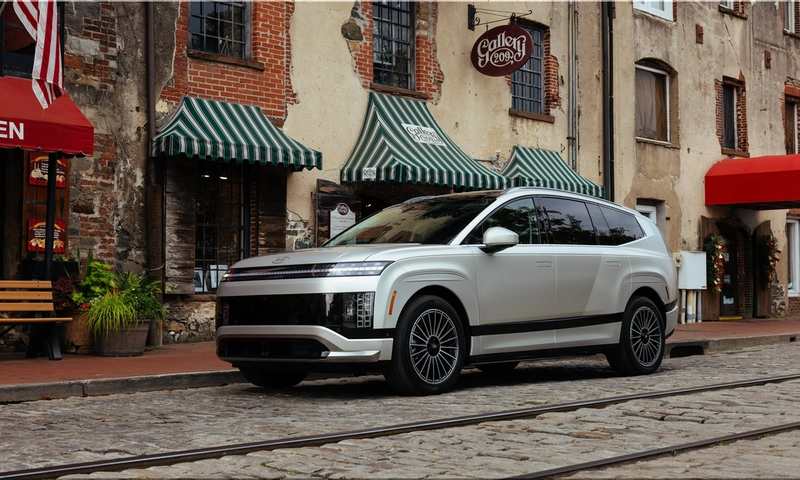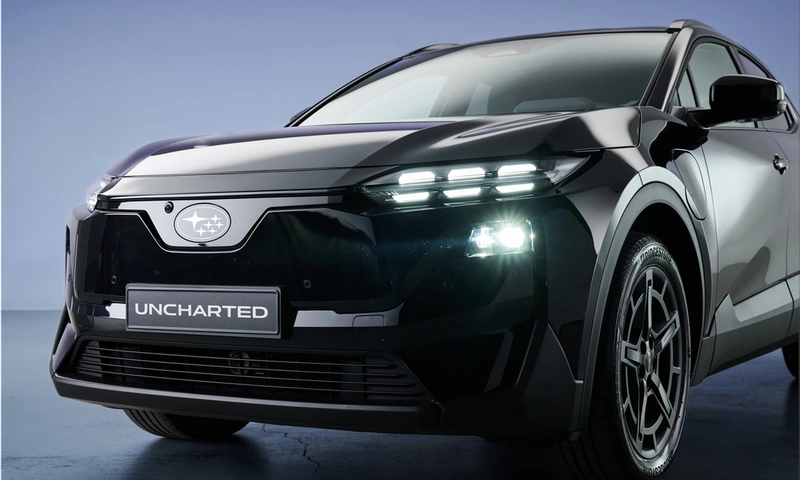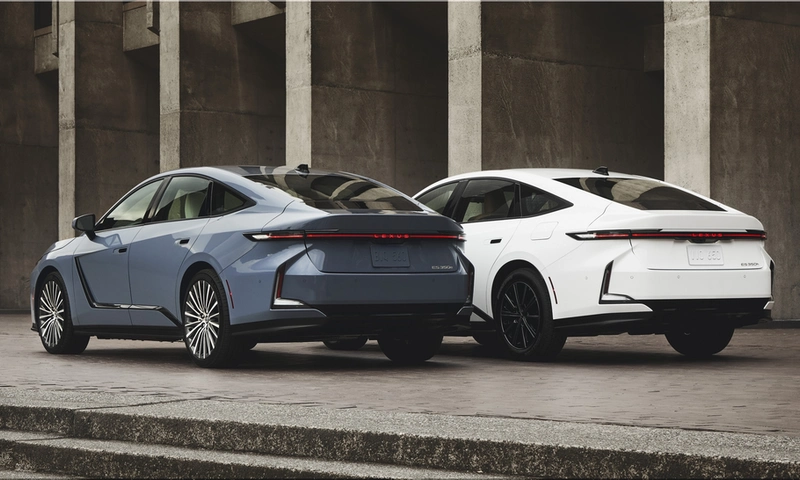
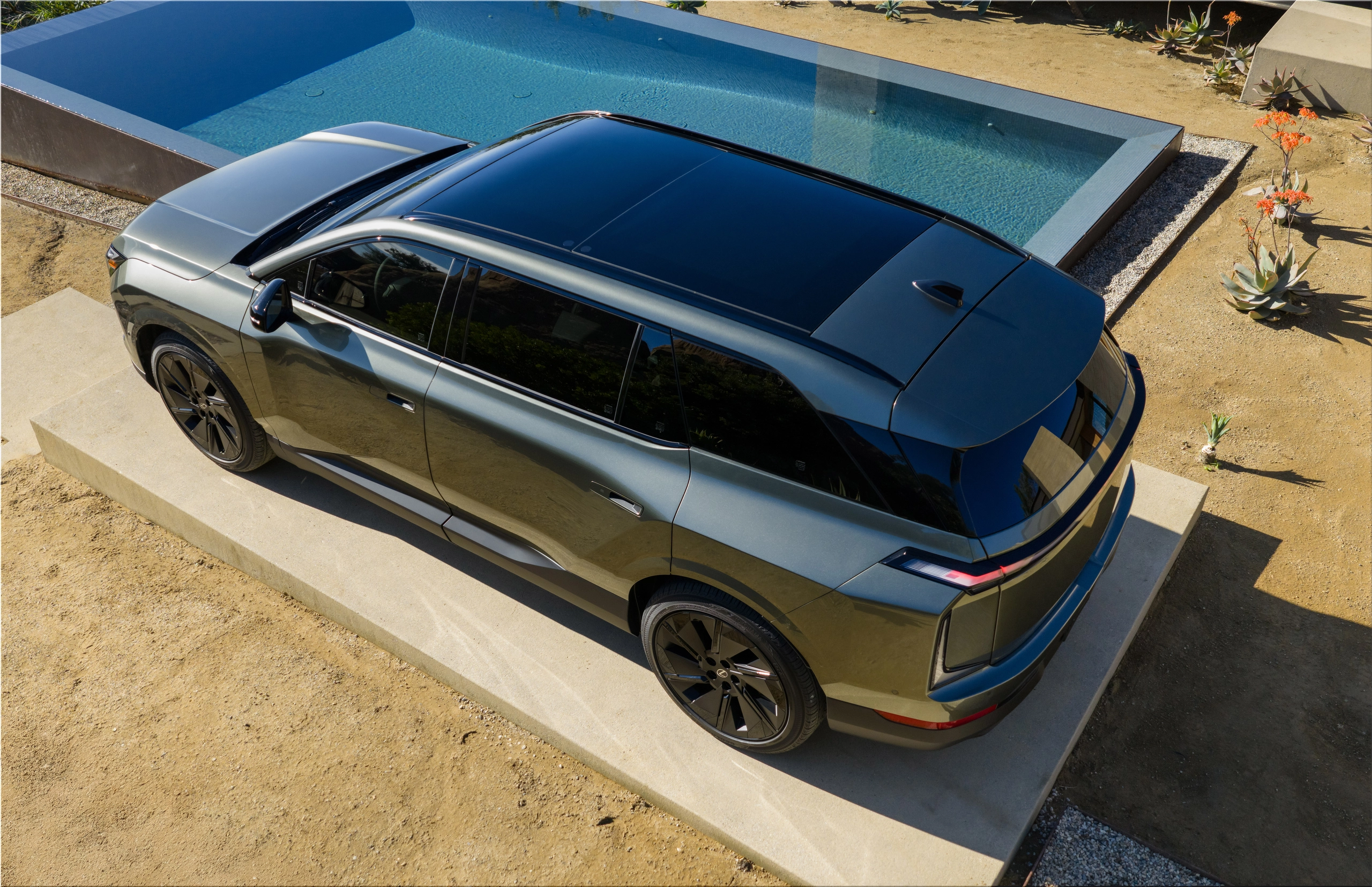
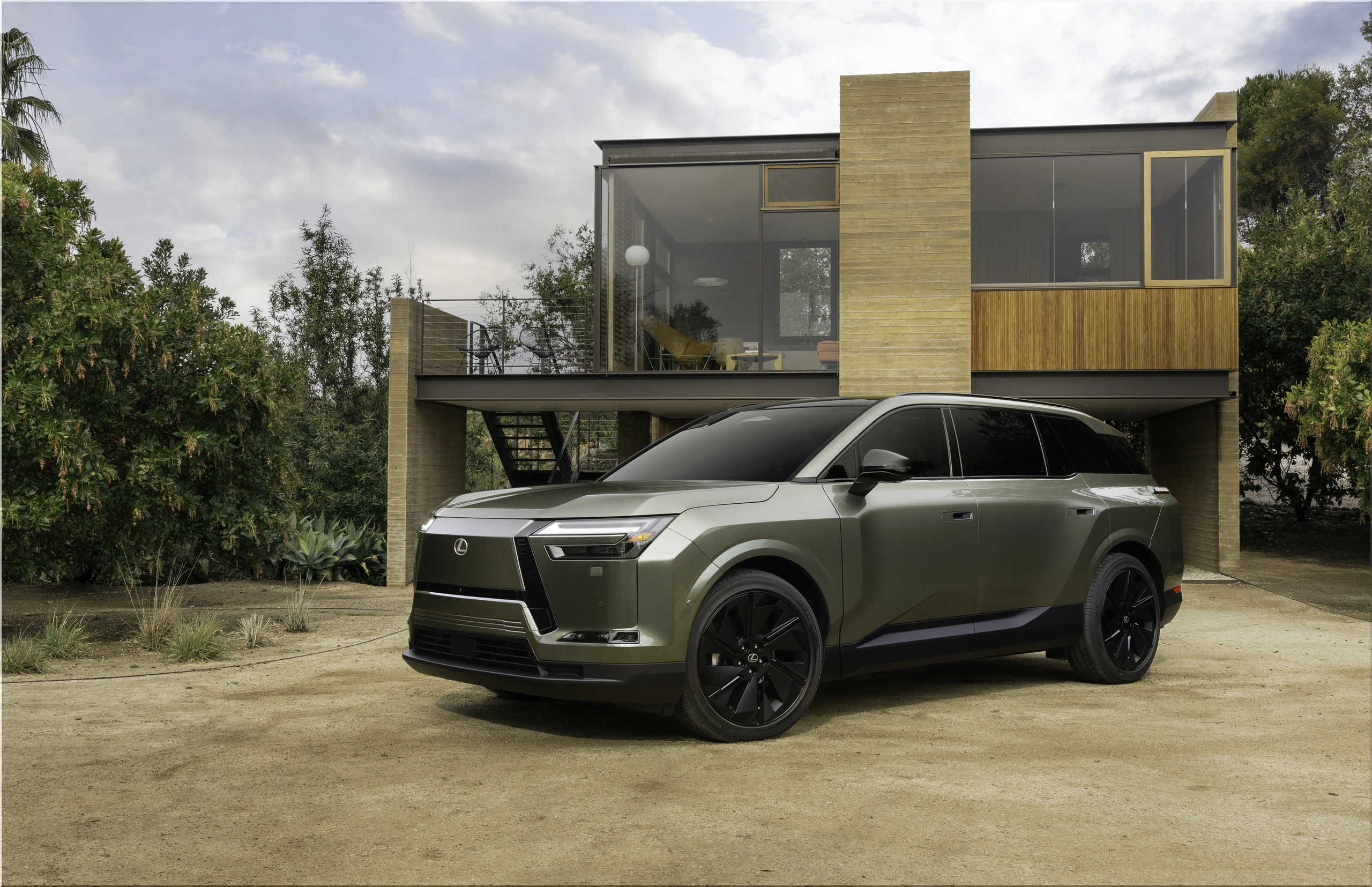
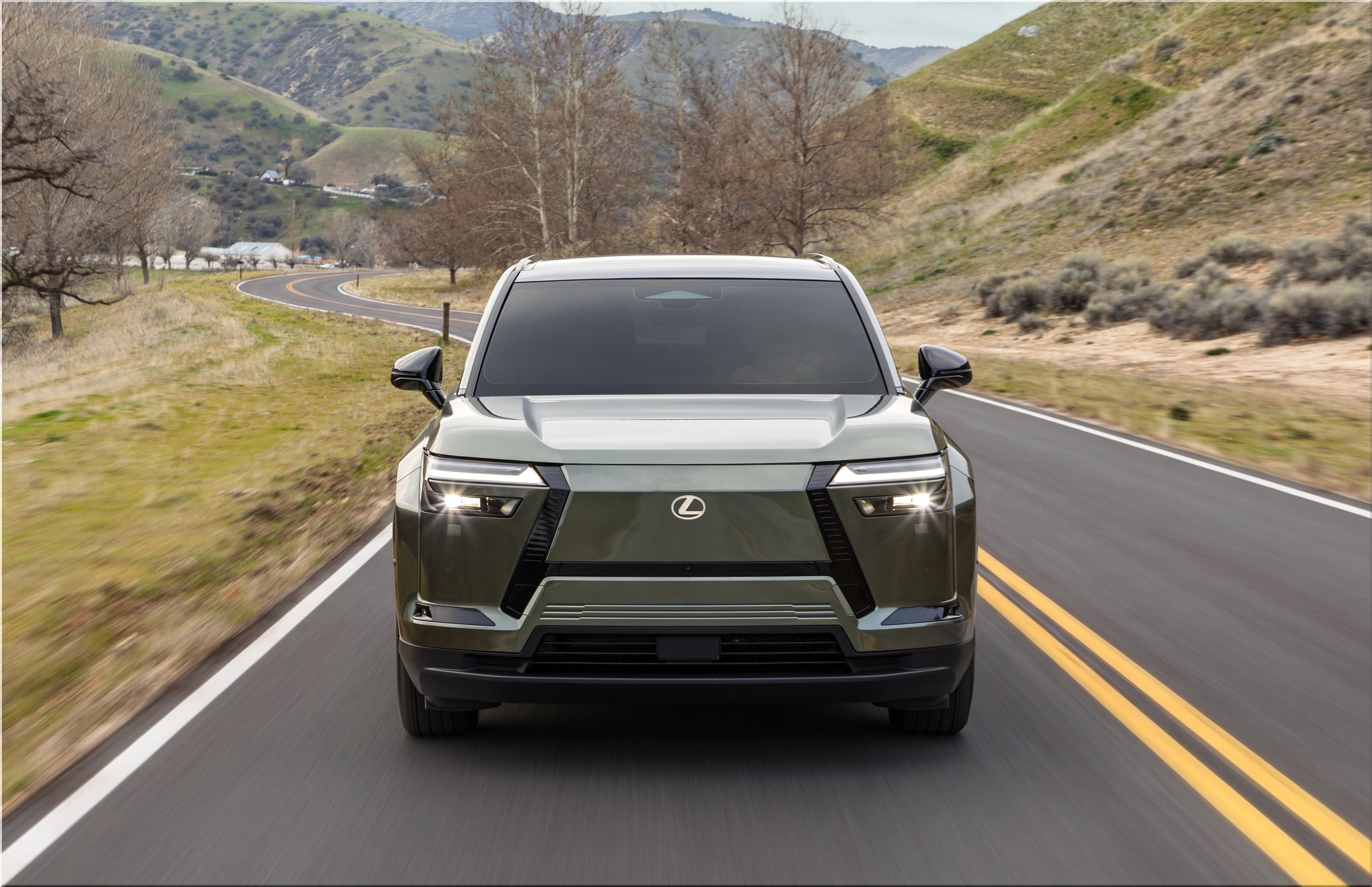
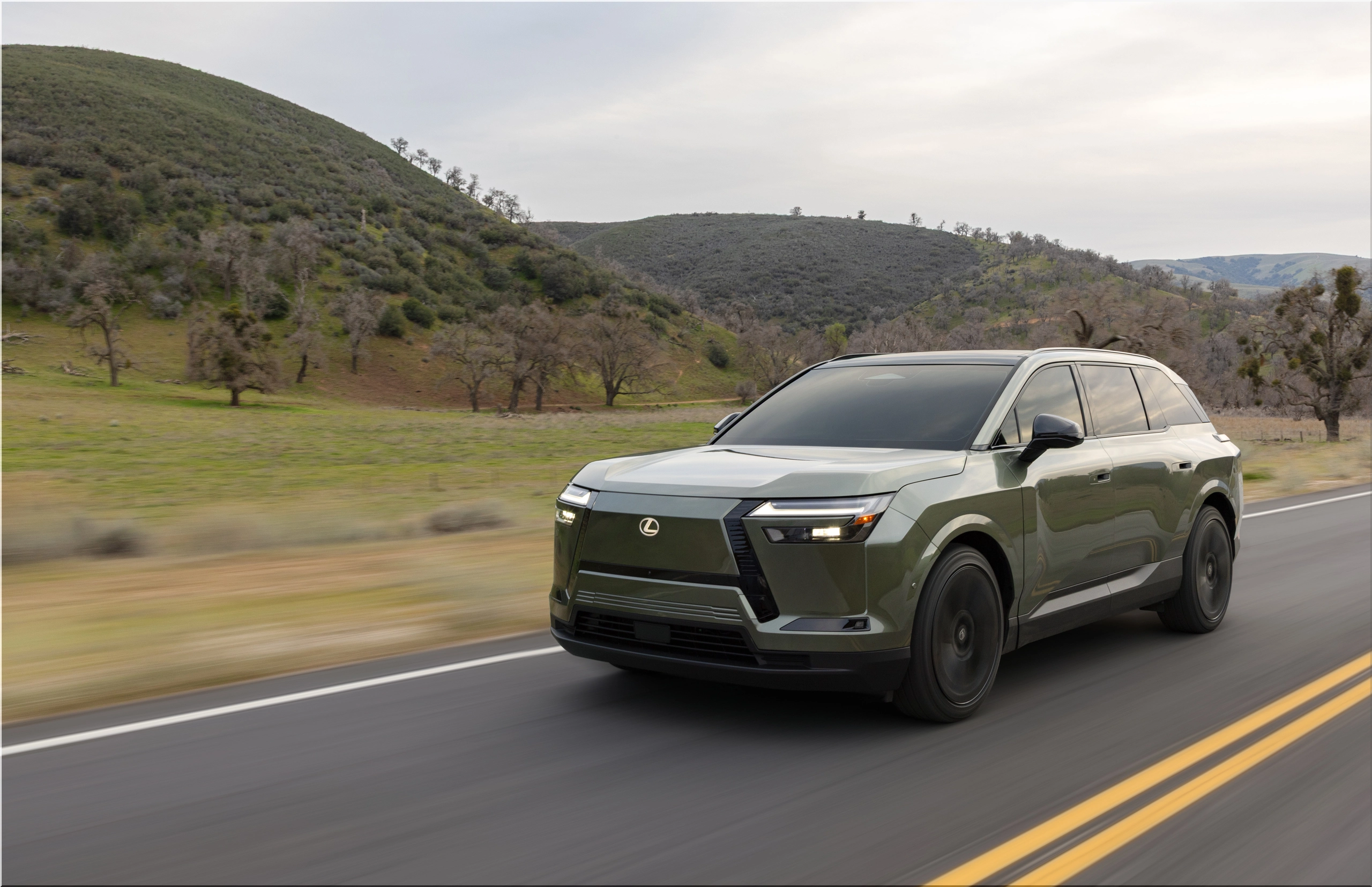
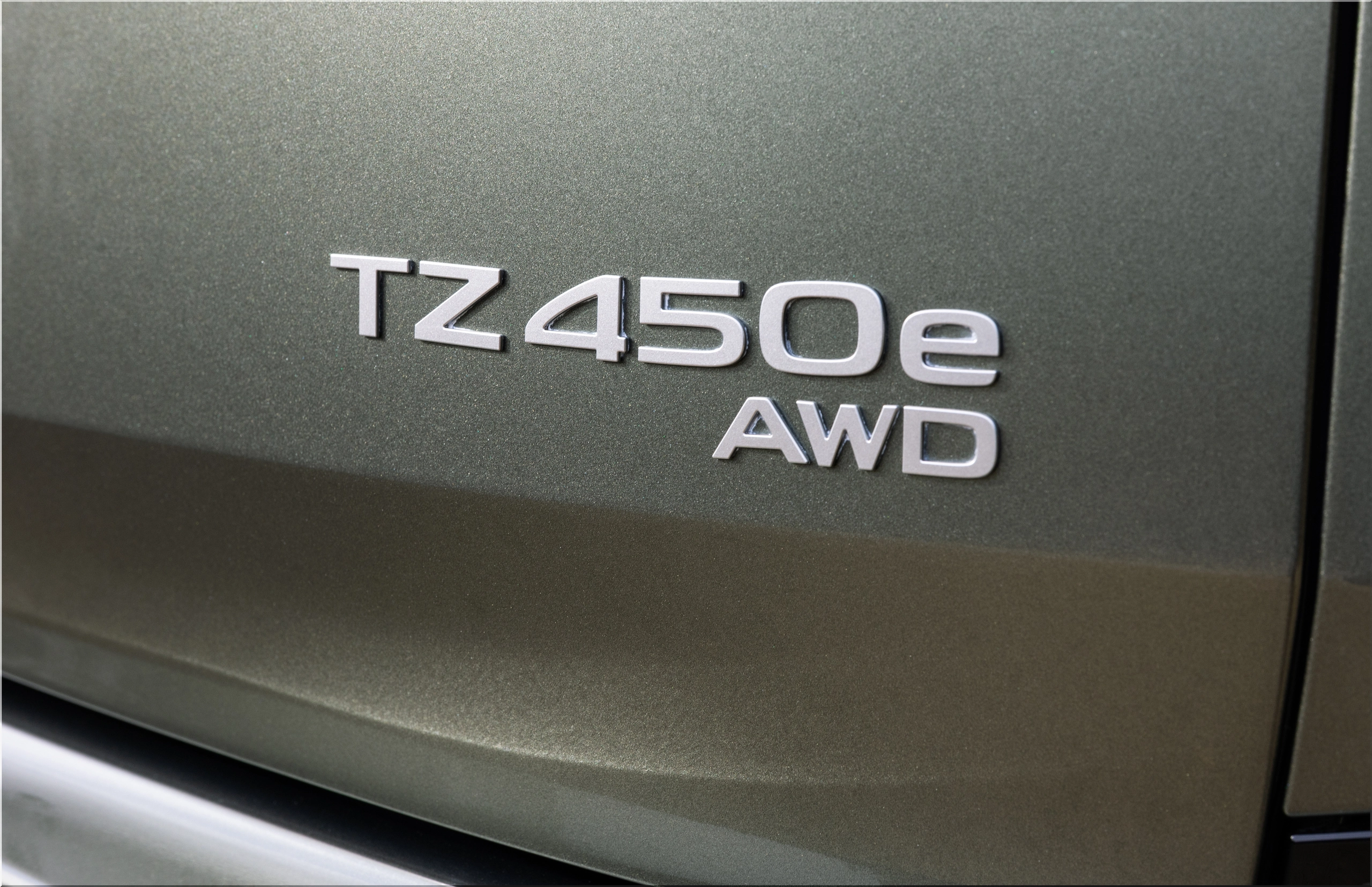
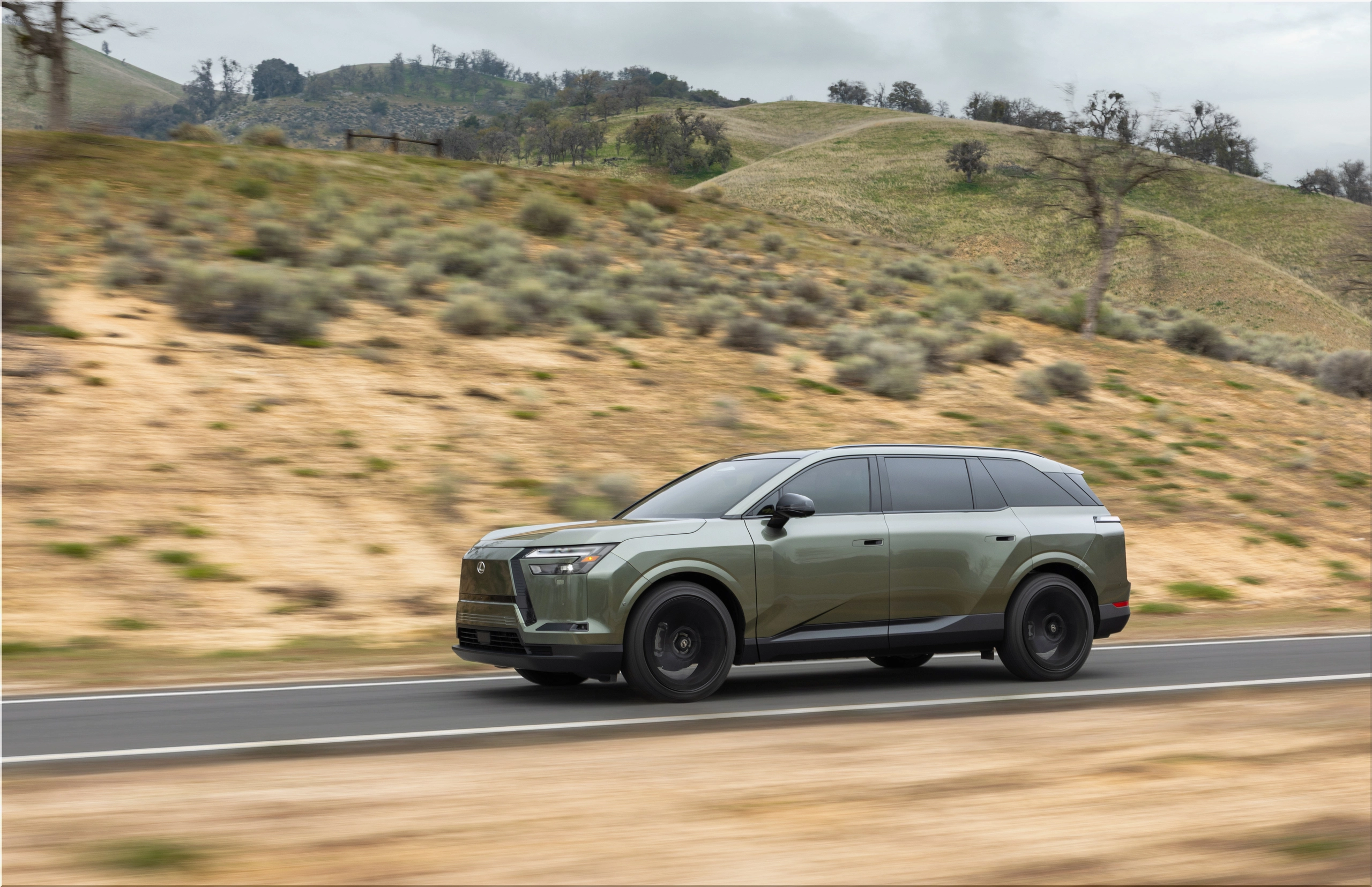
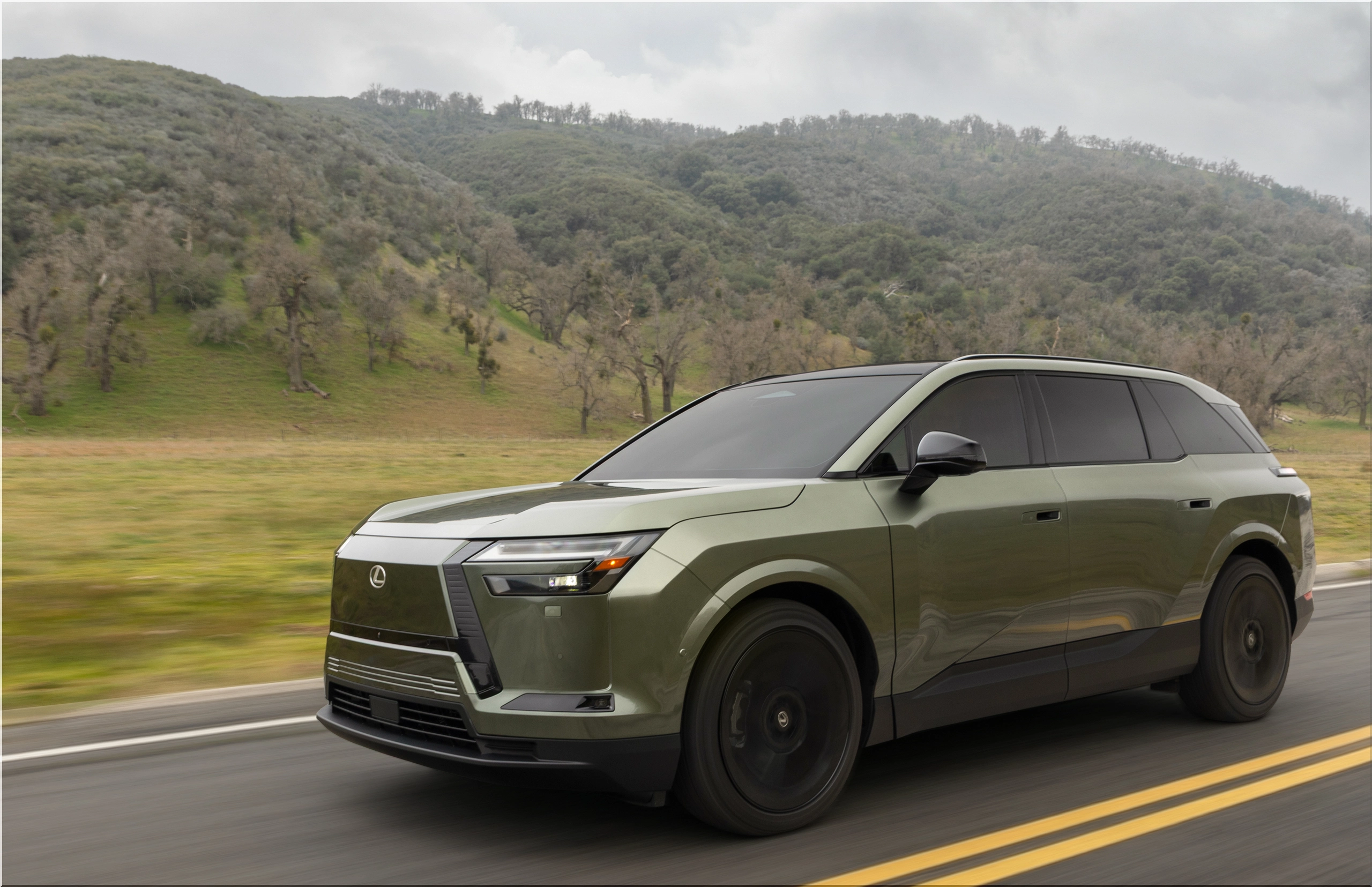
The 2027 Lexus TZ gives Lexus its first three-row all-electric SUV, and the specs show a clear target: affluent families that want quiet long-distance comfort without giving up AWD traction, towing ability, or real third-row packaging. It arrives with up to 300 miles of estimated U.S. range, NACS charging, DIRECT4 AWD, and six-seat luxury layout.
Image
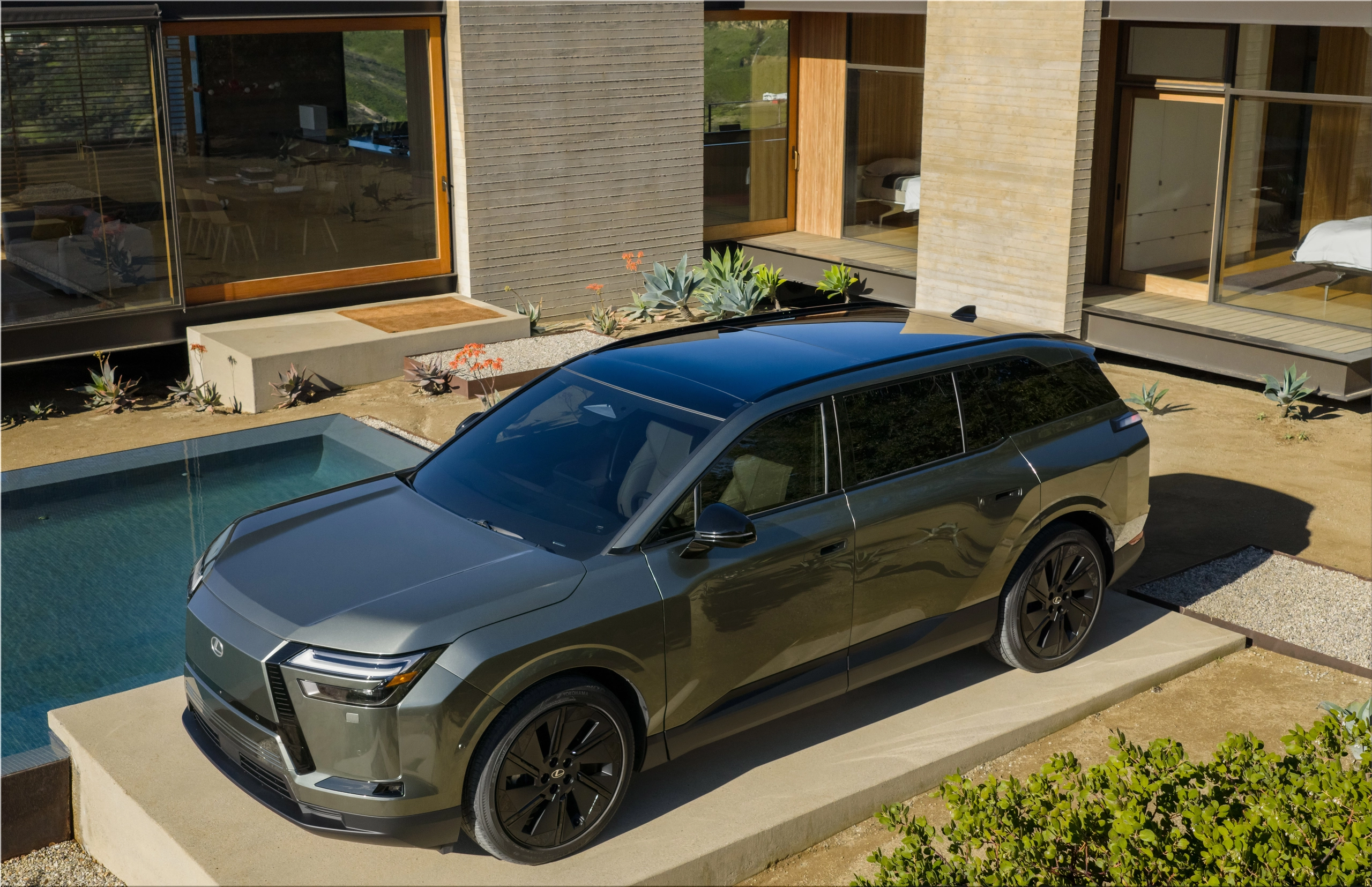
What Is the 2027 Lexus TZ?
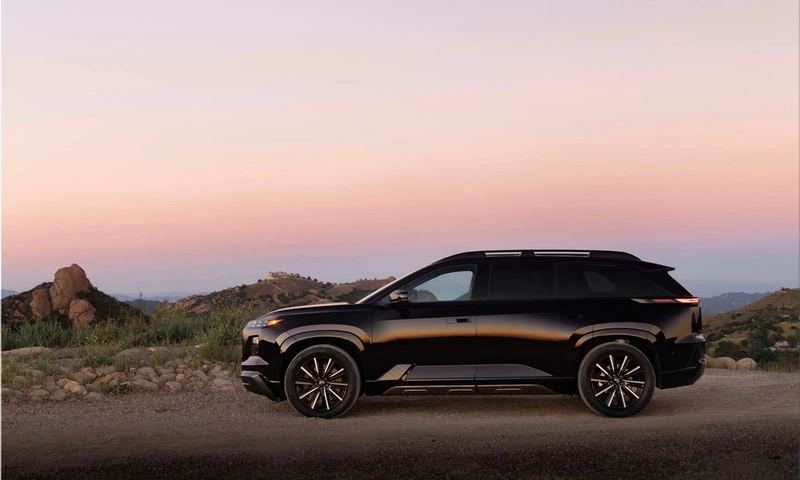
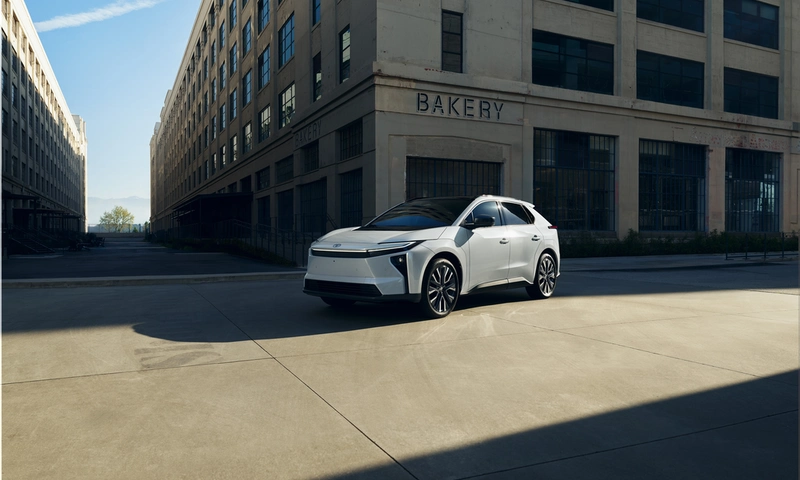
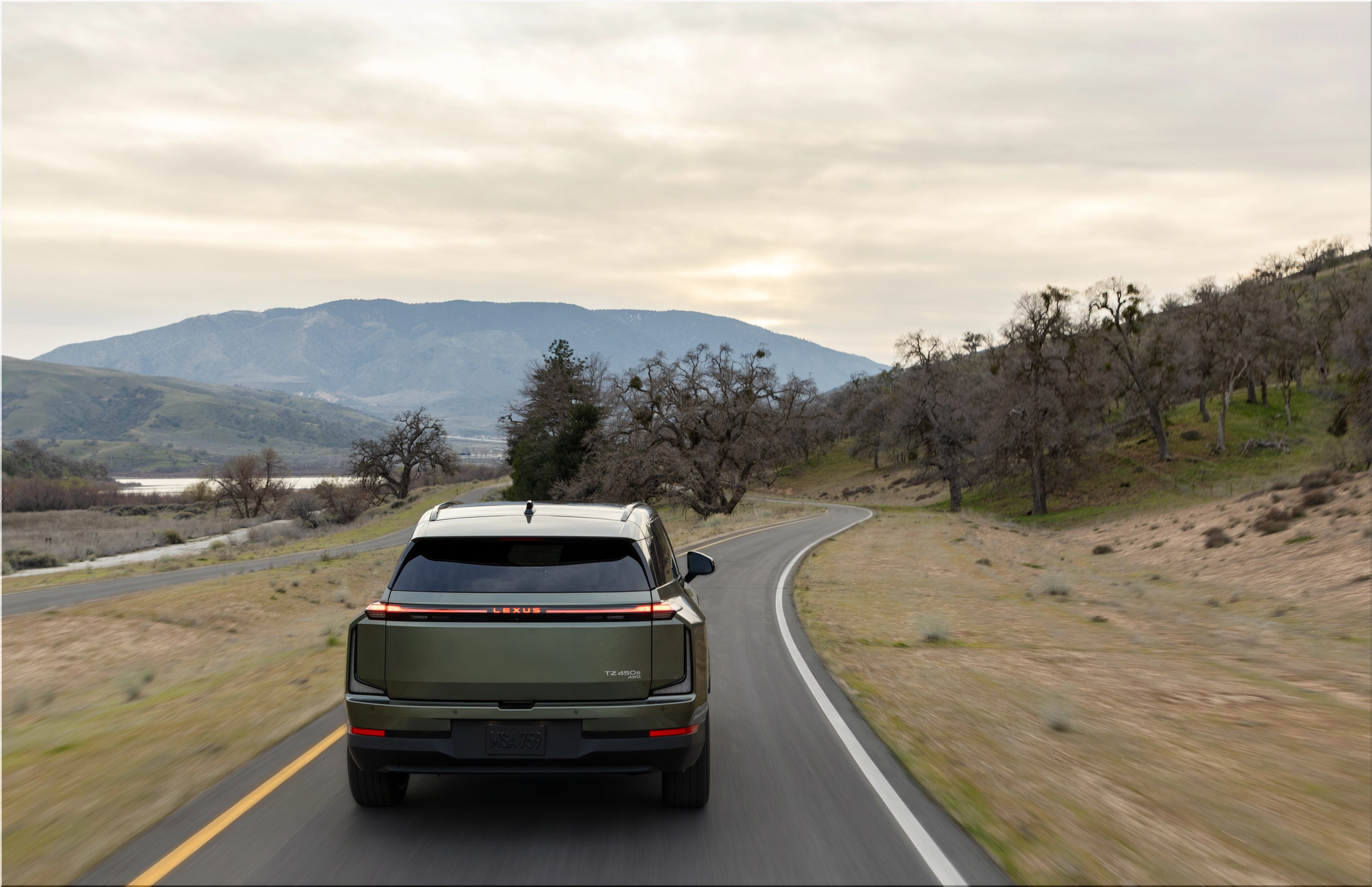
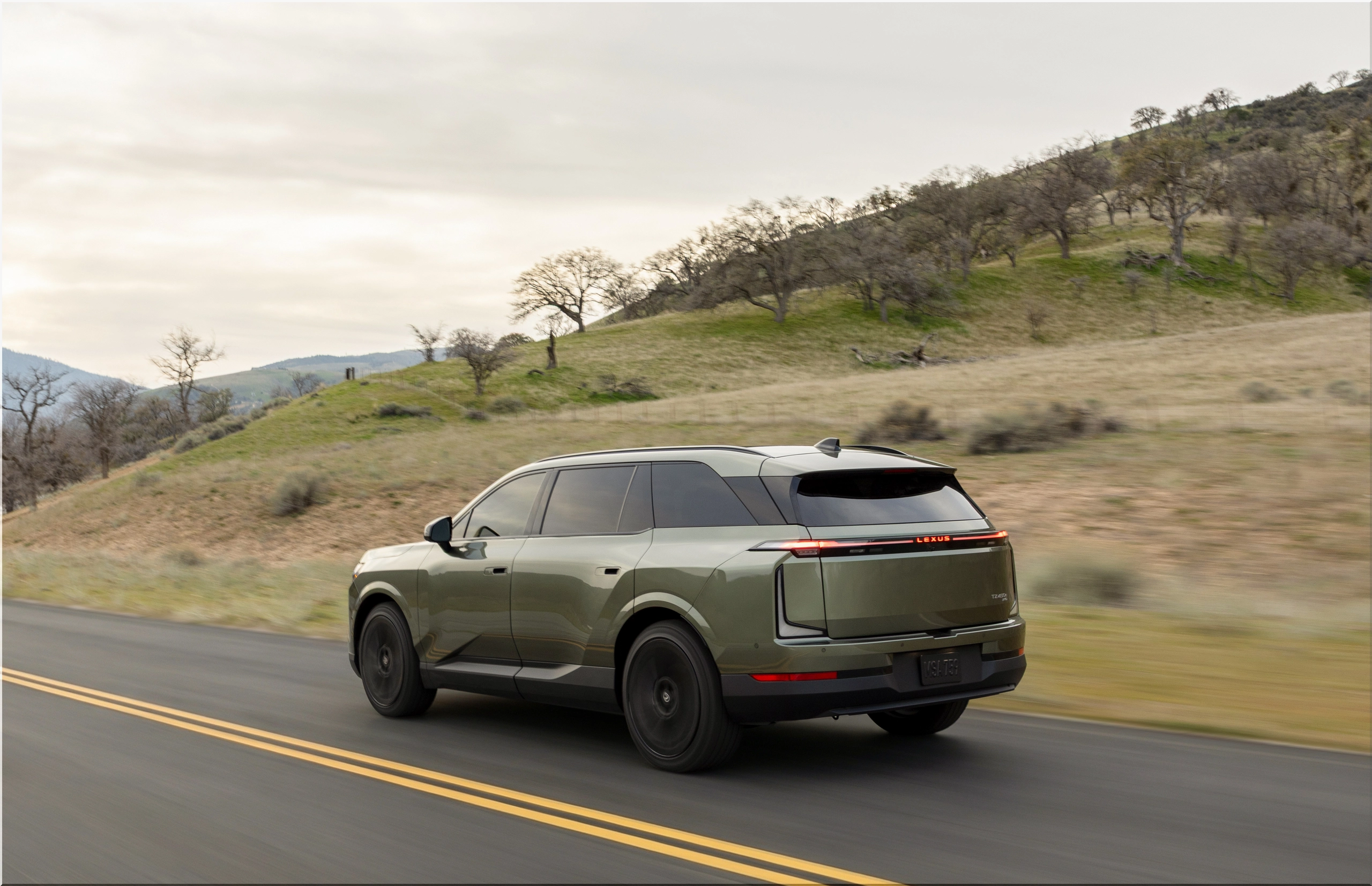
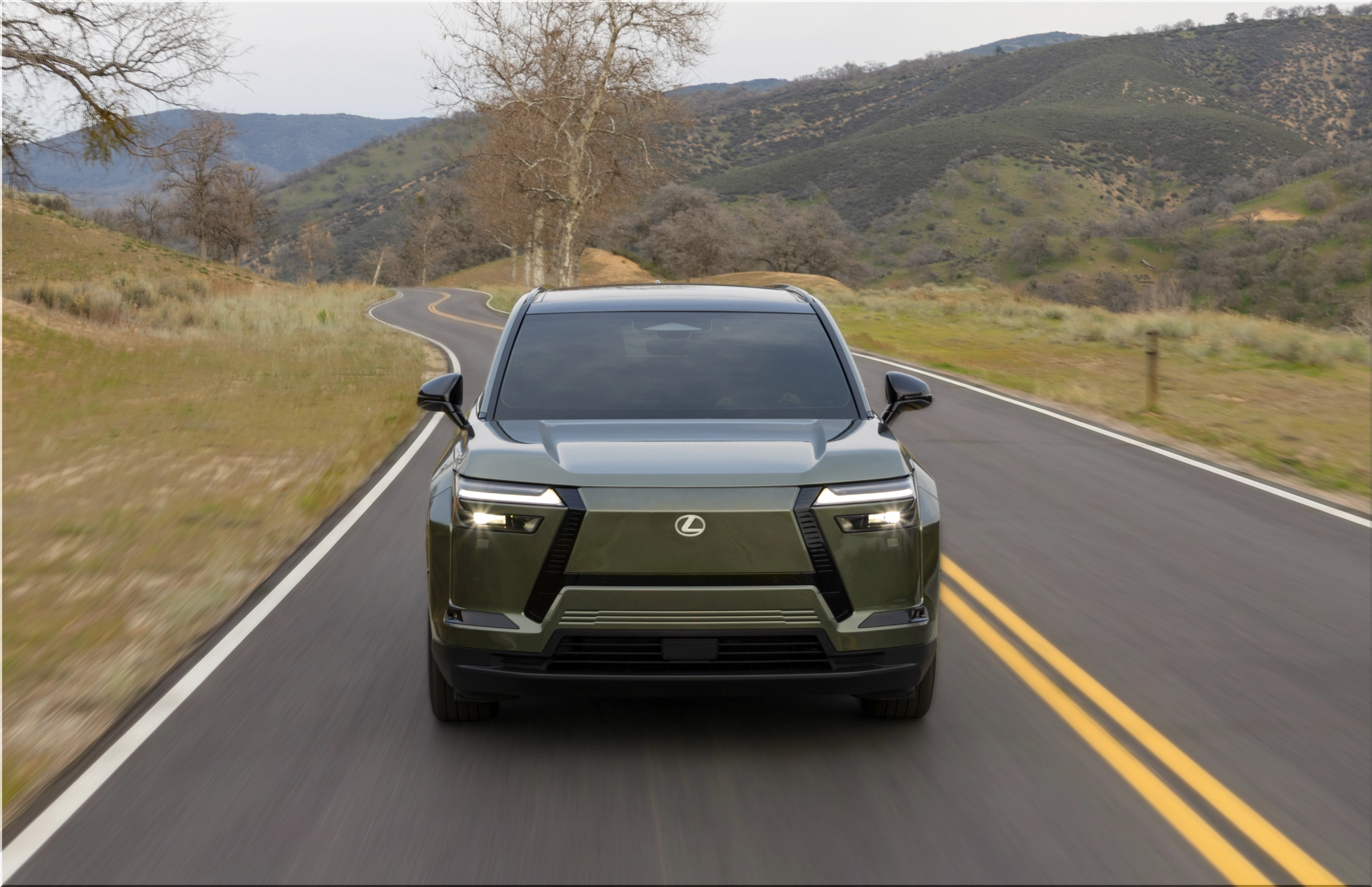
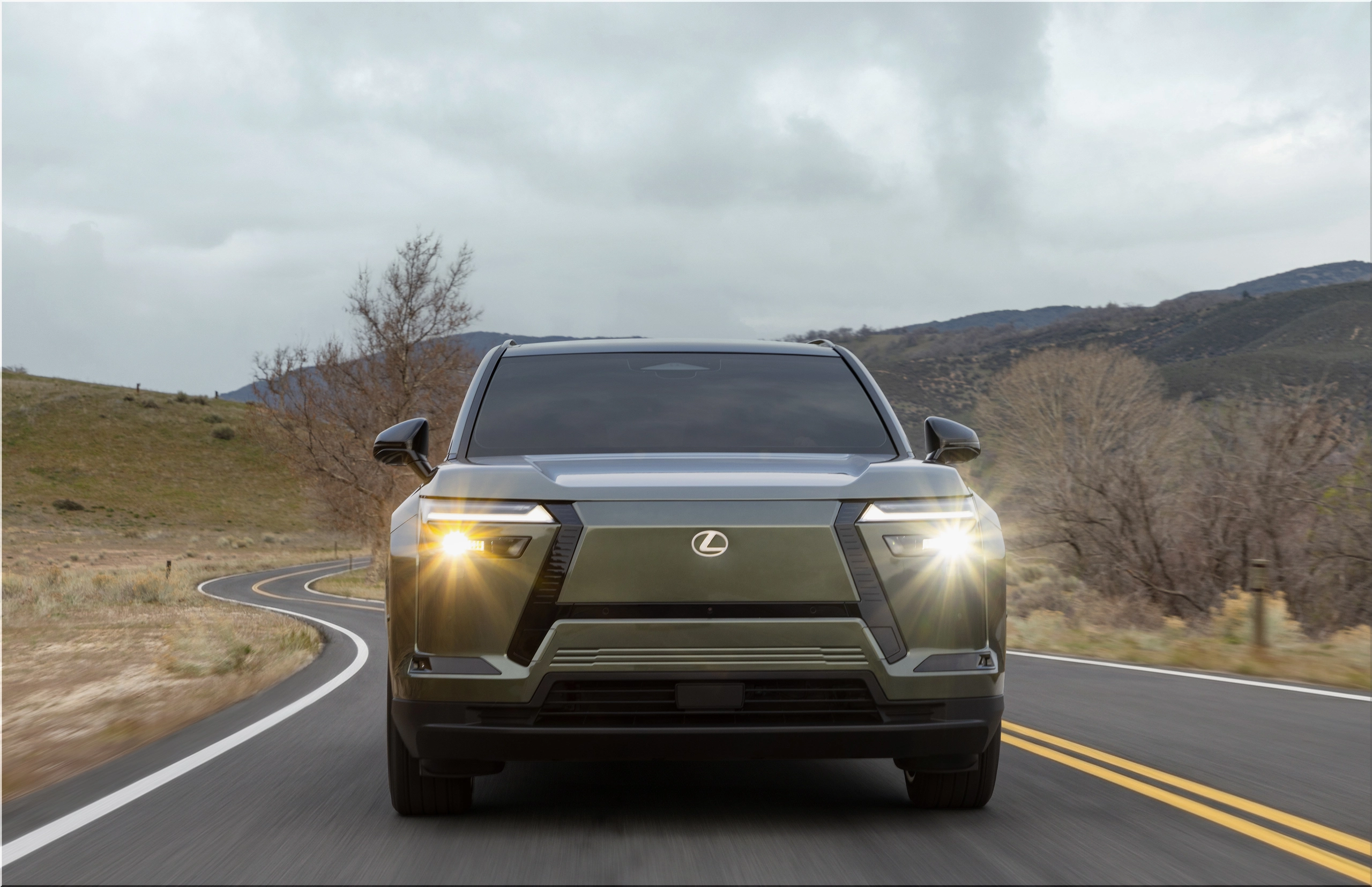
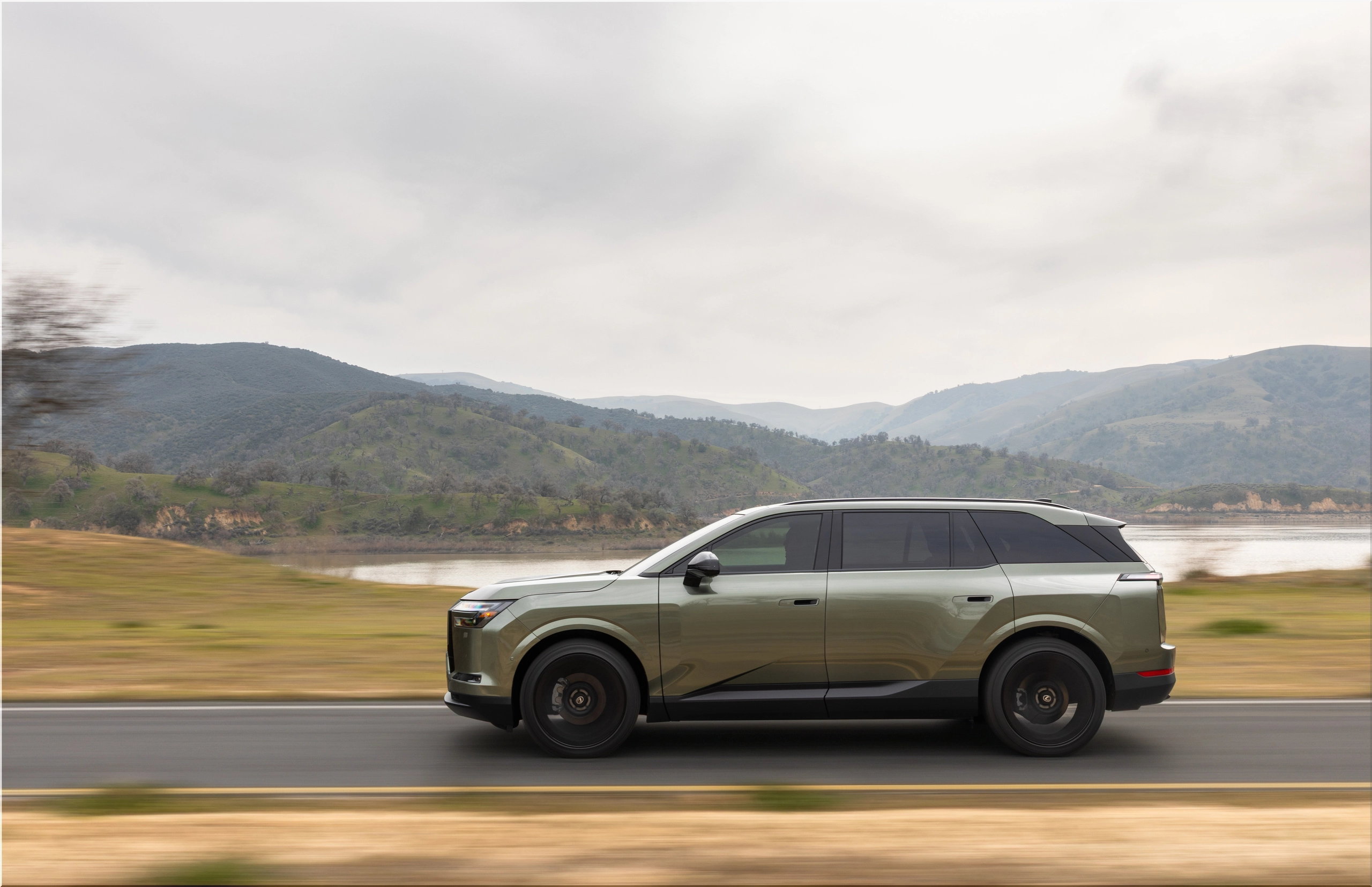
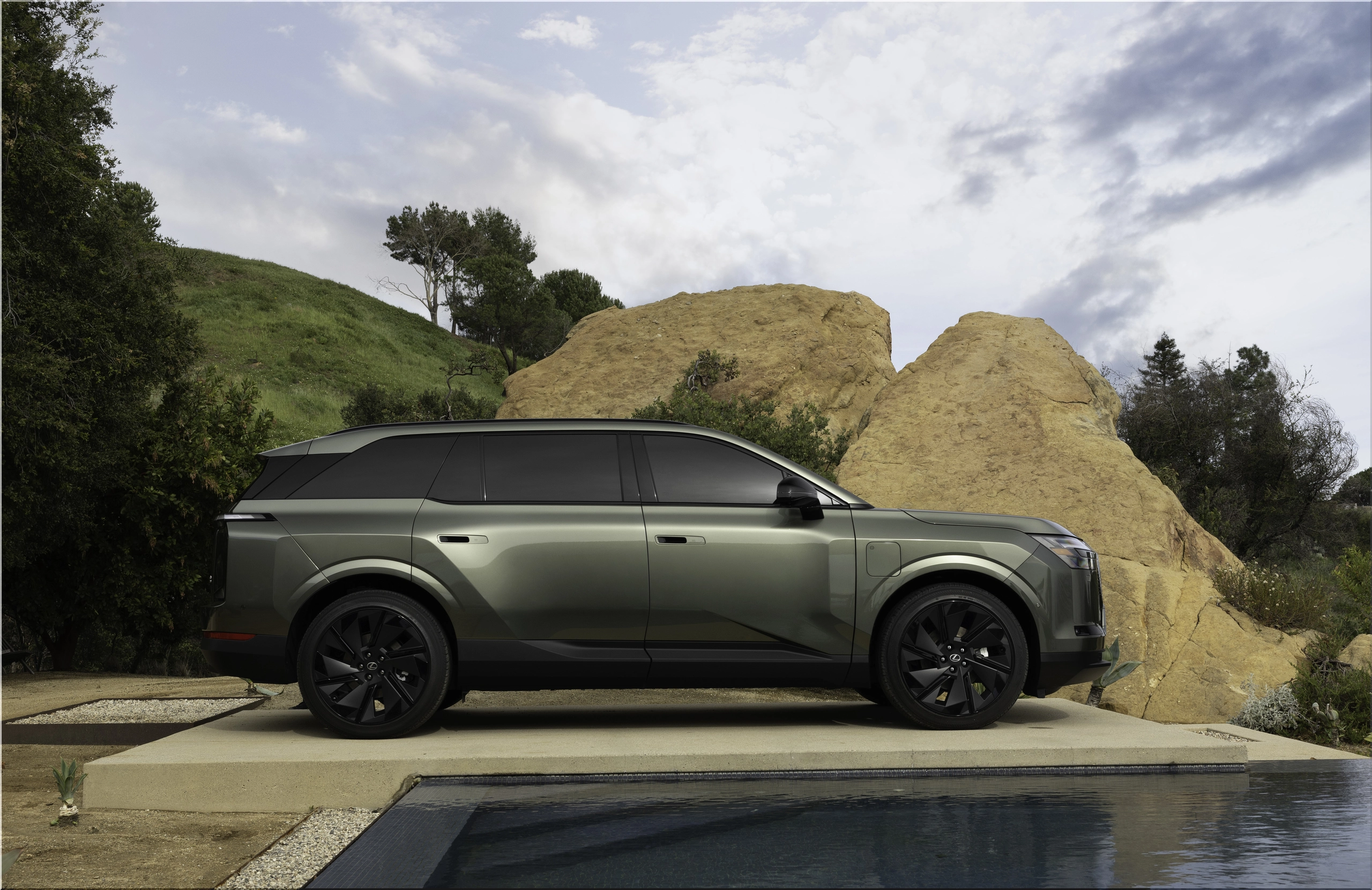
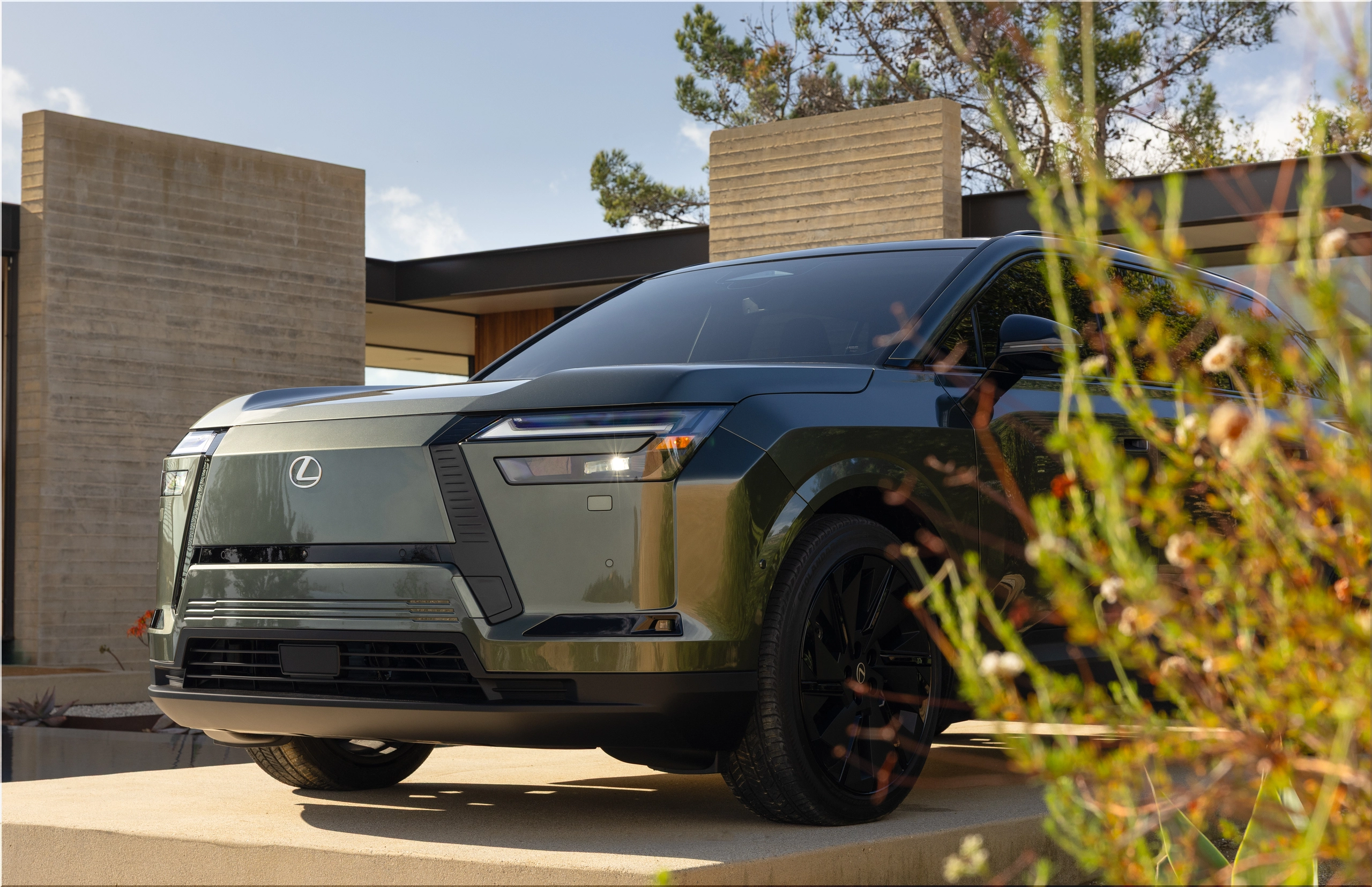
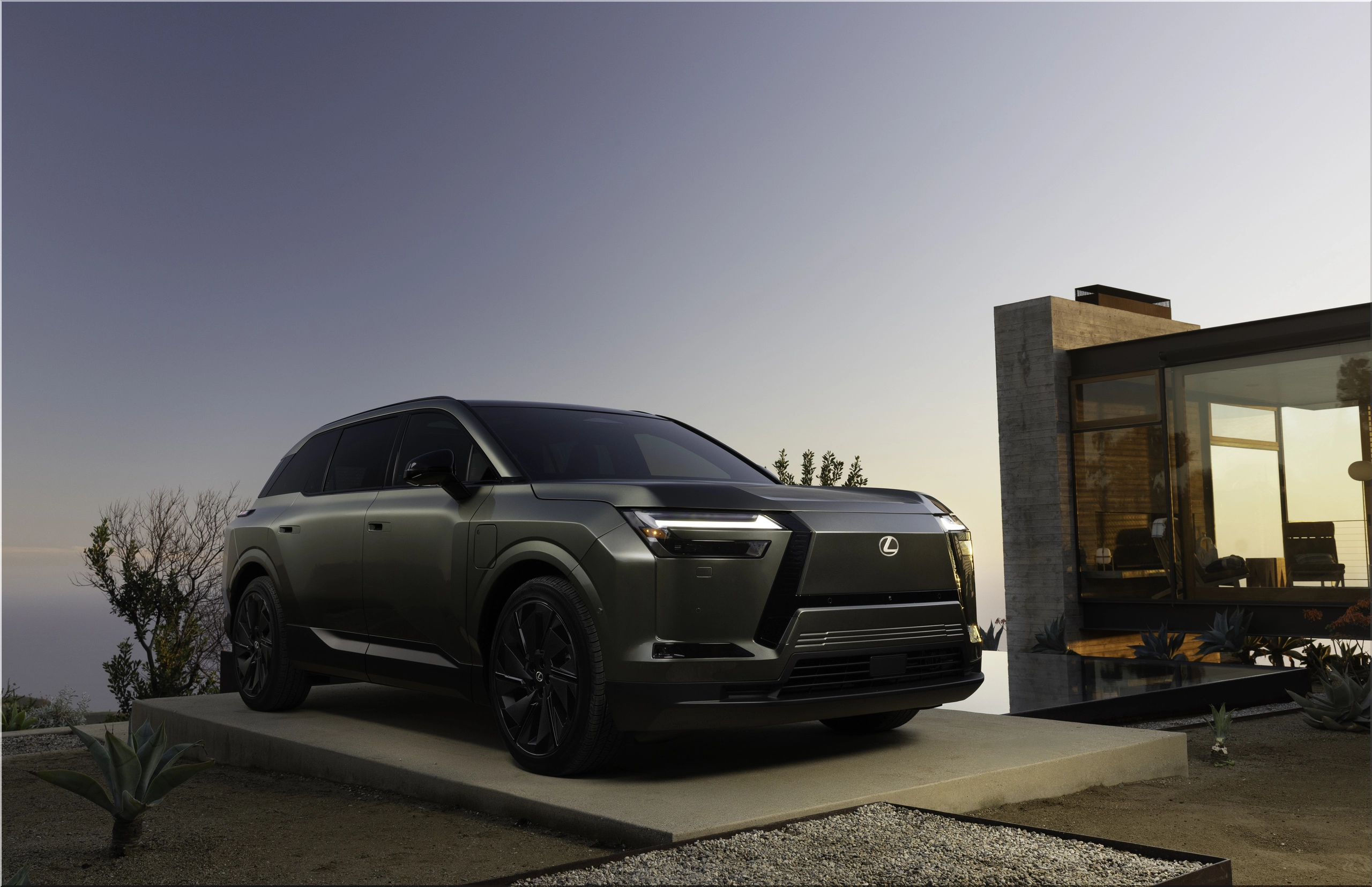
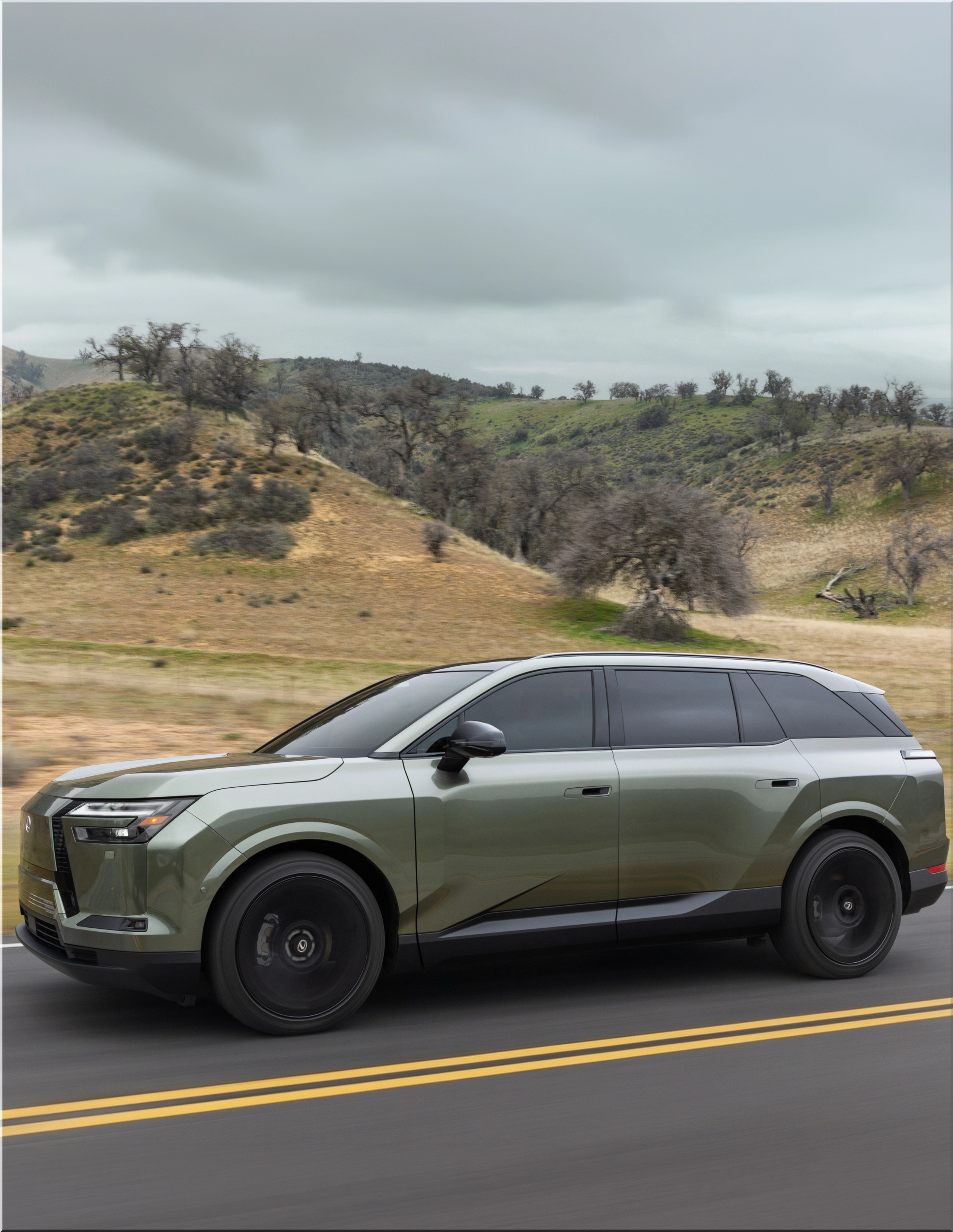
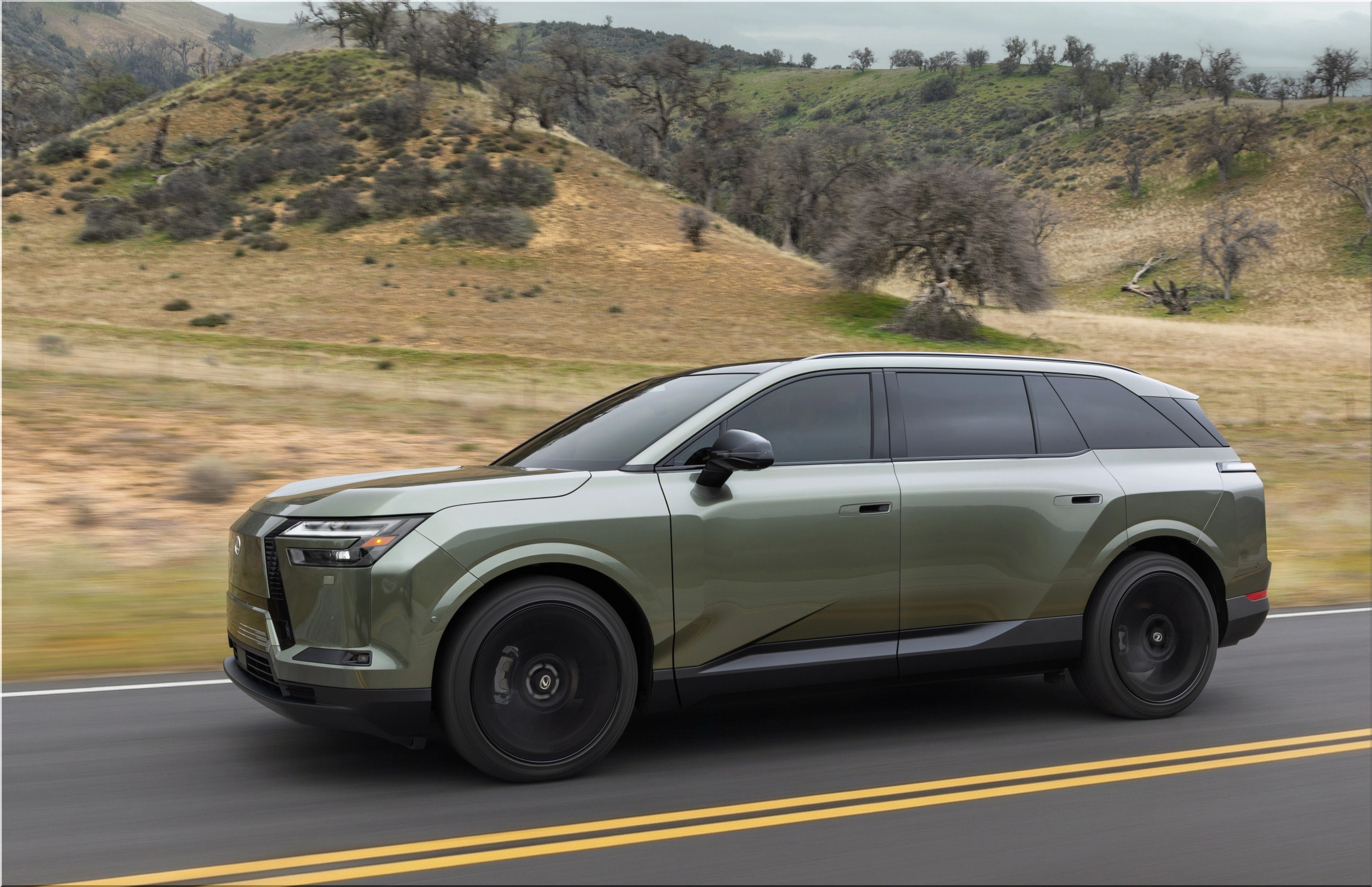
The Lexus TZ electric SUV sits above the RZ as a larger, three-row BEV aimed at buyers who need adult-friendly space and premium ride isolation. Lexus built it around the "Driving Lounge" idea, but the engineering story matters more: long wheelbase, underfloor battery, dual eAxles, and chassis tuning that reduces the clumsy feel common in big electric SUVs.
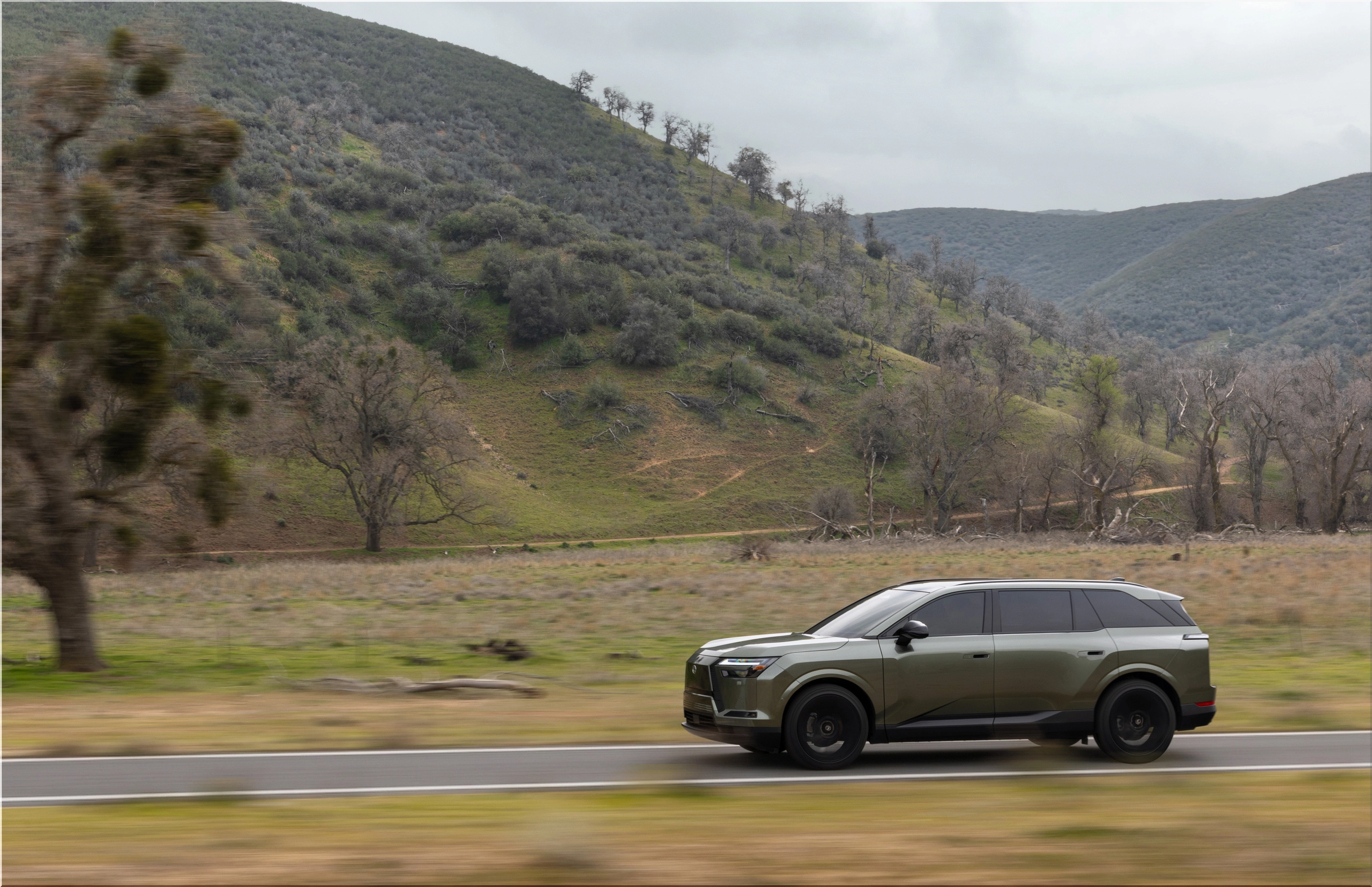
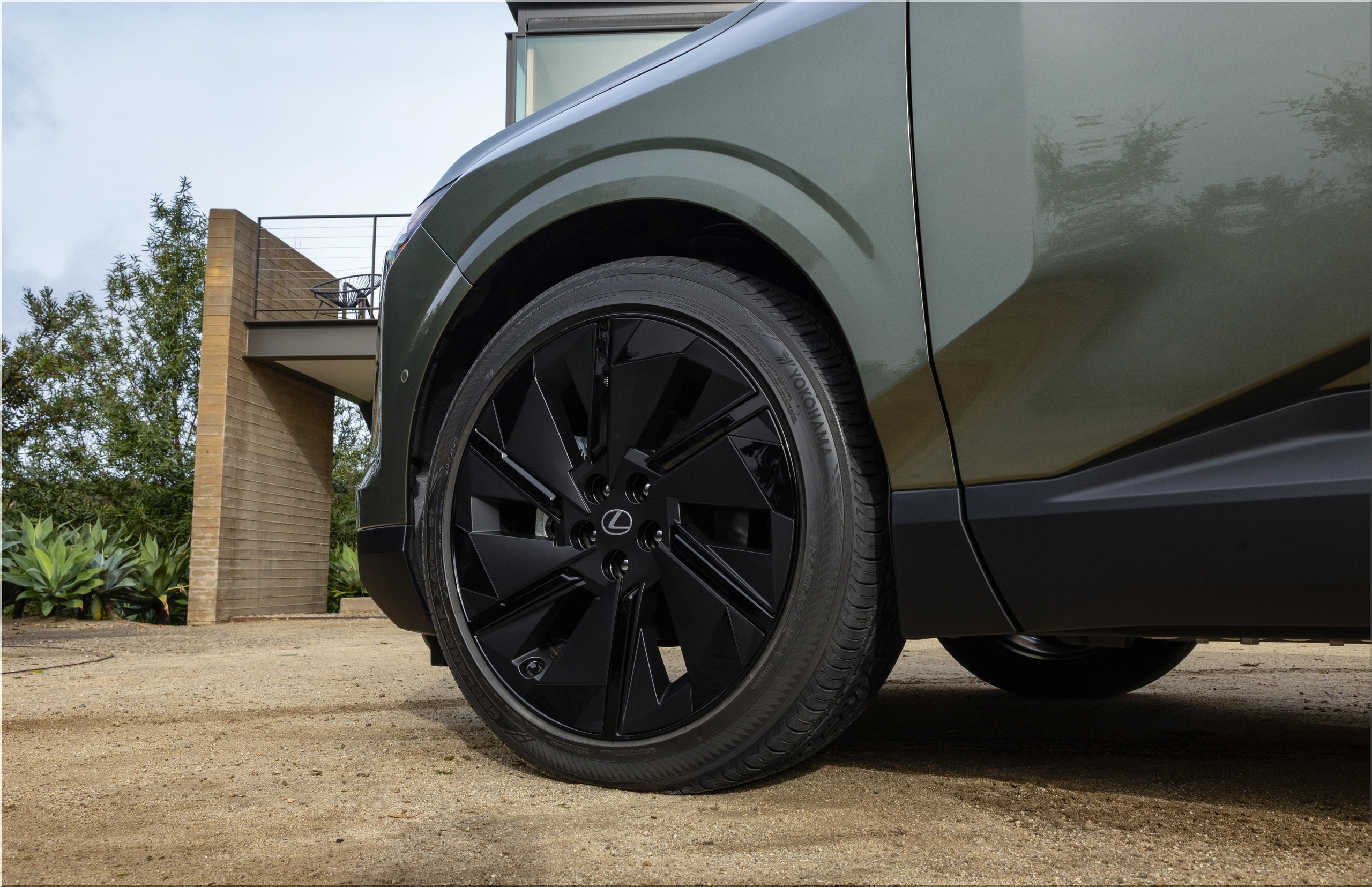
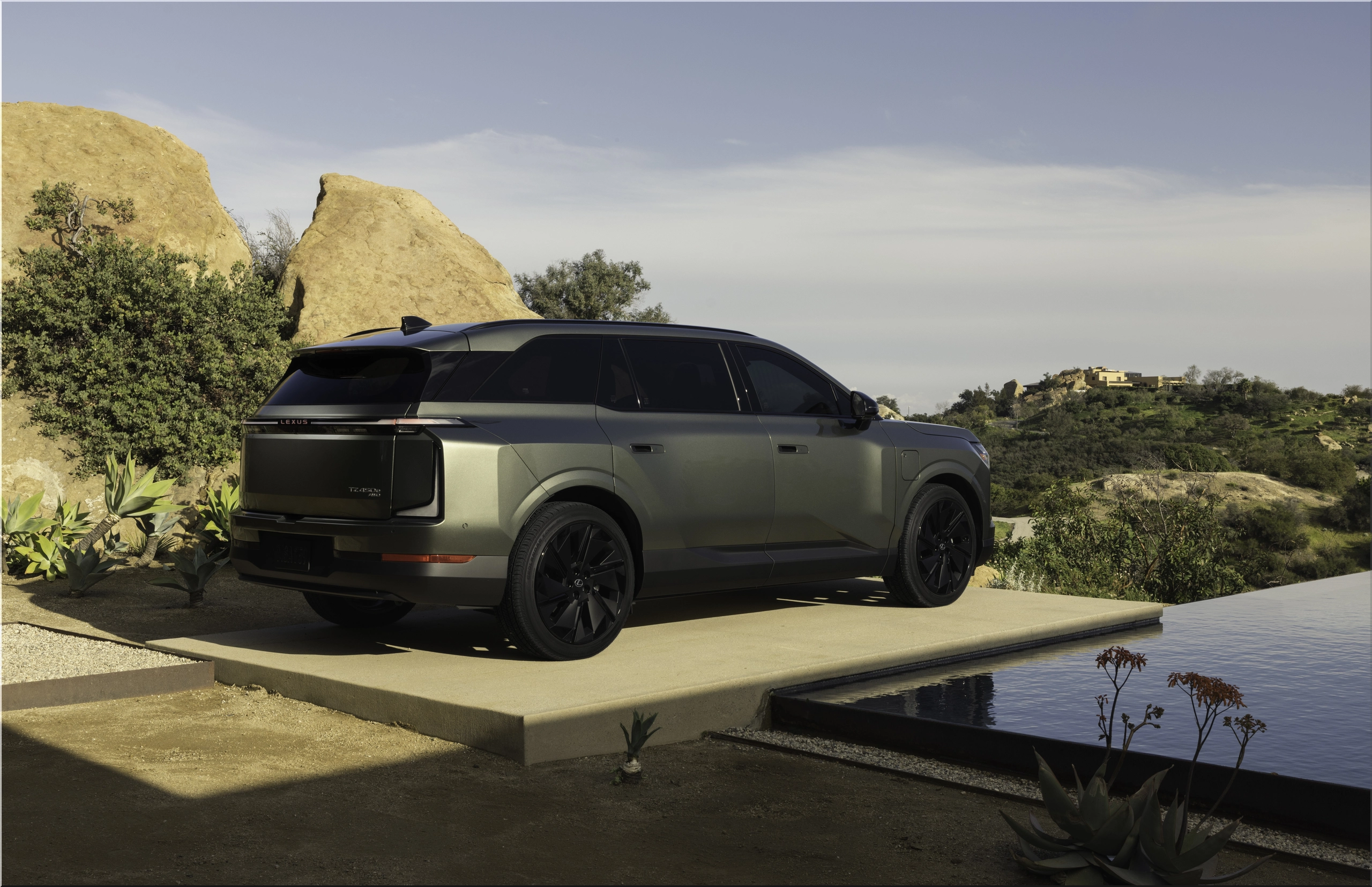
The TZ measures 200.8 inches long, 78.3 inches wide, and 67.1 inches tall, with a 120.1-inch wheelbase. In metric terms, that equals 5,100 mm long, 1,990 mm wide, 1,705 mm tall, and 3,050 mm between the axles. That wheelbase gives Lexus enough room for three rows, a large battery pack, and a flatter floor than a gasoline SUV can offer.
Image
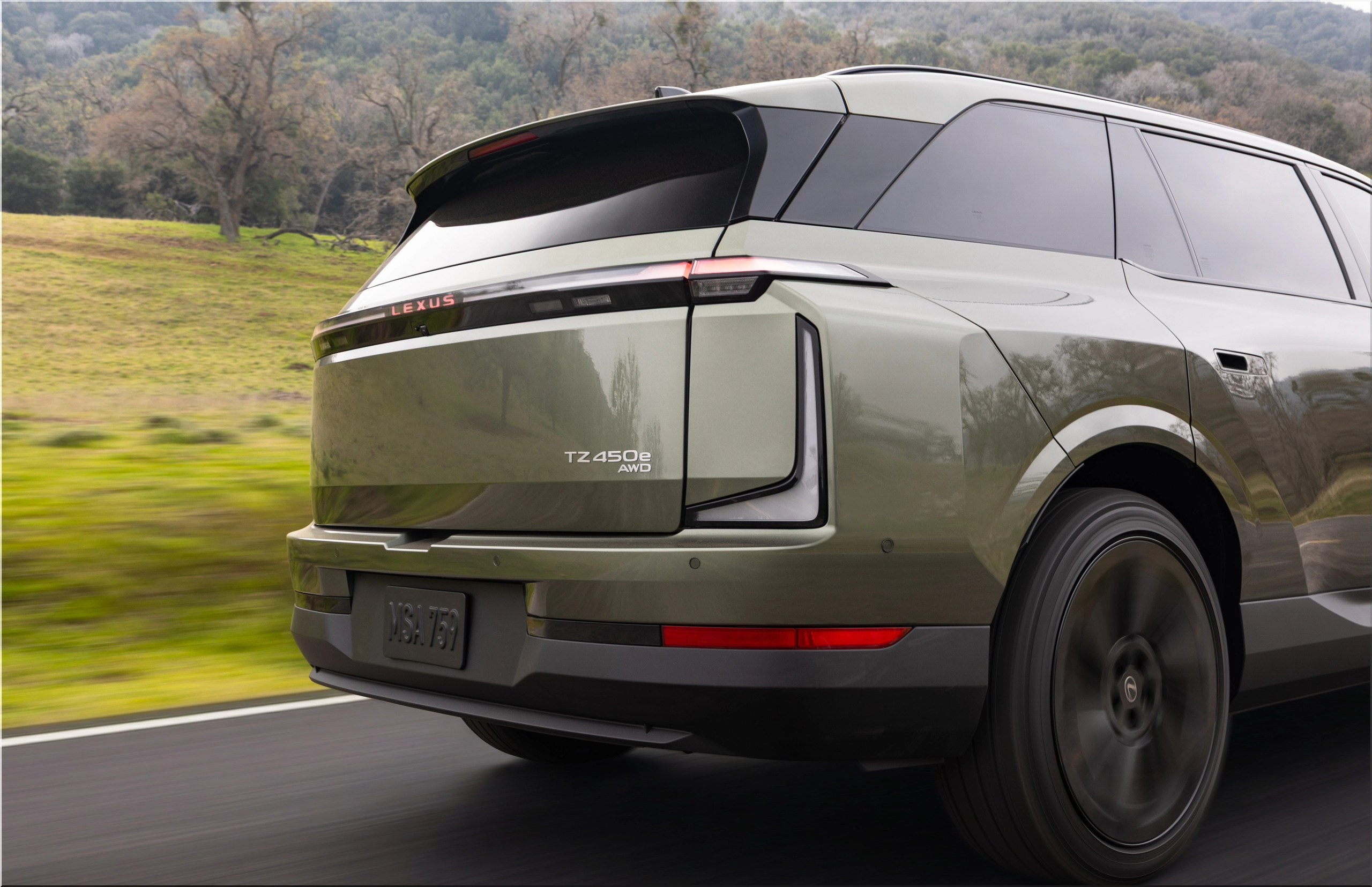
2027 Lexus TZ Core Specifications
| Specification | 2027 Lexus TZ Prototype Data |
|---|---|
| Length | 200.8 in / 5,100 mm |
| Width | 78.3 in / 1,990 mm |
| Height | 67.1 in / 1,705 mm |
| Wheelbase | 120.1 in / 3,050 mm |
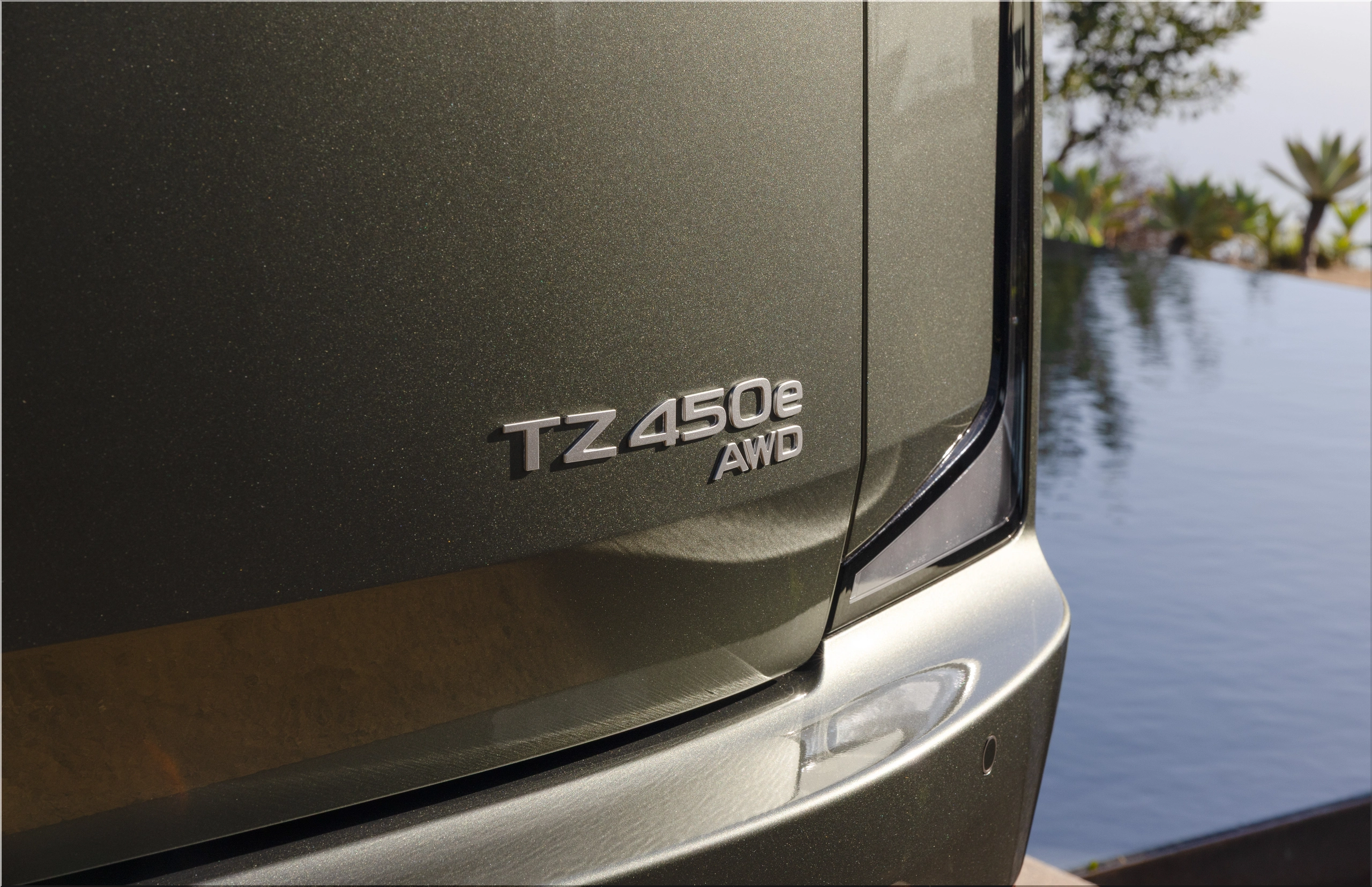
| Drivetrain | DIRECT4 AWD |
| Battery options | 76.96 kWh / 95.82 kWh |
| Max system output | 300 kW / 407.8 hp |
| 0-62 mph | 5.4 seconds |
| U.S. estimated range | Up to 300 miles |
| DC fast charging | 10-80% in about 35 minutes at 150 kW |
| Towing capacity | Up to 3,500 lbs |
| Tires | 255/55R20 or 255/45R22 |
How Much Power Does the Lexus TZ Electric SUV Make?
The 2027 Lexus TZ uses front and rear eAxles, each rated at 167 kW, or 227 hp, with 268.6 Nm of torque per axle. Combined system output reaches 300 kW, or 407.8 hp. That power figure places the TZ in useful luxury-family territory rather than absurd drag-strip theater.
Specifically, Lexus claims a 5.4-second 0-100 km/h time. For a 5,798-pound prototype, that performance looks sensible. It gives the TZ enough punch for highway merges, mountain grades, and loaded family trips without leaning on oversized motors that punish efficiency.
Image
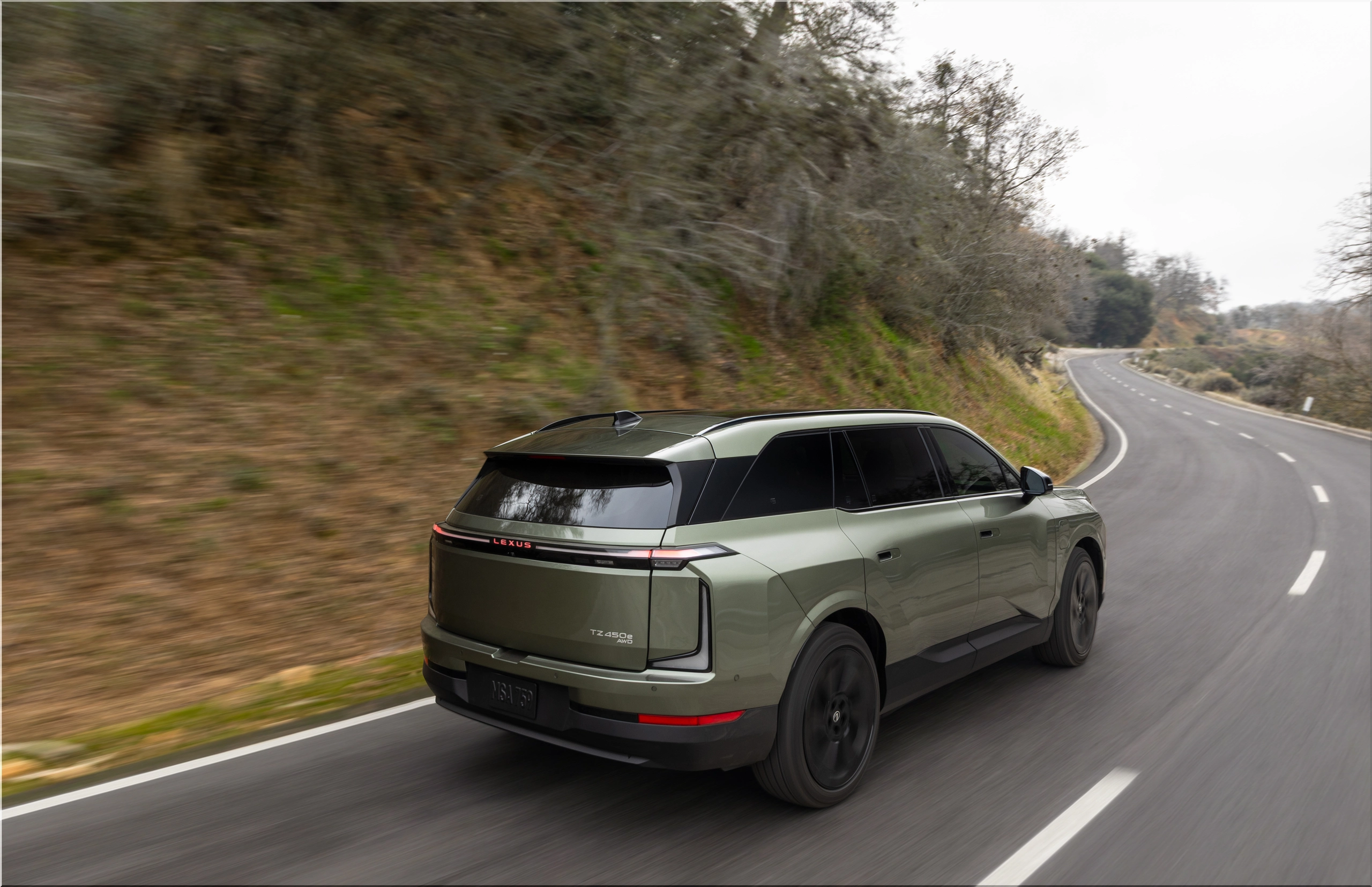
From an expert perspective, DIRECT4 matters more than peak output. The system varies front-to-rear torque from 60:40 to 0:100 under acceleration and from 80:20 to 0:100 while cornering. That range lets the Lexus TZ BEV act front-biased for stability, rear-biased for rotation, or fully rear-driven when traction and balance allow it.
Does the Lexus TZ Have Real Three-Row Utility?
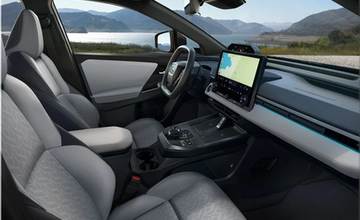
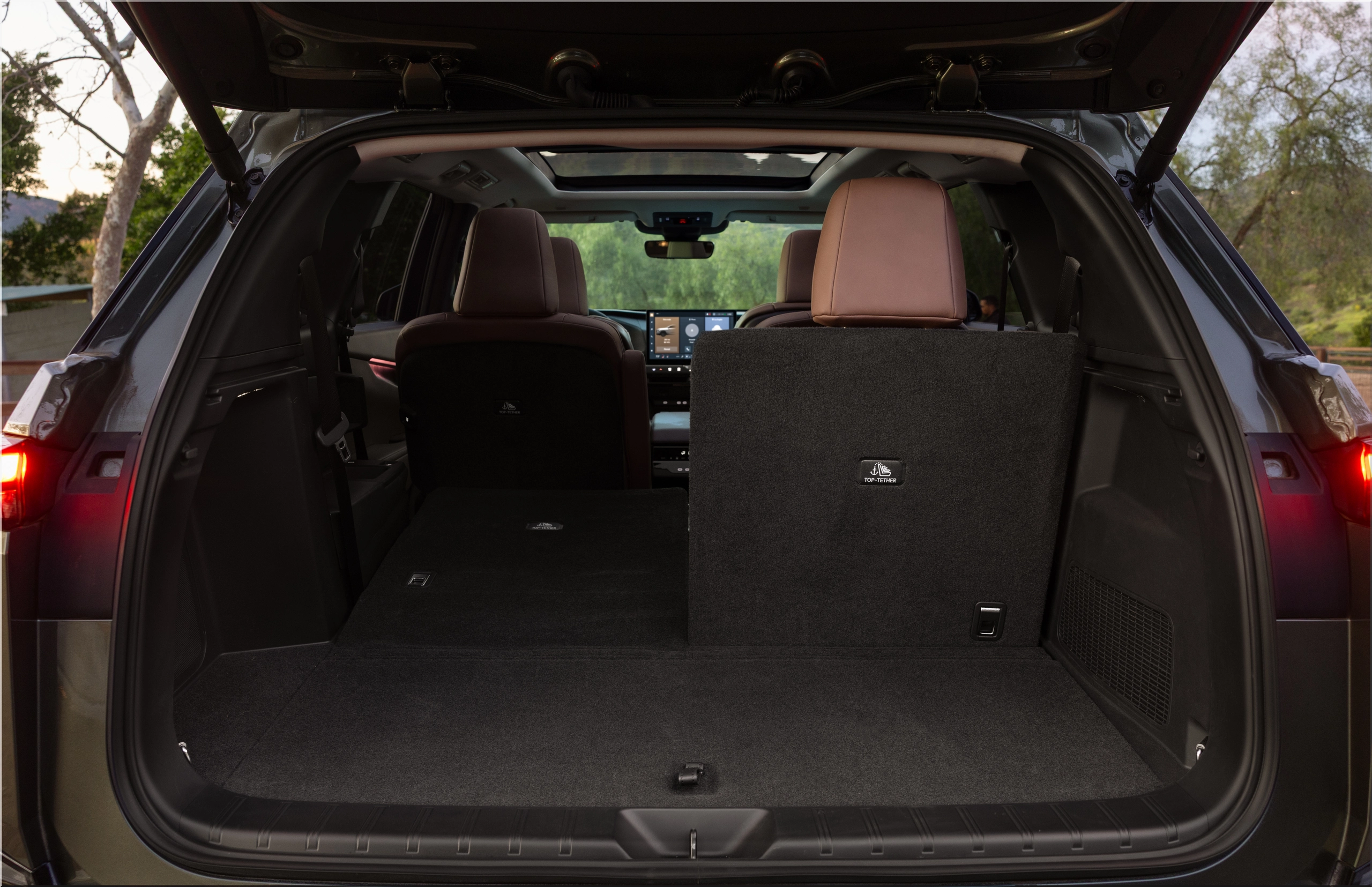
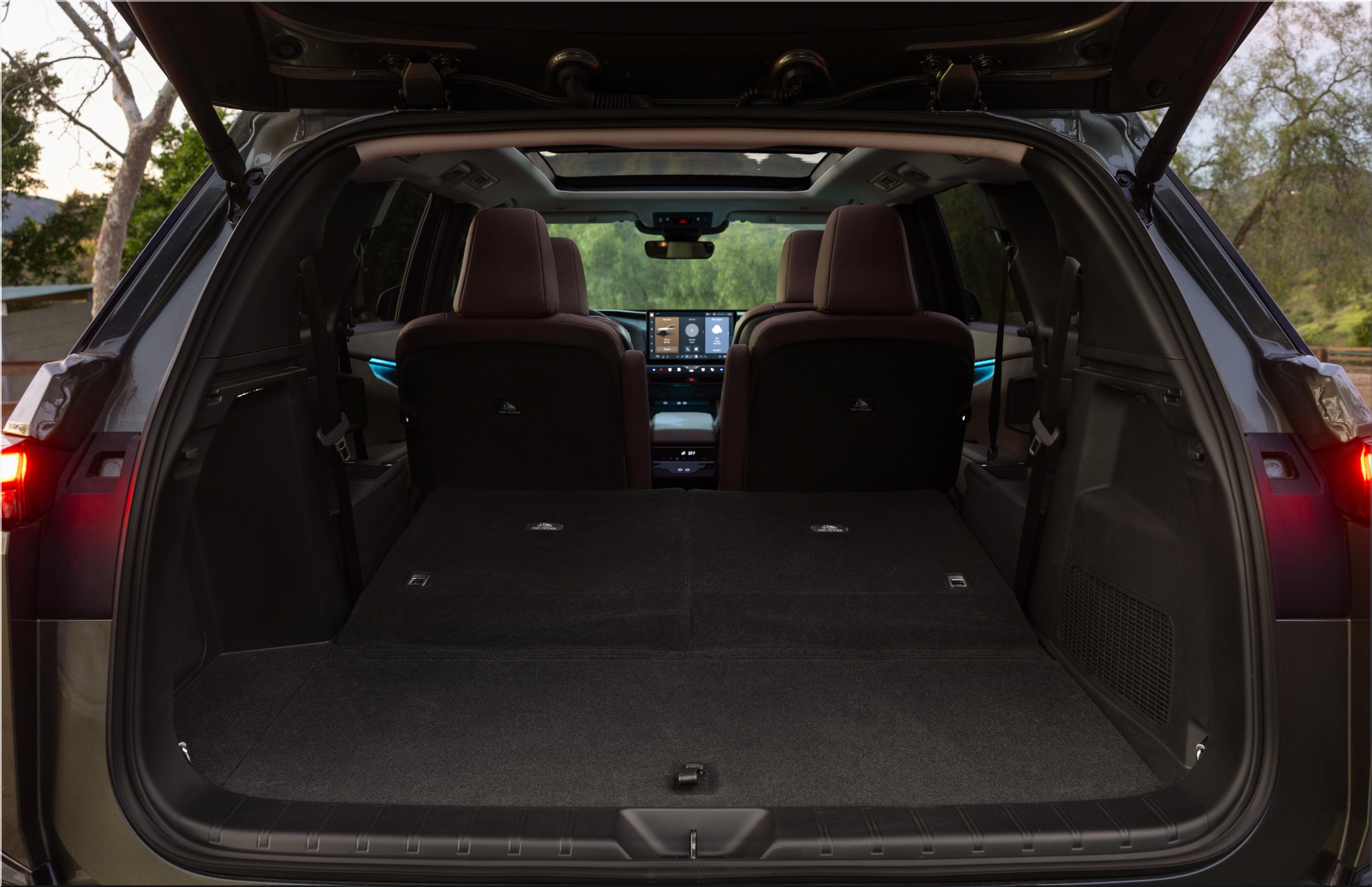
Yes, the TZ targets real six-seat use, not emergency third-row theater. Lexus uses second-row captain's chairs, a low floor, walk-in switches, flush rails, and a battery layout that avoids raising the third row too high. In addition, the rear eAxle uses a low-height design to protect cabin packaging.
The cabin adds several family-relevant details:
- Ventilated front and second-row seats
- Available power ottomans for front passenger and second row
- Available third-row heating
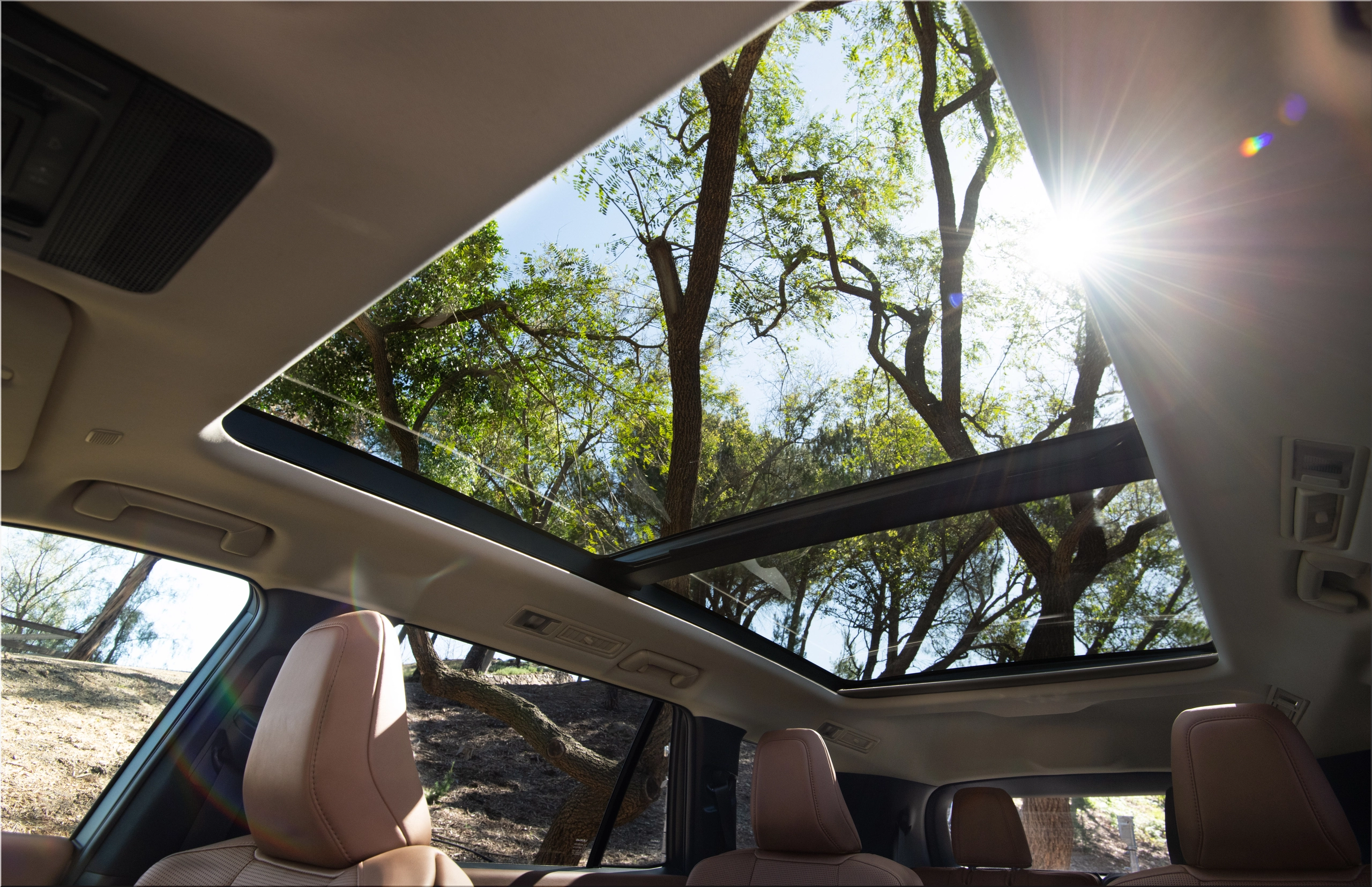
- Largest panoramic roof yet used on a Lexus model
- Removable rear center console for easier pass-through access
- One-touch folding for second and third rows
- Easy-closing doors for quieter operation
Cargo Space and Family Use
| Cargo/Utility Metric | Lexus TZ Data |
|---|---|
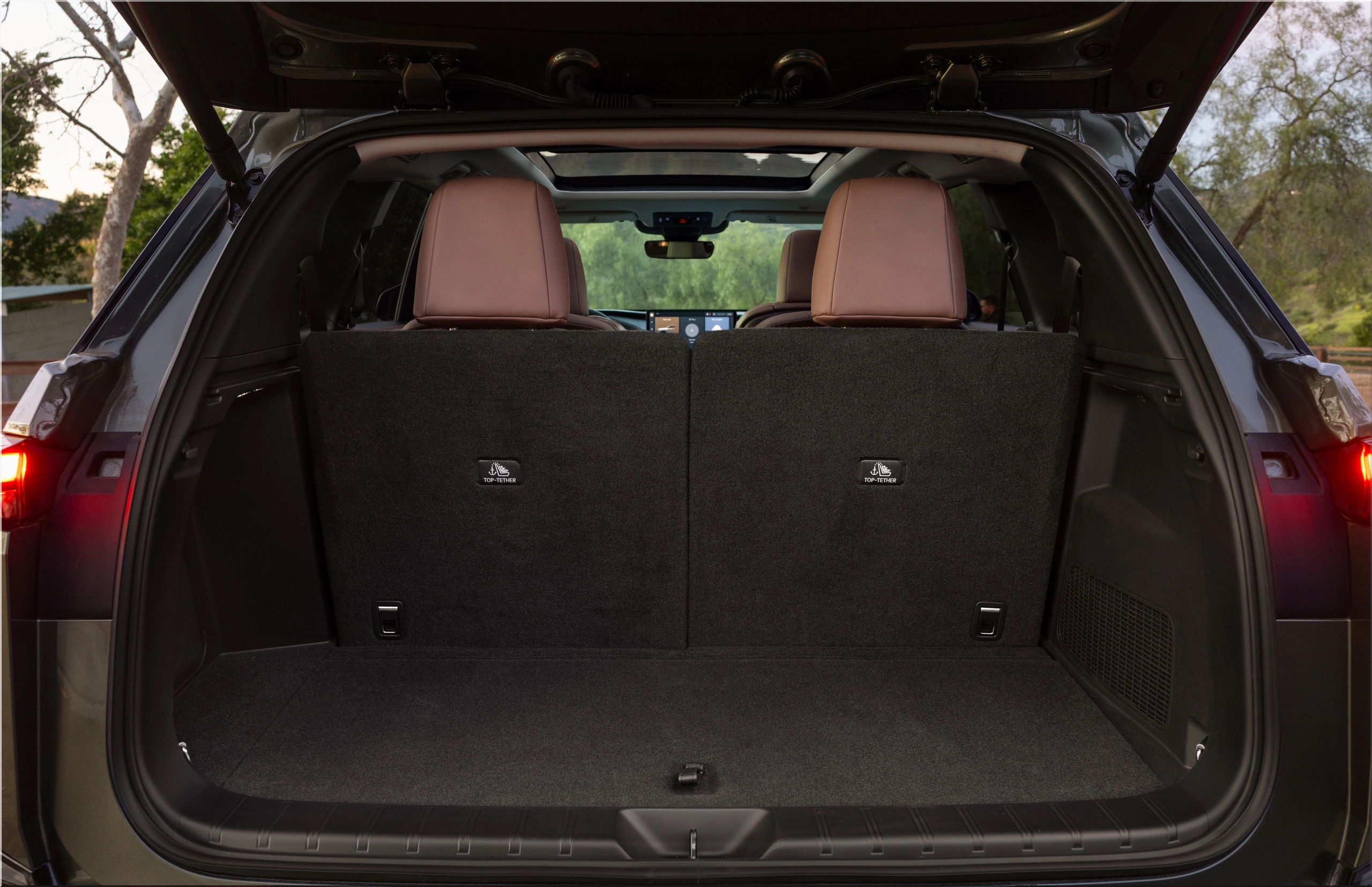
| Cargo behind third row, U.S. release | 13.8 cu ft |
| Global VDA cargo range | 290-2,017 L |
| Global VDA cargo range converted | 10.2-71.2 cu ft |
| Towing capacity, North America | 3,500 lbs |
| Towing capacity, Europe | 1,500 kg / 3,307 lbs |
| Seating layout | Six seats, three rows |
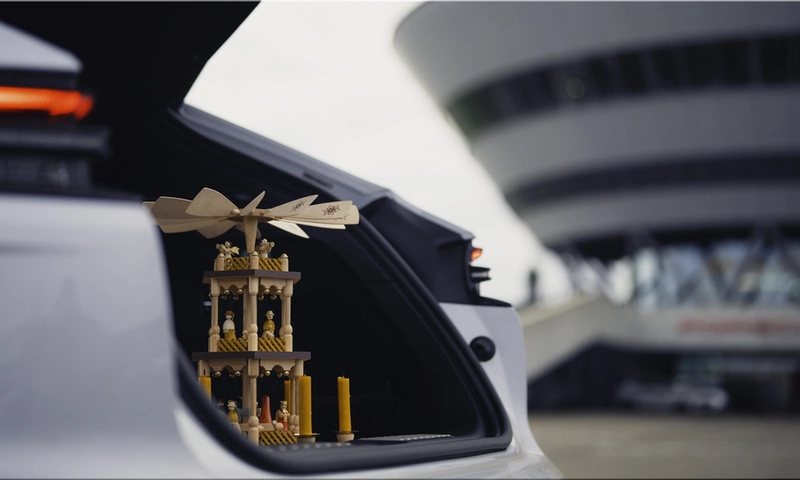
Looking at the data, the TZ should work for airport runs, sports gear, strollers, and longer road trips. The 3,500-pound tow rating also gives it light utility for small trailers, personal watercraft, or a compact camper, though towing will cut range hard. That trade-off applies to every electric SUV in this class.
Image
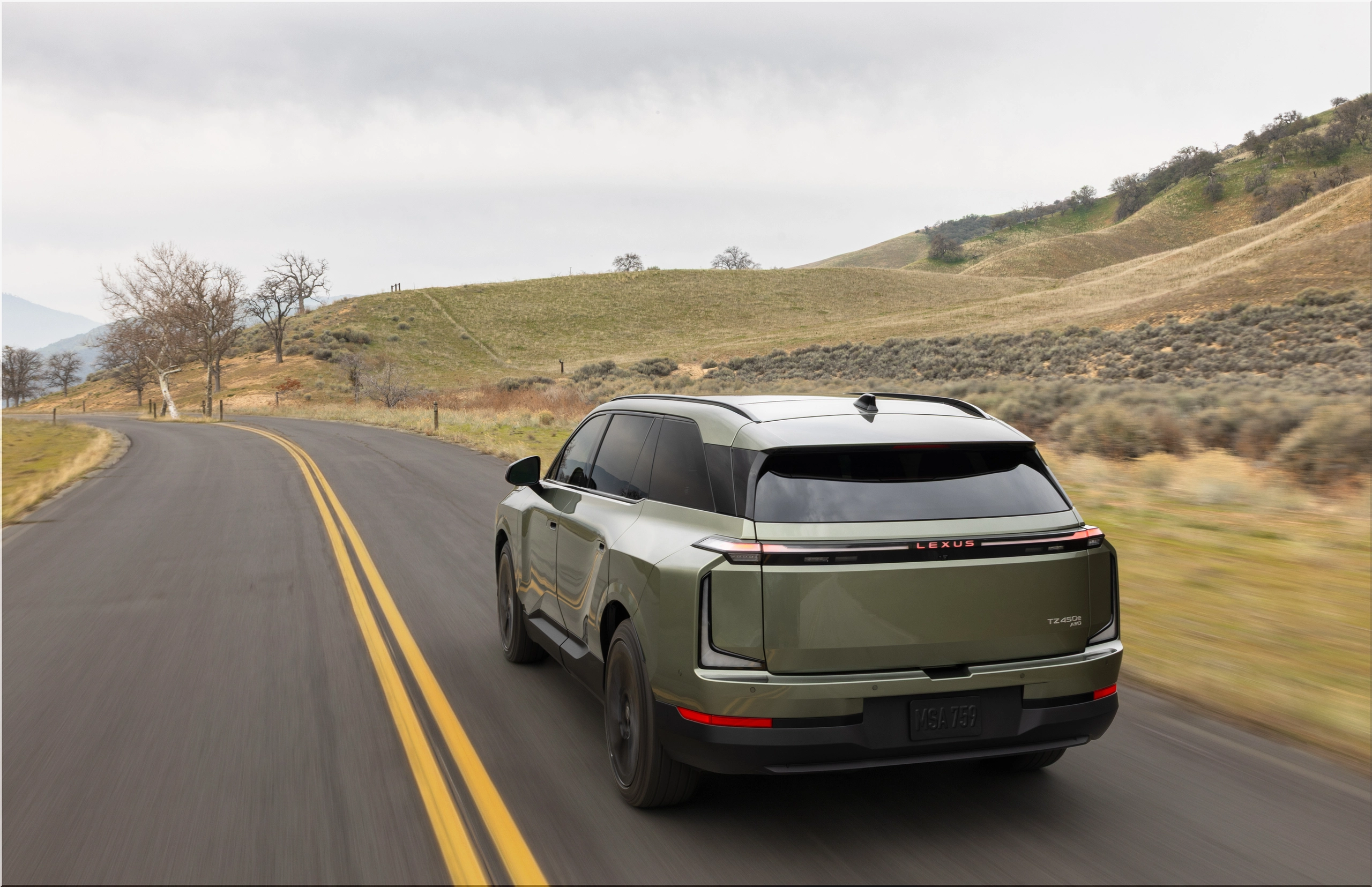
How Fast Does the 2027 Lexus TZ Charge?
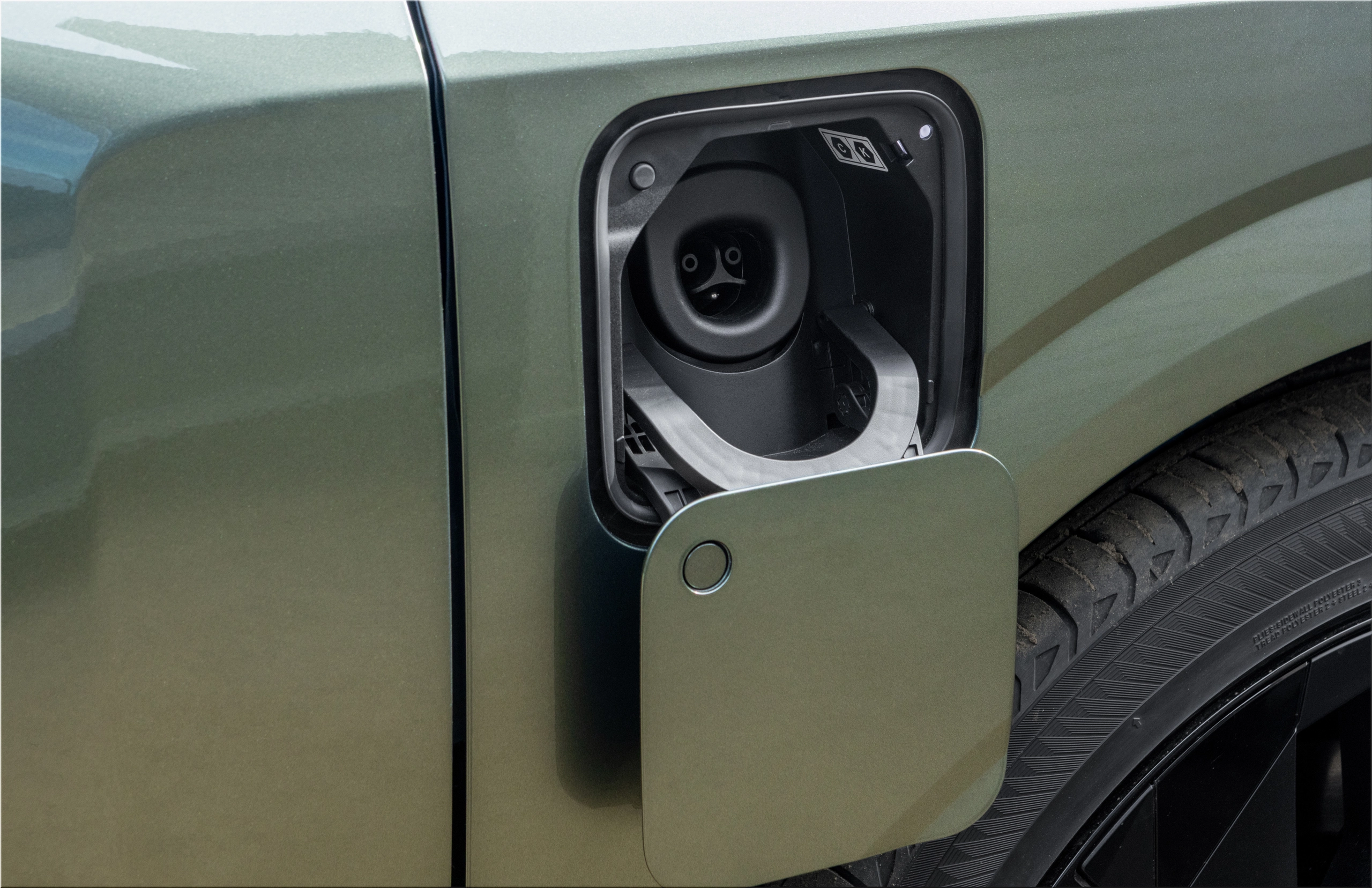
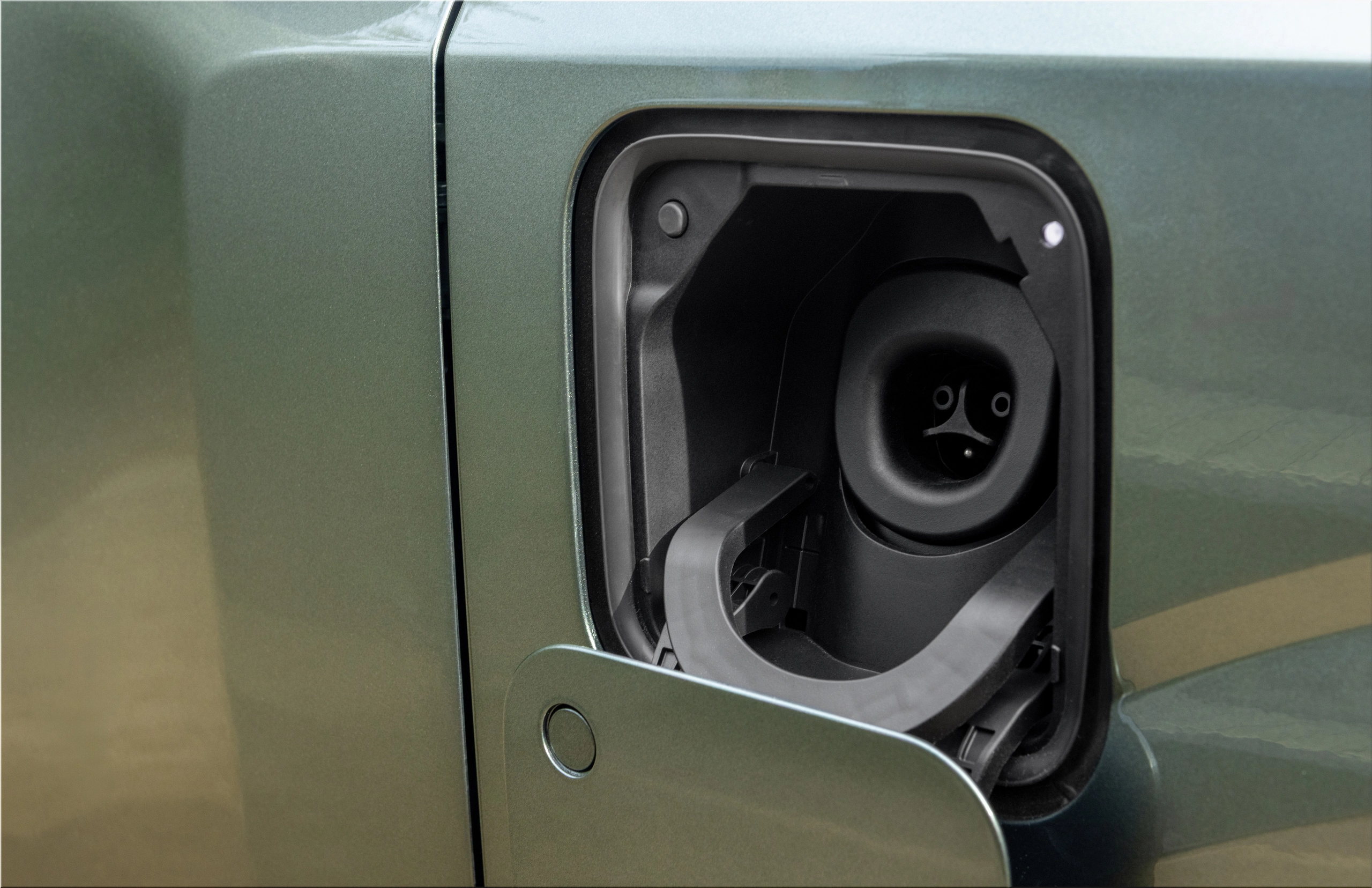
The 2027 Lexus TZ uses NACS in the U.S., which matters because buyers should not have to juggle adapters as the market shifts. Lexus lists a 10-80% DC fast-charge time of about 35 minutes on a 150 kW charger. That figure looks acceptable, not class-leading.
Video gallery
Video title
2027 Lexus TZ
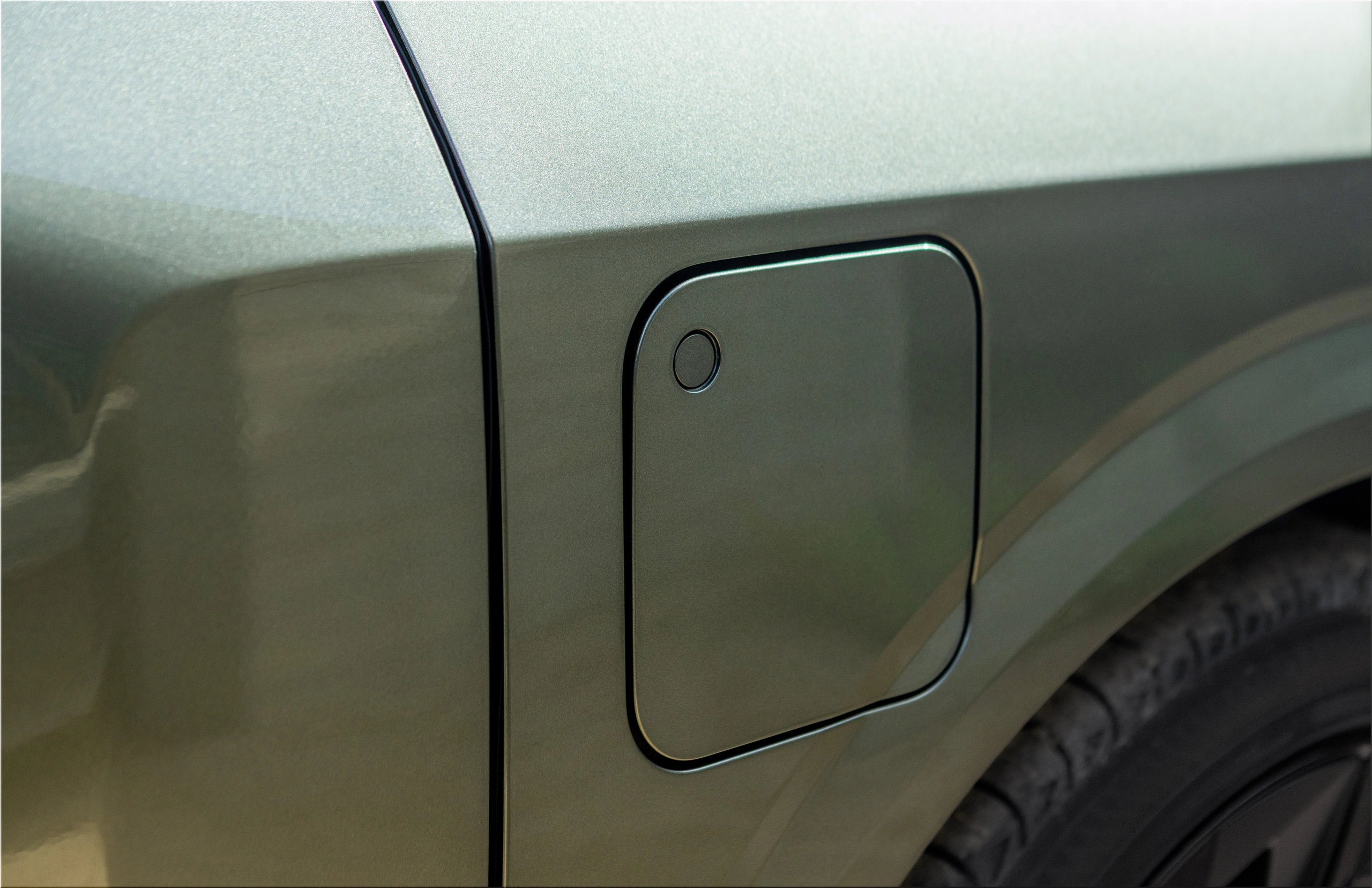
The charging hardware tells a more practical story. Lexus adds battery preconditioning, driving preconditioning, departure-time preconditioning, and automatic charging suggestions based on driver habits. In addition, the U.S. model uses a Lexus-first 2-in-1 charging port with AC and DC connectors placed side by side under a compact motorized sliding cover.
Pro-Tip: A 35-minute fast-charge claim only applies when the battery sits near its ideal temperature and the charger can hold enough power. On a cold road trip, use route-based preconditioning before arriving at the charger. That single habit can save more time than chasing a higher advertised peak charging number.

Why Did Lexus Tune the TZ Around Quietness?
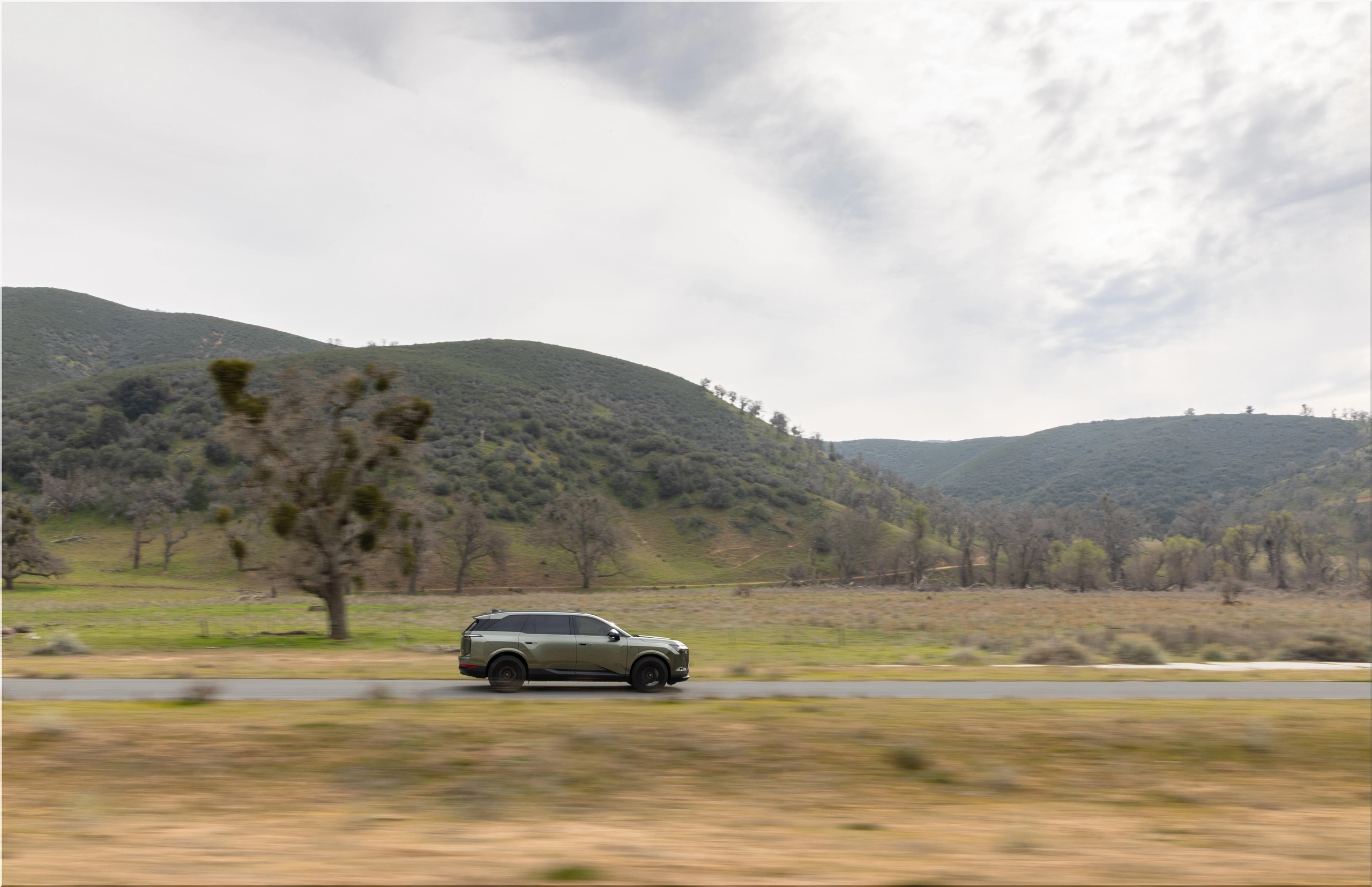
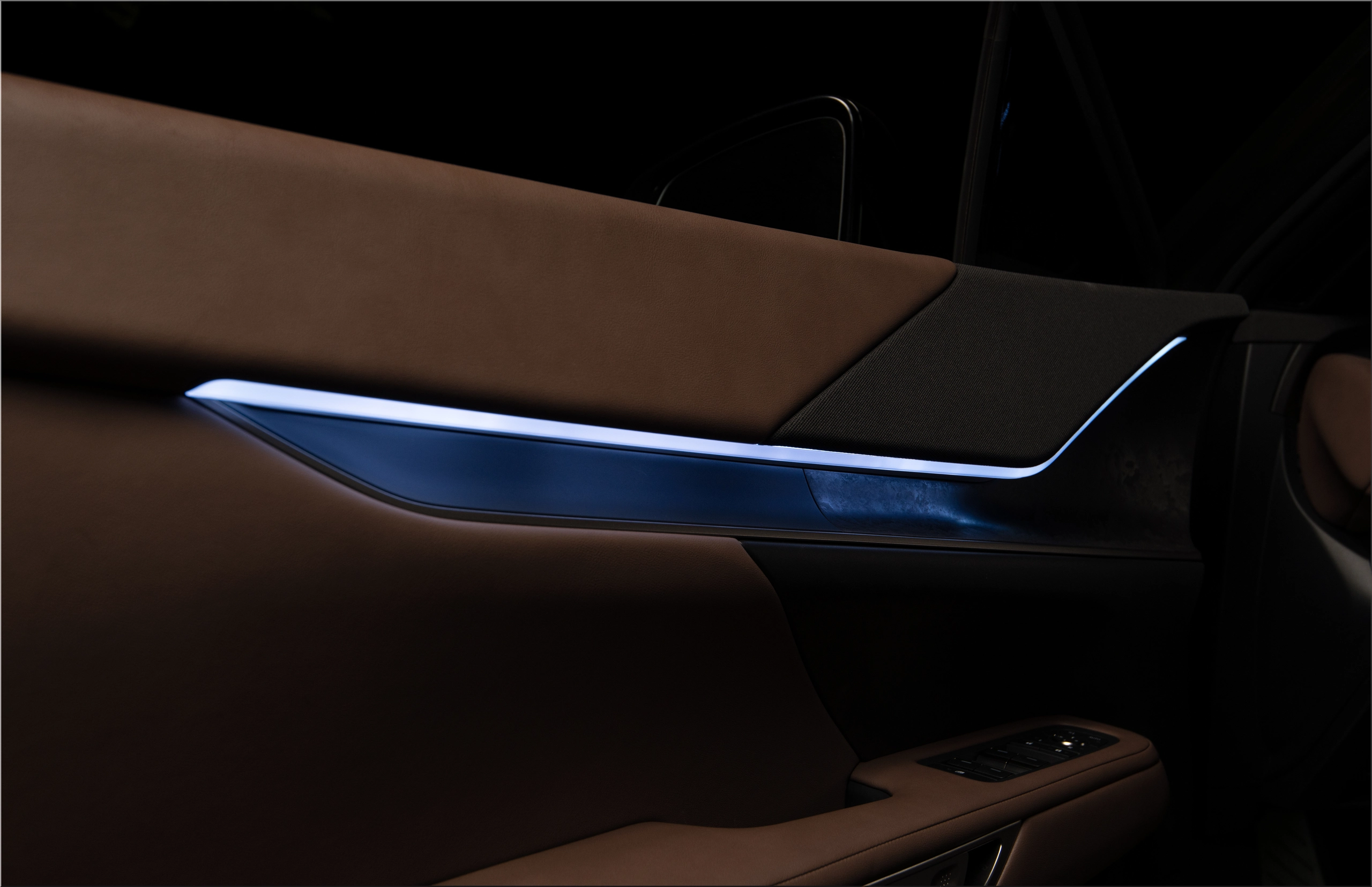
Large BEVs expose bad noise control. Without engine sound masking tire slap, wind rush, and cabin boom, weak body sealing becomes obvious. Consequently, Lexus attacked the TZ with sound-absorbing material, thicker glass, aerodynamic mirrors, resonance control, and quieter climate fans.
The result should fit the luxury mission better than another oversized screen. Lexus also adds a 21-speaker Mark Levinson audio system, sound directionality tuning, and rear-focused listening modes. That approach makes sense because a six-seat SUV often carries passengers who talk, work, stream, or sleep while someone else drives.
Image
What Tech and Safety Features Does the Lexus TZ Add?
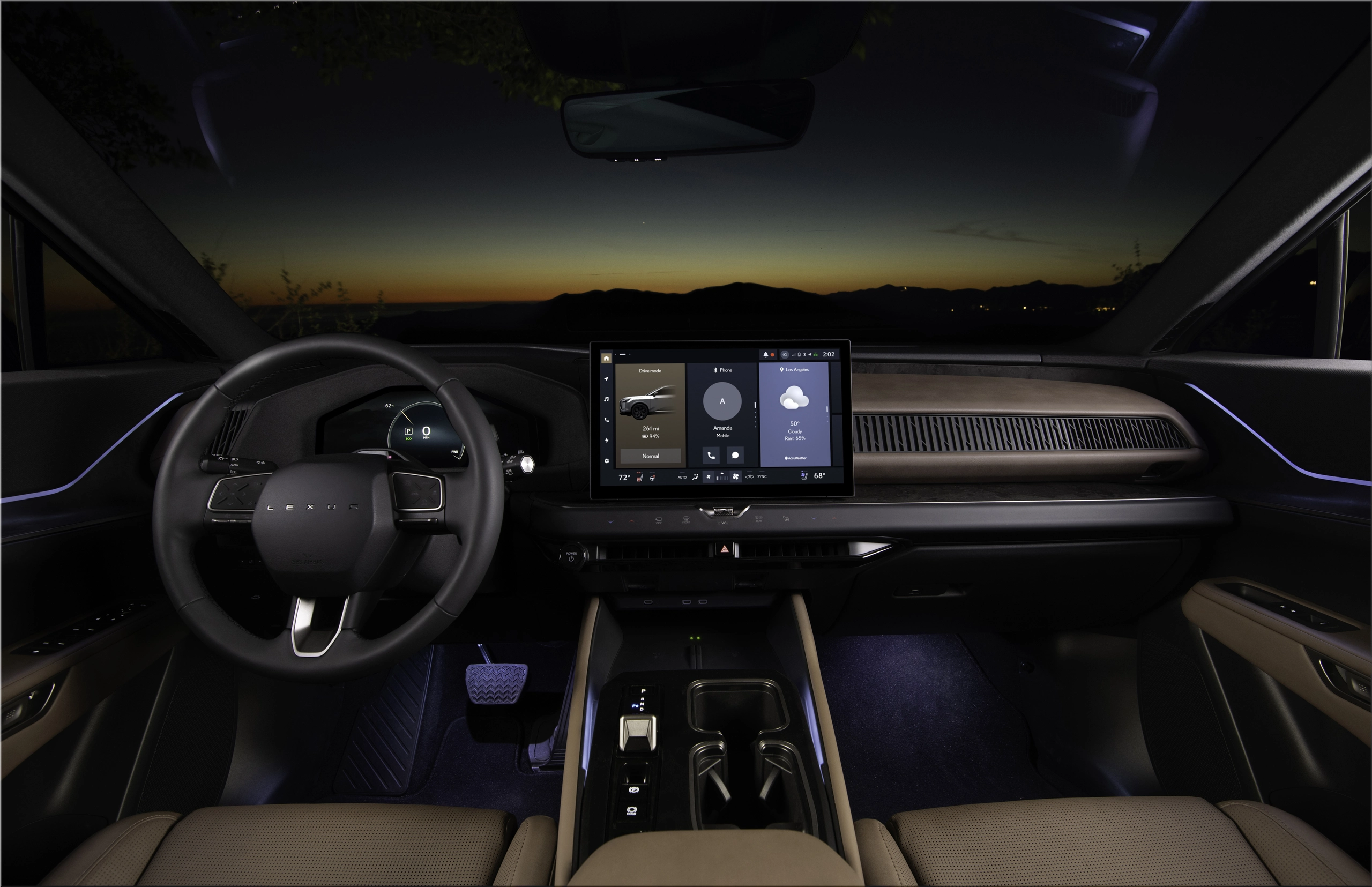
The TZ introduces the latest Lexus Interface setup with stronger computing power, AT&T 5G connectivity, customizable widgets, a better voice assistant, EV routing, range mapping, and full-screen navigation in the digital gauge cluster. The European release also references the Arene software platform and a 14-inch center display synchronized with a 12.3-inch driver display.
Definition: DIRECT4 AWD means Lexus electronically controls torque delivery between the front and rear motors in real time. Unlike a mechanical AWD system, it can change torque split quickly during acceleration, braking, and cornering.
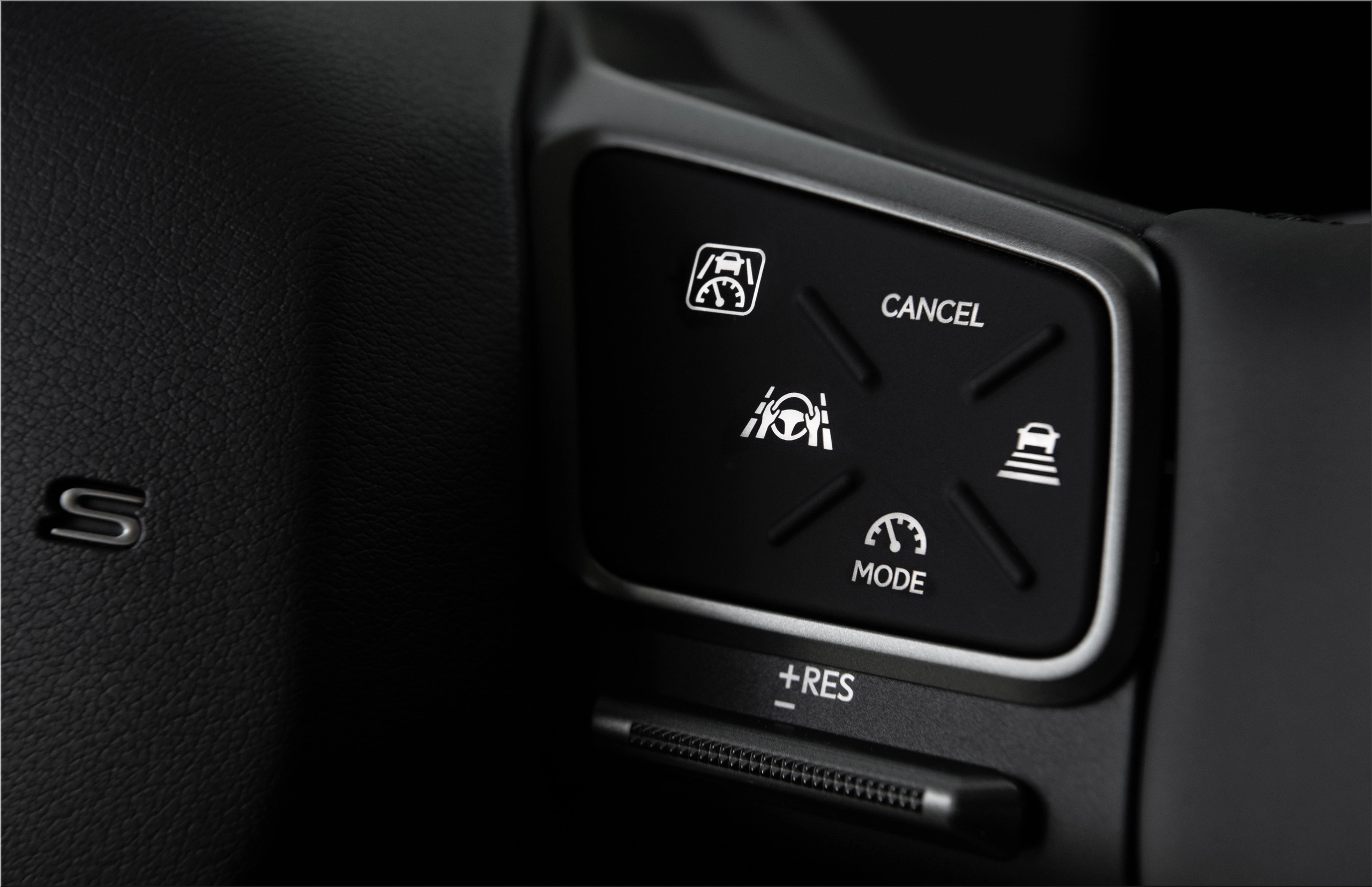
Safety hardware includes Lexus Safety System+ 4.0, Full-Speed Dynamic Radar Cruise Control with Eco-Run Mode, Lane Tracing Assist, Proactive Driving Assist, Intersection Turn Assist, Road Sign Assist, and available Traffic Jam Assist. By comparison, older luxury SUVs often split these capabilities across expensive packages.
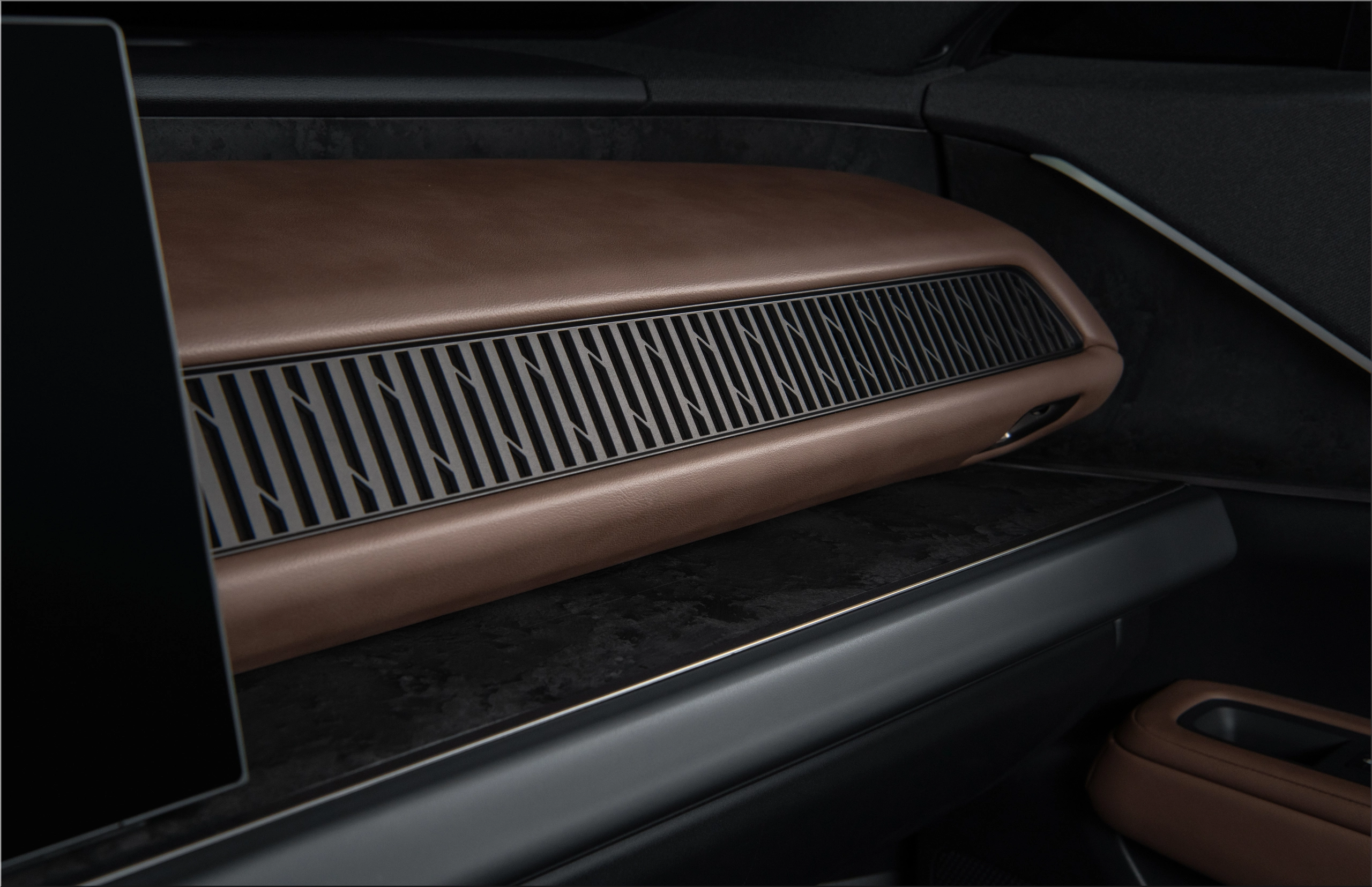
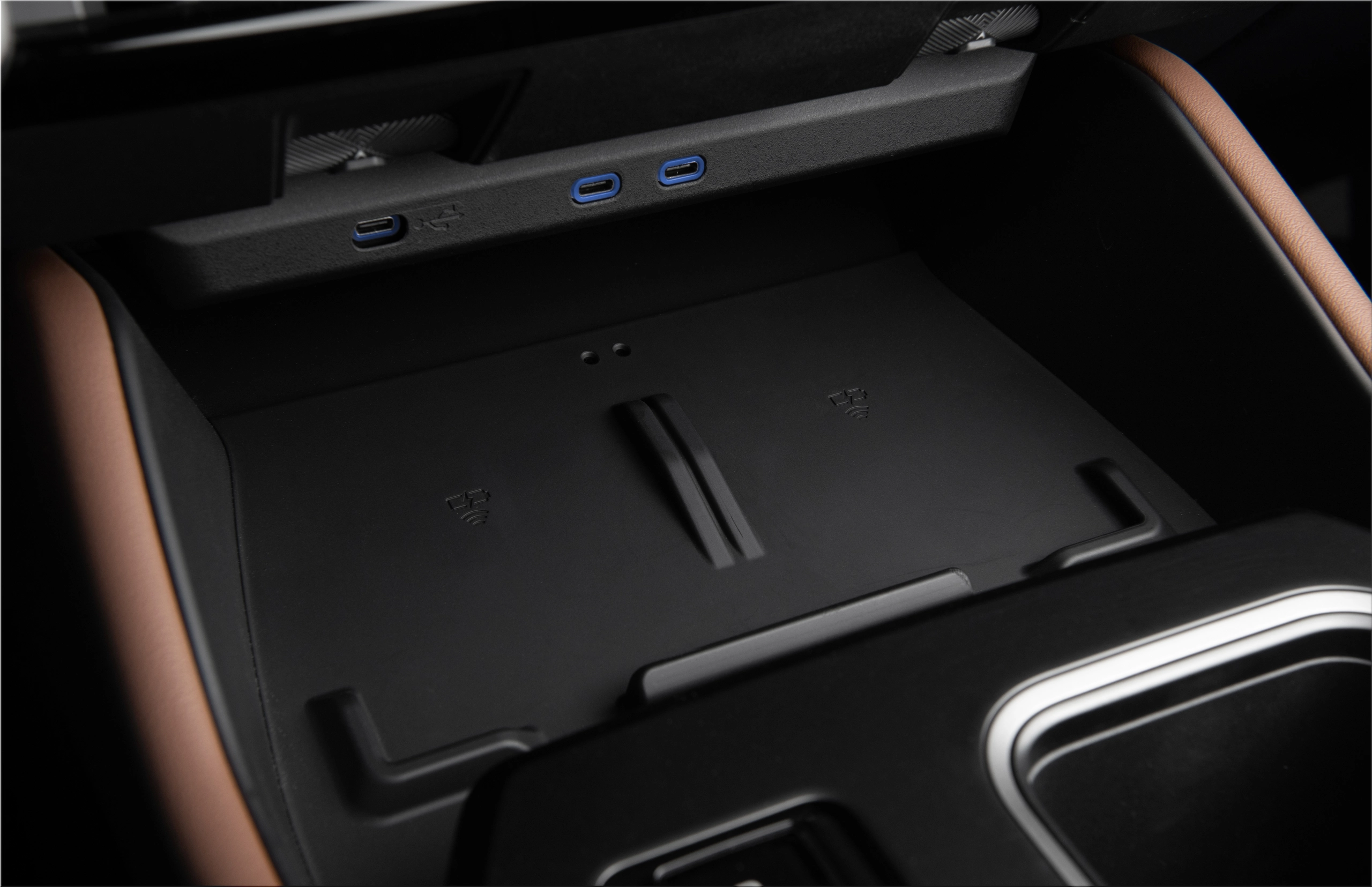
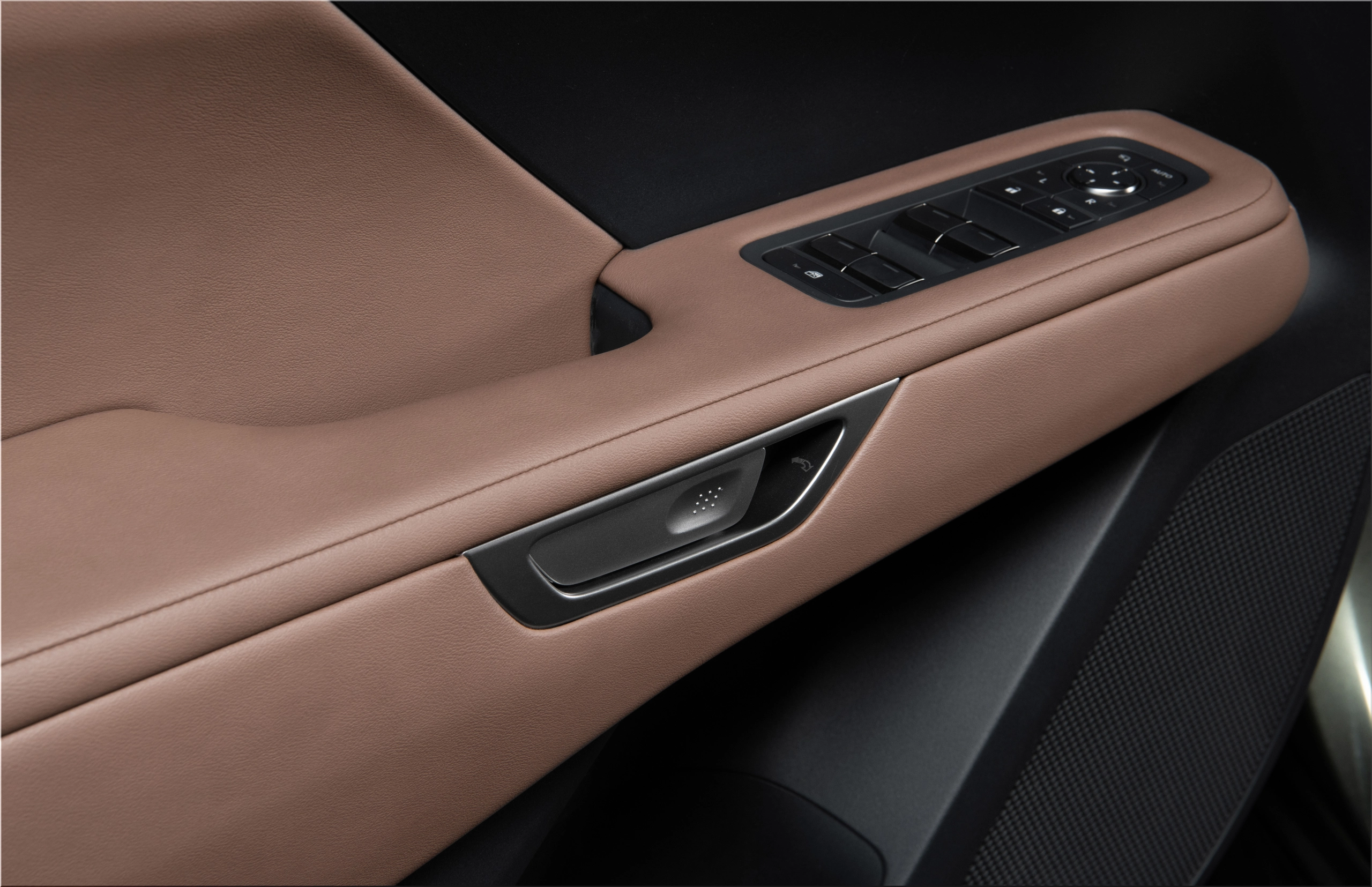
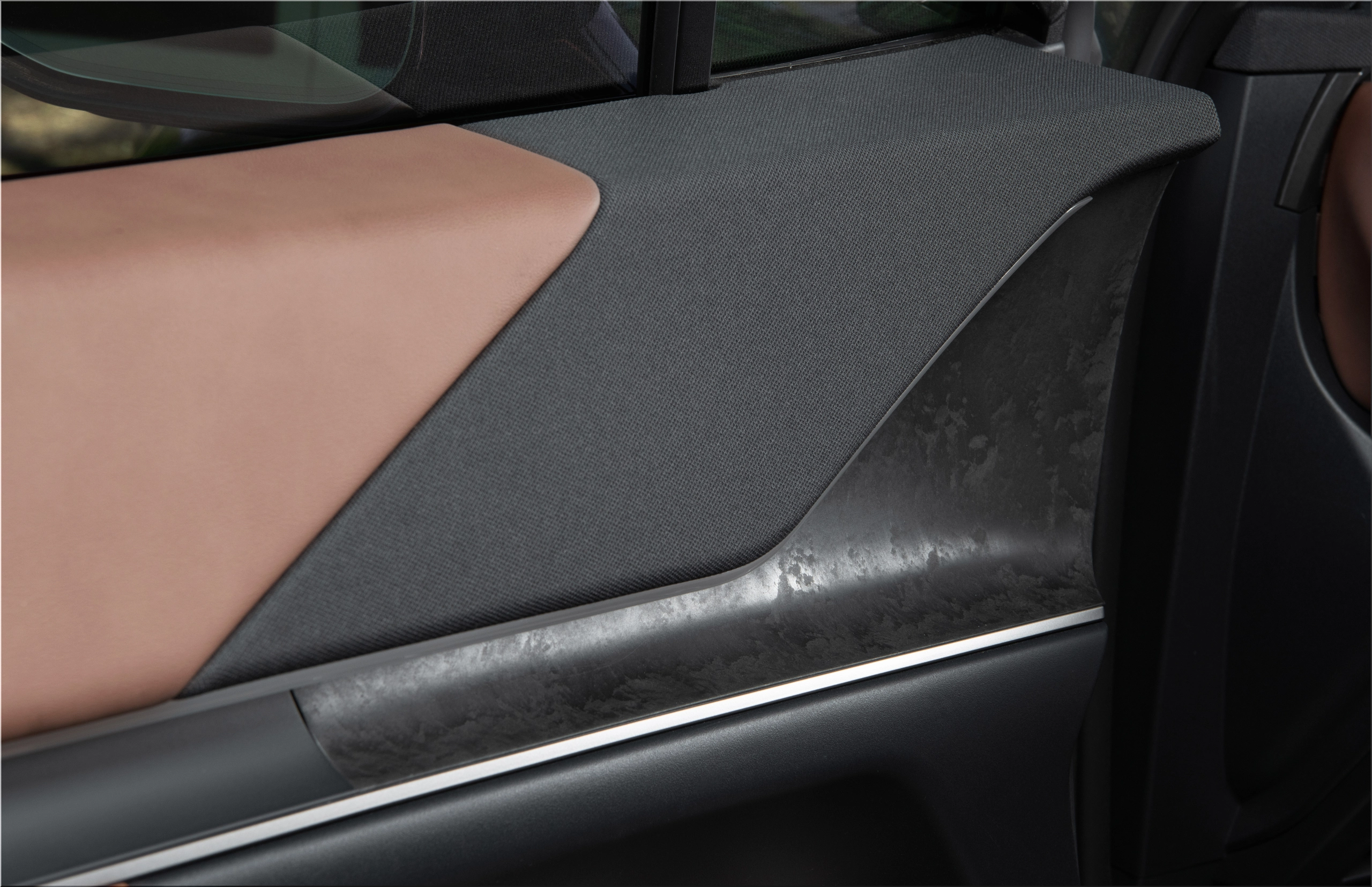
Image gallery:
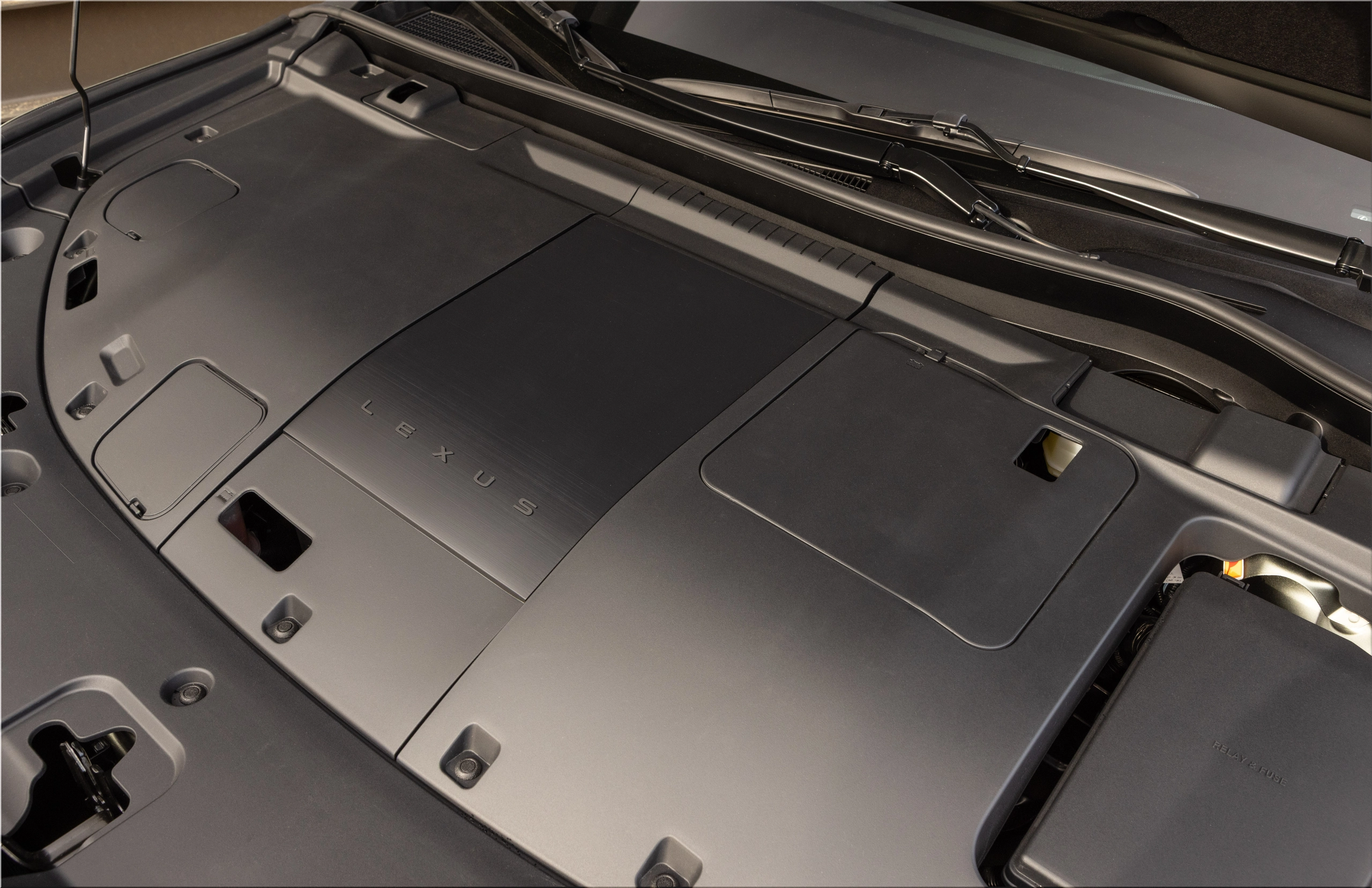
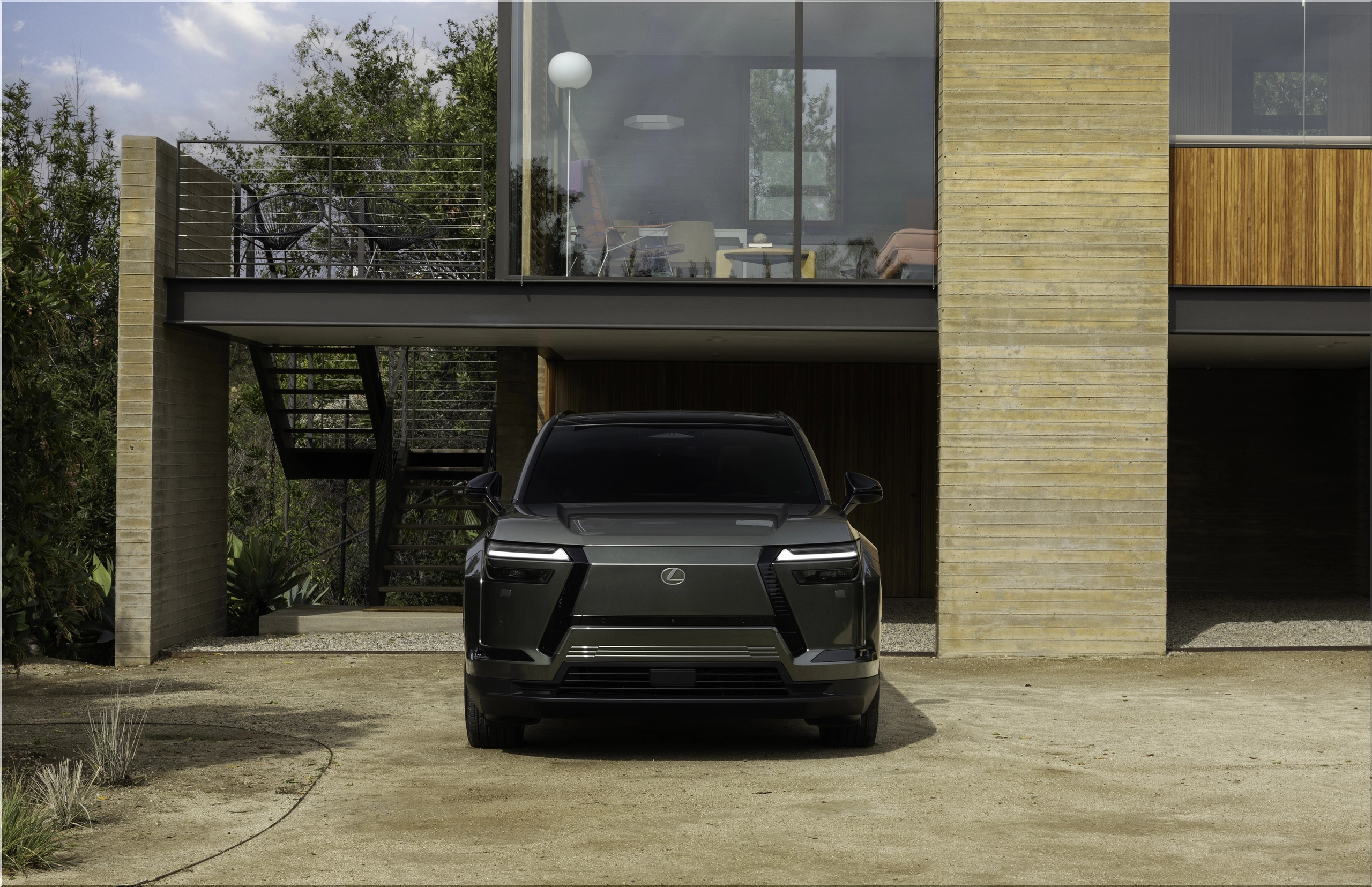
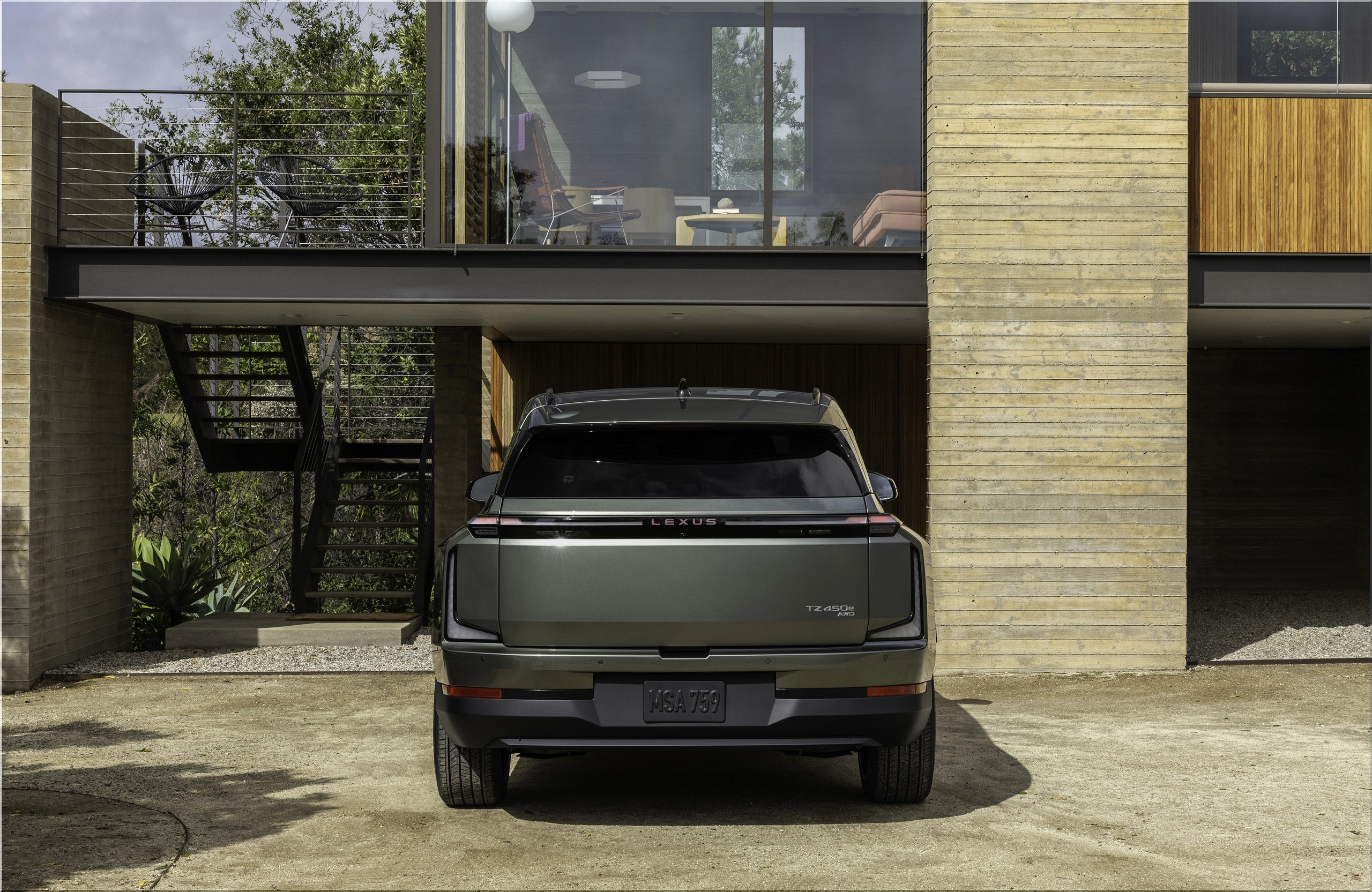
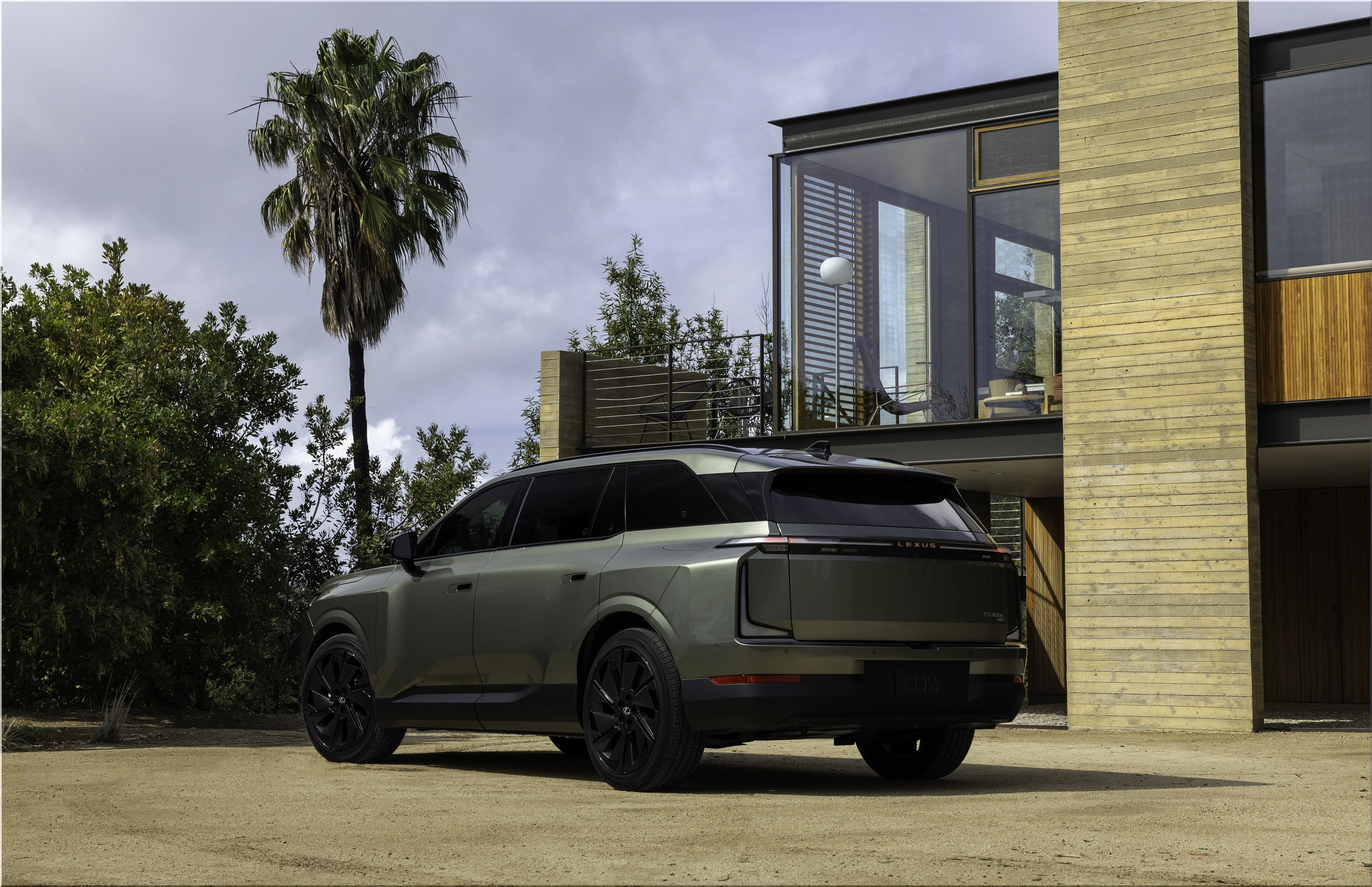
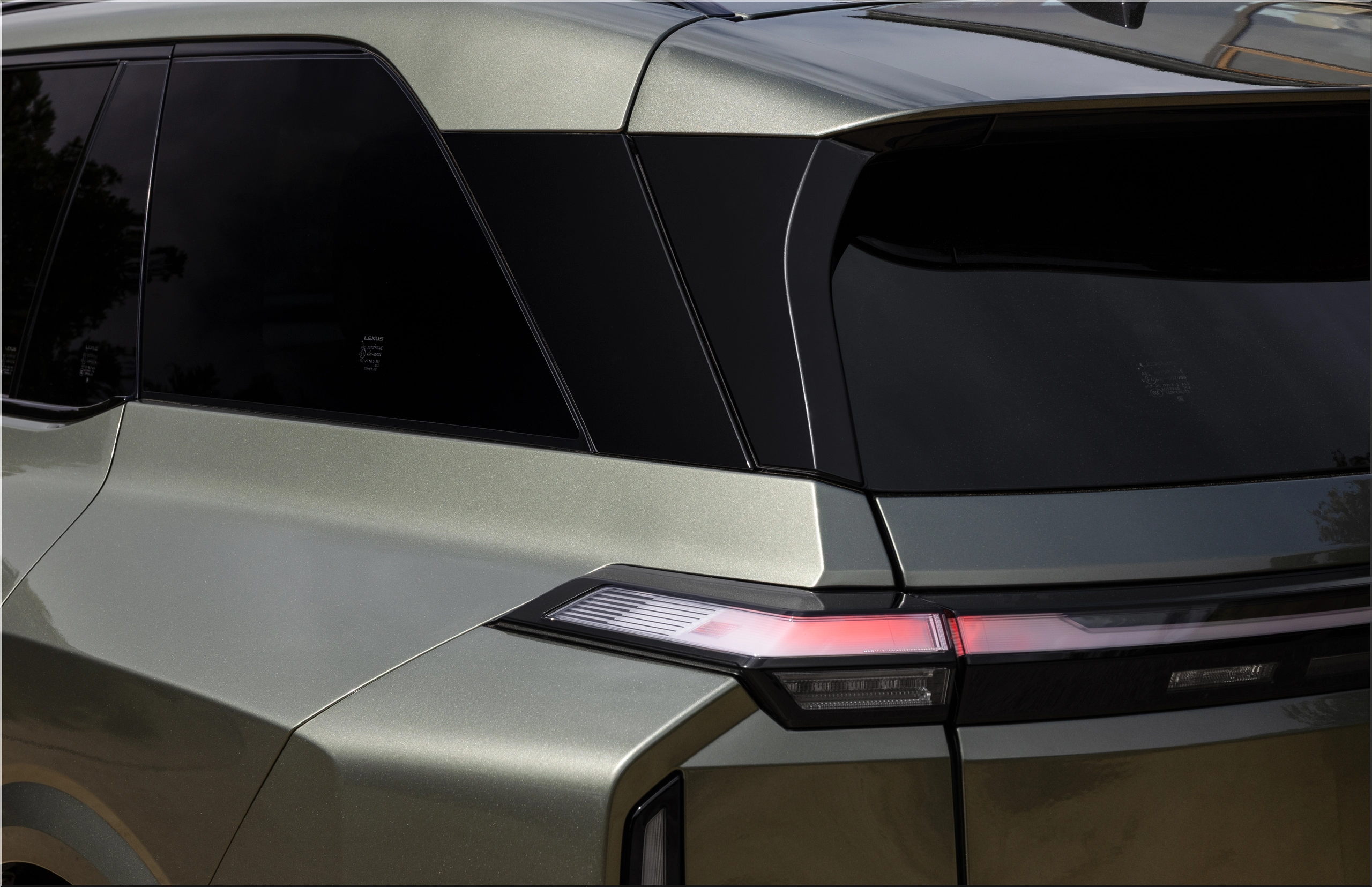
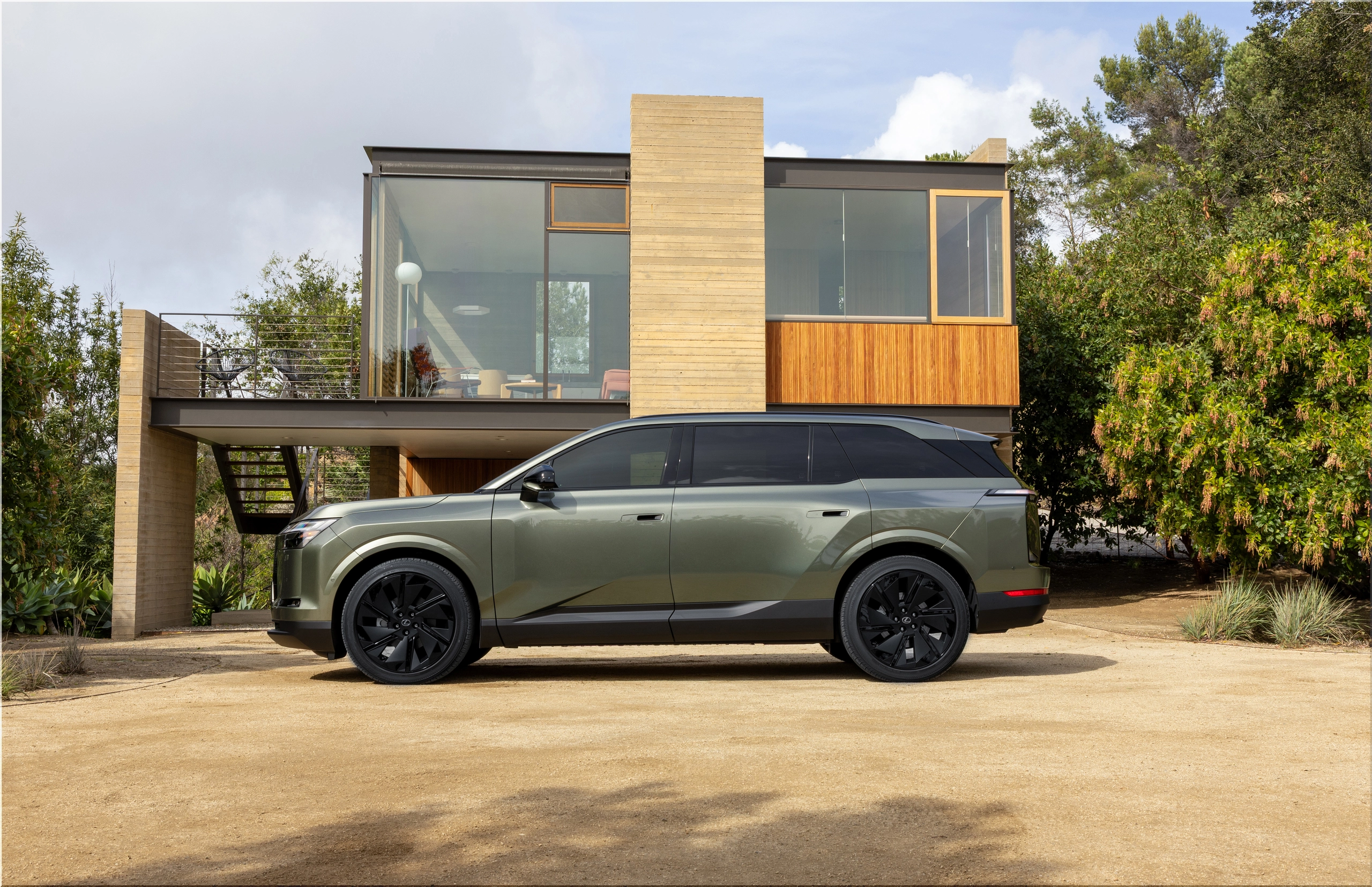

What Now?
The 2027 Lexus TZ looks like Lexus' strongest EV packaging move yet. It gives luxury families a credible three-row electric SUV with AWD, NACS charging, 300-mile estimated range, 3,500-pound towing, adult-focused seating, and real chassis work under the calm cabin story.
The open question remains price. Lexus will release grades and pricing later in 2026, with U.S. sales expected at the end of 2026. Until then, the smart read stays simple: the TZ will win buyers only if Lexus prices it close enough to premium three-row rivals while keeping the big battery, DIRECT4 AWD, and comfort hardware out of the nosebleed trim trap.
- Add new comment
- 306 views