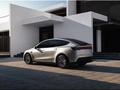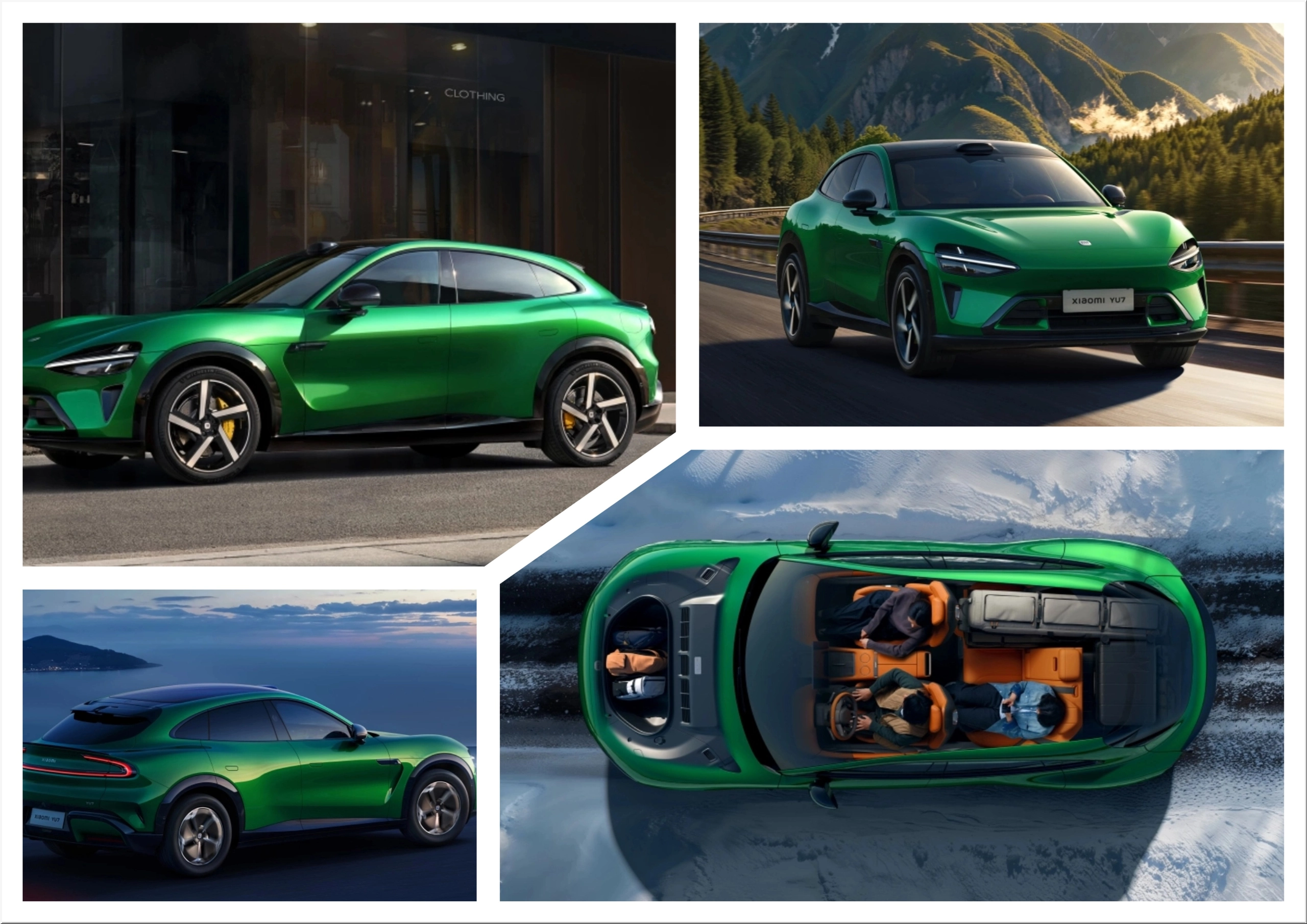
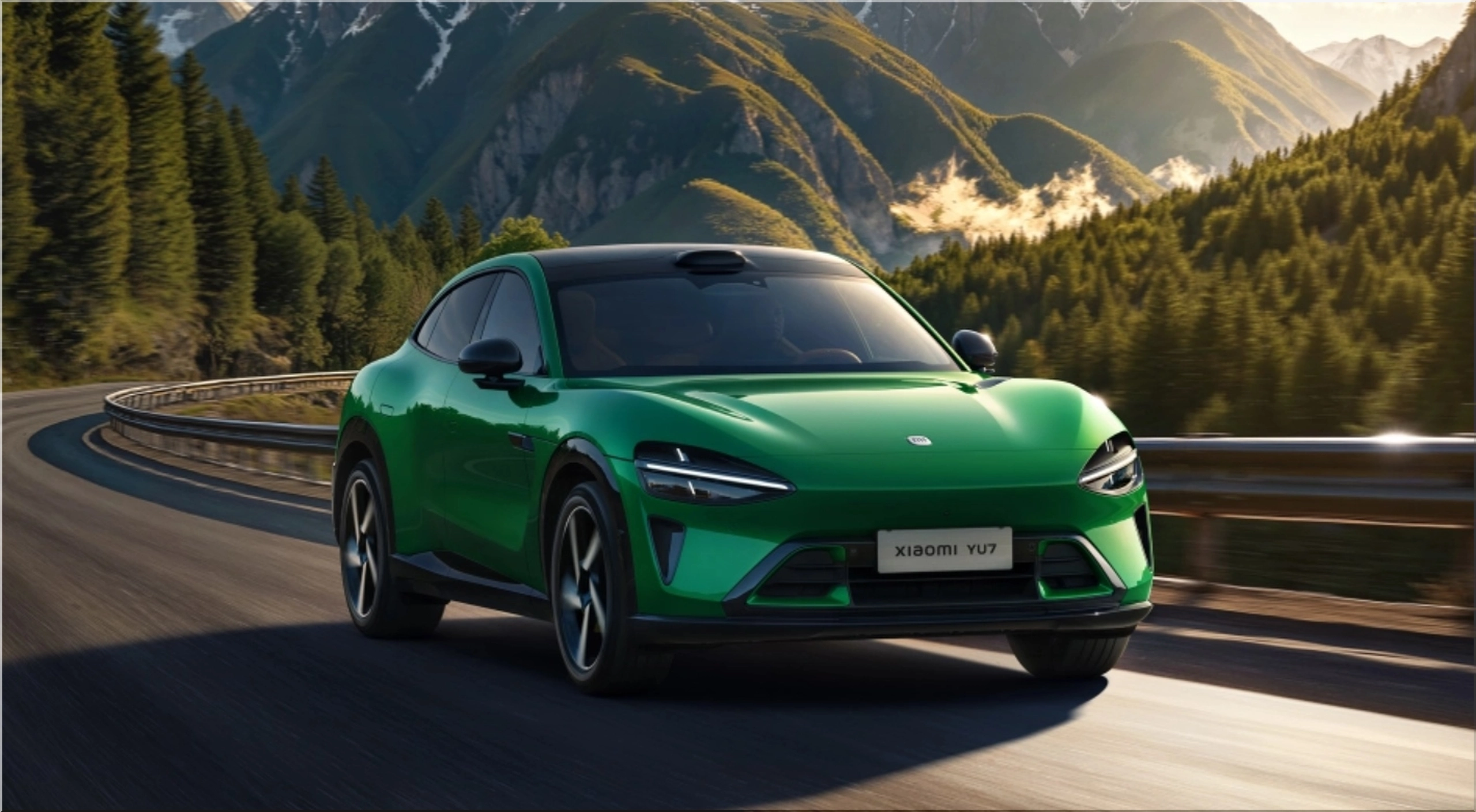
Xiaomi is scaling up its electric vehicle ambitions with the all-new Xiaomi YU7 SUV. The fast-growing Chinese tech giant moves deeper into the EV market, directly targeting Tesla’s Model Y, the world’s best-selling EV. Building on the momentum of its SU7 sedan, Xiaomi's YU7 is not a concept or teaser—it’s production-ready with specs that rival or beat established players in range, acceleration, and in-car tech.
Performance: Three Configurations, One Objective—Speed
Xiaomi splits the YU7 into three key trims: Standard RWD, Pro AWD, and Max AWD. Each serves a different market segment, but all deliver serious performance.
Performance Variants and Key Specifications
| Trim | Drive Type | Power Output | 0-100 km/h Time | Top Speed (est.) | Platform |
|---|---|---|---|---|---|
| Standard RWD | RWD | 235 kW / 315 hp | 5.88 sec | 190 km/h | Modena (Xiaomi EV) |
| Pro AWD | AWD | 365 kW / 489 hp | 4.27 sec | 210 km/h | Modena with dual-motor |
| Max AWD | AWD | 508 kW / 681 hp | 3.23 sec | 230 km/h+ | Modena, upgraded |
All trims use Xiaomi’s HyperEngine V6s Plus motors. These are paired with an 871V silicon carbide (SiC) electrical system, which reduces energy loss and supports ultra-fast acceleration and charging. Torque vectoring is active in both AWD versions.
Battery & Range: Long Distance, Rapid Recharge
The YU7 comes with two battery chemistry options: LFP and NMC. Range estimates are provided using CLTC—a Chinese standard known for optimistic ratings—but even adjusted, these numbers remain competitive.
Battery Specs by Trim
| Trim | Battery Type | Capacity (kWh) | CLTC Range (km) | Est. Real Range (EPA) |
|---|---|---|---|---|
| Standard RWD | LFP | 96.3 kWh | 835 km | ~575 km (~357 mi) |
| Pro AWD | LFP | 96.3 kWh | 770 km | ~525 km (~326 mi) |
| Max AWD | NMC | 101.7 kWh | 760 km | ~515 km (~320 mi) |
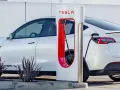
The Max AWD supports 800V fast charging, delivering 620 km of range in 15 minutes—a key competitive edge. Tesla’s V3 Supercharger system typically maxes out around 250 kW; Xiaomi’s high-voltage architecture may push over 400 kW peak.
Exterior Dimensions & Aerodynamics
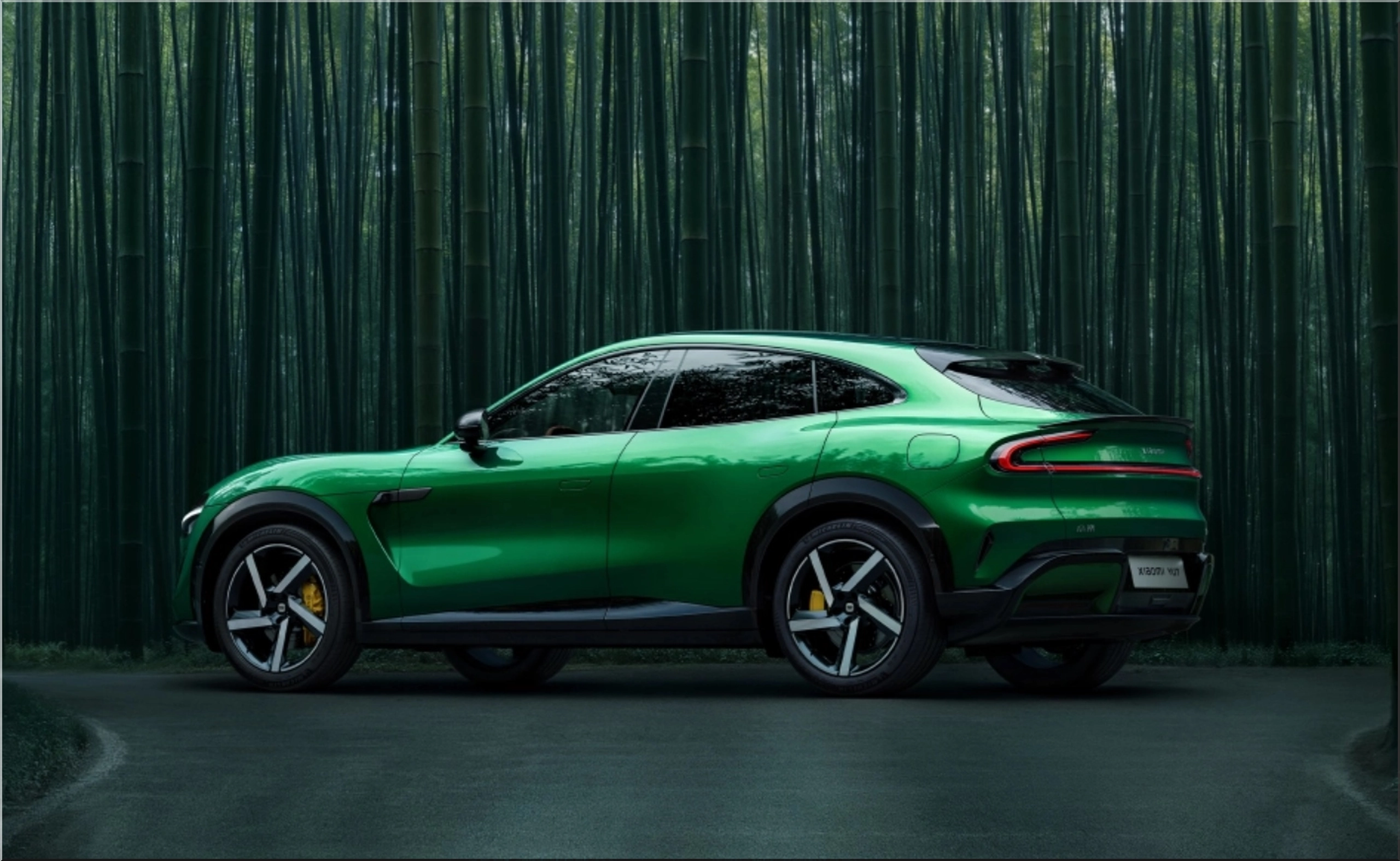
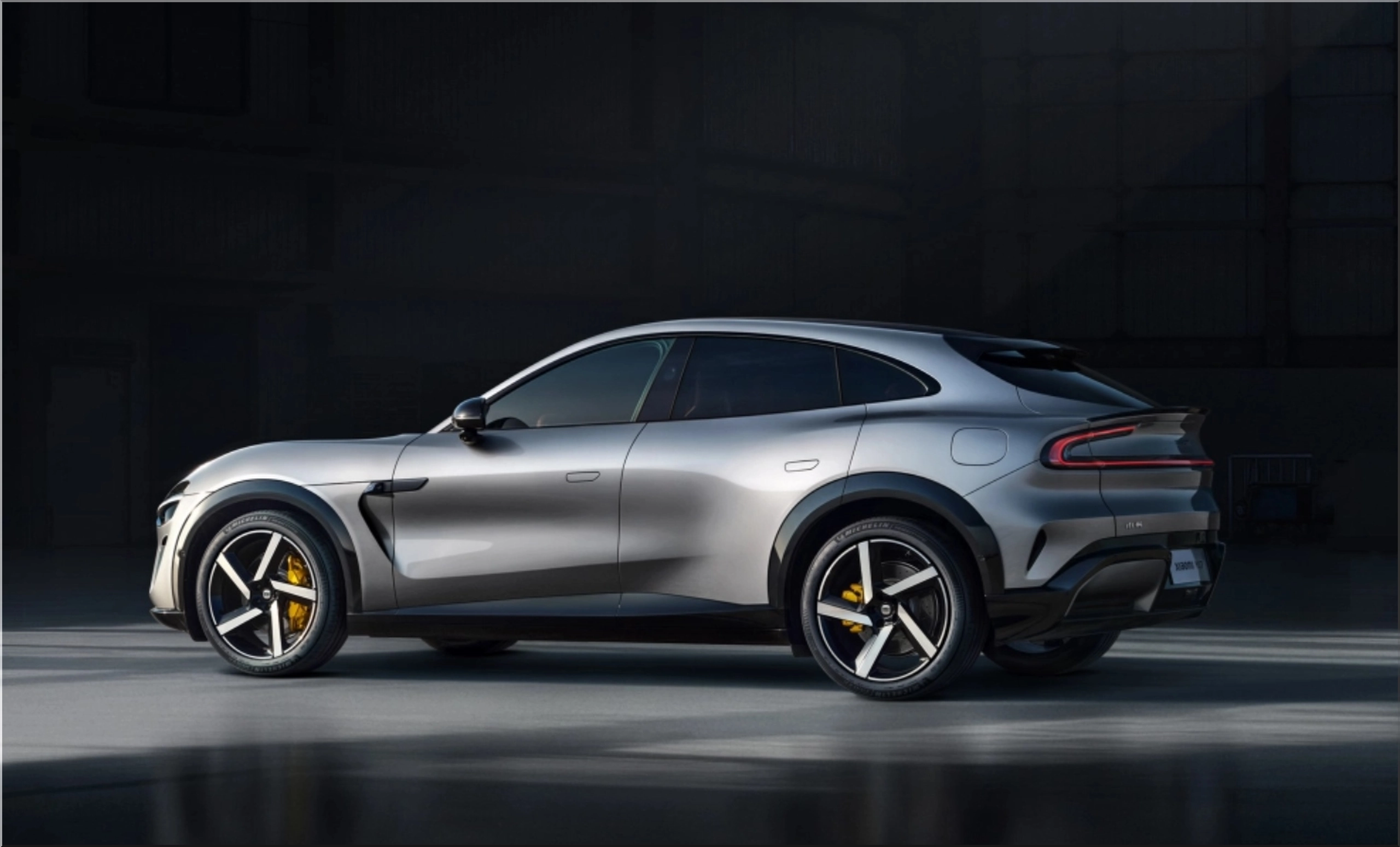
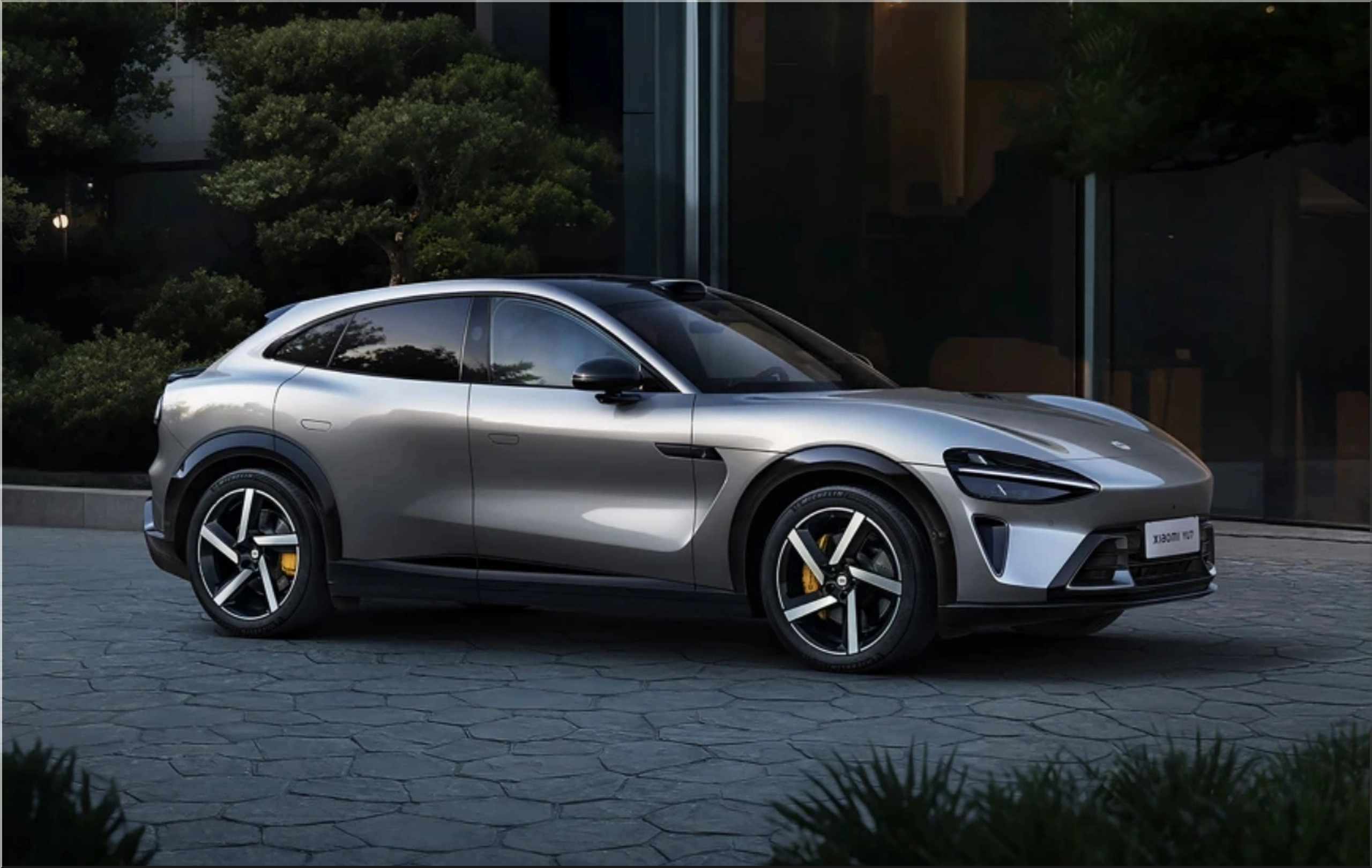
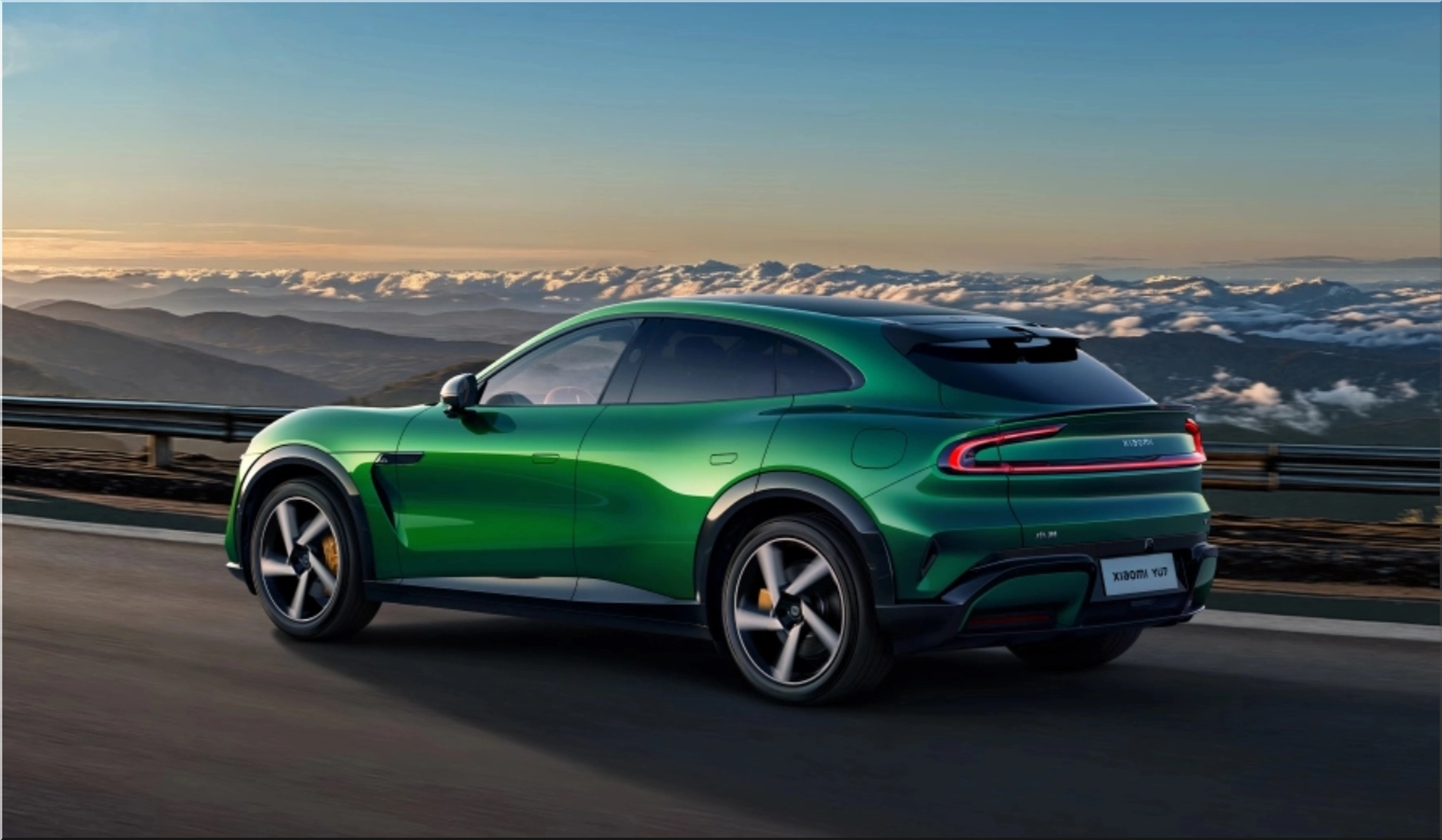
Built on the Modena platform, the Xiaomi YU7 focuses on aerodynamic efficiency and interior space. Its drag coefficient of 0.245 is among the best in the SUV segment, thanks to 40+ aerodynamic improvements including:
- Active grille shutters
- Flush door handles
- Optimized underbody panels
- Rear spoiler angle design
Dimensions
- Length: 4,999 mm
- Width: 1,996 mm
- Height: 1,600 mm
- Wheelbase: 3,000 mm
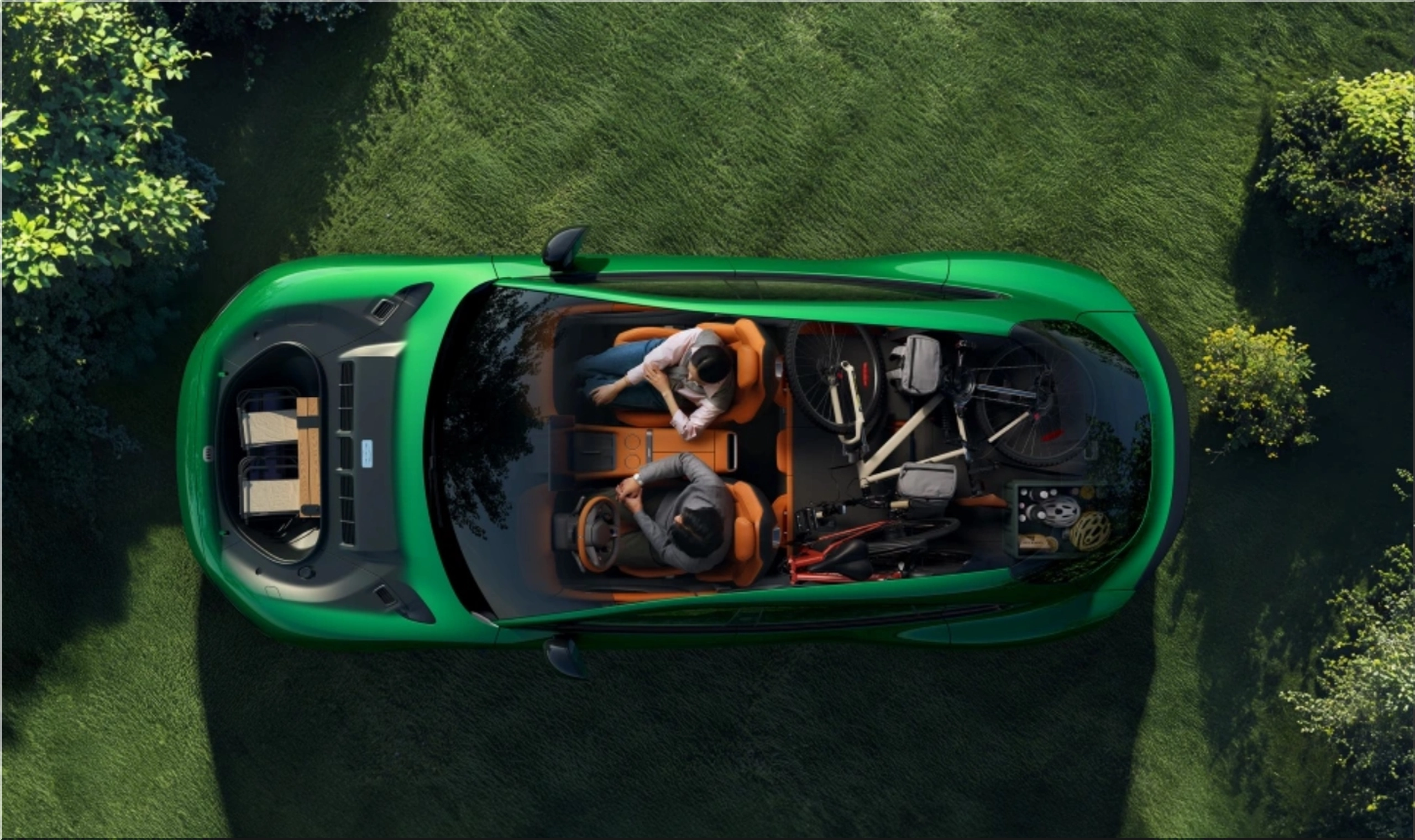
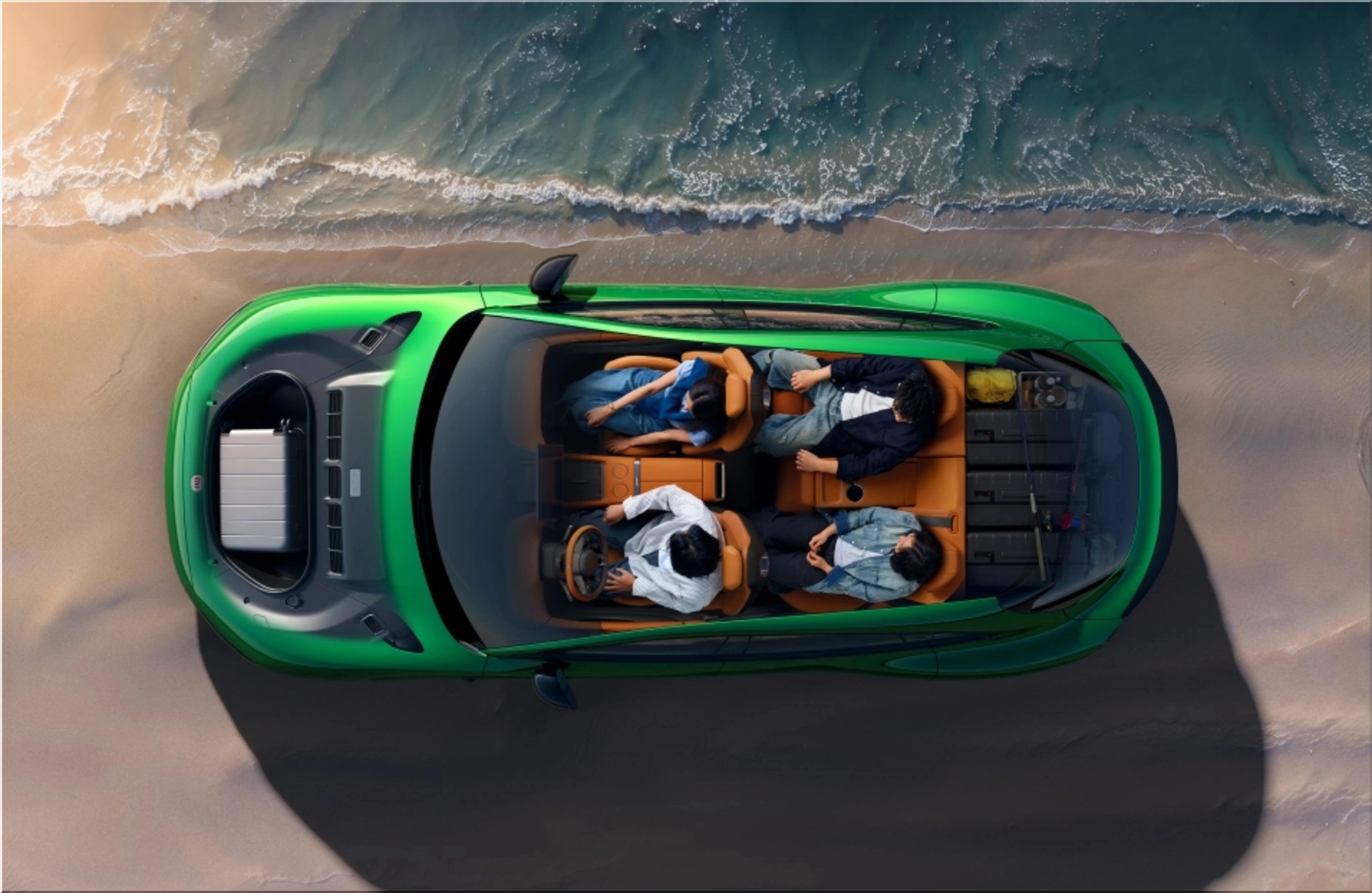
This makes the YU7 slightly larger than a Tesla Model Y, providing more cabin room and rear legroom.
Interior: Tech-Dense, Driver-Focused
Xiaomi’s core strength—consumer electronics—shapes the YU7 cabin. The user interface and hardware take direct cues from Xiaomi smartphones and tablets.
Notable In-Cabin Technology
- HyperVision Panoramic HUD: 1.1-meter-wide augmented display, 108 PPD (pixels per degree), and up to 1200 nits brightness.
- Infotainment: 16.1-inch central touchscreen, Snapdragon 8 Gen 3 chip, fast OTA updates, multi-device syncing with Xiaomi ecosystem.
- Rear Comfort Touchscreen: 6.68-inch secondary screen for climate/media/navigation control.
- Premium Seating: Heated, ventilated Nappa leather front seats with 10-point massage and full recline “zero-gravity” position.
Cabin acoustics are tuned using Xiaomi’s in-house DSP and AI algorithms, supporting real-time sound zone control.
Advanced Safety & Autonomous Capabilities
Safety and autonomy are not afterthoughts in the YU7. The SUV includes one of the most complete sensor suites in its class.
Sensor & Processing Suite
- LIDAR (1 unit)
- mmWave Radar (5 units)
- Ultrasonic Sensors (12)
- Surround Cameras (11)
- Central Processing: NVIDIA DRIVE AGX Thor-U chip, 700 TOPS performance
The vehicle supports supervised autonomous driving under Xiaomi HAD (Hyper Auto Drive), expected to expand to Level 3 autonomy via software updates in 2026.
Body rigidity is enhanced using 2200 MPa ultra-high-strength steel in key crash zones. Side pole and rollover tests exceed local standards.




Market Strategy and Price Positioning
Xiaomi is strategically pricing the YU7 to undercut Tesla while offering more specs for the dollar. CEO Lei Jun hinted at a price range of 400,000–500,000 yuan, equivalent to $55,000–$70,000 USD.
By comparison, the Tesla Model Y starts at 263,500 yuan (~$36,600 USD) in China. Xiaomi offsets the higher entry price with better battery range, tech features, and performance.
Comparative Pricing Table
| Model | Starting Price (USD) | Base Range (EPA Est.) | 0–100 km/h Time |
|---|---|---|---|
| Xiaomi YU7 RWD | ~$55,000 | ~357 mi | 5.88 sec |
| Xiaomi YU7 Max AWD | ~$70,000 | ~320 mi | 3.23 sec |
| Tesla Model Y RWD | ~$36,600 | 260 mi | 6.9 sec |
| Tesla Model Y Perf | ~$50,000 | 303 mi | 3.5 sec |








Final Analysis: Can Xiaomi Compete with Tesla?
The Xiaomi YU7 isn’t a speculative bet—it’s a production EV targeting Tesla with a clear hardware advantage and tight ecosystem integration. Xiaomi’s control over supply chains and OS stack will likely deliver faster updates, tighter phone-to-car sync, and better customer acquisition through its existing channels.
If Xiaomi can deliver real-world range close to estimates and scale production fast enough, the YU7 could become a top EV contender in China and beyond.
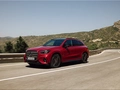
Mercedes-Benz has launched the all-new electric GLC 400 4MATIC, a bold shift in its best-selling SUV lineup. Available for order in Europe starting October 29, 2025, this marks the company’s strongest signal yet that electric… Continue reading
BMW is one of the leading automakers in the world, known for its premium cars that combine performance, innovation, and design. BMW is also committed to the electrification of its portfolio, offering a range of hybrid and electric models under its sub-brand… Continue reading
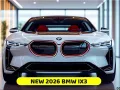
The 2026 BMW iX3 is shaping up to redefine electric SUVs. As a significant part of BMW's Neue Klasse lineup, this vehicle embodies innovation with its next-generation platform and cutting-edge… Continue reading
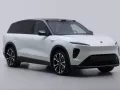
On December 14, the Chinese government's Ministry of Industry and Information Technology released information and photos of the new NIO ES8 electric SUV. This huge electric SUV, introduced in 2018, will receive its first significant… Continue reading