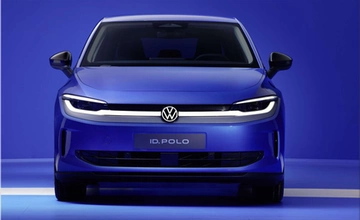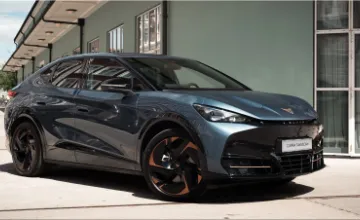
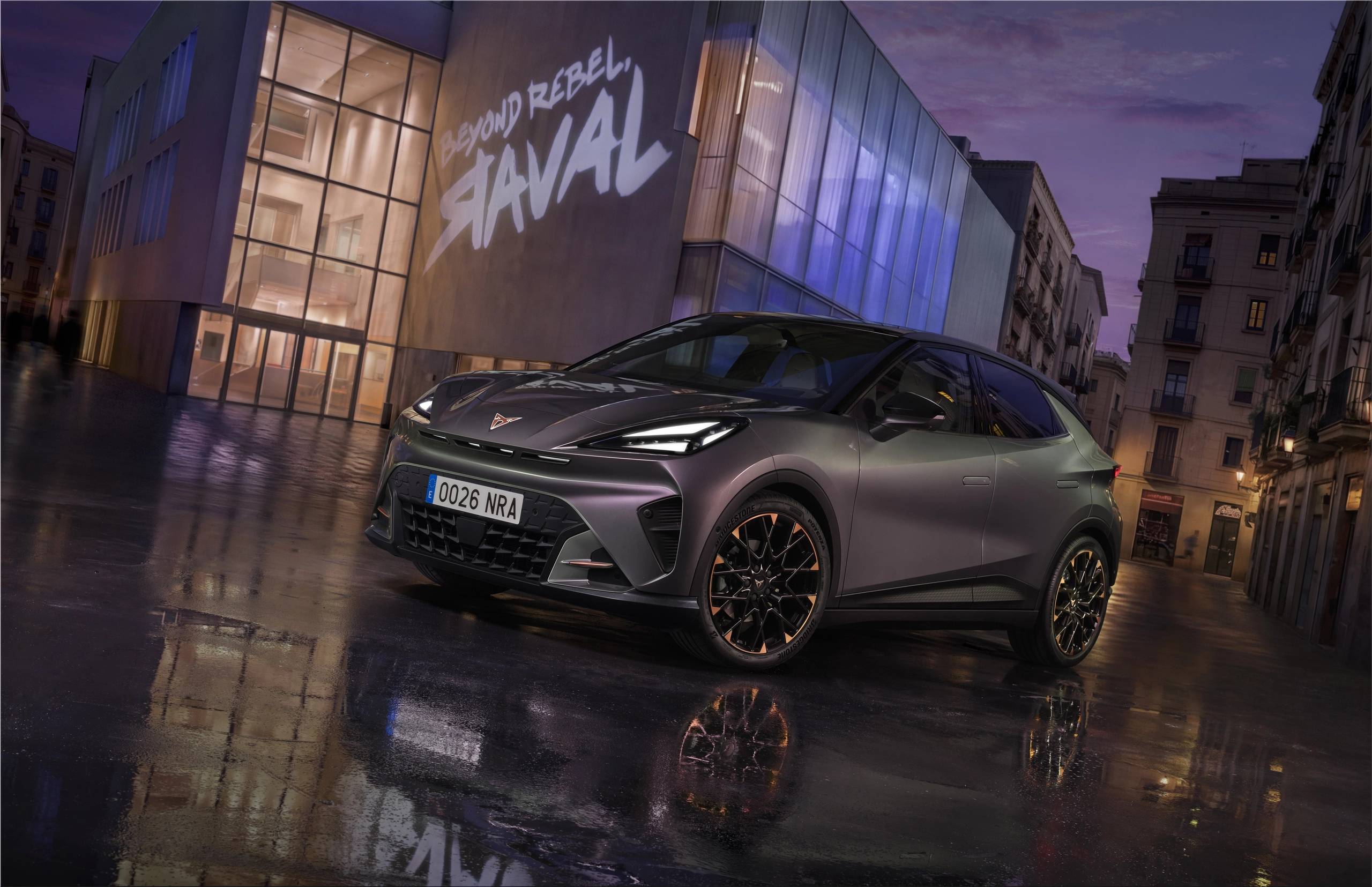
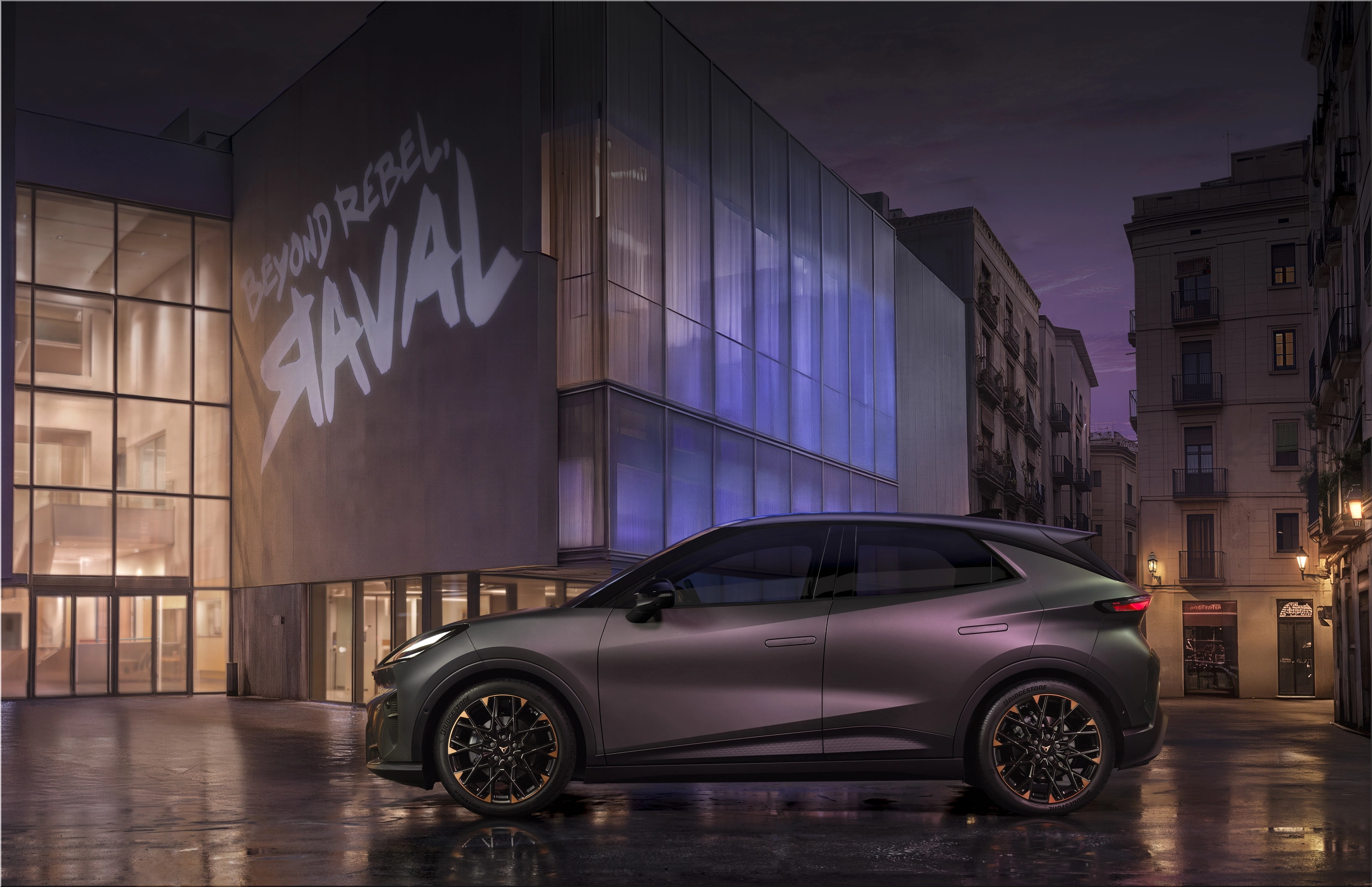
The Cupra Raval lands at the front of Volkswagen Group's new compact EV push, and it matters for one reason: this car finally puts serious chassis tuning, usable packaging, and mainstream pricing in the same sentence. Looking at the data, Cupra built the Raval to hit the hot zone of Europe's electric hatch market, where buyers want city size, fast charging, and enough attitude to avoid feeling like they bought an appliance.
Image
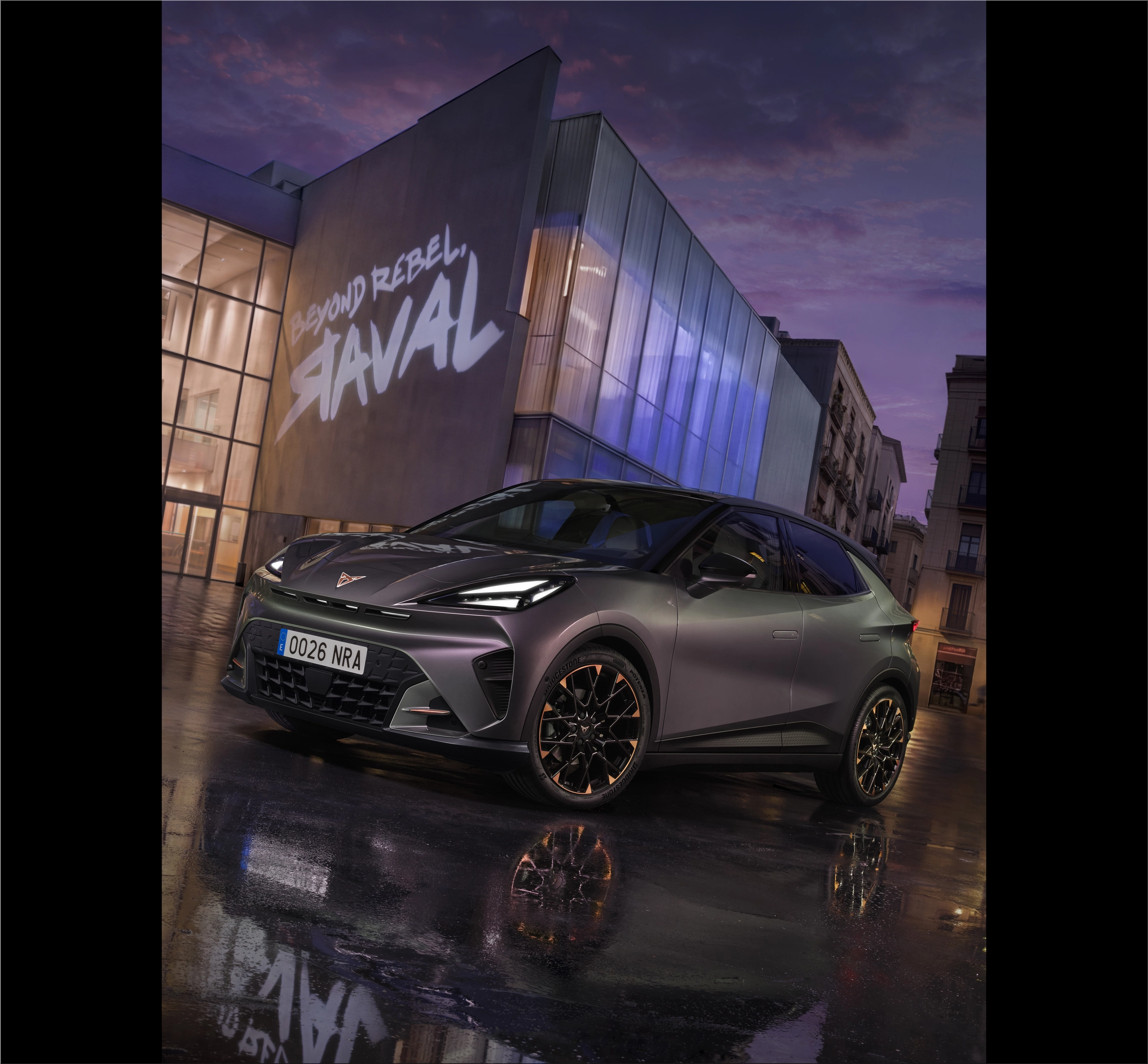
Cupra will open the range with launch editions first, while the true entry model starts at about $30,323. That puts the Cupra Raval price right in the center of the fight for affordable EV buyers, but the real story sits under the skin.
Why the Cupra Raval matters
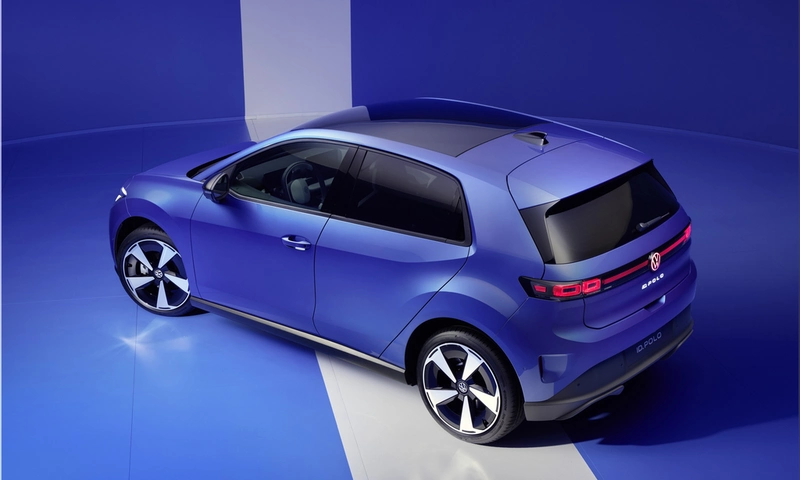
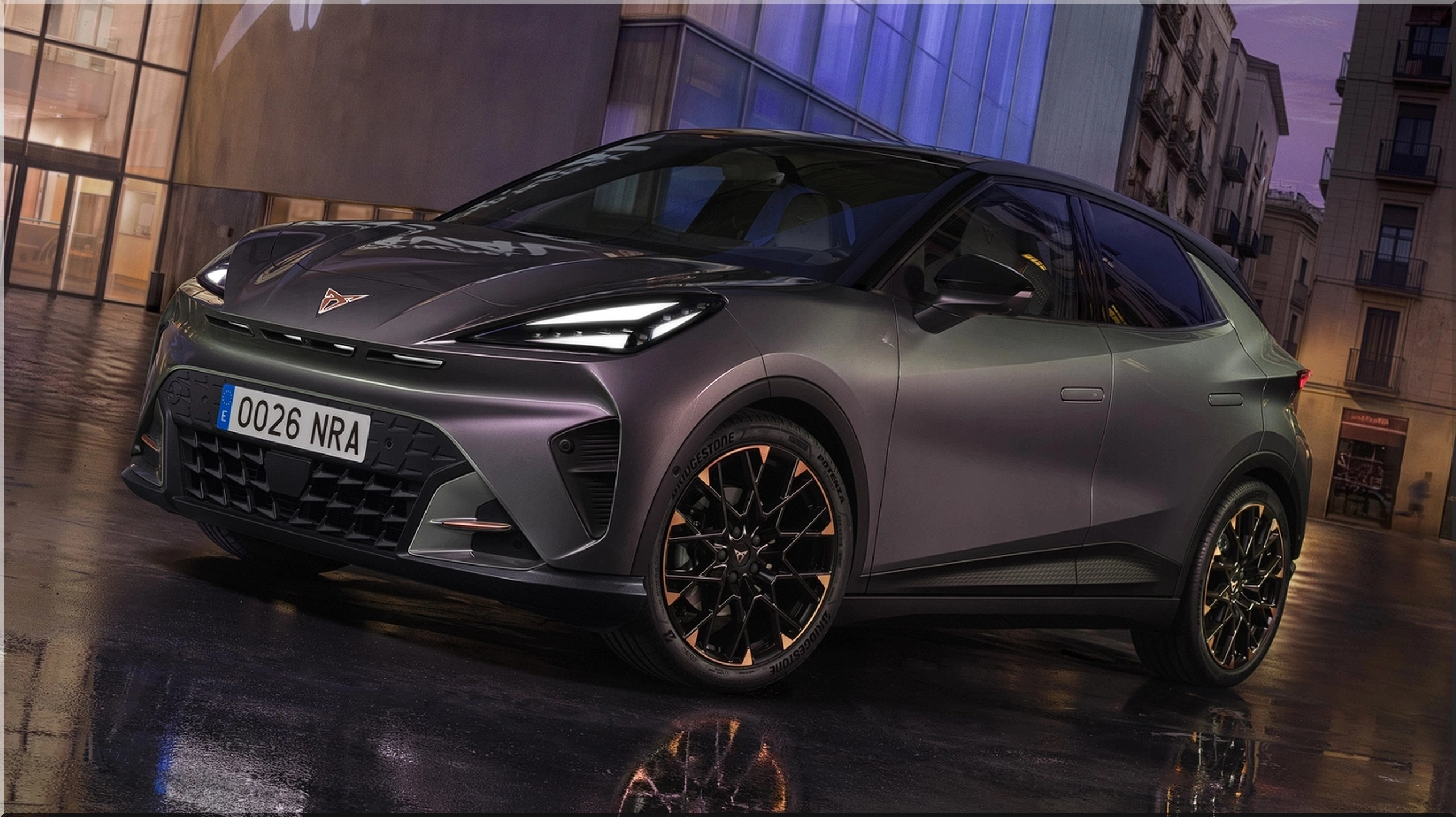
The Cupra Raval EV uses the new MEB+ platform and packs front-wheel drive, a sport-tuned chassis, and proportions that stay tight enough for old-city streets without giving up cabin or cargo space. Specifically, Cupra says the car stretches 4,046 mm long, 1,784 mm wide, and 1,514-1,518 mm high, depending on source formatting, with a 2,600 mm wheelbase and a 441-liter boot. In inches, that works out to roughly 159.3 in long, 70.2 in wide, 59.6 in high, and 102.4 in between the axles.
Image
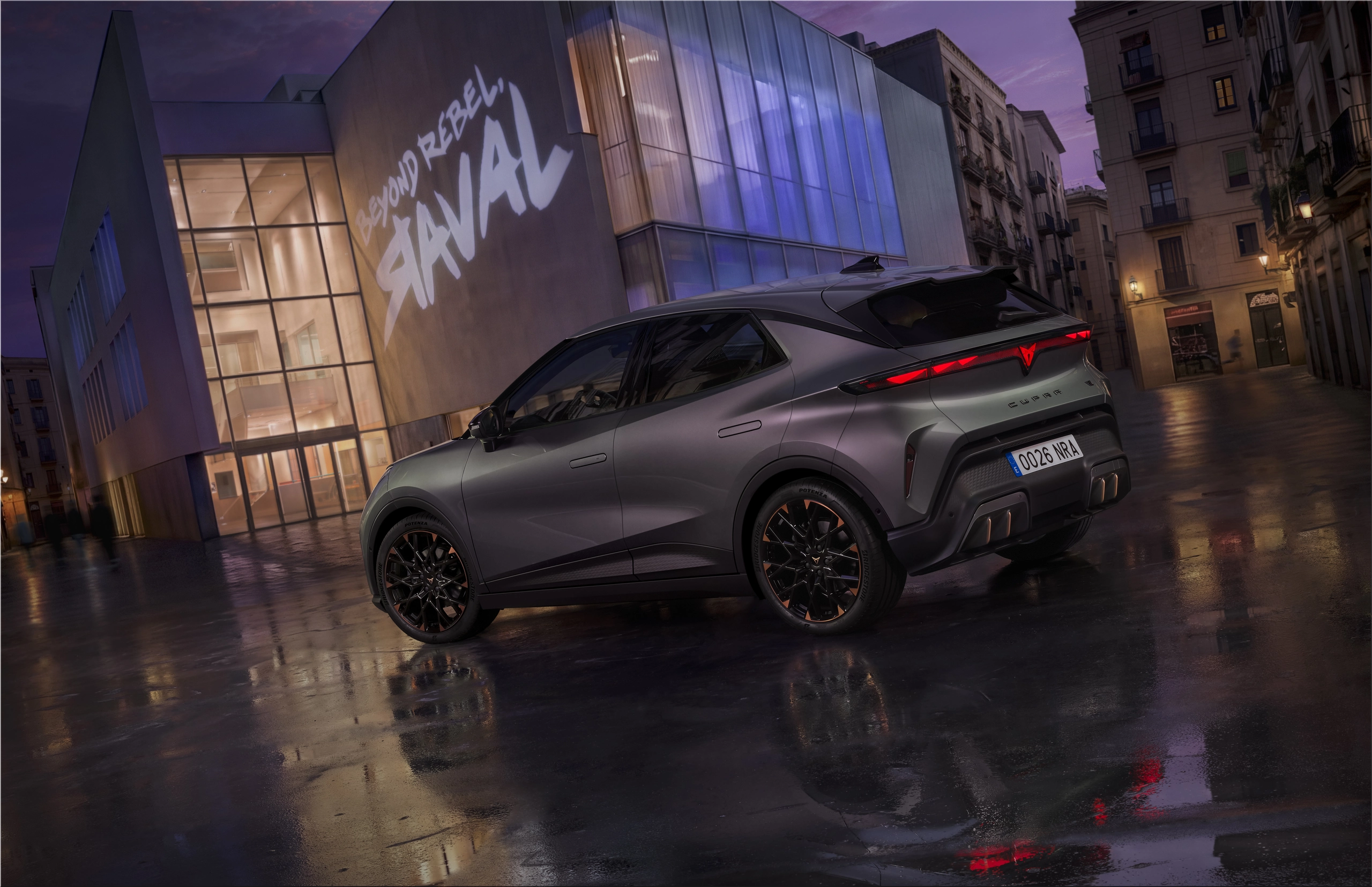
That wheelbase number matters. By comparison, many B-segment hatchbacks give up rear-seat and cargo room to stay compact, but the Raval pushes its wheels outward and uses EV packaging to free up interior volume. Cupra then backs that layout with a lower sport chassis, wider track, progressive steering, and disc brakes at both ends. That tells you the brand did not treat this as a cheap compliance car.
Cupra Raval specs that actually matter
Cupra has laid out four motor-and-battery combinations, though some launch timing depends on market rollout and homologation. The base cars use a 37 kWh net LFP battery, while upper trims move to a 52 kWh net NMC battery supplied through PowerCo's unified-cell strategy.
Video gallery
Video title
Cupra Raval EV
Powertrain and battery spec table
| Version | Output | Battery | Charging peak | 10-80% DC charge | Max stated range |
|---|---|---|---|---|---|
| Raval | 85 kW / 116 hp | 37 kWh net LFP | DC fast charging standard | Not fully detailed for this trim | Pending full homologated trim figure |
| Raval Plus | 99 kW / 135 hp | 37 kWh net LFP | Not fully detailed in full public spec table | 23 min | Pending full homologated trim figure |
| Endurance | 155 kW / 211 hp | 52 kWh net NMC | 105 kW | 24 min | Up to 450 km / 280 mi |
| VZ | 166 kW / 226 hp | 52 kWh net NMC | 105 kW | 24 min | Launch editions quote around 400-440 km / 249-273 mi depending on spec |
Consequently, the sweet spot looks obvious. The Endurance trim likely gives buyers the best mix of output, range, and price discipline, while the VZ exists for people who want the small EV that feels closest to a warm hatch.
Image
Chassis hardware gives the Raval its edge
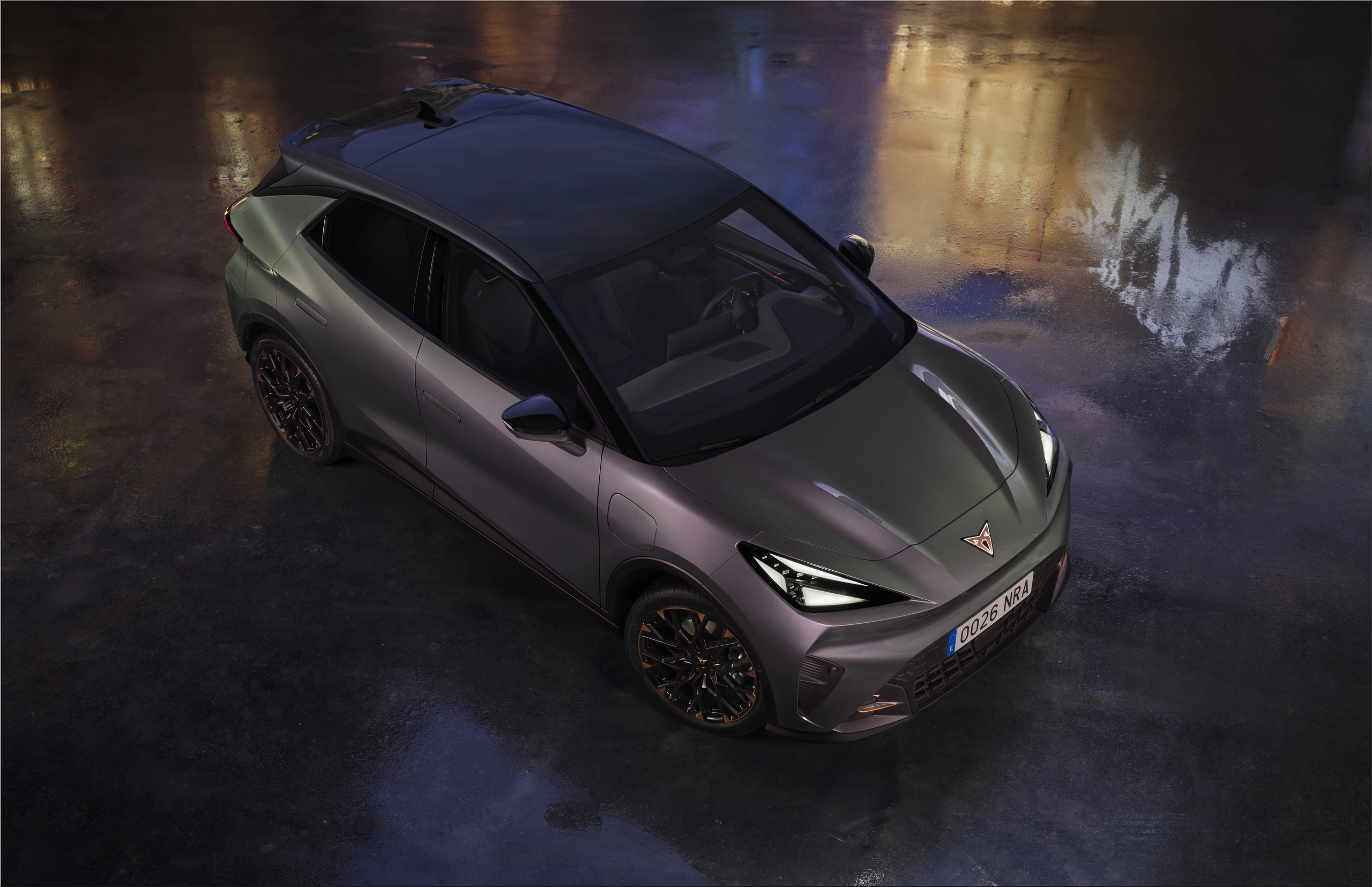
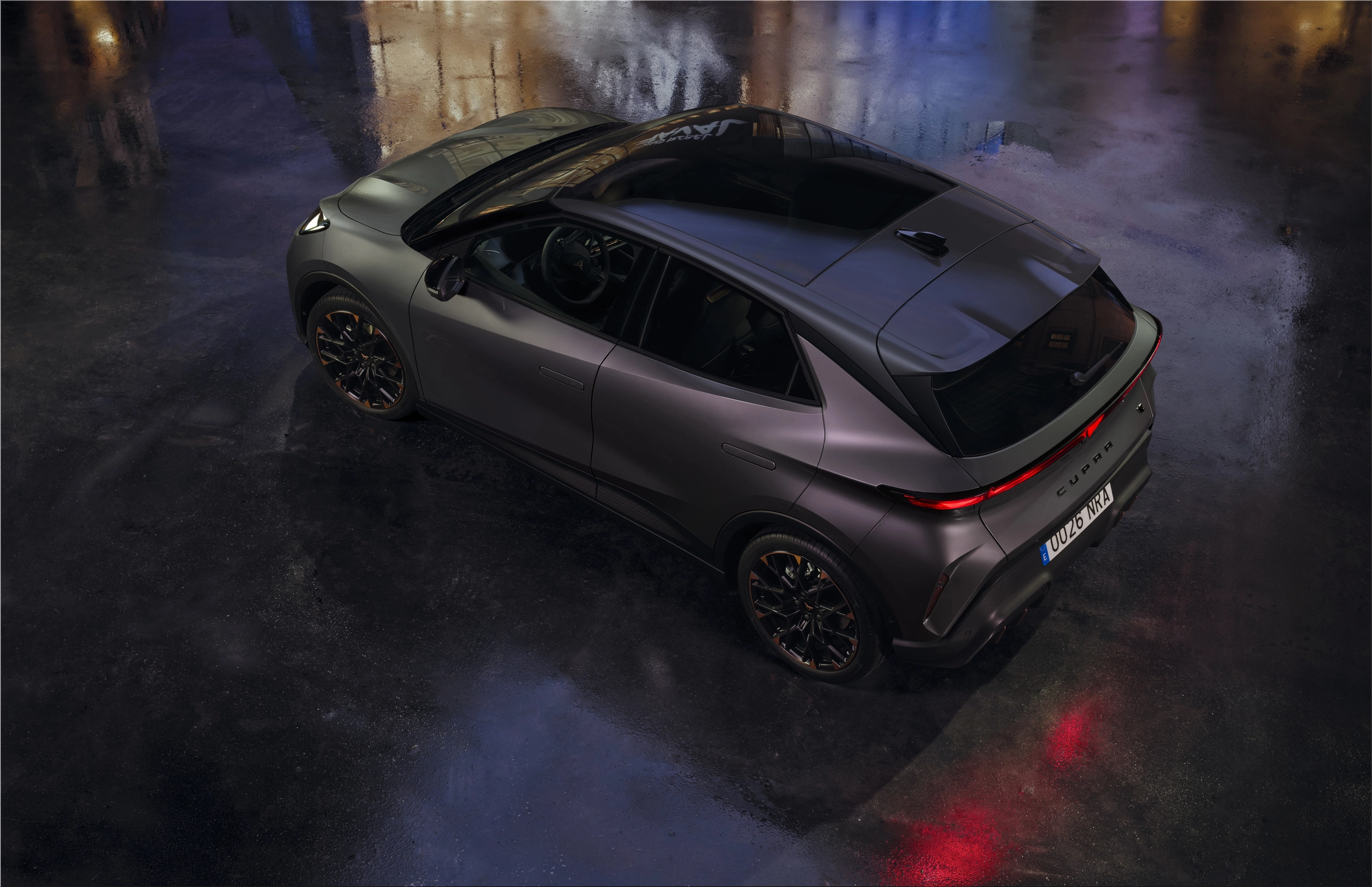
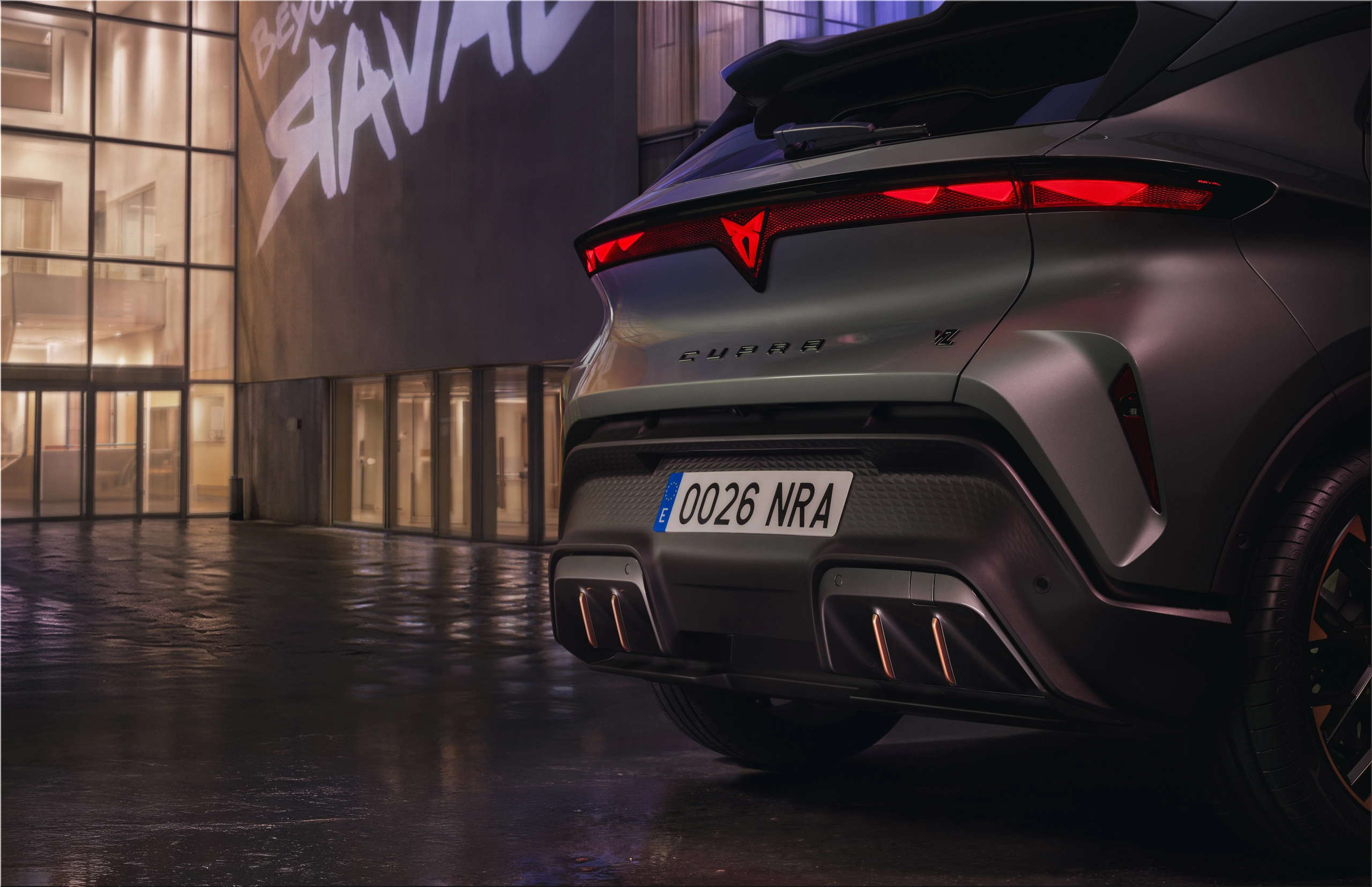
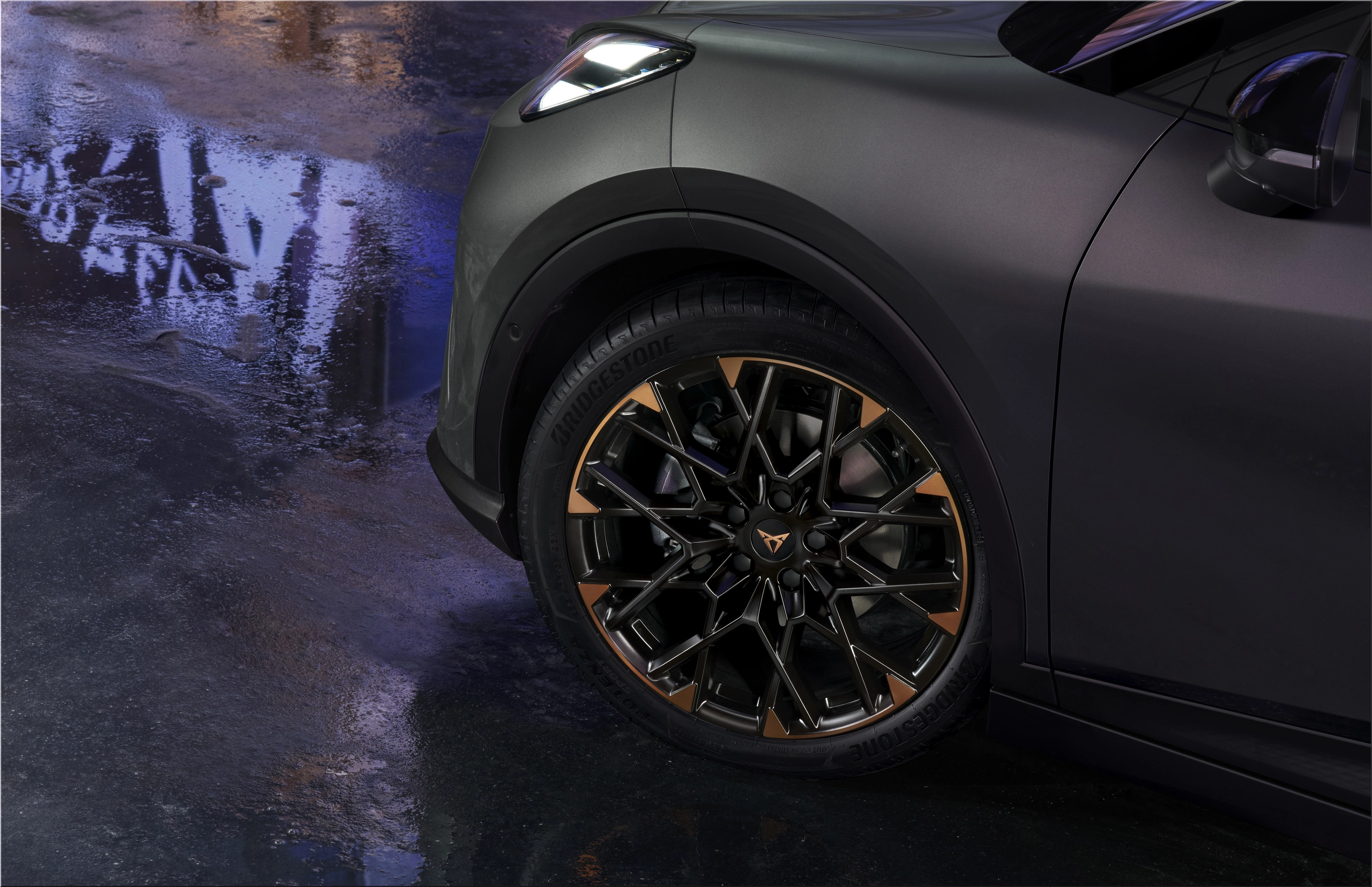
This part matters more than marketing copy. Cupra says the Raval sits 15 mm lower than the platform baseline and uses suspension tuning tailored for sharper turn-in. The available DCC Sport suspension brings 15 levels of damper adjustment, and the VZ adds a stiffer setup with 5% greater rigidity, ESC Off mode, and 235 mm tires on 19-inch wheels.
In addition, the electronic slip differential on the VZ does real work. It manages torque between the front wheels to improve grip when the driver loads the outside tire in a tight corner. From an expert perspective, that feature matters because powerful front-drive EVs can burn through front-end traction fast. Cupra tackles that problem with hardware, not branding.
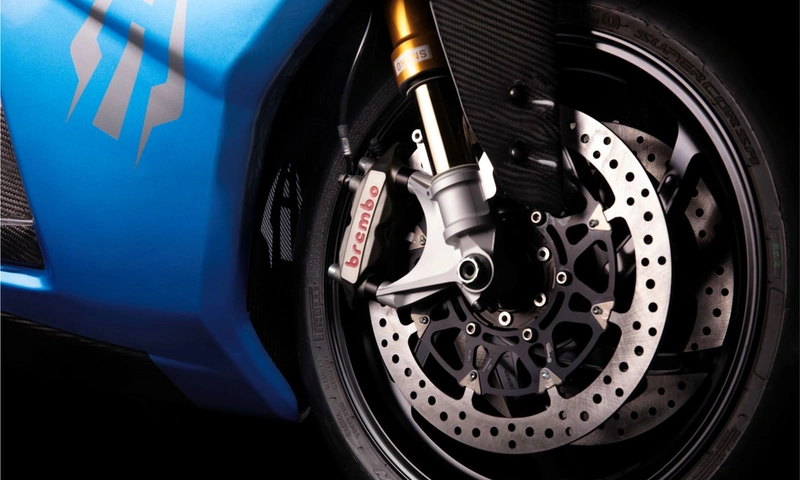
Cupra also fits a one-box braking system, which merges brake-servo and ESC functions to sharpen pedal feel and improve regenerative blending. That setup should make the car feel more natural in traffic and more consistent during quick pace changes, where many smaller EVs still feel synthetic.
Image
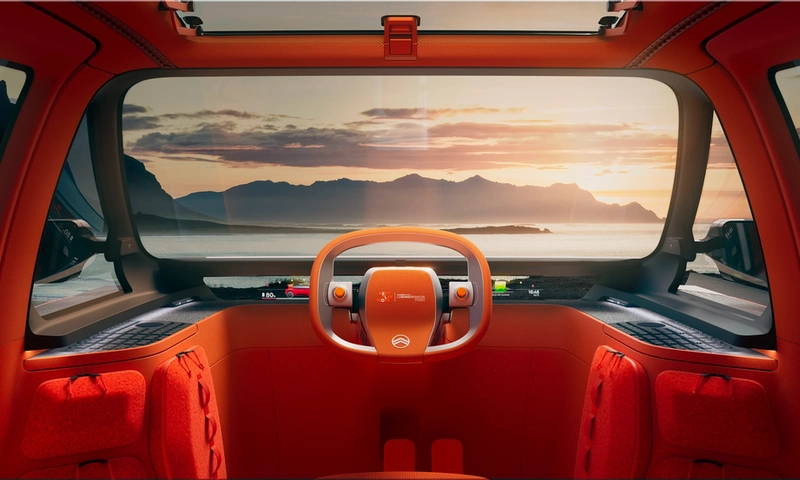
Interior tech and cabin packaging
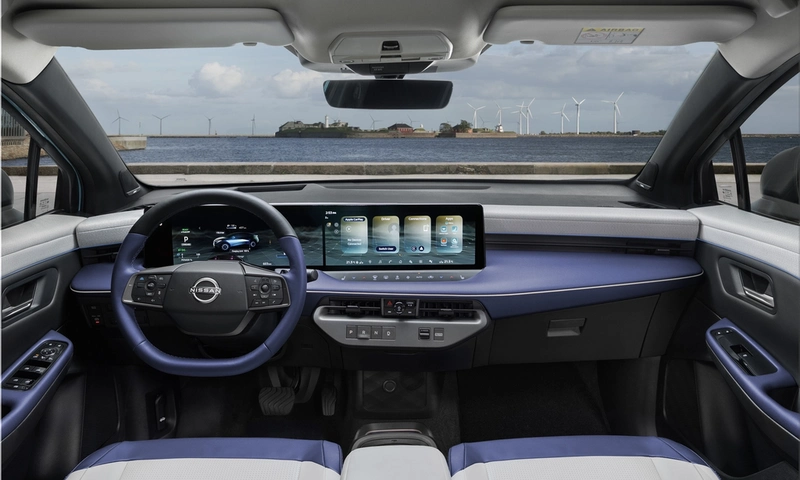
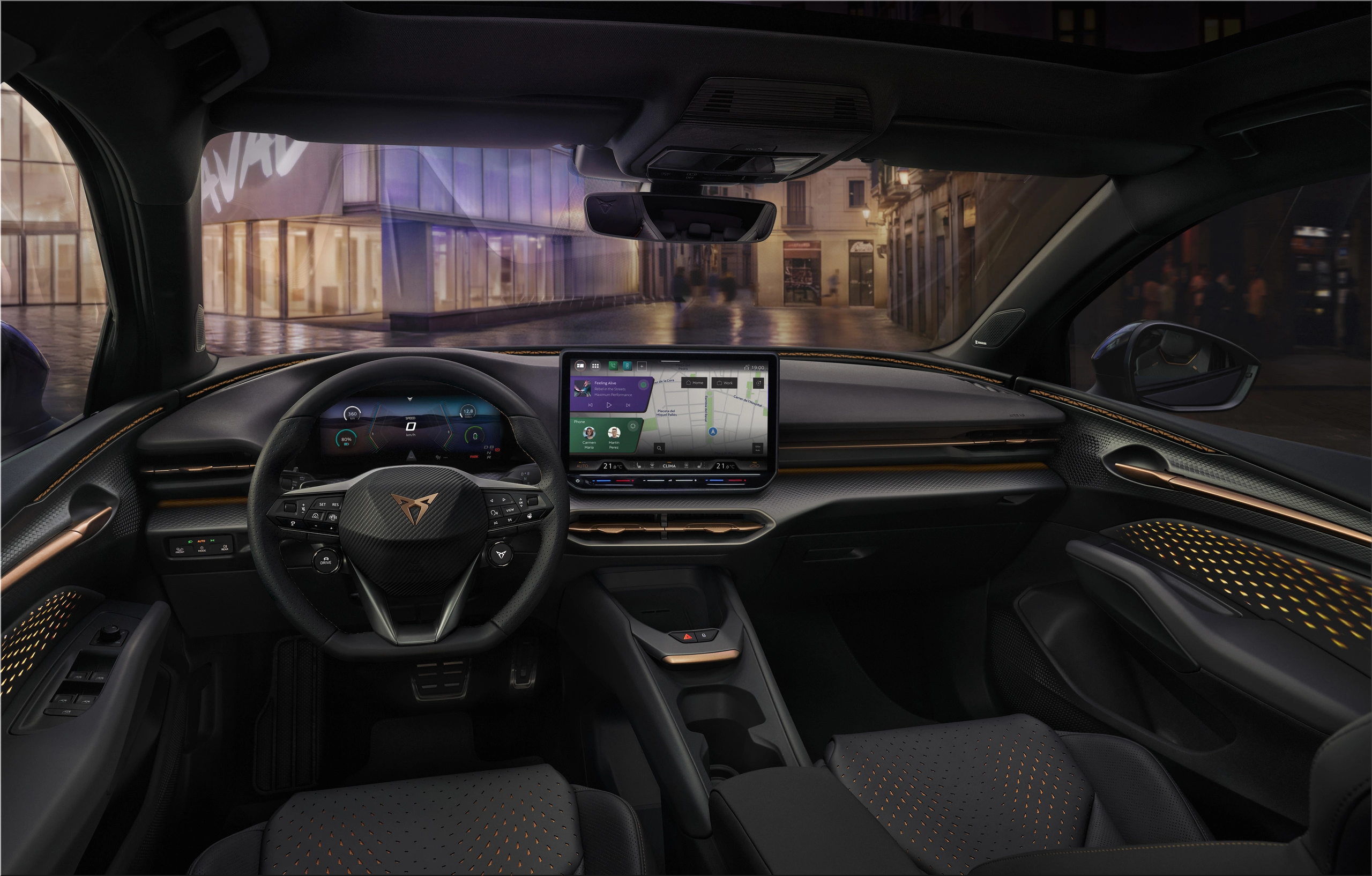
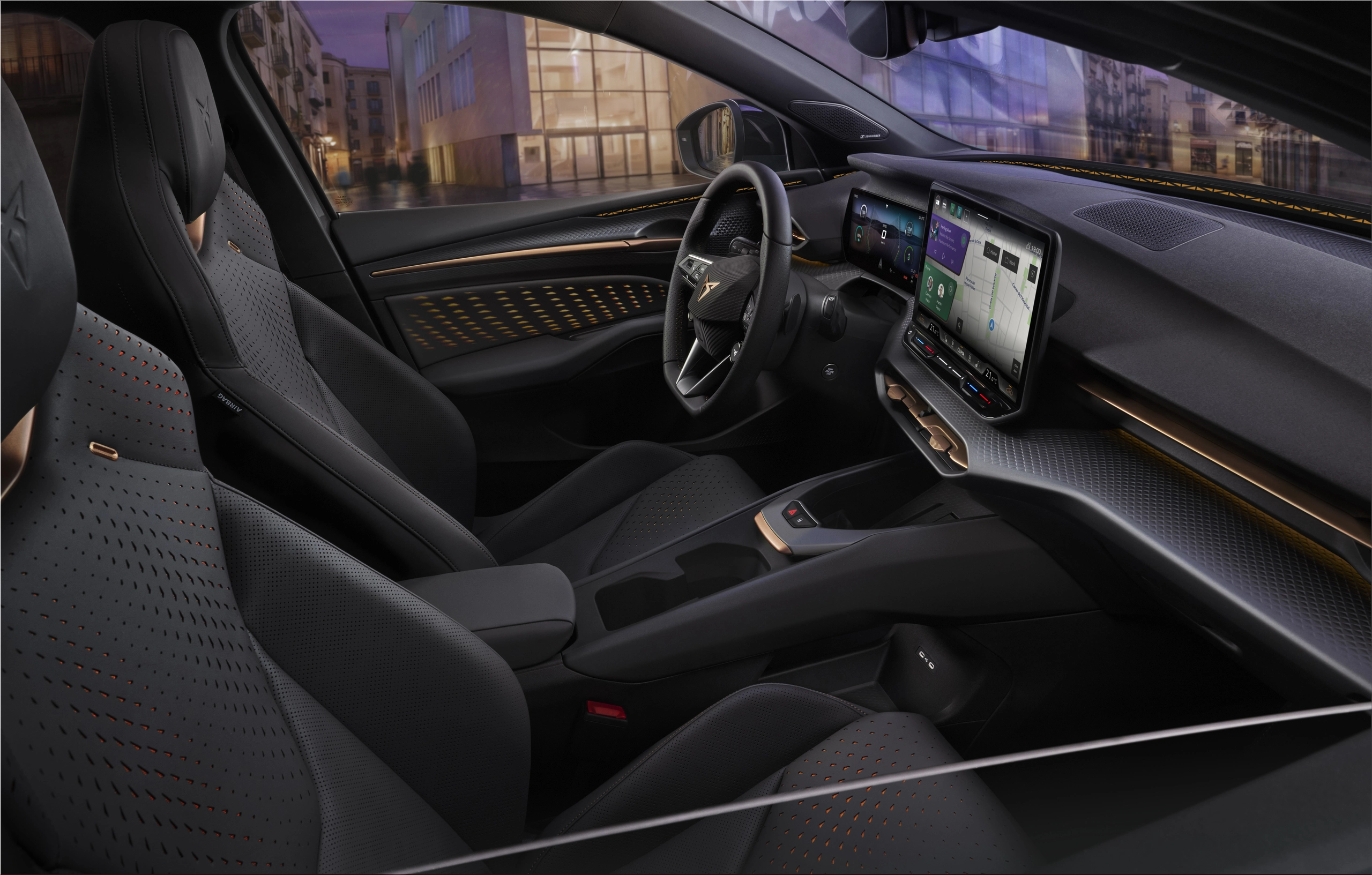
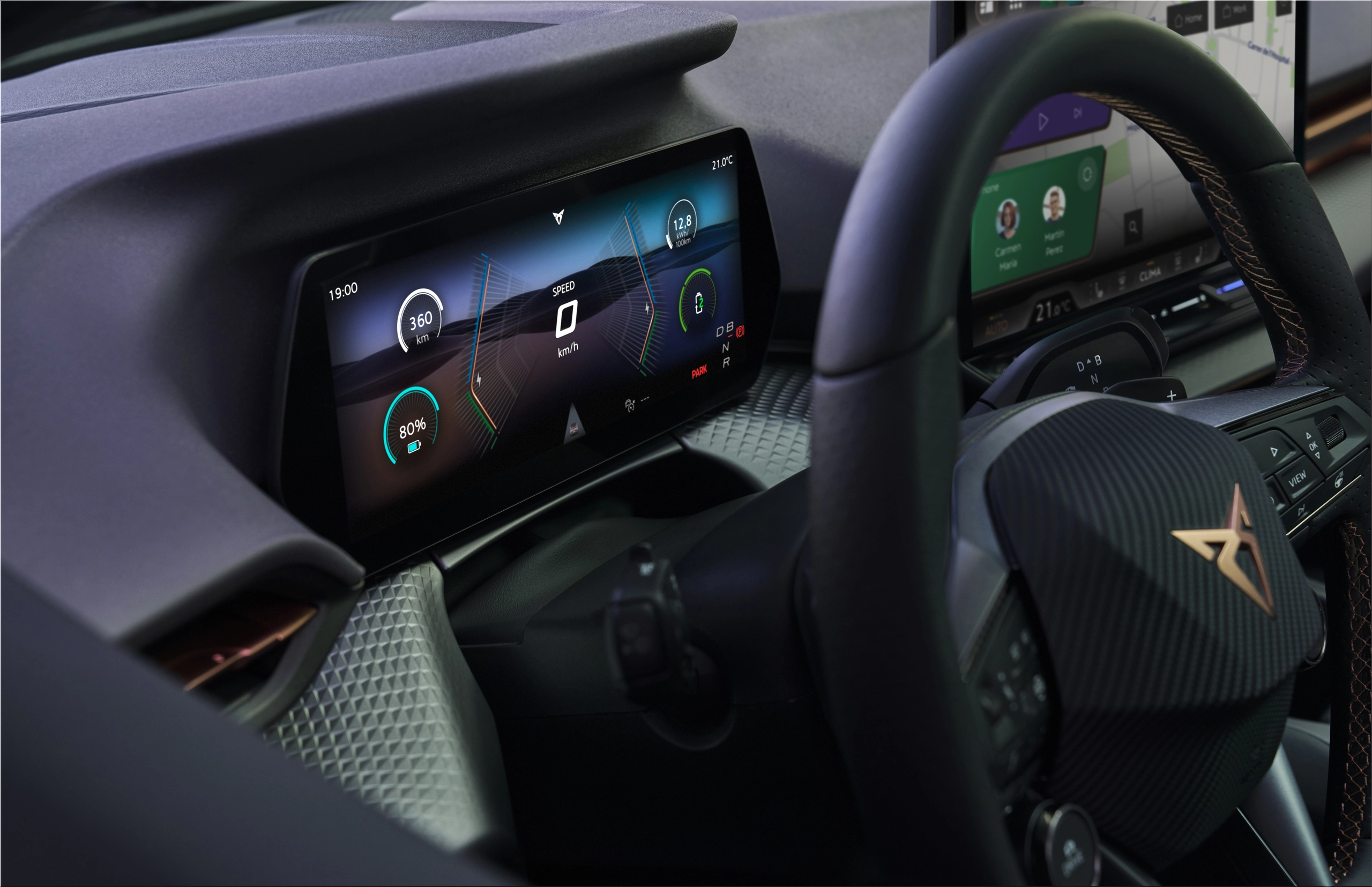
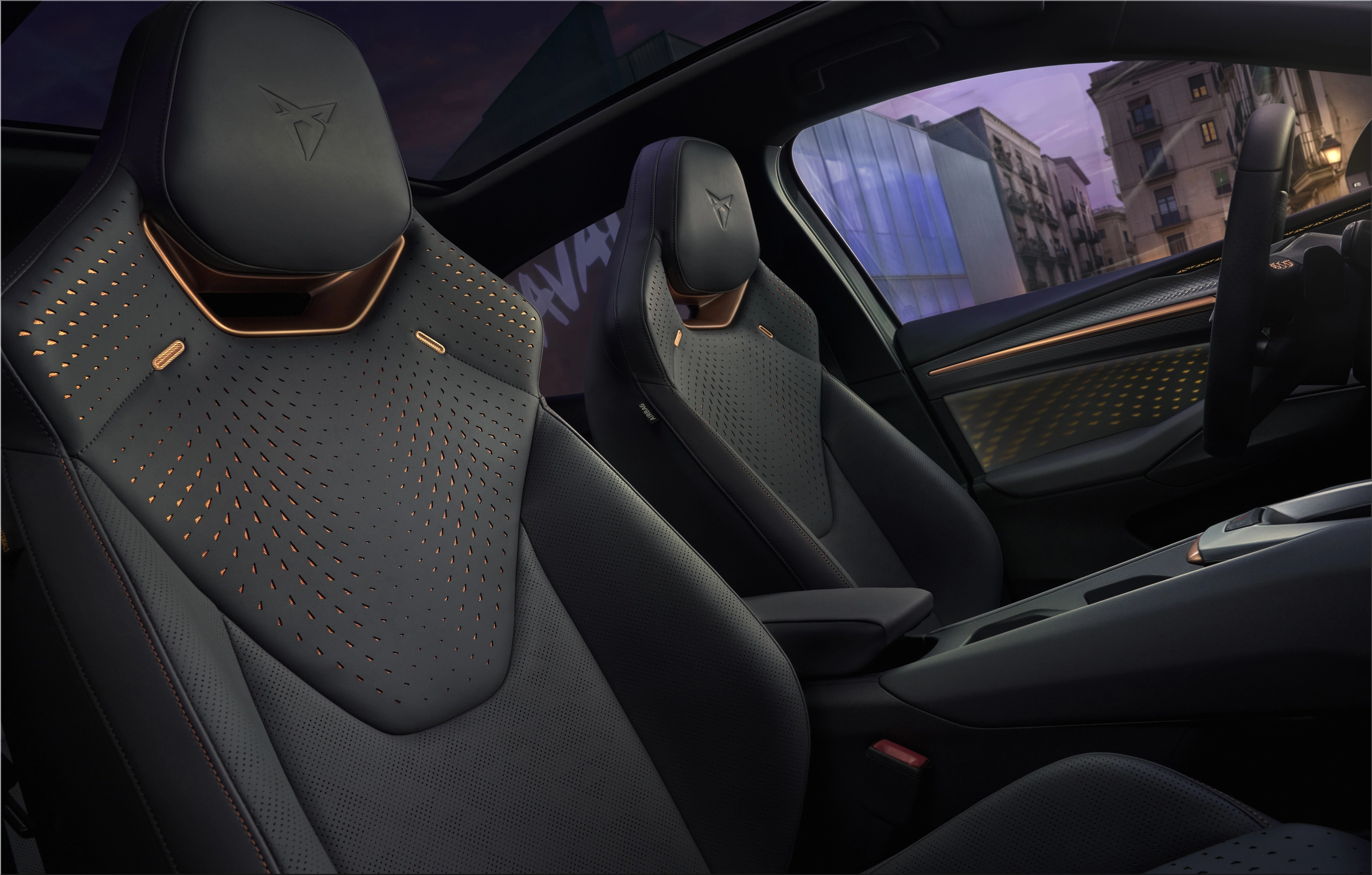
Cupra did not mail in the cabin. The 12.9-inch infotainment screen runs a new Android-powered OS, while a 10.25-inch digital cockpit handles core vehicle data. The screen density reaches 200 DPI, which should help text, mapping, and camera views look crisp rather than stretched.
The cabin also keeps physical steering-wheel controls, adds 15W wireless charging, pushes total USB-C charging up to 90W, and offers an optional 12-speaker Sennheiser system with 475W. That equipment list aims squarely at younger urban buyers who use the car as a rolling device hub, not only transport.
Video gallery
Video title
Cupra Raval
Key size, cabin, and feature table
| Area | Confirmed figure |
|---|---|
| Length | 4,046 mm / 159.3 in |
| Width | 1,784 mm / 70.2 in |
| Height | 1,514-1,518 mm / about 59.6 in |
| Wheelbase | 2,600 mm / 102.4 in |
| Boot volume | 441 L / 15.6 cu ft |
| Seating | 5 seats |
| Main infotainment display | 12.9 inches |
| Driver display | 10.25 inches |
| Max audio output | 475W |
| Airbags | 7, including center airbag |
Should buyers wait for the base model?
Yes, many should.
If you care most about monthly cost, city use, and low running expense, the base Cupra Raval at about $30,323 looks like the one worth waiting for. If you drive longer routes each week, the Endurance trim makes more sense because the larger battery, 105 kW charging ceiling, and up to 280 miles of stated range reduce friction fast. If you buy small cars for steering feel and front-end bite, the VZ is the one that carries the real engineering story.
Pro-Tips
- Wait for the entry Raval if purchase price drives the deal.
- Target the Endurance if range and charging time drive the deal.
- Stretch to the VZ only if you will use the chassis upgrades, wider tires, and e-diff.
- Watch homologated trim-by-trim figures before placing a final order, because Cupra still labels some numbers as provisional.
Image gallery:
What now?
The Cupra Raval looks like one of the most credible small EV launches of 2026 because Cupra paired a reachable starting price with real suspension work, useful packaging, and charging performance that fits daily use. The launch editions will draw the early crowd. The base car, though, could do the heavy lifting.
If Cupra keeps the entry model close to its announced number and avoids stripping the cabin into rental-car territory, the Raval will have a real shot at becoming one of the smartest buys in the compact electric hatch class.
- Add new comment
- 300 views