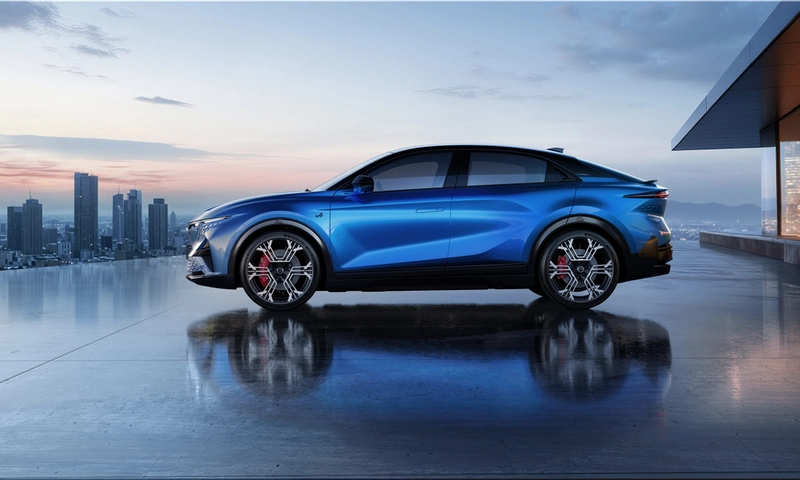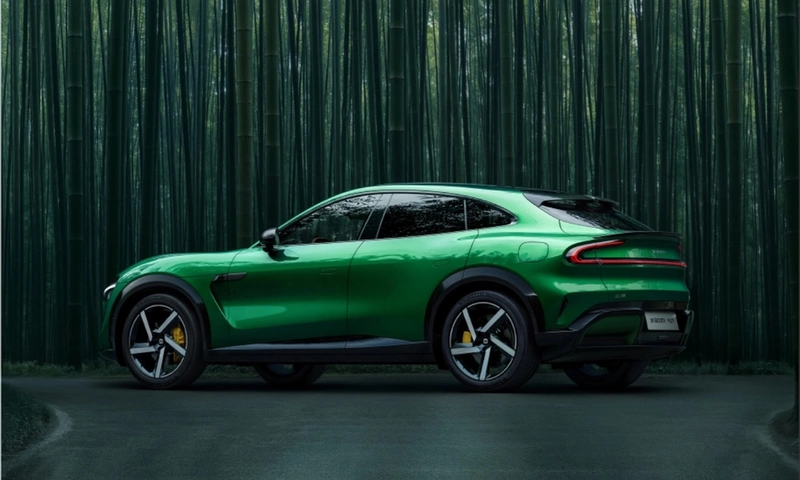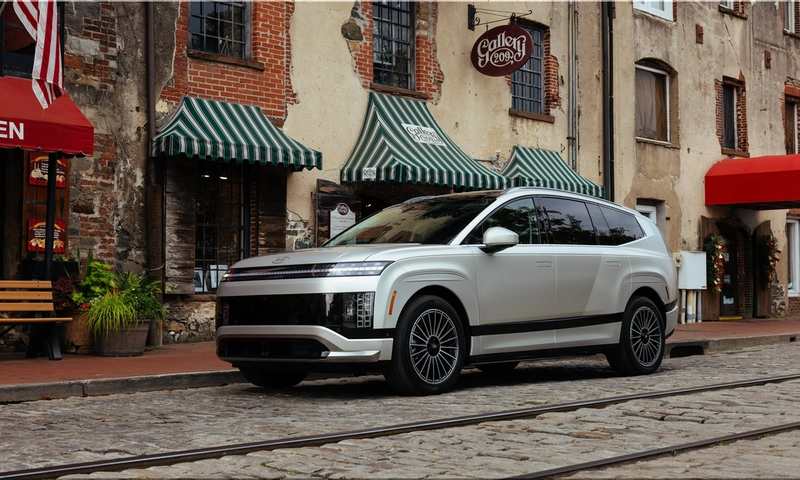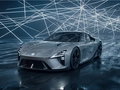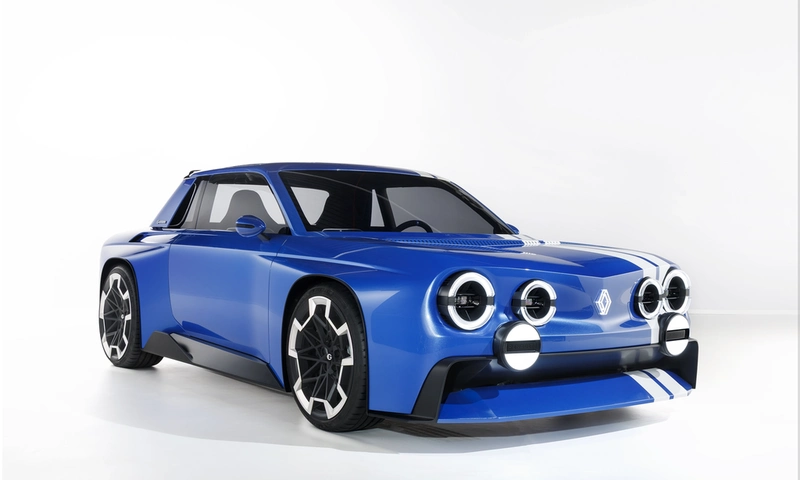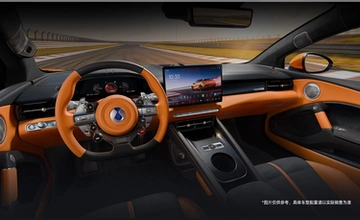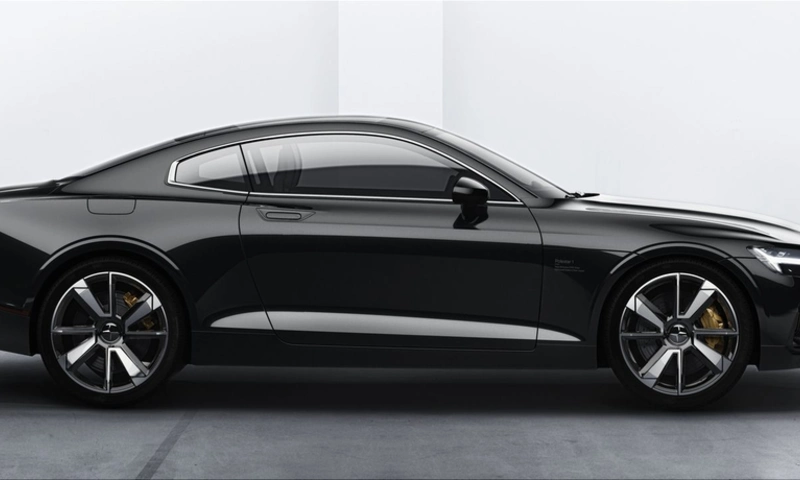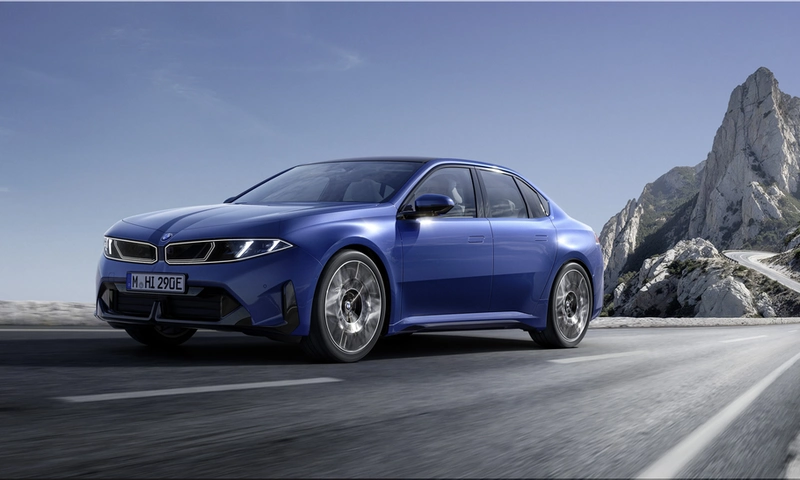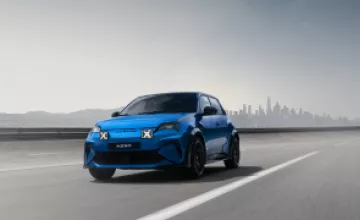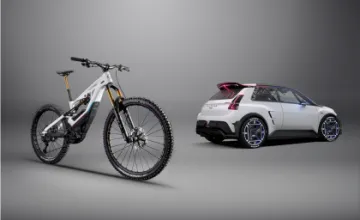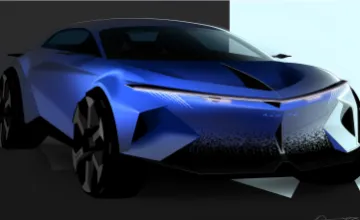
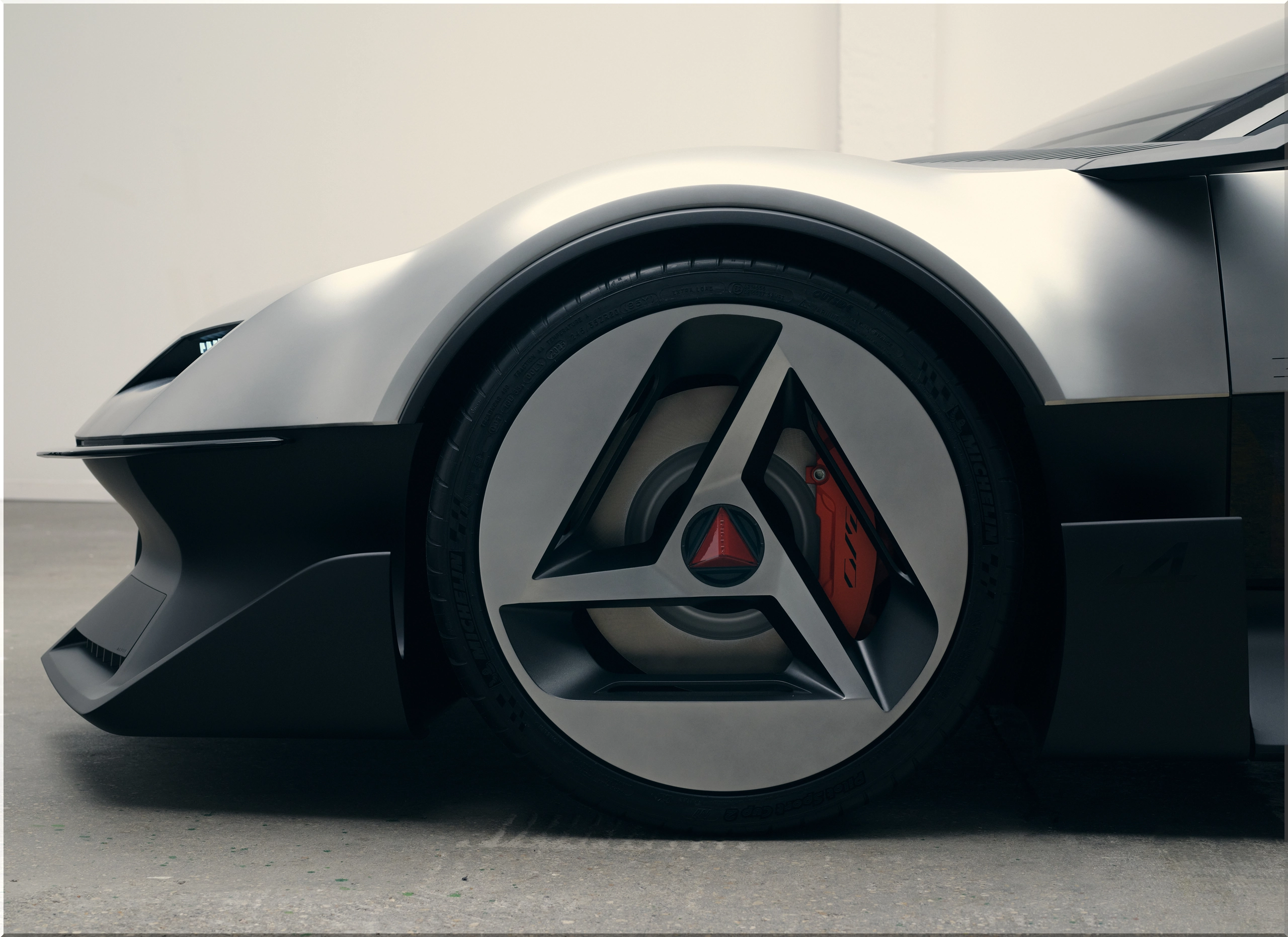
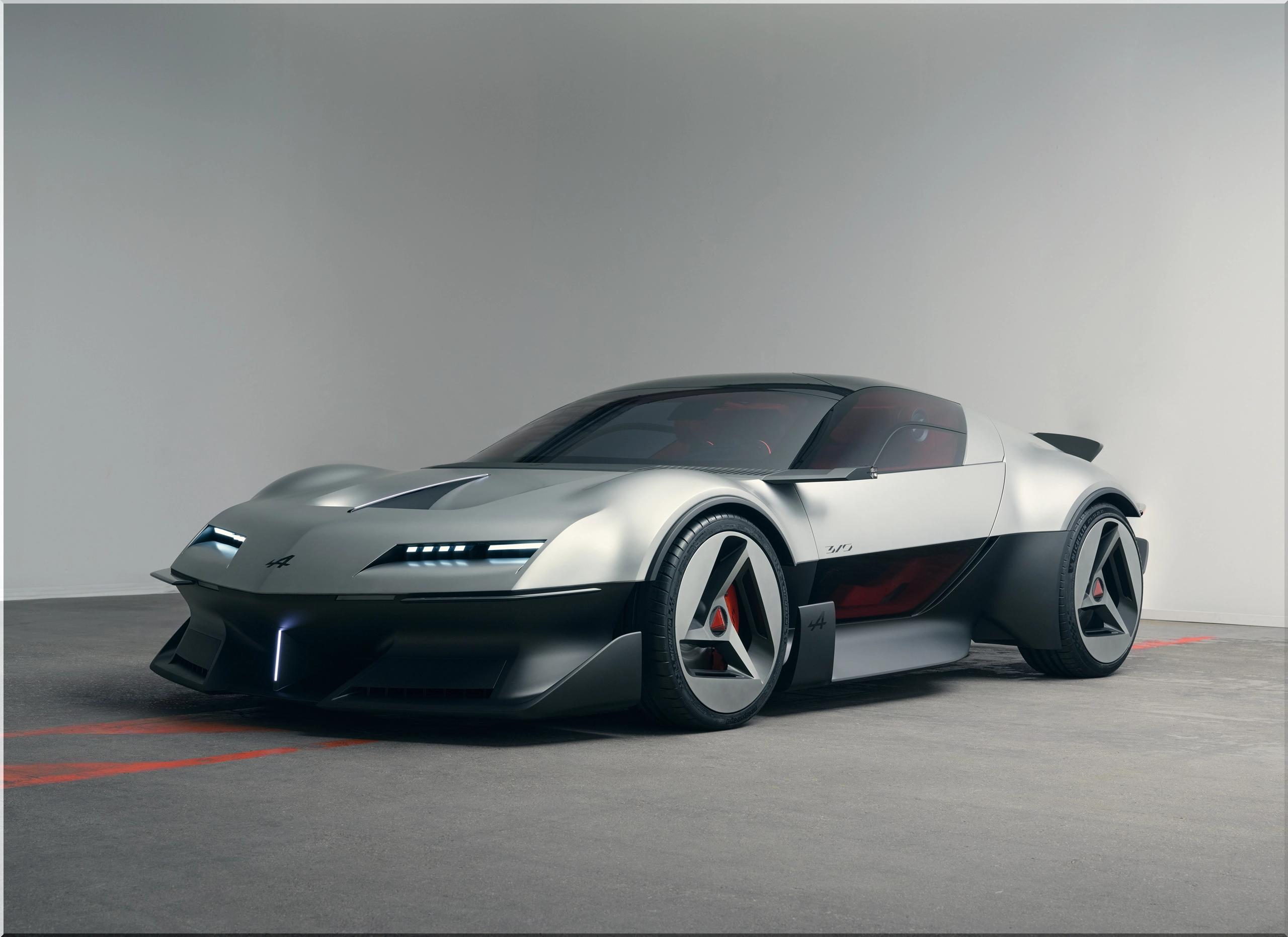
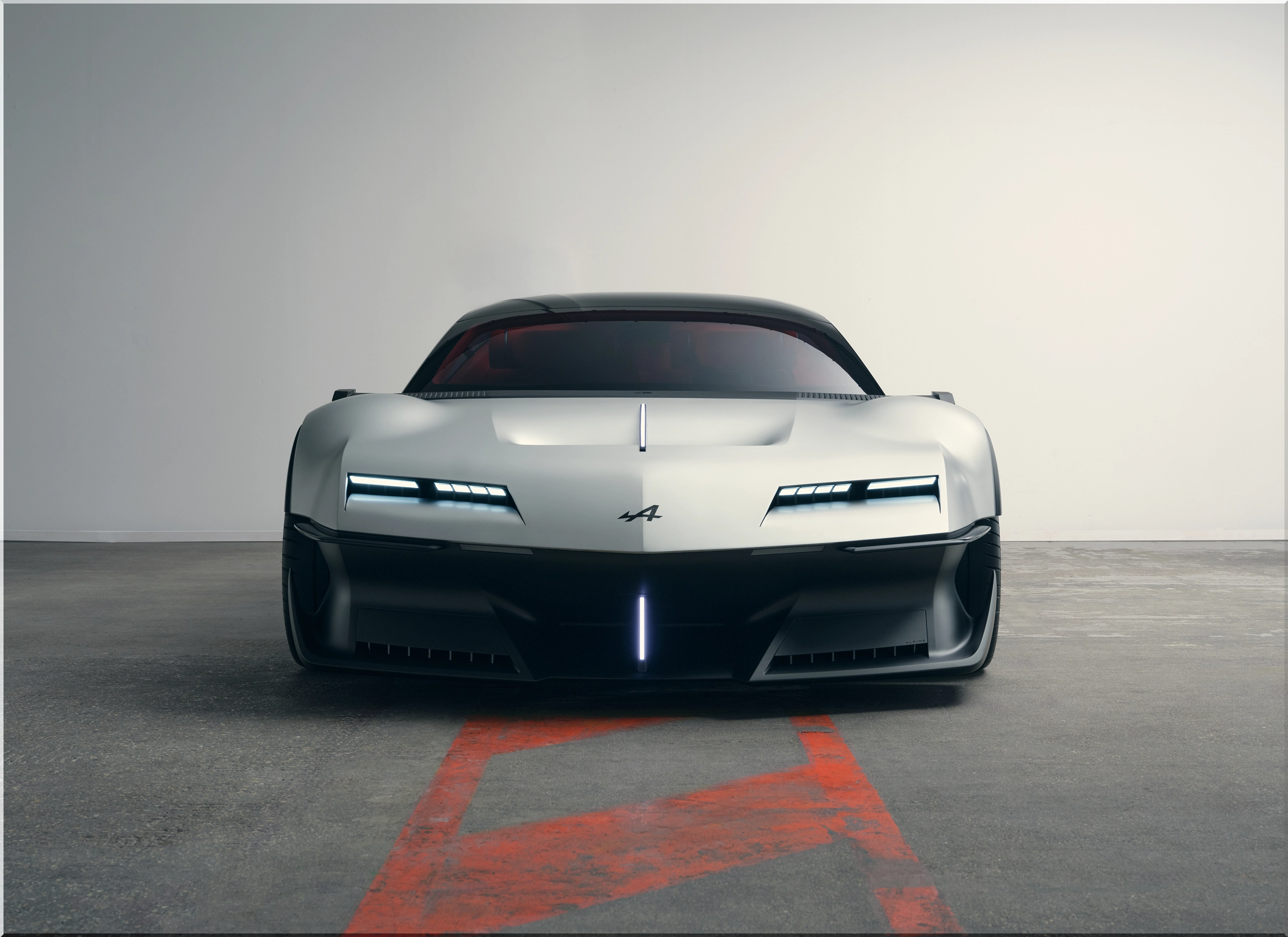
The Alpine A310 VISION brings a classic French sports car into Alpine's electric future. Presented at the 2026 Paris Motor Show, this one-off concept prioritizes design over published performance figures. Alpine supplies no horsepower, range, or acceleration data, leaving enthusiasts with a striking design study rather than a vehicle they can evaluate for purchase.
Image
How big is the Alpine A310 VISION?
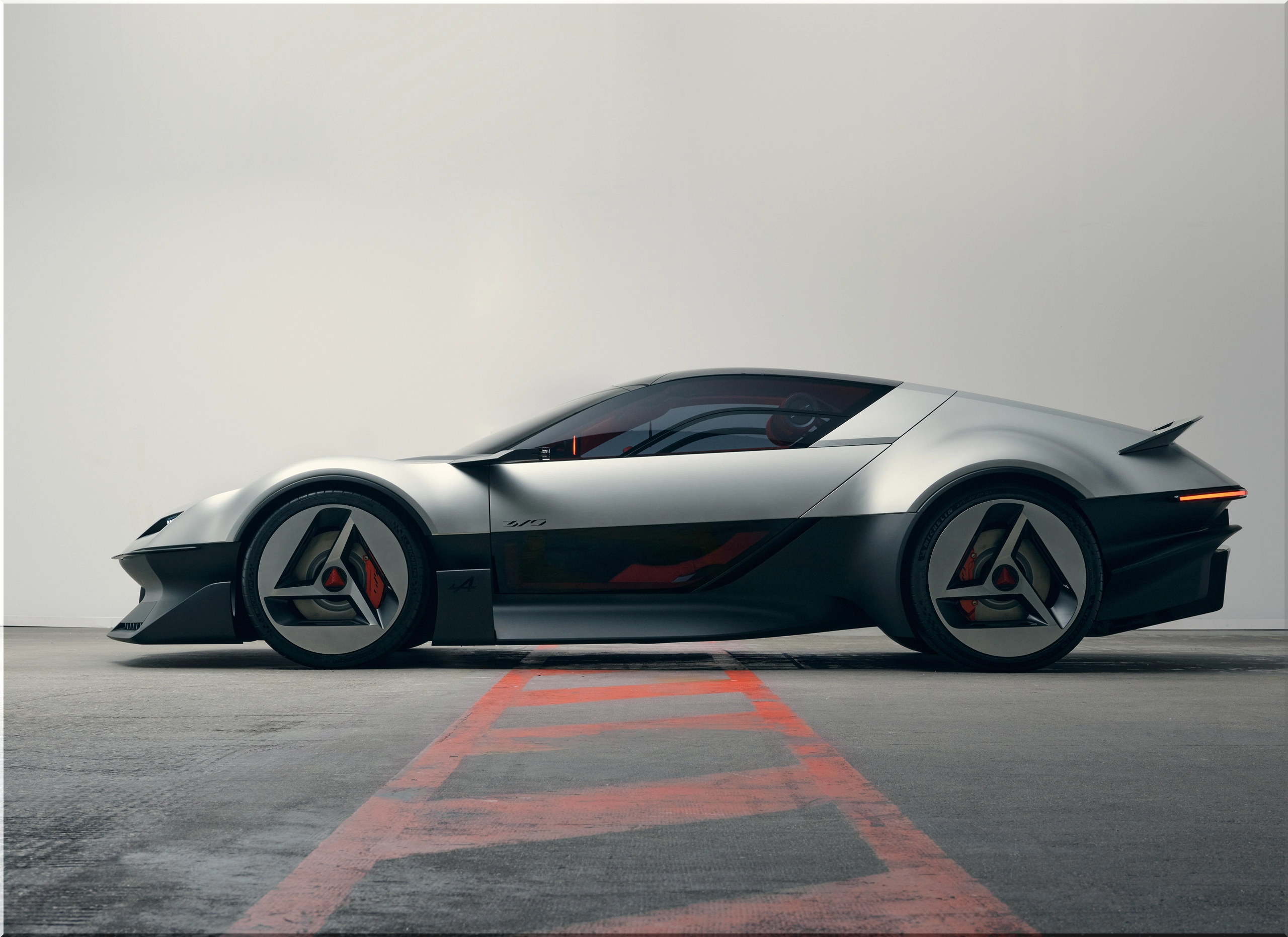
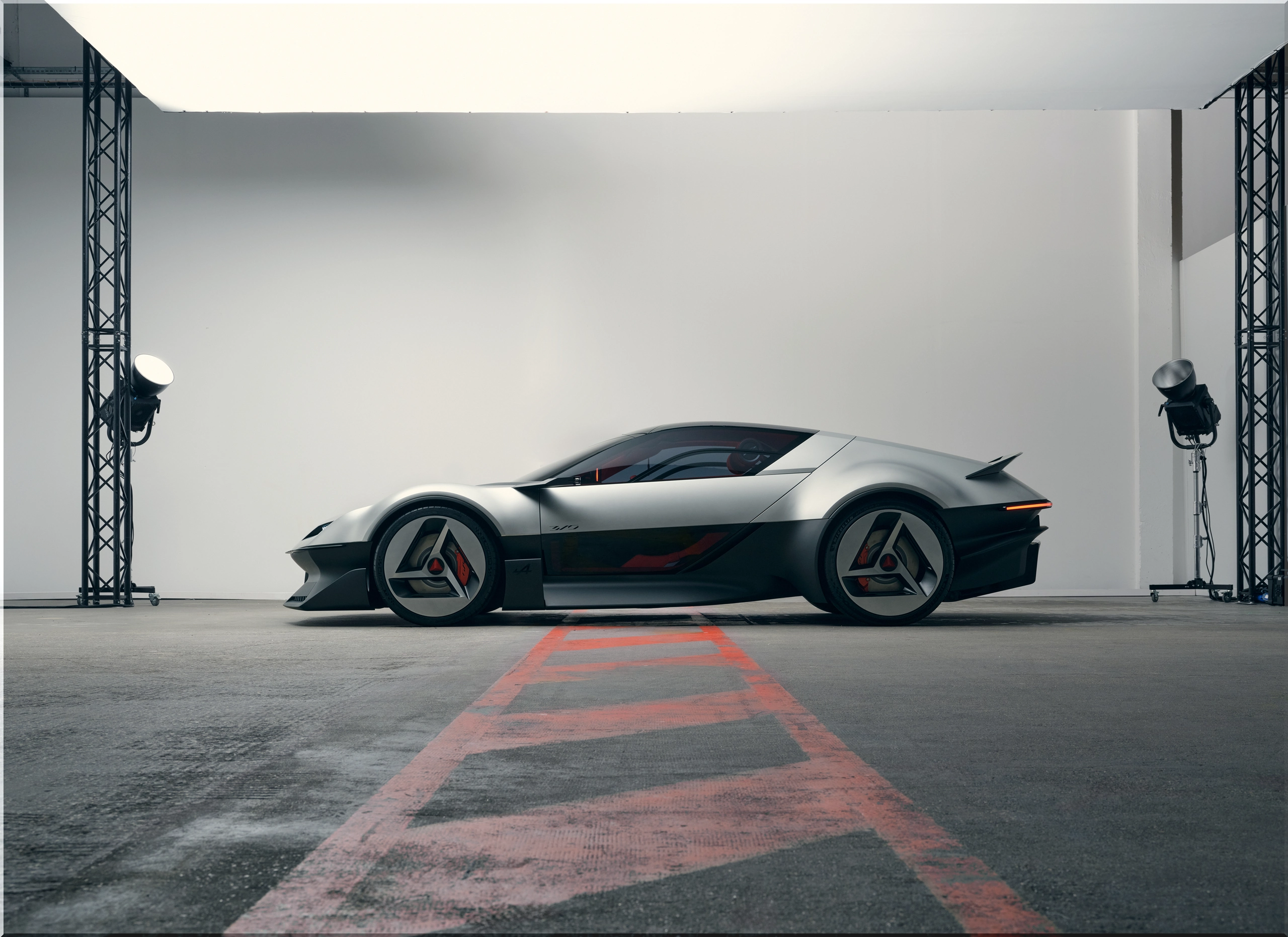
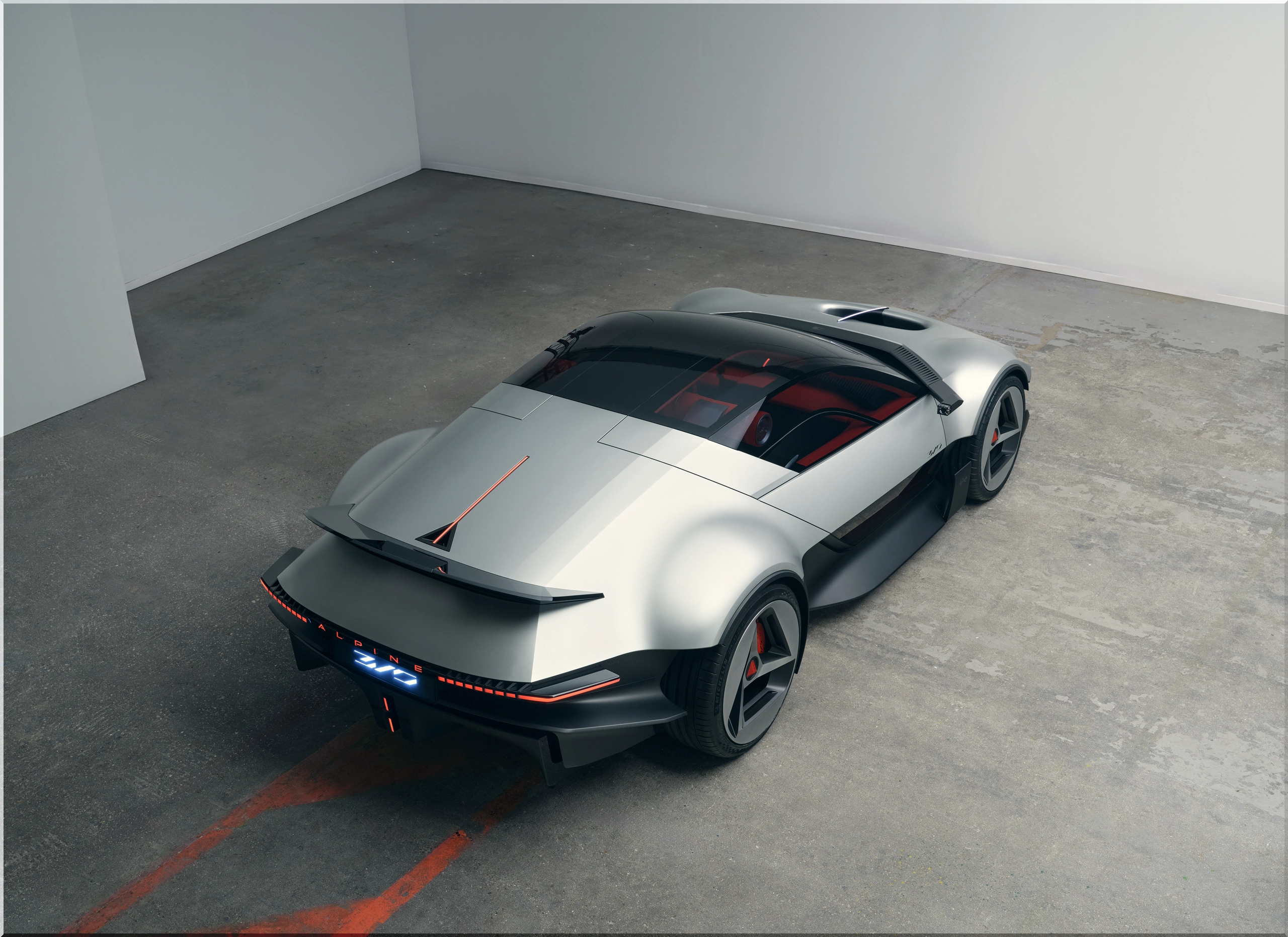
The concept measures 179.1 inches long and just 46.5 inches tall, with a maximum rear width of 79.9 inches. Its 96.5-inch wheelbase creates compact axle spacing relative to overall length. Those proportions deliver visual drama, although dimensions alone establish neither cabin space nor handling capability.
| Measurement | Metric | US equivalent |
|---|---|---|
| Overall length | 4,550 mm | 179.1 in |
| Maximum width, at rear | 2,030 mm | 79.9 in |
| Height | 1,180 mm | 46.5 in |
| Wheelbase | 2,450 mm | 96.5 in |
Looking at the data, the wheelbase occupies approximately 54% of overall length. That leaves 2,100 mm, or 82.7 inches, across the combined overhangs. Buyers should avoid interpreting the long body as proof of generous passenger accommodation.
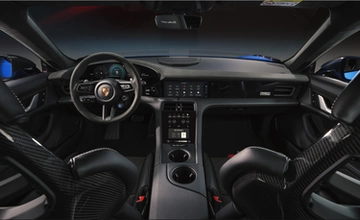
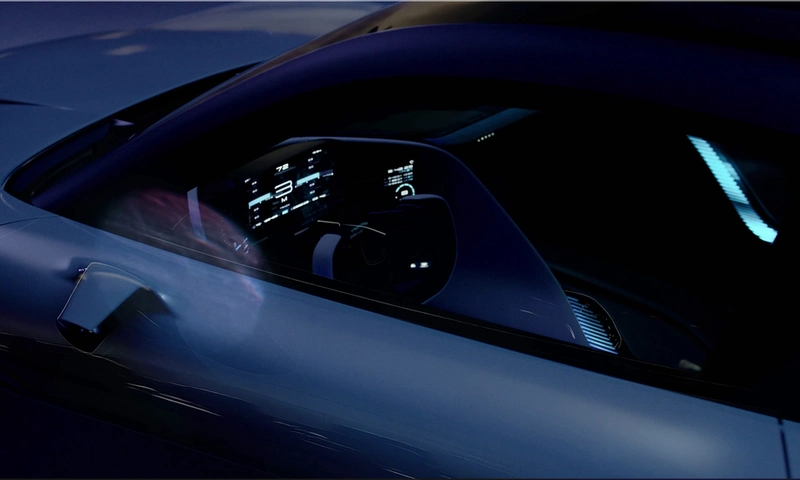
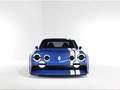
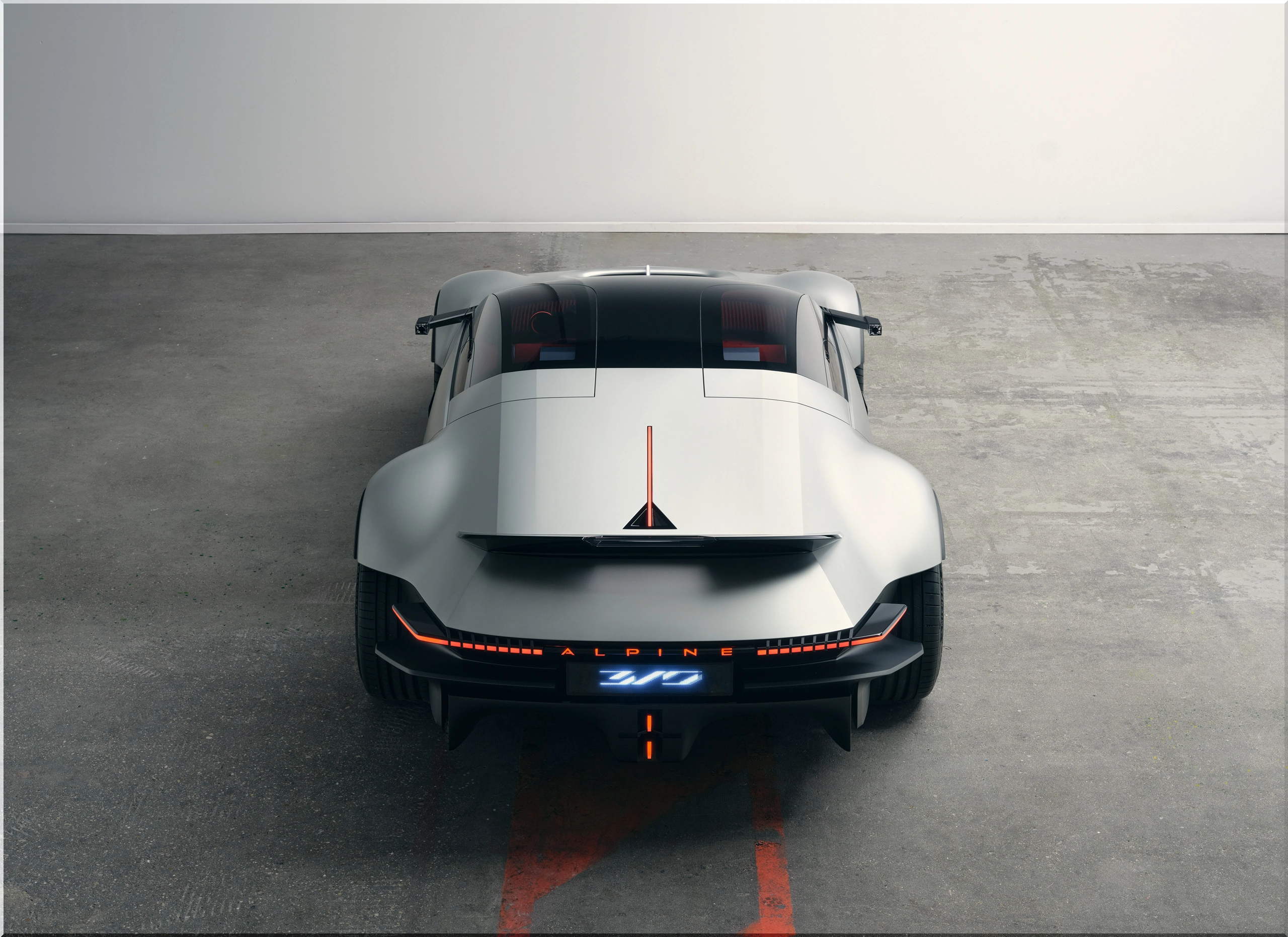
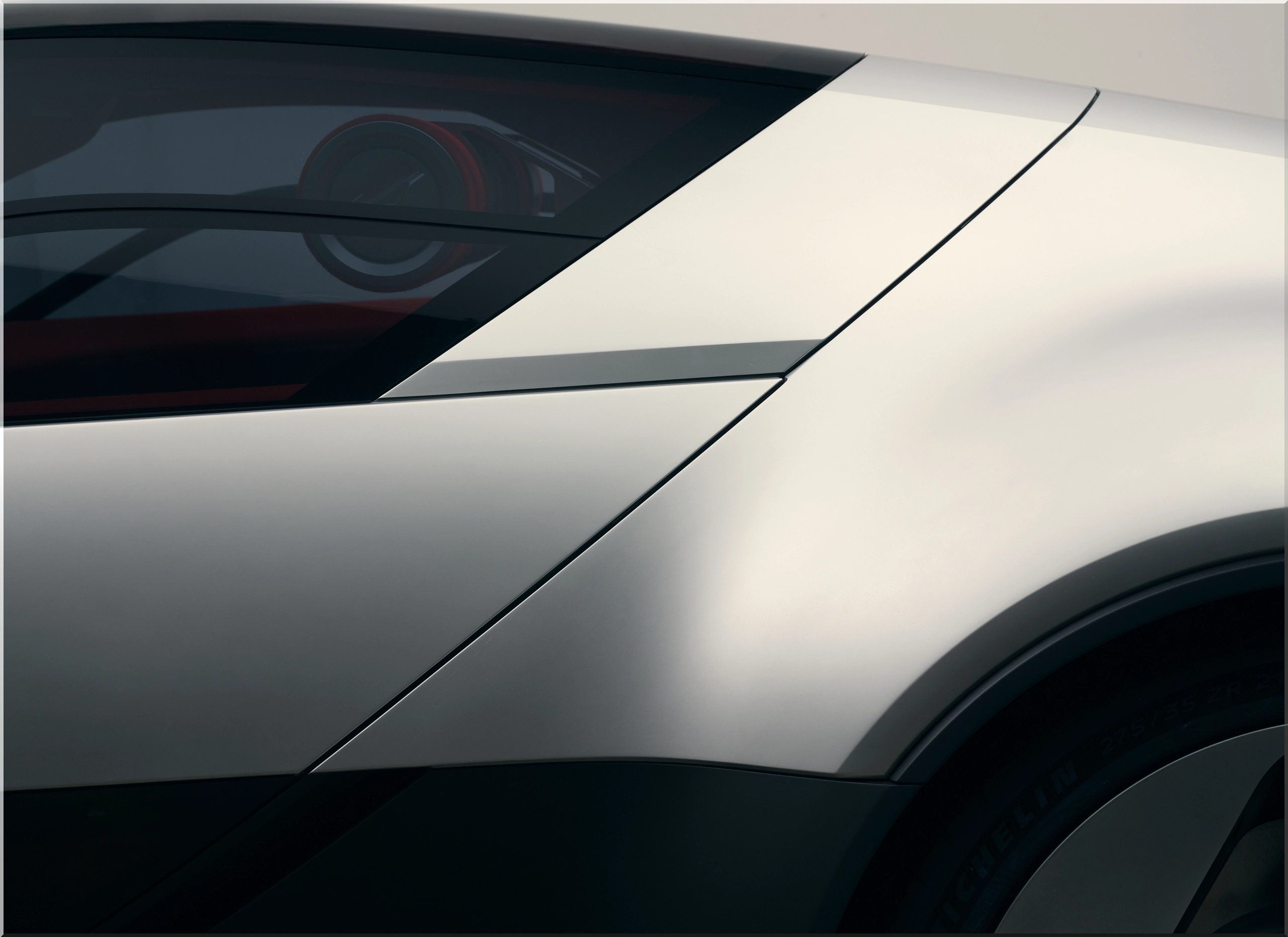
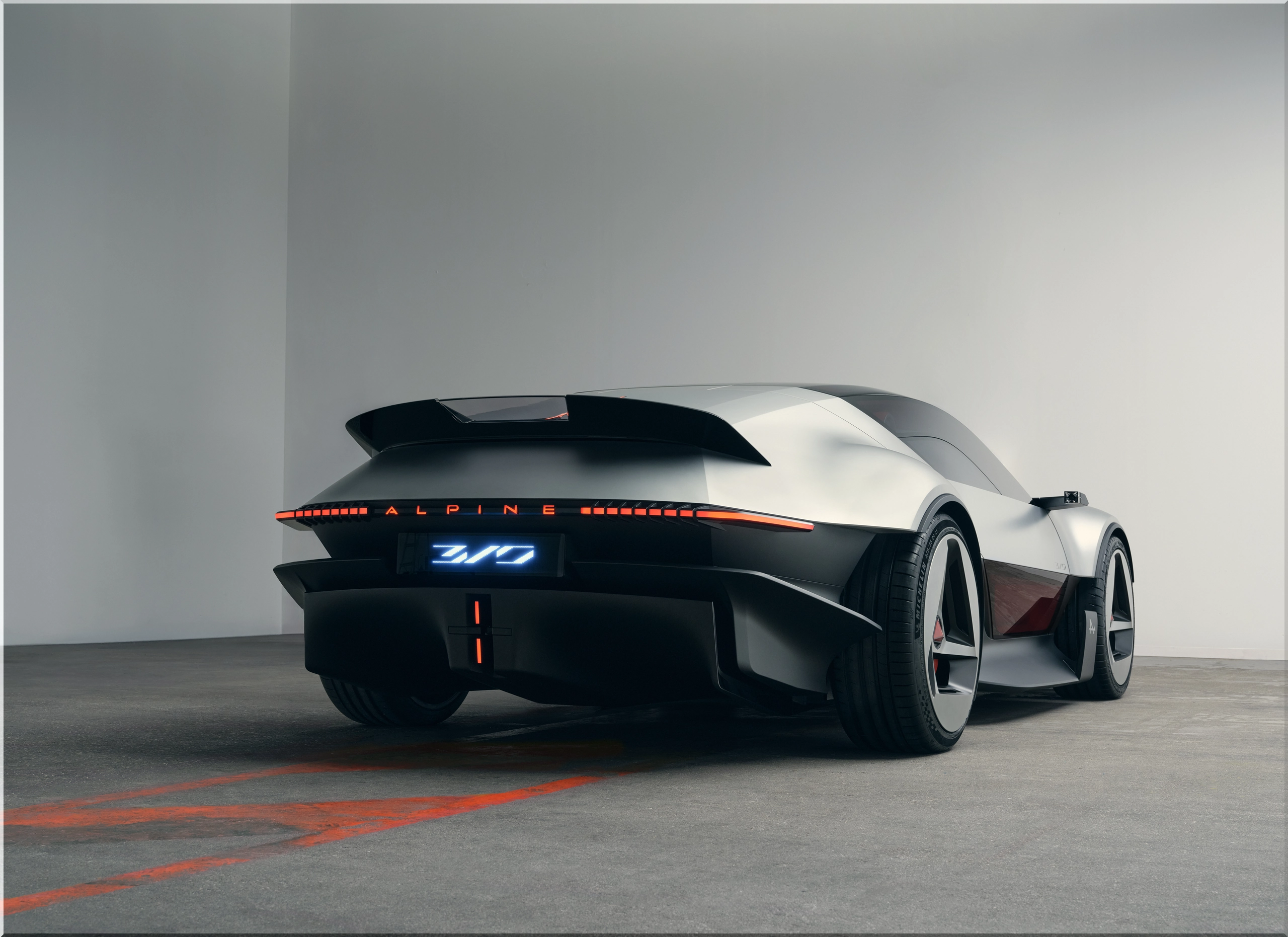
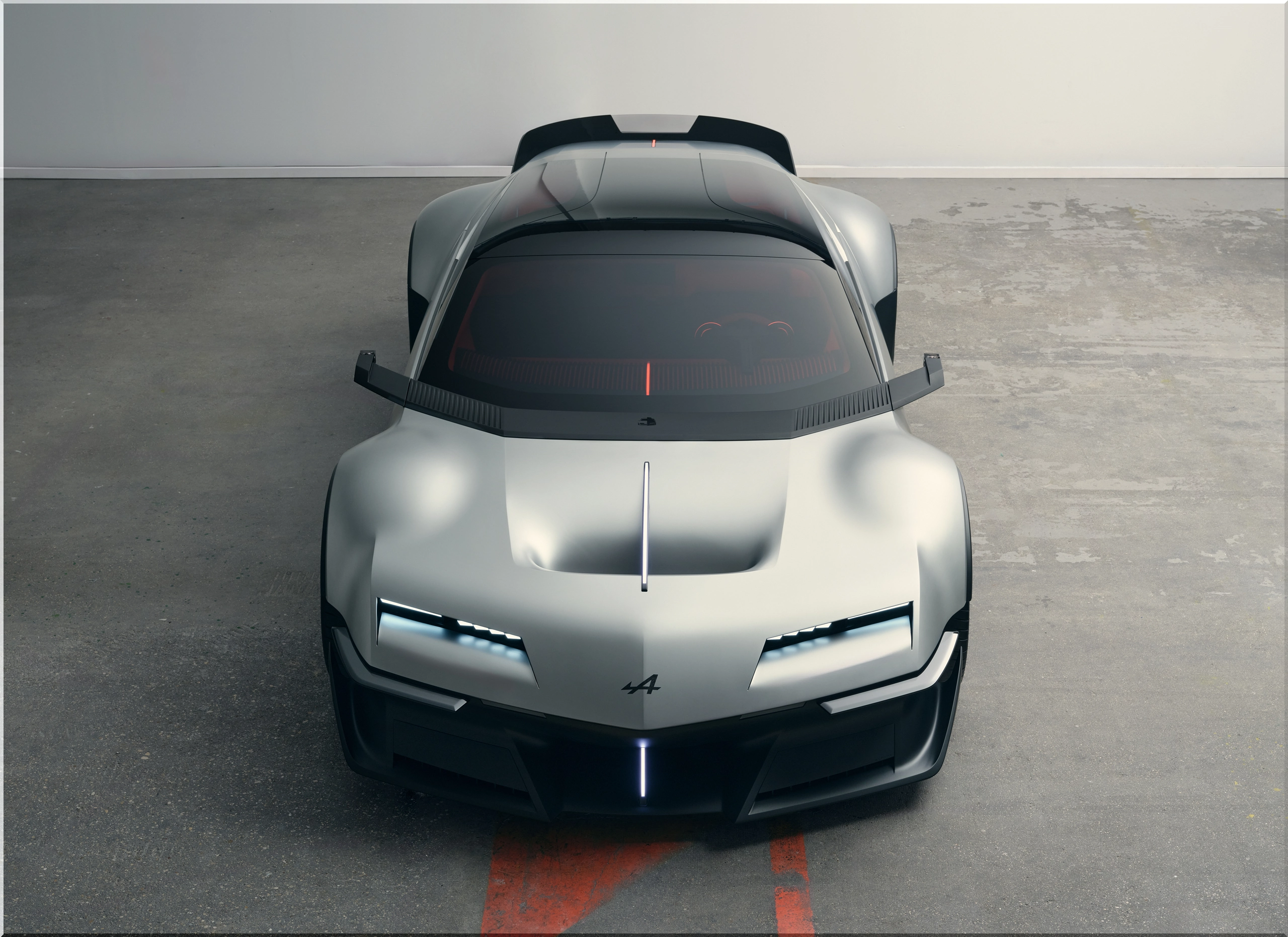
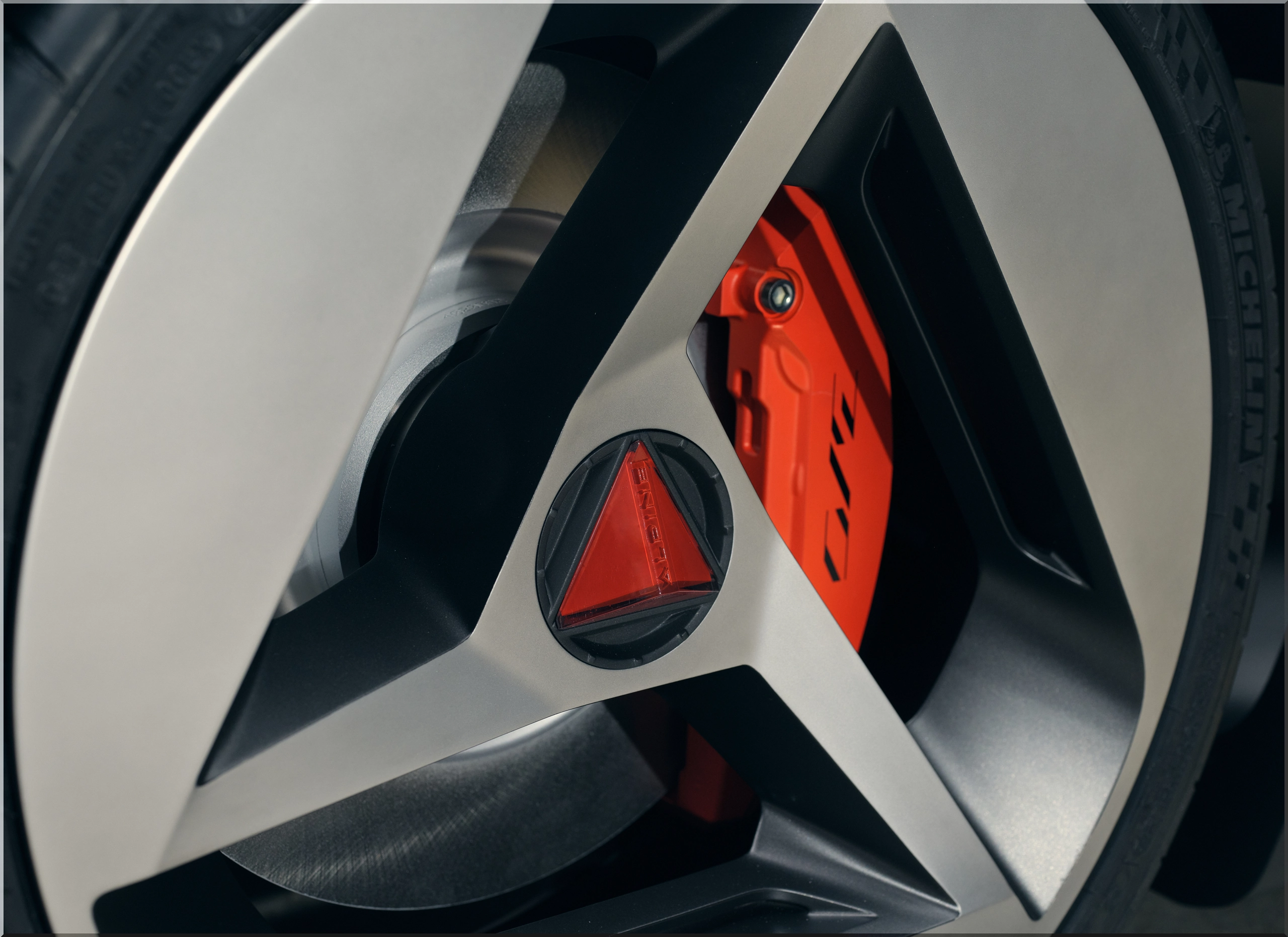
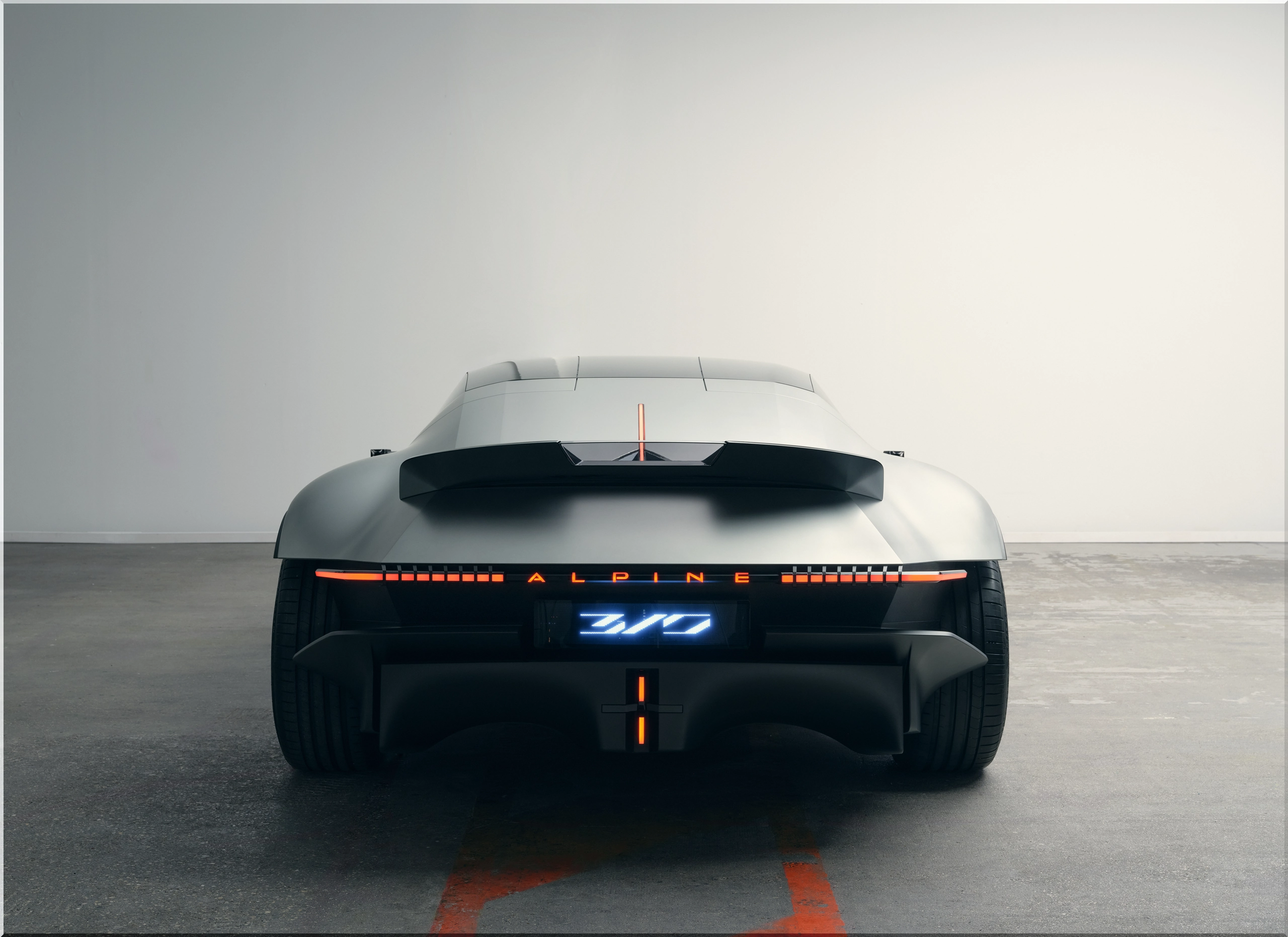
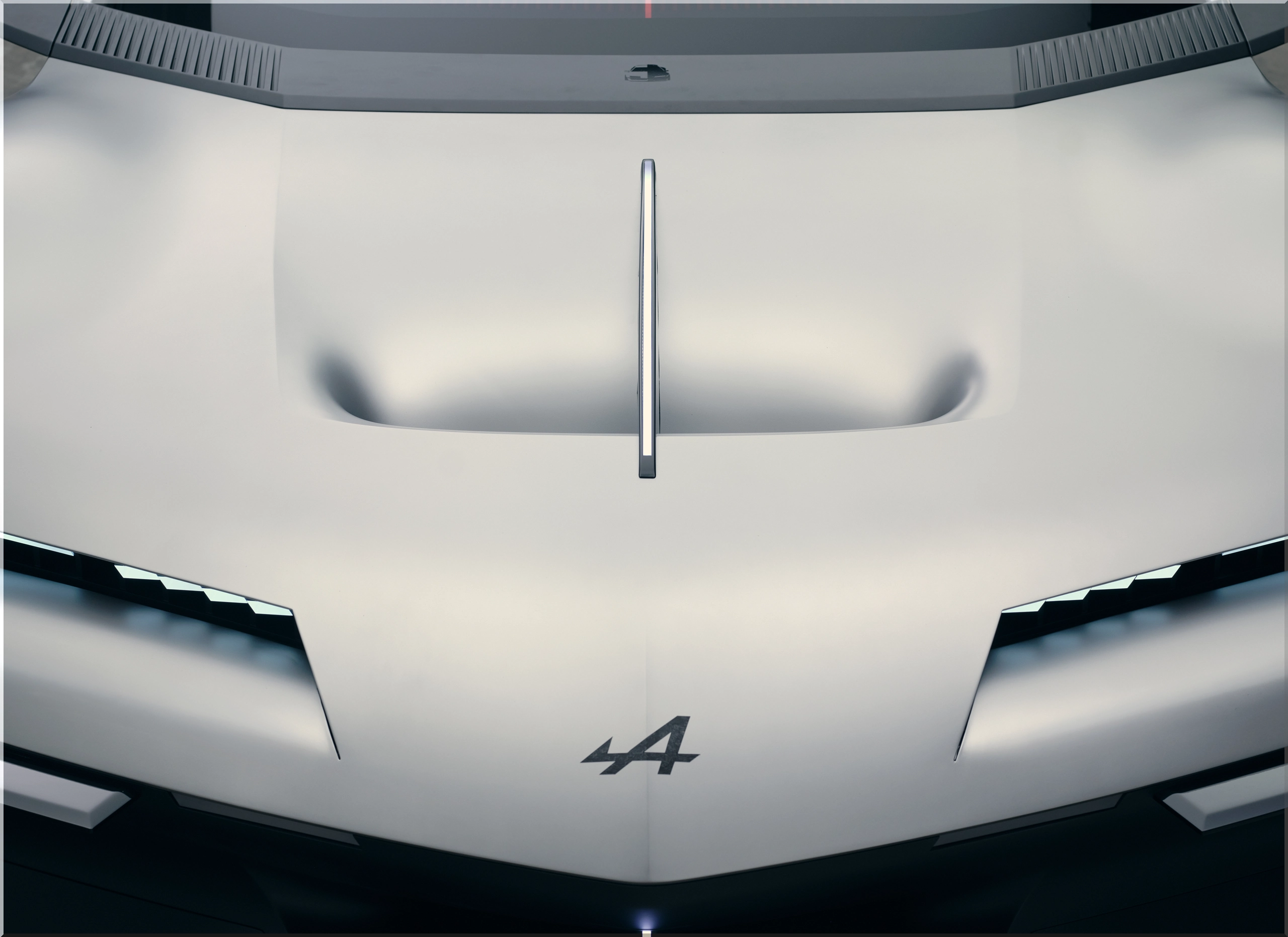
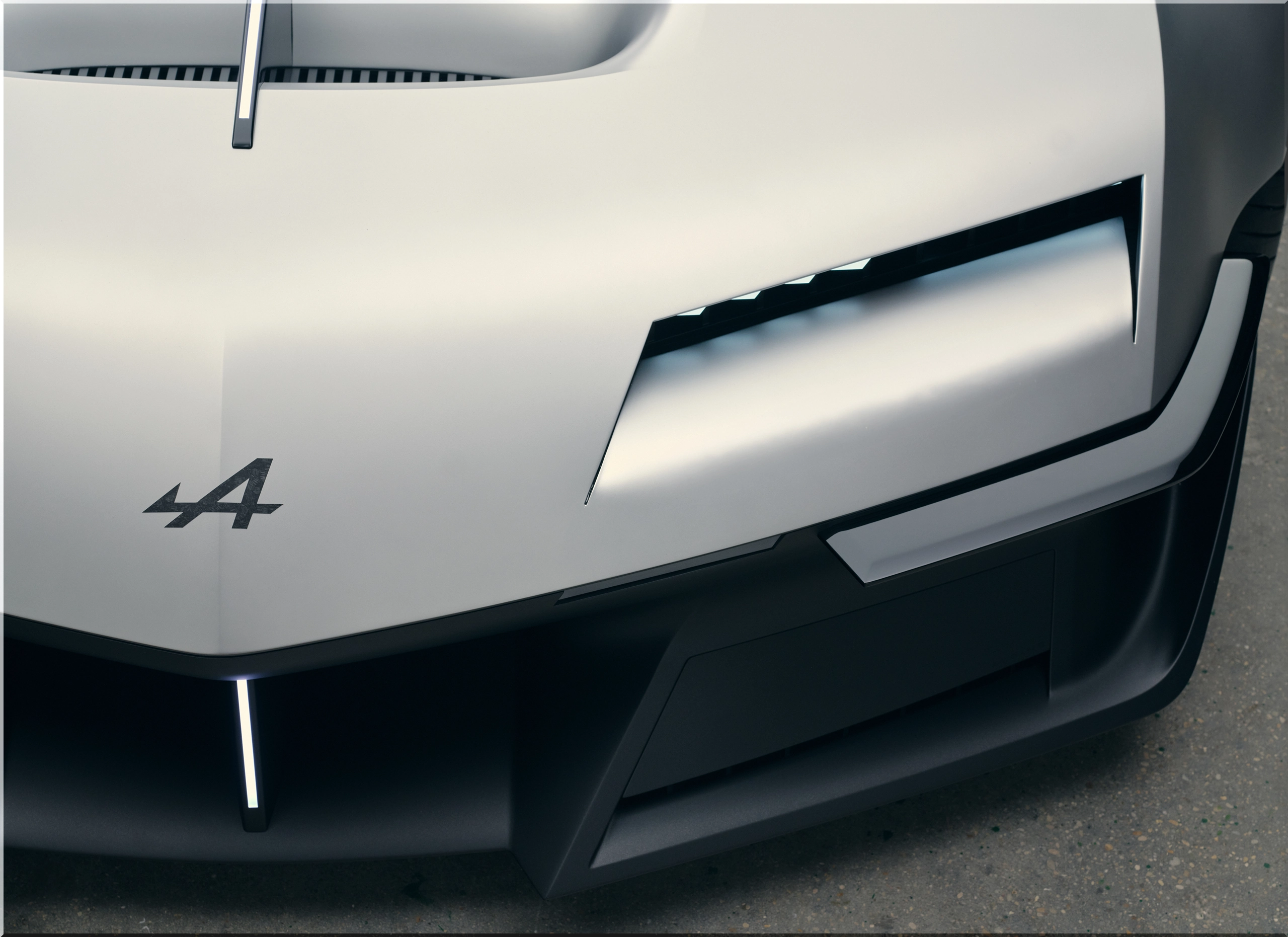
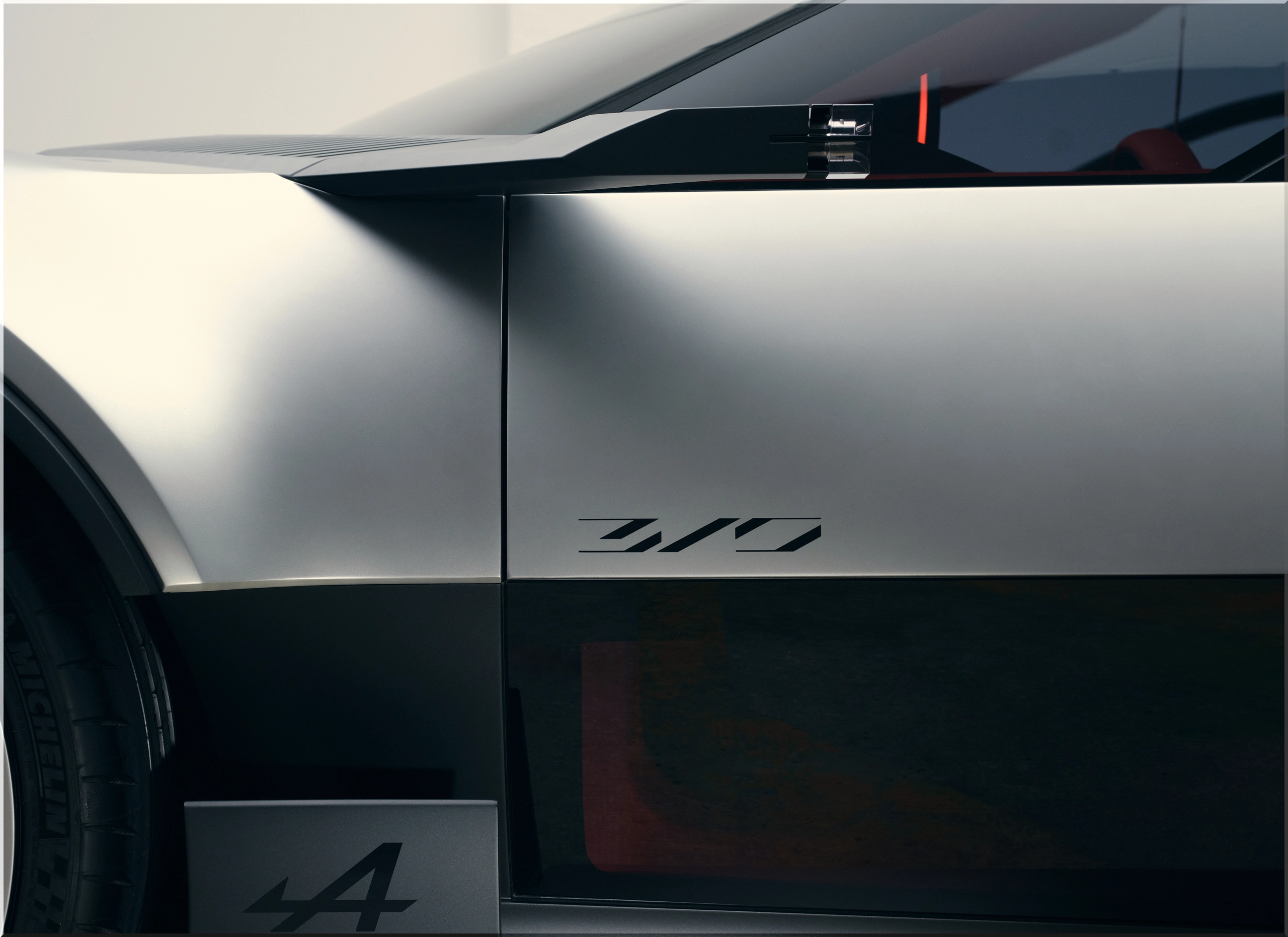
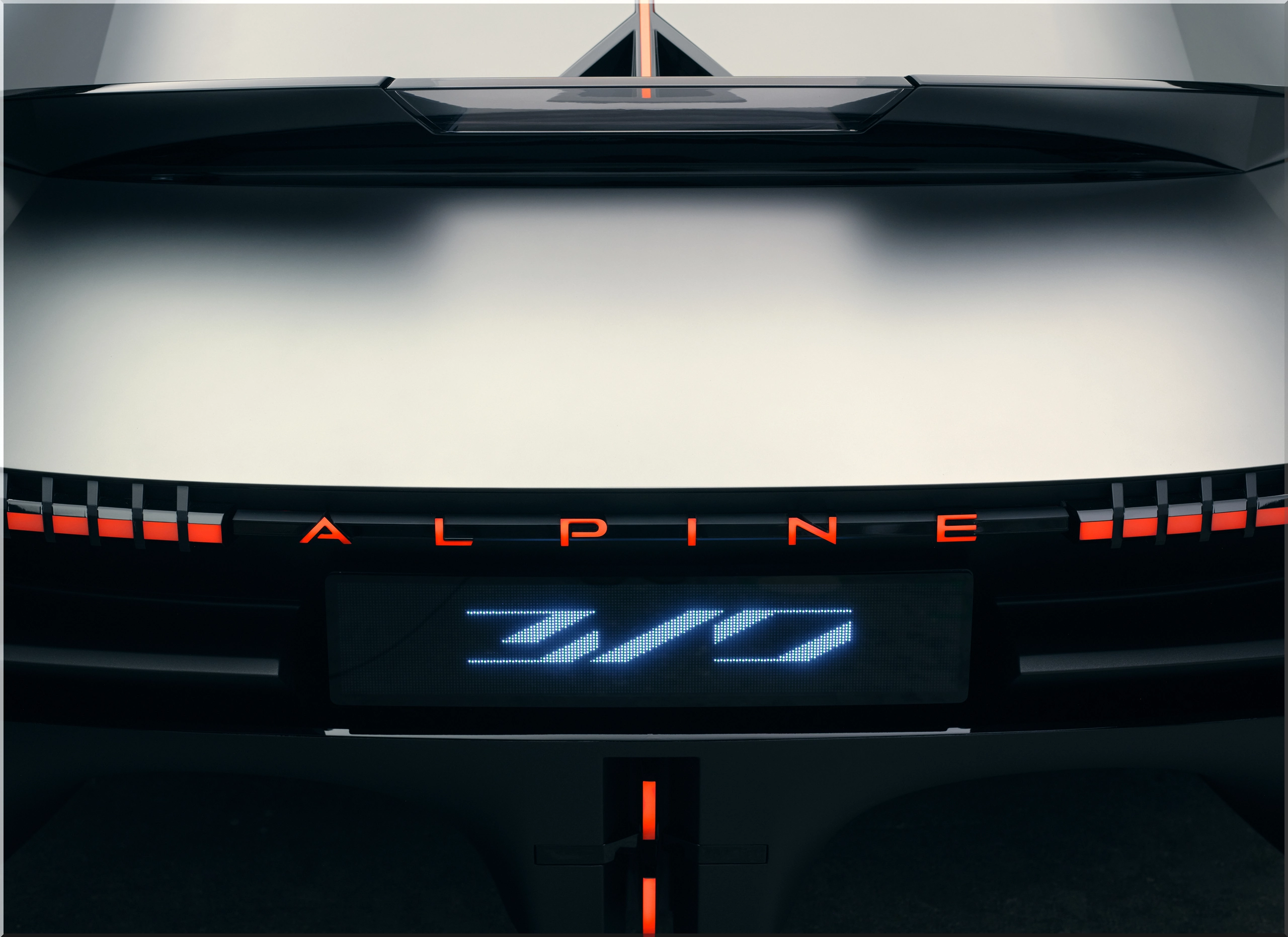
The tribute marks 55 years since the four-cylinder A310 and 50 since its V6 successor. Aluminum bodywork, A-shaped wheels, and pop-down headlights reference the original through contemporary detailing. Specifically, the hood incorporates an S-duct, while a split rear wing and blade-shaped taillights integrate aerodynamic intent. Alpine publishes no drag coefficient or measured downforce. Physical, hi-fi-inspired cockpit controls suggest a welcome alternative to touchscreen-dependent operation.
What does Alpine's electric platform actually promise?
The Alpine Performance Platform (APP) provides the technical context for A310 VISION, but Alpine's broader platform specifications do not establish this concept's equipment. For its A110 development program, Alpine describes an aluminum architecture, two battery packs, 800V cell-to-pack technology, and a rear electric axle with two motors.
Cell-to-pack construction integrates battery cells directly into the pack, reducing intermediate module hardware. Alpine targets a 40:60 front-to-rear weight distribution through battery placement. That packaging strategy supports a low sports-car silhouette while concentrating more mass toward the driven rear axle.
Higher voltage reduces current for a given electrical power, which can reduce resistive losses. It does not establish a charging time: battery temperature, cell chemistry, and charger output still control the result.
Before assessing any production derivative, seek three missing disclosures:
- Battery capacity and curb weight: Establish energy storage and the mass the chassis must control.
- Charging curve: Check sustained power across a useful battery window.
- Certified range: Separate EPA results from other test cycles.
Image gallery:
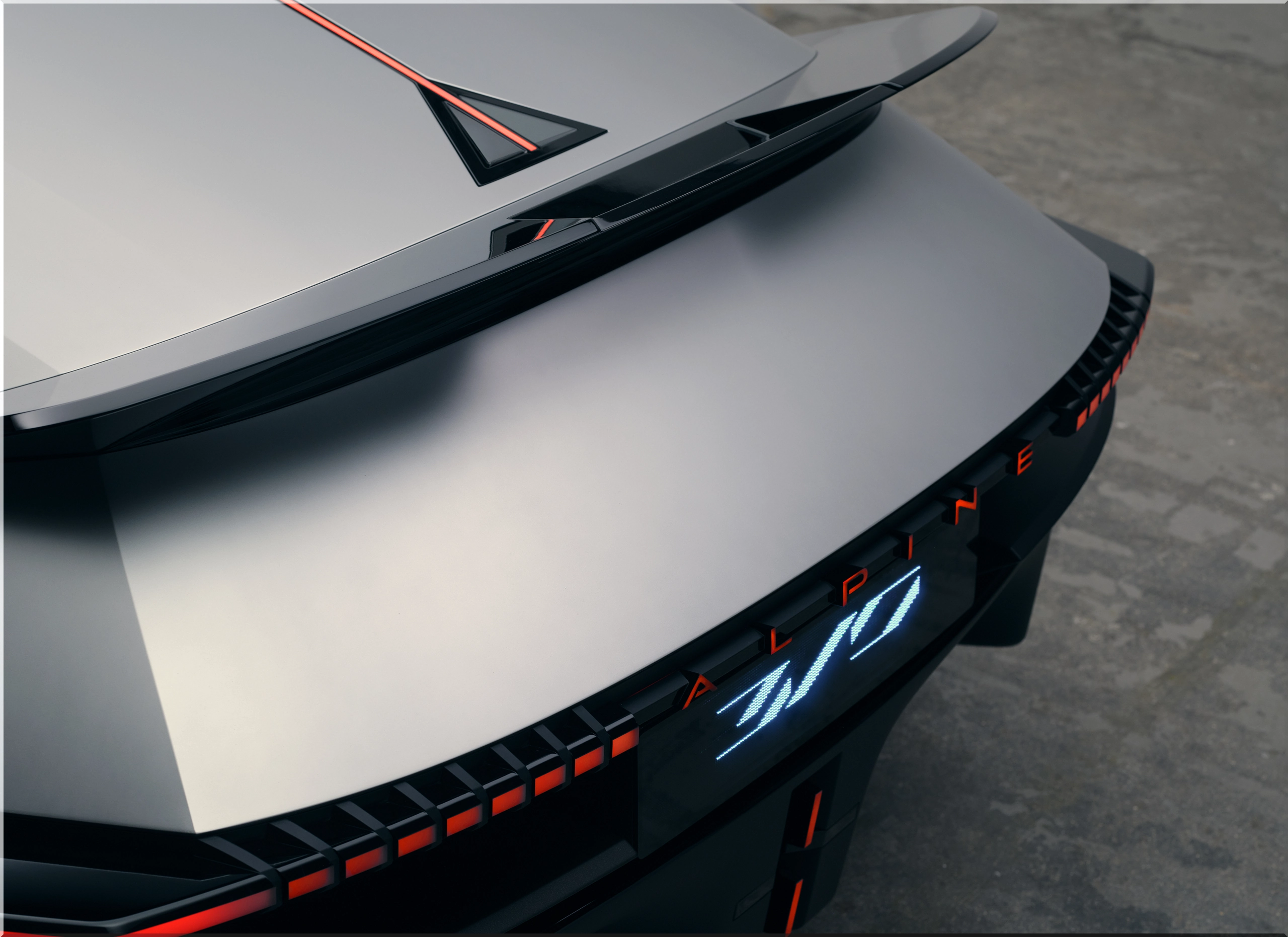
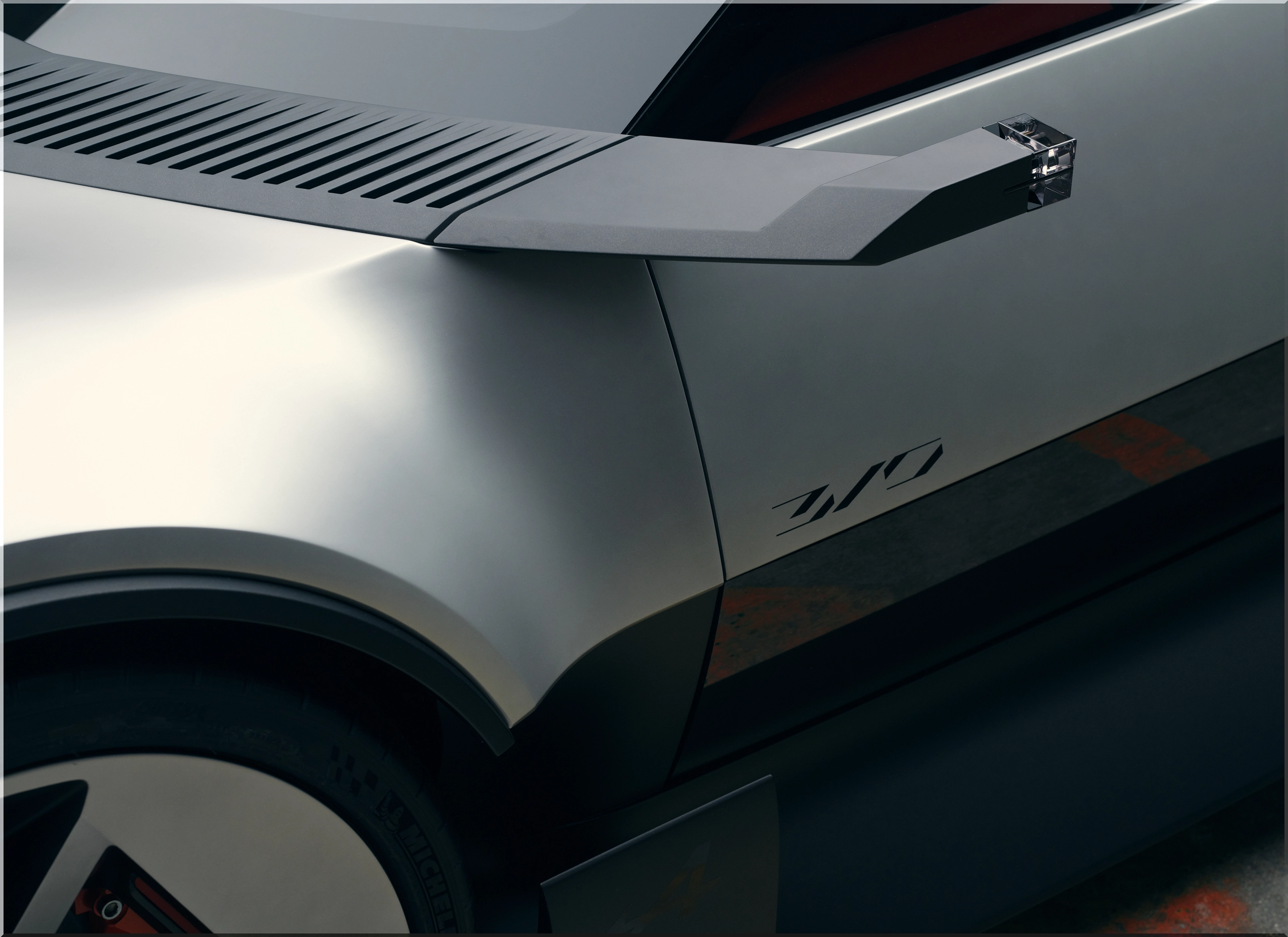
Should US buyers wait for an A310 VISION production car?
Alpine describes A310 VISION as an independent design concept rather than an announcement of a production model. Reporting raises the possibility of a special project, but buyers still lack a confirmed launch. Without specifications or a US sales commitment for this concept, delaying a purchase would rest on speculation.
| Area | Pros | Cons or unresolved questions |
|---|---|---|
| Design | Low roof and physical controls support sports-car appeal | Alpine supplies no usable-space measurements |
| EV engineering | APP offers a credible technical direction | Concept-specific output, capacity, and charging remain unknown |
| Ownership | A production version could offer another electric sports-car option | No announced USD price or US delivery date |
Pro-Tip: Keep your purchase timeline tied to vehicles with confirmed specifications and local support. My assessment follows the published evidence: A310 VISION earns attention as a design statement, but it offers too little ownership data to support a buying decision or total-cost comparison.
Auto Show
- Add new comment
- 18 views