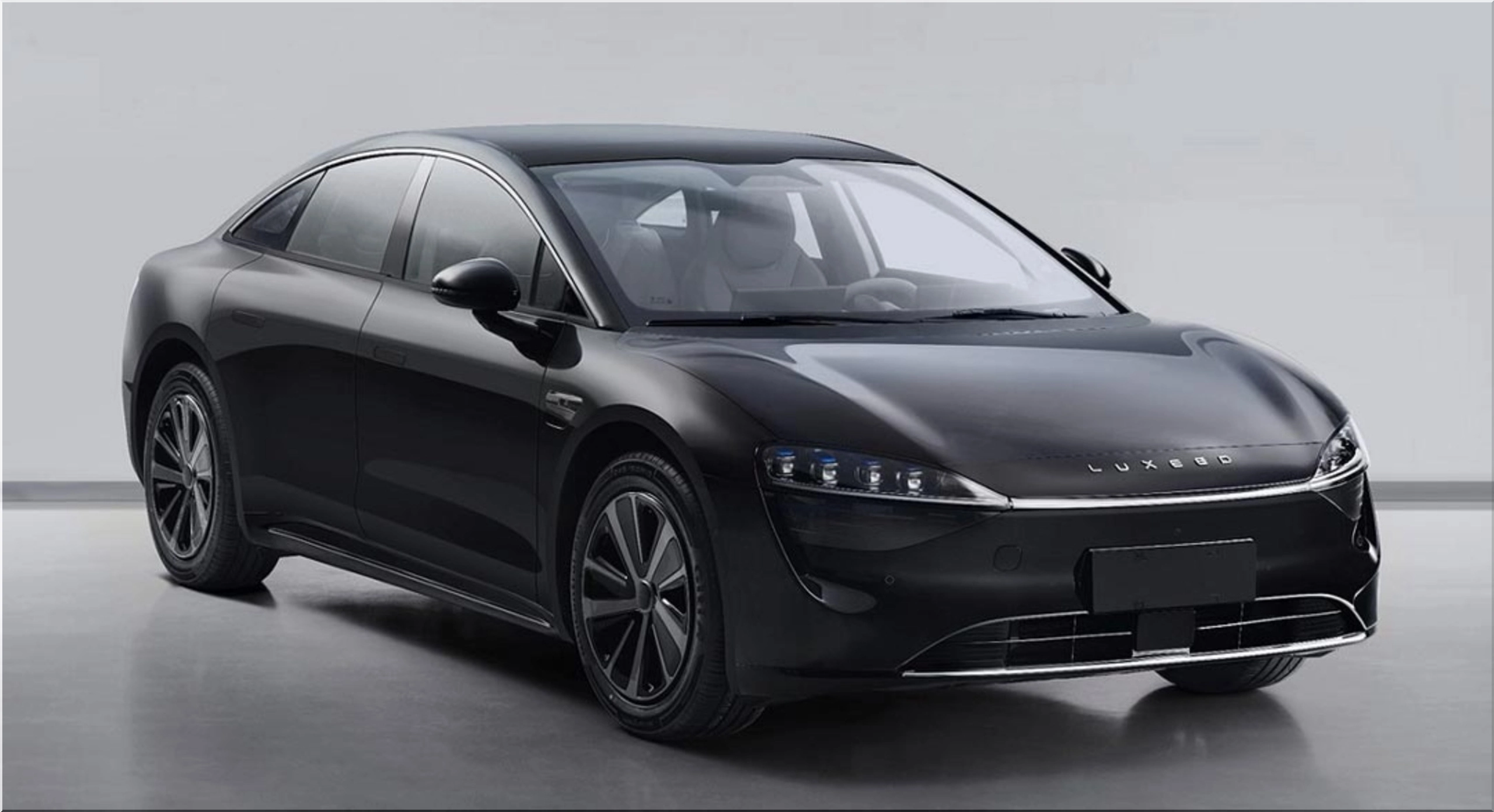
The Chinese tech giant Huawei is known for its smartphones, tablets, and laptops and for its ambitions in the smart car market. The company has been developing its own operating system, HarmonyOS, and various hardware and software solutions for autonomous driving, connectivity, and electrification. Now, Huawei is ready to unveil its first co-produced electric car, the Luxeed S7, in collaboration with Chery, one of the largest automakers in China.
What is the Luxeed S7?
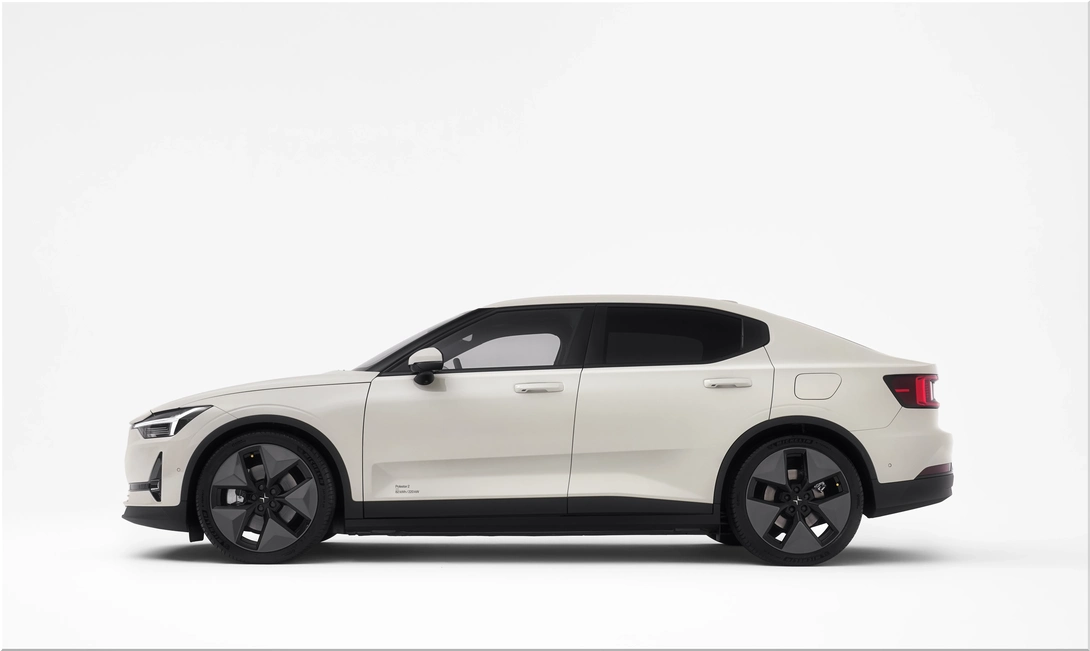
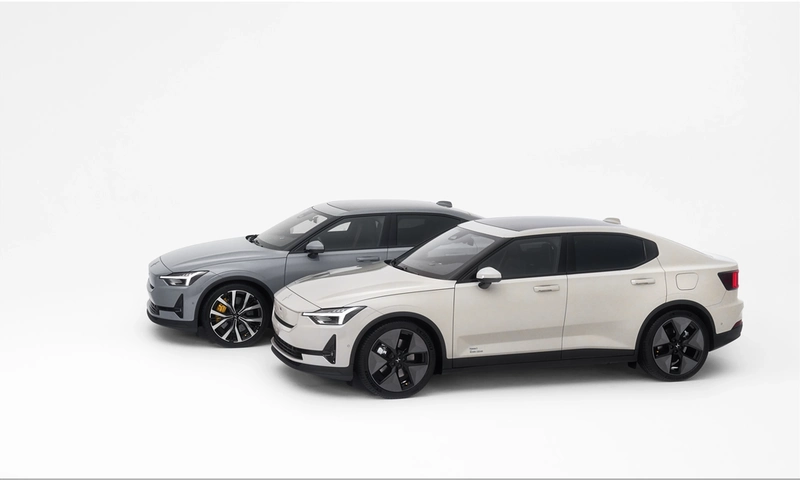
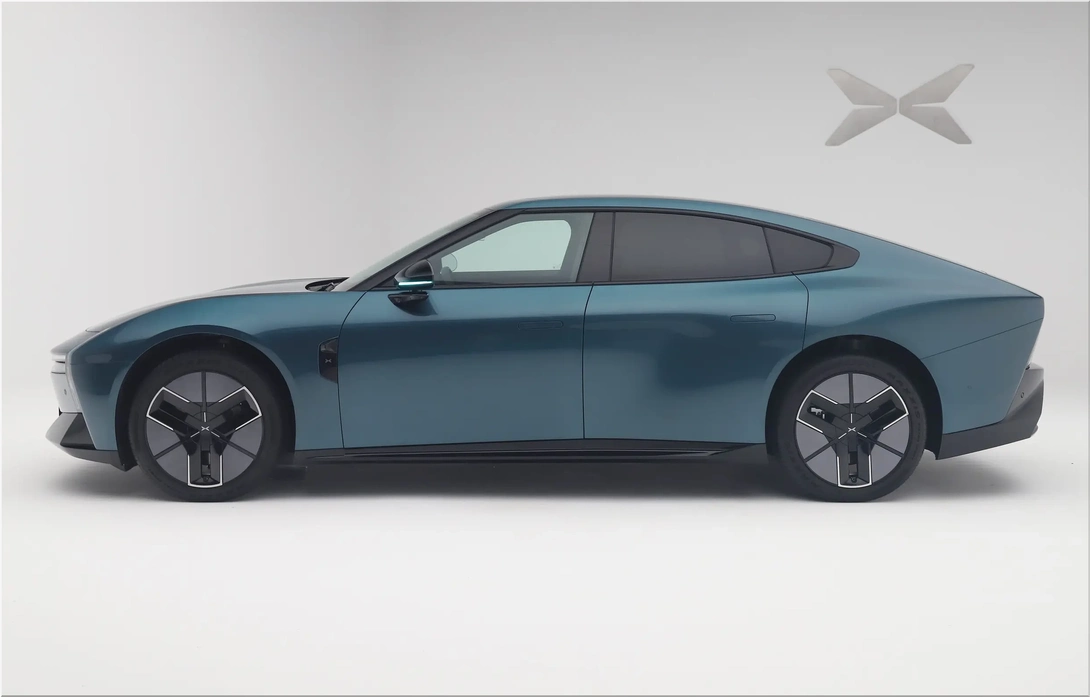
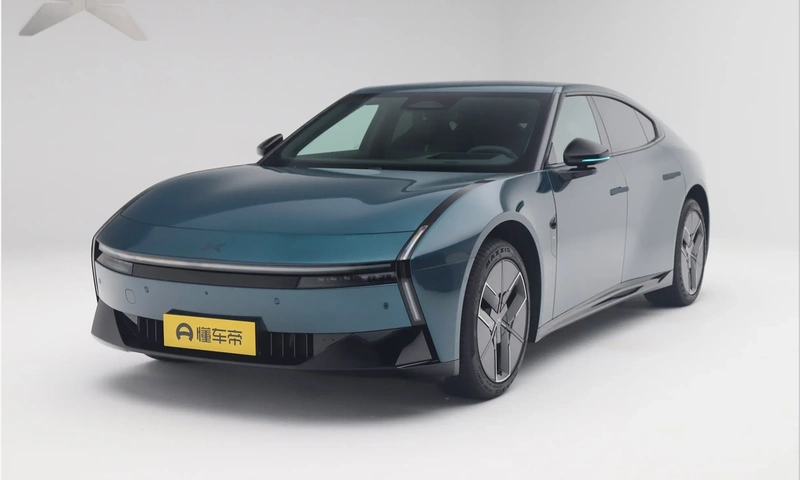
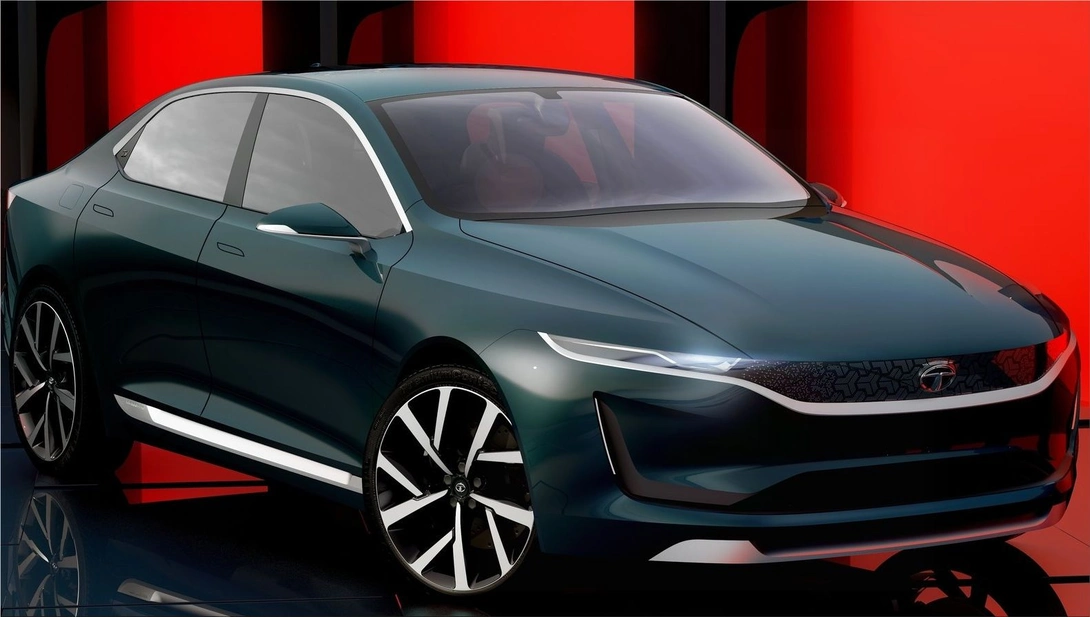
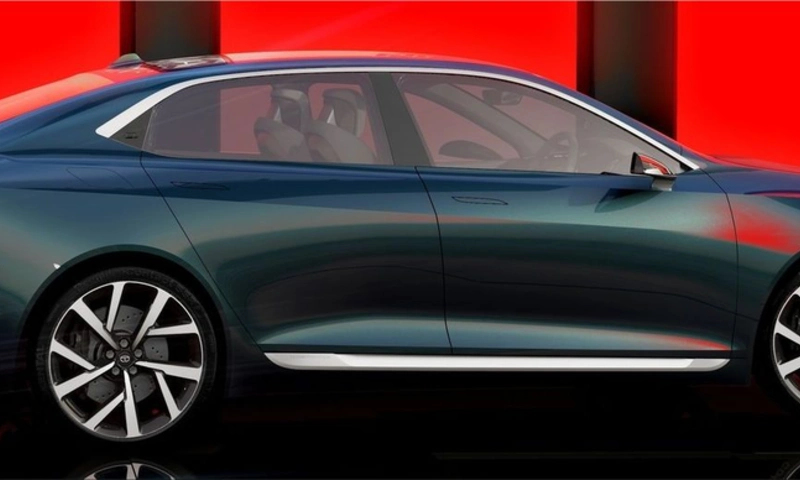
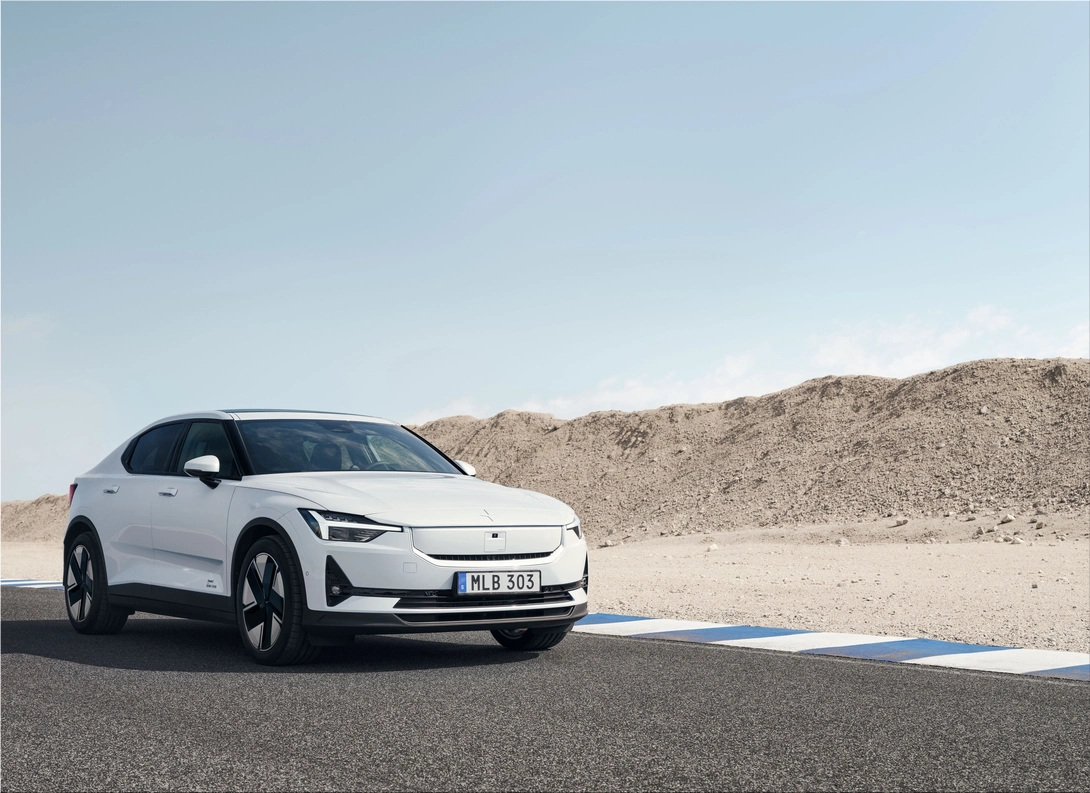
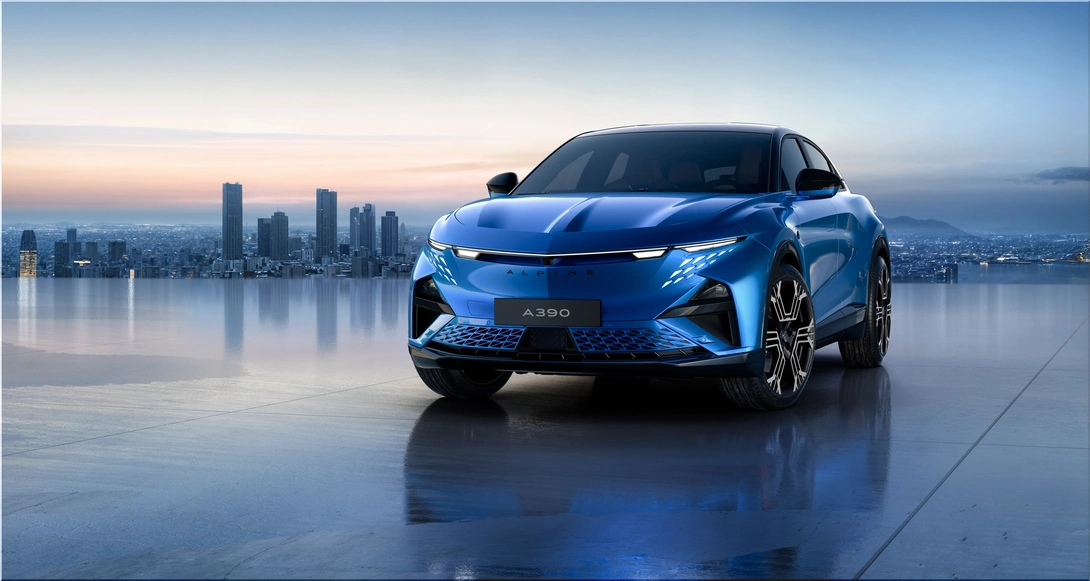
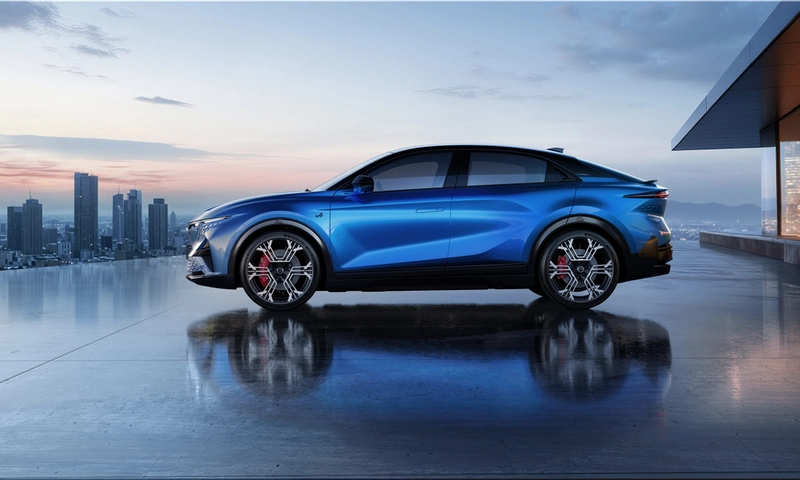
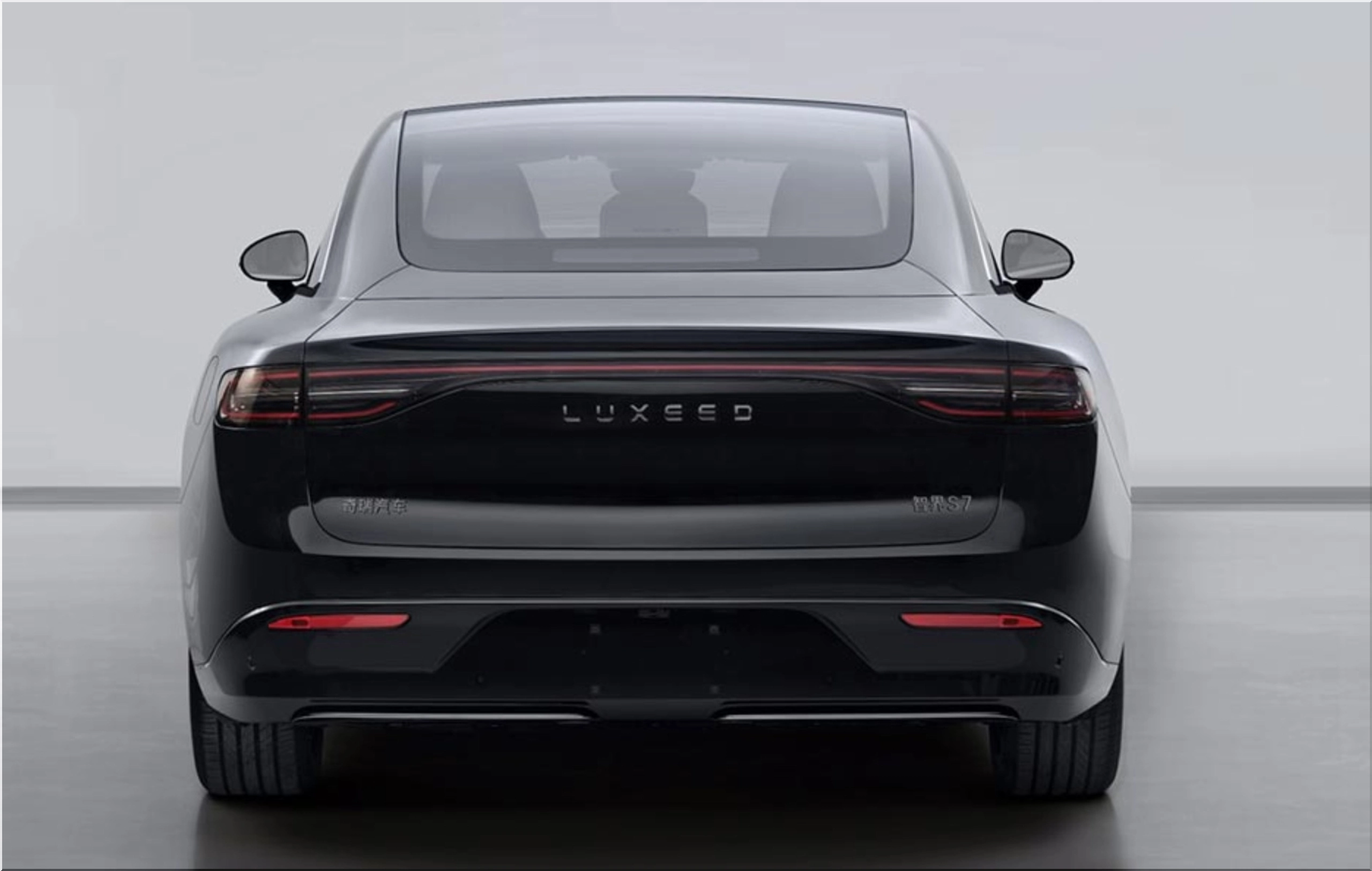
The Luxeed S7 is a premium electric sedan that aims to compete with the likes of the Tesla Model S, Nio ET7, and BYD Han. The car features a sleek and futuristic design, with a coupe-like silhouette, narrow headlights, wide wheel arches, retractable door handles, and a LiDAR sensor on the roof. The car measures 4.97 meters in length, 1.96 meters in width, and 1.47 meters in height, with a wheelbase of 2.95 meters. The car can accommodate five passengers and has a spacious trunk.
The Luxeed S7 is based on Chery's E0X platform, designed for two-motor all-wheel drive and supports an 800-volt battery system. The car is powered by electric motors from Huawei, with a single-motor version that delivers up to 215 kW (288 hp) of power and a dual-motor version that delivers up to 365 kW (489 hp) of power. The car's top speed is said to be 210 km/h (130 mph).
The battery supplier for the Luxeed S7 is CATL, the world's largest battery maker. The car will offer different battery options, including lithium iron phosphate (LFP), lithium manganese iron phosphate (LMFP), and lithium nickel manganese cobalt oxide (NMC). The car's exact energy capacity and range are not yet revealed, but it is expected to offer over 700 kilometers (435 miles) of NEDC range.