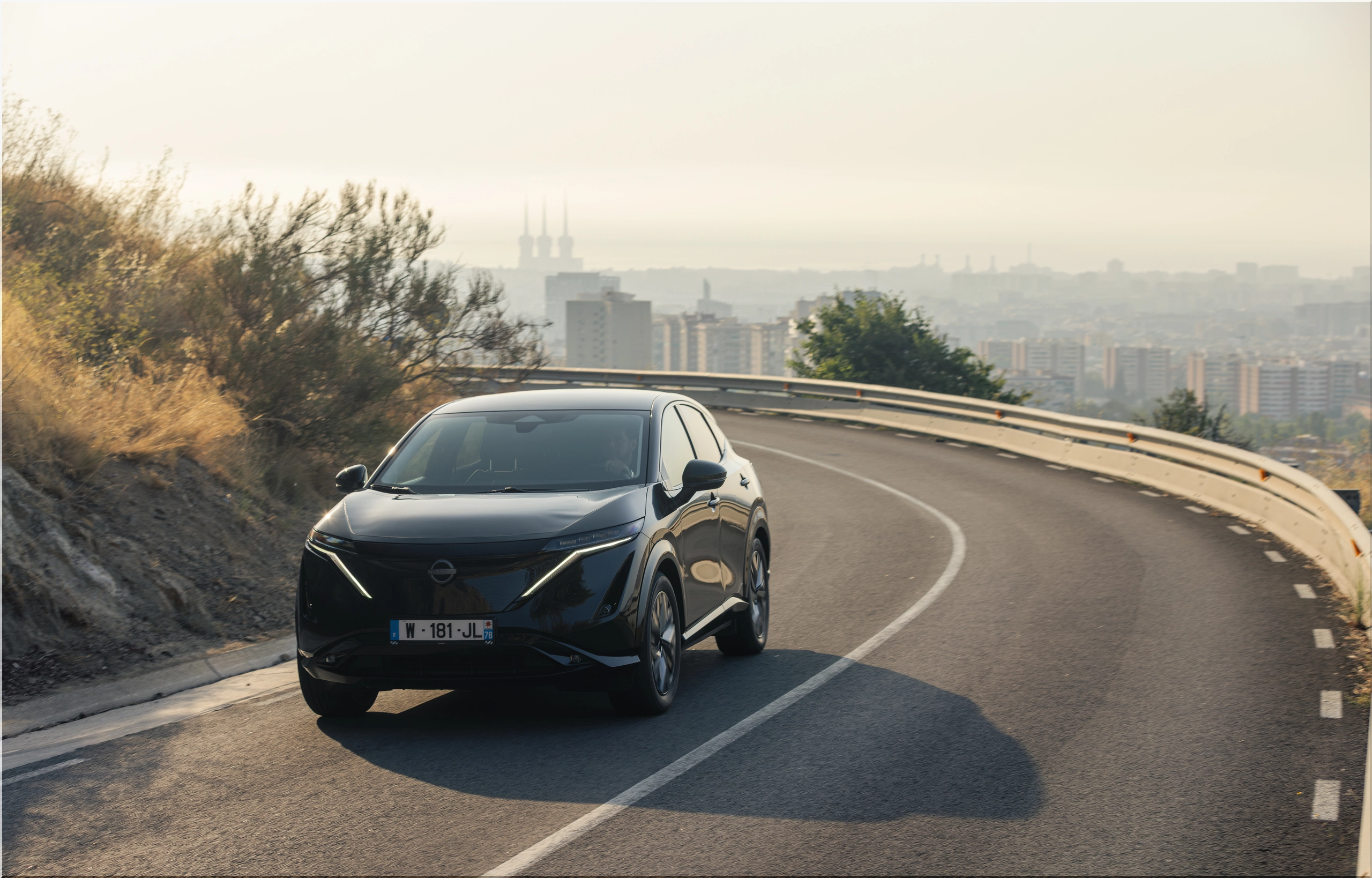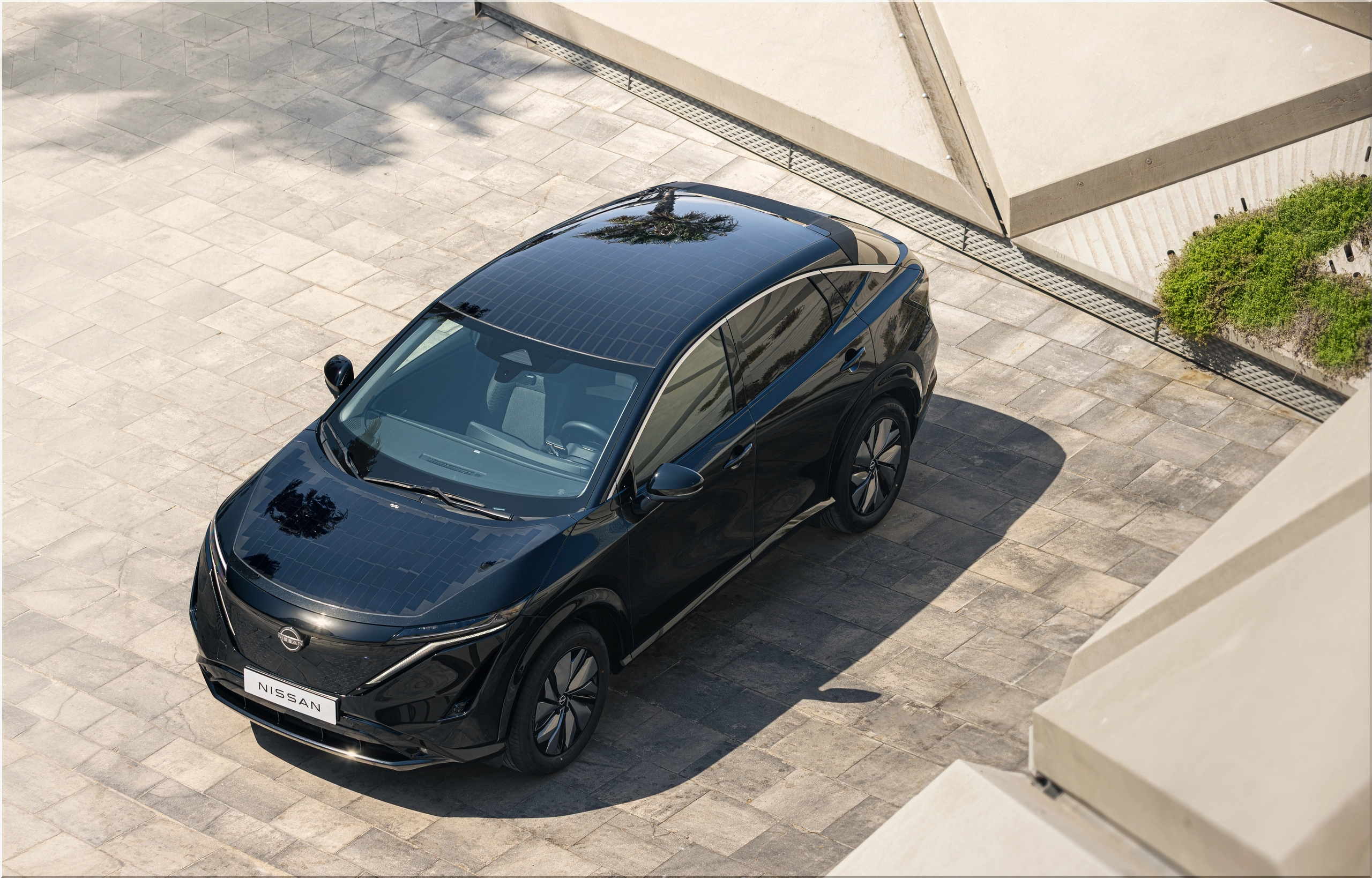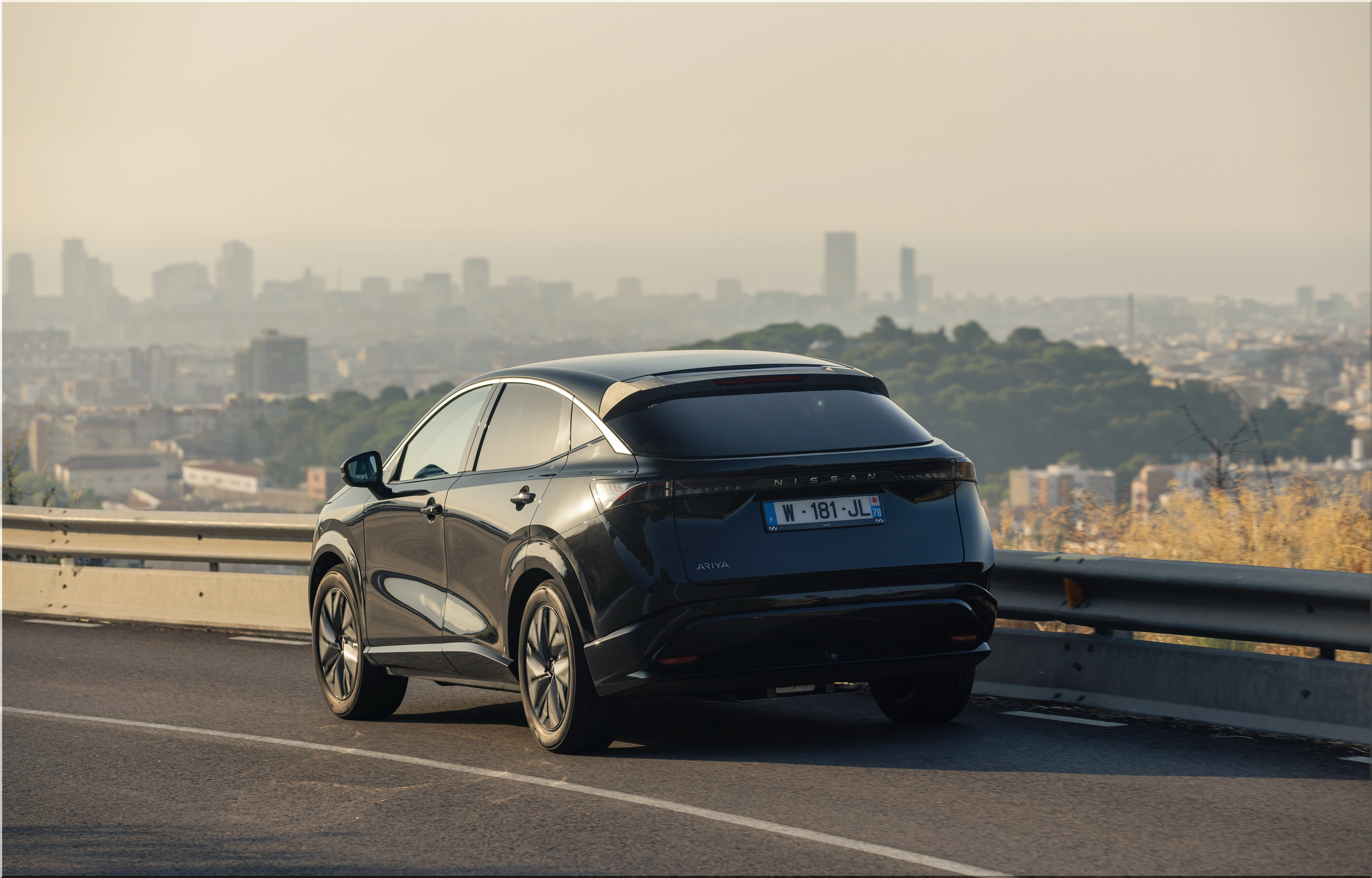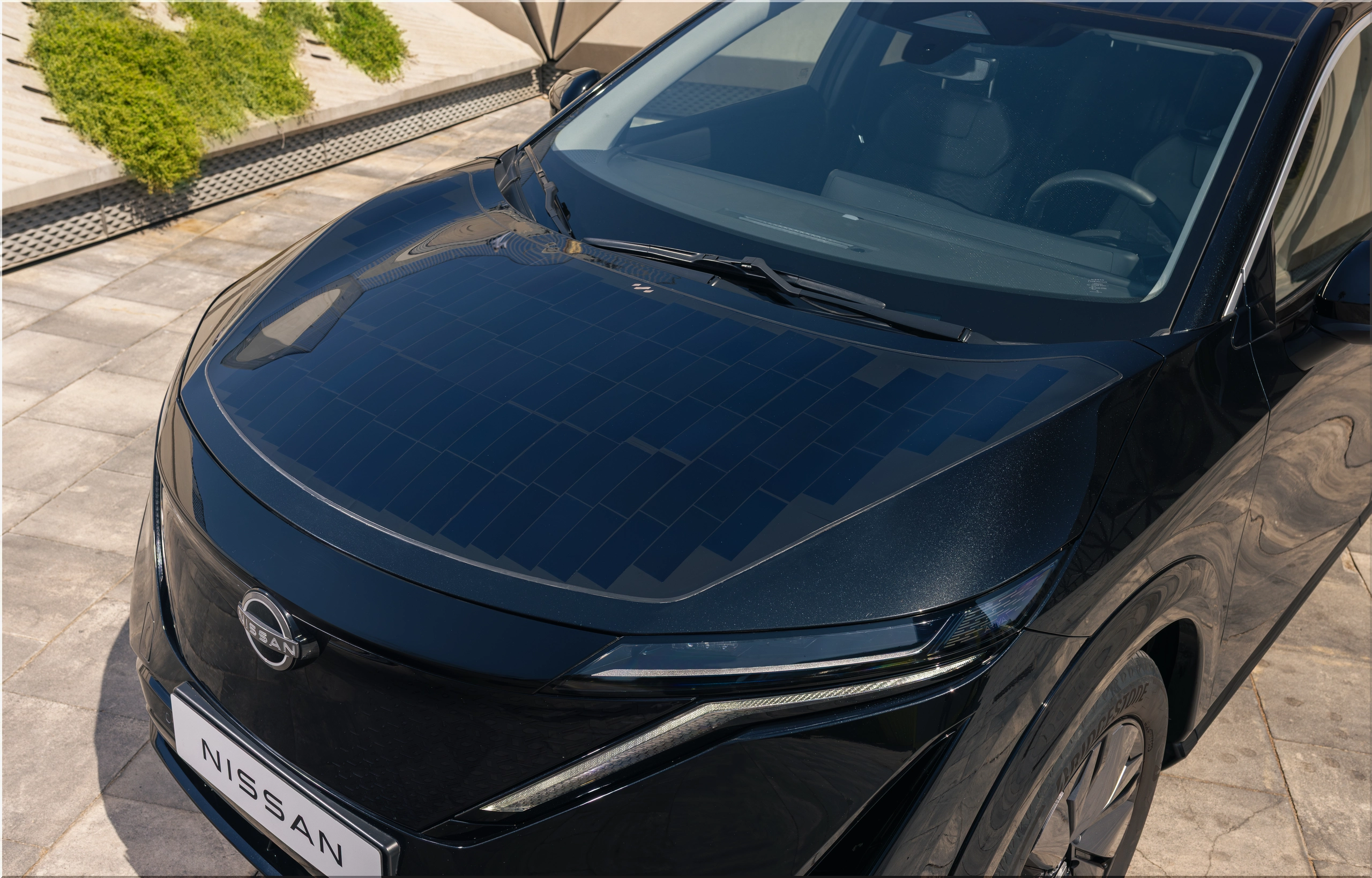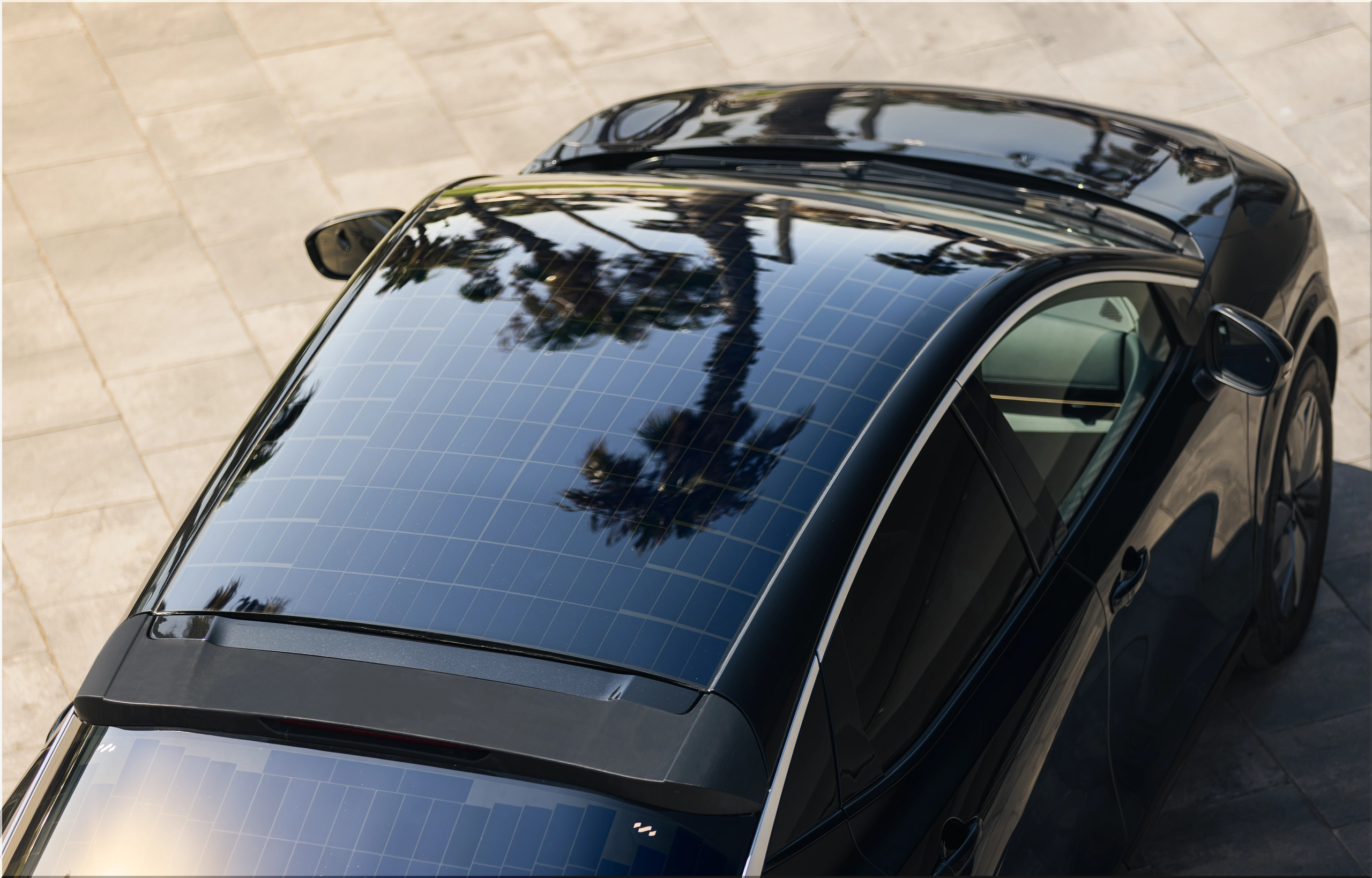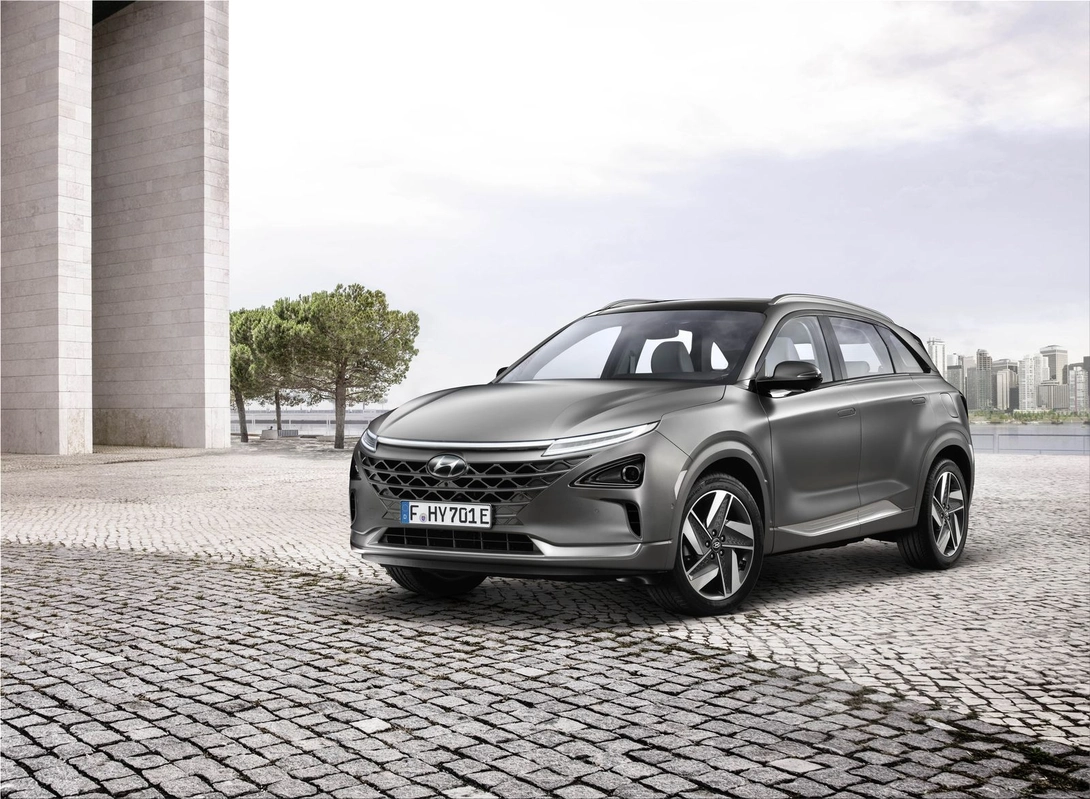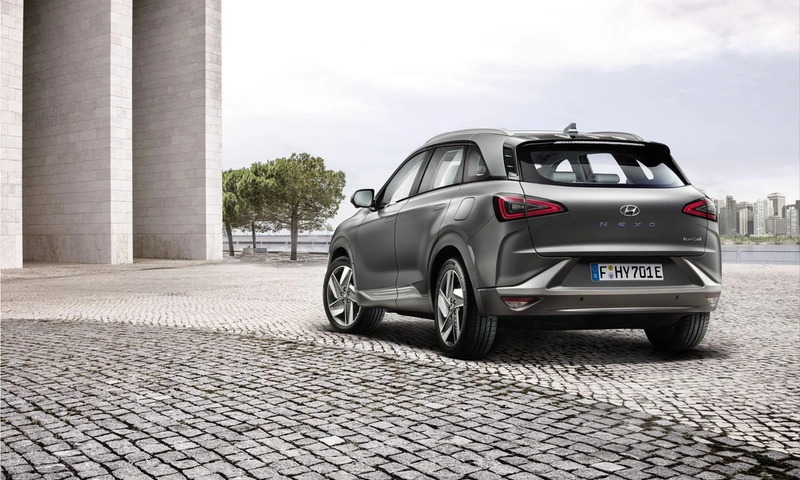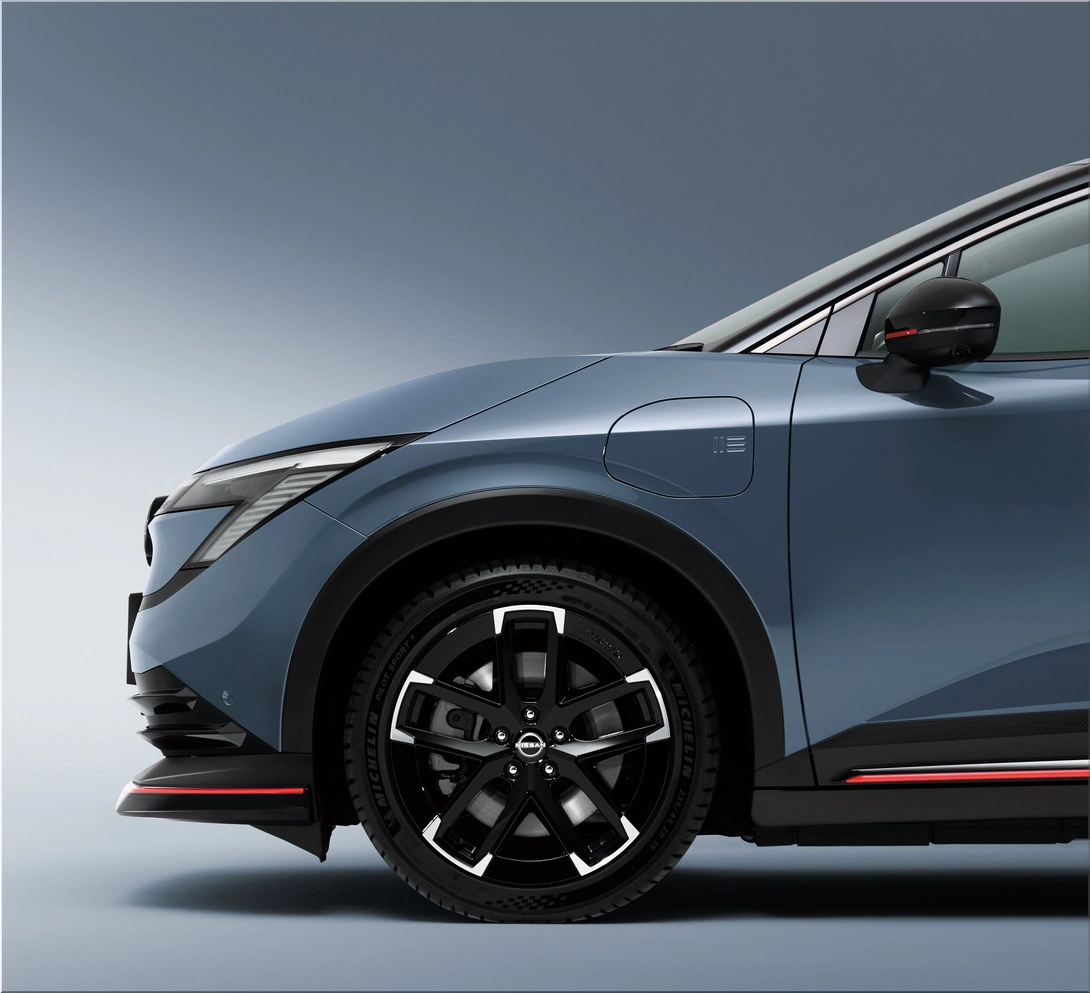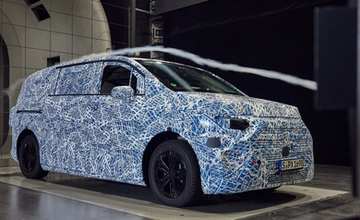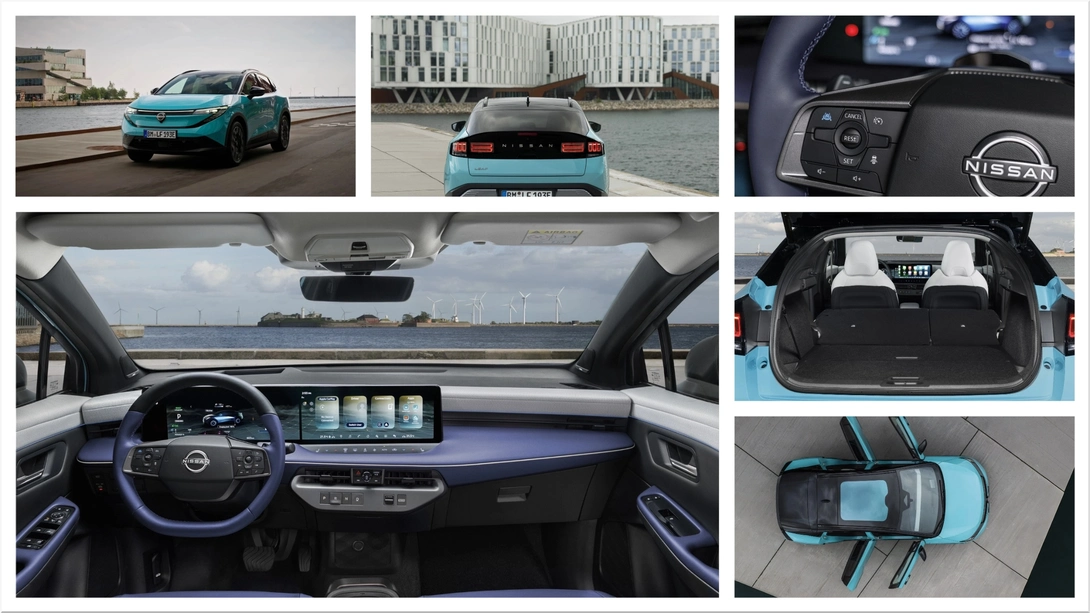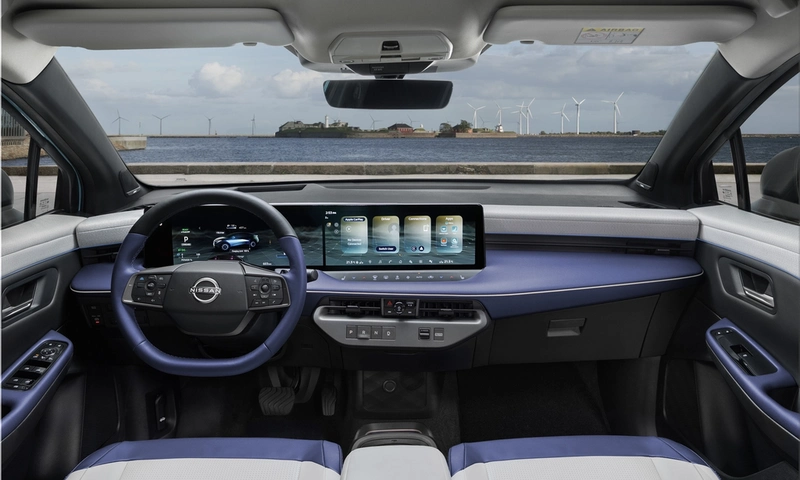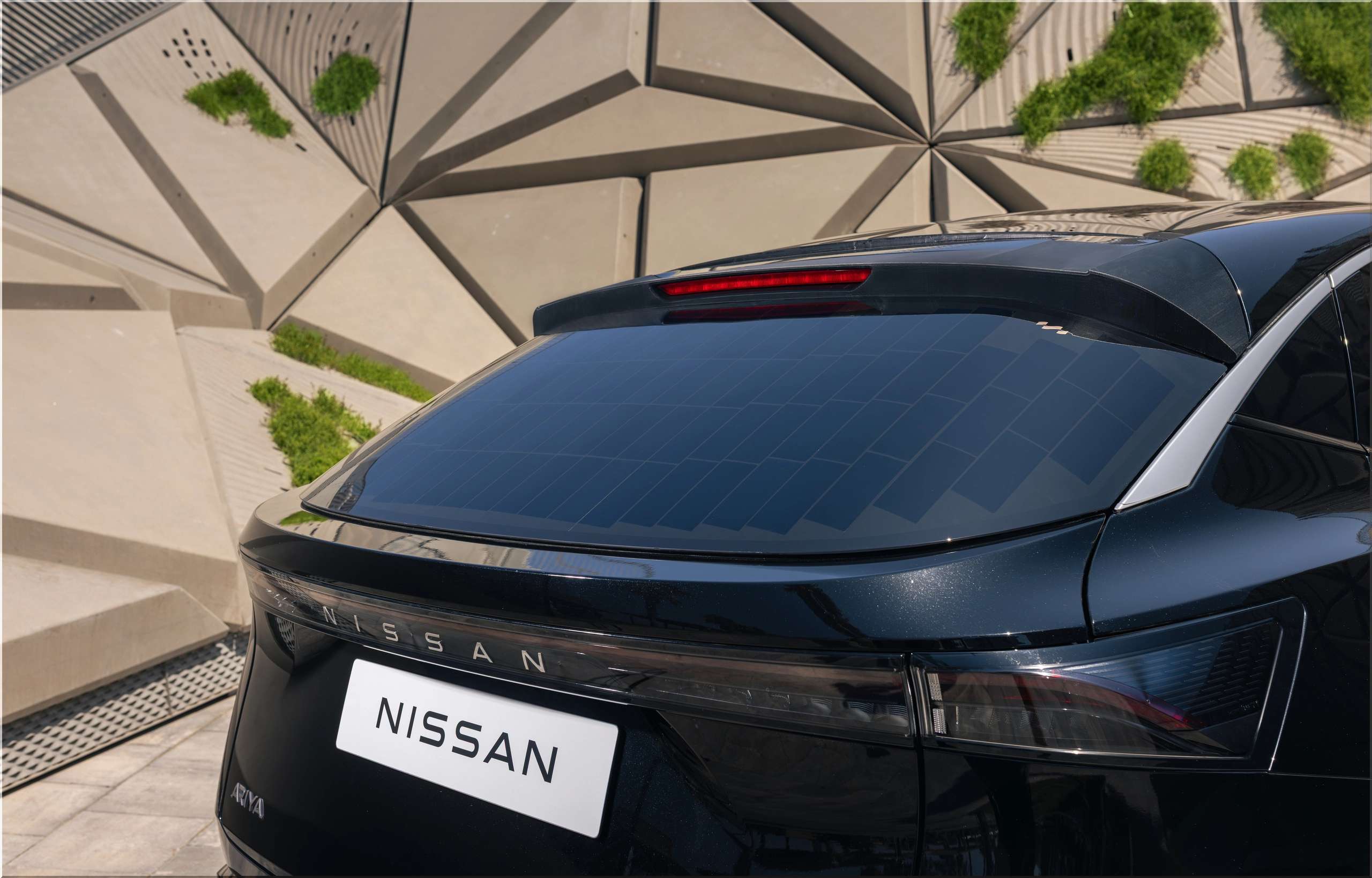
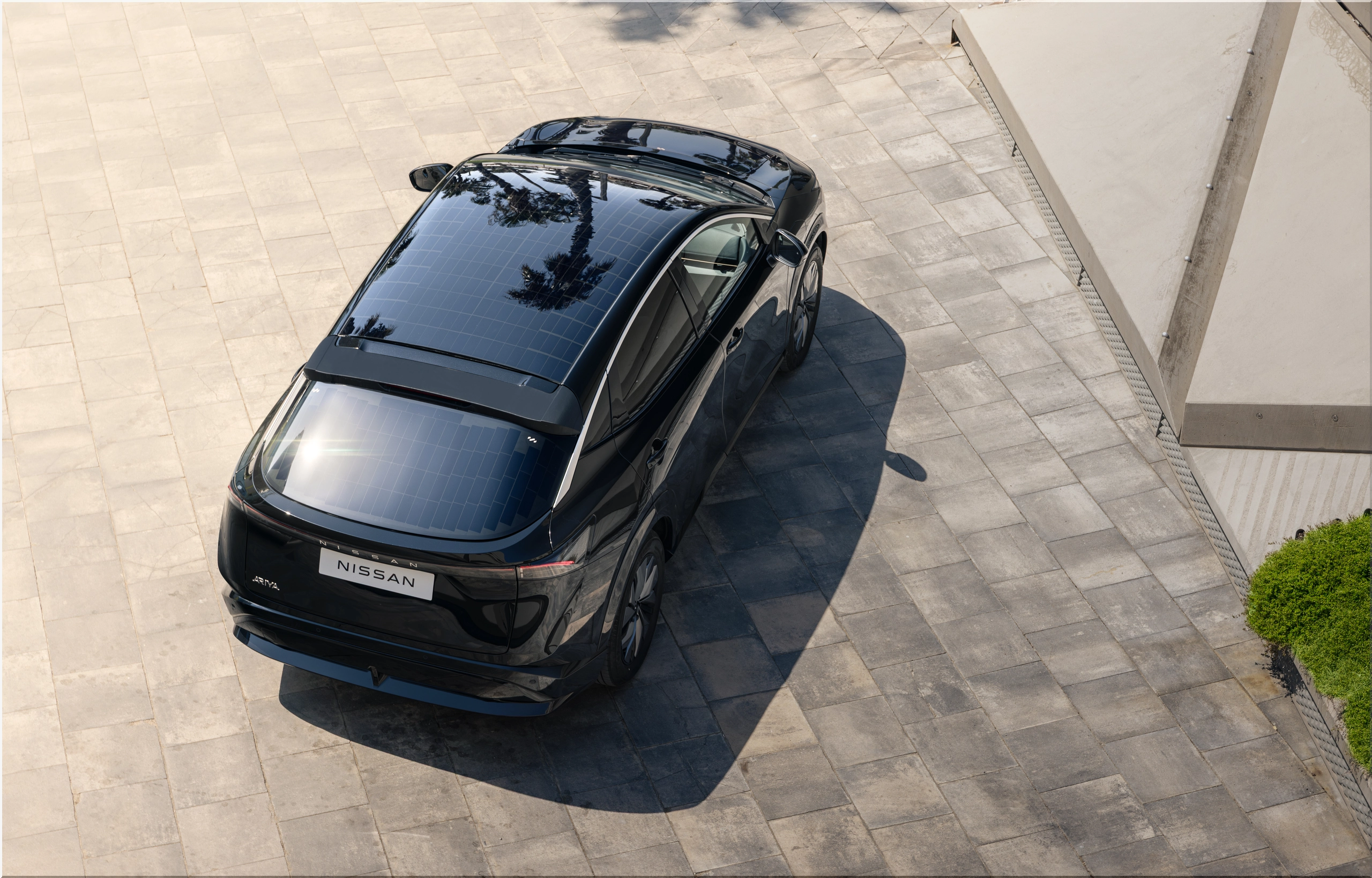
Efficiency in the electric vehicle sector just reached a new milestone. Nissan recently unveiled a solar-powered Ariya concept that utilizes the sun as a primary fuel source. This is not a design exercise with ornamental cells. It is a functional prototype using 3.8 square meters of custom photovoltaic panels to charge the high-voltage battery while the car is stationary or in motion. Developed in partnership with Dutch solar-mobility innovator Lightyear, the technology adds up to 14.3 miles (23 km) of range daily under ideal conditions.
Solar Charging Technology Performance Data
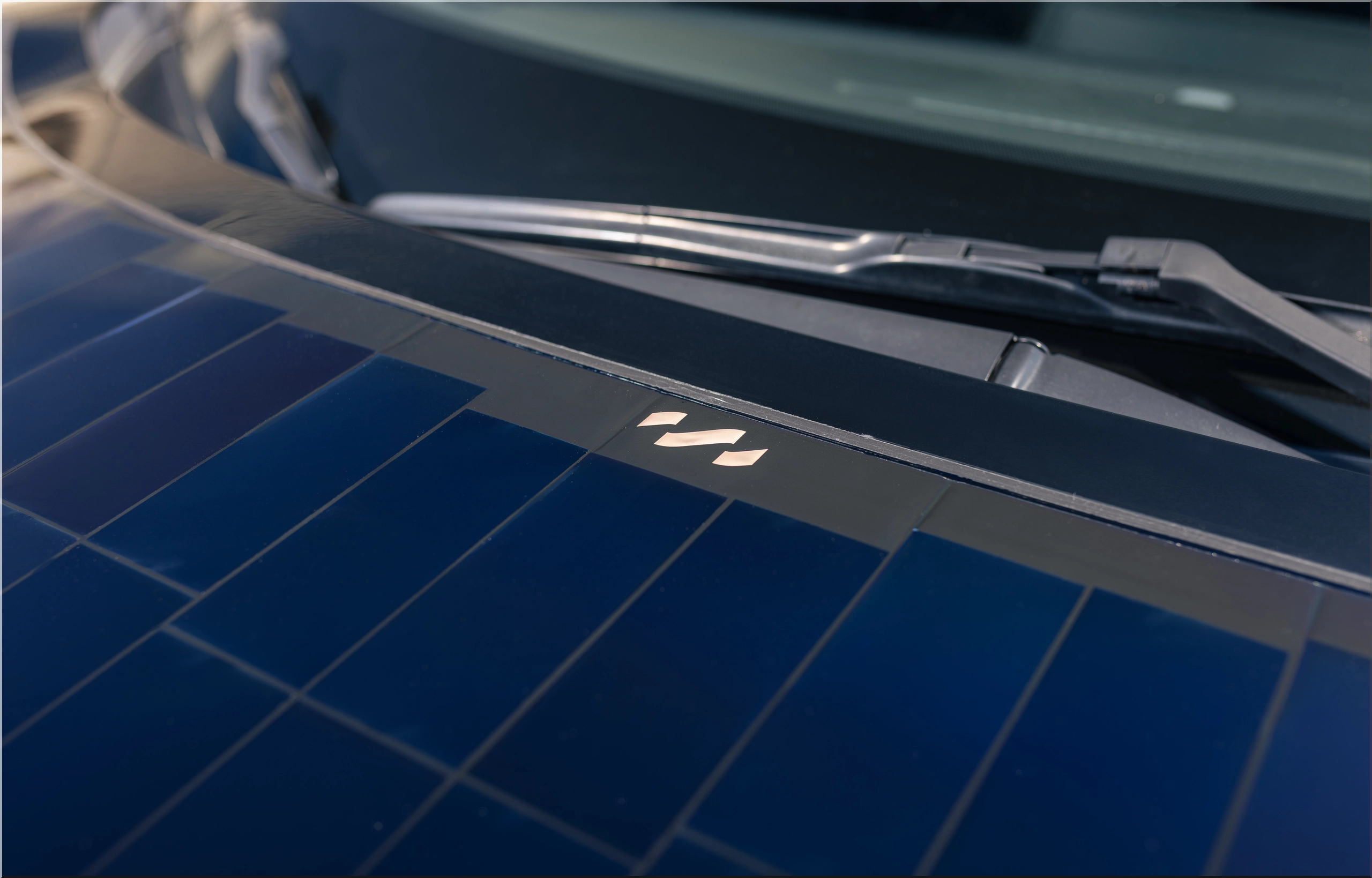
Nissan engineers in Dubai and Barcelona integrated the system directly into the vehicle's hood, roof, and tailgate. The construction uses polymer and glass-based panels designed to sit flush with the bodywork. A specialized power controller converts sunlight into DC power. This setup optimizes energy flow to the battery and reduces the necessity for traditional plug-in charging.
Real-world testing highlights the practical benefits of this hardware. In Barcelona, the vehicle generates an average of 10.9 miles (17.6 km) of daily solar range. Even in the lower light conditions of London, it captures 6.3 miles (10.2 km) per day. For the average driver, this system can reduce charging frequency by 35% to 65% depending on specific usage patterns.
Quantifying the Solar Advantage
The data from the testing phase provides specific performance metrics. A two-hour drive covering 50 miles (80 km) generates approximately 0.5 kWh of clean energy. This adds roughly 1.8 miles (3 km) of free, zero-emission range during the trip itself. For a commuter covering 3,700 miles (6,000 km) annually, the solar integration could drop the number of yearly charging sessions from 23 down to just eight.
This level of autonomy changes the economics of EV ownership. It offers increased freedom in regions with limited charging infrastructure. Drivers gain independence from the electrical grid by parking in sunny areas. This project directly supports Nissan Ambition 2030, a strategy targeting carbon neutrality across the product life cycle by 2050.
Market Comparison: Solar-Equipped EVs
The Ariya concept enters a field where other manufacturers are testing similar energy-harvesting technologies. While many current solar roofs only power auxiliary systems like climate control, Nissan and Lightyear push energy directly into the drivetrain.
| Model | Solar Surface Area | Max Daily Solar Range | Estimated Price (USD) |
|---|---|---|---|
| Nissan Ariya Concept | 3.8 m² | 14.3 Miles (23 km) | Concept Only |
| Toyota bZ4X (Solar Roof) | ~1.8 m² | 3.5 Miles (5.6 km) | $44,420 |
| Hyundai IONIQ 5 (Solar Roof) | ~1.6 m² | 3.1 Miles (5 km) | $41,800 |
| Lightyear 0 (Production) | 5.0 m² | 43 Miles (70 km) | $275,000 |