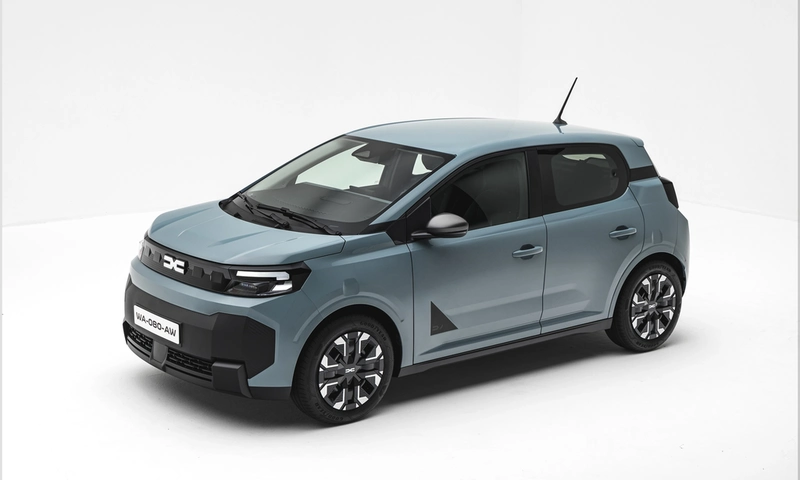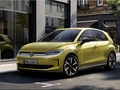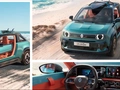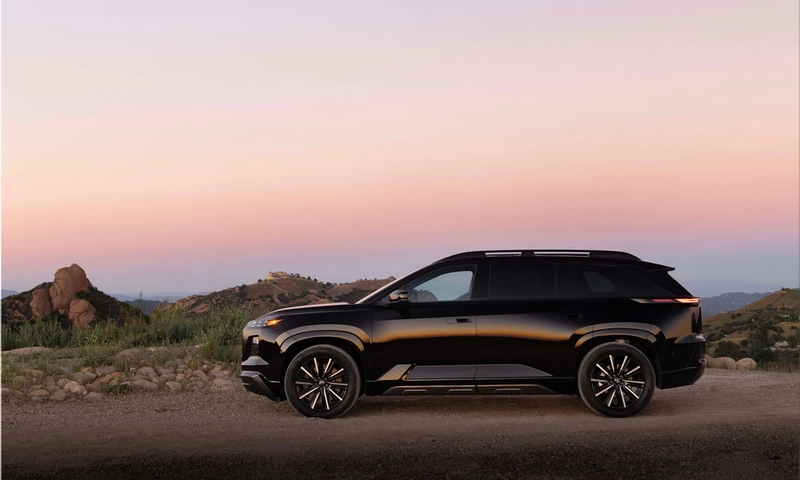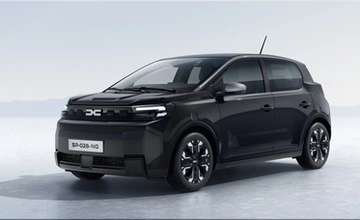
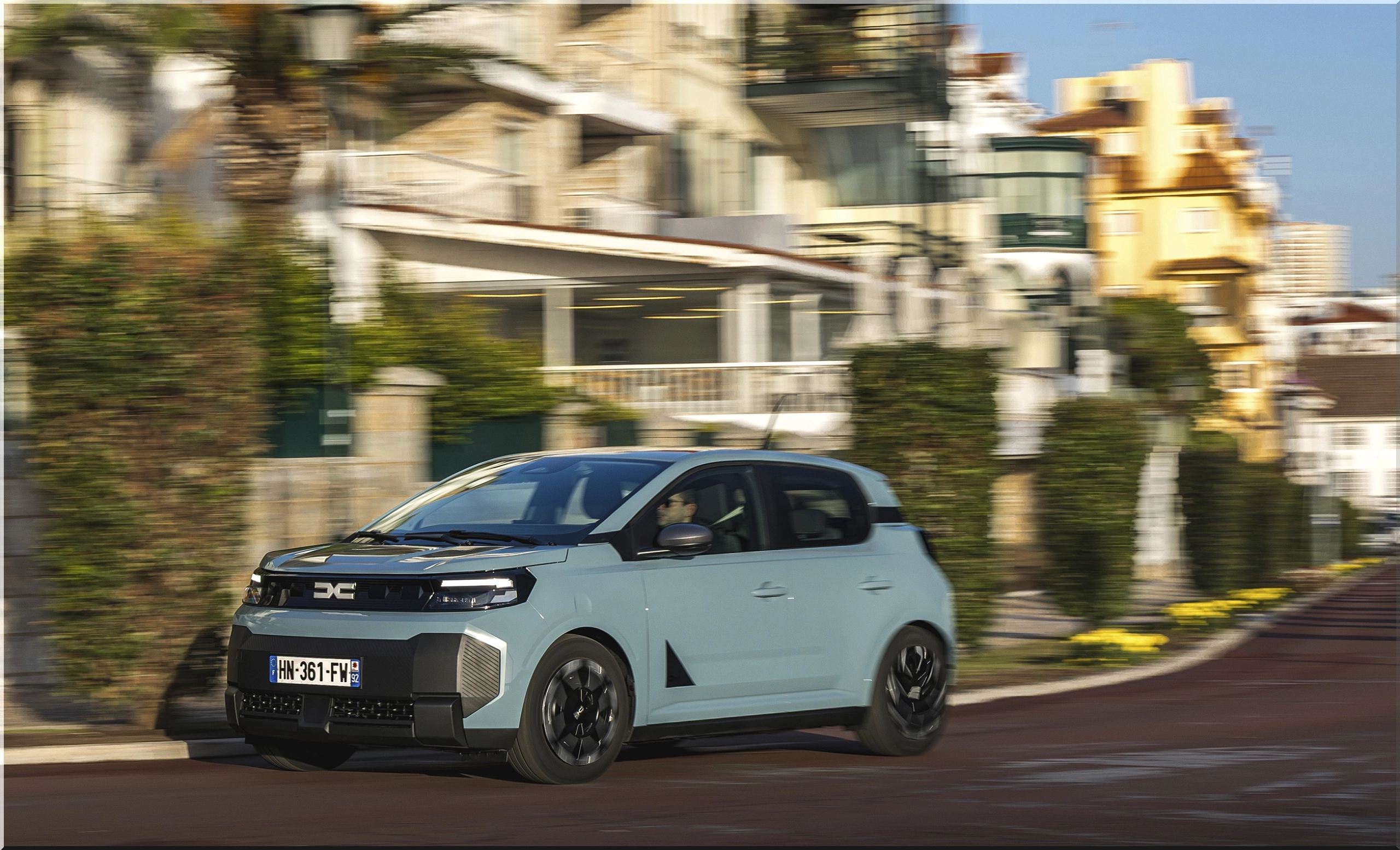
The 2027 Dacia Spring targets inexpensive daily trips with an 80-hp motor, a 27.5-kWh usable battery and up to 155 miles (250 km) of WLTP range. Optional 50-kW DC charging adds flexibility, but highway acceleration and winter range deserve scrutiny. French pricing starts at €17,900 before grants; WLTP figures do not equal EPA estimates.
Image
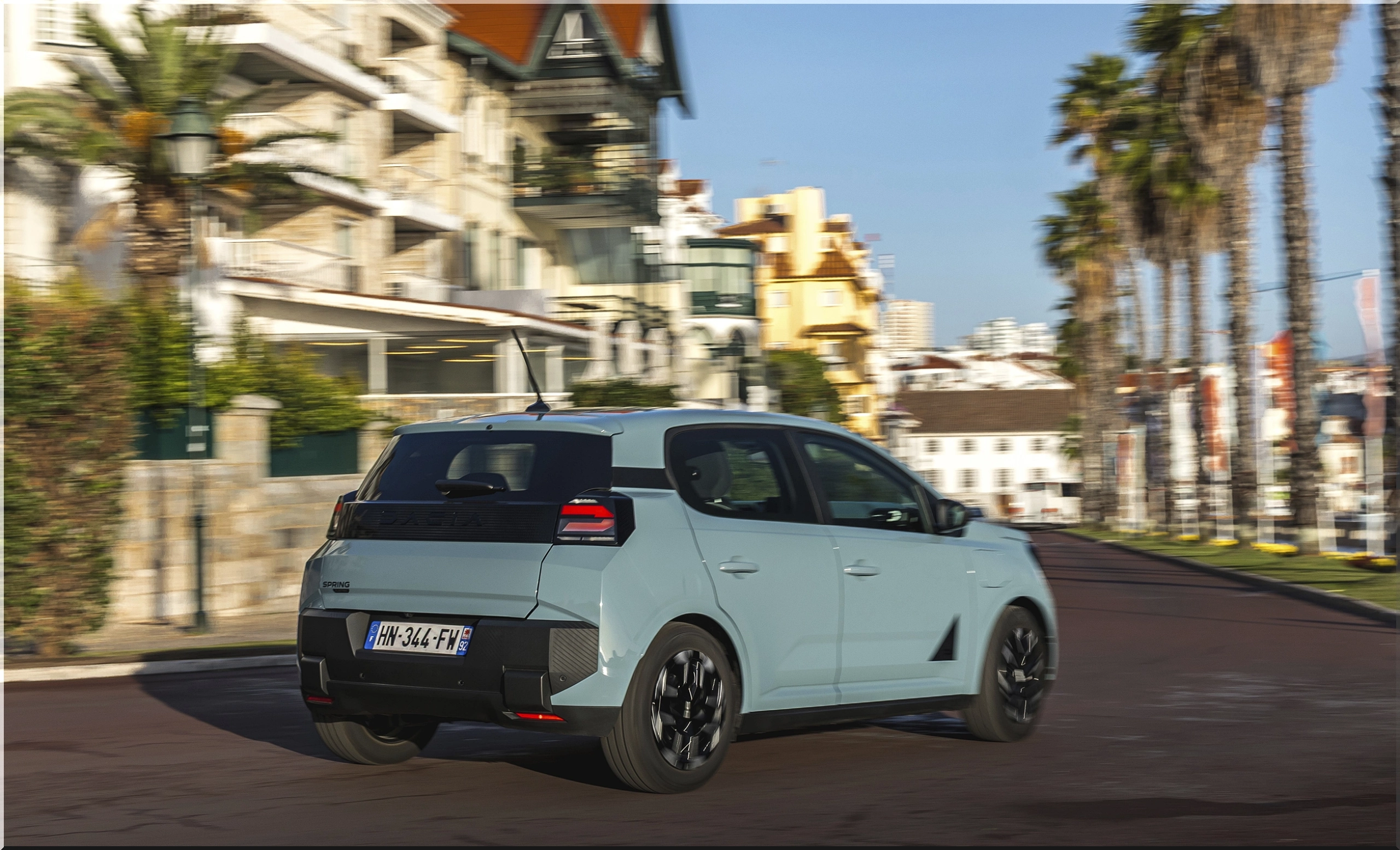
How does the new Dacia Spring perform?
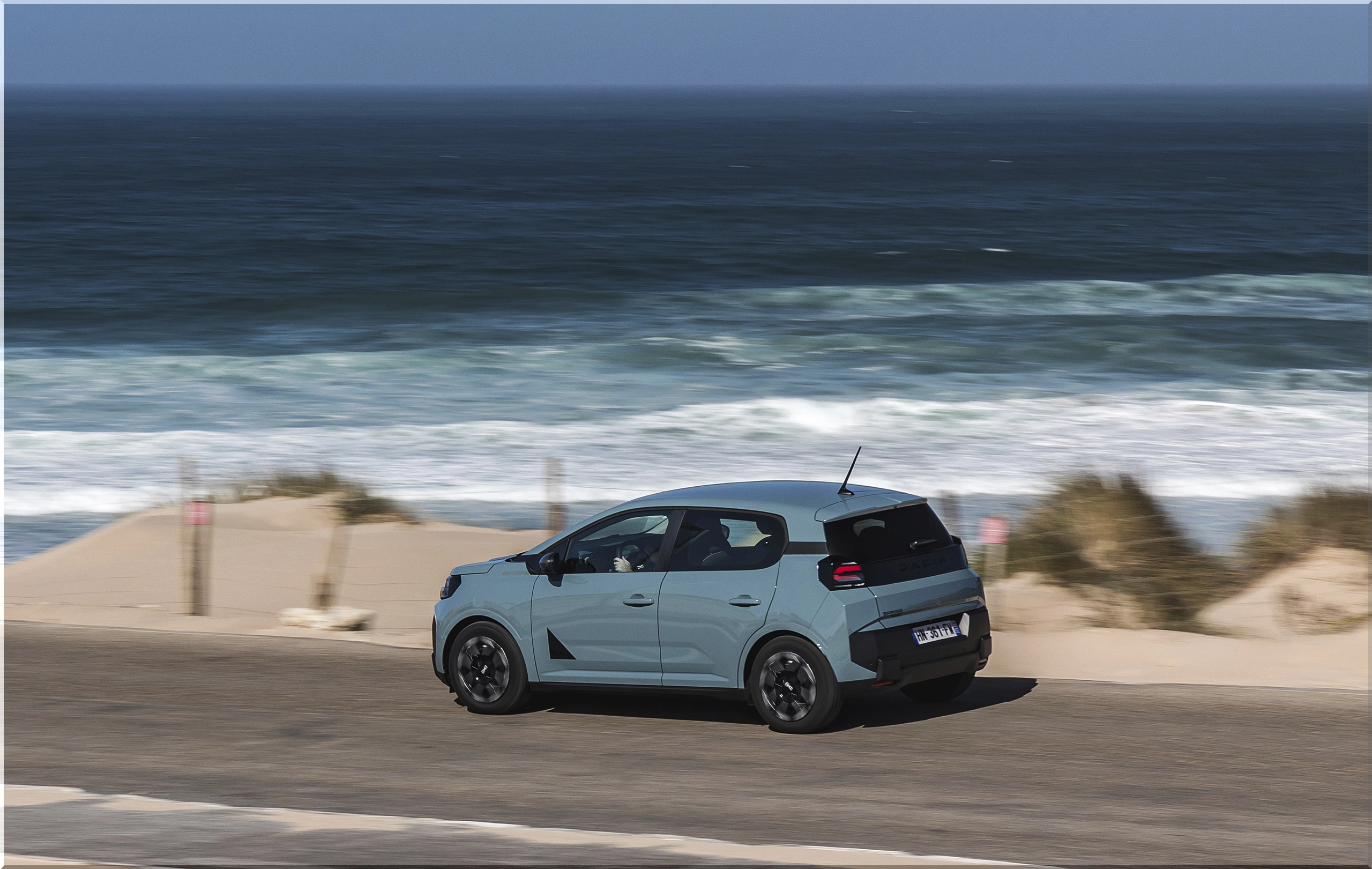
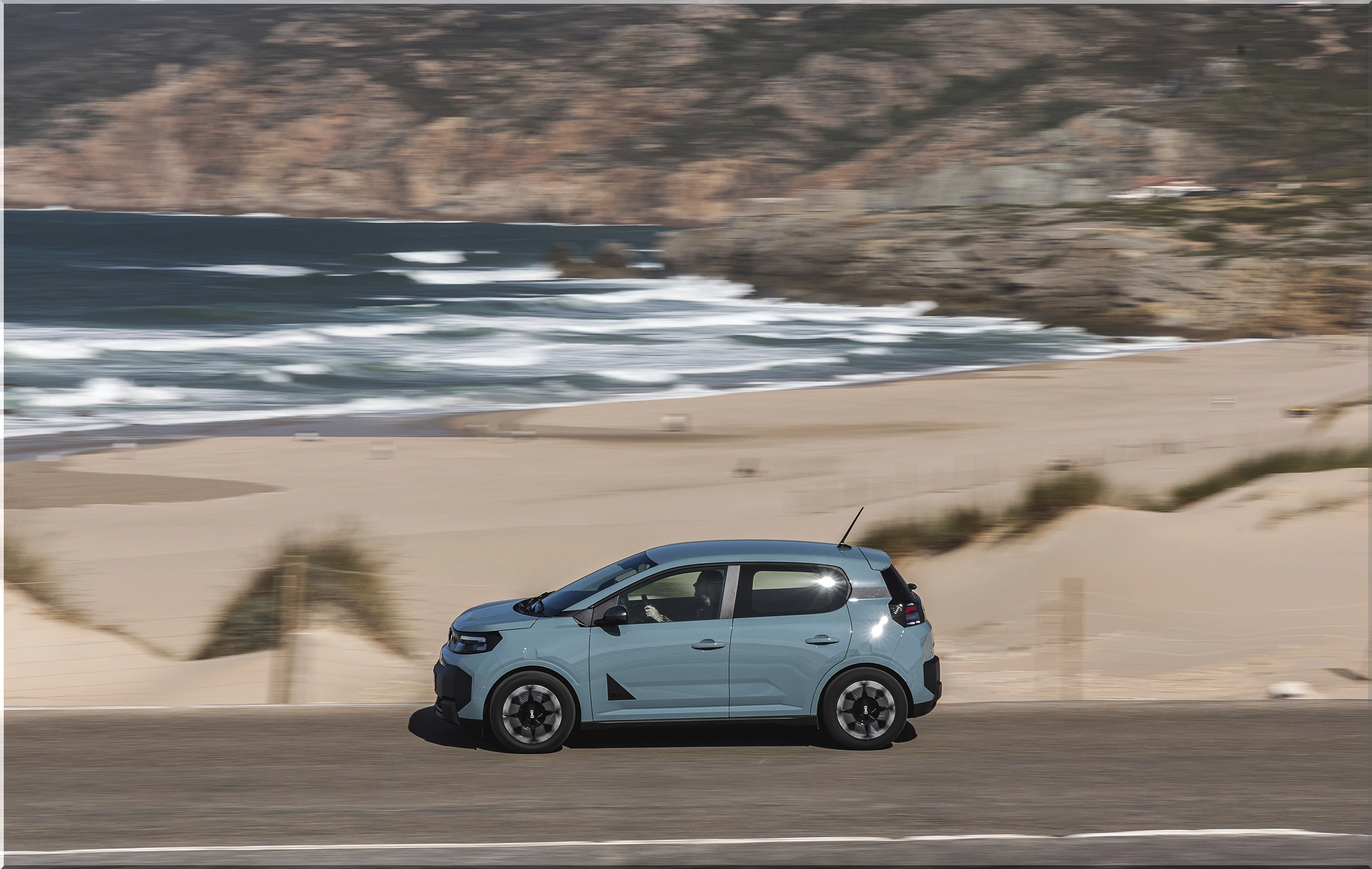
The front-wheel-drive 2027 Dacia Spring reaches 62 mph (100 km/h) in 12.1 seconds and tops out at 81 mph (130 km/h). Those figures suit urban travel and occasional highway trips. With roughly 66 hp per metric ton, it needs space for passing; a short city test drive cannot reveal its limits with passengers aboard.
| Specification | Metric figure | US equivalent |
|---|---|---|
| Motor output | 60 kW | 80 hp |
| Peak torque | 175 Nm | 129 lb-ft |
| Starting curb weight | 1,212 kg | 2,672 lb |
| Length | 3,854 mm | 151.7 in |
| Width, excluding mirrors | 1,737 mm | 68.4 in |
| Wheelbase | 2,492 mm | 98.1 in |
| Turning diameter | 9.90 m | 32.5 ft |
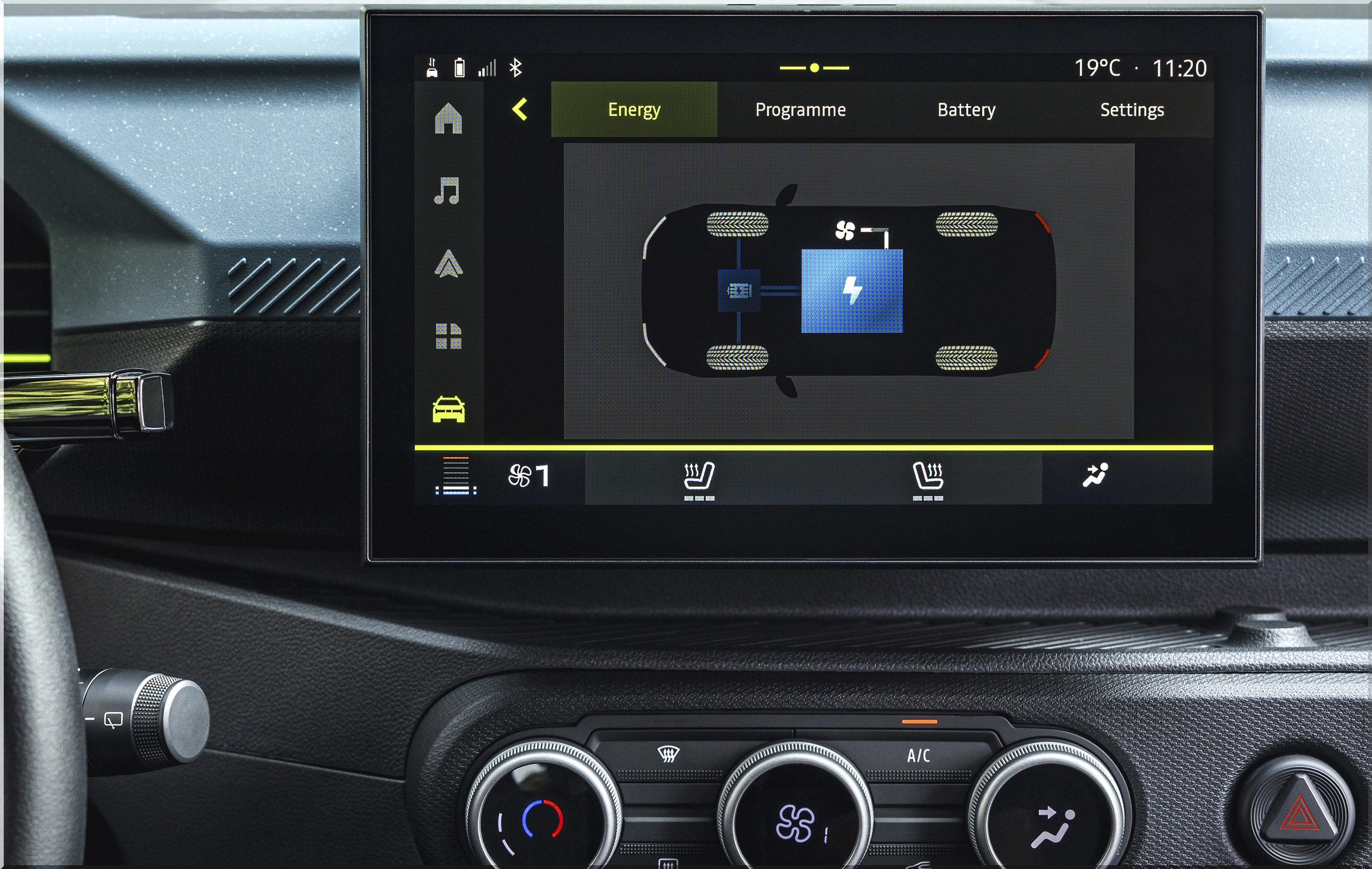
Dacia's six-in-one drive unit consolidates powertrain functions to reduce packaging and energy losses. Auto Express reports quieter cruising and better steering responses, although sharp bumps still upset the suspension. That assessment supports a useful test-drive priority: drive rough pavement at your normal commuting speed.
Image
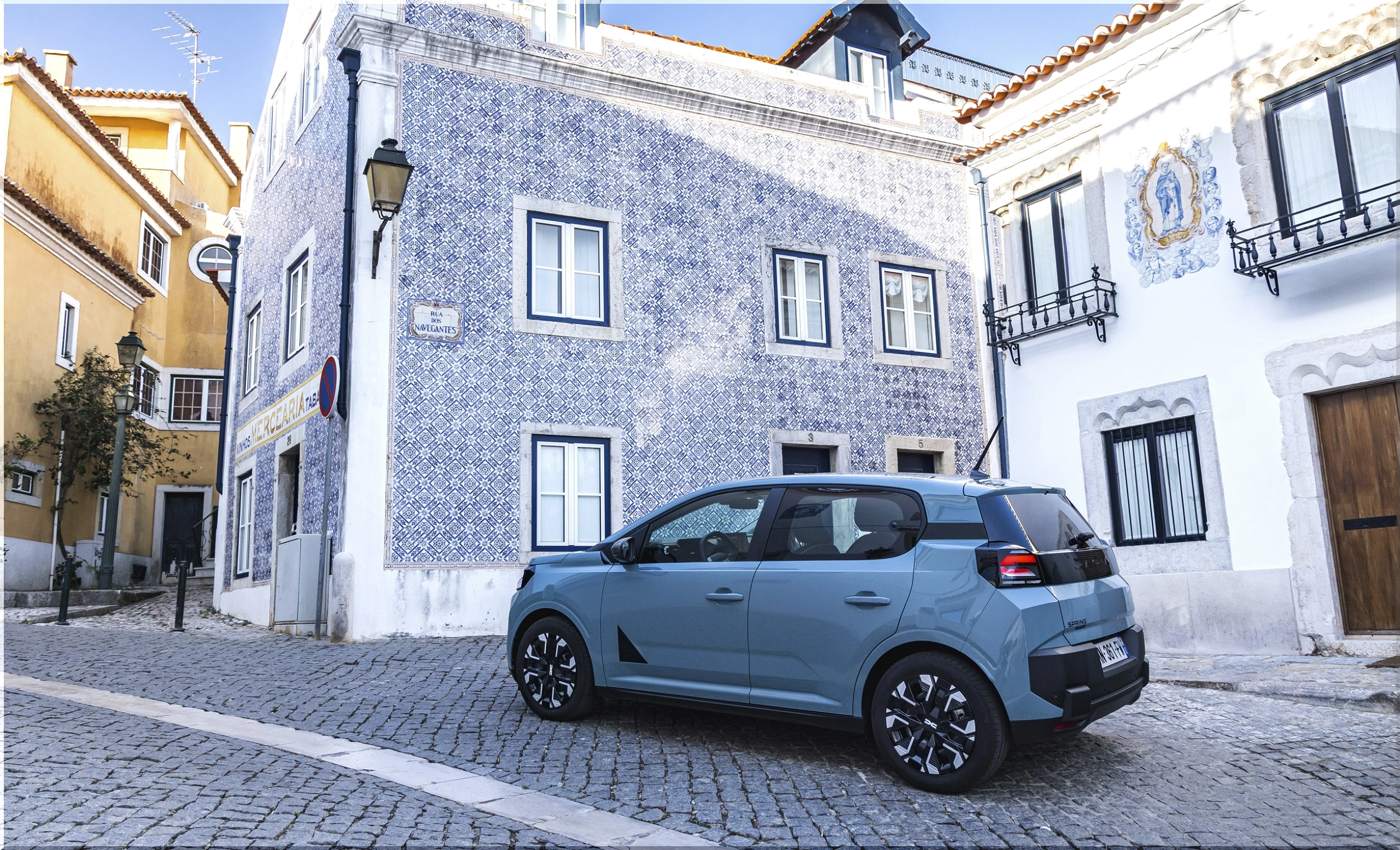
How much range can you realistically expect?
The Dacia Spring range spans 152 miles (245 km) for Expression and 155 miles (250 km) for Journey. Both trims use the same 27.5-kWh LFP battery. These European laboratory ratings help compare rivals, but cold weather, cabin heating and sustained highway speeds can shorten the distance between stops.
Looking at the data, existing Spring owners average 34 km daily. Seven days total 238 km, leaving just 12 km against Journey's laboratory maximum. Treat Dacia's weekly-charging claim cautiously. Its cell-to-pack battery layout removes intermediate modules to save space. Dacia also publishes an eight-year/160,000-km battery warranty in France.
- Plan charging around your longest regular trip.
- Leave a reserve for detours and heating.
- Check battery-warranty capacity-retention terms before ordering.
Video gallery
Video title
2027 Dacia Spring
Does the 28-minute charging claim hold up?
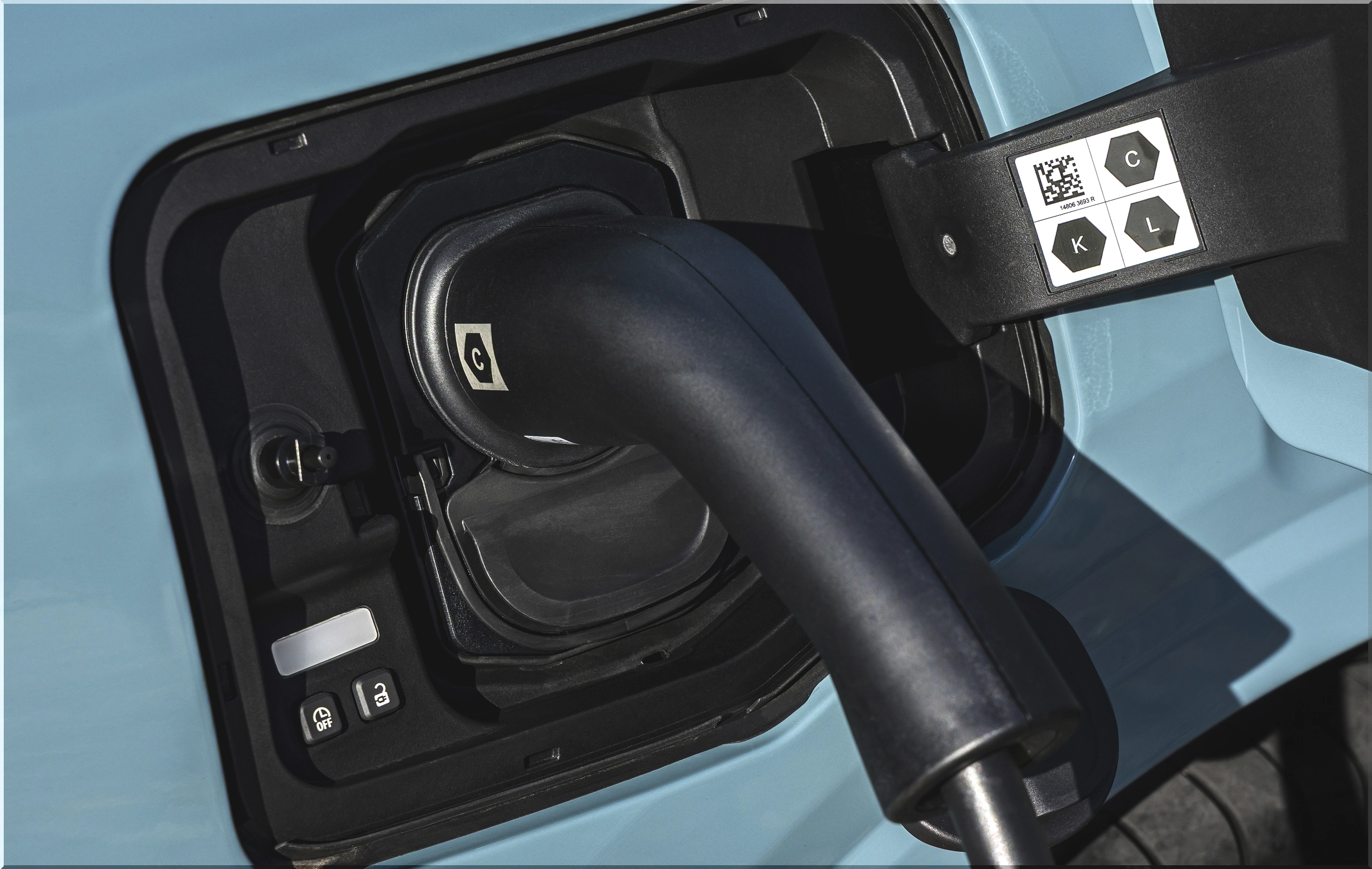
The Dacia Spring charging time reaches 28 minutes from 15% to 80% with optional 50-kW DC hardware. Standard 6.6-kW AC charging needs two hours 55 minutes on suitable Level 2 charging equipment. The faster pack adds 11-kW three-phase AC, cutting that window to one hour 55 minutes. France restricts the pack to Journey.
That DC session adds about 17.9 kWh and averages roughly 38 kW at the battery, calculated from capacity and elapsed time. Think of kWh as tank size and kW as filling speed. The 50-kW peak does not describe the entire charging curve. Cold batteries and station limits can lengthen a stop.
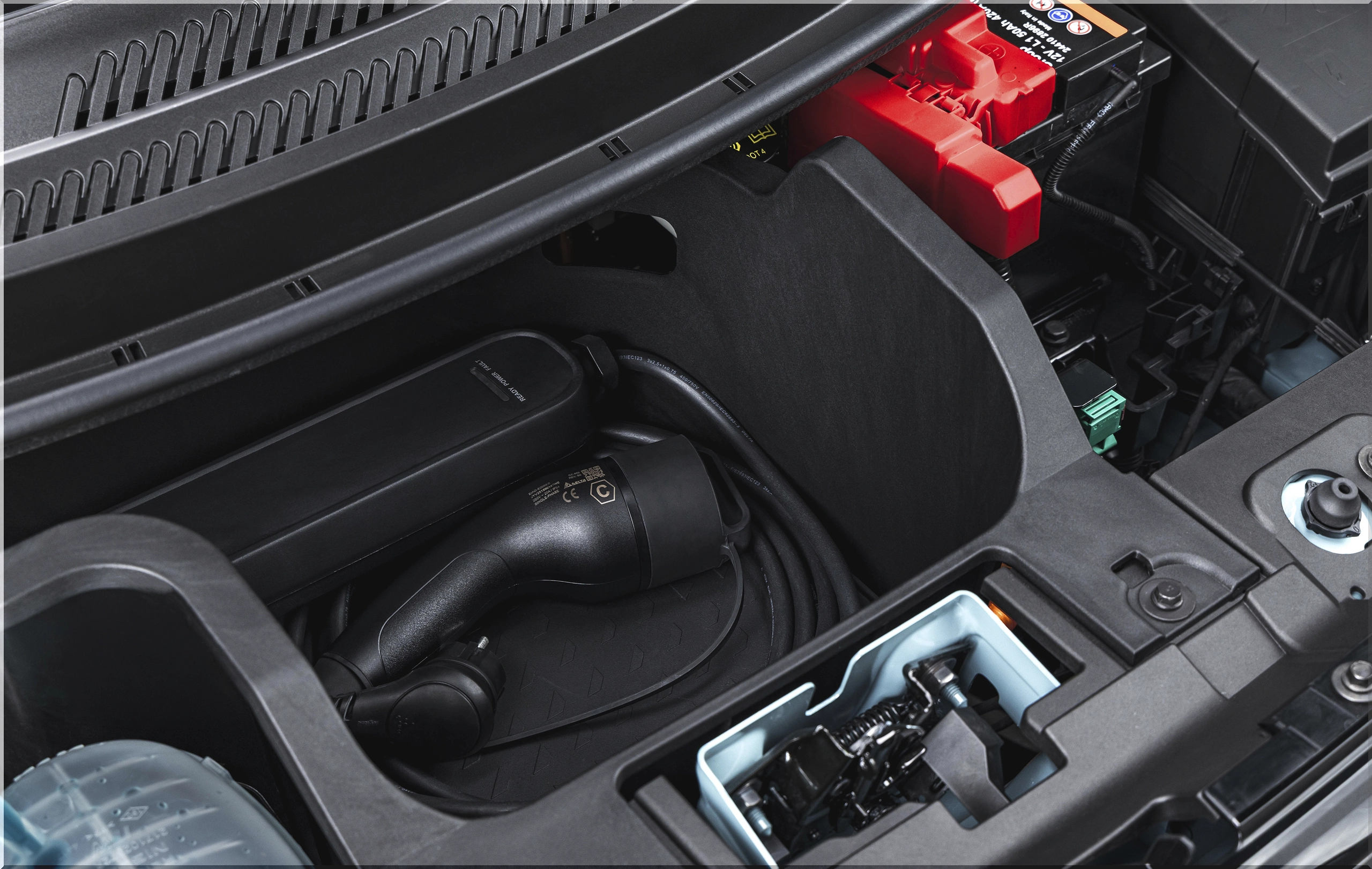
An ordinary European household outlet needs nine hours for the same 15-80% window. Dacia charges extra for the domestic charging cable, so include it when comparing purchase quotes.
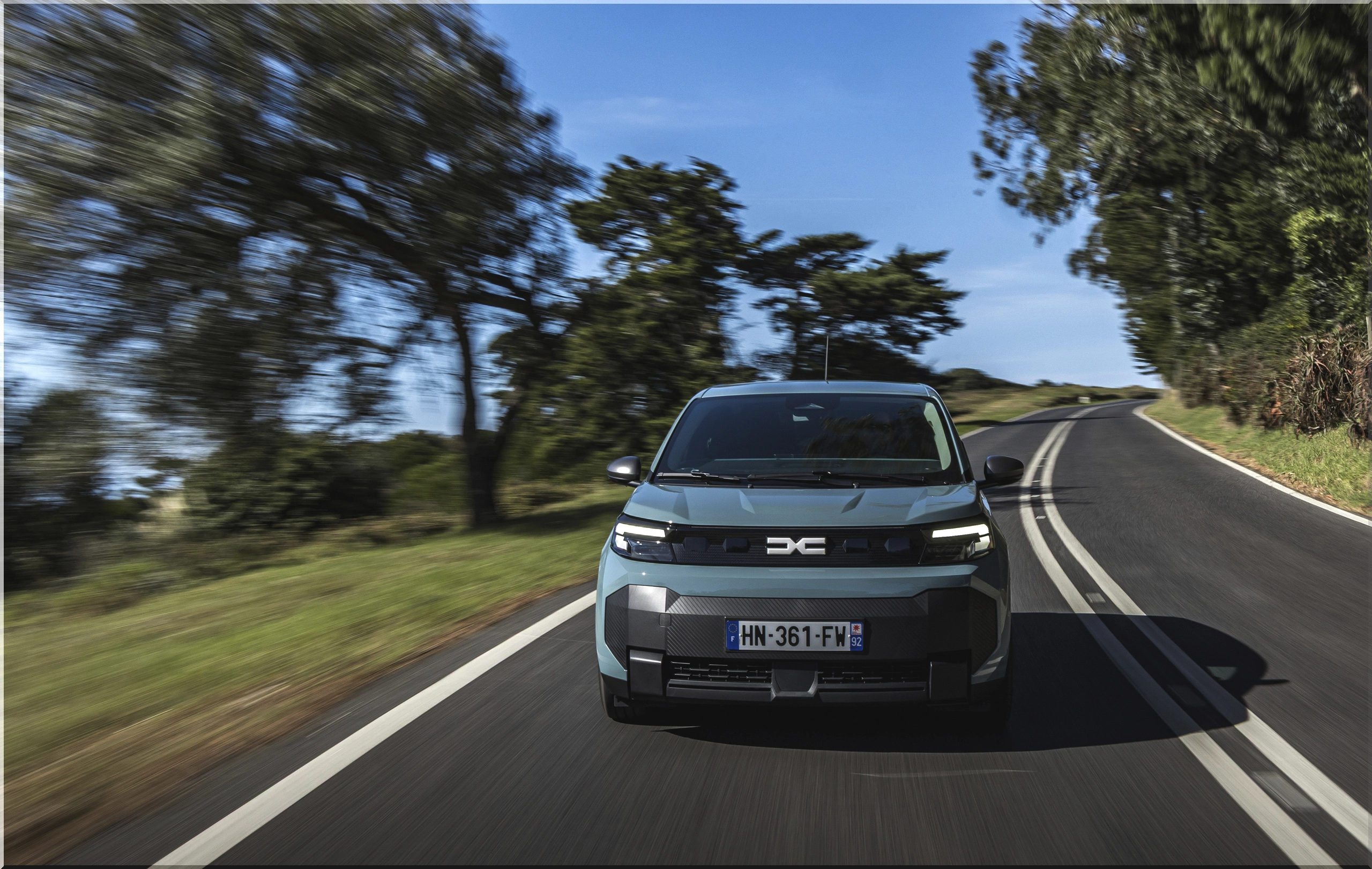
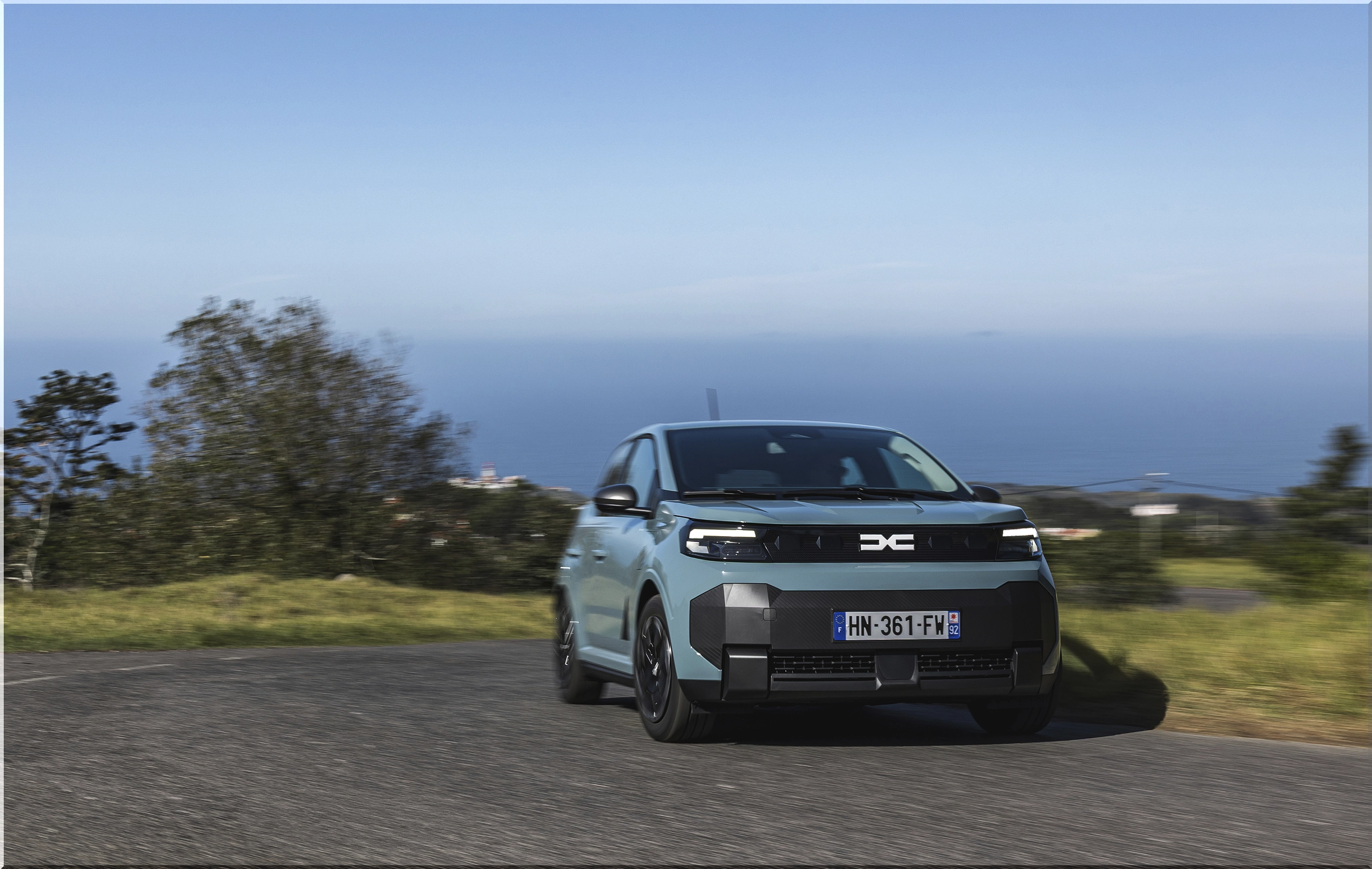
How does it compare with other small electric cars?
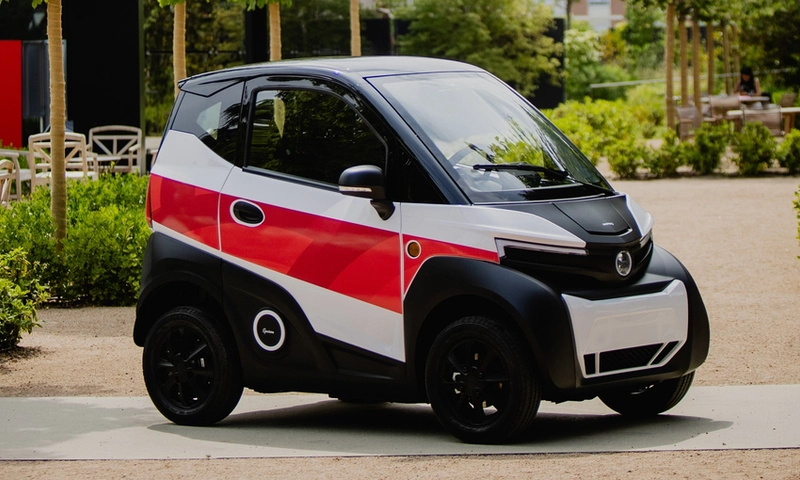
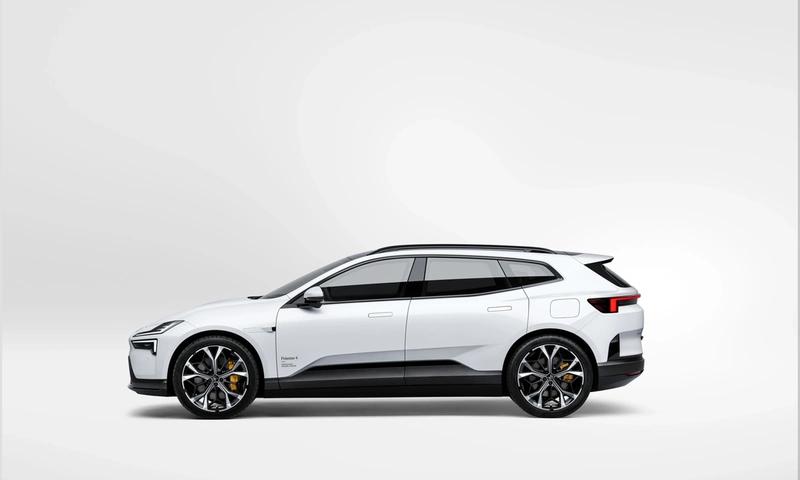
The Spring carries less battery capacity than the T03 or Inster. By comparison, Renault's Twingo delivers 13 km more rated range from the same usable capacity. The table compares combined WLTP figures; Hyundai's entry uses its standard battery and 15-inch wheels. Battery labels follow each manufacturer's published specification.
| European model | Published battery capacity | Motor output | Combined WLTP range |
|---|---|---|---|
| Dacia Spring Journey | 27.5 kWh usable | 60 kW | 250 km / 155 miles |
| Renault Twingo E-Tech | 27.5 kWh usable | 60 kW | 263 km / 163 miles |
| Leapmotor T03 | 37.3 kWh stated | 70 kW | 265 km / 165 miles |
| Hyundai Inster, standard battery | 42 kWh | 71.1 kW | 327 km / 203 miles |
Renault prices Twingo Evolution at €19,490, or €19,990 with DC charging. Spring Journey with its charging pack costs €19,900 in France. Just €90 separates them before grants or other options, making seating flexibility and equipment worth comparing. The Hyundai Inster adds 77 km of rated range over the Spring.
Image gallery:
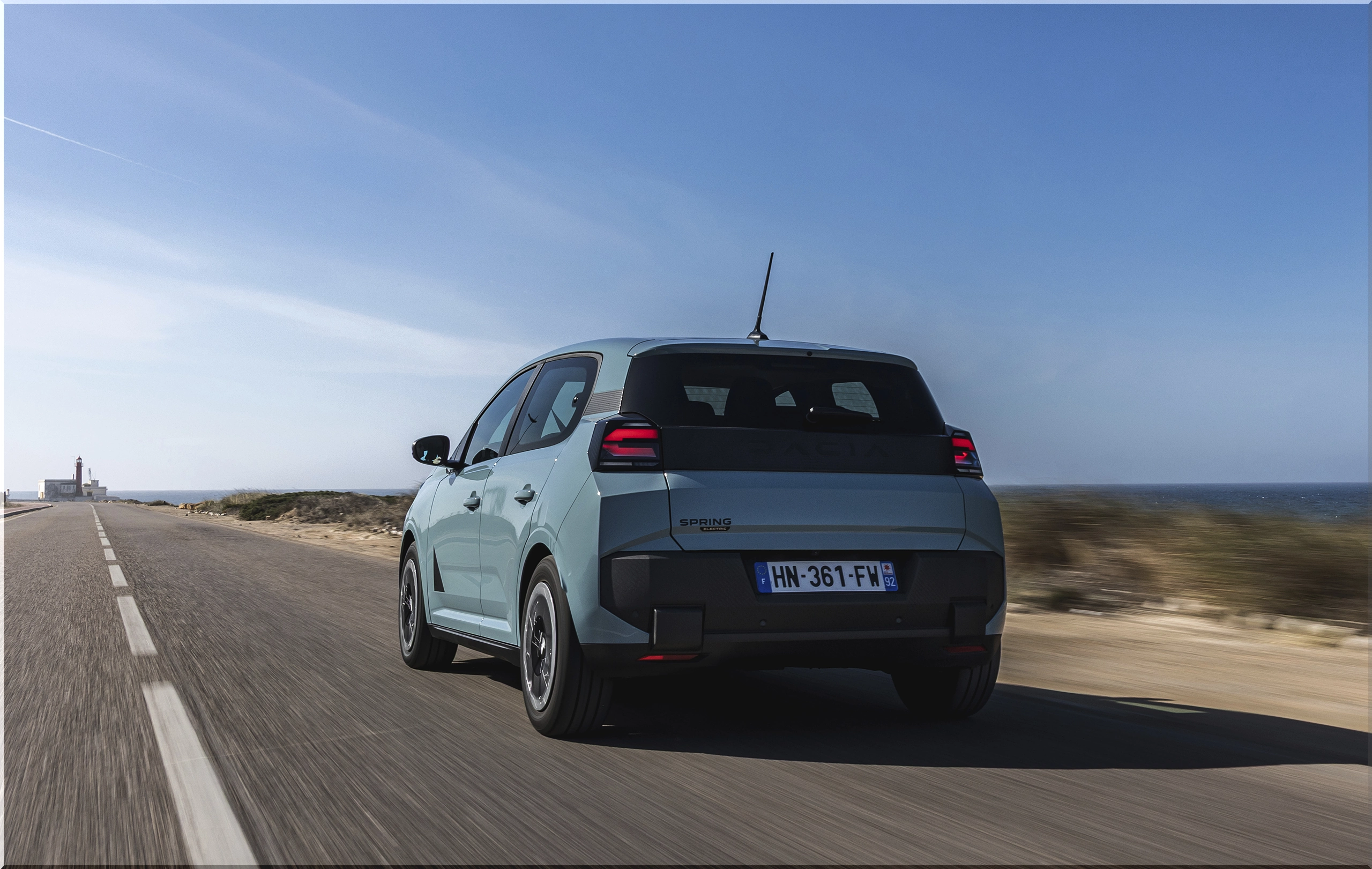
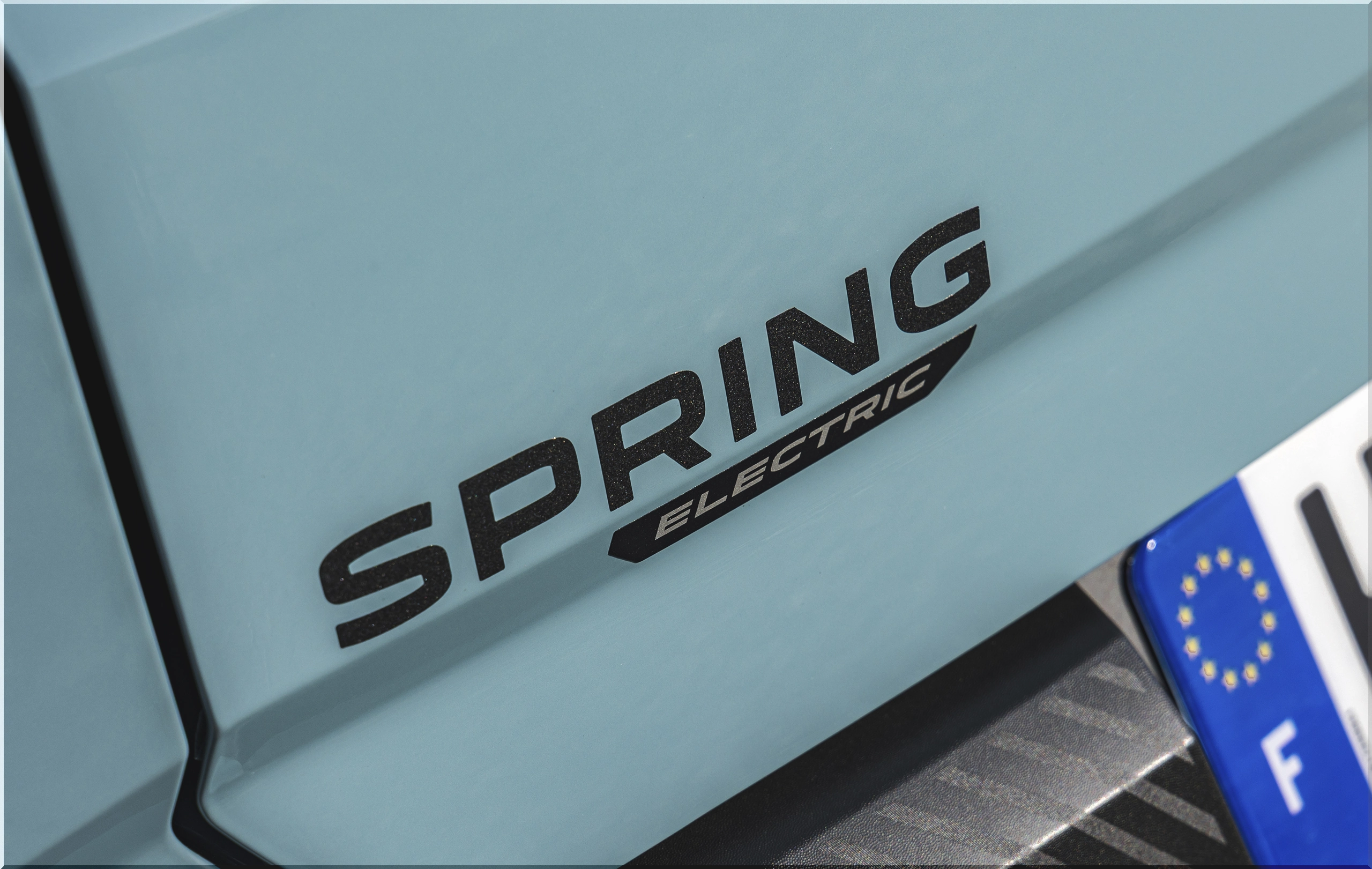
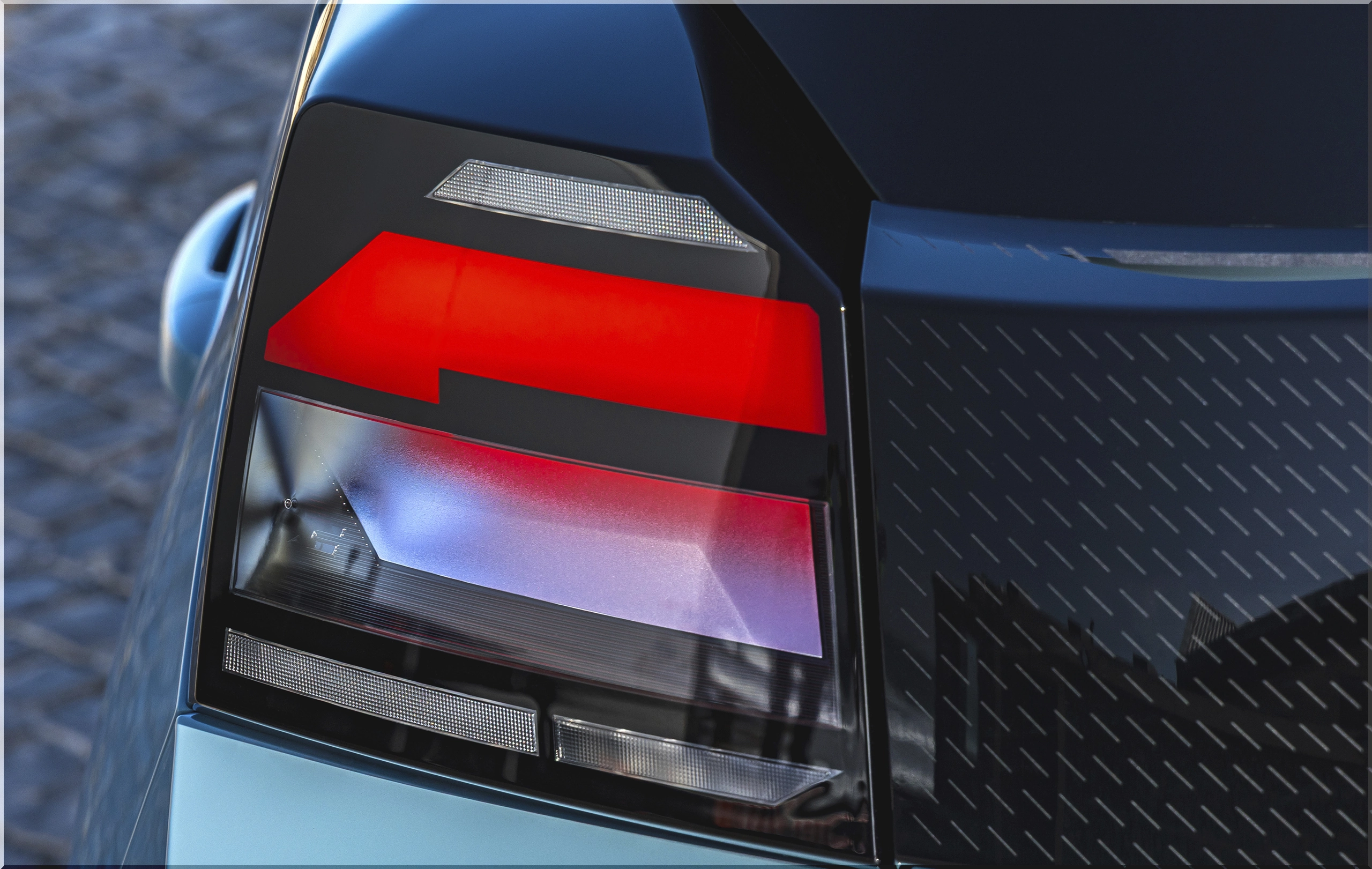
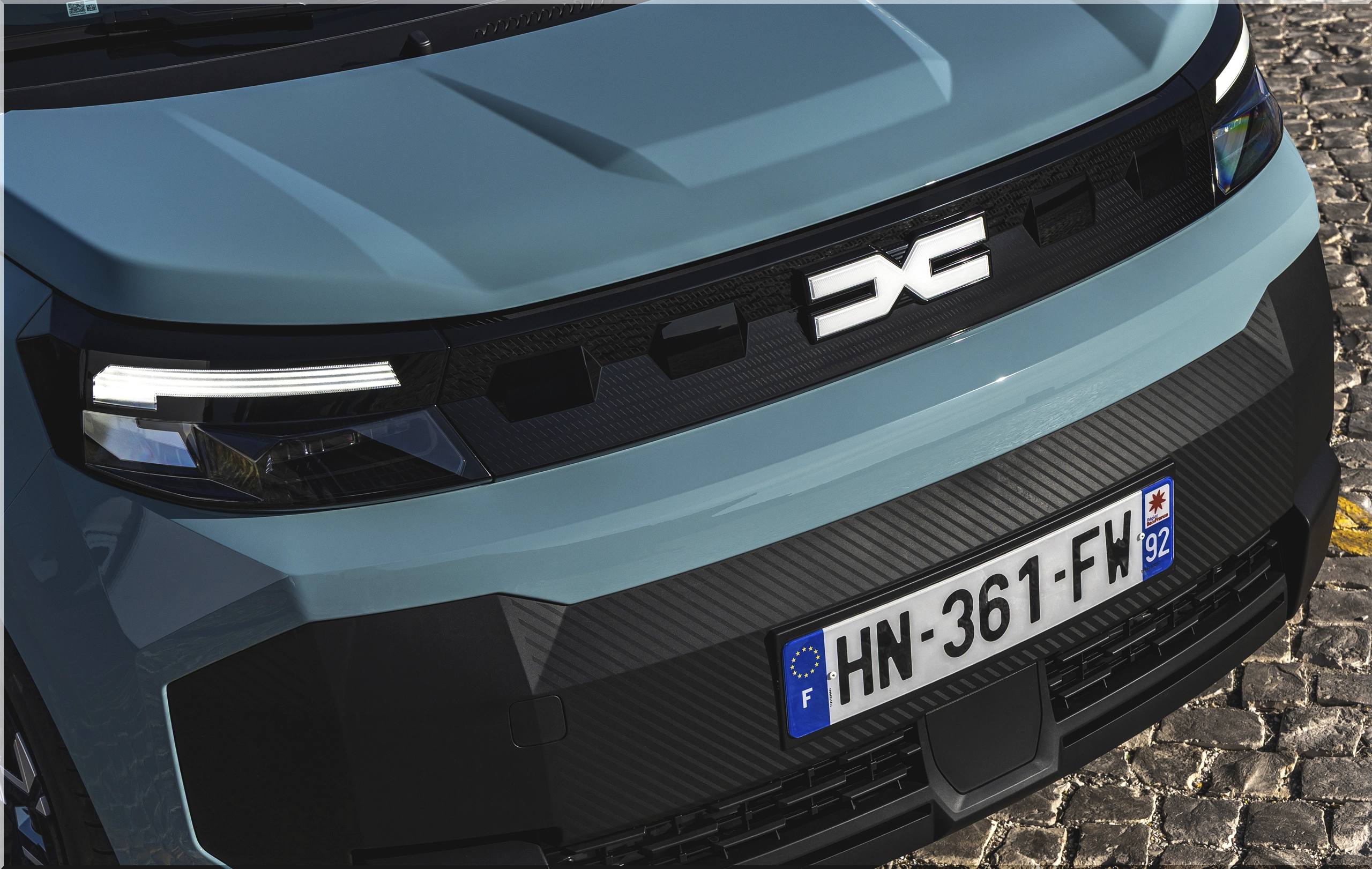
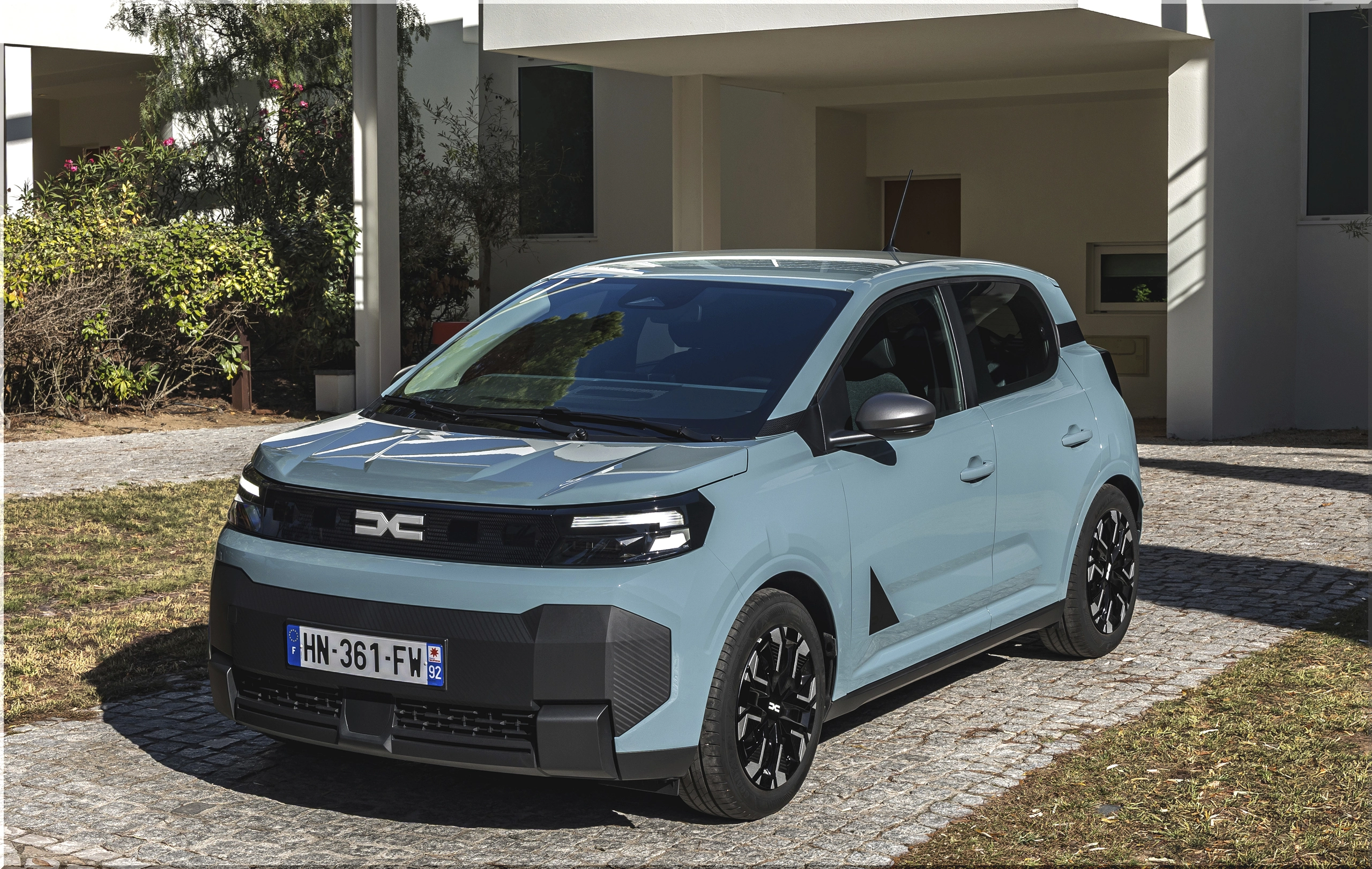
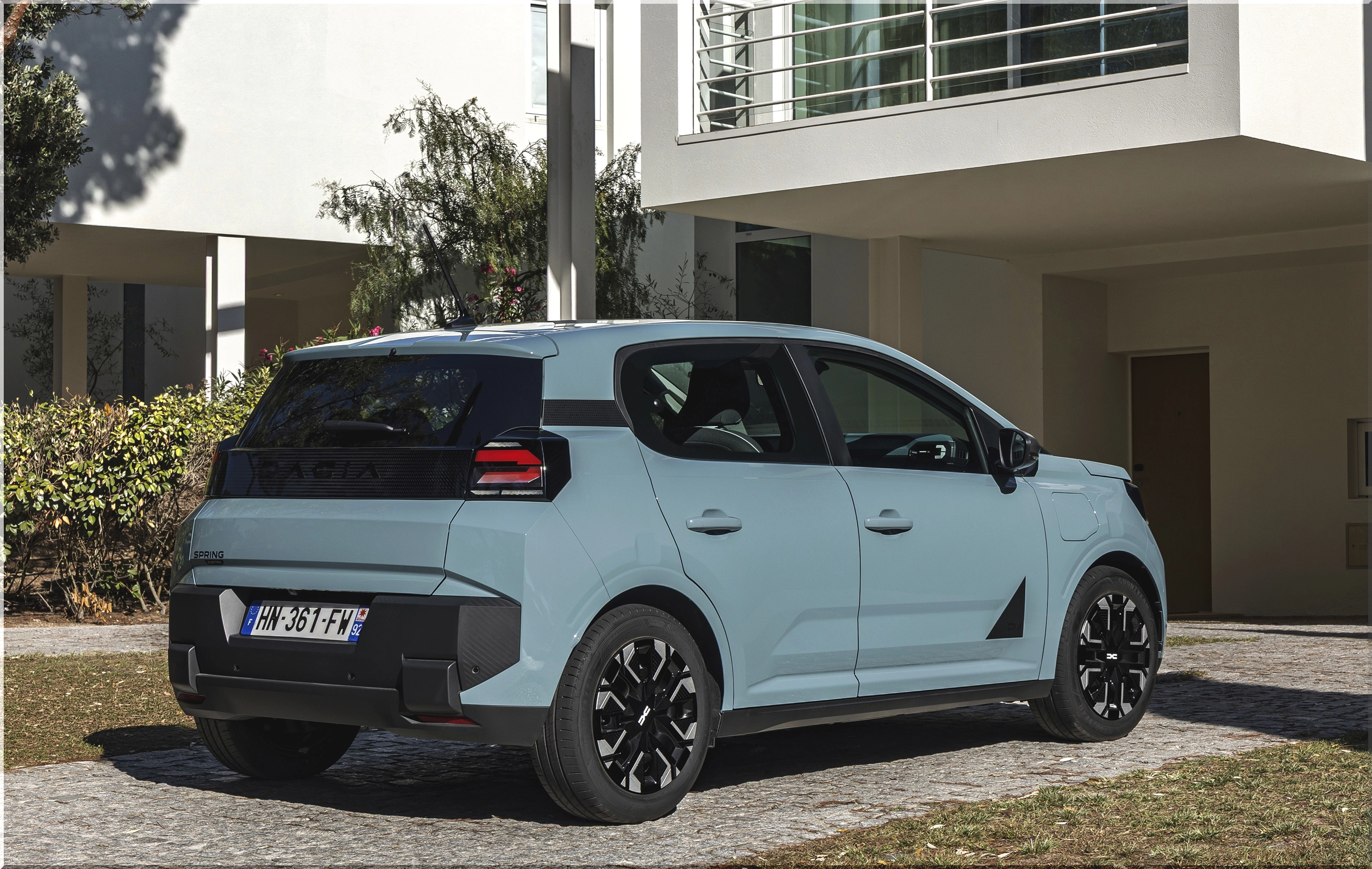
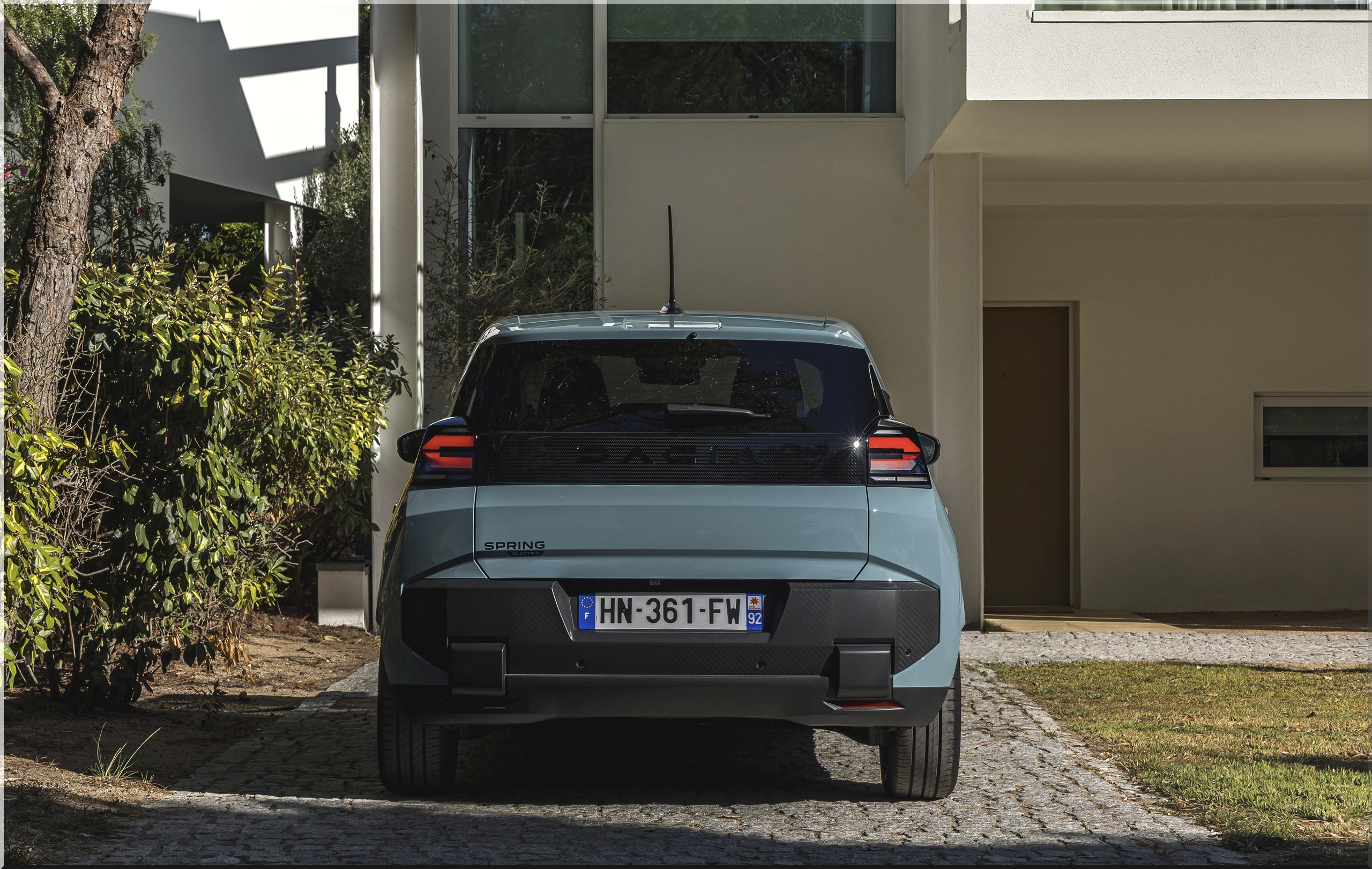
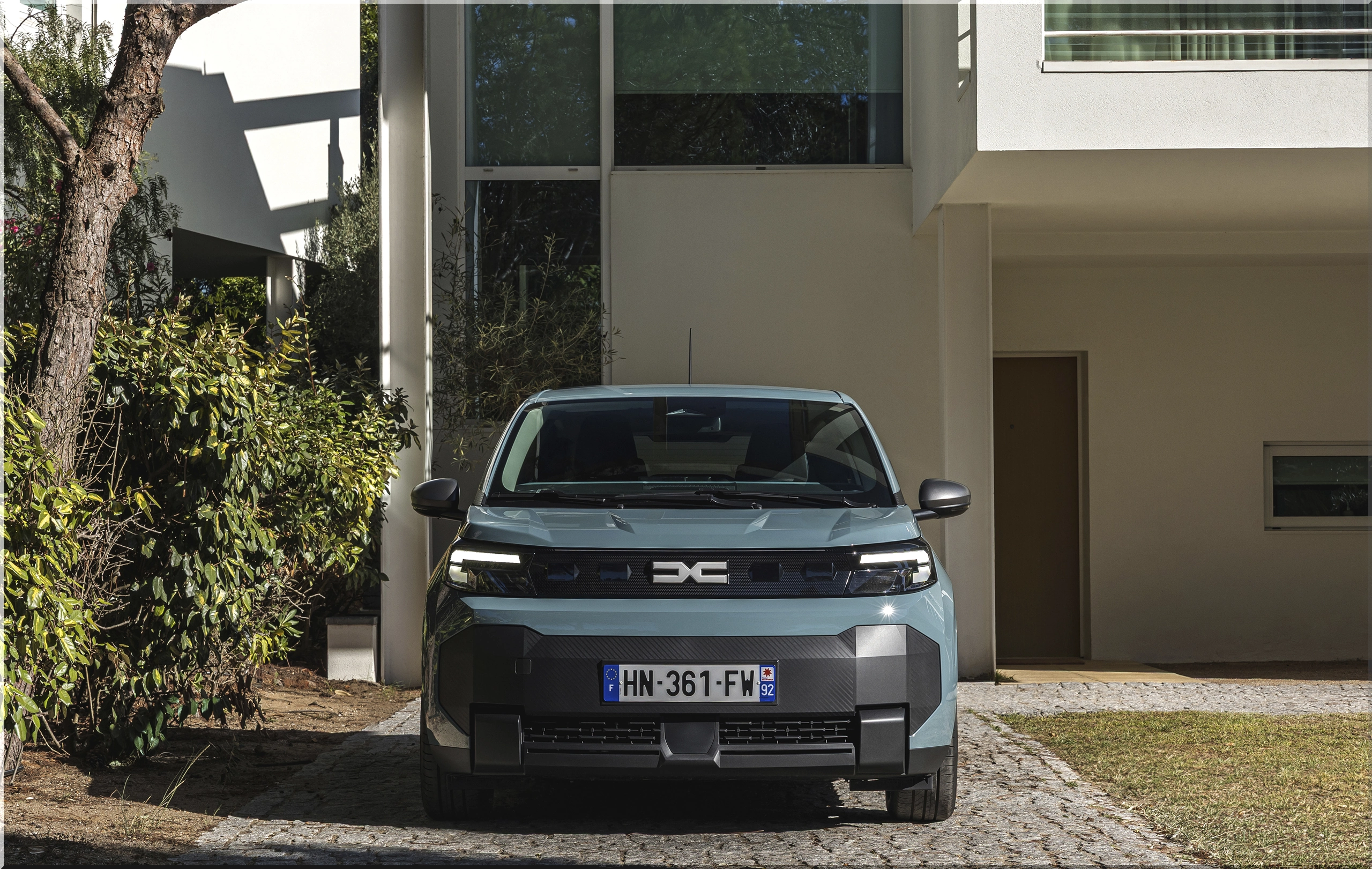
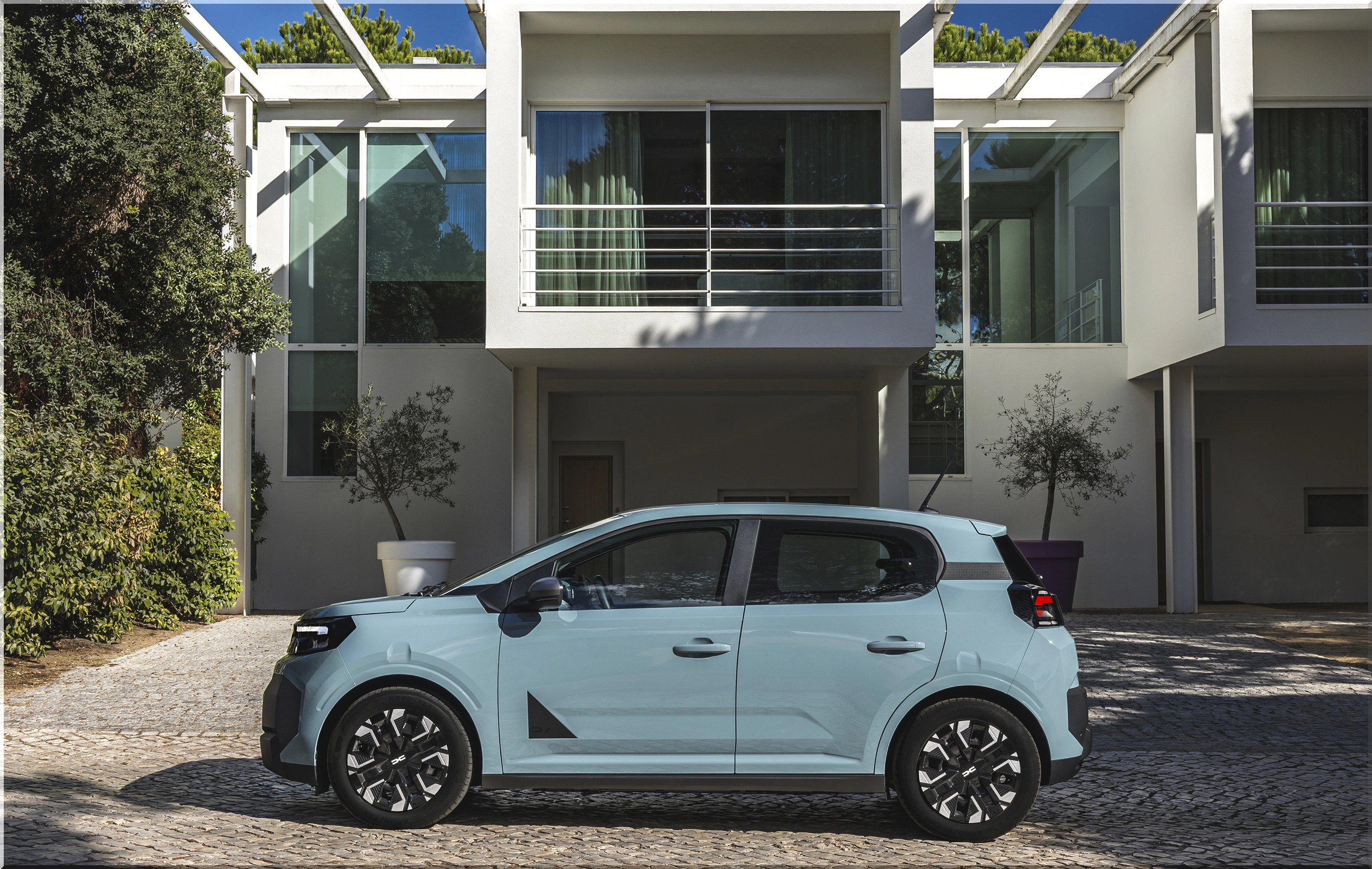
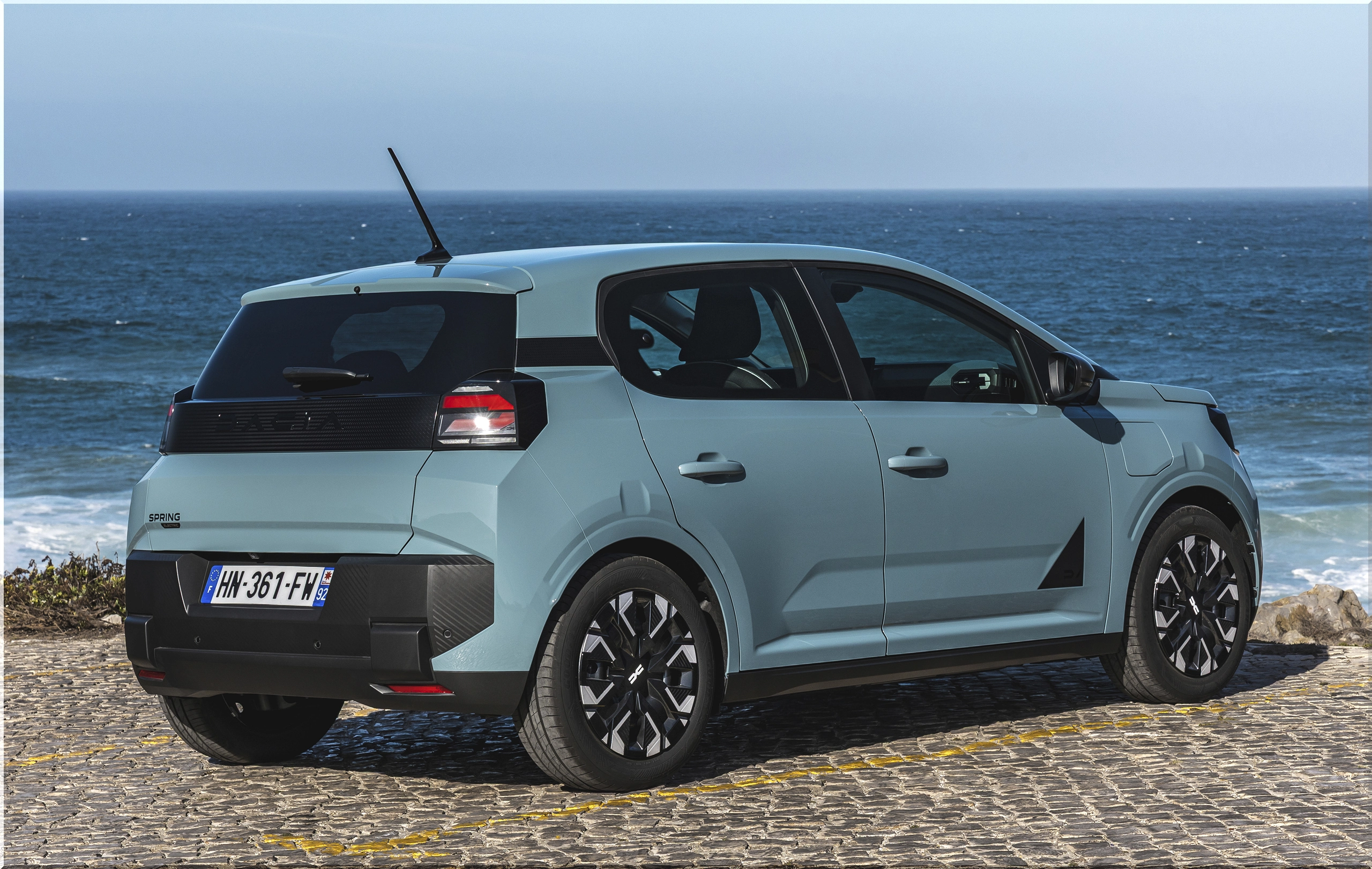
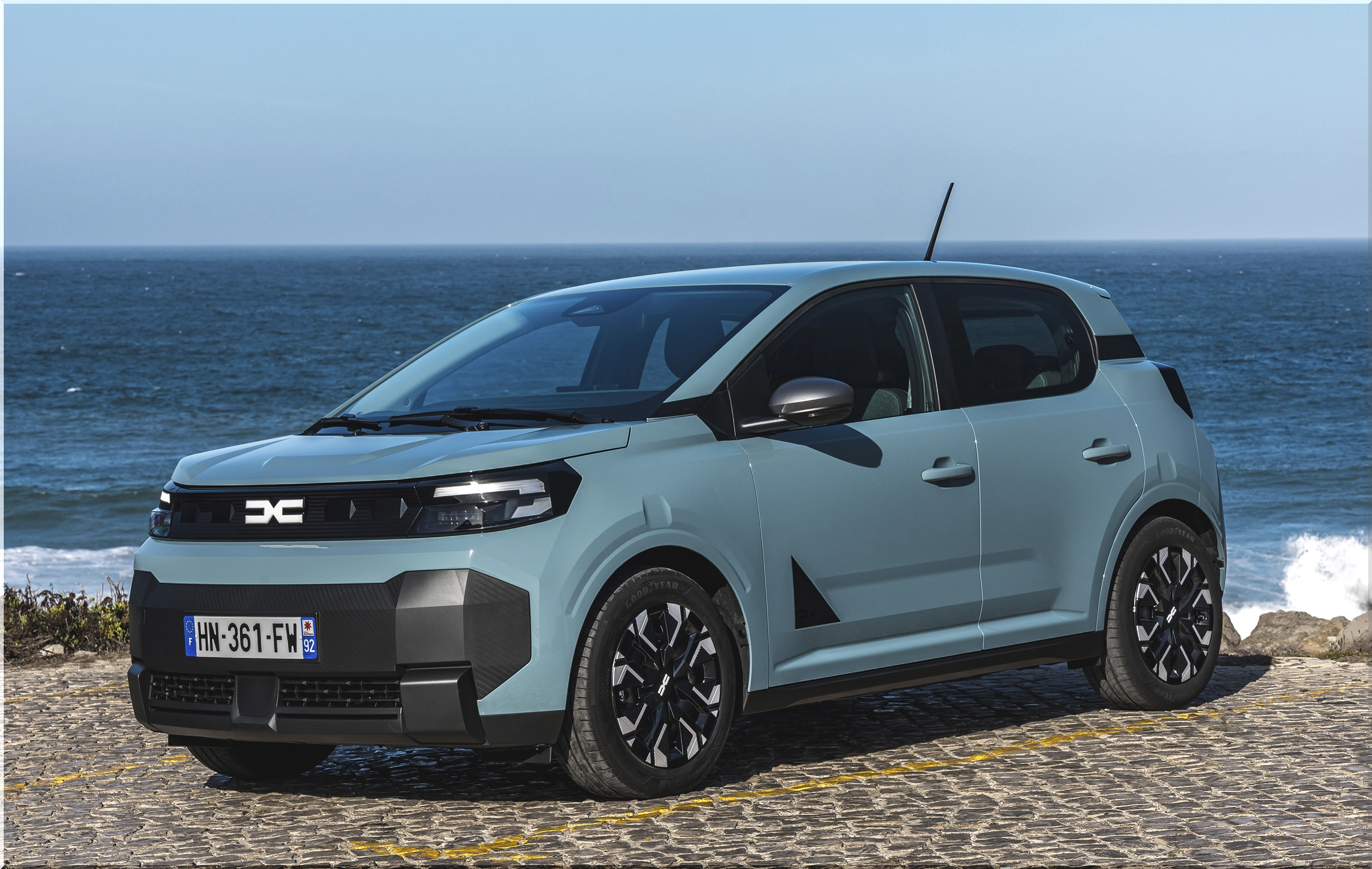
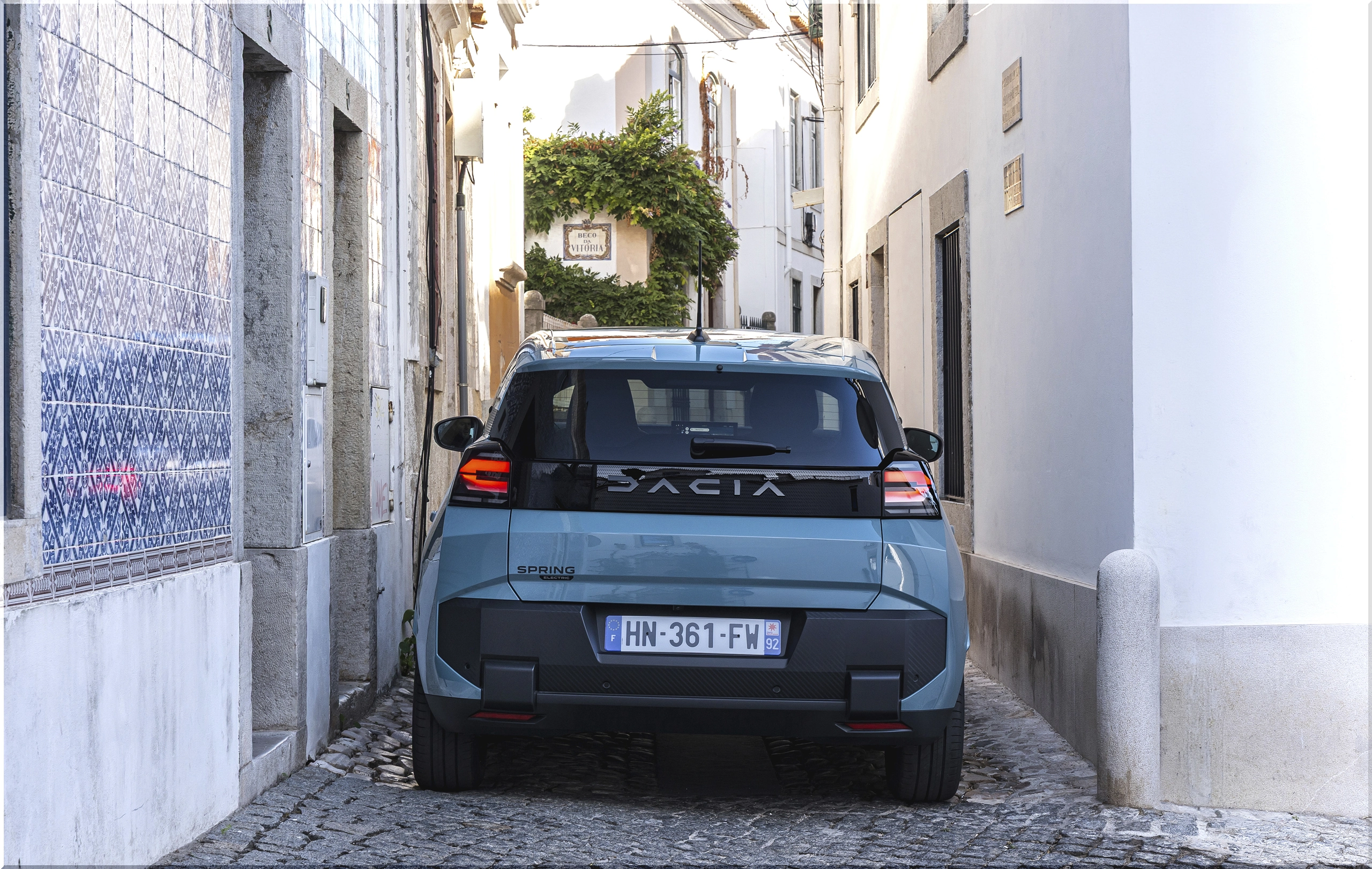
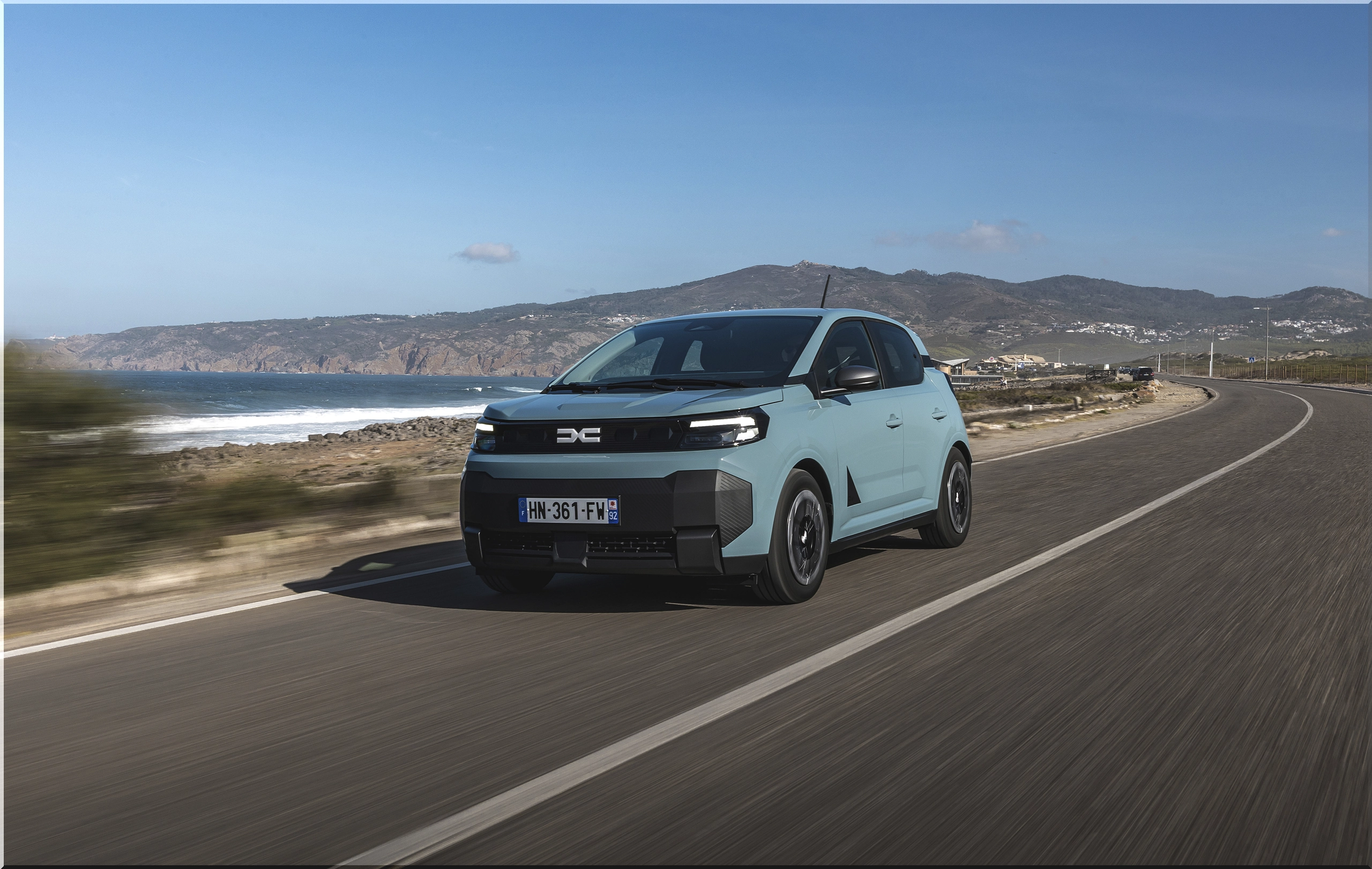
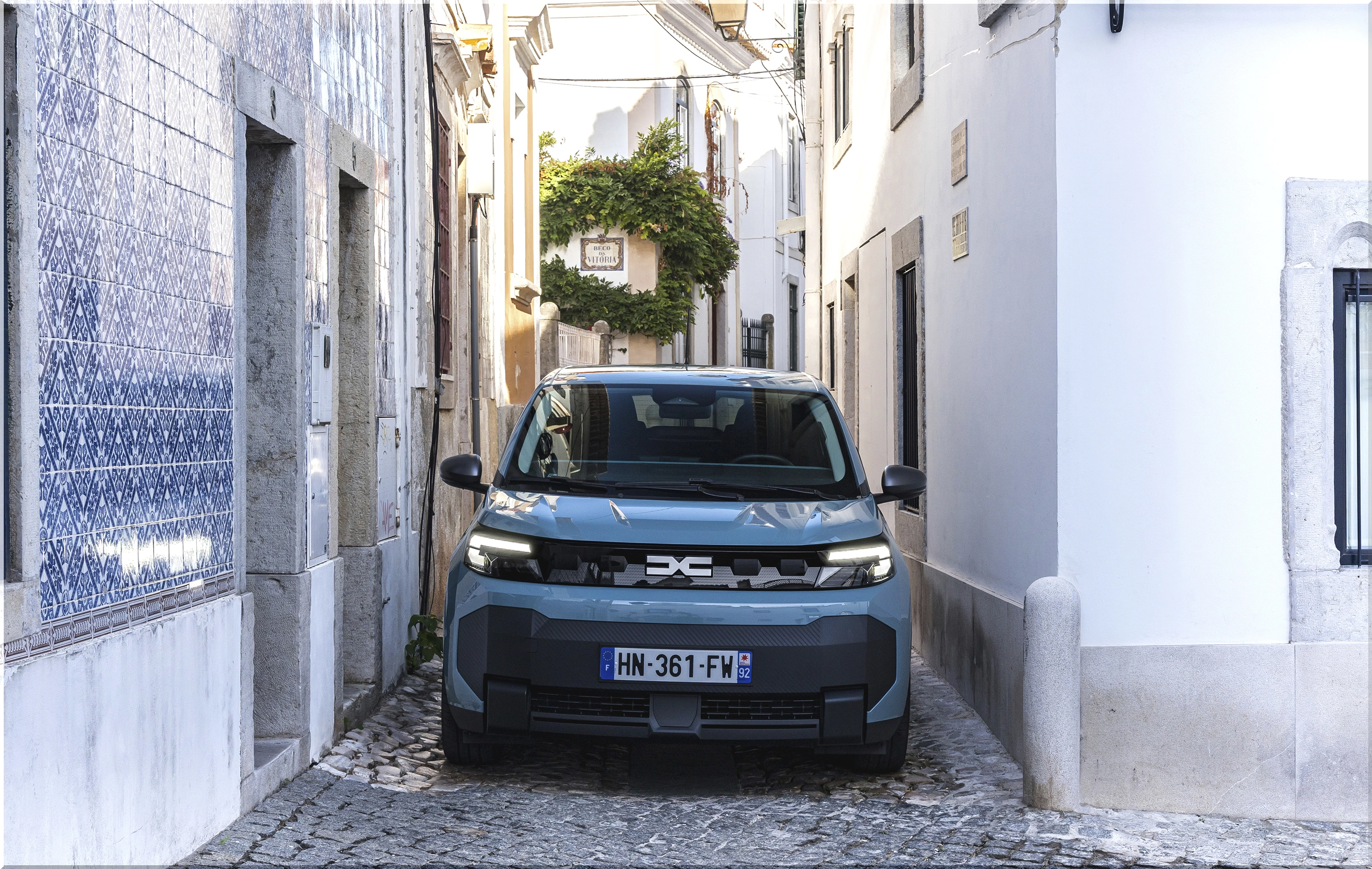
Which version makes financial sense?
I would choose Expression for predictable short trips with reliable home charging, and Journey with the fast-charge pack for regular public charging. French list prices of €17,900 and €19,400, respectively, create a €2,000 total premium for the latter configuration, including the €500 pack. Both prices precede grants and other options.
Using Journey's official 12.7 kWh/100 km, illustrative tariffs of €0.25/kWh at home and €0.60/kWh in public produce €3.18 and €7.62 per 100 km. At 10,000 km annually, the gap approaches €445. Weather and metered consumption change those estimates; insurance, depreciation and installation charges also affect total cost of ownership.
| Pros | Cons |
|---|---|
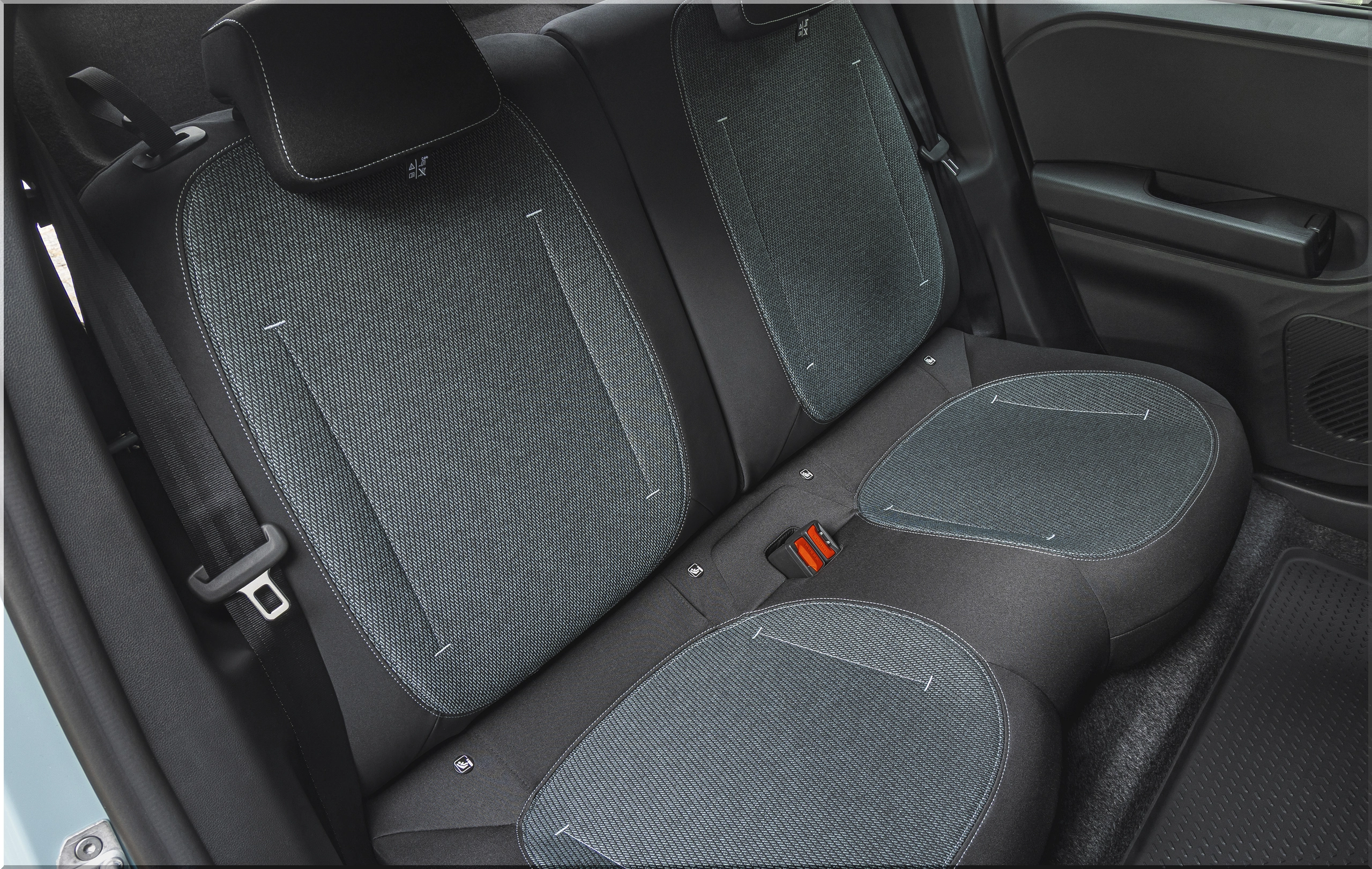
| Compact 151.7-inch body | Four-seat limit |
| Optional 28-minute DC stop | French buyers need Journey plus the charging pack |
| Low rated energy consumption | 155-mile WLTP ceiling restricts road-trip flexibility |
Pro-Tips before buying:
- Request an insurance quote and compare five-year ownership estimates.
- Confirm charging hardware and cable prices on the order.
- Test your longest route with heating and passengers.
- Add new comment
- 9 views