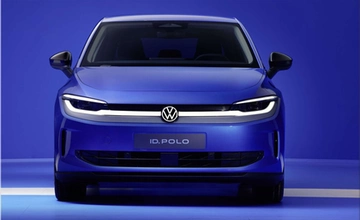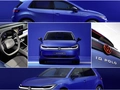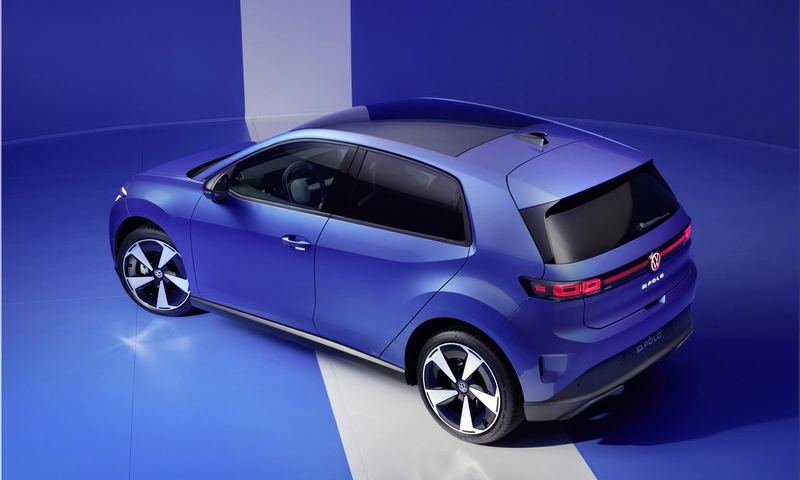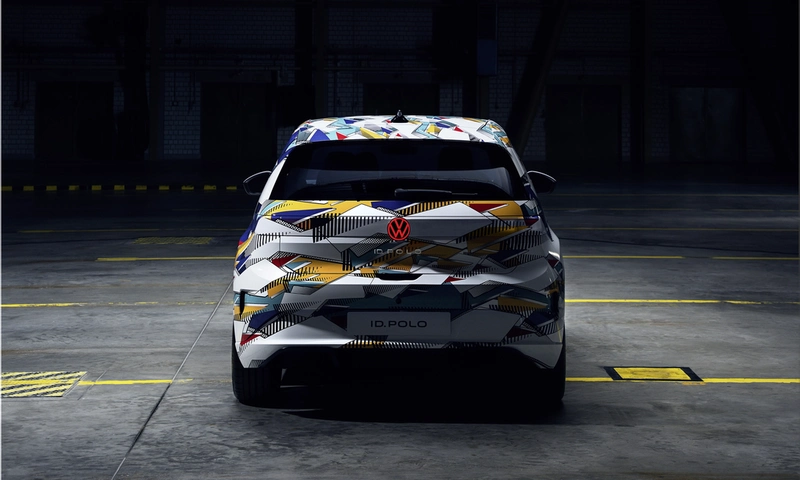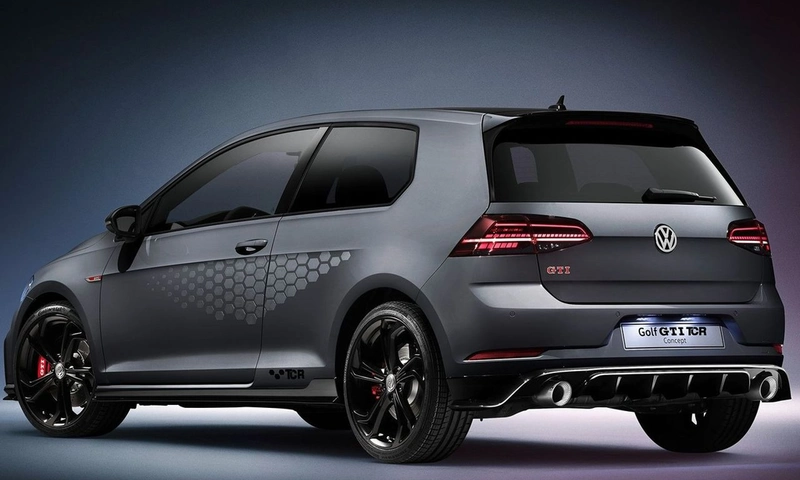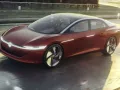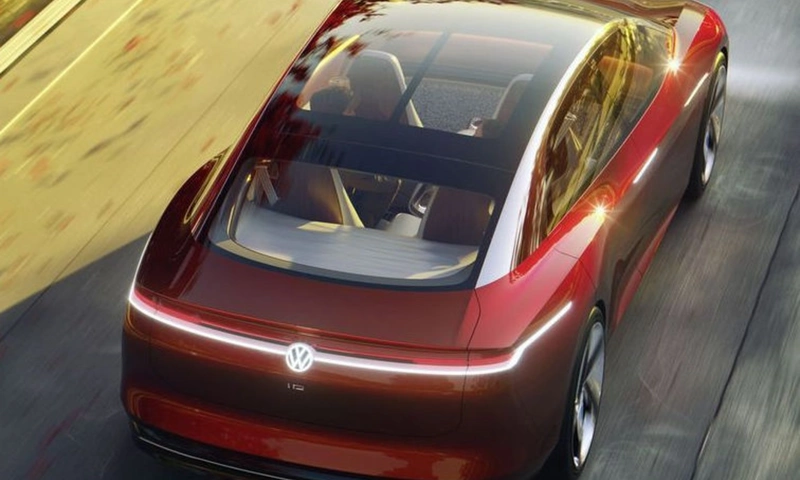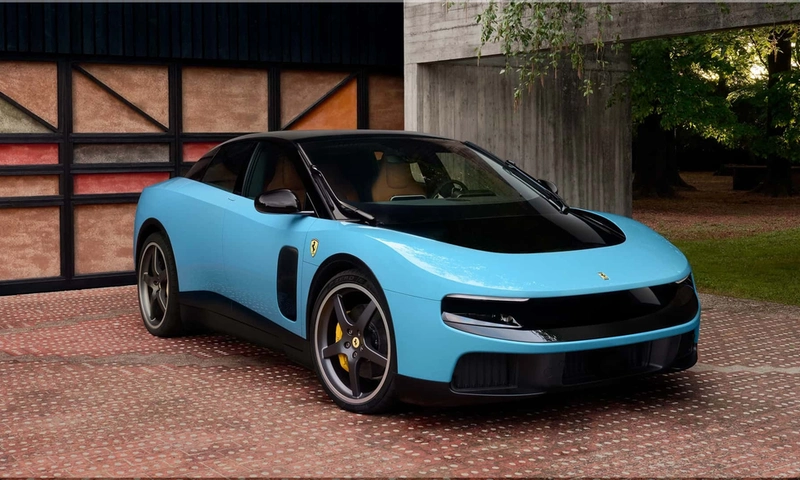
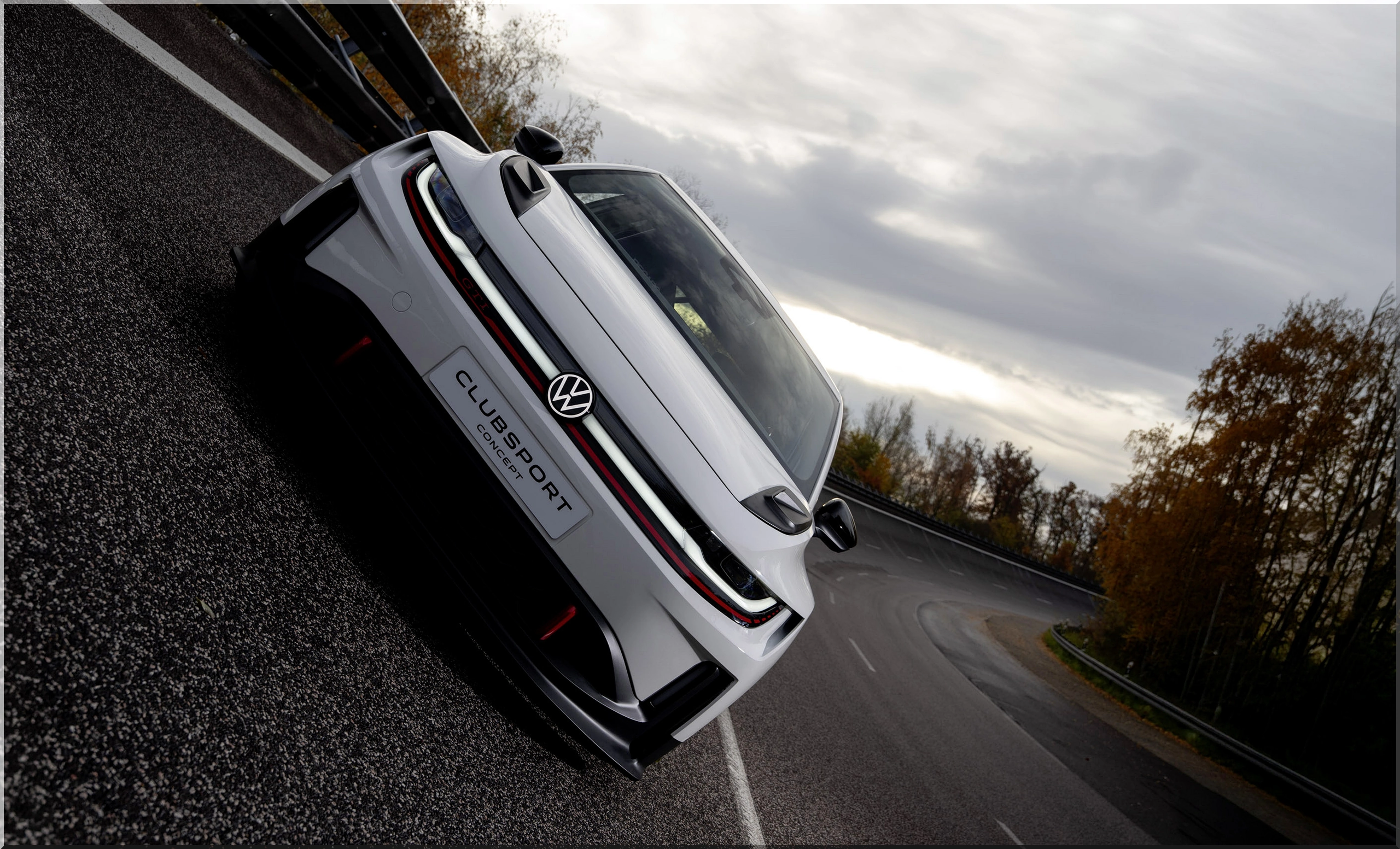
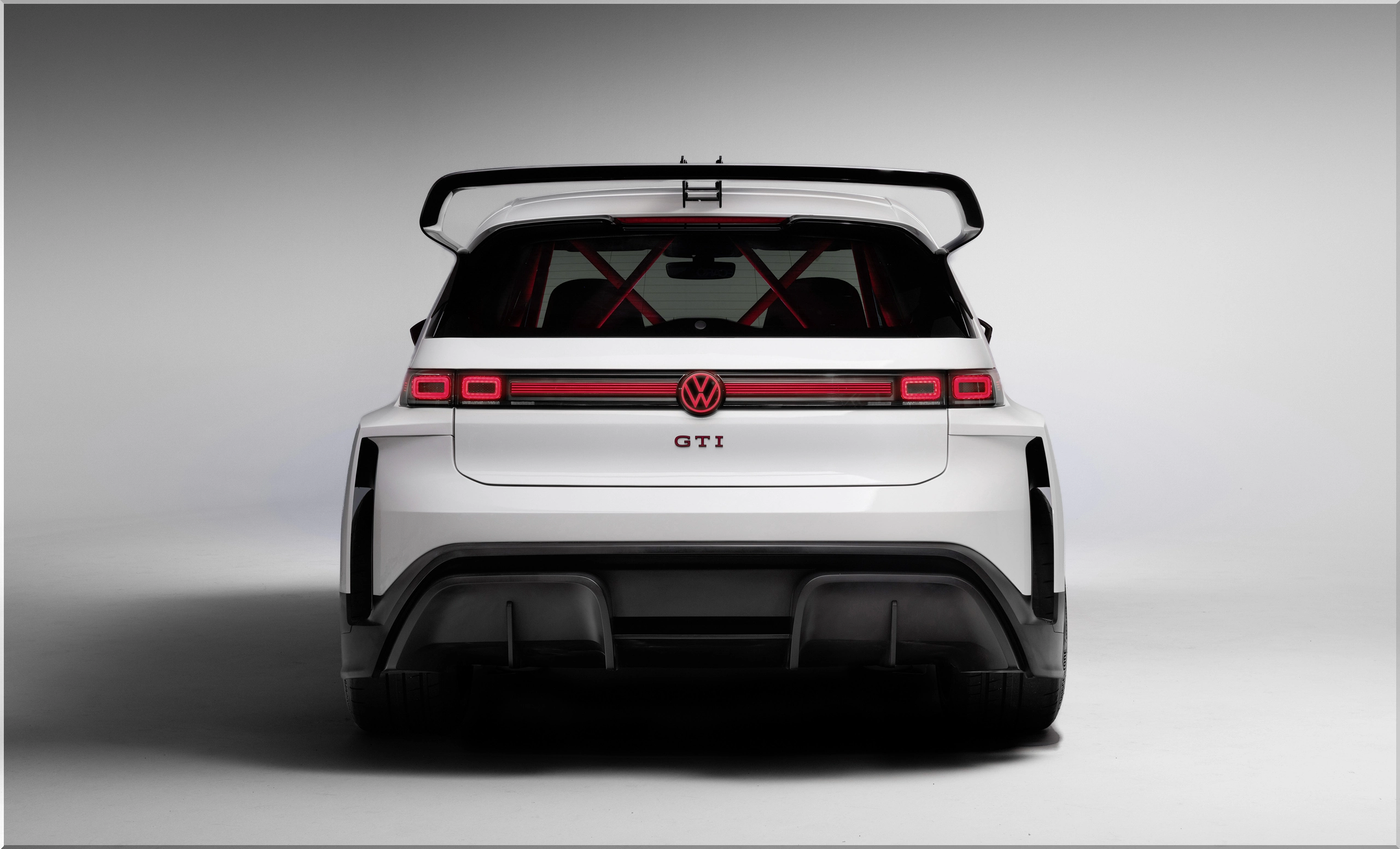
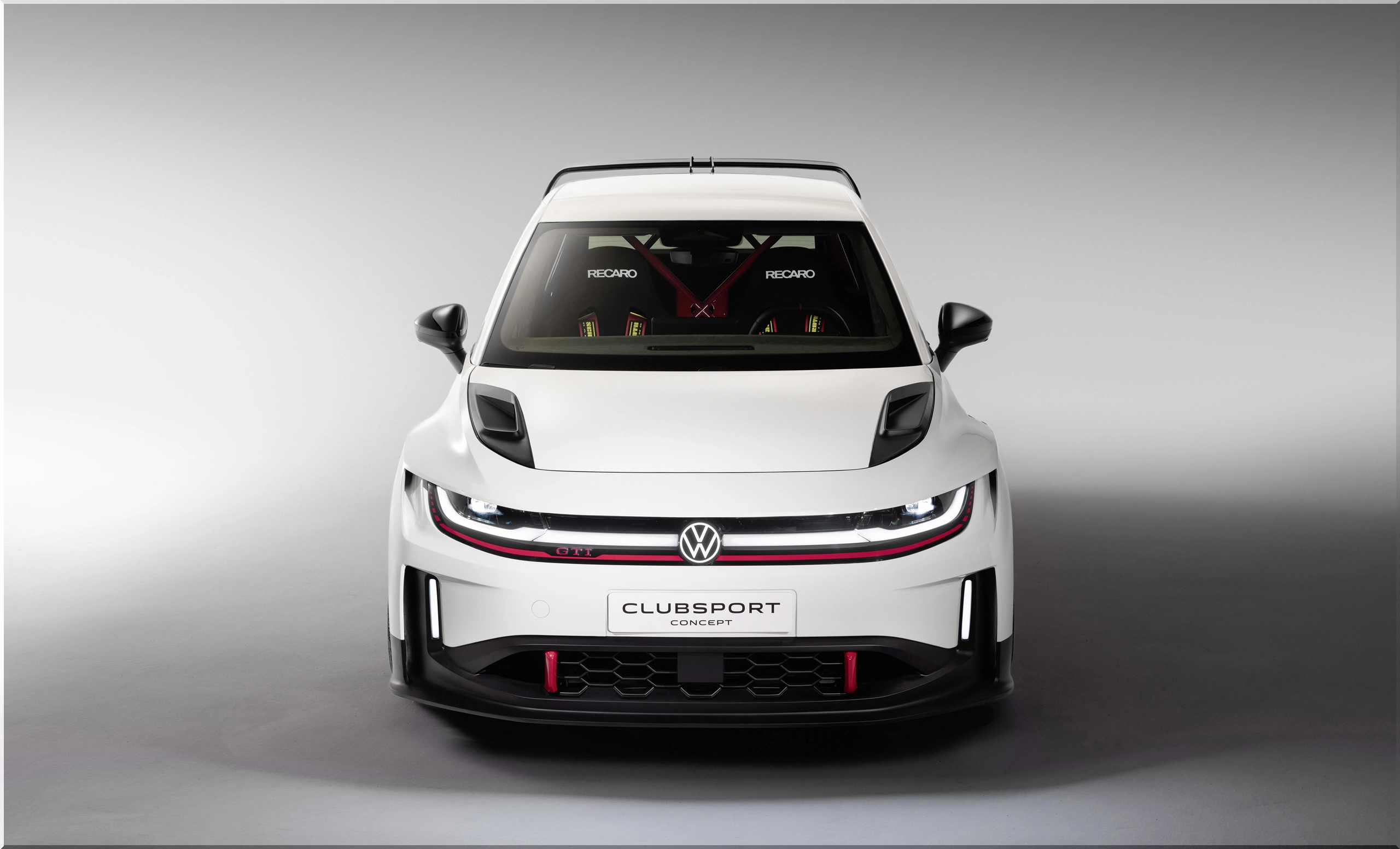
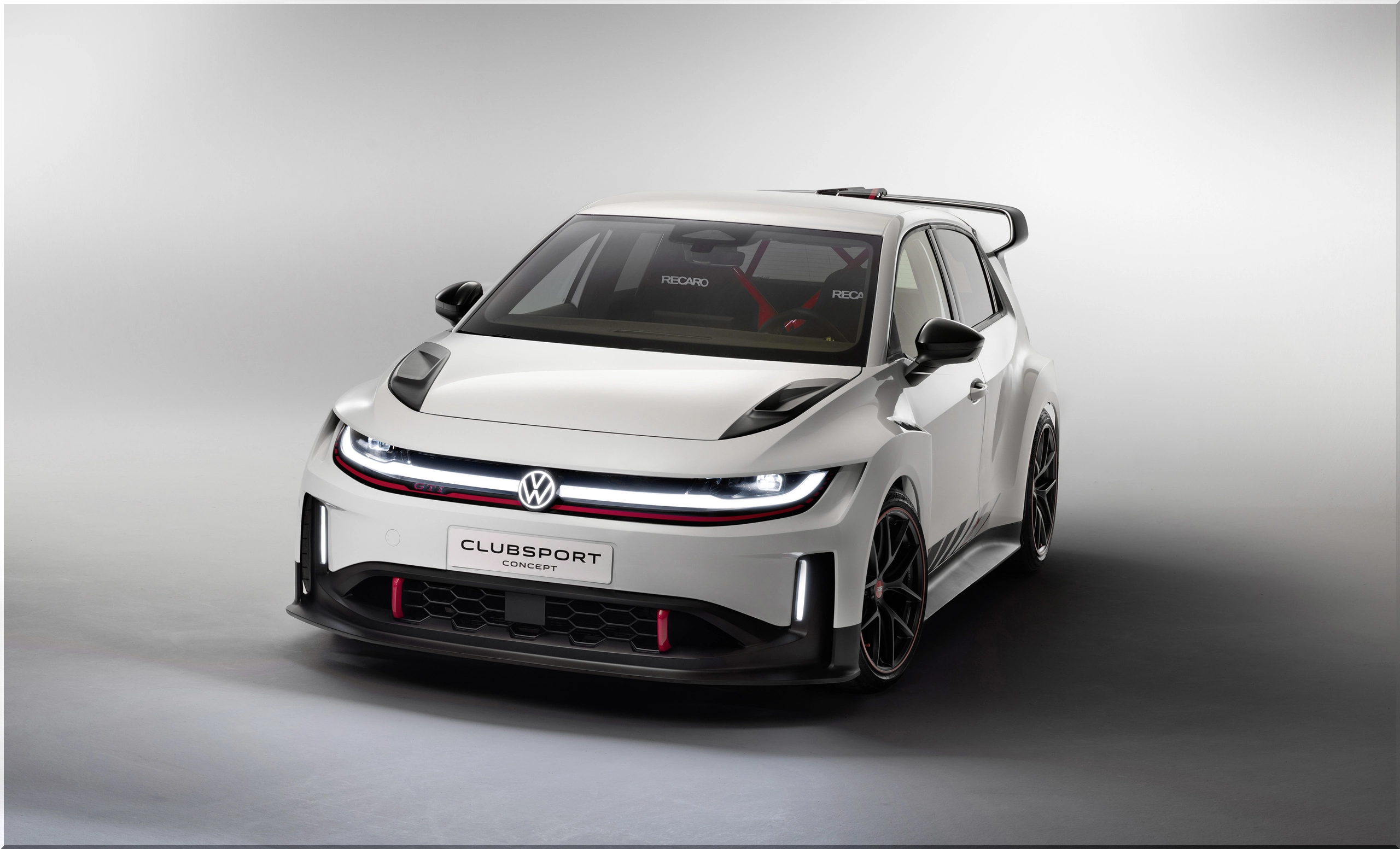
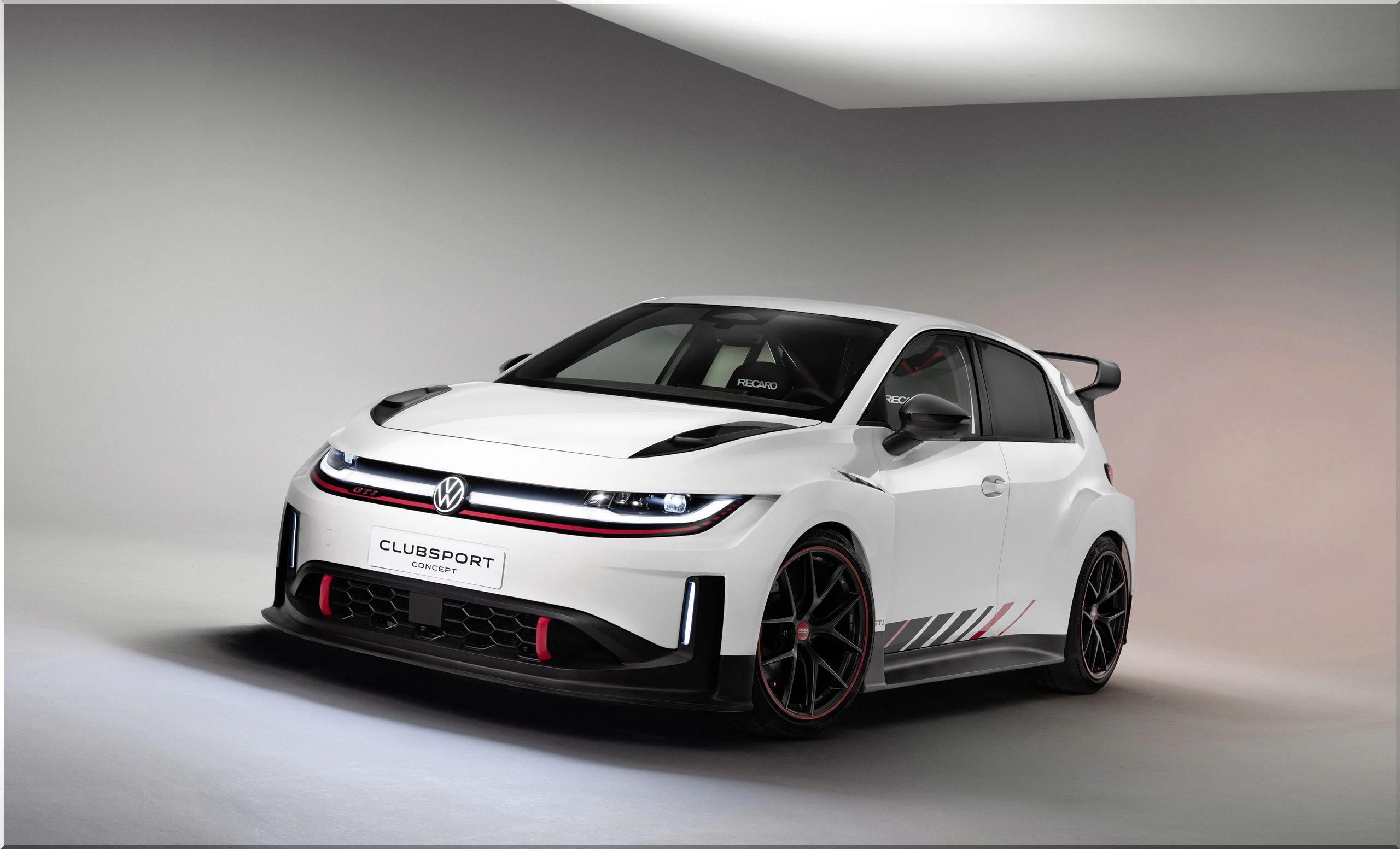
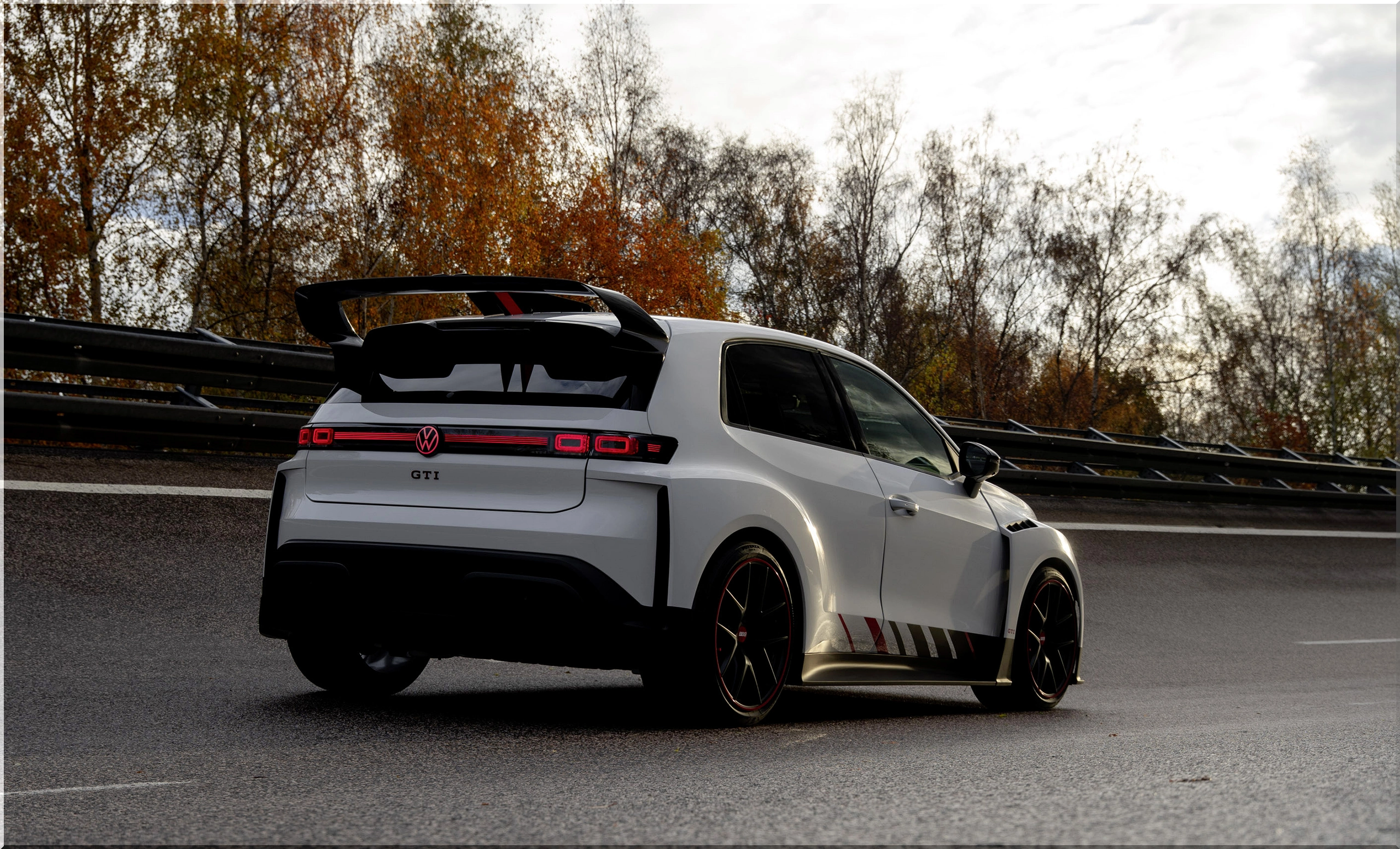
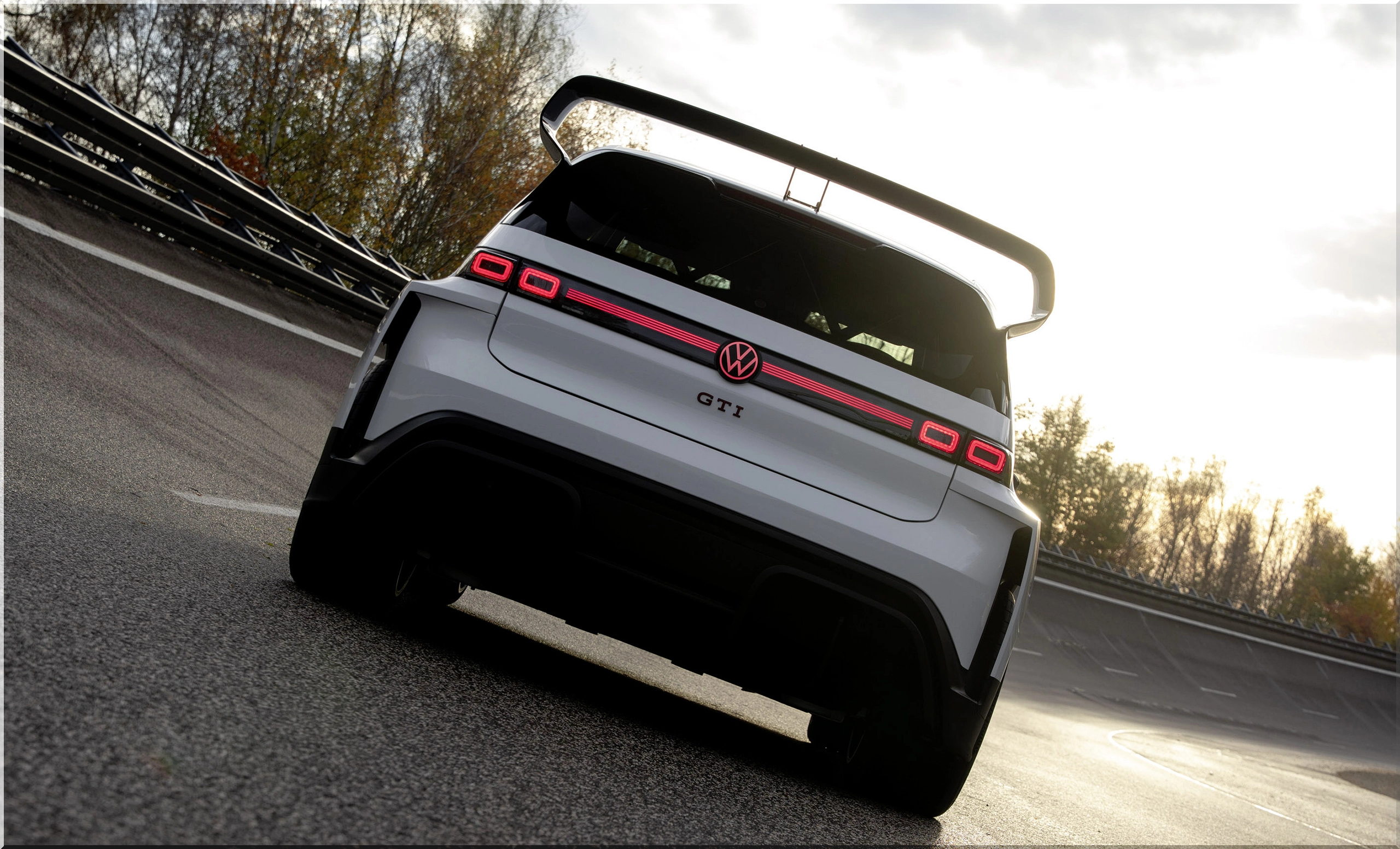
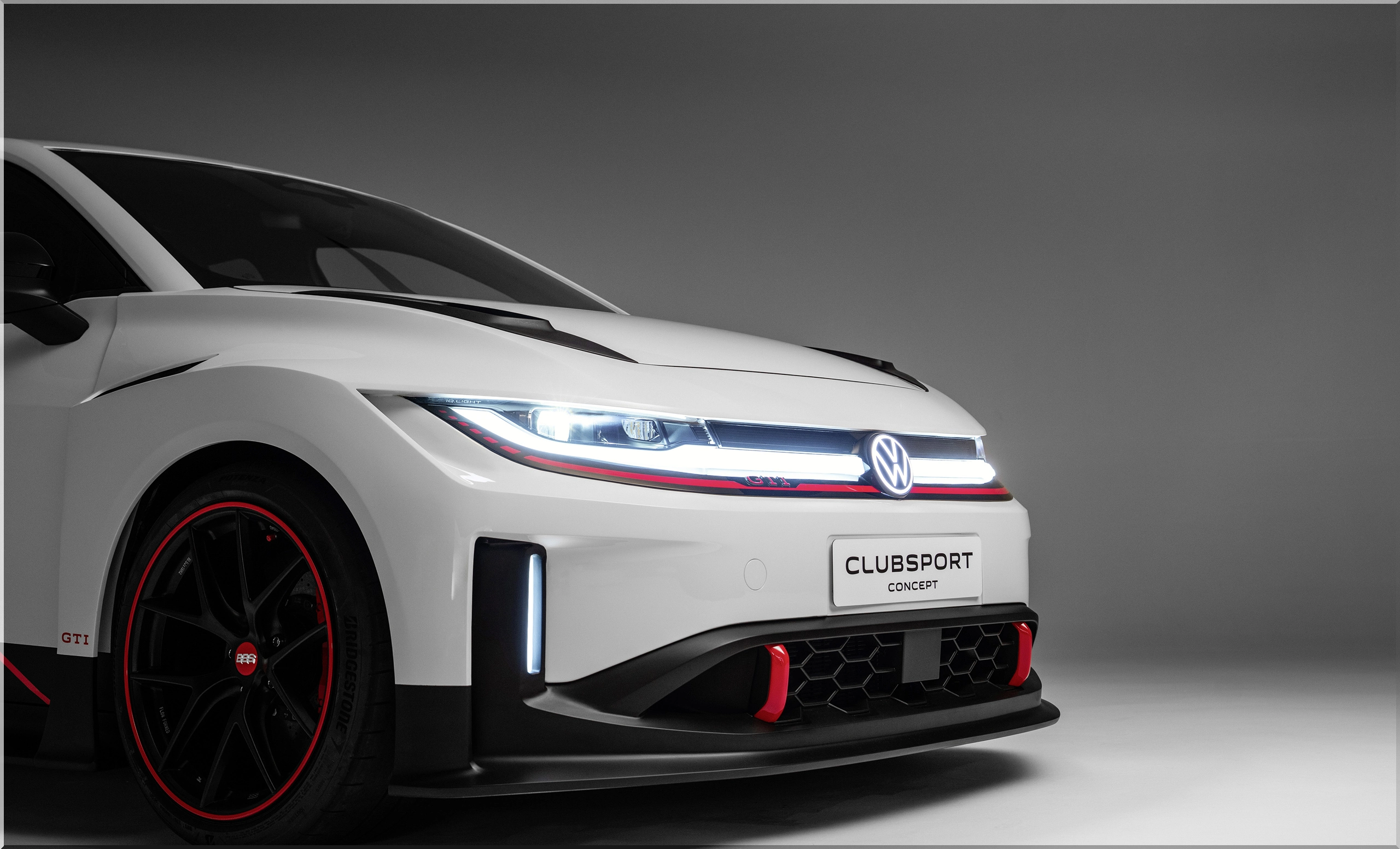
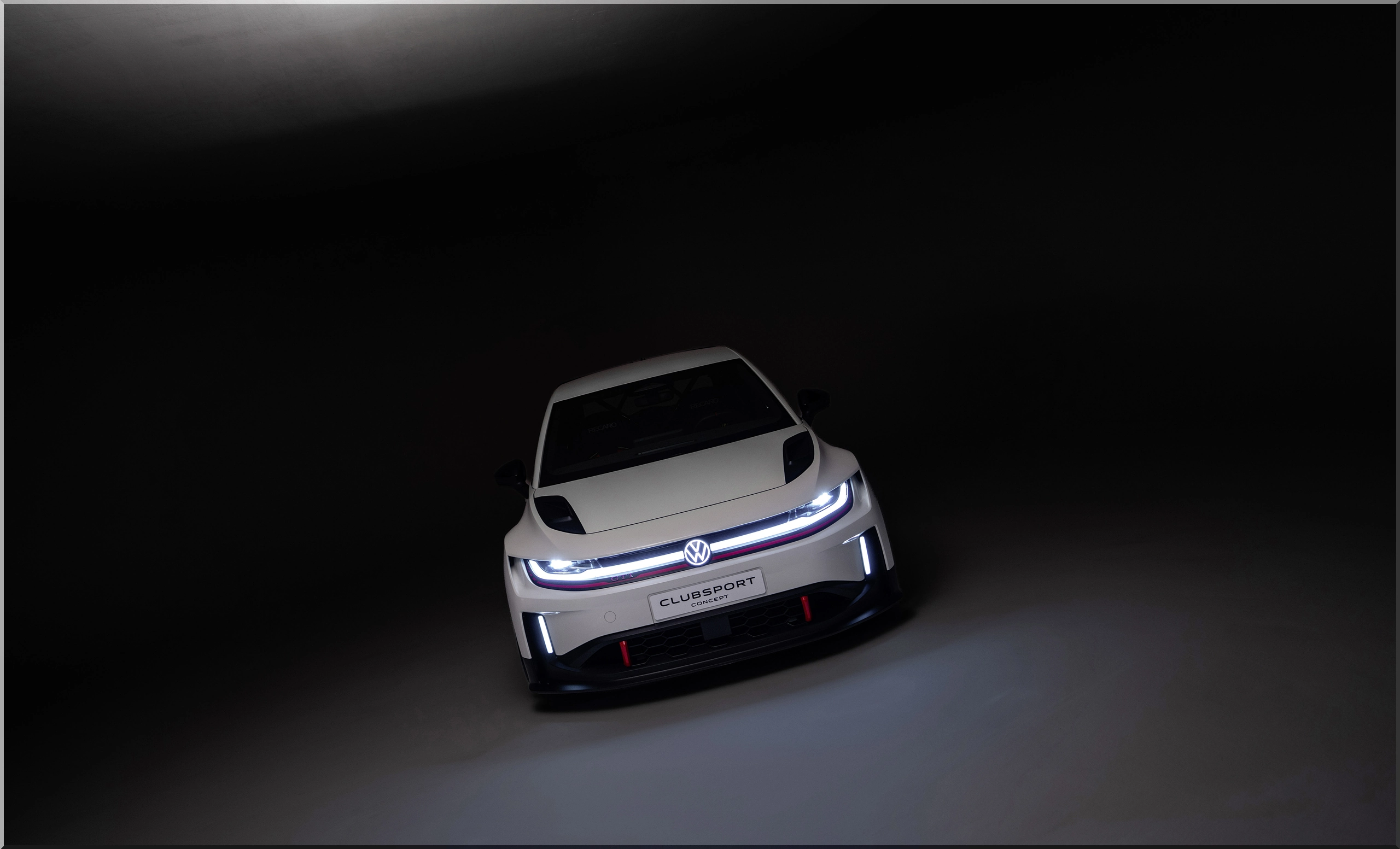
The Volkswagen ID. Polo GTI Clubsport Concept sends 362 hp and 406 lb-ft to its front wheels, with Volkswagen forecasting 0-62 mph in 4.7 seconds. The two-seat electric hot hatch adds ceramic brakes and track-tuned suspension, but Volkswagen hasn't committed to production, a price, or a US launch. Volkswagen revealed it November 20 ahead of the November 27-December 6, 2026, Essen Motor Show.
Image
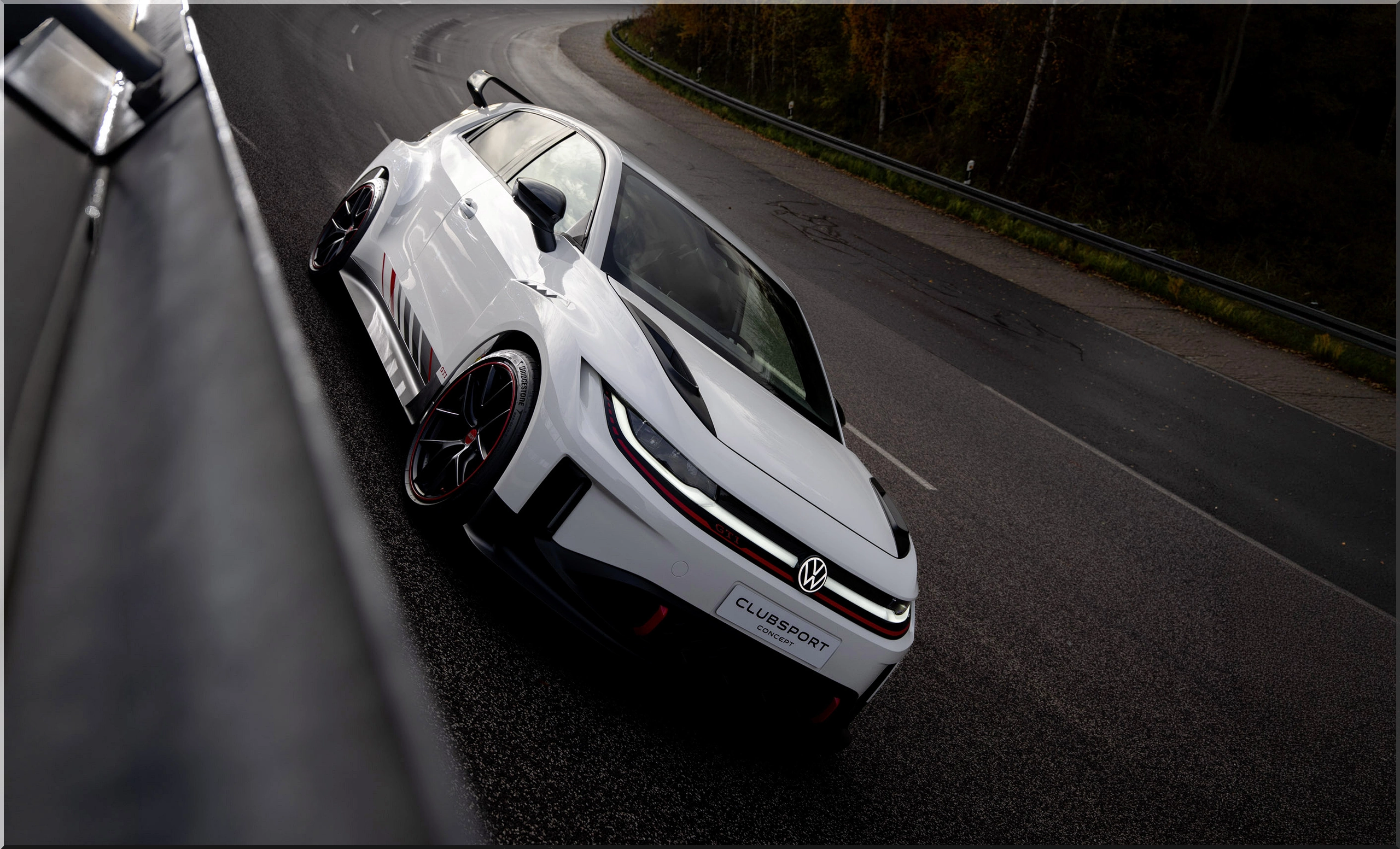
How much quicker is it than the standard ID. Polo GTI?
The Clubsport cuts Volkswagen's quoted 0-62 mph time by 2.1 seconds, a 31% reduction versus the production GTI. Its APP550 motor normally drives larger Volkswagens from the rear; engineers adapted it for the Polo's front axle, pairing the larger drive unit with an electronically controlled locking differential.
Video gallery
Video title
Volkswagen ID. Polo GTI Clubsport
| Specification | Production ID. Polo GTI | Clubsport concept |
|---|---|---|
| Motor output | 223 hp / 166 kW | 362 hp / 270 kW |
| Torque | 214 lb-ft / 290 Nm | 406 lb-ft / 550 Nm |
| 0-62 mph, Volkswagen figures | 6.8 seconds | 4.7 seconds, forecast |
| Usable battery energy | 52 kWh | 52 kWh |
| Side doors | Four | Two |
Volkswagen also quotes a 149-mph (240-km/h) top speed. That transplant required a new subframe and relocated cooling components: the drive output moved 2.19 inches (55.5 mm) upward and 0.20 inch (5 mm) rearward. The VAQ differential uses a multiplate clutch to manage torque transfer between the front wheels, helping control wheelspin when accelerating out of corners.
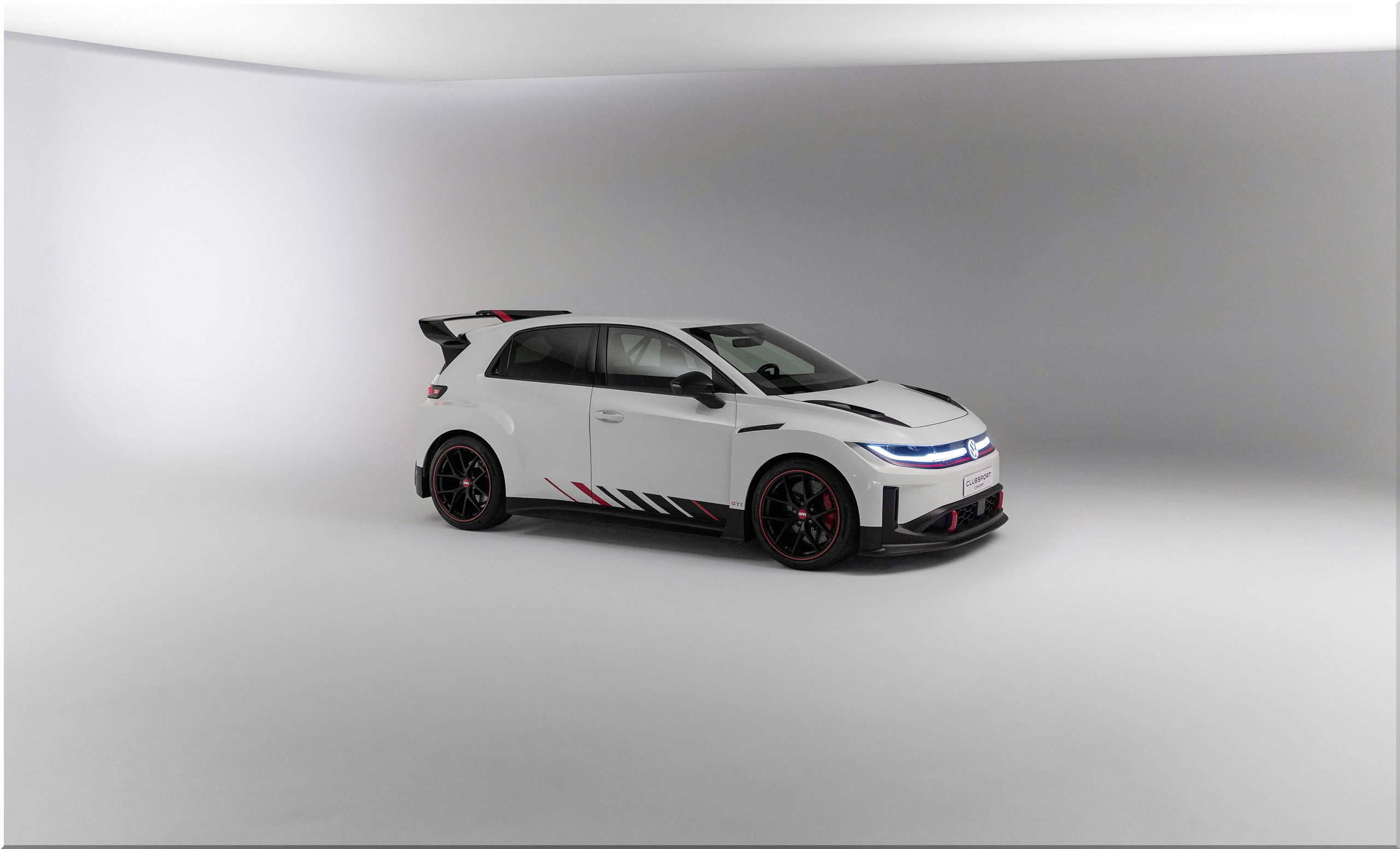
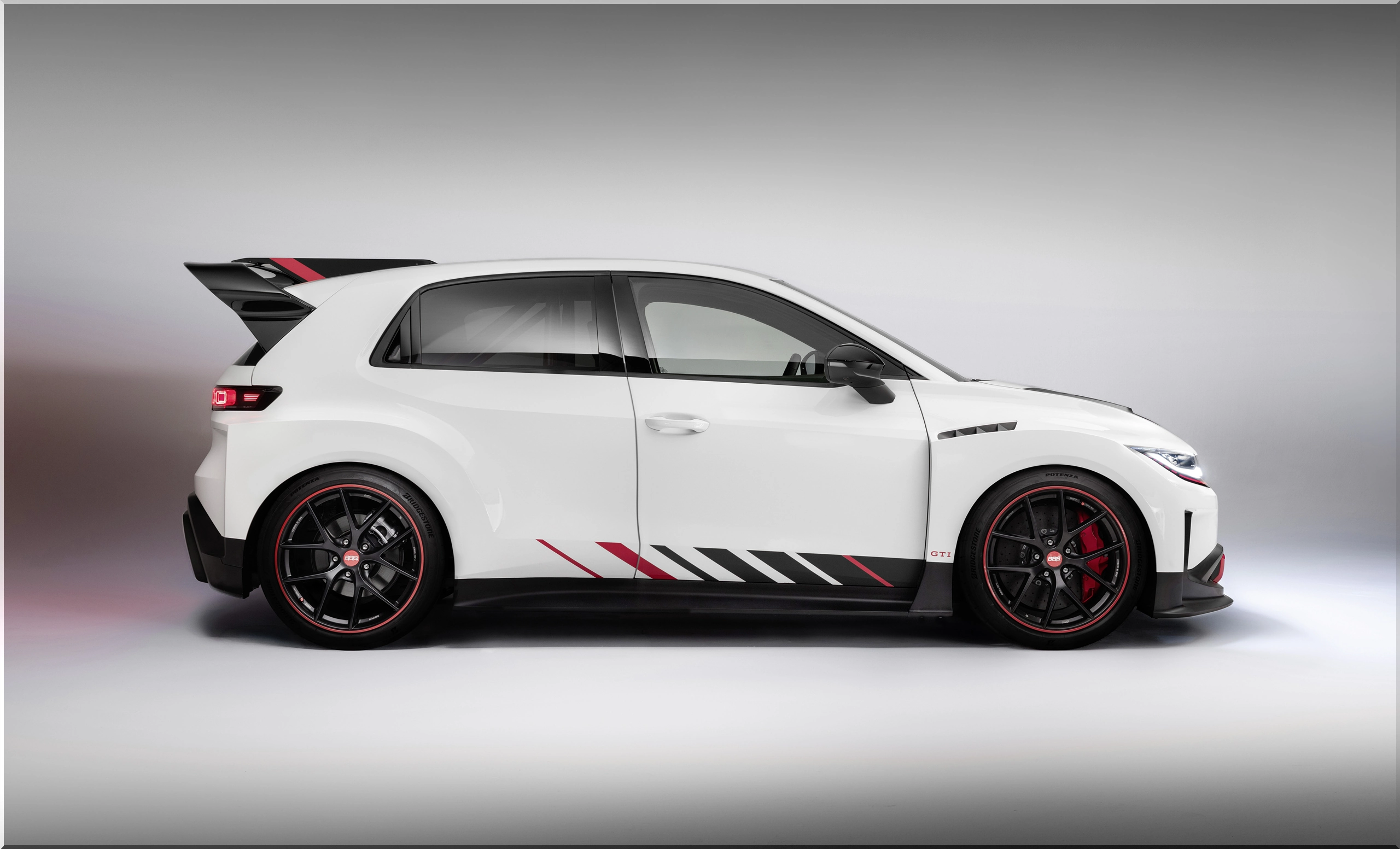
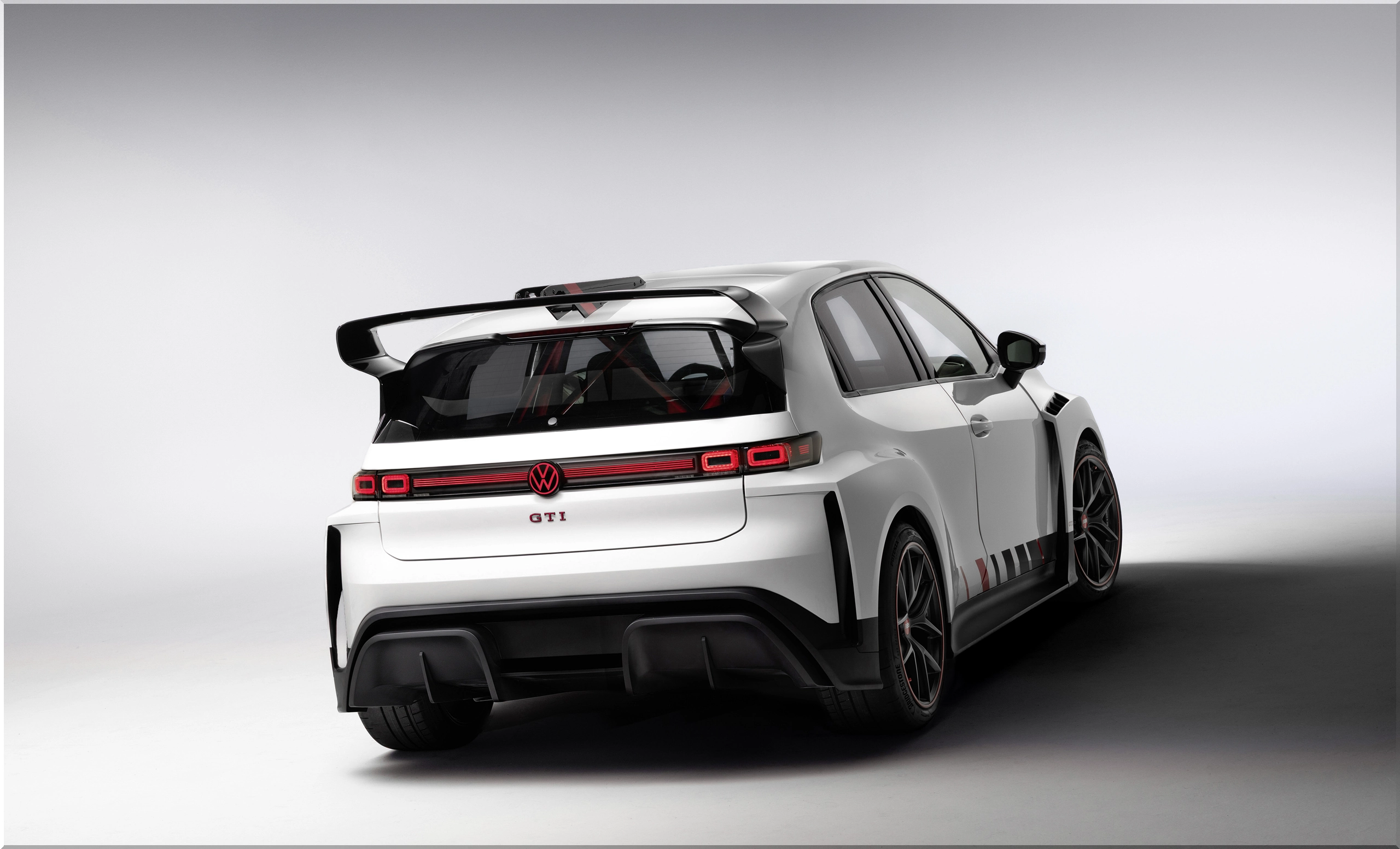
What hardware supports its track ambitions?
A wider body, lower suspension, ceramic brakes and additional battery cooling support the Clubsport's track brief. Volkswagen also tunes the DCC adaptive dampers and front differential for circuit use. Those changes address traction and heat, but the launch material supplies no repeated-lap times, stopping distances or operating-temperature data.
| Hardware | Pros | Cons or unanswered questions |
|---|---|---|
| Chassis | Adds 3.94 inches (100 mm) of body width; sits 0.59 inch (15 mm) lower than the production GTI | Volkswagen omits curb weight and measured cornering grip |
| Ceramic brakes | Volkswagen specifies ceramic discs for the higher performance | No published braking distances or fade-test results |
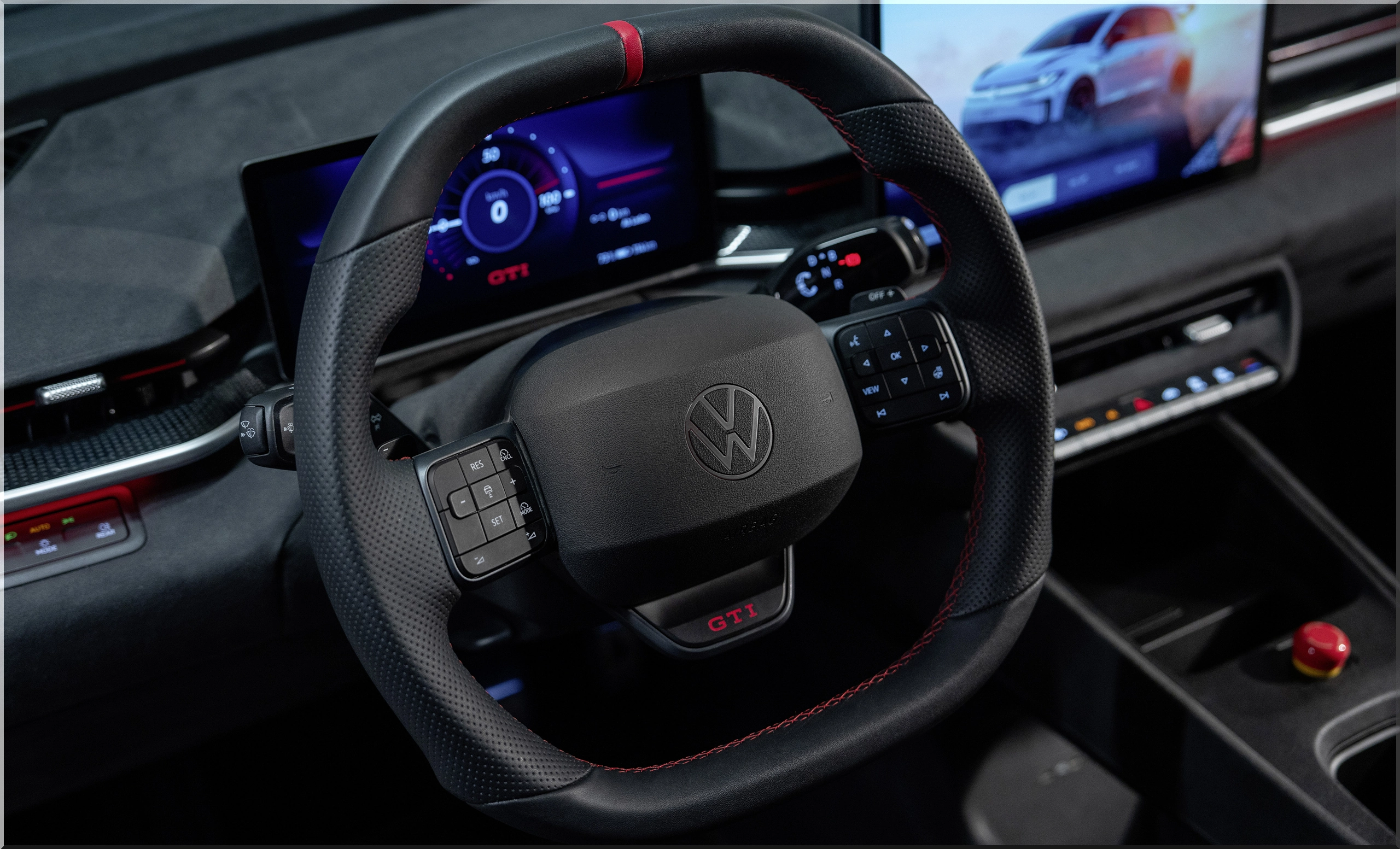
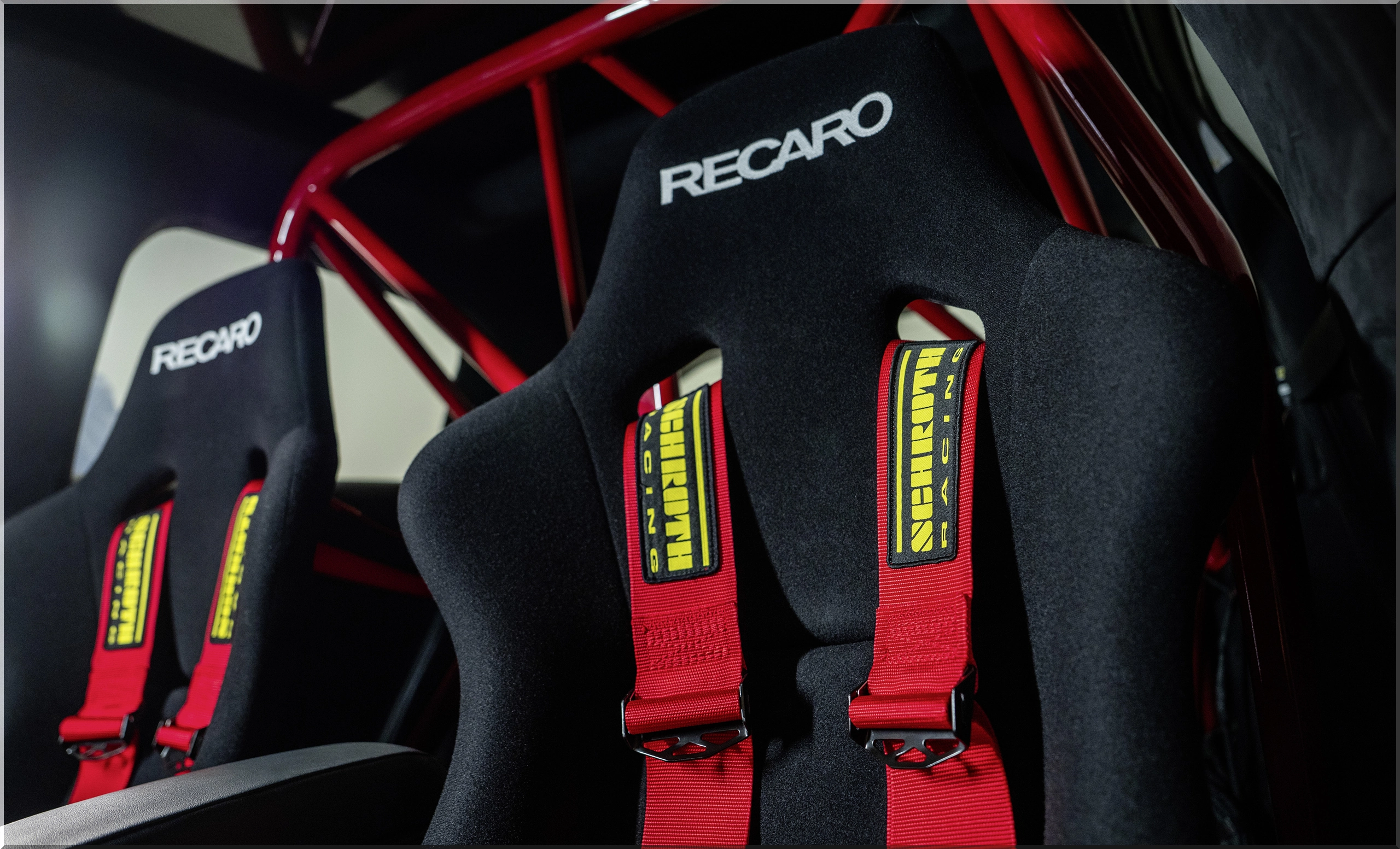
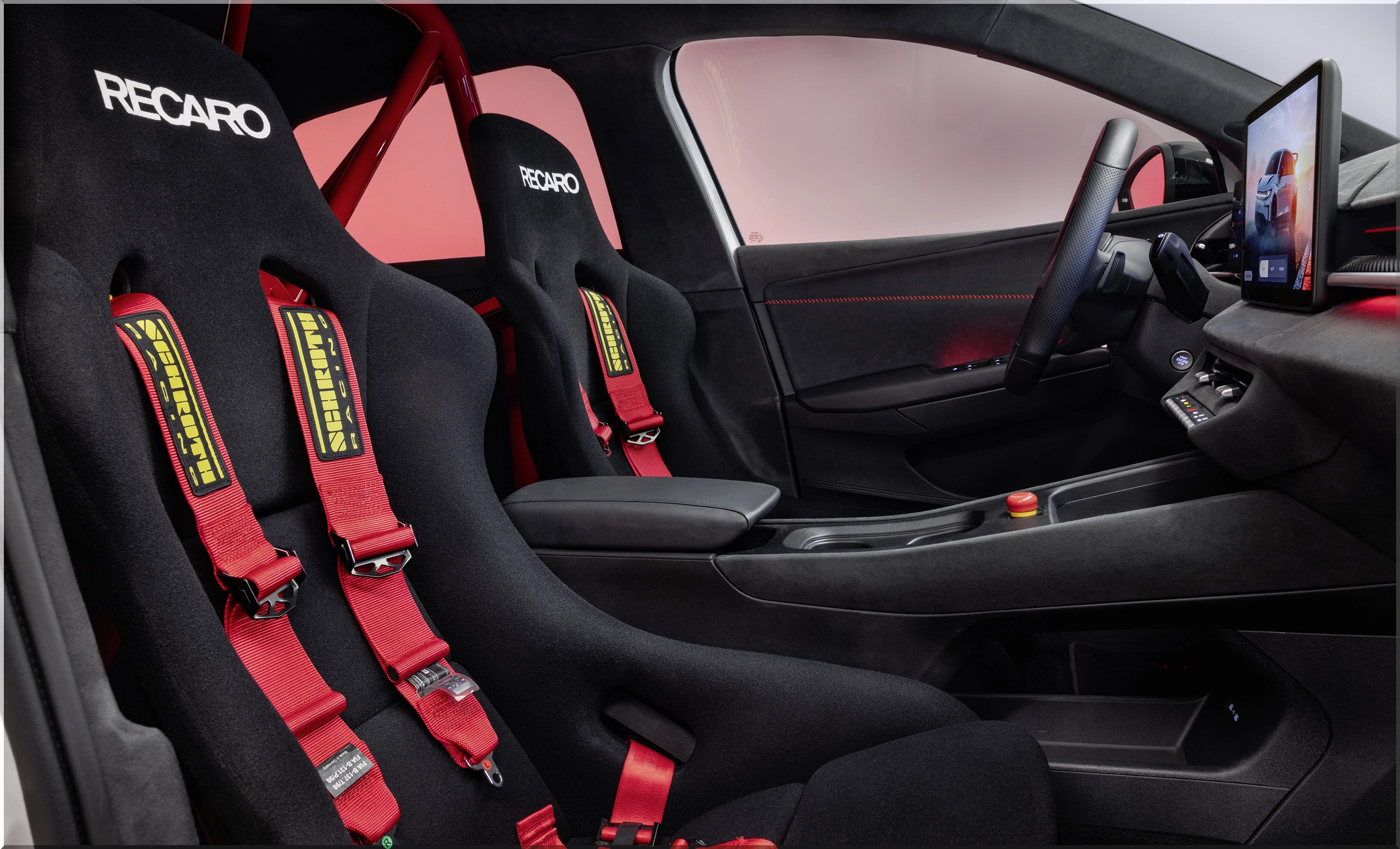
| Racing cabin | Recaro buckets, five-point harnesses and a rollover bar support occupants | Two seats; Volkswagen removes rear seating and infotainment |
The 52-kWh NMC battery gains a larger heat exchanger and revised controls for sustained high-rpm operation. It can briefly supply 290 kW; that figure describes battery discharge, while the motor produces 270 kW. DC fast charging peaks at 105 kW, so charging capability doesn't increase alongside motor output.
At an illustrative $0.40/kWh, replacing 70% of the stated usable energy costs approximately $14.56 before charging losses or fees. Actual track consumption determines the cost per session.
Image gallery:
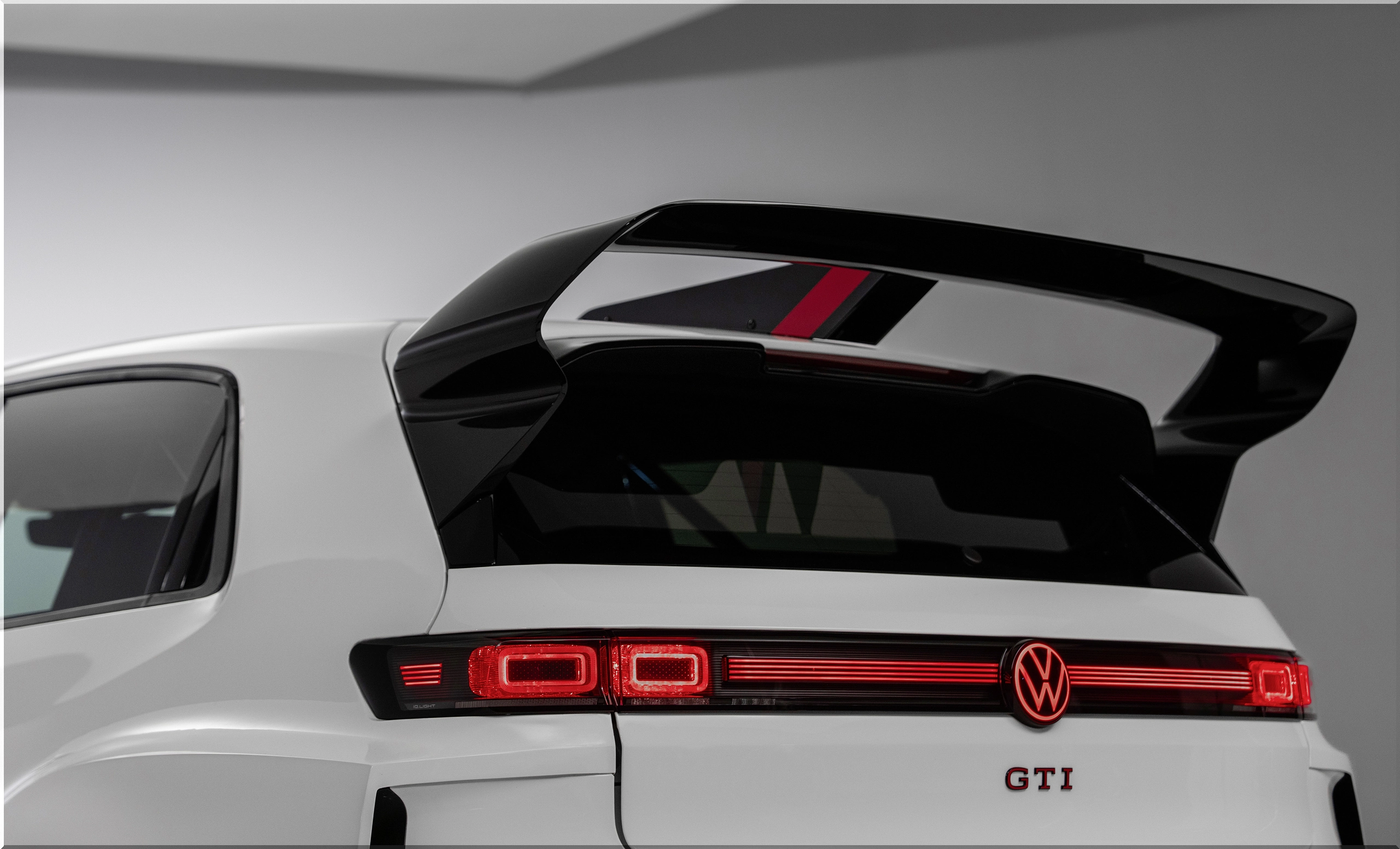
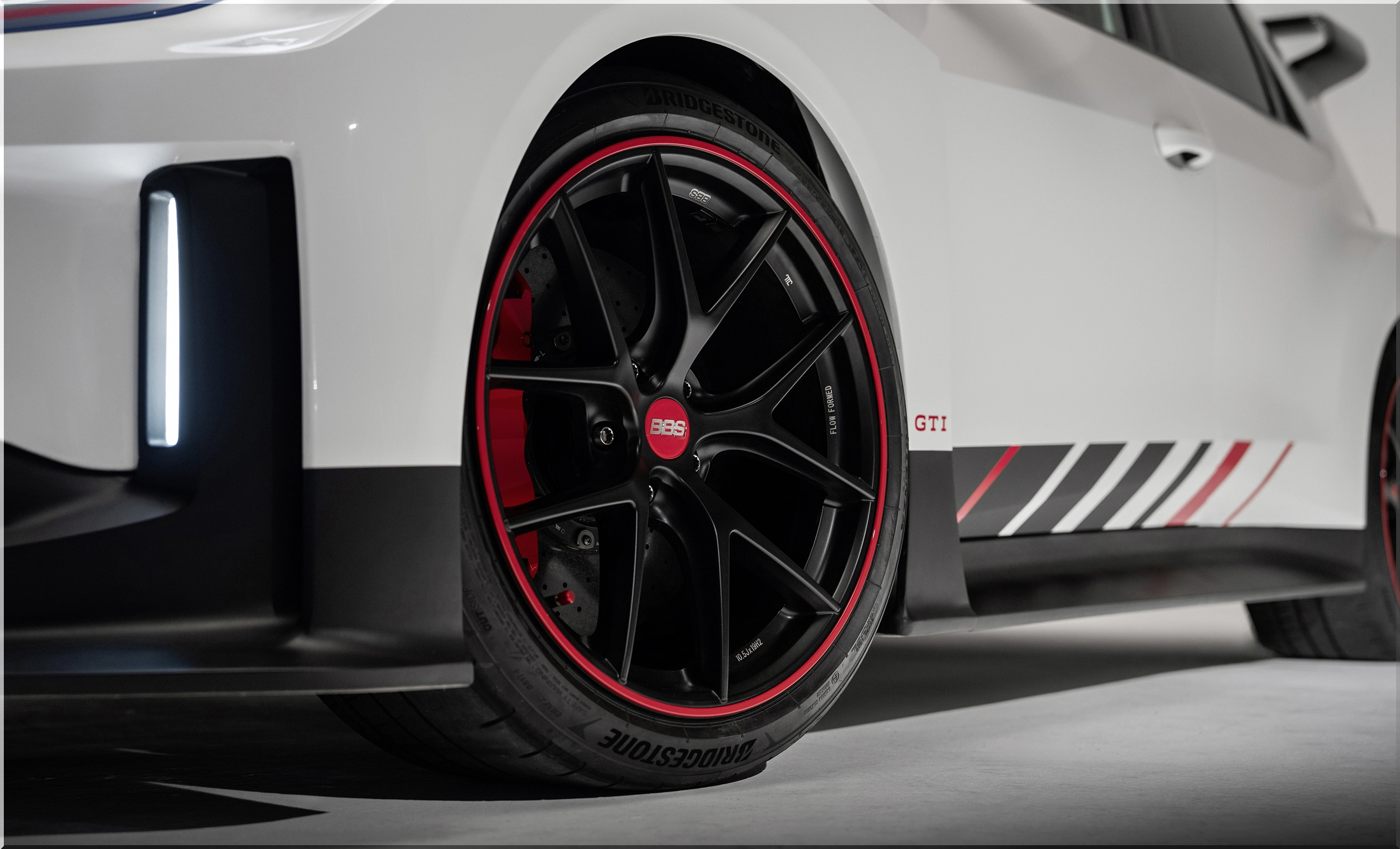
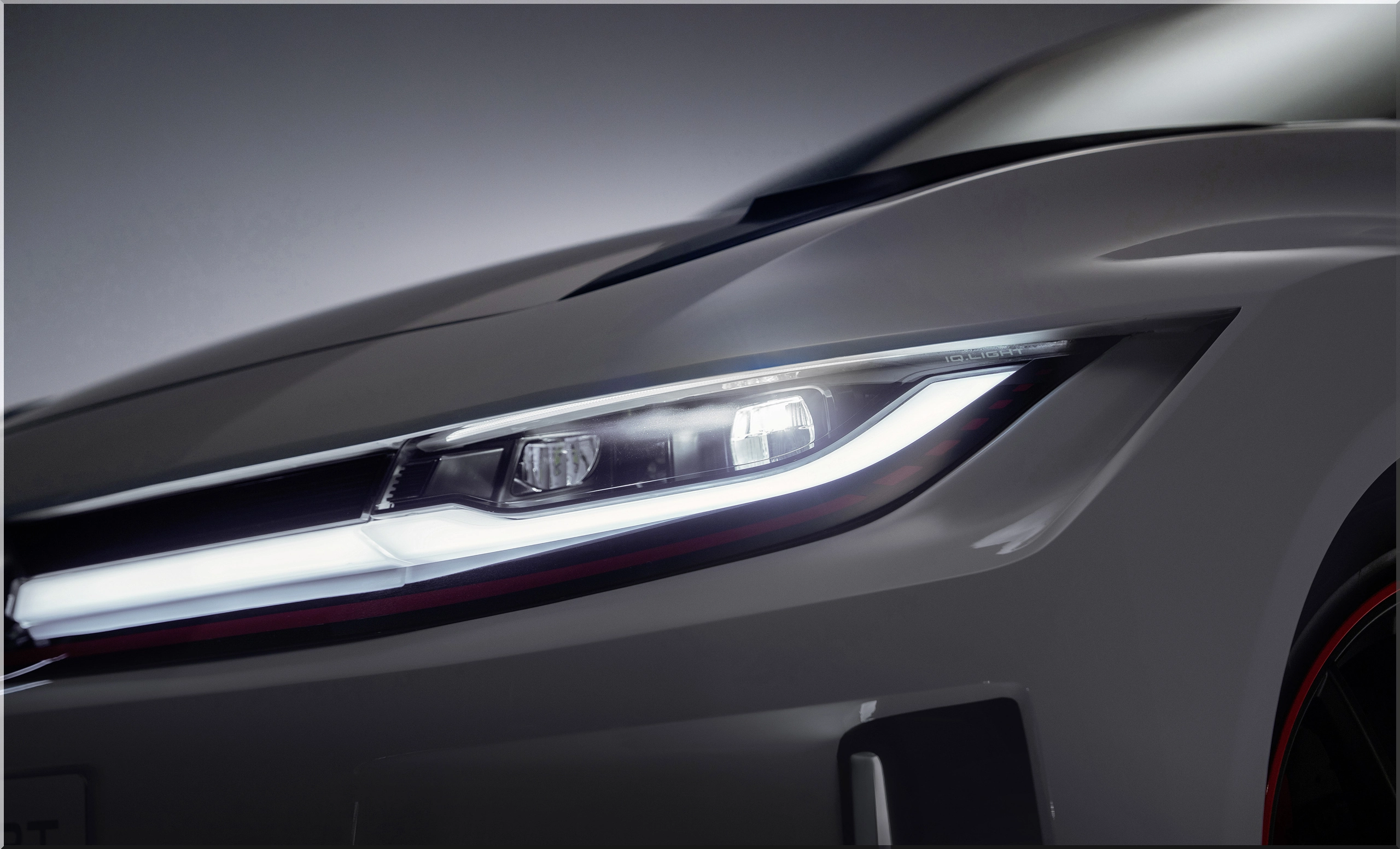
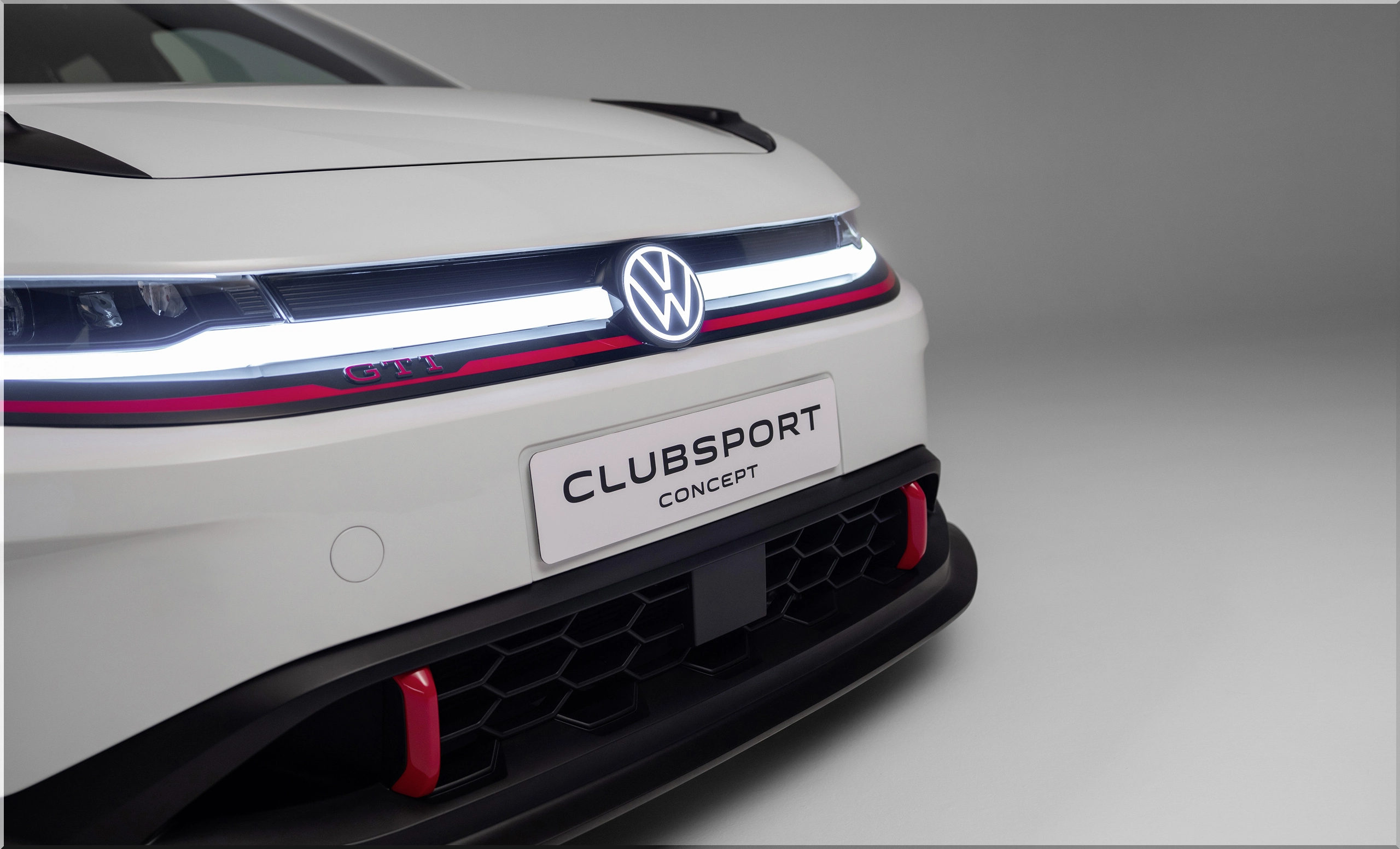
Should US buyers wait for a production version?
US buyers have no confirmed Clubsport model to order.
My take: I would judge its track credentials by repeatable lap times and recovery between sessions. One acceleration run can't establish thermal endurance.
Pro-Tips:
- Confirm production approval and US availability before budgeting for ownership.
- Compare charging curves, tire replacement costs and battery warranty coverage before planning track use.
- Add new comment
- 66 views