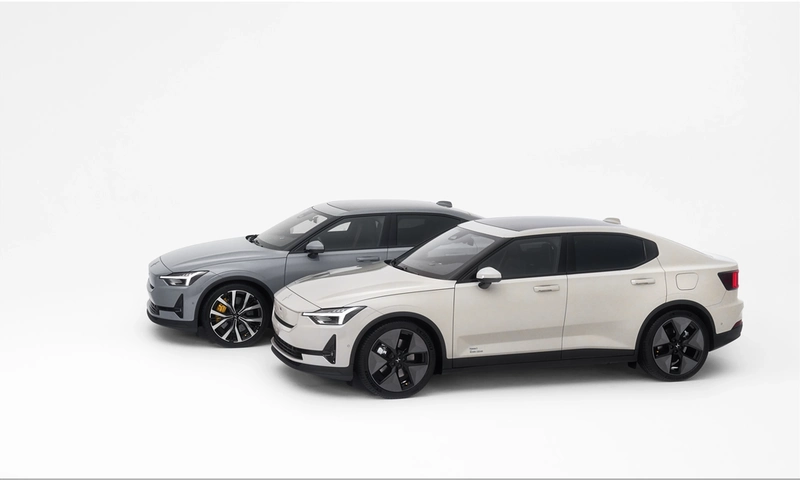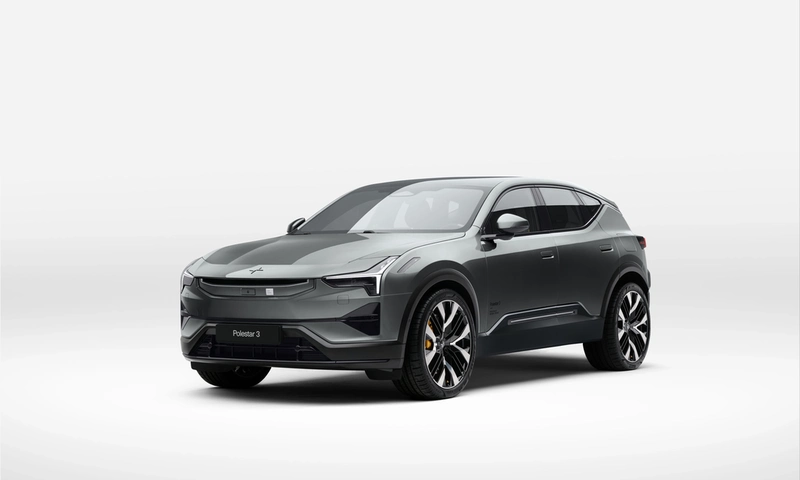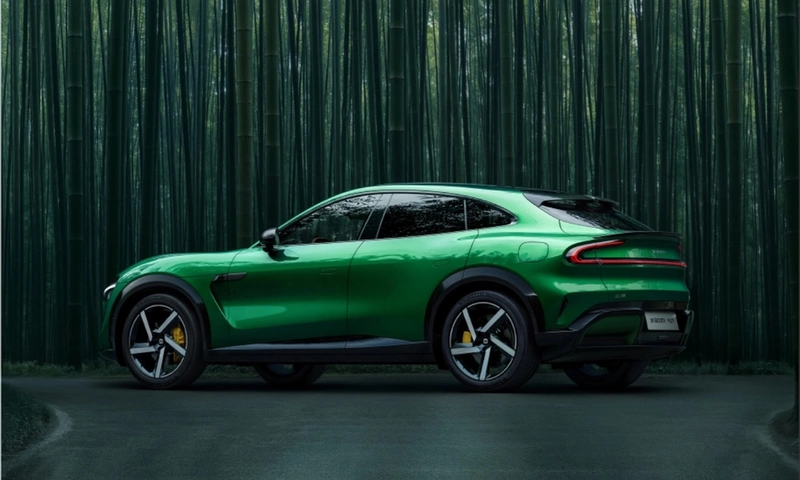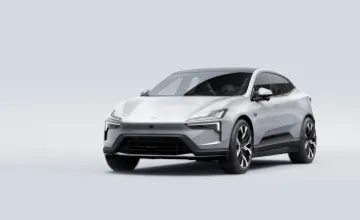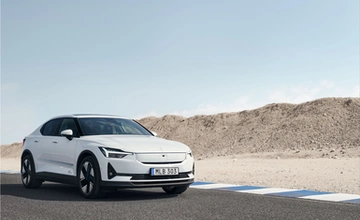
The Polestar 5 Performance Grand Tourer has moved from concept to production. Built on a new aluminium platform with an in-house developed electric motor and 800V architecture, it targets buyers who want power, range, and premium design. Here’s what matters most about this EV.
Pricing and Market Position
Polestar has priced the Dual Motor version at €119,900 (~$128,000) and the Performance version at €142,900 (~$152,000). That places it squarely against the Porsche Taycan Turbo and Tesla Model S Plaid, both performance EV benchmarks.
- The Dual Motor offers 550 kW (748 hp).
- The Performance trim delivers 650 kW (884 hp).
- Both versions are capped at 155 mph top speed.
Polestar’s move here is strategic. It’s not chasing the lowest price. It’s staking a position in the luxury performance EV segment.
Powertrain and Performance
The Polestar 5 Performance produces 650 kW (884 hp) and 1,015 Nm of torque. That output enables 0–62 mph in 3.2 seconds.
The Dual Motor delivers 550 kW (748 hp) and 812 Nm, running 0–62 mph in 3.9 seconds.
Both trims use a 112 kWh battery (106 kWh usable). Charging takes advantage of 800V architecture with up to 350 kW DC fast charging. A 10–80% charge can take about 22 minutes.
Range (WLTP estimates)
- Dual Motor: 416 miles
- Performance: 351 miles
For context:
- Tesla Model S Plaid: ~390 miles
- Porsche Taycan Turbo GT: ~320 miles
The Polestar 5 slots between them. Range is competitive, but not segment-leading.
Key Technical Specifications
| Specification | Polestar 5 Dual Motor | Polestar 5 Performance |
|---|---|---|
| Price (USD approx.) | $128,000 | $152,000 |
| Power | 550 kW / 748 hp | 650 kW / 884 hp |
| Torque | 812 Nm / 599 lb-ft | 1,015 Nm / 749 lb-ft |
| 0–62 mph | 3.9 sec | 3.2 sec |
| Top Speed | 155 mph | 155 mph |
| Range (WLTP) | 416 miles | 351 miles |
| Battery Capacity | 112 kWh (106 usable) | 112 kWh (106 usable) |
| Charging Speed | 350 kW DC | 350 kW DC |
| AC Charging | 11 kW | 11 kW |
Design and Aerodynamics
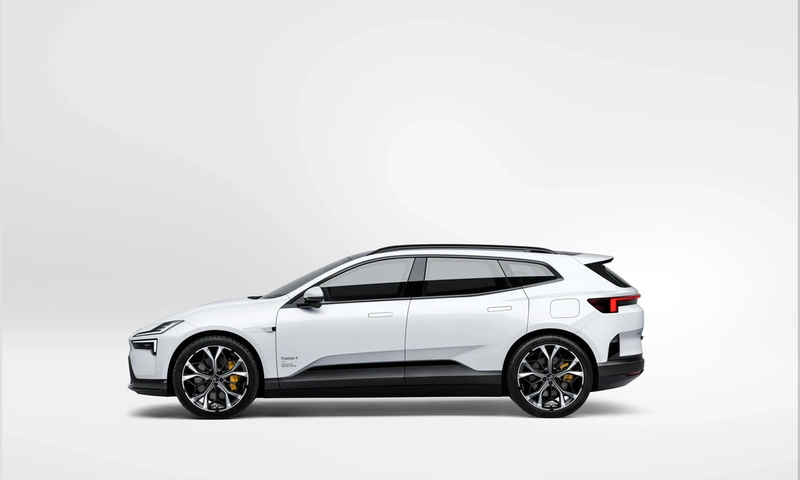
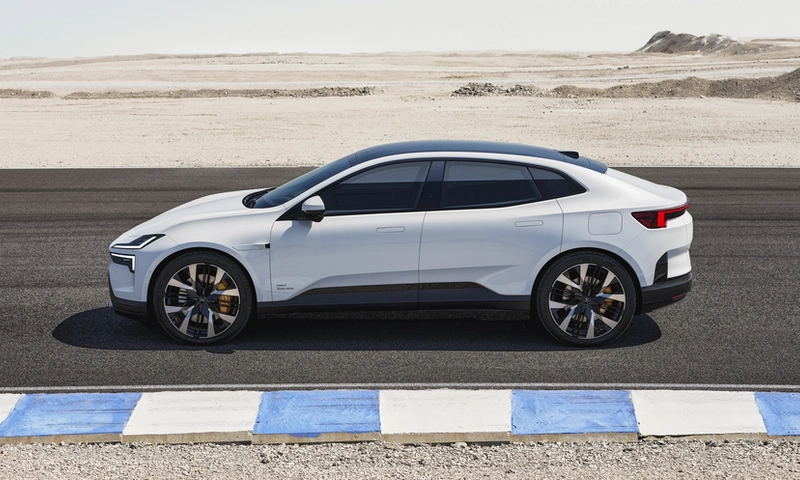
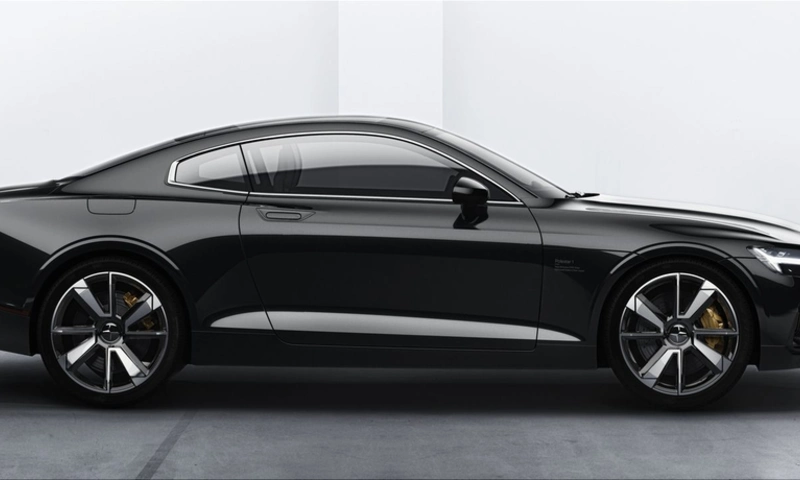
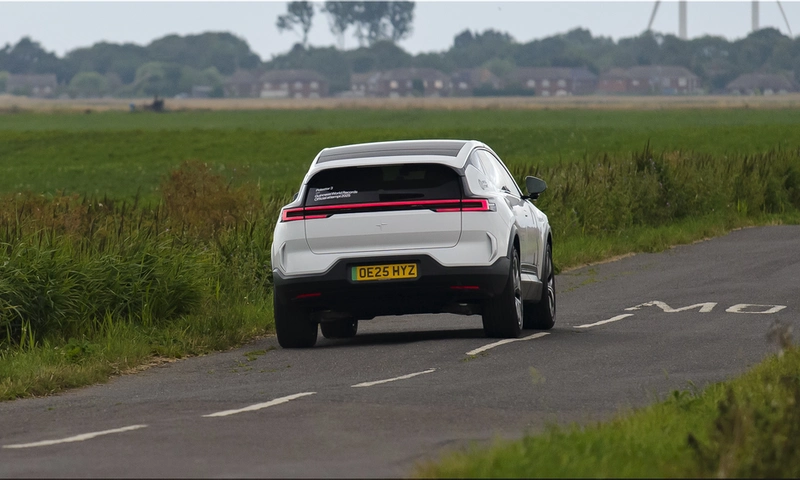
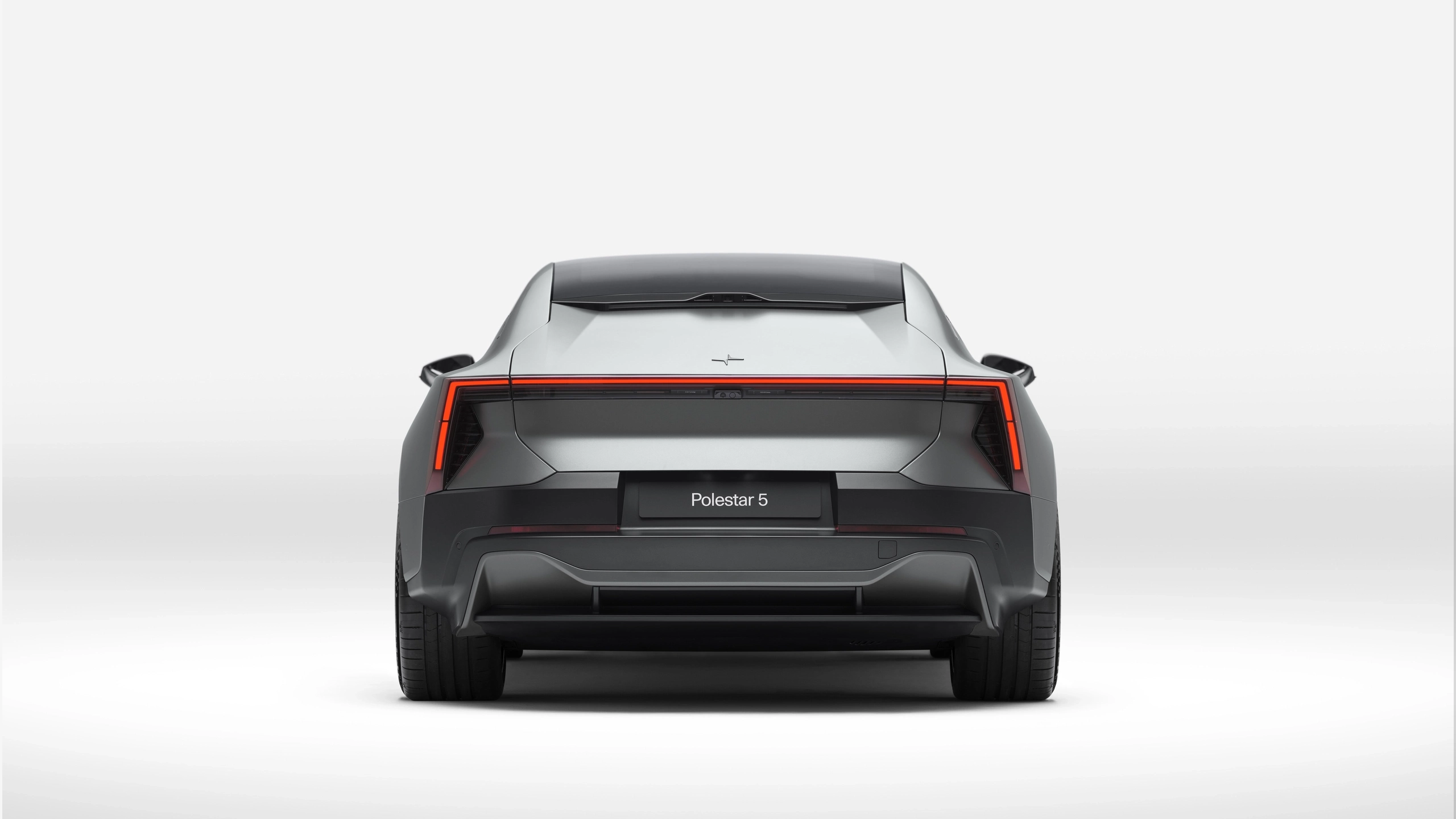
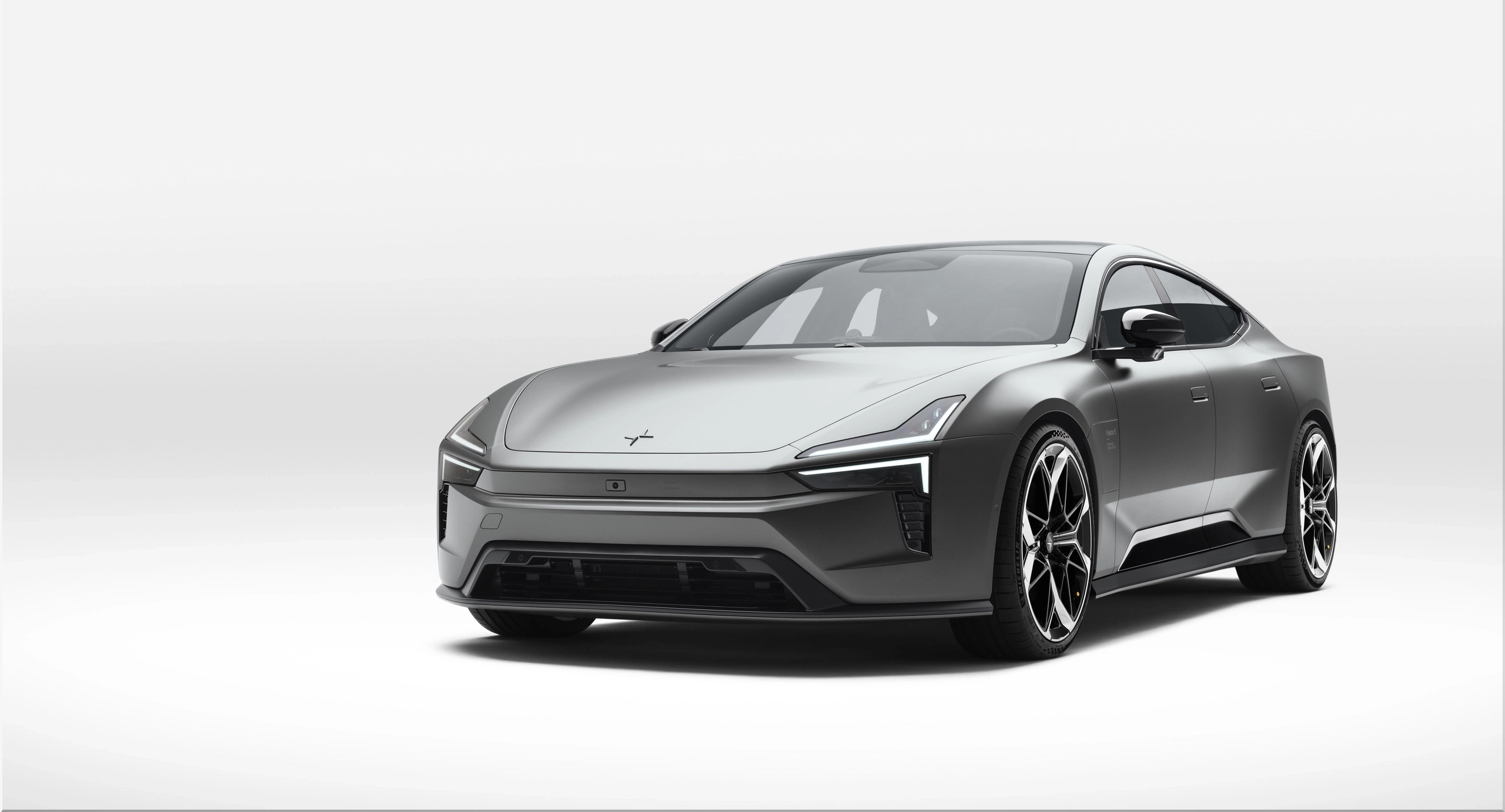
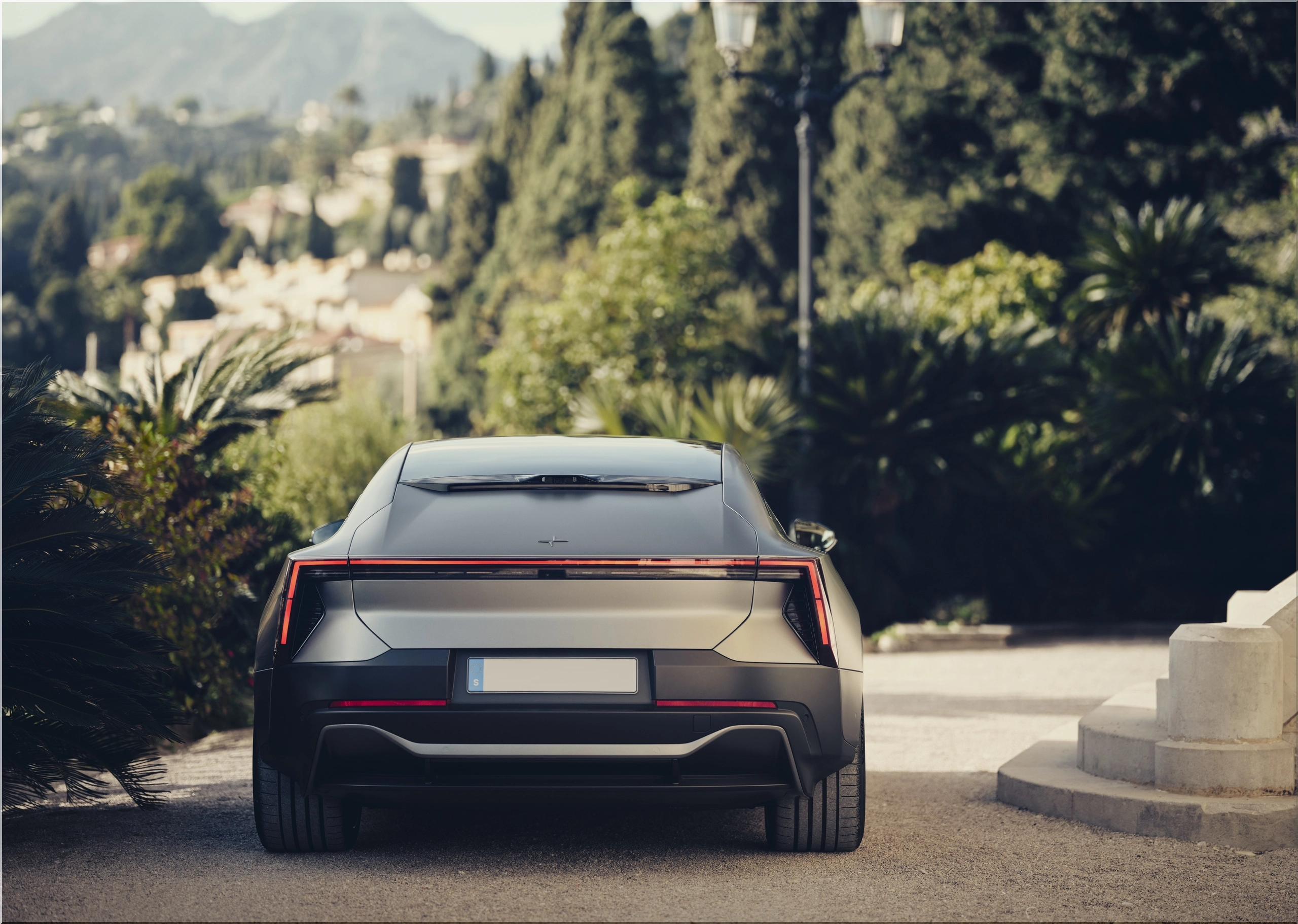
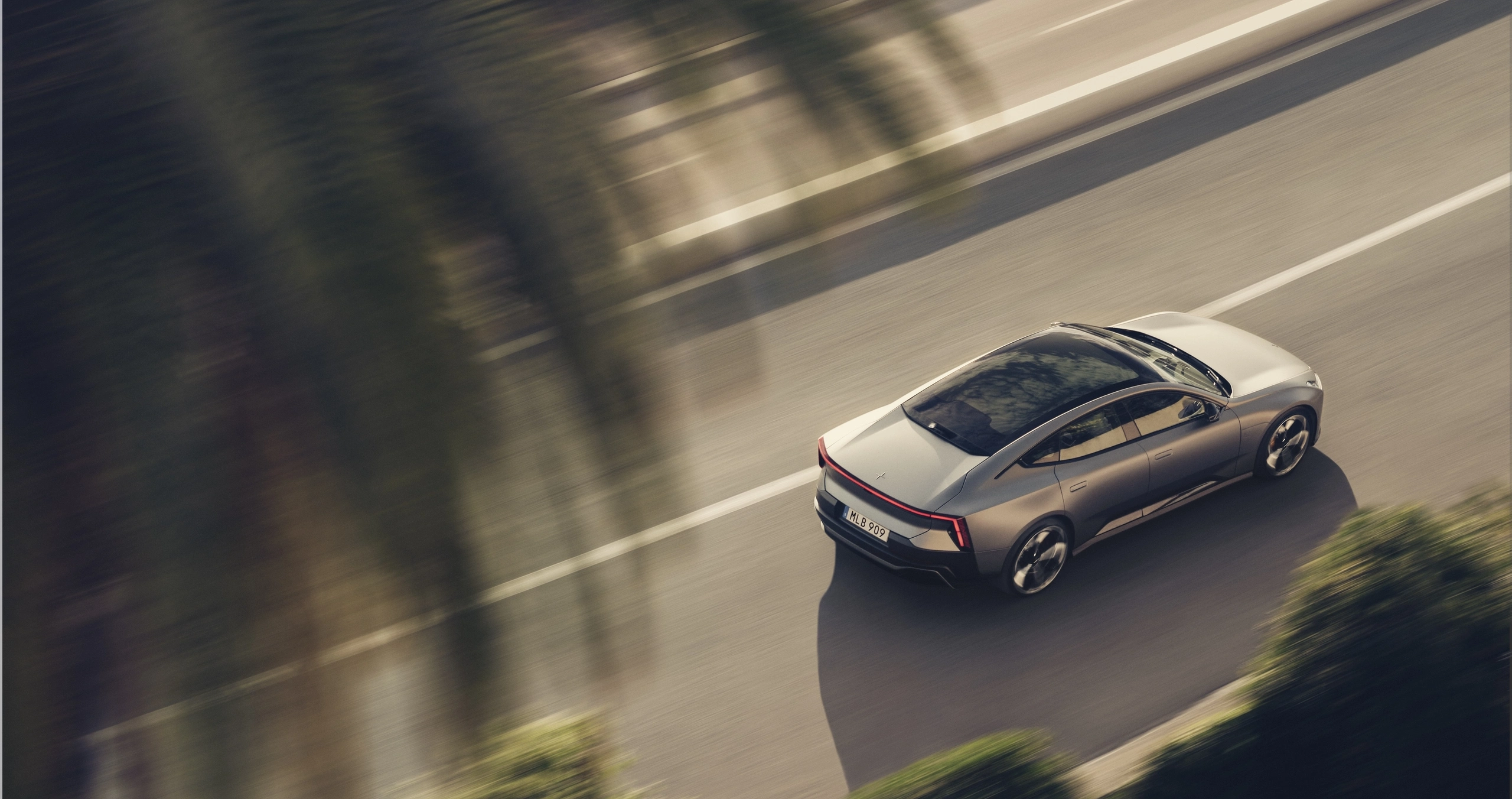
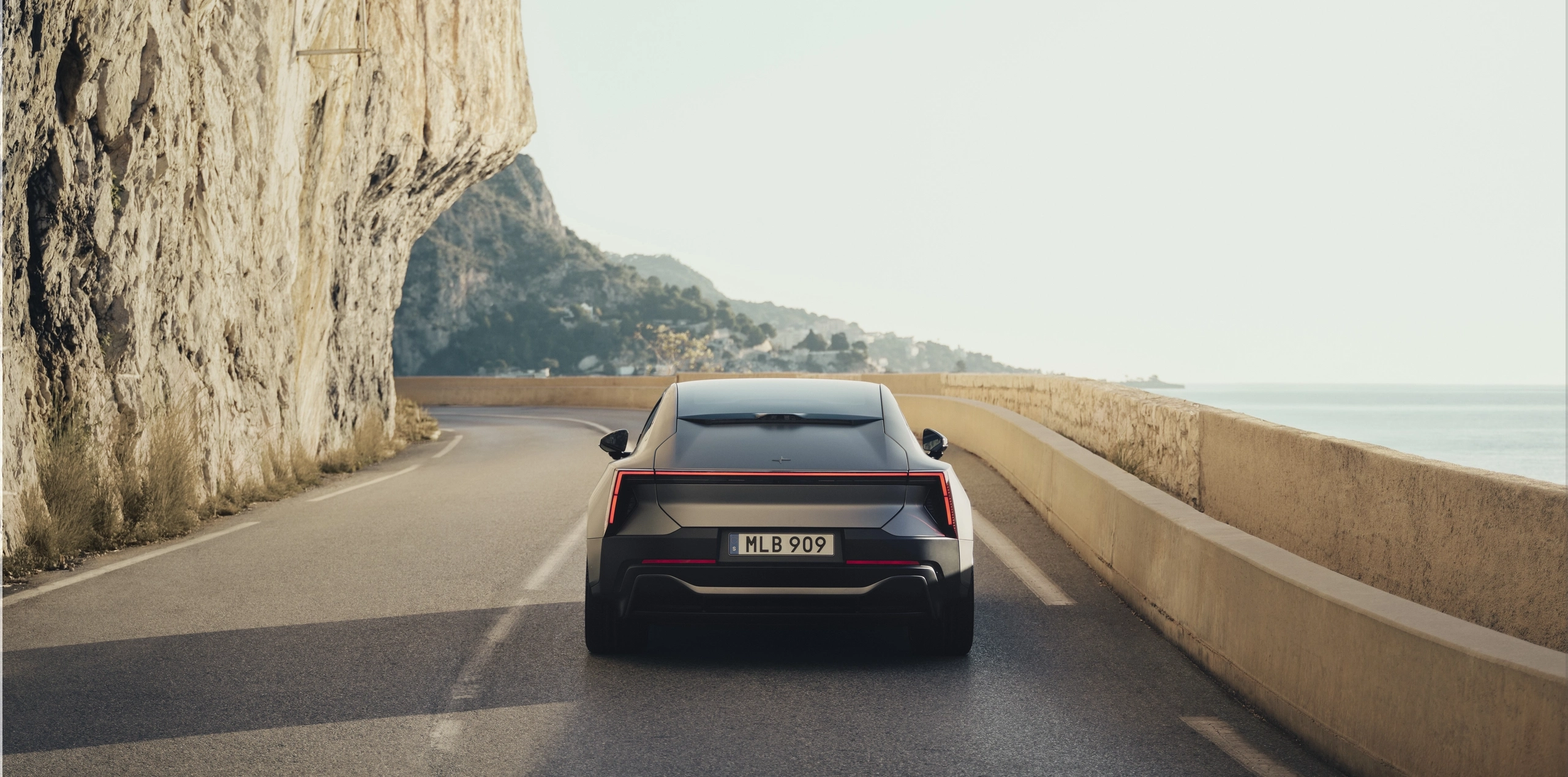
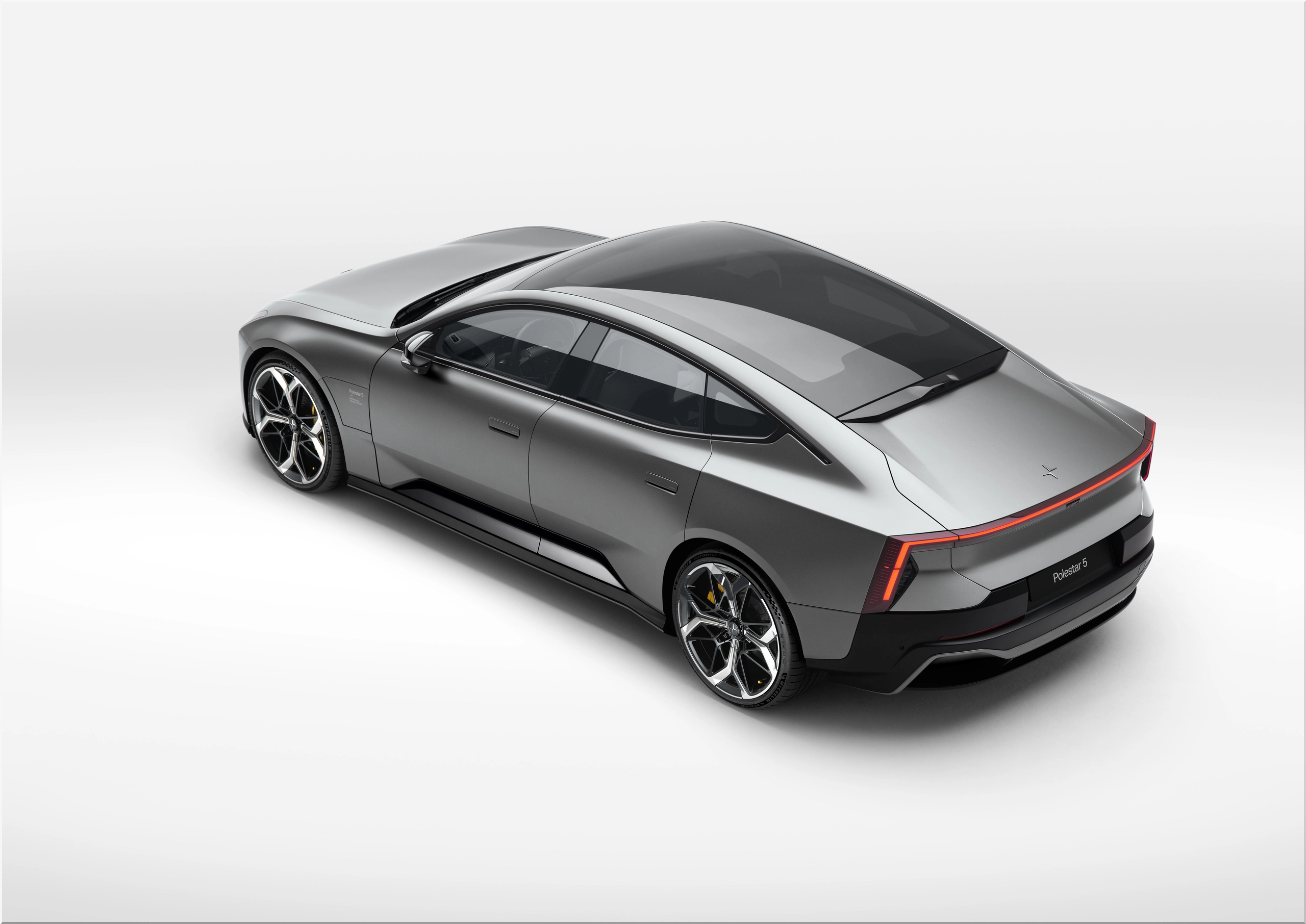
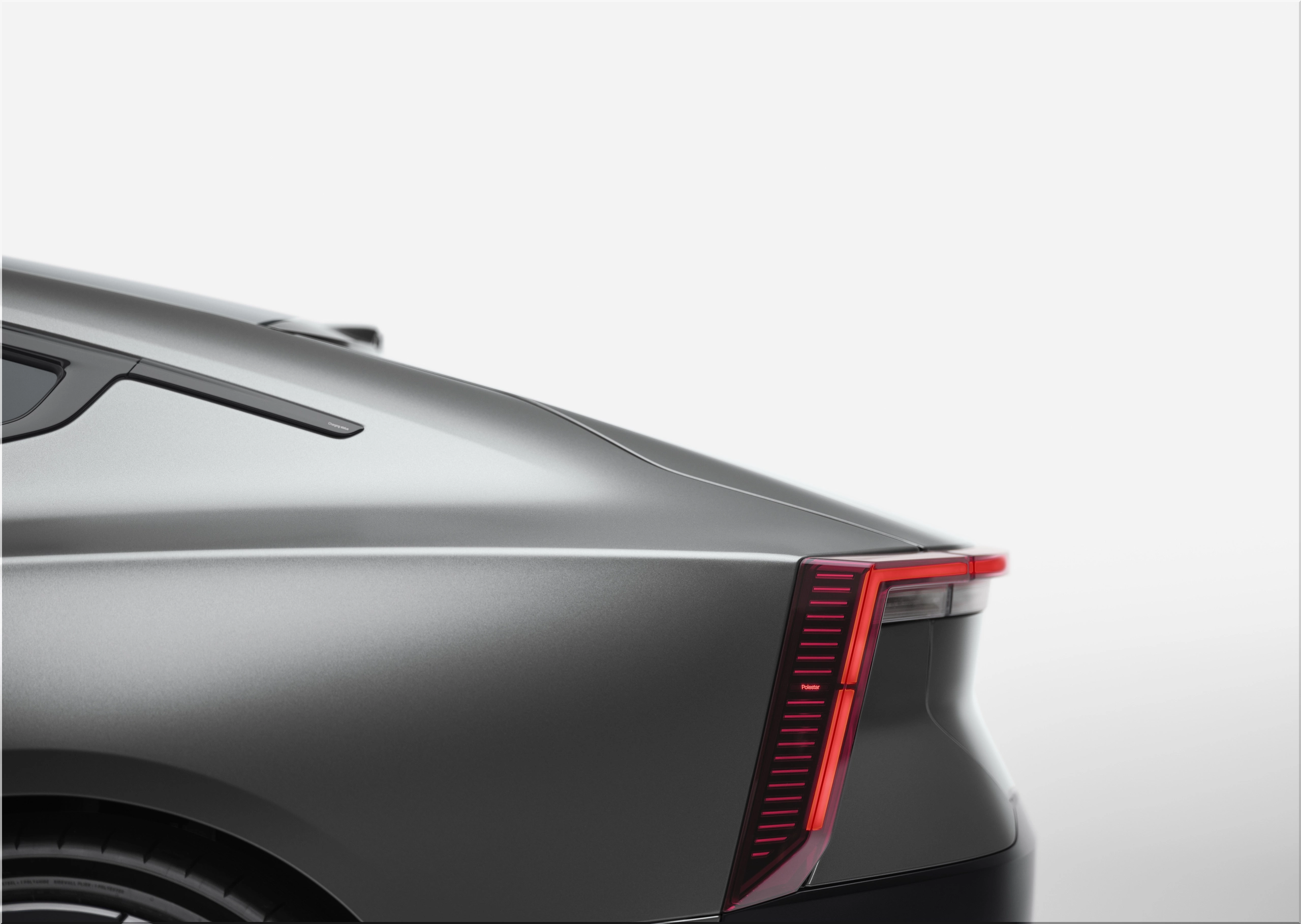
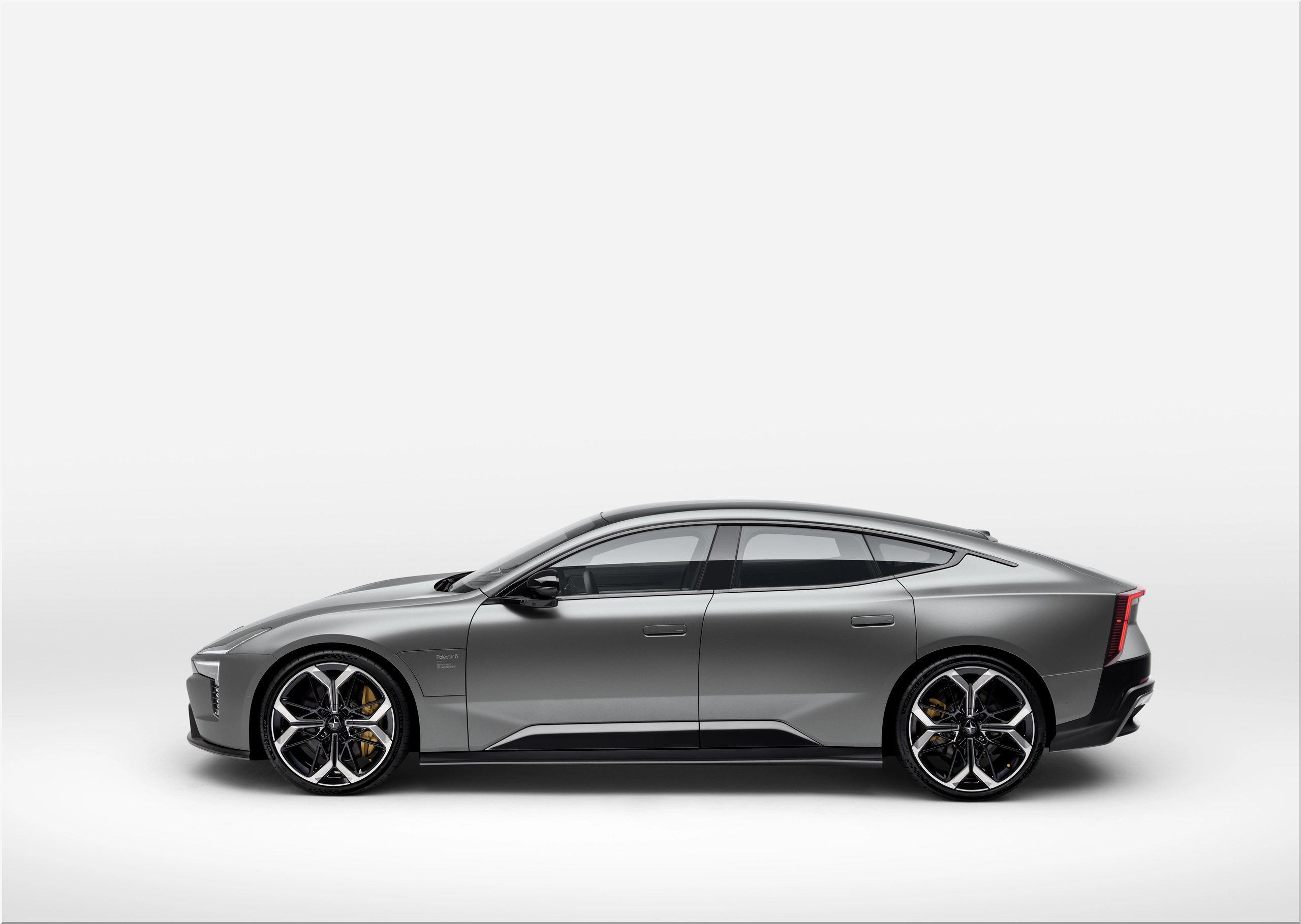
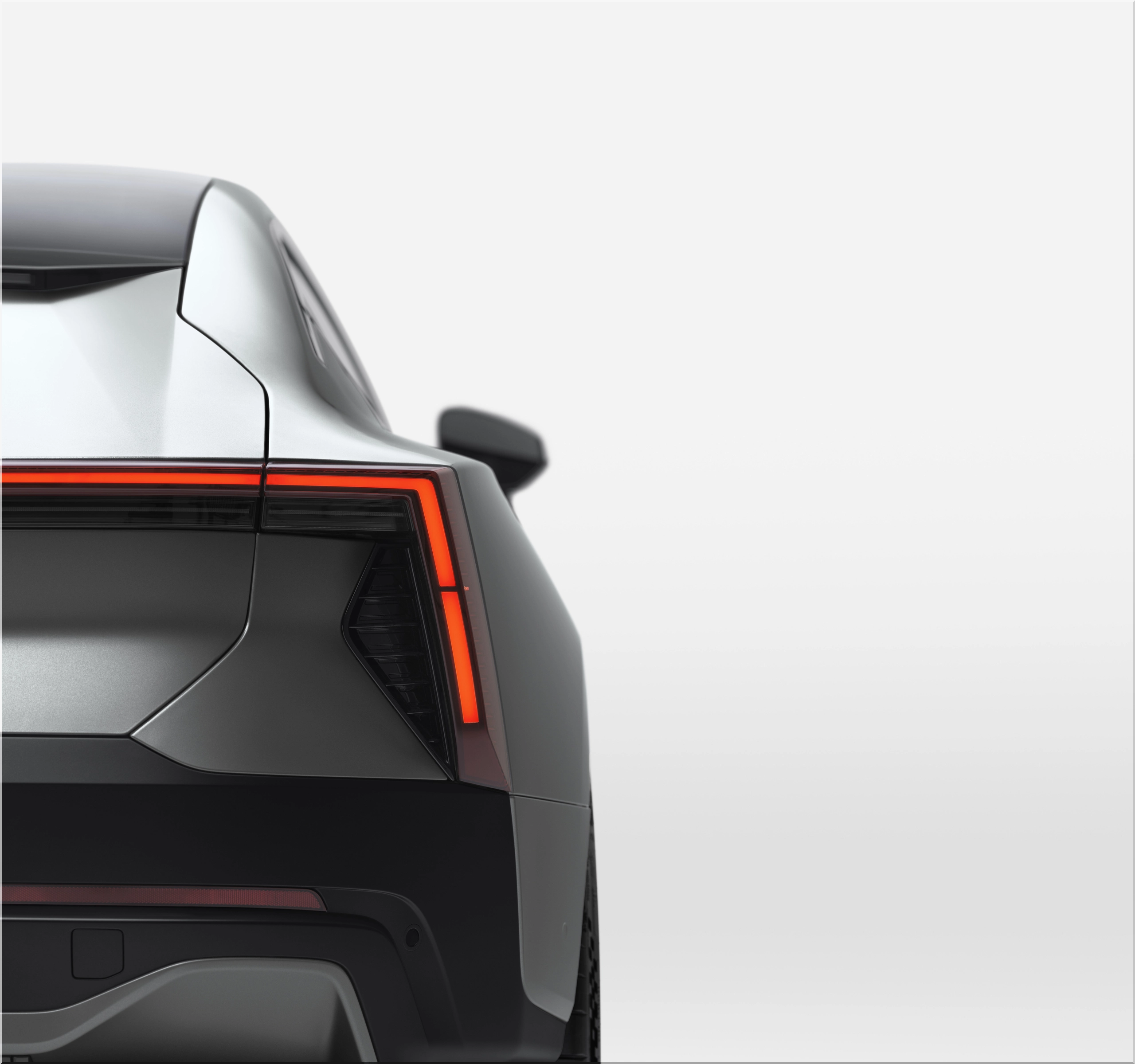
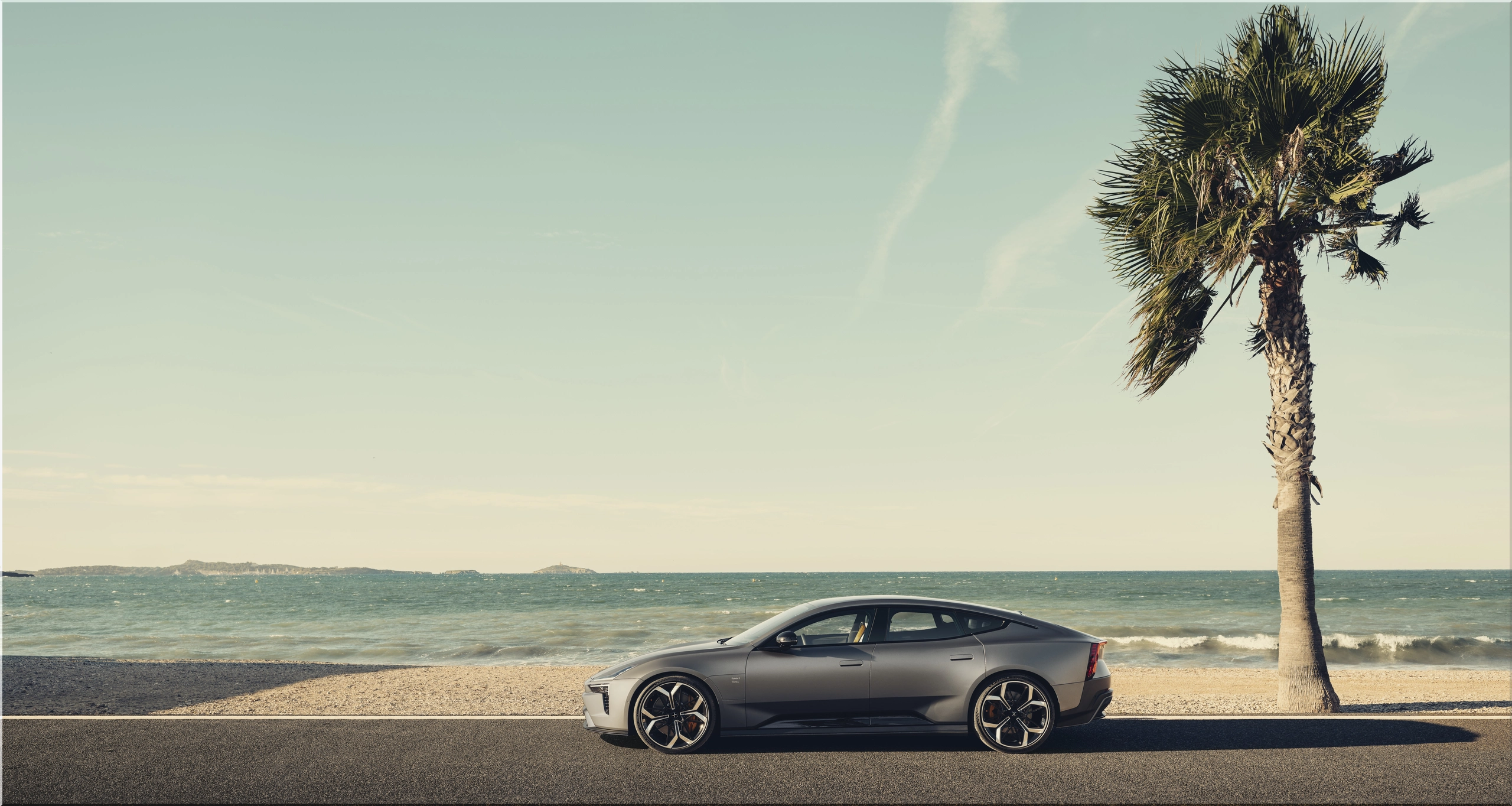
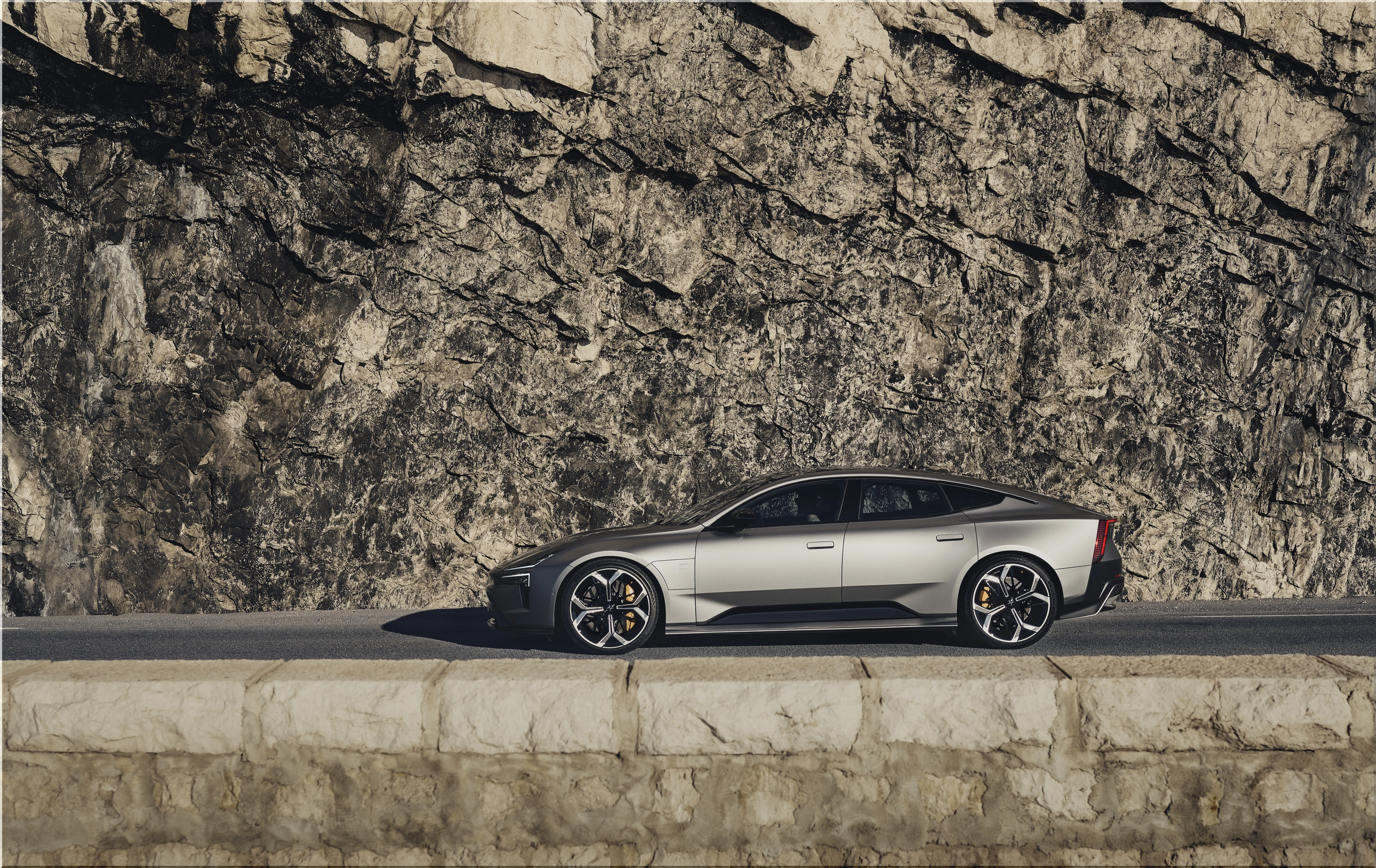
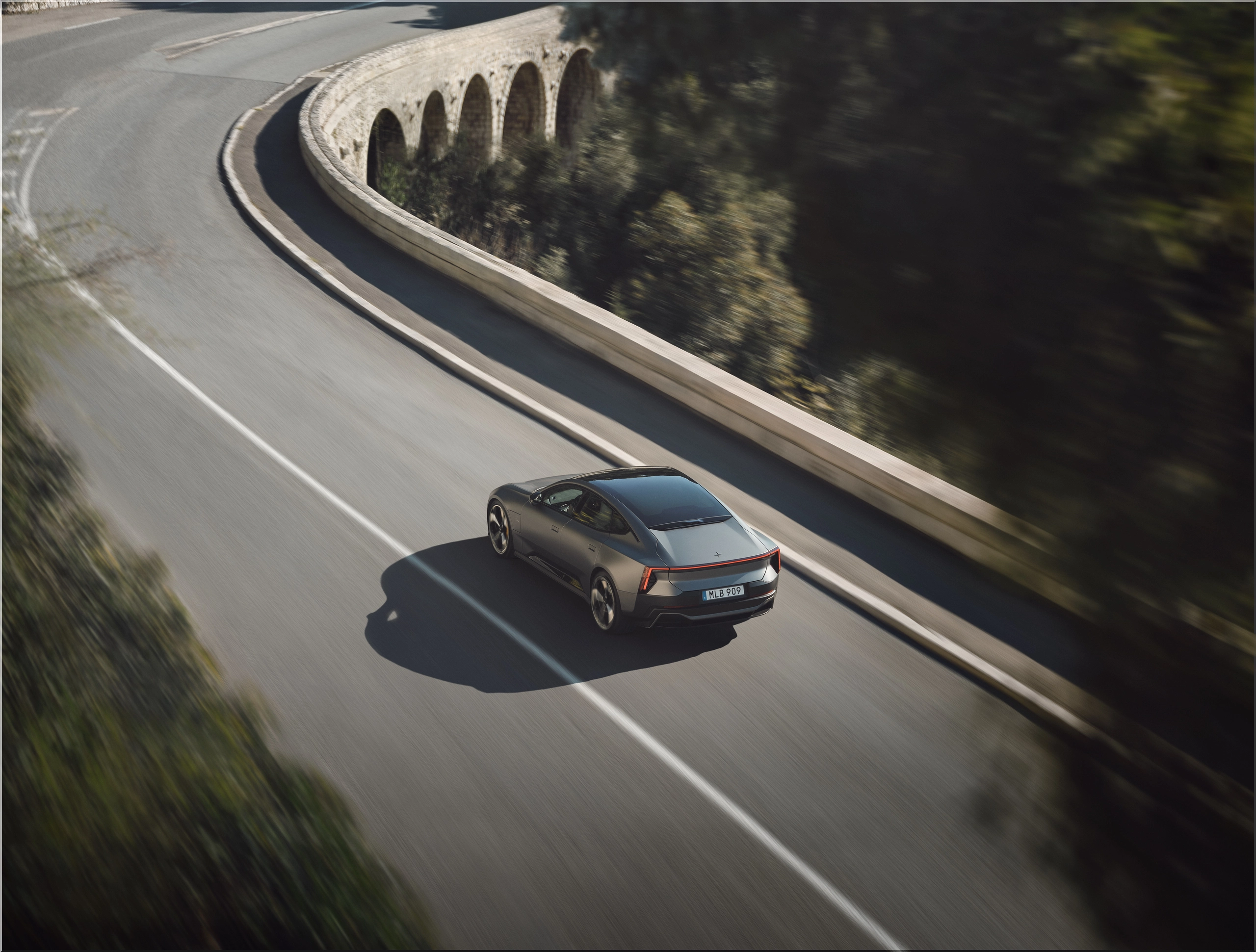
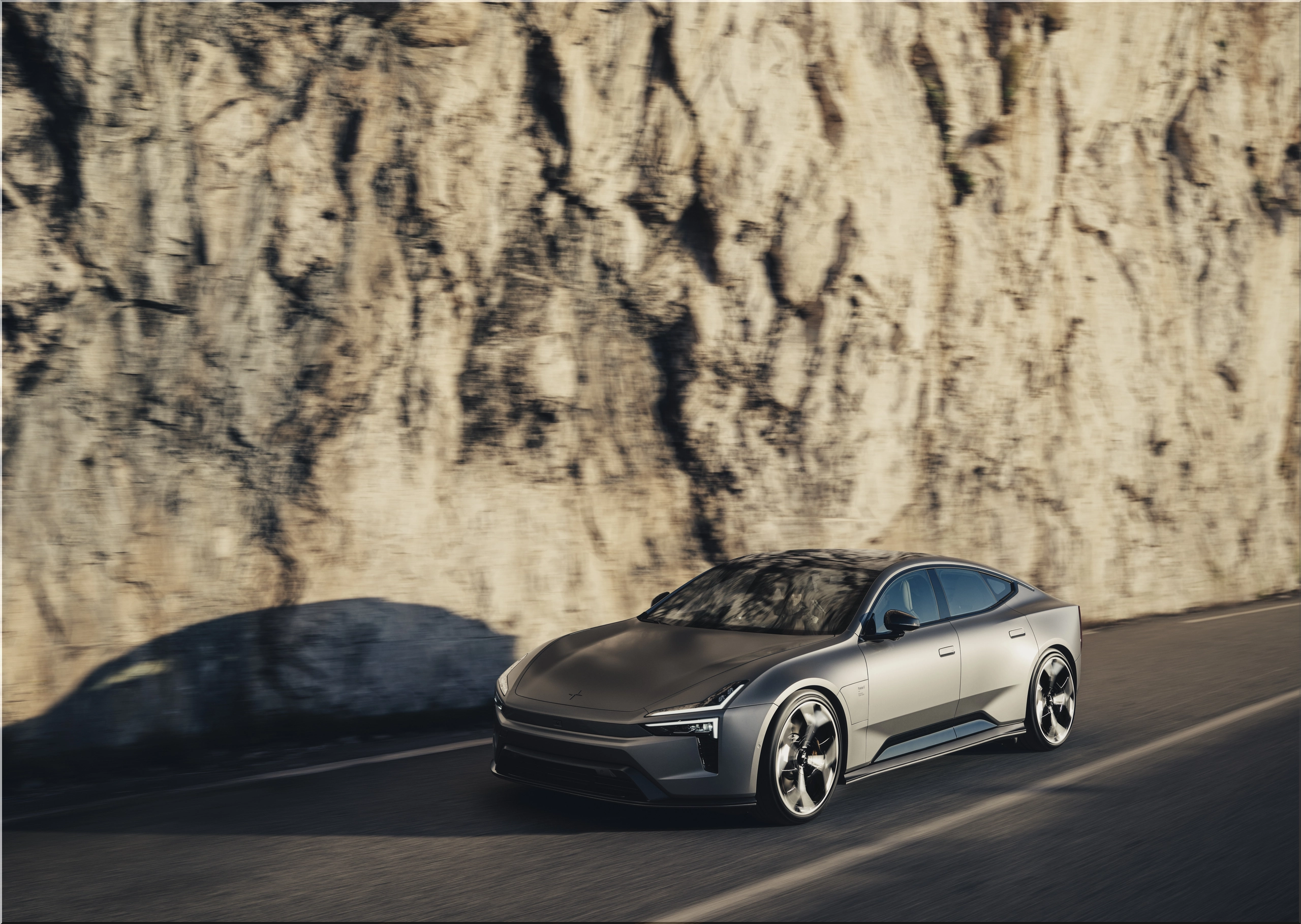
The Polestar 5 is almost five meters long with a Kamm-tail profile and Cd of 0.24. Design cues come directly from the Precept concept.
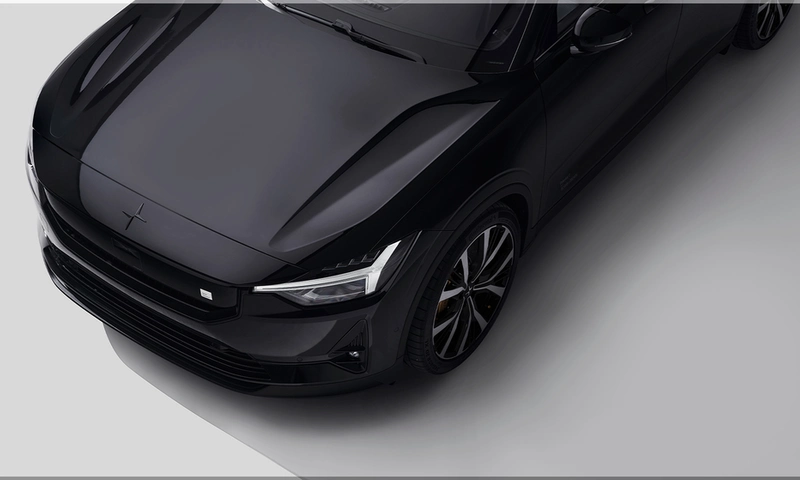
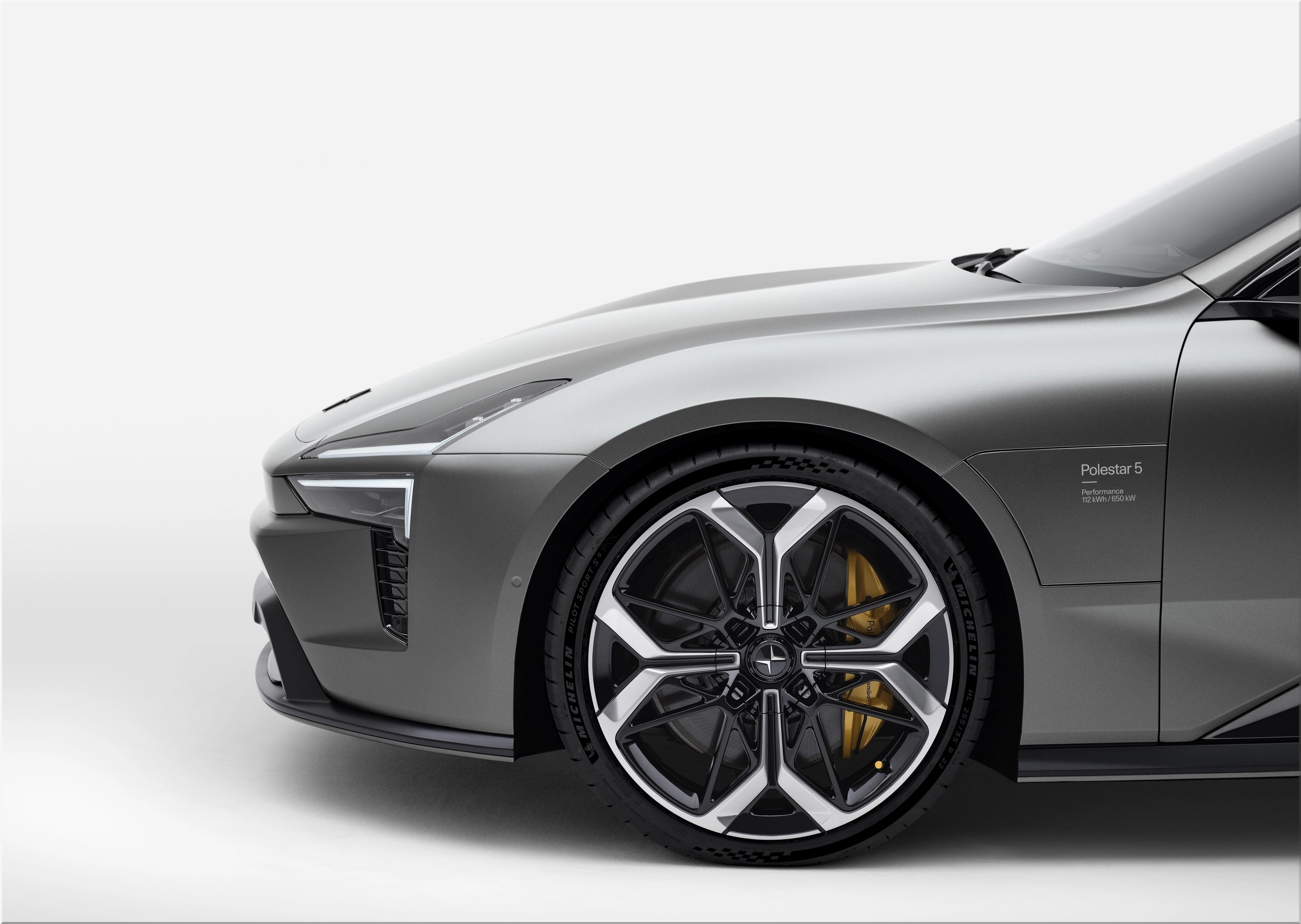
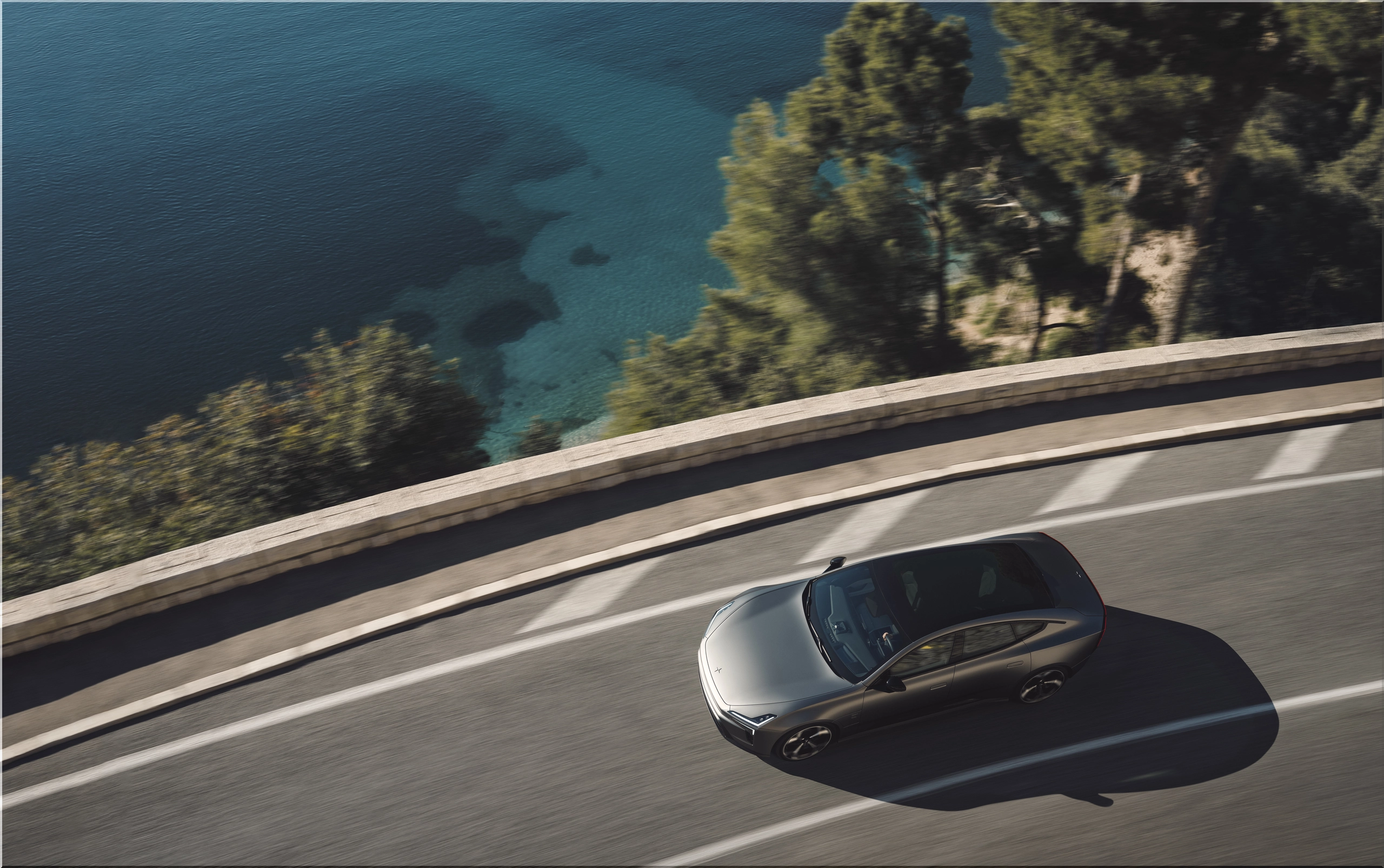
- Dual blade Pixel LED headlights.
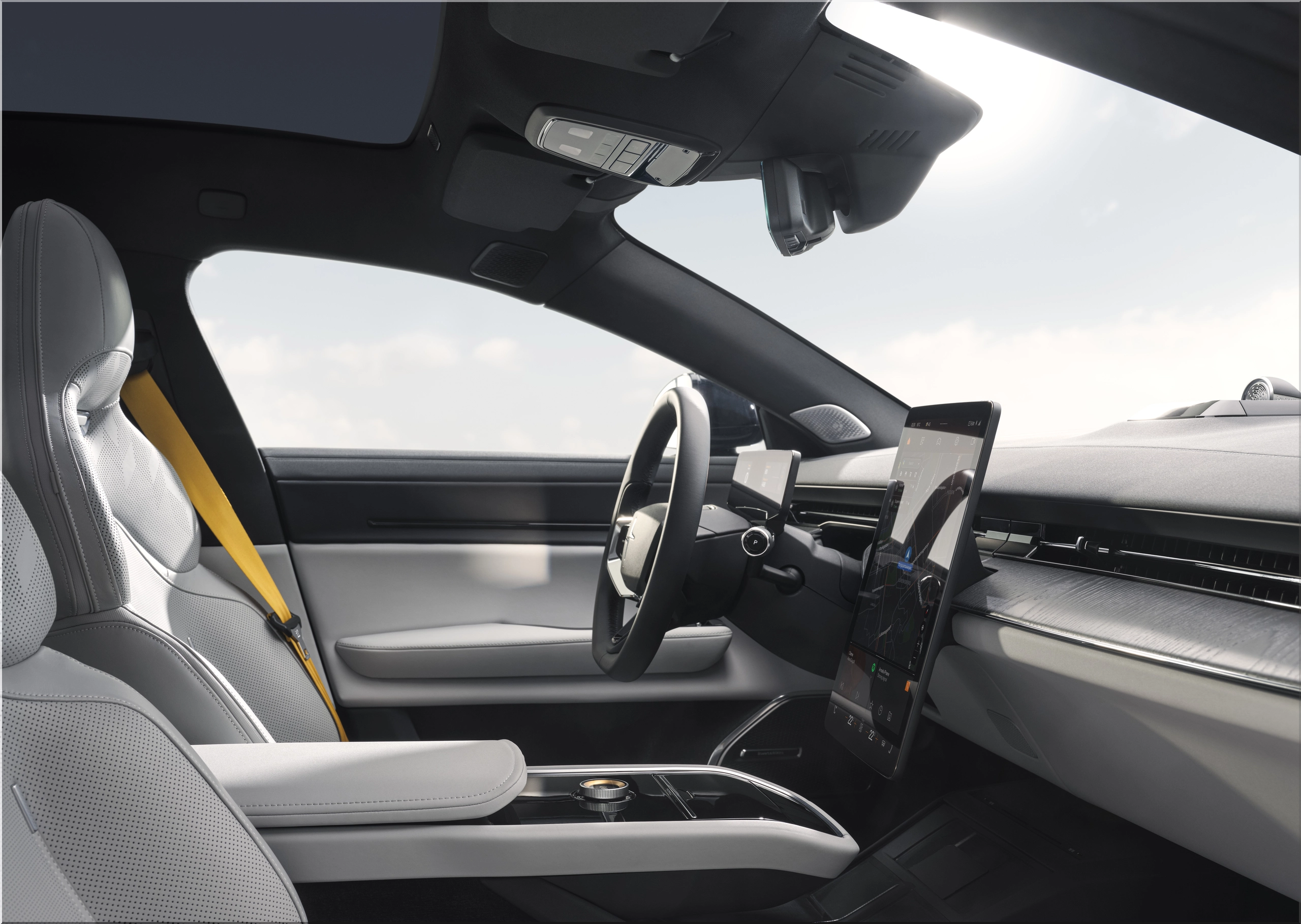
- Largest panoramic roof in Polestar history (2m x 1.25m).
- Frameless flush glass and retractable handles.
- Six color options, including matte Storm and Magnesium finishes.
The car’s proportions aim for performance credibility. By shifting the rear header structure backward and using a digital rearview mirror, rear passenger space is preserved.
Interior and Comfort
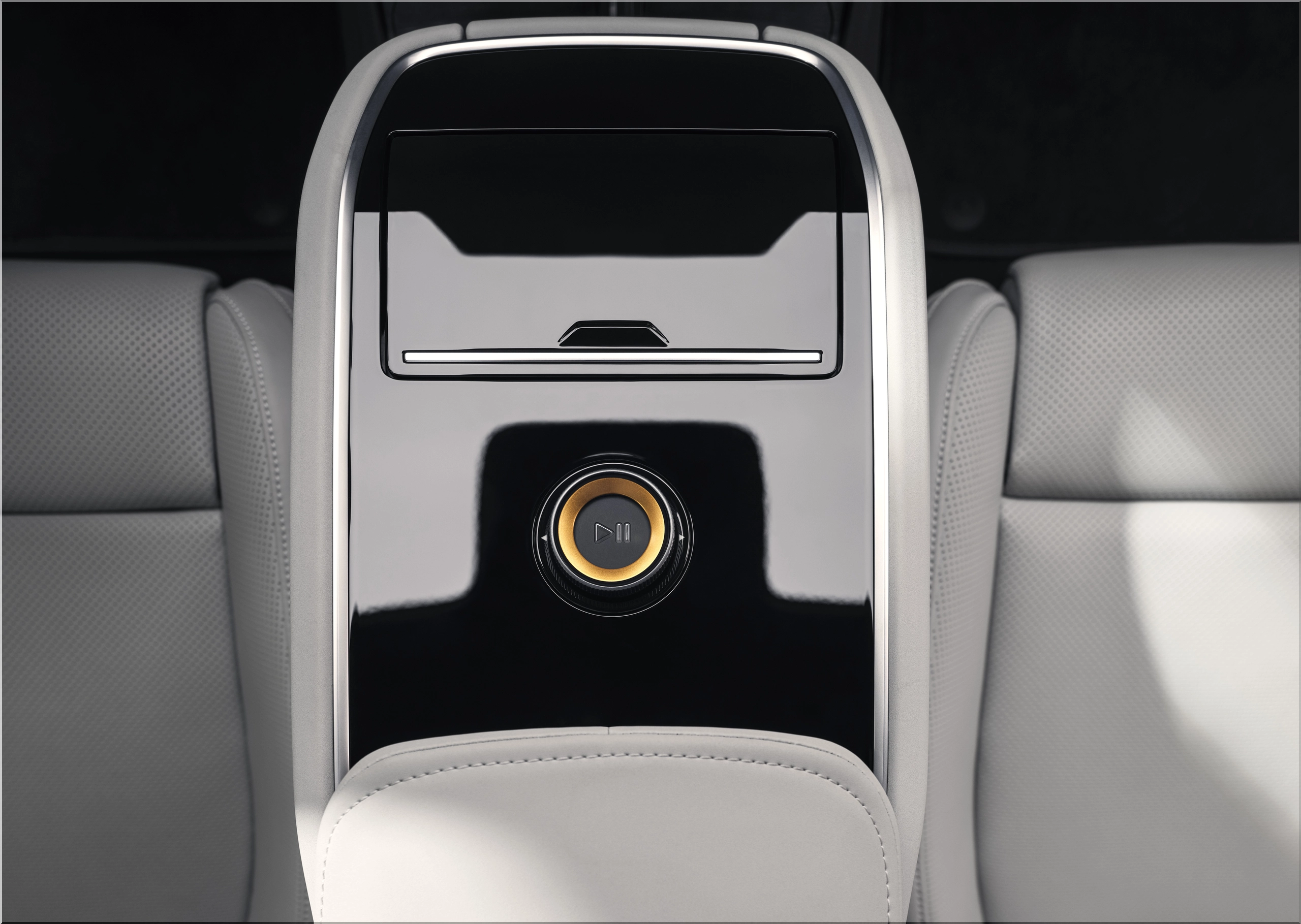
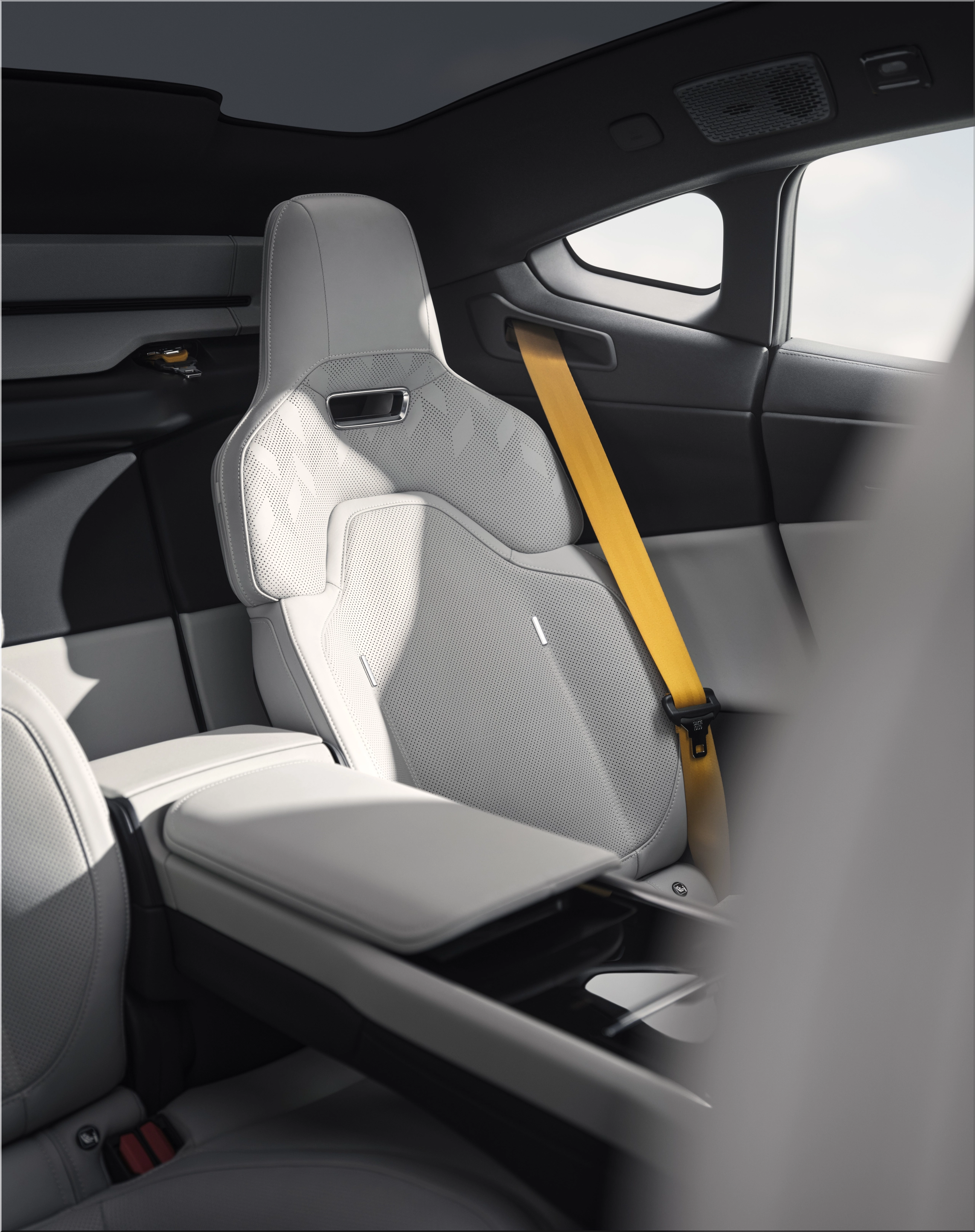
The 4+1 seating layout balances luxury and flexibility. The main focus is on four individual seats, with a staggered fifth seat option for practicality.
Seats
Developed with Recaro, they feature low hip points, bolstering, heating, ventilation, and massage. Upholstery options include MicroTech and Bridge of Weir Nappa leather.
Materials
- BComp natural fiber composites.
- ampliTex bio-based flax fiber.
- Econyl recycled carpets.
- Recycled PET headlining.
Tech Features
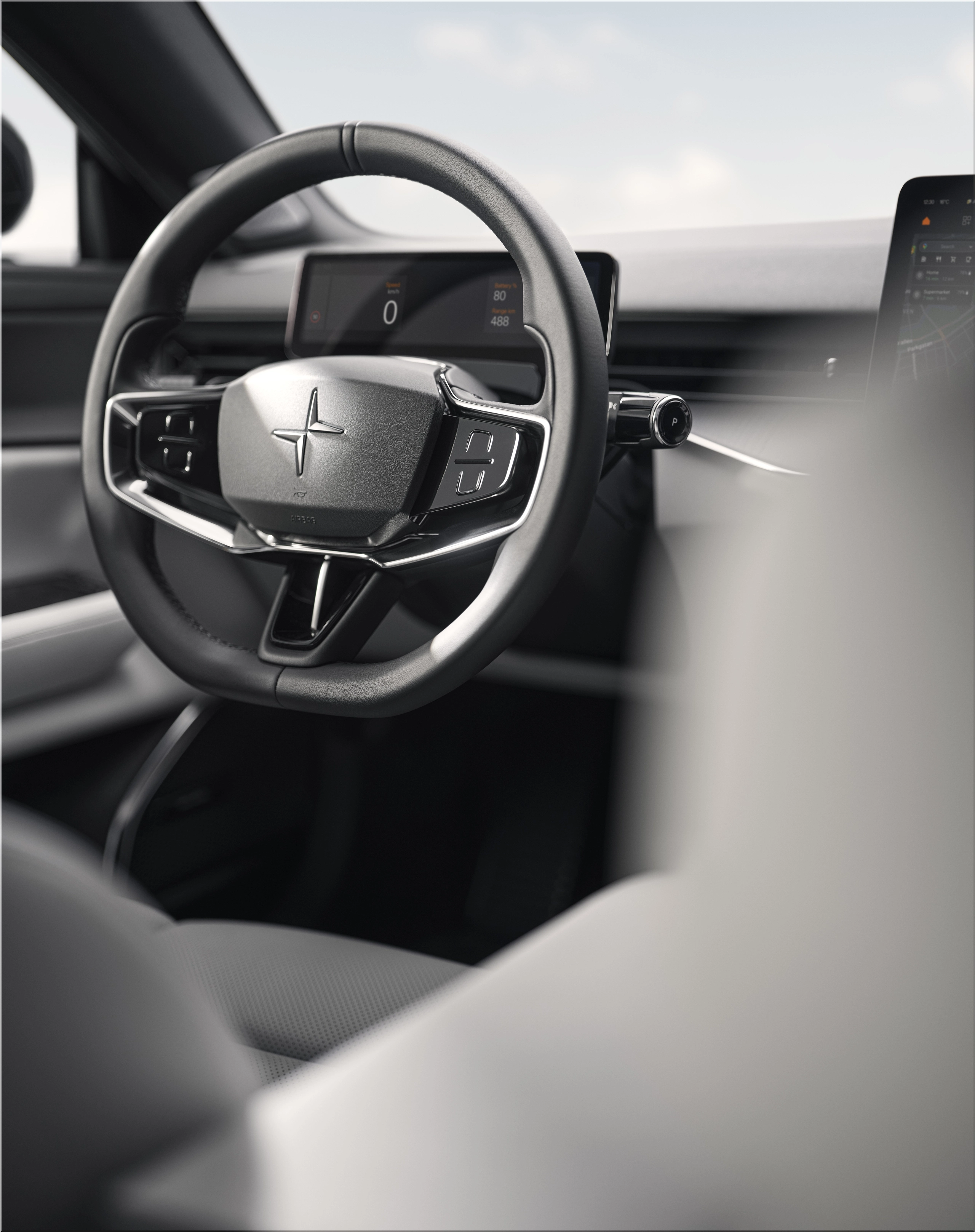
- 14.5-inch portrait infotainment with Android Automotive OS.
- 9-inch driver display mounted on the steering column.
- 9.5-inch head-up display.
- Optional Bowers & Wilkins 21-speaker system with 1,680W.
Platform and Handling
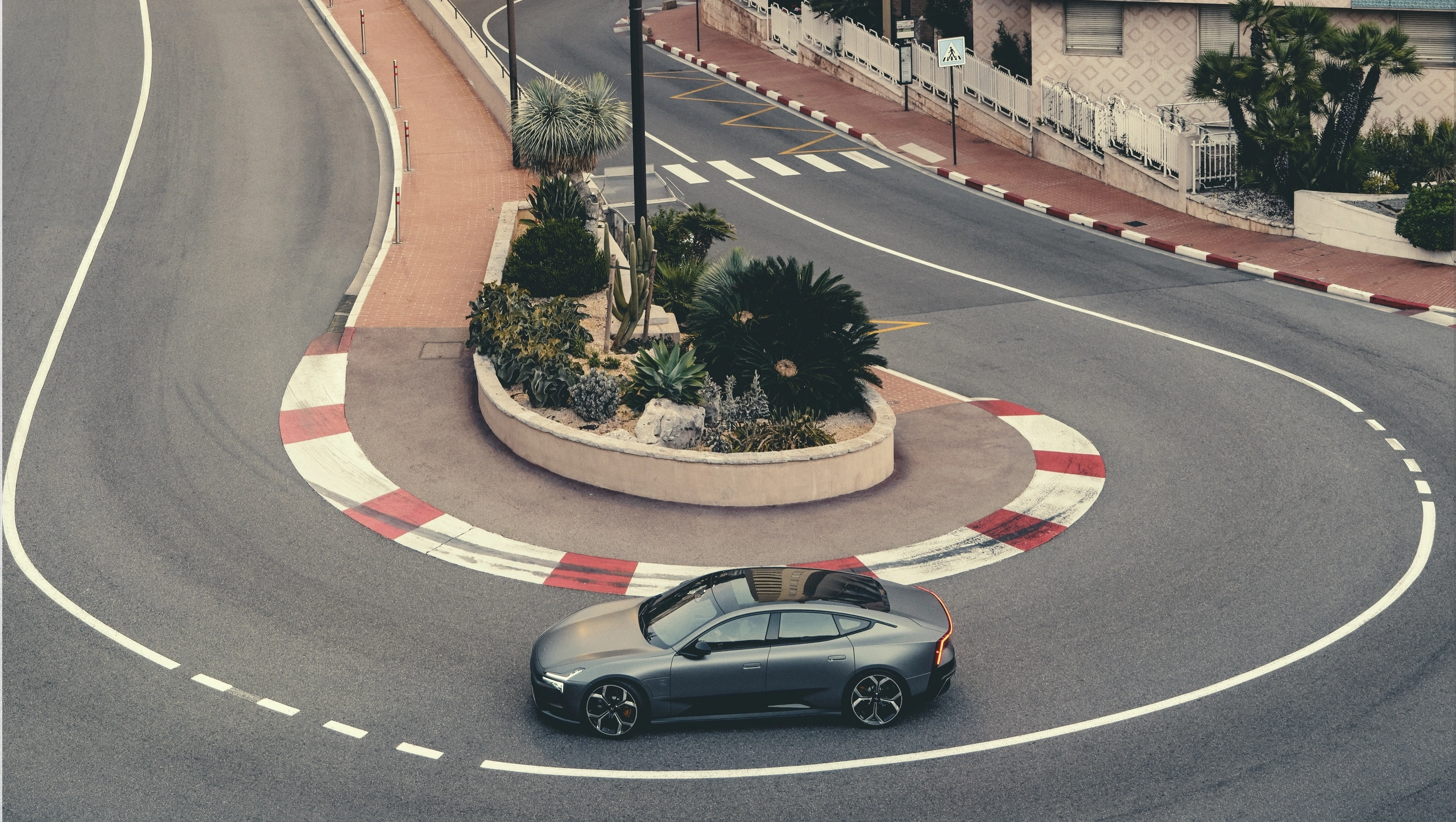
The Polestar 5 sits on the Polestar Performance Architecture (PPA), a bonded aluminium platform. It delivers torsional rigidity exceeding some supercars.
- Double wishbone suspension up front.
- MagneRide adaptive damping (Performance trim).
- Brembo brakes with 400 mm discs, 12 kg lighter than Polestar 3.
- Michelin bespoke tires, 20–22 inches.
Charging and Efficiency
The 800V system is a first for Polestar. It enables:
- 350 kW DC charging capability.
- 10–80% charge in 22 minutes.
- Efficiency around 17.6–18.3 kWh/100 km (Dual Motor) and 20.9 kWh/100 km (Performance).
Safety and Driver Assistance
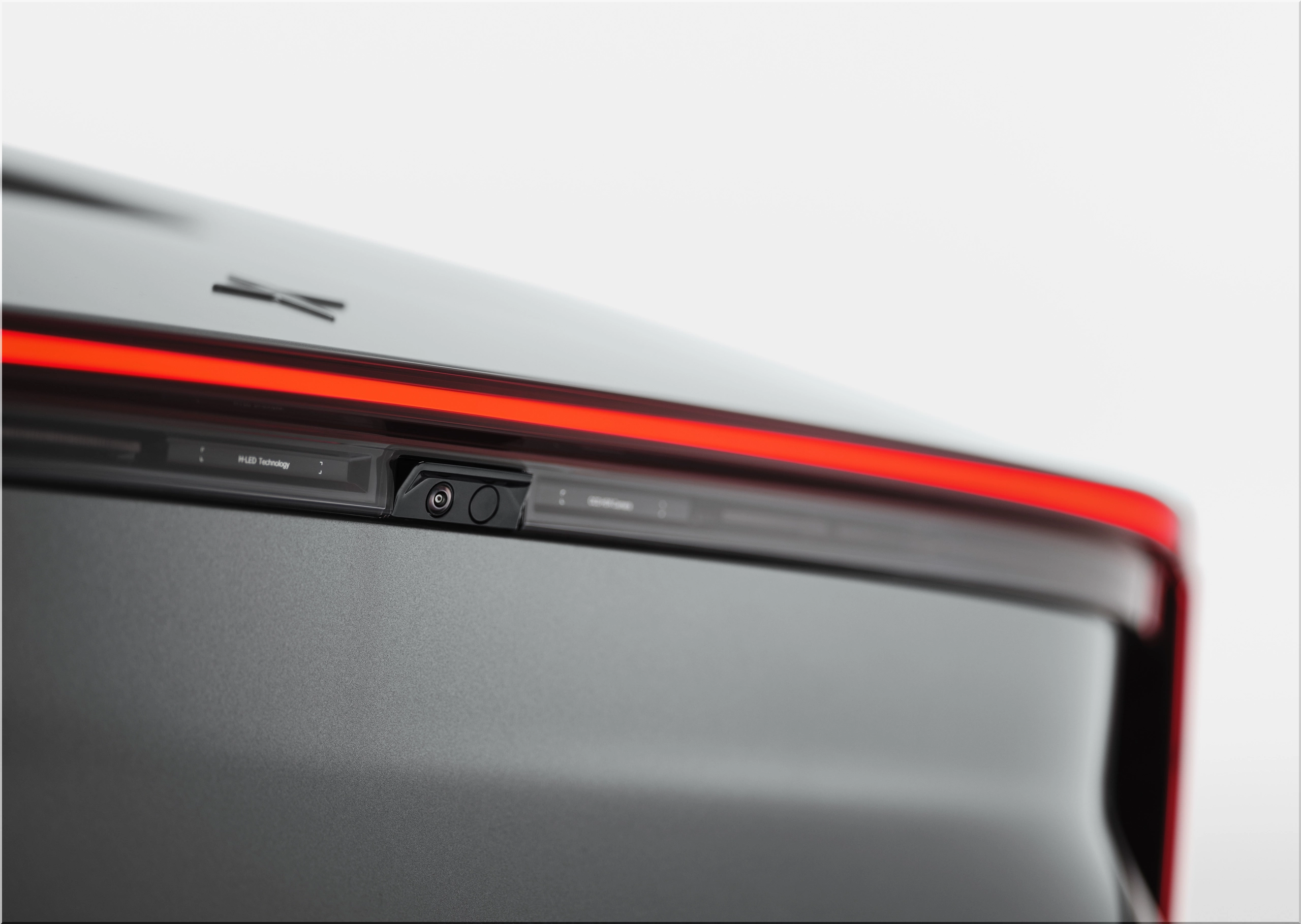
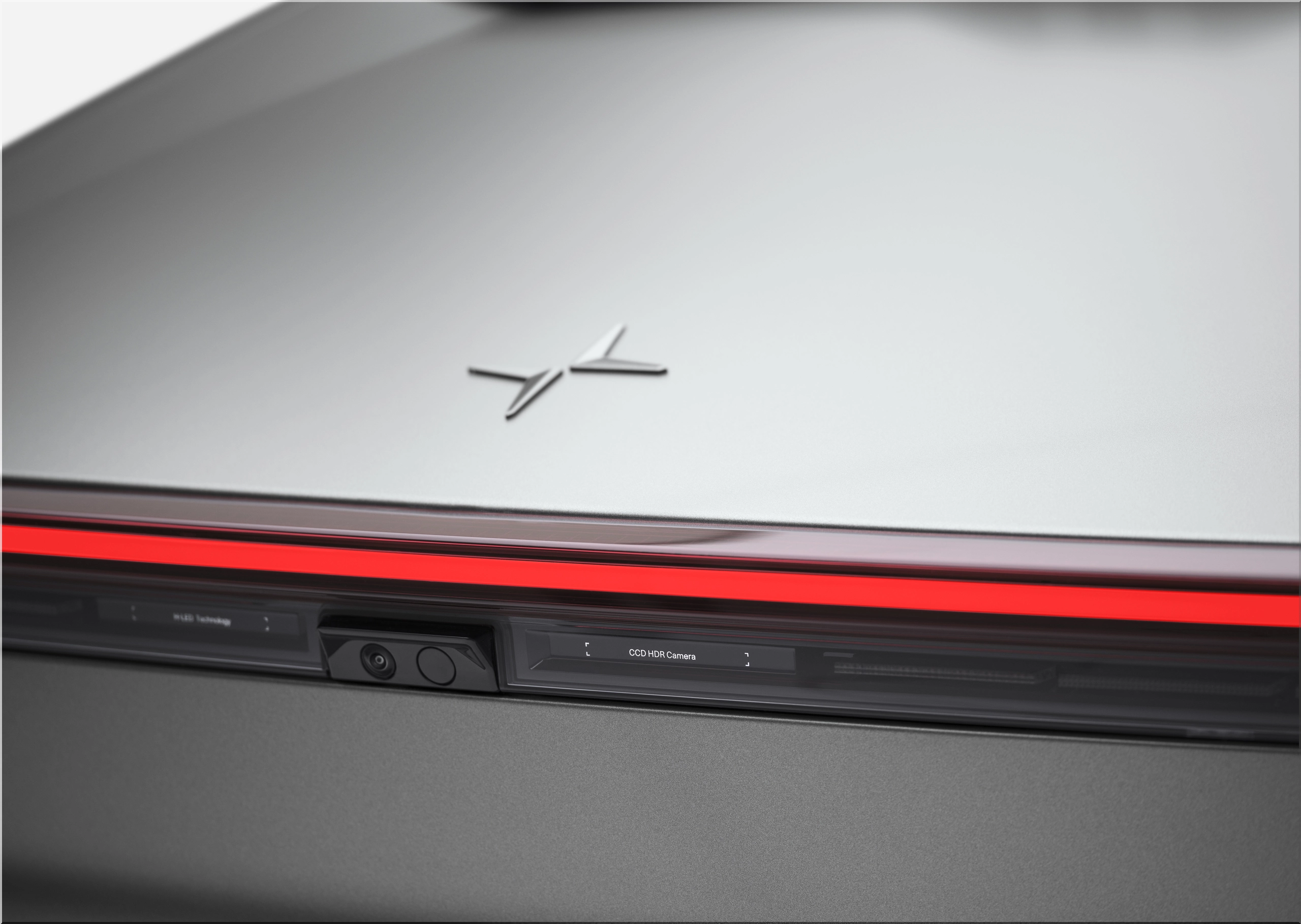
The SmartZone houses sensors, cameras, and radar. The system integrates:
- 11 vision cameras
- 1 driver monitoring camera
- 1 mid-range radar
- 12 ultrasonic sensors
Pilot Assist manages lane positioning up to 93 mph. Eight airbags and occupant-detecting radars enhance protection.
Market Outlook
Polestar positions the 5 Performance Grand Tourer as a flagship. It signals intent to compete in the premium EV segment where Porsche, Tesla, and Lucid operate.
Key challenges
- Price point may limit volume.
- Range is solid, but Tesla still leads.
- Polestar’s brand equity must grow in North America.
Key opportunities
- Scandinavian design and sustainability resonate in Europe.
- 800V charging infrastructure growth supports adoption.
- Clear differentiation from Volvo helps establish Polestar’s identity.
Image gallery:

Conclusion
The Polestar 5 Performance Grand Tourer delivers competitive specs, advanced design, and a clear luxury EV message. It won’t outsell Tesla, but it’s not built to. It’s built to show what Polestar stands for: premium EVs with a balance of performance, sustainability, and Scandinavian design. For owners who want to keep a premium vehicle looking its best, regular professional care can also make a difference, with services such as mobile auto detailing San Diego offering a convenient way to maintain a vehicle without visiting a traditional detailing shop.
- Add new comment
- 213 views